


In the bosom of Southern wilderness, the legend of Hogzilla emerged—a mammoth wild pig that took the world by storm. Captured in Georgia in 2004, Hogzilla was not just another feral hog; it was a behemoth that left an indelible mark on both local folklore and scientific interest. Join us as we delve into this captivating tale of nature’s enormity and human fascination.
The Background of Feral Hogs in Georgia

🔥 Would you like to save this?
We'll email this post to you, so you can come back to it later!
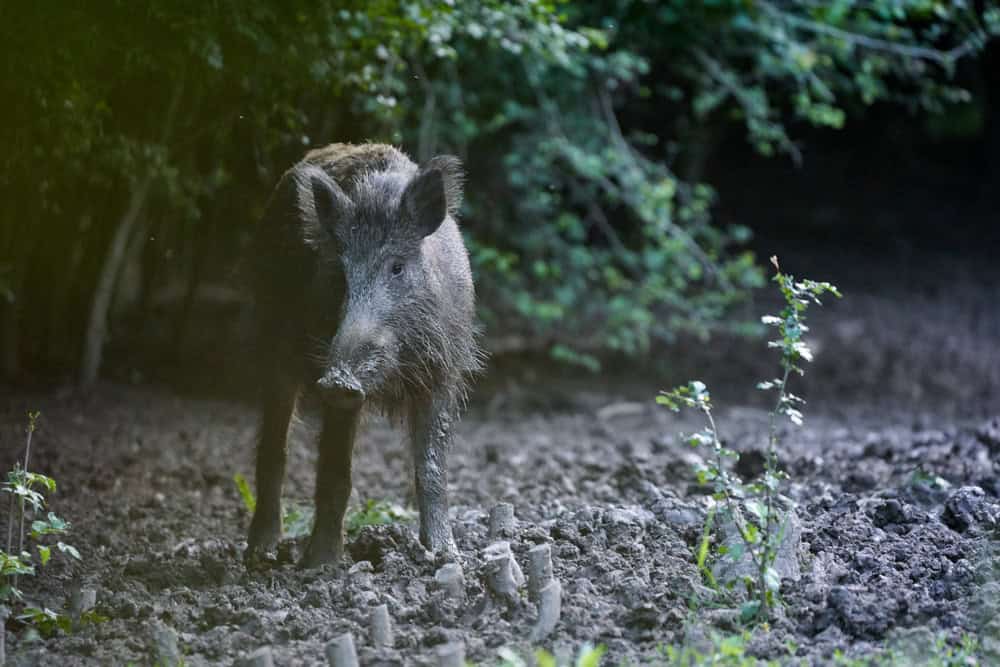
Feral hogs, known for their invasive presence, have long plagued Georgia’s landscapes. Descendants of domestic swine, these wild pigs have proliferated in the state, adapting to varied environments. Their ability to reproduce rapidly coupled with their destructive foraging habits has made them a subject of concern for farmers and environmentalists alike.
The Capture of Hogzilla
🔥 Would you like to save this?
We'll email this post to you, so you can come back to it later!
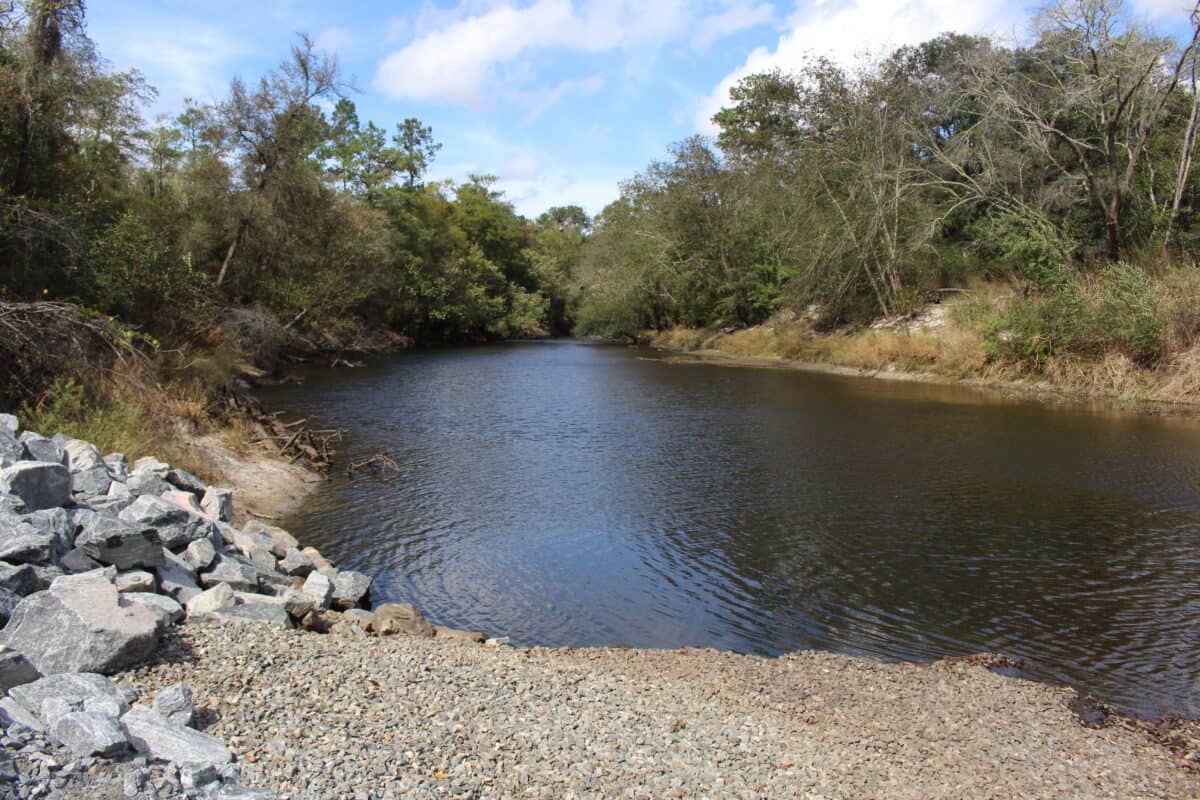
In 2004, the legend of Hogzilla was born on a plantation in Alapaha, Georgia. It was farmer Chris Griffin who captured the colossal beast, reportedly weighing over 1,000 pounds and stretching to a length of 12 feet. The sheer size of Hogzilla captured global attention, sparking interest and skepticism in equal measure.
Size and Physical Characteristics

🔥 Would you like to save this?
We'll email this post to you, so you can come back to it later!
The question on everyone’s minds was: how big was Hogzilla really? Initial reports of Hogzilla’s measurements made it one of the largest hogs ever documented. However, subsequent investigations suggested a weight closer to 800 pounds and a length of about 8 feet, still an impressive feat for a wild pig.
The Role of Genetics

🔥 Would you like to save this?
We'll email this post to you, so you can come back to it later!
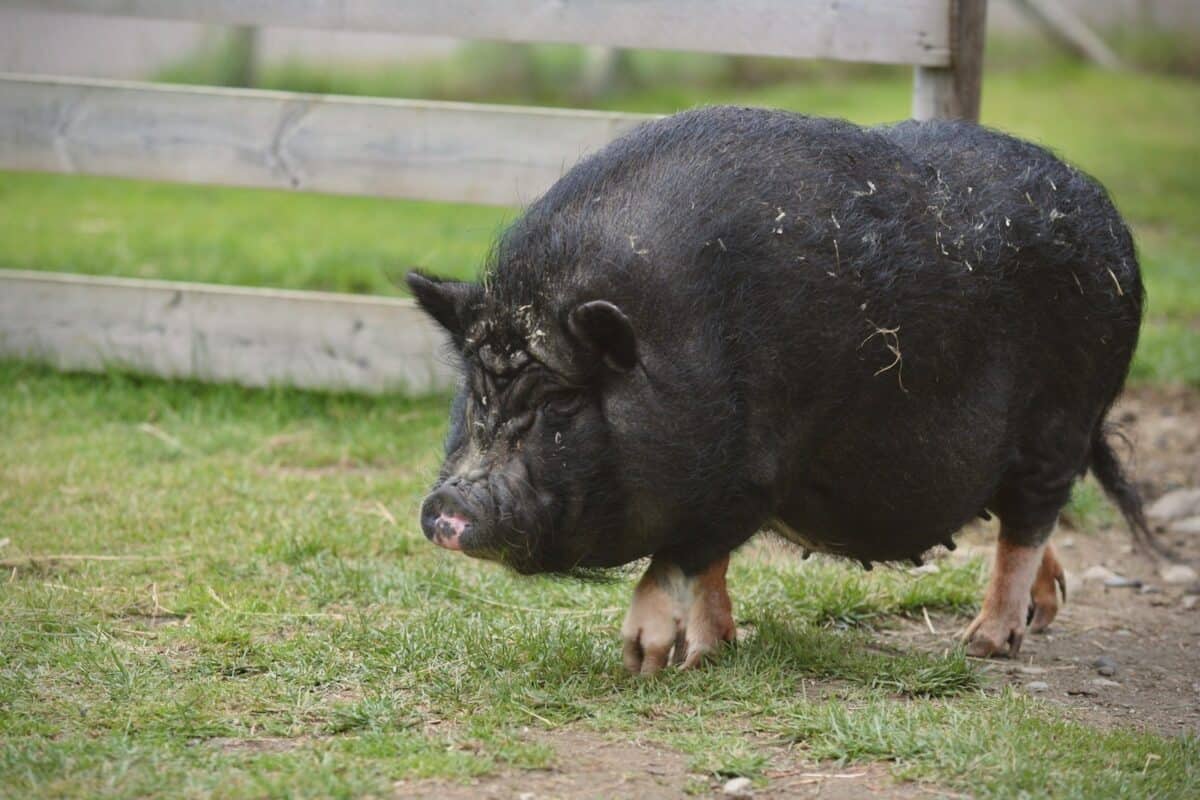
Hogzilla’s size was due in part to its genetic makeup. It was a hybrid, possessing the genes of both domestic pigs and wild boars. This genetic fusion contributed to its husky build, making it an outlier among its species, not just in size but also in appearance.
Impact on Local Environment

🔥 Would you like to save this?
We'll email this post to you, so you can come back to it later!
Feral hogs like Hogzilla impact local ecosystems significantly. In their quest for food, they uproot plants, alter landscapes, and compete with native wildlife for resources. The size of Hogzilla underscores the potential scale of this impact, emphasizing the importance of managing feral hog populations.
Public Reaction and Media Frenzy

🔥 Would you like to save this?
We'll email this post to you, so you can come back to it later!
The story of Hogzilla quickly caught the public’s imagination, fueled by sensational media coverage. Stories of its gigantic size, coupled with the mystery shrouding its capture, transformed Hogzilla into a cultural icon, provoking a blend of awe, curiosity, and disbelief among audiences worldwide.
Scientific Investigation and Validation
🔥 Would you like to save this?
We'll email this post to you, so you can come back to it later!
As the tale of Hogzilla spread, scientists sought to verify the claims. A team from the National Geographic Society conducted investigations, including DNA testing and examining physical remains. They confirmed its hybrid status, validating aspects of its reported size but also setting the record straight on exaggerated claims.
Folklore and Modern Myth
🔥 Would you like to save this?
We'll email this post to you, so you can come back to it later!
Hogzilla swiftly entered the realm of modern folklore, joining the ranks of legends like Bigfoot and the Loch Ness Monster. Though grounded in reality, Hogzilla’s story reflects society’s enduring fascination with the monstrous and the unknown, highlighting how tales grow in the telling.
The Challenge of Feral Hog Management

🔥 Would you like to save this?
We'll email this post to you, so you can come back to it later!
Hogzilla’s story shone a spotlight on the broader issue of feral hog management in the United States. These animals pose significant challenges due to their intelligence, adaptability, and prolific breeding. The growing populations call for innovative management strategies to mitigate their environmental and economic impact.
Current Efforts in Hog Population Control

🔥 Would you like to save this?
We'll email this post to you, so you can come back to it later!
Efforts to control feral hog populations are ongoing across the nation. Methods include trapping, hunting, and fencing strategies. Research is also being conducted to explore bio-control methods and improve existing management techniques, aiming to reduce the harm caused by these invasive animals.
Hogzilla’s Legacy in Popular Culture

🔥 Would you like to save this?
We'll email this post to you, so you can come back to it later!
Beyond the realm of agriculture and environmental management, Hogzilla has left a lasting imprint on popular culture. It has sparked films, books, and documentaries, each exploring different aspects of the tale, further emboldening its status as a legendary creature.
The Science Behind Gigantism

🔥 Would you like to save this?
We'll email this post to you, so you can come back to it later!
Cases like Hogzilla open avenues for scientific inquiry into animal gigantism. Understanding the factors that contribute to such extreme growth, including genetics, environment, and diet, can provide insights into evolutionary biology and animal health that extend beyond curiosity-driven exploration.
In conclusion, Hogzilla is much more than an extraordinarily large pig; it encapsulates themes of fascination with nature’s anomalies, the struggle between wildlife and human interests, and the stories that captivate the human spirit. As the legend of Hogzilla endures, it invites us to ponder our relationship with the wild and the narratives that shape our understanding of the natural world.

From exploring the marine wonders in the Azores and witnessing the vast savannas of Kenya, to delving deep into the rich biodiversity of South Africa and traversing iconic landscapes in Australia and the US like Yellowstone, Chris's experiences are vast.
With a penchant for diving alongside sharks, the ocean holds a special place in his heart.
Through his academic insights, he champions wildlife conservation, striving with 'Animals Around The Globe' to cultivate a profound connection between humans and animals, enhancing our mutual appreciation.
Connect with him at Feedback@animalsaroundtheglobe.com.
- 15 Wild Animals You Might Spot in U.S. National Parks - November 5, 2026
- Top 10 Animals and Wildlife in Hawaii - November 4, 2026
- Top 10 Animal Encounters in Europe - November 3, 2026