


Whales are the true giants of the ocean, capturing our imagination as they glide gracefully through the water. These magnificent creatures are often compared to mythical beings, not only because of their enormous size but also due to their unique and sometimes otherworldly adaptations. Dive into these 17 fascinating whale facts that seem straight out of a science fiction novel.
Whale Communication The Songs of the Deep

🔥 Would you like to save this?
We'll email this post to you, so you can come back to it later!
Whales are renowned for their complex vocalizations, often referred to as songs. These intricate sound patterns are not only a form of communication but also serve crucial roles in navigation and mating. Whales can produce a symphony of clicks, whistles, and pulses that travel for miles underwater, resonating like a carefully crafted symphony that varies between species and even individual whales.
Echolocation Navigating the Abyss

🔥 Would you like to save this?
We'll email this post to you, so you can come back to it later!
While echolocation is common among dolphins and bats, some whale species, like the sperm whale, utilize this ability to navigate the murky depths of the ocean. They emit sound waves that bounce off objects and return as an echo, allowing them to determine the size, shape, and distance of underwater obstacles and prey. This ability becomes even more impressive, given that sperm whales hunt deep-sea squid in complete darkness.
Gigantic Hearts of Blue Whales
🔥 Would you like to save this?
We'll email this post to you, so you can come back to it later!
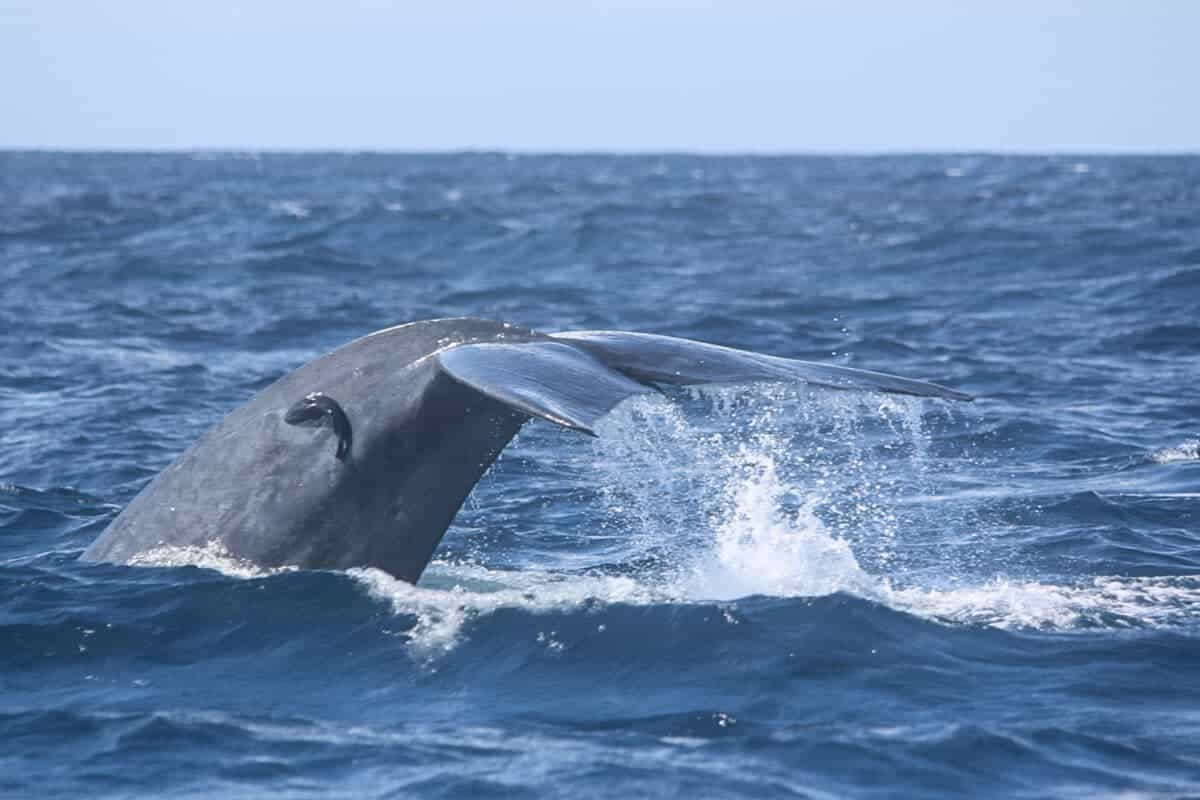
The blue whale, the largest animal on Earth, has a heart that weighs as much as a small car. Beating at a rate as low as two times per minute while diving, the whale’s heart supplies blood to the massive body, pushing ten tons of blood through a circulatory system that includes arteries large enough for a human to crawl through when fully expanded.
Longevity and Life Span Living Through Centuries

🔥 Would you like to save this?
We'll email this post to you, so you can come back to it later!
While most creatures on Earth have a defined life span, some whale species, like the bowhead whale, can live over 200 years. Researchers have discovered harpoon tips made from materials used over a century ago embedded in their blubber, echoing tales of resilience and survival that are almost timeless.
The Albino Mystery

🔥 Would you like to save this?
We'll email this post to you, so you can come back to it later!
Among these ocean giants, the presence of albino whales is incredibly rare and mysterious. The most famous of these is Migaloo, the albino humpback whale spotted off the coast of Australia. These unique creatures, with their ghostly appearance, intrigue both scientists and the public, inspiring legends and research alike.
Bubble-Net Feeding Coordinated Hunting

🔥 Would you like to save this?
We'll email this post to you, so you can come back to it later!
Humpback whales have developed a sophisticated hunting method known as bubble-net feeding. By working in coordinated groups, they release bubbles in a circular formation to trap schools of fish. This skilled choreography requires precise timing and teamwork, akin to a perfectly executed dance that culminates in a feeding frenzy.
The Immense Diving Capacities of the Sperm Whale

🔥 Would you like to save this?
We'll email this post to you, so you can come back to it later!
Sperm whales can dive to depths of over 3,000 meters (about 9,800 feet) and hold their breath for up to 90 minutes. This extraordinary feat is made possible by their efficient oxygen storage and the ability to slow their heart rate drastically, conserving energy and allowing them to explore the mysterious abyss for potential prey.
The Brain Power of Whales
🔥 Would you like to save this?
We'll email this post to you, so you can come back to it later!
With one of the largest brains in the animal kingdom, whales showcase intelligence that rivals even that of great apes. They exhibit problem-solving abilities, emotional complexity, and social interactions, suggesting advanced cognitive functions. The pilot whale, for example, has a brain-to-body mass ratio second only to humans, hinting at depths of intelligence yet fully understood.
Blubber The Multifunctional Insulator

🔥 Would you like to save this?
We'll email this post to you, so you can come back to it later!
Despite the cold ocean environments they often inhabit, whales remain warm and buoyant thanks to their thick layers of blubber. This incredible insulator not only keeps them warm but also serves as an energy reserve during long migrations and lean feeding periods, making it a vital survival tool for these marine mammals.
Cryptic Coloration

🔥 Would you like to save this?
We'll email this post to you, so you can come back to it later!
Whales have mastered the art of cryptic colouration, blending into their watery surroundings with surprising subtlety, especially when seen from above or below. Some species feature countershading, with a darker back and lighter belly, minimizing their visibility to both predators and prey in the dim underwater light.
Marine Symphony Whale Culture and Traditions

🔥 Would you like to save this?
We'll email this post to you, so you can come back to it later!
Whales display a striking oceanic culture, passing down complex behaviours and techniques through generations. The orcas, or killer whales, in particular, are known for their distinct dialects and hunting strategies, which they use to adapt to their environments. These cultural traits demonstrate a deep reliance on social learning and group dynamics for survival.
Migration Marvels
🔥 Would you like to save this?
We'll email this post to you, so you can come back to it later!
The annual migrations of whales are among the longest of any mammal, with some species, like the grey whale, travelling over 10,000 miles round trip. These epic journeys are guided by innate navigation skills, potentially influenced by magnetic fields, sea temperatures, and celestial cues, similar to a cosmic voyage through the vastness of the ocean.
The Mysterious Narwhal Unicorns of the Sea

🔥 Would you like to save this?
We'll email this post to you, so you can come back to it later!
Often dubbed the “unicorns of the sea,” narwhals boast an elongated tooth that resembles a magical horn. This tusk, which can grow up to 10 feet long, is actually a sensory organ containing a dense network of nerves that provide the narwhal with vital information about its environment. This feature stands as one of nature’s most enigmatic adaptations.
Breaching A Spectacle and Communication Tool

🔥 Would you like to save this?
We'll email this post to you, so you can come back to it later!
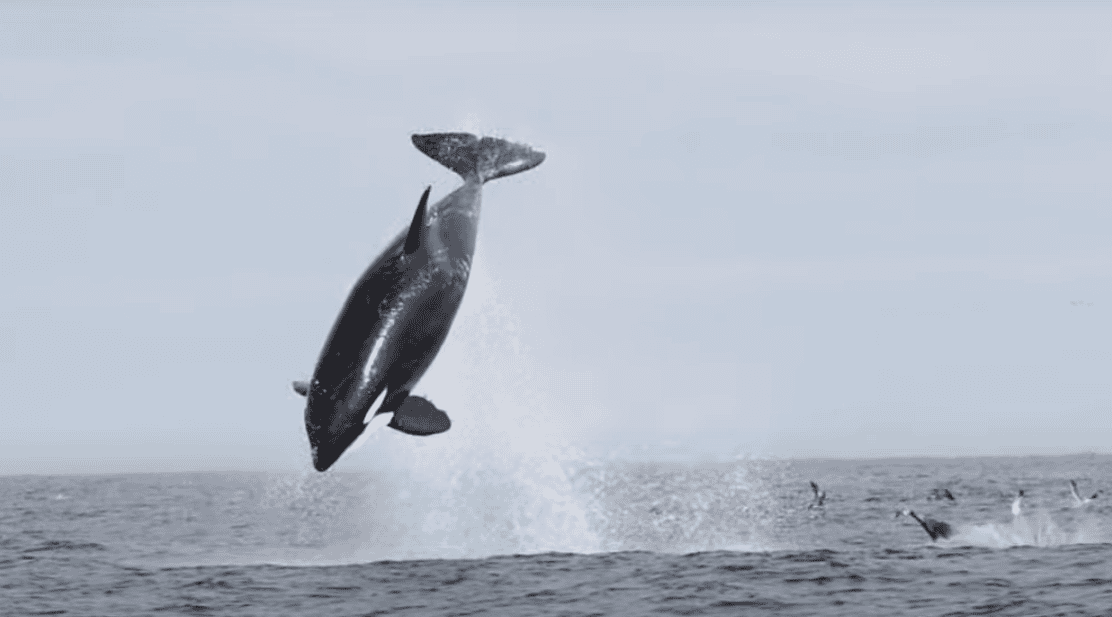
Few wildlife events are as breathtaking as a whale breach, where an immense creature leaps out of the water. While its full purpose is still uncertain, breaching may serve as a way for whales to communicate, shed parasites, or play. Regardless of the reasons, it remains a powerful display of strength and agility.
Bioluminescent Bacteria Whale Strandings & Luminous Helpers

🔥 Would you like to save this?
We'll email this post to you, so you can come back to it later!
A rare and fascinating relationship exists between some whale species and bioluminescent bacteria. These symbiotic companions are believed to play a role in guiding stranded whales during nighttime, providing an ethereal glow that could lead them back to safety, although marine scientists still explore this hypothesis.
The Resilience of the Whale Sleep Cycle

🔥 Would you like to save this?
We'll email this post to you, so you can come back to it later!
Whales have a unique method of sleep that involves shutting down half of their brain while the other half remains active, allowing them to surface for air continuously. This unihemispheric slow-wave sleep enables them to rest and stay vigilant in the vast ocean environment, a remarkable adaptation to life without a cosy seabed to rest upon.
Concluding Thoughts

🔥 Would you like to save this?
We'll email this post to you, so you can come back to it later!
The world of whales is a domain of wonders where reality often meets the fantastical. From their immense size, peculiar adaptations, and advanced social behaviours, it’s clear that these ocean titans continue to mystify and inspire generations. As we uncover more about these marine mammals, they remind us of the enchanting and mysterious depths of our planet, encouraging a deeper appreciation and drive to protect their natural habitats.

As a little kid, I fell in love with nature, wildlife, and animals. Living in the USA, South Africa, Italy, China and Germany gave me the opportunity to discover the world's Wildlife. My favorite animals are Mountain Gorillas, Siberian Tigers, and Great White Sharks.
I'm a certified PADI Open Water Diver, went to Everest Base Camp and Trekked Gorillas in Uganda. I hold a Master of Science in Economics and Finance.
Please send any feedback to feedback@animalsaroundtheglobe.com
- 18 Powerful Lessons We Can Learn from Orca Social Structure - November 5, 2026
- 10 Incredible Migration Journeys in the Animal Kingdom - November 5, 2026
- 10 Sounds Dogs React To And 3 That Annoy Them - November 5, 2026