
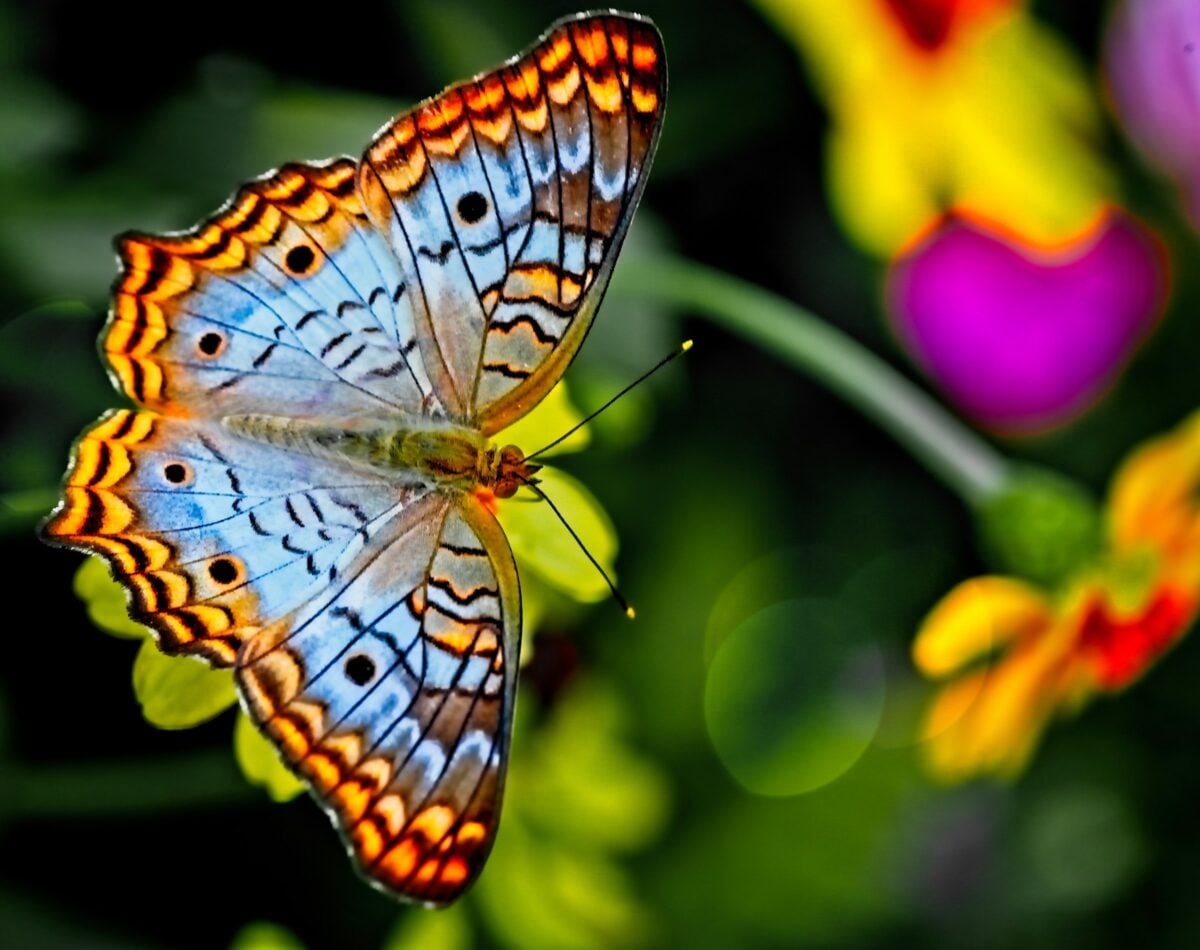
There’s a particular kind of stillness that settles over a garden when a butterfly drifts through it. You stop weeding, maybe hold your breath a little, and watch until it disappears over the fence. If that’s been happening more often lately, if your yard has turned into something like a way station for swallowtails, painted ladies, or monarchs, you might be wondering whether it’s just luck or something more deliberate happening beneath the surface.
The truth sits somewhere between biology and circumstance. Butterflies don’t show up randomly, and their presence, or absence, tends to say a lot about what’s actually going on in the soil, the air, and the choices you’ve made about what to plant. Here’s what’s really behind those visits, broken down piece by piece.
#1 Your yard has become a reliable food source
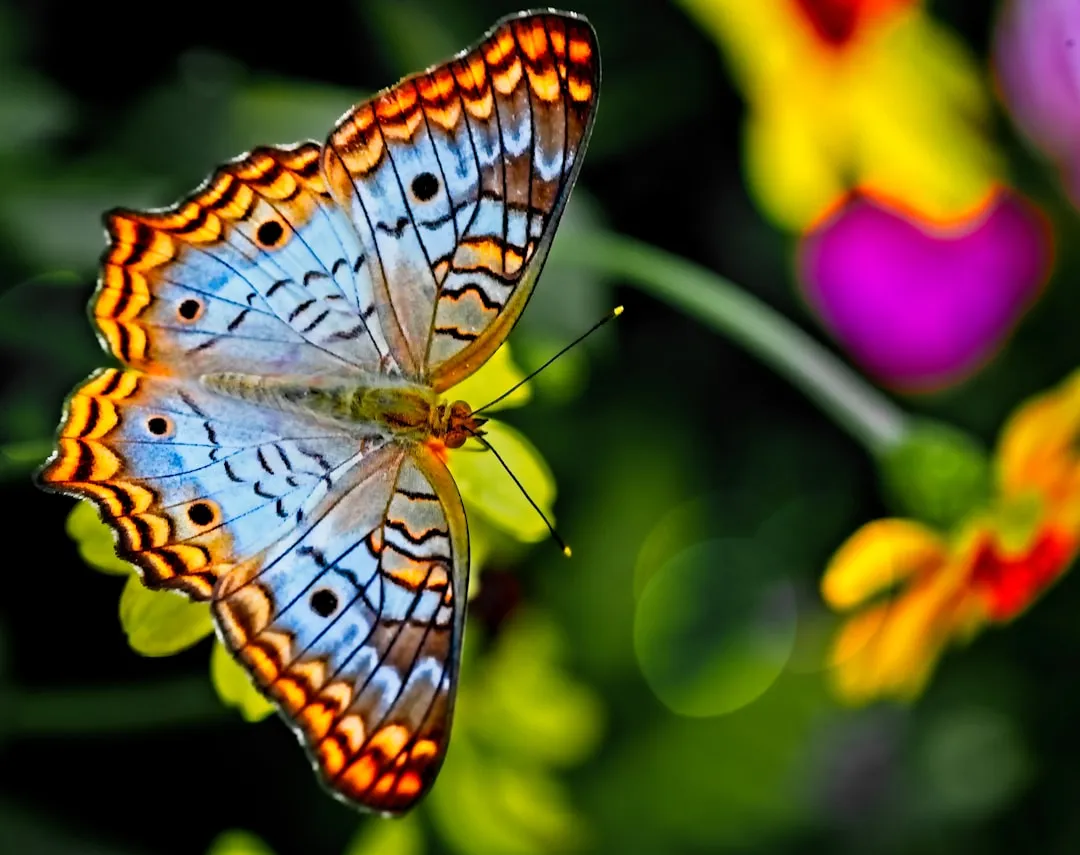
Butterflies are opportunists with surprisingly specific tastes. Adult butterflies feed almost exclusively on nectar, and they’re drawn to flowers with particular shapes, colors, and bloom times that match their proboscis length and feeding habits. If you’ve noticed repeat visitors, it likely means your flower beds are offering a steady, dependable supply of nectar rather than a single burst of blooms that fades after a few weeks.
This matters more than people realize because butterflies expend a lot of energy flying and searching. A yard with staggered bloom times, meaning something is always flowering from early spring through late fall, functions like a consistent refueling station. Coneflowers, zinnias, lantana, and butterfly bush are common favorites, but even native wildflowers that most gardeners overlook can be doing quiet, essential work in keeping these insects coming back.
#2 You’re unknowingly hosting their entire life cycle
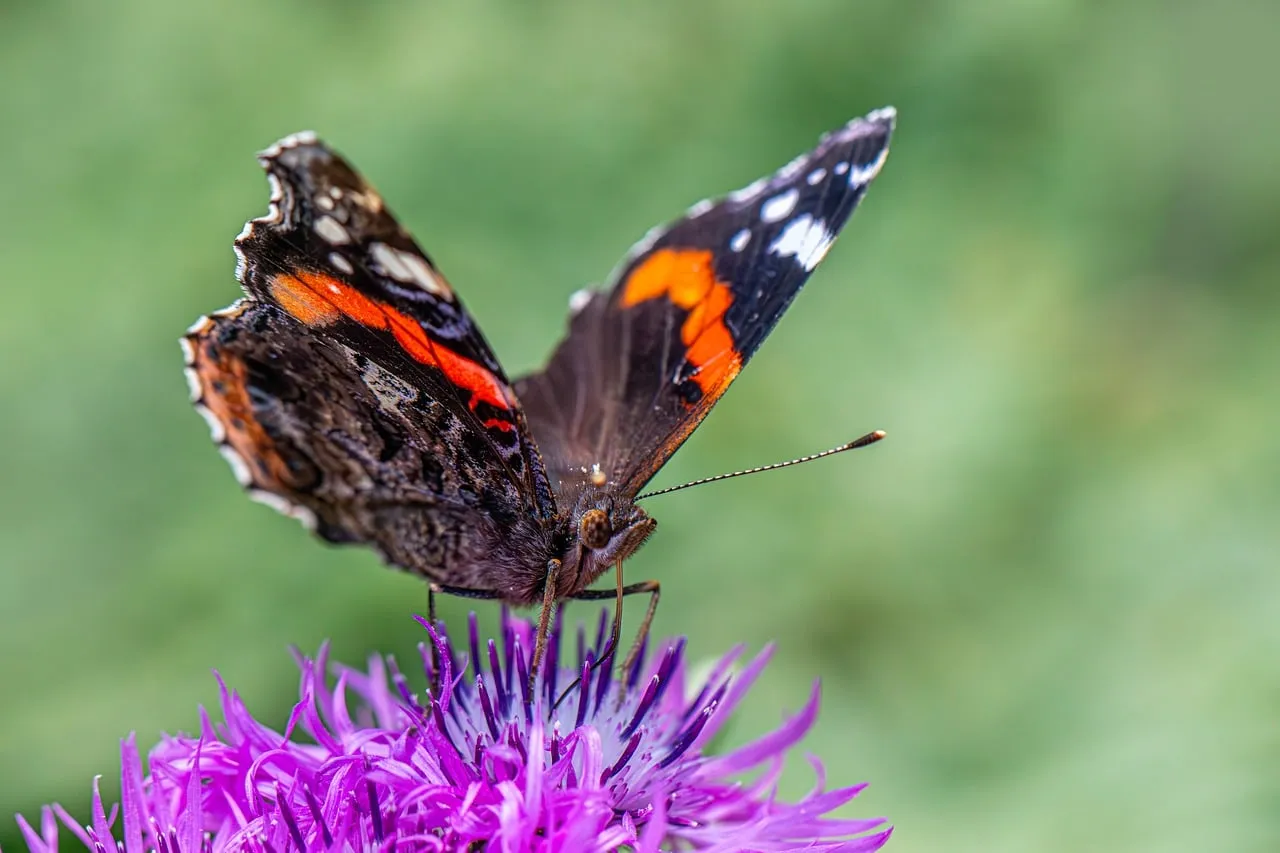
Nectar keeps adult butterflies alive, but reproduction requires something entirely different: host plants. These are the specific species where female butterflies lay their eggs and where caterpillars feed exclusively once they hatch. Monarchs need milkweed, black swallowtails favor plants in the carrot and parsley family, and many other species have similarly narrow preferences that can’t be substituted.
If butterflies are frequenting your yard rather than just passing through it, there’s a decent chance you have both nectar sources and host plants without necessarily knowing it. This is a bigger deal than it sounds, because host plant availability has become one of the limiting factors in butterfly populations across North America. A yard that supports the full life cycle, from egg to caterpillar to chrysalis to adult, isn’t just being visited. It’s functioning as actual habitat.
#3 Your gardening habits are lower impact than average
Butterflies and caterpillars are notably sensitive to pesticides, including many products marketed as garden friendly. Broad spectrum insecticides don’t discriminate between pests and pollinators, and even indirect exposure through treated soil or drifting spray can be lethal to caterpillars in particular. A yard with consistent butterfly traffic is often, though not always, a yard where chemical use has been minimal or carefully targeted.
This connects to a broader shift happening in how people think about lawns and gardens. Fewer manicured monocultures and more tolerance for a slightly wilder edge, clover, unmowed patches, leaf litter left through winter, tends to correlate with higher insect activity generally. Butterflies are simply one of the more visible and beloved indicators of a yard that isn’t being aggressively controlled.
#4 Local and regional migration patterns are passing through
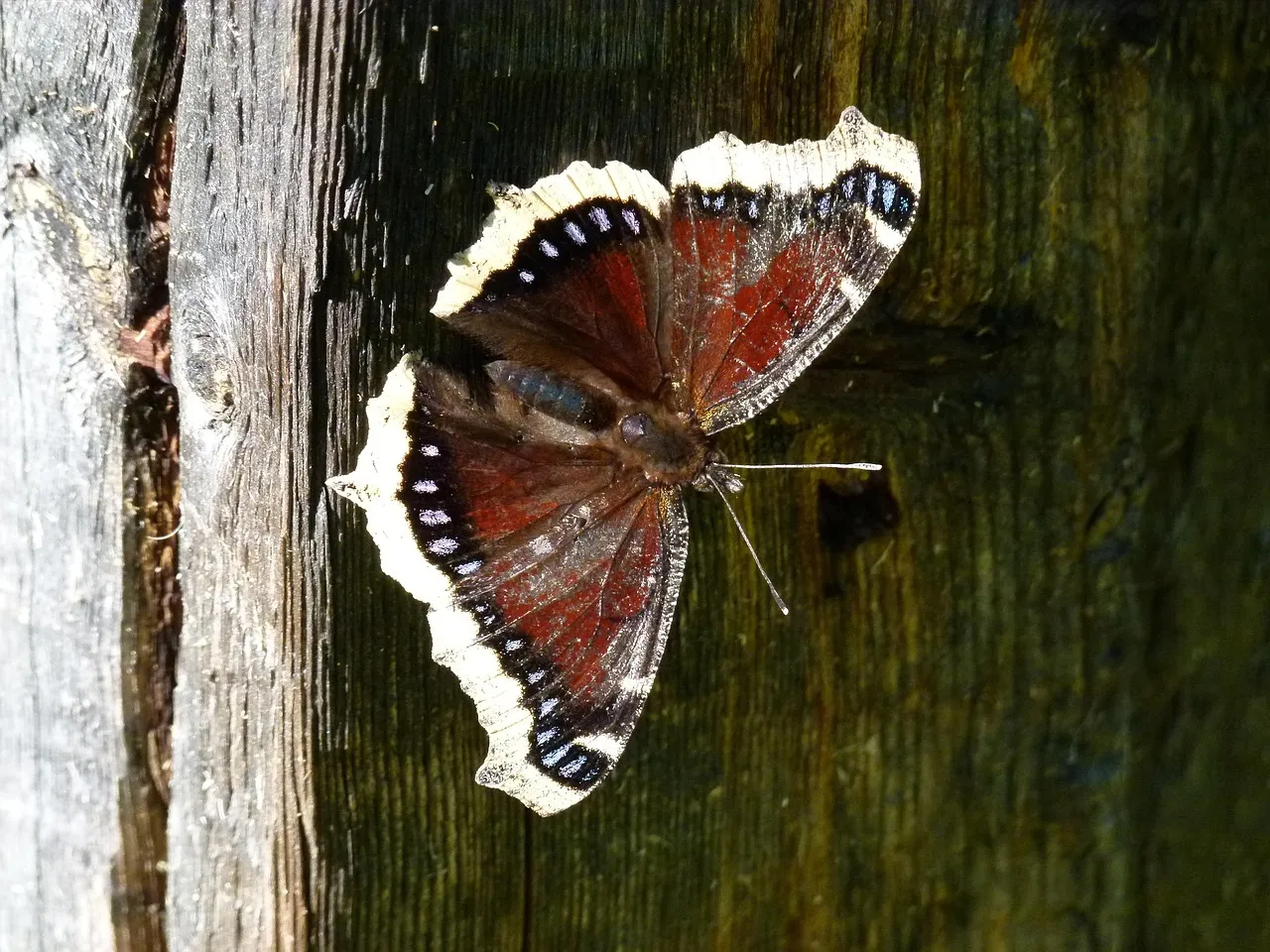
Some butterfly visits have less to do with your specific garden and more to do with timing. Species like painted ladies and monarchs undertake seasonal migrations, and yards positioned along common flight corridors can see dramatic, temporary spikes in activity that have little to do with anything the homeowner planted. These surges are often regional and tied to weather patterns, food availability further south, or population booms in a given year.
This is why butterfly numbers can vary so much from one year to the next even when your garden hasn’t changed at all. A particularly strong monarch migration year, for instance, might bring noticeably more sightings across an entire region, not just in gardens specifically designed for them. Frequent visitors during these windows are a reminder that your yard exists within a much larger, moving ecological picture.
#5 Microclimate and shelter are doing more work than expected
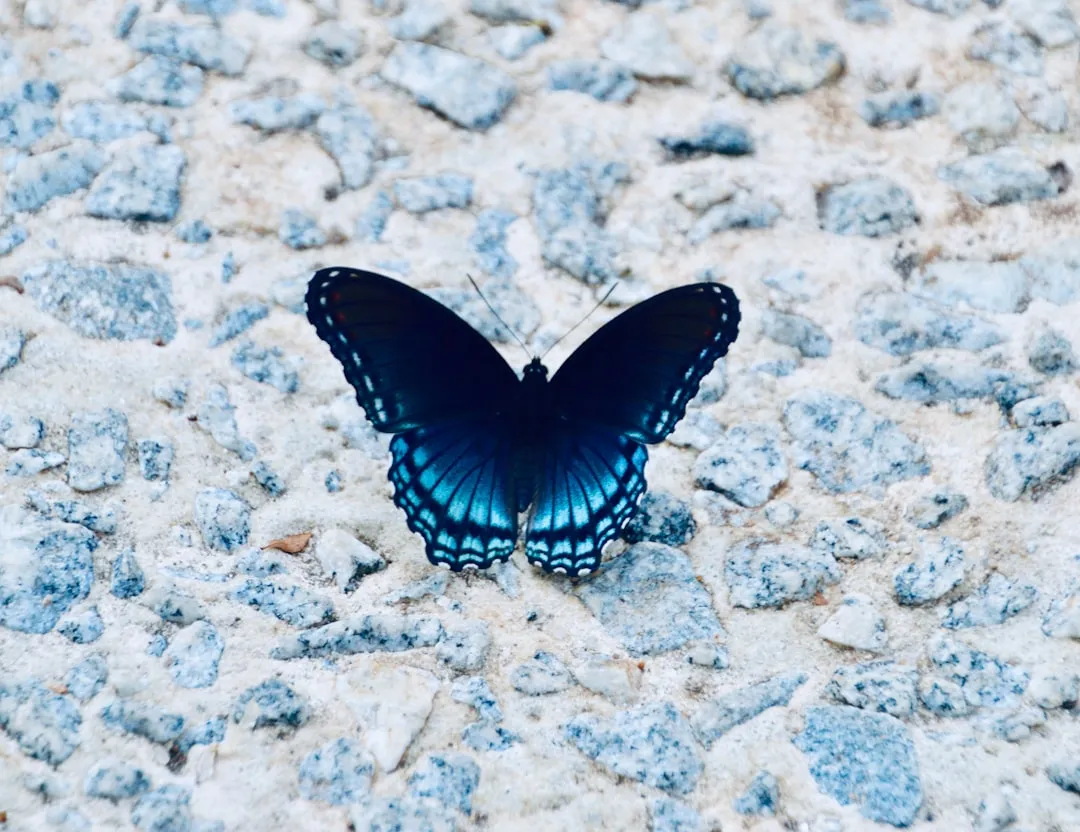
Butterflies need more than food to stick around. They’re cold blooded and rely on sun exposure to regulate body temperature, which is why they’re often seen basking on flat stones, mulch, or bare patches of soil in the early morning. Yards with a mix of sun and partial shelter from wind, perhaps a hedge, fence line, or cluster of shrubs, tend to hold onto butterflies longer than fully exposed, wind swept spaces.
Water matters too, though not in the way people expect. Butterflies don’t typically drink from open water sources the way birds do. Instead, many species engage in something called puddling, sipping moisture and minerals from damp soil, mud, or even manure. A slightly damp corner of a garden bed, often dismissed as a drainage problem, can quietly double as a mineral station that keeps certain species lingering.
#6 Biodiversity in your yard extends further than butterflies alone
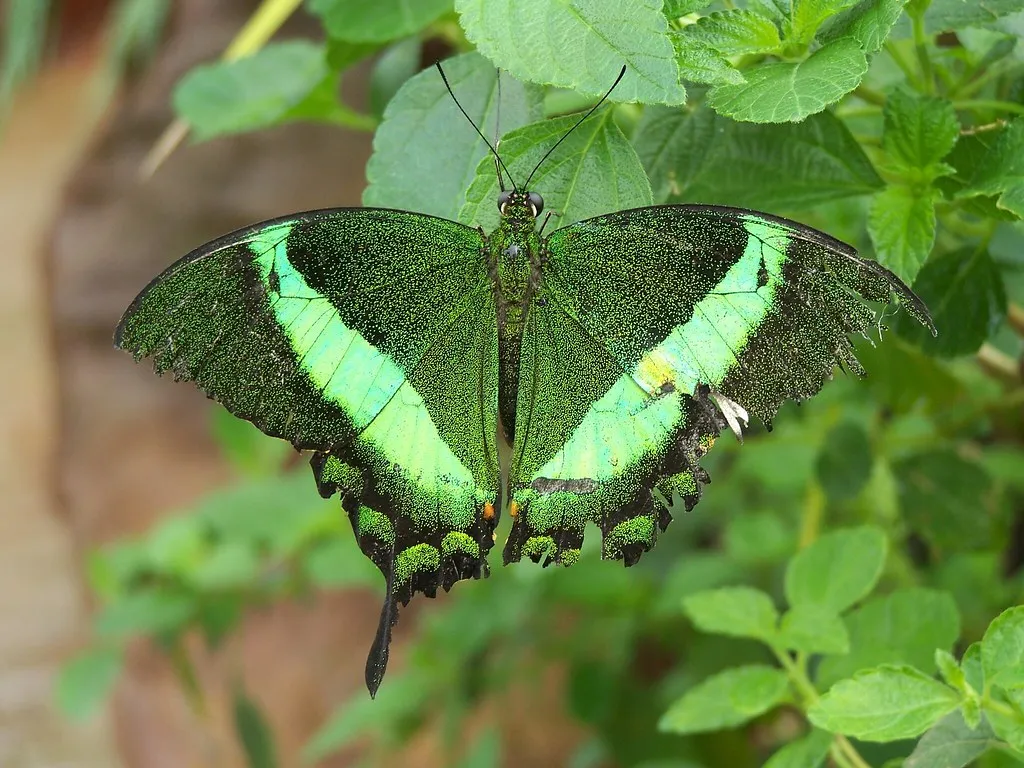
Butterflies rarely show up in isolation. Their presence is often a visible signal of a broader insect community, including the less charismatic pollinators like native bees, hoverflies, and moths that don’t get nearly as much attention. Researchers and conservation groups increasingly treat butterfly sightings as a rough, accessible proxy for pollinator health more generally, partly because they’re easy for ordinary people to notice and identify.
This has made butterfly monitoring a popular entry point into citizen science, with programs collecting yard level sightings to track population trends over time. A garden that consistently attracts butterflies is very likely supporting a wider web of insect life that’s harder to see but equally important for pollination and the food chain that depends on it. In that sense, the butterflies aren’t the whole story. They’re just the part of it we happen to notice first.
The Real Takeaway
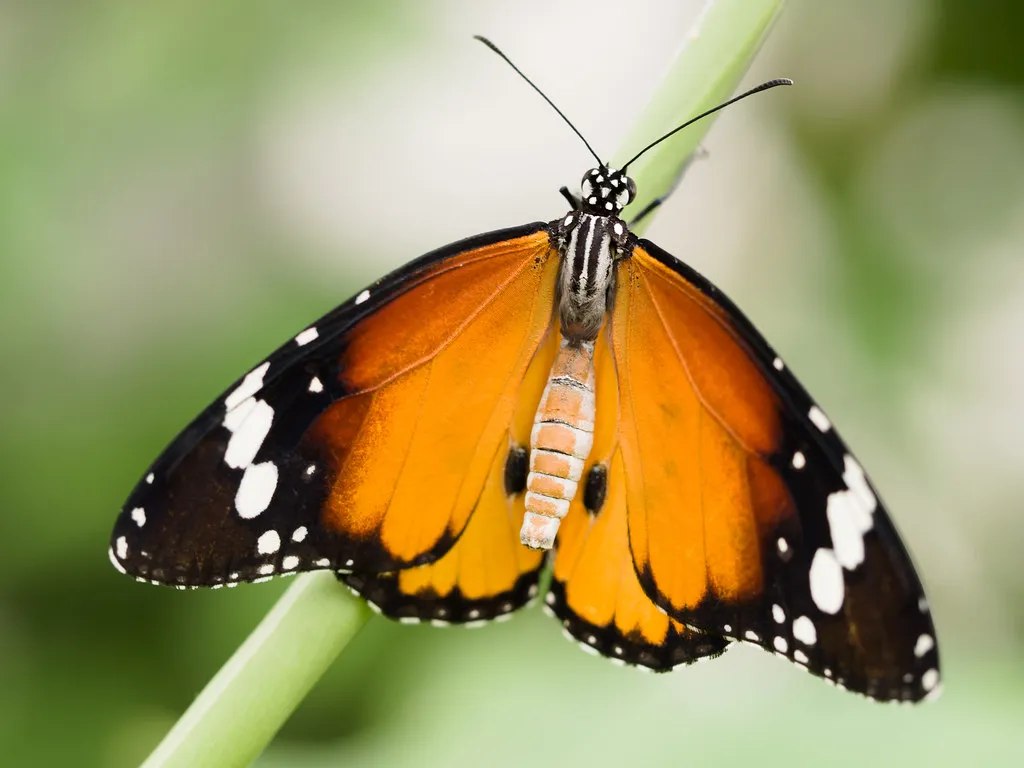
If there’s an opinion worth landing on here, it’s this: frequent butterfly visits are one of the more honest report cards a yard can receive, and they’re earned rather than assigned by luck. It’s tempting to romanticize their presence as some vague sign of good fortune or seasonal charm, but the more grounded explanation is also the more satisfying one. Butterflies show up where there’s food across the full life cycle, minimal chemical interference, and a bit of shelter from the elements, which means their visits are effectively a quiet vote of confidence in how a space has been managed.
That’s worth paying attention to, not because butterflies are especially rare or mystical, but because they’re unusually good at revealing choices that would otherwise go unnoticed. A yard that keeps them coming back isn’t just pretty. It’s doing something right, whether or not anyone ever planned it that way.

- What It Means When Butterflies Frequent Your Yard - July 25, 2026
- Animal Science Says Ravens Solve Problems Better Together Than Alone - July 25, 2026
- 6 Horse Breeds That Are The Most Troublesome To Train According to Trainers - July 25, 2026