
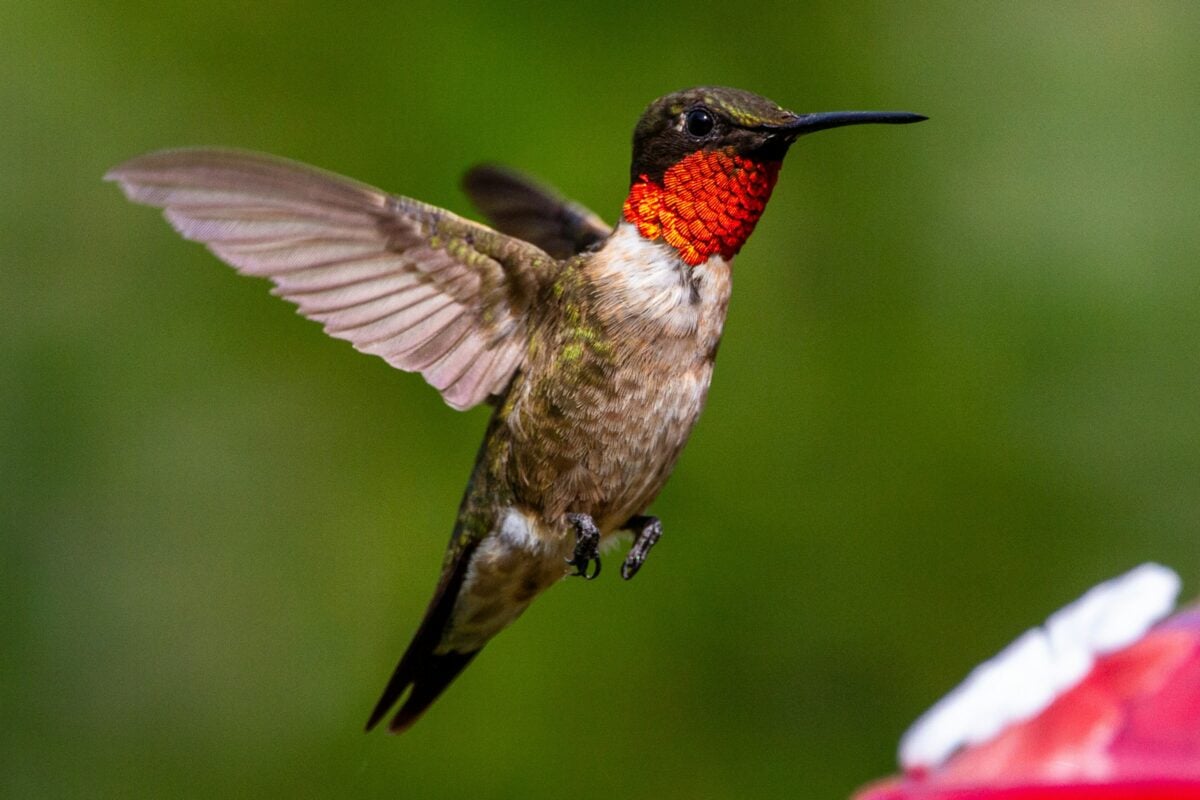
Most people assume a hummingbird just vanishes one day, as if it simply got bored and moved on to a better yard. That assumption is comforting, and it’s usually wrong. Backyard watchers and field biologists quietly report something stranger: in their final weeks, these birds often broadcast specific, decodable signals that almost nobody is trained to notice.
Because hummingbirds live so fast, the decline can compress into days instead of months, so by the time you sense something is “off,” the ending is already close. Here’s what careful observers and avian experts actually watch for, and why the very last “great day” you see might mean the opposite of what you think.
#1 – Shorter, Awkward Feeding Visits
🔥 Would you like to save this?
We'll email this post to you, so you can come back to it later!
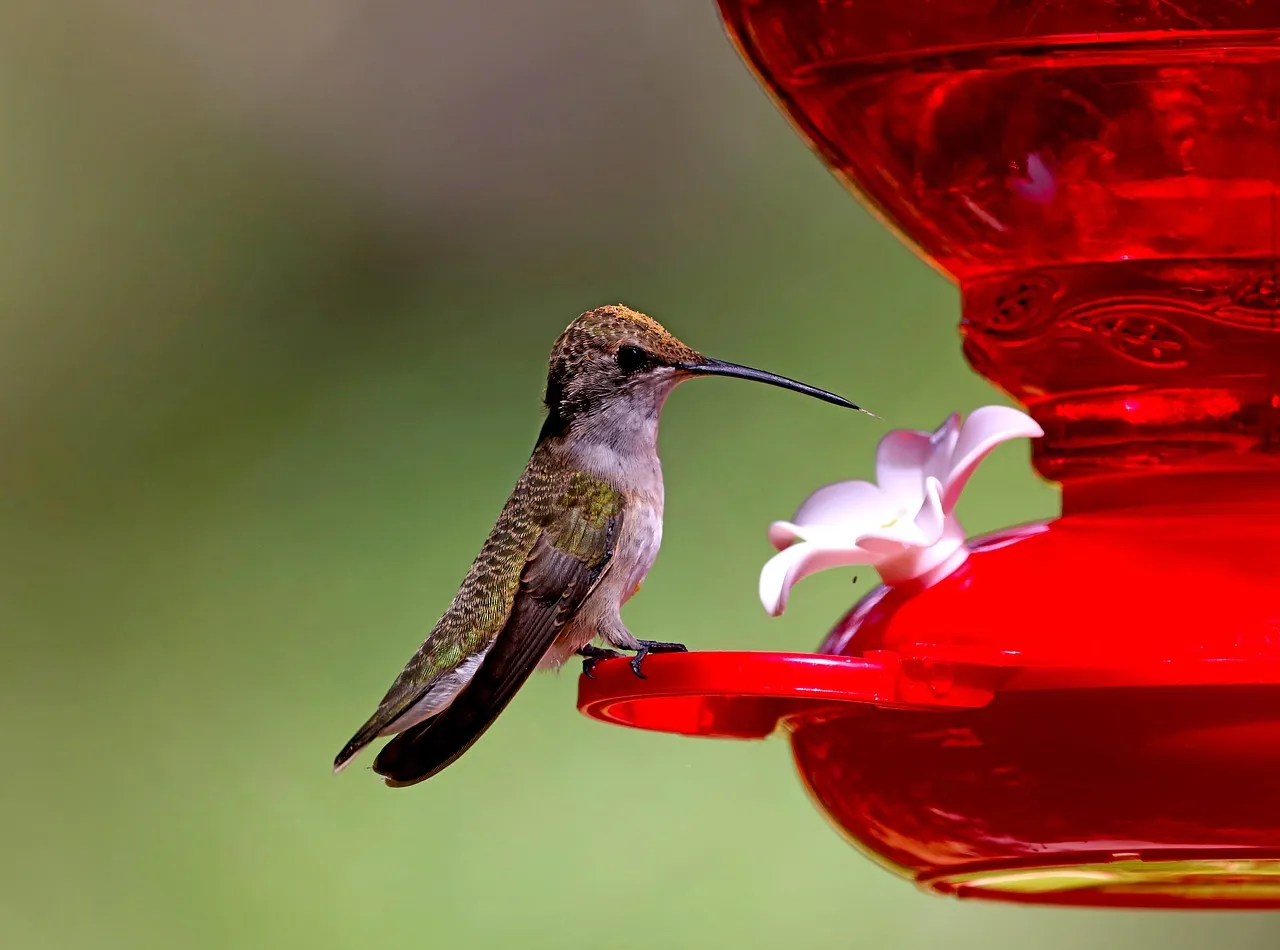
Most people expect more activity to signal good health, but hummingbirds near the end often flip that script entirely. Visits to the feeder grow shorter, choppier, and strangely hesitant. A bird that once hovered confidently for several seconds now grabs a sip or two, bobs clumsily, and retreats to a perch far faster than usual.
You might notice it “miss” the feeder ports more often, or land on the edge instead of feeding mid-air. Biologists say this isn’t shyness, it’s early muscle weakness and declining coordination. For a bird burning insane energy just to hover in place, even a small drop in strength shows up immediately, and most people mistake it for the bird simply being spooked.
#2 – Longer, Motionless Perching in Odd Spots
🔥 Would you like to save this?
We'll email this post to you, so you can come back to it later!
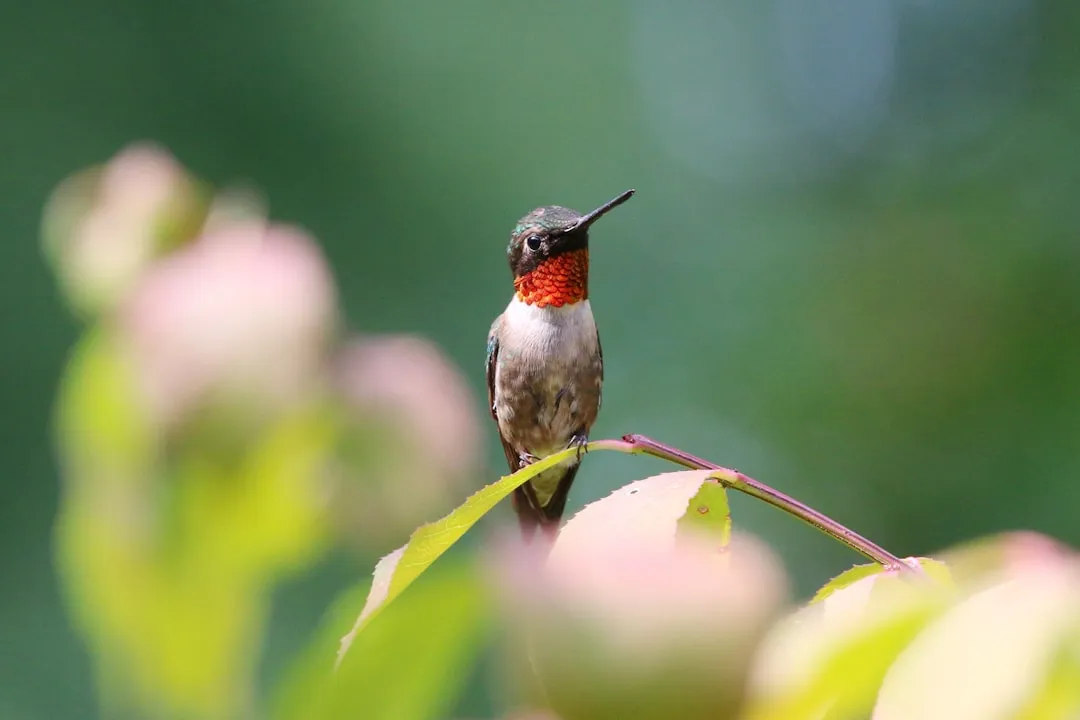
Healthy hummingbirds rarely sit still; they perch briefly, preen, then explode back into motion. In the final weeks, many individuals quietly start spending long stretches perched and barely moving, sometimes 10 to 20 minutes on the same twig, eyes half-closed, doing nothing at all.
Even the location changes. Instead of hiding high up, they start using lower, more exposed branches, wires, or feeder hooks, because those spots take less effort to reach. Casual observers think, “Cute, he’s just resting,” but extended, repeated stillness in a bird built to be a flying machine is almost never just resting.
#3 – Late Starts and Early Stops to the Daily Routine
🔥 Would you like to save this?
We'll email this post to you, so you can come back to it later!
If you’ve watched the same hummingbird for a while, you probably know its schedule without even realizing it. They’re usually among the first birds up at dawn and the last still feeding at dusk. When that changes, it isn’t random.
A declining bird shows up later in the morning and disappears well before sunset, compressing its active hours into a smaller window. This is triage, not laziness; by skipping the coldest, most energy-hungry hours, the bird stretches its limited reserves a little further. You may even see a day or two of total absence followed by a brief comeback. Those quiet “off days” are often recovery days the bird simply couldn’t skip.
#4 – Sloppy Preening and Ruffled, Unkempt Feathers
🔥 Would you like to save this?
We'll email this post to you, so you can come back to it later!
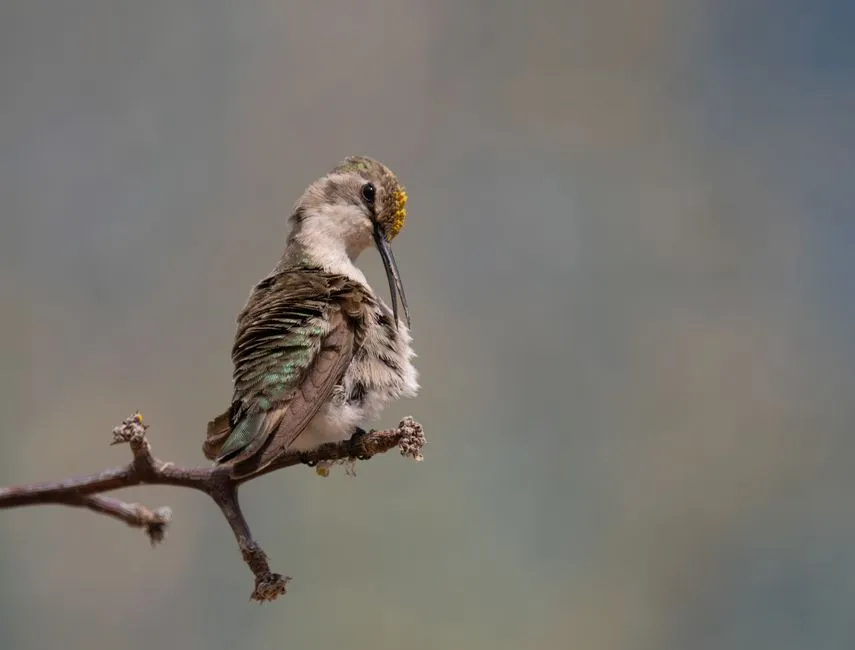
A healthy hummingbird is obsessively well-groomed. Feathers lie sleek and smooth, the iridescence flashes cleanly, and any ruffling gets fixed within seconds. When the end approaches, one of the first cosmetic giveaways is messy, unpreened plumage.
Feathers around the neck, belly, or flanks may look puffed or crooked, and pollen or dust that would normally be groomed away just stays put. Some birds still attempt a half-hearted preen, then stop mid-motion and sit with eyes closed, as if the task is simply too much. Experienced rehabbers will tell you quietly: unkempt feathers on a hummingbird are rarely a good sign, even when the colors still look pretty.
#5 – Choosing the Easiest Flowers and Feeder Ports
🔥 Would you like to save this?
We'll email this post to you, so you can come back to it later!
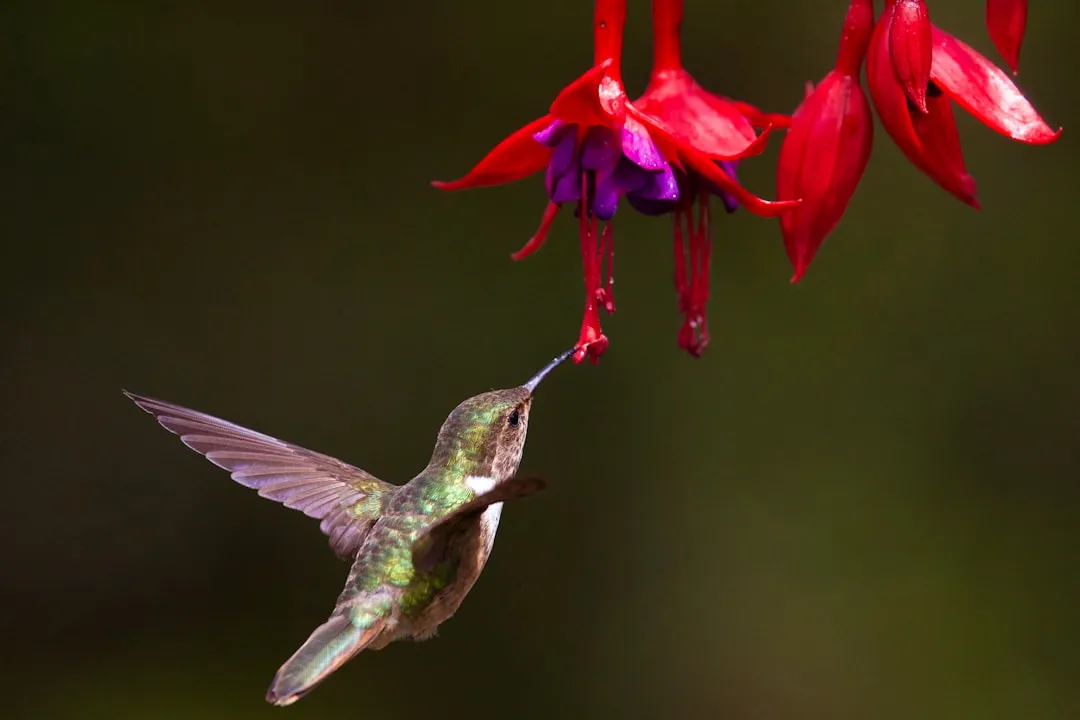
In their prime, hummingbirds are picky and almost cocky about where they feed, dominating favorite flowers and sampling multiple feeder ports in seconds. As their strength wanes, they start quietly opting for the laziest, lowest-effort option available.
That might mean using only the closest feeder to a safe perch, or ignoring deeper flowers in favor of shallow, easy nectar. Big territorial loops shrink into a tiny, predictable path: perch, nearest port, back to the same perch. Scientists call this range contraction. Backyard watchers just notice their bird “never leaves that one spot anymore,” and that’s exactly the point.
Quick Compare
- Peak health: Works dozens of flowers and feeder ports across a territory that can span a large yard.
- Early decline: Sticks to one or two “easy” feeding spots and rarely strays far from a favorite perch.
- Late decline: Relies on a single, closest, lowest-effort nectar source, sometimes for days in a row.
#6 – Uncharacteristic Tolerance of Rivals and Invaders
🔥 Would you like to save this?
We'll email this post to you, so you can come back to it later!
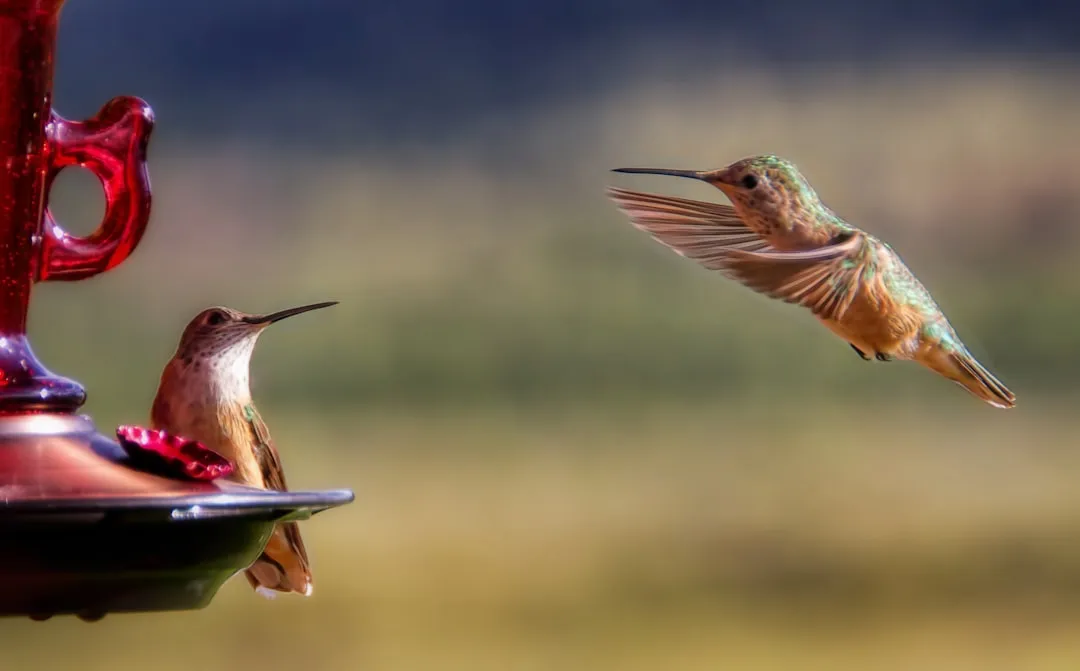
Hummingbirds are famous for being tiny, jeweled jerks. They chase anything, other hummingbirds, bees, butterflies, even birds many times their size. So when a formerly aggressive bird suddenly stops defending its feeder, that’s not a personality makeover.
It might let rivals feed right beside it, or retreat the moment it’s challenged instead of fighting back. To casual watchers this looks heartwarming, like the bird “finally learned to share.” Avian biologists know better: adult hummingbirds don’t become pacifists by choice. Conflict suddenly costs too much energy, and other birds often sense the vulnerability and move right in, a brutal but natural sign the end may be near.
#7 – Subtle Weight Loss and a Sunken Look
🔥 Would you like to save this?
We'll email this post to you, so you can come back to it later!
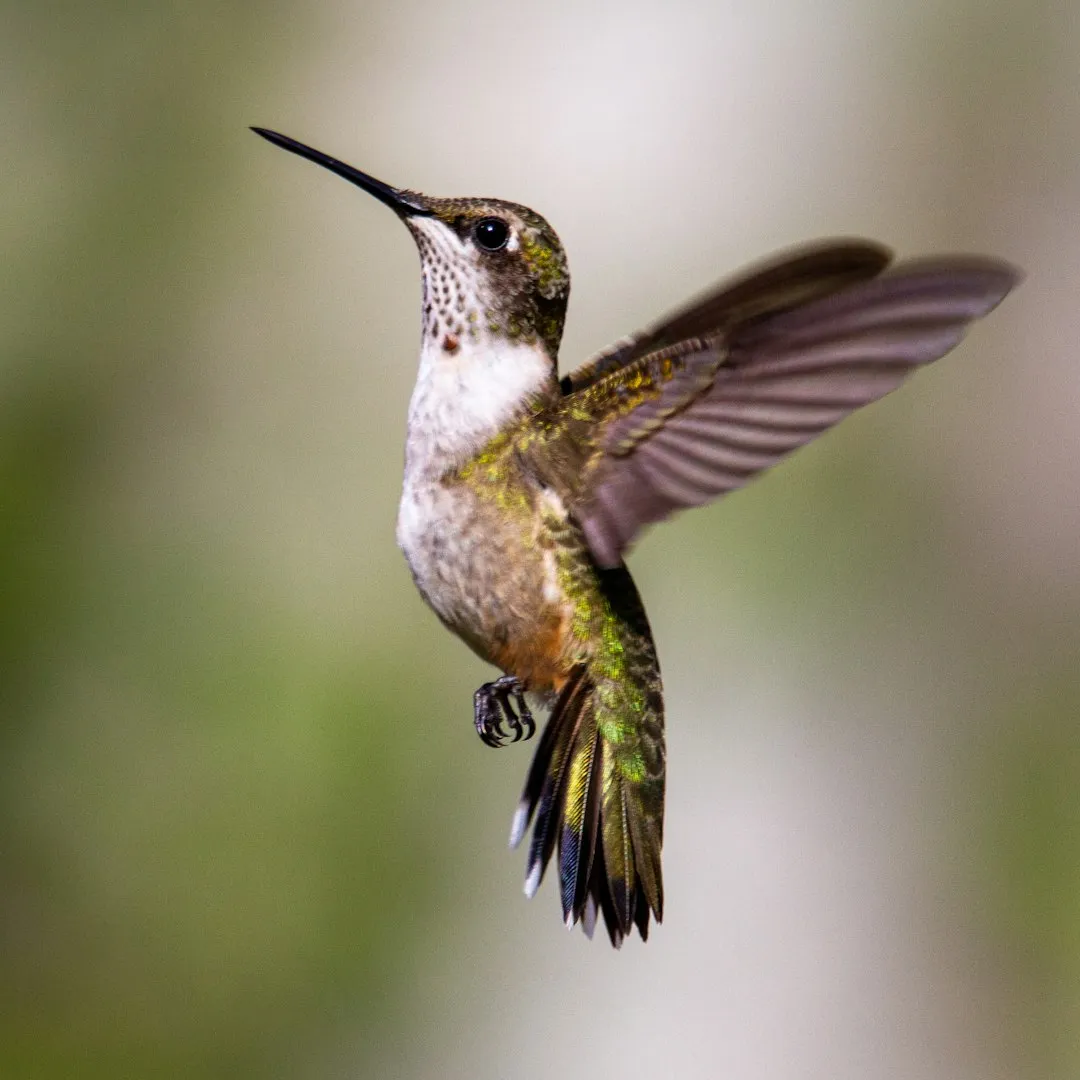
Because they’re so tiny and fast, most people never really register a hummingbird’s body shape changing. But late-stage birds often look slightly shrunken around the chest and flanks if you compare photos or pay very close attention. The silhouette shifts from compact and rounded to sharper, with a more visible keel.
We’re talking about fractions of a gram, but on a body this small, that can be the difference between life and death. They may sit lower on perches or hold their body at a steeper angle, as if balance itself has become work. Unfortunately, by the time weight loss is visible to the naked eye, the underlying problem is usually already advanced.
#8 – Labored Breathing and Open-Mouth Resting
🔥 Would you like to save this?
We'll email this post to you, so you can come back to it later!
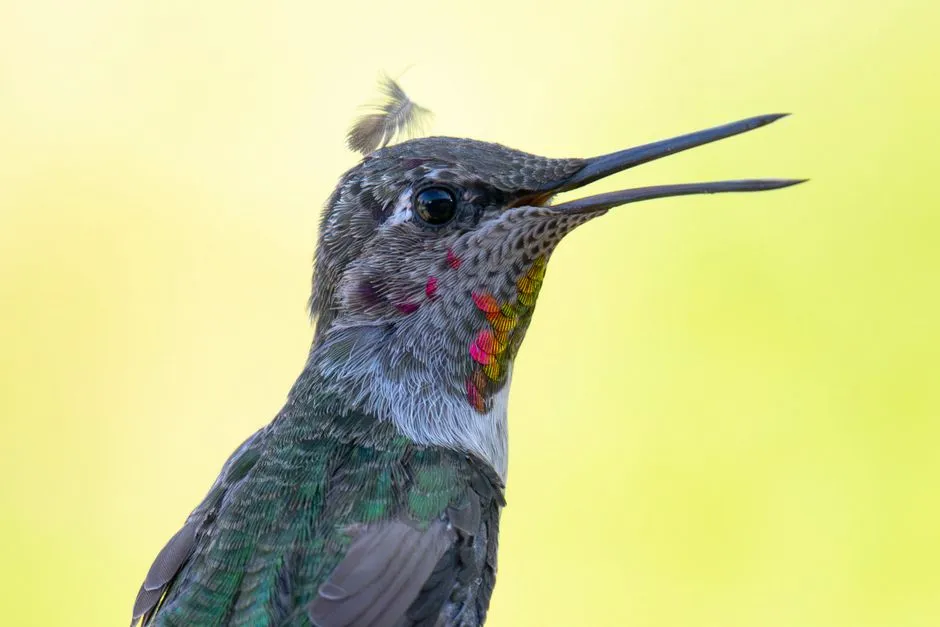
Hummingbirds always breathe fast, that’s normal for such a high-octane animal. What’s not normal is visible, labored breathing while the bird is simply at rest. In the final weeks, some birds perch with beaks slightly open, chest rising and falling noticeably, even when they’re nowhere near overheated.
On a hot day, open-mouth breathing can just be cooling behavior. The warning sign is when it happens on a mild day, or lingers long after the bird has left direct sun. That pattern often points to respiratory strain, heart trouble, or serious exhaustion.
“A bird that lives its whole life at the edge of its own metabolism doesn’t have room for hidden illness. Everything shows eventually, you just have to know where to look.”
Common observation among wildlife rehabilitators
#9 – Reduced Curiosity and Ignoring New Things
🔥 Would you like to save this?
We'll email this post to you, so you can come back to it later!
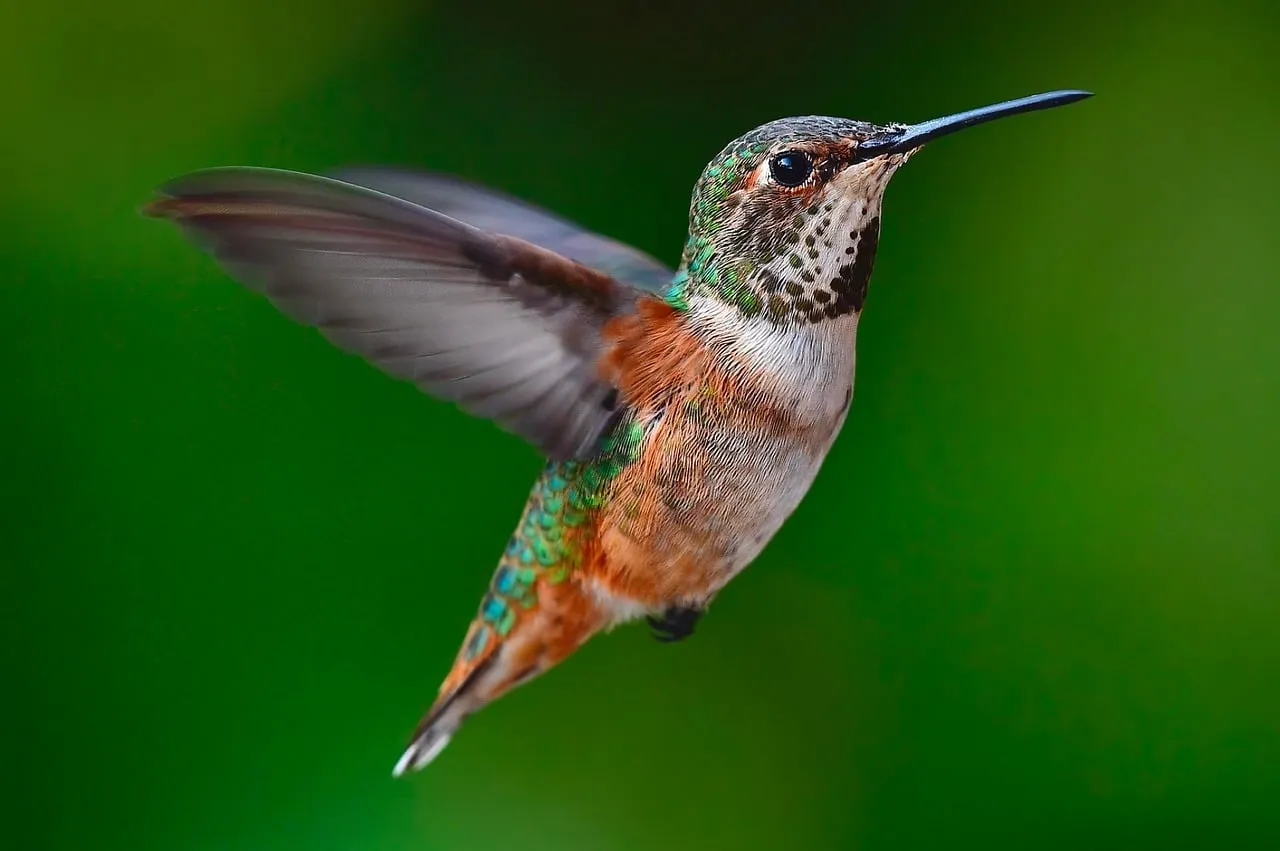
Healthy hummingbirds are nosy. Hang a new feeder or a bright object nearby, and they’ll usually inspect it within hours. In late life, that instinct quietly fades. You add a new feeder or rearrange the garden, and the bird barely reacts.
Behavioral ecologists tie curiosity to cognitive sharpness and surplus energy, so when reserves run low, exploration is the first luxury to disappear. A bird that used to hover right in your face for a closer look simply stops bothering. Many people take this personally, assuming the bird “doesn’t like them anymore,” when really it’s conserving every last calorie it has.
#10 – More Frequent Ground Contacts and Low Crash Landings
🔥 Would you like to save this?
We'll email this post to you, so you can come back to it later!
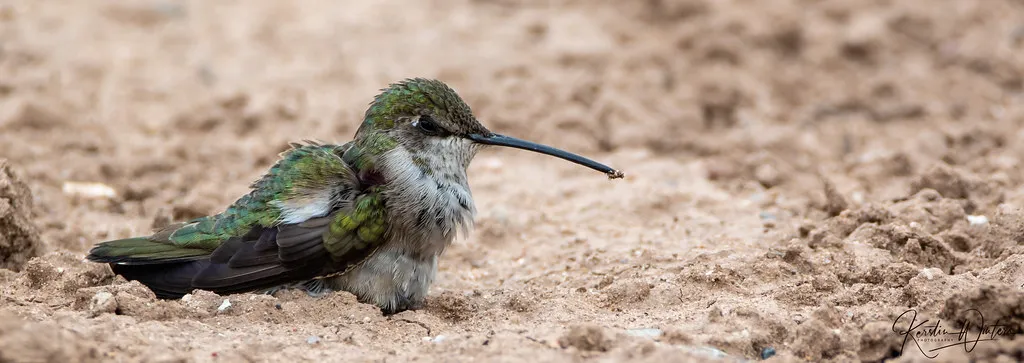
A hummingbird on the ground is almost always a bad sign, they’re built for air and branches, not walking. In the final stretch, you may notice brief, awkward contacts with the ground or very low foliage that never happened before, a misjudged landing on a leaf pile that takes a few extra seconds to recover from.
Other times they deliberately drop to low grasses or shrubs, simply too tired to aim higher. Rehabbers describe late-stage birds “crash-landing” onto perches, coming in fast and grabbing on at the last second instead of gracefully hovering into place. Once you’ve seen the difference between a confident arrival and a desperate grab, you never mistake it again.
Worth Knowing
- Most wild hummingbirds that make it past their first year still average only a few years of life, even in good conditions.
- A bird stuck on the ground for even a few seconds is exposed to cats, snakes, and other predators it would normally out-fly with ease.
- Regaining lift from the ground burns far more energy than dropping cleanly onto a branch, making every clumsy landing a costly one.
#11 – Quiet Vocalizations and Reduced Chatter
🔥 Would you like to save this?
We'll email this post to you, so you can come back to it later!
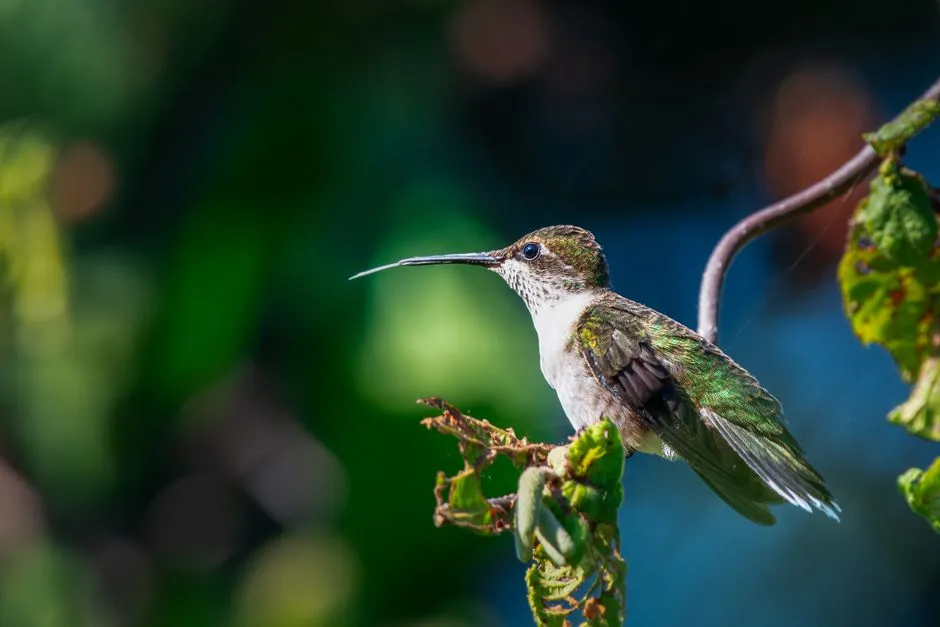
Many people don’t realize how vocal hummingbirds actually are until they start really listening, the chittering, the squeaks, the territorial scolding. As the end nears, that soundtrack can fade fast. A bird that once scolded ruthlessly at every rival grows noticeably quiet, offering only a few half-hearted calls or none at all.
Vocal behavior in small birds is tightly linked to energy status, calling costs calories and gives away location, so it’s usually a sign of confidence and surplus. When the surplus disappears, so does the noise. A dramatic drop in vocal aggression during what should be a competitive season is a serious clue, and it often arrives before any visible physical decline.
#12 – Strange Mid-Air Pauses and Freezing Moments
🔥 Would you like to save this?
We'll email this post to you, so you can come back to it later!
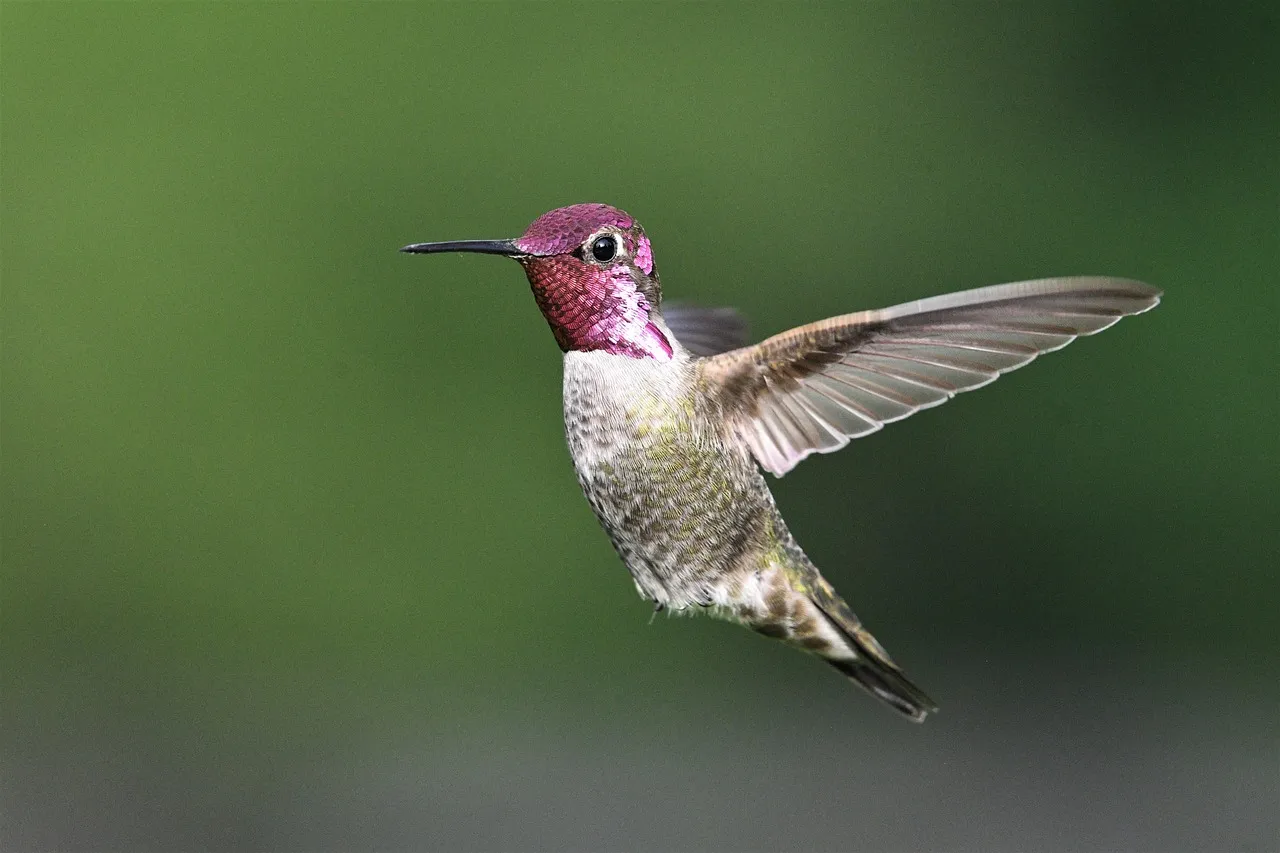
Hummingbirds are supposed to look effortless in the air, which is exactly why it’s so jarring when they suddenly pause mid-flight in an odd, unstable way. In the final weeks, some birds show these tiny glitches: a momentary stall before reaching a flower, a wobble pulling away from the feeder, a last-second correction that looks more like a mistake than a choice.
Think of it like a sports car with a misfiring engine, it still runs, but the timing is off. To a casual glance the bird looks fine, but repeated small flight errors are a genuine red flag, and in the wild they make a bird an easier target for predators or collisions. If you catch yourself thinking “that was weird, he never does that” more than once, trust it.
#13 – Increased Time in Deep Shade or Hidden Corners
🔥 Would you like to save this?
We'll email this post to you, so you can come back to it later!
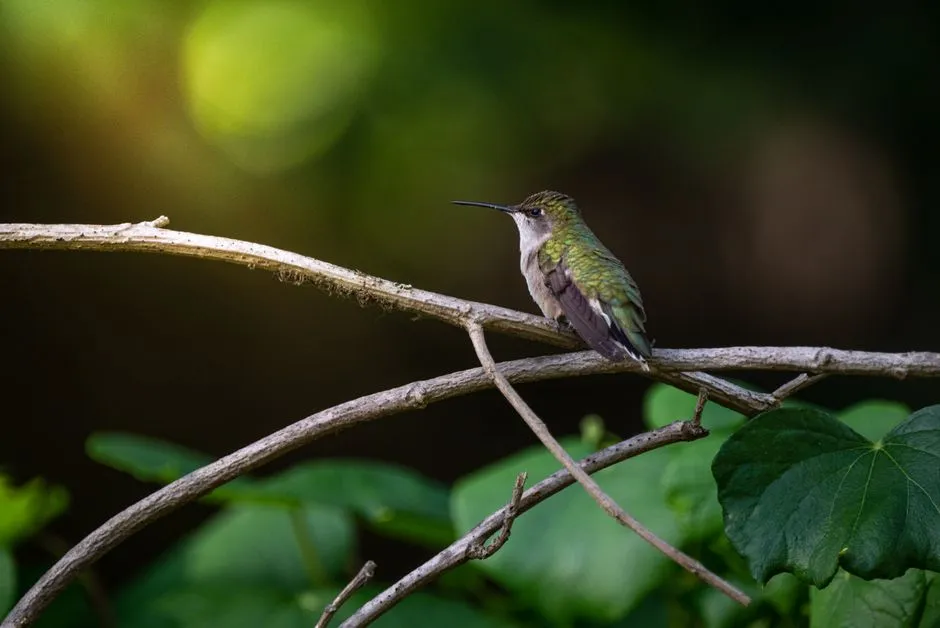
Healthy hummingbirds toggle between sun and shade all day to help regulate their temperature. Late in life, though, many individuals retreat further and further into deep shade and dense cover, even on cool days when you’d expect them out basking.
This isn’t only about temperature. As reaction time and flight power decline, predation risk skyrockets, and hiding becomes a survival strategy. It also means you see the bird far less and assume it left, when it may actually be a few feet away, tucked out of sight, spending its last days in the safest cover it can find.
#14 – Odd Daytime Mini-Torpor and Eyes-Closed Perching
🔥 Would you like to save this?
We'll email this post to you, so you can come back to it later!
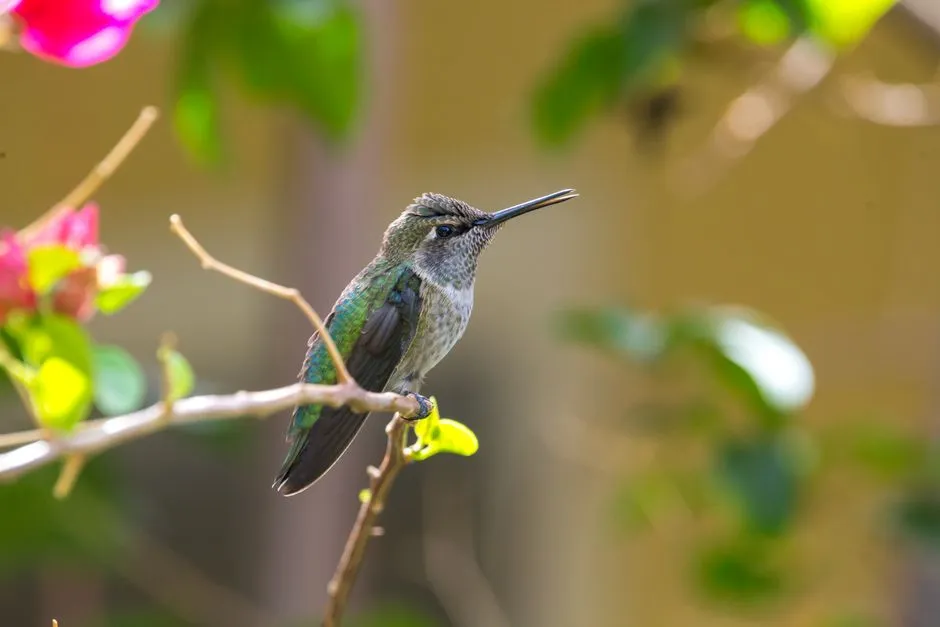
Torpor is a hummingbird’s nightly power-saving mode, usually reserved for cold nights or serious food shortages. In late life, some birds start showing torpor-like behavior during the day: eyes fully closed, head tucked, body fluffed, staying that way far longer than any normal nap.
Their reaction time slows dramatically, you can move surprisingly close and barely get a response. The line between deep rest and true torpor is blurry and hard to study in the wild, but the key is duration. A two-minute nap is nothing. A twenty-minute, eyes-closed slump on a mild afternoon is a body running out of options.
Fast Facts
- During true torpor, a hummingbird’s racing heart rate can drop to a small fraction of its normal flying pace.
- Body temperature can fall dramatically, sometimes coming close to the surrounding air temperature.
- Normal nightly torpor typically lasts for hours and ends at dawn, unlike the shorter, irregular daytime episodes seen in declining birds.
#15 – Skipping Favorite Flowers but Still Visiting the Feeder
🔥 Would you like to save this?
We'll email this post to you, so you can come back to it later!
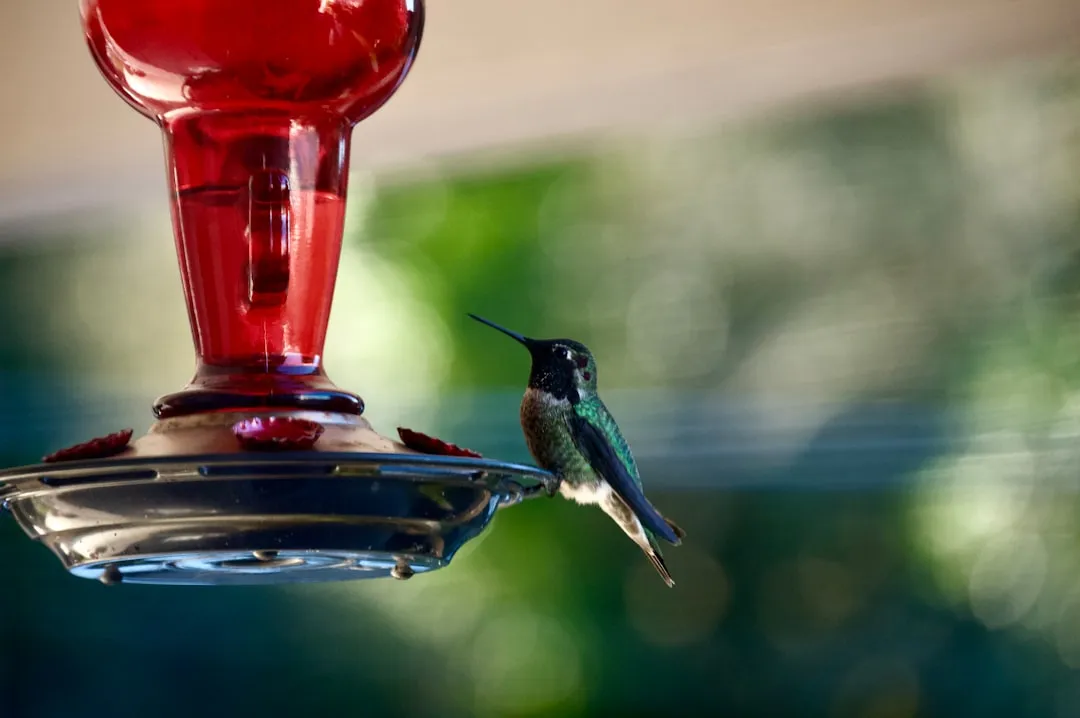
One of the strangest patterns people notice is a failing hummingbird continuing to use an easy feeder while completely ignoring the flowers it used to love. New birders assume natural food would be the last thing to go, but the truth runs backward.
Hovering at deep tubular flowers demands awkward body angles and more time spent in mid-air, while a feeder port is simply less work. A bird that once worked an entire patch of blooms now flies straight to the feeder, takes a short drink, and returns to its perch without a glance at the flowers nearby. It isn’t spoiled by sugar water, it’s rationing every bit of effort it has left.
#16 – Farewell Tours That Look Like Random Wandering
🔥 Would you like to save this?
We'll email this post to you, so you can come back to it later!
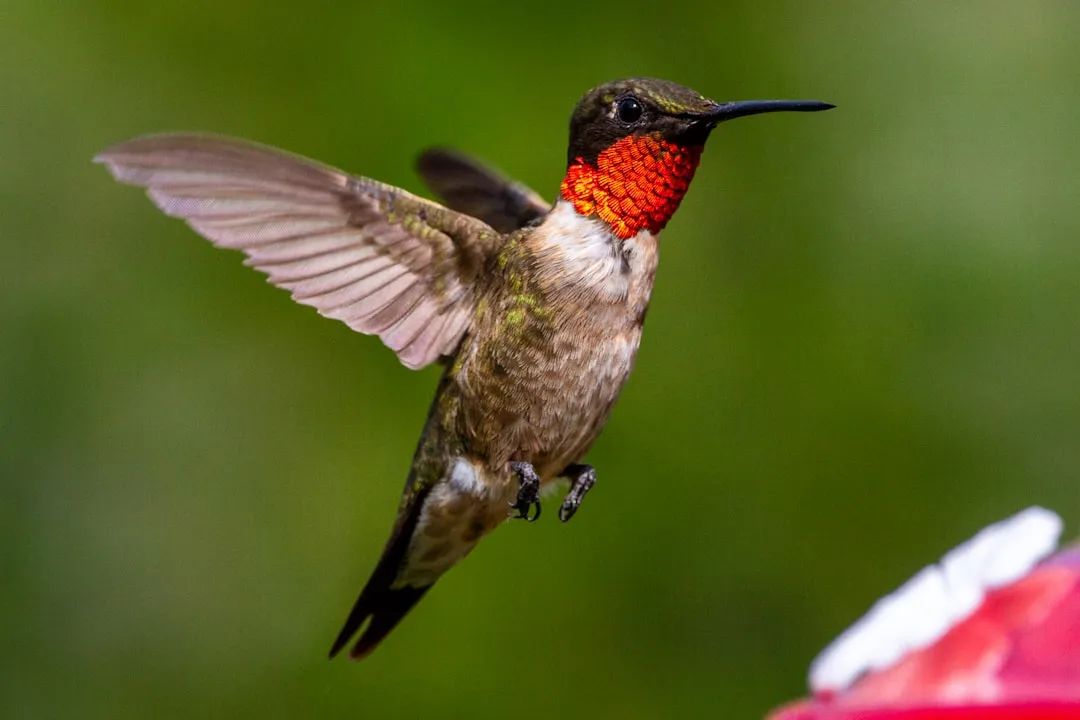
Some very experienced watchers swear by what they call a hummingbird’s “farewell tour,” a period of one to a few days when the bird suddenly revisits old perches, former feeder spots, or corners of the yard it hasn’t touched in months. Is it sentiment, or just erratic movement from a failing body? Science stays cautious here, but the pattern is reported often enough to take seriously.
The bird makes more, shorter flights between vantage points, without its usual clear purpose, perching briefly, looking around, then moving on again. It’s tempting to read this as saying goodbye to its territory. Whatever the true cause, a sudden return to long-abandoned spots usually signals a major internal shift, hormonal, neurological, or simply a routine breaking down for good.
At a Glance
- Ruby-throated hummingbirds are capable of migrating hundreds of miles nonstop across open water during a normal, healthy season.
- A sudden revisit to long-abandoned perches outside of migration season breaks from that usual pattern of efficient, energy-conserving movement.
- Researchers remain cautious about assigning intent to this behavior, but consistently note it as an unusual departure from routine.
#17 – Abrupt, Permanent Disappearance Right After a Normal Day
🔥 Would you like to save this?
We'll email this post to you, so you can come back to it later!
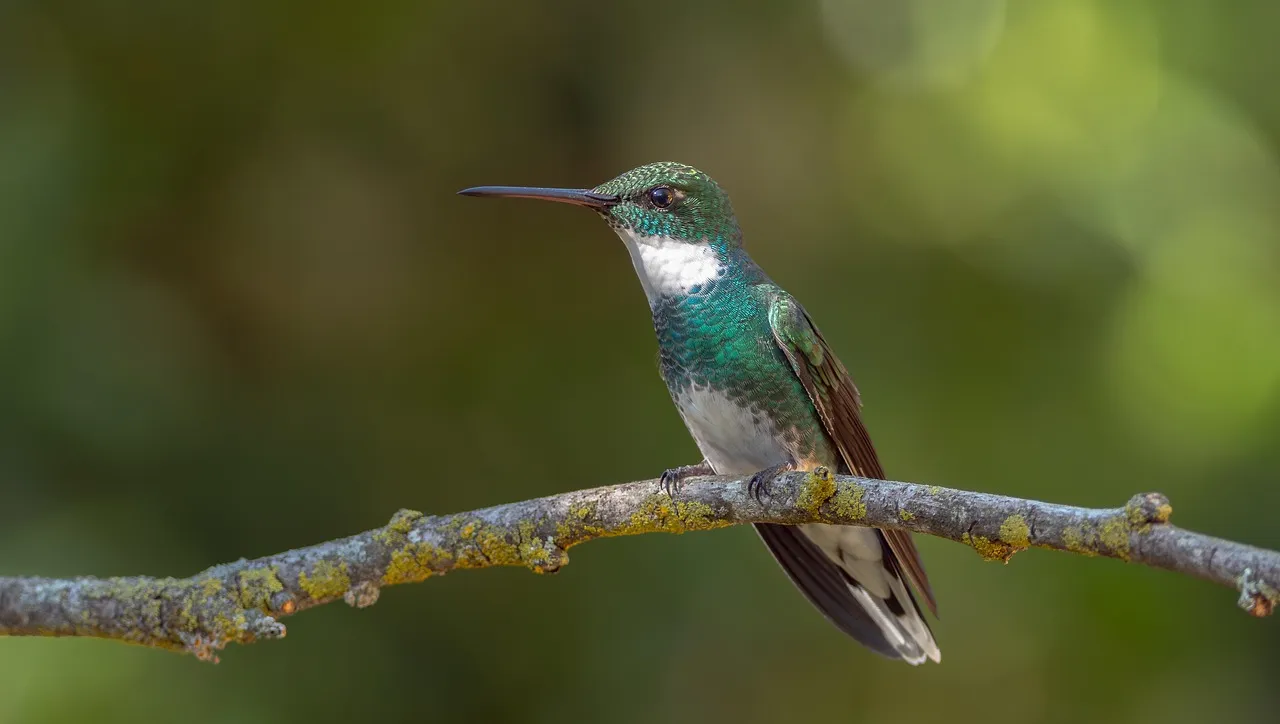
Here’s the part that confuses people most: sometimes you notice a bit of decline, start hoping the bird is recovering, and then one perfectly “normal” day is followed by total disappearance. For a species that lives this fast, the final tipping point can arrive without warning. A hummingbird feeds strongly one evening and is simply never seen again.
Most people assume it migrated early or found a better yard, and sometimes that’s true. But outside migration windows, or with a bird you’ve known for multiple seasons, the harder truth is that many don’t survive the next cold night, predator encounter, or hidden internal failure. That final normal day may have been one last burst of function before everything gave out, which is exactly why so few people realize they were watching the end.
#18 – A Sudden, Intense Day of Feeding Before the End
🔥 Would you like to save this?
We'll email this post to you, so you can come back to it later!
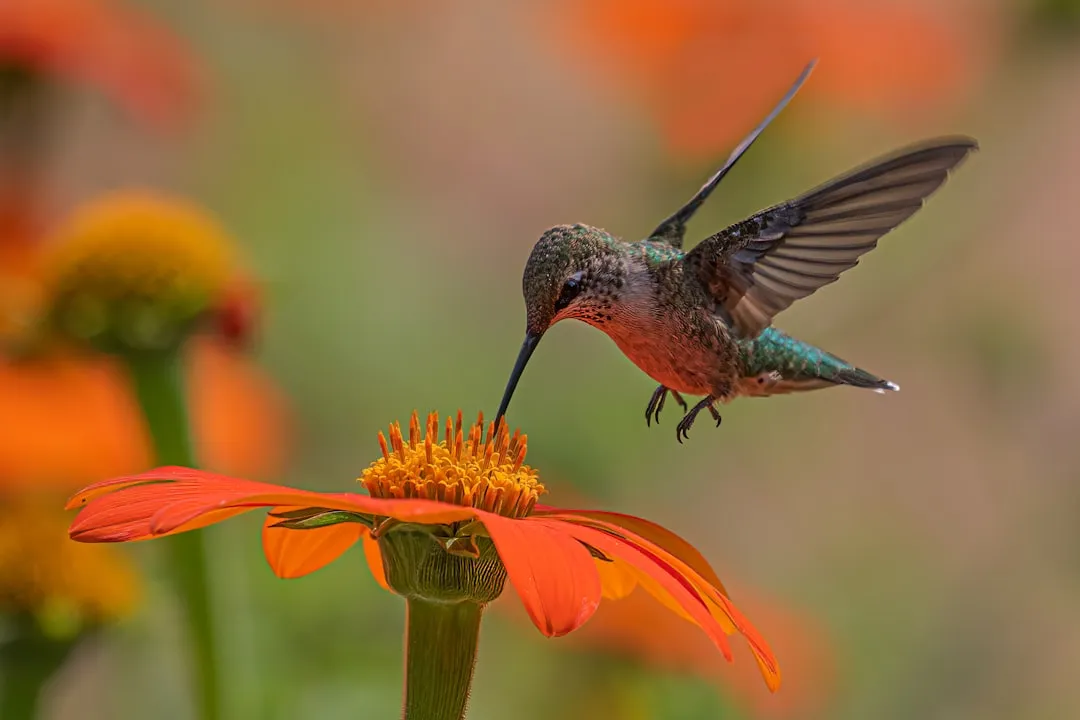
The most deceptive behavior of all might be the “last feast,” a short burst, sometimes just a single day, when a failing hummingbird suddenly eats like crazy. After weeks of reduced visits, it shows up over and over, tanking up at the feeder as if training for migration.
To untrained eyes this looks like a full recovery. In reality it’s often the body’s last desperate push to stockpile energy before migration, a harsh weather front, or the end itself, similar to the final surge seen in other wild animals before collapse. If the bird was already showing several earlier signs, more stillness, sloppy feathers, reduced aggression, that sudden binge isn’t a clean bill of health. It may be your last chance to see them looking like their old self.
The Bottom Line
🔥 Would you like to save this?
We'll email this post to you, so you can come back to it later!
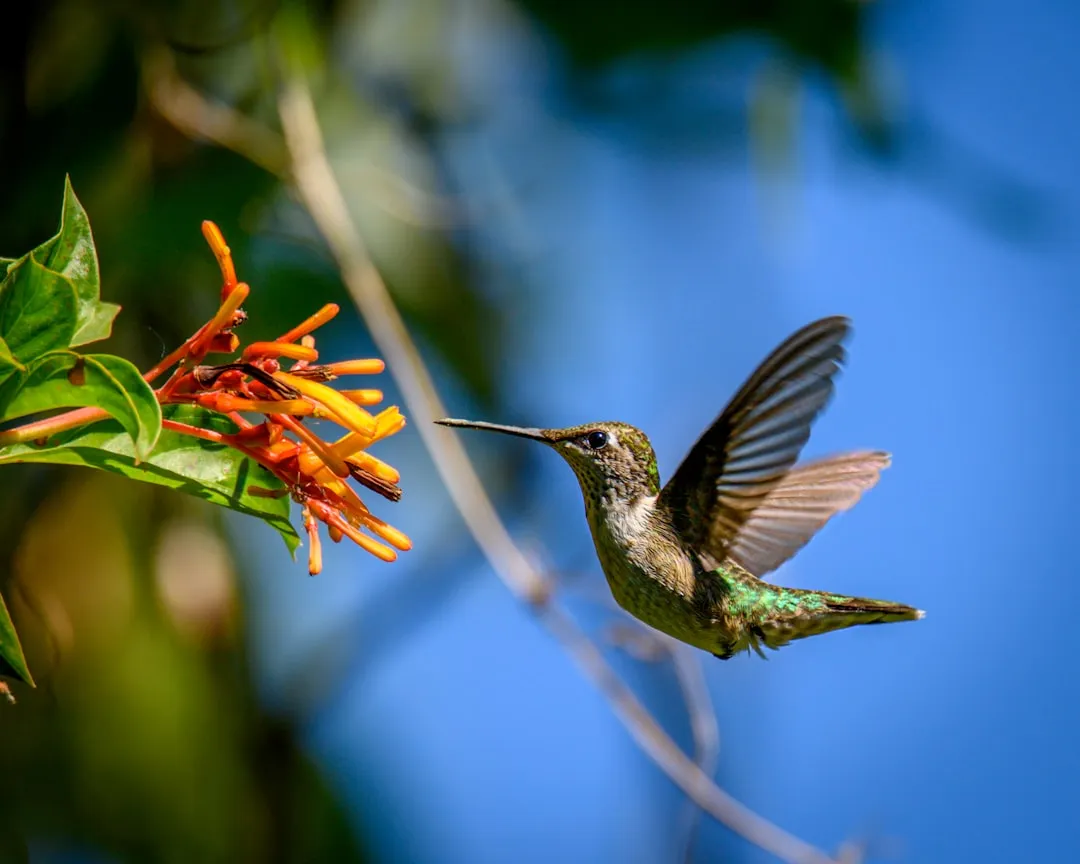
Most people only notice two states in a hummingbird’s life: dazzlingly alive, and mysteriously gone. The messy, complicated weeks in between usually slip by unnoticed, and that’s a real loss, because these birds do show patterns before the end. More stillness, less aggression, sloppy feathers, labored breathing, strange farewell routines, they’re all there if you know to look.
Recognizing these signs won’t let you fix anything. Wild hummingbirds live on a knife edge, and much of what kills them is simply the price of running a body this fast and this small. But it changes how you read those last visits. Instead of wondering if your hummingbird just “left you,” you can understand something quieter and more honest: you may have watched the final weeks of a tiny, ferocious life, and that’s worth noticing.
Did you ever catch one of these behaviors in a hummingbird that never came back? Tell your story in the comments, other backyard watchers are paying closer attention now.

- 23 Warm Corners an Elderly Cat Keeps Returning To All Winter - October 29, 2026
- 16 Behaviours Showing a Cat Considers a House Permanent Now - October 29, 2026
- 15 Wildlife Programmes a Lifetime Pass Holder Over 62 Can Join Free - October 29, 2026