
Everyone assumes a peaceful house automatically makes a peaceful cat. Toss in a sunny windowsill, a full food bowl, and some quiet, and any cat should melt into contentment, right?
Cat behaviorists and longtime breeders say that’s almost backwards. Some breeds do settle into calm homes within days, practically sighing with relief the moment the noise stops. Others were built for motion, mischief, and constant engagement, and no amount of soft blankets will ever fully switch that off. If you’ve ever wondered why your “chill” home produced either the most Zen cat you’ve ever met or an absolute furry tornado, the answer has been sitting in the breed standard the whole time. Here’s the full breakdown – 18 breeds that settle almost on contact, and 18 that basically never do.
#1 – Ragdoll: The Gold Standard for Calm, Quiet Homes
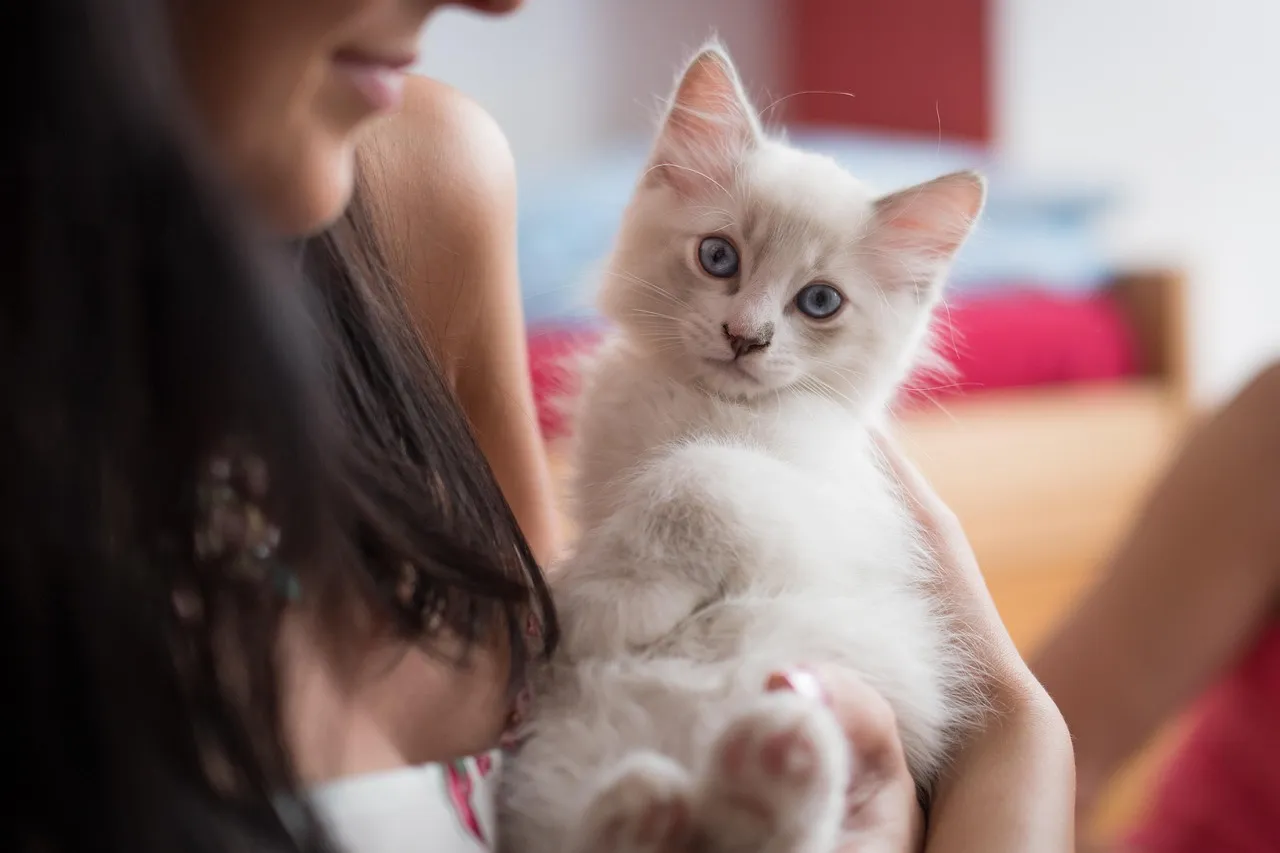
Ragdolls are the poster child for mellow cats. Bred for generations to be relaxed, people-oriented companions, they’re often described as “dog-like” without any of the high-energy neediness that usually implies.
Fast Facts
- Origin: Developed in California in the 1960s
- Weight: Males 12-20 lbs, females 8-15 lbs
- Lifespan: 12-17 years on average
- Known for a docile, placid temperament and constant affection
Many owners report that a Ragdoll adjusts to a quiet apartment or small home within just a few days – trailing its humans from room to room, then flopping down nearby for a nap. Long, uneventful evenings don’t unsettle them; predictable routines actually seem to calm them further.
- Lounging in soft spots near you
- Gentle interactive play once or twice a day
They’re affectionate but never demanding, and they rarely shred curtains or go sprinting through the house at 3 a.m. If you want a cat that feels like a warm, breathing throw blanket, this is it.
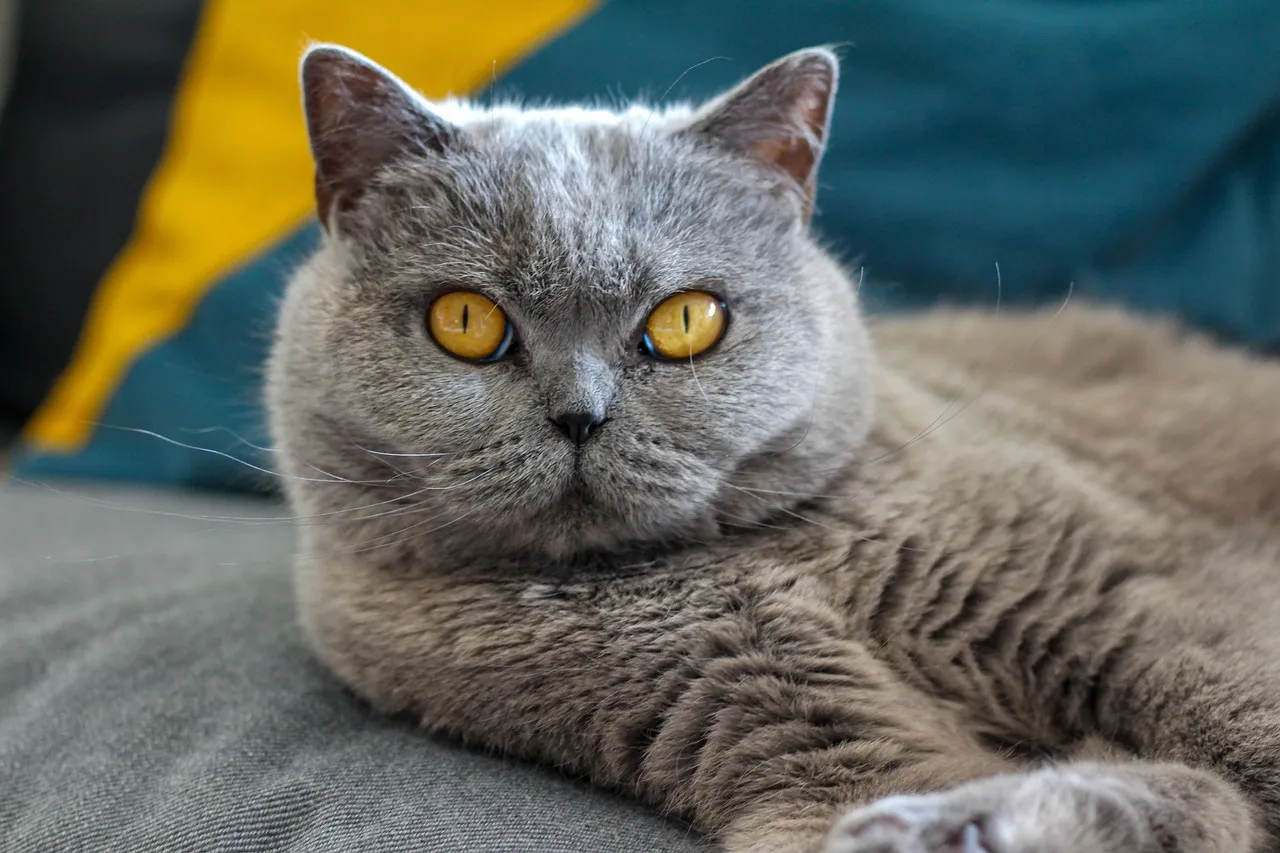
#2 – British Shorthair: Quiet, Reserved, and Instantly Low-Maintenance
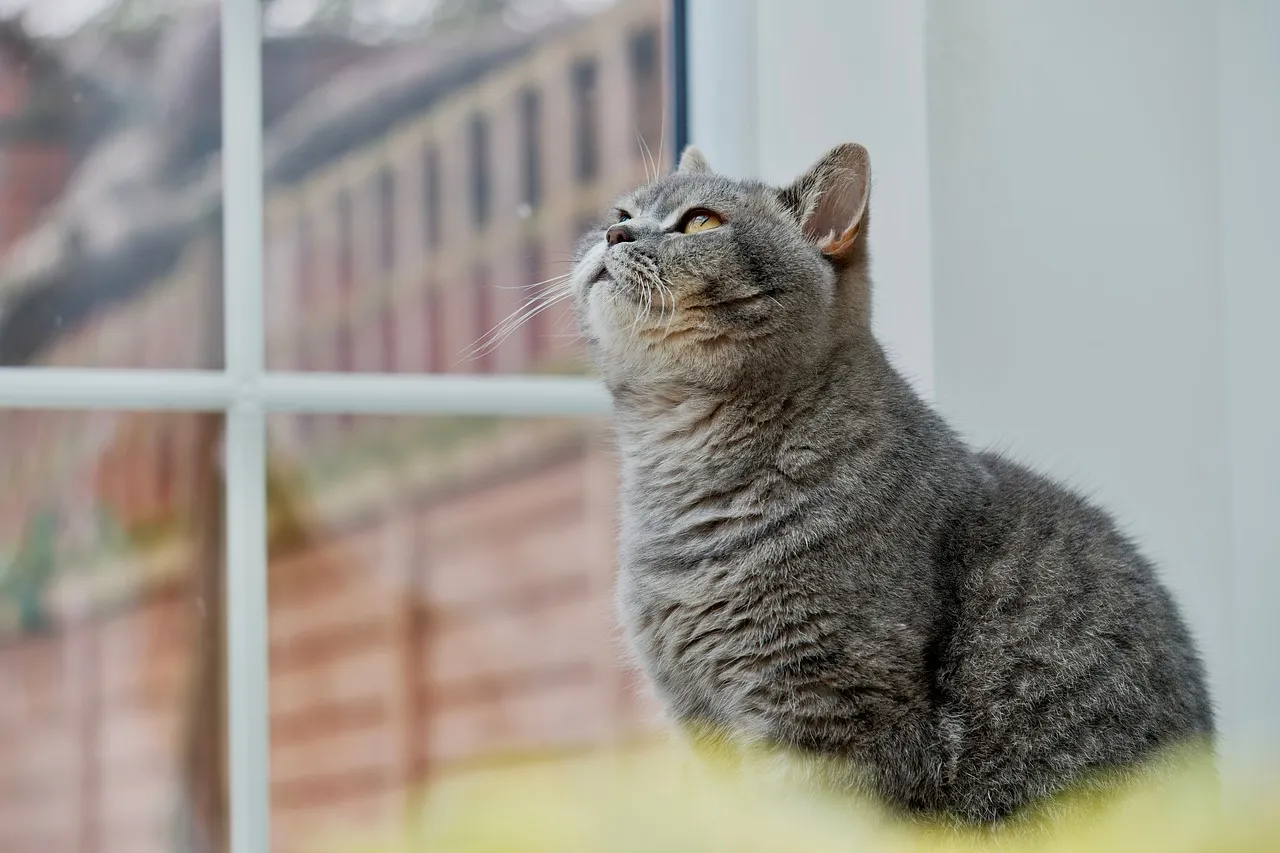
British Shorthairs are the introverts of the cat world, and a calm home is exactly where they shine. They tend to be independent, slightly aloof, and deeply appreciative of peace and predictability.
Most don’t need constant interaction to feel secure – they just want a stable environment, a comfy perch, and respect for their personal space. In a quiet household, they settle fast simply because nothing is constantly demanding their attention.
- Watching the world from a favorite windowsill
- Short, focused play sessions rather than all-day chaos
Some people mistake their calm demeanor for unfriendliness, but in a low-noise home their subtle affection comes through loud and clear: slow blinks, soft purrs, and staying close by without ever being underfoot.
#3 – Persian: The Classic Couch Companion for Sedate Spaces
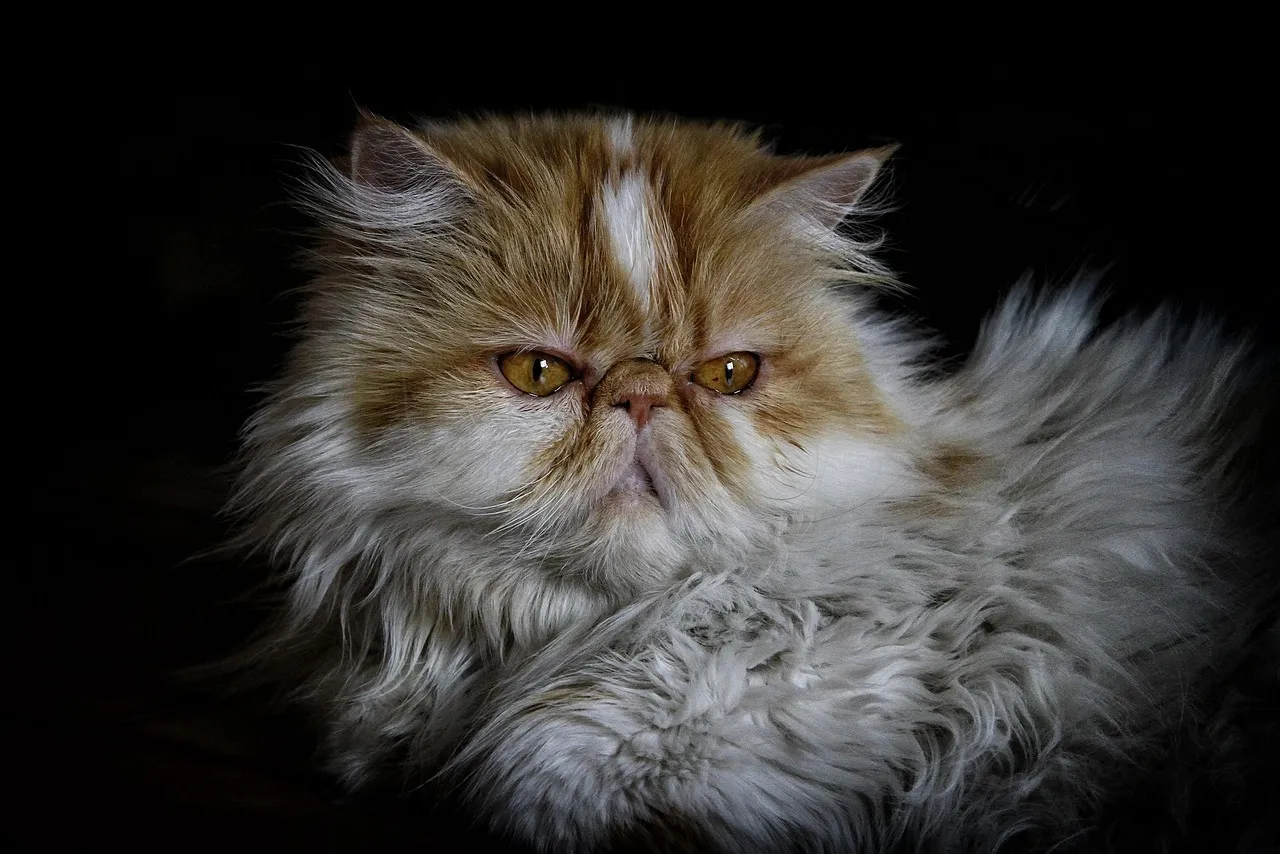
Persians have been bred for centuries as ornamental lap cats, and it shows. They’re generally content with a quiet, slow-moving household and often prefer calm adults over loud kids or a revolving door of visitors.
Their long coats and flat faces don’t lend themselves to wild acrobatics anyway. In a peaceful home, most Persians quickly settle into a predictable routine: eat, groom, nap, repeat.
- Noise and foot traffic stay low
- Routines – feeding, grooming, bedtime – stay consistent
What trips people up is grooming. A quiet home can turn stressful fast if brushing becomes a wrestling match. Build gentle, daily grooming into your calm routine, and a Persian becomes one of the most instantly settled cats you’ll ever share a couch with.
#4 – Scottish Fold: Sweet, Soft-Spoken, and Surprisingly Adaptable
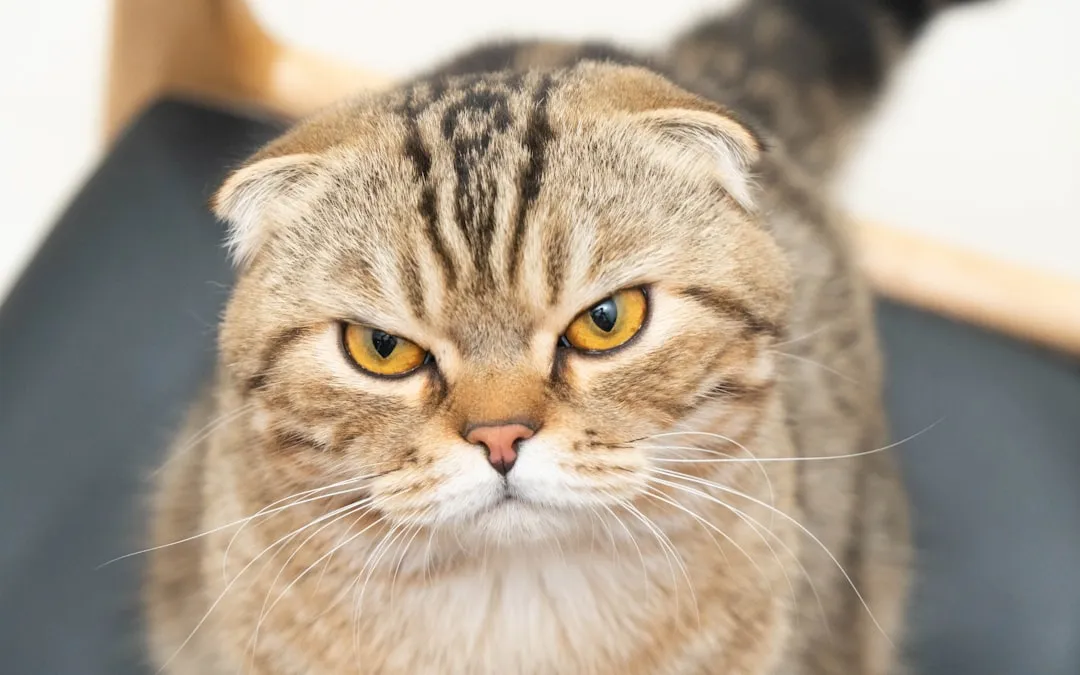
Scottish Folds are known for their folded ears, but behaviorally they’re often extremely well-suited to quiet living. Many are sweet-natured, moderately playful, and strongly people-oriented without being hyper about it.
In low-stimulus homes – no constant parties, no blaring television – Scottish Folds often bond deeply and settle into lap-cat mode fast. Their soft voices and gentle mannerisms mesh perfectly with a calm environment.
- Moderate energy: playful, but never wild
- Strong human focus: they like being near you, not necessarily on you
One caveat: responsible owners watch closely for joint and mobility issues, which can make these cats even less active over time. In a peaceful home where jumping and rough play aren’t the norm, that’s not a tragedy – it’s just a very comfortable, low-key life.
#5 – Birman: Social but Soft, Ideal for Low-Drama Households
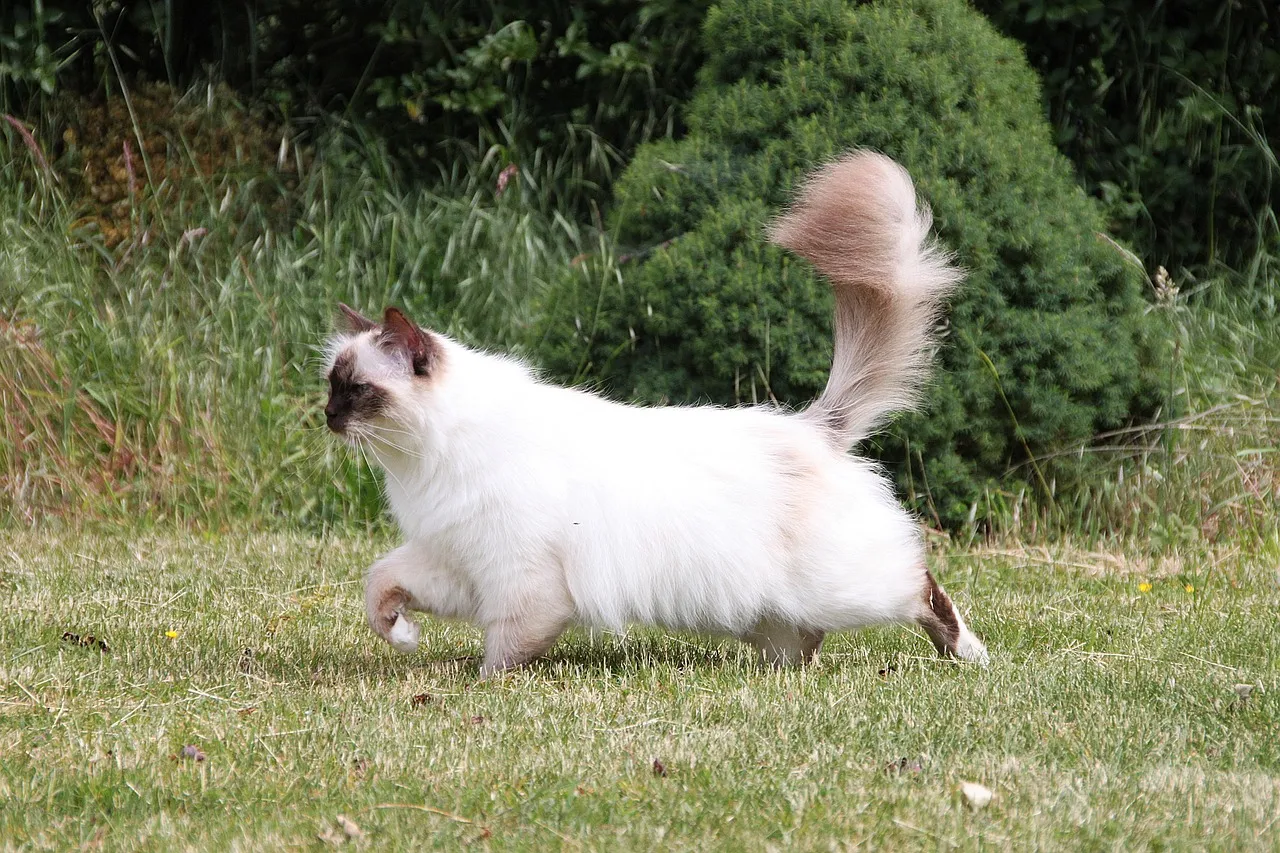
Birmans sit in a sweet spot for quiet homes: affectionate and social, but rarely chaotic. Many owners describe them as “present but not demanding” – happy to be in the same room without insisting on being the center of attention.
In a calm home, they often quickly pick favorite resting spots and favorite people, then settle into a gentle daily rhythm.
- Noise levels stay low and voices stay calm
- Time exists for a bit of play and a lot of cuddling
Unlike some high-drive breeds, Birmans don’t need elaborate climbing structures or multi-hour play sessions to feel content. If your idea of a good night is tea, a book, and a purring cat at your side, a Birman adapts almost suspiciously fast.
#6 – Exotic Shorthair: Persian Personality, Easier Maintenance
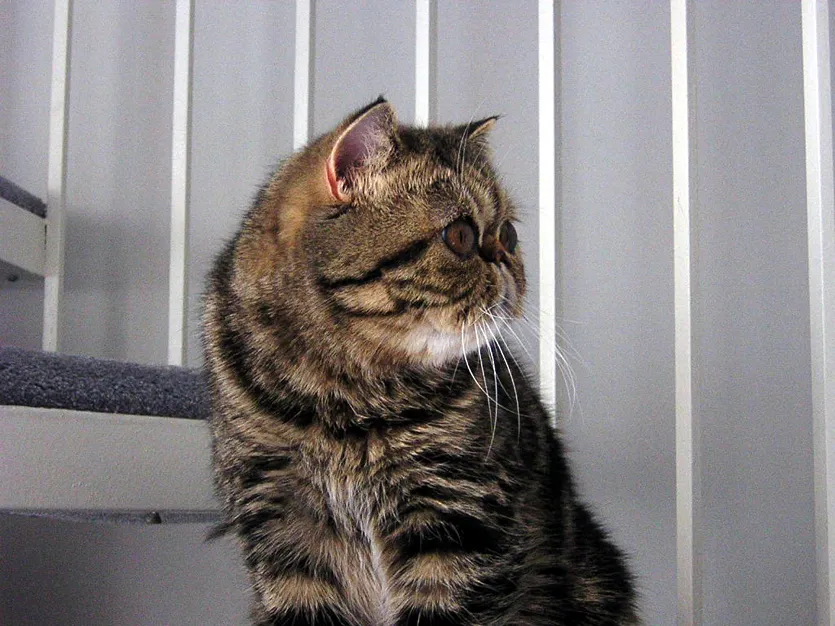
Exotic Shorthairs are often called the “lazy person’s Persian,” and that’s only half an exaggeration. They share the same generally calm, easygoing temperament, but with a shorter coat that’s far easier to manage.
In quiet homes, Exotics typically settle quickly because they crave exactly what you’re already offering: stability, comfort, and predictable affection. They aren’t adrenaline junkies.
- Short bursts of play followed by long naps
- Soft surfaces, warm laps, and gentle handling
Because they’re not prone to constant exploring or loud vocalizing, they fit especially well in apartments where neighbors value silence. For introverted households, this breed often feels custom-built.
#7 – Russian Blue: Sensitive Souls That Crave Peace
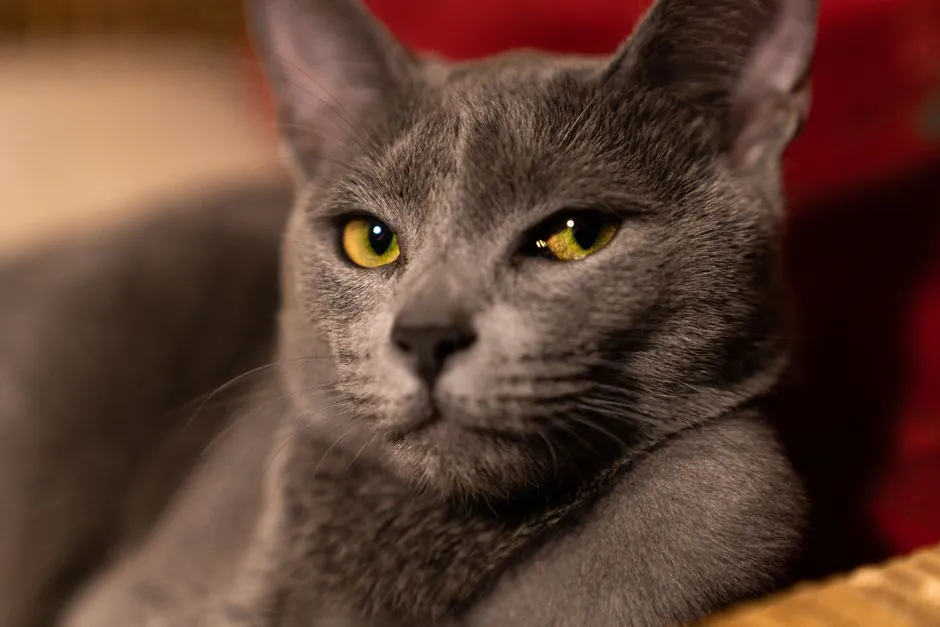
Russian Blues are famously reserved with strangers and deeply bonded to “their” people. They’re extremely noise-sensitive, often startled or stressed by chaos, visitors, or sudden change – which is exactly why a quiet home is where they settle fastest.
When they know the environment is controlled and safe, their anxious edge softens and they become affectionate, almost dog-loyal companions.
- Visitors are limited and introductions happen slowly
- Safe hideaways and high perches are available
Worth Knowing
- Watch for hiding, flattened ears, or a swishing tail as early stress signals
- One loud event – a party, a slammed door – can undo weeks of careful trust-building
- Heavy foot traffic or frequent guests tend to bring out their shy side fastest
In loud, high-traffic homes, Russian Blues can become withdrawn or show real stress behaviors. In a low-key household, though, their best traits come out: gentle play, thoughtful observation, and sleeping peacefully in sunbeams instead of flinching at every sound.
#8 – Chartreux: Quiet Observers With a Soft Spot for Routine
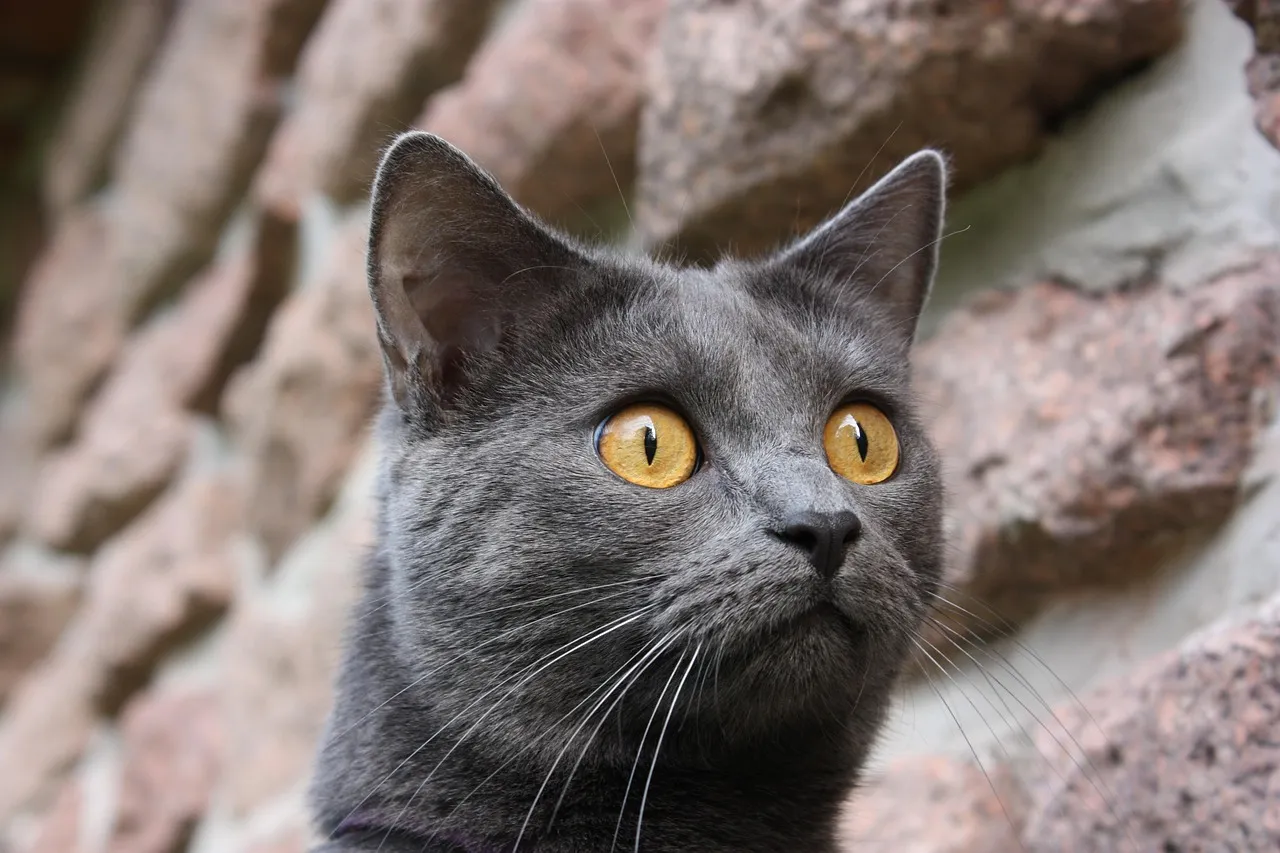
The Chartreux is one of those breeds most people haven’t heard of, but experienced cat people swear by them for calm homes. They’re typically quiet, muscular “smilers” with a watchful, almost philosophical demeanor.
Chartreux cats are known for being undemanding yet deeply attached to their people, which fits perfectly with a chilled-out lifestyle.
- Lots of silent following from room to room
- Contentment with simple toys and low-key games
They rarely scream for attention or panic when you’re focused elsewhere. Instead, they slide into your life like a soft, blue-gray shadow – matching the household’s energy rather than fighting it.
#9 – American Shorthair: Solid, Steady, and Surprisingly Unfussy
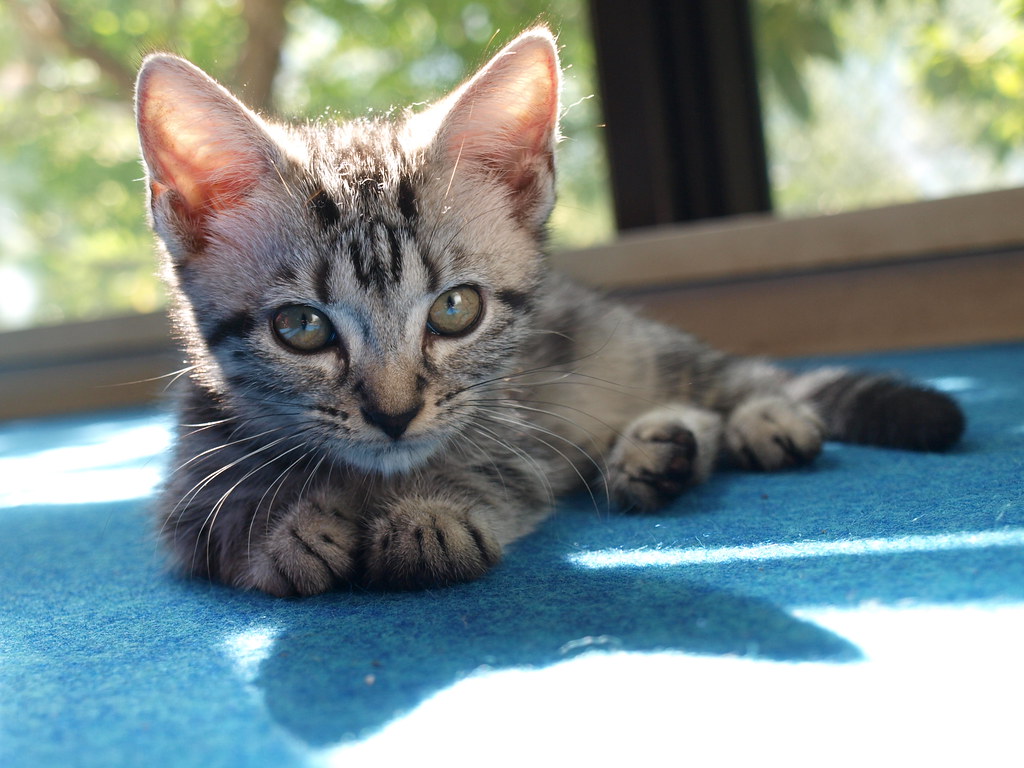
American Shorthairs get overlooked for seeming so “basic,” but that’s exactly what makes them ideal for quiet homes. Bred historically as working mousers, they evolved into sturdy, adaptable companions.
Most fall into a moderate-energy, low-drama zone, which means they adjust easily to calm households without needing constant entertainment.
- Long stretches of relaxed downtime
- Occasional play, then naps in favorite corners
They’re not as clingy as some velcro breeds, but they’re not cold either. Many owners report their American Shorthair felt like it had “always lived here” within a week.
#10 – Himalayan: A Calm Cat With One Big Condition
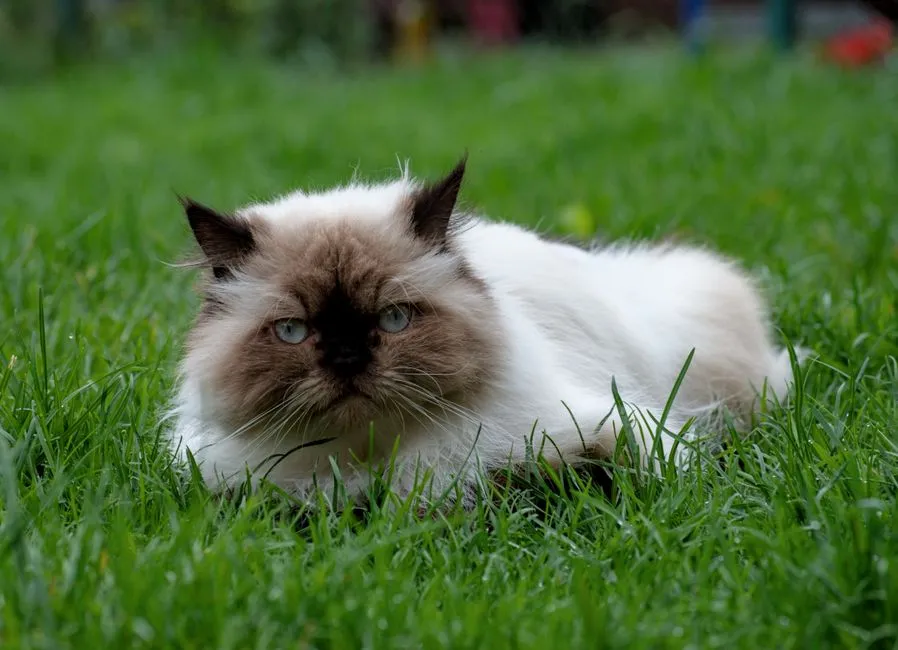
Himalayans are essentially color-point Persians, and the personality follows suit: gentle, often reserved, and perfectly happy in a calm, indoor-only lifestyle.
Put a Himalayan in a quiet home, and it’ll typically settle quickly as long as two things stay stable: your routine and their grooming. Get those right, and they become velvet-pawed shadows and purring lap warmers.
- Adults or older kids with gentle voices
- Homes where brushing and eye-cleaning are part of the daily flow
They’re not as playful as some pointed breeds, but they do enjoy toys – just not at full throttle. For many calm households, a “Himi” ends up being the cat that simply fits the vibe from day one.
#11 – Nebelung: Shy at First, Then Deeply Devoted in Quiet Spaces
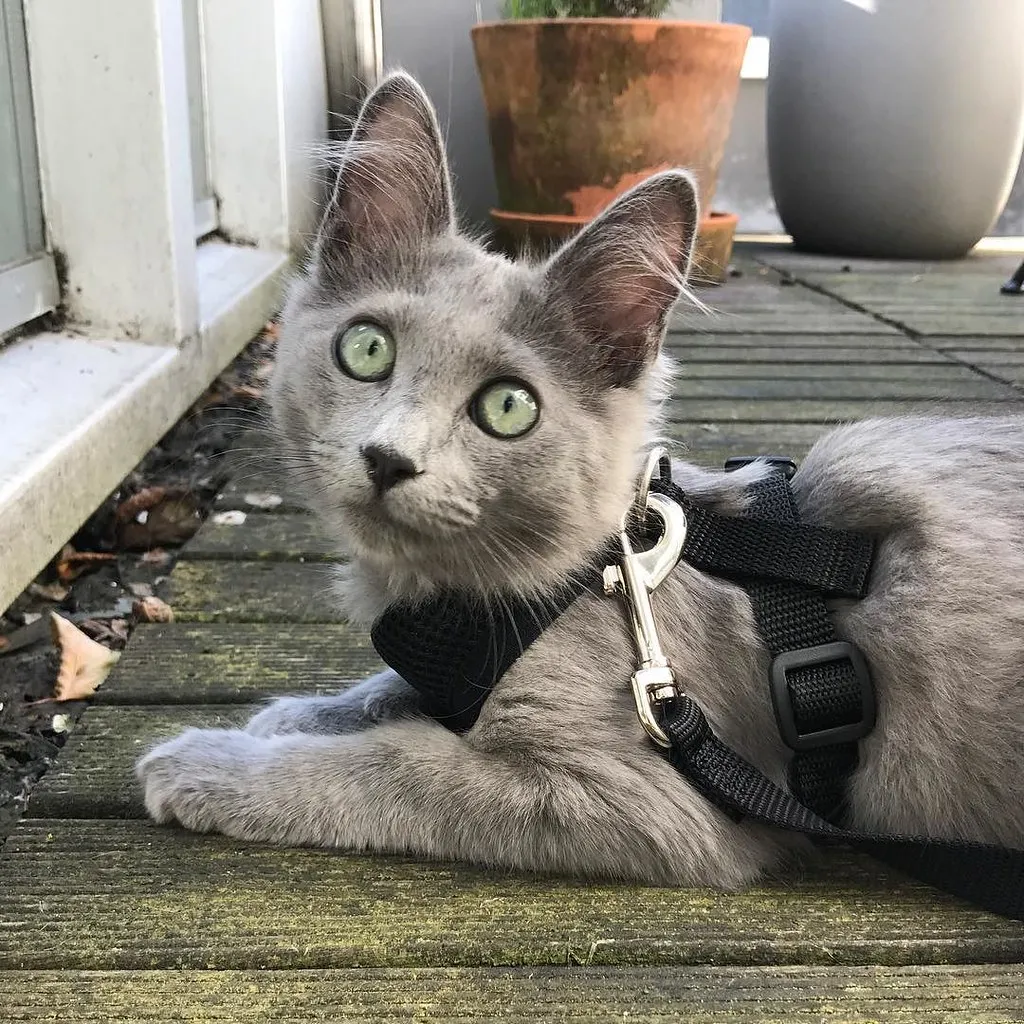
The Nebelung looks like a long-haired Russian Blue and often shares a similar temperament: shy, reserved, and sensitive to environment. Loud, chaotic homes can keep them stuck in hiding mode for months.
But in a calm, predictable environment, Nebelungs usually blossom into incredibly loyal, affectionate companions – they just need a little time and consistency to get there.
- Gradual introductions to new people and spaces
- High perches, hiding spots, and soft, spoken interactions
Once they feel safe, they often become true shadow cats, following their chosen person room to room. Their settling curve is slower than most breeds on this list, but in a low-noise home, it’s far smoother and more secure.
#12 – Selkirk Rex: Calm Clowns Who Still Love Cozy
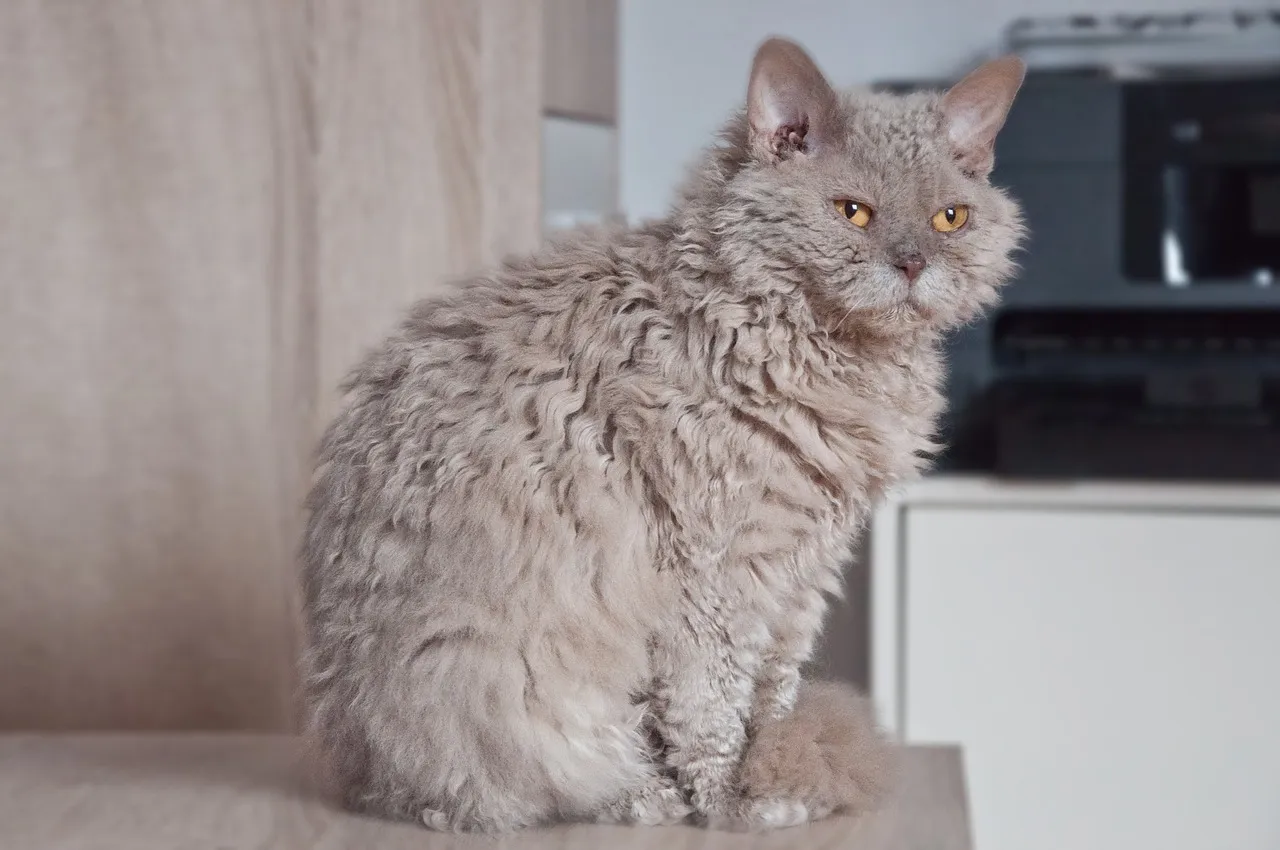
With their curly coats and round faces, Selkirk Rex cats look like plush toys, but their personalities are surprisingly well balanced. They’re often described as tolerant, laid-back, and adaptable.
In a quiet home, Selkirks tend to settle fast because they enjoy affection without demanding nonstop action. They can be playful goofballs in short bursts, then happily snooze for hours.
- Gentle play sessions and soft handling
- A few comfy beds and stable routines
Unlike higher-drive breeds, they rarely turn boredom into destruction. Their mix of humor and chill makes them ideal for people who want personality without chaos.
#13 – Tonkinese (Low-Key Lines): Social but Surprisingly Settling
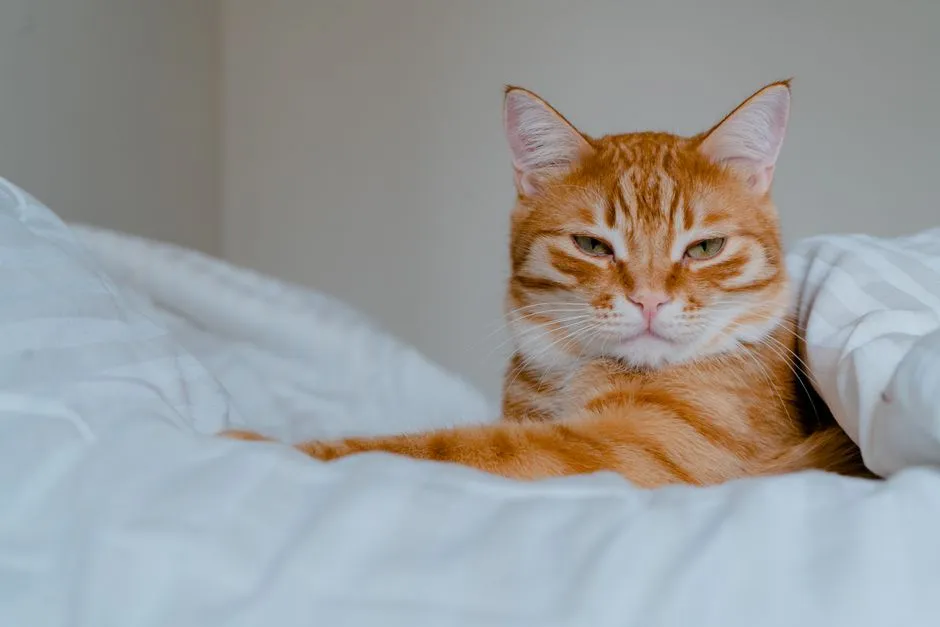
Tonkinese are typically more active and vocal, but some lines and individuals are softer, especially when raised in calm settings. In quieter homes where they still get consistent human interaction, a Tonkinese can actually settle very well.
This is where many owners get it wrong: they confuse “quiet home” with “no engagement.” That’s not what this breed is asking for.
- You’re home often and enjoy chatting and playing
- You keep noise low but social interaction high
They like to participate in your day – sitting on your desk, watching you cook, joining movie nights. In that emotionally rich but externally quiet home, they become wonderfully settled companions instead of frustrated troublemakers.
#14 – Burmese: Velcro Cats Who Love Calm Laps
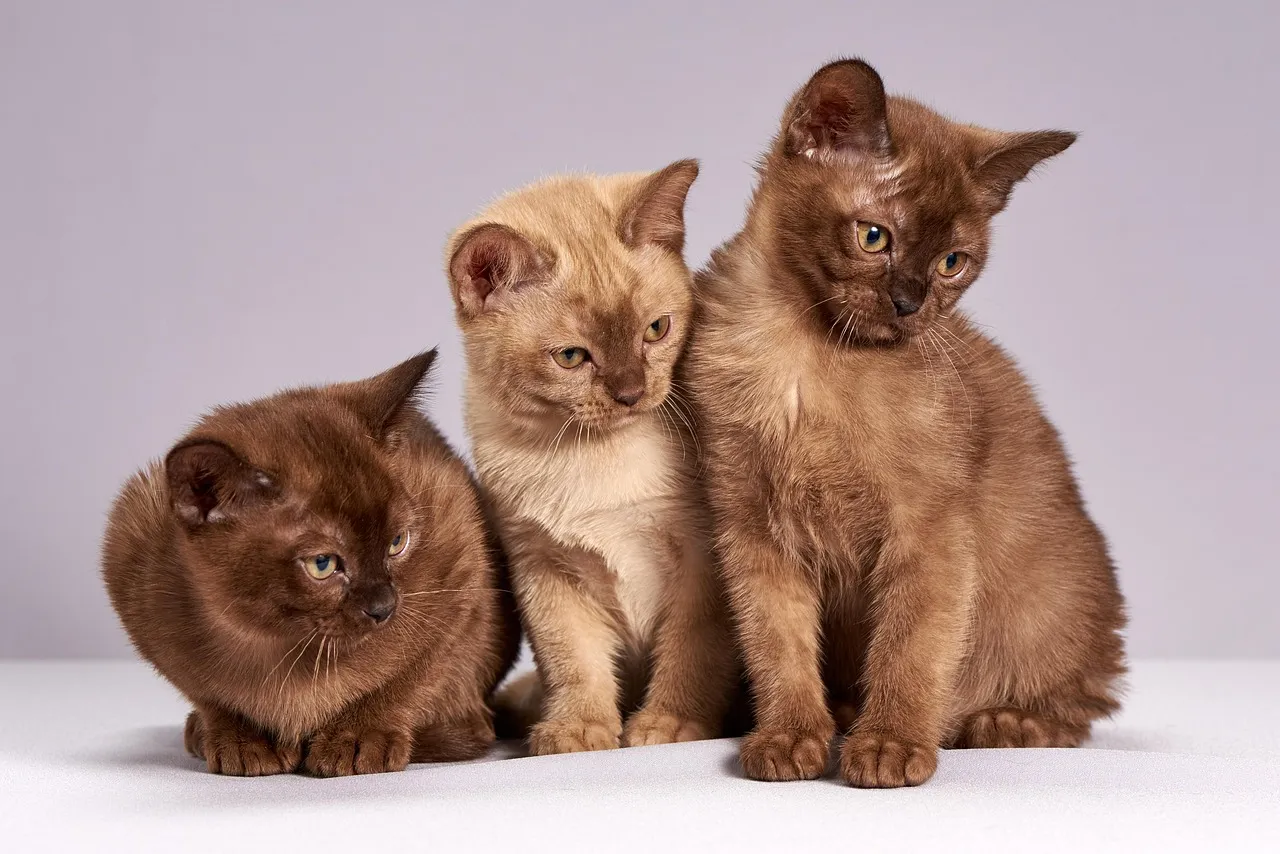
Burmese cats are often intensely people-focused and crave closeness, but they’re usually not as wired as the loudest Eastern breeds. In calm homes where someone is around most of the time, Burmese tend to settle quickly because their emotional needs are met without sensory overload.
They’ll happily follow you, sit on your lap, and sleep in your bed if you let them.
- Quiet households with at least one “homebody” human
- People who want constant feline company, not just occasional interaction
Left alone all day in silence, they can become lonely and restless. But in a quiet, emotionally warm home, they channel their energy into bonding, not chaos. Think snuggly roommate, not independent roommate.
#15 – Snowshoe: Gentle Companions for Stable, Low-Noise Homes
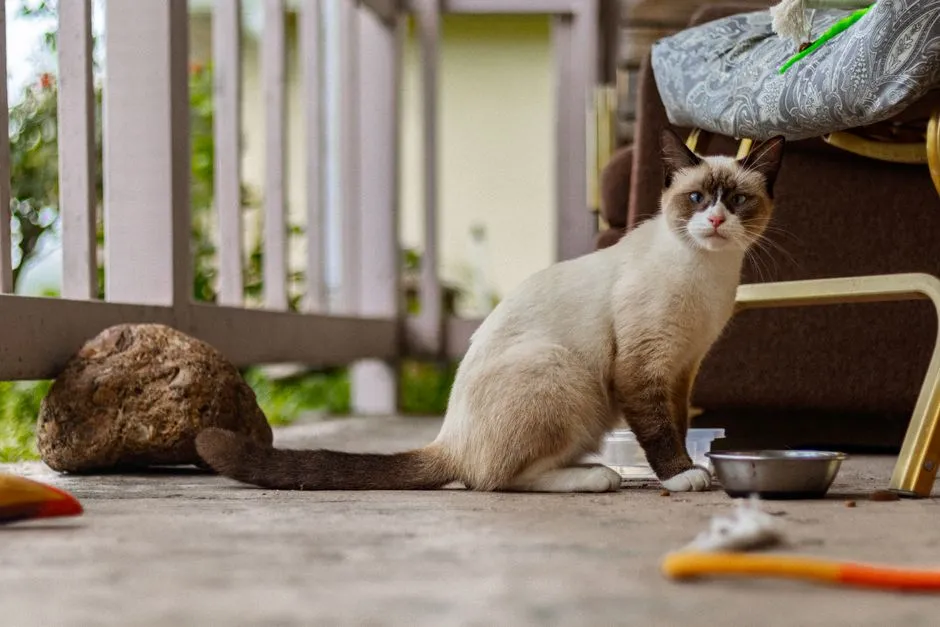
Snowshoes, with their white paws and pointed coats, often inherit a mix of Siamese intelligence and a more relaxed temperament. Many are friendly, playful, and chatty – but not scream-level vocal.
In quiet homes with stable routines, Snowshoes often settle beautifully, especially with another friendly cat or plenty of human interaction.
- Predictable feeding and playtimes
- Gentle conversation and involvement in your daily activities
They may protest if you ignore them completely, but they rarely spiral into the intense, anxious energy some pure Siamese lines show. For people who want a true companion cat in a calm environment, Snowshoes feel like the best of both worlds.
#16 – Chartreux-Like Domestic Mixes: The Overlooked Shelter Gem
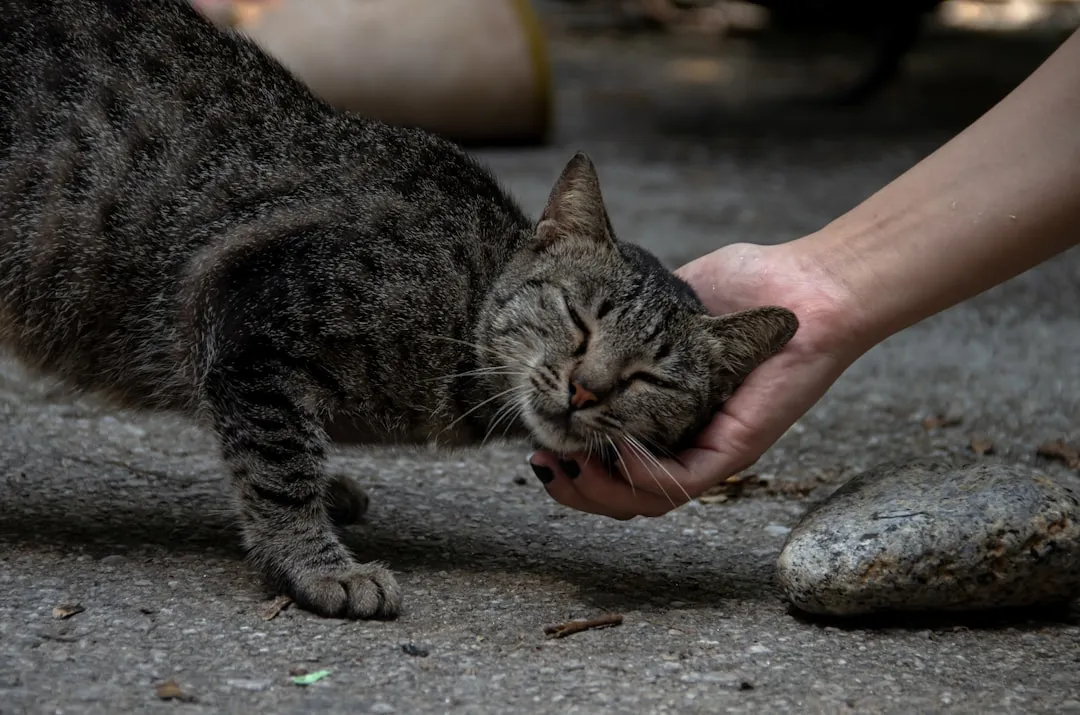
Many mixed-breed cats in shelters have temperaments strikingly similar to the calm breeds above – especially those with Chartreux, British, or American Shorthair-type traits. Plenty of “no-name” gray or tabby cats settle into quiet homes faster than any fancy purebred.
The key is individual personality, not paperwork.
- Cats who remain calm in the shelter despite noise
- Staff notes calling them “laid-back,” “gentle,” or “couch potato”
In a peaceful home, these cats often transform fast – going from stressed shelter residents to super-chill companions in days. If you care more about a relaxed vibe than a specific pedigree, this is where the real hidden gems live.
#17 – Older Cats: Age, Not Breed, Can Be the Biggest Factor
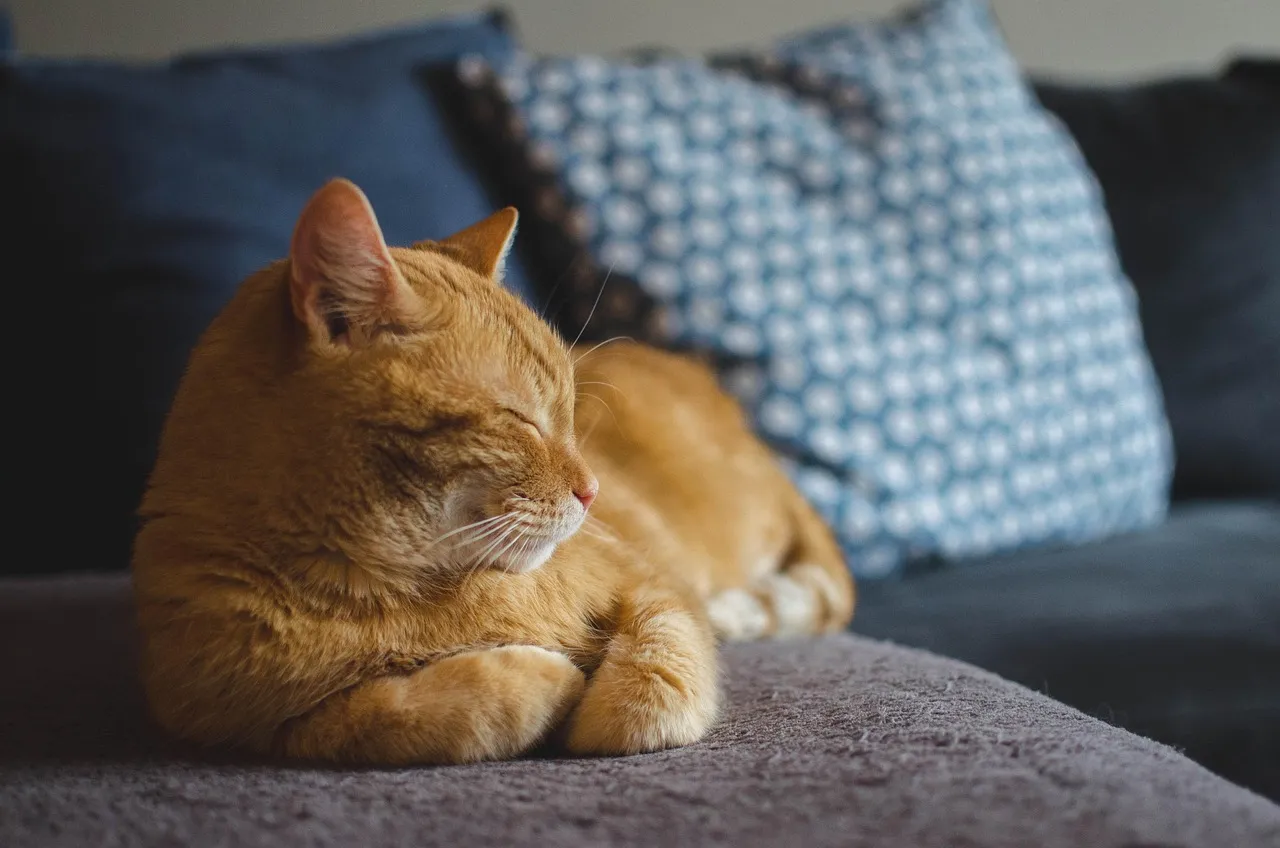
Here’s the truth almost no one wants to hear: for quiet homes, age often matters more than breed. An eight-year-old domestic shorthair is usually going to settle faster and stay calmer than a six-month-old Ragdoll, no matter how “chill” the breed reputation is.
Older cats tend to have lower energy needs, established personalities, and a deep appreciation for soft beds and predictable humans.
- Warm, accessible resting spots
- Consistent feeding and gentle handling
Kittens can adapt anywhere, but they also bring chaos by default. If your priority is instant, peaceful harmony, adopting an adult or senior cat with a known temperament often beats chasing a trendy breed entirely.
#18 – Special-Needs & Former Strays: Gratitude Turns Into Calm
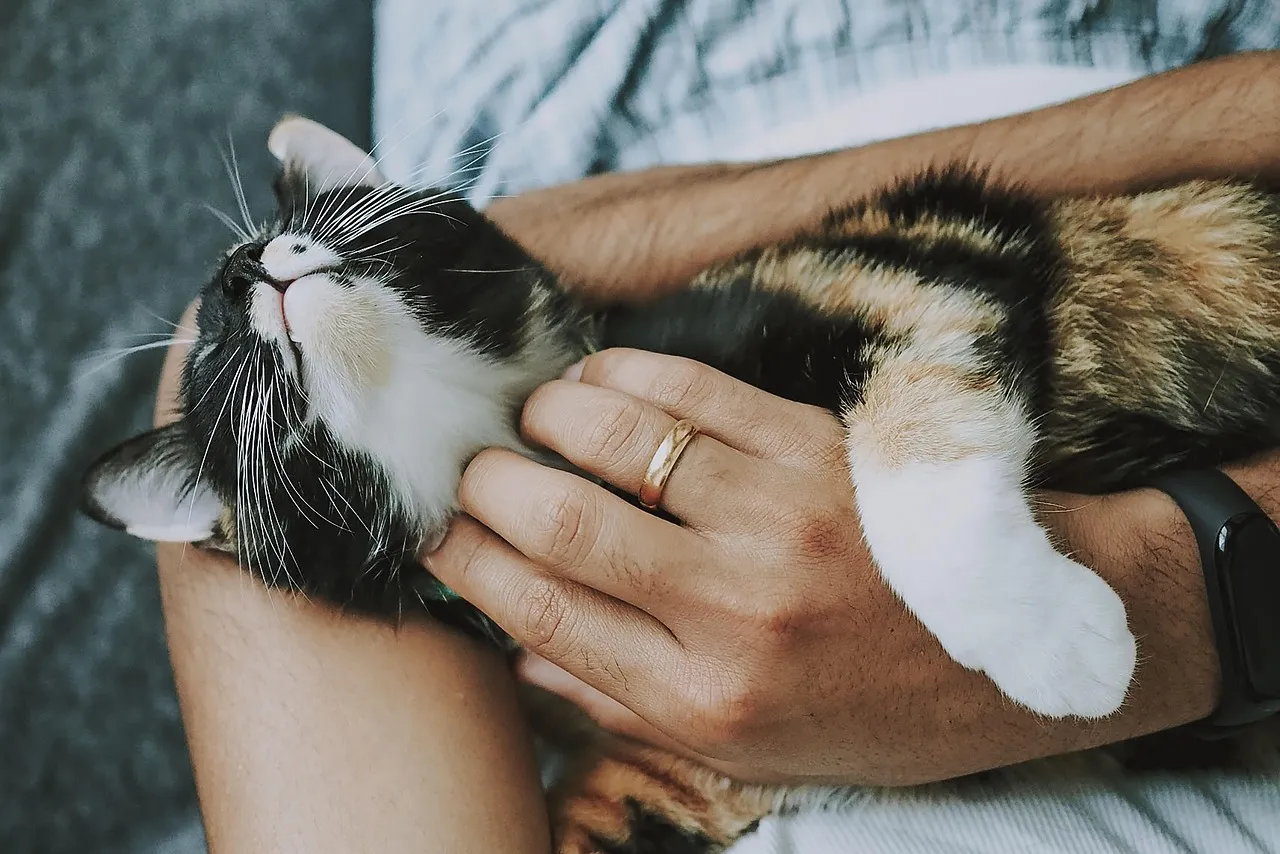
Cats who’ve lived hard lives – on the street, in hoarding situations, or with untreated medical issues – often respond dramatically to quiet, safe homes. Once veterinary needs are managed, many become some of the calmest, most settled companions simply because they finally feel secure.
They know the difference between survival and comfort, and it changes them.
- Low noise, stable routines, and soft voices
- Patience during the first few weeks of adjustment
These aren’t always instant-settle cats; some need time to unlearn fear. But in a quiet home, their transformation can be remarkable – napping peacefully, soaking up affection, and staying close, grateful for the silence and safety.
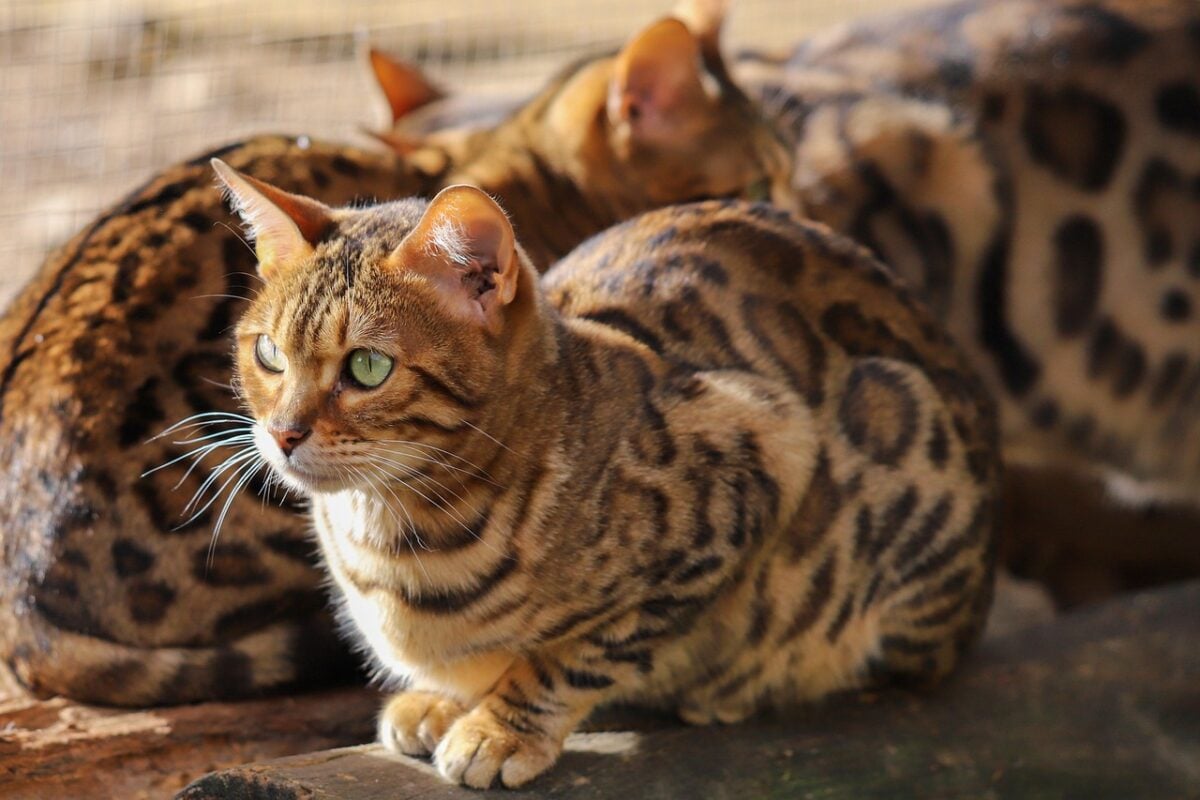
#19 – Bengal: Built for Action, Not Stillness
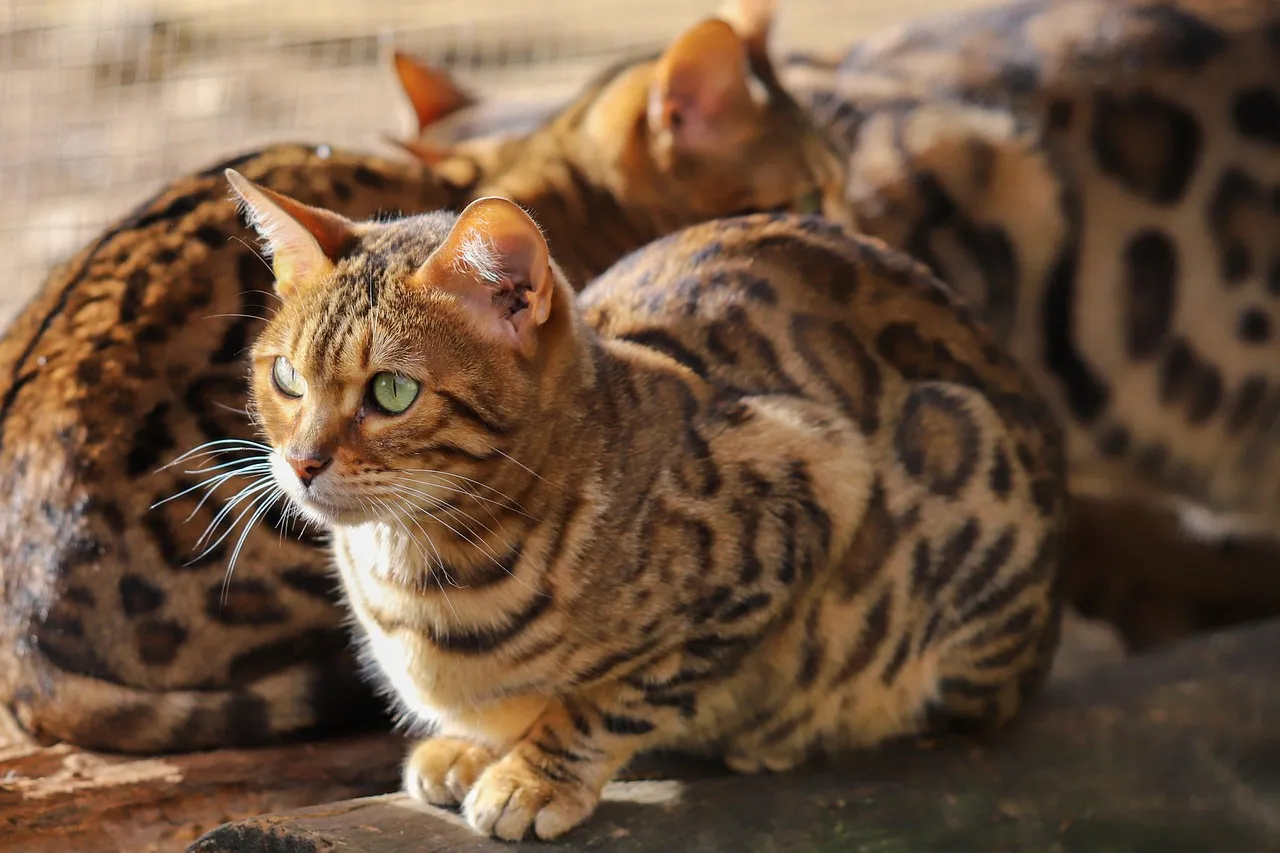
Now we flip the script. Bengals are stunning, but they’re one of the least suited breeds for quiet, low-stimulus homes. Developed from Asian leopard cats, they carry a strong drive for movement, exploration, and mental challenge.
Quick Compare
- Ragdoll: content with a nap and a lap. Bengal: needs daily, active play sessions to stay sane
- Ragdoll: rarely destructive when bored. Bengal: prone to climbing, knocking things over, and inventing games
- Ragdoll: settles in days. Bengal: may take months of enrichment to feel truly at ease indoors
In calm, uneventful environments, many Bengals become restless, vocal, and even destructive.
- Vertical space, puzzles, and daily intense play
- Constant novelty and engagement
A quiet human lifestyle doesn’t automatically clash with a Bengal – but a quiet, boring home does. Many behaviorists quietly warn that Bengals are over-adopted by people who wanted a pretty pattern, not an athlete trapped in a condo.
#20 – Siamese: Emotionally Intense and Loud About It
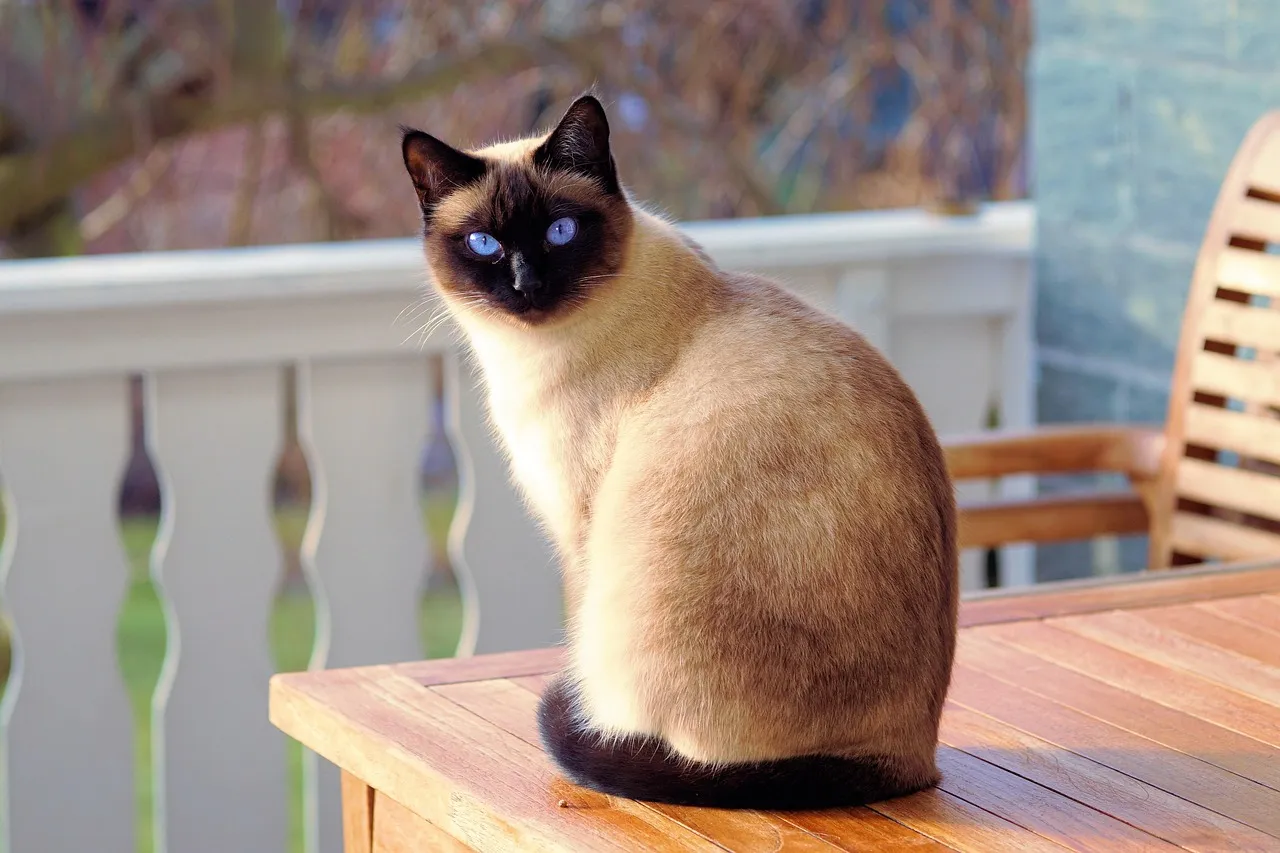
Siamese cats are legendary for a reason: wildly intelligent, deeply attached, and often very vocal. In a quiet home with an owner who’s gone a lot or dislikes noise, a Siamese can feel like an emotional grenade.
They don’t just “hang out” in silence – they comment, they complain, they demand involvement.
- Yowl if bored, lonely, or under-stimulated
- Shadow you constantly and protest closed doors
Some people love this level of connection, but many quiet-seeking owners find it overwhelming. A Siamese that feels ignored in a calm household can escalate its volume fast, making “peace and quiet” an absolute fantasy.
#21 – Abyssinian: Too Curious to Ever Truly Switch Off
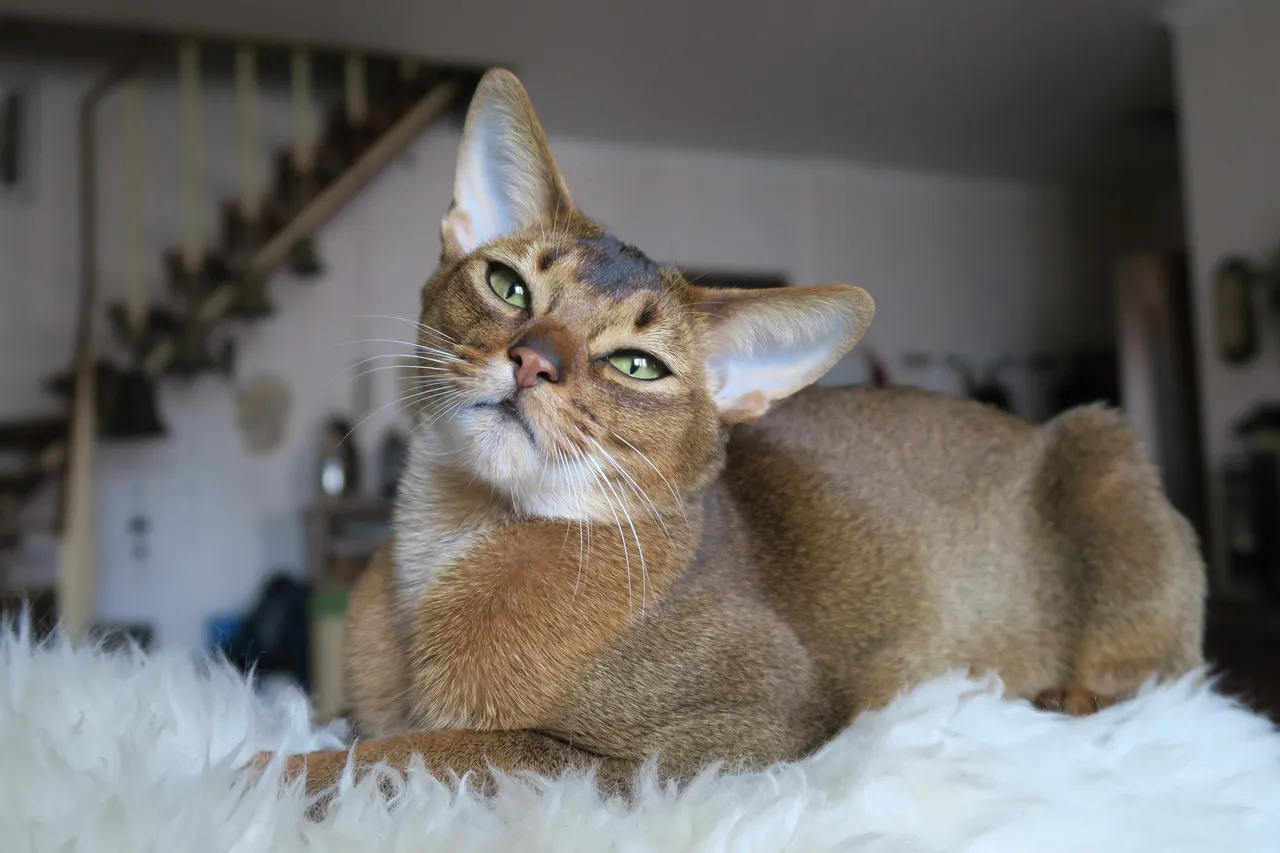
Abyssinians are often described as “perpetual kittens” and “toy testers from hell.” They’re wired for exploration and play, full stop.
In low-key homes without much environmental enrichment, an Abyssinian’s curiosity turns into constant restlessness. They want to be in everything, on everything, part of everything.
- Climbing trees, interactive toys, and daily challenges
- Humans willing to engage, not just coexist
A silent, minimalist apartment is basically sensory deprivation for this breed. You can have a quiet personality yourself and still live happily with an Aby – but your home can’t be quiet in terms of stimulation, or they’ll invent “projects” you never asked for.
#22 – Oriental Shorthair: Social Butterflies Trapped in a Library
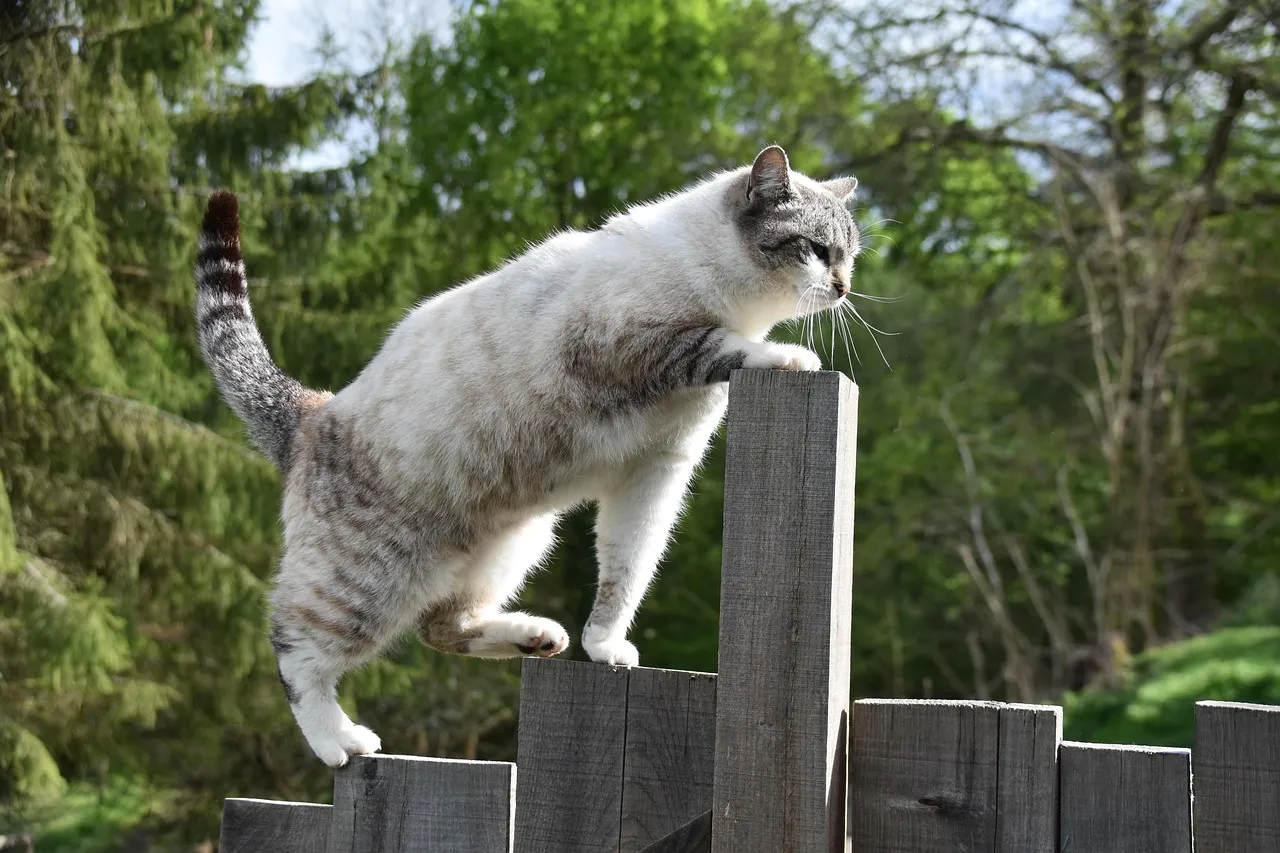
Oriental Shorthairs share a lot with Siamese: vocal, interactive, highly social, and sensitive. In a calm home where people are introverted and disengaged, these cats often become needy, loud, and frantic for attention.
They don’t just want presence; they want active participation.
- Busy, talkative homes and multiple companions
- Owners who don’t mind constant feline commentary
Put an Oriental in a single-person, quiet apartment with a human who works long hours and rarely talks, and you’ve built a mismatch. The cat’s emotional volume doesn’t drop just because the room is quiet – if anything, it turns up.
#23 – Turkish Van: Water-Loving Athletes in a Still House
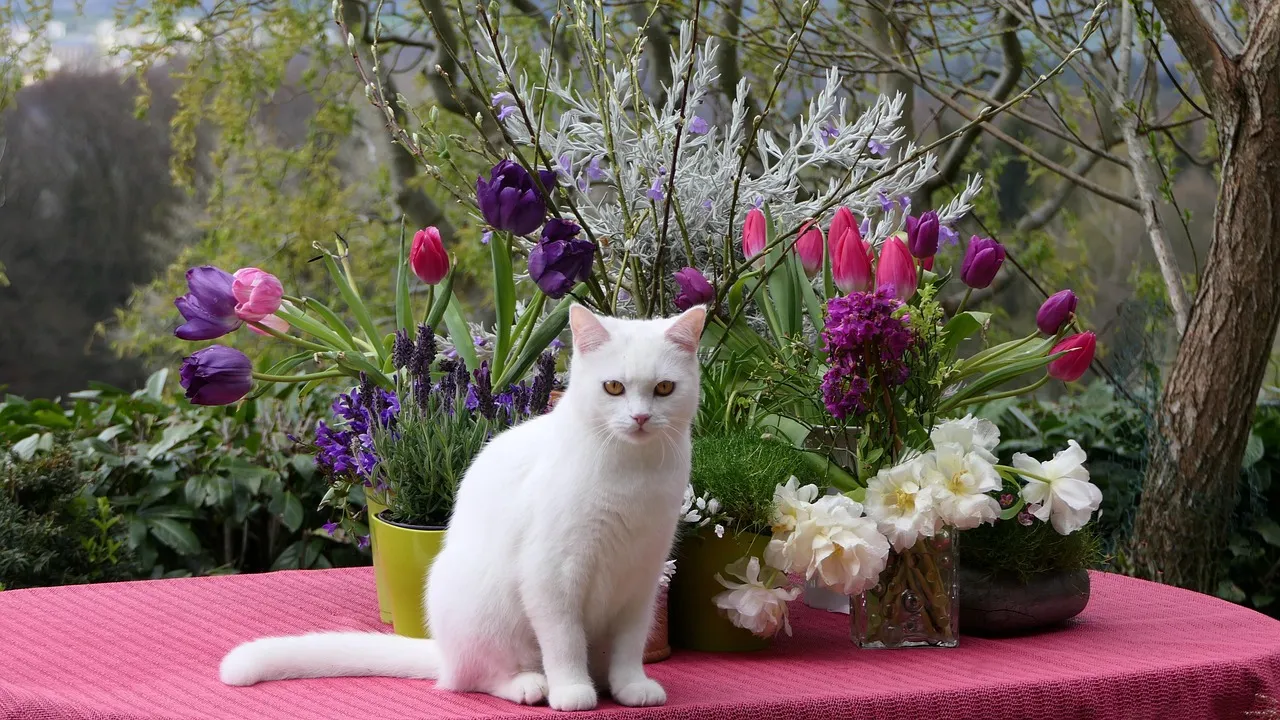
Turkish Vans are unusually athletic and often weirdly obsessed with water. They’re climbers, jumpers, and explorers by design – not naturally content with just a window and a lap.
A calm, low-activity home with no outlets for that energy becomes a mental cage for them.
- Space to run and things to climb
- Interactive games and environmental variety
Owners who want a tranquil, decorative house cat are usually blindsided by how much motion a Turkish Van brings – splashing in water bowls, racing through hallways, launching attacks on “boring” decor. In the wrong quiet home, frustration is nearly guaranteed on both sides.
#24 – Savannah: High-Drive Hybrids That Rarely Settle
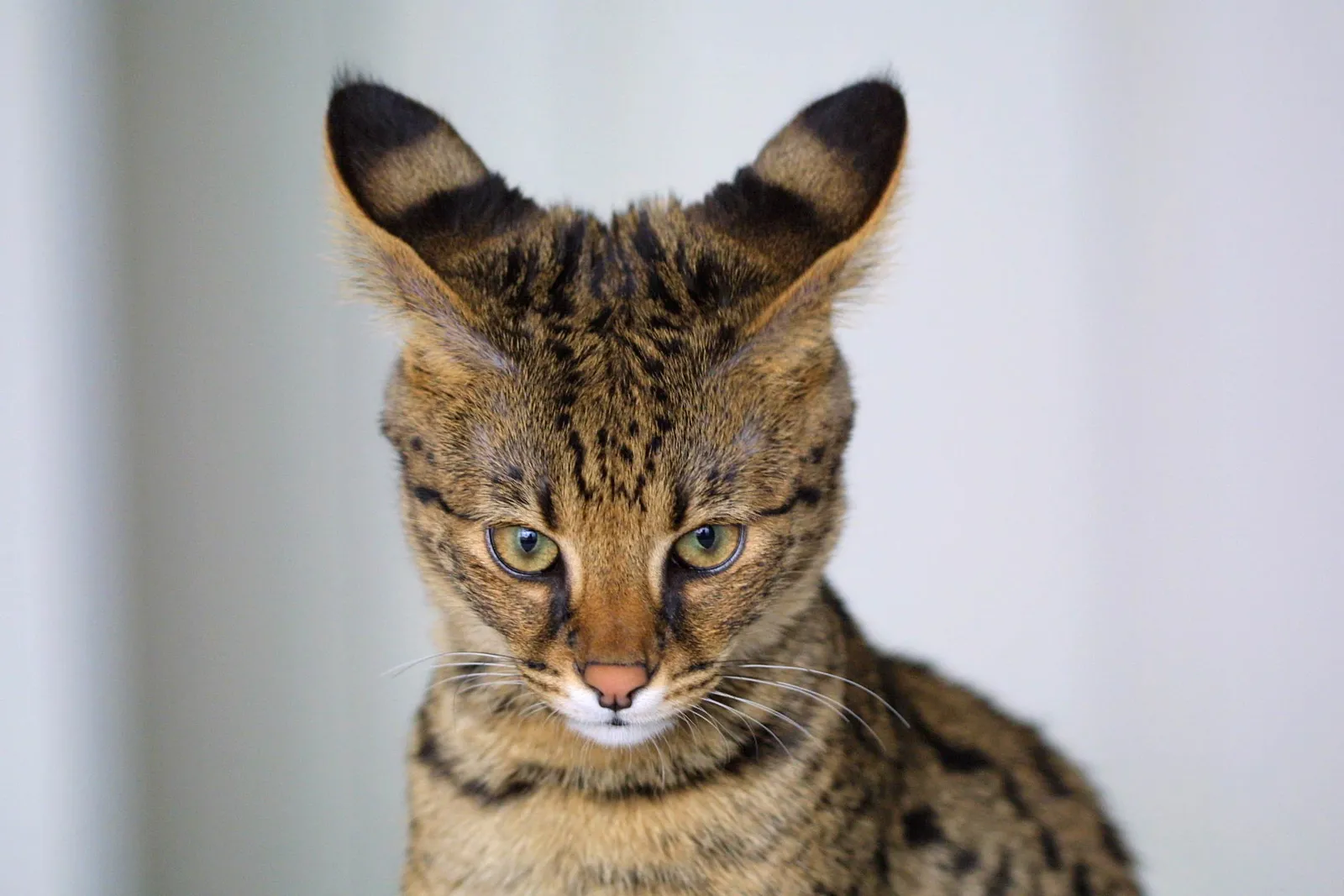
Savannah cats, a serval/domestic hybrid, are visually stunning and physically intense – tall, fast, and extremely active. Most are not wired for a slow, calm lifestyle in a small, quiet home.
Even well-socialized Savannahs often need an environment closer to a jungle gym than a reading nook.
- Large spaces, vertical height, and vigorous daily exercise
- Constant mental challenges to avoid boredom
For someone dreaming of a gentle lap cat in a peaceful home, this is essentially the opposite. A Savannah deprived of adequate outlets can become destructive, vocal, and even aggressive out of pure frustration – and many end up rehomed because of exactly that mismatch.
#25 – Japanese Bobtail: Playful Extroverts in an Introvert’s World
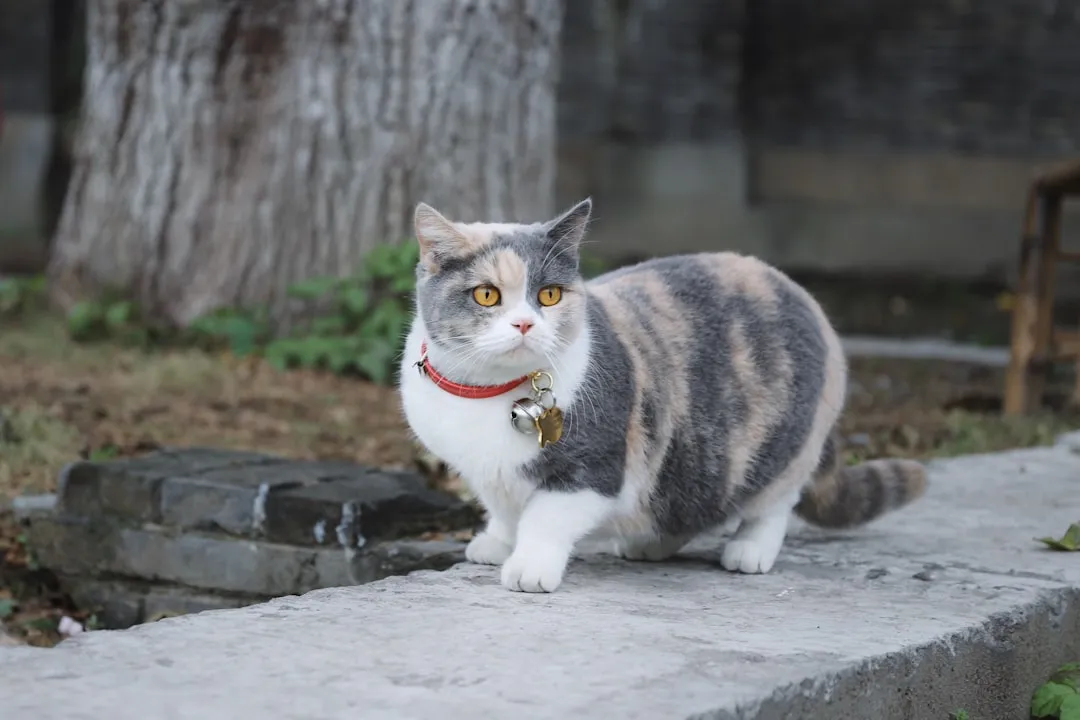
Japanese Bobtails are often described as outgoing, playful, and people-oriented. That sounds great – until you realize they don’t easily accept a life where “nothing much happens.”
In overly quiet, low-stimulation homes, they may escalate their antics and vocalizations just to manufacture some excitement.
- Frequent interactive play
- Social interaction, with humans and sometimes other pets
They’re not as intense as some hybrids, but they’re also not likely to sit still as background decoration. Try to read in silence for hours, and don’t be surprised if a Japanese Bobtail treats that as a challenge – with paw taps, toy deliveries, and chirpy commentary.
#26 – Cornish Rex: Hyperactive Comedians Needing an Audience
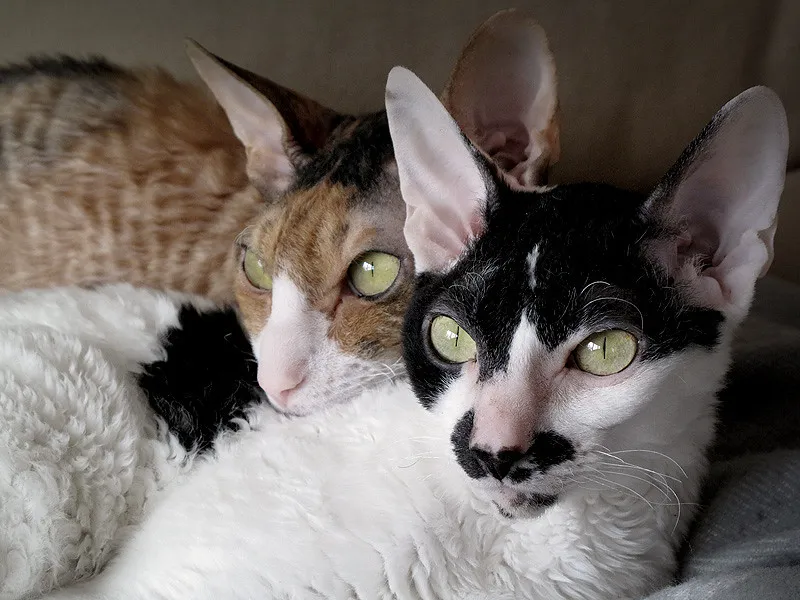
Cornish Rex cats have slim bodies, wavy coats, and often extremely high energy. They’re athletic, social, and prone to bursts of wild activity.
A quiet, inactive home can feel like the wrong stage for their constant comedy. If nobody engages, they’ll make their own fun – and not always in ways you’ll enjoy.
- Interactive play sessions, often multiple times a day
- Climbing opportunities and mental puzzles
Left in a calm but boring environment, a Cornish Rex may start scaling curtains, raiding cabinets, or pestering you relentlessly. They settle emotionally with loving owners – but physically, their engine rarely truly idles unless you actively work it out of them.
#27 – Sphynx: Social Heat-Seekers Who Hate Being Ignored
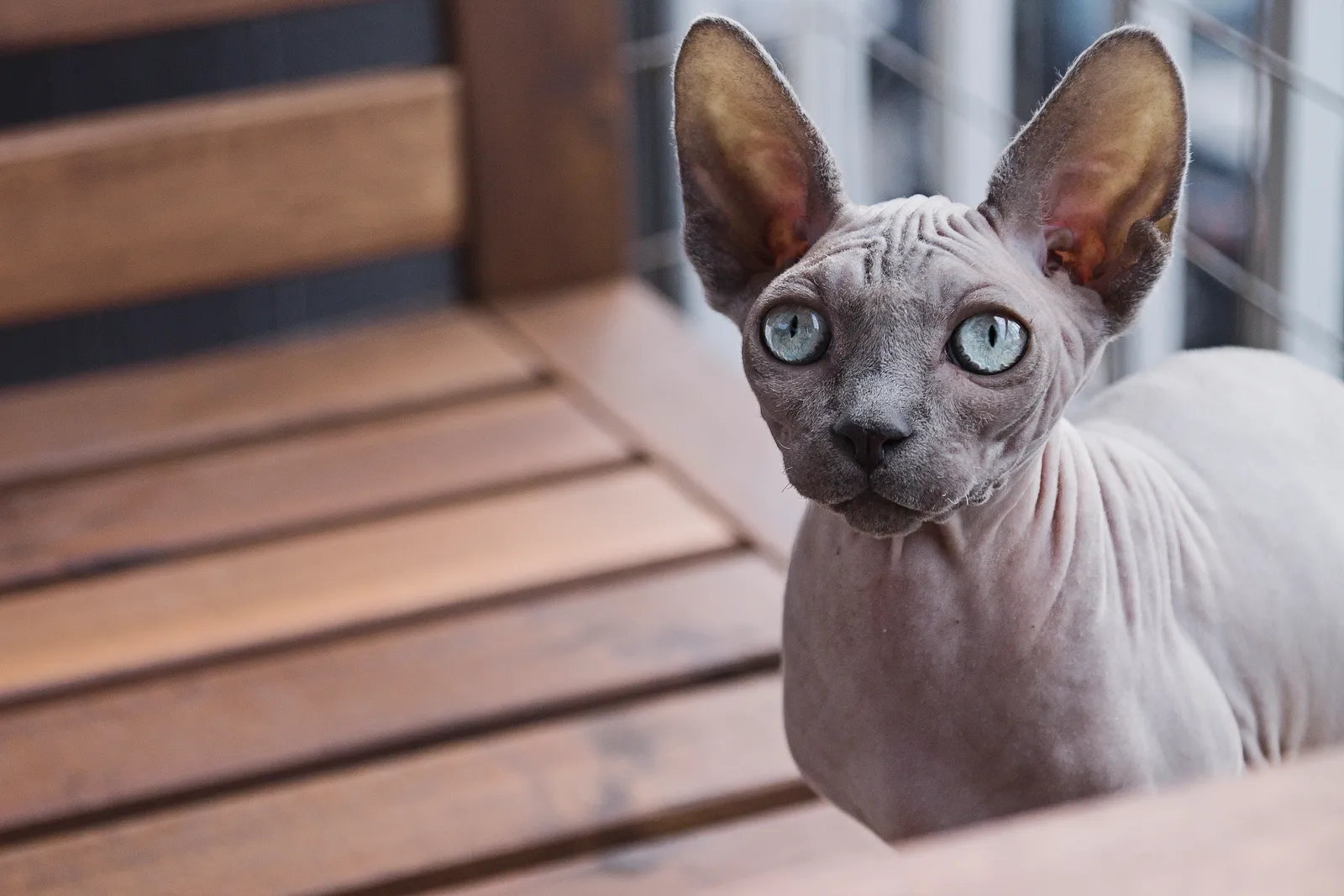
Sphynx cats are famously people-oriented, extremely affectionate, and often quite active. They don’t just like humans; they seem to need them.
In a quiet home where the human is gone long hours or not very interactive, a Sphynx can become anxious, clingy, and vocal. Silence plus solitude is a rough combo for this breed.
- Constant physical closeness – laps, shoulders, under blankets
- Playtime, conversation, and frequent eye contact
A Sphynx might adjust to a quiet household if someone’s home a lot and highly engaged. But in the stereotypical “silent, low-interaction” home, they rarely feel settled. They’re emotional extroverts living in introvert housing, and that tension shows.
#28 – Singapura: Tiny Bodies, Big Energy
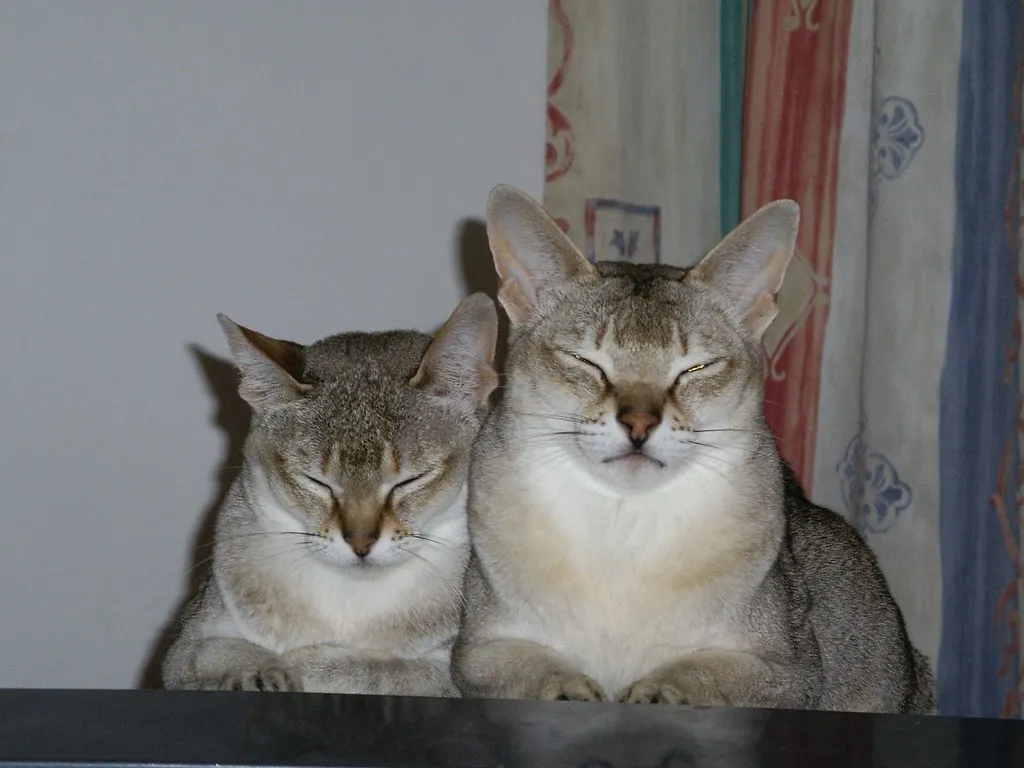
Singapura cats are one of the smallest breeds, but their personalities are anything but small. They’re often described as active, curious, and ever-present.
A low-stimulus, quiet home doesn’t usually match their default “go, go, go” attitude. They like to be involved in everything, often physically.
- Explore every shelf, bag, and cabinet
- Demand interaction and play, not just nearby presence
You can absolutely live with a Singapura in a calm home, but if you’re expecting a quiet ornament, prepare to be surprised. Without enough engagement, they turn to mischief and constant attention-seeking – they’re built for households that enjoy a little light, constant chaos.
#29 – Ocicat: Domestic Wildcats That Hate Boredom
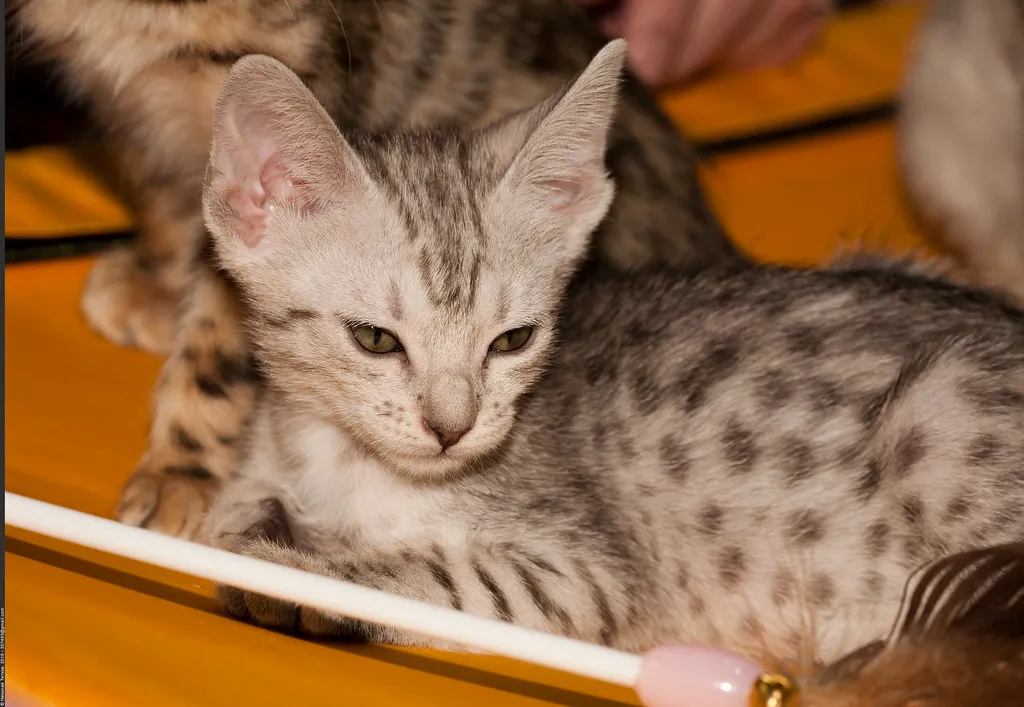
Despite having no wild blood, Ocicats look and act like miniature ocelots in many ways. They’re muscular, athletic, and very people-focused – but not in a chill, couch-potato way.
Quiet homes without much going on can badly frustrate an Ocicat’s need for physical and mental action.
- Agility-style play and complex toys
- Training, tricks, and games that challenge their brains
If your ideal evening is quiet TV and knitting, an Ocicat may spend that time bouncing off furniture or trying to engage you relentlessly. They rarely just “switch off” because the house is quiet – they need structured outlets, or they’ll invent chaotic ones.
#30 – Manx: Energetic Hunters in Sedate Spaces
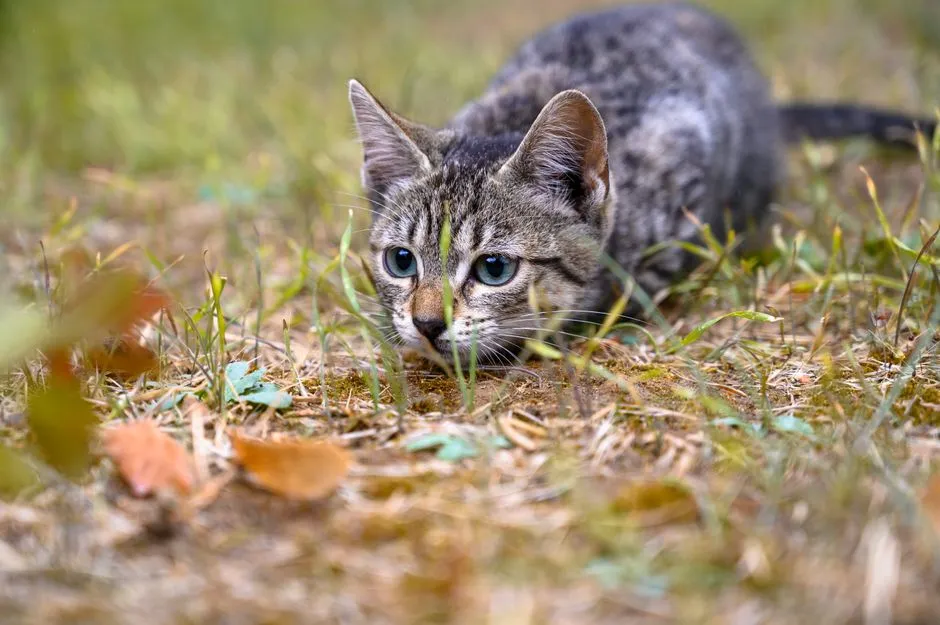
Manx cats, known for their tailless look, often have a strong hunting drive and solid, muscular builds. Many are active, dog-like, and love games of fetch or chase.
In very quiet homes with few toys or opportunities to run, Manx cats may become restless and bored fast.
- Interactive toys that satisfy their prey drive
- Space to sprint and jump, even indoors
Pair a Manx with a calm but engaged owner who plays daily, and things can work well. But the fantasy of a permanently sleeping Manx on a windowsill is just that – a fantasy. Without proper outlets, they turn their intelligence and energy into home “renovation” projects you didn’t authorize.
#31 – Norwegian Forest Cat: Nature Lovers, Not Studio Hermits
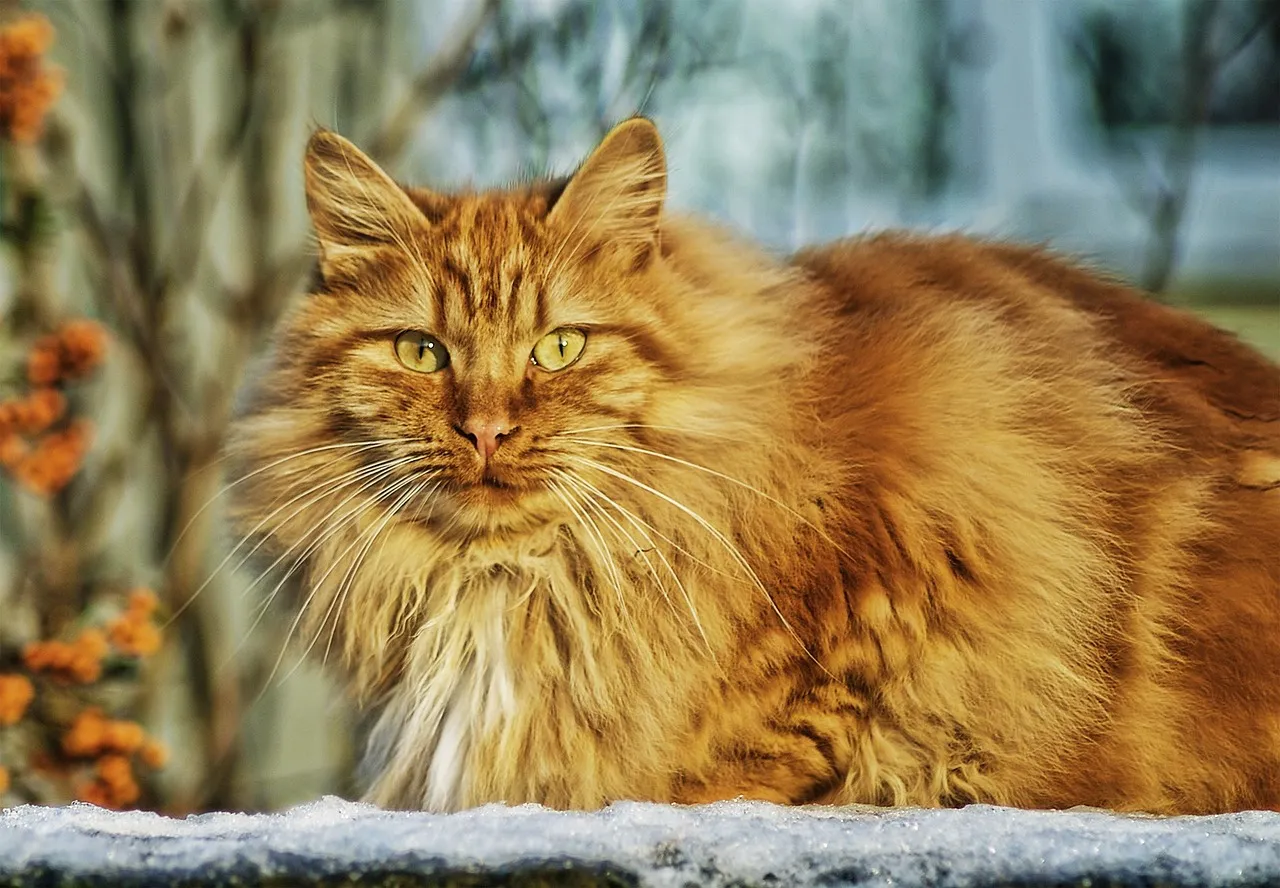
Norwegian Forest Cats are large, semi-longhaired climbers built for outdoor life in harsh climates. Indoors, they still carry that love of vertical territory and exploration.
A tiny, ultra-quiet apartment with no climbing options is one of the worst matches for this breed. They’ll adapt somewhat, but never truly settle the way a Persian might.
- Tall cat trees, shelving, and lookout points
- Interactive play mimicking hunting and climbing
They can be affectionate and calm in demeanor, but their physical needs are big. People who choose them for looks alone often underestimate how much environmental enrichment they actually require.
#32 – Maine Coon: Gentle Giants Who Still Need a Lot
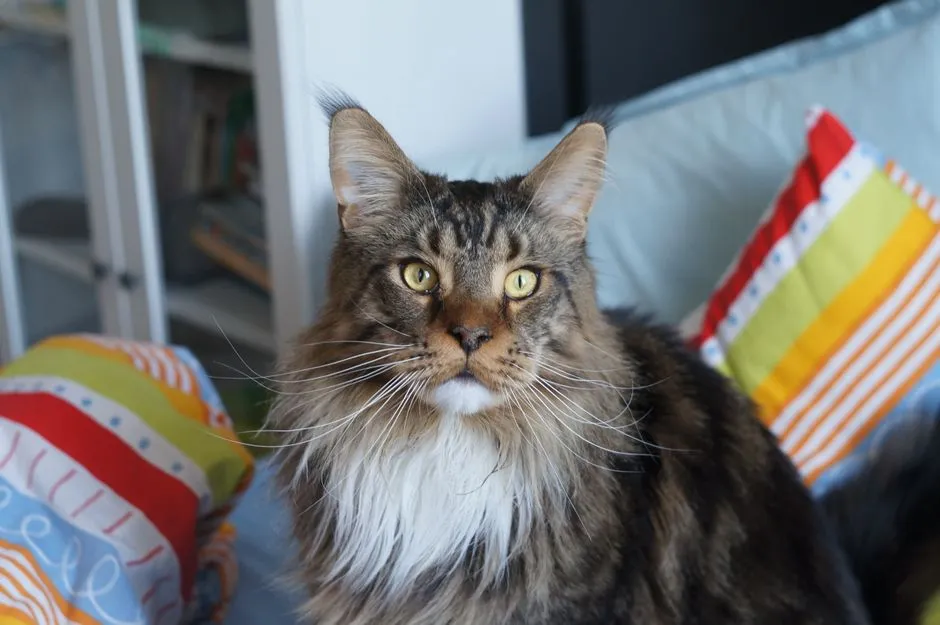
Maine Coons are often marketed as “gentle giants” who are laid-back and easygoing. That’s partially true – but it hides a key detail.
At a Glance
- Origin: Native to Maine, one of the oldest natural breeds in North America
- Weight: Males roughly 13-18 lbs (some reach 25 lbs), females 8-12 lbs
- Lifespan: Around 12-15 years
- Personality: Playful and active well into adulthood, not just decorative
Many Maine Coons stay playful and active well into adulthood, needing space, toys, and engagement far beyond what a typical quiet home naturally offers.
- Big spaces to move and climb
- Regular play sessions that take their size and strength seriously
If your version of a quiet home is also physically minimal and low-interaction, you may end up with a bored, mischief-making giant. They’re less intense than Bengals, but they’re not living statues – without enough stimulation, scratching, climbing, and midnight zoomies escalate fast.
#33 – Turkish Angora: Elegant, Yes. Calm, Not Always.
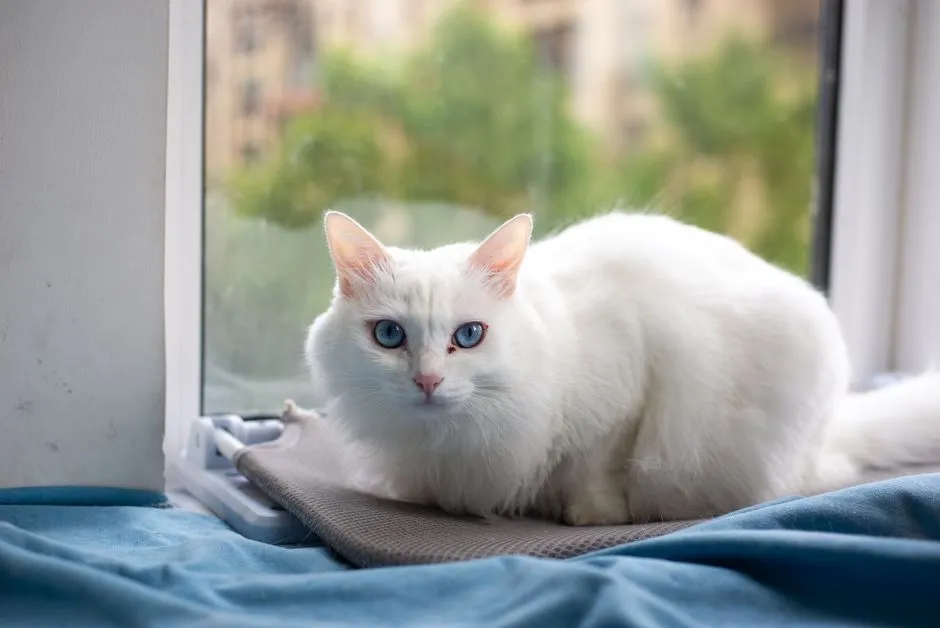
Turkish Angoras look delicate and serene, but many are actually active, social, and strong-willed. They’re sharp, people-focused, and often quite vocal when their needs aren’t met.
In quiet homes where owners expect a docile lap cat, Turkish Angoras can feel like a constant surprise.
- Mental stimulation, puzzle toys, and interactive games
- Freedom to explore and climb, not just sleep prettily
If their energy and intelligence have no outlet, they resort to attention-seeking behaviors that clash hard with a peaceful lifestyle – persistent meowing, knocking things off shelves, demanding door-monitor duty. They rarely settle fully into true low-energy cats.
#34 – Balinese: Long-Haired Siamese Brains in a Calm Cocoon
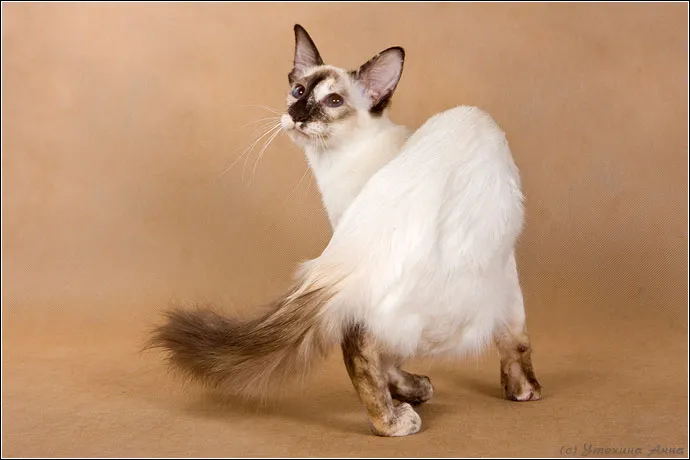
Balinese cats are essentially long-haired Siamese, and their personality reflects that. Smart, communicative, and active, they want to be part of everything happening around them.
A quiet home without enough conversation, play, or company can leave a Balinese under-stimulated and genuinely frustrated.
- Follow you everywhere and comment on what you’re doing
- Require daily focused interaction, not just presence
Slapping long hair on a Siamese temperament doesn’t turn it into a Persian. If you love talking to your cat and involving them in your day, you can make it work in a calm home. But if your dream is near-silence and minimal interaction, this breed will feel like the wrong audiobook on loop.
#35 – Devon Rex: Mischief Machines in Soft Packaging
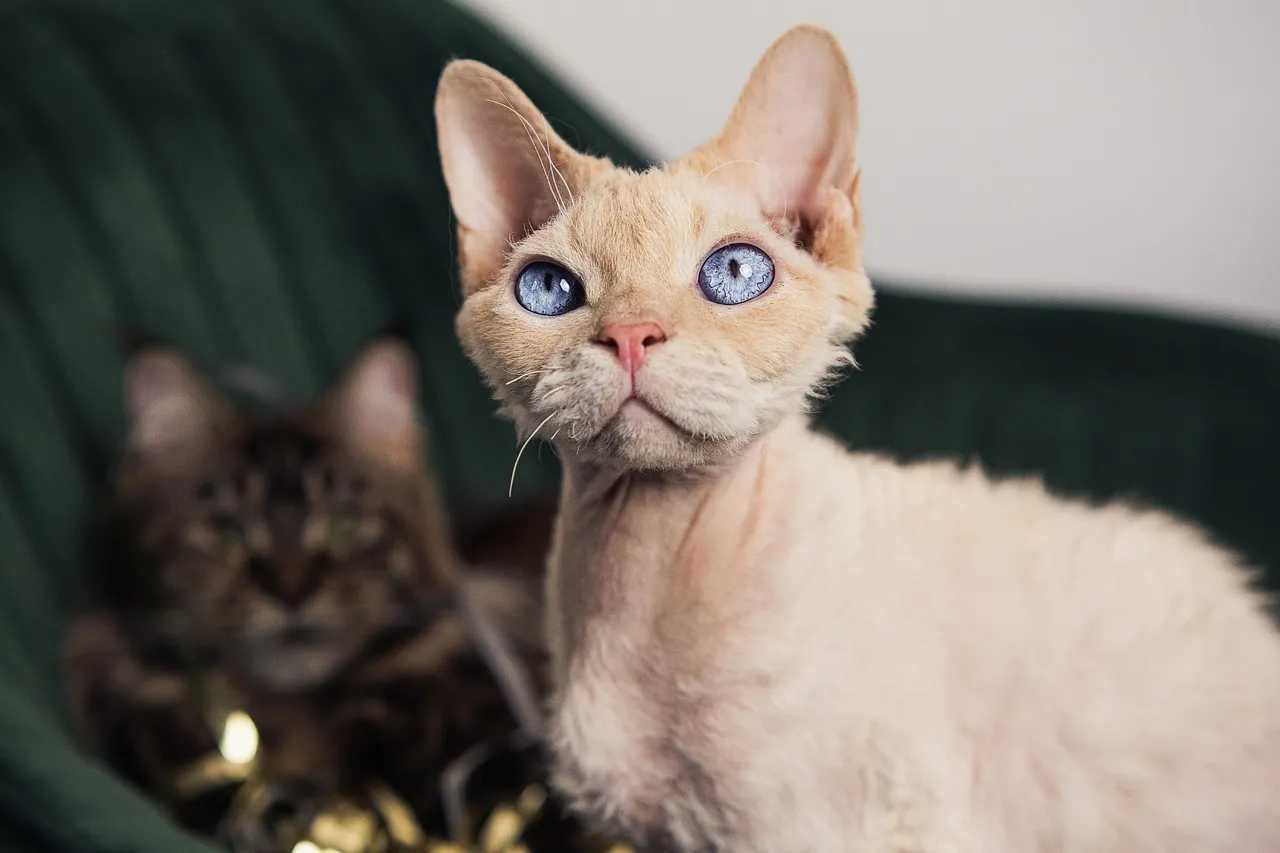
Devon Rex cats look like little aliens with big ears and curly coats – and they act like it too. They’re playful, curious, and often borderline hyper.
Quiet, low-activity homes without structured play are basically boredom factories for a Devon. They’ll explore, dig, climb, and experiment just to entertain themselves.
- Frequent interactive play and puzzle toys
- Human engagement and variety in their environment
Think of them as toddlers that never quite grow up. If your idea of a perfect evening is silence and stillness, a Devon may be up on your bookshelf at 10 p.m. just to see what happens. They “settle” emotionally with connection, but their engine never really idles.
#36 – High-Energy Shelter Mixes: The Most Misunderstood Mismatch
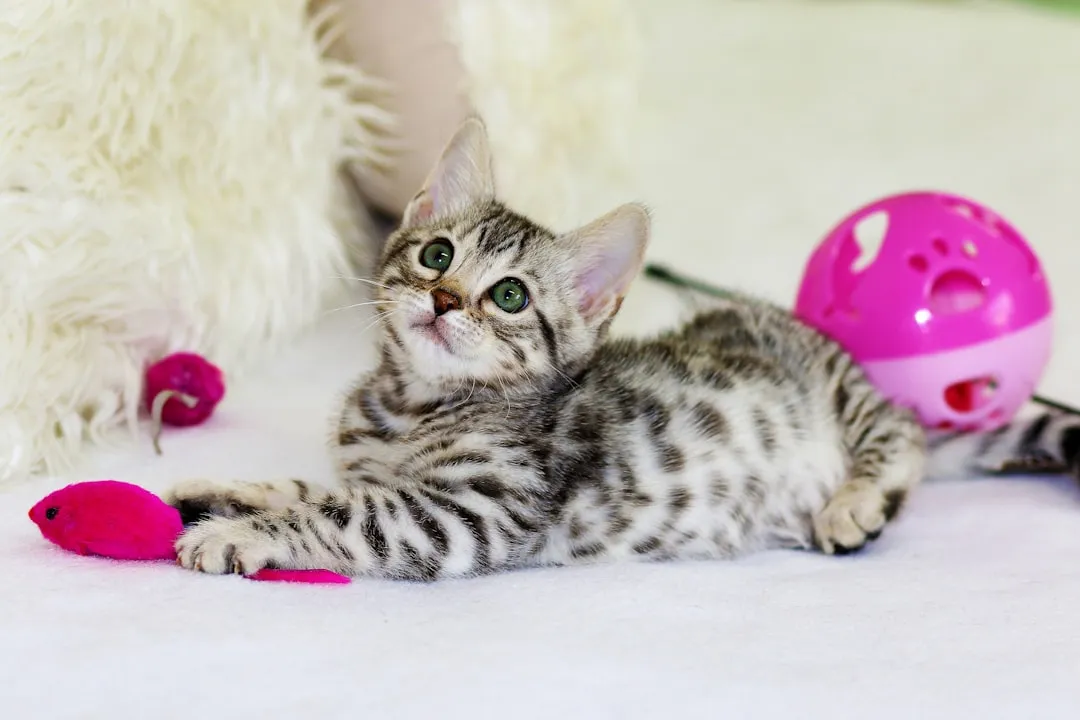
Here’s the truth bomb: many of the cats that struggle most in quiet homes aren’t purebreds at all – they’re high-energy domestic mixes misread as “easy.” Shelter cats with a strong prey drive, high curiosity, or anxious, vocal tendencies often get adopted into silent, low-engagement homes simply because they looked calm in a cage.
What they actually need looks nothing like what they projected at the shelter.
- Daily, structured play to burn energy
- Environmental enrichment and patient training
Once home, their real personalities emerge – and suddenly the “quiet companion” is sprinting laps and meowing at 2 a.m. It’s not the cat’s fault, and it’s not the owner’s fault either. It’s the assumption that any cat will adapt to a peaceful life. Some simply won’t, not without real work and compromise.
The Verdict: Personality Beats Pedigree, Every Time
The myth that “a calm home makes any cat calm” is one of the biggest mistakes people still make. Some breeds – Ragdolls, British Shorthairs, Persians, Chartreux, older or special-needs cats – are almost pre-wired for quiet, predictable lifestyles. Others – Bengals, Siamese, Abyssinians, hybrids, and plenty of high-energy mixes – will never truly feel settled without constant stimulation, no matter how soft the blankets are.
The real lesson here isn’t about breed snobbery. It’s that matching temperament to lifestyle matters infinitely more than chasing a trendy look. A supposedly “plain” shelter senior might be a far better fit for your quiet life than the most expensive spotted kitten on Instagram, and pretending otherwise is how good homes end up with miserable cats.
Did we nail your experience, or does your cat belong on the opposite list from where you expected? Tell us in the comments – we’re willing to bet a few of you are living with a beautiful, chaotic mismatch right now.
