
Retirement is supposed to slow everything down. Somewhere between the last workday and the first lazy Tuesday morning, a lot of people decide the missing piece is a dog – something warm, loyal, a little goofy, easy to love. So they pick based on cuteness, breed reputation, or whatever their neighbor happens to own, and assume calm will just follow naturally.
It usually doesn’t. Some of the most popular, most photogenic breeds in America are quietly engineered for chaos – dogs that need jobs, mileage, and constant problem-solving just to feel normal. Put one of those in a slow-paced retired household and you don’t get a companion, you get a full-time project with fur. Then there are the breeds nobody hypes on social media that turn out to be exactly what tired knees and quiet afternoons actually need. We asked what trainers, vets, and longtime owners really say about both ends of that spectrum, and a few of the “obvious” picks turned out to be dead wrong.
#1 – Border Collie: Brilliant but a Disaster for a Quiet Home
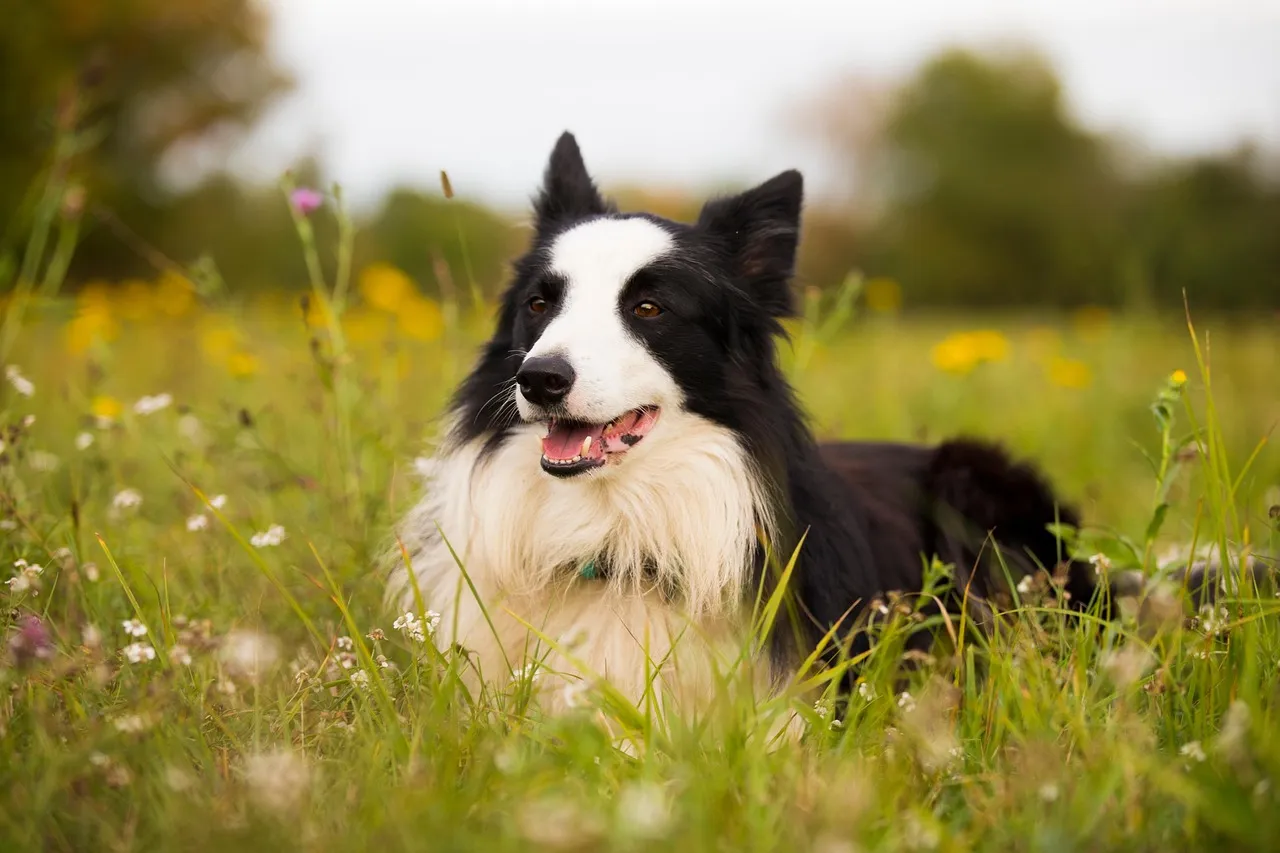
Border Collies look angelic curled up on a couch, but that’s a disguise. They’re among the most intense working dogs on the planet, bred to run, watch, and problem-solve from sunrise to sunset. Two long walks a day won’t even dent that engine – they need constant mental work just to feel normal.
In a quiet retired home, that hunger turns into a real problem. A bored Border Collie will herd your grandkids, nip at ankles, shred cushions, and sometimes spiral into obsessive habits like spinning or chasing shadows on the wall. Trainers privately admit this is one of the most commonly surrendered breeds once people realize what “high energy” actually means.
#2 – Belgian Malinois: The “Working Weapon” That Needs a Job, Not a Nap
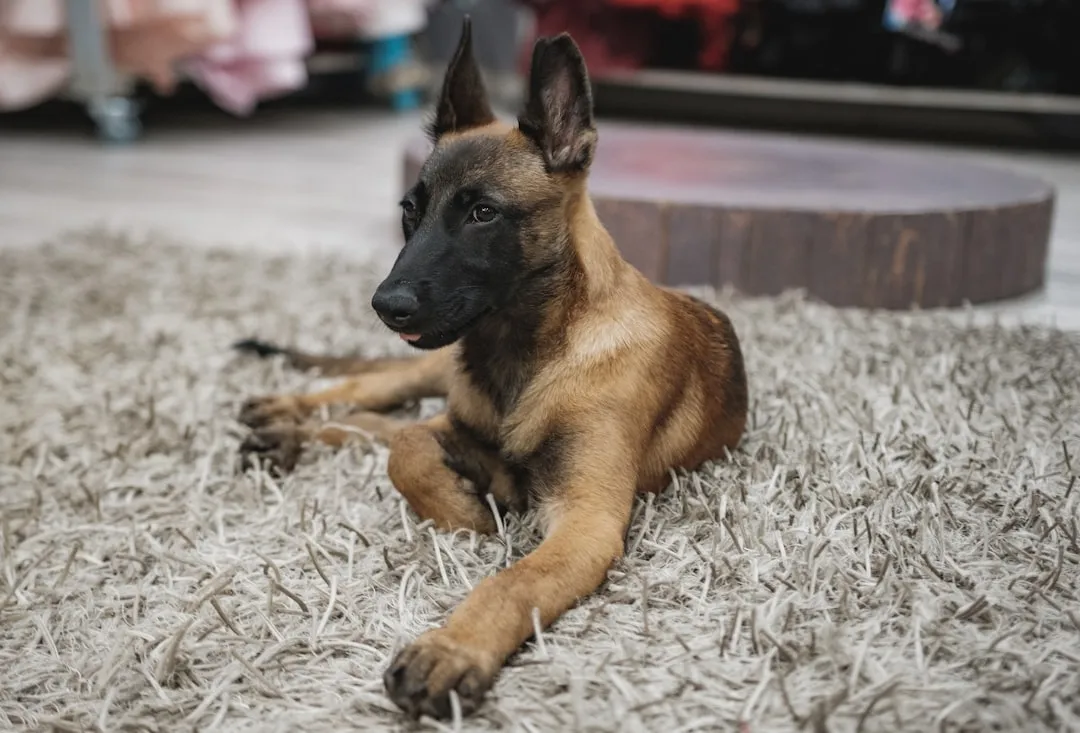
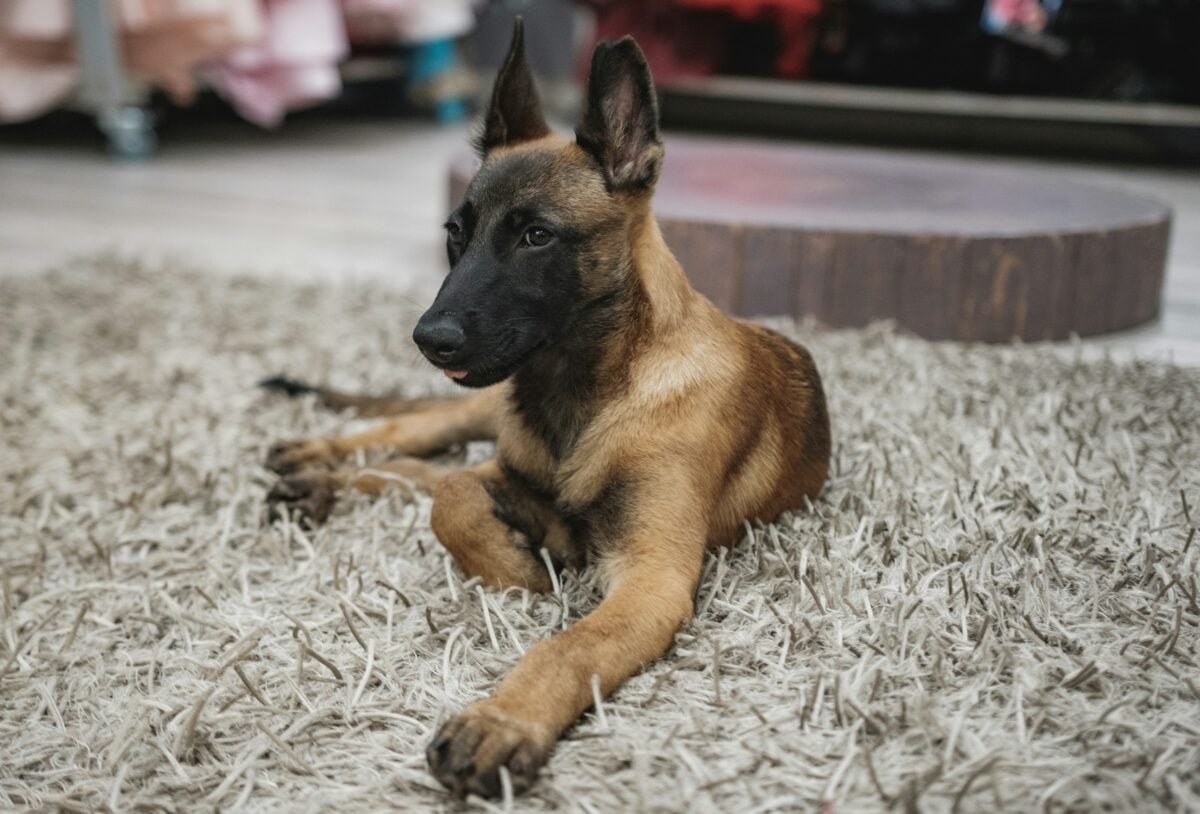
The Belgian Malinois rides with military units and SWAT teams for a reason – it’s built to work through gunfire, chaos, and twelve-hour shifts without blinking. That intensity doesn’t switch off just because the living room is quiet.
Retirees are often drawn in by the sleek looks and fierce loyalty, but this is genuinely a professional’s dog. Without advanced obedience work and serious daily outlets, a Malinois can turn anxious, destructive, and even frustrated to a dangerous degree – a couple of strolls and some cuddles simply won’t cut it.
#3 – Siberian Husky: Escape Artist with a Built-In Megaphone
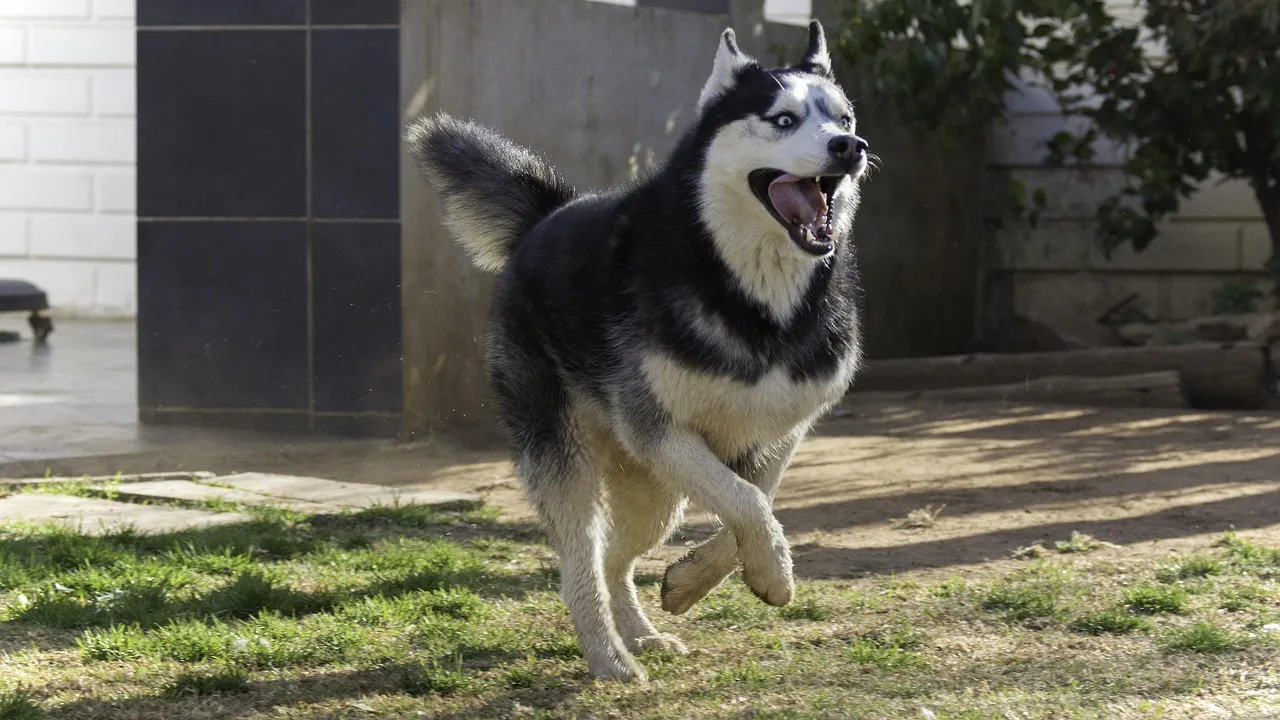
Huskies are stunning and sociable, but they were built to pull sleds for miles through brutal cold – not lounge by a fireplace all afternoon. They’re notorious escape artists and constant “talkers,” and more than a few retirees have a story about a Husky bolting through a half-open gate and vanishing for hours.
The mix of strength, stamina, and pure stubbornness is a lot for anyone to manage, let alone someone hoping for predictable, peaceful days. They pull hard on leash, need far more exercise than most seniors can realistically give, and howl the moment boredom sets in. This is an outdoorsy athlete’s dog, not a calm companion for slower years.
Fast Facts
- Developed by the Chukchi people of Siberia as an endurance sled dog, not a companion breed.
- Known for “talking” rather than typical barking – howls, yodels, and chatty outbursts.
- A thick double coat built for sub-zero temperatures, which makes warm climates especially hard on them.
- Legendary escape artists, skilled at slipping collars, clearing fences, and squeezing through gaps.
#4 – Australian Shepherd: Velcro Athlete Who Needs a Full-Time Hobby
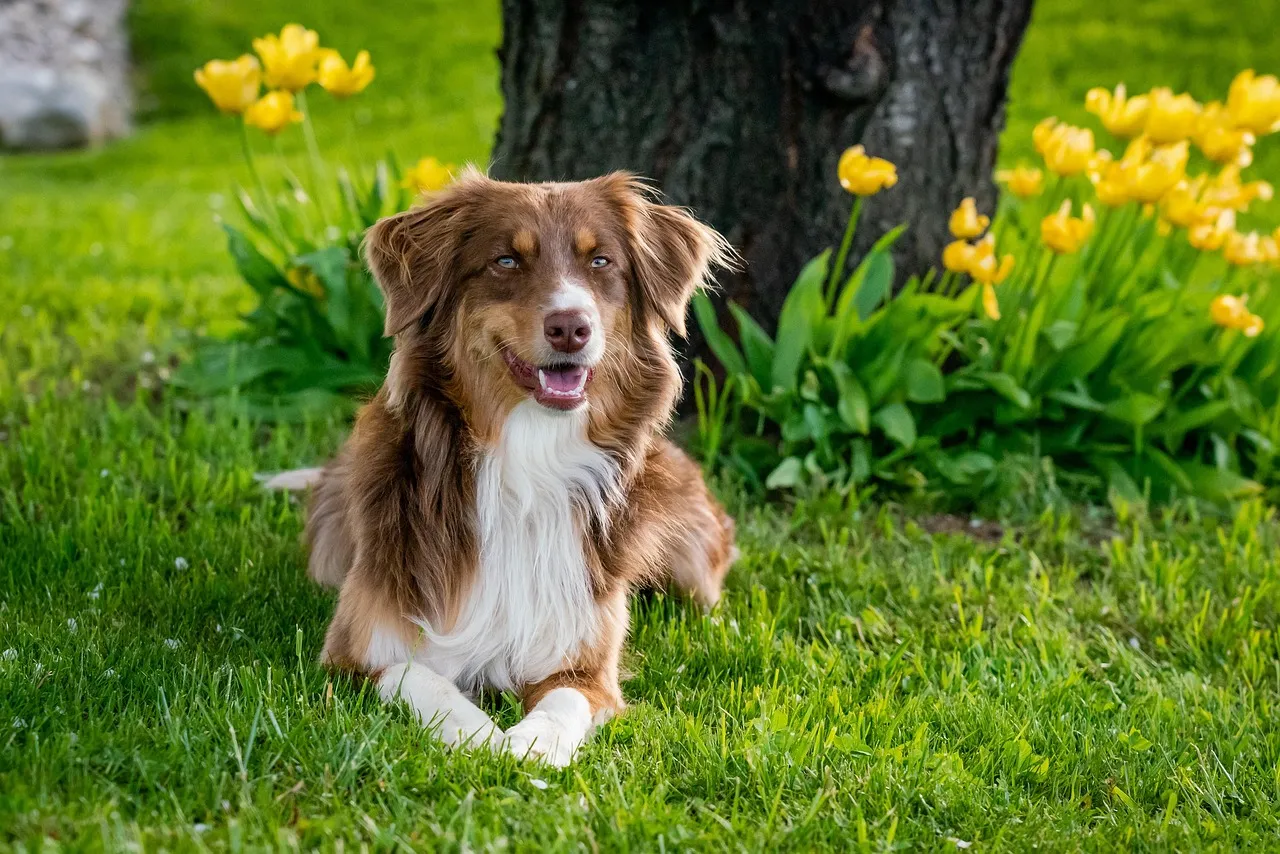
Australian Shepherds are charming, but they’re also some of the most driven herding dogs alive, earning the nickname “Velcro dogs” because they want to be glued to you, doing something, at full speed, all day. Without a real job – agility, herding, serious hikes – they’ll invent their own, like herding grandchildren or circling the dinner table.
In a home built around quiet routines, that drive turns into pacing, barking at every passing car, and sharp reactivity to bikes, walkers, even vacuum cleaners. Aussies are also prone to separation anxiety, which can be brutal in condo or apartment living. This breed belongs on a farm or with an active family, not in gentle retirement.
#5 – Jack Russell Terrier: Tiny Dog, Explosive Energy
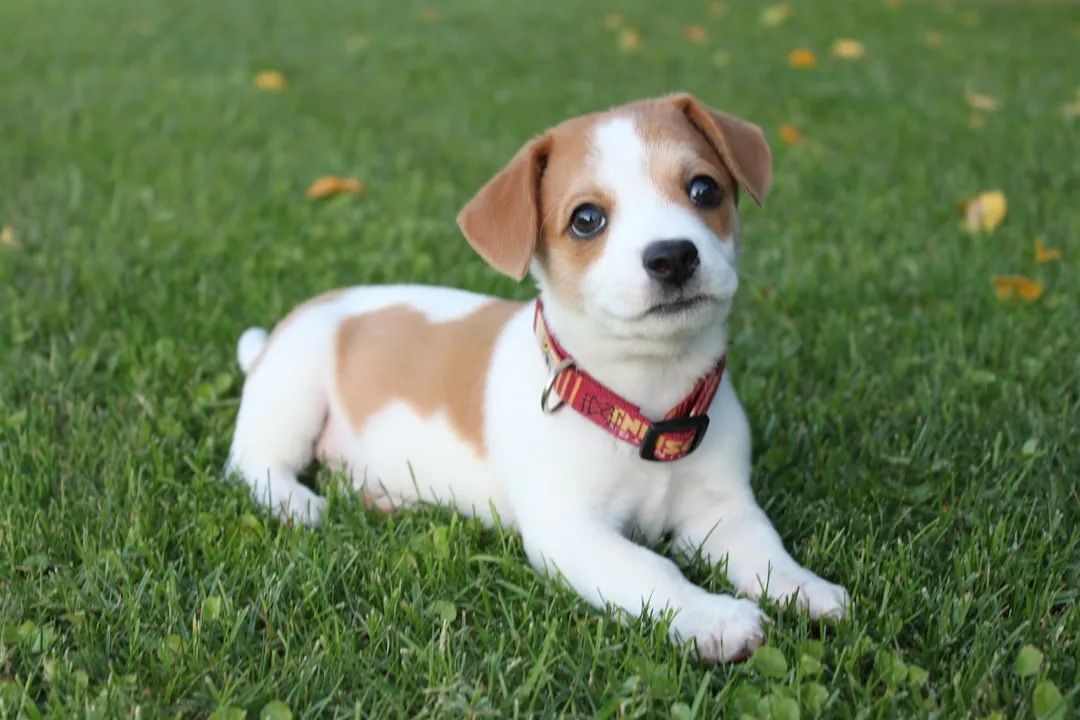
Don’t be fooled by the size. Jack Russells are hunting terriers wired for nonstop motion, bred to flush foxes out of dens – which means fearless, loud, and stubborn is baked into their DNA. Owners often joke they’re “a 60-pound dog trapped in a 15-pound body,” and it’s barely an exaggeration.
For a retiree hoping for a relaxed lapdog, a Jack Russell can feel like a second full-time job. Without serious play and mental challenges, they dig, bark at everything, and obsess over squirrels and shadows for hours. They’re also escape artists who can slip through the smallest gaps – charming, yes, but rarely restful.
#6 – German Shorthaired Pointer: Marathon Runner in a Living Room
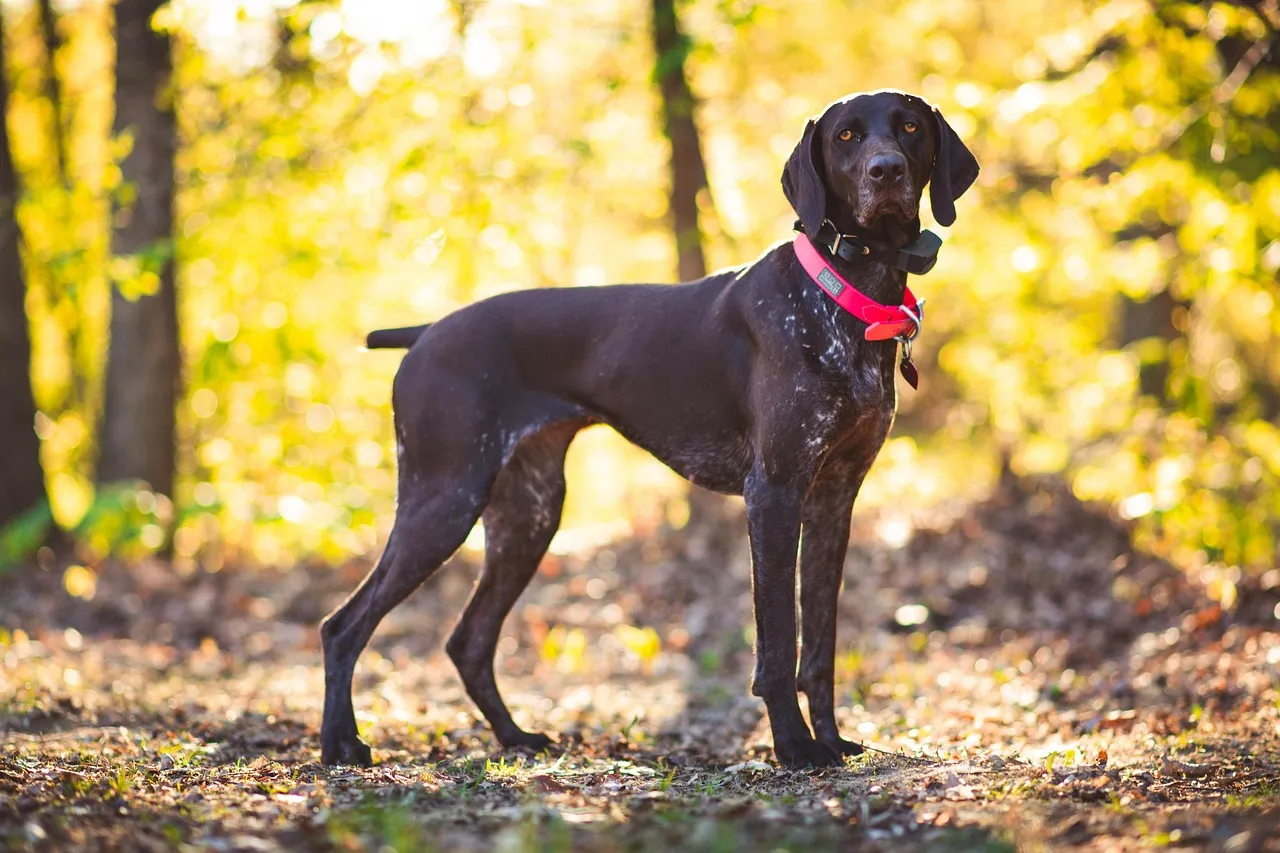
German Shorthaired Pointers are sweet and athletic, but their factory setting is “endurance athlete,” not couch potato. Bred to hunt all day and swim happily in freezing lakes, a 30-minute stroll twice a day barely registers with them.
In a quiet home, that mismatch shows up fast – restlessness, whining, pacing, chewed furniture, and hard pulling on every walk. They also carry a strong prey drive, which gets complicated fast in neighborhoods full of cats and small dogs. Unless you’re still hunting, hiking for miles, or running daily, this breed tends to turn peaceful retirement into a full-time management project.
#7 – Weimaraner: Emotionally Intense and Desperately Needy
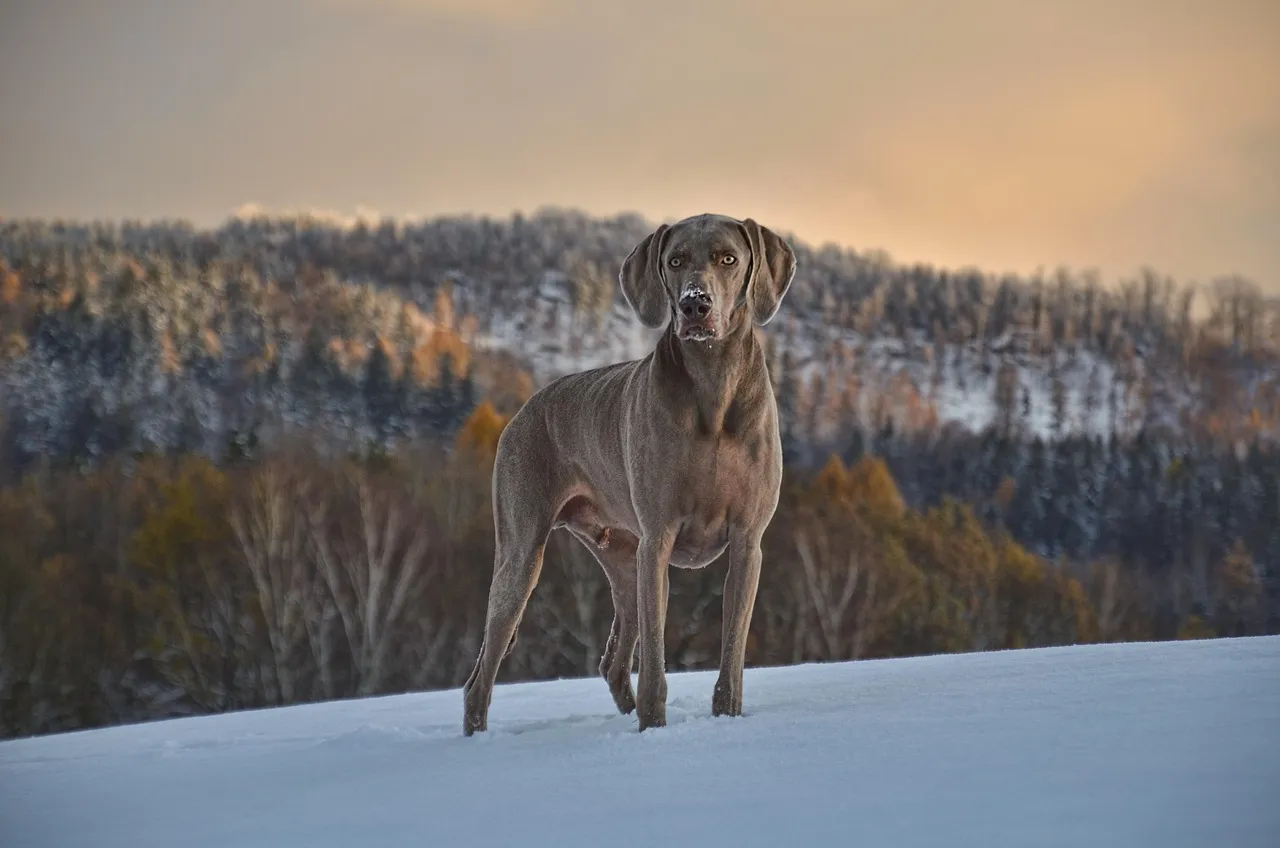
Weimaraners earned the nickname “gray ghosts” partly for their color, but also because they shadow their humans obsessively and can fall apart when left alone. That neediness, paired with serious physical energy, makes them a tough fit for any home – especially one built around calm and independence.
Retirement comes with appointments, errands, and social plans, and even short separations can trigger anxiety, barking, or destructive spirals in a Weimaraner. They also need real daily exercise – off-leash runs, advanced training, demanding games – or they get frustrated fast. If your idea of a good afternoon involves the dog napping quietly alone for a few hours, this probably isn’t it.
#8 – Dalmatian: High-Energy Sprinter with a Sensitive Streak
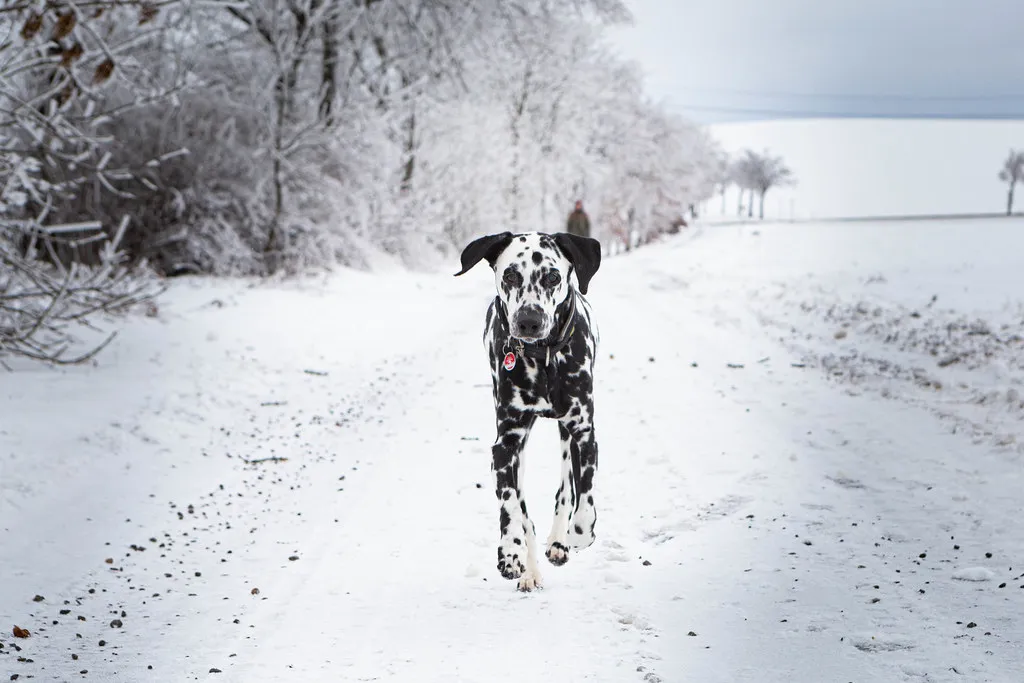
Thanks to old movies, Dalmatians have a reputation as easygoing family dogs. The reality is tireless, sensitive, and quick to develop behavior problems if under-exercised – they were originally bred to trot alongside carriages for hours, staying alert the entire time.
In a slower household, that history surfaces as restlessness, hyperactivity, and sometimes nervousness around strangers if they weren’t thoroughly socialized early. They also carry real health considerations, including urinary issues and a higher risk of deafness, both of which add cost and stress. Most experts steer this breed toward energetic, experienced owners, not retirees hoping for predictable, low-key days.
#9 – Fox Terrier: Endless Curiosity, Zero Off Switch
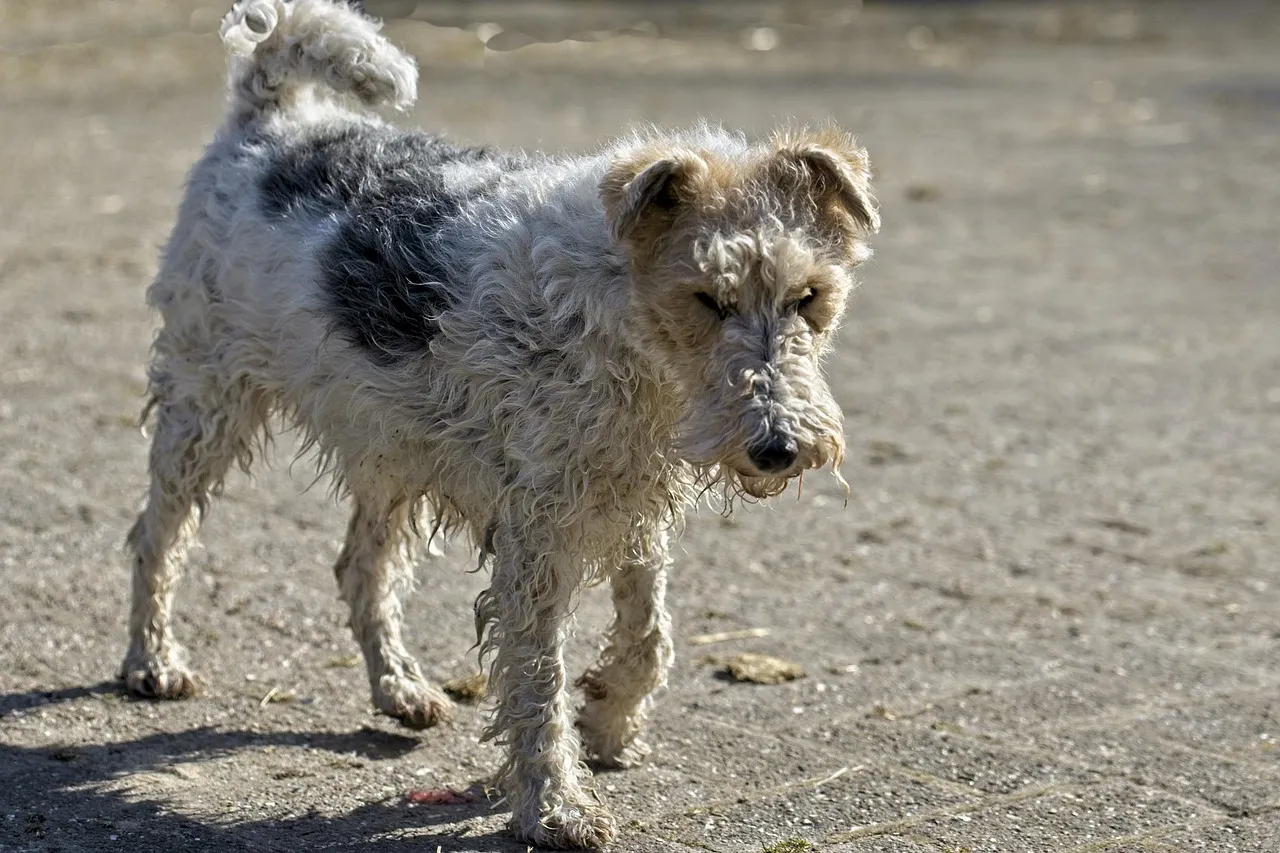
Fox Terriers look like fun, compact little companions, but they’re classic working terriers with a relentless prey drive and curiosity that never really switches off. They were built to dig foxes out of the ground and keep going until the job was finished.
In a quiet house, that translates into barking at every noise, chasing anything that moves, and turning a nice garden into an excavation site. Without daily puzzles, training, and structured play, expect chewed remotes and furniture used as climbing gear. If peaceful reading and gardening is the dream, this breed can feel like a small, adorable tornado tearing through it.
#10 – Belgian Tervuren: Sensitive Workaholic, Not a Sofa Dog
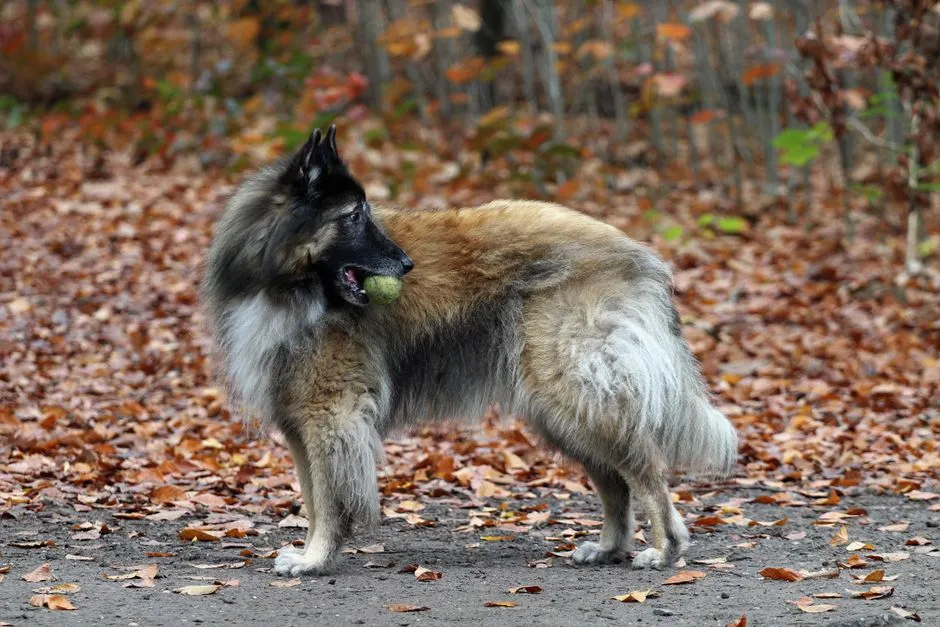
The Belgian Tervuren is gorgeous and brilliant, but also one of the most emotionally intense herding breeds around. They read every movement you make and worry about all of it, which tips easily into hyper-vigilance – barking at footsteps, cars, or a neighbor simply walking past.
For someone craving a relaxed companion, that “always on duty” mindset gets exhausting fast. Tervurens do best in sports, obedience work, or jobs that keep their minds occupied; in a quiet home, they tend to pace and react to the smallest change in routine. They also bond hard to one person, which can spark real separation anxiety if that person has frequent appointments.
#11 – Vizsla: Velvety, Clingy, and Constantly in Motion
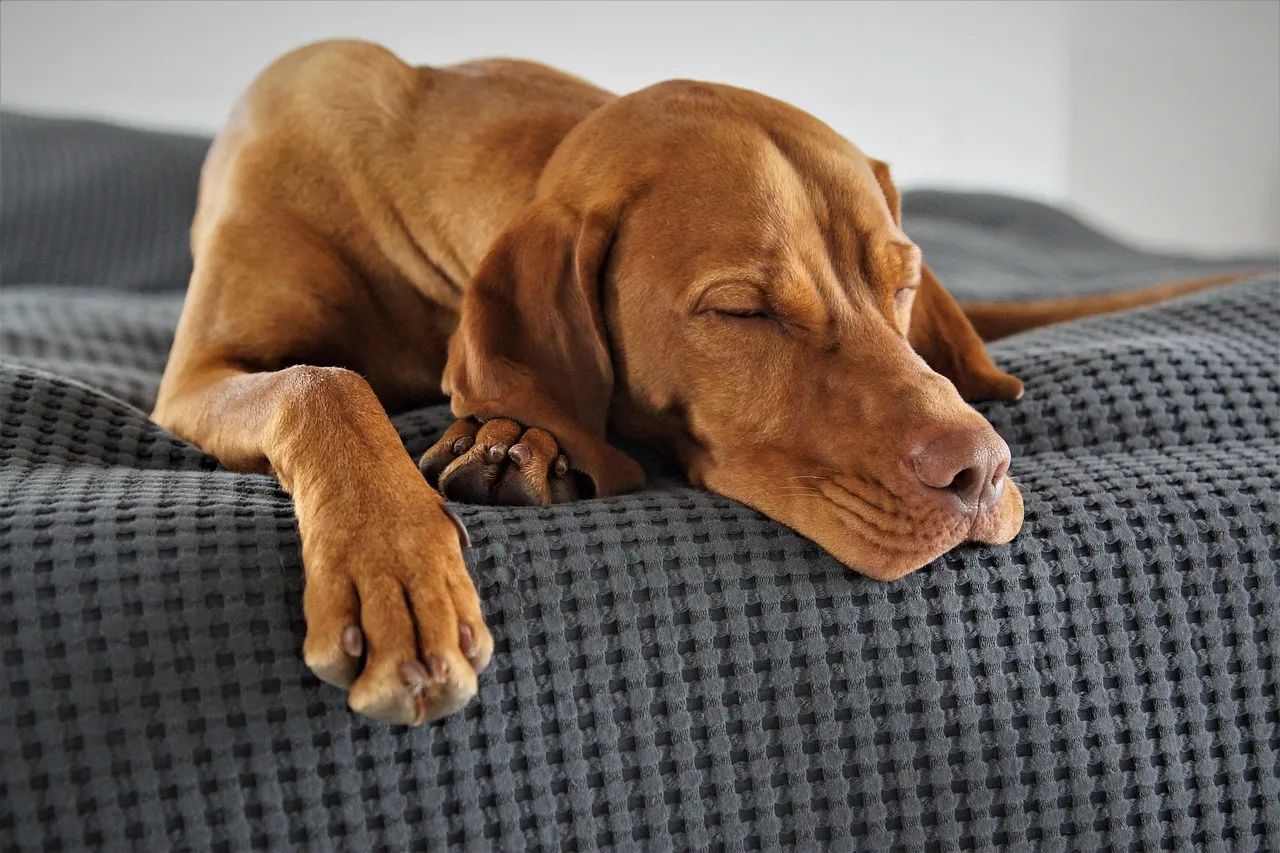
Vizslas have exploded in popularity because they’re gorgeous and affectionate, but insiders describe them as “Velcro dogs with jet engines for legs.” Bred as hunting companions, they expect long runs, serious exercise, and nonstop physical contact with their person every single day.
Left under-exercised or alone too much, a Vizsla often turns destructive, anxious, and loud. They don’t settle for a couple of short walks and an evening cuddle – they want to do things constantly, which becomes a daily stressor for anyone with limited mobility. A few highly active retirees enjoy the challenge, but most quiet households find the energy simply unsustainable.
#12 – American Pit Bull Terrier: Strong, Social, and Sometimes Too Intense
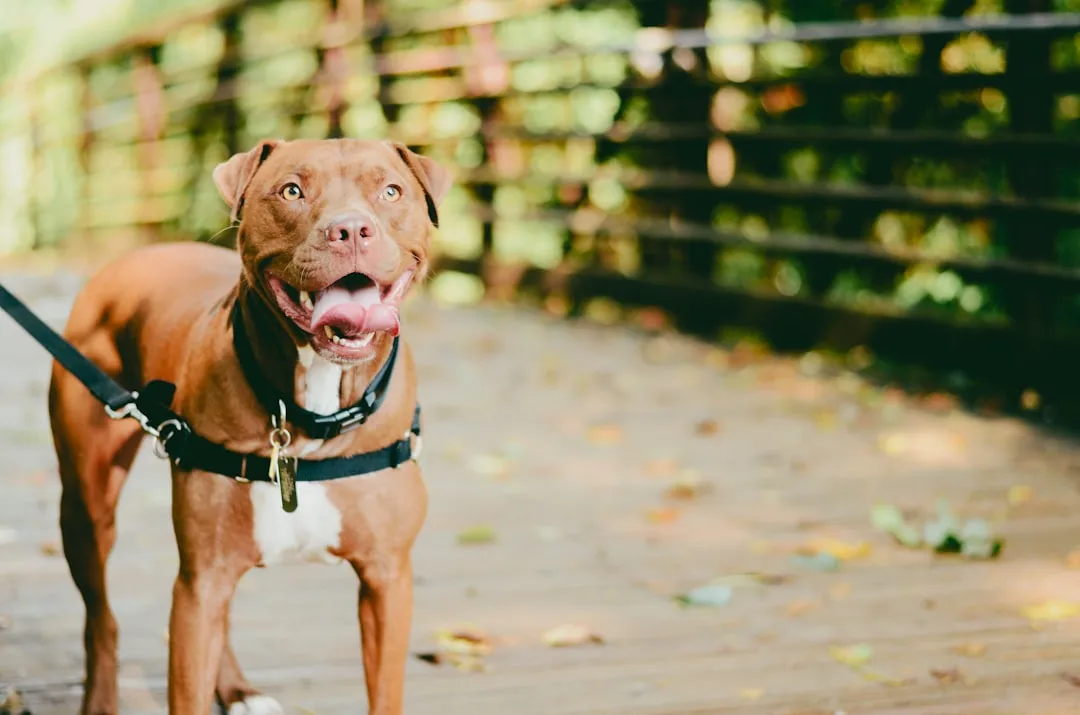
Plenty of Pit Bulls are sweet, cuddly, and gentle, but as a breed they’re also powerful and high-drive, often needing confident, experienced handling. They can pull hard on leash and react strongly to other dogs if socialization was inconsistent.
For retirees managing balance or strength issues, controlling 50 to 70 pounds of determined muscle carries real risk. There’s also the paperwork problem: some retirement communities, rental agreements, and insurers still quietly restrict bully breeds. The controversy alone can be draining for someone who just wants a calm, easily accepted companion.
#13 – Rhodesian Ridgeback: Independent Guardian, Not a Beginner’s Dog
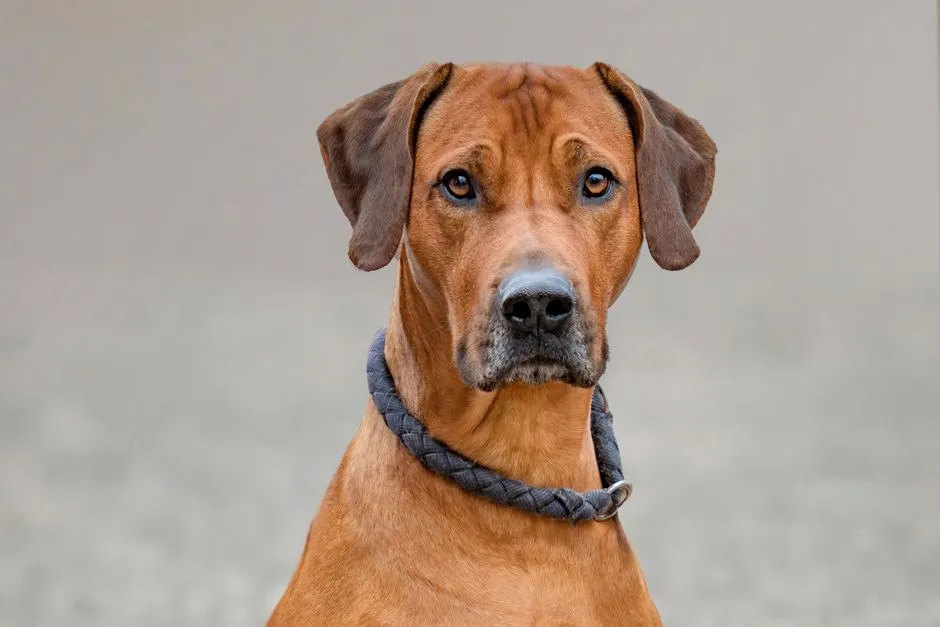
Rhodesian Ridgebacks were bred to track lions, so their blend of power, independence, and prey drive is no joke. Unlike breeds that live to please, Ridgebacks think for themselves and can be stubborn about rules they simply don’t agree with.
In a quiet home, that independence becomes a daily negotiation – ignored recalls, hard pulling on leash, strong reactions to unfamiliar dogs or wildlife. Training has to be firm and consistent, which is difficult if energy or mobility are limited. For a retiree wanting an easy, always-compliant dog, even minor misbehavior from an animal this size feels enormous.
#14 – Labrador Retriever (Field Lines): America’s Favorite… and Often Too Much
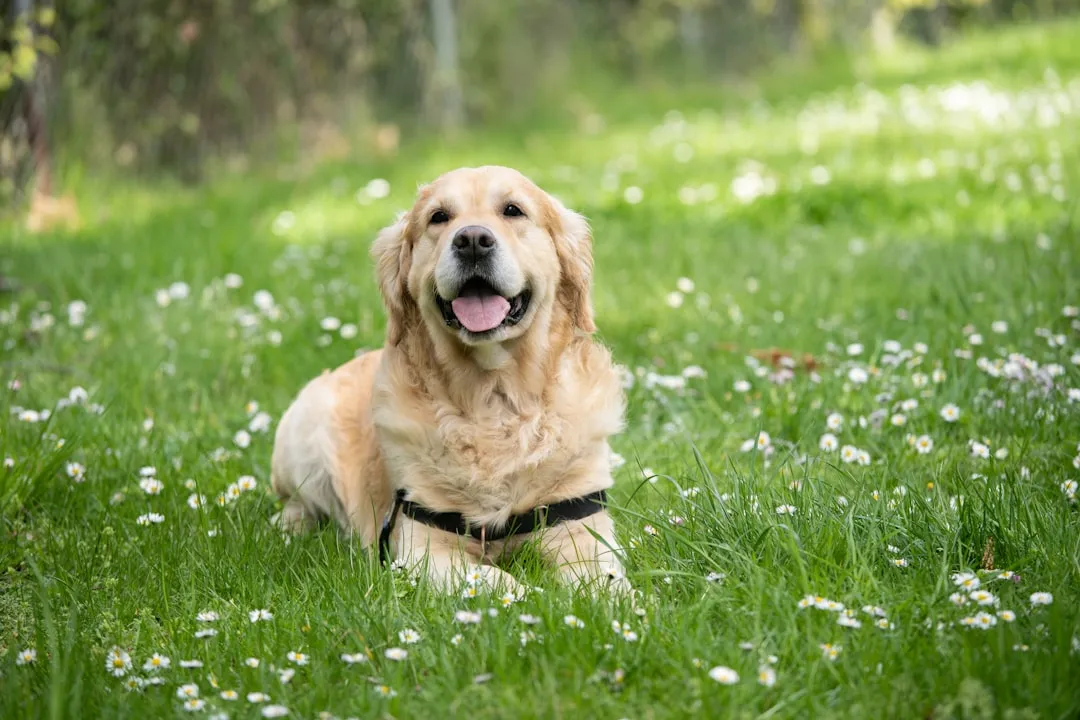
This one causes arguments, but field-bred Labradors can be shockingly intense for a quiet retired home. These lines are built for all-day hunting and retrieving, and they stay mouthy, energetic, and slow to mature – sometimes acting like puppies well into their third year.
Plenty of retirees pick a Lab assuming “calm and easy,” then get blindsided by chewing, jumping, and endless demands for fetch. Show-bred or older rescue Labs can be wonderfully mellow, but an adolescent field-line Lab behaves more like a professional athlete than a lapdog. The label “Labrador” alone tells you almost nothing about what you’re actually getting.
Quick Compare
- Field-line Labs: Bred for all-day retrieving; stay high-energy well into adulthood.
- Show-line Labs: Calmer, stockier build; generally easier for low-key homes.
- Senior or rescue Labs: Energy has naturally leveled off, often making them the mellowest option of all.
#15 – Boxer: Eternal Clown with More Bounce Than Your Knees Need
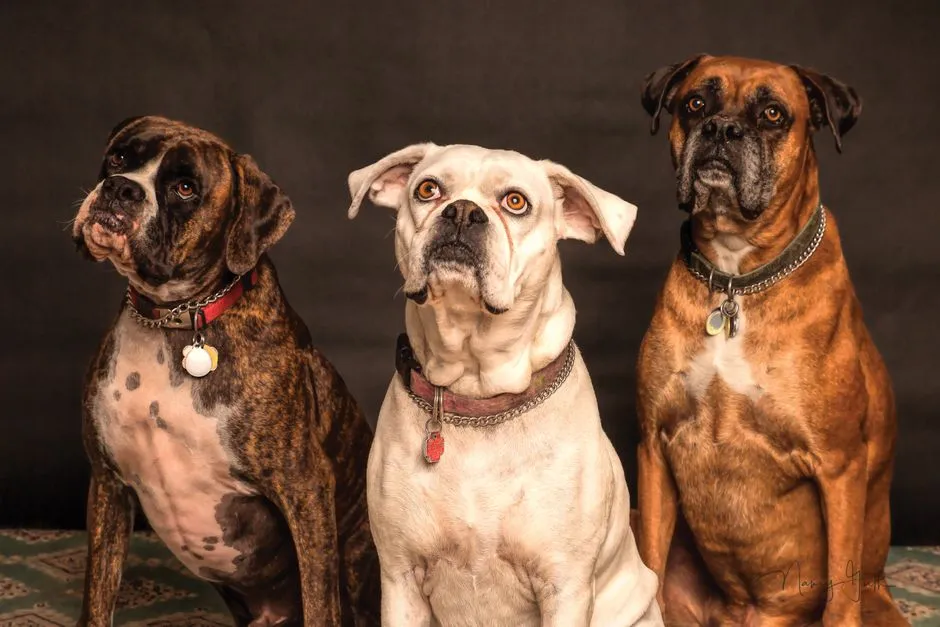
Boxers are affectionate goofballs who stay puppy-like far longer than most retirees expect, often bouncing and sprinting through sudden “zoomies” well into middle age. For anyone with joint issues or balance concerns, that enthusiasm can genuinely be dangerous.
They’re also strong, stubborn, and occasionally reactive with other dogs, which means firm training and consistent exercise are non-negotiable. Their cuddly, people-loving side is real and lovely, but the physical antics wear down quieter households fast. More than a few seniors who adopted a young Boxer later admit they wanted a calmer, lower-octane dog instead.
#16 – Alaskan Malamute: Powerhouse Puller Who Hates the Heat
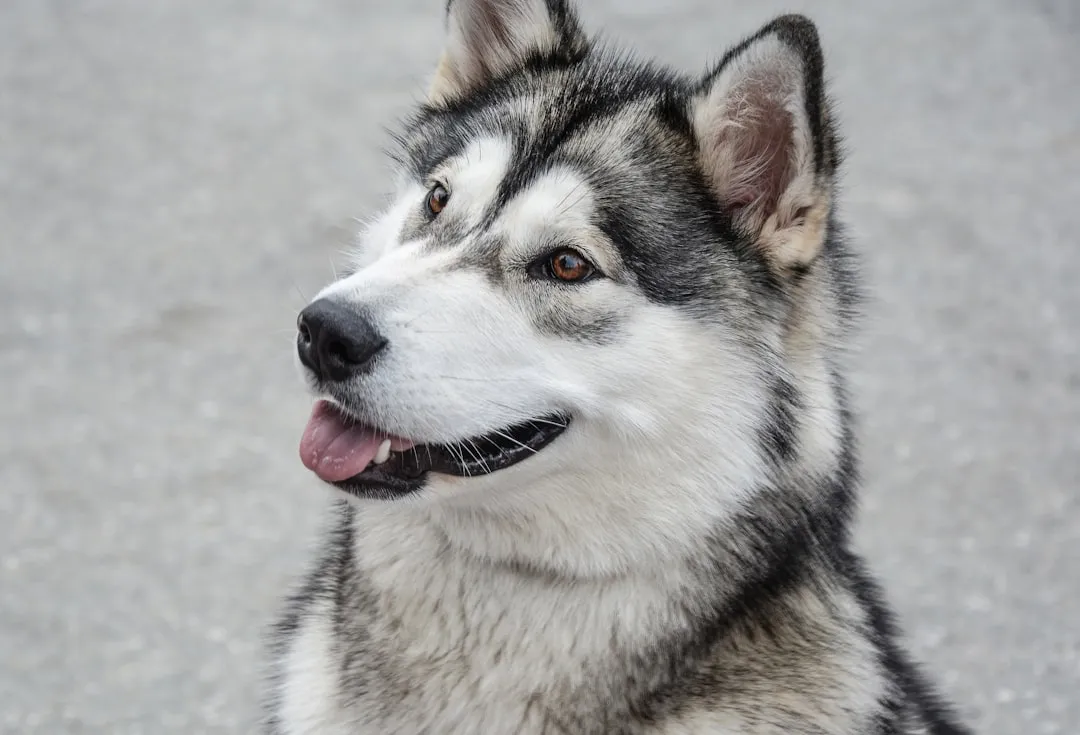
Alaskan Malamutes are gorgeous and affectionate, but they’re also giant sled dogs built for extreme cold, not small yards and warm climates. They pull like freight trains on leash, shed constantly, and can be stubborn about listening to commands.
Worse for many retirees, they tolerate heat poorly, making long summer walks genuinely risky. Combined with their sheer strength and independent streak, that leaves owners with a dog they often can’t safely exercise or physically control. Add in digging, howling, and boundary-testing, and the wolf-like good looks stop making up for the daily difficulty.
#17 – Cane Corso: Serious Guardian Needing Serious Handling
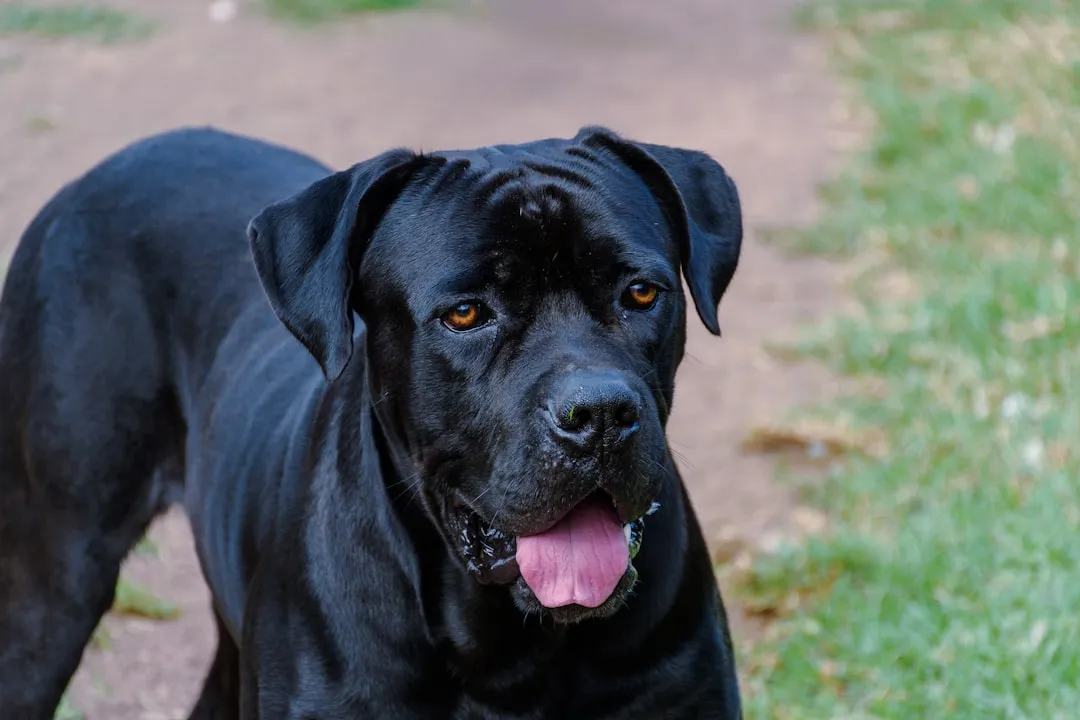
Cane Corsos are loyal, impressive guardians, but they’re also large, powerful mastiffs with strong protective instincts that demand serious, experienced training. A poorly managed Corso can become territorial and genuinely difficult – sometimes dangerous – around strangers or other dogs.
For a retired owner, the physical and legal responsibility of controlling 100-plus pounds of muscle is significant, and plenty of condos and HOAs simply won’t allow it. An individual Corso can absolutely be gentle and calm, but as a breed, they’re not the smart default for someone wanting an easy, low-stress companion.
#18 – Belgian Malinois x Dutch Shepherd & Other High-Drive Mixes: The Biggest Trap of All
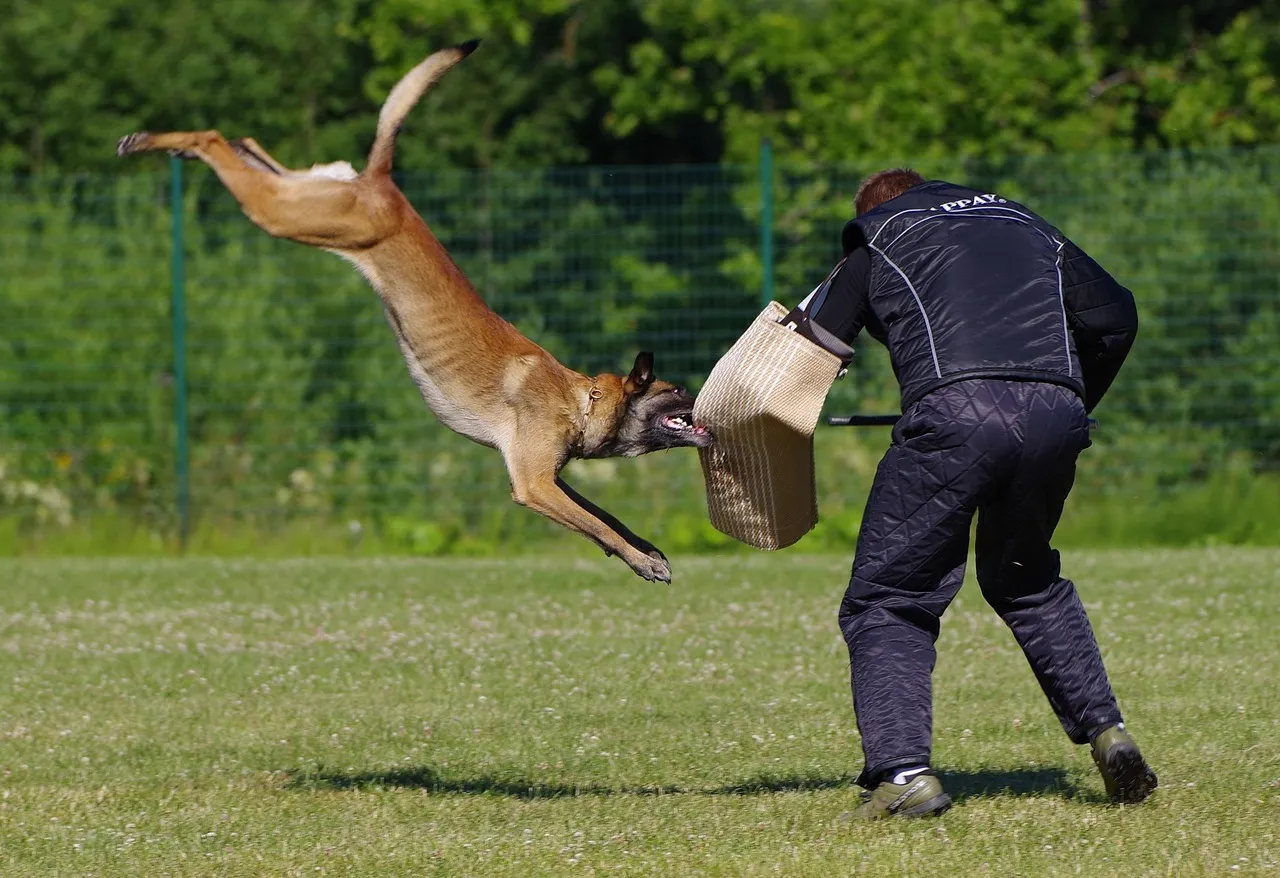
Shelters are full of “shepherd mixes” and “Malinois crosses” that look like slightly exotic, medium-large pets – and that’s exactly the trap. Mixing high-drive working breeds usually amplifies their energy rather than softening it, stacking endless stamina, sharp nerves, and intense fixation on movement into one dog.
Retirees often adopt these mixes expecting a smart, loyal pet, only to discover they’ve taken on a working project that needs professional-level training and firm management around strangers or other animals. It’s a controversial thing to say, but plenty of trainers openly admit this entire category is one of the worst choices for anyone wanting a calm, simple life with a dog.
#19 – Cavalier King Charles Spaniel: Gentle, Affectionate, and Made for Laps
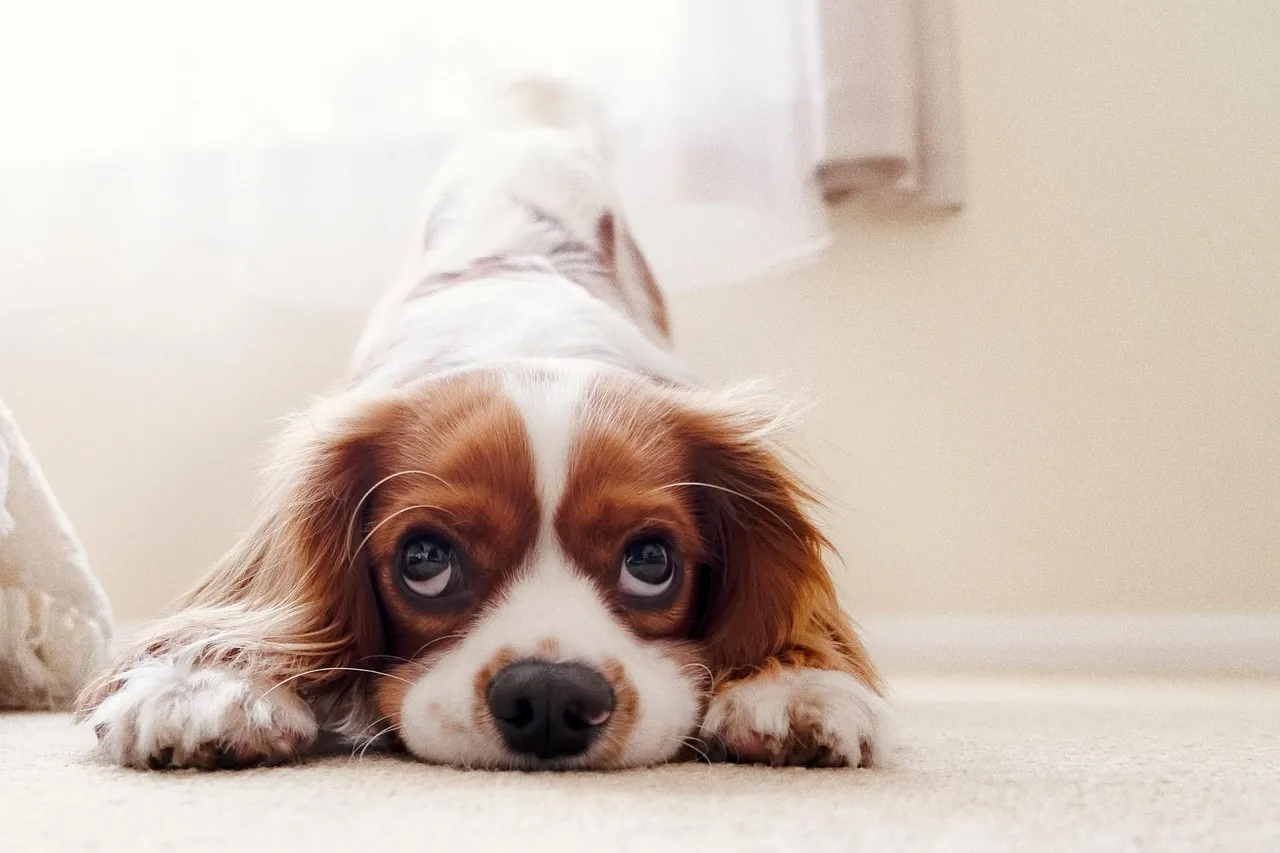
Now for the flip side – because some breeds fit retired life almost eerily well, and the Cavalier might be the best example of all. They’re small, deeply affectionate, and genuinely happy with moderate walks and long stretches of couch time, which makes them a natural fit for apartments and quiet neighborhoods.
Cavaliers are famously people-oriented, thriving on companionship and curling up beside you during TV, reading, or an afternoon nap. Their biggest downside is health, particularly heart issues, so responsible breeding and good insurance matter more here than usual. Temperament-wise, though, many experts call this the gold standard for a calm retired household.
Worth Knowing
- Selectively bred for centuries purely as a companion lapdog, not for work or sport.
- Content with short, leisurely walks rather than vigorous daily exercise.
- Prone to heart conditions like mitral valve disease, making pet insurance and regular vet checks worthwhile.
- Thrives on human closeness, making it a natural match for quieter, homebound routines.
#20 – Shih Tzu: Low-Energy, Apartment-Friendly, and Surprisingly Tough
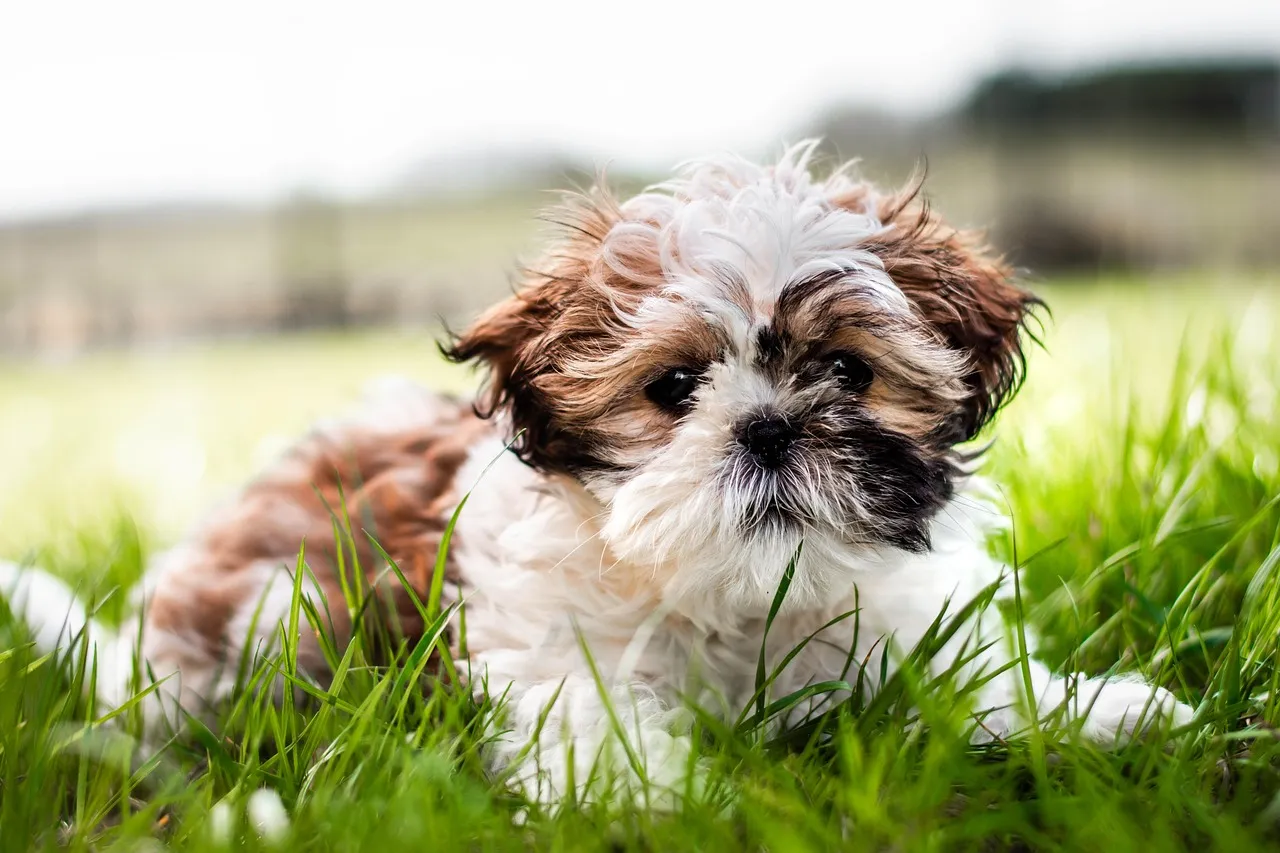
The Shih Tzu might look fancy and fragile, but it’s actually one of the sturdiest small companions for a quiet life. Bred originally as a palace lapdog, it’s content with short daily walks, indoor play, and long naps near its favorite person.
- Manageable size for lifting and grooming.
- Low exercise needs that match slower days.
Grooming is a real commitment, though many owners simplify things with a short “puppy cut.” Their generally friendly attitude also makes them great with visiting grandchildren, and as a breed they rarely overwhelm seniors with excessive energy or demanding behavior.
#21 – Bichon Frise: Allergy-Friendly Cloud with a Happy-Go-Lucky Soul
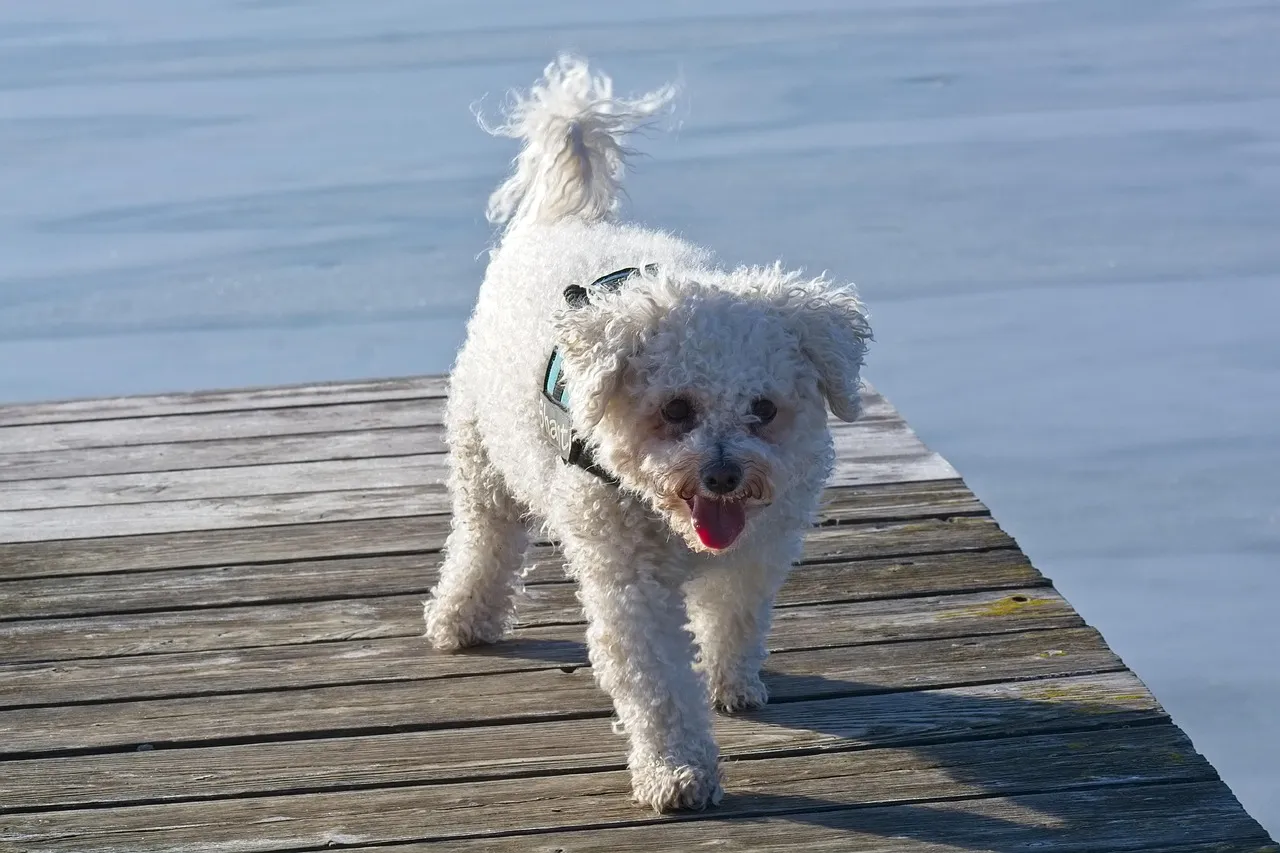
Bichon Frises are often recommended for retirees for good reason. They’re small, typically non-shedding, and known for a playful but not overbearing temperament, usually satisfied with short walks and lots of companionship.
- A coat that suits many allergy-sensitive owners.
- A sociable temperament that usually handles visitors well.
Grooming is the main commitment, with regular trims needed to keep the coat comfortable. Emotionally, Bichons tend to be sunny without being dramatic – less anxious and intense than some other lap breeds, which makes them feel like a living mood booster without the chaos.
#22 – Pug: Comedy Relief with Low Exercise Needs
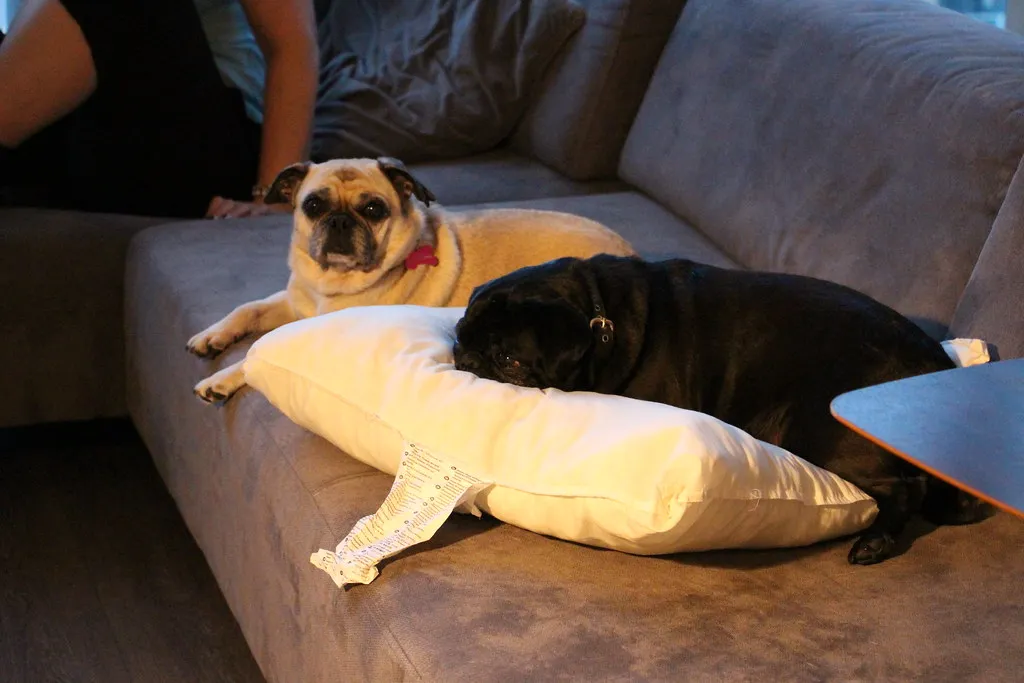
Pugs are little clowns, but their energy level usually fits retired life very well. They’re typically content with short strolls and plenty of lounging, often preferring the couch to the hiking trail.
- Thrive on human company and gentle play.
- Adapt well to apartments and small spaces.
Health concerns – especially breathing and weight – are real, so responsible breeding, weight control, and vet care matter. But temperament-wise, they’re happy just to be near you, snoozing or watching the world go by, which makes a well-bred Pug a fantastic match for someone who wants an easygoing buddy rather than a project.
#23 – Greyhound: The Surprisingly Lazy Ex-Athlete
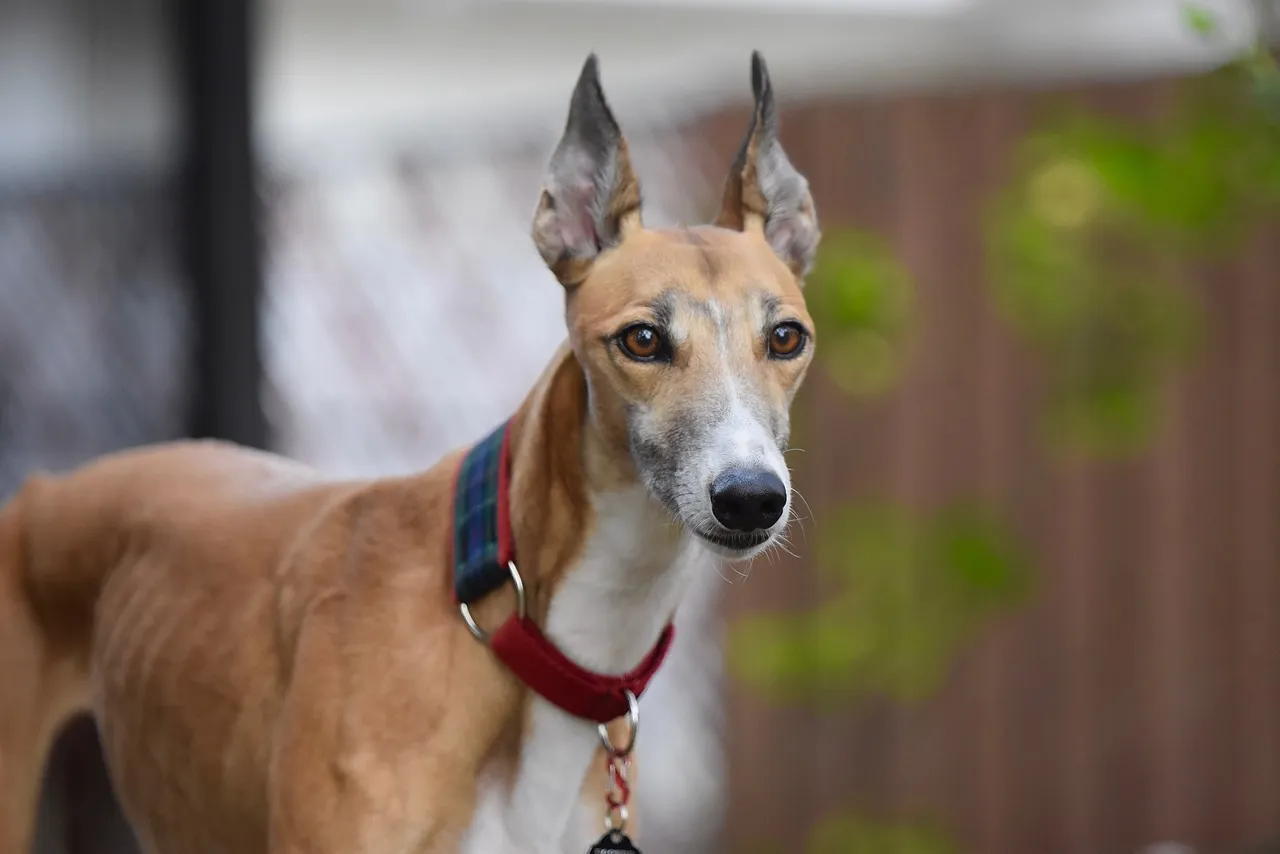
Greyhounds shock a lot of people. They look like lean race cars, but retired racers are famously lazy “45-mph couch potatoes,” often thrilled to spend their days napping with a couple of short walks sprinkled in.
- Low indoor energy and quiet, polite manners.
- Minimal shedding and grooming compared to many big dogs.
They’re often gentle, reserved, and easy to live with in smaller homes or condos. The main thing to manage is their prey drive toward small animals, which just means sensible leash use – otherwise, Greyhounds are one of the best-kept secrets for seniors who want a bigger dog without the chaos.
#24 – Whippet: Pocket Greyhound for Smaller Spaces
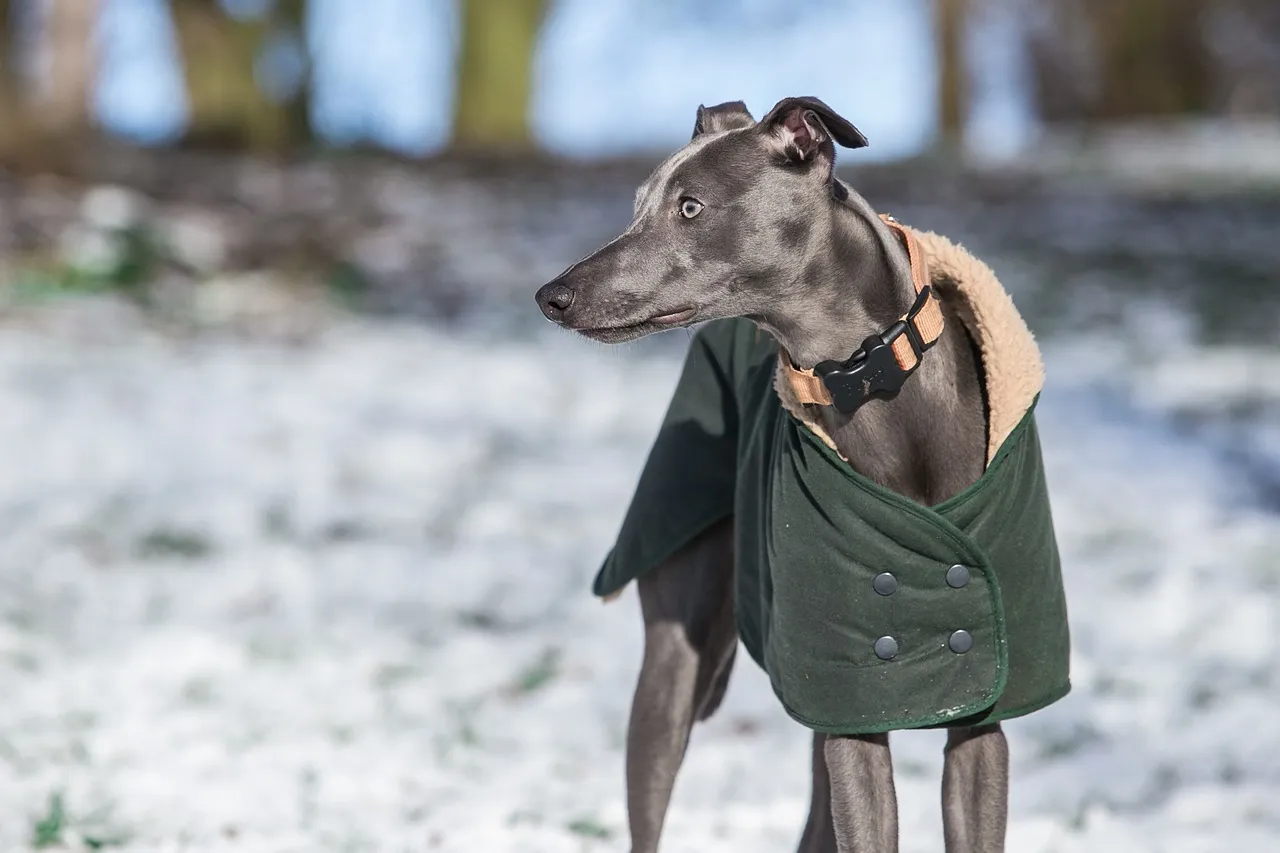
If you love the Greyhound vibe but want something smaller, the Whippet is almost tailor-made. They share the same sprinter-then-snooze lifestyle, but in a more compact, apartment-friendly package – a few minutes of zoomies, then hours on a blanket.
- Generally quiet and low-barking.
- Clean, low-odor, and easy to groom.
They tend to be affectionate without being clingy and are often good with polite children and visitors. Like Greyhounds, they’re sensitive to cold and carry some prey drive, but those are easily managed with coats and leashes – the overall vibe is gentle, graceful, and low-drama.
#25 – Maltese: Featherlight Companion Who Lives for Your Lap
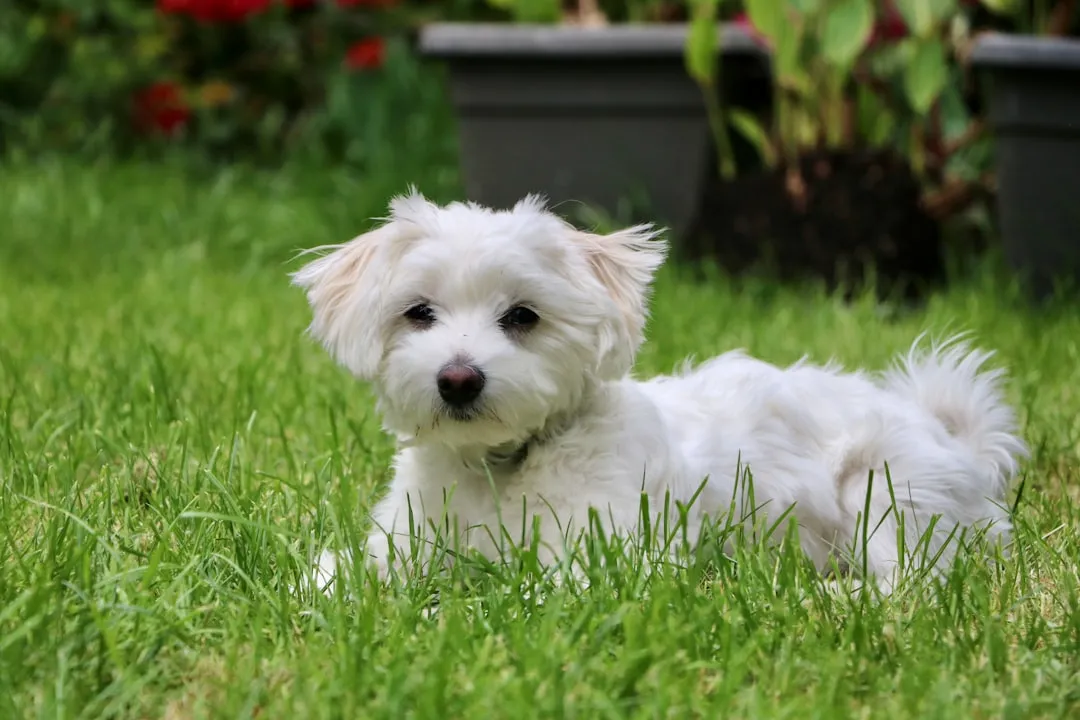
The Maltese is tiny, but its biggest skill is emotional: quiet companionship. Historically bred as a lapdog, it’s content with modest exercise and plenty of time nestled beside or on you, adapting easily to slow mornings and early nights.
- Very small size, making lifting and transport easy.
- Modest exercise needs that match limited mobility.
Their long coat requires grooming, but a shorter trim makes care much simpler. Some Maltese can be a bit barky, but training and a calm environment help – if your dream retirement involves knitting or TV with a warm, quiet presence beside you, this breed fits almost perfectly.
#26 – French Bulldog: Low-Stamina Charmer for Short Walks and Long Naps
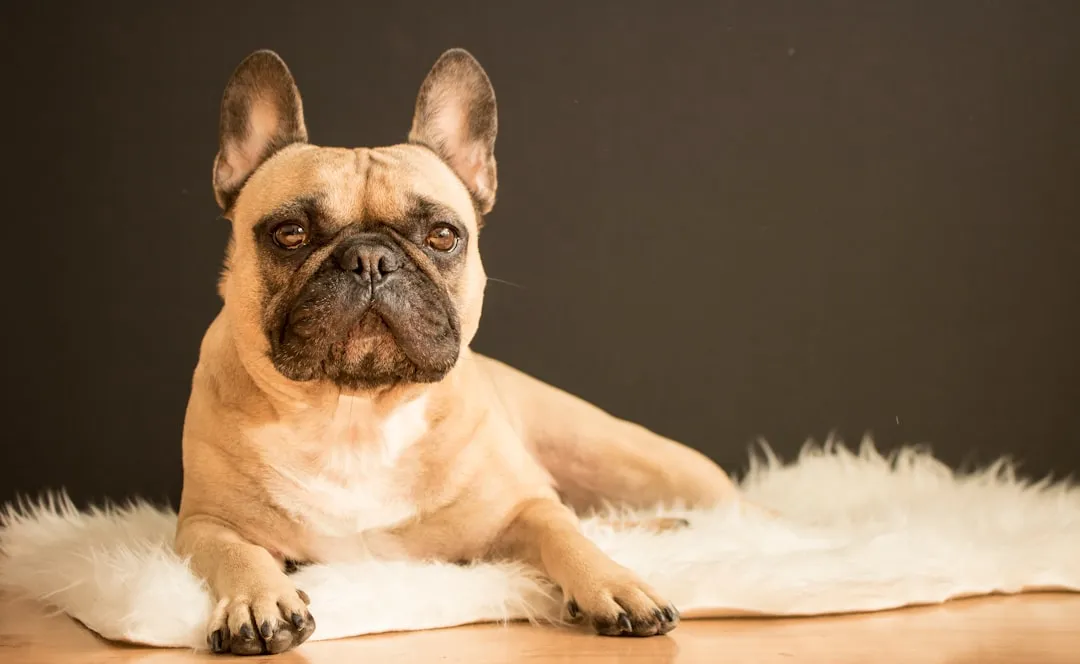
French Bulldogs have exploded in popularity, and while some of that is hype, their basic temperament genuinely fits many quiet retired homes. They’re playful but not hyper, and their exercise needs are low due to their build and breathing limitations.
- Enjoyable short walks and indoor play, without pressure for long hikes.
- A sturdy, medium-small body that’s easier to manage than a giant breed.
Health is the major caveat here – responsible breeding, good insurance, and attentive vet care are crucial. But emotionally, many Frenchies are easygoing and happy just being near you, with a sense of humor that provides daily entertainment in apartment and condo settings.
#27 – Lhasa Apso: Calm Watchdog with a Steady Temperament
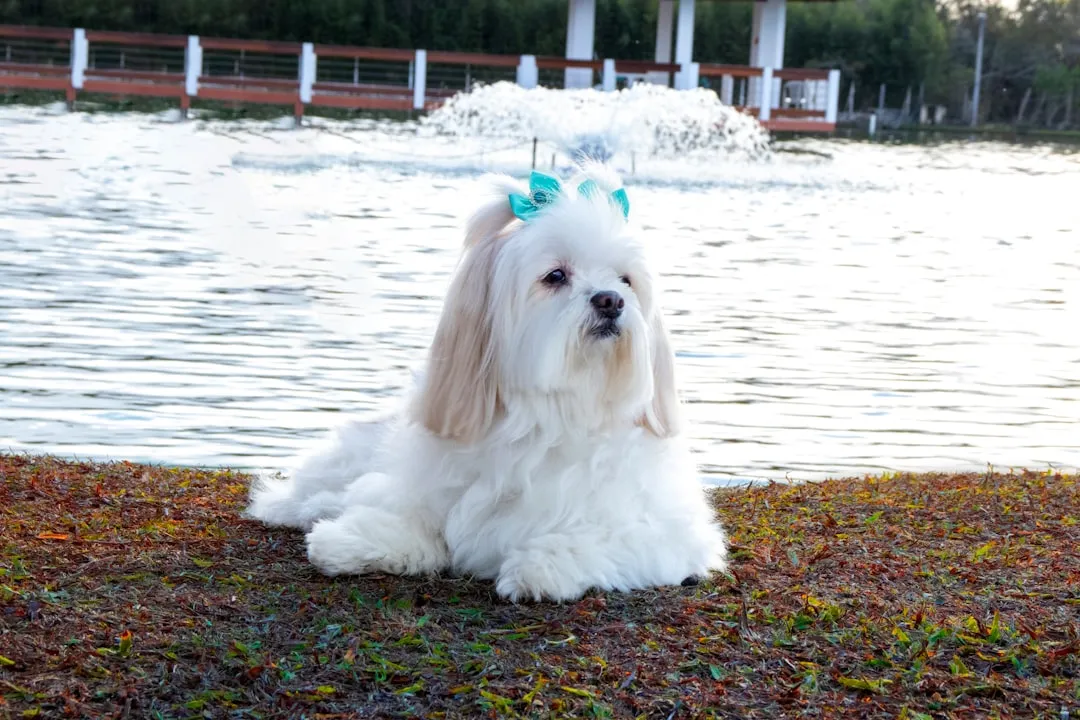
Lhasa Apsos were originally temple watchdogs, so they combine a calm indoor presence with moderate alertness. They’re not high-energy, and they handle apartment living very well on just a few walks and some playtime.
- A self-possessed, often dignified personality.
- Manageable size with low to moderate exercise needs.
They can be reserved with strangers but deeply loyal to their people, which many seniors appreciate. Grooming is the main work, with many owners opting for a shorter cut – the payoff is a dog that feels like a quiet, observant roommate rather than a hyperactive child.
#28 – Cocker Spaniel (Show Lines): Soft-Tempered and Adaptable
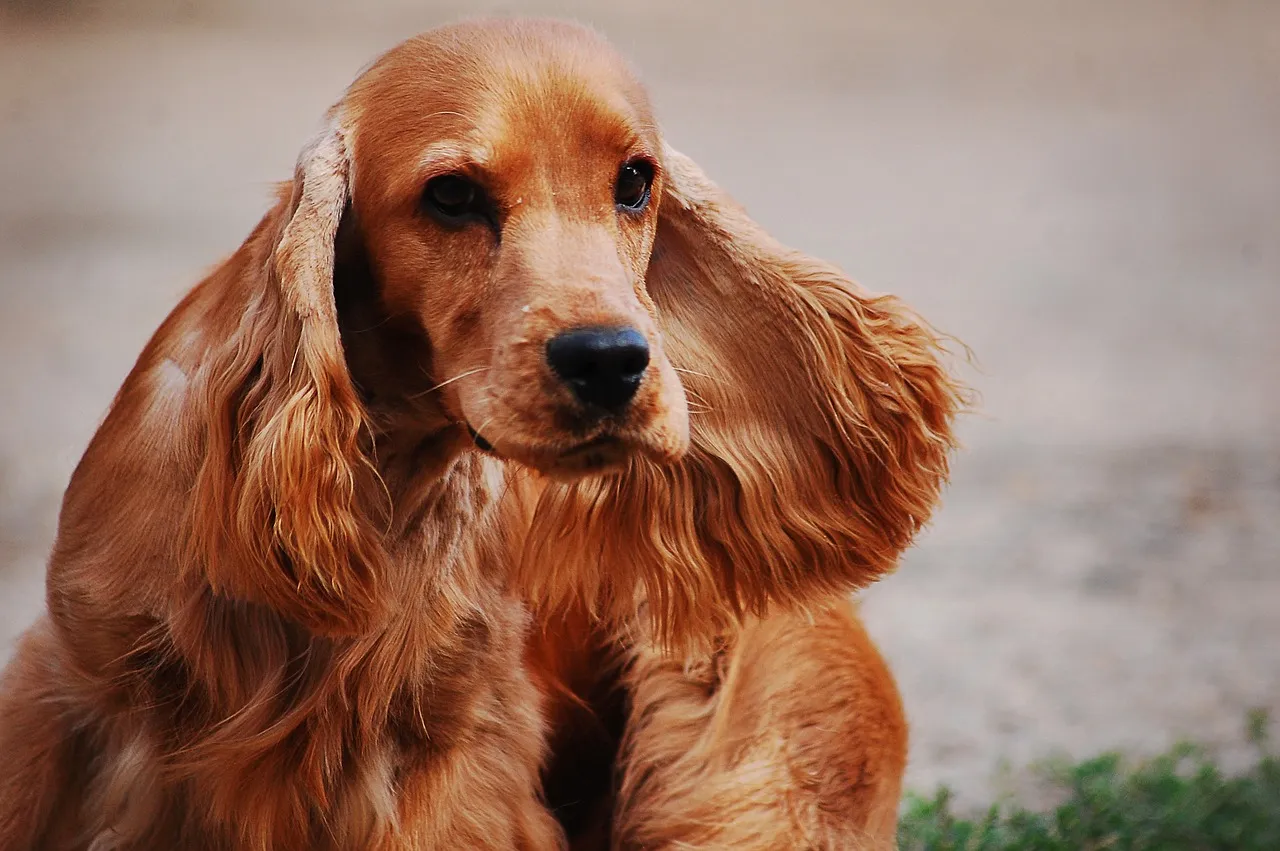
Show-bred Cocker Spaniels – especially English Cockers – can be gentle, sweet, and well-suited to moderate activity levels. They enjoy daily walks and some play but generally don’t demand extreme exercise, and their manageable size makes them popular with older owners.
- A soft, often people-pleasing temperament.
- Adaptability to both houses and apartments.
They do have grooming needs, especially around the ears and coat, and can be prone to ear infections, so routine care matters. But their overall vibe is far less intense than many sporting breeds, especially if you avoid high-drive working lines, letting them blend into a calm home life without chaos.
#29 – Miniature Poodle: Smart, Trainable, and Easy to Live With
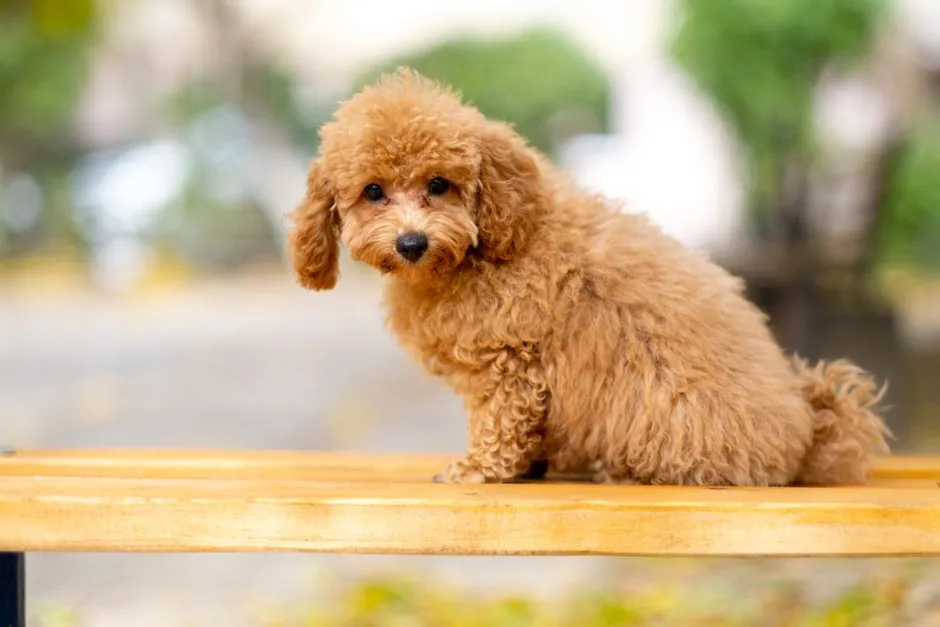
Miniature Poodles are often overlooked in favor of trendy “doodle” mixes, but they’re actually one of the best all-around dogs for thoughtful retirees. They’re intelligent, eager to please, and easy to train, with a non-shedding coat that helps with allergies.
- Moderate exercise needs – walks and mental games rather than marathons.
- A social, adaptable temperament that usually handles visitors and travel well.
Their sharp minds mean they enjoy learning tricks or simple games, which can be mentally stimulating for both dog and owner. Grooming is regular but predictable, and unlike some high-strung small breeds, a well-bred Mini Poodle strikes a nice balance between alert and relaxed.
#30 – Toy Poodle: Tiny Brainiac Perfect for Lap and Light Activity
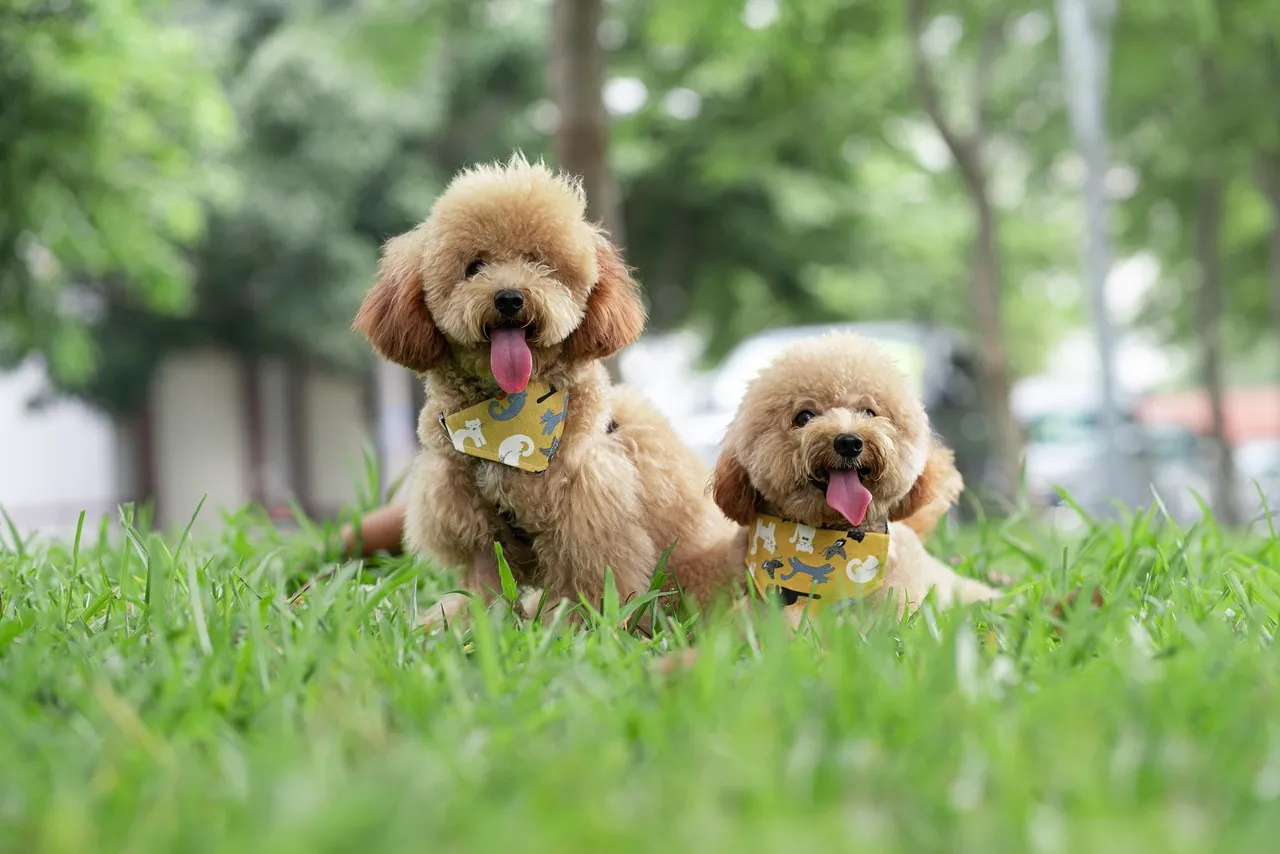
Toy Poodles take the smarts and hypoallergenic coat of the larger Poodles and shrink them into a highly portable package. They’re clever, affectionate, and usually perfectly happy with short walks and indoor play – a huge plus for retirees with limited mobility.
- Easy physical handling due to very small size.
- Enjoyment of mental stimulation over brute physical exercise.
They can be a bit sensitive, which actually suits a peaceful environment very well. With consistent routines and gentle training, Toy Poodles become loyal, charming companions who are especially good for seniors who enjoy teaching tricks or having a dog that seems to “talk” through expressive eyes and body language.
#31 – Havanese: Social Butterfly That Adapts to Your Pace
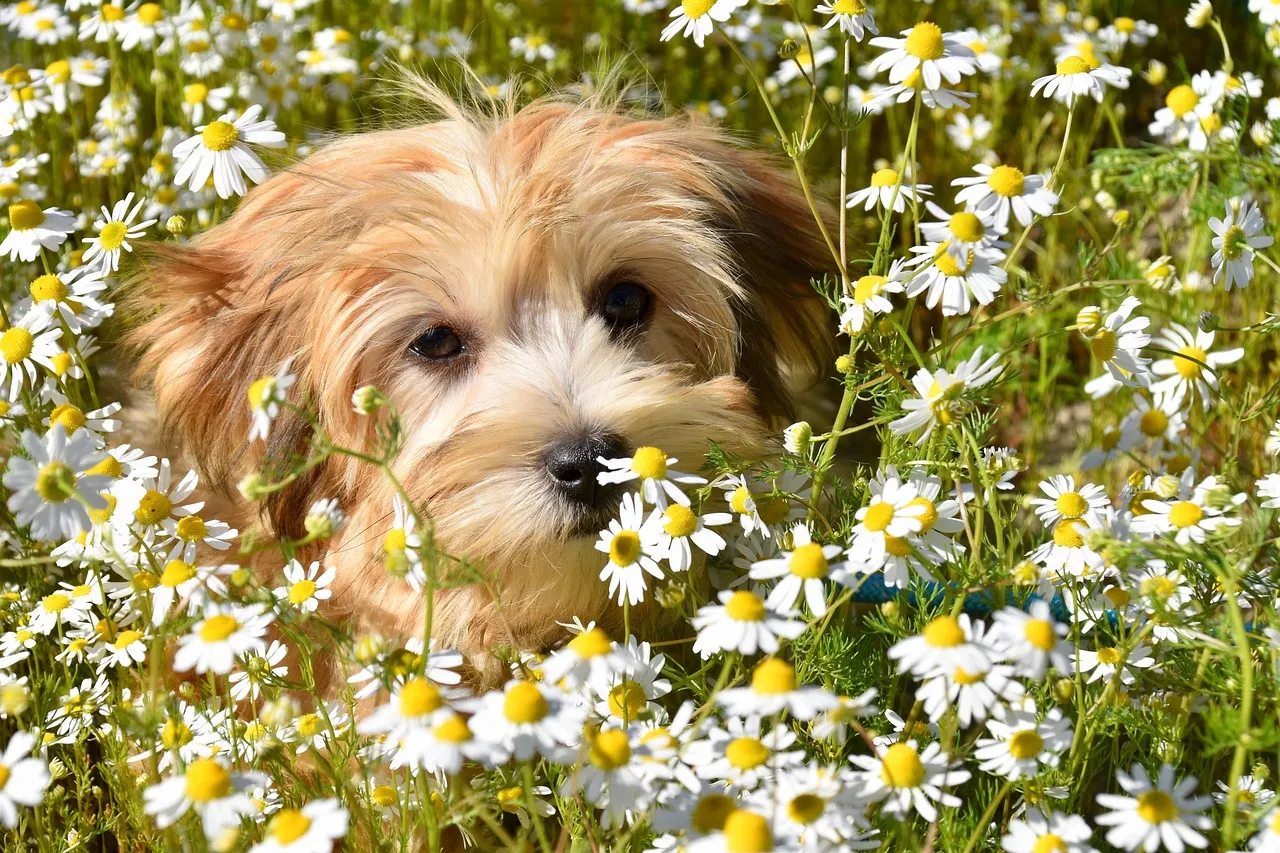
The Havanese is often described as a “Velcro lapdog,” but in the best way. They’re adaptable and cheerful, usually content to match their owner’s activity level – active with you if you’re active, or leaning into cuddles and short strolls if you’re slower.
- A friendly, usually low-aggression temperament.
- Good adaptability to visitors, children, and multi-dog homes.
Their coat requires grooming, but a shorter style simplifies things, and they’re not known for being extremely barky or high-strung when properly socialized. Many experts quietly rank Havanese among the top small breeds for older adults because they rarely overwhelm but consistently provide company and joy.
#32 – Japanese Chin: Catlike, Quiet, and Perfect for Indoors
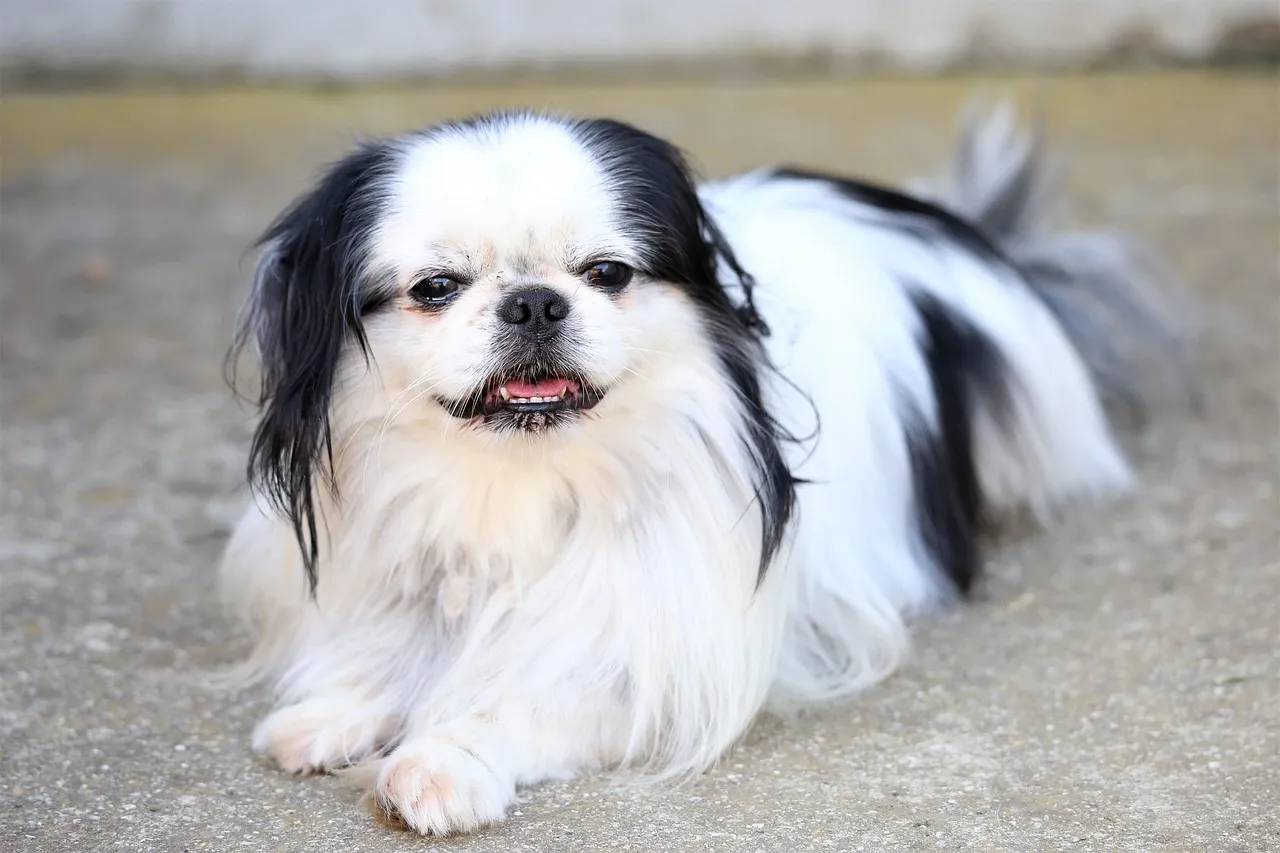
Japanese Chins are less common but deeply loved by those who know them. They have a catlike personality – independent yet affectionate, graceful, and usually quiet, with low exercise needs met by indoor play and a couple of brief walks.
- A small size ideal for apartments and easy lifting.
- A generally low-barking, low-chaos temperament.
They’re delicate, so they fit best in adult or gentle households, which describes many retired homes perfectly. Grooming is moderate, not extreme, and emotionally they attach strongly to their person while offering peaceful presence rather than constant entertainment.
#33 – English Bulldog: Laid-Back Powerhouse Who Prefers the Sofa
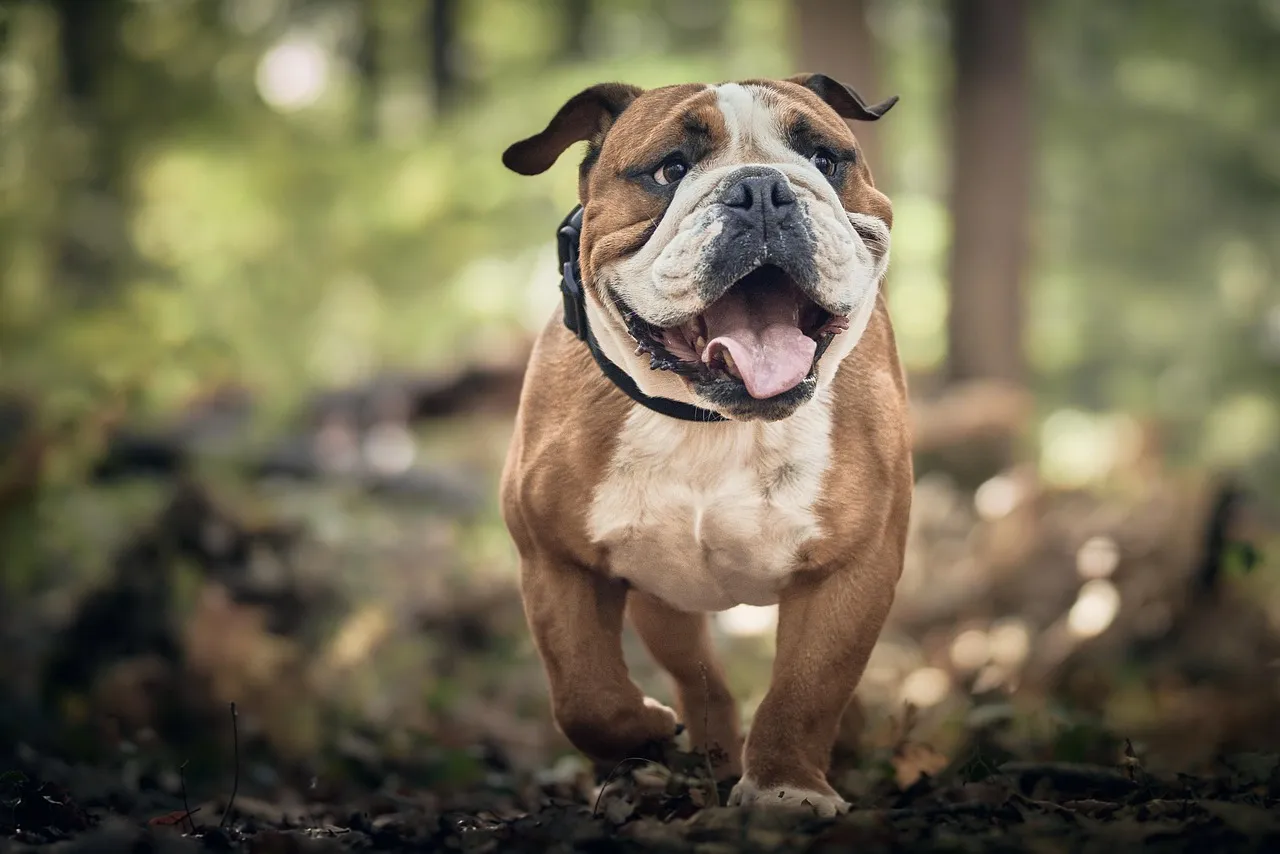
English Bulldogs, when responsibly bred, are remarkably laid-back and low-energy, often preferring shorter walks and long naps to anything strenuous. They’re sturdy but rarely hyper, which is an excellent combination for seniors who want a medium-sized dog without marathon exercise.
- A calm presence and affectionate, often comical personality.
- Low desire for high-intensity activity, fitting slower lifestyles.
Health is the headline issue – Bulldogs can be prone to breathing, skin, and joint problems, so vet access and a realistic budget are essential. But strictly in terms of temperament and energy, they’re often far easier to handle than many “popular” family breeds.
#34 – Senior Mixed-Breed Rescue: Temperament You Can Actually See
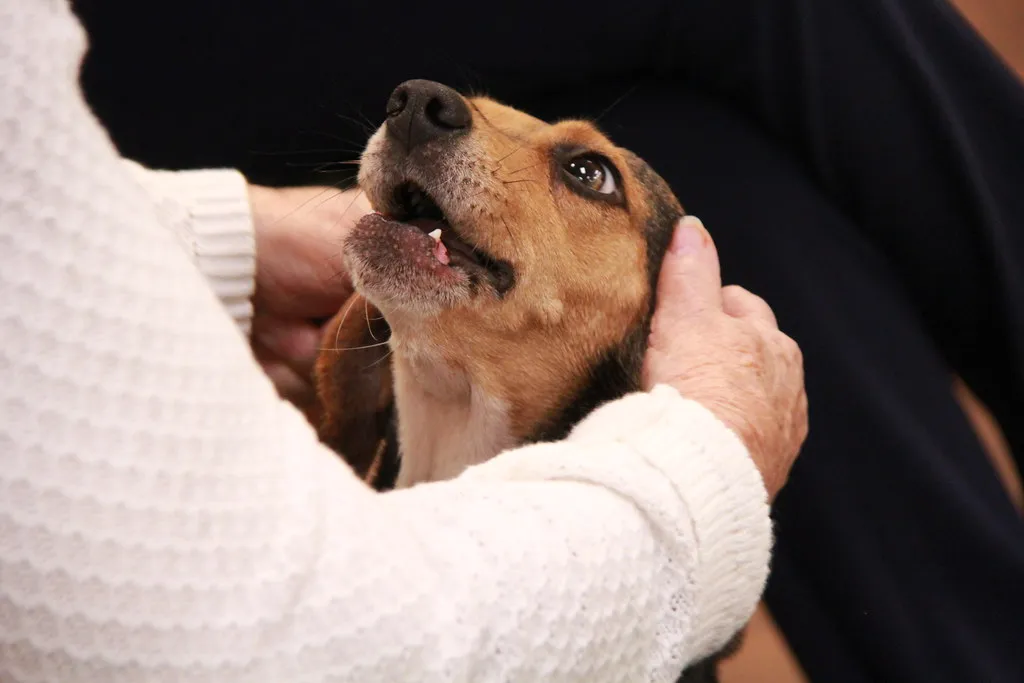
This might be the most controversial point on the whole list: a well-matched senior mixed-breed rescue often beats any “perfect” puppy for a retired household. With a senior dog, what you see is what you get – energy level, size, and temperament are already established, not a guessing game.
- Lower exercise requirements in many older dogs.
- Easier house training and fewer destructive puppy habits.
Shelters and rescues can often pair you with a calm, low-drive dog who already fits your lifestyle. Everyone loves the idea of raising a puppy from scratch, but puppies are exhausting, and many purebreds carry more drive than a quiet home actually needs – a sweet, middle-aged mutt can be the easiest, most grateful companion you’ll ever have.
#35 – Corgi (Cardigan Over Pembroke): Short Legs, Big Personality, Manageable Energy
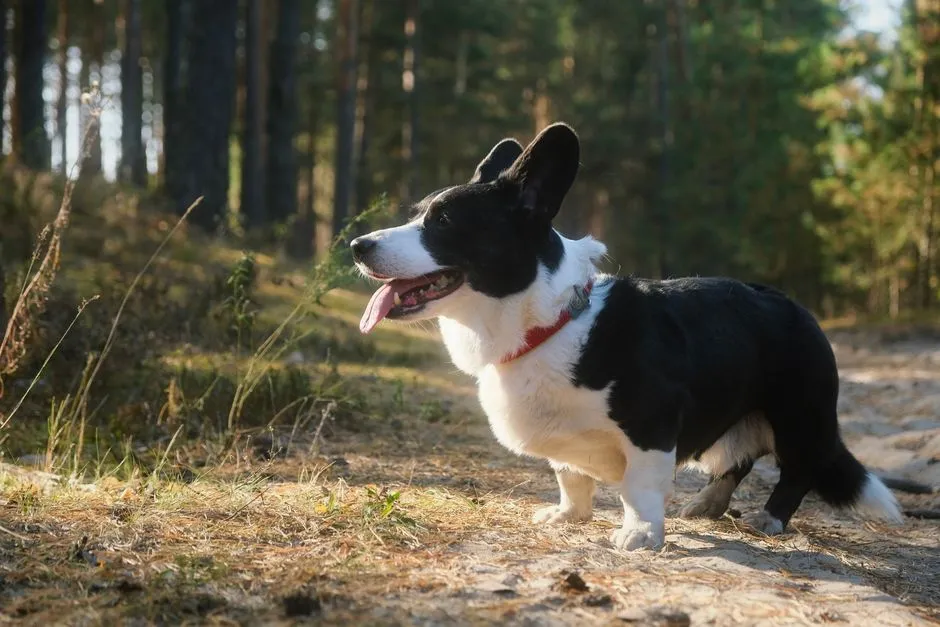
Corgis are trendy, but not all are equal for retirees. Cardigan Welsh Corgis, in particular, tend to be a bit calmer and more thoughtful than many Pembrokes, while still offering that classic low-slung cuteness and enough energy to be fun without endless miles of walking.
- A sturdy build without excessive size.
- Enough energy to be entertaining, but not so much they run you ragged.
Some herding instincts remain, but with training and routine, they settle into excellent companions. Their low center of gravity and moderate weight also make them easier to physically manage than most other herding breeds – a sweet spot for anyone who wants a little sass without a Border Collie’s intensity.
#36 – Standard Poodle: The Surprisingly Ideal “Big Dog” for Retirees
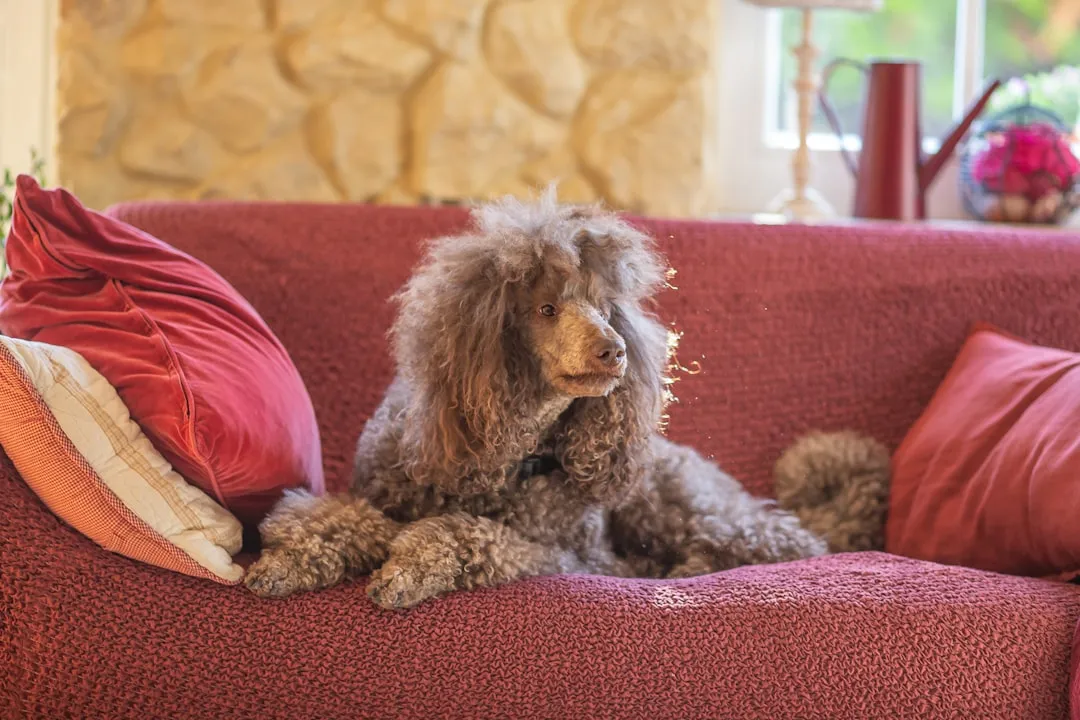
Standard Poodles are often stereotyped as fussy show dogs, but insiders know better. They’re one of the most adaptable, trainable, and physically sensible large breeds for older owners – athletic enough for real walks and light hikes, but biddable enough to adjust to a calmer pace as you age.
- High intelligence that makes training, manners, and leash walking easier.
- A non-shedding coat that keeps the house cleaner and can reduce allergies.
Unlike heavier guardian breeds, Standards are agile without being overwhelming brutes, and their people-pleasing streak means they genuinely want to cooperate. Grooming is the main workload, but many retirees decide that’s a fair trade for such a steady, versatile companion – a “real dog” in size, but not in chaos.
Why It Stands Out
- Combines the size and presence of a “big dog” with a famously trainable, biddable temperament.
- Non-shedding coat that can be easier on allergies and household cleanliness.
- Adapts its pace to its owner, shifting from light hikes to slow, easy strolls without complaint.
- Consistently ranks among the most intelligent breeds, which simplifies obedience and daily routines.
The Bottom Line
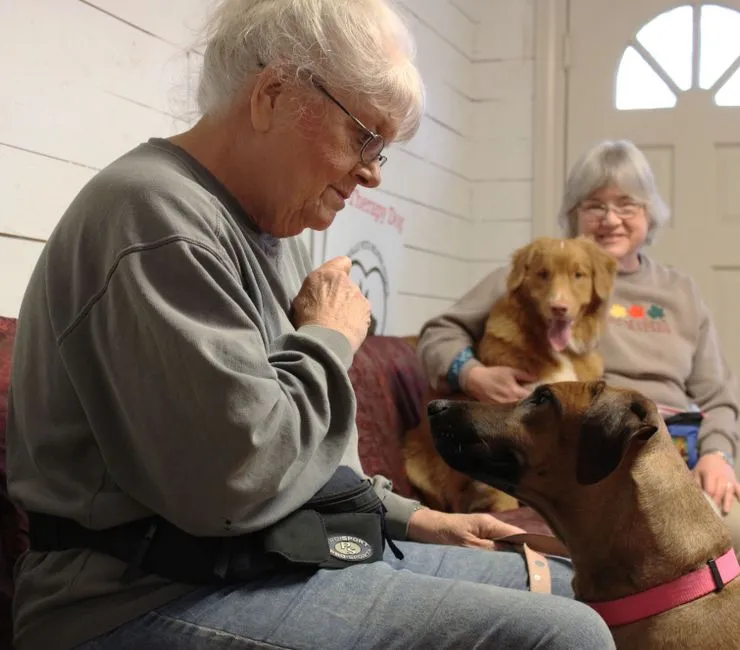
Strip away the cute photos and the marketing myths, and the pattern gets blunt fast: most high-drive working and herding breeds are a terrible fit for a genuinely quiet retired household, no matter how “smart” or “loyal” they’re advertised as. The happiest seniors almost always end up with lower- to moderate-energy companion breeds, mellower lines of popular dogs, or well-chosen senior rescues whose true temperament is already visible.
Dogs are not our whole life, but they make our lives whole.
Roger Caras
The uncomfortable truth is that picking a dog for looks or trendiness – Husky, Malinois, doodle-anything – tends to backfire hardest in retirement, exactly when your energy and balance matter most. Choosing for realistic energy level and manageability isn’t settling; it’s protecting both you and the dog. Did we get your dream breed right, or completely wrong? Tell us in the comments which dog you’d actually trust with your retirement years.
