

Walk into any veterinary clinic on a random Tuesday and you could probably guess half the appointment book before anyone even glances at the schedule. Not because vets are psychic. Because a small cluster of breeds shows up so relentlessly that the pattern becomes impossible to miss.
Meanwhile, breeds that used to be dog-show royalty have quietly slipped off the radar. Some have vanished so completely that new veterinarians can finish years of practice without ever laying hands on one. This list breaks down both sides: the 18 breeds vets could diagnose in their sleep, and the 18 that have become genuine rarities worth stopping the whole waiting room for.
#1 – Labrador Retrievers: The Waiting Room Regulars

Labradors are the dog vets practically expect to see every single shift. They dominate vaccine appointments, ear infection checks, weight consults, and senior arthritis visits, and many general practices report Labs as their single most common purebred patient. Their friendly, easygoing nature makes them one of the most adopted family dogs in the country, so even as breed trends shift elsewhere, Labs just keep showing up.
But being everywhere has a cost. Chronic ear infections from floppy ears and constant swimming are practically a Lab tax, and obesity quietly sets the stage for joint and mobility problems down the road. Vets joke they can spot a Lab’s weight issue from across the parking lot, and by age seven or eight, those cheerful joints often tell a much rougher story.
#2 – French Bulldogs: The Controversial Clinic Superstars
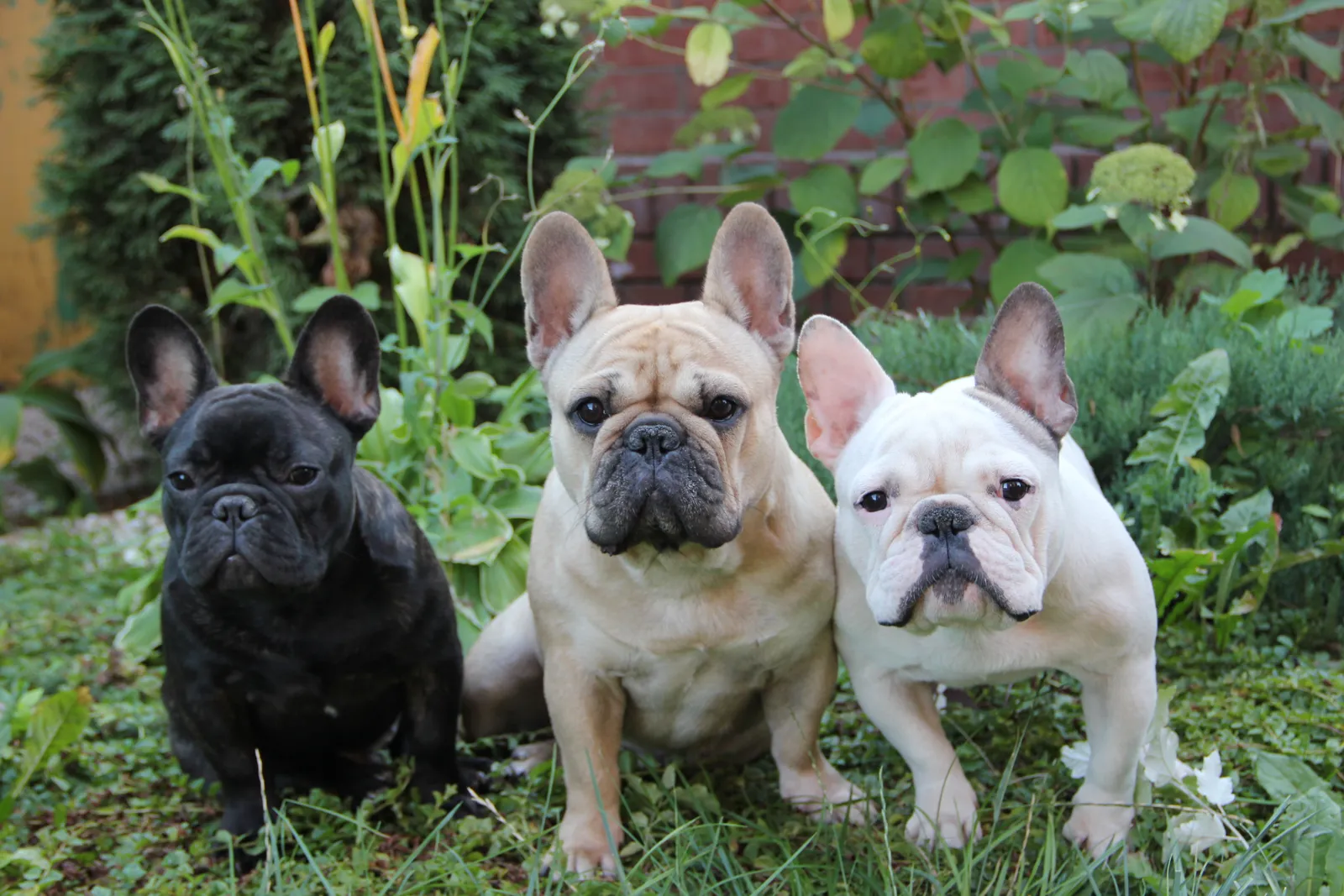
French Bulldogs are the breed vets see constantly and argue about constantly. Social media made them a trend; clinics are left managing the fallout. Many practices now rank Frenchies among the top three most common small breeds they treat, and the appointment book fills up fast with skin allergies, ear infections, and the breed’s signature struggle: breathing.
Their brachycephalic anatomy means airway surgeries for snoring and labored breathing are almost routine, and their bulging eyes make them prone to injury. Some specialists now perform airway surgery on multiple Frenchies every week. Owners are often stunned to learn that their dog’s constant snorting isn’t cute quirkiness – it’s a medical condition they’ve been normalizing without realizing it.
Fast Facts
- the French Bulldog has secured the No.1 spot as the most popular dog breed in the United States, ending the Labrador Retriever’s impressive 31-year reign at the top.
- As of the latest AKC rankings, the French Bulldog continues to top the rankings at the No. 1 spot for the fourth year in a row.
- French Bulldogs were recognized by the American Kennel Club in 1898, giving them over 100 years of AKC history.
#3 – Golden Retrievers: The Sweet Dogs With Serious Health Baggage

Golden Retrievers are the classic family dog, and vets see them constantly – from puppy vaccines to heartbreaking cancer diagnoses. In many regions, Goldens rank among the top five most frequently seen breeds in general practice, largely because their social, gentle nature makes them a favorite in homes with kids.
What most casual owners don’t realize is how quietly infamous Goldens are in vet circles for high cancer rates, including lymphoma and hemangiosarcoma, along with chronic skin allergies and hot spots. Vets often grow attached to these dogs precisely because they’re so people-oriented, which makes it that much harder to deliver a serious diagnosis while the dog is still young. Some oncologists say they’re never without at least one Golden on their active cancer caseload.
#4 – German Shepherds: Constant Patients With Complex Needs
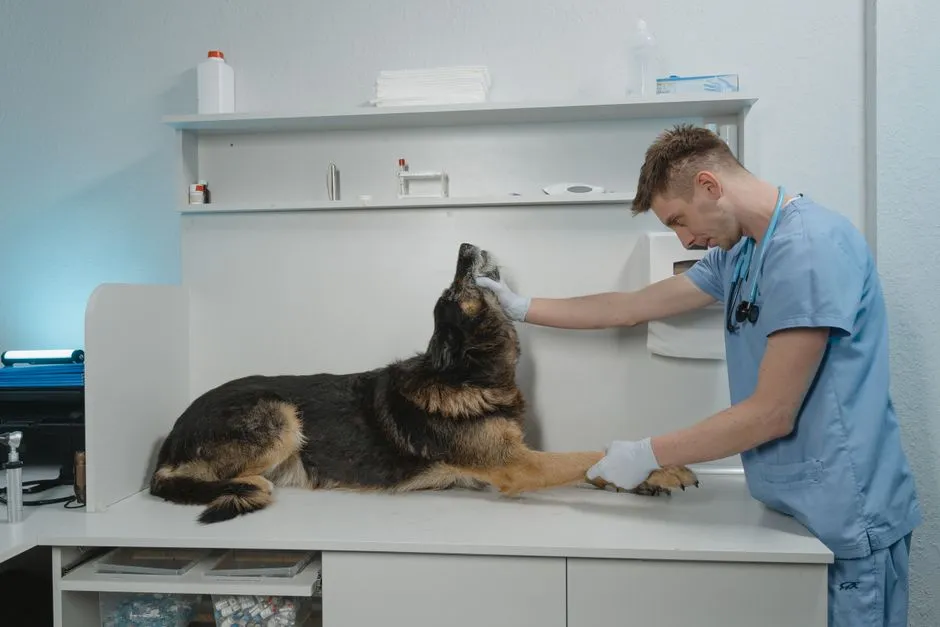
German Shepherds went from working dogs to family companions without leaving the clinic behind. Vets see them often, especially for orthopedic and neurologic issues, and many practices report Shepherds as a top recurring large-breed patient. Active owners love them, but their bodies don’t always keep up with the job description humans hand them.
Hip dysplasia, degenerative joint disease, and degenerative myelopathy – a progressive spinal cord disease – are all on a vet’s radar the moment a Shepherd walks in. Behaviorally, they can be intensely loyal but also anxious or reactive if poorly socialized, which turns some visits into a careful choreography of muzzles, extra time, and patient handling. Some vets say they rarely go a week without seeing at least one Shepherd for mobility problems.
#5 – Poodles and Doodles: Grooming Nightmares, Allergy Regulars

Standard, Miniature, and Toy Poodles have always been around, but the doodle explosion – Goldendoodles, Labradoodles, Bernedoodles – multiplied what vets deal with overnight. Many practices now see doodles more often than the purebred poodles that started the trend. People buy them chasing a “hypoallergenic coat,” then discover that coat comes with serious upkeep and its own health quirks.
Chronic skin problems and ear infections tied to thick, curly hair are constant, and anxiety issues show up often in doodles bred more for looks than stable temperament. Some groomers quietly refuse the worst matted cases, sending them straight to the vet for a sedated shave-down. Backyard-bred doodles in particular tend to carry higher rates of allergies and joint issues, no matter how “designer” the price tag suggested.
#6 – Chihuahuas: Tiny Bodies, Big Vet Footprint

You’d think big dogs dominate vet schedules, but Chihuahuas quietly flood many urban and low-cost clinics. In some city practices, Chihuahuas and Chi mixes are the single most common small-breed patients, showing up for dental disease, collapsing trachea, and behavior problems that get brushed off as “small dog quirks.”
Vets are blunt about it: ignoring training because a dog is tiny always backfires. Many Chihuahuas arrive fearful or snappy, making exams harder, and living with untreated dental pain their owners never noticed. Their tiny size also makes anesthesia and medication dosing far more delicate, and some vets say they perform more full-mouth dental extractions on Chihuahuas than on any other breed.
#7 – Pit Bull-Type Dogs: Overrepresented, Misunderstood, and Always There
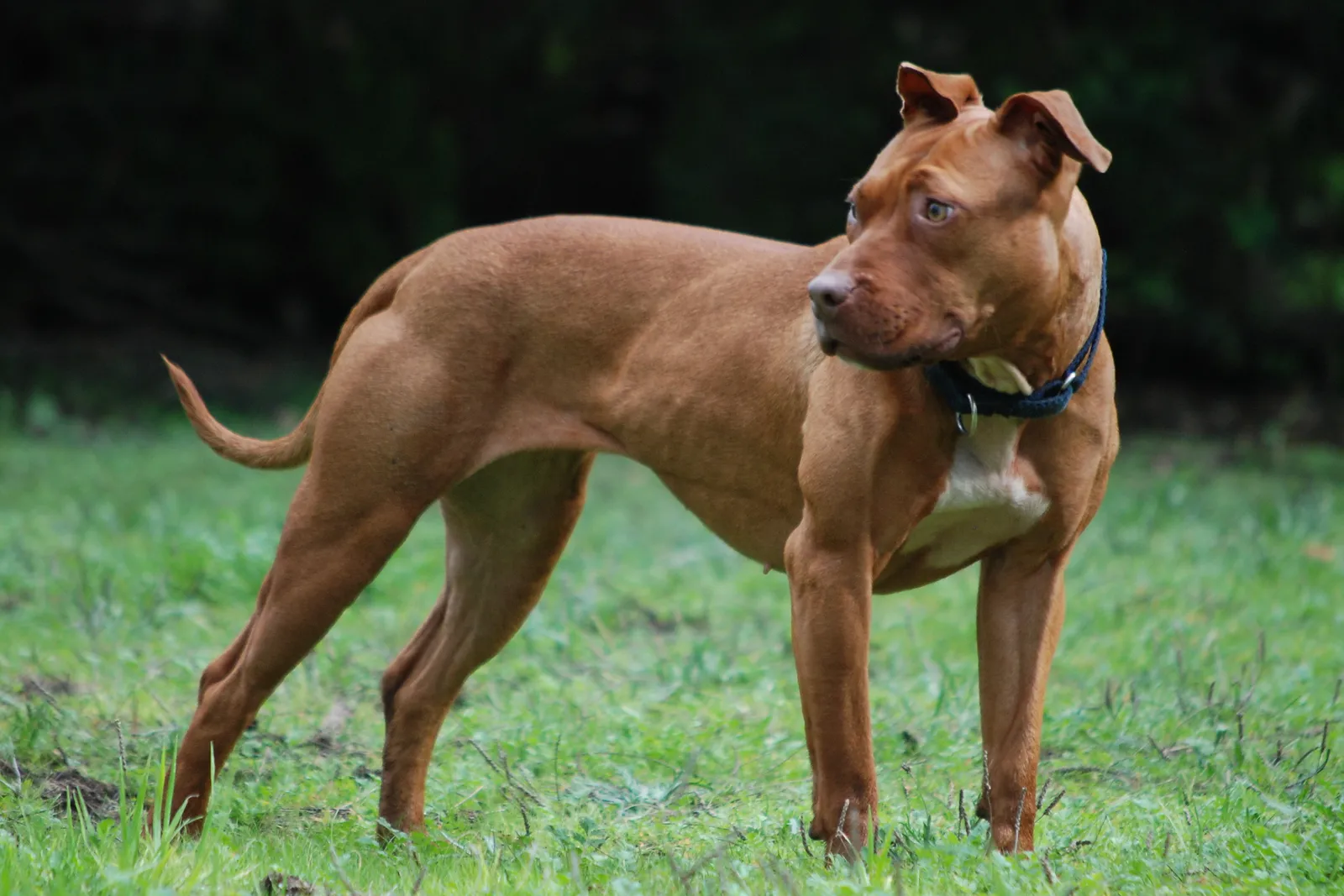
Whether you call them pit bulls, bully mixes, or “blocky-headed mystery dogs,” vets see them constantly, especially in shelters and rescue-heavy areas. In many regions, pit-type mixes are the most common medium-large dogs on the schedule. Breed labels get messy, but the real pattern is unmistakable: these dogs are everywhere, often arriving from inconsistent backgrounds.
High rates of skin allergies and ear problems are common, and behavior can swing from bombproof cuddle-bug to severely under-socialized. Contrary to the online stereotype, plenty of vets say their sweetest, easiest patients are pit mixes. Spay/neuter clinics in particular report entire days where half or more of the caseload is pit-type dogs.
#8 – Shih Tzus and Lhasa-Type Companions: Senior Regulars

Shih Tzus, Lhasas, and similar small, long-haired companion breeds have been vet regulars for decades, especially among older owners. Many vets say they’ve “always” had a Shih Tzu on the active patient list, aging into chronic-care regulars who come back year after year for eyes, skin, and teeth.
Severe dental disease often shows up by middle age, and their shallow eye sockets leave them prone to irritation and injury. They’re generally good-natured but need consistent grooming and medical maintenance, and vets sometimes see them in heartbreaking condition when that care has been neglected for years. Some clinicians half-joke that every senior roster includes a few Shih Tzus already on eye meds and heart pills.
#9 – Dachshunds: The Back-Surgery Frequent Flyers

Dachshunds may be small, but in surgical and emergency circles they loom large. Vets see them routinely, and neurologists see them constantly, because those long backs and short legs are cute on Instagram and catastrophic in real life.
Intervertebral disc disease, or IVDD, is the big one, and vets are used to owners rushing in because the dog suddenly can’t walk or is screaming in pain. What follows is often an expensive conversation about surgery, strict crate rest, and an uncertain recovery. Many Dachshunds also struggle with dental disease and obesity, which only makes back problems worse – one reason some vets now warn owners at puppy visits that stairs and jumping are real hazards, not jokes. Spinal surgeons in some areas call Dachshunds their single most common surgical breed.
Worth Knowing
- The incidence of IVDD during the lifetime of Dachshunds is about one in four.
- Most Dachshund IVDD diagnoses occur between four and seven years of age.
- The breed’s relative risk of IVDD runs 10-12 times higher than other breeds.
#10 – Boxers: High-Energy Dogs With High-Risk Health Profiles
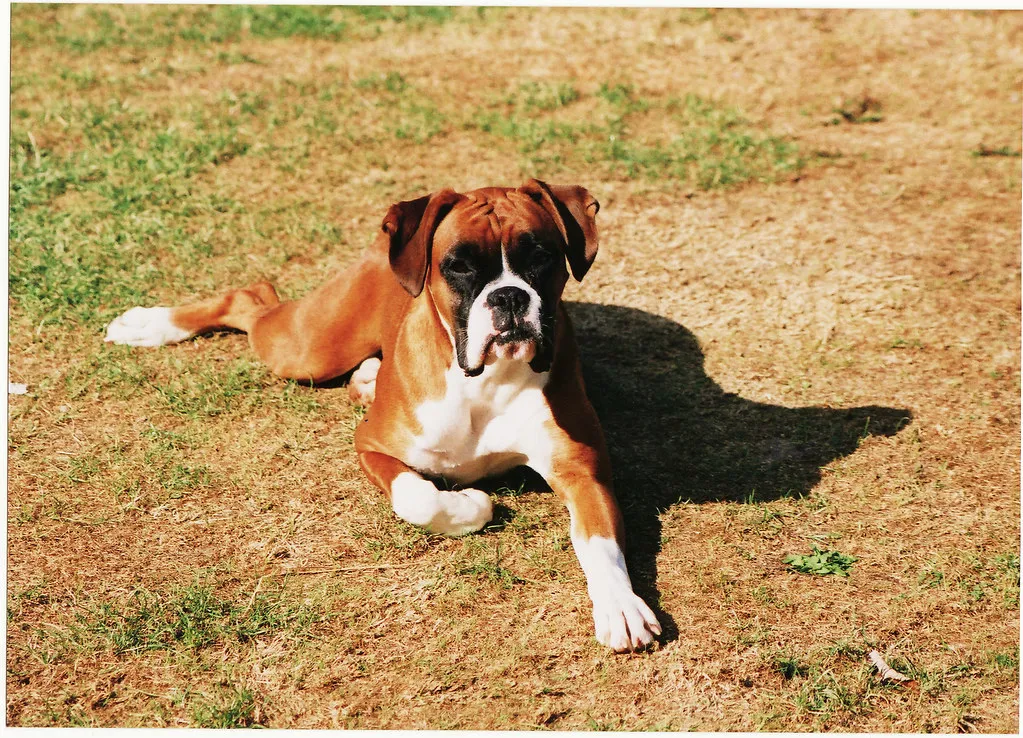
Boxers keep showing up with a familiar mix of charm and medical red flags. Many clinics still list them among the most commonly seen large purebreds – goofy, athletic, and affectionate, but genetically loaded for heart and cancer trouble.
Cardiomyopathy and other heart disease are constant watch-items, along with multiple cancer types, including mast cell tumors and lymphoma. Owners often bring them in for “just a lump,” only to learn it’s something serious. Some vets say Boxers are one of the most emotionally difficult breeds to manage, precisely because so many wonderful personalities get taken too soon.
#11 – Yorkshire Terriers: Tiny Mouths, Massive Dental Problems

Yorkies are small, fashionable, and deceptively fragile. Vets see them regularly for basic wellness, then repeatedly for teeth – some practices say Yorkies are their number one breed for advanced dental disease, simply because their tiny mouths don’t have room for all those teeth.
Full-mouth or multi-extraction dentals often happen while the dog is still relatively young, alongside collapsing trachea, hypoglycemia in tiny pups, and fragile bones. Owners are routinely stunned when a five-pound dog needs thousands of dollars in dental work, but vets have seen it so often it barely raises an eyebrow anymore. In some older suburban communities, Yorkies rival Shih Tzus as the “little old lady dog” that keeps coming back for decades.
#12 – Beagles: From Research Labs to Suburban Exam Rooms

Beagles stay on vets’ radar for two reasons: family ownership and their history in research settings. Many general practices still see them regularly, especially in rural and hunting communities, where their solid temperament and food-driven nose make them a familiar face.
Obesity from food obsession and table scraps is a constant, along with skin issues, ear infections, and outdoor parasites like fleas and ticks. Some Beagles arrive via rescue with laboratory backgrounds, carrying physical and behavioral baggage that calls for extra patience. Vets often describe them as the ultimate middle-of-the-road breed – never flashy, always there.
#13 – Mixed-Breed Mutts: The True Kings of the Appointment List
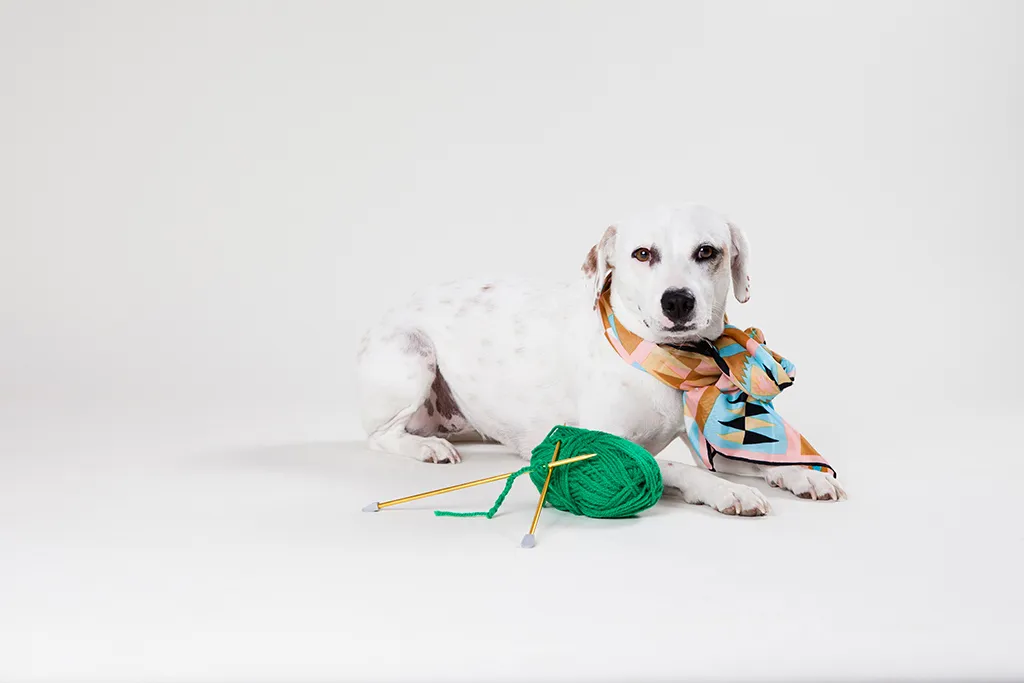
Purebreds get the headlines, but vets are blunt: mixed-breed dogs fill most of the slots. In many clinics, mutts make up the outright majority of patients, arriving from shelters, rescues, oops litters, and street rescues with health profiles that are all over the map.
Contrary to the “mutts never get sick” myth, vets see plenty of mixed-breed dogs with allergies, arthritis, and cancer, along with genetic issues from random crosses rather than purebred inbreeding. What mutts often do have is slightly better odds against extreme breed-specific conditions, but that doesn’t make them low-maintenance. The average “shepherd mix” on the chart might genuinely be the most common dog a clinic sees all year.
#14 – Pugs: Constant Care for a Controversial Favorite

Pugs are cartoonishly cute and medically complicated in equal measure. Vets see them regularly for chronic, lifelong issues, and in small-breed-heavy regions they remain a steady presence on the schedule because nearly every part of their anatomy works against them.
Brachycephalic airway syndrome makes breathing hard even at rest, and eye ulcers, skin fold infections, and obesity round out the checklist. Some vets say Pugs are one of the most ethically troubling breeds to support, precisely because severe breathing issues have become so normalized. One emergency vet said they could almost always spot a struggling Pug in the waiting room by sound alone, before ever seeing the dog.
#15 – Rottweilers: Powerful Bodies, Serious Orthopedic and Cancer Risks

Rottweilers haven’t disappeared like some large breeds. Vets still see them regularly, especially in rural and working-dog communities, and many clinics list Rotties as consistent, if not dominant, large-breed patients – intelligent and loyal, but physically high-risk.
Cruciate ligament tears and hip dysplasia are common in their heavy, muscular frames, and certain cancers, including bone cancer, show up at troubling rates. Their intimidating reputation sometimes leads owners to under-socialize them, which makes vet visits logistically harder even when the dog is simply fearful rather than aggressive. Ironically, many vets will quietly tell you their nicest, most tolerant exam-room patient is a well-bred Rottweiler they’ve known since puppyhood.
#16 – Border Collies and Aussie Shepherds: Smart Dogs, Burned-Out Patients
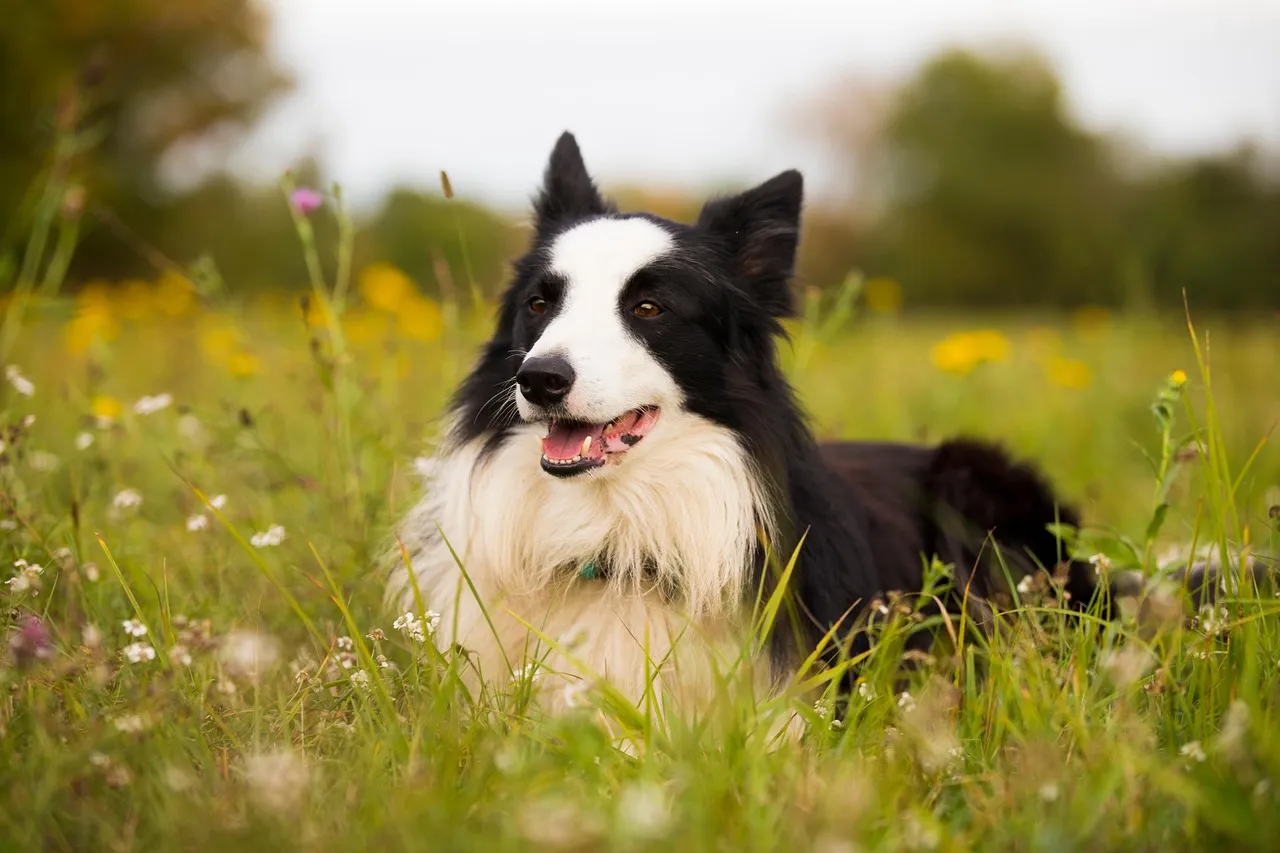
Herding breeds like Border Collies and Australian Shepherds are frequent-flier patients among active, outdoorsy owners. In farm and sport-dog communities especially, they’re among the most commonly seen athletic breeds, their brains and bodies both running at full tilt.
Orthopedic injuries from agility, frisbee, and high-impact play are routine, and serious anxiety or compulsive behavior shows up hard when these dogs are under-stimulated. Some vets quietly think these breeds are too smart for the average household, and their mental health suffers in suburban boredom. Genetic issues like epilepsy and eye problems add to the list, though most vets still call them clinic favorites for being trainable and engaged.
#17 – Maltese, Bichons, and Fluffy White Companions: The Lifelong Regulars

Small, fluffy white dogs – Maltese, Bichons, and their mixes – are absolute fixtures in older neighborhoods. Vets often joke that every retirement community has a built-in pipeline of these dogs feeding straight into their clinic, thanks to affectionate, people-oriented temperaments and long lifespans.
Persistent tear staining, eye irritation, and dental disease are constant management projects, alongside allergies and skin issues that require lifelong upkeep. These dogs age into heart meds, arthritis management, and geriatric bloodwork, which means they’re seen two or three times a year, every year, often because their attached, proactive owners show up early for small problems. Many vets could name a dozen fluffy white seniors on their active patient list without even checking the chart.
#18 – Huskies and Instagram Breeds: Dramatic Visitors, Frequent Repeaters
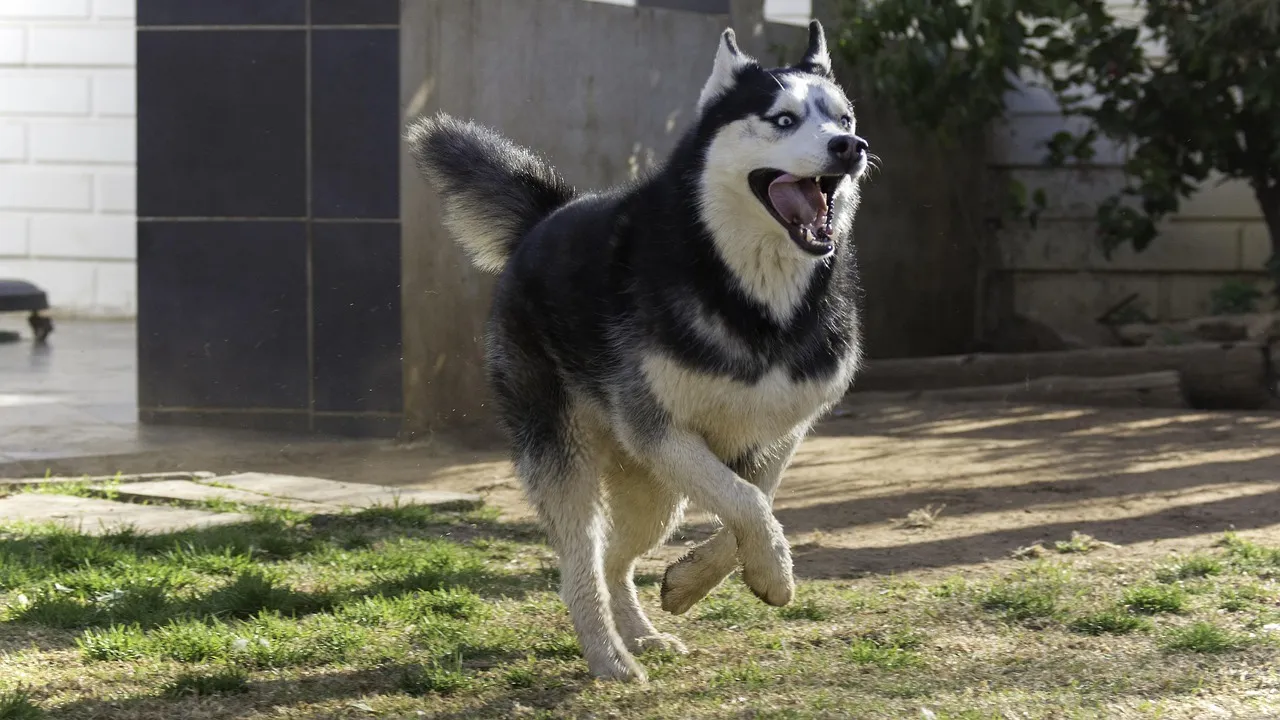
Siberian Huskies, Malamutes, and other wolfy Instagram darlings are showing up more and more in clinics, but rarely for the reasons their owners expected. Some regions are seeing a noticeable bump in these breeds as social-media-driven ownership rises, and their athletic, vocal, escape-artist nature keeps vets busy.
Orthopedic injuries, lacerations, and lost-dog incidents are common, along with behavior issues rooted in under-exercise, including destructive chaos at home. Huskies overheated in warm climates, driven half-mad by apartment boredom, or surrendered to shelters show up repeatedly on vet radars. Emergency and urgent-care clinics in particular describe Huskies as “dramatic regulars” – lovable, but wildly mismatched with the typical American lifestyle.
#19 – Irish Wolfhounds: Giants That Almost Never Walk In Anymore
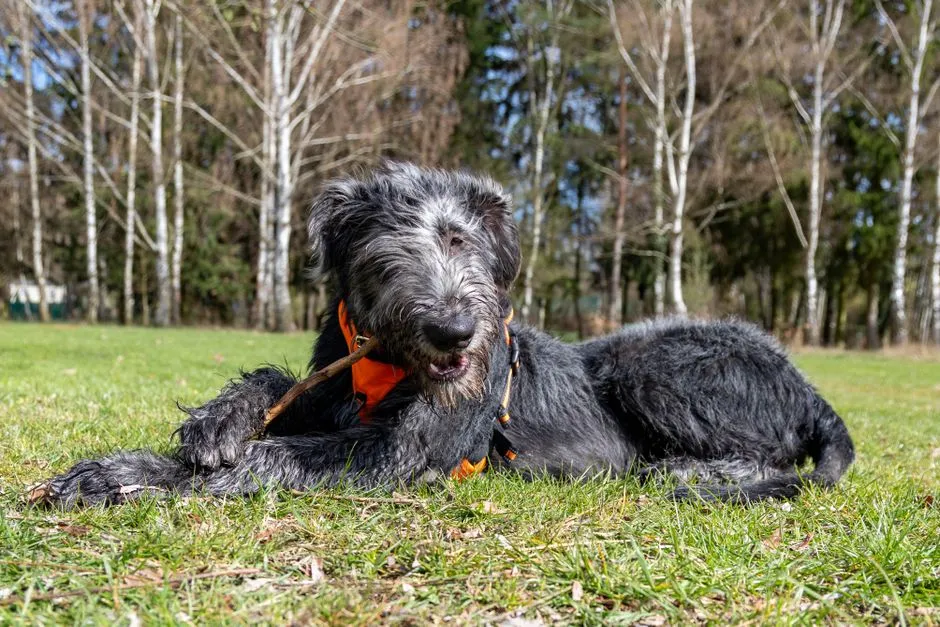
Now the shift flips completely. Irish Wolfhounds are unforgettable when they appear, but many vets go years without meeting a single one. In most general practices, they’re an extreme rarity – sometimes a once-in-a-career patient – thanks to their massive size, short lifespan, and small, devoted fan base.
When they do show up, vets worry about dilated cardiomyopathy, bloat, bone cancer, and mobility issues that hit hard in middle age. Most young dog owners have never seen one in person, and new veterinary graduates may have examined only one or two in their entire careers. If your vet’s face lights up in genuine surprise when you walk in with a Wolfhound, that’s not performative – it’s real rarity on display.
Quick Compare: Common vs. Rare
- Labrador Retrievers – seen in nearly every general practice, often several times a week.
- French Bulldogs – the United States’ most commonly registered purebred dogs, filling appointment books nationwide.
- Irish Wolfhounds – so scarce that many vets meet only one or two across an entire career.
- Otterhounds, Lundehunds, and similar rarities – breeds some clinicians never examine at all, no matter how long they practice.
#20 – Afghan Hounds: Show-Ring Icons, Everyday Ghosts
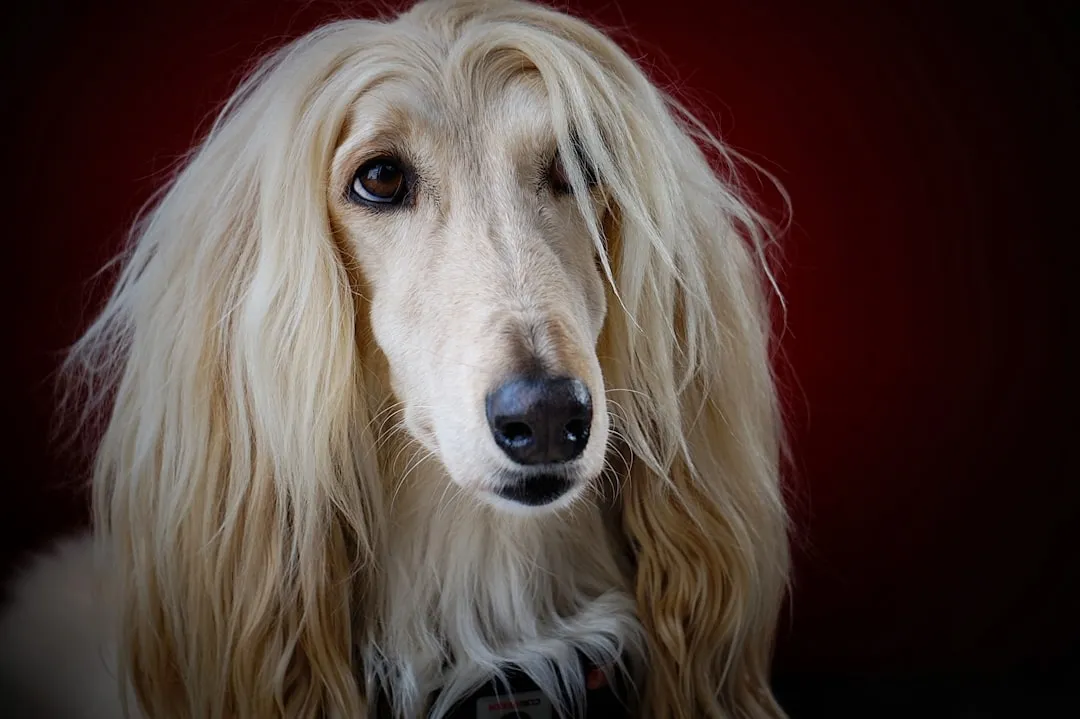
Afghan Hounds look like they stepped off a fashion runway, but in real-world vet rosters, they’re basically invisible. Most small-animal vets can practice for years without treating a single one, since they’re mainly kept by dedicated breed enthusiasts and show people rather than average pet owners.
Vets who have treated them talk about coat maintenance so intense it’s practically a part-time job, along with quirky, catlike personalities that don’t fit typical “family dog” expectations. Because they’re so rare in general practice, most of what vets know about Afghans comes from textbooks and conferences rather than daily caseload. In many cities, you’re more likely to spot one on a dog show livestream than in your local waiting room.
#21 – Otterhounds: The Breed Your Vet Might Only Know From a Slide Deck

Ask your vet if they’ve ever actually examined an Otterhound, and don’t be surprised if the answer is a flat no. This old British scent hound is now one of the rarest breeds on Earth, with some estimates putting global numbers in the low hundreds.
Medical notes exist – hip dysplasia, bloat risk, ear infections – but for most general practitioners, that information stays purely theoretical. Vets lean on breed club resources and specialist literature rather than hands-on experience, and if you bring one in, you may genuinely be the first Otterhound your clinic has ever treated. Many vets only encounter the breed on licensing exams, never in real life.
#22 – Skye Terriers and Sealyhams: Forgotten Terriers of the Past
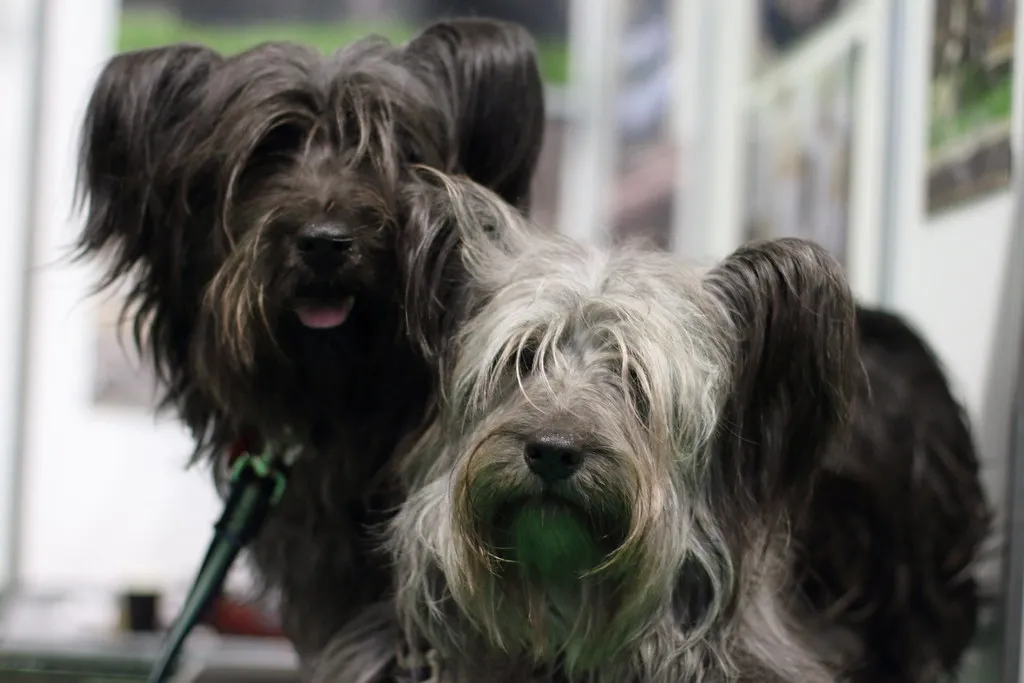
Skye Terriers and Sealyham Terriers used to matter in dog-show history; now they barely exist in everyday practice. Modern U.S. vets can go entire careers without a single patient from either breed, since terrier energy in clinics now belongs almost entirely to Yorkies and mixed “terrier-type” dogs.
When they do show up, it’s usually thanks to a devoted breeder, a long-time terrier enthusiast, or an imported show dog. Hip issues, back length, and eye disease are known concerns, but they stay theoretical for most clinicians who simply never see the caseload. Most vet techs under 30 have never handled one – some have never even seen one in person.
#23 – Briards and Beaucerons: European Herding Dogs Gone Quiet
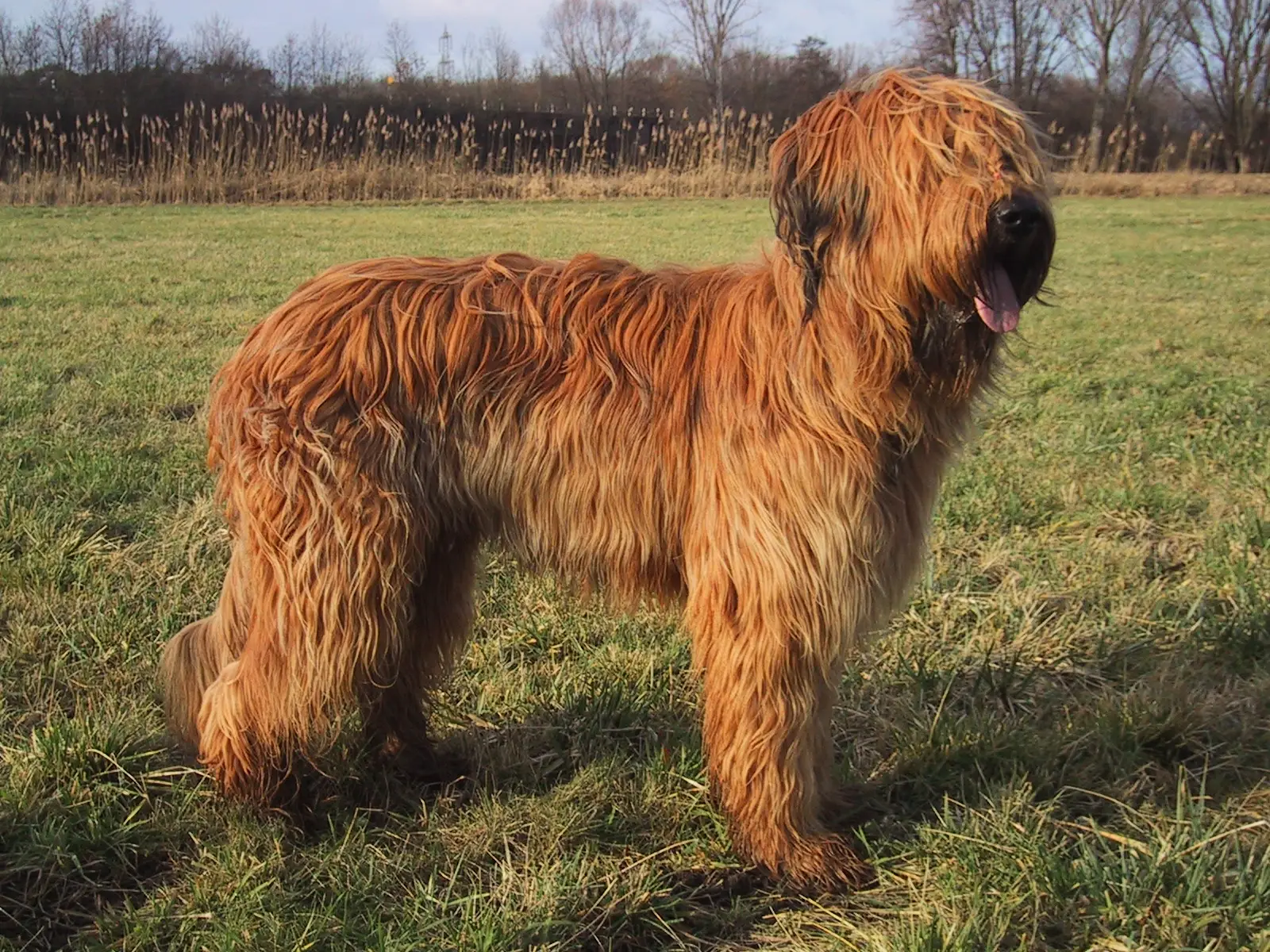
Briards and Beaucerons look impressive in training videos, but they barely register on most clinic rosters. Outside a few niche working-dog circles, vets can go years without meeting either breed, since North America’s herding niche is dominated by Border Collies, Aussies, and heelers instead.
For the rare Briard or Beauceron that does appear, vets pay close attention to hip and elbow soundness and behavioral needs, since these are not couch-potato dogs. Still, many vets know them more from kennel club photos than from actual exam tables. If a practice tracks “breeds seen in the last five years,” these two often don’t appear at all.
#24 – Pharaoh Hounds, Ibizan Hounds, and Other Elegant Sight Hounds

Pharaoh Hounds and Ibizan Hounds look striking, with their big ears and lean bodies, but they almost never walk into the average suburban clinic. Most general vets can count their lifetime cases of these breeds on one hand, since they’re mostly owned by show or lure-coursing enthusiasts.
Vets who have treated them note a sensitivity to certain medications and anesthesia, much like other sighthounds, along with a lean, energetic build that non-dog-people often misread as “too skinny.” Because they’re so rare, care mostly stays limited to standard wellness and the occasional sports injury. In terms of raw numbers, they’re functionally invisible compared to Frenchies, doodles, or pit mixes.
#25 – Dandie Dinmonts, Glen of Imaal Terriers, and the Vanishing Oddballs
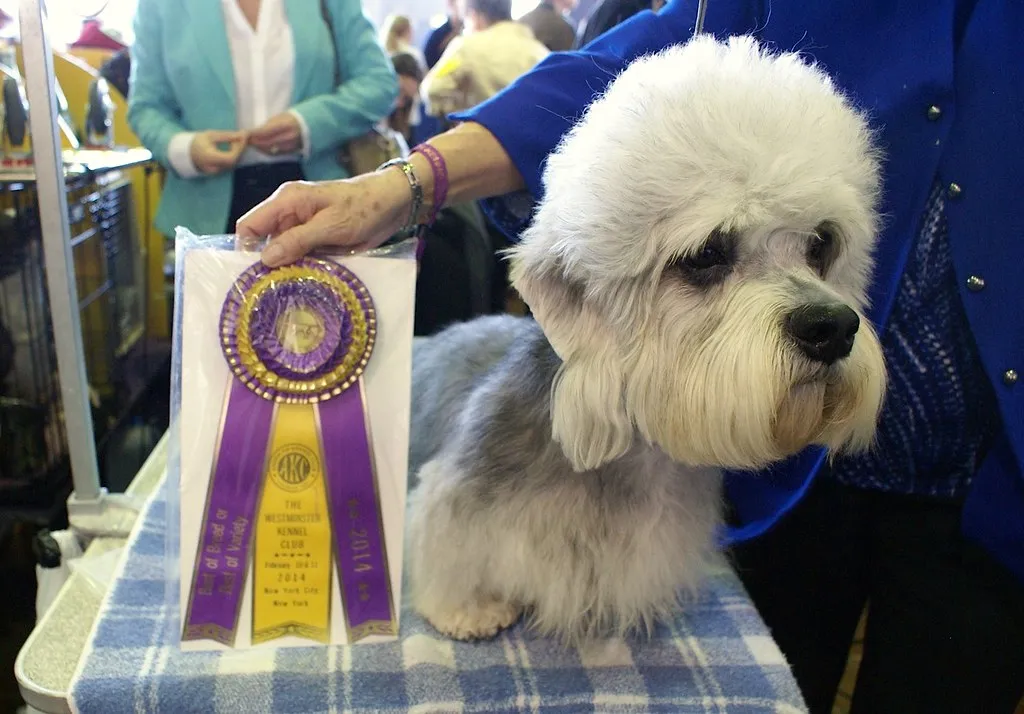
These obscure terriers are beloved by tiny fanbases but practically unknown to mainstream vets. Dandie Dinmonts and Glen of Imaal Terriers are so rare that many clinicians only recognize them from textbooks, since terrier energy in practice is now owned by JRTs, Yorkies, and scruffy mixes.
Vets often have no firsthand sense of their typical temperament, and most health information comes from breed club sites rather than clinical experience. Documented issues like back problems or eye disease exist, but few vets have seen enough real cases to form strong personal impressions. A new graduate might practice for 10 to 15 years before their first Glen or Dandie ever walks through the door.
#26 – Kuvasz, Komondor, and Old-School Livestock Guardians
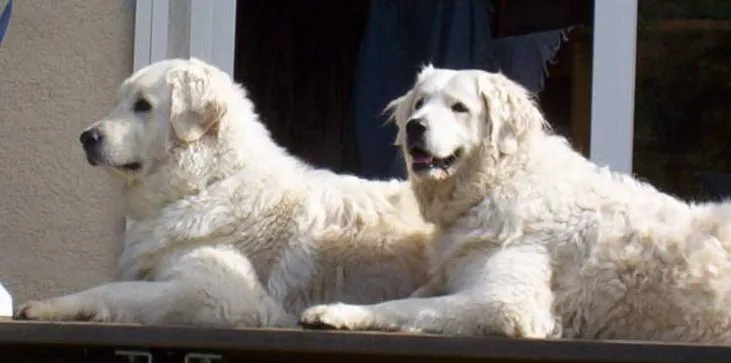
Livestock guardian breeds like Kuvasz and Komondors are still out there, but in pet-focused suburban clinics, they’re nearly mythical. Their niche role – guarding flocks on remote farms – keeps them far from typical exam rooms, and most city and suburban vets will never treat one in person.
The rare appearances usually come from a small farm client who keeps traditional guardian dogs, or a rescue placing one into a mismatched pet home. These dogs are big, independent, and not wired like family retrievers, so vets often need extra time just to win their trust. On paper they carry orthopedic and skin risks; in reality, many clinics have zero active patients of either breed.
#27 – Norwegian Lundehund: The Unicorn Dog of Vet Practice
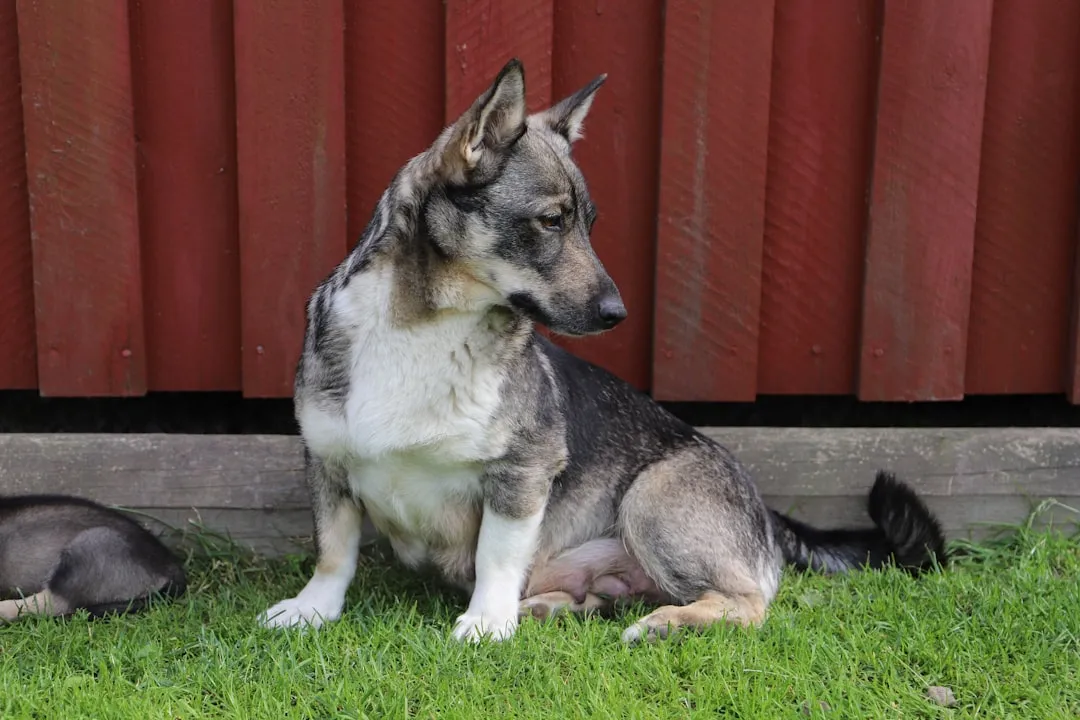
If you want a true unicorn, this is it. Norwegian Lundehunds are so rare that most vets will never lay hands on one in their entire career – one of the world’s rarest recognized breeds, with tiny global numbers and extra toes that make them fascinating on paper and invisible in most waiting rooms.
Complicating things further, Lundehunds carry a serious, breed-specific intestinal disease profile, but many general vets never see a case personally. Management advice tends to come straight from specialists or breed clubs rather than firsthand experience. Owners of these dogs often end up educating their vet almost as much as the vet educates them.
Fast Facts
- There are now an estimated 1,500 Lundehunds in the world, with around 900 of the population in Norway.
- The breed nearly vanished after distemper outbreaks during World War II and again in 1963 left a mere six Lundehunds surviving.
- Each of the Lundehund’s feet has at least six fully developed toes, compared to the five on the front feet and four on the back in most other breeds.
#28 – Chinooks: The Rare American Sled Dog You’ll Almost Never See

Chinooks are a homegrown American sled dog breed that almost nobody actually owns. Even in the U.S., most vets will go entire careers without seeing one, since they lack the social media fame of Huskies and Malamutes and their numbers have stayed tiny for decades.
Vets mostly know them as trivia – a “rare American breed” line in an encyclopedia, or an occasional sighting at a sledding event. They share some big-dog orthopedic concerns, but that stays theoretical for most clinicians, who lack the gut-level feel for what a normal, well-bred Chinook even looks like over time. Ask ten vets if they’ve treated one, and most will say no without hesitation.
#29 – Azawakhs and Sloughis: Desert Sighthounds That Stay in the Shadows

Azawakhs and Sloughis, lean desert sighthounds from Africa and the Middle East, are eye-catching and almost entirely absent from day-to-day practice. In North America and much of Europe, they remain extreme niche breeds that most vets know only from breed lectures and international shows.
Standard care mirrors other sighthounds, but it’s applied to almost no actual cases, and vets rely heavily on owner-brought resources whenever one does appear. Sensitivity to anesthesia is a known risk, but real-world experience with it is scarce. Many vets will retire having seen exactly zero Azawakhs or Sloughis in person.
#30 – Cirneco dell’Etna and Other Micro-Population Mediterranean Breeds
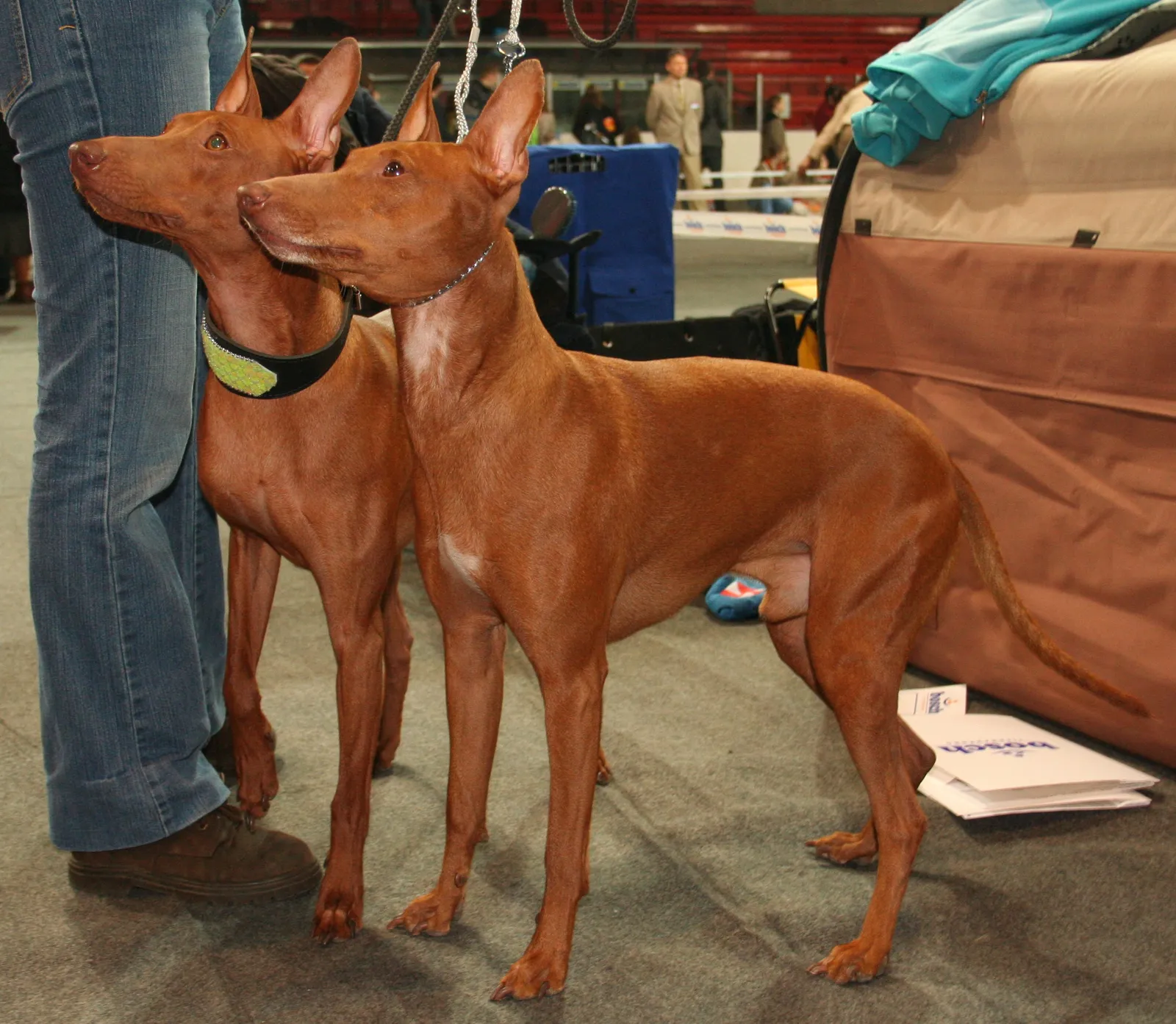
The Cirneco dell’Etna and similar Mediterranean hunting breeds exist comfortably in kennel club records but barely register in clinic records. These dogs live in micro-populations, often limited to a handful of deeply committed breeders, so unless a vet happens to practice near one of them, they may never meet the breed at all.
When they do appear, vets treat them like other slim, active hounds, extrapolating most health knowledge from related breeds. The gap between how often these dogs appear in specialty dog magazines and how often vets actually see them in practice is enormous. In many areas, they’re purely theoretical – never an actual patient.
#31 – Canaan Dogs, Carolina Dogs, and Primitive-Type Rarities

Primitive or “landrace” dogs like the Canaan Dog and recognized Carolina Dog pop up constantly in online discussions but almost never in exam logs. They exist in small, scattered numbers with dedicated niche owners, and most vets meet far more “looks like a Carolina Dog” mixes than the genuine article.
When the real thing does show up, vets often note independent, sometimes wary temperaments paired with moderate, unexaggerated body types. They’re rare enough that almost no clinic maintains an ongoing roster of them, so health issues get handled case by case rather than from years of accumulated experience. Plenty of vets have never knowingly treated a purebred Canaan or Carolina Dog at all.
#32 – English Toy Spaniels and Rare Toy Companions

Everyone knows Cavalier King Charles Spaniels; almost nobody sees their cousin, the English Toy Spaniel. Toy breeds dominate clinics – Chihuahuas, Yorkies, Poms – but this particular spaniel has basically faded out of everyday practice, surviving mostly among show people and hardcore spaniel enthusiasts.
For vets, that means textbook knowledge of potential heart and eye issues but almost zero long-term patient experience to draw from. A clinician might treat Cavaliers weekly and go ten years without a single English Toy Spaniel. Some vets joke they’ve seen more English Bulldogs named “Princess” than actual English Toy Spaniels in their entire career.
#33 – Harriers and Foxhounds: Pack Dogs, Not Pet Dogs

Harriers and American Foxhounds technically exist as registered breeds, but most vets never see them as individual pets. Where they do appear, it’s usually as part of hunting packs under the care of specialized or farm-focused veterinarians, meaning urban and suburban clinics can go decades without a single Harrier patient.
Pack dogs are typically treated en masse for vaccines and parasite control, and seen individually only when badly injured or seriously ill. As a result, the average pet-family vet rarely builds a long-term relationship with either breed. They live and work almost entirely outside the pet-dog ecosystem most clinics are built around.
#34 – Field Spaniels, Sussex Spaniels, and Other Spaniels That Time Forgot

While Cockers and Springers still fill appointment slots regularly, some spaniels have drifted into near-oblivion. Field Spaniels, Sussex Spaniels, and a few other relatives exist in such low numbers that most vets never see them, and when someone says “spaniel” in an exam room, they almost always mean something else entirely.
Vets who have actually treated them note similar ear and skin issues to other spaniels, along with more moderate builds that theoretically should help with longevity. But that’s mostly theory, since breeding numbers are too low to flood clinics the way doodles and Frenchies do. Many practices couldn’t produce a single active patient of these breeds if you asked them to try.
#35 – Lowchen, Russian Toys, and Boutique Toy Rarities
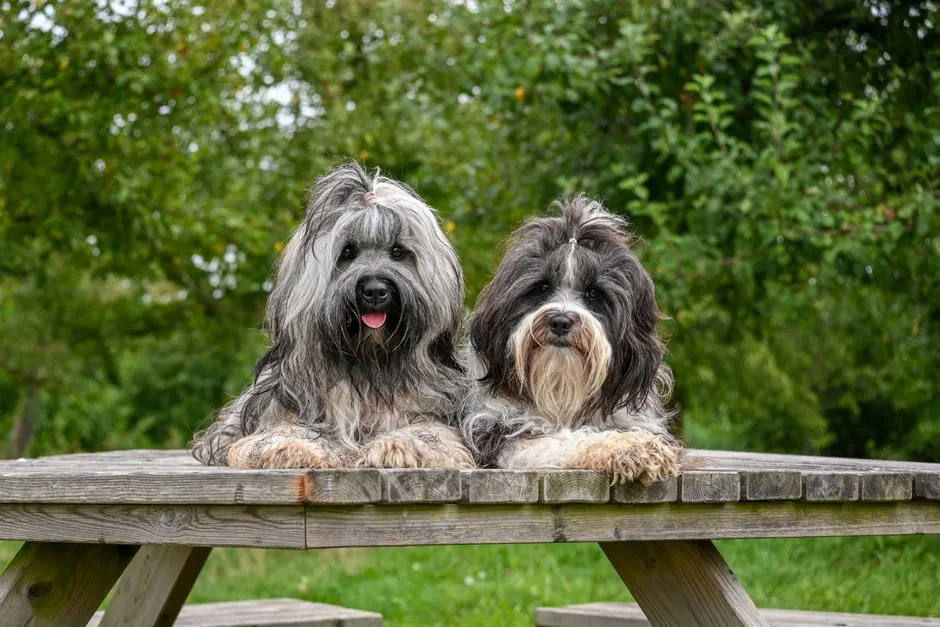
The Lowchen, nicknamed the “Little Lion Dog,” and the Russian Toy are the kind of breeds dog nerds talk about endlessly and vets almost never touch. Their global populations are tiny, and mainstream pet owners often don’t even know they exist, since toy-breed demand gets filled by Chihuahuas, Poms, and designer mixes instead.
For vets, encounters tend to be one-off events with a very proud, very knowledgeable owner in tow, leaning on breed club information for any nuanced health questions. They share many toy-breed issues – dental disease, fragile bones – but hardly anyone sees enough of them to build real statistics. A clinic might see hundreds of toy dogs a year and not a single Lowchen or Russian Toy among them.
#36 – The Conference-Only Breeds: Thai Ridgebacks, Stabyhouns, and Kromfohrlanders
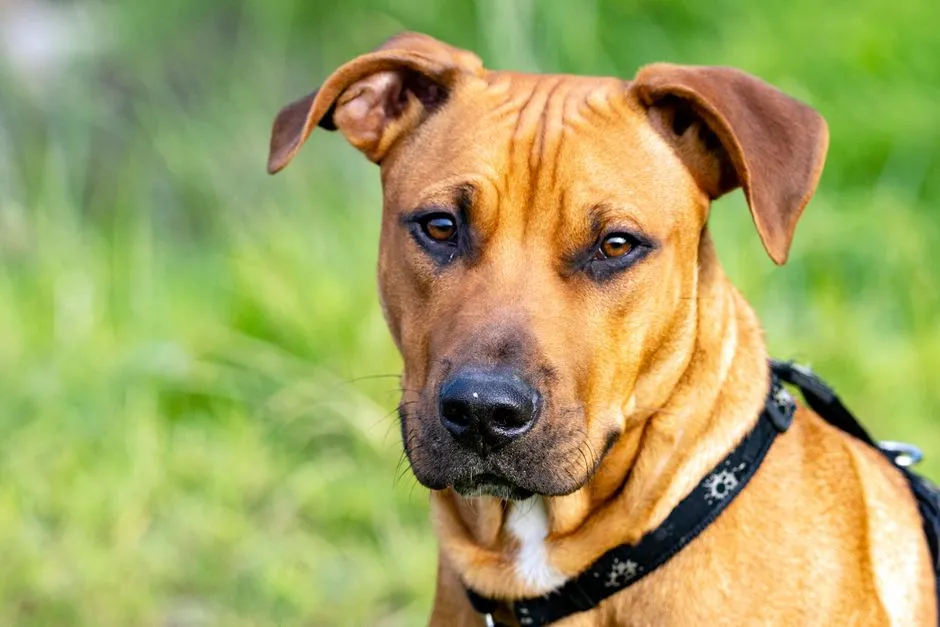
There’s an entire shadow world of ultra-rare breeds – Thai Ridgebacks, Stabyhouns, Kromfohrlanders, and more – that vets effectively do not meet in everyday practice. These dogs exist in breeder circles and niche online communities, but almost never in typical suburban clinics, and many vets only see them in continuing-education slides or breed ID quizzes.
When one actually shows up, the pattern is almost always the same: the owner knows more about the breed’s history than anyone else in the building, and the vet applies general-dog medicine plus whatever published breed-specific cautions exist. To the average clinician, these dogs are trivia, not patients. The contrast with Labs, Frenchies, and doodles – seen weekly or daily – is enormous, and it quietly shapes how vets talk about “common” versus “rare” far more than most owners ever realize.
The Bottom Line
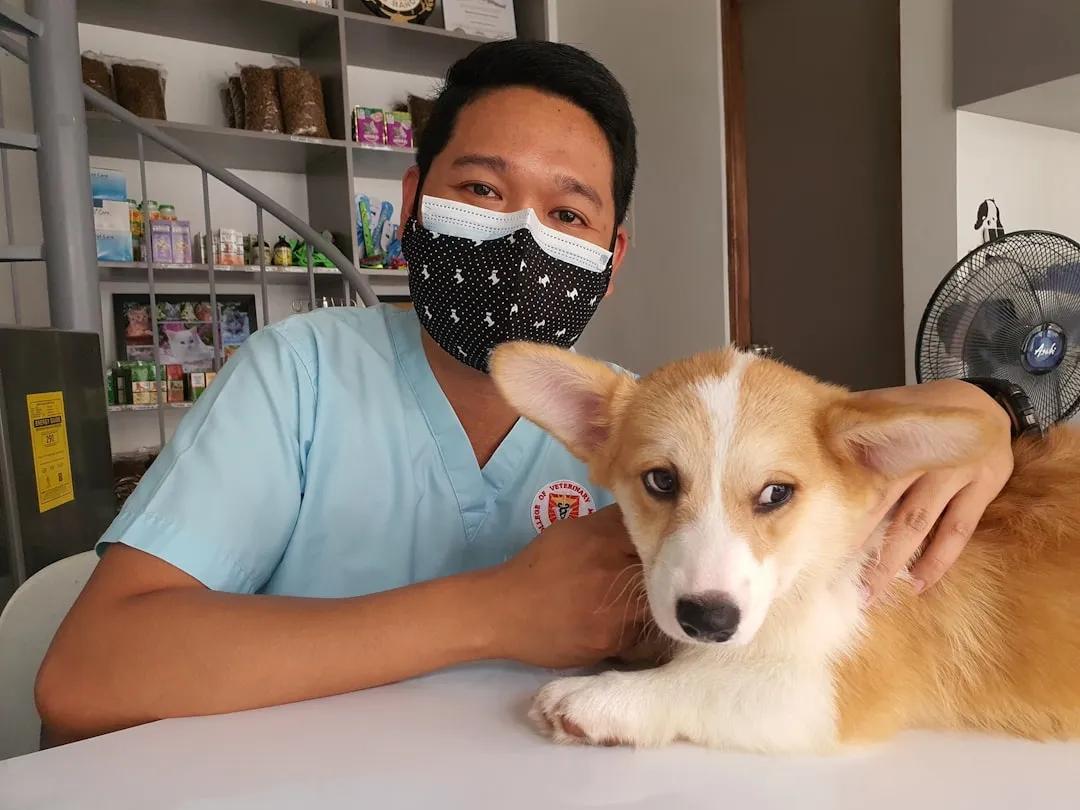
When vets say they “see a lot” of a breed, they’re not guessing. They’re describing daily reality: endless Labs with bad hips, Frenchies struggling to breathe, doodles with chronic skin flare-ups, pit mixes filling entire spay-day schedules. A tiny handful of breeds now soaks up most of the clinical attention, while dozens of historic or exotic breeds have turned into practical ghosts, known more from textbooks than exam tables.
That imbalance isn’t neutral. It shapes what vets worry about, what they complain about at the end of a long shift, and what they quietly wish people would stop buying purely for looks. If your dog’s breed never showed up in the “constant visitors” column, that’s no guarantee of perfect health, but it might mean you’re living with something your vet finds genuinely, refreshingly interesting. Either way, the pattern raises a fair question worth sitting with: is this lopsided popularity good for dogs at all, or are we just breeding more patients for the same handful of problems?
