
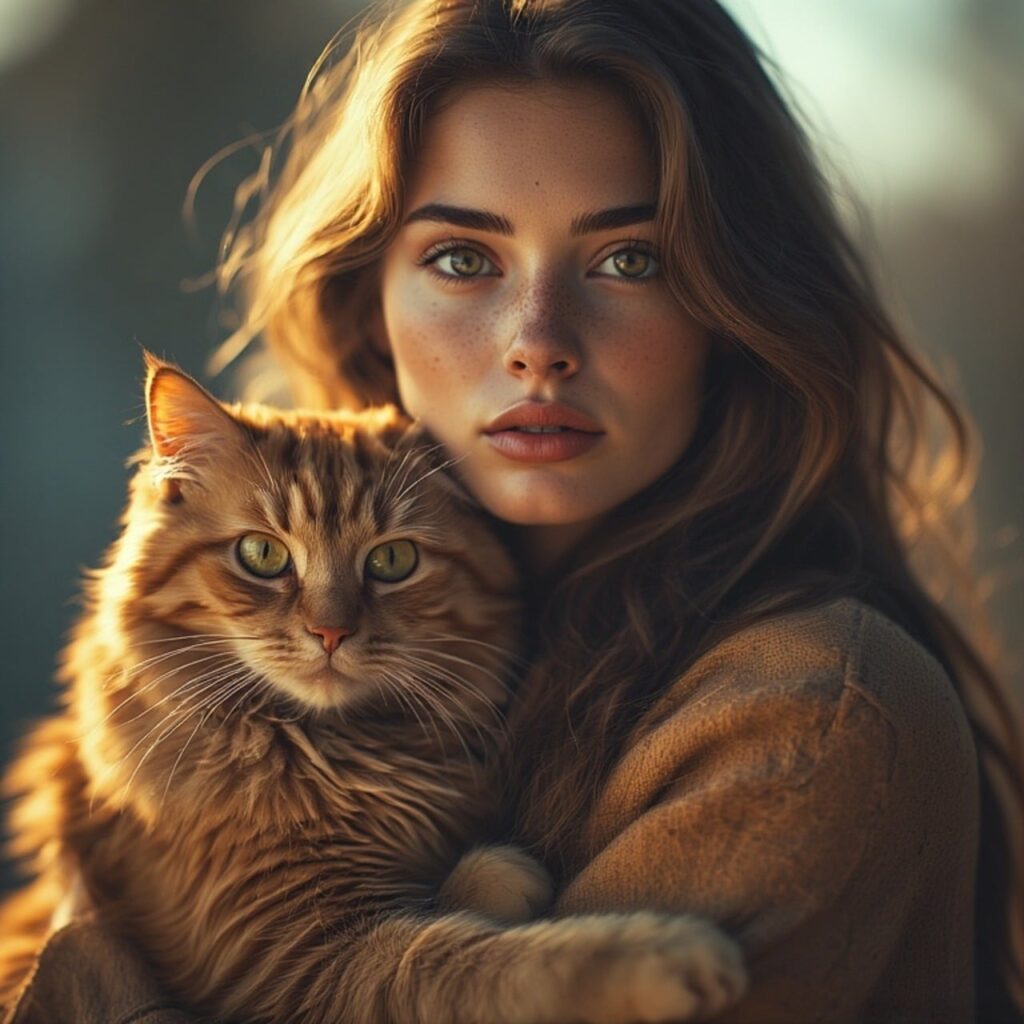
Most people insist cats never really belong to anyone – that they simply tolerate you until the food bowl runs empty. Ask anyone who has loved a cat into old age, though, and they’ll tell you that’s not true. Somewhere between the tenth vet visit and the three-hundredth nap curled against your chest, something in an aging cat quietly shifts.
The tiny landlord who once patrolled the hallway like a bouncer starts acting like… a roommate. That shift rarely comes with fanfare – no head-butts on cue, no dramatic meows announcing a change of heart. It shows up in small, easy-to-miss moments, and once you know what to look for, you’ll never unsee it. Here are 18 quiet signs your senior cat has stopped thinking of the house as theirs alone.
#18 – They Stop Guarding Their “Territory” From You
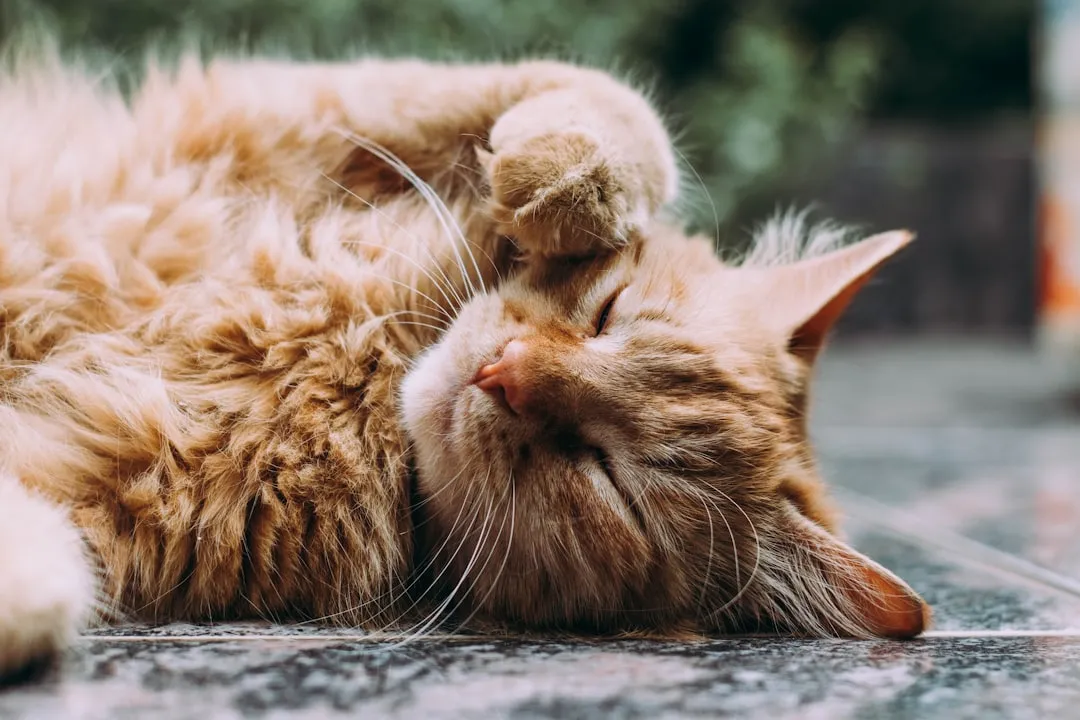
When cats are younger, they act like tiny bouncers, patrolling doorways and glaring if you sit in “their” spot. Senior cats often quietly retire from that job. They’ll still have favorite zones, but they no longer treat you as an intruder who needs monitoring.
You’ll notice fewer hard stares when you cross “their” path and more relaxed, half-lidded blinks instead.
- Watch how they share corridors and thresholds with you.
- Notice if they no longer rush ahead to “claim” a space first.
This is a subtle form of trust: they’ve decided you are part of the landscape, not a rival. It’s like a roommate finally giving you a key.
#17 – They Start Choosing Your Bed Over Their Own
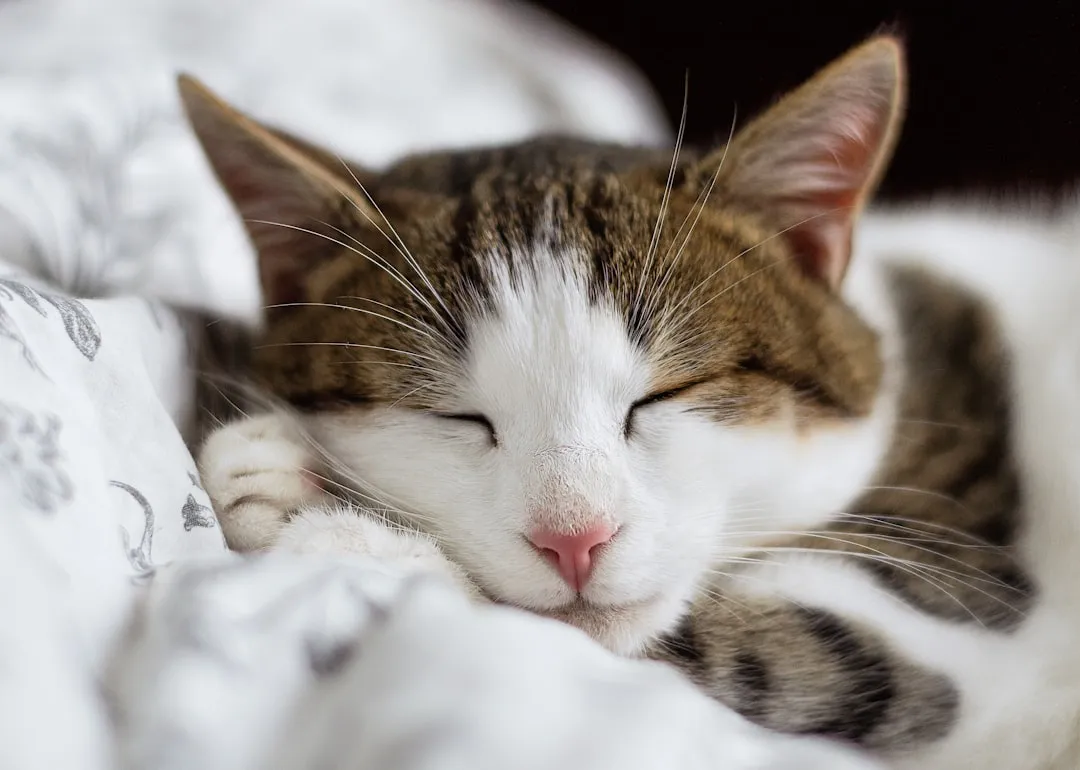
Younger cats love rotating sleeping spots – windowsills, the back of the couch, that expensive bed they ignored for six months. But when a senior cat quietly decides the home belongs to “us,” your bed stops being optional.
They begin defaulting to your mattress, your pillow, or the space pressed against your legs as their primary sleep zone. This isn’t just about warmth. Older cats are more vulnerable – arthritis, reduced vision, slower reflexes – and choosing your bed is choosing safety. You’re the stable, nightly constant in a world that’s getting harder to navigate. If they repeatedly pick your bed over the softest cat bed in the house, that’s a serious upgrade of your status.
Fast Facts
- Most vets consider cats “senior” starting around age 11, and “geriatric” past 15.
- Arthritis affects a large share of cats over 12, though it’s frequently undiagnosed.
- Senior cats often sleep far more than younger adults, sometimes well over half the day.
- Warm, soft surfaces – including your body heat – genuinely help ease stiff joints.
#16 – They “Escort” You Around Like a Tiny Bodyguard
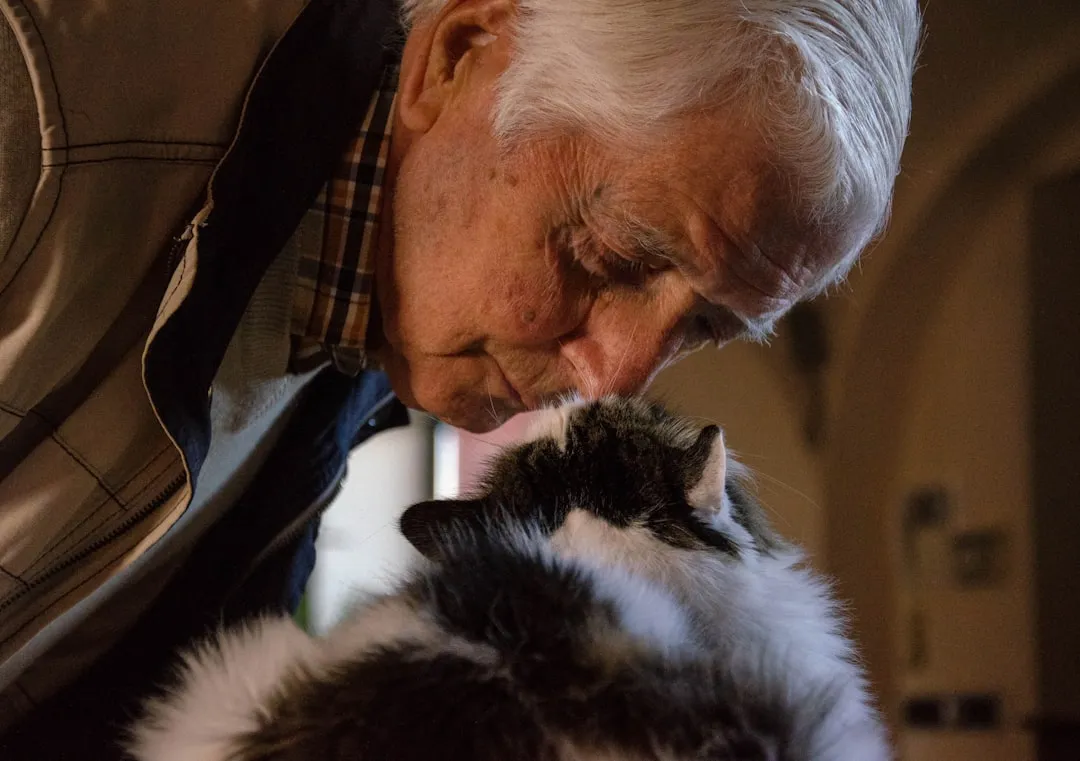
If your senior cat suddenly becomes your shadow, that’s not random clinginess. Many older cats start escorting their humans from room to room, not meowing for things, just… being there.
They’ll hop off the couch when you stand, follow you to the bathroom, then wait outside like security on a smoke break. This isn’t dominance; it’s co-ownership. Behaviorists often see this in bonded, aging cats – the human becomes their “anchor,” and they return the favor by supervising your every move. Annoying? Sometimes. A sign you now share the home as two equal residents? Absolutely.
#15 – They Use You as a Heated, Joint-Friendly Furniture Upgrade
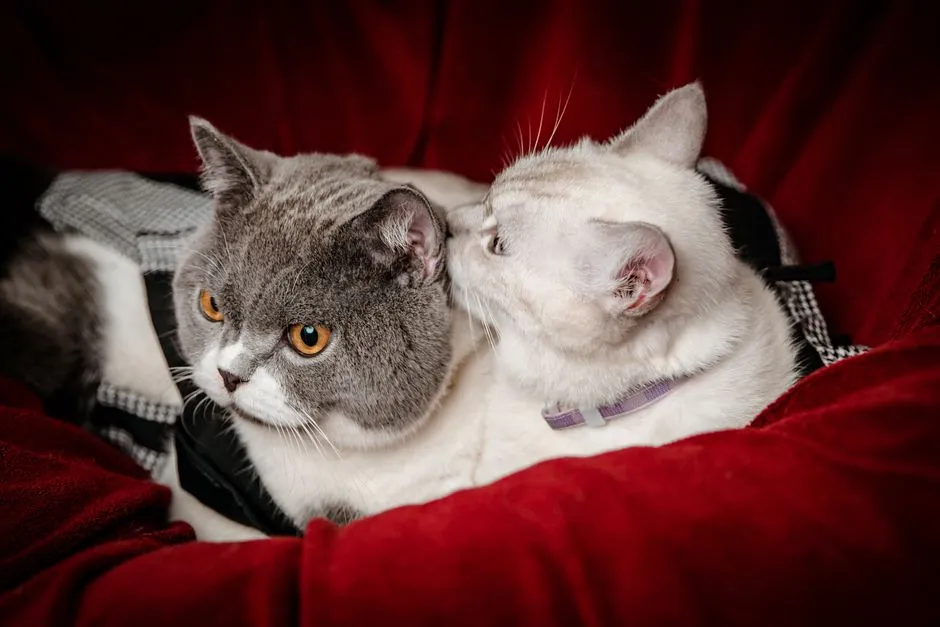
Younger cats flop wherever. Senior cats with stiff joints are picky. When your older cat starts preferring your lap, your chest, or the crook of your arm over any other soft surface, they’re making a calculated, intimate decision.
Your body heat becomes part of their pain-management plan and their emotional comfort zone. You might notice they:
- Knead gently before settling, testing for support.
- Choose your lap even if it means waking you or making you move.
This is more than “aww, cuddles.” It’s an admission that you’re not just furniture – you’re shared infrastructure, and your presence literally improves their quality of life.
#14 – They Start Letting You See Their Most Vulnerable Sleep Positions
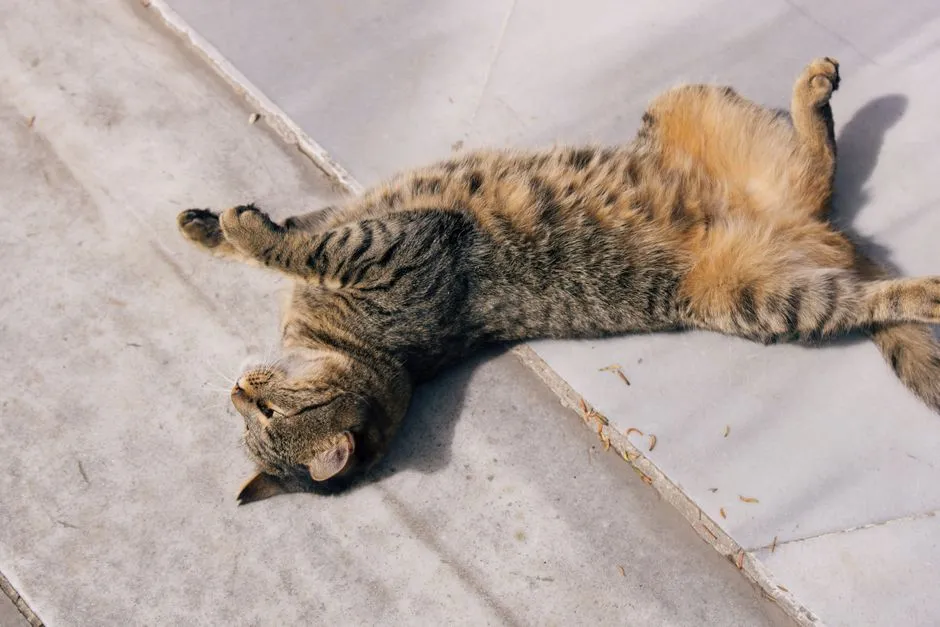
A cat sleeping belly-up, spine twisted, paws in the air is not just “cute.” For a prey animal and former street-law enforcer, that pose is practically a legal contract of trust.
When a senior cat regularly does this right in the traffic areas you walk through, they’re saying, “I trust you not to hurt me or step on me.” Older cats are usually more careful with where and how they sleep because getting up is harder. So if yours chooses exposed positions in shared spaces – hallways, the living room, the foot of your bed – they’re treating the whole area as joint territory. Not “my safe zone,” but “our safe zone.”
#13 – They Groom You Back (Yes, That Counts as Family)
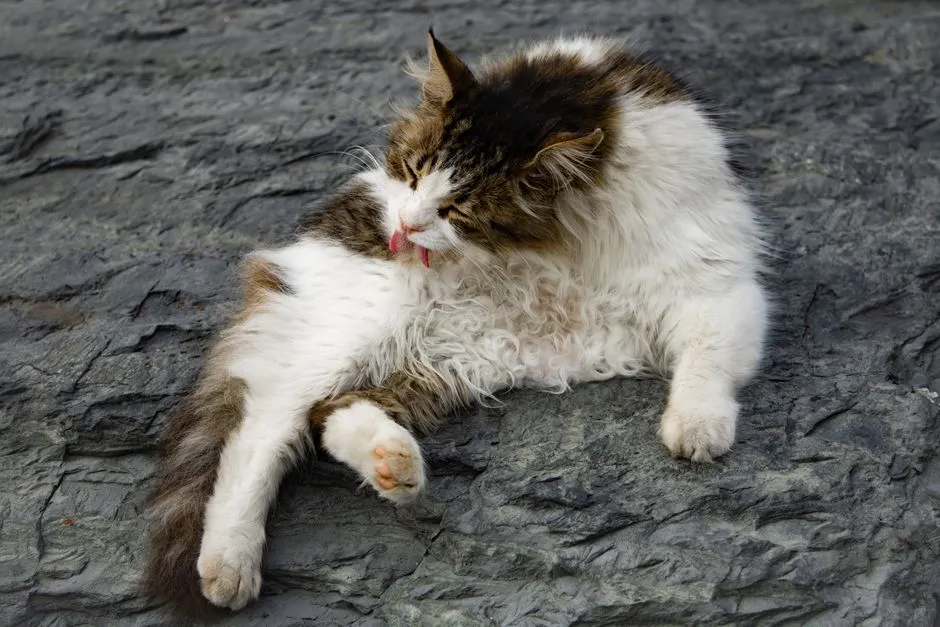
Most people miss this one. If your senior cat licks your hand, your hairline, your eyebrows, or even your clothes, you’re not just “the person who feeds me.”
You’ve been promoted into their grooming circle, the same way cats groom bonded companions. Grooming is risky for cats – they’re distracted and vulnerable while doing it. A senior cat that takes the time and energy to wash you is burning limited resources on social bonding. It’s a quiet claim: “You smell like us. You belong here.” Some people find it gross; from the cat’s side, it’s a huge concession of intimacy.
#12 – They Meow For You, Not Just At You
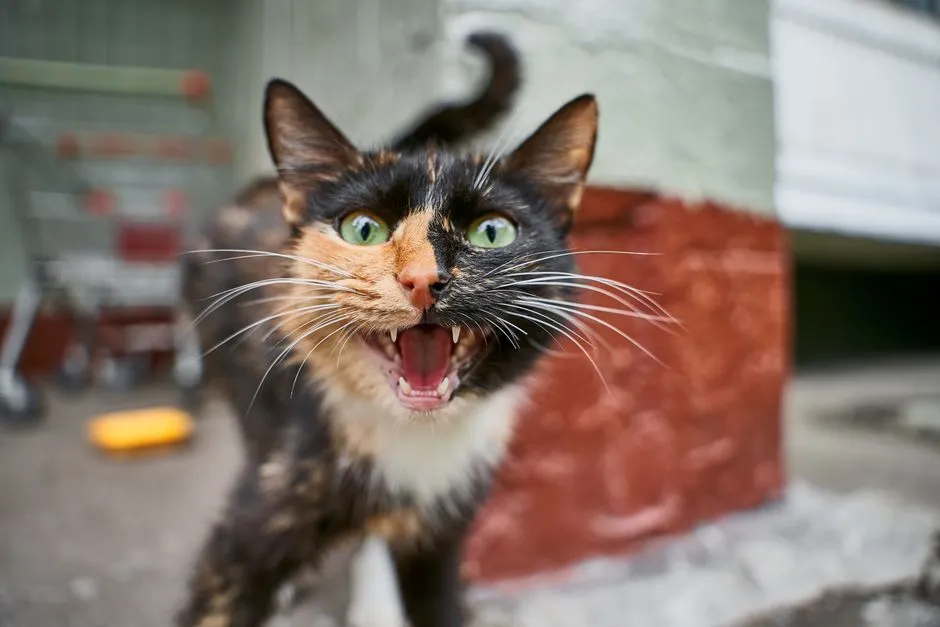
There’s a huge difference between a cat yelling at 6 a.m. for food and a senior cat walking into a room, looking at you, and giving a soft, conversational “mrp.” Many older cats develop a specific “social meow” reserved only for their person.
It’s not a demand; it’s basically them starting small talk. You might notice:
- They vocalize more when you come home, less when strangers arrive.
- Their meows change tone – softer, varied, almost like question marks.
Some owners dismiss this as “they’re just getting noisier with age,” but that’s lazy. They’re building a private language shaped by years of shared routines, and you’re the only other fluent speaker in the house.
#11 – They Stop Bolting When You Step Over or Around Them
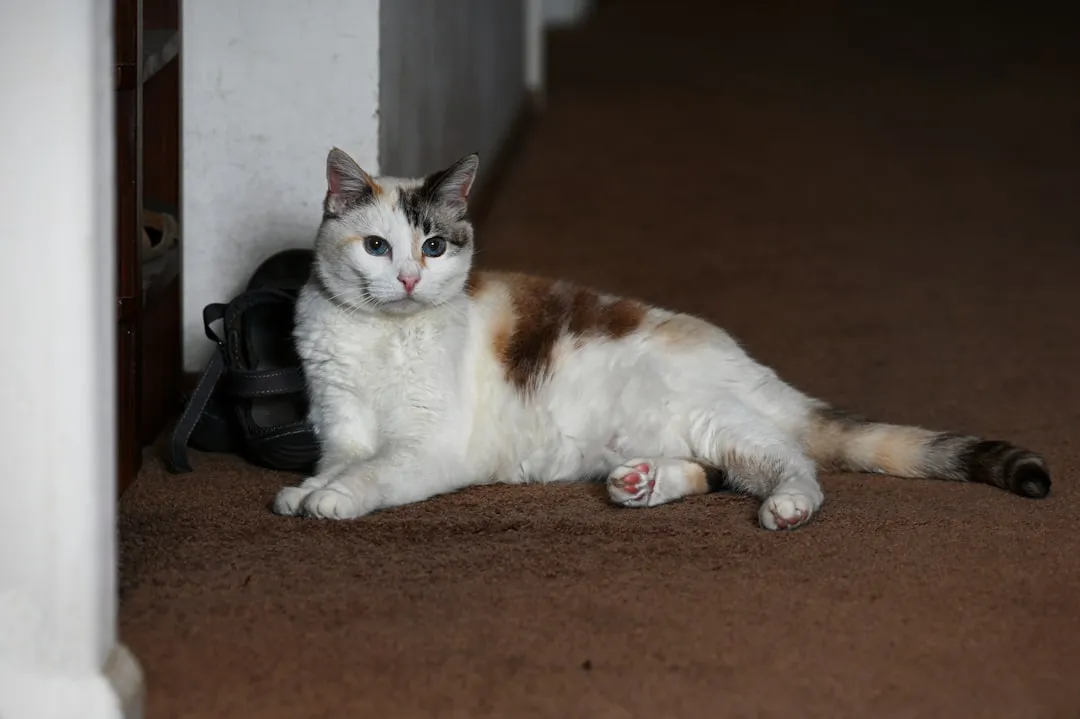
Watch the floor. Young, anxious, or less-bonded cats often leap up and scramble away the second you walk near them, especially in tight spaces like hallways and kitchens.
When a senior cat decides this is truly your shared home, that twitchy reflex fades. They’ll stay flopped in the walkway and trust you to move around them. This is quiet but major – they’re assuming you know they’re there and that you care enough to avoid hurting them. For an aging body that doesn’t want surprise impacts, that’s a big vote of confidence.
#10 – They Start Announcing Themselves Before Jumping Onto You
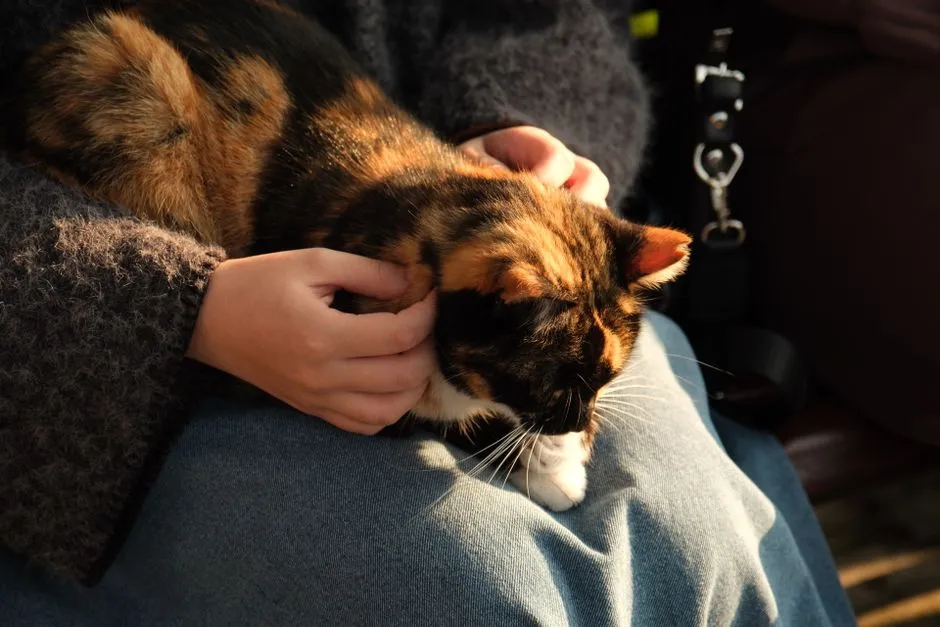
Many senior cats lose some jumping precision. Instead of silently launching onto your lap or chest, they’ll give a small meow or chirp first, as if saying, “I’m coming up, make space.”
That tiny vocal warning is weirdly polite, and it assumes you’ll accommodate them. This is shared-house etiquette, cat edition. They’re treating you like another adult in the home who deserves a heads-up, and in return, they expect you to shift the laptop, adjust your legs, or lift the blanket. That mutual adjustment is the definition of co-habitation, not ownership.
#9 – Their Favorite Spot Becomes Next to You, Not Above You
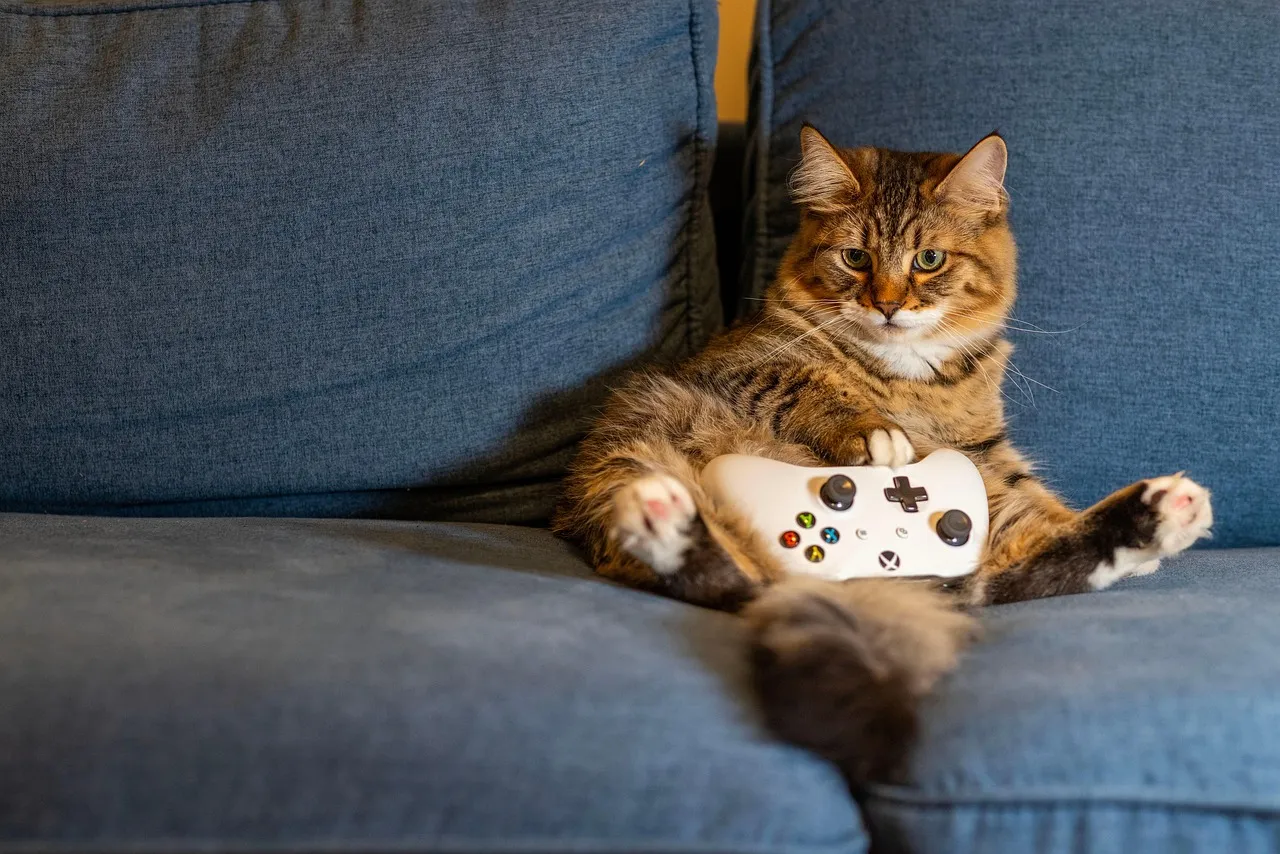
When cats are younger and more status-driven, they often choose high perches – top of the bookshelf, the tallest cat tree, the back of the couch behind your head. With age, many shift from height to proximity.
You’ll notice they settle against your side on the couch rather than looming above you. Part of this is physical, since jumps are harder. But behaviorally, it signals a shift from “I must oversee everything” to “I just want to be near my person.” They’re trading surveillance for companionship – one of the clearest signs a cat now sees you as a partner, not a subordinate.
Worth Knowing
- Perching high is a survival instinct cats use to monitor their surroundings.
- Choosing a spot beside a person instead usually signals comfort over vigilance.
- Reduced mobility in senior cats can make lower, closer resting spots more practical too.
- Cats who feel secure in their environment often relax their “watchdog” instincts almost entirely.
#8 – They Claim Shared Objects Instead of Isolated Ones
Watch what your senior cat rubs their face on. Scent-marking isn’t random; it’s a social announcement. If they used to mainly mark doorframes and chair legs, but now they’re rubbing your laptop, your phone, the remote, your glasses case, your favorite mug – that’s a quiet headline.
They’re not marking “my stuff” anymore. They’re blending scent onto everything you both touch, creating one shared family smell instead of separate territories. That’s exactly the invisible bond the French writer Jean Cocteau captured so simply.
I love cats because I enjoy my home; and little by little, they become its visible soul.
Jean Cocteau
You’ve become part of that multi-species family bubble, whether you consciously notice the shift or not.
#7 – They Tolerate (Or Even Invite) Gentle Handling of Their “No-Go” Spots
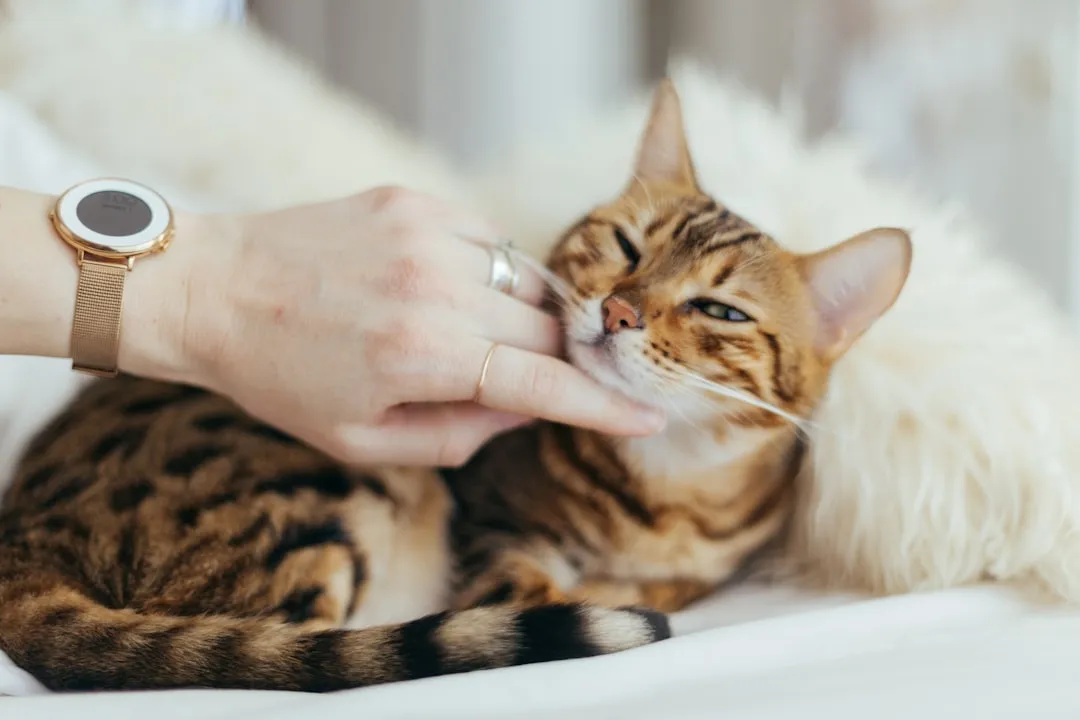
Most cats have off-limits zones: belly, paws, base of the tail. With age and deep trust, some seniors will start allowing careful touches in these areas – from you, and you only.
They might roll slightly to expose more belly or stop yanking their paw away when you examine their claws. This isn’t permission for rough petting; it’s a fragile privilege. For arthritic seniors, nail trims and gentle belly checks can be uncomfortable, yet they endure it because life with you has proven safe and beneficial. That’s a level of cooperative trust most people never achieve with their pets.
#6 – They Choose Your Routine Over Their Instincts
A feral or loosely bonded cat will always prioritize instinct: hunt, patrol, hide, repeat. A senior cat who’s decided this is a shared home starts syncing to your daily pattern instead.
They nap when you work, stir when you get up, and hover near the door around the time you usually come home. You may notice:
- They’re less interested in late-night zoomies and more in movie-night schedules.
- They stand by the bathroom in the morning because that’s “toothbrush time.”
People love to say cats are totally independent, but older, well-bonded cats frequently adjust their inner clock around their person. It’s less “this is my house and you orbit me” and more “this is our life, and I’ll meet you in the middle.”
#5 – They Bring You “Gifts,” Even If They Never Hunt
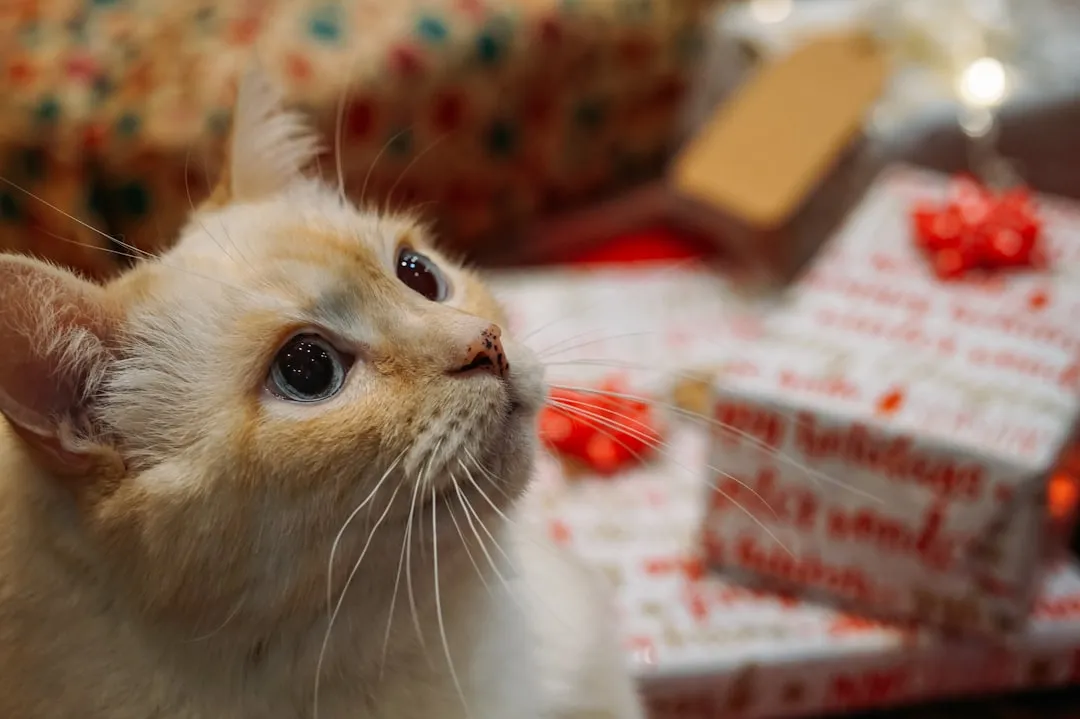
Yes, the classic dead mouse on the doorstep counts – but senior indoor cats get creative. They might drag a favorite toy, a crinkly ball, or even a stolen sock to where you sit or sleep.
The point isn’t the object; it’s the offering. Gifting isn’t simply “I think you can’t hunt,” which is oversimplified internet lore. It’s also social sharing: “This is part of my world, and I’m including you.” Older cats, with lower energy and fewer play bursts, don’t waste effort on meaningless gestures. This is less landlord bringing you rent and more roommate sharing their last slice of pizza.
Why It Stands Out
- Gifting is widely viewed as a social behavior, not just a hunting leftover instinct.
- Cats with strong bonds are more likely to “share” toys or objects with their favorite person.
- Indoor senior cats often substitute household items for prey when the instinct still exists.
- The gesture usually becomes more frequent as trust in the relationship builds over time.
#4 – They Let You Interrupt Their Rituals Without Sulking
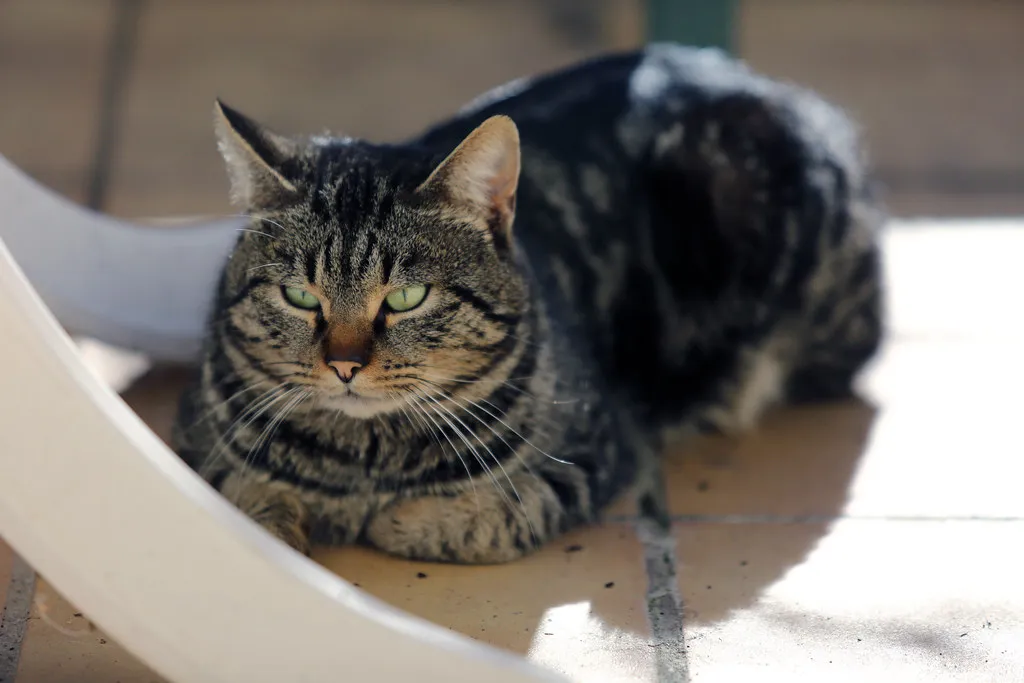
Cats are ritual machines. Meal times, litter box times, window-watching sessions are all tightly scripted. Younger or less secure cats can get visibly annoyed if you interrupt – tail flicks, walking away, refusing to resume.
A senior cat who truly feels the house belongs to you both will often pause, tolerate the disruption, and calmly continue. You walk between them and the window; they wait, then look again. You pick them up mid-groom to move them; they settle back and resume nearby. They’re acknowledging your equal right to exist and move in the shared space, a flexibility usually reserved only for the truly trusted.
#3 – They Wait For You Before Starting Certain Activities
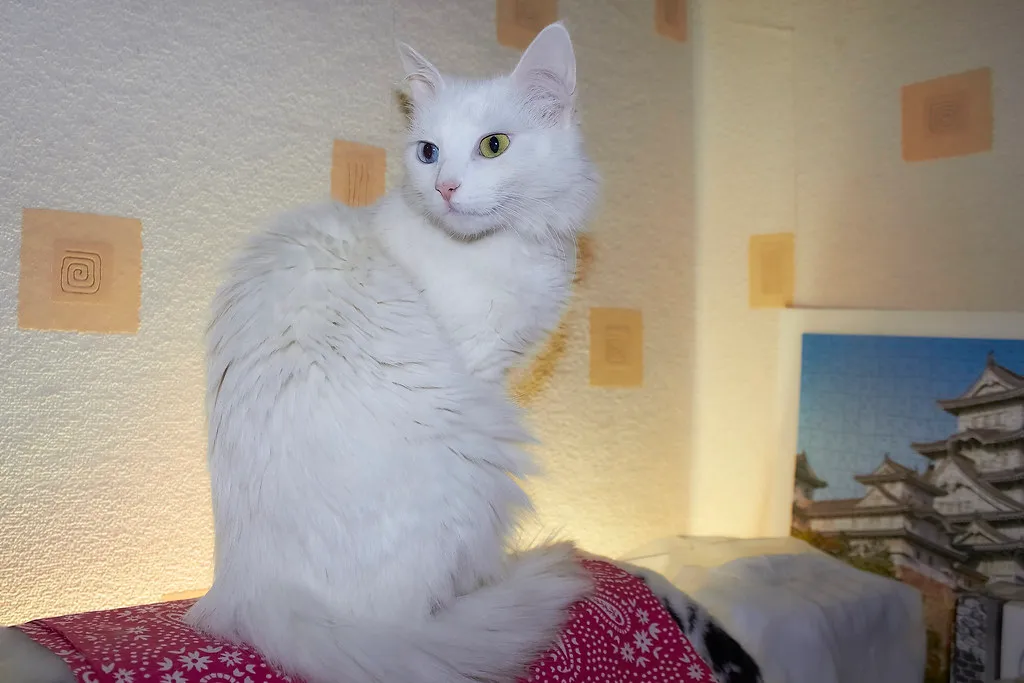
This one is easy to miss because it looks like laziness. Some senior cats will sit by the hallway, the food area, or the favorite couch and just… wait. Not meowing, not pacing.
They’re delaying a routine until you participate – dinner, evening TV, even the “bedtime march” to the bedroom. Dinner doesn’t really start until you’re in the kitchen. The night doesn’t officially begin until you head down the hall. They’ve built core activities around your presence, and in wild terms, that’s like a pride member waiting for another before heading to the watering hole.
#2 – They Start Using You as Their Safe Place During Stress
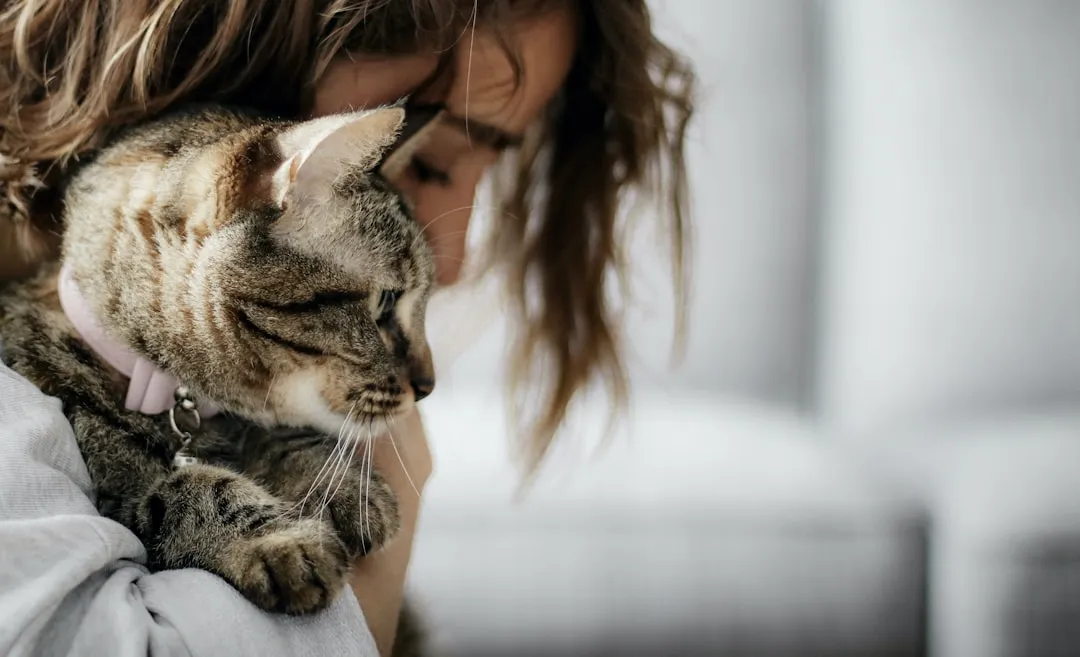
Younger or less-bonded cats often bolt away from humans during loud noises, vet days, storms, or visiting guests. When a senior cat has quietly decided the home belongs to both of you, that instinct can flip.
Instead of disappearing under the bed, they press against your leg, hide behind your chair, or climb onto your lap. You’re now the “den” instead of the thing they hide from, and your scent, voice, and touch actively reduce their stress. Older cats are conservative with their energy, so choosing to come to you under pressure means you’ve become the safest, most predictable part of the entire environment.
#1 – They Look for You First, Not the Food Bowl
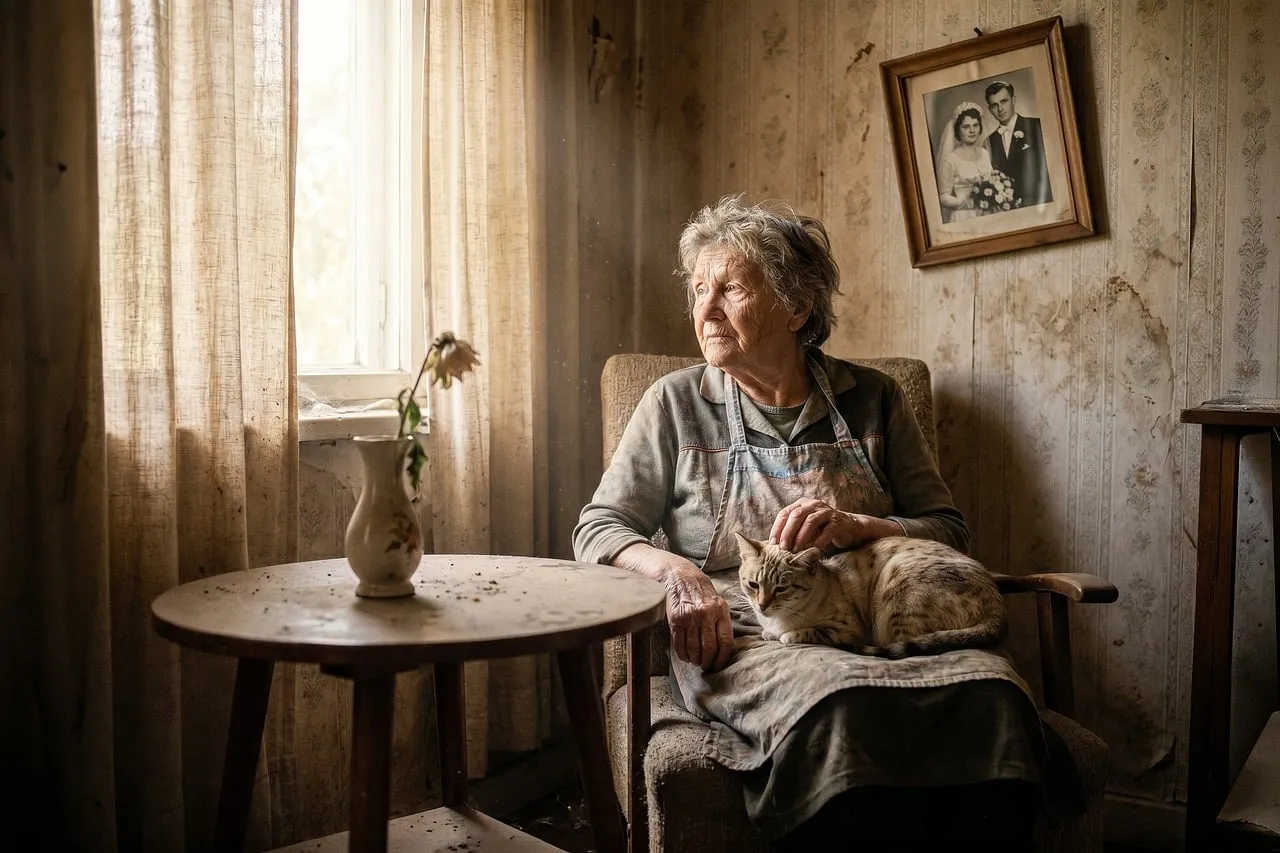
Here’s the one that quietly wrecks people. In so many homes, food is the only real currency. But with deeply bonded seniors, there’s a shift: when you come home, they check your face, your hands, your location – before they check the bowl.
They may still hustle to dinner afterward, but the initial focus is on you. They approach and sniff you, maybe offer a head bump, then glance toward the food. If someone else feeds them while you’re away, they’re willing but less animated. That order of operations matters – the primary reward in the environment is no longer just resources, it’s relationship. In a world where cats get written off as cold and indifferent, a senior choosing you over the dish is about as loud as their love language gets.
The Bottom Line
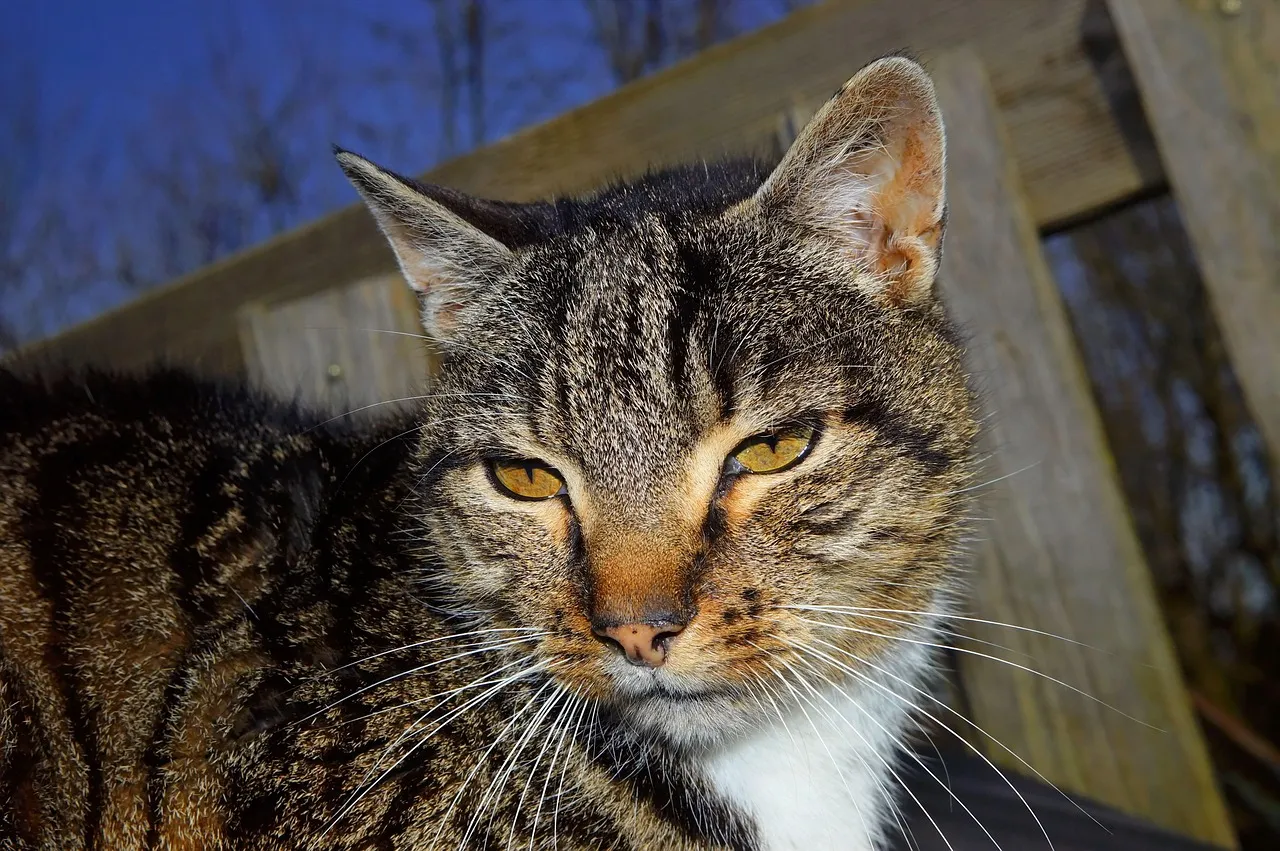
Senior cats don’t suddenly turn into dogs. They don’t throw parades, write sonnets, or leap into your arms in slow motion. Their affection is quieter, and honestly, more honest.
Quick Compare: Young Cat vs. Senior Cat
- Young cat: claims the highest perch in the room. Senior cat: settles right next to you instead.
- Young cat: bolts at sudden movement. Senior cat: trusts you to step around them.
- Young cat: marks “personal” objects alone. Senior cat: blends scent onto things you both touch.
- Young cat: hunts real prey outdoors. Senior cat: “gifts” toys or household items instead.
When an older cat relaxes their guard, syncs their day with yours, offers you their fragile joints, and uses you as “home base” in a storm, they’re making a deliberate, experience-backed decision: this isn’t just their territory anymore. It’s a shared life.
Some people will insist “cats don’t really love, they just use you for food.” Those people either never got their cat to old age, or never paid attention. Did we miss a senior-cat sign you’ve noticed in your own house? Drop it in the comments.
