
Most people think a “quiet dog” just means one that doesn’t bark much. That’s only half the story, and it’s the half that gets people into trouble. In a truly silent house, some breeds sink into the calm within minutes, almost like they were built for it.
Others act like they’ve been dropped into a library with a marching band stuck in their head. Energy level, sensitivity, watchdog instinct, and centuries of breeding all decide which side of that line a dog lands on. Some of the most popular, most photographed breeds in America are secretly the worst fit for a hushed home, while a few overlooked giants turn out to be the real champions of quiet living. Here’s the full breakdown, breed by breed, starting with the dogs that treat silence like a personal challenge.
#1 – Border Collie: Genius Brain, Zero Off Switch (Rarely Settles)
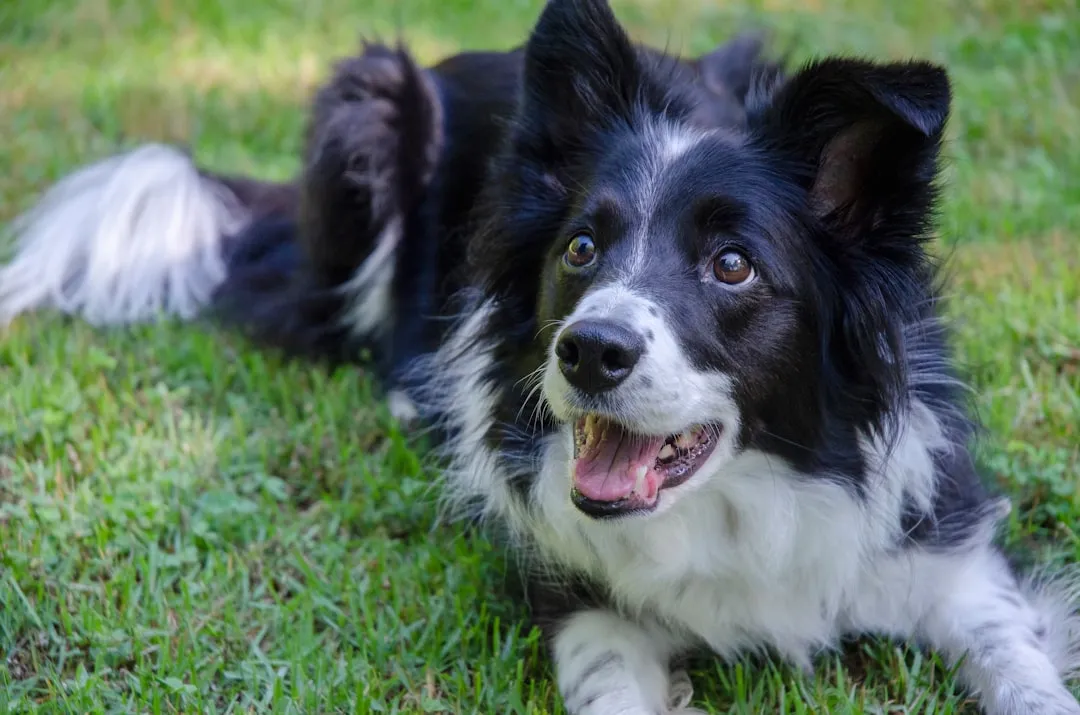
Border Collies are often ranked the smartest dogs alive, and that’s exactly why they struggle in a silent house. This is a working herding dog designed to stare down sheep in brutal weather, not nap through Netflix. A bored Border Collie can invent chaos in a room where nothing is happening.
Even when they’re physically tired, their brain is still burning calories. They scan windows, stalk shadows, and alert at the faintest noise in the hallway. Some owners say they’ve never seen their Border Collie truly switch off unless it’s after intense work, and that intensity makes them a rough fit for anyone who craves long, quiet evenings.
Wait until you see what #2 does to a peaceful living room.
#2 – Belgian Malinois: The Working Dog That Never Clocks Out (Never Settles)
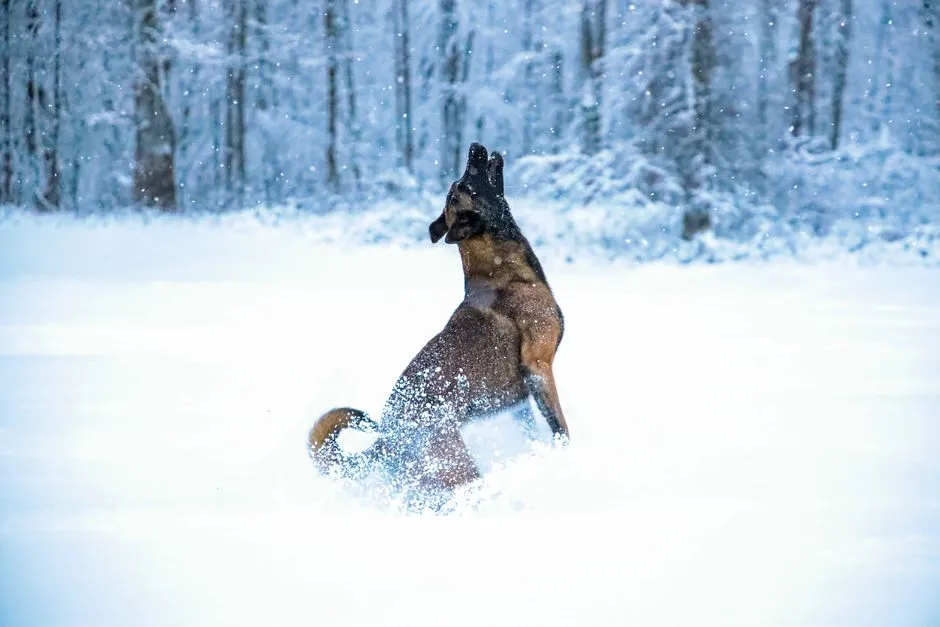
Belgian Malinois are the go-to choice for military and police work for one reason: they never quit. That same drive makes them a nightmare in a tranquil, silent home. Even subtle noises can trigger their protective instincts and send them straight into guard mode.
They rarely lounge the way a true companion breed does. Instead, they pace, patrol, and wait for the next job, and in a low-stimulation environment that energy leaks out as anxiety, vocalizing, or destroyed furniture. Trainers quietly say Malinois should be treated like a full-time hobby, not a pet — and if your home feels like a library, this dog will turn it into a security checkpoint.
Fast Facts
- The AKC recognized the Belgian Malinois as a separate breed in 1959 and places it in the Herding Group, though it started life as a Working dog.
- They stand between 22 and 26 inches tall, and weigh 40 to 80 pounds.
- Known for their roles with police forces, the military, and elite units like U.S. Navy SEAL teams, this is not a breed that coasts on autopilot.
- They will bark to alert their owners, but they also tend to bark just for their voices to be heard.
But that’s nothing compared to what we found about #3.
#3 – Siberian Husky: Talkative Drama Dog (Never Settles)
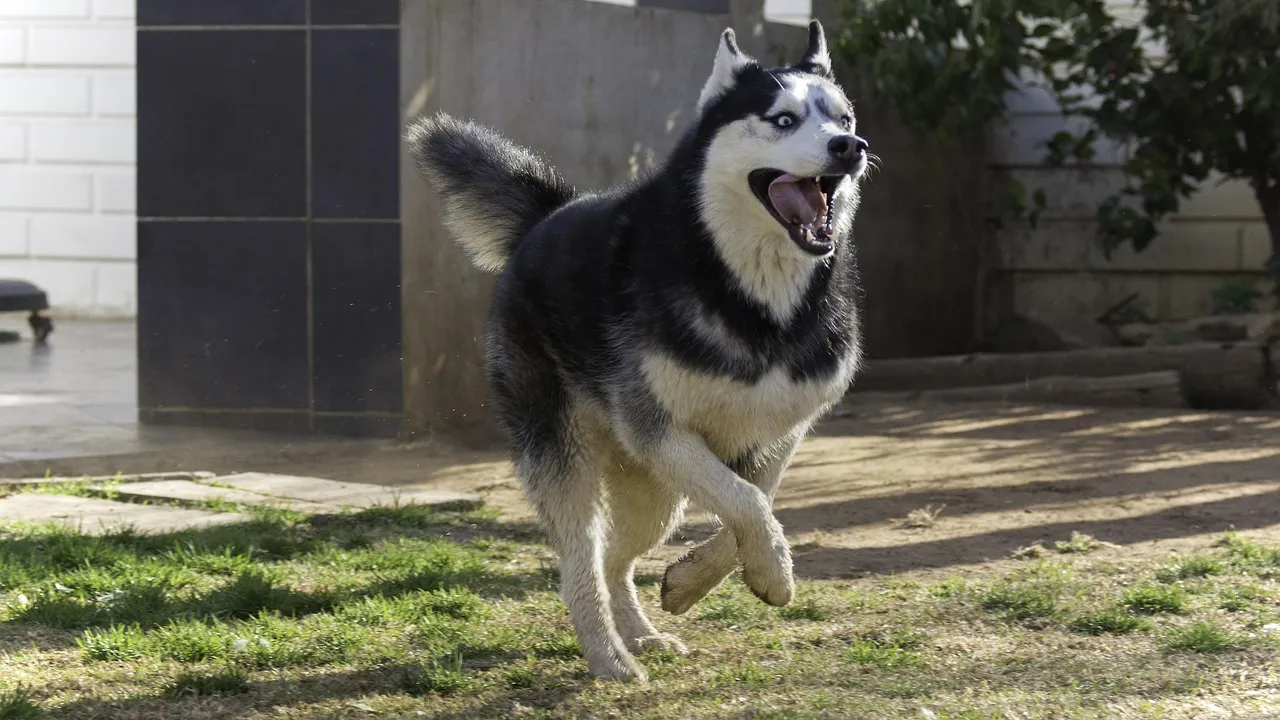
Most people fall for the Husky’s wolfy looks and then discover the soundtrack that comes with it. Huskies are famously vocal: they howl, talk, whine, and comment on everything. Silence is basically an invitation for a Husky to start a conversation.
They’re also bred as endurance sled dogs, meaning they’re built to move, not chill. In a quiet house, many will manufacture their own stimulation through pacing, zoomies, or full-blown arguments with their owners for fun. They’re hilarious in the right household, but they’re often the exact opposite of what a low-noise, low-chaos person actually wants.
But that’s nothing compared to what we found about #4.
#4 – Jack Russell Terrier: 15 Pounds of TNT (Never Settles)
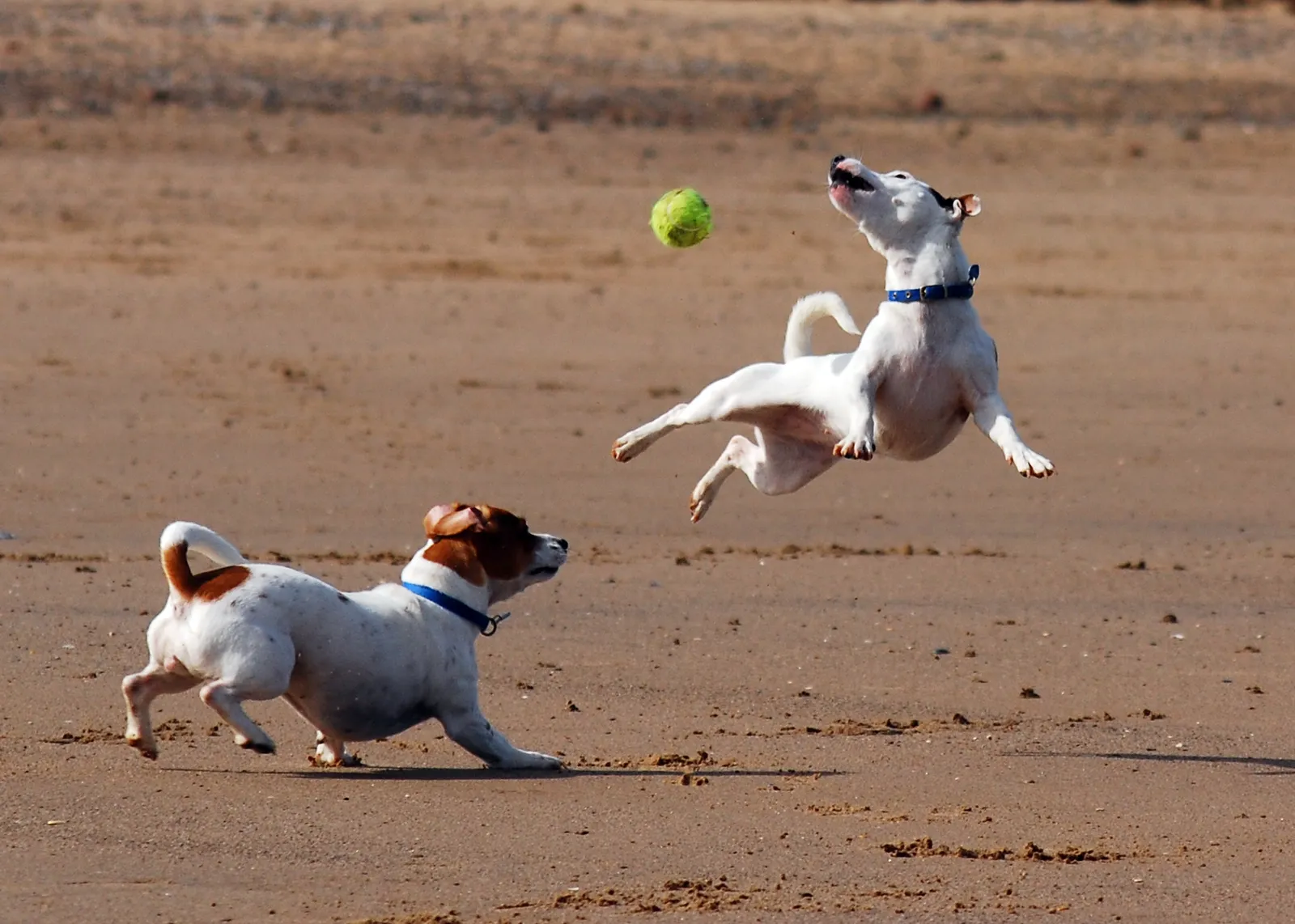
Jack Russells look compact and manageable, but this is a working vermin hunter with a race-car engine underneath. They’re alert, spring-loaded, and heavily driven by motion and sound. A Jack Russell who hears a squirrel fart three houses away will probably file a noise complaint.
They’re intensely reactive and extremely persistent, so a silent house doesn’t bring peace — it brings a dog wondering why there aren’t more things to chase. Even fans admit they’re “too much dog” for most households, and they rarely settle quickly after any disturbance.
But that’s nothing compared to what we found about #5.
#5 – Australian Shepherd: Velcro Brain on High Alert (Never Settles)
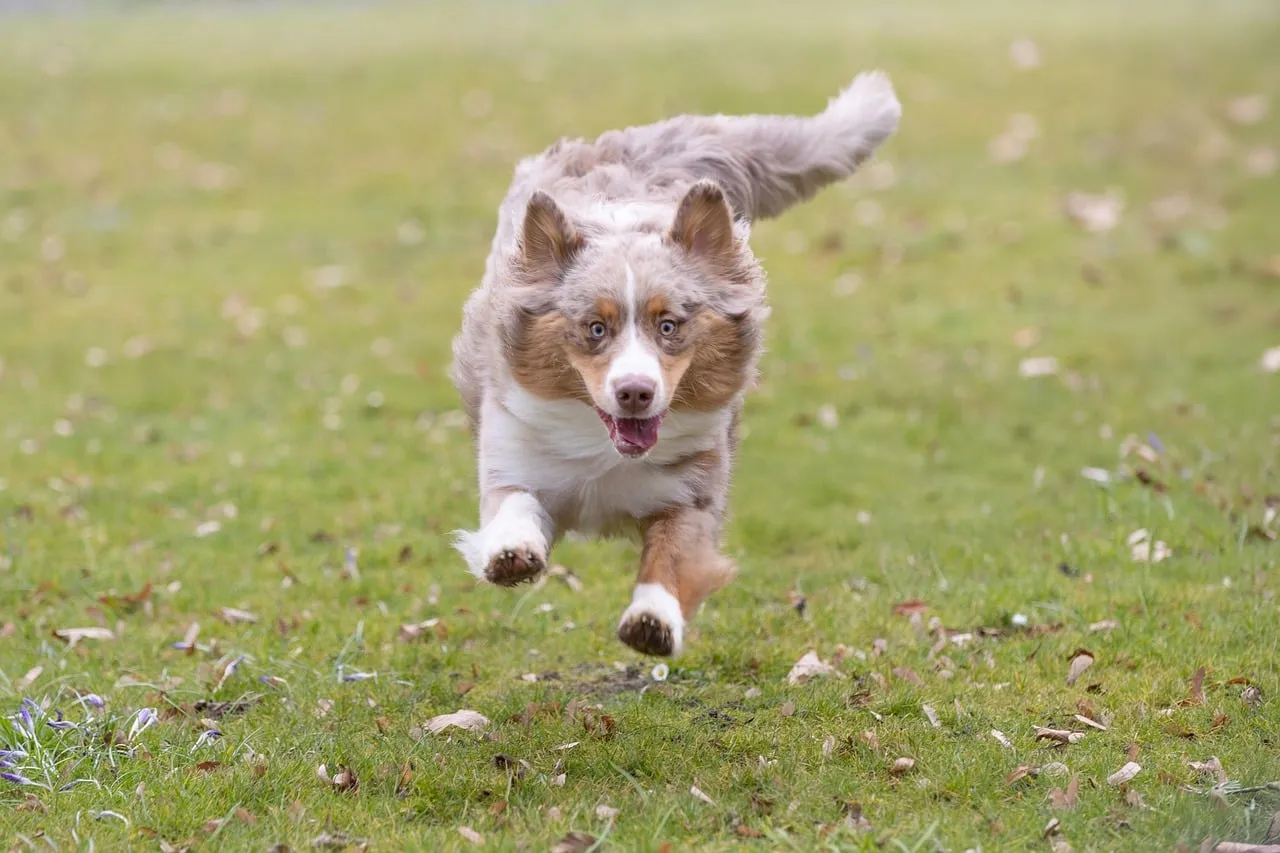
Australian Shepherds look cuddly in photos but act like project managers in real life. They like to supervise everyone and everything. In a quiet house, an Aussie often becomes the self-appointed activity director, not the meditation partner.
If nothing is happening, they may start herding kids, cats, or even adults. They’re highly sound-sensitive and quick to respond to visitors, cars, or subtle creaks in the house, which makes them fantastic watchdogs but restless roommates for anyone hoping their dog melts into the sofa and ignores the world.
But that’s nothing compared to what we found about #6.
#6 – Beagle: Nose to the Ground, Voice to the Sky (Never Settles)
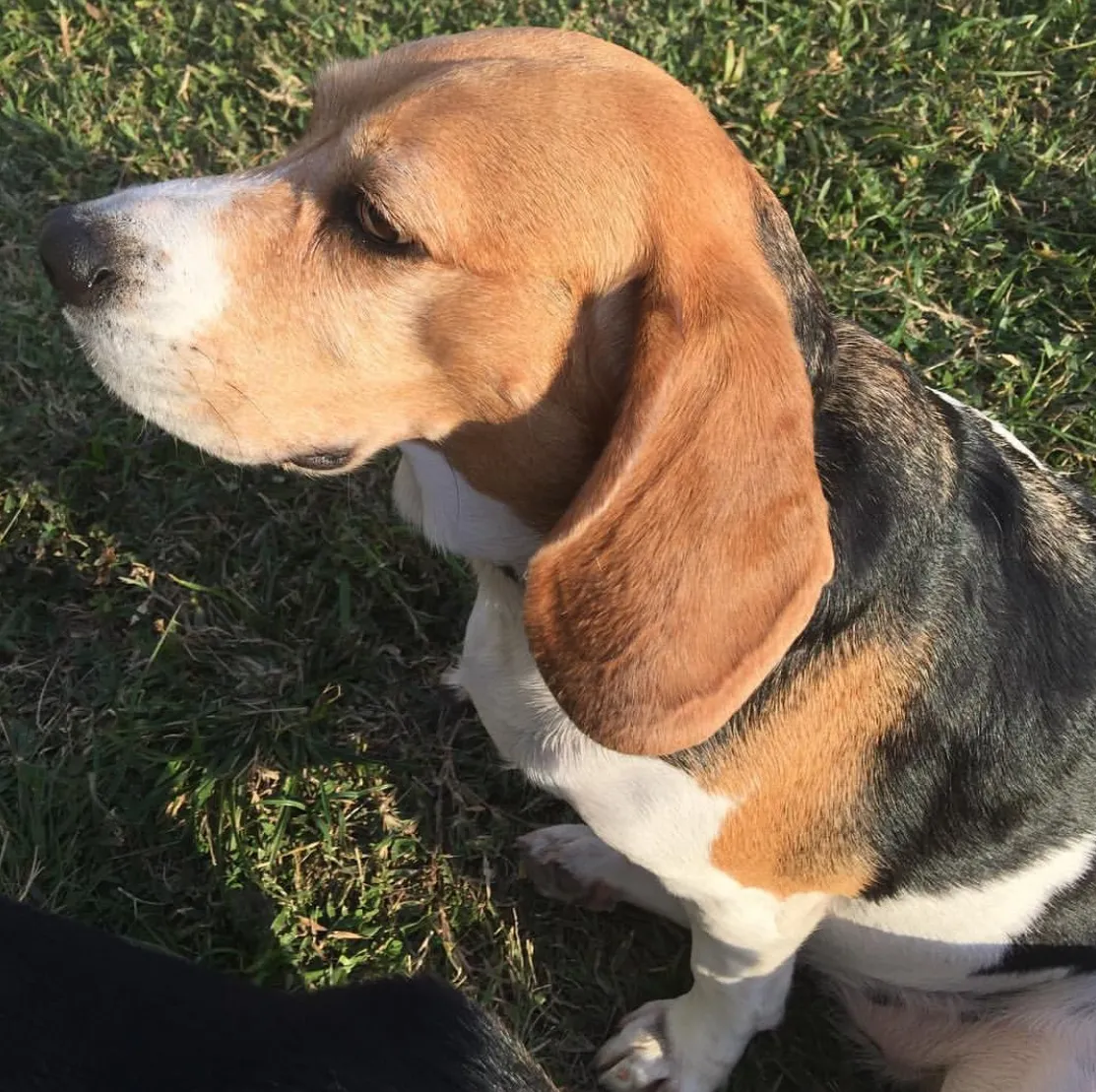
Beagles are adorable, friendly, and catastrophically noisy in the wrong setting. Bred for pack hunting, they carry a voice designed to reach across open fields. Once a Beagle’s nose hooks into a scent, the soundtrack usually follows.
Silent houses are full of strange, fascinating smells that only they notice, so they pace, sniff door gaps, and patrol the yard, ready to sound off the second something interesting crosses their path. In apartments or townhouses, this becomes a serious problem — their cheerfulness is real, but so is their prey drive and their voice.
But that’s nothing compared to what we found about #7.
#7 – Doberman Pinscher: Intelligent Guardian on Edge (Never Settles)
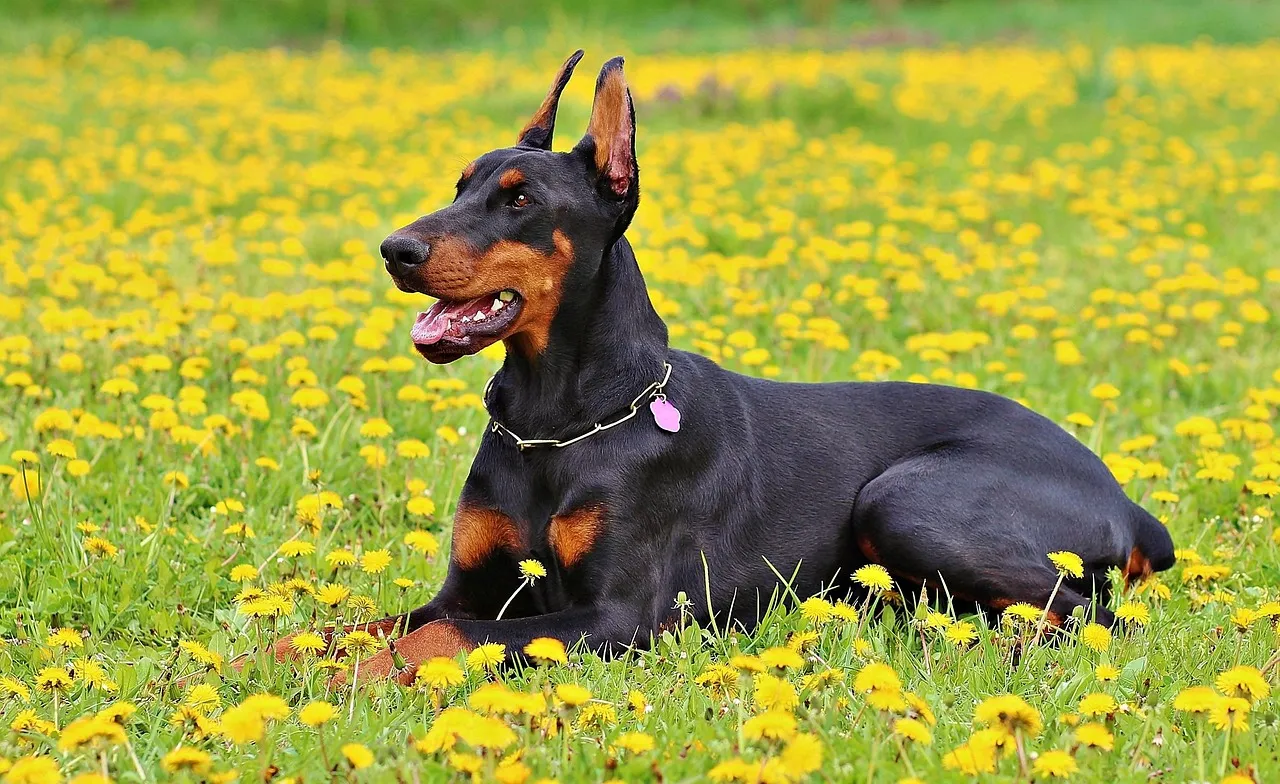
Dobermans are intensely bonded, famously protective, and highly sensitive to their environment. In a truly silent home, that hyper-awareness can go into overdrive. Many Dobermans act like they’re always on security duty, listening for threats you’ll never hear.
They notice hallway footsteps, elevator dings, and distant car doors. Even when they seem relaxed, a small sound can flip them into alert mode — ears up, body tense, ready to investigate — and without a clear job and real exercise, that instinct never fully powers down.
But that’s nothing compared to what we found about #8.
#8 – German Shepherd: Professional Worrier in Fur (Rarely Settles)
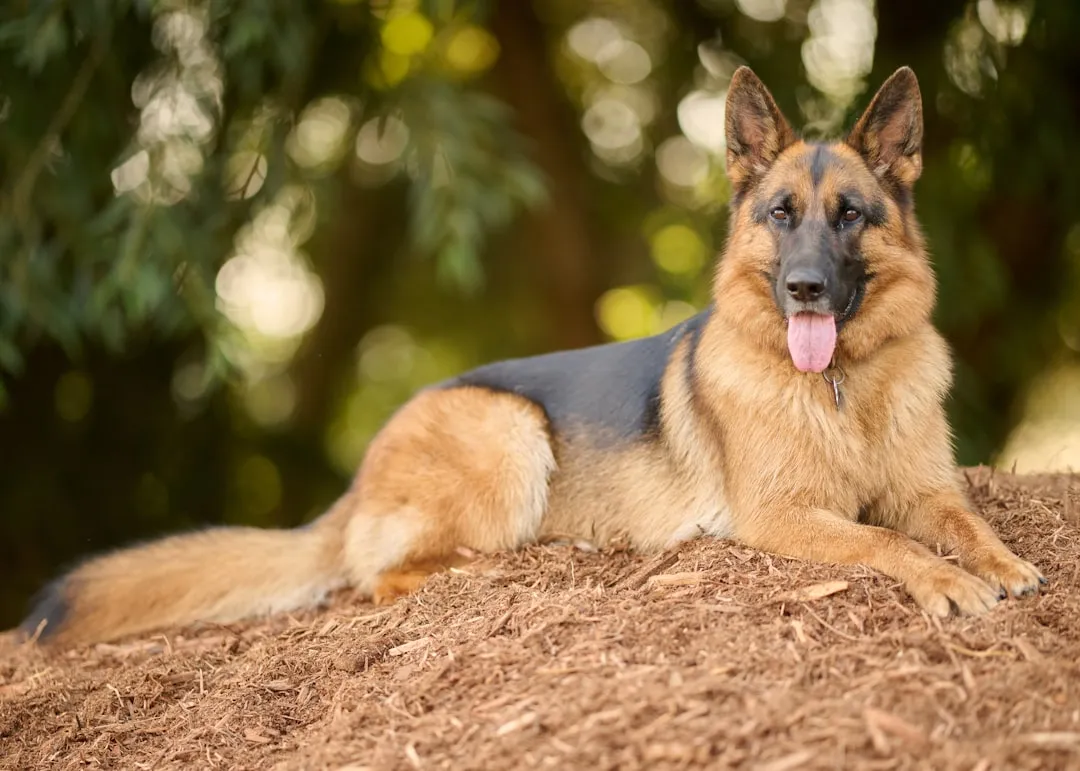
German Shepherds are one of the world’s favorite breeds, and also one of the most misunderstood in quiet homes. They’re bred to guard, herd, and problem-solve, which is basically the opposite of “ignore everything and nap.” A Shepherd in a silent house often hears threats where you hear nothing.
Door clicks, neighbor noises, and distant voices can trigger scrutiny or barking. They’re also velcro dogs that follow you from room to room, and in a constantly low-stimulation environment some develop anxiety or hyper-vigilance because they never quite relax their guard.
But that’s nothing compared to what we found about #9.
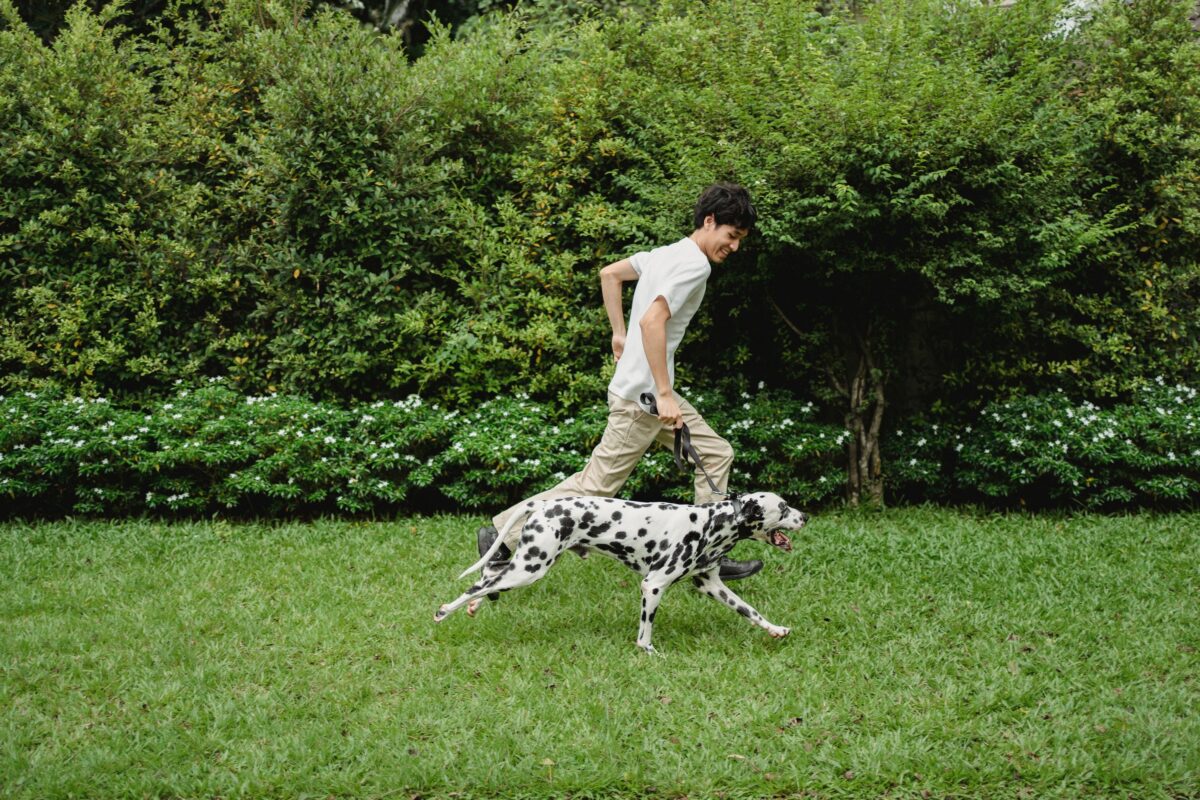
#9 – Dalmatian: High-Octane, Low-Chill (Never Settles Easily)
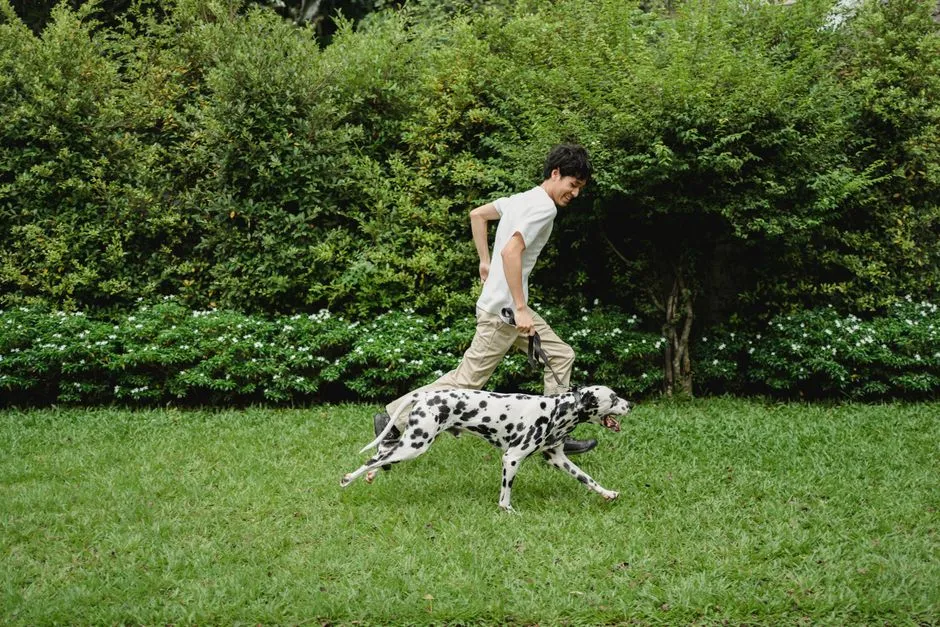
Dalmatians might look polished and poised, but they were literally bred to run alongside horses and guard coaches. That history still shows. Many Dalmatians have an almost restless motor that makes silence feel wrong to them.
They’re quick to bark at sudden noises and slow to decompress after excitement. In a quiet house they may pace or shadow their humans waiting for something to happen, and if their exercise needs aren’t met, frustration behaviors naturally shatter the calm.
But that’s nothing compared to what we found about #10.
#10 – Yorkshire Terrier: Tiny Body, Big Alarm System (Rarely Settles)
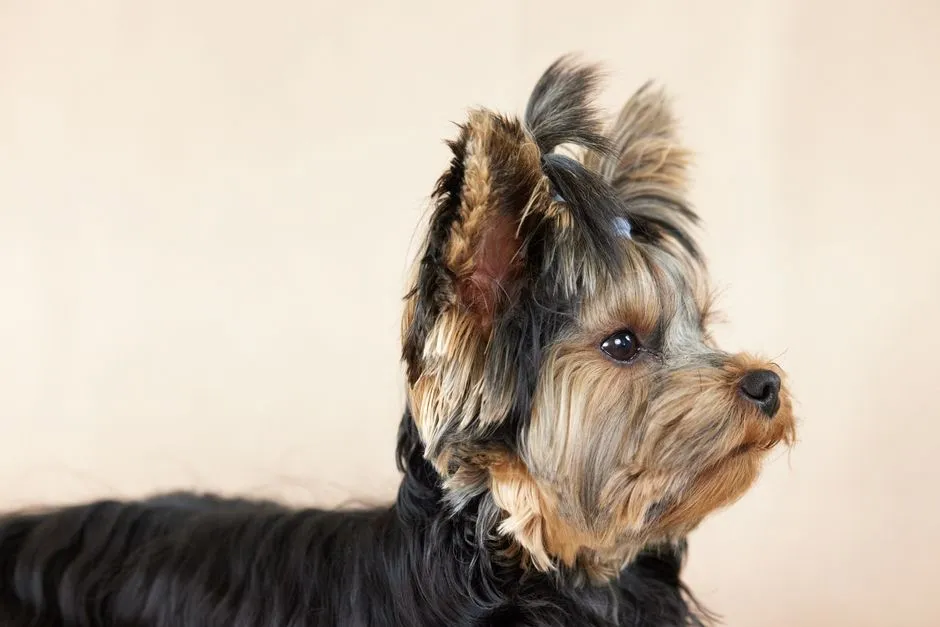
Yorkies are often marketed as perfect apartment dogs, but that’s a half-truth. Yes, they’re small. No, they’re not naturally quiet. Under the ribbons and cuteness, you’ve got a terrier that takes its watchdog job very seriously.
Many Yorkies react to hallway footsteps, door buzzers, and even elevator sounds. In a silent house those noises stand out even more, and the Yorkie will make sure you notice them too — without consistent boundaries, they can disrupt the calm far more than their size suggests.
But that’s nothing compared to what we found about #11.
#11 – Chihuahua: Sensitive, Suspicious, and Surprisingly Loud (Rarely Settles)
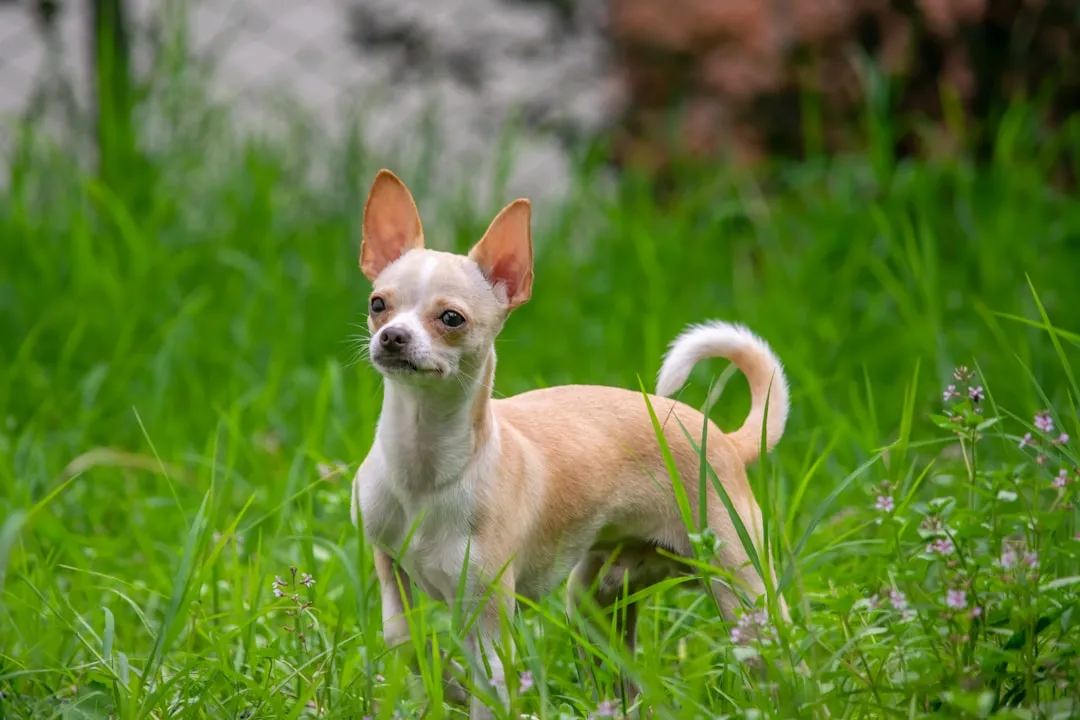
Chihuahuas are lightning rods for small sounds and small movements. They’re famously attached to their chosen person and suspicious of anything outside that bond. In a quiet home, every new noise becomes a potential threat to announce.
Door knocks, rustling bags, even the TV can prompt commentary. Their small size doesn’t equal small reactions — many have a big-dog attitude packed into a tiny frame, which means quick barking and a tendency to post up on windowsills to monitor the territory.
But that’s nothing compared to what we found about #12.
#12 – Fox Terrier (Smooth/Wire): Restless Hunter Mode (Never Settles Easily)
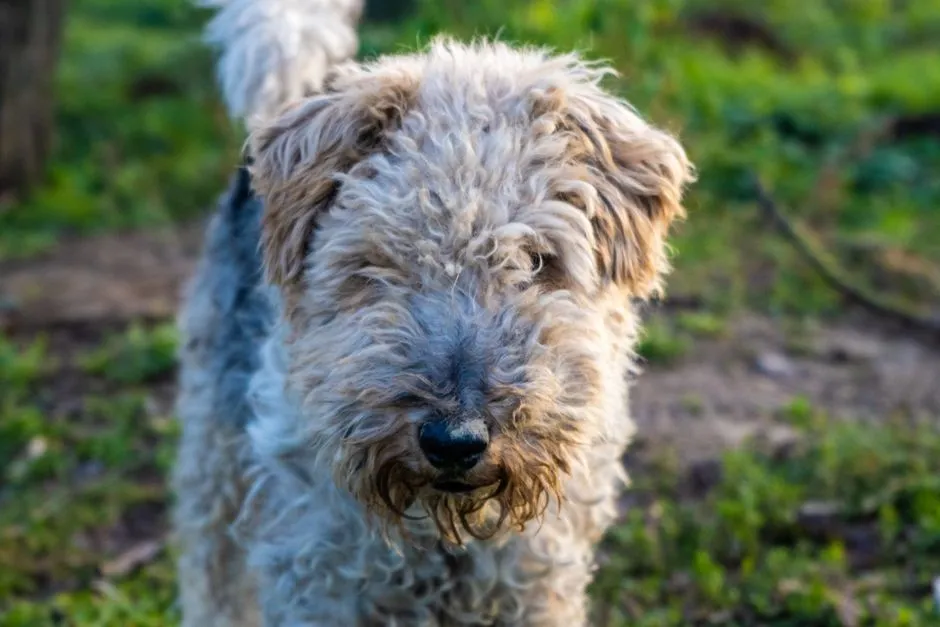
Fox Terriers were bred to bolt into tight spaces after foxes, and that intensity still lives just under their skin. Stillness is basically unnatural for this breed; they’re wired for pursuit, not peace.
Even in a silent house, their brain is planning the next chase. They notice motion outside windows instantly, and without serious physical and mental outlets they default to digging, chewing, or restlessly pacing instead of calmly watching you read.
But that’s nothing compared to what we found about #13.
#13 – Weimaraner: Velcro Athlete with Separation Drama (Rarely Settles)
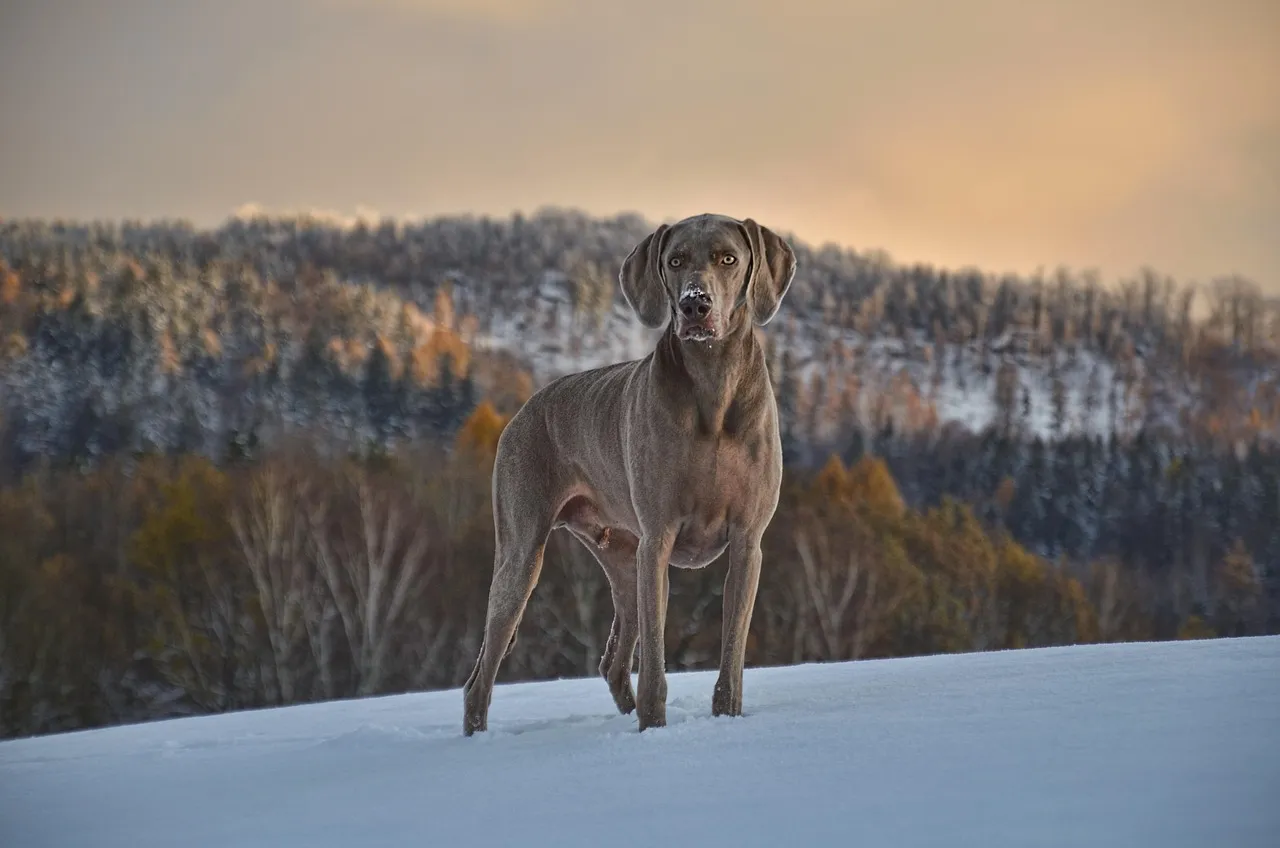
Weimaraners are stunning and affectionate, but they’re also high-energy hunting dogs with serious attachment issues. Many are nicknamed “velcro dogs” because they can’t stand to be away from their person. In a silent house, a Weim that can’t be near you often expresses frustration loudly.
Whining, pacing, and anxiety are common if they’re under-exercised or left alone. Even when you’re home, they prefer interaction over quiet coexistence, and a truly still environment tends to make them look needy rather than chilled-out.
But that’s nothing compared to what we found about #14.
#14 – Miniature Pinscher: Toy-Size Guard with Full-Size Nerves (Rarely Settles)
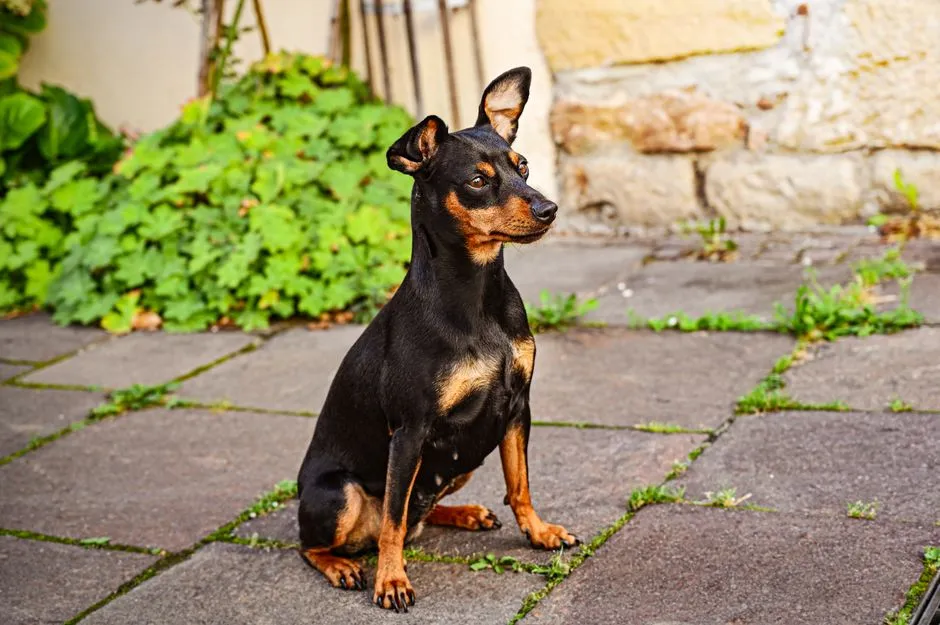
The Miniature Pinscher looks like a tiny Doberman, but it’s actually an older, distinct breed with its own fiery personality. These dogs are lively, proud, and suspicious of intruders. They patrol a quiet home like it’s their personal kingdom and sound off when anything crosses the border.
Mail slots, hallway footsteps, and distant doors are all fair game. They’re agile and perpetually alert rather than prone to deep daytime naps, and the baseline wiring is watchdog first, lapdog second — even with strong training.
But that’s nothing compared to what we found about #15.
#15 – Airedale Terrier: The King of Terriers and Ruler of Noise (Rarely Settles)
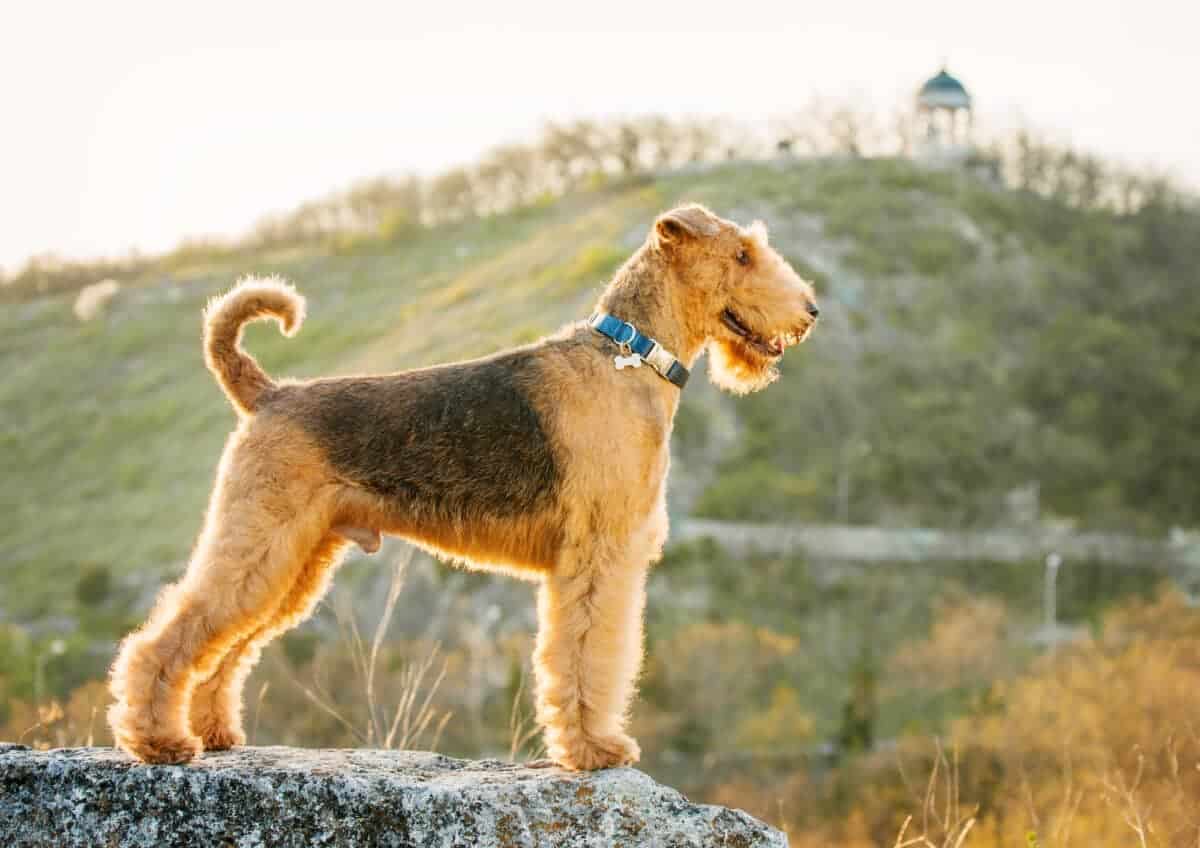
The Airedale is the largest terrier, and it inherited all the classic terrier wiring: prey drive, independence, and a healthy voice. This is not a dog that shrugs off noises or ignores movement at the window.
They were bred to work, guard, and hunt, and they still take those jobs seriously. In a quiet house, an Airedale often becomes the self-elected security chief, and if the goal is a dog that melts into the background, the “King of Terriers” usually behaves more like a noisy monarch.
But that’s nothing compared to what we found about #16.
#16 – Pomeranian: Fluffy, Friendly, and Loud About It (Rarely Settles)
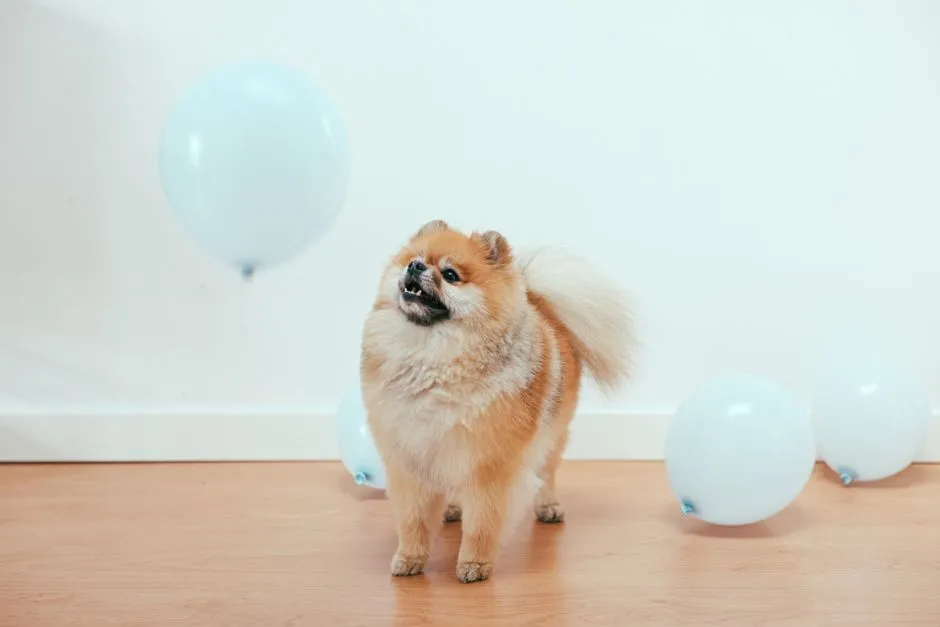
Pomeranians are often seen as fashion dogs, but they’re actually small Spitz-type watchdogs. That means alertness comes standard. Most Poms feel it’s their duty to announce every knock, ding, and shuffle outside the door.
In a quiet environment, that tendency stands out sharply. Even mid-cuddle, many will spring up at strange noises, and while training helps, their instinct to sound the alarm never fully vanishes.
But that’s nothing compared to what we found about #17.
#17 – Shetland Sheepdog: Nervous System on Wi-Fi (Rarely Settles)
Shetland Sheepdogs are gentle and trainable, but they’re also famously sensitive and often quite vocal. Bred to watch and manage livestock, they’re tuned into small movements and sounds. In a silent home, that sensitivity can morph into skittishness and frequent barking.
Many Shelties startle easily at noises the average person would ignore. They also tend to be shadow dogs, checking in constantly, and without deliberate confidence-building, a Sheltie can turn a quiet house into a reaction zone.
But that’s nothing compared to what we found about #18.
#18 – Vizsla: Sensitive Athlete That Hates Stillness (Rarely Settles)
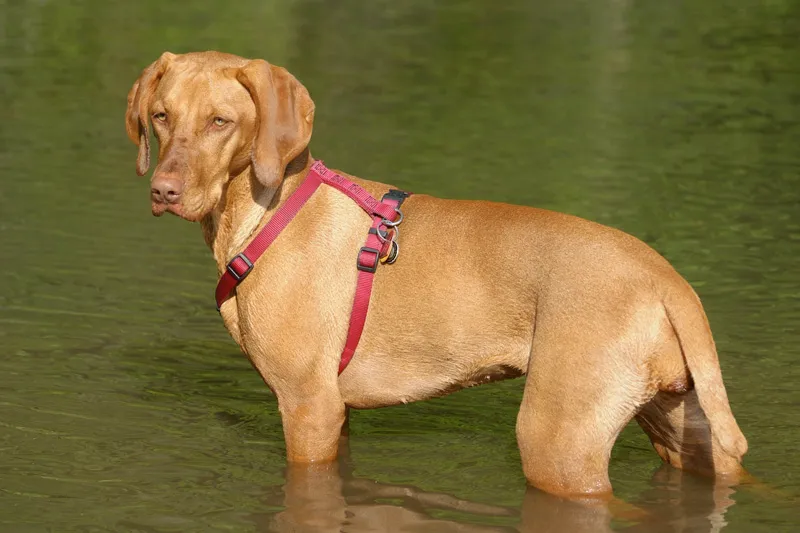
Vizslas are sleek, affectionate hunting dogs nicknamed “velcro dogs” for a reason. They attach deeply and hate being bored or alone. Stillness often makes them restless, which tends to show up as whining, pacing, or attention-seeking behavior.
Their energy is high and their emotional sensitivity means they react strongly to changes and separation. Their best homes are sporty households that treat them like a sidekick, not a decorative piece of living-room furniture — and that’s exactly where the list flips.
Quick Compare: Never-Settle vs. Settle-Fast Wiring
- Never-Settle breeds: usually bred for herding, hunting, or guarding — jobs that reward constant alertness.
- Settle-Fast breeds: usually bred as companions or slow-moving giants — roles that reward conserving energy.
- Never-Settle sound response: reactive to footsteps, doors, and distant noise.
- Settle-Fast sound response: filters out background noise and saves barking for a real reason.
But that’s nothing compared to what we found about #19, because this is where the giants take over.
#19 – Great Dane: Giant Body, Surprisingly Gentle Quiet (Settles Fast)
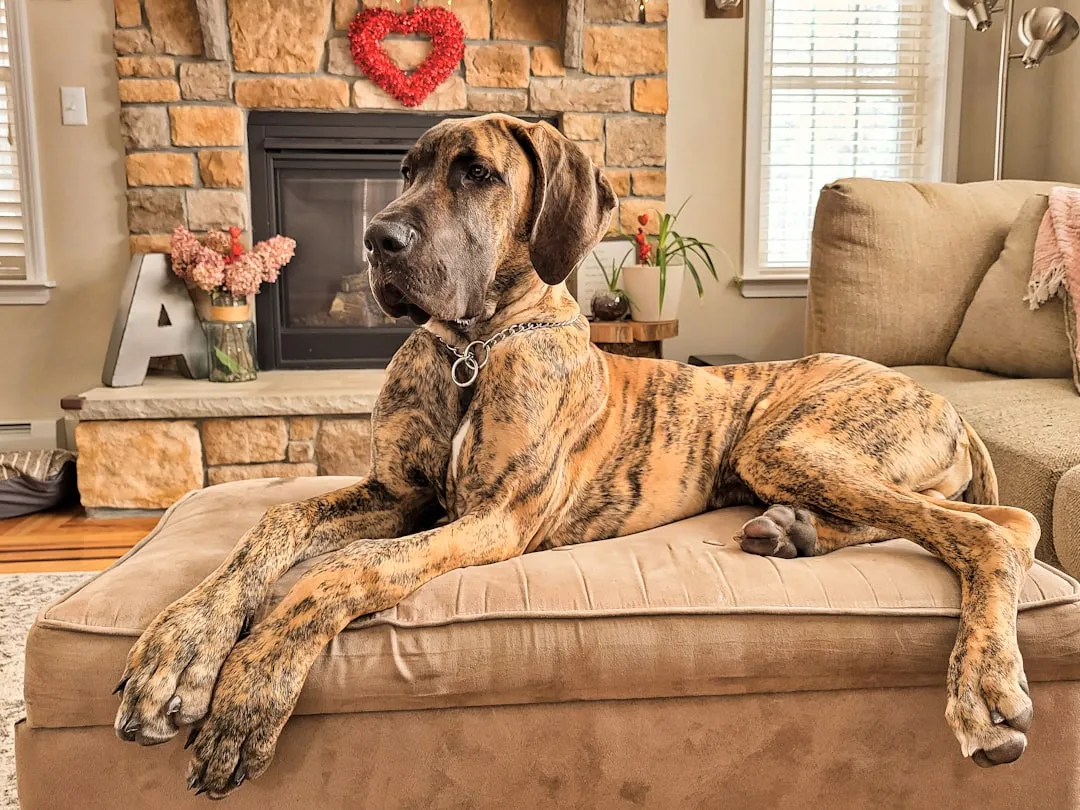
Now, to the shock of many: some of the biggest dogs are the softest presences in a silent house. Great Danes are known as “gentle giants” for good reason. Despite their size, many Danes are content to spend most of the day snoozing within sight of their humans.
They’re typically low-to-moderate energy indoors and not overly reactive to minor noises. After a reasonable walk, a Dane often picks the comfiest surface available and sinks into it like a living rug — their biggest downside for quiet homes is purely physical: they’re huge.
But that’s nothing compared to what we found about #20.
#20 – Greyhound: Retired Racer, Professional Couch Ghost (Settles Very Fast)
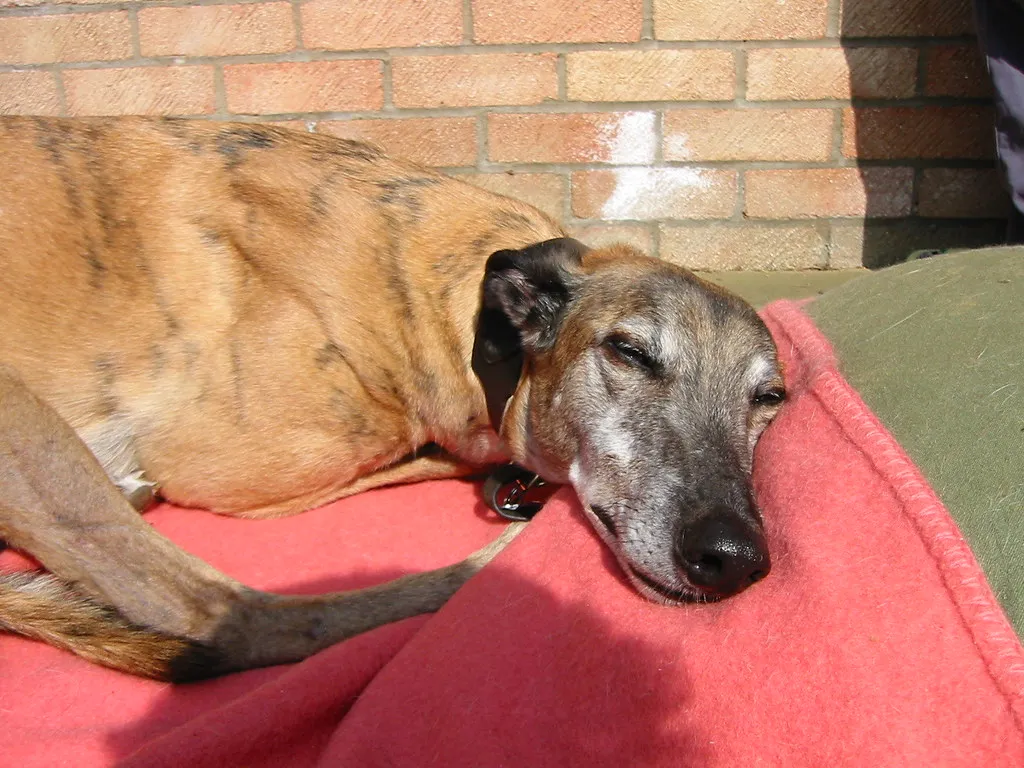
Greyhounds are the classic “zoomies outside, ghost inside” dog. Former racers in particular seem to specialize in deep, almost eerie indoor calm. Most Greyhounds are famous for sleeping 16 to 18 hours a day, doing it in total silence.
They move through the house almost like cats. They’re generally not chronic barkers, adapt well to apartments with short bursts of real exercise, and plenty of first-time adopters admit they expected chaos and instead got a snuggly throw pillow with legs.
But that’s nothing compared to what we found about #21.
#21 – Basset Hound: Laid-Back, But With a Volume Warning (Settles Fast, Loud When It Doesn’t)
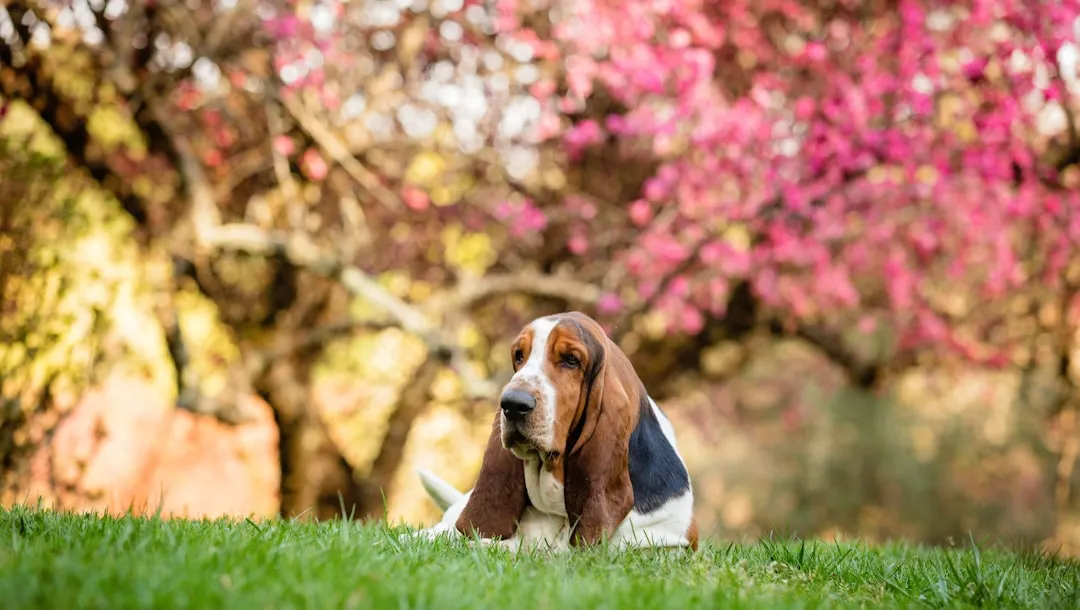
Basset Hounds are a bit of a paradox. Day to day, they’re among the laziest, most easygoing dogs you can find. They’re built for slow work and long naps, and many will happily snooze through most household noise.
The catch is that when they do vocalize, you’ll hear it three streets away. Their deep bay is powerful, and once a scent flips that switch, they rarely stop instantly — so you get long stretches of calm traded for rare, thunderous exceptions.
But that’s nothing compared to what we found about #22.
#22 – Whippet: The Greyhound’s Quieter Cousin (Settles Extremely Fast)
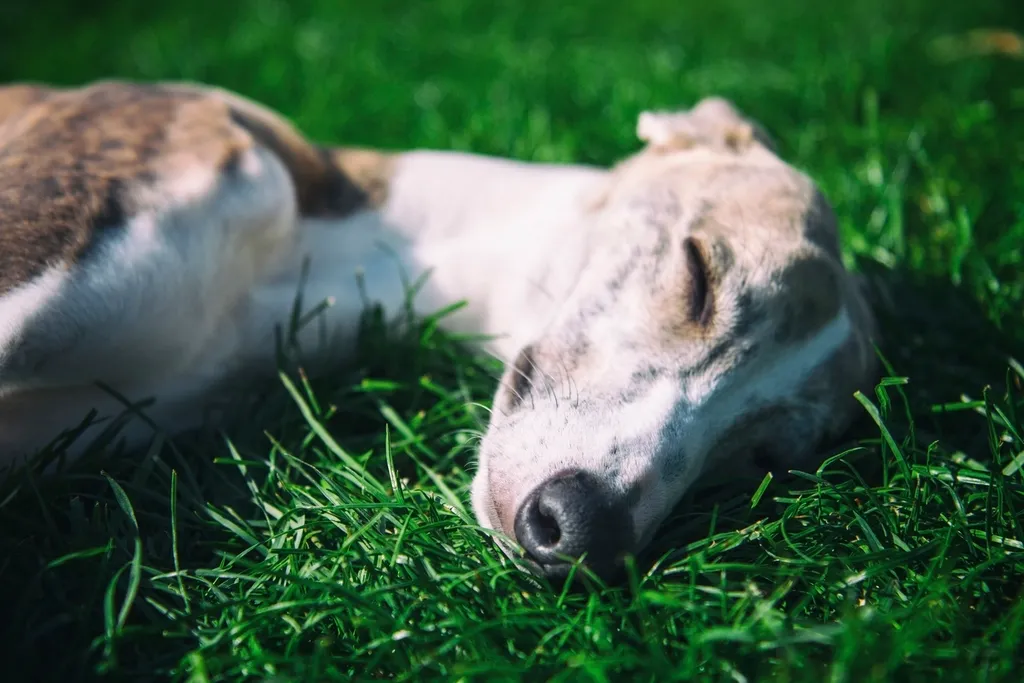
Whippets are like compact Greyhounds with the same on/off switch. Short sprints outside, then ninja-level quiet indoors. Many Whippets practically vanish into blankets and furniture, making almost no sound.
They’re generally less prone to nuisance barking or startling than most toy dogs. They still carry real prey drive outdoors, but inside they’re built for peace — the kind of dog that makes visitors say, “wait, I forgot you even had a dog.”
But that’s nothing compared to what we found about #23.
#23 – Cavalier King Charles Spaniel: The Quiet Shadow (Settles Very Fast)
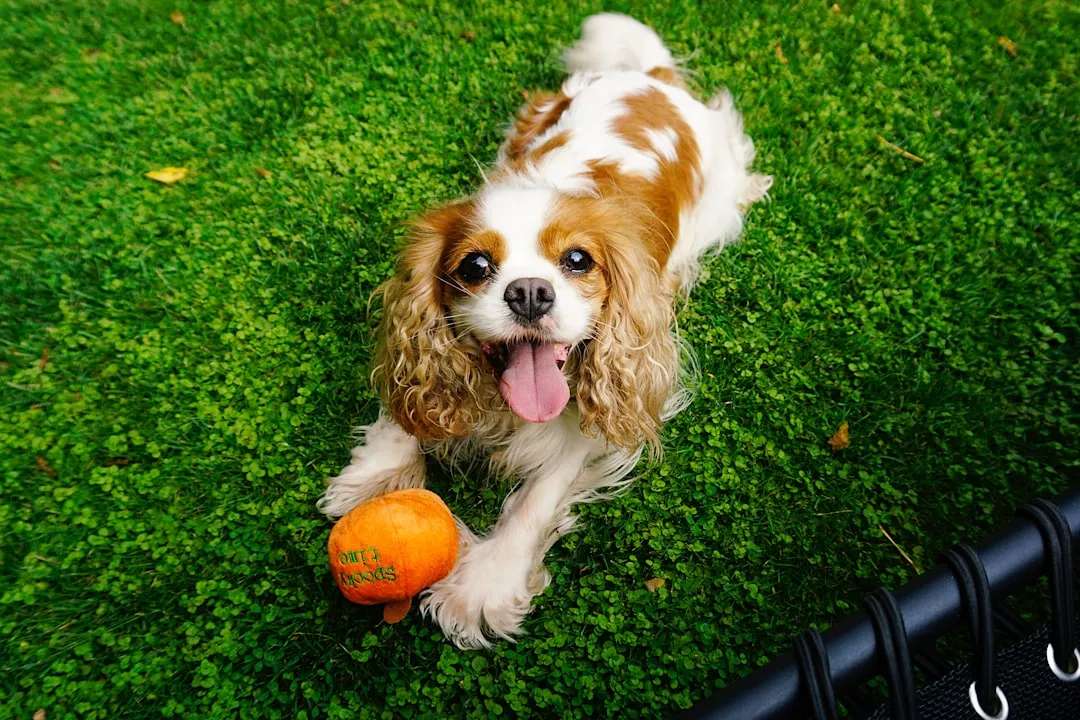
Cavaliers are widely known by trainers and vets as one of the softer, more adaptable toy breeds. They were bred purely to be lap companions, not watchdogs or hunters. Most Cavaliers are far more interested in staying close to you than in policing every noise.
They tend to cuddle, nap, and quietly follow rather than bark. Poorly bred lines can be more anxious, but a responsibly bred, well-socialized Cavalier is one of the easiest “plug-and-play” dogs for a quiet household.
But that’s nothing compared to what we found about #24.
#24 – Shih Tzu: Bred for Palaces, Not Patrol Duty (Settles Fast)
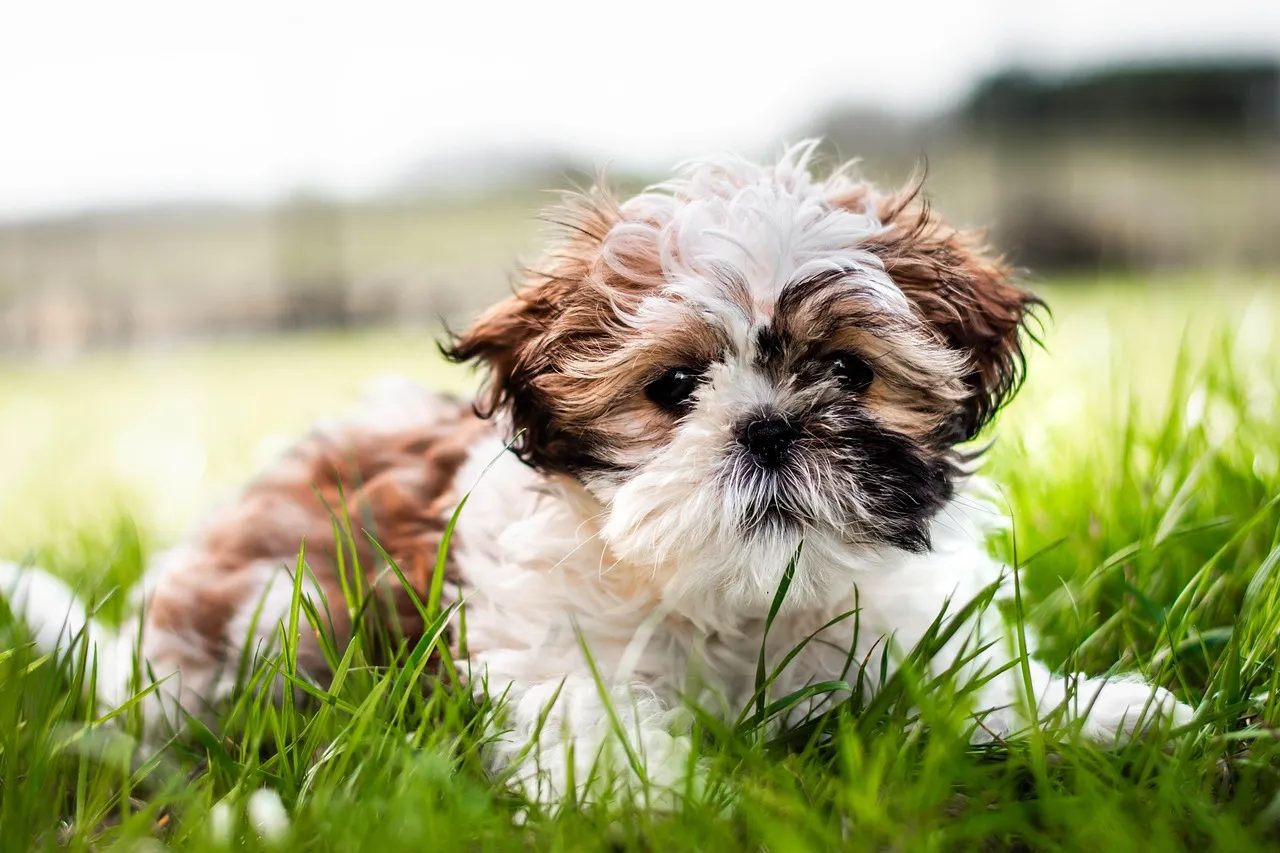
Shih Tzus were literally bred to be royal lap dogs in Chinese imperial courts, not to guard doors or hunt vermin. That history shows. Many Shih Tzus are content to nap, watch, and exist without narrating every noise.
Their default indoor state is often low-energy and peaceable. Grooming needs are real, but behaviorally they lean companion over watchdog — and you feel that difference the moment the house goes silent.
But that’s nothing compared to what we found about #25.
#25 – Newfoundland: The Giant Floor Pillow (Settles Very Fast)
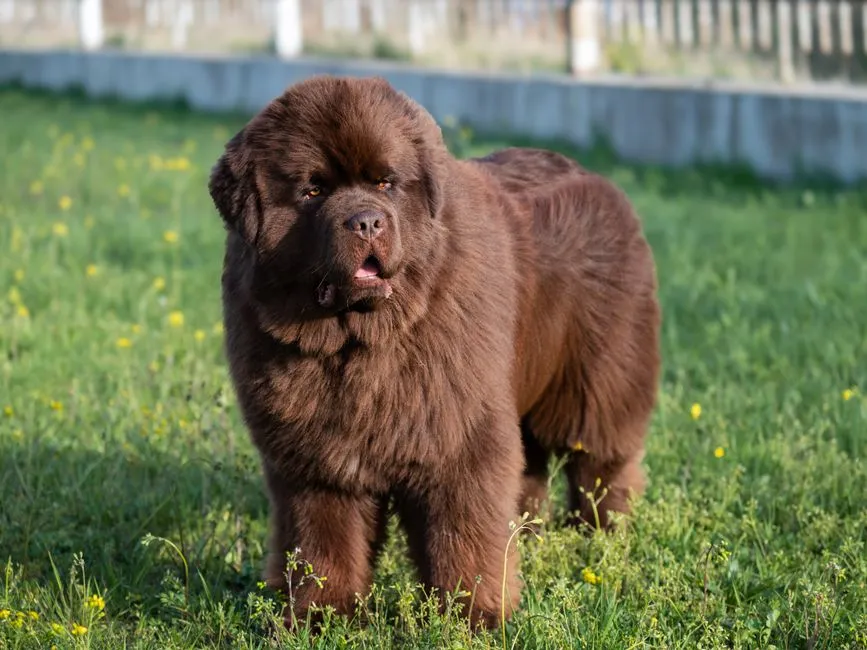
Newfoundlands are massive working dogs, but their temperament is famously soft and steady. Indoors, most Newfs move in slow motion and lie down whenever they get the chance.
They’re not typically reactive to small sounds and treat the outside world with calm curiosity. The trade-offs are drool, size, and grooming, but many owners describe them as “living weighted blankets” — reassuring, heavy, and still.
Newfoundlands are gentle, calm, and eager to please.
American Kennel Club
But that’s nothing compared to what we found about #26.
#26 – Bernese Mountain Dog: Calm, Observant, and Unhurried (Settles Fast)
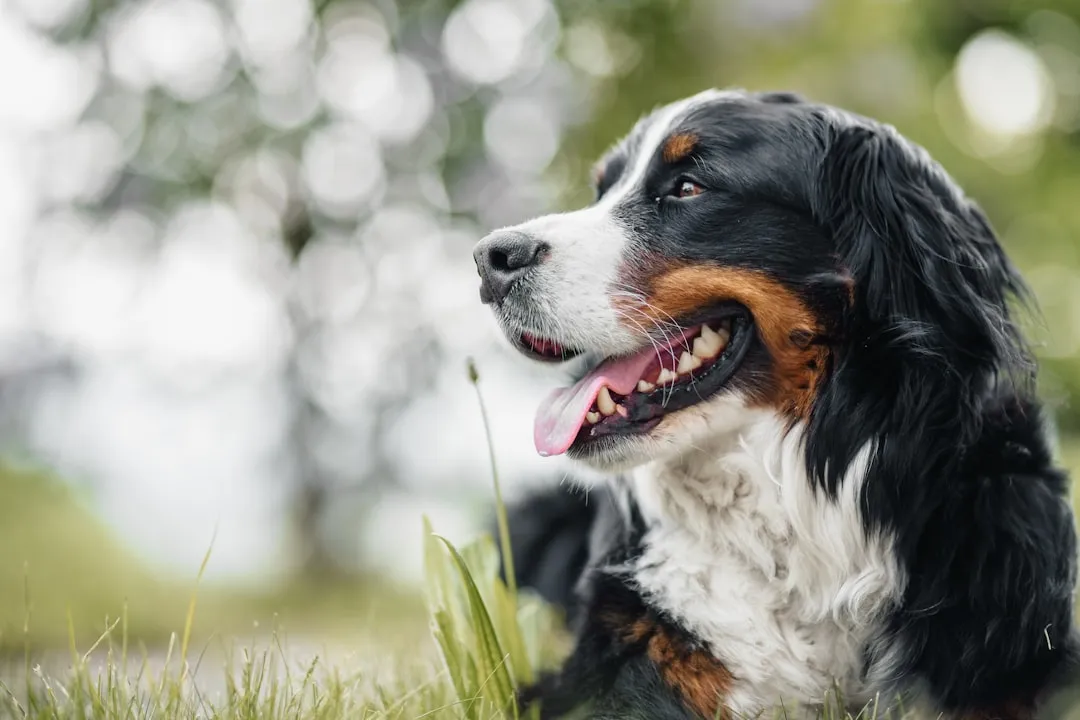
Bernese Mountain Dogs were bred as farm helpers, not frantic hunters or screechy alarms. Their temperament is usually described as calm, good-natured, and patient. In a silent house, many Berners simply absorb the quiet and reflect it right back.
They settle quickly after walks and enjoy being near the family without constant demands. Their real challenge is physical, not behavioral, and for people who want a large, gentle presence, Berners often make the shortlist.
But that’s nothing compared to what we found about #27.
#27 – Bichon Frise: Happy, But Not Hyper (Generally Settles Fast)

The Bichon Frise is one of the more adaptable companion breeds. They’re cheerful and social, but not typically as shrill or intense as some other small dogs when properly trained. A well-exercised Bichon often flips into cuddle-and-chill mode quickly in a calm home.
They like company, but they don’t need to comment on every bump in the night. Their grooming requirements are serious, but behaviorally they slot into quiet homes better than their poofy looks suggest.
But that’s nothing compared to what we found about #28.
#28 – English Bulldog: Low-Energy, High Snore (Settles Instantly, With Sound Effects)
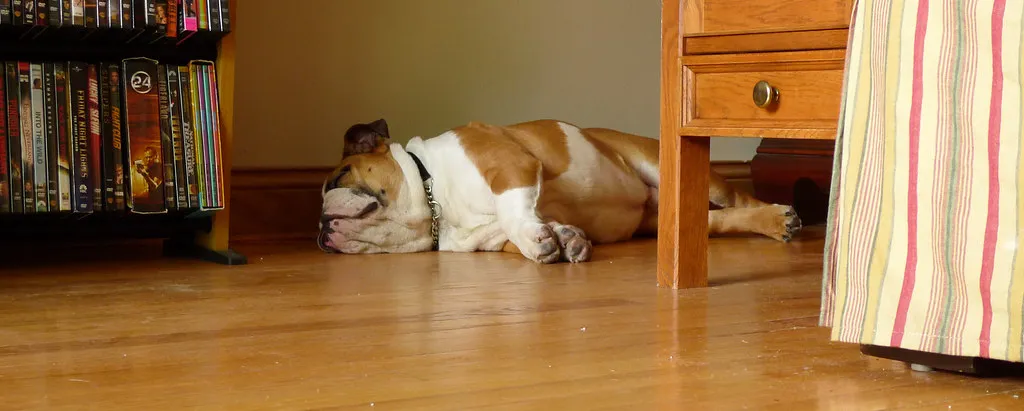
Here’s a controversial one: English Bulldogs are famously low-energy and quick to flop on the floor. If your definition of “settled” is “won’t bark or pace,” Bulldogs often excel.
They’re typically uninterested in policing windows or reacting to distant sounds. The catch is snoring, snorting, and heavy breathing — you trade random barking for a predictable, often loud, respiratory soundtrack.
Worth Knowing
- They carry a low energy level which requires around 30 minutes of exercise a day.
- Bulldogs are not known to be excessive barkers or diggers, though boredom can still spark destructive habits.
- Generally loud breathers, English bulldogs tend to snore and wheeze.
- Their flat-faced build means they readily overheat and have breathing difficulties in hot weather.
But that’s nothing compared to what we found about #29.
#29 – Maltese: Soft Lap Dog with Manageable Vocal Cues (Settles Fast)
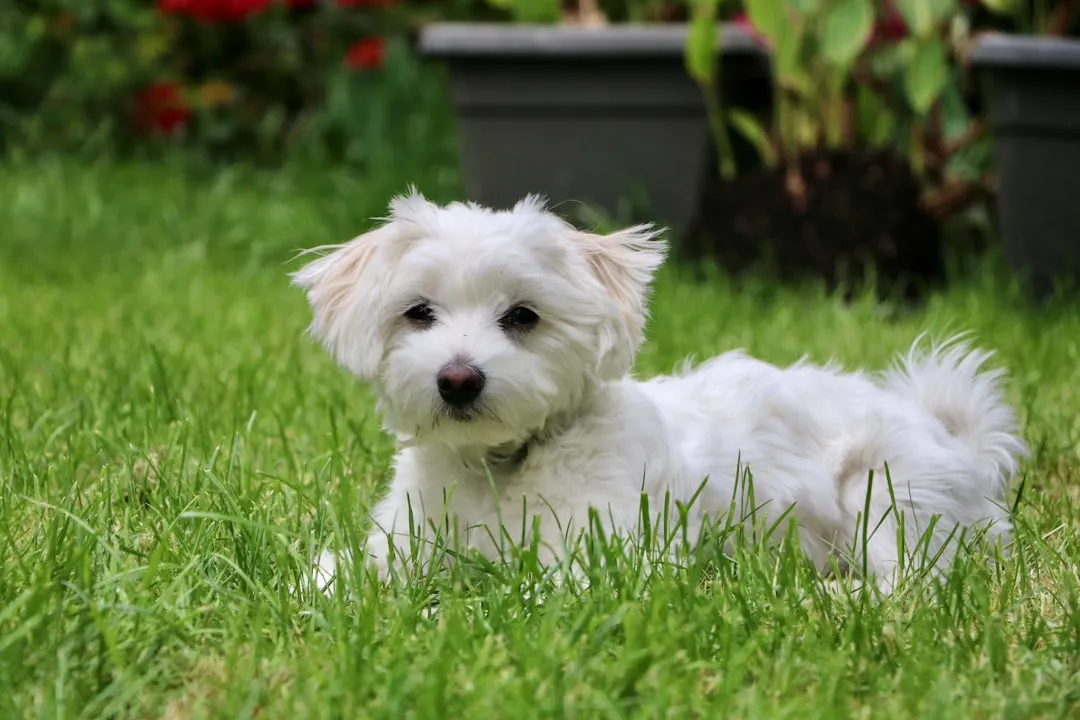
Maltese dogs were bred as pure companions, much like the Shih Tzu and Cavalier. Their primary interest is usually being near you, not guarding the window or chasing squirrels.
When their social and exercise needs are met, many Maltese quickly slip into lap mode and stay there. They can get barky if spoiled or poorly trained, but as a breed they lean cuddly rather than alarm-driven.
But that’s nothing compared to what we found about #30.
#30 – Japanese Chin: Cat-Like Quiet Companion (Settles Very Fast)
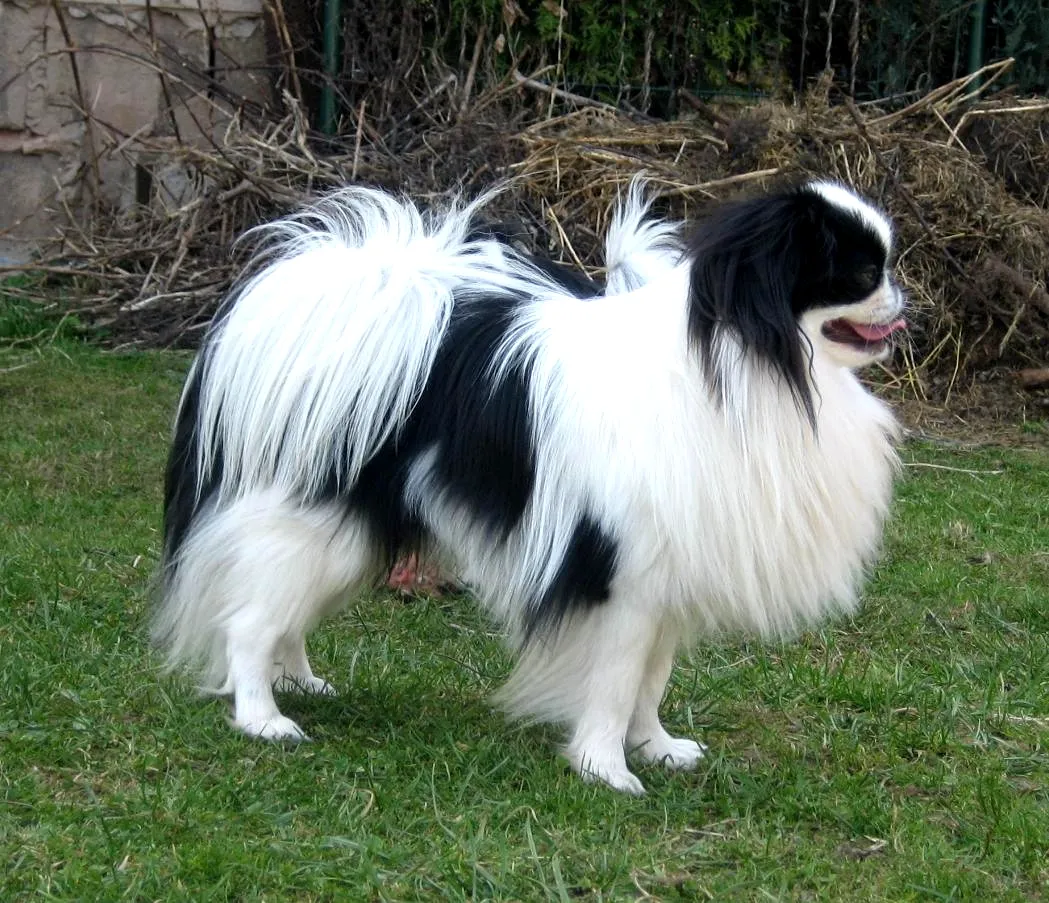
The Japanese Chin is one of the truly underrated quiet breeds. Many owners compare them more to cats than to typical dogs. They tend to move delicately, observe quietly, and nap a lot, especially in calm homes.
They’re less prone to repetitive barking than many other toy breeds. Seasoned dog people quietly rank them as one of the best-kept secrets for low-drama companionship, even though you rarely see them at the dog park.
But that’s nothing compared to what we found about #31.
#31 – Havanese: Social but Surprisingly Chill Indoors (Generally Settles Fast)
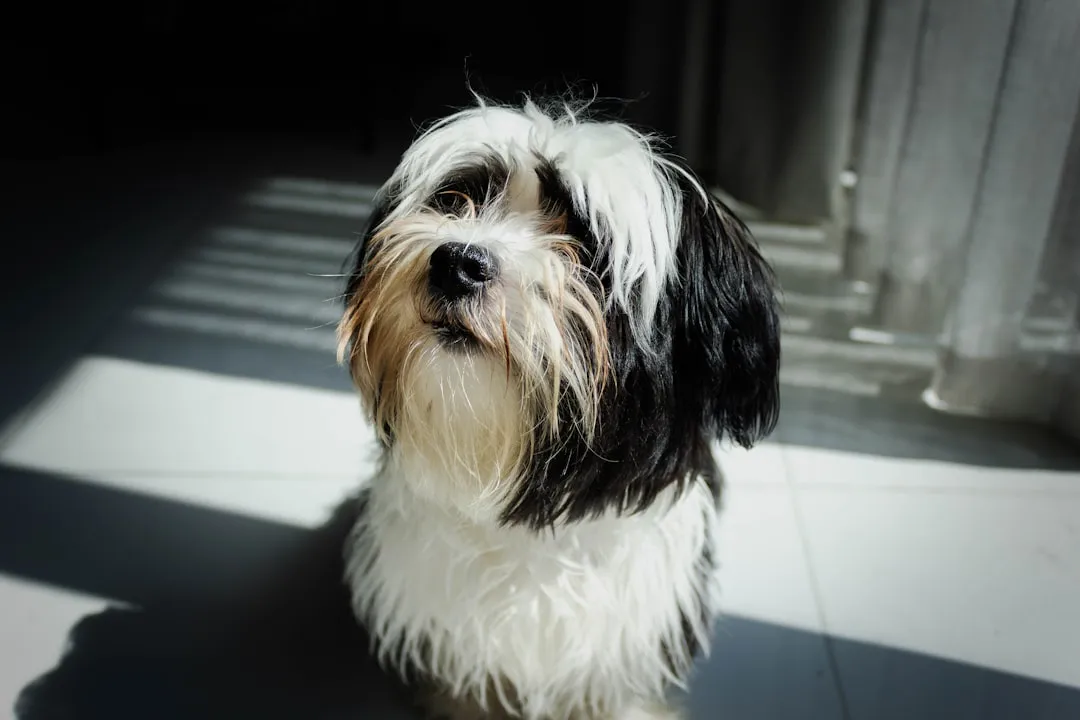
Havanese are friendly, people-focused little dogs, but unlike many social breeds, they’re not always frantic or shouty. In a caring, structured home, many Havanese settle quickly and spend long periods just hanging out.
They were bred as Cuban companion dogs and entertainers, not hardcore watchdogs. Owners often say they’re “happy to be here” dogs rather than “must control everything” dogs.
But that’s nothing compared to what we found about #32.
#32 – Clumber Spaniel: The Hidden Introvert of the Dog World (Settles Extremely Fast)
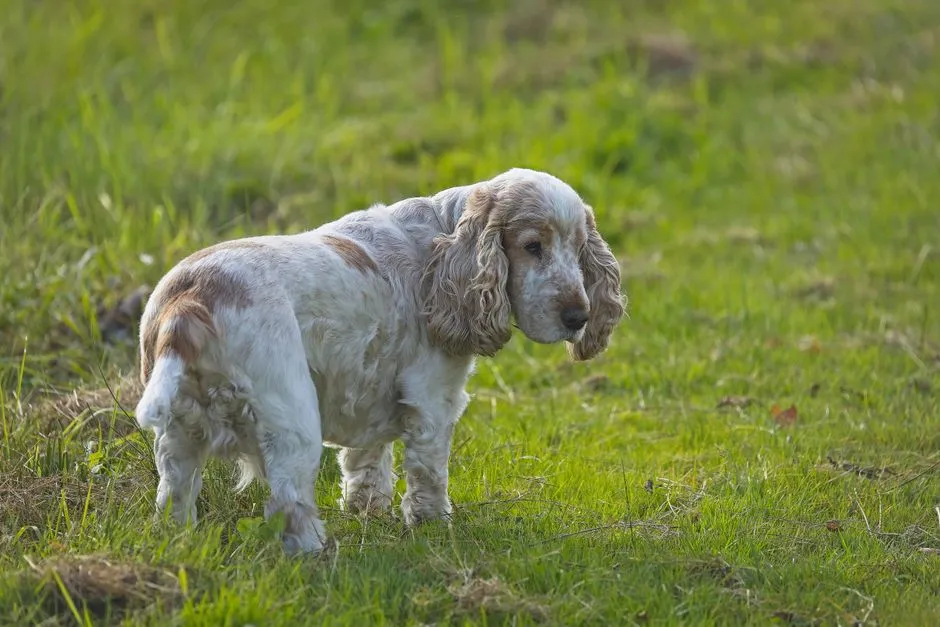
Clumber Spaniels aren’t widely known, but among sporting breeds they’re famous for being low-key and mellow. They move slowly, think slowly, and generally prefer a soft bed to loud adventures.
Unlike some spaniels, Clumbers are less reactive and more deliberate. They’re heavier and droolier than people expect, but their mental stability is often excellent, and trainers frequently recommend them to quieter families.
But that’s nothing compared to what we found about #33.
#33 – Saint Bernard: Calm, Heavy, and Generally Quiet (Settles Very Fast)
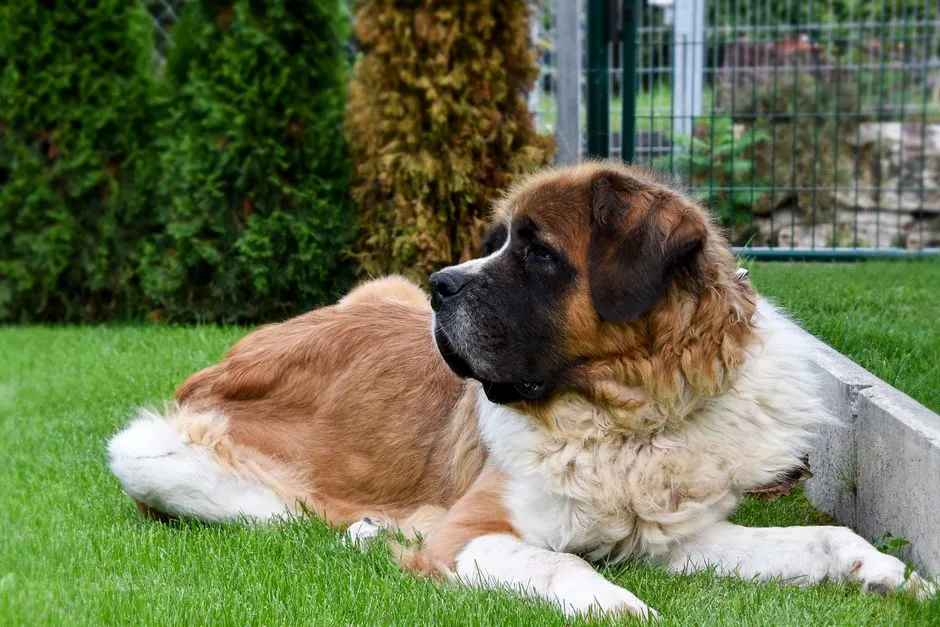
Saint Bernards, like Newfoundlands, are large working dogs with a reputation for gentleness. Most Saints are slow-moving, tolerant, and surprisingly quiet inside the home.
They accept visitors with calm curiosity more often than alarm and don’t obsessively monitor every sound. Owners describe them as “kids in big fur coats” — present, affectionate, but far from wired.
But that’s nothing compared to what we found about #34.
#34 – Lhasa Apso: Quiet Guard That Actually Can Chill (Settles Fast with Structure)
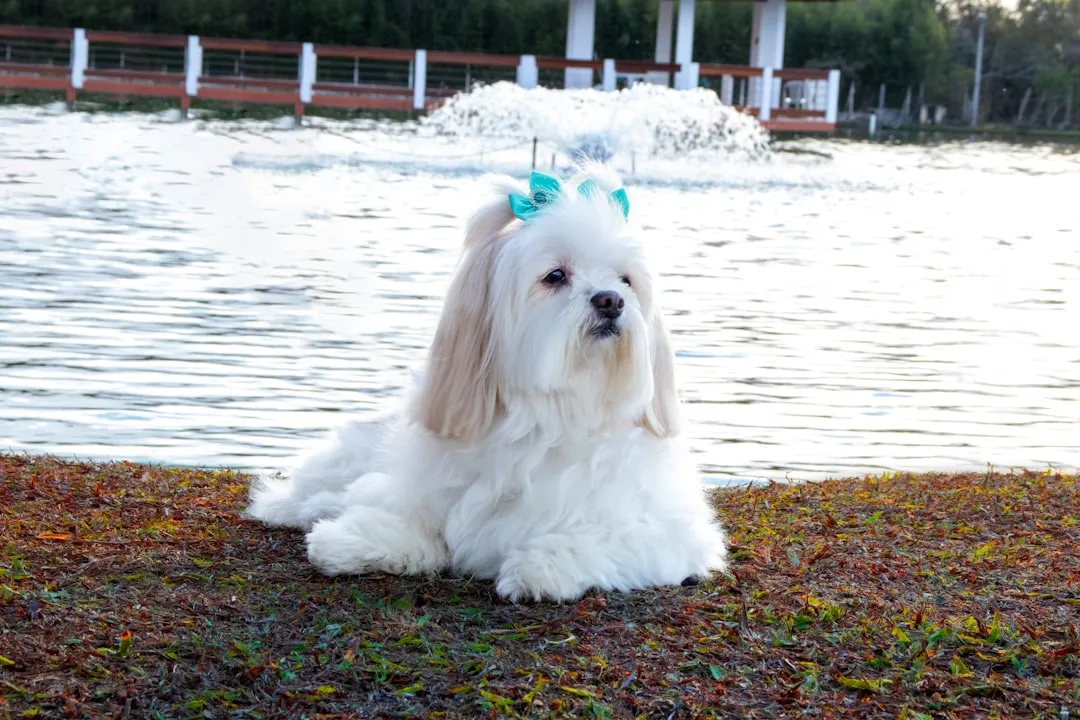
Lhasa Apsos were bred as monastery watchdogs in Tibet, which sounds like a red flag for a silent home, but context matters. Monasteries are quiet places; these dogs learned to lie around in peace until there’s a real reason to alert. With good breeding and training, a Lhasa will mostly observe quietly and only bark on actual provocation.
They’re independent and a bit aloof with strangers, but in their own home they often maintain a dignified calm. Think of them as serious little rugs: present, thoughtful, and uninterested in performing for every noise.
But that’s nothing compared to what we found about #35.
#35 – Tibetan Spaniel: Window Watcher, Not Constant Barker (Settles Fairly Fast)

Tibetan Spaniels share some ancestry with Lhasas and also lived in monasteries. They like to perch and watch the world from above. Yes, they will notice everything; no, they don’t always feel the need to narrate it.
With structure, a Tibbie often watches in silence unless something genuinely odd happens. People who want a dog that’s tuned in without being tuned up often find this breed surprisingly satisfying.
But nothing on this list beats what #36 does in a quiet house.
#36 – English Mastiff: The Ultimate Quiet House Guardian (Settles Fastest of All)
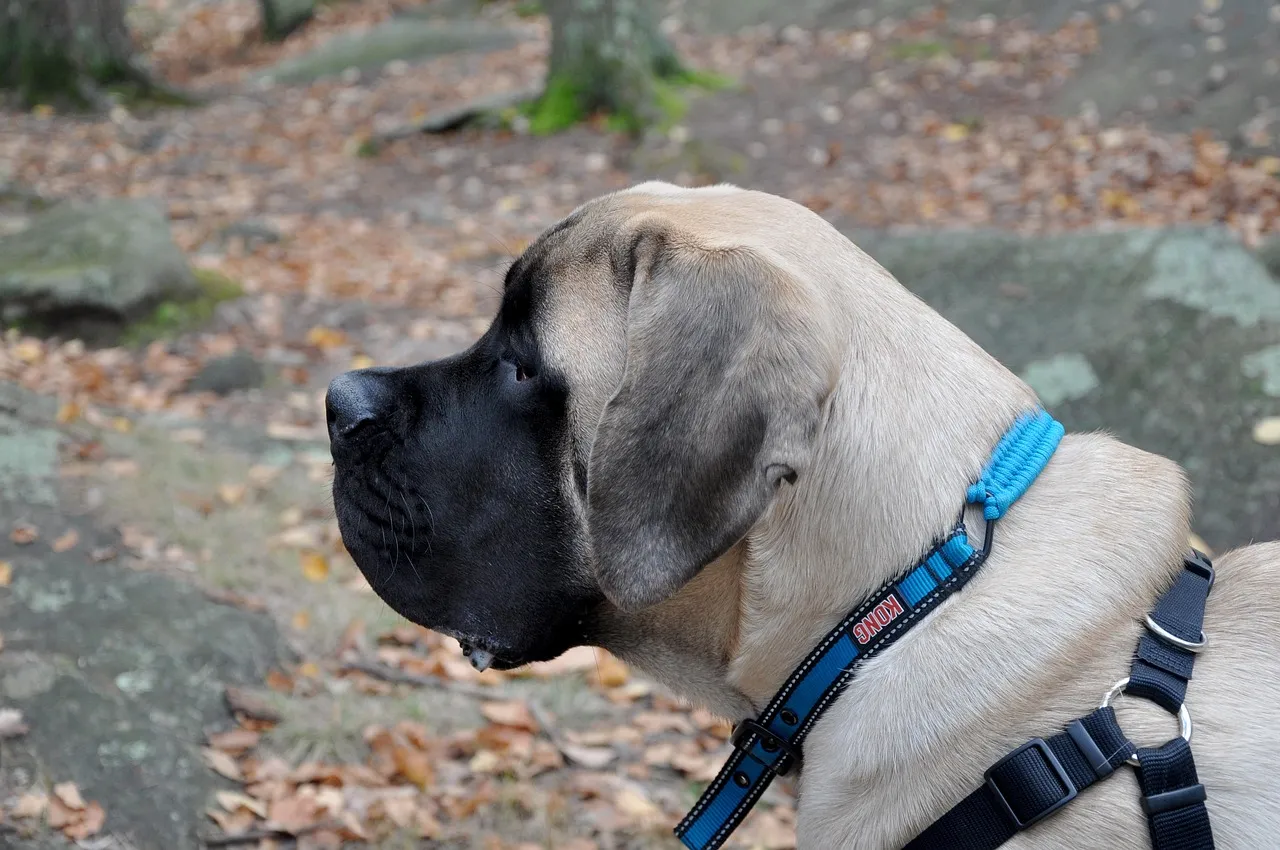
If there’s a breed that feels custom-built for a silent house, it’s the English Mastiff. They are massive, deeply loyal, and yet astonishingly calm indoors.
Most Mastiffs prefer lying down, leaning on their people, and quietly monitoring the room over any kind of frantic behavior. They rarely waste energy on meaningless barking, and when a Mastiff does speak, there’s usually a real reason behind it.
The trade-offs are the usual giant-breed issues: space, drool, expense, and a shorter lifespan. But in terms of pure “settles fast and doesn’t shatter the quiet,” experienced owners and trainers quietly put Mastiffs at the very top of the list. They’re like living, breathing furniture — heavy, comforting, and mostly silent.
Why It Stands Out
- This is the heaviest breed in the world by average body weight, yet that mass rarely turns into restless energy indoors.
- Males routinely weigh 180 to 230 pounds, with females somewhat smaller but still dwarfing most large breeds.
- Recognized in 1885, the AKC places the Mastiff in the Working Group — a lineage built for guarding, not constant patrol.
- Average lifespan runs roughly 6 to 10 years, a real trade-off for the breed’s sheer size.
The Bottom Line
The internet loves to argue about “best family dog” or “most loyal breed,” but zoom in on one specific reality — a truly silent house — and the rankings flip completely. Some of the most popular, photogenic breeds are secretly terrible fits, wired to patrol, vocalize, and stay half-wound even at rest.
Meanwhile, overlooked giants and quiet oddball companions dominate when it comes to settling fast and staying that way. This isn’t about “good” or “bad” dogs; it’s about matching wiring to lifestyle. A Border Collie in a monastery is just as unfair as an English Mastiff dragged onto an agility course — if your home runs on calm, history and temperament matter far more than size or popularity ever will.
Which breed on this list do you think is the most overrated, or the most unfairly ignored, for quiet homes? Did we miss one that absolutely belongs here? Drop your take in the comments.
