


Worried about unexpected vet bills?
Pet insurance can cover thousands in unexpected vet costs. Get a free quote from Lemonade in under 2 minutes.
Get My Free Quote →Sponsored · Opens Lemonade.com
Imagine walking through a dense forest, feeling safe and unseen, when suddenly you realize—you’re not alone. Somewhere, a bear has already caught your scent, even though you’re nowhere in sight. Bears have one of the most powerful noses in the animal kingdom, sometimes likened to a living radar. Their sense of smell is so intense, scientists estimate it’s at least seven times better than a bloodhound’s! This incredible ability helps bears navigate their wild world and find food, mates, and even danger, all from astonishing distances. Let’s dive into 18 surprising things that bears can sniff out from over a mile away. Some might shock or even amuse you!
18. Rotting Meat

Bears are famous for being scavengers, and their noses can pick up the scent of decaying flesh from far away. Even a tiny scrap of meat left behind by another animal or a careless camper can send signals to a bear that dinner is served. This powerful sense keeps bears alive, especially before hibernation when they need to pack on the pounds. If you’ve ever wondered why it’s so important to clean up after a barbecue in bear country, now you know! The smell of rot is like ringing a dinner bell to these curious giants.
17. Fresh Fish

Whether it’s salmon leaping upstream or fish guts tossed aside by humans, bears can catch the scent of fish swimming in a river from an incredible distance. This is especially helpful during salmon runs when bears need to eat as much as possible before winter. The oily, pungent aroma of fish cuts straight through forest air and calls to a bear’s nose like a siren song. It’s no wonder bears are often seen lining riverbanks during these seasonal feasts.
16. Honey and Sweet Foods
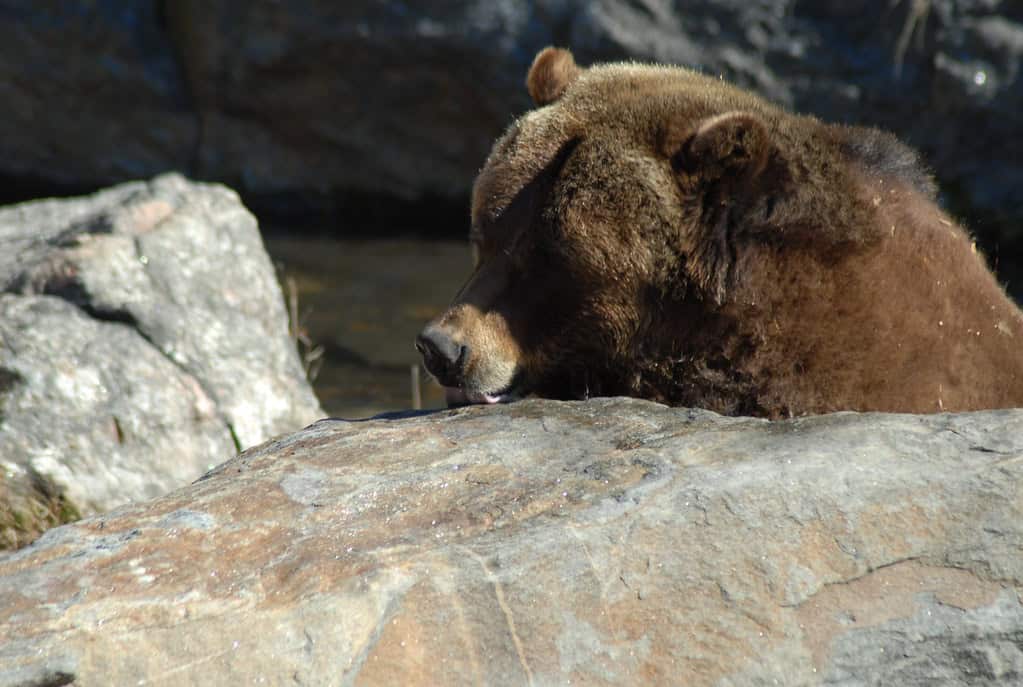
The classic image of a bear raiding a beehive isn’t just a cartoon—it’s real! Bears love sweets and can detect the scent of honey, ripe fruit, or even a sugary drink from far away. Their craving for sugar helps them find nutritious berries and fruit in the wild. If you ever leave a soda can out in bear country, don’t be surprised if it attracts an unexpected visitor. The aroma of sweetness is irresistible to a bear’s sensitive snout.
15. Cooking Odors

A campfire cooking up bacon, sausages, or even soup can waft for miles and land right in a bear’s olfactory zone. Bears quickly learn that where there’s smoke, there’s food. This is why campers are always warned to cook and eat far away from where they sleep. The tantalizing smell of food on the fire is a beacon, especially to a hungry bear looking for easy calories before winter.
14. Human Scent
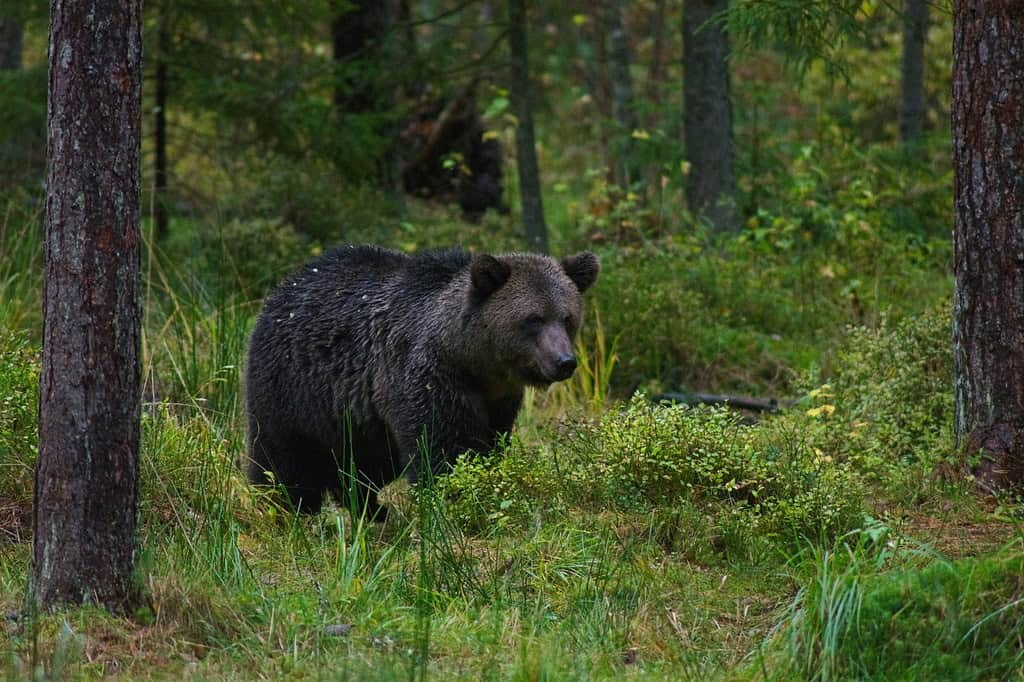
It’s a bit unsettling, but bears are able to smell humans from a mile away—sometimes more. The sweat, deodorant, perfumes, and even the detergent on our clothes produce unique scents that stand out to a bear. While this makes it harder to surprise a bear, it also means they’re often aware of us before we ever see them. That’s why experienced hikers are advised to make noise; the bear already knows you’re there!
13. Toothpaste and Toiletries

Believe it or not, bears find the smell of toothpaste, lotions, and soaps just as intriguing as food. The minty freshness of toothpaste or fruity scent of shampoo can be picked up from a shocking distance. This is why storing toiletries in bear-proof containers is a must in the wild. Even items that seem harmless to us can scream “interesting” to a bear.
12. Pet Food

If you’re camping with your dog or cat, don’t assume their food is safe from local wildlife. Bears can sniff out the scent of kibble, canned pet food, or even treats stashed in your tent. The aroma of animal-based foods is just as appealing to bears as any picnic basket. This explains why pet food is a major culprit in attracting bears to campsites and cabins.
11. Animal Carcasses

Sometimes nature provides a feast, and bears are first in line to know about it. Whether it’s a deer brought down by wolves or a bird that didn’t survive the winter, the scent of a carcass carries far and wide. Bears depend on this ability to find food hidden deep in the undergrowth or snow. This scavenging habit helps them survive when fresh prey is scarce.
10. Garbage and Waste

The scent of human garbage is practically irresistible to bears. Leftover food scraps, wrappers, and even empty cans send a strong signal. It’s not just the smell of food—everything from banana peels to old coffee grounds can lure a bear into a campsite or neighborhood. This is why “bear-proof” trash cans are now common in many areas where bears roam.
9. Bird Feeders and Seeds
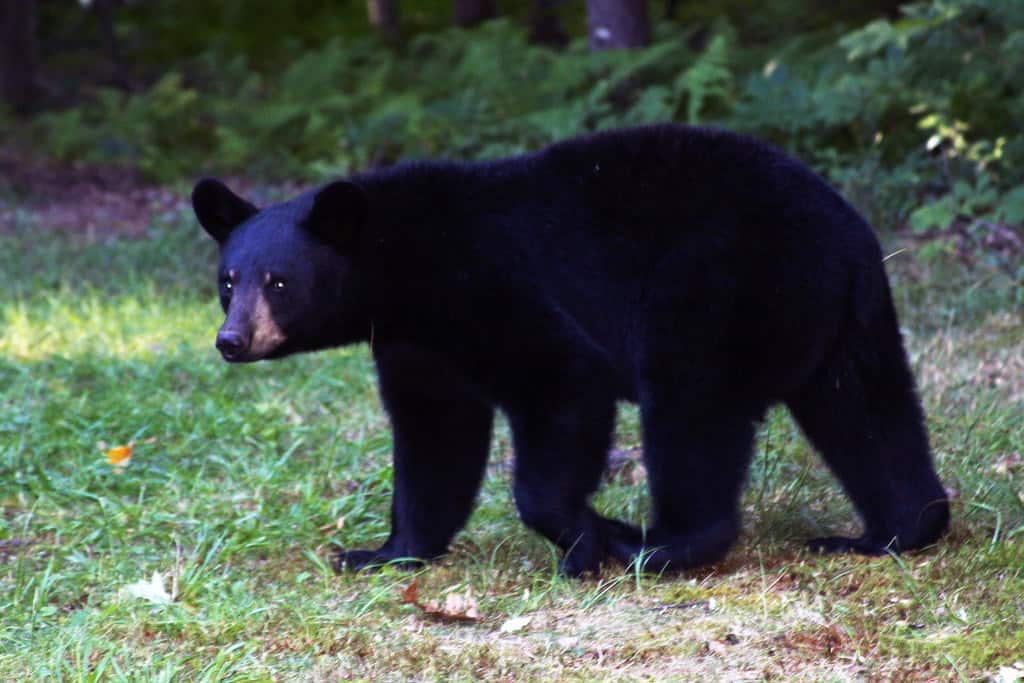
Bears don’t just hunt for meat; they’re omnivores with a taste for seeds and nuts as well. The scent of sunflower seeds, peanuts, and suet in a bird feeder can travel surprisingly far. Many people are shocked to find that their backyard bird buffet has turned into a bear magnet overnight. Birds might be messy eaters, but bears are even messier when they show up for a snack.
8. Ripe Berries and Fruit
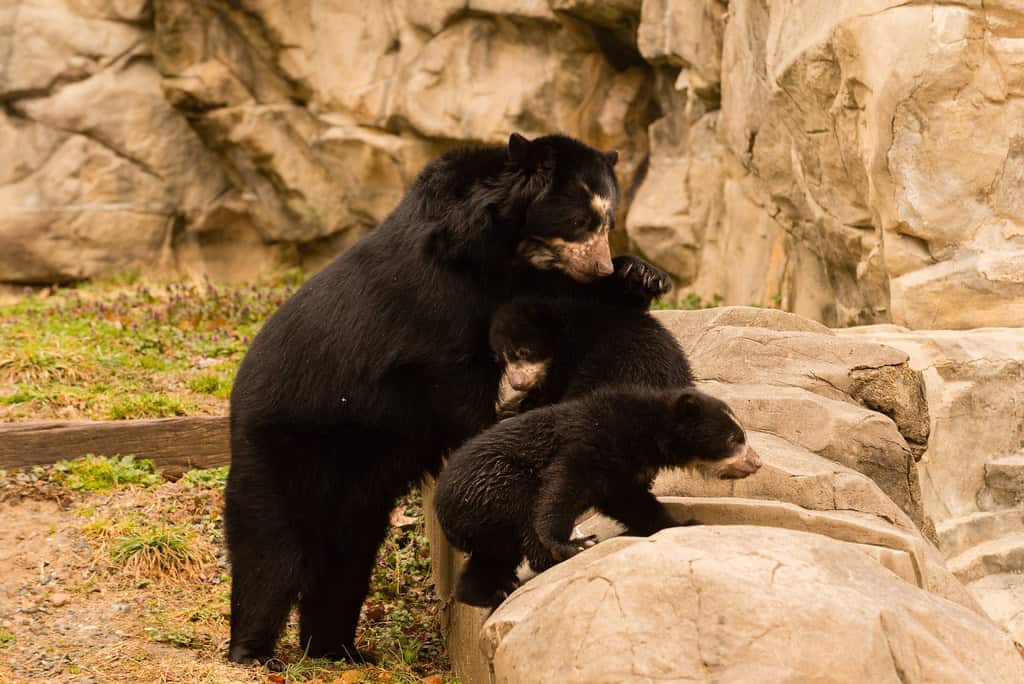
Bears are experts at finding wild berries and fruit, even if just a few are ripe. Their noses can pick up the sweet, tangy scent of blueberries, raspberries, or apples from a mile away. This skill helps them locate the best feeding grounds before other animals. If you stumble upon a patch of trampled berry bushes, chances are a bear got there first.
7. Insect Nests
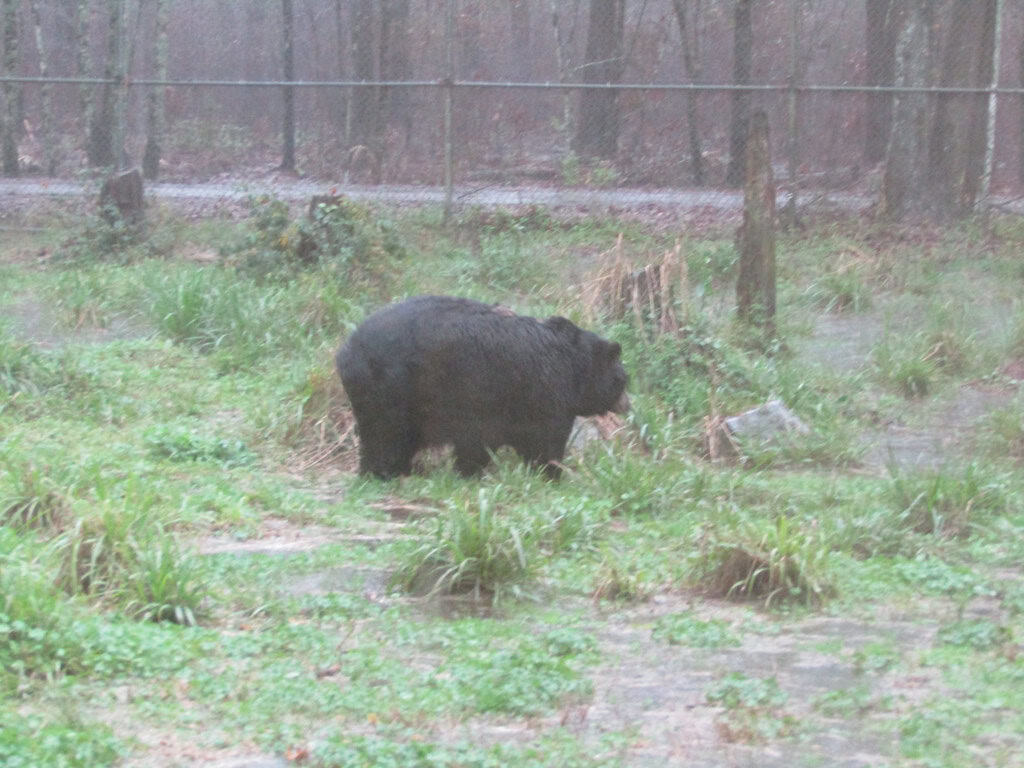
Bears have a surprising fondness for protein-rich treats like ants, termites, and bees. The earthy, musty odor of an insect nest is easy for them to detect, even if it’s buried underground or hidden in a log. With a few powerful swipes, a bear can dig up a nest and enjoy a crunchy snack. This makes them important players in controlling insect populations in their ecosystem.
6. Animal Droppings
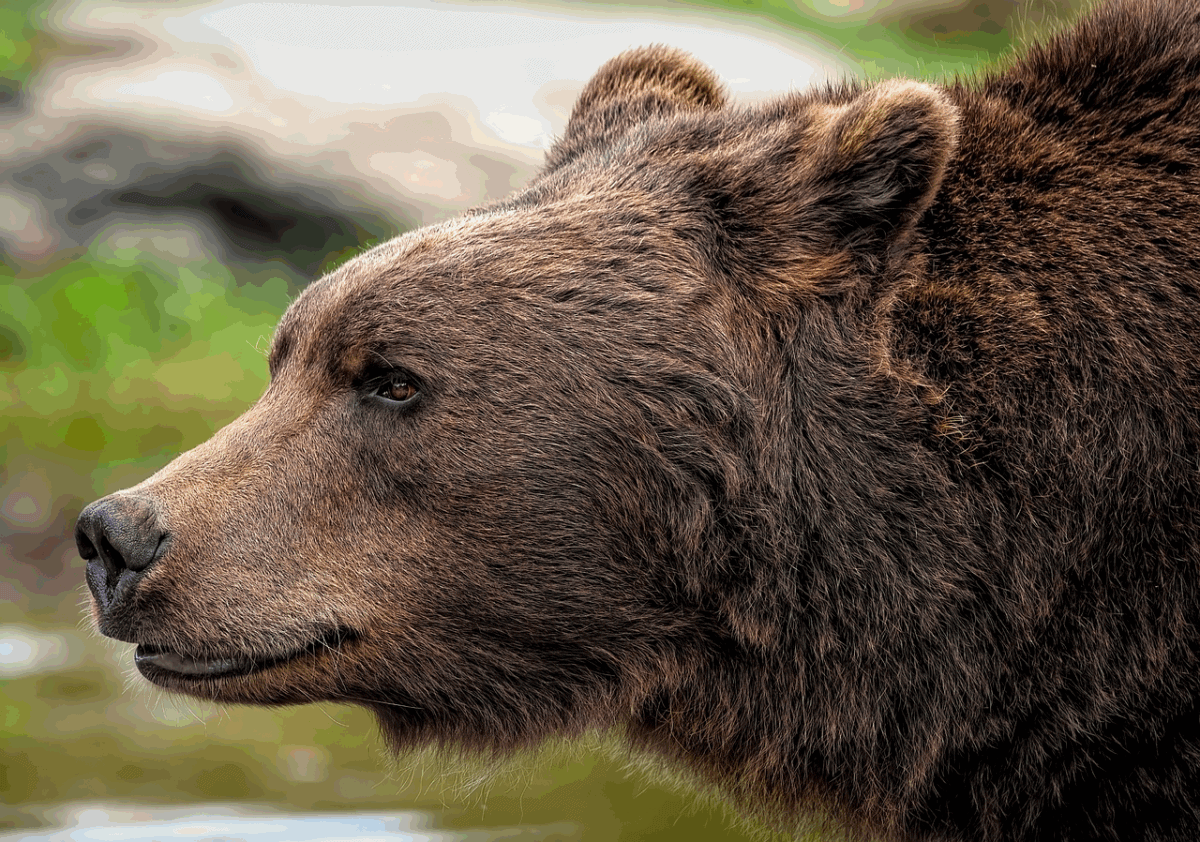
It sounds a bit gross, but animal scat tells bears a lot about what’s happening in their territory. The scent of droppings from deer, elk, or other bears helps them track prey, avoid rivals, and even find potential mates. Bears use their noses like detectives, piecing together clues from the world around them. It’s another reminder that nothing goes unnoticed in the animal kingdom.
5. Scent Markings from Other Bears

Bears communicate with each other through scent, leaving messages on trees, rocks, or the ground. These markings can be detected by other bears from a distance, helping them avoid fights or find mates. The ability to pick up these invisible messages is crucial for survival, especially in the vast wilderness. Bears are always tuned into the social network of their fellow forest dwellers.
4. Wildflowers and Blossoms

Not all scents that attract bears are about food or danger. The smell of blooming wildflowers and blossoms draws bears to certain areas, especially in spring. These scents signal the presence of bees, insects, and sometimes even fruit. For a bear, a field of flowers is more than just pretty—it’s a sign of potential meals to come.
3. Animal Hides and Skins

Hunters sometimes find that bears are drawn to animal hides and skins, even if there’s no meat left. The scent of old fur, leather, or even tanned hides holds a powerful allure. Bears associate these smells with food or other animals, and their curiosity often brings them in for a closer look. This keen sense of smell keeps bears constantly exploring their environment.
2. Water Sources

A bear’s nose can even detect the faint, fresh scent of water. Whether it’s a bubbling stream, a hidden pond, or morning dew on leaves, bears rely on their noses to find hydration in the wild. This is especially important during dry spells or in rugged terrain where water isn’t easy to see. It’s just another way their senses help them survive when conditions get tough.
1. Fear and Adrenaline

Perhaps the most startling thing a bear can smell is human fear. When we’re scared, our bodies release adrenaline and other chemicals that subtly change our scent. Bears, with their ultra-sensitive noses, can pick up on these signals, which might make them more curious or cautious. It’s a humbling thought that our emotions can travel on the wind and be detected by a creature miles away.
Conclusion
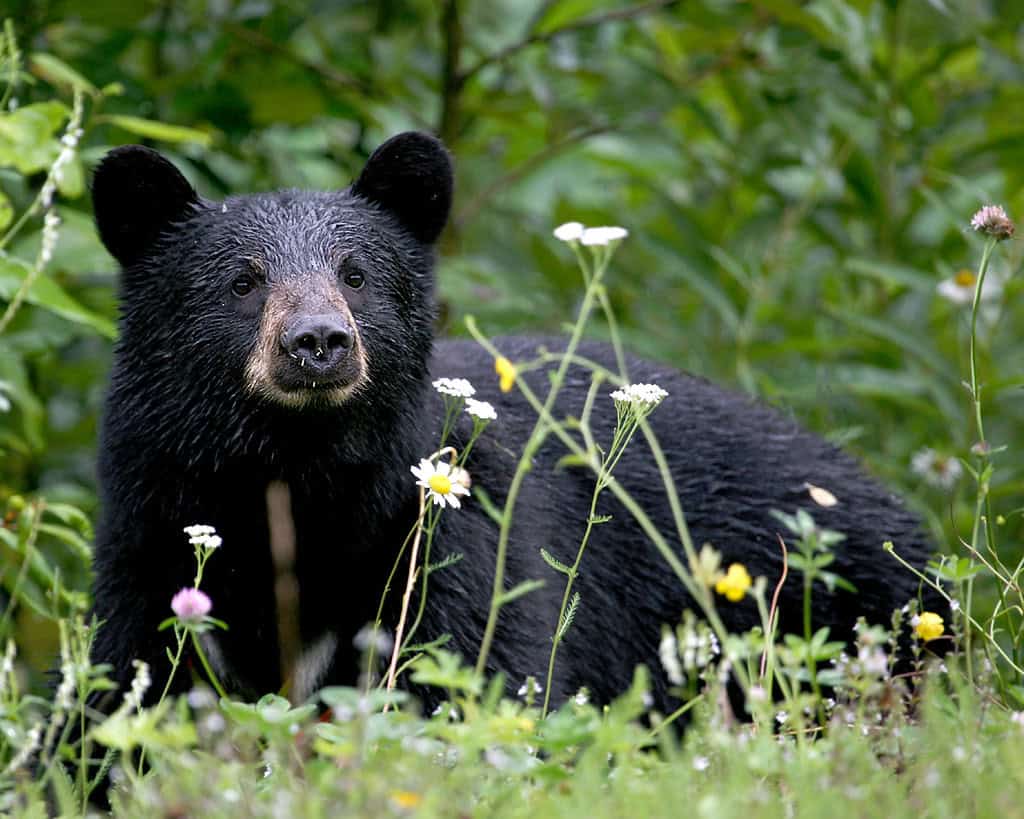
The world of bears is ruled by their remarkable noses, which let them experience their environment in ways we can barely imagine. From the scent of a distant salmon run to the whiff of a forgotten granola bar, bears are always one step ahead—guided by smell alone. Next time you’re out in bear country, remember: what you can’t see, a bear can almost always smell. Did you expect they could sniff out so much from so far away?
Worried about unexpected vet bills?
Pet insurance can cover thousands in unexpected vet costs. Get a free quote from Lemonade in under 2 minutes.
Get My Free Quote →Sponsored · Opens Lemonade.com

As a little kid, I fell in love with nature, wildlife, and animals. Living in the USA, South Africa, Italy, China and Germany gave me the opportunity to discover the world's Wildlife. My favorite animals are Mountain Gorillas, Siberian Tigers, and Great White Sharks.
I'm a certified PADI Open Water Diver, went to Everest Base Camp and Trekked Gorillas in Uganda. I hold a Master of Science in Economics and Finance.
Please send any feedback to feedback@animalsaroundtheglobe.com
- 12 Differences Between Old World and New World Monkeys - June 10, 2026
- 6 Creatures That Can Survive Being Frozen Solid - June 10, 2026
- Why Botswana Okavango Delta Is the Best Place to See Elephants - June 10, 2026