

Ask anyone born before 1980 what a summer evening actually sounded like, and they’ll describe something most kids today have never experienced: swallows screaming low over the barn roof at dusk, meadowlarks bubbling from every fence post, sparrows so thick at the feeder you had to refill it twice a day. That world is quietly gone. Since 1970, North America has lost nearly 3 billion birds – not obscure rainforest species nobody ever saw, but the ordinary backyard and farmland birds your grandparents saw without even trying.
The list of what’s vanished reads like a time capsule of everyday American life, and some of these birds haven’t just dipped a little – they’ve lost more than half their entire population in fifty years. A few names on this list will surprise you, because they were never considered rare, threatened, or special. They were just always there. Here’s what actually happened to them, counted down to the loss that explains almost everything else on this list.
#19 – Dark-eyed Juncos Have Quietly Vanished From Feeders
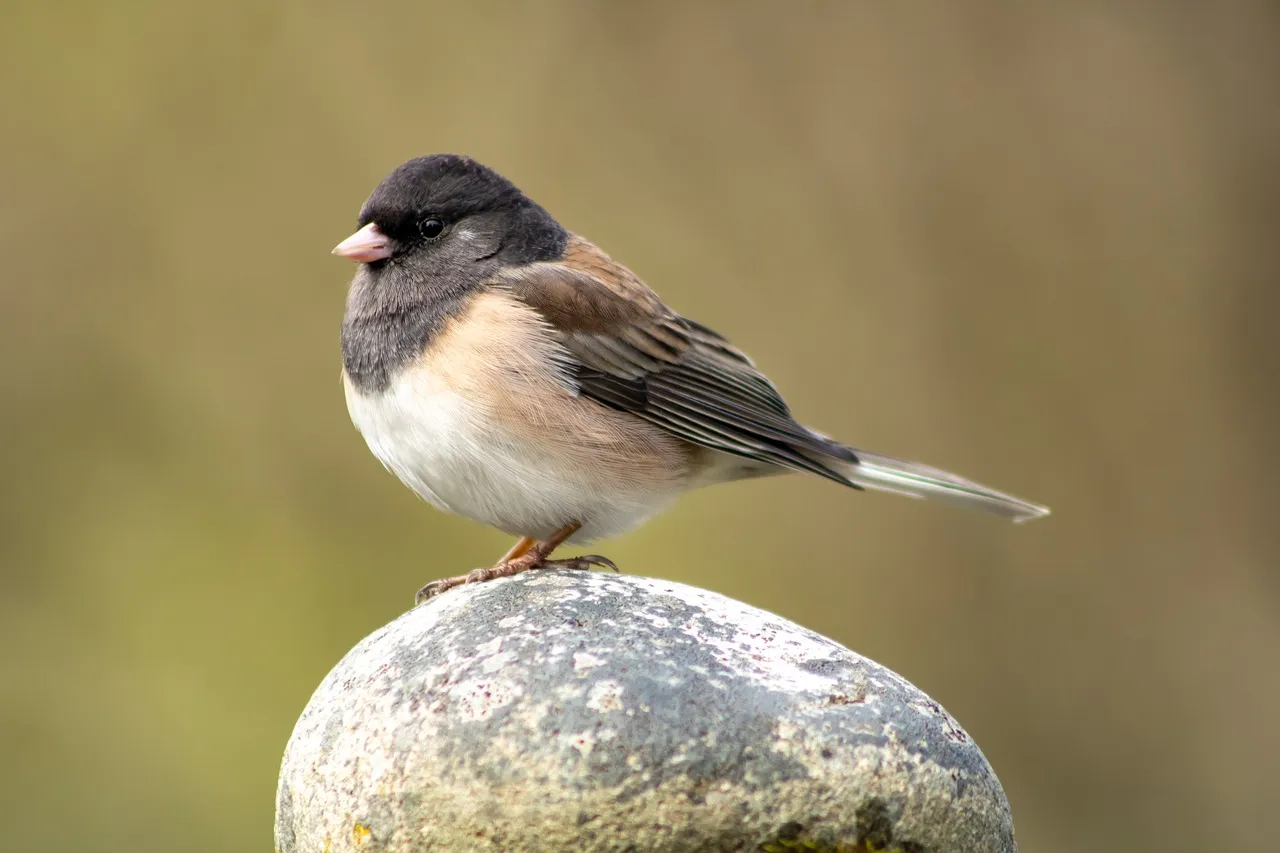
Most people still picture these little gray-and-white “snowbirds” hopping under the feeder every winter, kicking through fallen seed like clockwork. But their numbers have cratered in the exact places they once dominated. Models estimate a loss of 168 million individuals since 1970, with the sharpest drops occurring right where junco populations used to peak year after year.
These ground-foraging sparrows relied on open woods and messy suburban edges that intensive agriculture and manicured sprawl have steadily erased. Longtime feeder-watchers in the Northeast and Midwest notice fewer juncos returning each fall, and the decline stings more than most because these birds were never on anyone’s watch list – until the totals finally came in.
#18 – White-throated Sparrows No Longer Dominate the Underbrush
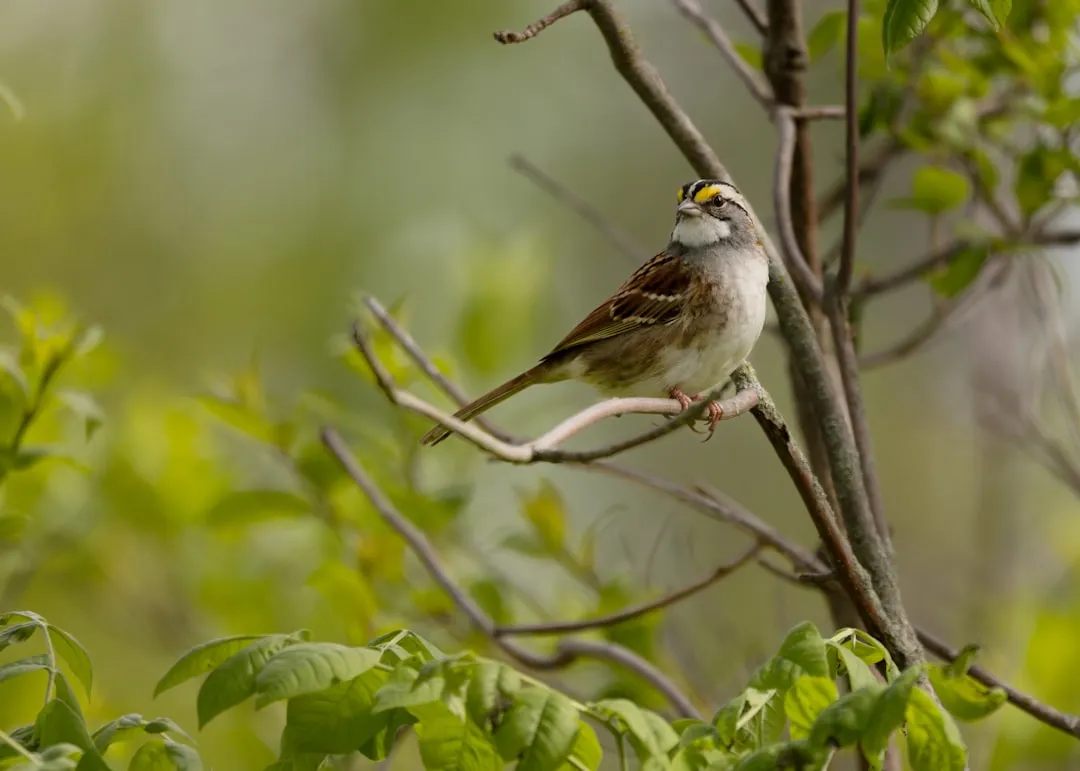
White-throated sparrows once filled every brushy thicket with their clear, whistled “Old Sam Peabody” song from spring through fall, a sound that practically defined a rural morning. Their populations have dropped by more than 93 million birds, concentrated in the northern breeding grounds where they were once the most abundant songbird around.
Habitat fragmentation from logging and development has stripped away the dense, tangled cover these sparrows need for nesting, while shifting winters change what food is available farther south. Most people assume common birds decline slowly at the margins of their range, but white-throats are disappearing fastest right in their old strongholds – which means the woodlots that used to be loudest are now the quietest.
#17 – Red-winged Blackbirds Have Lost Their Marsh Strongholds
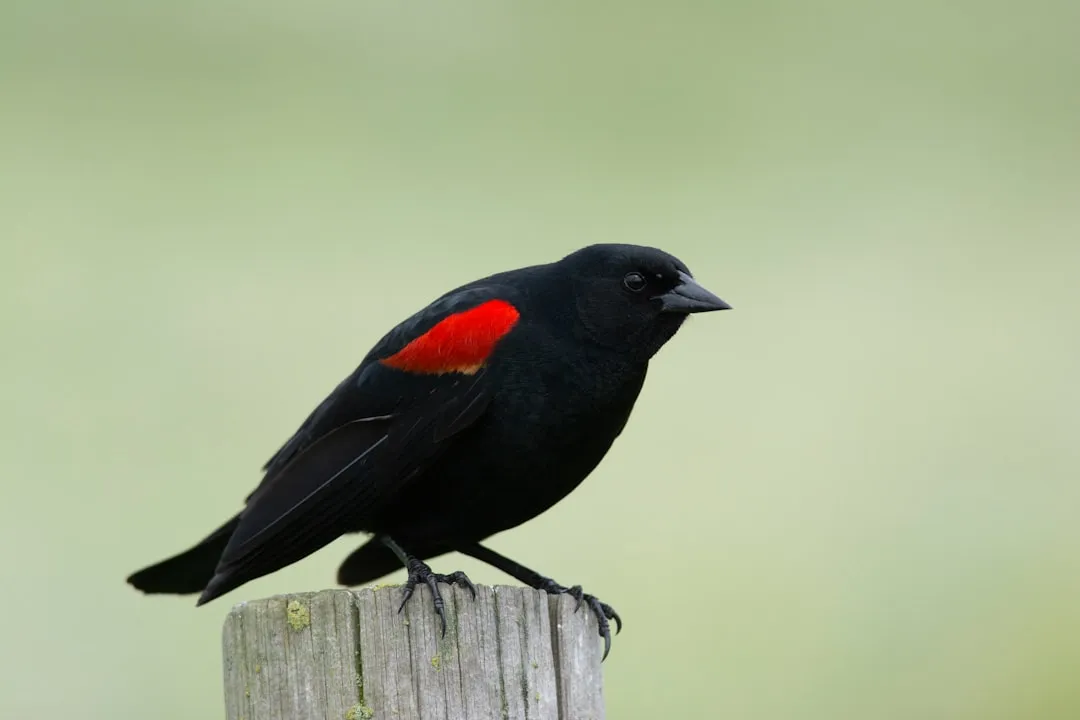
Red-winged blackbirds were once a constant sight and sound in every roadside ditch and cattail marsh, the males flaring their red-and-yellow shoulder patches from the tops of reeds. A 92-million-bird decline has hit this once-ubiquitous species hardest in the Midwest and Great Lakes regions, where they nested in colonies so dense they seemed impossible to dent.
Wetland drainage for farming wiped out breeding habitat at scale, and today’s row-crop fields offer almost no cover or insect food for raising chicks. A few red-wings still linger in the marshes that survived, but the sheer numbers that once darkened the sky during fall migration have simply vanished, a pattern that shows up starkly in decades of breeding bird surveys.
Fast Facts
- Population loss: roughly 92 million birds since 1970
- ID marker: red-and-yellow shoulder patches on males
- Hardest-hit region: Midwest and Great Lakes wetlands
- Main cause: wetland drainage for row-crop farming
#16 – Eastern Meadowlarks Have Disappeared From Hayfields
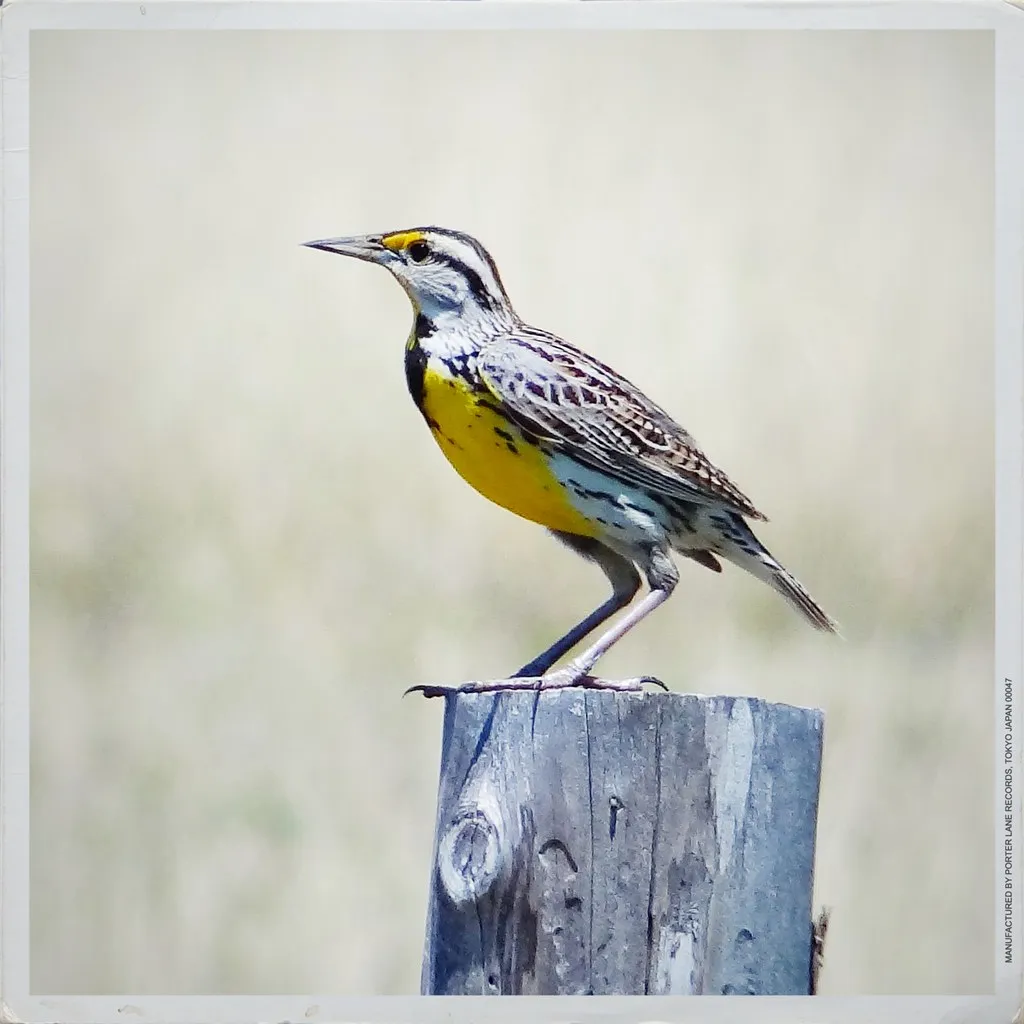
Eastern meadowlarks sang their bright, flute-like song from fence posts across open grasslands and pastures for generations of farm kids. Combined meadowlark losses reach 139 million birds, with the eastern species hit especially hard as native prairie and hayfields got plowed under for intensive corn and soybean production.
These ground-nesters depend on tall grass to hide their nests, but modern mowing schedules and heavy pesticide use now wipe out entire broods before chicks ever get the chance to fledge. That cheerful song grandparents took for granted is becoming genuinely rare outside a handful of protected refuges, making the grassland bird crisis one of the steepest declines on the entire continent.
#15 – Western Meadowlarks Face the Same Grassland Squeeze
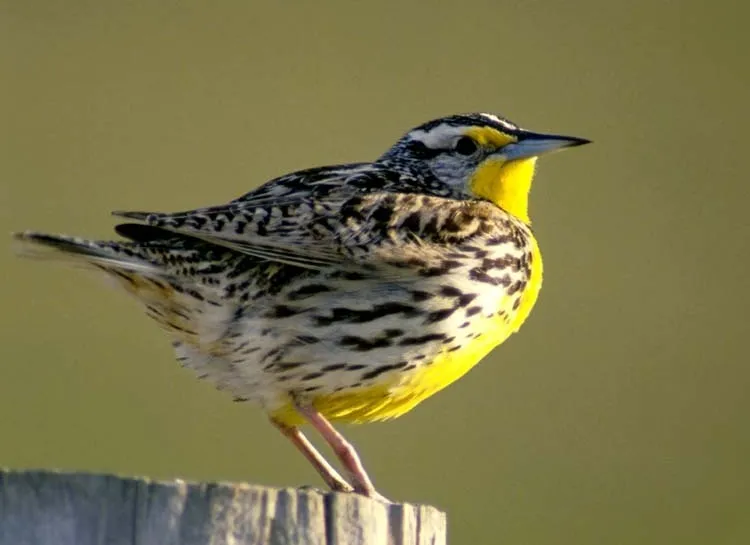
Western meadowlarks once defined the sound of the prairies and ranchlands, their bubbling, liquid song carrying across miles of open range. They share in the combined 139-million-bird meadowlark loss, driven by the same aggressive habitat conversion and agricultural intensification that hammered their eastern cousins.
Overgrazing and the spread of invasive grasses have further degraded the open spaces these birds require to breed successfully. Breeding bird surveys show the steepest drops occurring precisely where western meadowlarks were once most common, leaving a noticeably quieter West for anyone who grew up with that song as background noise.
#14 – Baltimore Orioles Rarely Flash Through Canopies Anymore
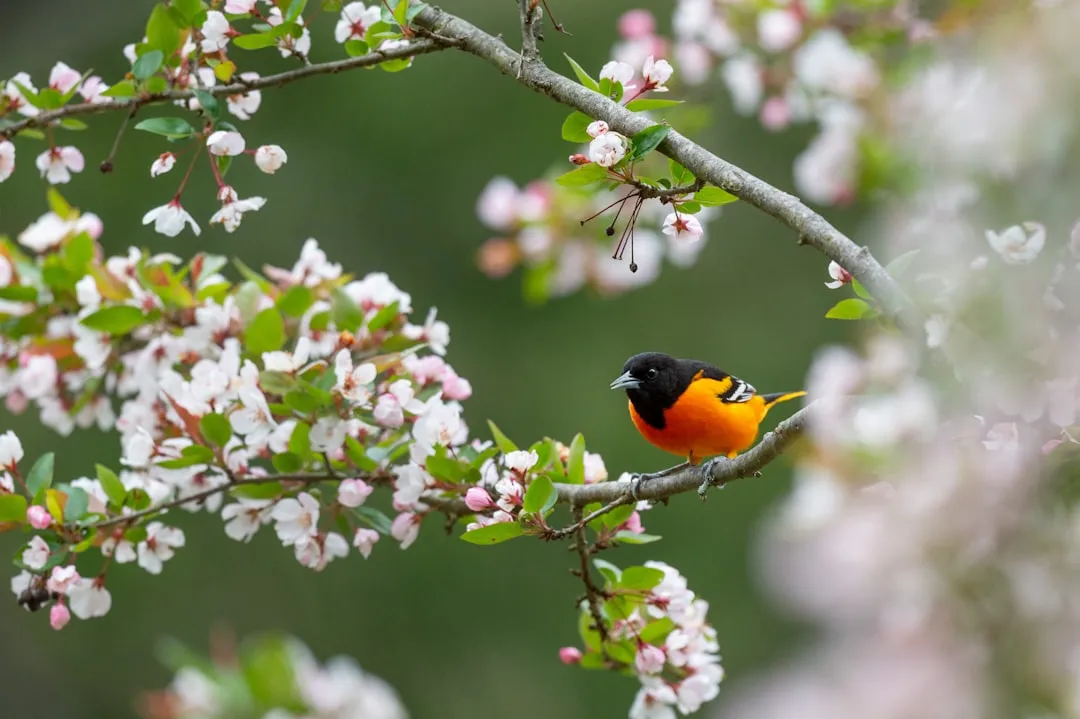
Baltimore orioles were the unmistakable bright orange flash in every tall shade tree and backyard orchard along the East Coast and Midwest, often announcing themselves with a rich, whistling call before you ever spotted them. Their populations have fallen sharply as the mature trees and caterpillars they depend on decline under pesticide pressure and relentless urban development.
Most people don’t realize these flashy migrants are now simply absent from many neighborhoods where hummingbird feeders, orange halves, and fruit trees once drew them in reliably every May. Their fading presence feeds into the broader warbler and oriole family collapse that together accounts for hundreds of millions of the continent’s missing birds.
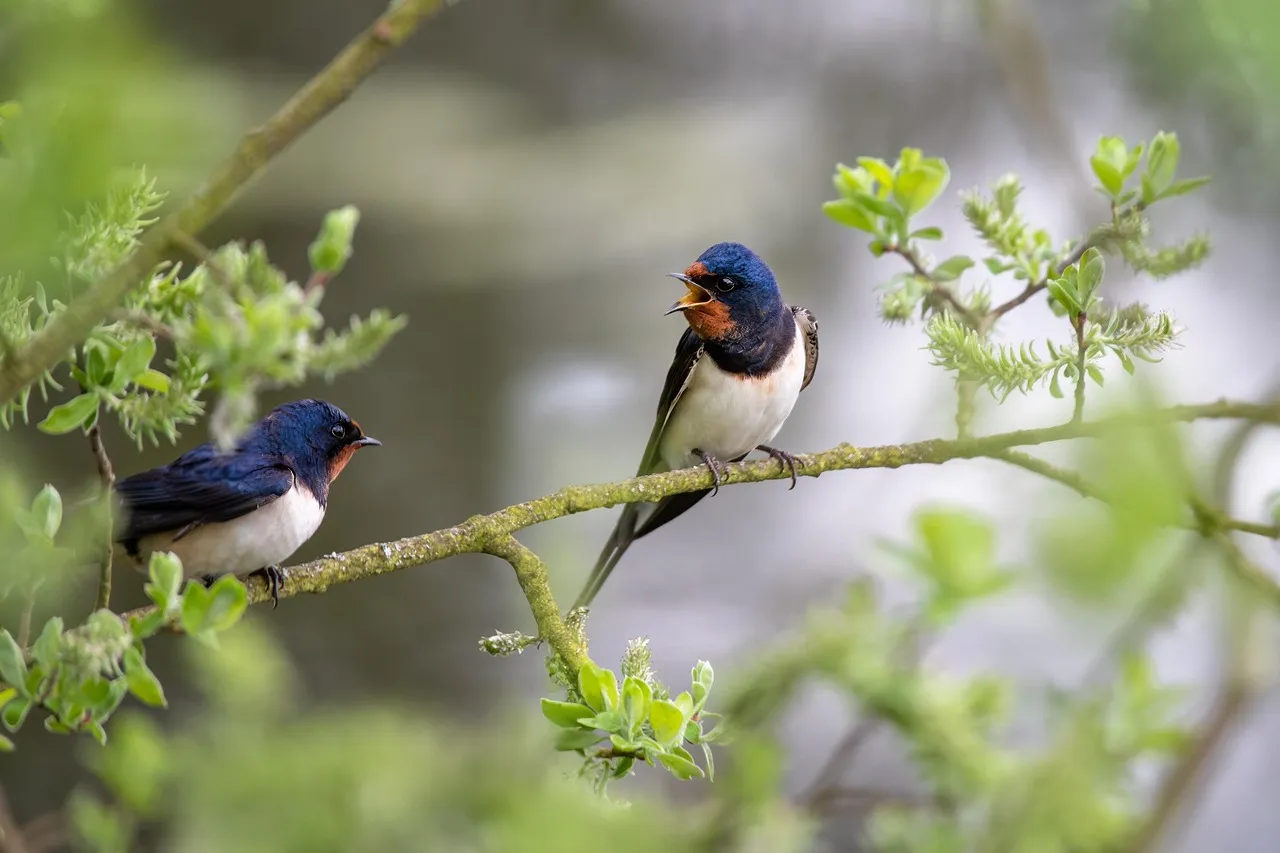
#13 – Barn Swallows No Longer Wheel Over Barns in Huge Numbers
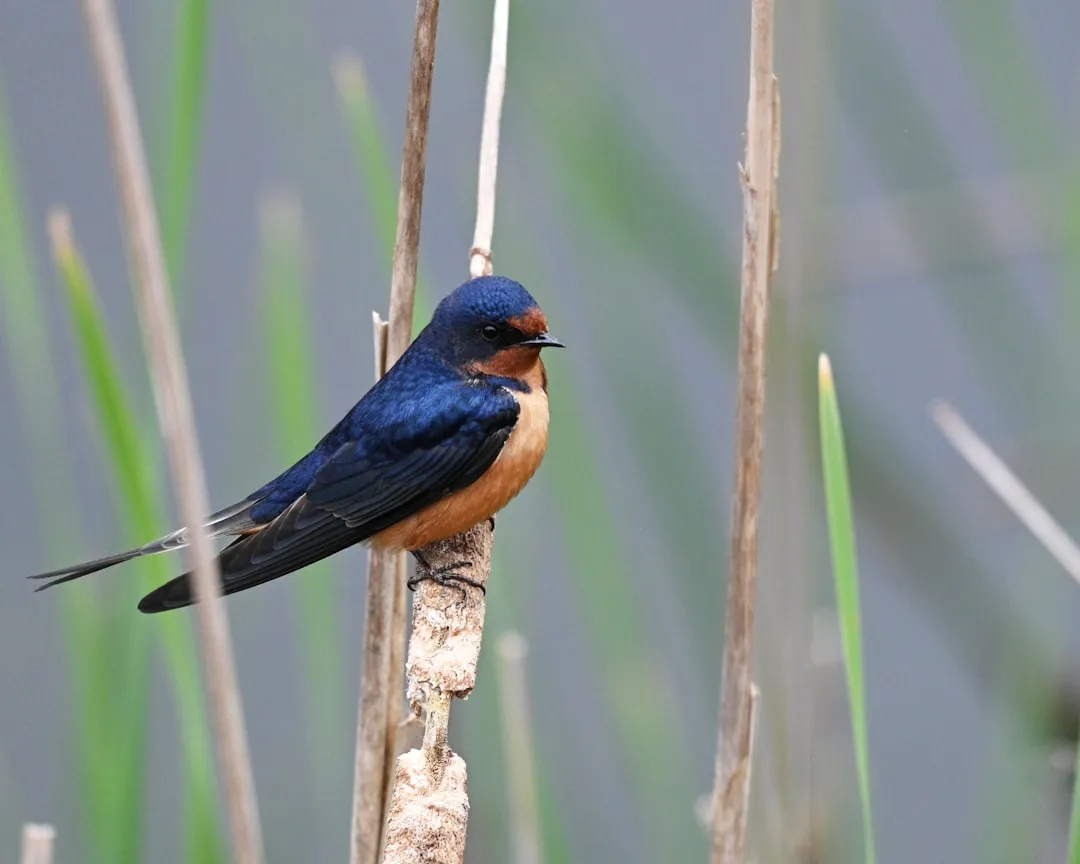
Barn swallows once nested under every rural eave and swooped low over hayfields in acrobatic, chattering flocks that seemed to fill the entire evening sky. Steep drops in their numbers trace directly to fewer flying insects from widespread pesticide use and the disappearance of old wooden barns and outbuildings that offered perfect nesting ledges.
These aerial insectivores were a daily fixture for grandparents working outdoors from dawn to dusk, yet plenty of kids today have never once watched a barn swallow skim inches above a pond at sunset chasing bugs. The family-wide swallow decline forms a major chunk of the overall three-billion-bird total, and it’s one of the losses birders describe with real grief.
#12 – House Sparrows Have Faded From City Streets
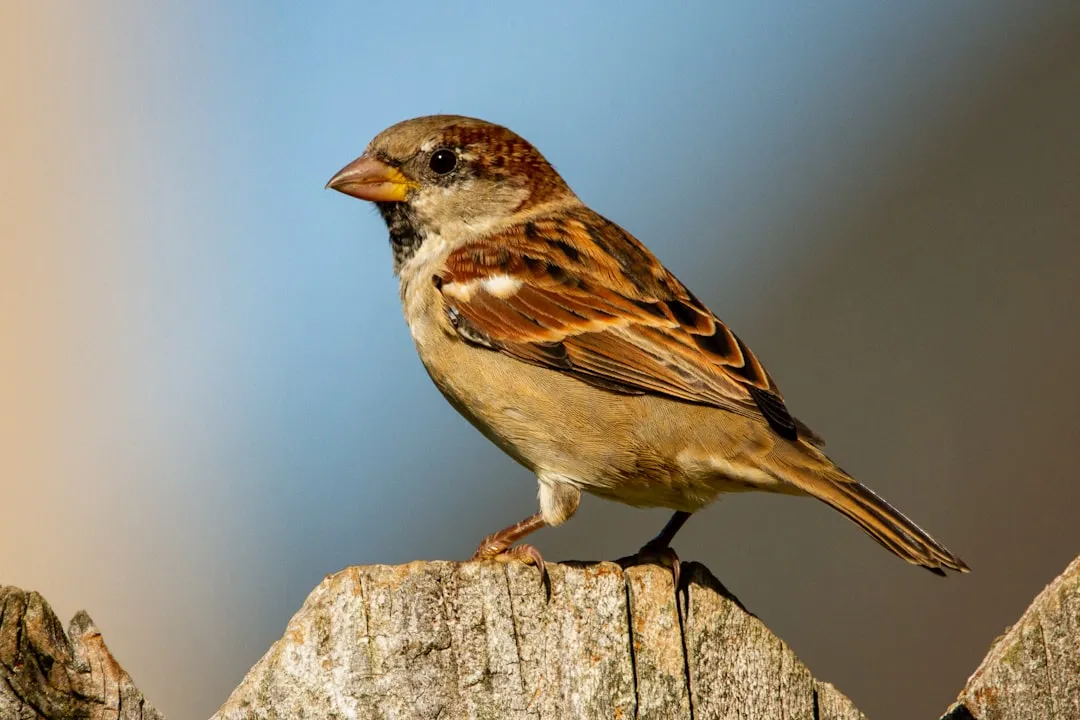
House sparrows were the ultimate urban and farmyard bird, chirping from every gutter, hedgerow, and fast-food parking lot without fail. Even this tough, introduced species has suffered major losses as modern building practices seal off the nesting cavities they relied on and cleaner agricultural methods leave far less spilled grain for them to eat.
Their decline catches people off guard because house sparrows always seemed indestructible – practically an urban weed with wings. Yet they’re part of the small handful of bird families responsible for driving most of the continent’s total losses, and their fading presence means quieter city mornings than grandparents remember, even in the busiest downtowns.
#11 – European Starlings Have Lost Their Massive Winter Roosts
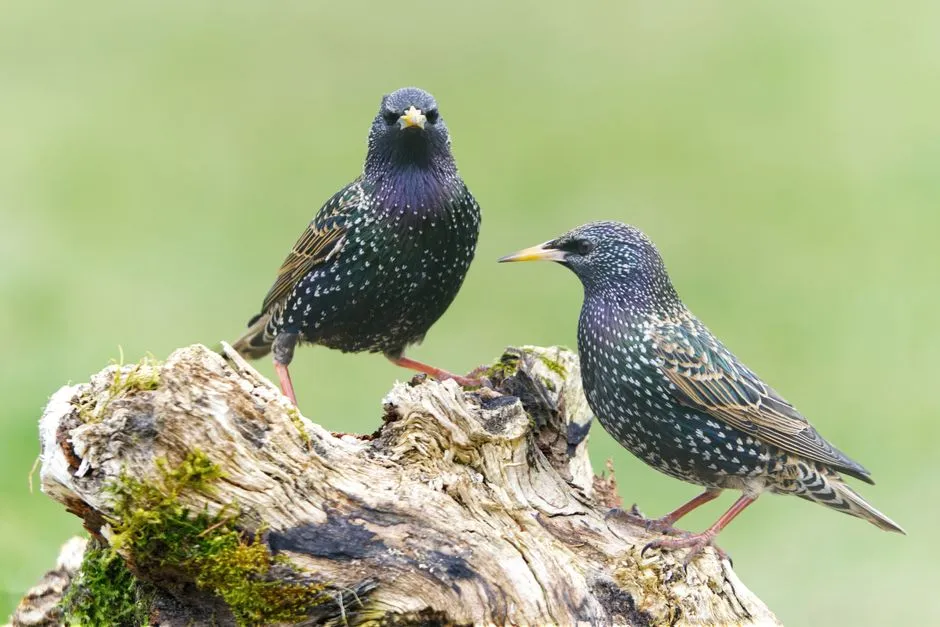
European starlings once formed enormous, swirling murmurations over farm fields and city skylines every winter, thousands of birds moving as one dark, shifting cloud. Their populations have dropped significantly despite their invasive reputation, hit by many of the same insect and habitat losses affecting native species alongside them.
Most people assume an introduced species this aggressive would never actually decline, but the noisy, chattering flocks that once seemed endless are noticeably smaller and less frequent now. The loss still registers in the billions of missing birds tallied across the blackbird and starling families combined.
#10 – Yellow-rumped Warblers Are Missing From Many Migration Waves
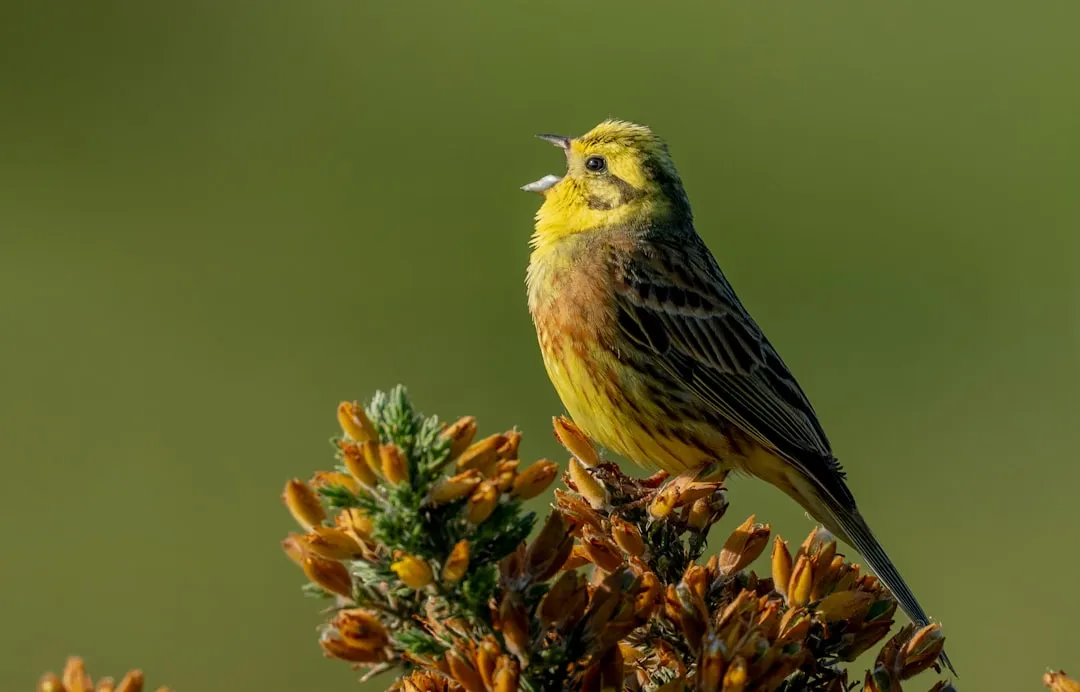
Yellow-rumped warblers, nicknamed “butter-butts” by birders for their bright yellow rump patch, were among the most reliable warblers to show up in backyards and city parks during spring and fall migration. Declines in this species and its warbler relatives stem from habitat loss on both breeding and wintering grounds, plus a steady collapse in the insect abundance they need to fuel long migratory flights.
Their absence is felt most sharply in the exact strongholds where flocks once arrived in reliable waves, turning a dependable seasonal event into something increasingly hit-or-miss. The warbler family as a whole contributes heavily to the overall bird losses tracked since 1970.
Worth Knowing
- Nicknamed “butter-butts” for their bright yellow rump patch
- Once one of the most dependable warblers at backyard feeders and parks
- Hit by habitat loss on both breeding and wintering grounds
- Long migratory flights are harder to fuel as insect abundance drops
#9 – American Robins Are Declining in Their Former Strongholds
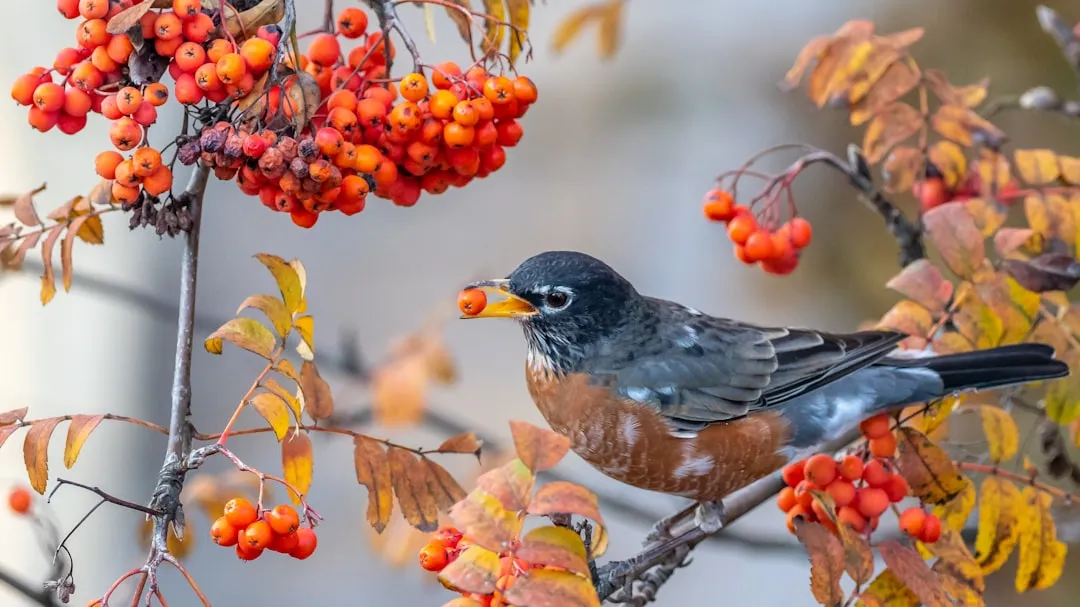
American robins remain visible in plenty of places, which is exactly why their decline is so easy to miss – yet their numbers are falling fastest where they were once most abundant. Breeding surveys reveal steep drops in core ranges tied directly to lawn pesticides and the loss of earthworm-rich soils that robins need to feed their young.
Most people don’t realize the classic “robin tugging a worm off the lawn” scene is genuinely less common in the very suburbs that once supported huge, thriving populations. Rachel Carson warned about exactly this kind of silence more than sixty years ago, and her words still land with unsettling accuracy today.
On the mornings that had once throbbed with the dawn chorus of robins, catbirds, doves, jays, wrens, and scores of other bird voices there was now no sound; only silence lay over the fields and woods and marsh.
Rachel Carson, Silent Spring
#8 – Song Sparrows Sing Less From Brushy Edges
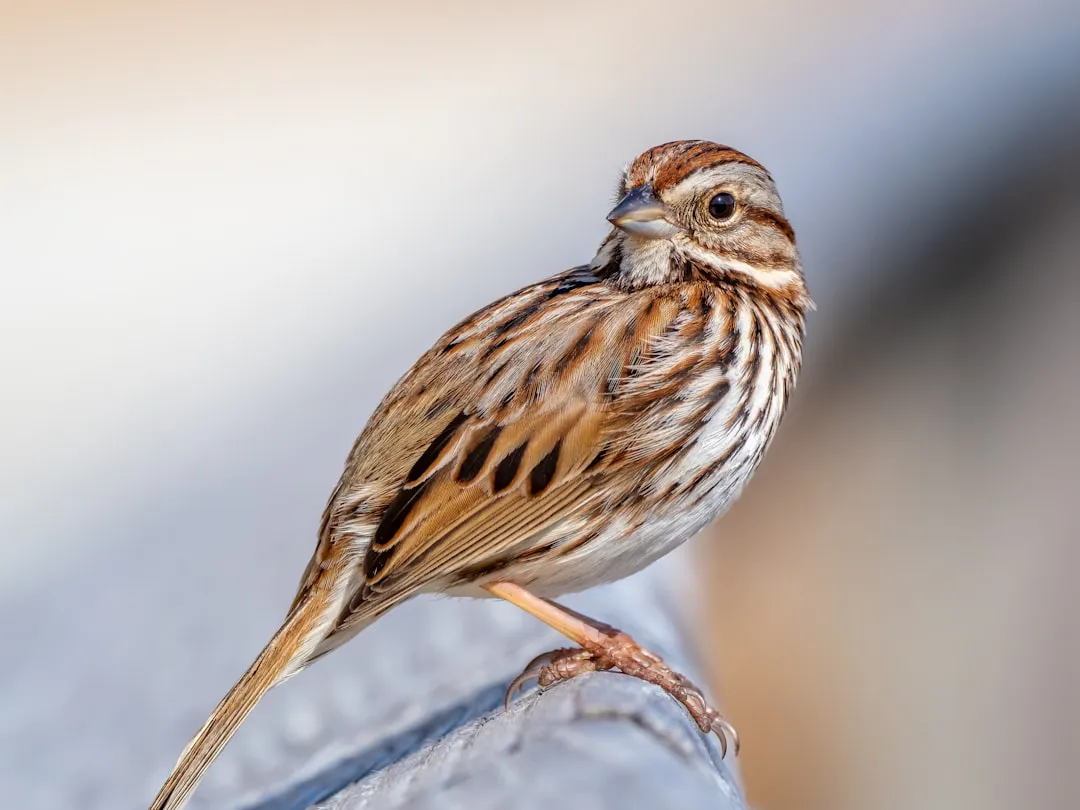
Song sparrows were the constant musical presence in every overgrown field, garden hedge, and roadside thicket, delivering their simple, sweet, repetitive song from a low perch almost anywhere. Habitat loss and shifting land use have reduced their numbers noticeably, especially in the exact areas where they once reached their highest densities.
That familiar song defined rural soundscapes for generations of kids who grew up with it as background noise on every walk to school or chore in the yard. Now, fewer birds mean an entire generation is simply growing up without ever hearing this everyday voice at all.
#7 – Tree Swallows Have Lost Nesting Cavities
Tree swallows once filled bluebird boxes and natural tree cavities across open country, their iridescent blue-green backs flashing in the sun as they swooped low over ponds and fields chasing insects. Competition for a shrinking supply of nesting cavities, combined with fewer flying insects to feed on, has driven measurable, sustained declines in their population.
These birds were a spring arrival grandparents genuinely looked forward to, often the first real sign that winter had finally broken. Their reduced presence today is woven into the larger swallow-family story, one more thread in a decline that spans nearly every species that hunts insects on the wing.
#6 – Chipping Sparrows Are Rare at Many Feeders
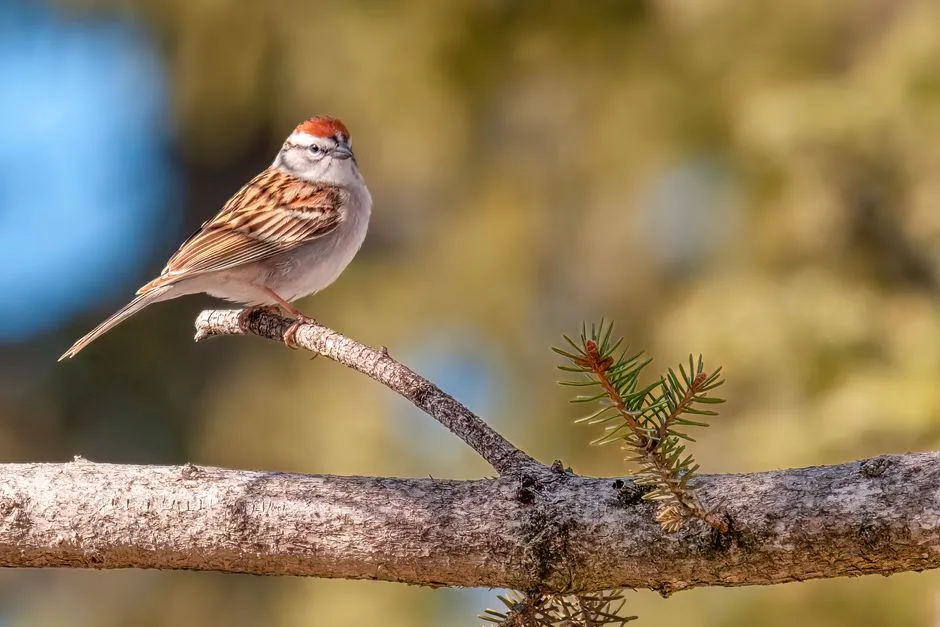
Chipping sparrows once trilled their dry, buzzy song from pine trees and visited backyard feeders in noticeable numbers, easily identified by their rusty cap and clean gray face. Declines track closely with the loss of conifer edges and the insects these birds need in abundance to successfully raise their young.
Their trill was a backyard staple for decades, blending into the background of countless spring and summer mornings without anyone giving it a second thought. The broader sparrow family’s losses now dominate a huge share of the overall numbers behind the three-billion-bird crisis.
#5 – Purple Martins Depend on Fewer Human-Provided Houses
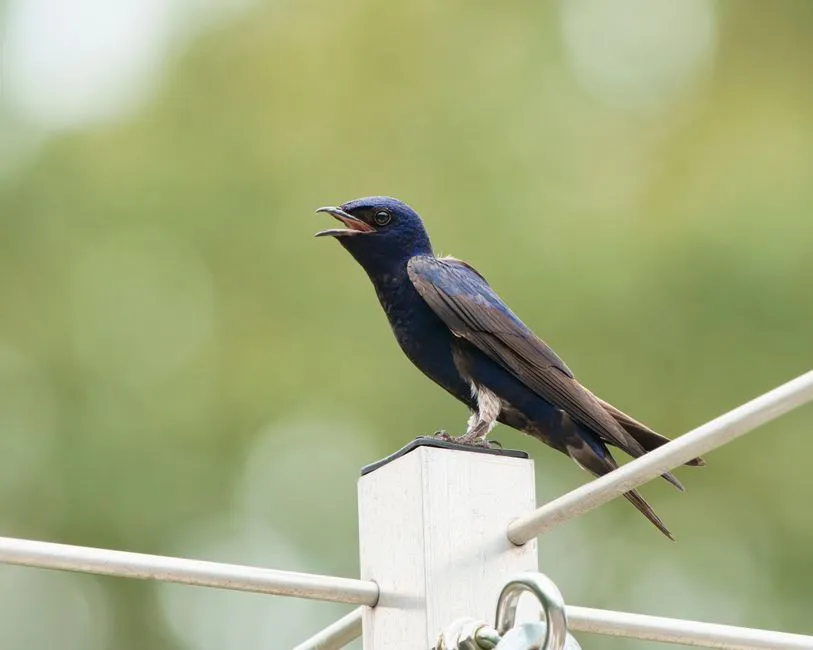
Purple martins, the largest swallow in North America, relied heavily on the multi-compartment martin houses that families across many regions proudly maintained in their yards. Fewer well-maintained houses today, combined with reduced insect prey, have cut their populations even in areas where people still put in the effort to host them.
These large, glossy-blue swallows were once a dramatic sight wheeling over small towns and farms in tight, chattering groups. Their decline is a sobering reminder that even a species humans actively try to help can still lose ground when the insects and habitat around it disappear.
#4 – Bobolinks Have All But Vanished From Hay Meadows
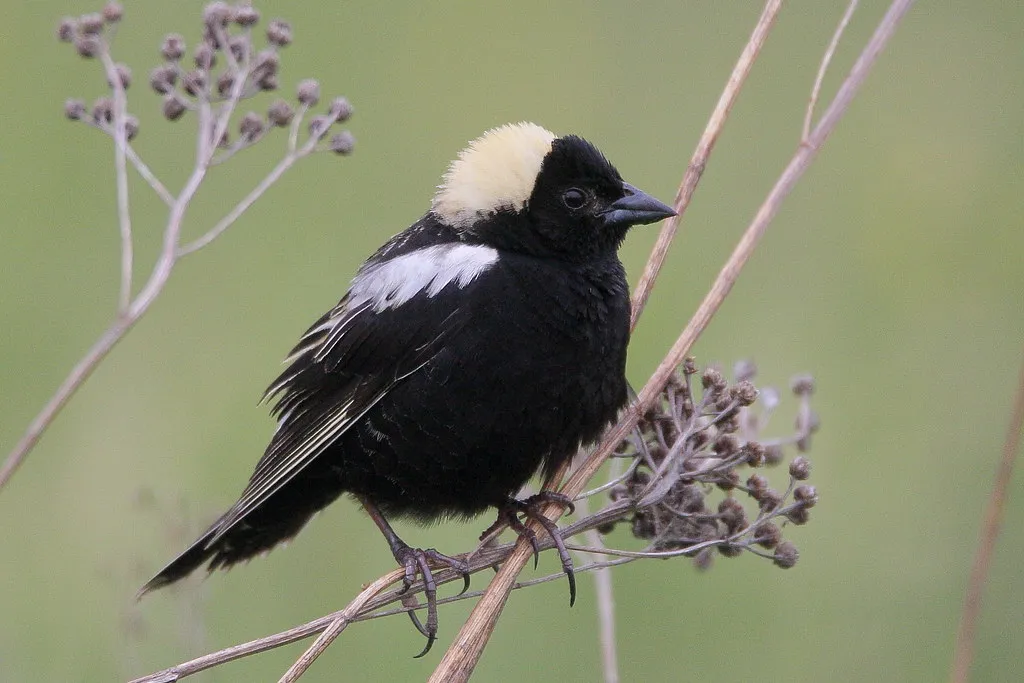
Bobolinks once bubbled their strange, mechanical-sounding song over northern hayfields in huge numbers, the males flashing a striking black-and-white pattern that looked almost backwards compared to most songbirds. Grassland conversion and increasingly early mowing schedules have eliminated most of the breeding habitat these birds depend on entirely.
These distinctive birds, sometimes called “skunk blackbirds” for their unusual coloring, were once completely routine across dairy country every summer. Their near-disappearance now stands as one of the most dramatic and fastest grassland losses on record.
#3 – Chimney Swifts No Longer Roost in Chimneys by the Thousands
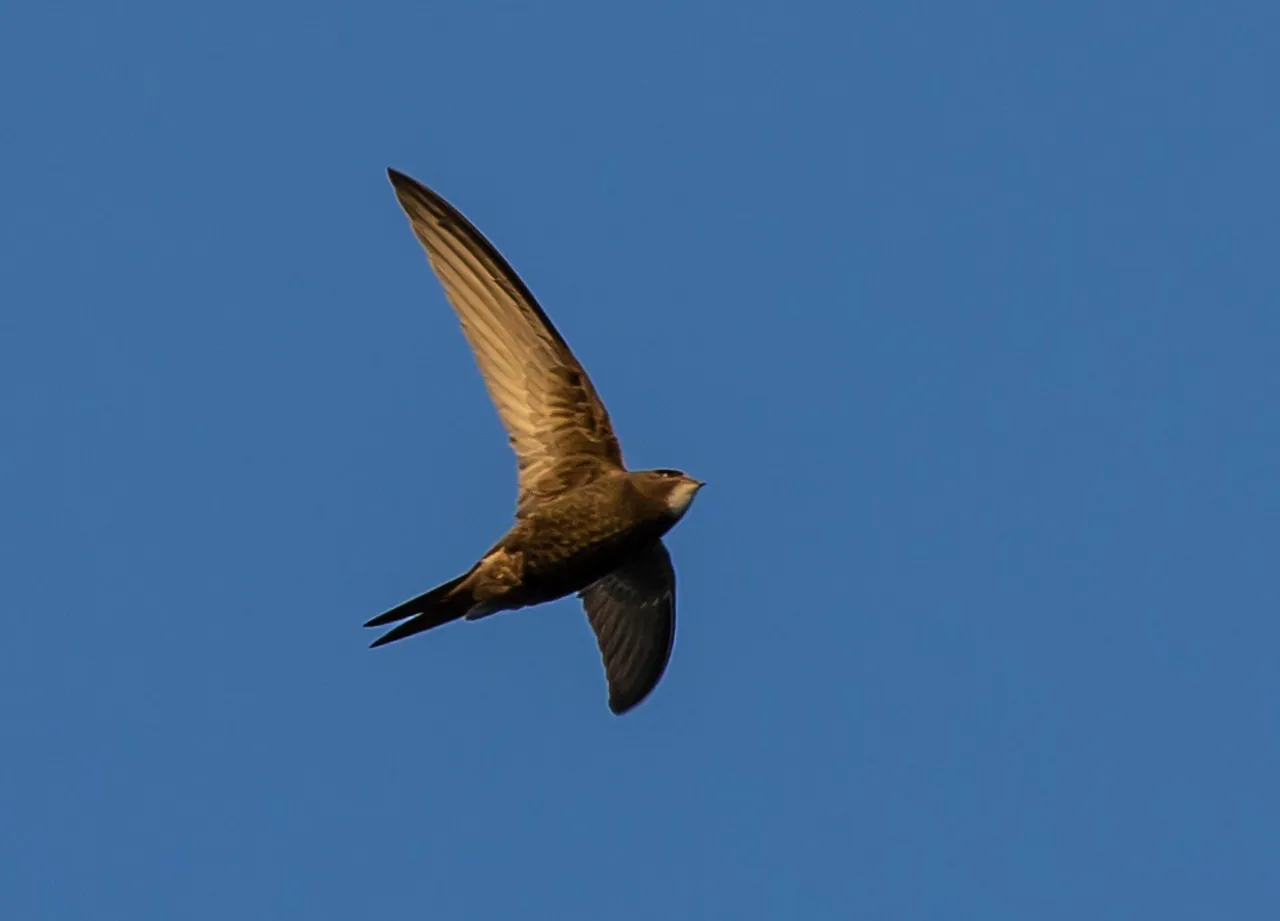
Chimney swifts screamed overhead in massive, swirling evening flocks before pouring into old brick chimneys like smoke running in reverse, a spectacle that once drew entire neighborhoods outside to watch. Modern chimneys lack the rough, uncapped interiors these birds need to cling to and nest inside, and steep insect declines have compounded the damage.
Known affectionately as “flying cigars” for their cigar-shaped bodies and stiff, fluttering wingbeats, they were a daily summer sight in countless towns not so long ago. Their loss now ranks among the steepest declines of any group of aerial insectivores on the continent.
#2 – Northern Pintails Have Become Uncommon on Prairie Ponds
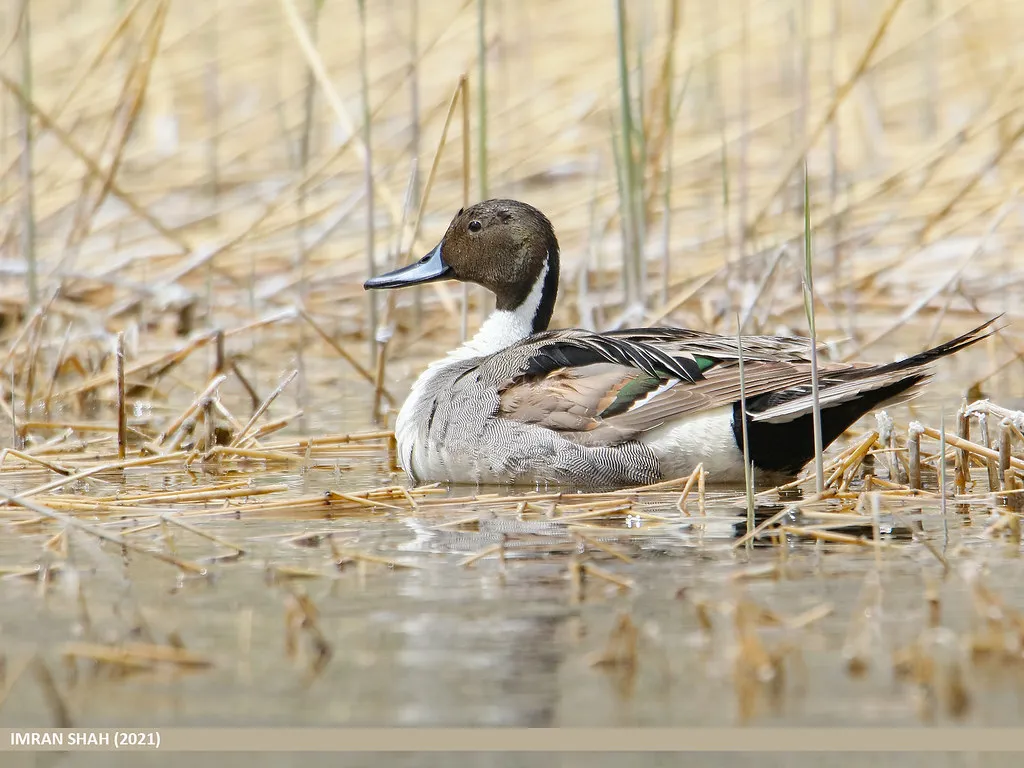
Northern pintails, with their sharp, elegant profile and long, needle-like tail feathers, once filled prairie wetlands in impressive numbers during both migration and breeding season. Wetland drainage and changing water regimes across the prairie pothole region have cut their populations sharply over the decades.
These graceful ducks were an entirely common sight for grandparents living and working across the American heartland, easy to spot on almost any pond or slough. Their decline adds another heavy weight to the waterfowl losses tucked inside the broader bird crisis.
#1 – Grassland Birds as a Group Have Lost More Than Half Their Numbers
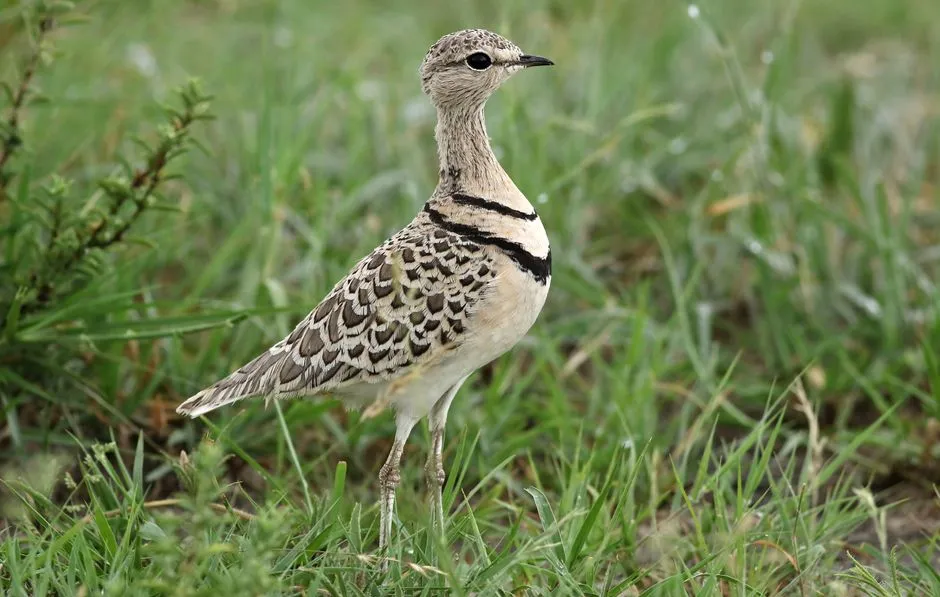
Grassland birds overall have suffered a staggering 53% population reduction since 1970 – the steepest habitat-based decline of any group on the continent. This category includes many of the species already covered here, plus others like dickcissels and Henslow’s sparrows that most people have never even heard of, let alone seen.
The conversion of native prairie into row crops, combined with modern industrial farming practices, removed the exact habitat these birds spent thousands of years evolving to use. Most people don’t realize that the birds which once defined the sound of open country are now the hardest hit of all, and this single group drives a genuinely enormous share of the nearly three billion birds gone.
At a Glance
- Grassland birds have lost 53% of their population since 1970
- The steepest habitat-based decline of any bird group in North America
- Includes meadowlarks, bobolinks, dickcissels, and Henslow’s sparrows
- Main driver: native prairie converted to row-crop agriculture
The Bottom Line
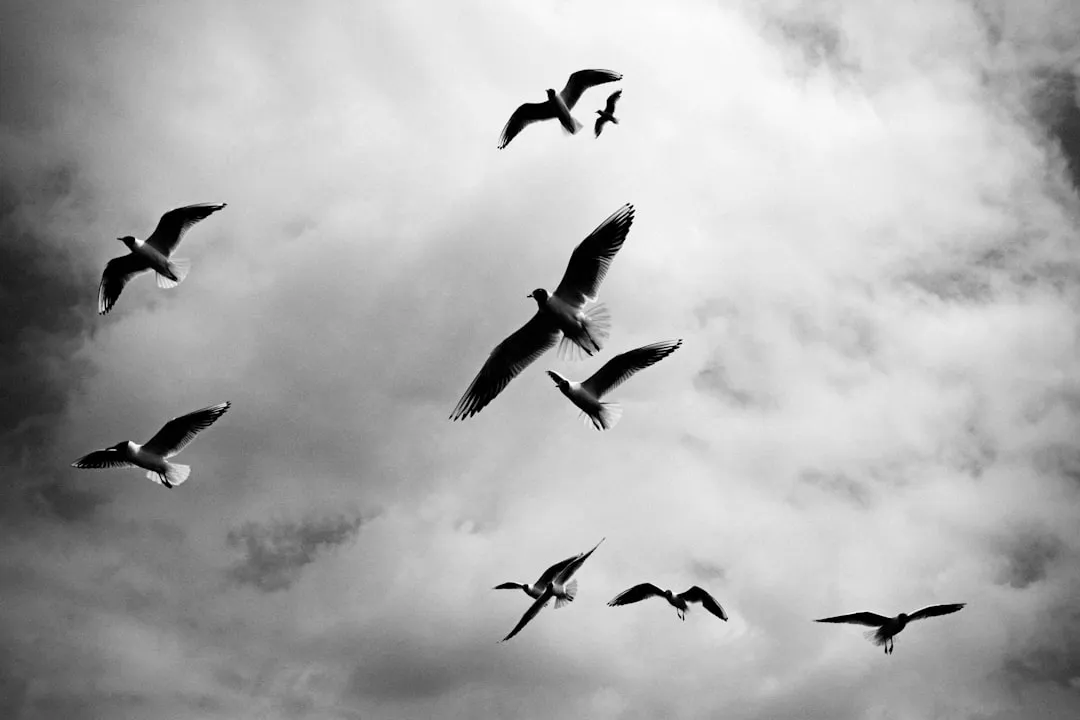
The evidence here isn’t subtle. The birds your grandparents saw daily – juncos crowding the feeder, meadowlarks singing from fence posts, swallows wheeling over the barn – have each declined by the hundreds of millions, not because they were rare or fragile, but because the ordinary habitats and insects underneath all of us quietly disappeared first. These weren’t fringe species clinging to some remote edge of survival. They were the backbone of North American birdlife, and their absence has already reshaped what a normal childhood outdoors even sounds like.
What bothers me most isn’t the number itself – it’s how invisible this collapse has been. Nobody watched three billion birds vanish in a single dramatic moment; it happened one quiet spring at a time, one missing song at a time, until an entire generation simply grew up not knowing what they were missing. Better land practices could bring some of this back, but only if enough people actually notice the silence first. Did we miss one of the birds you remember from your own childhood? Tell us which one in the comments – someone else probably remembers it too.
