

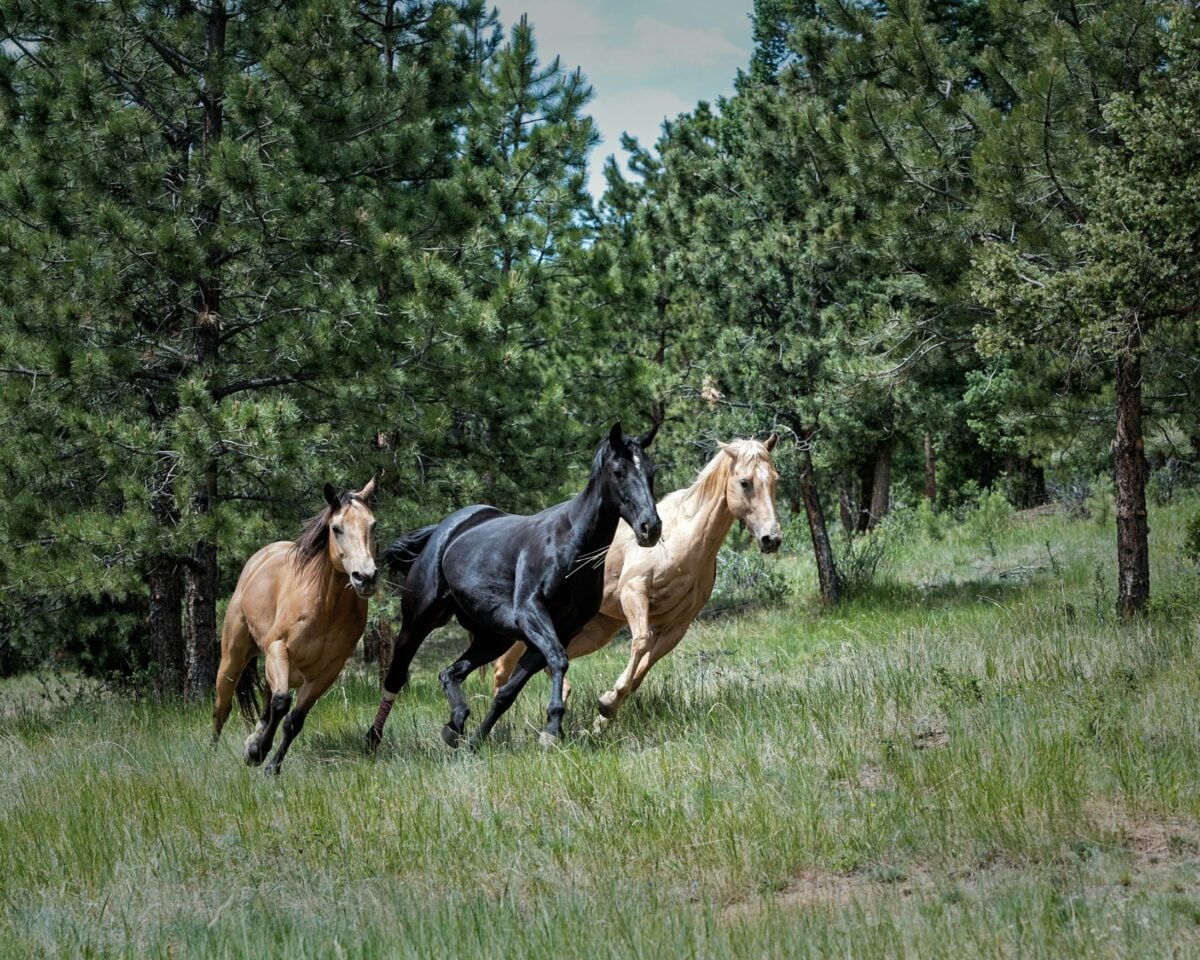
Most retirees walk into a horse viewing chasing a feeling: the sun-warmed daydream of a slow trail ride with a horse that just behaves. So they fall for the prettiest coat, the softest eyes, the breed name a friend once called “classic.” What almost nobody expects is that this exact instinct is what lands so many retirees in the ER, in debt, or back at the barn in tears within a year.
Equine vets and longtime trainers have watched this pattern play out so many times they can predict it before the trailer even leaves the driveway. It’s rarely the horse’s fault. It’s a mismatch between what a breed was built for and what a slower, steadier chapter of life actually needs. Here are the 19 breeds vets keep quietly steering retirees away from, and exactly why each one deserves a second look before anybody signs the check.
#1 – Thoroughbred
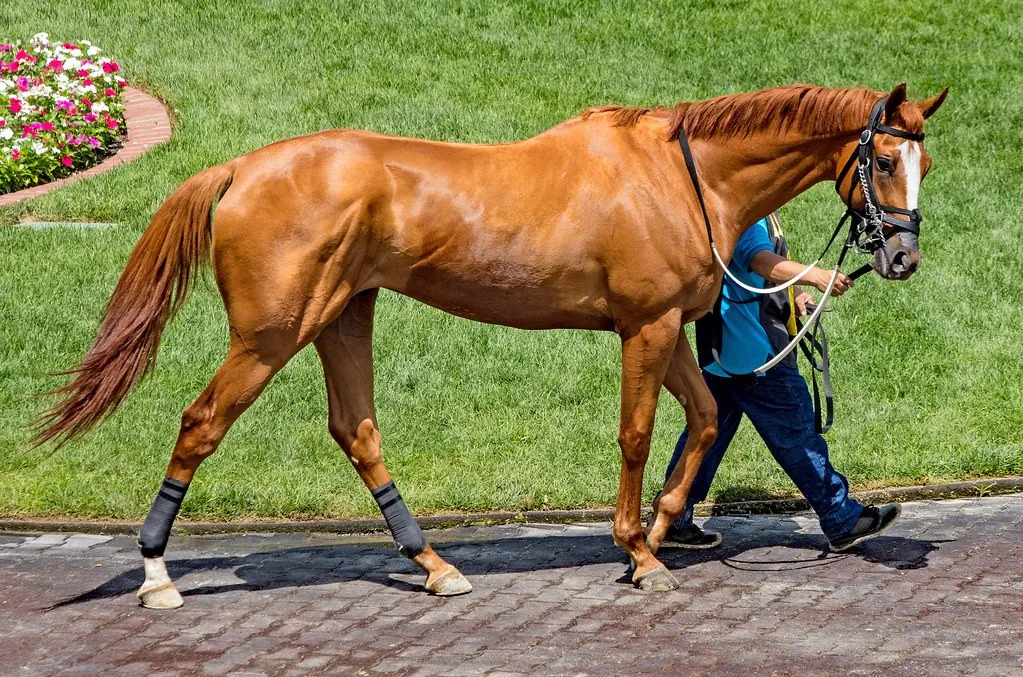
Thoroughbreds are gorgeous, athletic, and almost never designed with a retiree’s quiet Sunday trail ride in mind. Vets flag this breed first because of its racing pedigree: big, strong, fast, hot-blooded, and wired for endurance. That combination means a horse that reacts to every rustle in the bushes, every shift in weight, every hesitation in the rein.
The single most surprising fact: even a calm-natured Thoroughbred often needs daily turnout and serious exercise just to stay manageable, something few retirees can physically provide long-term. Add in a breed-wide tendency toward ulcers and joint wear from track days, and you’ve got a horse that demands more stamina from its owner than most 65-plus riders have left to give.
#2 – Young, Spirited Arabian
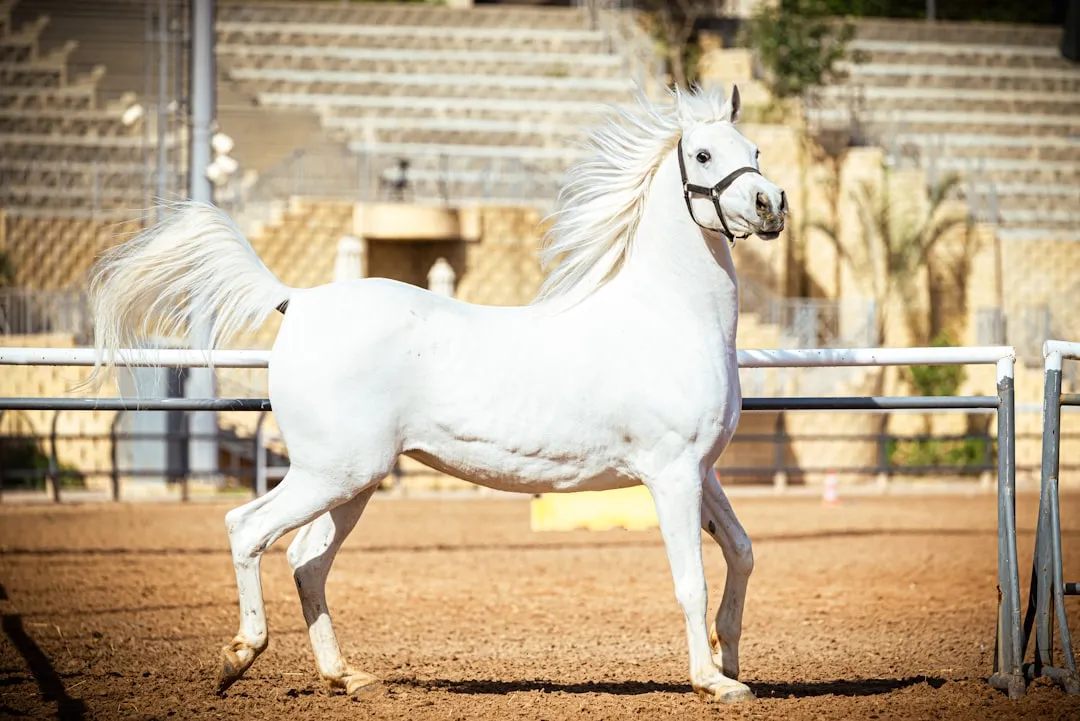
Arabians get pitched as elegant and loyal, and they are, but the breed’s factory setting is “alert,” not “relaxed.” They’ve been bred for generations to be sensitive to every little move of the rider, and that same trait that made them legendary desert companions makes them a lot to handle for a first-time senior owner.
A well-trained, older Arabian with decades of steady work can be a dream. But the young or lightly worked Arabian at a typical viewing is often a live wire in a refined package, quick to spook, quick to test a rider’s confidence, and quick to make a nervous retiree feel like they’re failing when really the horse just needs a more experienced hand.
#3 – Akhal-Teke
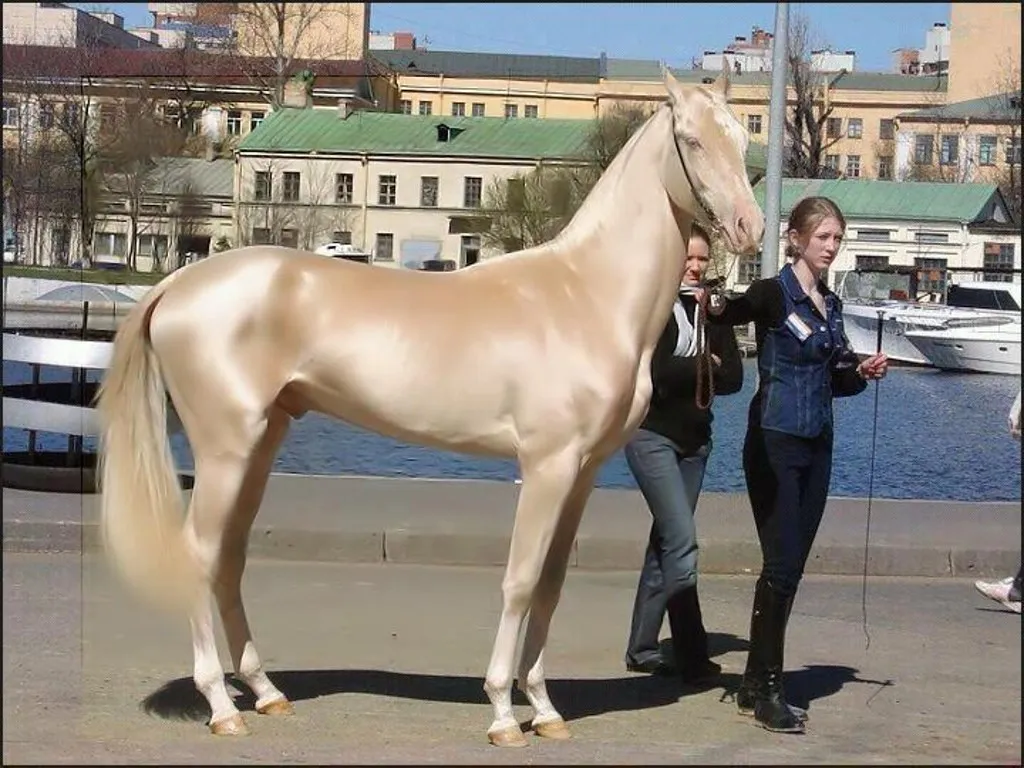
Few retirees have even heard of the Akhal-Teke, and vets say that’s part of the problem. This ancient desert breed is famous for its metallic, shimmering coat, but underneath that showstopping look is a horse built for endurance racing across brutal terrain, a nervous system wired for constant forward motion and heightened alertness.
The most surprising fact here: Akhal-Tekes bond so intensely with one handler that they can become genuinely difficult for a second person, like a spouse or grandchild, to manage safely. Vets also note the breed tends to be thin-skinned and sensitive to weather and insects, meaning more blanketing, more fly control, and more hands-on care than a retiree usually bargains for.
Fast Facts
- Origin: Turkmenistan, considered one of the oldest surviving horse breeds
- Typical height: roughly 14.2 to 16 hands
- Signature trait: a rare metallic sheen on the coat, unlike any other breed
- Bonding style: often deeply attached to a single handler, wary of newcomers
#4 – Anglo-Arab
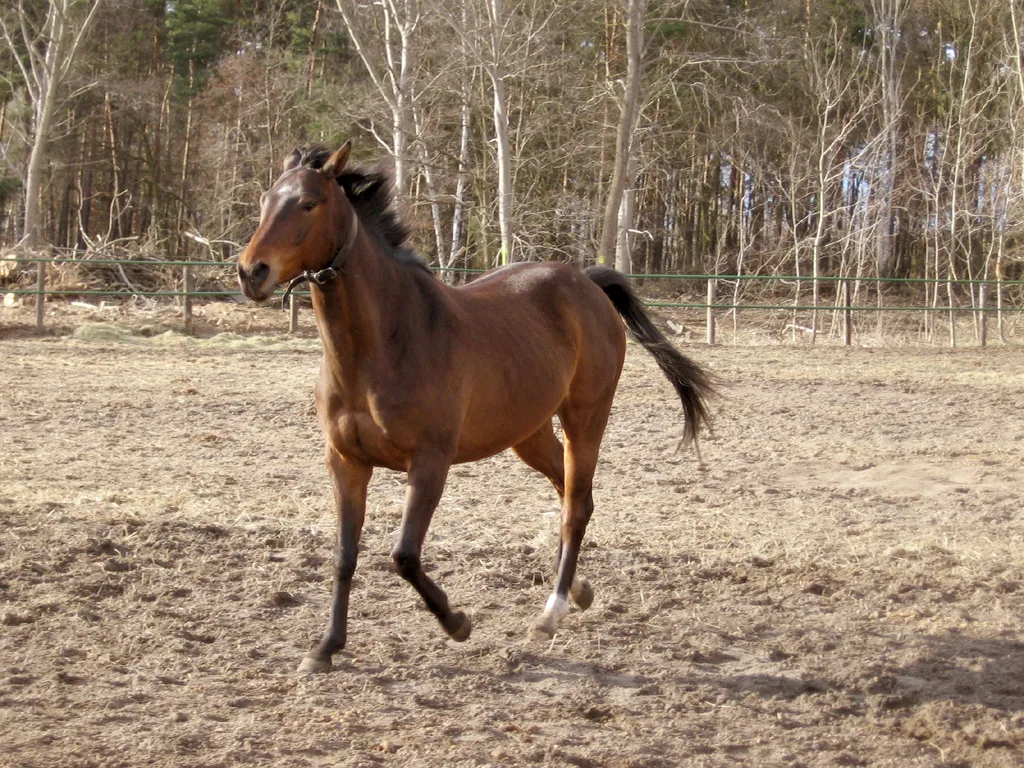
The Anglo-Arab was engineered to combine Thoroughbred speed with Arabian stamina, and that’s precisely why vets wave retirees off. Picture the high-strung tendencies of both parent breeds stacked on top of each other: athletic, quick-thinking, and often quicker to react than a rider expects after years away from the saddle.
Trainers describe the breed as “forward” almost to a fault, meaning it wants to go, go, go, even when the rider wants a gentle walk around the paddock. The single most surprising fact: Anglo-Arabs are frequently sold as “all-purpose” family horses, but that versatility usually assumes a confident, physically fit rider is doing the training. Without that, the breed’s energy has nowhere productive to go.
#5 – Barb
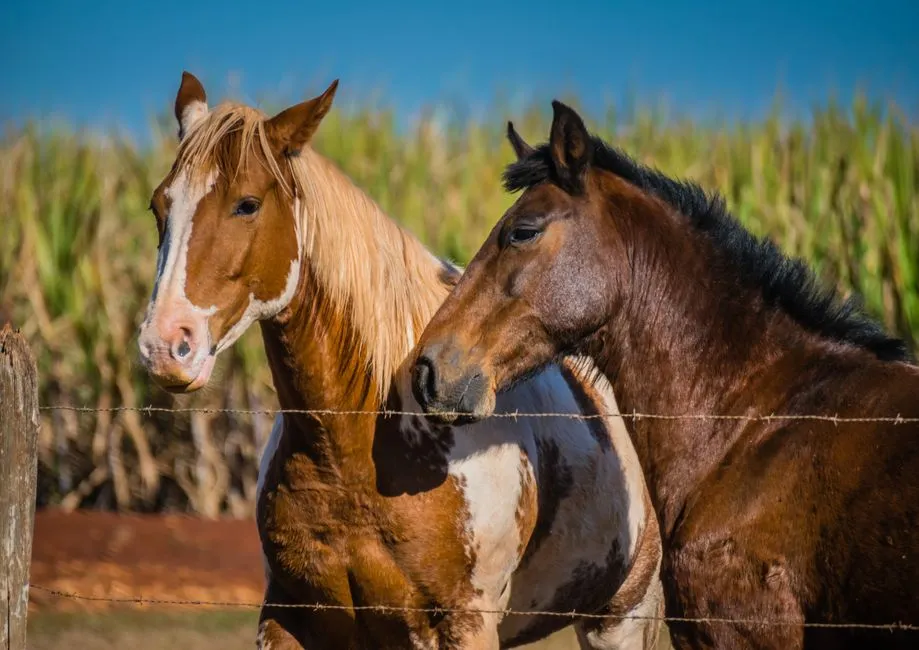
The Barb horse doesn’t get much airtime in America, but where it does show up, vets tend to raise an eyebrow for retirees. Originating in North Africa, this hot-blooded breed was built for speed and toughness over harsh terrain, not a leisurely afternoon hack, and it carries a reputation for being feisty and slow to fully settle even after years of work.
What surprises most first-time viewers: Barbs often look deceptively small and unassuming, which leads retirees to underestimate how much handling experience the breed actually requires. Size has nothing to do with temperament here, and vets say that mismatch catches people off guard constantly.
#6 – American Saddlebred
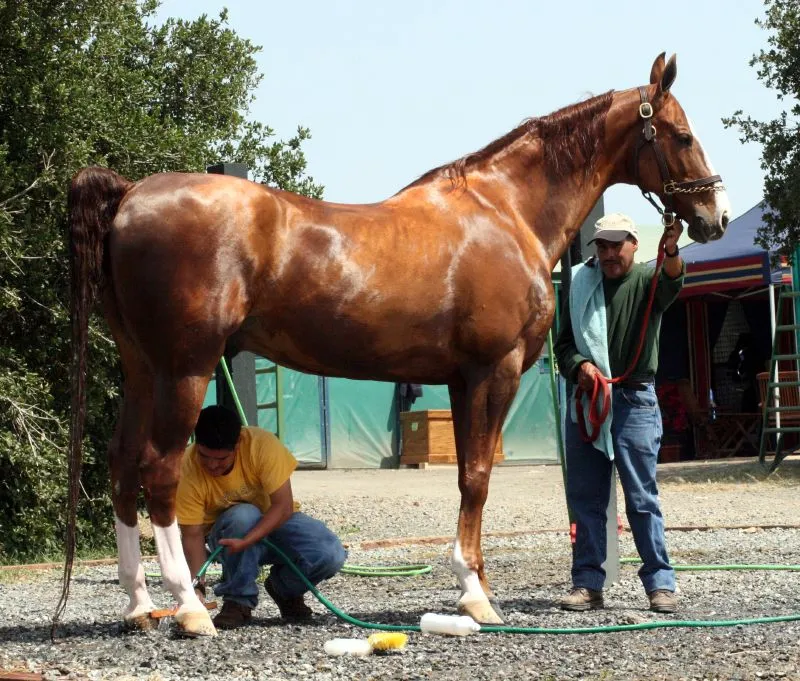
The American Saddlebred is a showring showstopper, and that’s exactly the problem for a quiet retirement barn. Generations of breeding pushed for flash and presence in the show ring, meaning a nervous system tuned for expression, not relaxation, sensitive to every little move of the rider.
The most surprising fact: many Saddlebreds are still bred and trained specifically to react to light rein and leg cues, so what feels like a gentle nudge to an experienced rider can send an untrained retiree’s horse into an unplanned trot or prance. That sensitivity is a feature in the show ring and a genuine hazard for someone who just wants a calm trail companion.
#7 – Hackney
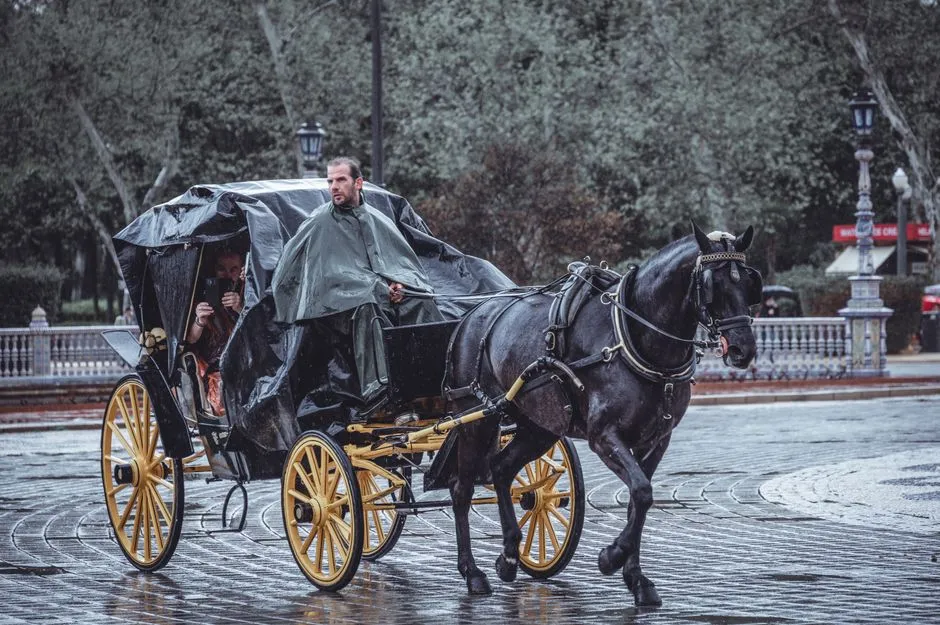
The Hackney is arguably the breed vets are most blunt about, and it’s not even really a riding horse to begin with. This carriage pony was built to be flashy, small, and dainty, capable of pulling a small carriage well but never meant to carry much weight under saddle. One longtime trainer says they wouldn’t suggest a Hackney for any kind of riding at all.
That combination of tiny frame and enormous energy is a strange one for retirees to encounter at a viewing. It looks like a manageable, pony-sized option, but the single most surprising fact is that Hackneys were essentially never bred with a calm adult rider in mind, only flashy carriage work. Vets say the gap between expectation and reality here is bigger than almost any other breed on this list.
#8 – Hanoverian
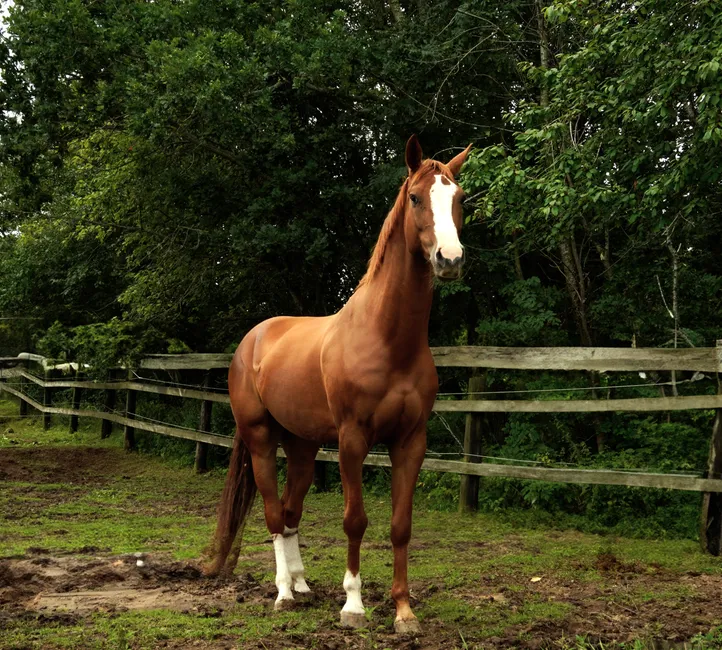
The Hanoverian is a favorite in elite dressage and show jumping circles, and that pedigree is exactly why vets steer retirees elsewhere. Even elite riders spend serious time in the gym building the core strength needed to follow this breed’s massive, suspended movement, and a novice rarely has the fitness or balance to “stick” it.
That’s a demanding physical ask for anyone, let alone a retiree managing joint stiffness or reduced core strength. The most surprising fact: it isn’t the Hanoverian’s temperament that trips people up so much as its sheer physical power. Vets say this is a breed to admire from the rail, not necessarily to climb aboard casually.
#9 – Dutch Warmblood (KWPN)
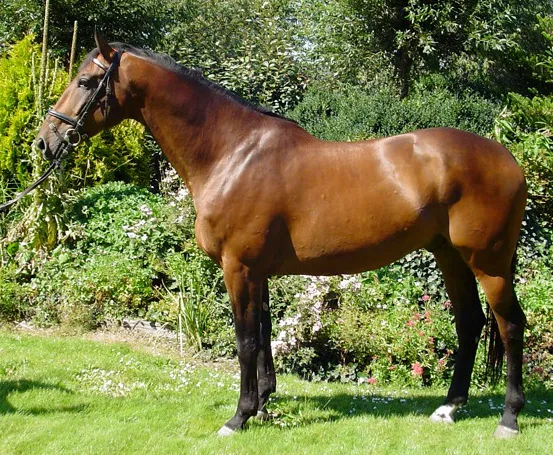
Dutch Warmbloods dominate international sport horse competition, and that same athleticism makes them a tough match for a retirement barn. Bred for big, ground-covering gaits and jumping scope, they carry enormous power in every step, power that doesn’t disappear just because the horse is asked to walk quietly around an arena.
What catches most retirees off guard: Dutch Warmbloods are often marketed as “amateur-friendly,” which can be true for confirmed amateurs with years of lesson experience, but that label rarely applies to someone just returning to riding after a long break. Size, stride length, and sensitivity add up fast.
#10 – Trakehner
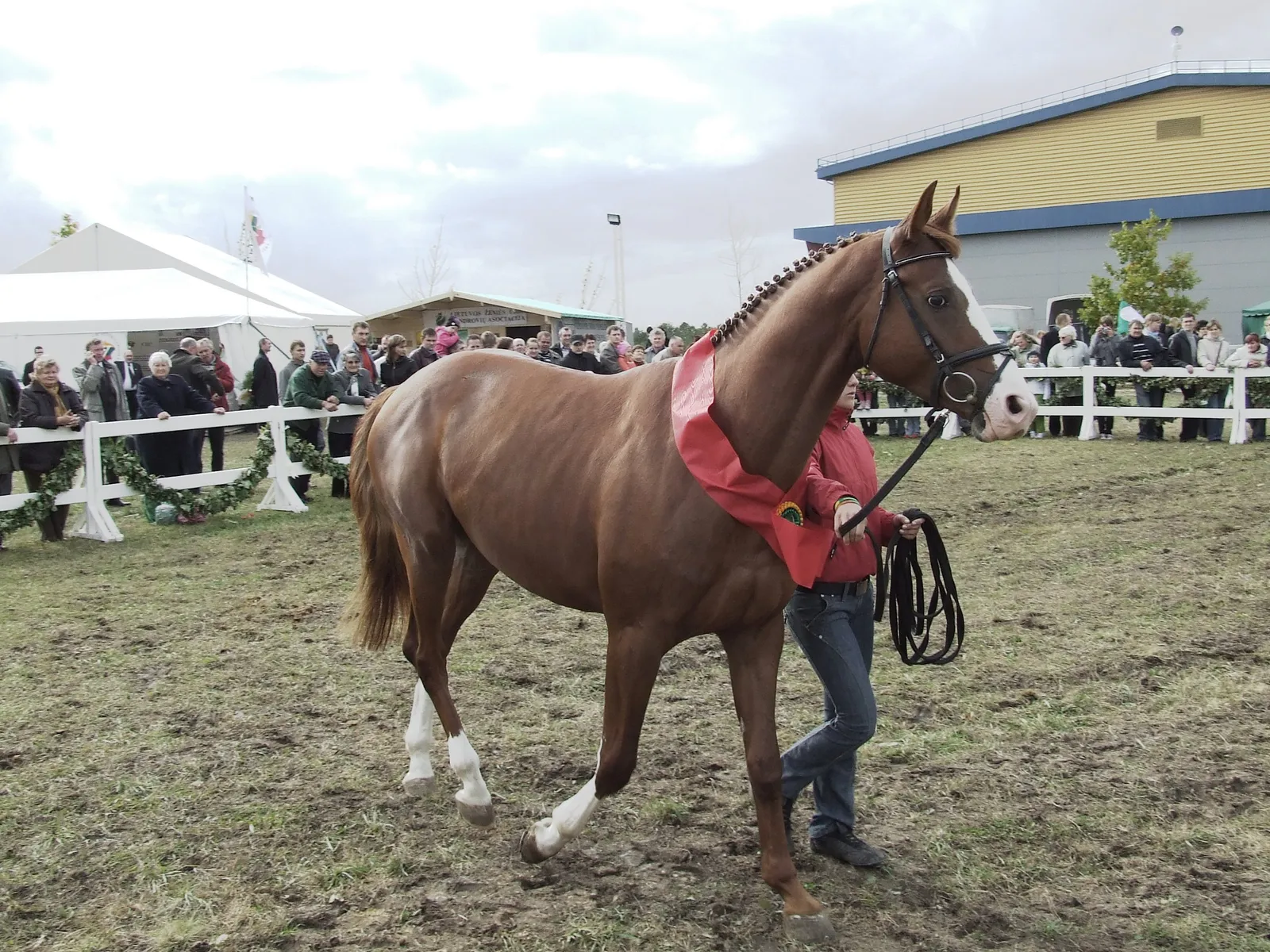
The Trakehner carries Thoroughbred blood in its lineage, and that heritage shows up in spades when it comes to temperament. Developed for both military service and modern sport, it’s athletic, quick, and mentally sharp almost to a fault, noticing tiny shifts in a rider’s balance or mood and responding immediately, sometimes dramatically.
The single most surprising fact: Trakehners are often described by vets as needing a “job” to stay mentally settled, meaning a horse left standing in a paddock without regular structured work can actually become more anxious, not less. That’s the opposite of what most retirees are hoping to provide.
#11 – Oldenburg
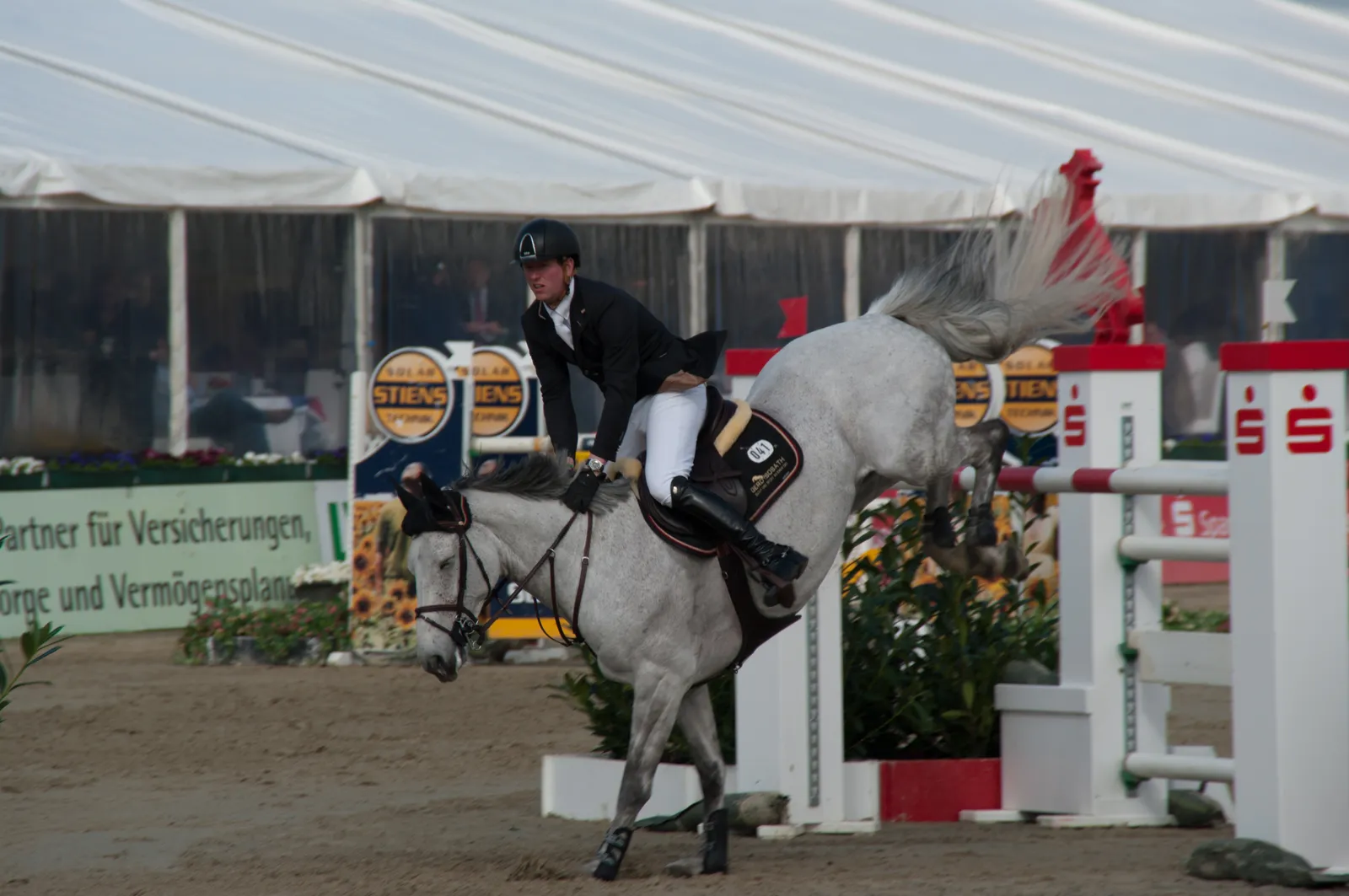
The Oldenburg is another warmblood built almost entirely for the show ring, and vets say that purpose-built design doesn’t translate well to leisure riding. Bred heavily for size and the kind of expressive trot judges reward in dressage arenas, many stand well over 16 hands, which sounds impressive at a viewing but becomes a real physical challenge for mounting and ground handling.
Here’s the controversial opinion vets don’t hesitate to share: while Oldenburgs are marketed as versatile family horses, many trainers argue that label is more about sales than suitability, and the breed is genuinely one of the most physically demanding “family” options on the market. Height alone rules out plenty of retirees before temperament even enters the conversation.
Quick Compare
- Hanoverian: elite dressage and jumping power, huge suspended gaits that demand serious rider core strength
- Dutch Warmblood (KWPN): explosive, ground-covering athleticism marketed as “amateur-friendly” but built for experienced hands
- Oldenburg: often the tallest of the three, an expressive showring trot paired with real mounting and handling challenges
#12 – Selle Français
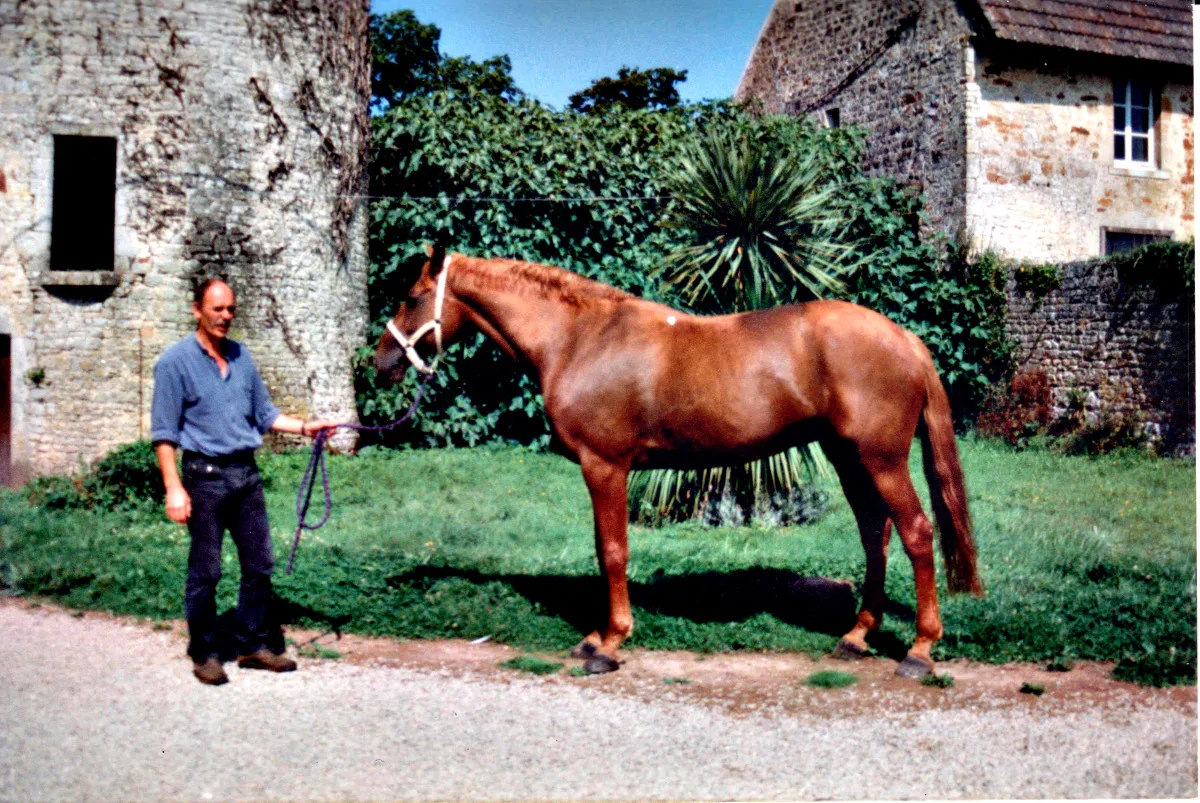
The Selle Français doesn’t get discussed as often stateside, but European vets flag it constantly for the same reasons as its warmblood cousins. Developed in France for high-level jumping and eventing, it combines size, power, and a competitive drive that doesn’t downshift easily into casual retirement riding. Many carry a noticeable “hot” streak inherited from Thoroughbred bloodlines, going from relaxed to revved up faster than expected.
What surprises most first-time buyers: the breed’s athleticism means it often needs a genuinely demanding job, jumping courses, cross-country work, real mileage, to stay content. Without that outlet, Selle Français horses can become restless, and restless plus powerful is a difficult combination for anyone without an experienced rider’s toolkit.
#13 – Clydesdale
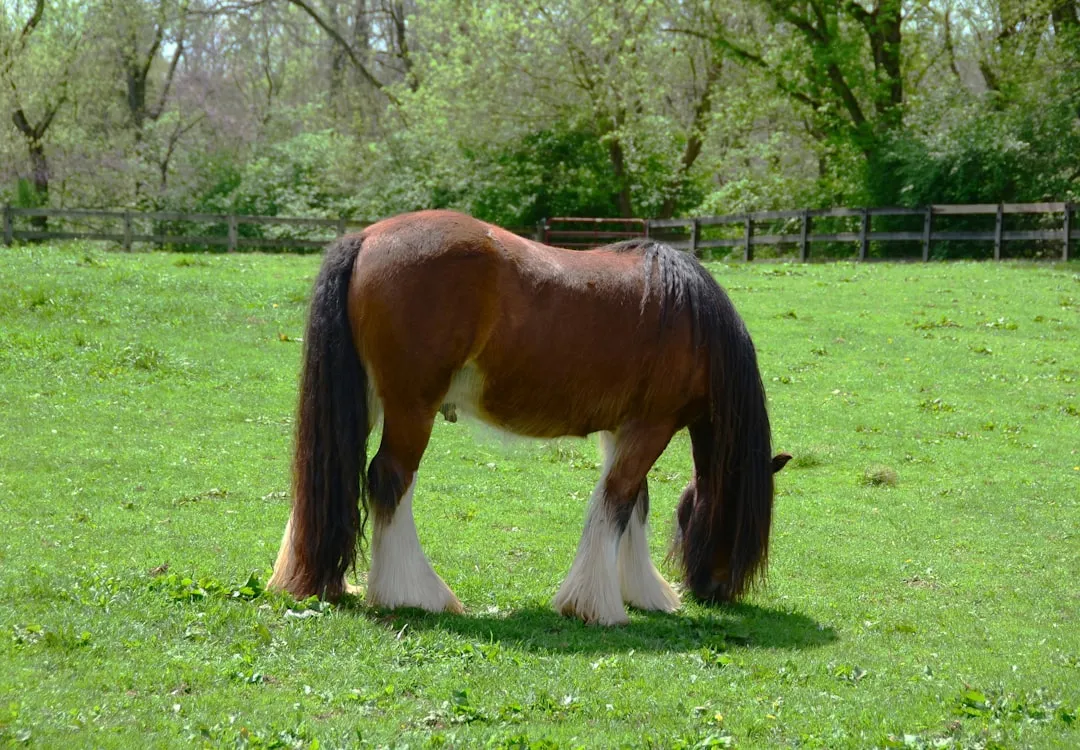
Clydesdales are beloved for parades and beer commercials, but vets say the gentle giant reputation only tells half the story for retirees. Some draft horses are so wide that only tall people with long legs are comfortable and effective on them, and mounting a horse close to 18 hands requires a mounting block, strong balance, and confidence many retirees simply don’t have anymore, regardless of the horse’s sweet personality.
The single most surprising fact: Clydesdales come with outsized veterinary bills too, from specialized farrier work on their enormous feet to a genetic predisposition toward a painful skin condition on their feathered lower legs. Vets say the ongoing grooming and hoof care alone can overwhelm a retiree who wanted a low-maintenance companion.
#14 – Shire
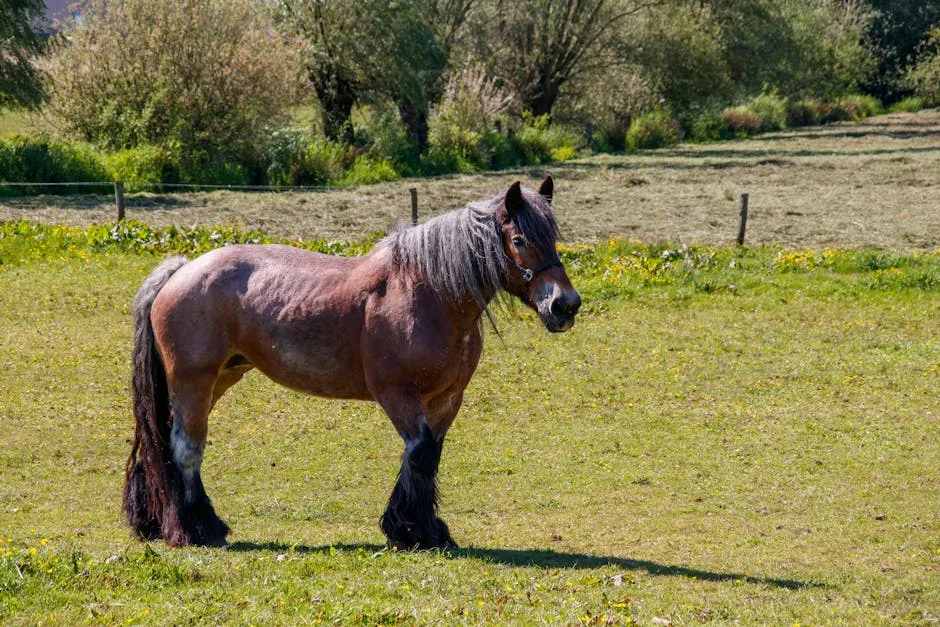
If Clydesdales give vets pause, Shires push that concern even further, since they’re among the tallest horse breeds on earth. These gentle English drafts were bred to pull enormous loads, meaning bone, muscle, and sheer mass far beyond anything a retiree typically handles comfortably. Feeding alone becomes a bigger commitment than people expect, since a horse this size can need significantly more hay and grain than a standard riding horse.
What most retirees don’t realize until it’s too late: Shires are prone to the same lower-leg skin issues as Clydesdales, plus joint stress from carrying their own bodyweight as they age. Handling a horse this large safely from the ground, not just riding it, becomes the real daily challenge.
Worth Knowing
- Draft breeds like Shires can require noticeably more hay and grain daily than a standard riding horse
- Farrier visits often cost more due to oversized hooves and specialized shoeing
- Feathered lower legs need extra grooming to prevent painful skin conditions
- Mounting safely usually requires a sturdy block plus solid hip and knee flexibility
#15 – Percheron
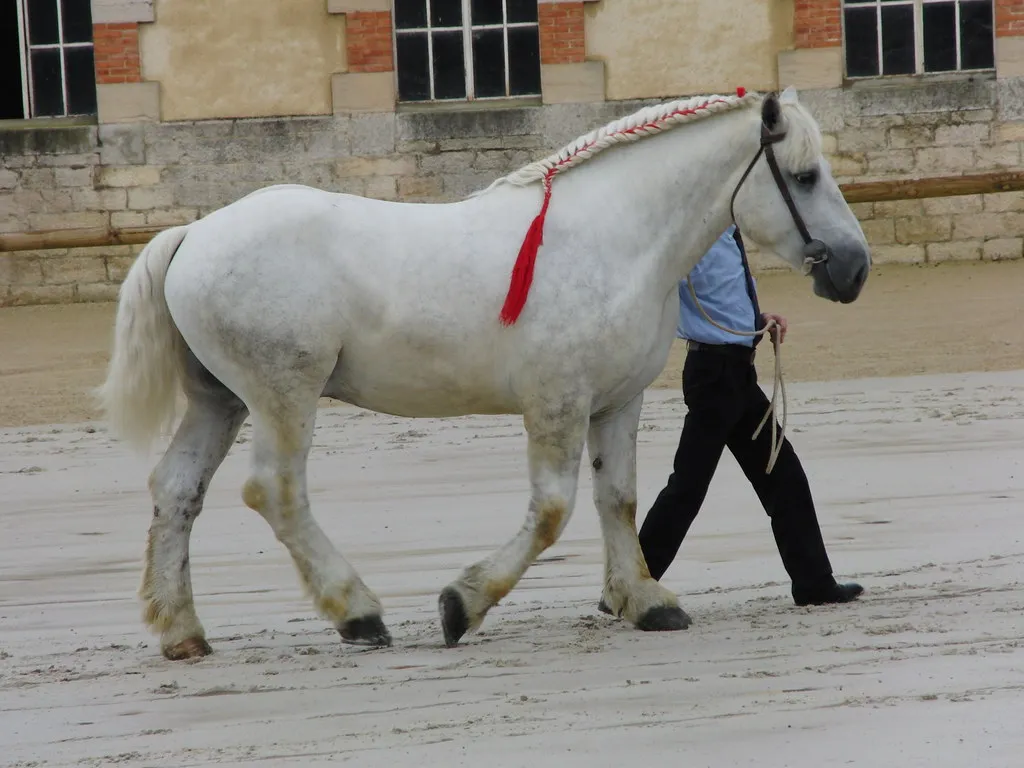
Percherons are calmer than many draft breeds, which is exactly why they trick unsuspecting retirees into thinking size won’t be an issue. That calm temperament is real, but it doesn’t change the physics of a horse that can weigh close to a ton. Every aspect of daily care scales up: bigger stalls, bigger trailers, bigger vet bills for routine work.
The most surprising fact vets bring up: Percherons age into joint problems earlier than many riding breeds simply because of the strain their own size puts on their legs over decades, meaning a retiree hoping for a long-term companion may face mobility issues in the horse itself sooner than expected. Bigger isn’t always better when everyone involved, horse included, is getting older together.
#16 – Belgian Draft
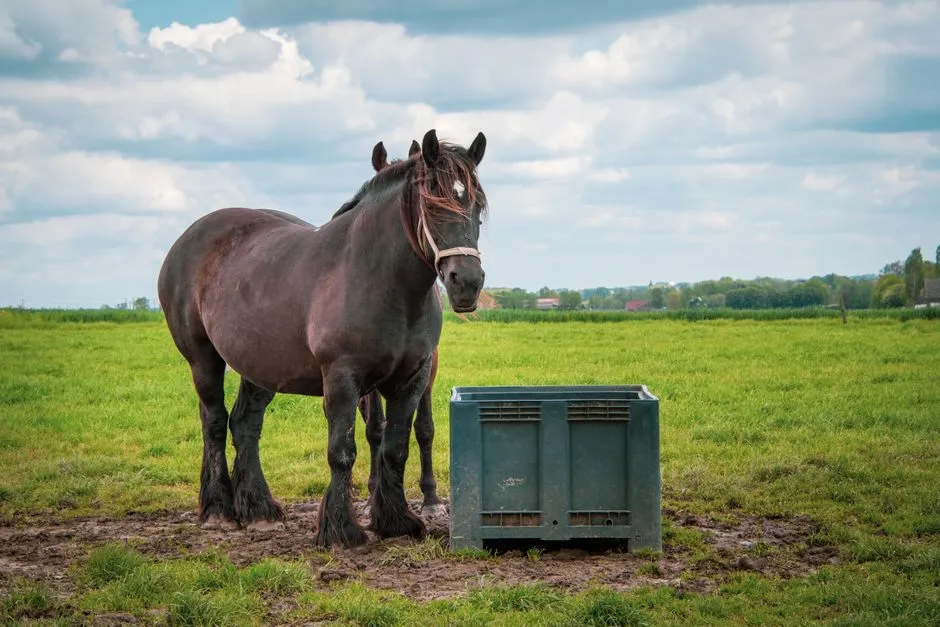
The Belgian Draft is America’s most popular heavy horse, and vets say that popularity sometimes masks just how demanding the breed really is. Bred for farm work and heavy pulling, Belgians carry incredible raw strength, wonderful in a working context and genuinely intimidating for someone with less physical strength than they used to have. Even a well-mannered Belgian can accidentally overpower a handler simply by leaning or reacting slowly to a lead rope tug.
Here’s the opinion that tends to spark debate: many trainers argue Belgians make far better companions for younger, physically robust owners or for driving work than for retirees seeking a riding horse, despite their reputation as “gentle giants.” Gentle temperament doesn’t cancel out sheer physical mass when things don’t go as planned.
#17 – Mustang (Wild-Caught or Recently Gentled)
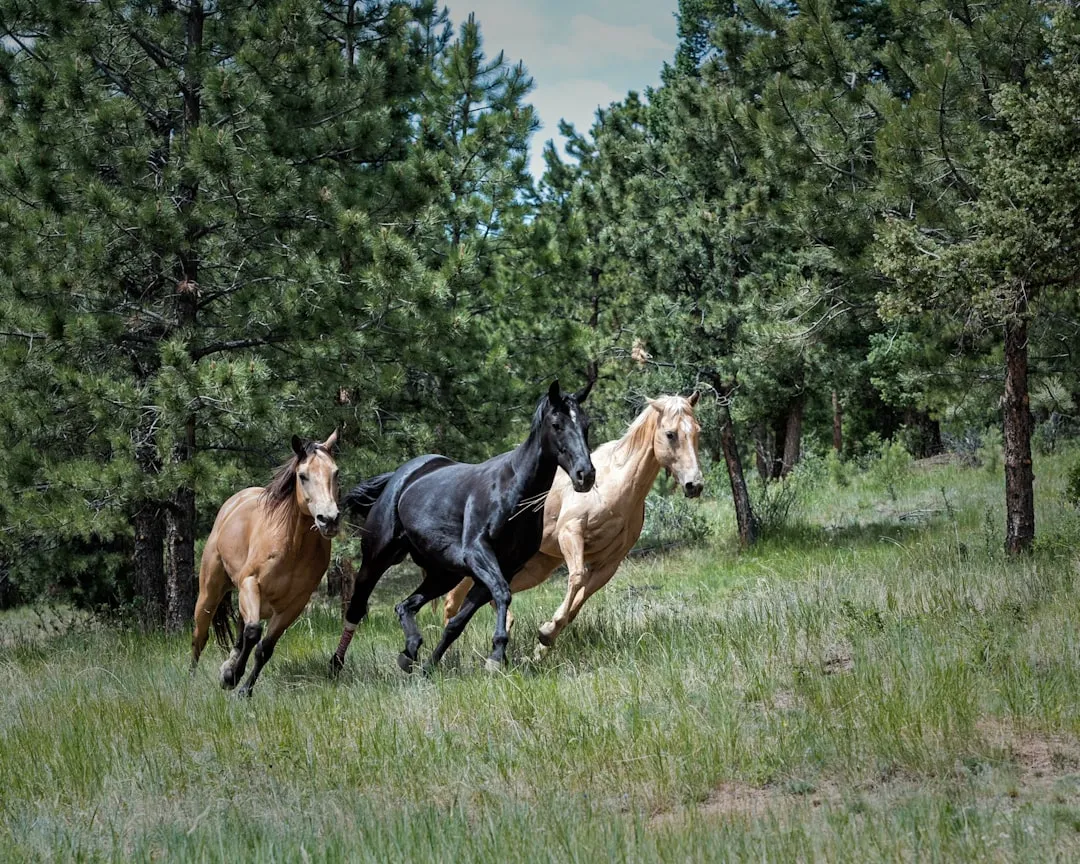
Mustangs capture hearts with their rugged, freedom-loving story, but vets are consistently direct about why they’re a poor fit for most retirees. Even ones captured through adoption programs often carry minimal handling and little to no formal riding training, so the horse at the viewing may look calm standing in a pen but react completely differently once haltered, saddled, or asked to load into a trailer.
The single most surprising fact: starting an undertrained Mustang from scratch typically requires months of consistent, skilled groundwork, work most professional trainers charge premium rates for precisely because it takes real expertise and physical resilience. Vets say retirees drawn to the “rescue a wild horse” narrative often underestimate just how much training debt comes attached to that romantic story.
At a Glance
- Most adoptable Mustangs come through government wild horse adoption programs
- Adoption fees are often low, but training investment afterward can be substantial
- Age at capture heavily affects how quickly a horse can be safely trained
- A calm-looking Mustang in a pen can still react unpredictably to tack or trailers
#18 – Off-Track Standardbred
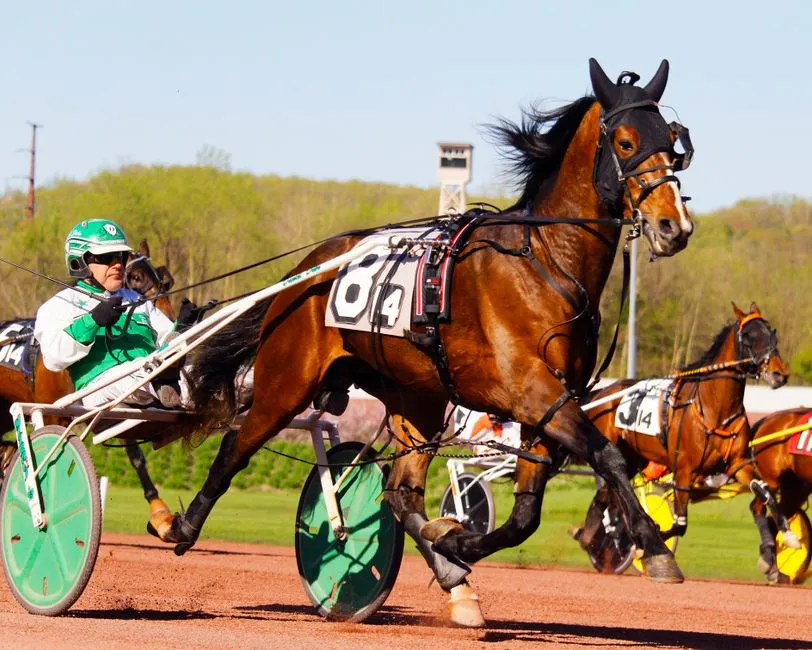
Retired harness racers get pitched as calm, steady options, and sometimes they are, but vets caution that “off-track” doesn’t automatically mean “retirement ready.” Standardbreds spend their racing careers pacing or trotting at speed in a harness, not carrying a rider under saddle, so many need extensive retraining before they’re safe for casual riding.
What surprises retirees most: a freshly retired Standardbred can look perfectly relaxed grazing in a paddock and still feel like driving a car with no brakes the first time it’s asked to canter under saddle. Vets recommend this breed only after a professional has spent real time re-establishing basic riding cues, something a retiree touring a farm rarely gets to see in advance.
#19 – Young, Untrained Andalusian
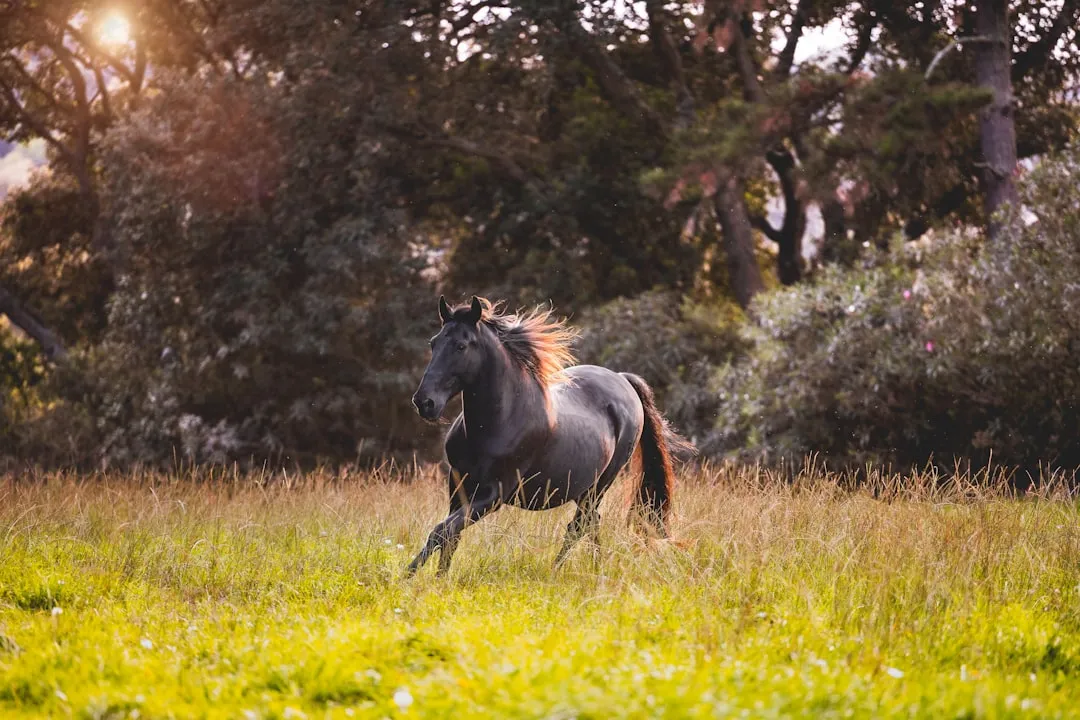
Saved the biggest surprise for last: the Andalusian, one of the most romanticized breeds in the world, tops many vets’ private “not for retirees yet” list when the horse in question is young or lightly started. Andalusians are often better suited for dressage, a discipline that demands exactly the kind of rider fitness, balance, and experience most beginners and returning retirees haven’t rebuilt yet.
The most surprising fact of all: a young Andalusian’s beauty and calm ground manners at a viewing often mask a horse that hasn’t yet learned to carry a rider through transitions smoothly. The real test comes later, under saddle, at home, without a trainer standing by. Vets consistently say the breed shines brightest for retirees only once it’s been under saddle for years with a skilled hand doing the early work.
The Bottom Line
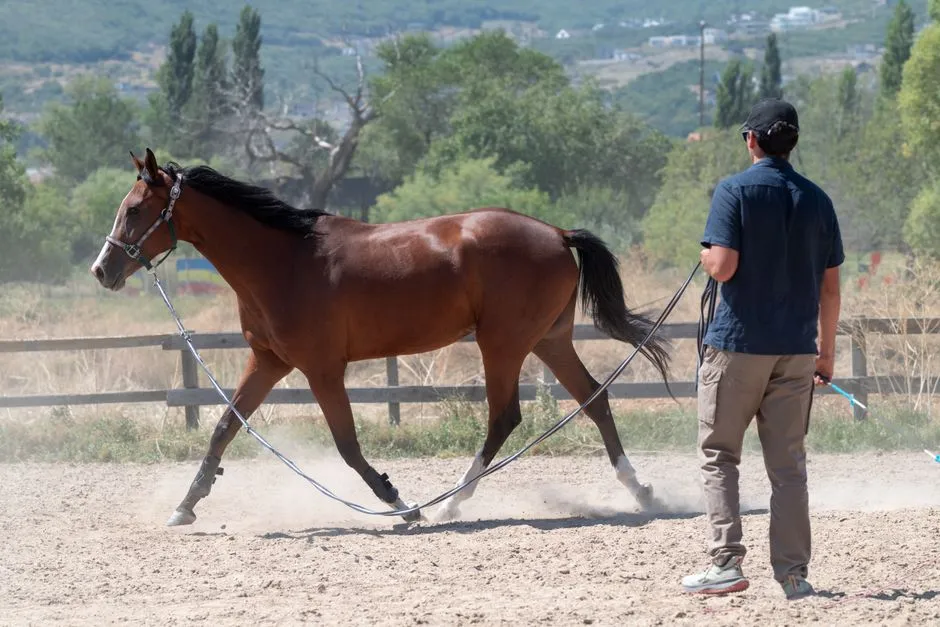
Across every single breed on this list, the pattern repeats itself: flash, speed, size, or lack of training almost always outweighs a pretty face at the viewing. Hot-blooded breeds like the Thoroughbred and Akhal-Teke bring energy that never fully switches off. Draft giants like the Shire and Clydesdale bring physical scale that turns simple daily care into a genuine workout. Warmbloods and undertrained rescues demand fitness and expertise most retirees have already left behind.
There is no secret so close as that between a rider and his horse.
Robert Smith Surtees
That secret only works when the horse and the rider’s stage of life actually match. Nobody should feel foolish for falling for a beautiful animal, that’s simply how horses get us every time. But the smartest move isn’t avoiding horses altogether, it’s choosing an older, seasoned, already-calm individual over a flashy breed name, no matter how tempting the photos look online. Which breed on this list actually surprised you the most? Drop your pick in the comments.
