

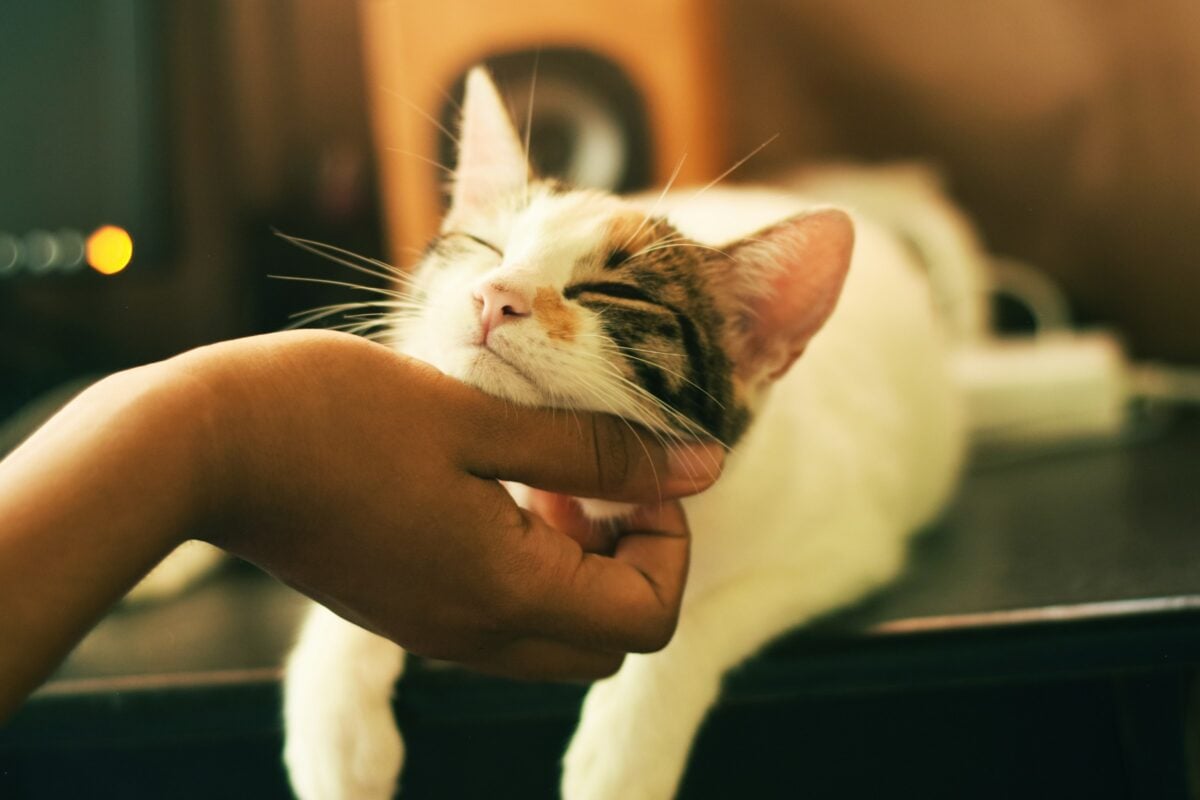
Everyone assumes a rescue cat has “settled in” the moment it stops hiding under the bed. That assumption is wrong, and it’s the reason so many adopters feel quietly heartbroken, convinced their cat “never really bonded” with them.
The truth is stranger and more hopeful than that. Real trust in a former shelter cat doesn’t show up as a dramatic personality switch. It shows up in tiny, almost invisible shifts that most owners walk right past every single day. Once a rescue cat finally decides, “this is my place, these are my people,” its body starts telling on it in ways it can’t fake. Here are the 19 quiet signals that mean your rescue has stopped surviving your home and started living in it.
#1 – The Hiding Spots Start Gathering Dust

The first sign isn’t something your cat starts doing. It’s something it quietly stops doing. That emergency bolt-hole behind the washing machine, under the couch, or deep in the closet suddenly sits empty for days at a time.
In the early months, almost every rescue cat keeps one or two “panic rooms” it disappears into at the slightest noise. When those hiding spots stop getting used, it’s not laziness, it’s a confidence upgrade. Your cat is basically telling you, “I don’t need a bunker anymore.” You might still see a quick dash during thunderstorms or new visitors, but it’s no longer their default setting.
- They linger in shared spaces longer, even when things get noisy.
- Startle events cause a quick flinch, not a full evacuation.
#2 – They Sleep Like They Don’t Have to Survive Anymore
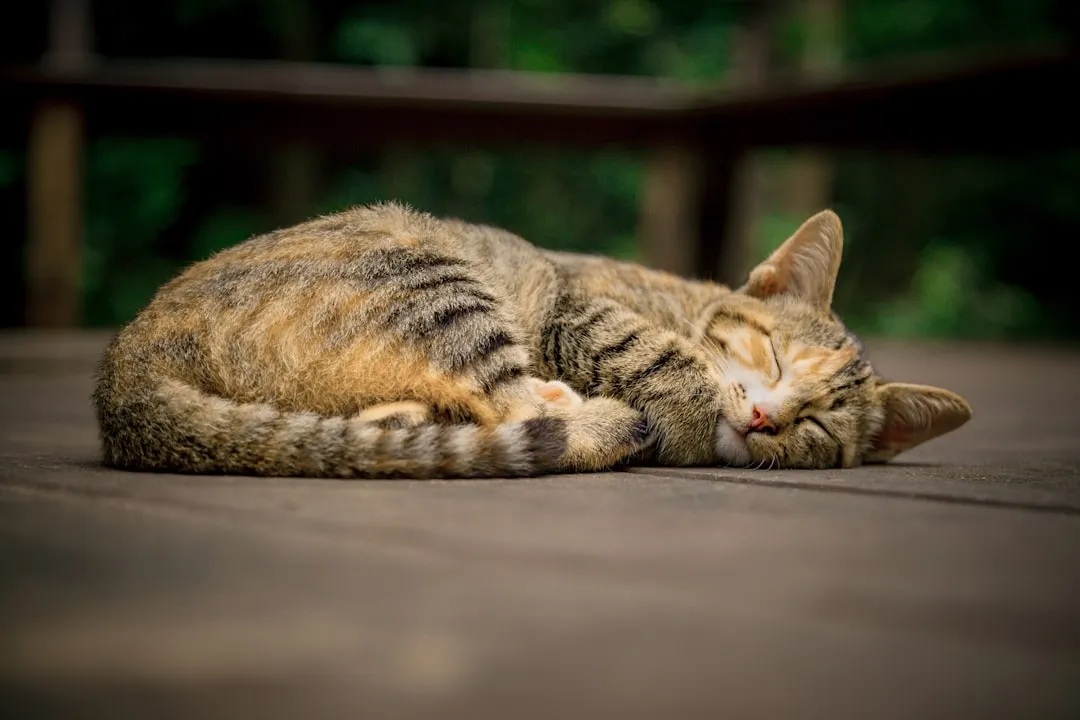
A cat that still feels temporary sleeps like a soldier on watch: curled tight, half-alert, always angled toward an exit. A cat that feels permanent sleeps like it owns the place, sprawled flat, belly up, paws twitching in some ridiculous dream.
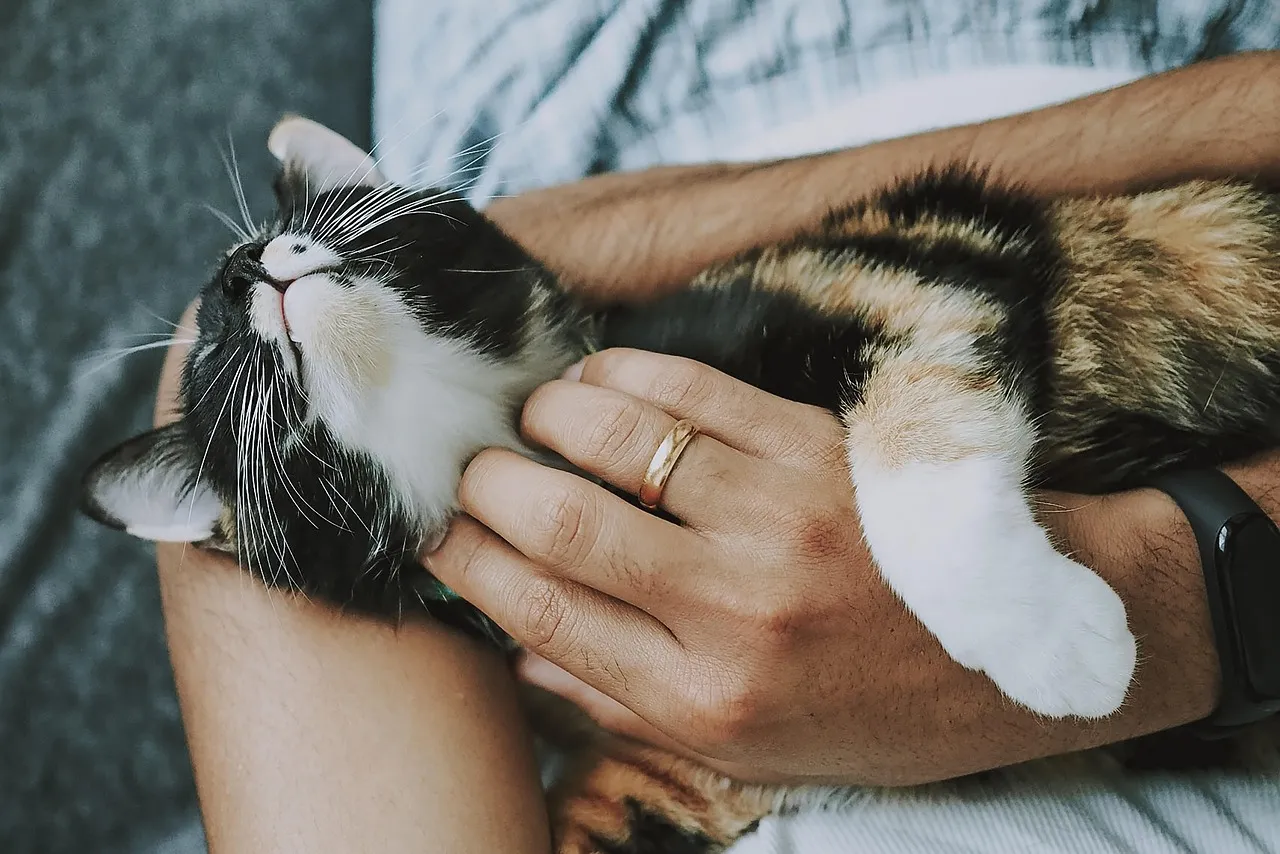
That exposed belly isn’t really an invitation for pets. It’s a biological confession that your cat doesn’t expect anything bad to happen. They’re literally putting their most vulnerable parts on display in the middle of your living room floor, which is not a decision any prey animal makes lightly.
Cats are connoisseurs of comfort.
Roger Caras
- Longer naps in high-traffic areas like the hallway or the couch.
- Almost no “startle awake” reaction to doors closing or footsteps nearby.
#3 – The Slow Blinks Turn Into Full-On Eye Conversations
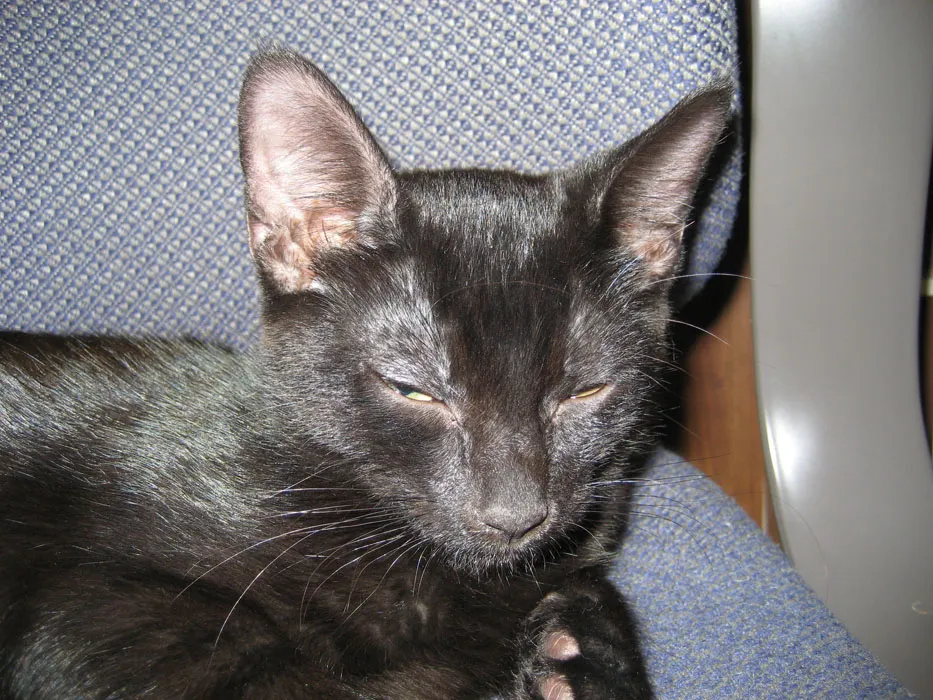
Most people have heard of the cat “slow blink,” but they rarely notice how much it changes once a rescue decides you’re permanent family and not just a temporary roommate. Early on, a slow blink is rare and cautious, almost like a test balloon: “I’m softening for a second, are you safe?”
Once a rescue cat settles in fully, that test becomes a real back-and-forth. You’ll get repeated slow blinks, soft half-lidded eyes, and long stretches of held eye contact with zero tension behind it. Some behaviorists actually argue this quiet eye language is a more reliable trust signal than purring.
- You blink slowly, and they don’t just return it once, they keep doing it.
- They “check in” from across the room with soft, relaxed eyes instead of wide, alert pupils.
#4 – The Territory Patrols Quietly Disappear
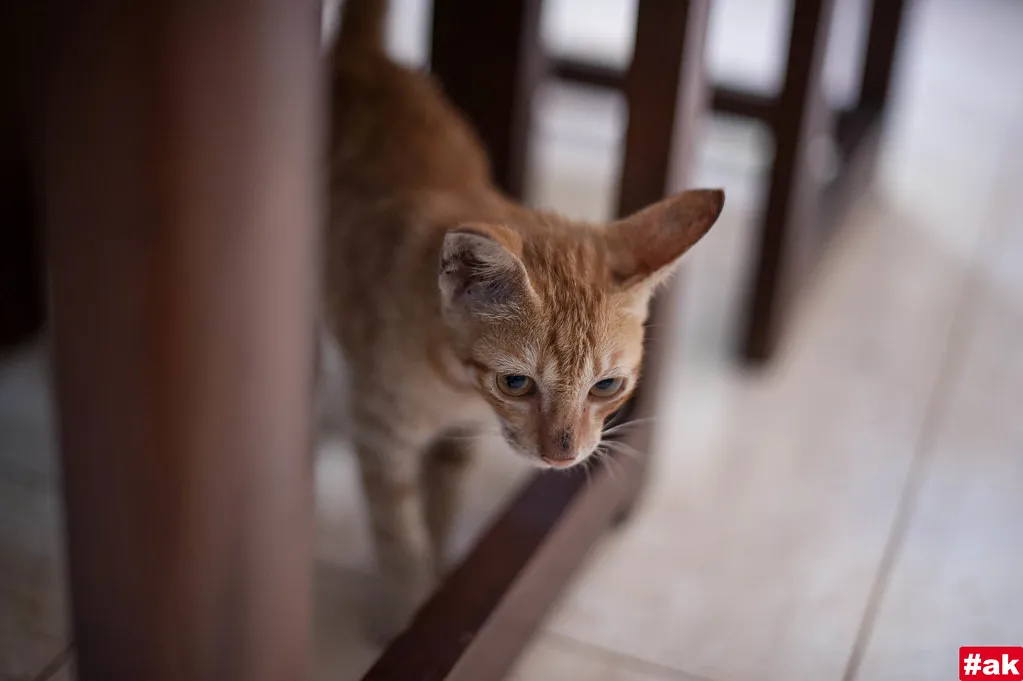
New rescue cats behave like tiny security guards. They sniff every corner, recheck the same windows, and patrol the house like they expect the whole place to rearrange itself overnight while they’re not looking.
Once a cat believes this home isn’t going anywhere, those patrols get lazy and infrequent. Instead of doing rounds every evening, they take a casual stroll and then flop down in their favorite spot. Groceries arrive, doors slam, furniture shifts, and they might glance up without launching a full investigation. Owners often mistake this for a cat “getting old,” when it’s really territorial confidence settling in.
Worth Knowing
- They stop re-marking the same spots after every visitor leaves.
- New noises get a curious stretch and a slow walk-over instead of a flinch.
- Nightly patrol routes shrink from full-house checks to a quick lap.
- Windows and doors stop feeling like watch posts and start feeling like nap spots.
#5 – Food Time Stops Being a Survival Scramble
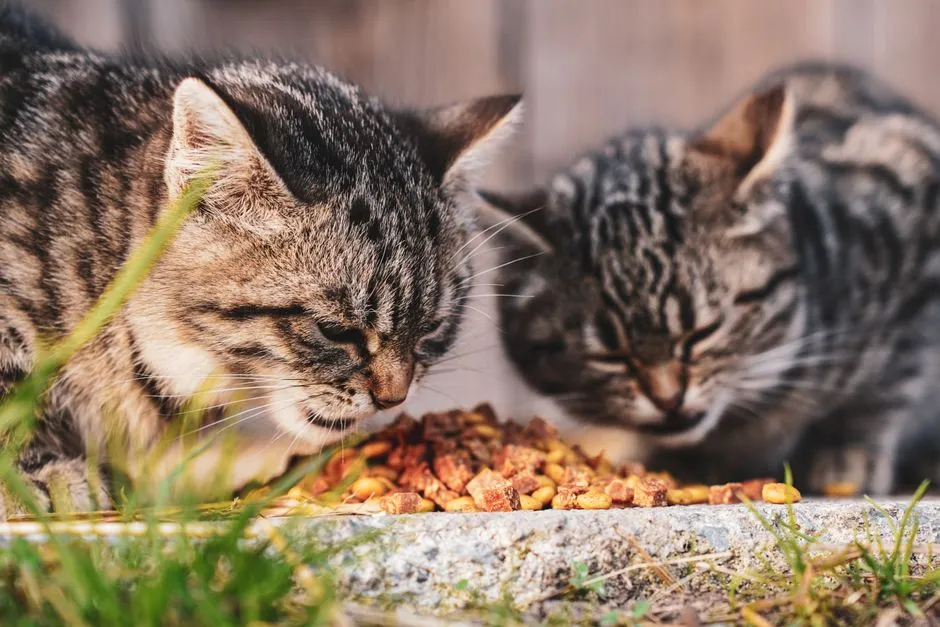
Insecure rescue cats eat like the bowl might vanish forever. They inhale their food, guard it, or hover anxiously while you’re still preparing it. That’s not greed, that’s leftover survival programming from a life where meals weren’t guaranteed.
When a cat truly believes this home is permanent, feeding time gets calm, almost boring. They might leave food in the bowl and simply walk away, which sounds small but is actually a massive psychological shift. Only a cat who trusts there will always be another meal dares to be picky about this one.
- No more frantic meowing thirty minutes before mealtime.
- They share space more peacefully around the food bowl if there are other pets in the house.
#6 – Shadowing You Turns From Guarding Into Choosing
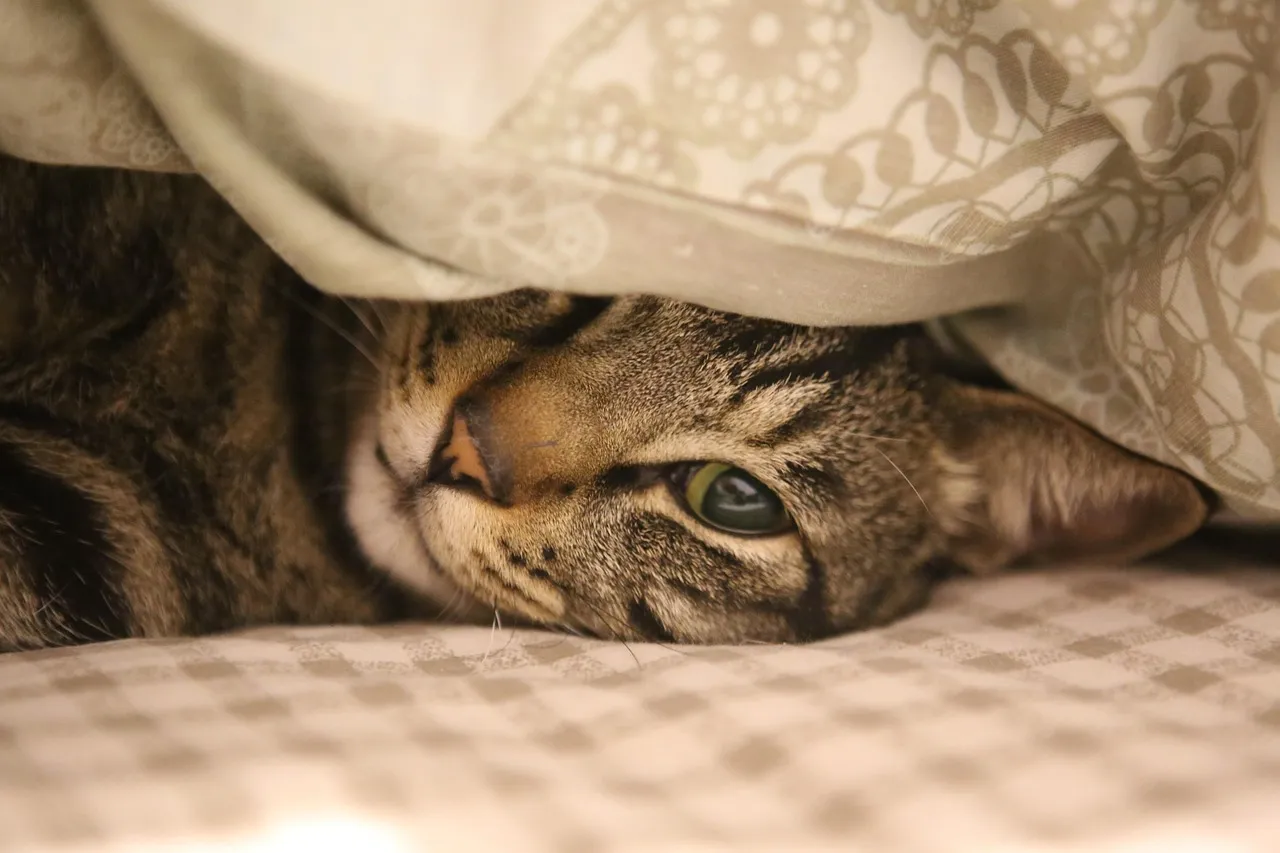
At first, shadowing can look sweet but often isn’t. Your rescue may follow you room to room because you’re their only known safety net, not because they feel at home yet. It’s less devotion and more survival strategy.
Once your home starts feeling permanent, that shadowing changes tone completely. Instead of hovering nervously in doorways, they flop on the bed while you fold laundry or curl up on the bathroom rug while you shower. The energy shifts from hyper-vigilant to genuinely casual, and that shift is easy to miss if you don’t know what you’re looking for.
- Less pacing and doorway lingering, more settled lounging nearby.
- They can handle you leaving the room without panic, then rejoin you later by choice.
#7 – Play Turns Goofy Instead of Guarded
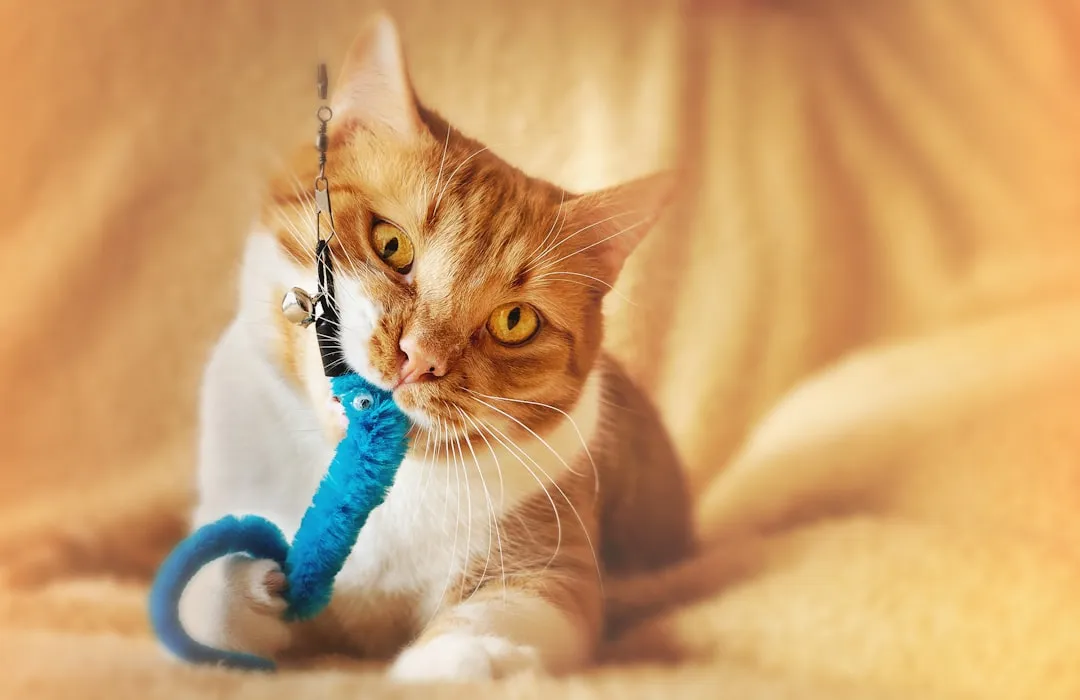
Traumatized or unsure rescue cats often play like they’re still testing the situation: quick, stiff, ready to bail at any second. The toy interests them, but their body never truly relaxes into the moment.
Once a cat decides this home is for life, its inner kitten wakes back up. You start seeing full-body silliness, bunny kicks, sideways hops, and dramatic pounces down the hallway for absolutely no reason. Owners often assume an older rescue “just doesn’t play,” when really the cat hasn’t felt safe enough yet to look ridiculous in front of you.
- Play sessions run longer and end from boredom rather than fear.
- They start initiating games, dragging toys over or ambushing you from behind furniture.
#8 – Grooming Becomes Confident, Even Public
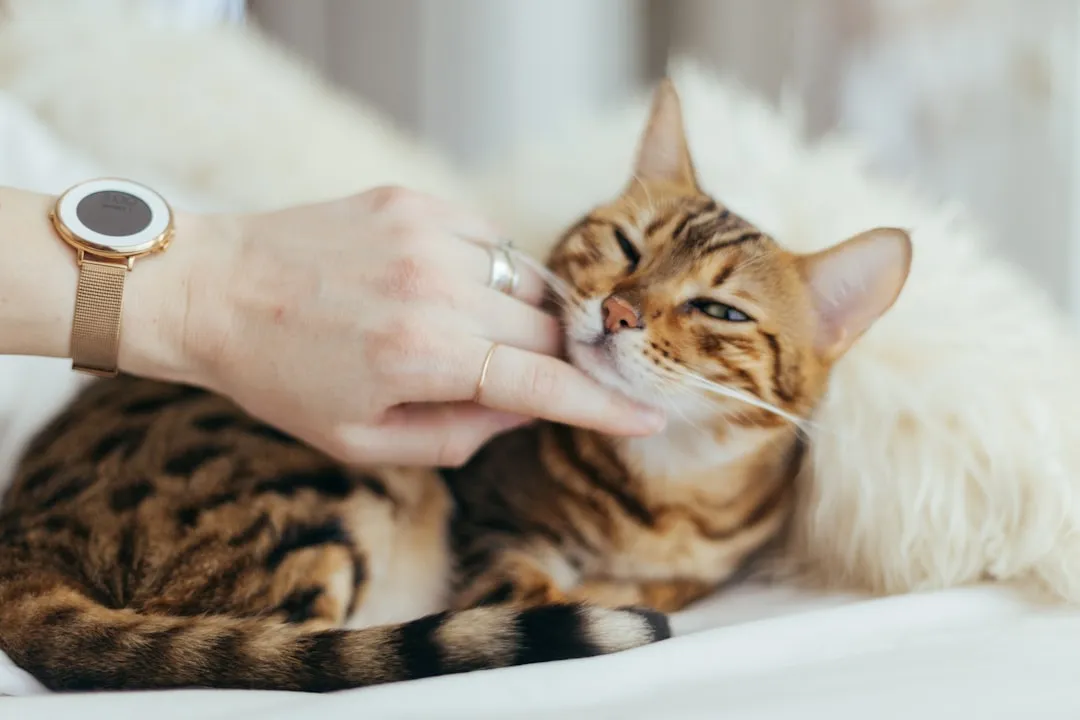
Cats groom to stay clean, but they also groom to self-soothe. Stressed rescues will often over-groom one spot raw or, oddly, stop grooming enough and look a little unkempt around the edges.
When a cat decides your home is genuinely safe, grooming becomes balanced again, and noticeably more public. They’ll flop in the middle of the living room floor and wash their belly with zero concern about being exposed while doing it. It’s the feline version of taking a long shower with the door unlocked.
- No more bald patches from obsessive licking or a dull coat from neglect.
- Grooming rituals happen in shared spaces, not just tucked away in hiding.
#9 – They Start Claiming the High Ground
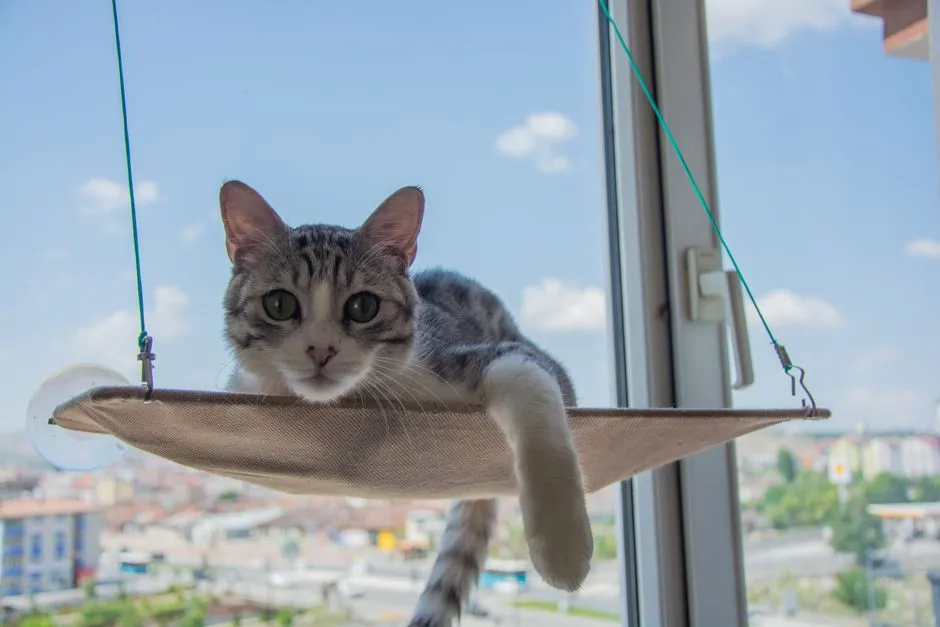
Most people see a cat jumping onto the fridge or the top of the wardrobe as mischief. In rescues, it’s usually a complicated mix of safety-seeking and status. An insecure cat climbs to escape. A secure cat climbs to rule.
Once a rescue fully settles, you’ll notice them calmly surveying the room from shelves or window perches, not rigid or ready to bolt, just quietly reigning over their territory. Some owners scold this as bad behavior, but in many rescues it’s really a declaration: this is mine now.
Why It Stands Out
- Insecure climbing looks stiff and escape-driven, aimed at getting away from something.
- Secure climbing looks relaxed and deliberate, aimed at surveying everything below.
- Relaxed sprawling on high spots during loud activity like vacuuming or visitors.
- They rotate between favorite perches instead of clinging to one emergency escape route.
#10 – Guests Become an Annoyance, Not a Crisis
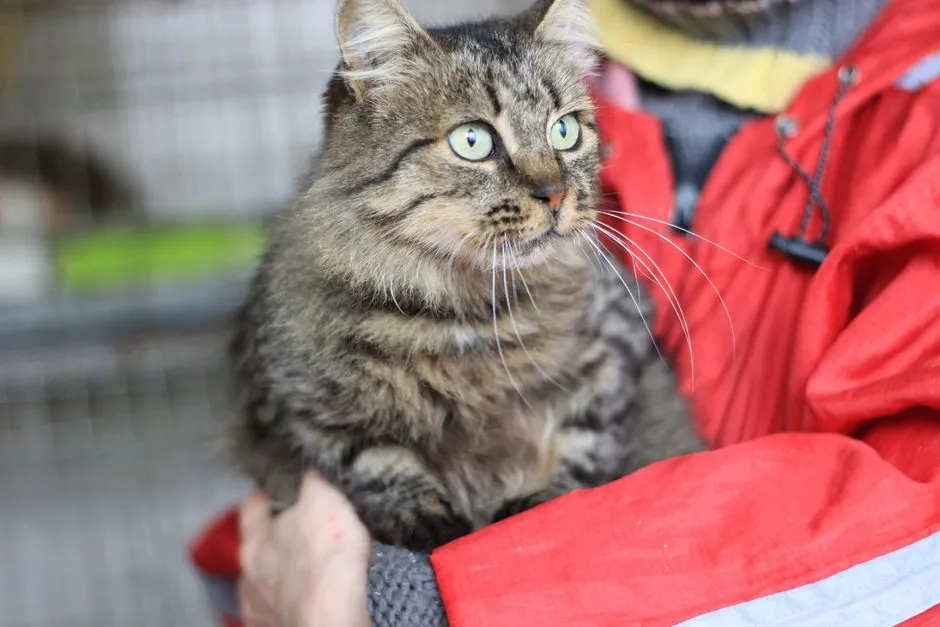
Many rescue cats vanish the second the doorbell rings, convinced a stranger equals danger. Some never fully warm up to visitors, and that’s okay, but the intensity of the reaction usually softens once the base environment feels solid.
When a cat believes your home is permanent, outsiders stop feeling catastrophic. They might still hang back, but instead of disappearing for the entire evening, they peek out, observe from a distance, or even stay in the room entirely. They’re no longer protecting their life, just tolerating an inconvenient disruption to their comfortable kingdom.
- Hiding time shrinks from an entire evening down to a few minutes.
- They eventually reclaim their favorite spot even with guests still in the house.
#11 – The Nighttime Routine Quietly Locks Into Place

Cats love routine, but anxious rescues have jumpy, unpredictable nights: random wake-ups, sudden meowing, restless pacing around the house at 2 a.m. It looks like insomnia, but it’s really unfinished nerves.
Once a rescue believes this home isn’t changing under its feet, nights stabilize fast. They pick one default sleeping spot, maybe the foot of your bed or the same armchair, and stick to it night after night. The consistency itself is the signal. They’re no longer patrolling all night like a guard on a brand-new job.
- Less middle-of-the-night crying or scratching at doors.
- A recognizable nightly pattern: snack, litter box, grooming, then bed.
#12 – The Litter Box Stops Being a Negotiation
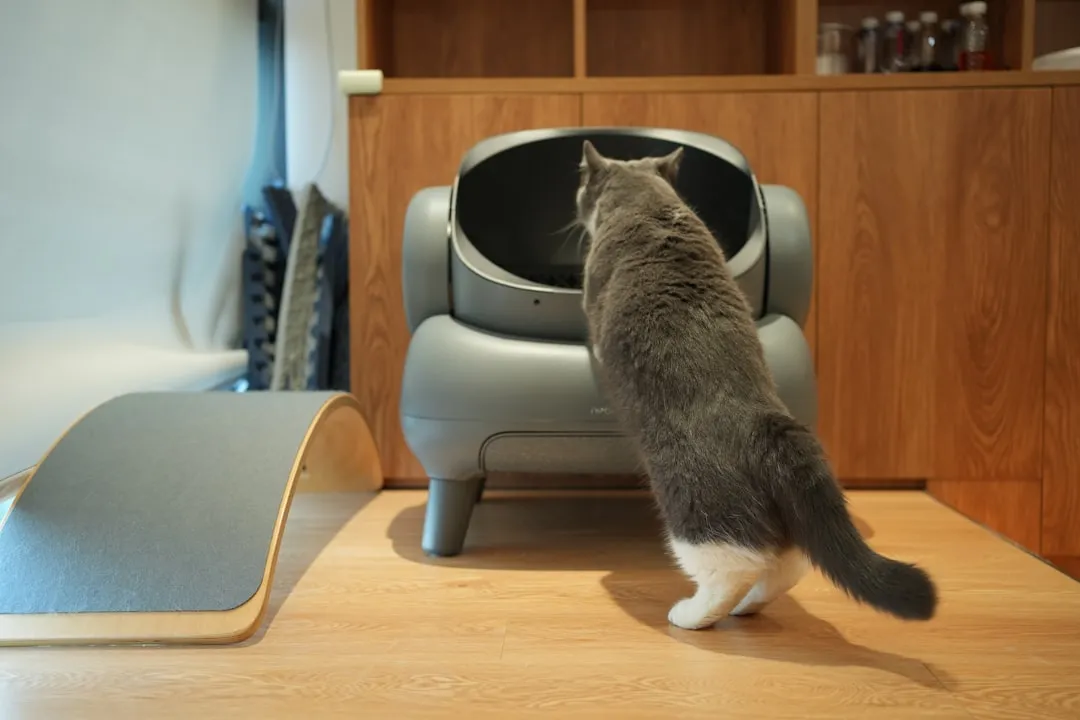
Litter box habits are one of the most honest windows into a cat’s stress level. Insecure rescues sometimes have accidents, not out of spite, but because fear genuinely scrambles their sense of territory and safety.
Once your home feels stable and predictable, litter box use turns boringly reliable. They go in, do their business, bury it calmly, and leave, no frantic scratching at the walls, no last-minute bolting mid-task. Medical issues can still cause accidents, so that’s always worth checking, but a calm, steady routine is a quiet vote of confidence in your home.
- Consistent use of the same box, even after small environmental changes.
- Less anxious “performative” scratching around the box, more efficient, confident use.
#13 – They Start Initiating Physical Contact on Their Own Terms
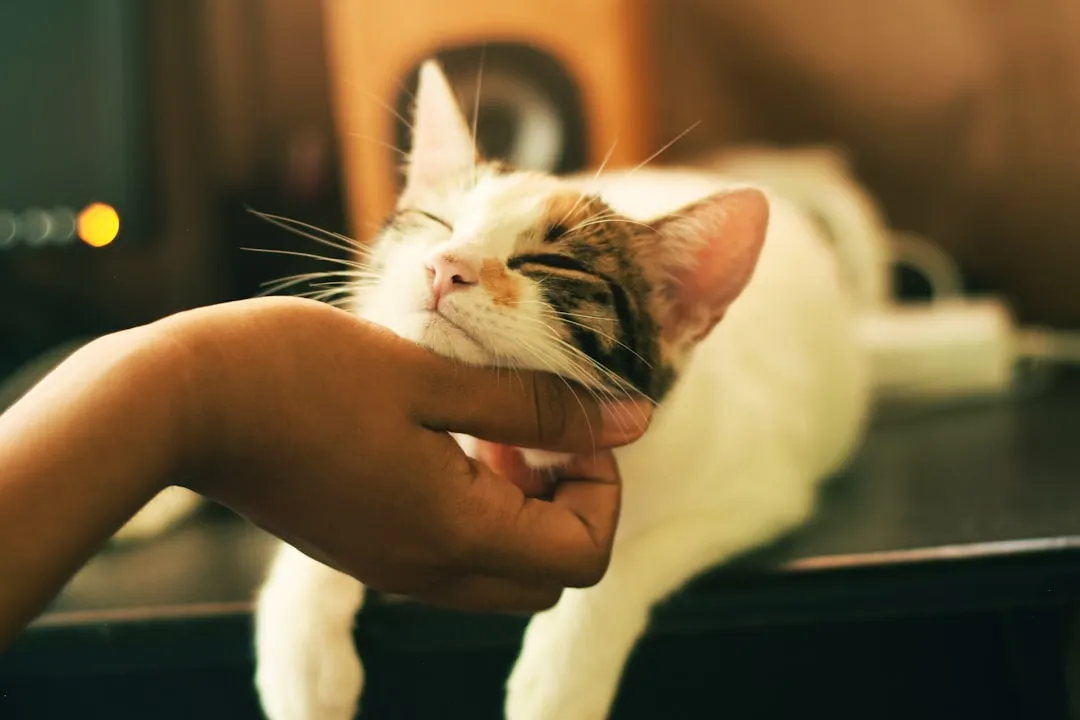
A lot of people mistake tolerance for love. A rescue cat might allow you to touch it simply because it doesn’t want conflict, not because it actually feels at home yet. That’s a subtle but important difference.
Real permanence shows up when they start initiating contact themselves: head-butting your hand, climbing uninvited onto your lap, nudging your phone out of the way just to lie on your chest. That shift from “I allow you to touch me” to “I am choosing to touch you” is enormous. Cats are natural control freaks, so when a rescue chooses closeness on its own, it’s telling you plainly that it believes you aren’t going anywhere.
At a Glance
- Tolerance looks like: staying still, tensed muscles, ears slightly back.
- True affection looks like: a loose body, half-closed eyes, and purring that starts unprompted.
- Bunting, or head-butting your hand and face unprompted.
- Climbing onto your lap or chest without being coaxed first.
#14 – Their Vocabulary Gets More Nuanced and Opinionated

A lot of rescue cats arrive nearly silent. Shelter life teaches them that being loud rarely helps. Others come in the opposite way, crying constantly out of pure stress. Either way, the voice you hear on day one is almost never the real one.
As they settle in, you start hearing a whole vocabulary: chirps, trills, chatters, and conversational meows aimed specifically at you. They comment when you walk into a room, ask to be followed, or protest loudly when you move their favorite blanket. Cats have a reputation for being aloof, but a secure rescue often disagrees with that reputation, loudly and creatively.
- Meows shift from one-note panic sounds to varied tones and lengths.
- They “answer” when you talk to them, blink at them, or gesture.
#15 – They Start Bending the Rules on Purpose
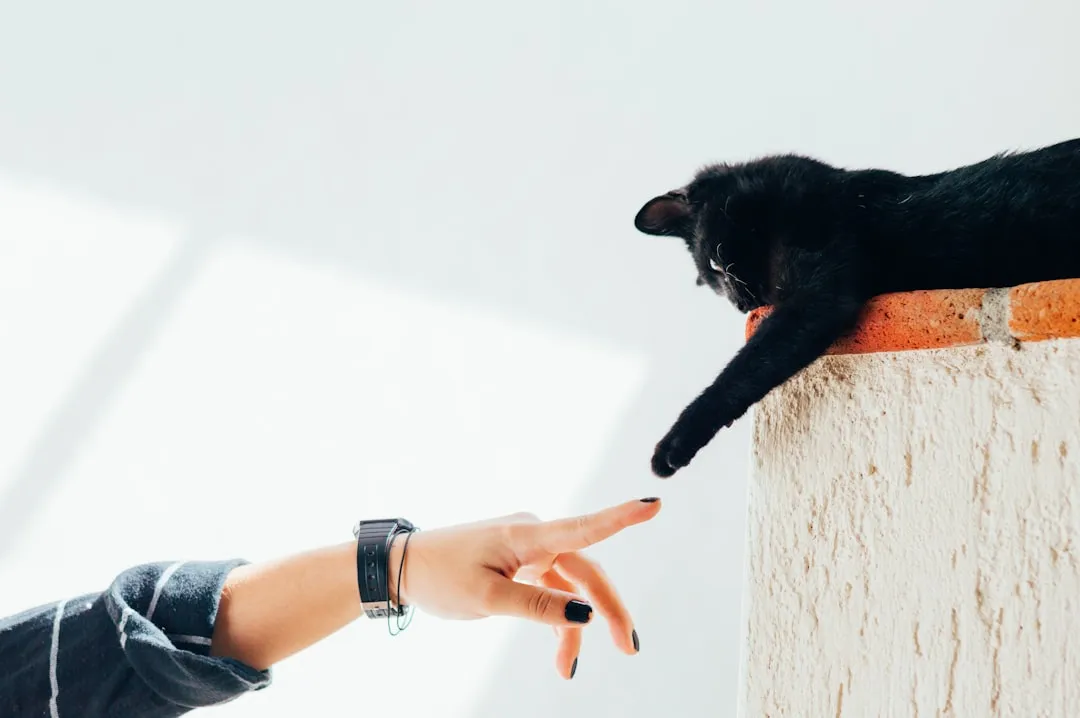
Here’s a controversial one: a truly settled rescue cat doesn’t become more obedient, it becomes a better negotiator. Early on, rule-breaking usually comes from panic or confusion. Later, it comes from something closer to opinion.
Once your home fully feels like theirs, they start experimenting within the system: hopping on the counter only when you’re not looking, scratching the “wrong” spot as a small protest, testing your reaction to see what actually happens. It’s less defiance and more social negotiation. Some behaviorists even say a cat that never challenges anything might still be quietly insecure. A cat that argues with you a little trusts the relationship enough to have opinions about it.
- They back off when redirected instead of melting down.
- Rule-breaking looks calculated and curious, not frantic or compulsive.
#16 – They Start Scent-Marking You Like Property
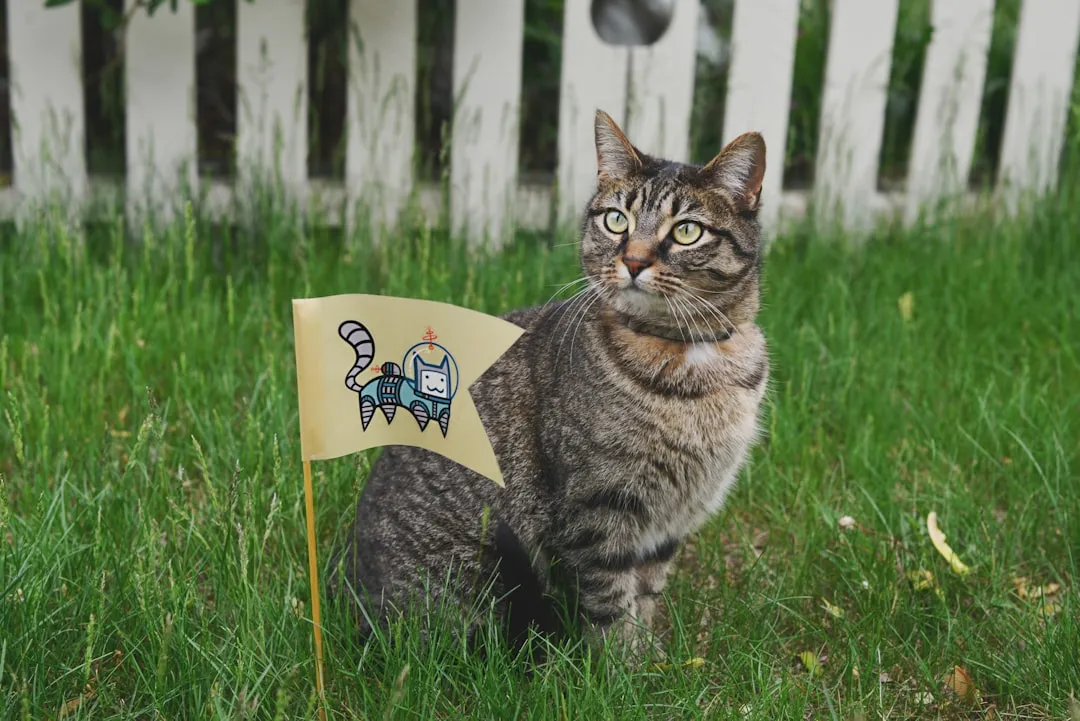
Most people read cheek rubs as generic affection, but in rescue cats the timing matters a lot. Once they’re convinced you’re permanent, they ramp up scent-marking you and your core belongings, your laptop, your pillow, your favorite chair, even your shoes.
Those scent glands on their cheeks and chin aren’t just for show. They’re literally stamping “mine, safe, familiar” onto everything that matters to their world. To a former stray who lost an entire home once already, turning you into a scent-marked home base is not a small decision.
Fast Facts
- Cats carry scent glands concentrated on the cheeks, chin, and forehead.
- Rubbing releases pheromones that mark people and objects as familiar and safe.
- This head-rubbing behavior is known as bunting, and secure cats do it far more often.
- More deliberate face-rubbing on you after you’ve been away for a while.
#17 – Change Stops Feeling Like a Crisis
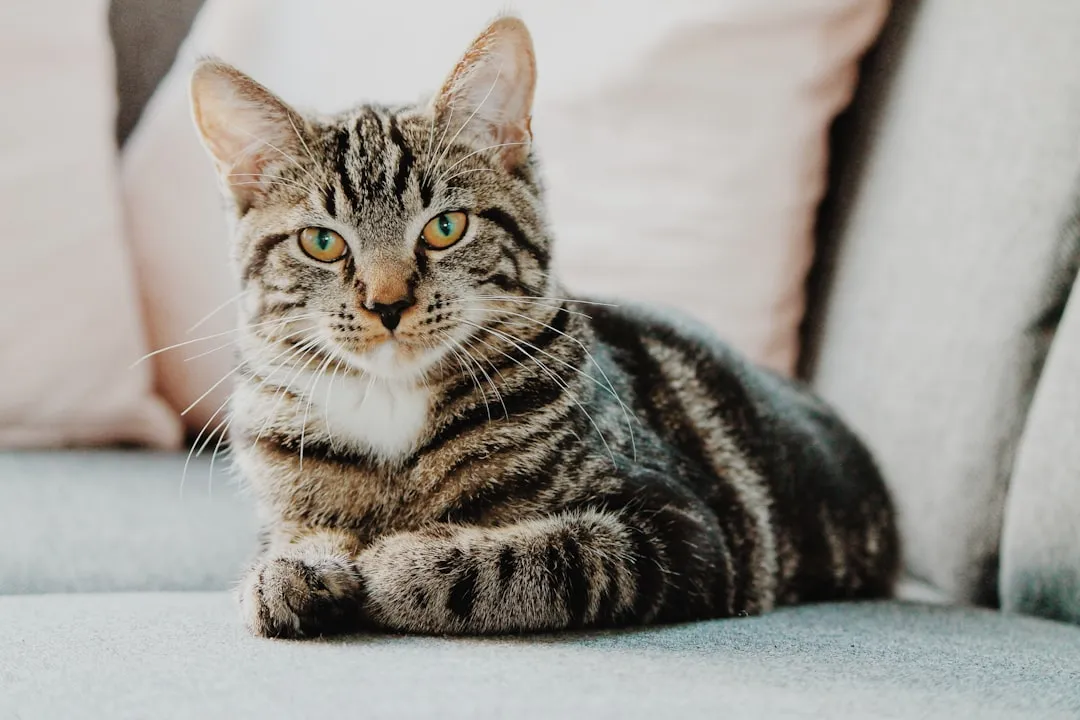
This is where you really see the difference between a cat tolerating a home and a cat believing in it. Early on, any change at all, new litter, a rearranged room, a different couch, can feel like the whole world just shifted underneath them.
A settled rescue might still pause, sniff, or hide briefly, but they recover far faster now. The underlying trust in the home as a stable constant cushions the shock instead of amplifying it. No cat loves change, no matter what the internet makes it look like, but a rescue that can weather small disruptions without spiraling is telling you the foundation finally feels solid.
- Faster return to normal eating and grooming after a disruption.
- Willingness to explore new objects instead of avoiding them for weeks.
#18 – They Start Demanding Little Rituals With You
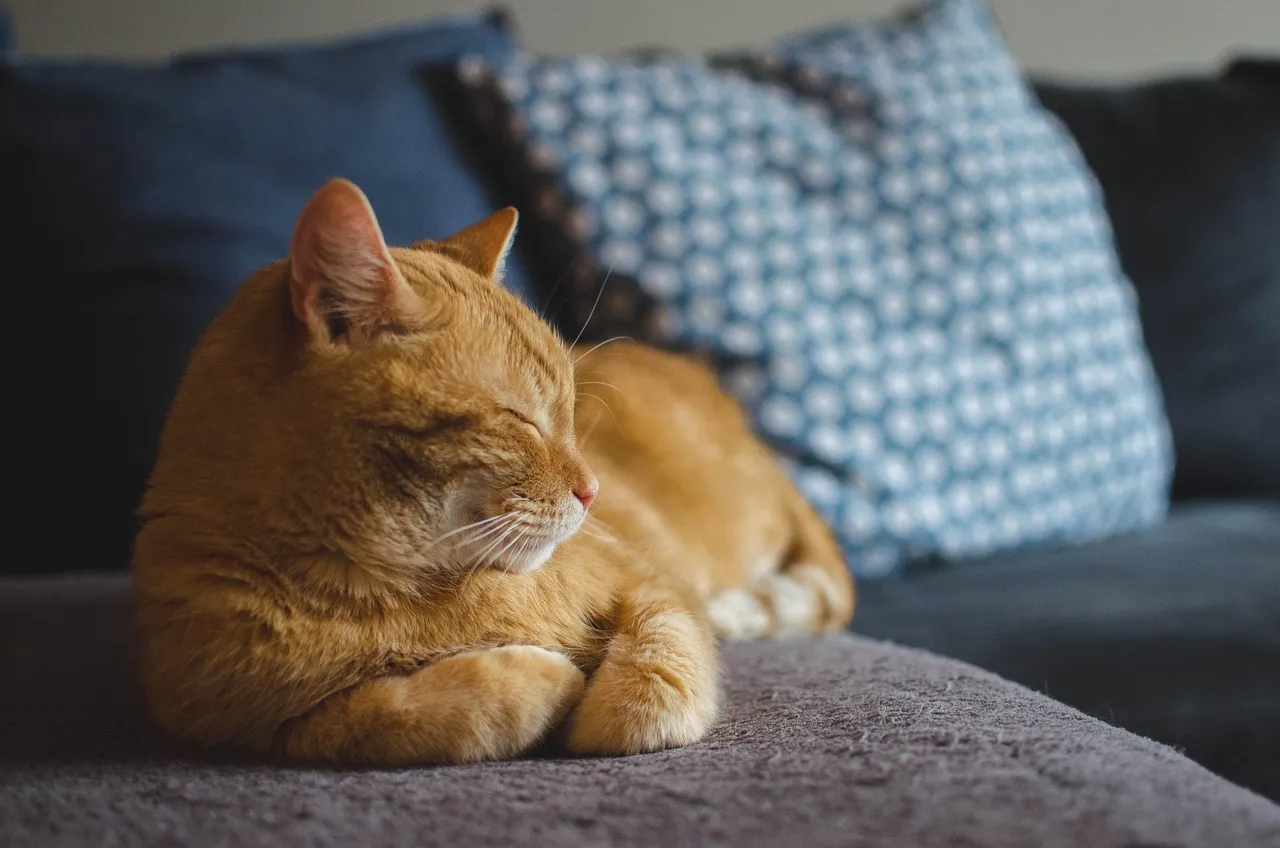
One of the quietest but most powerful signs of permanence is ritual. Not just routine, but small, specific, shared moments your cat insists on every single day, whether you remember to or not.
Maybe it’s meeting you at the door the same way every afternoon, or demanding a brushing session at exactly the same time, or claiming the same spot beside you during TV time. These aren’t random habits, they’re social contracts your cat has quietly written. Skip that bedtime scratch or come home dramatically late, and you’ll likely meet a confused or even offended cat. People assume dogs are the ritual-obsessed pets, but a settled rescue cat builds some of the most rigid little appointments of all.
- Meeting you at the door the same way, every single time.
- A specific spot they expect to occupy during your evening routine.
#19 – They Finally Reveal Their Real Personality
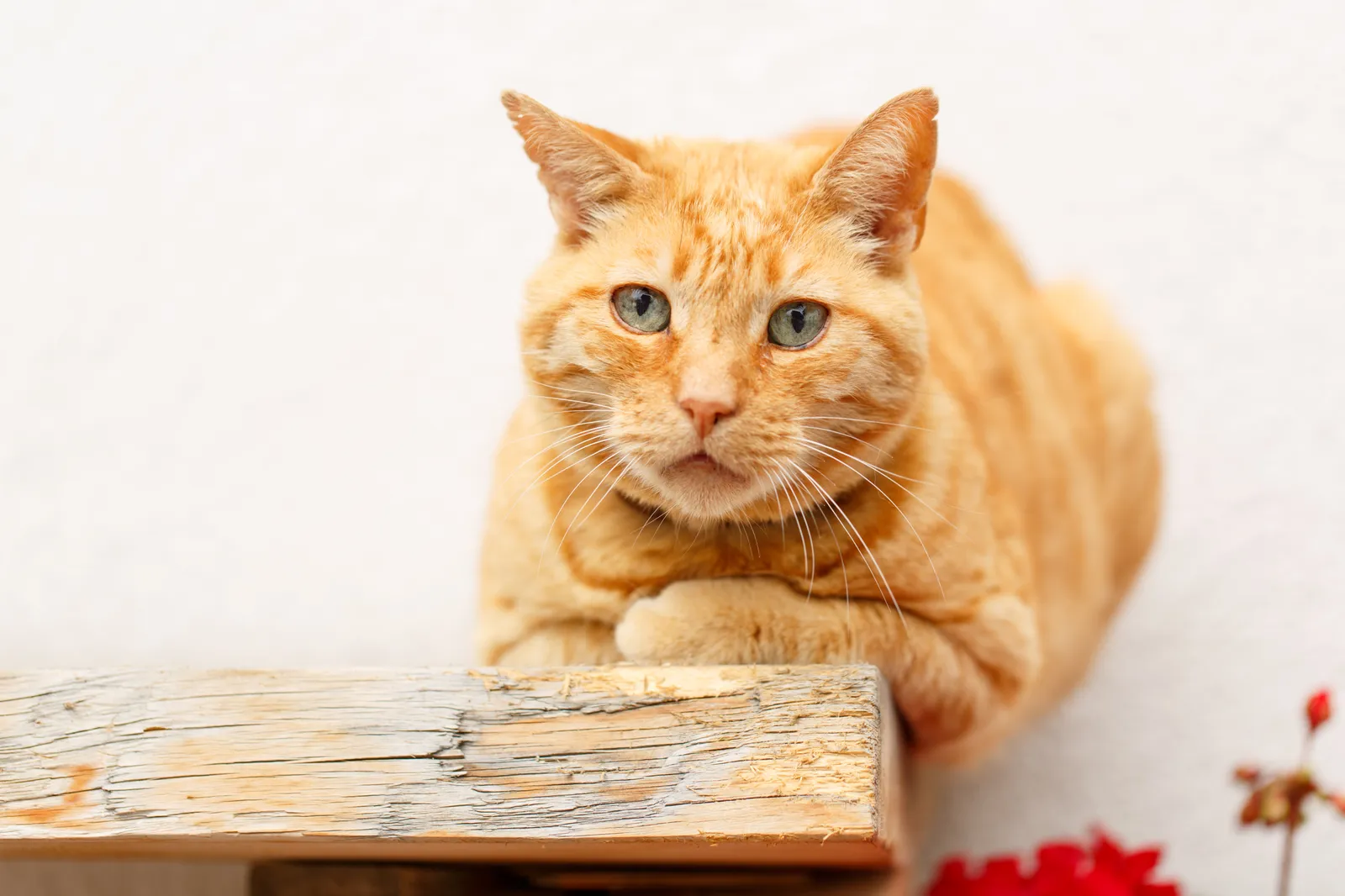
Here’s the part rescue workers know that a lot of new adopters don’t: the cat you meet in month one is almost never the cat you’ll actually be living with by year three. That first personality is a survival mask, not the real thing.
Once a rescue fully believes your home is permanent, its true temperament finally comes out. The shy, silent cat might reveal a bossy, comedic streak. The nervous hider becomes an opinionated couch critic who watches everything you do. Or the clingy, terrified stray settles into a calm, independent little roommate who checks in on their own schedule. This is often the exact moment adopters finally say, “okay, now I actually know who they are.” It can take months, sometimes years, but when it lands, it’s the clearest signal on this entire list.
The Bottom Line
Most people judge a rescue cat’s progress way too early, then quietly blame themselves, or the cat, when things still feel distant six months in. That’s the wrong way to measure it. Former strays and shelter cats play a long game, and the scoreboard isn’t purring, it’s everything on this list.
Real trust doesn’t arrive with the first purr. It arrives when the hiding spots stay dusty, sleep gets sloppy and undignified, and your household rules become something to negotiate instead of something to fear. A cat that slow-blinks from the middle of the couch, walks away from a full bowl, and insists on its own ridiculous little rituals with you has already made up its mind. Not every rescue will show every signal on this list, and that’s completely fine. But if you’ve caught even a handful of these, your cat trusts you more deeply than you probably give it credit for. Which one did your rescue show first?
