

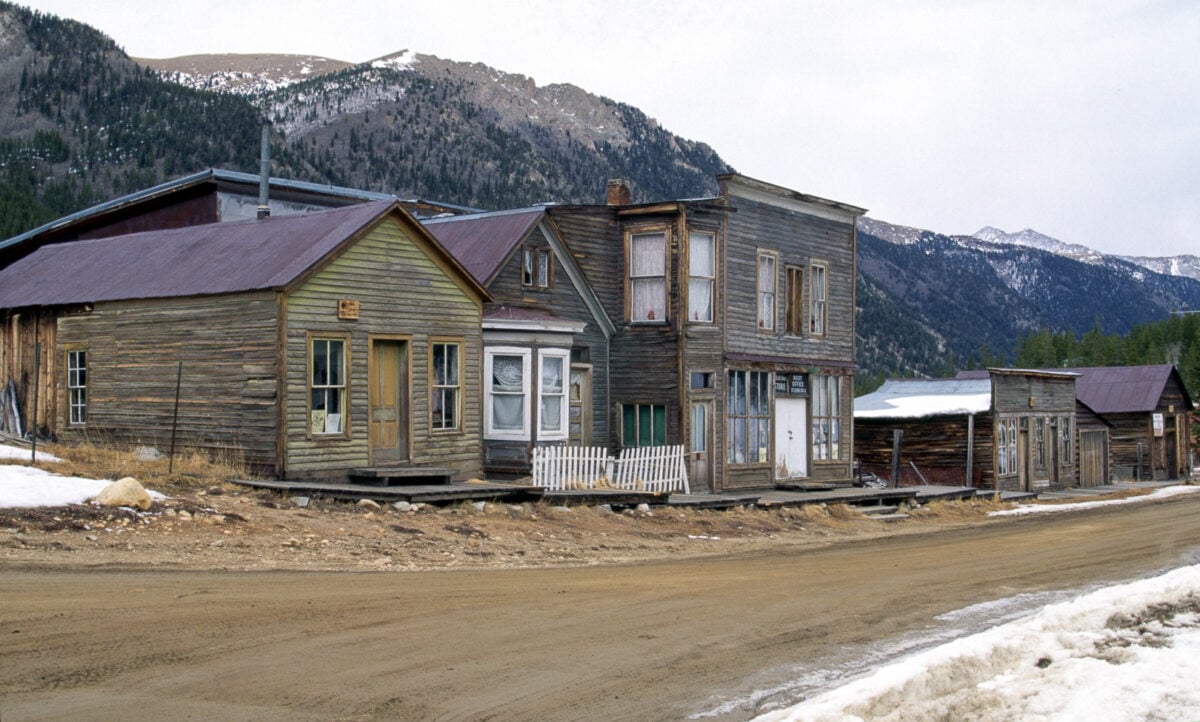
Most people picture a ghost town as two rotted planks and a sun-bleached sign leaning in the middle of nowhere. Rangers who actually patrol these places will tell you that picture is almost insulting. Some of these towns still have full main streets, saloons frozen mid-pour, schoolhouses with chalk dust still on the boards, even bowling alleys nobody ever bothered to tear down.
The truth is stranger than the myth. Several of these places look so complete that visitors swear the residents just stepped out for lunch and never came back. Rangers have watched grown adults go quiet, whisper, even apologize out loud for walking through someone’s abandoned kitchen. Here’s what they say about 17 American ghost towns that wreck everyone’s idea of ‘abandoned’ – including the one they keep circling back to as the gold standard.
#17 – Bodie, California: The Town Frozen So Perfectly It Feels Illegal
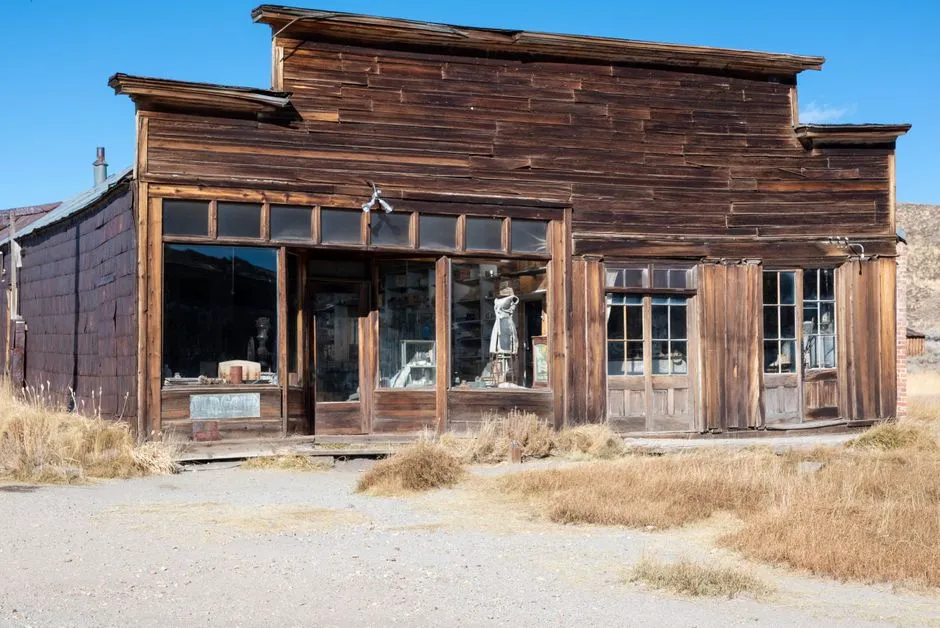
Rangers in Bodie don’t joke about the rules here. California turned it into a state historic park under a policy called “arrested decay” – buildings get stabilized, never restored, so everything still looks unnervingly real. Peer through a window and you’ll find plates still on the table, clothing still hanging on hooks, whiskey bottles still lined up behind the bar like the bartender just stepped into the back room.
For an 1800s boomtown, that kind of detail almost never survives this long. Most visitors expect a couple of leaning cabins and instead find an entire town grid – dozens of homes still upright, a schoolhouse, a church, a saloon, and the hulking stamp mill complex looming over the whole valley. On a windy afternoon, the creaking wood and rattling tin roofs make the town feel like it’s actually breathing.
But #16 might be even harder to believe.
#16 – Rhyolite, Nevada: The Desert ‘Movie Set’ That Isn’t a Set at All
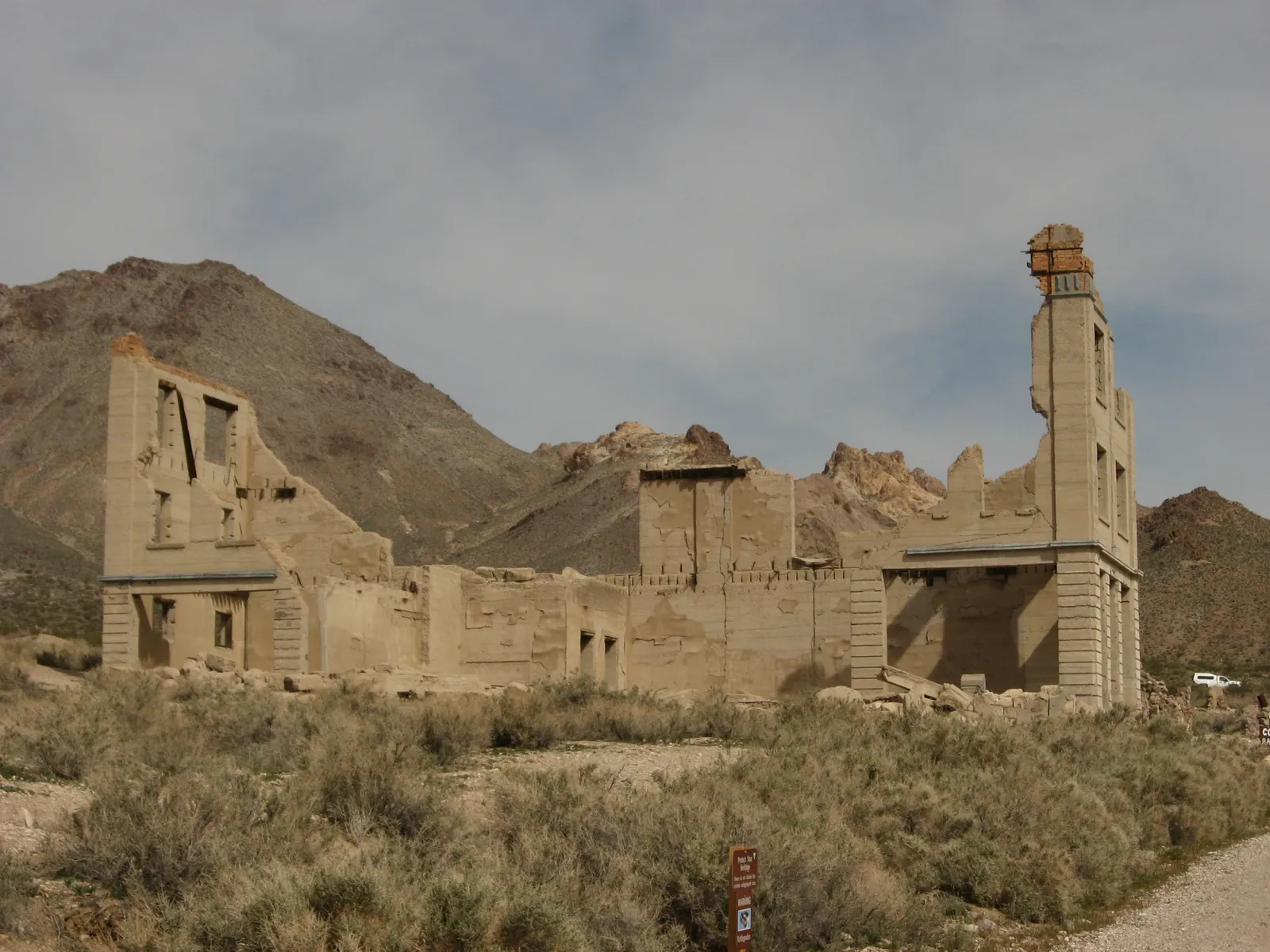
Most people assume those cracked, moonlit photos of a ruined desert town near Death Valley are staged for a film. They’re not. Rhyolite is a real early-1900s boomtown, and its bones are shockingly intact – the shell of a three-story bank building, the remains of a concrete school, and the famous Bottle House built from thousands of glass bottles still stand in the open desert.
Rangers say first-timers are stunned that structures this massive – stone, concrete, multiple stories – are just sitting there with nothing around them for miles. This wasn’t a handful of wooden shacks thrown up overnight. There were paved streets, real foundations, and public buildings that tell you exactly how big the dream once was. Most ghost towns make you imagine the main street. Rhyolite lets you walk its full length with your own feet.
Fast Facts
- Founded in 1905, following a major gold strike in the Bullfrog Mining District the year before
- Peak population estimated between 3,500 and 5,000 people around 1907-1908
- The Bottle House was built in 1906 by miner Tom Kelly using roughly 50,000 glass bottles
- The mine and mill shut down in 1911, and by 1920 the population had dropped close to zero
But #15 feels less like ruins and more like a town holding its breath.
#15 – Garnet, Montana: The Ghost Town That Still Feels Lived-In
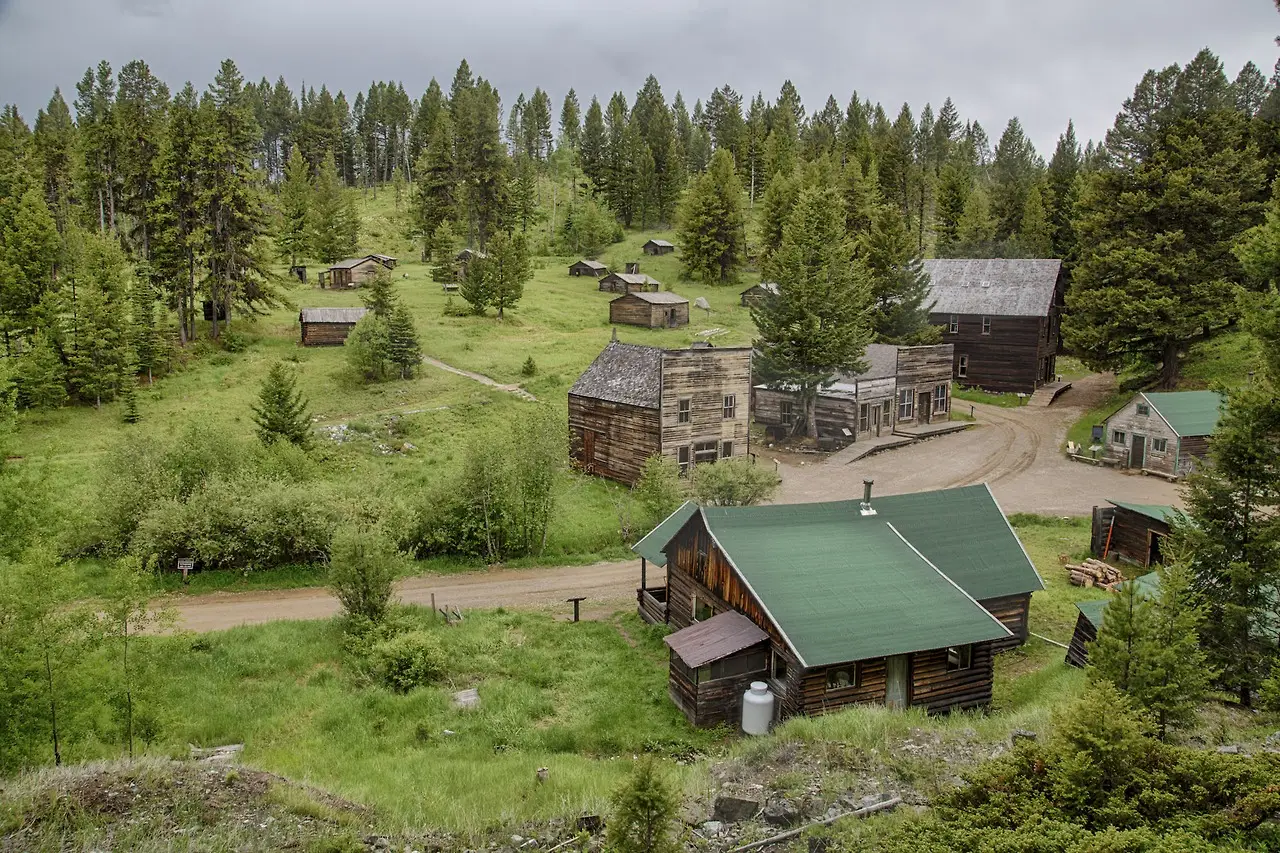
Rangers in Montana will quietly tell you that Garnet is where expectations get demolished. Tucked in the forest east of Missoula, it looks less like ruins and more like a small mountain town taking a very long nap. Dozens of original wooden buildings still stand, including hotels, cabins, a mercantile, and an old saloon.
In winter, snow piles on intact roofs and porches, and it genuinely feels like someone might stomp in at any minute. The interiors are what really shake people – beds and iron frames still inside some rooms, old stoves and tools left exactly where they were dropped.
- Beds and iron bedframes still sitting inside original rooms
- Stoves, shelves, and tools left untouched for decades
Rangers say many guests start whispering without even meaning to, like they’ve walked into someone’s house uninvited. Garnet isn’t scattered remains – it’s a whole physical layout of a mining town, preserved by dry mountain air and pure isolation.
But #14 has front porches that look ready for company.
#14 – St. Elmo, Colorado: The Town With Porches Still Ready for Guests
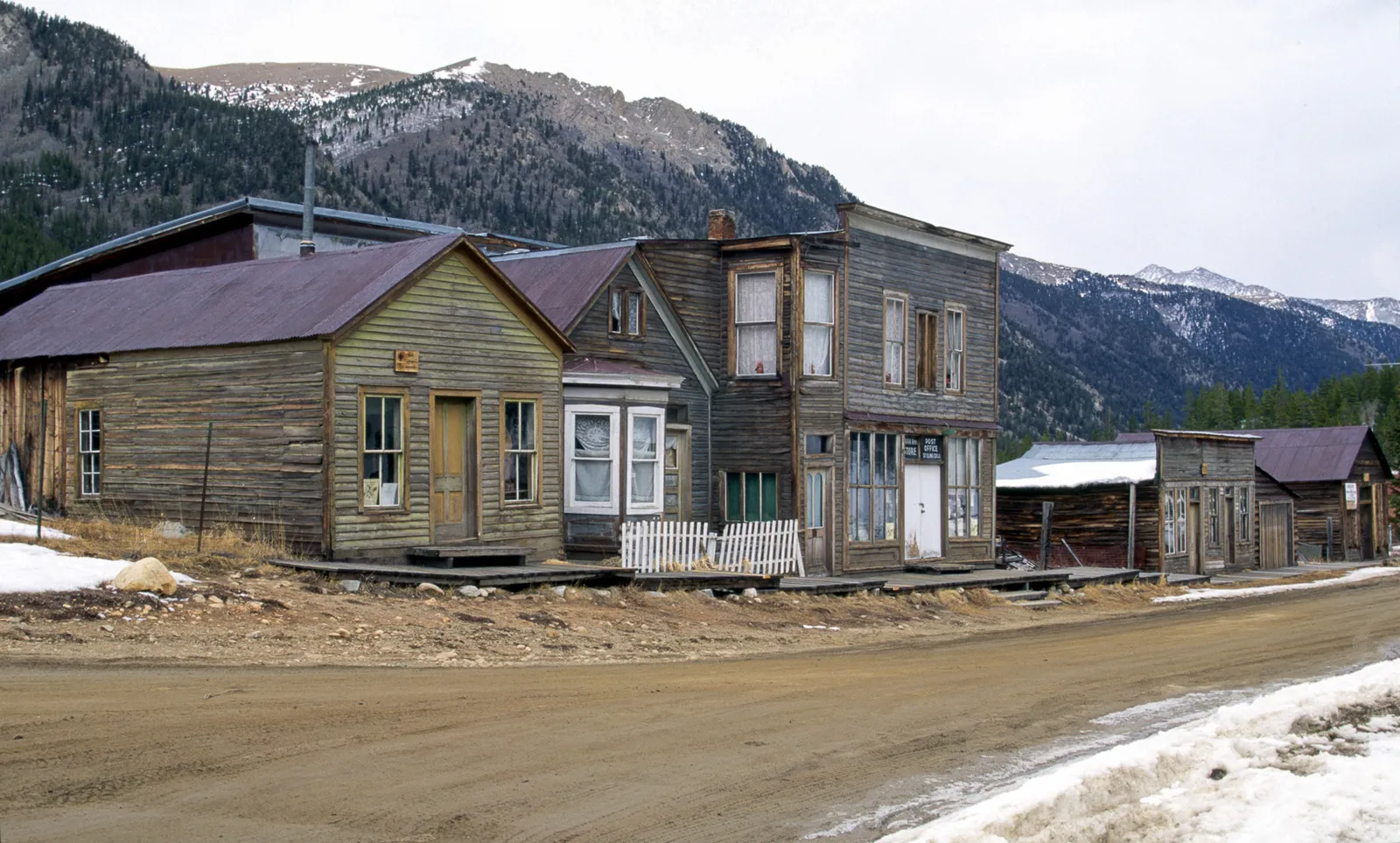
Tourists race right past one of the most intact ghost towns in the Rockies. St. Elmo sits off a dirt road, and when you round the final bend, you don’t see a ruin – you see a full main street with storefronts still lined up in a row. Wooden balconies, front porches, and decorative trim all remain, vivid enough that it feels like a telegraph might start clacking again any second.
Rangers and local caretakers say the phrase they hear most is, “I didn’t expect it to be this complete.” The general store, the old hotel, and several cabins still stand shoulder to shoulder, with original woodwork and signage you can actually read. Even the outhouses and back sheds form a recognizable town footprint – some argue St. Elmo looks more like a small town that lost its people last decade, not last century.
But #13 shocks people for a totally different reason.
#13 – Thurmond, West Virginia: The Railroad Town You Can Still Walk Through
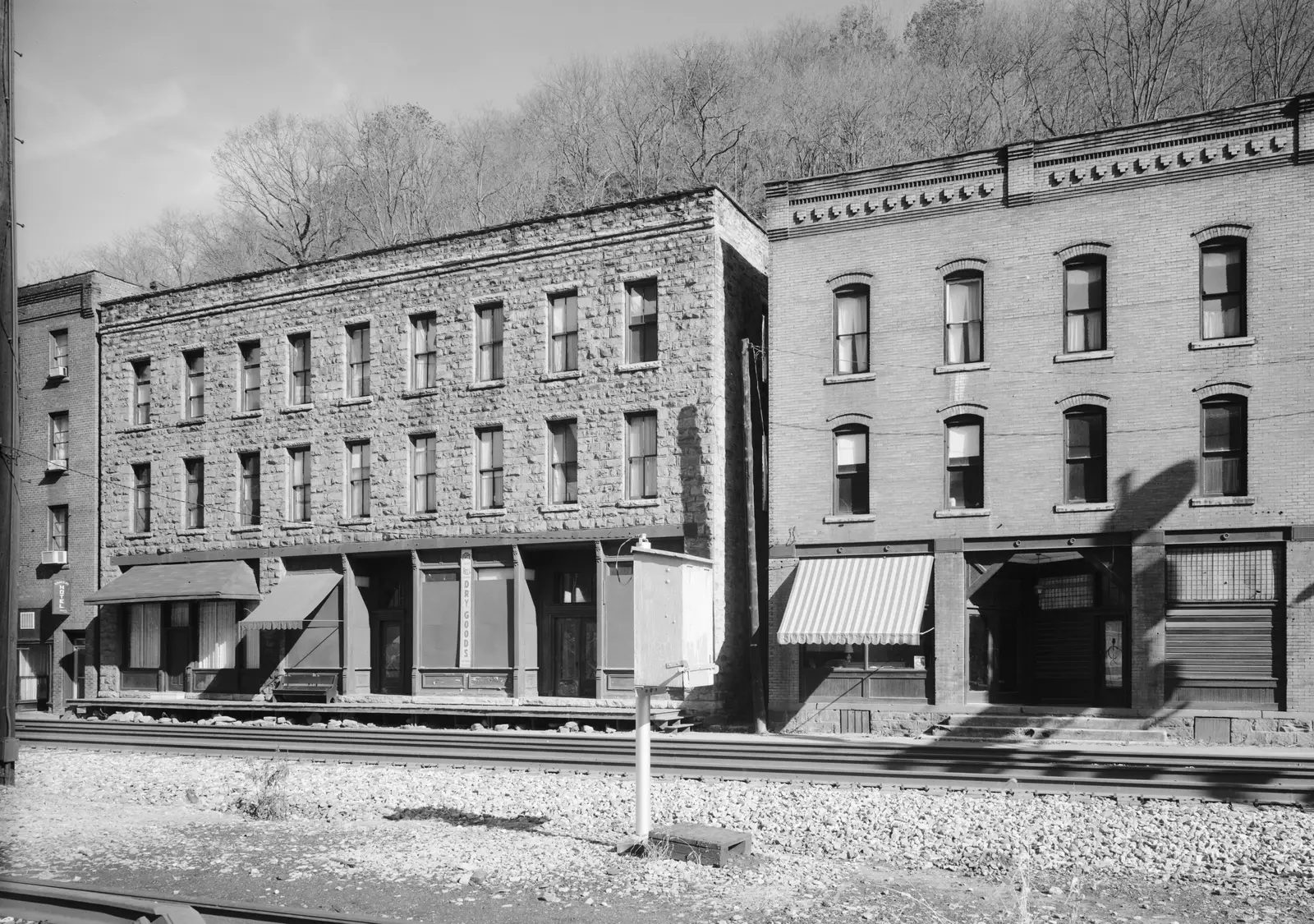
If you picture a ghost town, you probably don’t think brick and boardwalks. That’s exactly why Thurmond throws people off. Tucked into the New River Gorge, it’s a mostly abandoned railroad town where solid brick commercial buildings still flank the tracks, and a long wooden platform runs beside the rail line.
National Park Service rangers say visitors underestimate this place because it never fully collapsed – it just emptied out. The historic depot, bank, and hotel structures are still standing, giving the strange sense that the next train might bring new customers any minute.
- A near-complete downtown row still standing beside the tracks
- Intact early-1900s rail-boom architecture you can walk right up to
The town’s population is tiny, but the physical shell of Thurmond is startlingly present. Most ghost towns hand you fragments. Thurmond hands you a whole industrial-era streetscape.
But #12 doubles the experience.
#12 – Virginia City & Nevada City, Montana: Twin Time Capsules of the Gold Rush
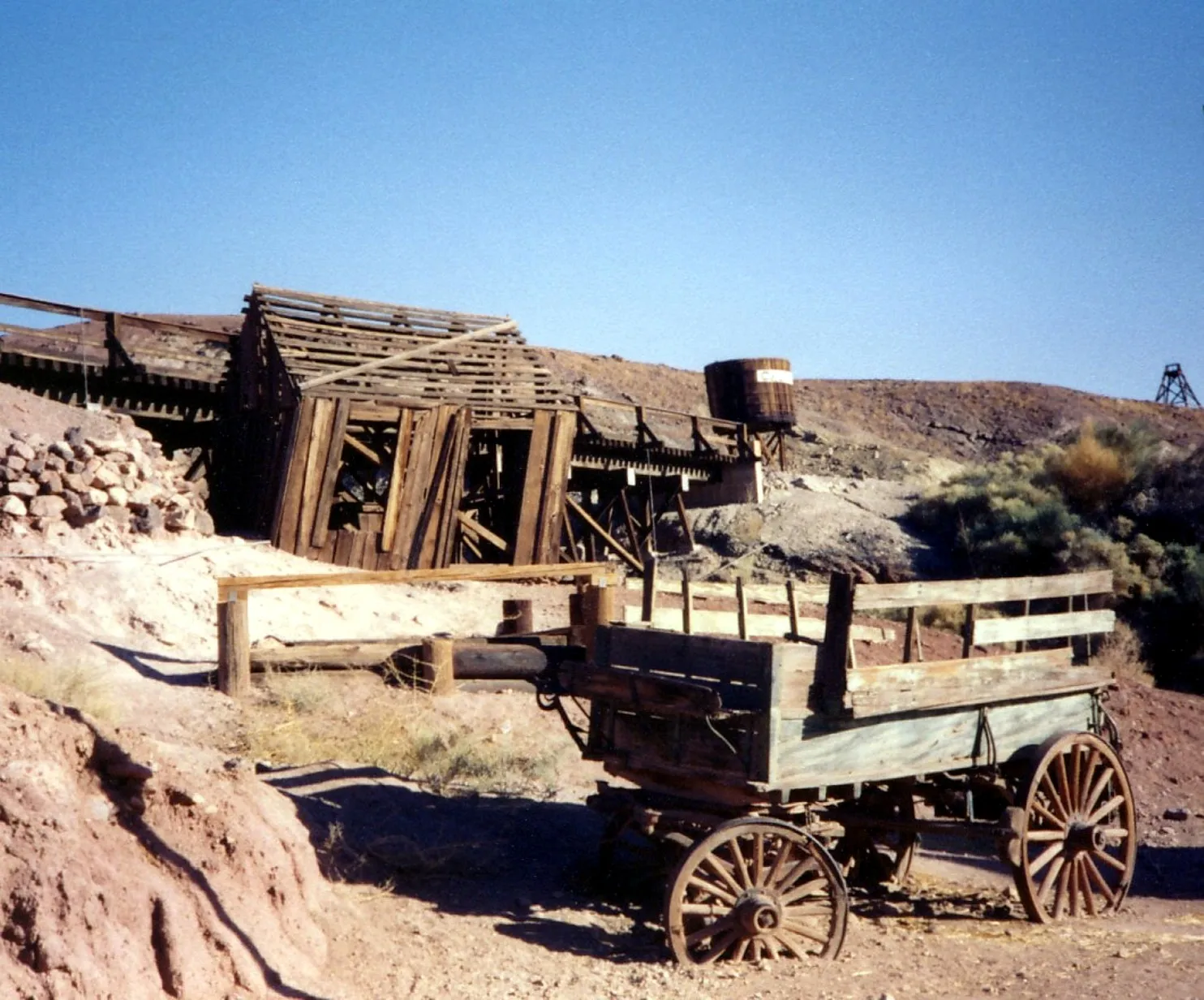
Technically two separate towns, Virginia City and Nevada City operate like one extended museum of the Old West. Rangers and historians quietly agree this is one of the most intact 1860s gold rush streetscapes in the country. In Virginia City, entire blocks of wooden storefronts still stand – saloons, assay offices, theaters – with weathered signs and glass still in many windows.
In Nevada City, dozens of preserved and relocated buildings form a dense cluster of cabins and shops. What catches people off guard is how immersive it feels; you’re not squinting at foundations, you’re walking full-length wooden sidewalks past intact facades, with original bar counters, mirrored back bars, and personal items gathered from the region staged inside.
- Original bar counters and mirrored back bars still in place
- Tools, furniture, and personal items pulled from across the region
Most tourists expect a few token buildings. Instead, they step into a nearly whole mining-era business district.
But #11 is a ghost town on an entirely different scale.
#11 – Kennecott, Alaska: The Industrial Ghost City Sitting in Glaciers
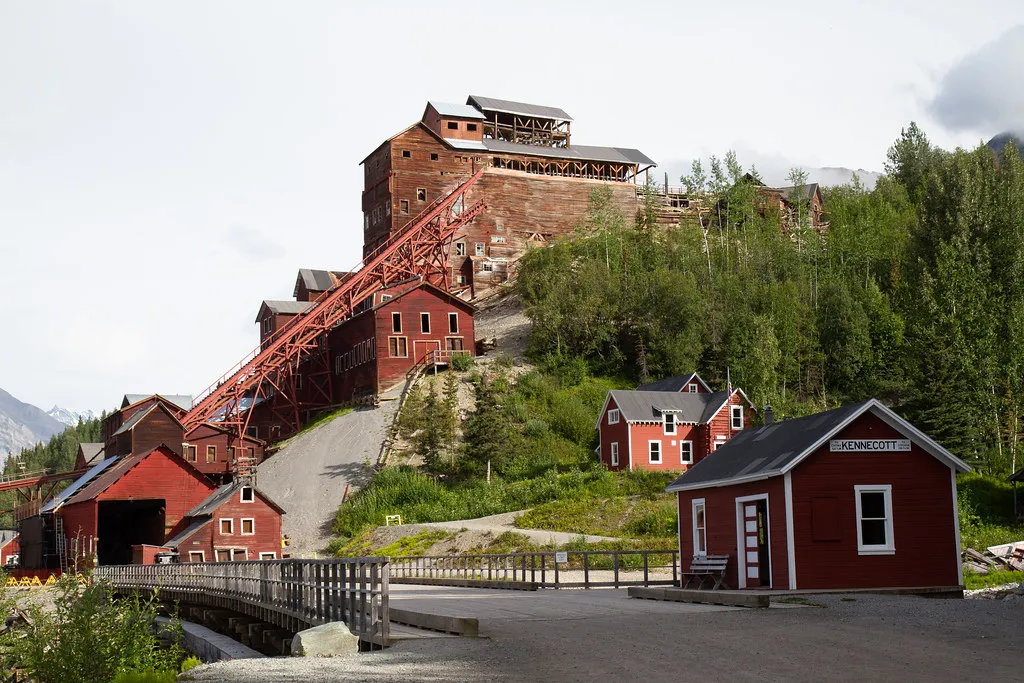
Most ghost towns are a handful of buildings. Kennecott is a full industrial complex sitting in the wilds of Wrangell-St. Elias National Park. Rangers say visitors assume they’ll see some rusty scrap and maybe a cabin or two. Instead they’re hit with massive red-painted mill buildings stacked up a mountainside, worker housing, a hospital, and a power plant – all abandoned the moment copper operations stopped.
The 14-story concentration mill is so intact it dominates the entire valley like a cathedral of industry. Elevated tram lines and ore chutes still trace their original paths, and residential buildings still sit in neat, eerie rows. The dry, cold climate preserved lumber, windows, and roofs far beyond what most people expect at this latitude – it’s not just a ghost town, it’s a whole early-20th-century company town you can trace building by building.
At a Glance
- Operated as a copper mining and milling complex from 1911 to 1938
- Sits inside Wrangell-St. Elias National Park, the largest national park in the United States
- The concentration mill rises 14 stories up the mountainside
- Now preserved as a National Historic Landmark
But #10 confuses people in a completely different way.
#10 – Terlingua, Texas: The Town That’s Half Alive, Half Ghost
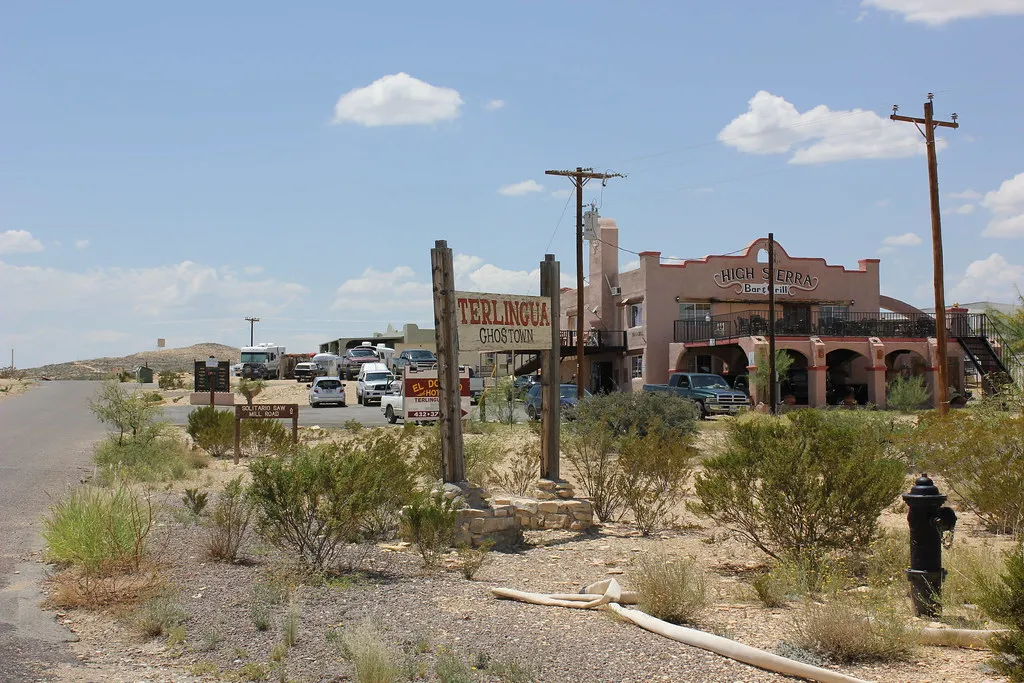
Terlingua might be the single most confusing “ghost town” in America, and rangers near Big Bend hear the same reaction constantly: “Wait, people still live here?” The answer is kind of. Old mining-era ruins sit scattered among new desert dwellings, cafés, and quirky hangouts, creating a strange mashup of intact stone structures and present-day life.
Visitors expecting a dead town instead find crumbling yet recognizable homes, a church, and a cemetery that still feels actively used. Thick stone walls, doorways, and rooflines clearly outline the old company town, and you can sit at a modern bar and look directly across the dirt road at intact ruins. Some travelers love the contrast. Others argue it’s “not a real ghost town” because of the living community threaded through it.
But #9 is the quiet survivor nobody talks about.
#9 – Grafton, Utah: The Quiet Survivor Just Downriver From Zion
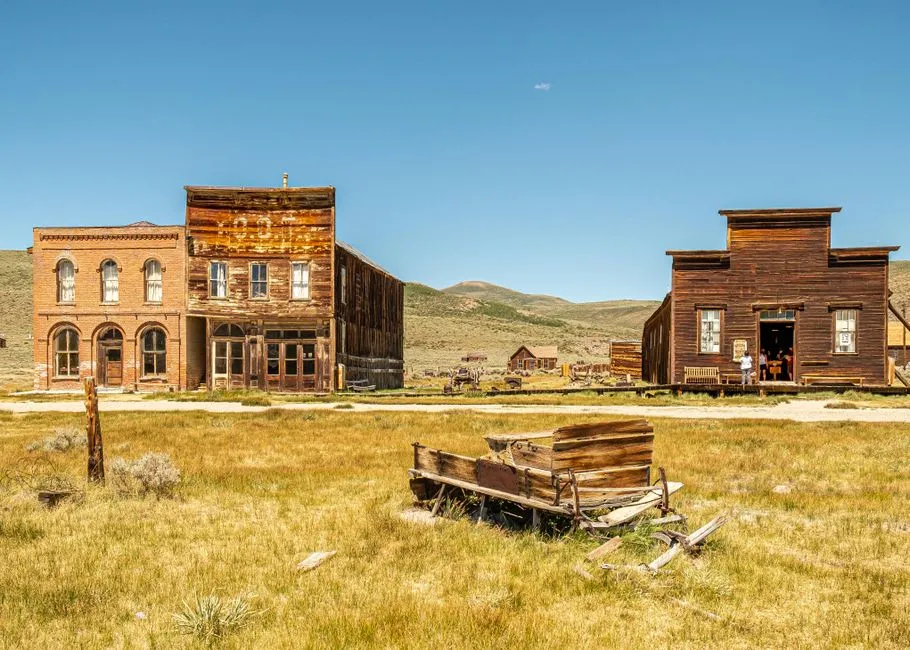
While crowds jam Zion National Park, almost nobody realizes that just downriver sits one of the best-preserved pioneer ghost towns in the Southwest. Grafton isn’t a few rubble piles – it still has a red-brick schoolhouse and church, several wooden homes, and outbuildings all standing in a shady, cottonwood-studded valley.
Rangers say people show up expecting a movie set and are startled to find original structures that actually starred in early Western films. Window frames, doors, and clapboard siding still hold their pioneer-era shape, and a nearby cemetery with blunt, weathered headstones tells stories of floods, illness, and tragedy. Grafton looks less like it was ravaged by time and more like it was carefully left alone – which somehow makes the abandonment hit harder.
But #8 was once a state capital.
#8 – Bannack, Montana: The Frozen Territorial Capital
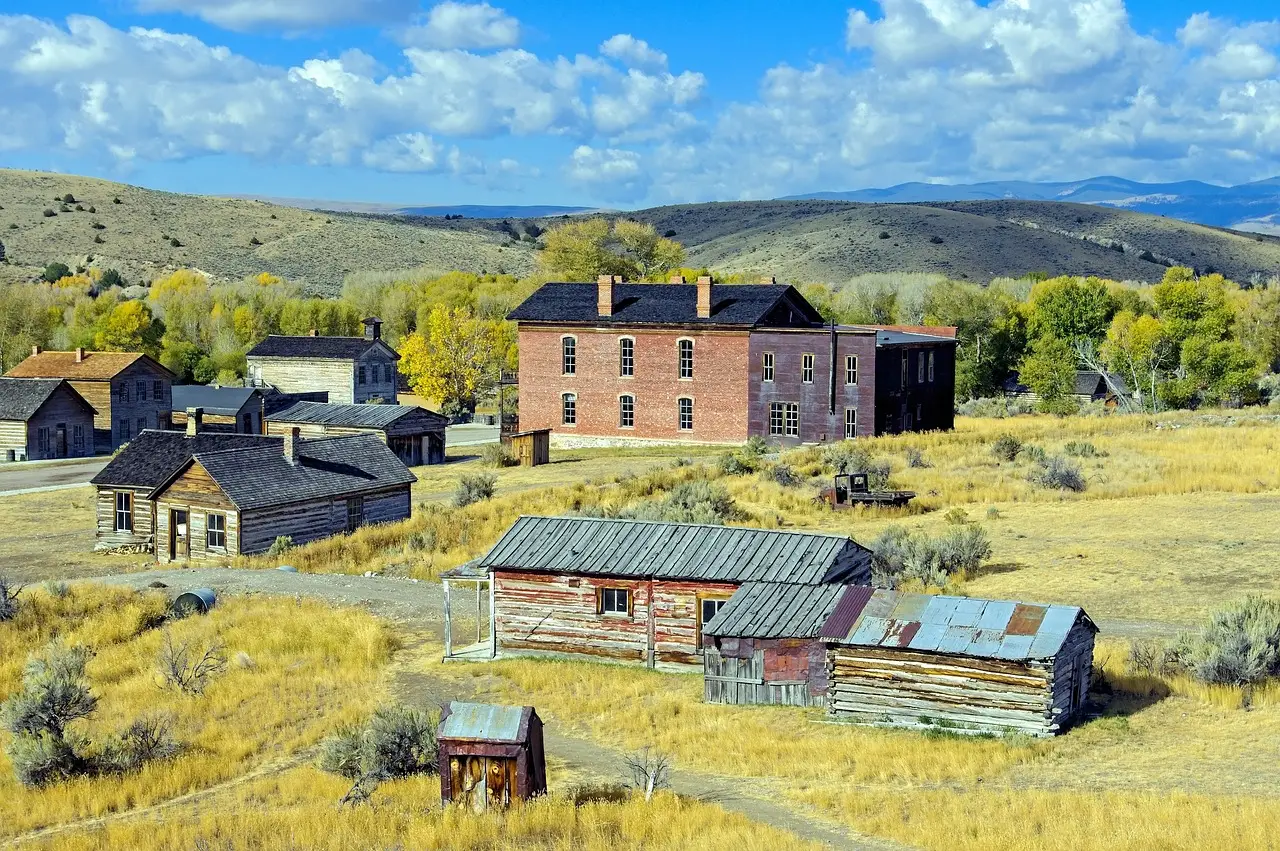
Bannack, once the capital of Montana Territory, is now a state park rangers almost brag about. Why? Over 50 buildings are still standing, many along a single dusty main street that looks like a ready-made film backdrop. Wooden hotels, log cabins, a schoolhouse, a Masonic lodge, and even a jail remain upright – stabilized, but largely original.
“Some travelers quietly admit Bannack feels more real than many modern Western theme parks.”
Visitor account shared with park rangers
Step inside certain structures and it gets even more intense: old wallpaper still peeling in clear patterns, staircases and floorboards that creak but hold. The notorious Hotel Meade and its stories of vigilante justice only add to the sense that you’re walking through actual pages of Wild West history, not just looking at relics.
But #7 splits opinion right down the middle.
#7 – Calico, California: The Ghost Town Some Call ‘Too Intact’
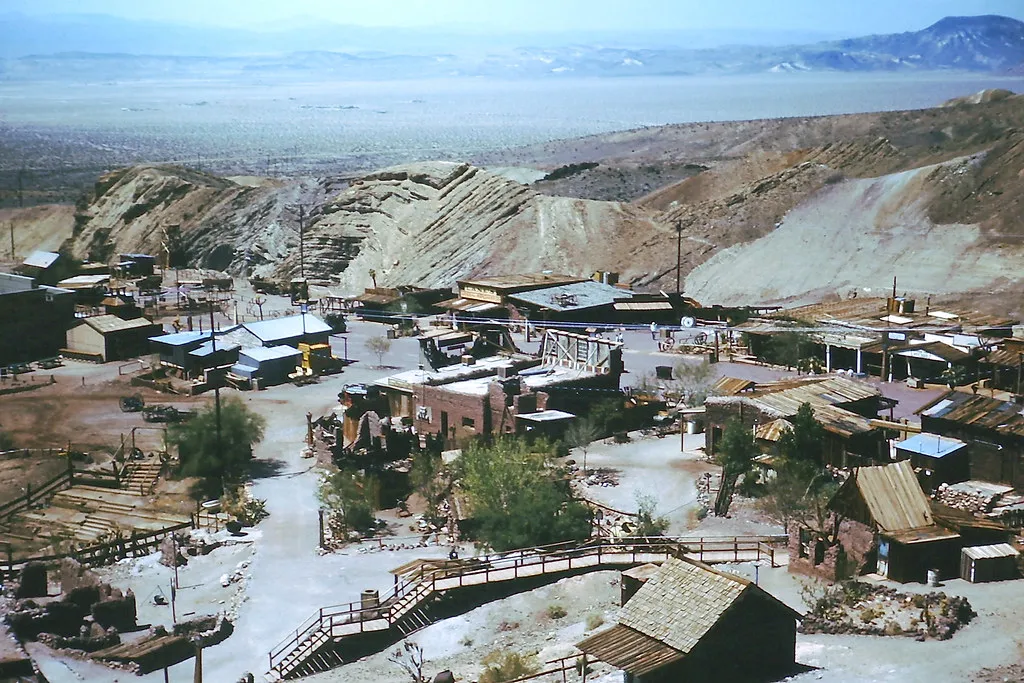
Ask rangers about Calico and you’ll hear a split opinion: incredibly intact, or too intact. This old silver-mining town near Barstow has been partially restored as a county park, complete with rebuilt facades and stabilized mine entrances. That means visitors see what looks like a nearly complete Wild West town, with saloons, shops, and hillside homes lining dusty streets.
Purists argue the restoration went too far, blurring the line between authentic ruins and theme-park re-creation. But even critics admit there are genuine original buildings and mine features anchoring everything in reality. Kids and adults alike often forget they’re technically walking through a ghost settlement – it may not be everyone’s favorite, but in terms of visible, walkable structures, Calico stuns more visitors than it disappoints.
But #6 refuses to fully die, and that’s exactly the point.
#6 – Goldfield, Nevada: The Almost-Ghost That Refuses to Die
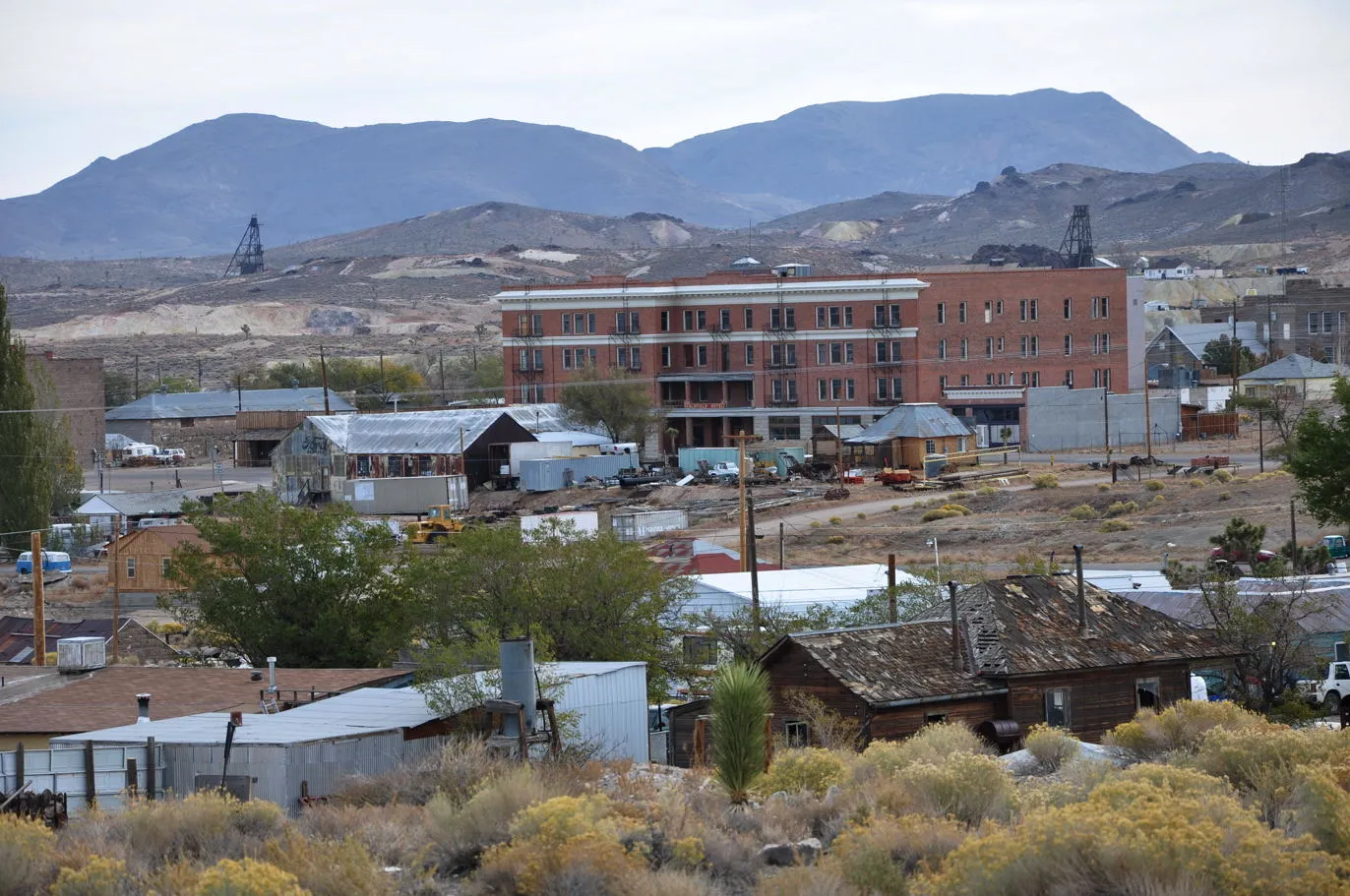
Goldfield is controversial among ghost town hunters because it’s not fully dead – but that’s exactly why it’s so intact. The early-1900s gold rush left behind huge masonry structures that still tower over a nearly empty desert town, including the massive Goldfield Hotel and the Esmeralda County Courthouse.
Rangers and locals say people drive in expecting scattered ruins and instead find a half-living town wrapped around monumental, mostly unused historic buildings. Some argue it shouldn’t count as a ghost town at all since it still has residents. Others counter that the overwhelming emptiness inside such large, intact structures gives it a more haunting feel than plenty of fully abandoned sites. Either way, walking full-size streets and grand architecture built for a much bigger population feels less like a ghost of people and more like a ghost of ambition.
Worth Knowing
- Population swelled into the tens of thousands during the 1906-1908 boom years
- Today only a few hundred year-round residents remain
- The Goldfield Hotel and Esmeralda County Courthouse both date to the height of the rush
- The courthouse still functions today, making Goldfield a rare mix of ghost town and active county seat
But #5 stretches across an entire mountain range.
#5 – Tin Cup & Hancock, Colorado: The High-Altitude Ghost District Everyone Overlooks
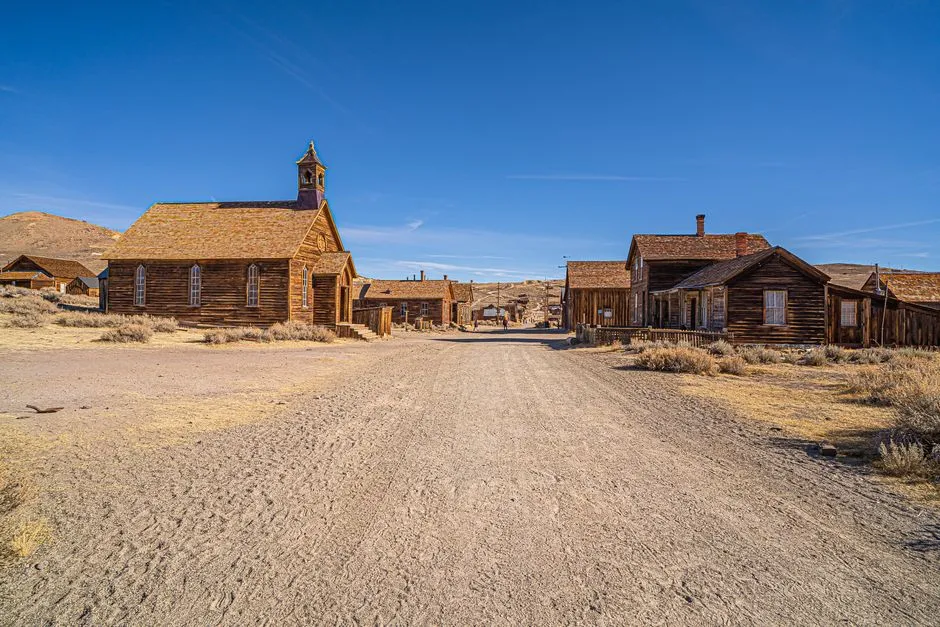
Colorado doesn’t just have single ghost towns – it has entire high-altitude neighborhoods of them. Around the St. Elmo area, places like Tin Cup and Hancock dot the mountains with surprisingly intact cabins, boarding houses, and mining structures. Rangers and off-road guides say most visitors assume the altitude and snow would have flattened everything by now.
Instead, dry air and solid log construction kept walls, roofs, and even porches upright well past 10,000 feet. Driving a high-clearance road into these spots, you find log cabins with recognizable window openings and doorways, some collapsed, but far more standing than anyone expects at that elevation. It doesn’t feel like finding one lucky ghost town – it feels like driving into an entire abandoned district of the Rockies, each cluster carrying its own story of optimism and isolation.
But #4 has streets with no houses left at all.
#4 – Centralia, Pennsylvania: The Ghost Town That Still Has Streets
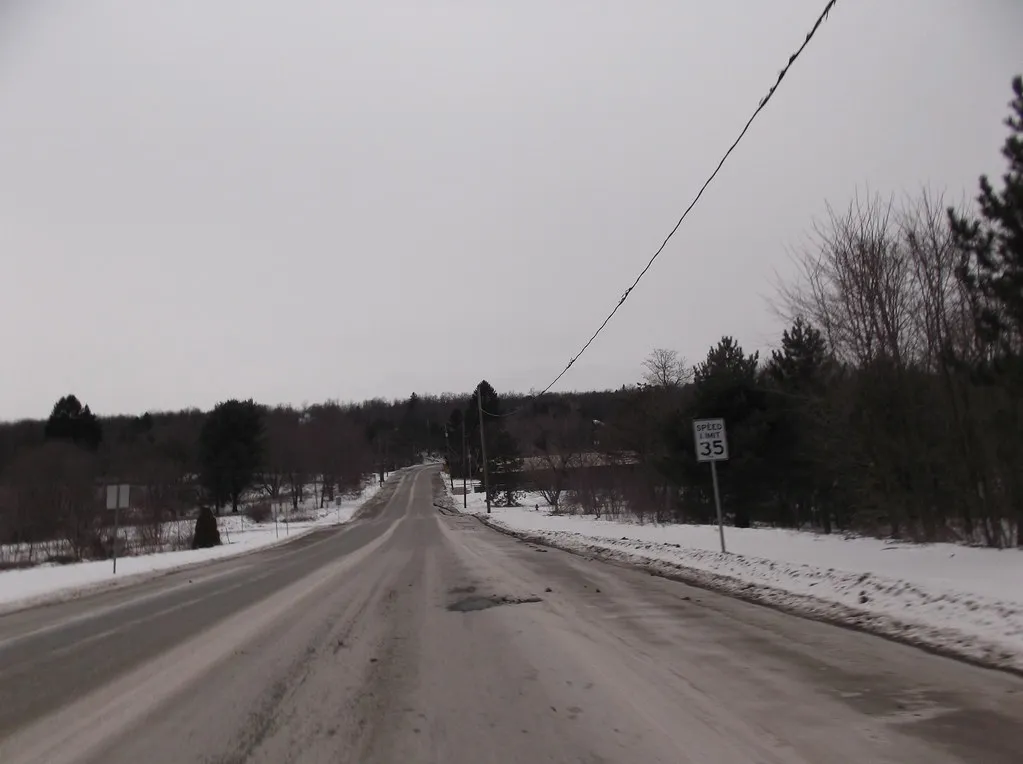
Centralia is the ghost town most Americans have heard of but completely misunderstand. Everyone knows about the underground coal mine fire. Almost nobody knows that a full grid of paved streets, curbs, and driveways still slices through the trees, even though nearly all the houses are gone.
Rangers and local officials often emphasize this isn’t a place to explore recklessly – but from legal vantage points, you can see exactly how intact the town’s skeleton remains. Street signs, drainage ditches, and old parking areas still mark a town that’s otherwise invisible. In some spots, grassy lawns and sidewalks exist without a single house around them, like the outline of a neighborhood that vanished overnight. It’s a different kind of intactness – no picturesque saloons, just an eerily perfect map of where life used to be.
But #3 is still technically alive, and that’s what makes it strange.
#3 – Jerome, Arizona: The Cliffside Town That Refuses to Crumble
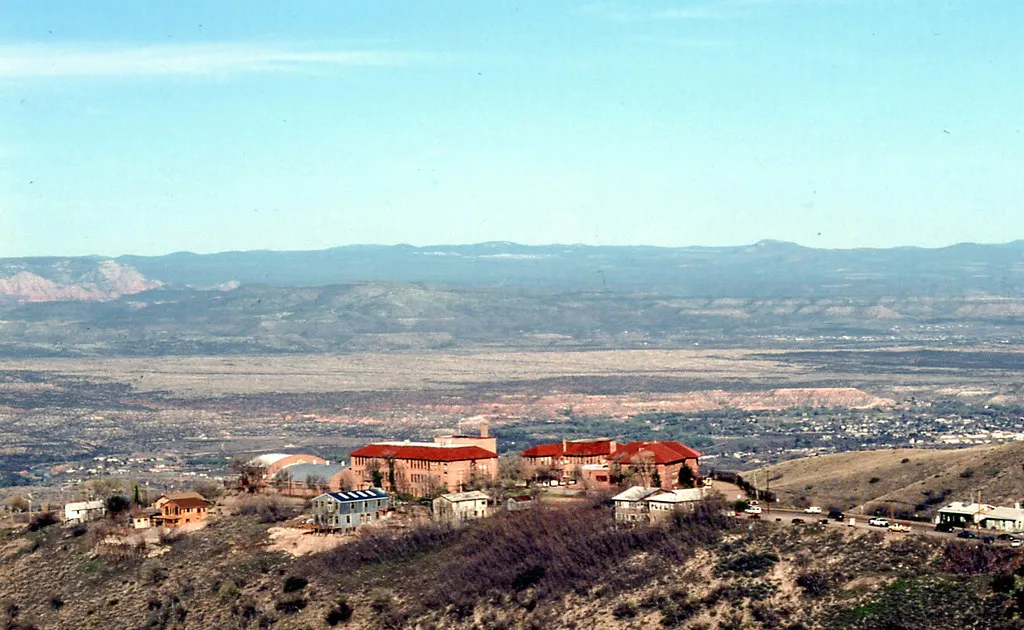
Jerome is often marketed as a ghost town, yet it’s still very much inhabited – another reason purists argue over it constantly. But look past the art galleries and wine bars and you’ll see why rangers and historians still point to its astonishing number of intact early-1900s brick and frame buildings clinging to the hillside. Entire switchback streets of old hotels, boarding houses, and shops still stand, repurposed instead of razed.
This is one of those rare places where preservation and reuse accidentally created a living ghost town museum. You can eat in a restaurant that used to be a miners’ boardinghouse, then walk past boarded-up structures standing right next to freshly renovated ones. Some ghost-town purists roll their eyes at how trendy Jerome has become. Others argue that so many original structures still standing – and still in use – is exactly what makes it extraordinary.
But #2 sits above 11,000 feet, and that’s supposed to be impossible.
#2 – Animas Forks, Colorado: The High Alpine Grid Still Standing
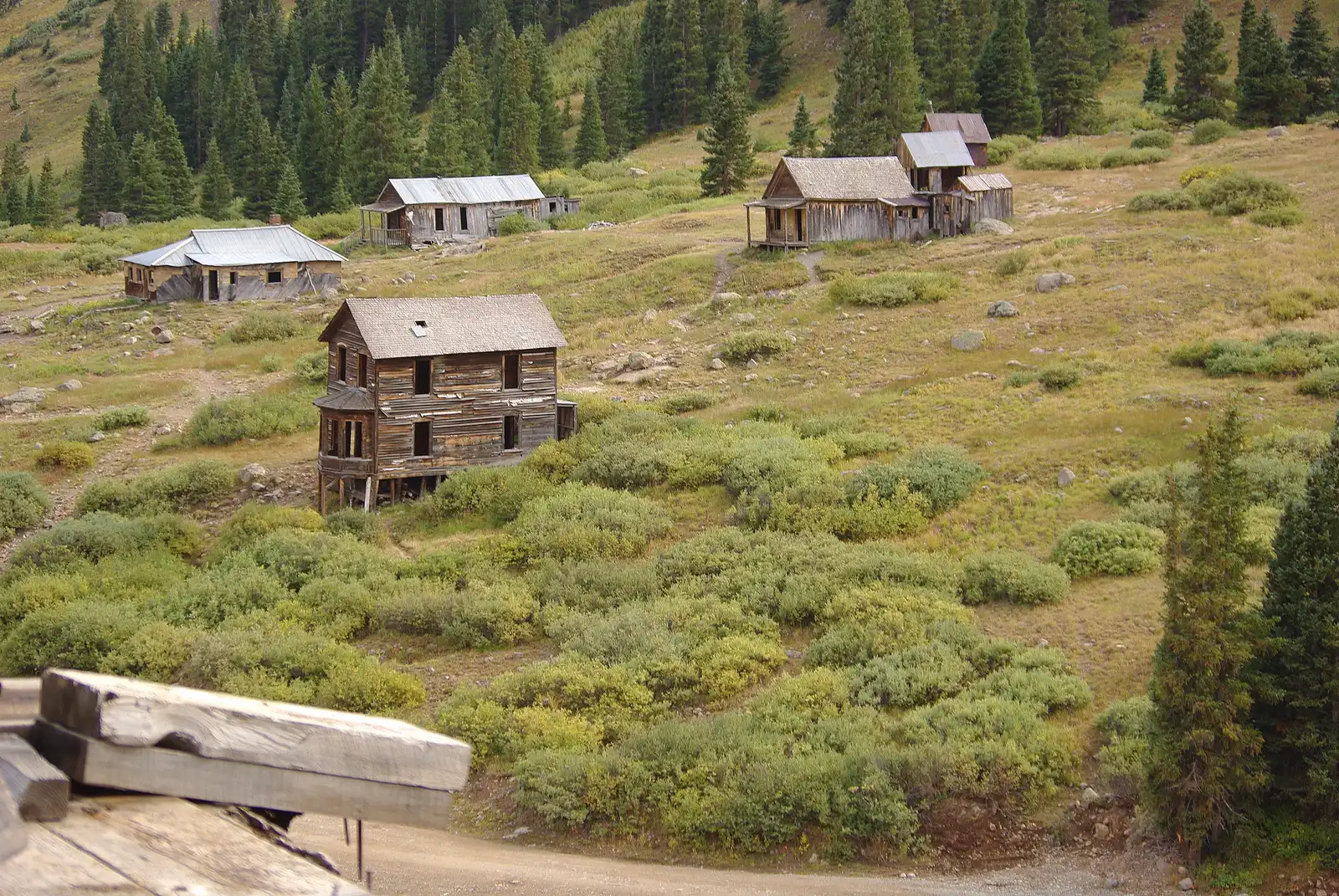
At over 11,000 feet, you’d expect Animas Forks to have been shredded by snow and wind decades ago. Rangers and BLM staff say that’s exactly the assumption most visitors show up with – until they crest the last switchback and see a clearly defined townsite with multiple standing homes and buildings, framed by jagged peaks. The famous two-story Duncan House, with its bay window, still stands as the centerpiece.
What shocks people most is how easy it is to read the town’s entire layout: streets, building rows, and distinct house sites, some with multiple structures still standing side by side. The altitude and isolation preserved Animas Forks in a way lowland towns almost never experience. Even half-collapsed cabins still hold enough structure that you can picture stoves, bunks, and families huddled inside during blizzards – hardcore ghost town hunters routinely rank it in their top three most intact-feeling sites in the Rockies.
Quick Compare
- Elevation: roughly 11,200 feet above sea level
- Founded: 1873, with a post office established in 1875
- Peak population: about 450 summer residents by the 1880s
- Today: nine original structures remain, including the two-story Duncan House
But #1 is the name every ranger says first, whether they mean to or not.
#1 – Bodie, California: Yes, Again – Because Rangers Say It’s the Benchmark
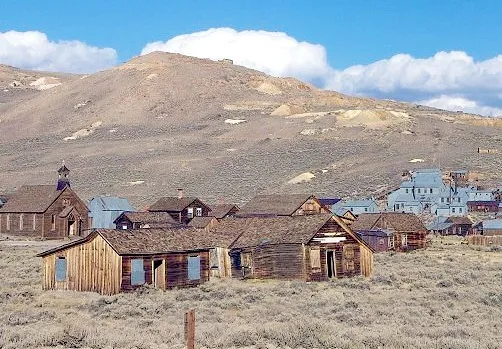
Ask a dozen rangers or serious ghost-town researchers which American ghost town is most intact, and Bodie comes up so often it’s almost predictable. But that repetition is the entire point. Bodie is the benchmark – an entire medium-sized town from the late 1800s still sprawling across a hillside, with more than 100 structures standing and interiors left almost exactly as they were found.
“Arrested decay” isn’t just a policy line here; it’s visible in every dust-coated piano, stocked store shelf, and rusting vehicle left in place. Most ghost towns give you pieces. Bodie gives you context – you can walk from the church to the school to the morgue in one continuous, intact environment, reading names on headstones that match businesses still standing in town. Some contrarians claim it’s overhyped, but they usually admit, reluctantly, that nothing else in the Lower 48 combines this level of authenticity, scale, and preservation.
The Bottom Line
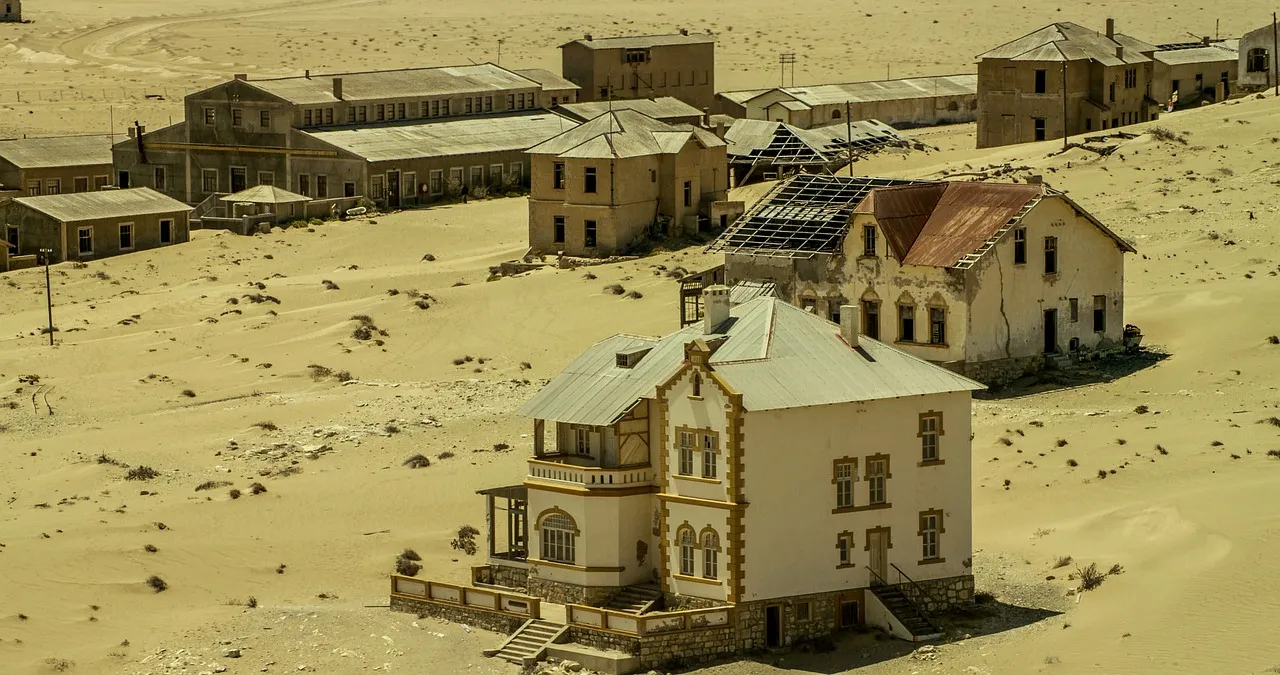
Most people hear “ghost town” and picture charred posts and a story you have to imagine for yourself. Rangers know better. Across the United States, entire main streets, industrial complexes, schoolhouses, and boardinghouses are still standing, quietly outlasting the industries and dreams that built them.
Some, like Bodie and Bannack, are protected time capsules kept exactly as they fell. Others, like Centralia and Terlingua, mess with our whole idea of what “abandoned” even means. Here’s the part that stings a little: a lot of shiny, ticket-booth “Old West” attractions feel faker than these half-forgotten towns rotting quietly in the wind.
If you want the real thing, you have to get off the highway, trust the rangers, and treat what’s left like it matters – because in most of these places, nobody’s coming back to fix what you break. Which of these would you actually brave in person, and which one do you think is more myth than miracle? Sound off in the comments.
