
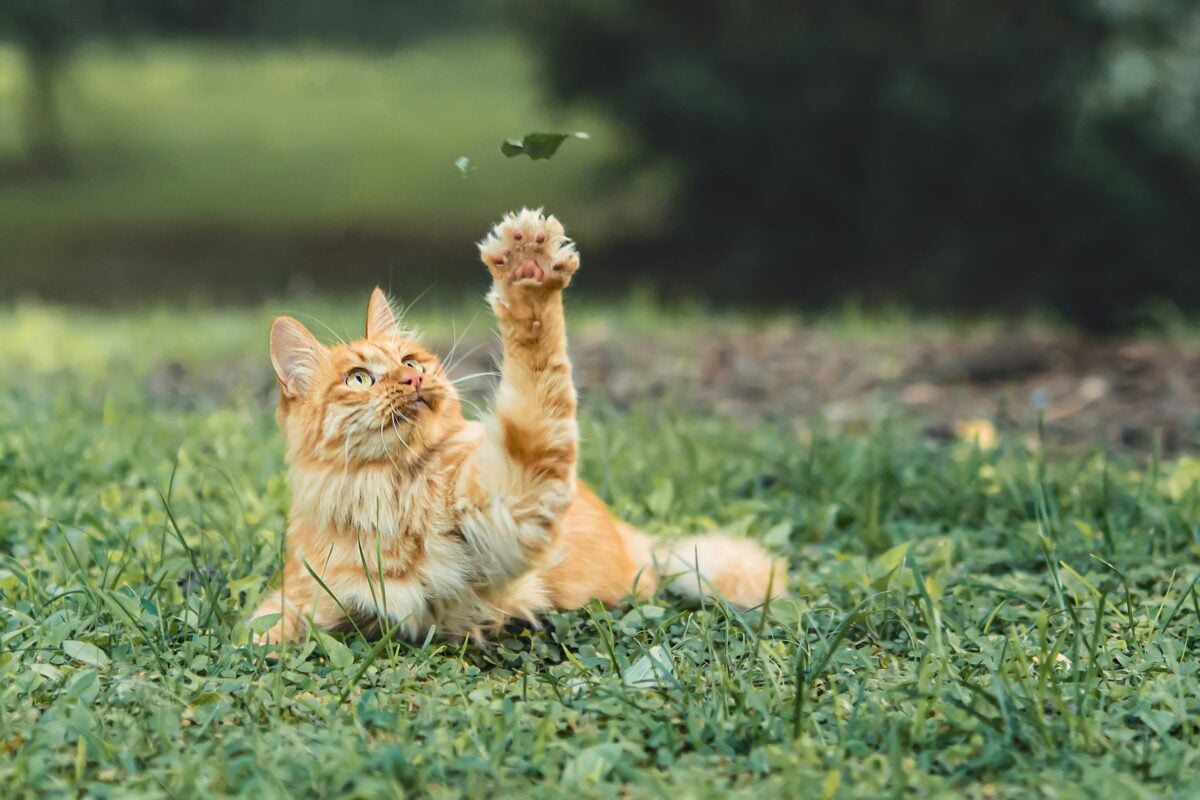
Most people decide a cat is settled the moment it stops hiding under the bed. It feels like a victory, and it is a good one. But vets say it’s only the first checkpoint, and an easy one to misread.
When a vet watches a cat, they’re reading dozens of tiny signals at once: how the shoulders sit, how the cat eats, how it behaves in a carrier, even where it chooses to nap. Some of the clearest signs look like nothing. Others get mistaken for the exact opposite of what they mean. Here are the 19 that actually count, and one of them is almost never what owners expect.
#19 – A Steady, Predictable Appetite
🔥 Would you like to save this?
We'll email this post to you, so you can come back to it later!
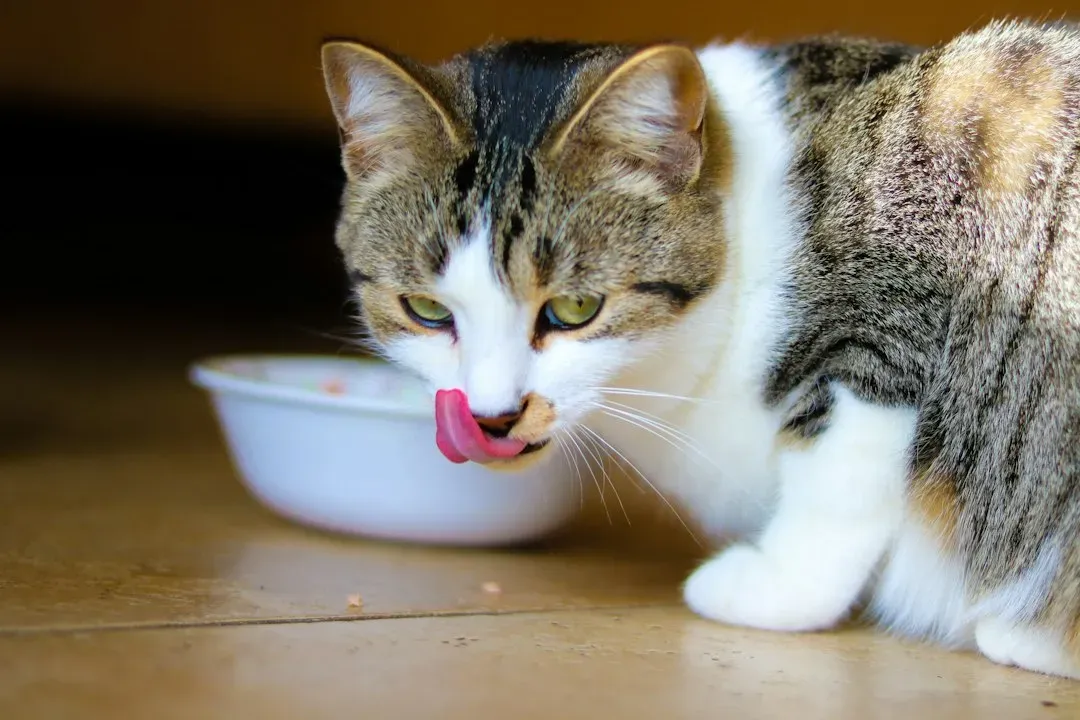
A cat that eats on schedule is sending a loud signal.
Stress shuts down appetite fast. A cat in a new or tense environment often skips meals, or eats only when nobody is watching. A cat who eats calmly in full view of people is telling you it feels safe enough to lower its guard.
Vets care about the pattern, not just the volume. Settled cats tend to eat at consistent times and finish a similar amount each day. Cats naturally graze in small meals, so some variation is fine. It’s the sudden swings that get attention.
- Eats with relaxed ears and a loose body
- Doesn’t bolt food or glance around nervously
- Returns to the bowl at regular times
But appetite is only half of the digestive story, and the other half is far less glamorous…
#18 – Boring, Reliable Litter Box Habits
🔥 Would you like to save this?
We'll email this post to you, so you can come back to it later!
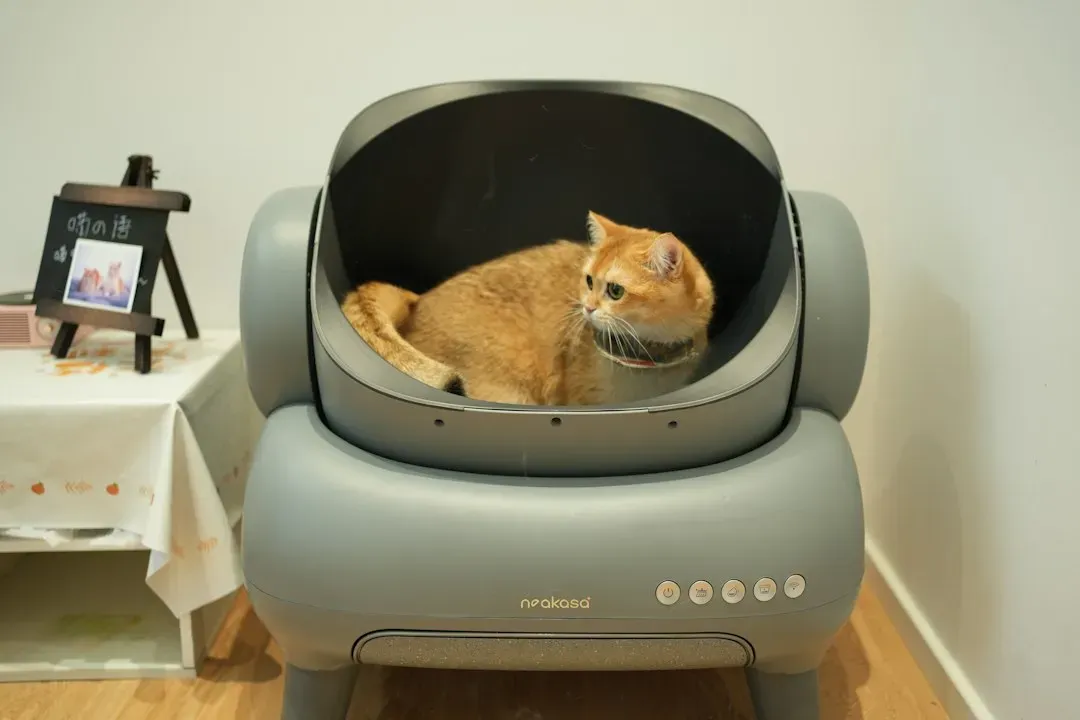
Nothing about a litter box is glamorous, but vets treat it like a report card.
Cats are fussy about where they eliminate. When they feel insecure, they may avoid the box, go in odd corners, or hold it too long. Inappropriate elimination is one of the most common behavior complaints vets hear about.
A settled cat uses the box without drama. It digs, goes, covers, and walks away calmly. The same spot gets used consistently, and the cat doesn’t linger nervously at the door first.
Here’s the catch. A sudden change can mean a medical issue like a urinary problem, not just stress. Vets rule out the body before blaming the mind.
Fast Facts
- Feline welfare guidelines suggest one box per cat, plus one extra
- A good box is roughly 1.5 times the length of your cat, nose to tail base
- Scooping at least once a day keeps fussy cats coming back
- Many cats prefer unscented litter over perfumed options
Box location matters as much as the box itself. A quiet, easy-to-reach spot beats a hidden, noisy one near the washing machine.
Speaking of body language, the next sign is something you can read from across the room…
#17 – A Loose, Soft Body Posture
🔥 Would you like to save this?
We'll email this post to you, so you can come back to it later!
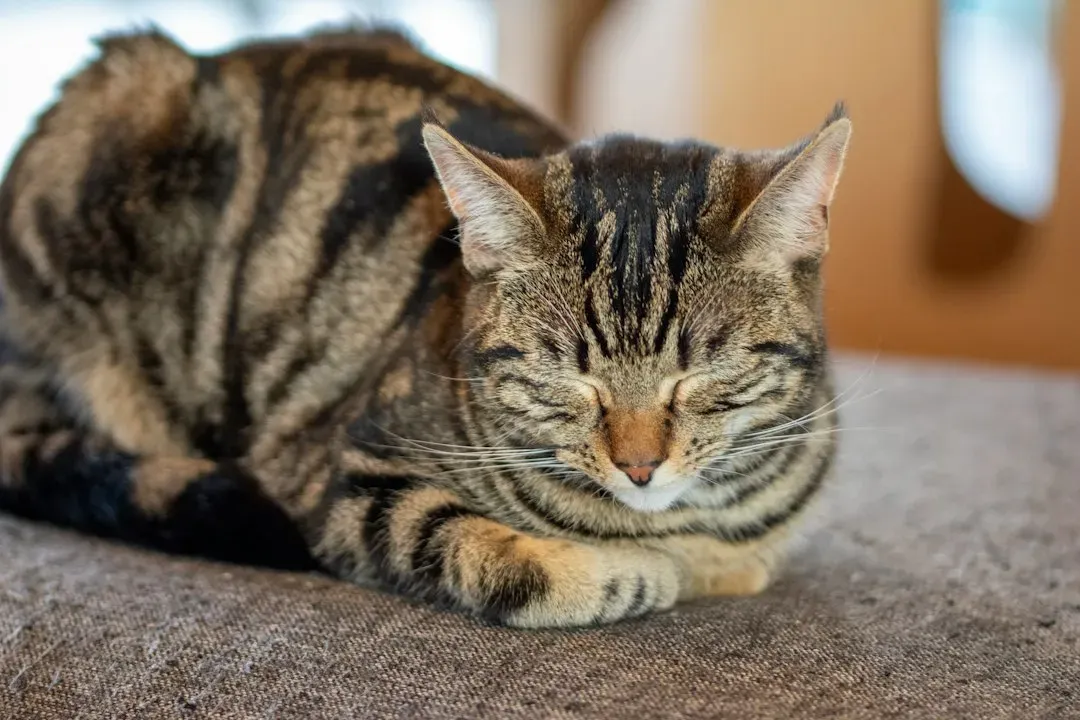
Settled cats look oddly… melted.
Tense cats hold their bodies tight. Muscles are coiled, the back is stiff, and the weight sits ready to bolt. A comfortable cat does the opposite.
Vets can often tell a cat is relaxed before it makes a sound, simply from how its muscles hold. The shoulders drop. The spine curves loosely. The paws tuck under in the classic “loaf.”
Then look at the face:
- Ears in a neutral, forward position
- Whiskers relaxed, not pulled back or fanned forward
- Eyes soft, with normal-sized pupils in normal light
And then there’s a signal that isn’t about the body at all, but about the eyes…
#16 – The Slow Blink
🔥 Would you like to save this?
We'll email this post to you, so you can come back to it later!
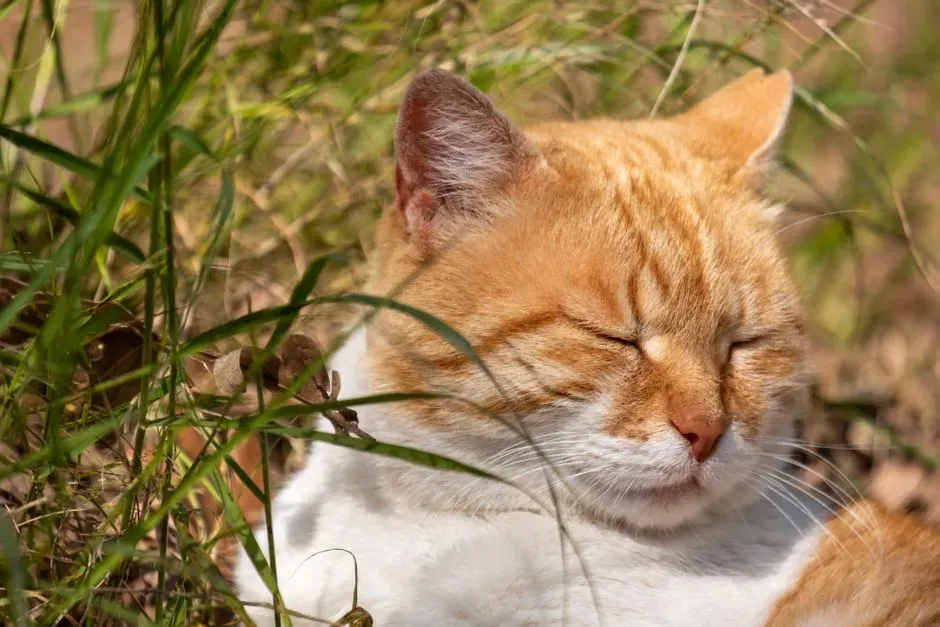
This one actually has research behind it, and it’s easy to mistake for sleepiness.
A 2020 study in Scientific Reports, from researchers at the Universities of Sussex and Portsmouth, tested cat reactions to slow blinks. Cats were more likely to approach a person who slow-blinked at them than one who stayed neutral.
In cat language, a hard stare is confrontational. A slow blink softens the eyes and reads as calm and non-threatening, the visual version of a deep exhale.
You can answer back. Half-close your eyes slowly, then look away. Don’t stare. The cat isn’t drowsy. It’s talking to you.
If the eyes tell one story, the tail tells another, and it’s more dramatic than you’d think…
#15 – The Tail Held High
🔥 Would you like to save this?
We'll email this post to you, so you can come back to it later!
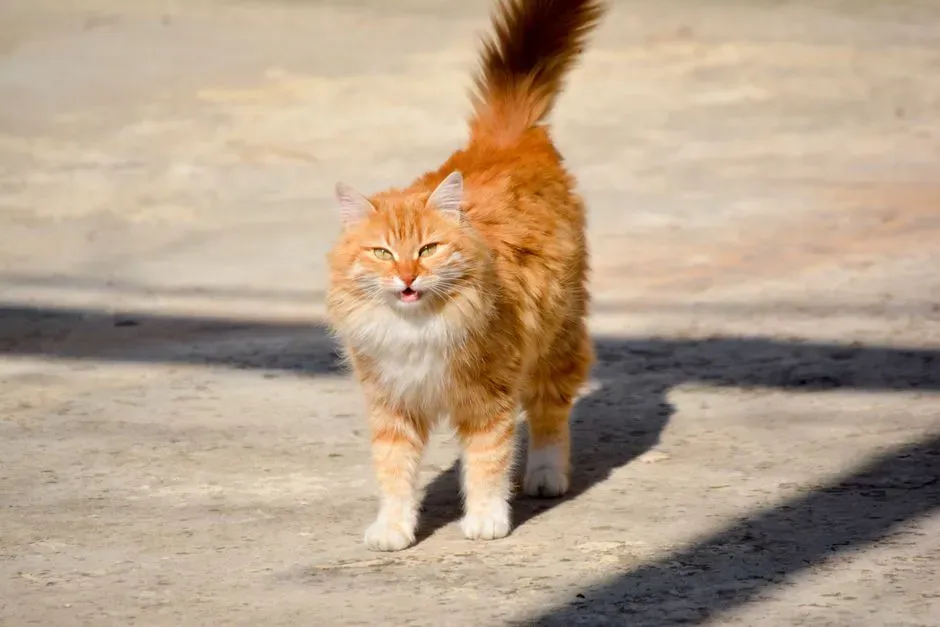
A raised tail is a greeting, not a decoration.
Research on free-roaming cat colonies has linked the upright tail to friendly approach. Cats tend to lift the tail when they walk toward a trusted individual. It’s a visible “I come in peace.”
A tail with a slight curl or quiver at the tip often signals the cat is especially pleased to see you. A quivering tail held straight up can look alarming, but in a relaxed cat it usually means happy excitement.
Here’s a quick way to tell the friendly versions from the warning ones.
Quick Compare
- Tall, upright tail: friendly greeting
- Upright with a quivering tip: happy excitement
- Puffed tail: fear or alarm
- Low or tucked tail: anxiety
- Thrashing tail: irritation
Context is everything. Read the tail together with the ears, eyes and body, never on its own.
Still, the tail only works while a cat is upright. The next sign shows up when it’s lying down…
#14 – Sleeping in the Open
🔥 Would you like to save this?
We'll email this post to you, so you can come back to it later!
Where a cat sleeps matters more than how long.
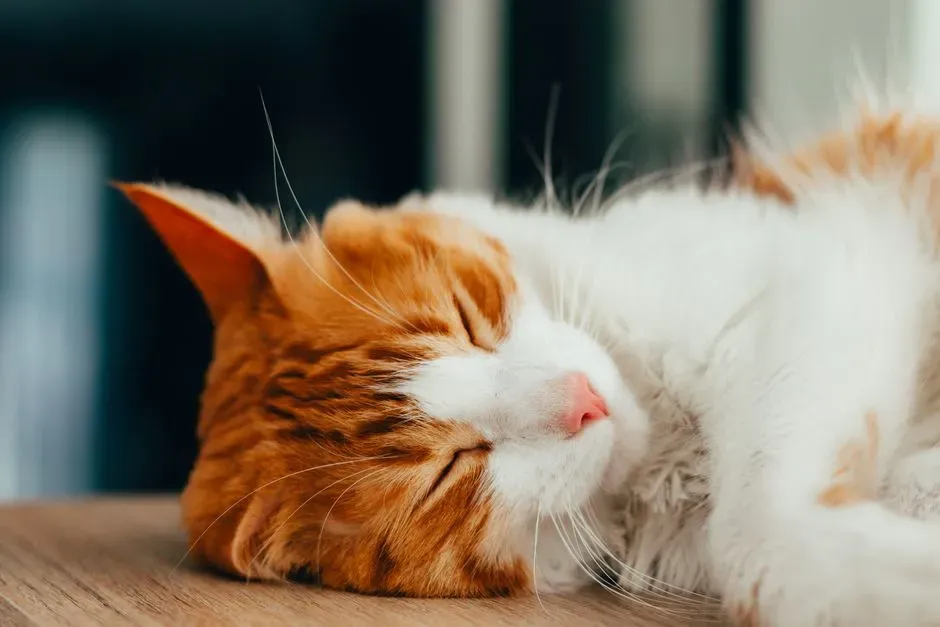
Cats are both predators and prey, so sleeping is a vulnerable activity. Anxious cats pick hidden spots like under beds or behind furniture. A cat that dozes in the middle of the living room floor is making a very bold statement of trust.
Cats sleep a lot overall. Many sleep roughly 12 to 16 hours a day, with kittens and seniors often sleeping more. That’s normal, not laziness.
Watch the style of sleep:
- Curled tightly with the nose tucked in can mean lighter, guarded rest
- Sprawled out or on their side often suggests deep comfort
- Ears twitching during sleep are normal
And if sleeping in the open sounds bold, wait until you see what comes next…
#13 – The Exposed Belly (Yes, It’s a Trap)

🔥 Would you like to save this?
We'll email this post to you, so you can come back to it later!
This is the most misunderstood sign on the list.
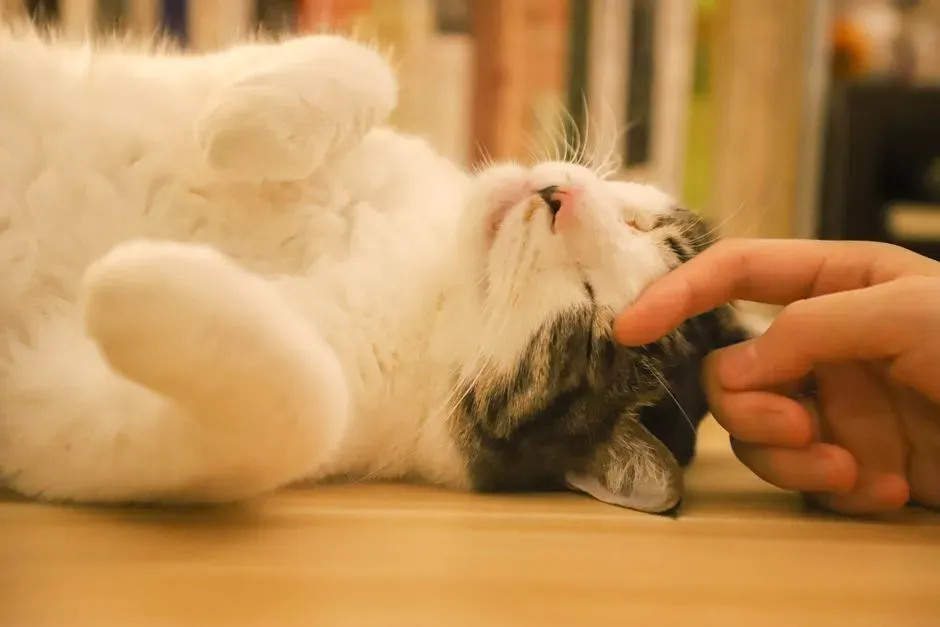
A cat that rolls over and shows its belly is displaying trust. The stomach is the most vulnerable part of its body. But it’s usually not an invitation to rub.
Many cats dislike belly touches, even when they’re completely relaxed. Reaching in can trigger a grab or a bite. That’s not betrayal. It’s instinct.
Experts often read the belly flop as “I feel safe here,” full stop. Honor the trust by respecting the boundary. A gentle chin scratch will usually go over far better.
It’s an easy one to get wrong, because a signal of comfort looks so much like a request for contact.
And the next sign is one that actually asks for contact, with tiny, rhythmic paws…
#12 – Kneading
🔥 Would you like to save this?
We'll email this post to you, so you can come back to it later!
Those little “biscuits” have a baby-cat backstory.
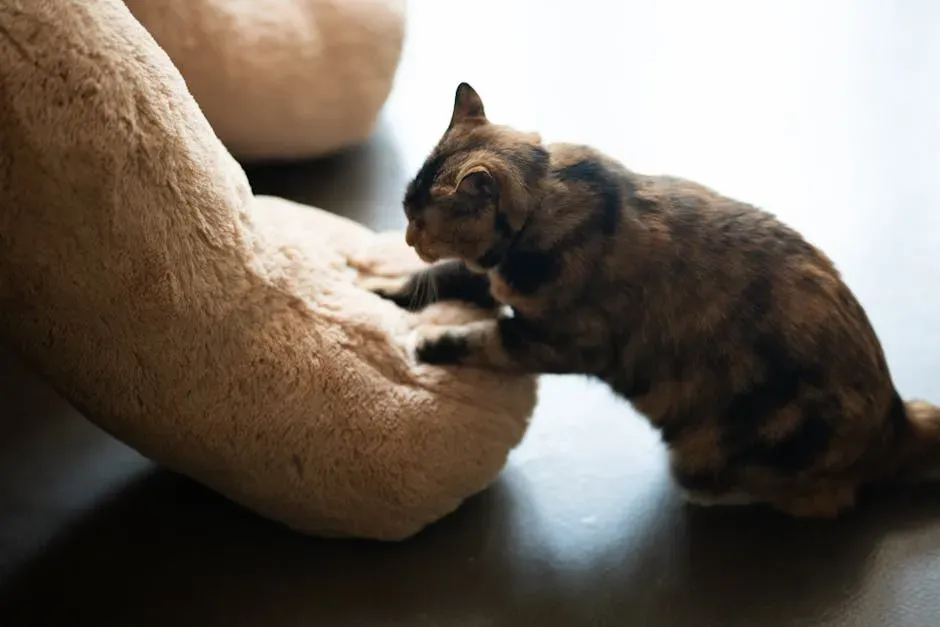
Kittens knead their mother’s belly to stimulate milk flow. Many adult cats keep the habit and use it when they feel content. Cats may also knead as a way of leaving scent from glands in their paws.
The exact reason is still debated, and behaviorists don’t agree on one explanation. What most agree on is the context. Kneading typically shows up when a cat is relaxed, warm and comfortable.
Watch for the full package:
- Slow, rhythmic pressing with alternating paws
- Half-closed eyes
- Often paired with purring
If claws bother you, trim them or add a thick blanket between you and the paws. Punishing the behavior only confuses a cat who is trying to say it’s happy.
But kneading is only one way cats mark things as theirs, and the next is much more subtle…
#11 – Head Bunting and Cheek Rubbing
🔥 Would you like to save this?
We'll email this post to you, so you can come back to it later!
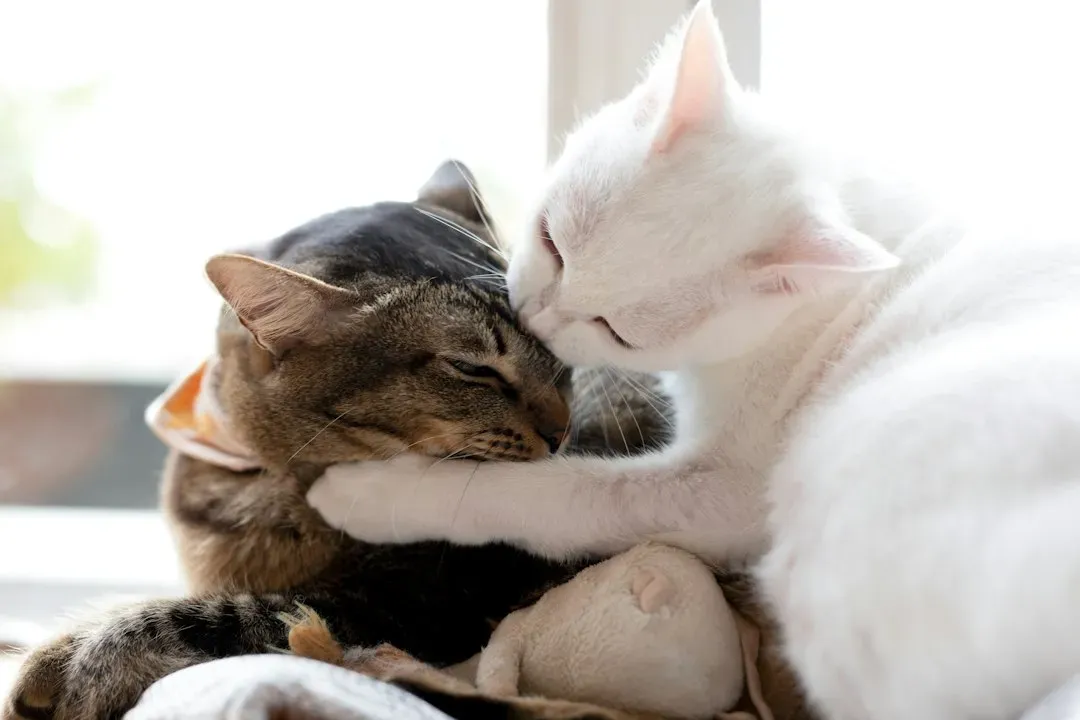
Your cat is literally labeling you.
Cats have scent glands around the cheeks, chin and forehead. When they rub against you, furniture or door frames, they leave their scent behind. In effect, a cat that rubs on you is adding you to its familiar “safe” list.
Cats living together often rub against each other too. That mutual scent mixing helps build a shared group smell.
Vets read this as a strong sign of comfort. A nervous cat avoids touching unfamiliar things. A settled cat makes its mark freely. Many commercial calming products copy a synthetic version of cat facial pheromones. Results vary by cat, but the idea shows how much these scents matter.
But there’s a grooming habit that can look similar and mean the opposite…

Portable Dog Water Bottle Foldable Dog Travel Water Bottle
Check Price on AmazonAs an Amazon Associate, we earn from qualifying purchases.
10/7/2026 1:29 pm GMTi

PetSafe Oasys Pet Fountain, 1/2 Gallon (64 oz), Small Dogs & Cats
Check Price on AmazonAs an Amazon Associate, we earn from qualifying purchases.
10/8/2026 8:14 am GMTi

Halloween Cat Costume Cloak Witch Hat Pet Accessories
Check Price on AmazonAs an Amazon Associate, we earn from qualifying purchases.
10/9/2026 2:44 pm GMTi

Halloween Dog Collar with Bow, Orange Cute Ghost Collar,
Check Price on AmazonAs an Amazon Associate, we earn from qualifying purchases.
10/9/2026 2:43 pm GMTi

Glass Hummingbird Feeder for Outdoors Hanging
Check Price on AmazonAs an Amazon Associate, we earn from qualifying purchases.
10/7/2026 1:21 pm GMTi
#10 – Calm, Balanced Grooming
🔥 Would you like to save this?
We'll email this post to you, so you can come back to it later!
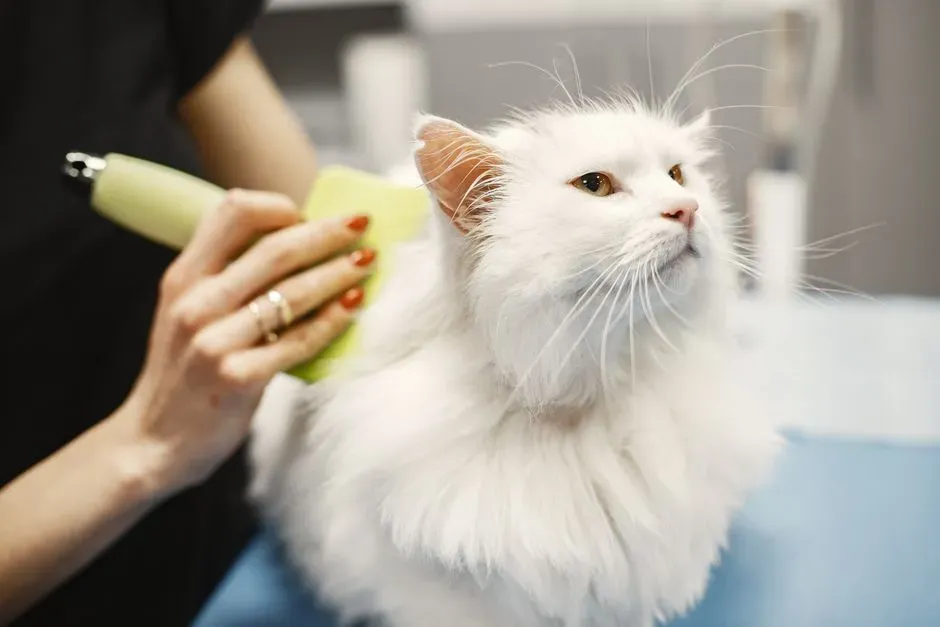
Cats groom a lot, and that’s normal. The trick is telling healthy grooming from the worrying kind.
A settled cat grooms in relaxed, regular sessions. It might wash after a meal or before a nap. The coat stays glossy and even.
Too much grooming is a classic stress red flag. Over-grooming can lead to bald patches, thinning fur or sore skin, and vets look at it closely. It can have medical causes too, like skin issues or pain.
The opposite is just as telling. A cat that stops grooming, with a greasy, matted or unkempt coat, may be unwell or stressed. Cats who groom each other, on the other hand, tend to share a bond.
- Balanced grooming means comfortable
- Obsessive grooming means investigate
- No grooming means a vet visit
Now for something far more energetic, and a lot more fun to watch…
#9 – Real, Engaged Play
🔥 Would you like to save this?
We'll email this post to you, so you can come back to it later!
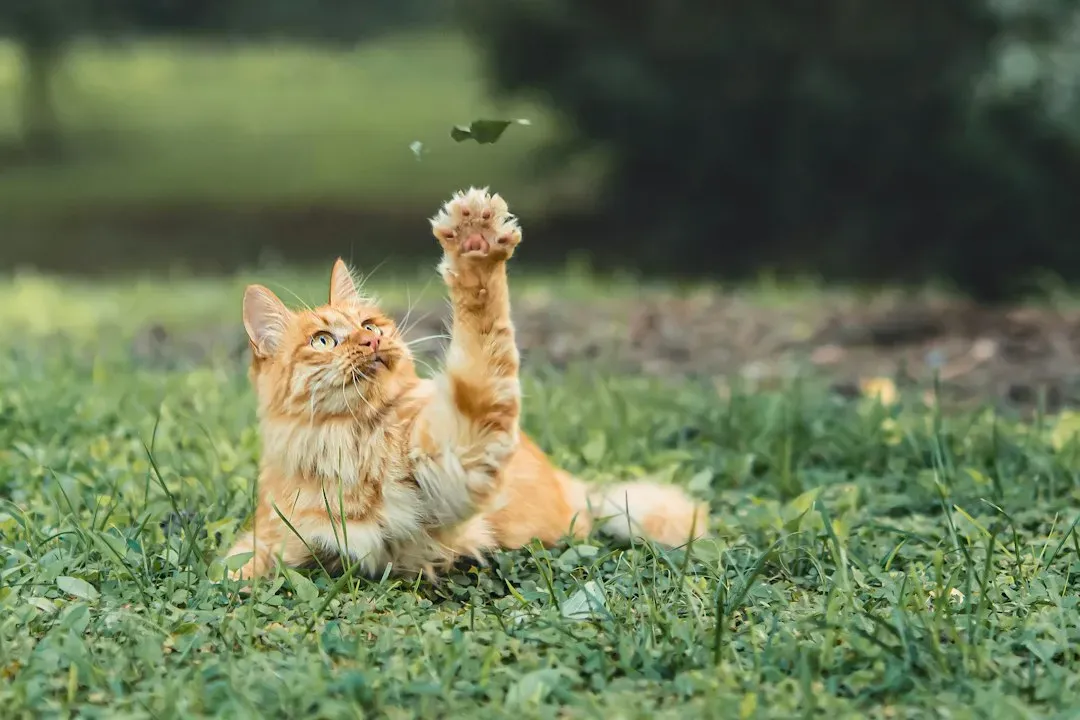
A playing cat is a cat that feels secure.
Play takes energy and attention. Stressed cats usually don’t have either to spare. Cat play mimics the hunting sequence: stalk, chase, pounce, catch.
Vets love seeing the full sequence. It shows the cat feels safe enough to lower its guard and get a little silly.
Look for the wiggly hindquarters before a pounce, the low crouch and the laser focus on a toy. Afterward, the cat may groom or eat, which mirrors the natural end of a hunt.
And play often leads to exploring, which is the next clue vets pay attention to…
#8 – Confident Exploring
🔥 Would you like to save this?
We'll email this post to you, so you can come back to it later!
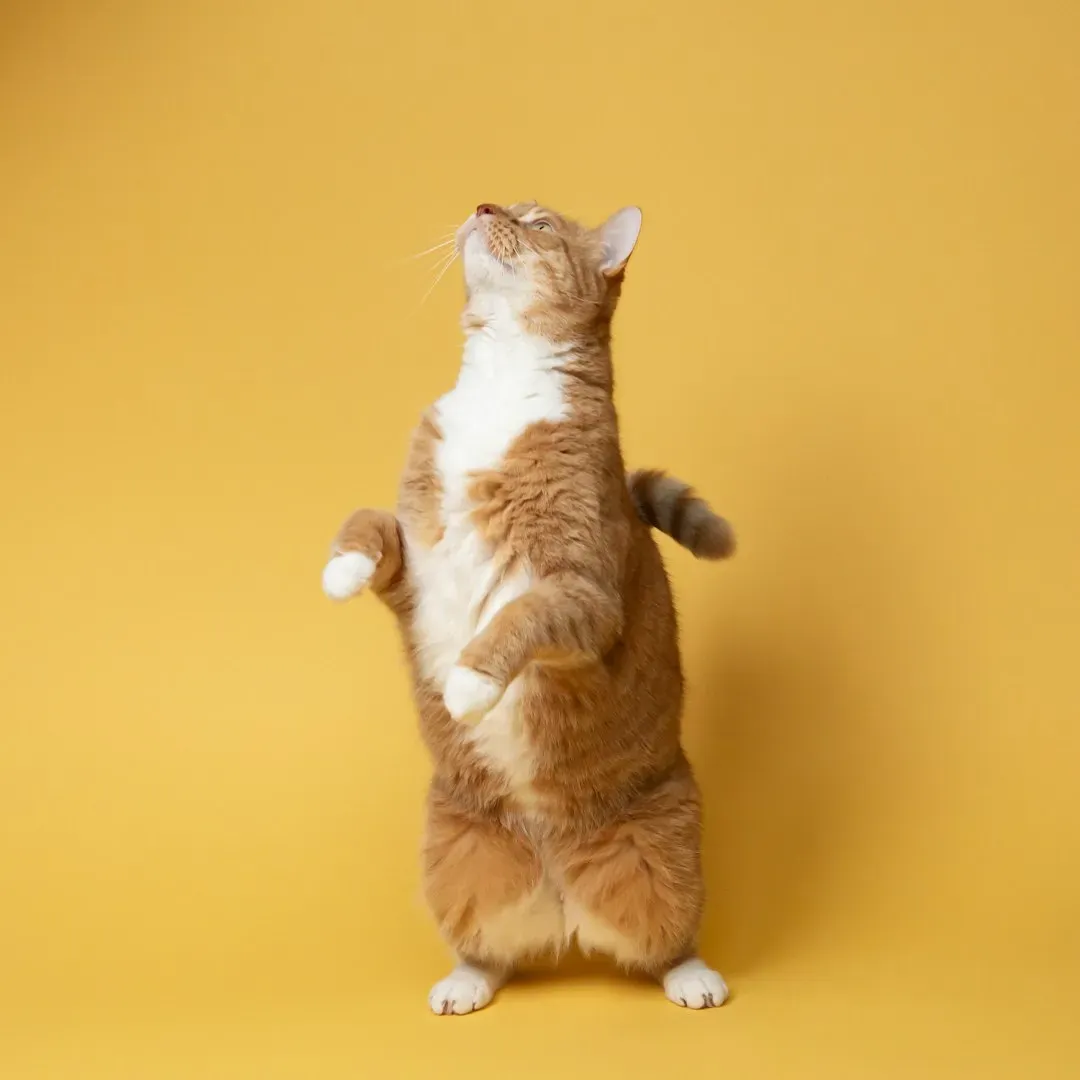
A settled cat treats the entire home as its territory.
Newly adopted cats often stay in one room, or even one hiding place, for days. That’s normal. Many behaviorists say a slow start is better than forcing a cat to meet everything at once.
Over time, a comfortable cat widens its map. It checks windowsills, climbs shelves and wanders into rooms it ignored before. Its tail is up and its movements are unhurried.
Vertical space matters here. Cats feel safer when they can survey from above, so shelves and perches help.
Worth Knowing
- Start in one quiet room with food, water, a litter box and a hiding spot
- Open up more of the home only when the cat shows curiosity
- Add height with a cat tree, shelf or window perch
- Hiding for a few days is normal. Hiding for weeks is the flag
Here’s an opinion many experts share, and some owners don’t love. A cat that hides for weeks isn’t just “shy.” It may be telling you the environment needs changes.
A cat that explores is also a cat that marks, and not always where you’d like…
#7 – Scratching in Visible Places
🔥 Would you like to save this?
We'll email this post to you, so you can come back to it later!
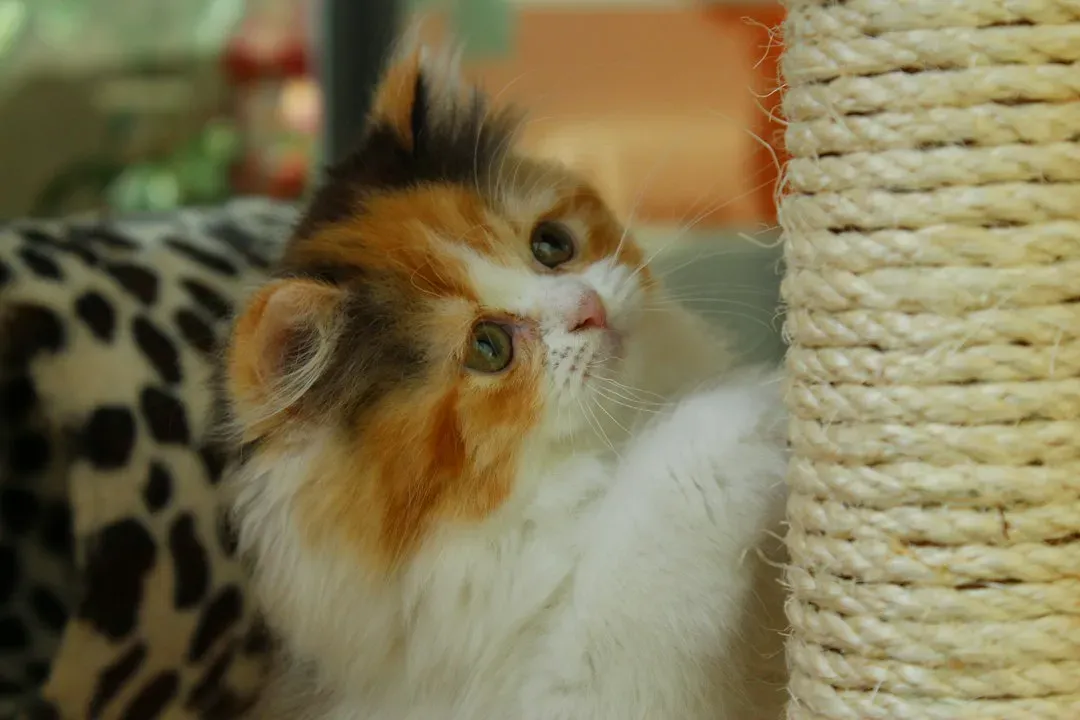
Scratching isn’t misbehavior. It’s communication.
Cats scratch to stretch, shed claw sheaths and leave both visual and scent marks. Paw pads contain scent glands, so scratching deposits scent too. A cat that scratches in the middle of a room is announcing its presence on purpose.
Hidden or rare scratching might suggest insecurity. Open, confident scratching, especially after waking, is a comfort sign.
Vets recommend giving cats what they need:
- A tall, sturdy post that lets them stretch fully
- Different textures, like sisal or cardboard
- Placement near sleeping areas and walkways
But the next signal isn’t something you see. It’s something you hear…
#6 – Chirps, Trills and Chatty Greetings
🔥 Would you like to save this?
We'll email this post to you, so you can come back to it later!
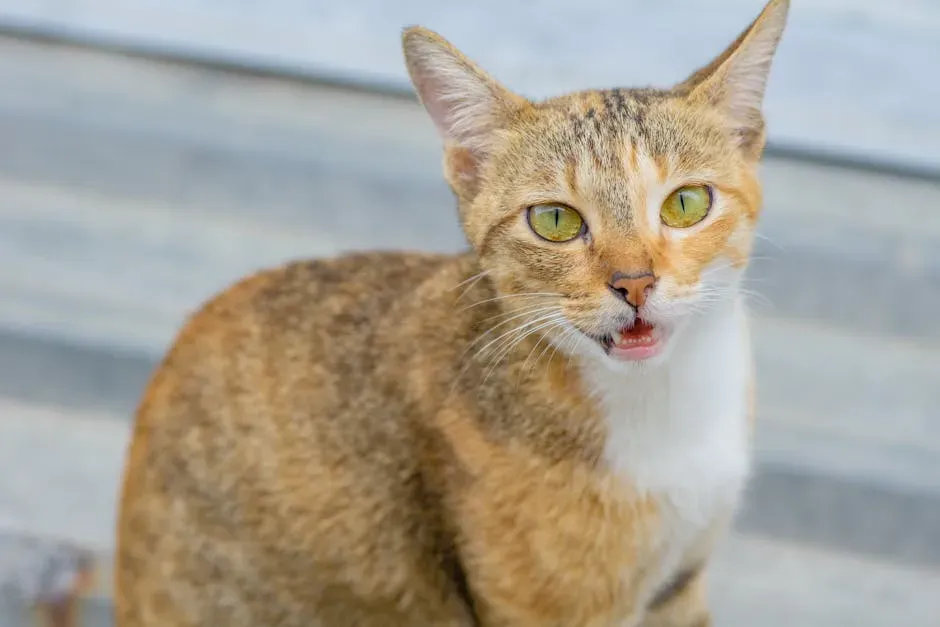
Cats talk to people in ways they rarely talk to each other.
Adult cats don’t meow much at other cats. The classic “meow” is largely a cat-to-human language that many cats develop around people.
Trills and chirps are the friendly end of that vocabulary. A short, rising trill is often a greeting. Mother cats use similar sounds to call their kittens.
At a Glance
- Short, rising trill: a friendly hello
- Chirp: curious or excited, often at birds or at you
- Standard meow: a request aimed at people, like food or attention
- Yowl: distress, pain or confusion
- Hiss or growl: fear or warning, so give space
Constant loud crying, especially at night, deserves a vet check, particularly in older cats. Cats also differ a lot in how talkative they are, and some breeds are chattier than others.
A cat that greets you by voice is also likely to do something else, and it can be a little clingy…

2 Pcs Halloween Pet Hat Bandana Set, Witch Pumpkin Costumes for Dogs
Check Price on AmazonAs an Amazon Associate, we earn from qualifying purchases.
10/9/2026 2:45 pm GMTi

Hand Blown Glass Hummingbird Feeders for Outdoors Hanging, 24oz Wild Bird Nectar Feeder
Check Price on AmazonAs an Amazon Associate, we earn from qualifying purchases.
10/7/2026 1:23 pm GMTi

Smart Bird Feeder with Camera Solar Powered, 2K HD Live Video, 10,000+ Bird Species AI Identification
Check Price on AmazonAs an Amazon Associate, we earn from qualifying purchases.
10/7/2026 1:22 pm GMTi

Earth Rated XL Dog & Puppy Pee Pads, Discreet Top, Max Absorbency
Check Price on AmazonAs an Amazon Associate, we earn from qualifying purchases.
10/7/2026 1:28 pm GMTi

Professional 7 in 1 Dog Paw Cleaner for Dogs & Cats - Includes 1 Portable Paw Washer, 1 Bath Brush
Check Price on AmazonAs an Amazon Associate, we earn from qualifying purchases.
10/7/2026 1:26 pm GMTi
#5 – Following You From Room to Room
🔥 Would you like to save this?
We'll email this post to you, so you can come back to it later!
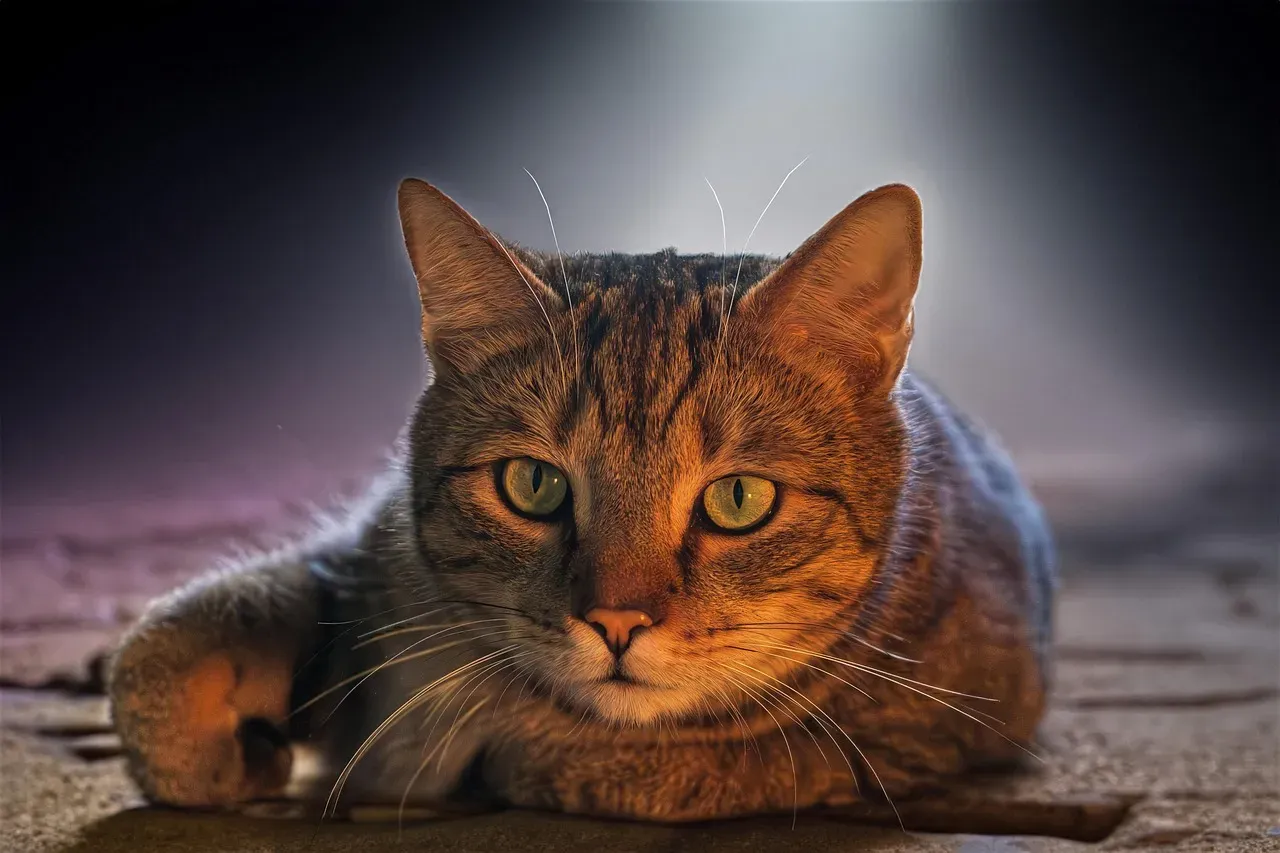
Your shadow has a scientific explanation.
A 2019 study in Current Biology tested cats and their caregivers in a modified attachment test. About 64% of the cats showed a secure attachment to their owners, a rate similar to that seen in human infants.
Secure cats used their person as a safe base. They explored more when the owner was present and settled quickly after brief separations.
So when your cat trails you into the kitchen, it may simply be checking in. That’s trust, not neediness.
It also challenges a stubborn stereotype. Cats are not as aloof as people claim, and that myth has shaped how many people treat them.
And that attachment shows up in something very practical, which is time…
#4 – Knowing the Routine
🔥 Would you like to save this?
We'll email this post to you, so you can come back to it later!
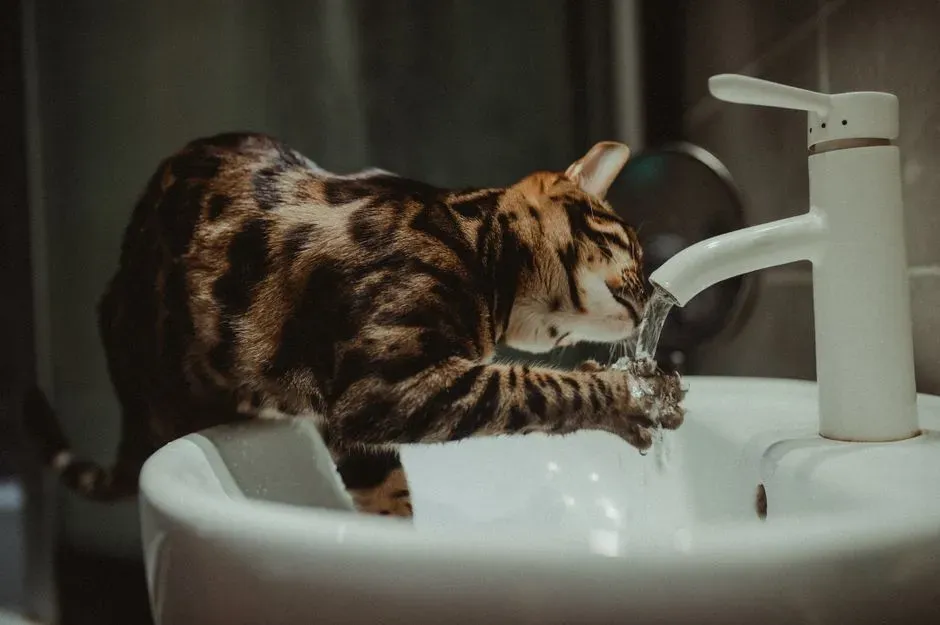
Cats are creatures of habit, and vets love that.
When a cat feels settled, it learns your rhythm. It shows up near the food bowl before dinner, waits by the door at your usual time, or hops on the bed at bedtime. Routine anticipation shows that a cat has learned its environment is predictable.
Predictability is calming for cats. Many behavior experts recommend steady feeding and play schedules, particularly for new arrivals.
It also explains why changes can rattle them so much. Moving furniture, new pets or new schedules can all cause stress. A few ways to keep a settled cat settled:
- Keep feeding times steady
- Introduce changes gradually
- Provide hiding spots and high perches
Of course, the true test of a cat’s calm isn’t at home at all. It’s what happens when you leave the house together…
#3 – Staying Calm at the Vet
🔥 Would you like to save this?
We'll email this post to you, so you can come back to it later!
This is the stress test vets know best.
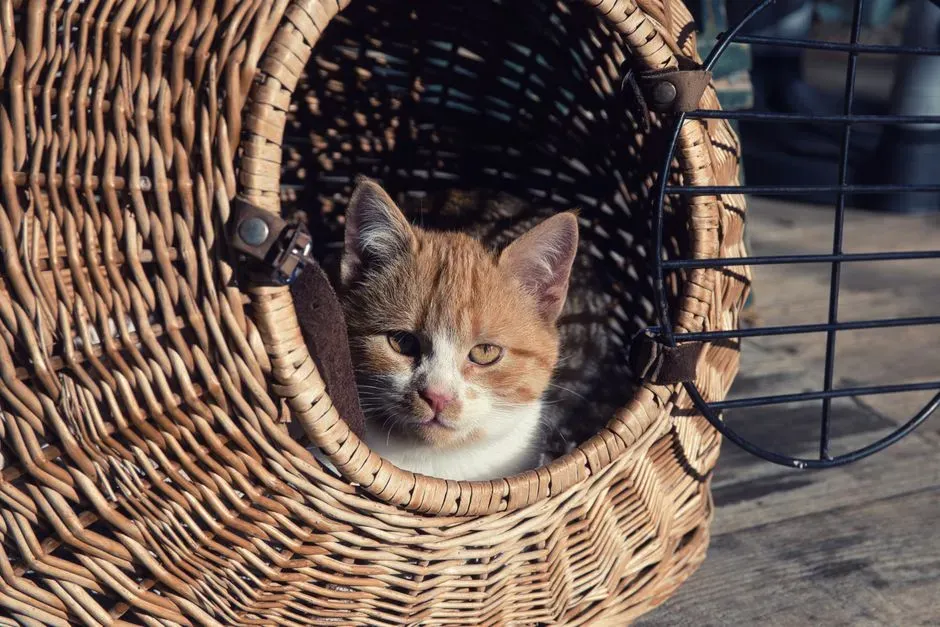
Clinics are loud, smell strange and are full of other animals. Even well-adjusted cats can get tense there. But cats that are comfortable with their carrier often handle exams far better.
That’s why many vets recommend leaving the carrier out at home. Make it a cozy resting place, not something that only appears before a visit.
A settled cat tends to recover faster after a startle, explore the exam table briefly and tolerate handling with less struggle. Clinics that follow low-stress handling approaches help a lot too.
But the next sign is the one everyone expects, and it’s the most misread of all…

Dog Stairs for Bed 18" H, 4-Step Dog Steps for High Bed
Check Price on AmazonAs an Amazon Associate, we earn from qualifying purchases.
10/9/2026 2:42 pm GMTi

Air Purifiers for Home Pets Large Room Up to 3000 Ft²,HEPA Air Cleaner with Washable Double-Side Filter, PM2.5 Air Quality Monitor,15dB Sleep Mode for Bedroom Odor Dust Pollen,White
Check Price on AmazonAs an Amazon Associate, we earn from qualifying purchases.
10/8/2026 8:23 am GMTi

Glass Hummingbird Feeder for Outdoors Hanging, 16 oz Leak-Proof Nectar Feeder with Bee Guards & Ant Moat
Check Price on AmazonAs an Amazon Associate, we earn from qualifying purchases.
10/7/2026 1:22 pm GMTi

Orthopedic Extra Large Dog Bed, Waterproof Washable XL Pet Bed 44"
Check Price on AmazonAs an Amazon Associate, we earn from qualifying purchases.
10/7/2026 1:32 pm GMTi
#2 – Purring With a Relaxed Body
🔥 Would you like to save this?
We'll email this post to you, so you can come back to it later!
Purring doesn’t always mean happy. Here’s the truth.
Cats purr when content, but also when stressed, hurt or ill. Some experts think purring may even help cats self-soothe. So a purr alone can never be read as proof of comfort.
What vets do is pair the purr with everything else. Soft eyes, loose muscles, relaxed ears and a calm face tell the real story.
If a cat purrs while hunched, hiding or refusing food, that’s a different message entirely. Always watch the whole animal.
Which brings us to the single clearest sign of all, and it happens when you aren’t even trying…
#1 – Falling Asleep Next to You
🔥 Would you like to save this?
We'll email this post to you, so you can come back to it later!
This is the moment vets and owners both treasure most.
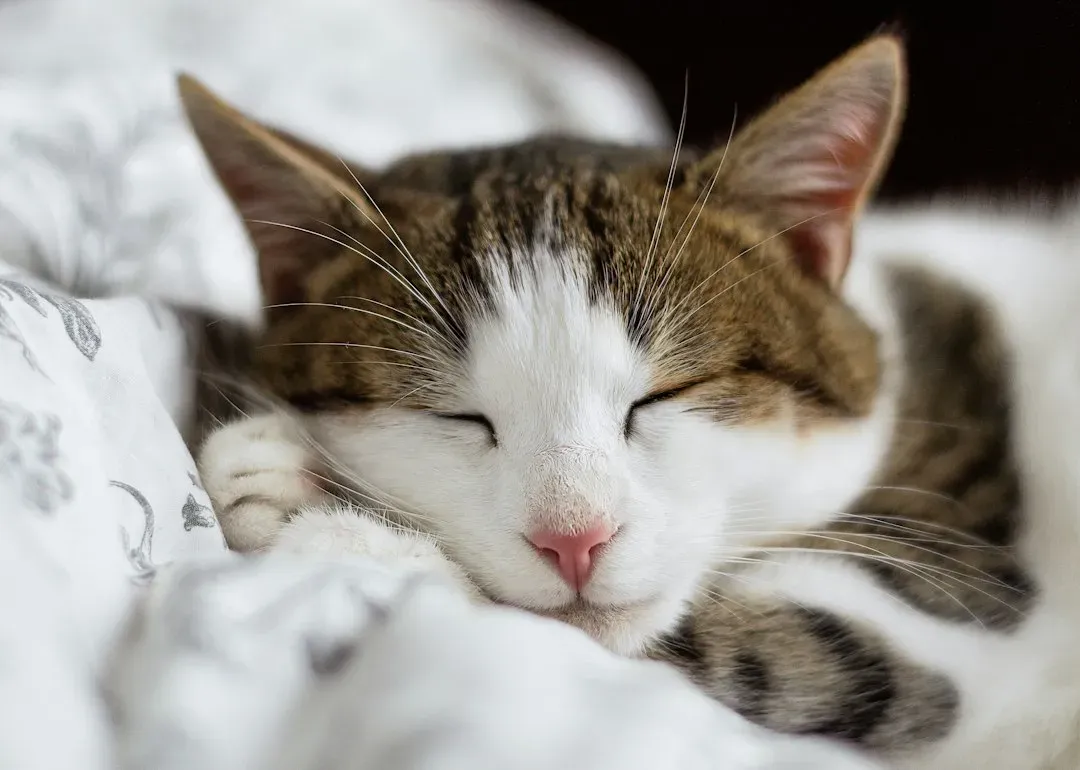
A cat that chooses to sleep beside you, or on you, is choosing vulnerability. It’s not hiding. It’s not on guard. It has decided you’re part of its safe zone, and that’s the deepest comfort a cat can show.
Look at the details. The cat curls against you, the breathing slows and the body goes limp. It may even snore a little.
Compare that with a cat who sleeps near you but in a rigid, tucked pose with eyes half open. That cat may be present, but not fully settled.
So when it happens, stay still and enjoy it. You didn’t just get a nap partner. You earned real trust.
Here’s my honest take. Most owners wait for one big moment, like a purr or a lap-sit, and decide a cat is settled. That’s the trap. Vets read clusters, not single signs.
A relaxed posture, steady appetite, normal litter box habits and confident exploring together say far more than any one purr. And if several of those are still missing after a few weeks, don’t write it off as “personality.” Call your vet.
Which sign did your cat show first, and how long did it take?

- 19 Signs a Vet Reads That Say a Cat Is Thoroughly Settled - November 9, 2026
- 7 Desert Animals That Can Survive Without Ever Drinking Water - November 9, 2026
- 10 Baby Animal Names That Will Surprise You - November 9, 2026