
Most people grow up knowing the usual suspects like kittens and puppies, yet the animal kingdom holds a whole set of far less familiar terms for its youngest members. These names often carry hints of history, regional dialects, or even the quirky traits of the species itself. A quick look at a few of them reveals how language and nature intersect in unexpected ways.
The surprise comes not just from the words but from the stories behind them and the animals they describe. Some evoke images of tiny, vulnerable creatures while others sound almost playful. Exploring these terms opens a window into biodiversity that goes beyond the everyday zoo visit or nature documentary.
10. Puggle

🔥 Would you like to save this?
We'll email this post to you, so you can come back to it later!
The puggle belongs to the platypus, one of the few mammals that lays eggs rather than giving live birth. This small, hairless hatchling emerges from a leathery egg and spends its early weeks in a burrow, relying on milk secreted through pores on the mother’s skin. The name itself feels light and almost cartoonish, yet it fits the creature’s unusual biology that blends features of birds, reptiles, and mammals.
Researchers note that puggles develop rapidly once they leave the egg, gaining fur and learning to swim within months. Their diet shifts quickly from milk to small invertebrates as they mature. The term puggle also applies to young echidnas, another egg-laying mammal, showing how the word bridges two distinct lineages in the monotreme group.
9. Leveret
🔥 Would you like to save this?
We'll email this post to you, so you can come back to it later!
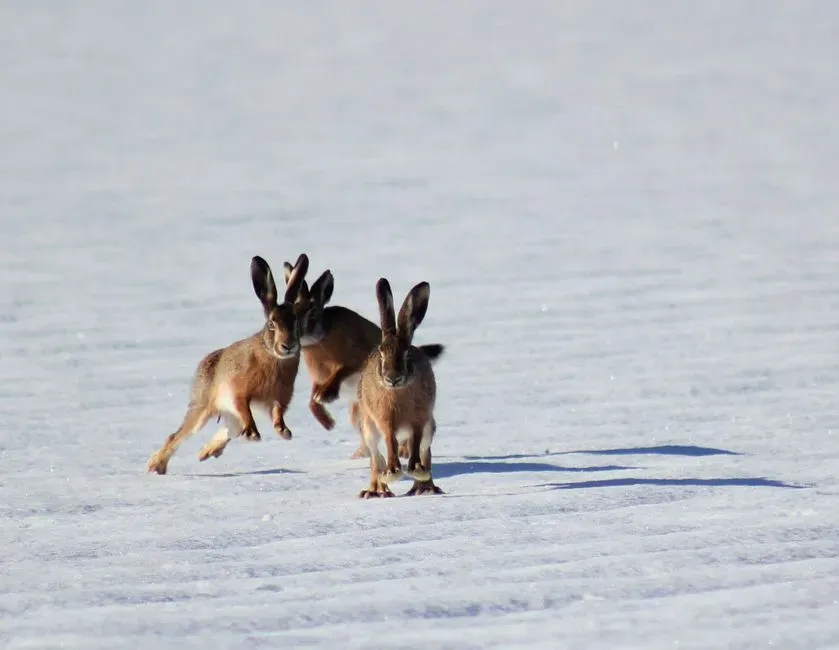
A leveret is the young of a hare, distinct from the more common rabbit kit. Hares are born fully furred with open eyes, ready to hop away from danger almost immediately after birth. This precocial trait sets them apart from many other mammals whose offspring require weeks of care before independence.
The word leveret traces back to older European languages and highlights the hare’s solitary lifestyle compared with social rabbits. In the wild, leverets rely on camouflage and speed rather than burrows for protection. Their rapid growth allows them to reach adult size within a single season, an adaptation suited to open grasslands and meadows.
8. Cygnet
🔥 Would you like to save this?
We'll email this post to you, so you can come back to it later!
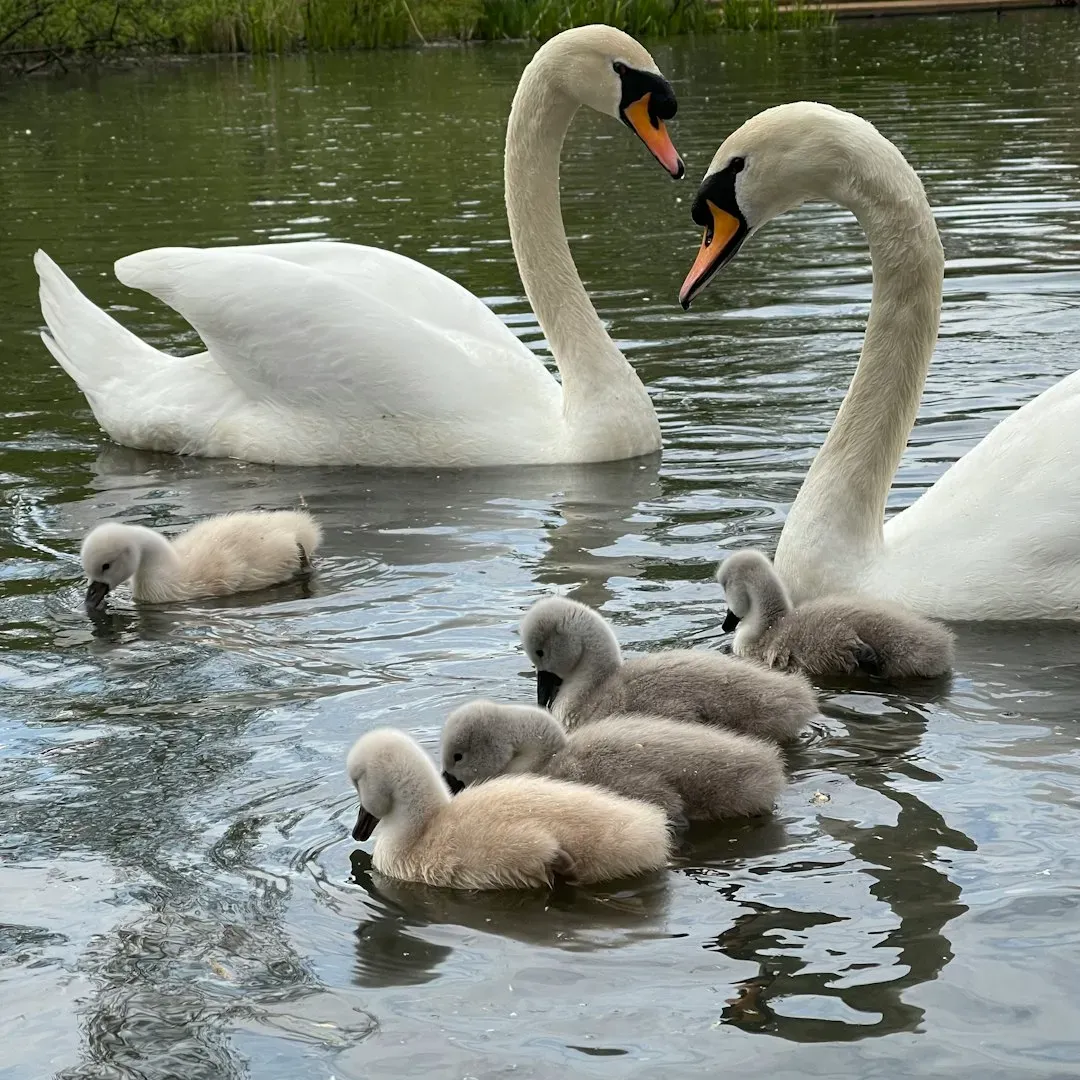
Cygnets are the offspring of swans, emerging as fluffy gray or white balls that quickly take to water. Unlike many waterfowl, these young birds stay with their parents for nearly a year, learning migration routes and feeding techniques along the way. The name carries a touch of elegance that matches the graceful adults they will become.
Swan pairs often raise several cygnets together, and the family unit remains tight-knit through the first winter. These birds grow at a steady pace, reaching near-adult size before their first flight feathers fully develop. The term cygnet appears in literature and folklore, underscoring the long cultural fascination with these majestic water birds.
7. Elver
🔥 Would you like to save this?
We'll email this post to you, so you can come back to it later!
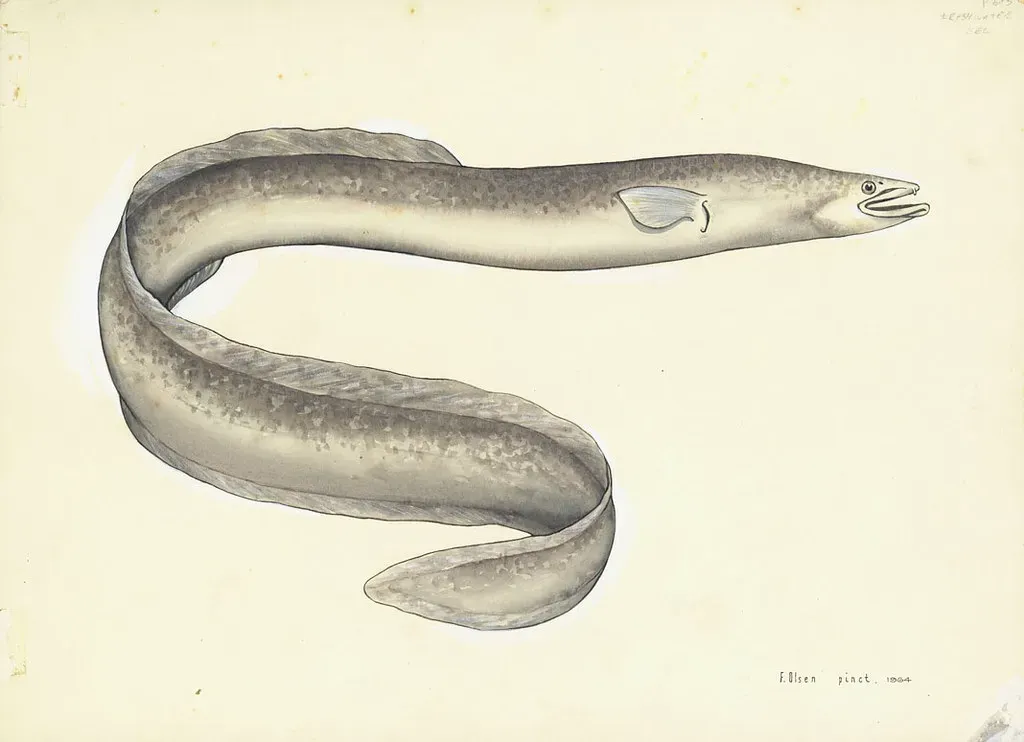
An elver represents the juvenile stage of an eel, arriving after a long oceanic journey from distant spawning grounds. These tiny, transparent creatures transform from larvae into more recognizable eel shapes as they enter freshwater rivers and streams. The name captures a phase of life marked by remarkable endurance and navigation skills.
Elvers face significant challenges during their upstream migration, including barriers like dams and changes in water quality. Once settled, they grow slowly over many years before returning to the sea as adults. This life cycle has fascinated biologists for centuries and continues to influence conservation efforts aimed at protecting eel populations.
6. Squab
🔥 Would you like to save this?
We'll email this post to you, so you can come back to it later!
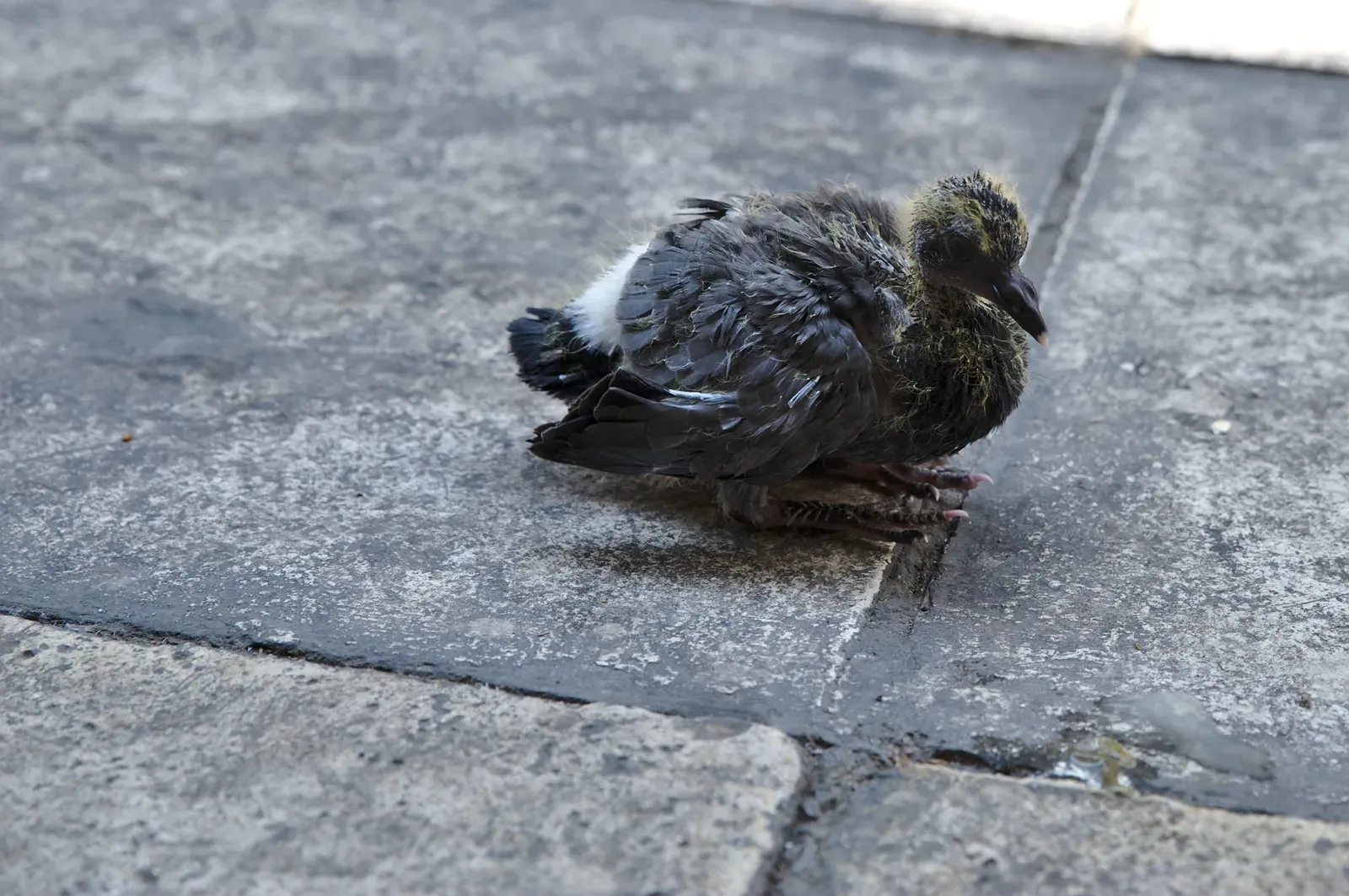
Squabs are young pigeons, known for their plump bodies and soft down before they fledge. In some regions the term also applies to young doves, and the birds are raised in nests high above the ground where both parents share feeding duties. Their rapid development allows them to leave the nest within weeks, ready for flight.
The word squab has culinary roots in certain cultures where young pigeons were once considered a delicacy. In the wild these birds thrive in urban and rural settings alike, adapting to human environments with ease. Their social behavior includes elaborate courtship displays that begin early in life.

Glass Hummingbird Feeder for Outdoors Hanging, 16 oz Leak-Proof Nectar Feeder with Bee Guards & Ant Moat
Check Price on AmazonAs an Amazon Associate, we earn from qualifying purchases.
10/7/2026 1:22 pm GMTi

Portable Dog Water Bottle Foldable Dog Travel Water Bottle
Check Price on AmazonAs an Amazon Associate, we earn from qualifying purchases.
10/7/2026 1:29 pm GMTi

Professional 7 in 1 Dog Paw Cleaner for Dogs & Cats - Includes 1 Portable Paw Washer, 1 Bath Brush
Check Price on AmazonAs an Amazon Associate, we earn from qualifying purchases.
10/7/2026 1:26 pm GMTi

Halloween Cat Costume Cloak Witch Hat Pet Accessories
Check Price on AmazonAs an Amazon Associate, we earn from qualifying purchases.
10/9/2026 2:44 pm GMTi

Earth Rated XL Dog & Puppy Pee Pads, Discreet Top, Max Absorbency
Check Price on AmazonAs an Amazon Associate, we earn from qualifying purchases.
10/7/2026 1:28 pm GMTi
5. Gosling
🔥 Would you like to save this?
We'll email this post to you, so you can come back to it later!
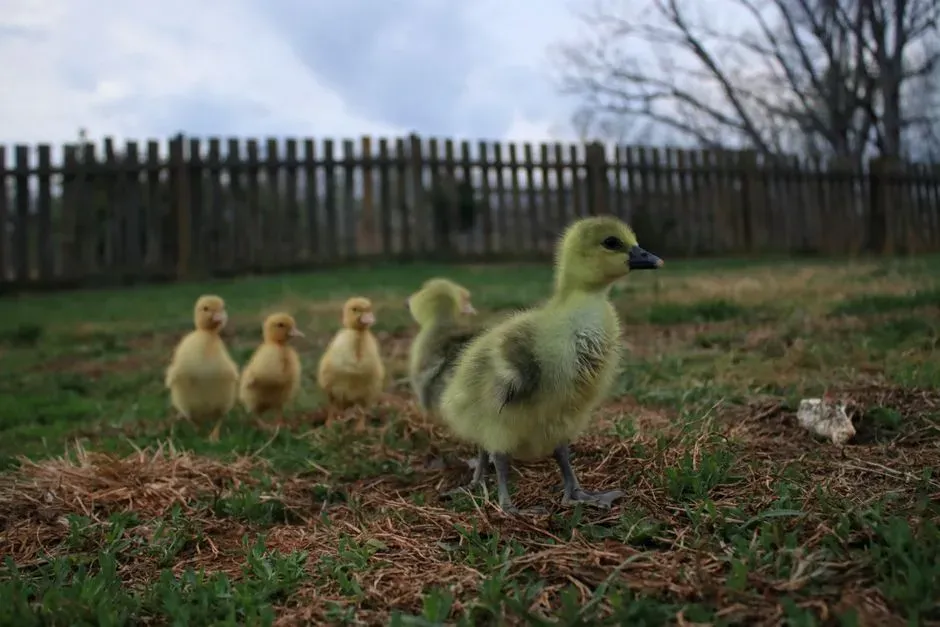
A gosling is the offspring of a goose, hatching covered in soft yellow down and quickly imprinting on its parents. These young birds follow the family unit closely, learning to graze and swim in synchronized groups. The name evokes a sense of vulnerability that contrasts with the protective nature of adult geese.
Goslings grow swiftly on a diet of grasses and aquatic plants, reaching a size that allows migration within months. Their vocalizations help maintain contact within the flock even in noisy environments. This early bonding period shapes their lifelong social patterns and navigation abilities.
4. Kit

🔥 Would you like to save this?
We'll email this post to you, so you can come back to it later!
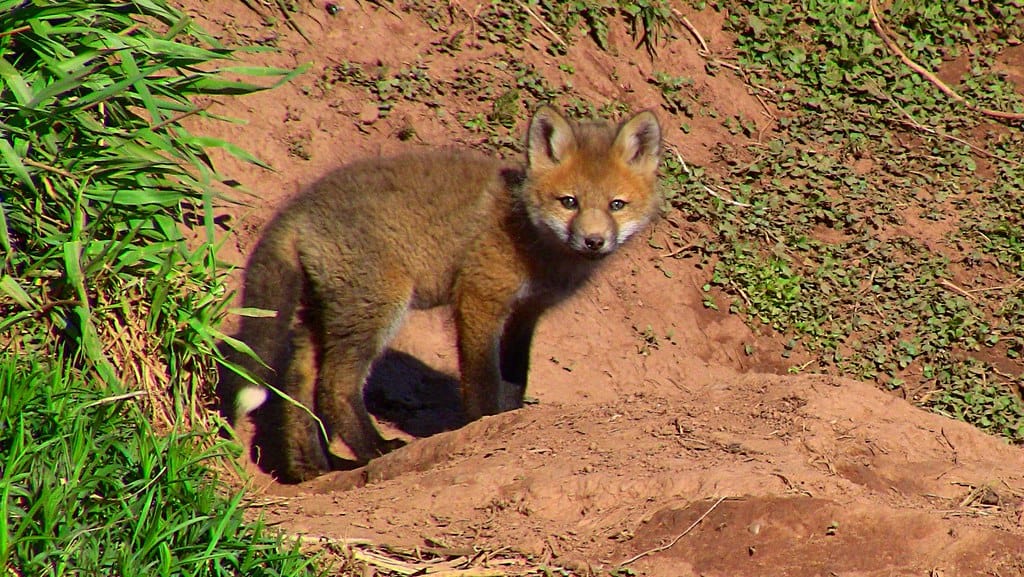
Kits refer to the young of foxes, though the term also appears for beavers and some other small mammals. Fox kits are born blind and deaf in underground dens, emerging after several weeks to explore their surroundings under close parental supervision. The name feels casual yet fits the playful energy these animals display early on.
Both parents often participate in raising the litter, teaching hunting skills through games and demonstrations. Kits develop their signature reddish coats and bushy tails as they mature, preparing for a more independent life by autumn. Their adaptability has allowed fox populations to thrive in diverse habitats worldwide.
3. Joey
🔥 Would you like to save this?
We'll email this post to you, so you can come back to it later!
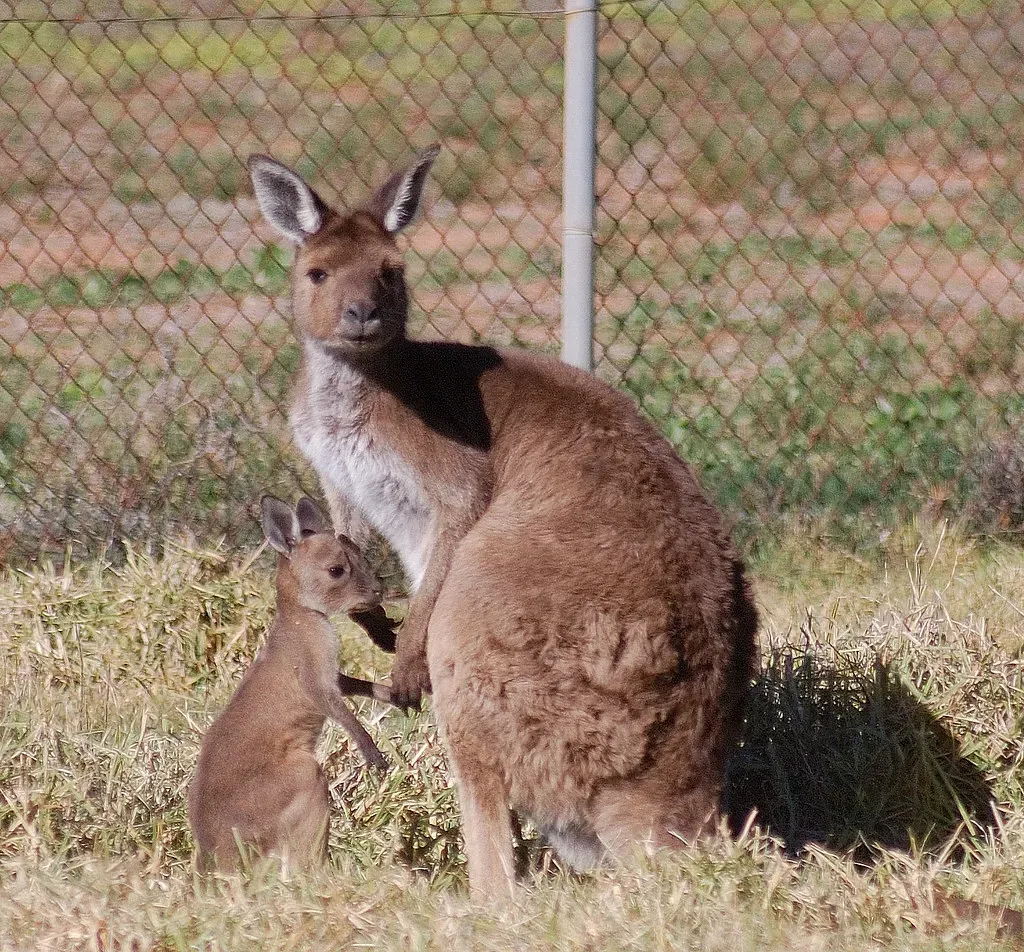
A joey is the baby kangaroo, spending its first months inside the mother’s pouch after a very short gestation period. This tiny, underdeveloped creature crawls to the pouch shortly after birth and attaches to a teat for nourishment and protection. The name carries an affectionate tone that matches the animal’s iconic status.
Joeys gradually venture out of the pouch as they grow stronger, returning for safety and milk until they are several months old. Their powerful hind legs develop during this time, preparing them for the bounding locomotion that defines the species. The extended parental care period supports the complex social structures seen in kangaroo groups.

Orthopedic Extra Large Dog Bed, Waterproof Washable XL Pet Bed 44"
Check Price on AmazonAs an Amazon Associate, we earn from qualifying purchases.
10/7/2026 1:32 pm GMTi

2 Pcs Halloween Pet Hat Bandana Set, Witch Pumpkin Costumes for Dogs
Check Price on AmazonAs an Amazon Associate, we earn from qualifying purchases.
10/9/2026 2:45 pm GMTi

Hand Blown Glass Hummingbird Feeders for Outdoors Hanging, 24oz Wild Bird Nectar Feeder
Check Price on AmazonAs an Amazon Associate, we earn from qualifying purchases.
10/7/2026 1:23 pm GMTi

PetSafe Oasys Pet Fountain, 1/2 Gallon (64 oz), Small Dogs & Cats
Check Price on AmazonAs an Amazon Associate, we earn from qualifying purchases.
10/8/2026 8:14 am GMTi

Smart Bird Feeder with Camera Solar Powered, 2K HD Live Video, 10,000+ Bird Species AI Identification
Check Price on AmazonAs an Amazon Associate, we earn from qualifying purchases.
10/7/2026 1:22 pm GMTi
2. Hoglet
🔥 Would you like to save this?
We'll email this post to you, so you can come back to it later!
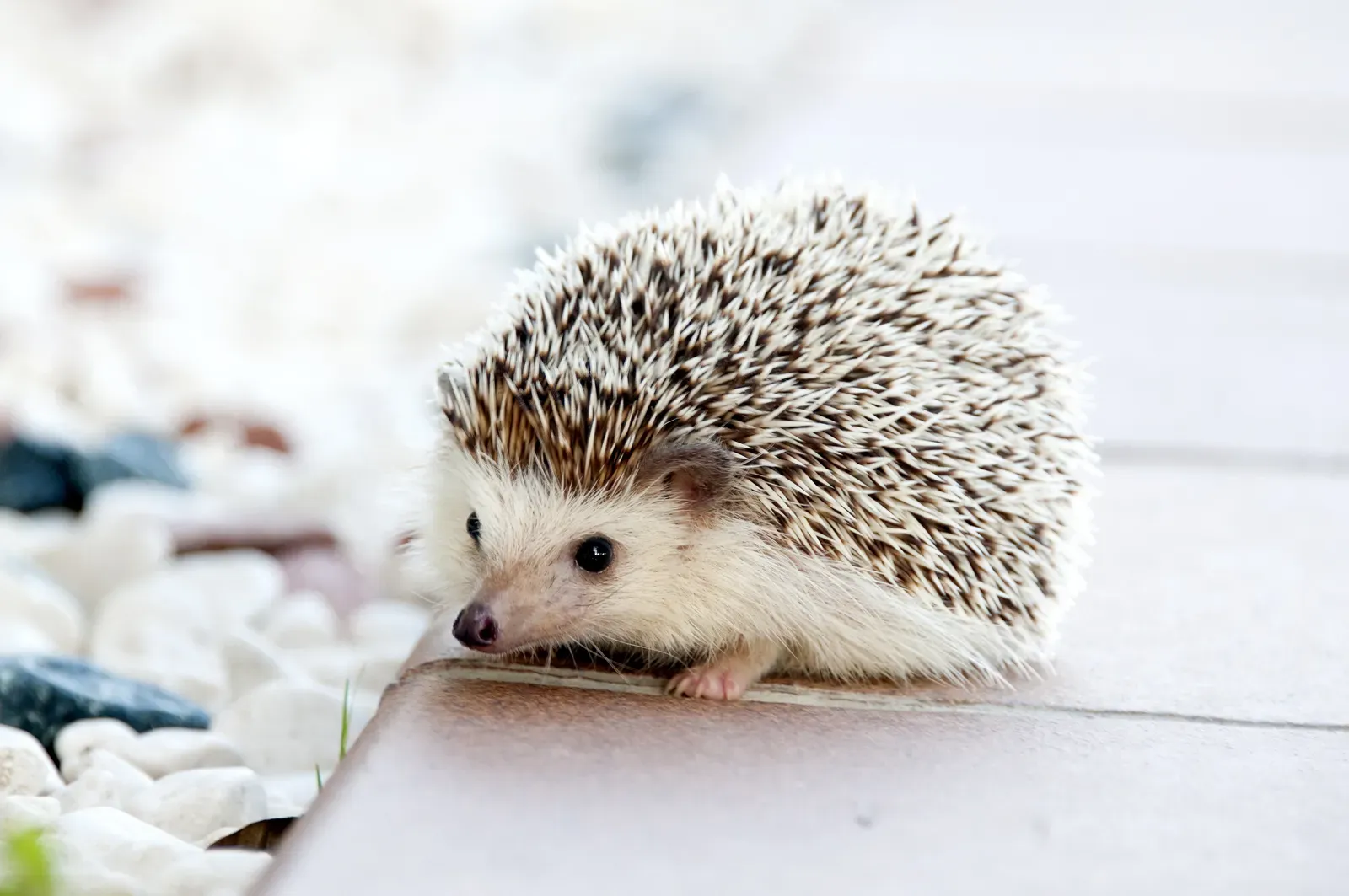
Hoglets are the young of hedgehogs, born with soft spines that harden within hours of birth. These small, nocturnal mammals emerge from nests lined with leaves and grass, relying on their mother’s milk and protection during the vulnerable early weeks. The name reflects their spiny heritage while sounding endearing.
Hoglets learn to forage for insects and other small prey as their eyesight and coordination improve. They face threats from predators and habitat loss, which has prompted various wildlife rescue programs focused on their survival. Their solitary habits as adults contrast with the close bond formed during the rearing period.
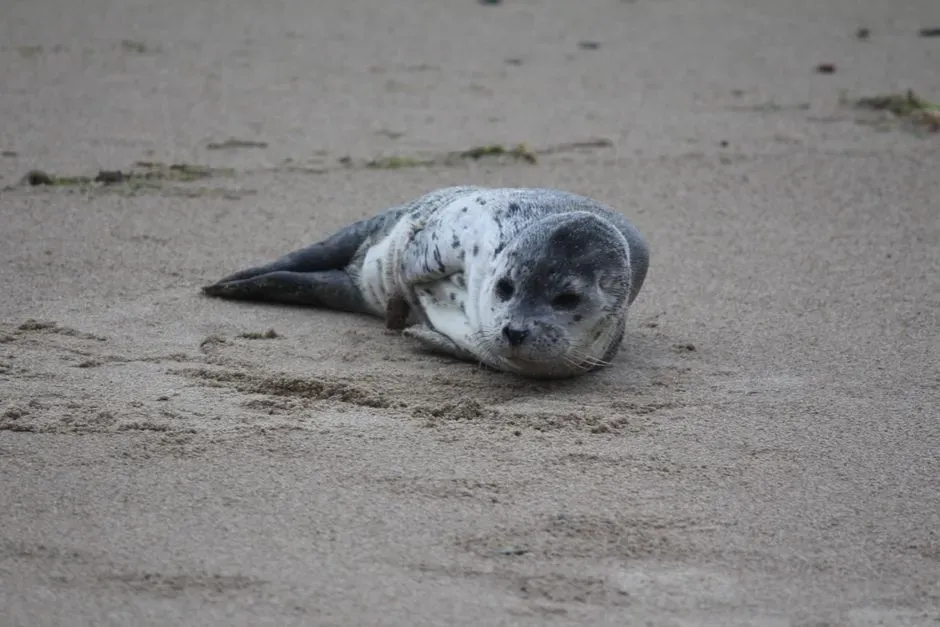
1. Pup
🔥 Would you like to save this?
We'll email this post to you, so you can come back to it later!
Pups serve as the young of several species, including seals, bats, and otters, though the term feels especially fitting for the playful seal pups that dot coastal rookeries. These newborns often appear oversized compared with their parents at first glance, with thick blubber layers that provide insulation in cold waters. The simplicity of the name belies the complex behaviors these animals exhibit from an early age.
Seal pups nurse for a concentrated period before weaning abruptly, after which they must quickly master swimming and hunting. Bat pups cling to their mothers or roost walls while developing flight muscles, and otter pups receive swimming lessons in shallow waters. Each group demonstrates how the same word adapts across vastly different environments and lifestyles.

Halloween Dog Collar with Bow, Orange Cute Ghost Collar,
Check Price on AmazonAs an Amazon Associate, we earn from qualifying purchases.
10/9/2026 2:43 pm GMTi

Dog Stairs for Bed 18" H, 4-Step Dog Steps for High Bed
Check Price on AmazonAs an Amazon Associate, we earn from qualifying purchases.
10/9/2026 2:42 pm GMTi

Glass Hummingbird Feeder for Outdoors Hanging
Check Price on AmazonAs an Amazon Associate, we earn from qualifying purchases.
10/7/2026 1:21 pm GMTi

Air Purifiers for Home Pets Large Room Up to 3000 Ft²,HEPA Air Cleaner with Washable Double-Side Filter, PM2.5 Air Quality Monitor,15dB Sleep Mode for Bedroom Odor Dust Pollen,White
Check Price on AmazonAs an Amazon Associate, we earn from qualifying purchases.
10/8/2026 8:23 am GMTi
Why These Names Stick With Us

🔥 Would you like to save this?
We'll email this post to you, so you can come back to it later!
Learning these lesser-known terms adds depth to everyday encounters with wildlife, whether through books, documentaries, or backyard observations. They remind us that language evolves alongside our understanding of the natural world, preserving details that might otherwise fade. The variety also underscores how different species have adapted unique strategies for raising their young.
Appreciating these names encourages a more attentive approach to conservation, since protecting habitats supports entire life cycles from puggle to pup. In a time when many species face pressure from changing environments, knowing the right words can spark curiosity that leads to action. Ultimately, these terms keep the wonder of discovery alive across generations.

- 10 Baby Animal Names That Will Surprise You - November 9, 2026
- 19 Things That Change for Backyard Wildlife After the First Hard Freeze - November 9, 2026
- 19 Signs a Dog Has Picked Its Person Without Anybody Noticing - November 9, 2026