
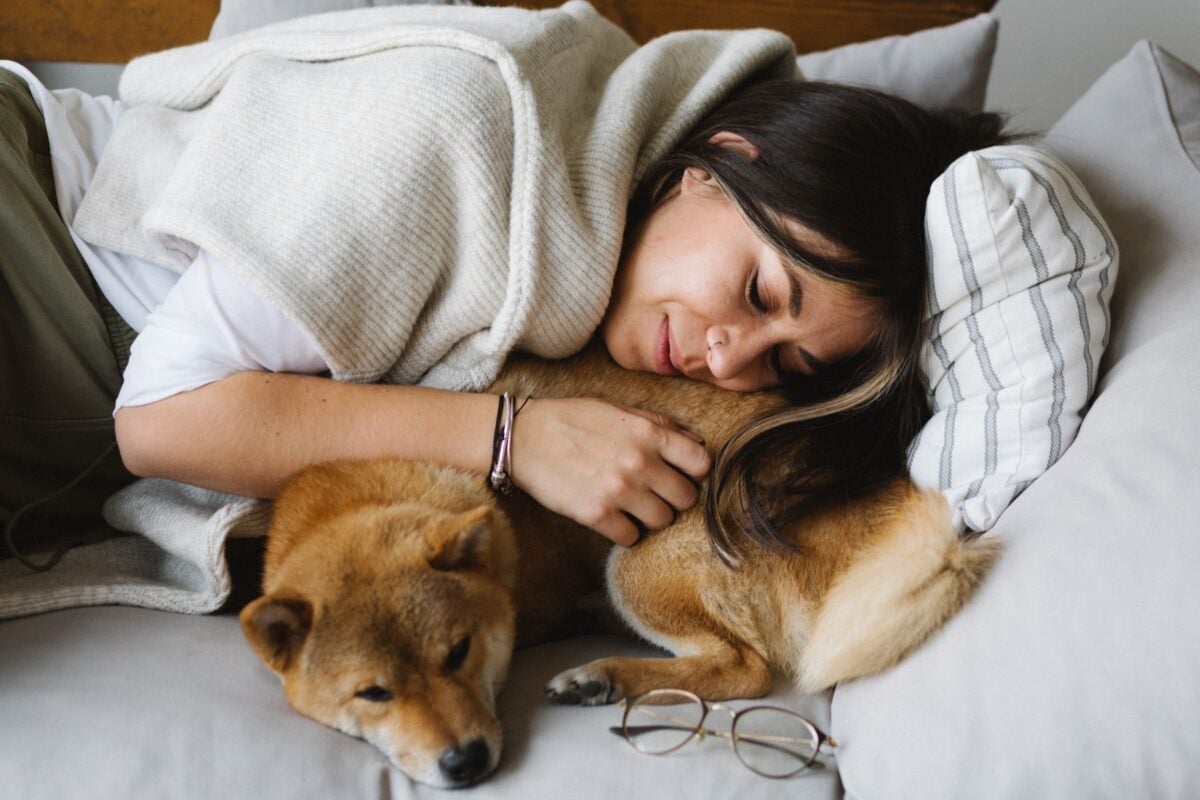
You switch off the lamp, your dog lets out a long sigh, and as far as you can tell, the lights go out until breakfast. That’s the myth. , your dog is cycling through sleep stages, twitching through dreams, hunting for a cooler patch of floor, and tuning in to a world you can’t hear. These 19 nighttime habits are counted down from the surprising to the genuinely revealing.
Most of what follows is normal, and a lot of it is adorable. But a few of these habits are quiet early warning signs that owners miss for months. One behavior near the top of the list says more about how your dog feels about you than anything it does all day.
#19 – The Ritual Spin Before Lying Down
🔥 Would you like to save this?
We'll email this post to you, so you can come back to it later!
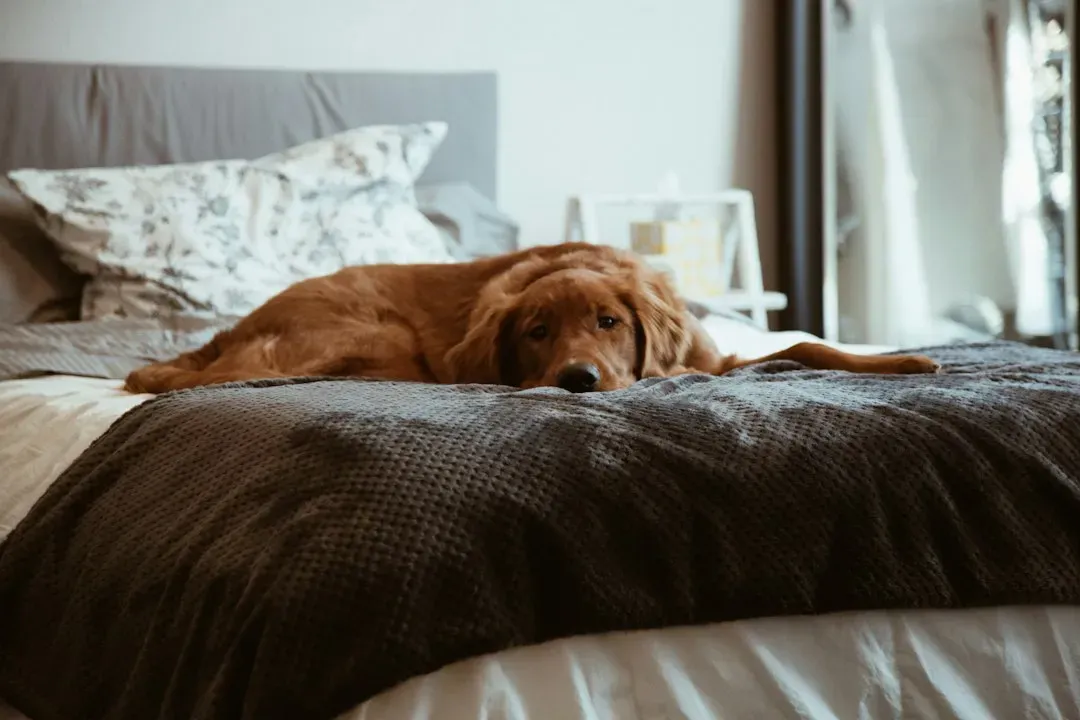
Your dog’s bedtime lap is one of the oldest habits you can watch. Most dogs turn in a circle or two before they settle, as if the bed needs inspecting first.
The popular explanation is that wild ancestors flattened grass and checked the spot for hazards before lying down. Nobody has proven that, so treat it as a theory. Nesting is another likely reason, since dogs also rearrange bedding to get comfortable and to trap warmth around their bodies.
Here’s the part most owners don’t realize: excessive circling can be a problem. If your dog spins repeatedly, struggles to lie down or seems stiff afterward, pain or joint trouble may be the real cause. A vet can often rule that out quickly.
Worth Knowing
- One or two quick turns before settling is the typical, healthy pattern.
- Likely drivers include instinct, nesting and getting comfortable.
- Repeated spinning, hesitation or stiffness afterward deserves a closer look.
- Seniors who suddenly can’t settle may be telling you something hurts.
But the spin is only the opening act. Once your dog is down, the real night shift begins, as #18 shows…
#18 – Running Through Rapid Sleep Cycles
🔥 Would you like to save this?
We'll email this post to you, so you can come back to it later!
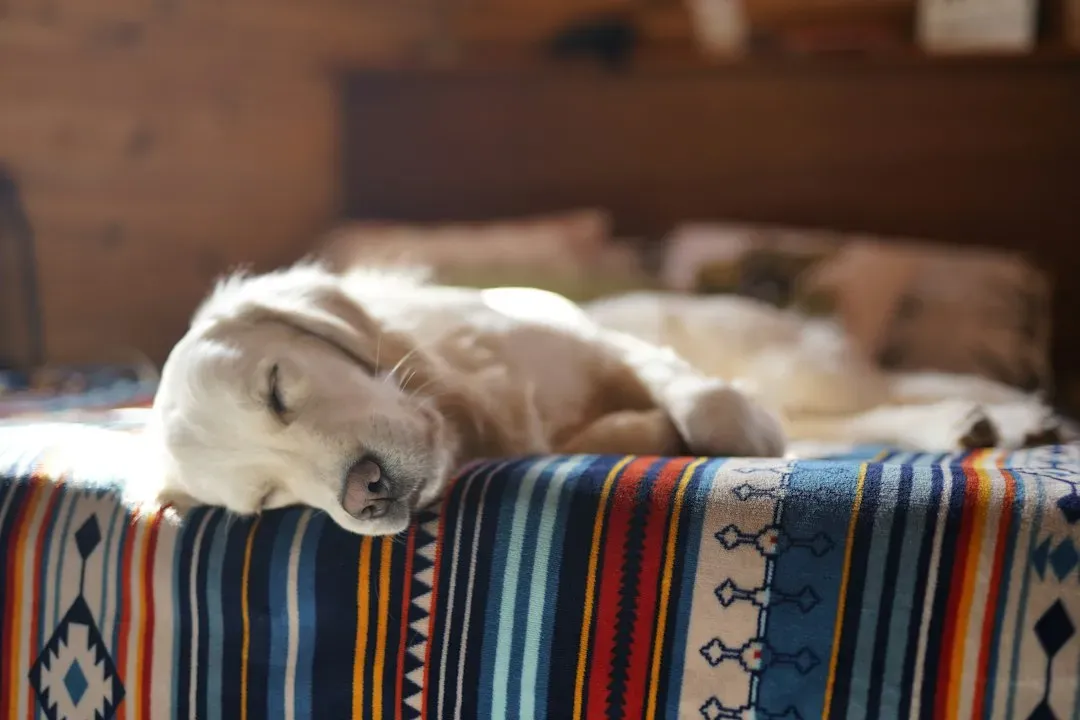
Your dog’s night isn’t one long sleep. It’s a loop of short ones, and your dog runs through far more laps than you do.
Adult dogs sleep roughly 12 to 14 hours a day, but not in one tidy block like ours. Researchers describe dogs as polyphasic sleepers, meaning they sleep in several chunks across the 24 hours.
Each cycle moves from light sleep to deeper sleep and then to REM, the stage tied to dreaming. A dog’s cycle is much shorter than a human’s, so your dog may pass through many more cycles than you do overnight. Dogs are also often cited as spending a smaller share of their sleep in REM than people do.
That’s why dogs seem to wake so easily. They surface briefly between cycles, glance around, check that nothing has changed and drop off again.
And one stage of that cycle produces the strangest show of all in #17…
#17 – Twitching, Paddling and Dream Running
🔥 Would you like to save this?
We'll email this post to you, so you can come back to it later!
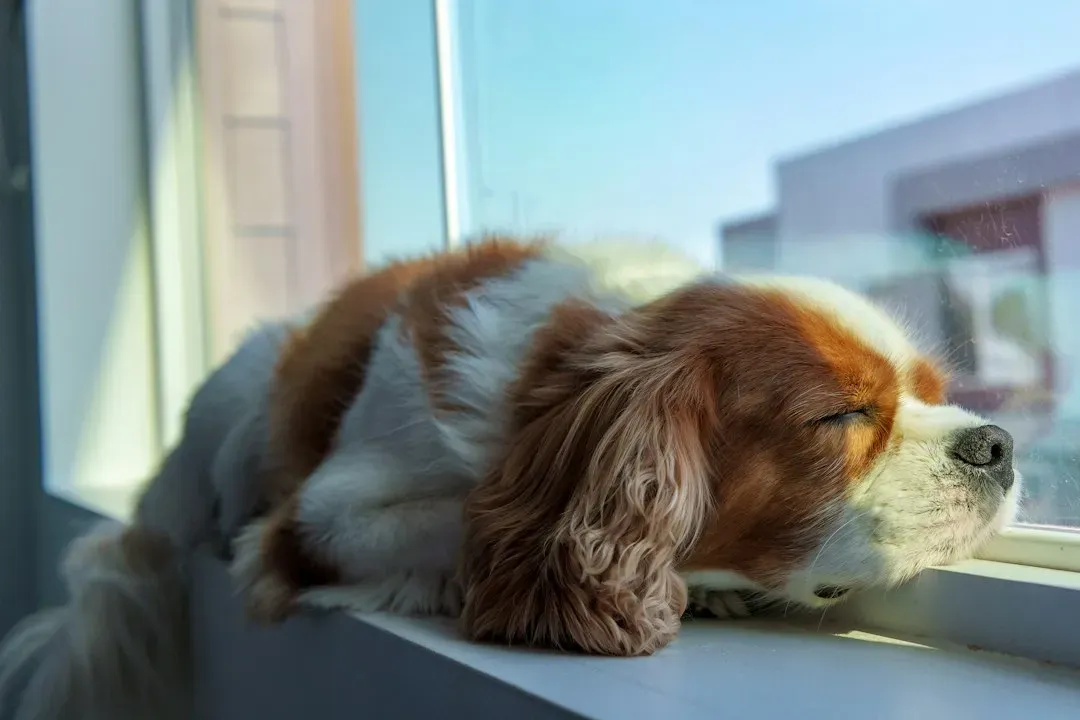
That midnight leg-kicking isn’t random. It’s usually REM sleep, and your dog is probably in the middle of a chase.
During REM, a dog’s brain becomes highly active while the body is mostly paralysed. The paralysis isn’t perfect, so you see paws paddling, lips flicking and whiskers twitching. It looks like a tiny sprint happening in slow motion.
Scientists can’t ask a dog what it dreamed. But brain studies in other mammals, such as rats, show sleeping animals replaying recent experiences, and dogs’ sleep patterns look similar. Most researchers think dogs dream, and many owners swear the twitching follows a big day at the park.
Experts generally advise against waking a dreaming dog. One jolted out of REM can be disoriented and may react with a snap or a yelp. A quick way to tell dreams from trouble:
- Twitches and soft paddling: normal.
- Rigid limbs, drooling and difficulty waking afterward: worth a vet call.
Dreams aren’t always quiet, though, as #16 reveals…
#16 – Whining, Muffled Barks and Sleep Talking
🔥 Would you like to save this?
We'll email this post to you, so you can come back to it later!
Those midnight “woofs” are often your dog talking in its sleep. It can be startling at 2 a.m., but it’s usually harmless.
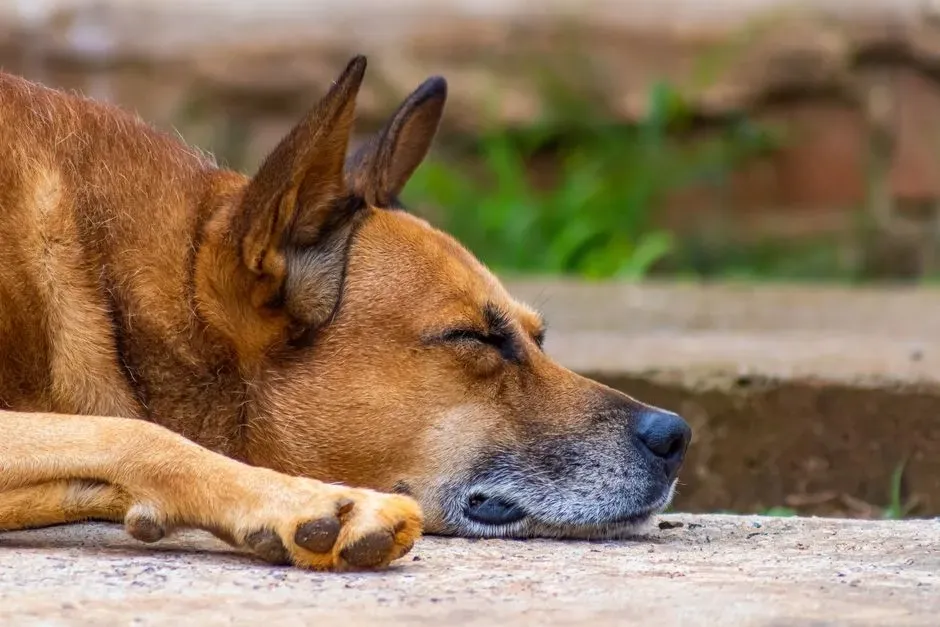
Dreaming dogs frequently make small noises: soft yips, grumbles or muffled barks. The sounds usually come in short bursts and fade as the dog drops into deeper sleep. Their eyes are often moving under closed lids at the same time.
The key is context. A dog that stays asleep through it is almost certainly dreaming. A dog that’s awake and whining at 2 a.m. is communicating something, such as needing the toilet, discomfort or anxiety.
Many owners make the same mistake. They rush in, soothe the dog and accidentally teach it that nighttime noise brings attention. If your dog is clearly asleep, the kindest move is to do nothing at all.
Even the way your dog lies down says plenty, which leads to #15…
#15 – Shifting Sleep Positions All Night
🔥 Would you like to save this?
We'll email this post to you, so you can come back to it later!
Your dog changes positions far more often than you think. Each switch is usually a small decision about comfort and temperature.
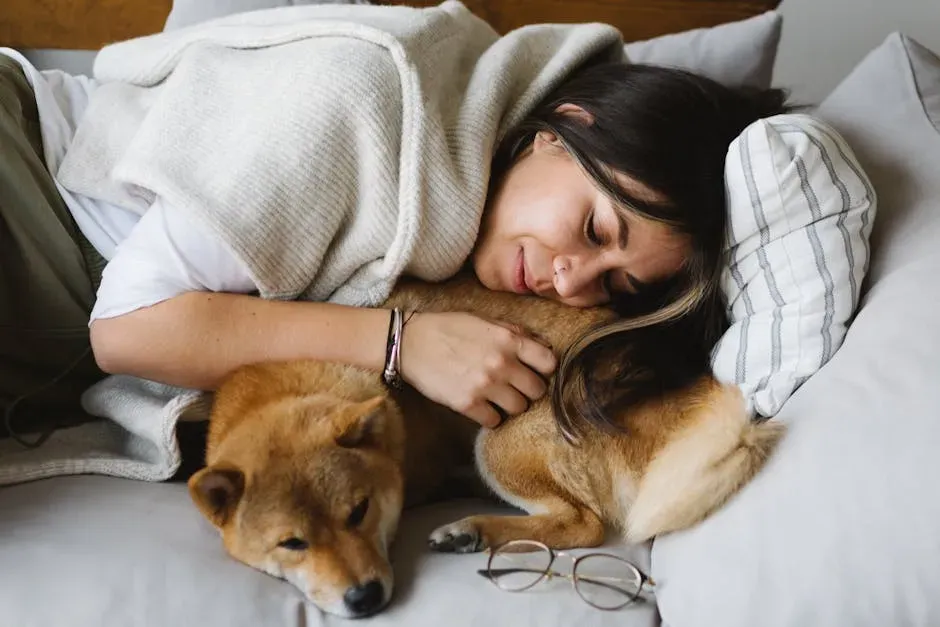
Curled up with the nose tucked in conserves heat. Sprawled on the side or belly with legs out helps shed it. Dogs often flip between the two as the room warms and cools through the night.
Dogs sleeping on their sides with legs stretched out are generally in a relaxed, deeper sleep. Dogs that sleep sitting up or with the head propped may be keeping watch, whether because of pain, breathing trouble or unease.
Hot take: many owners buy plush, thick beds because they look cozy to humans. Plenty of dogs, especially thick-coated ones, are actually more comfortable on a flat, firm surface.
Position isn’t only about comfort, though. It’s also about temperature, as #14 explains…
#14 – Hunting for the Coolest Spot in the House
🔥 Would you like to save this?
We'll email this post to you, so you can come back to it later!
Your dog is running a secret thermostat check all night. And if the bed loses, the kitchen floor wins.
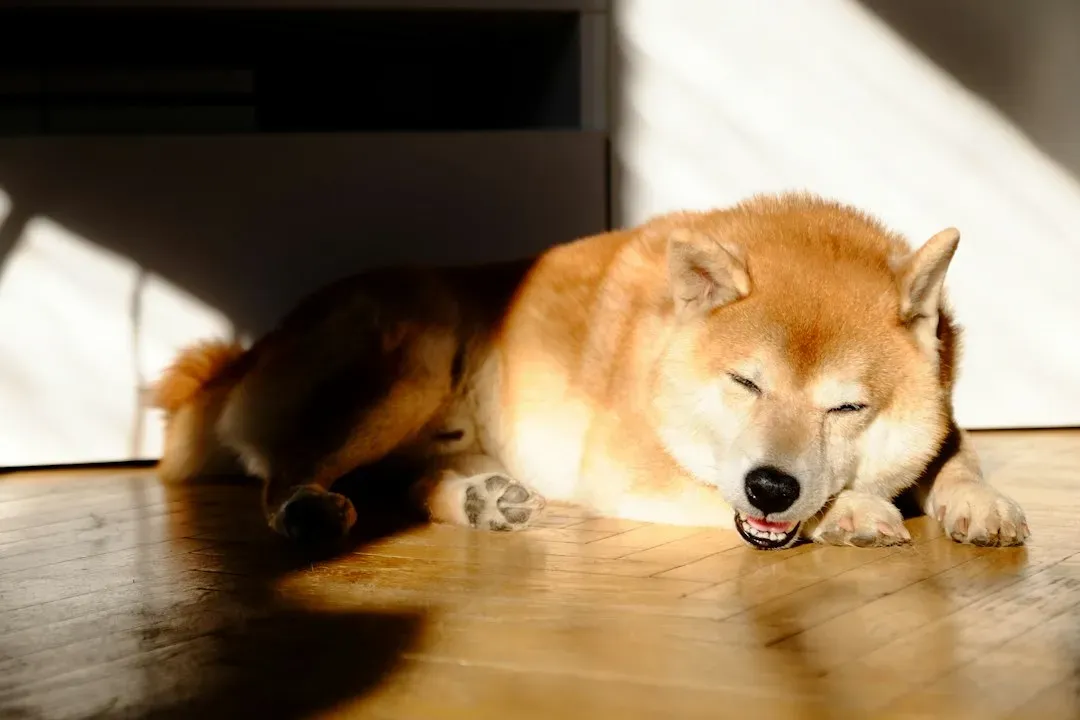
A dog’s normal body temperature is a bit higher than ours, roughly 100.5 to 102.5°F. Dogs also can’t sweat like we do. They lose most heat through panting and through their paws, which is why they flop on tile or hardwood.
So if your dog leaves the bed at 3 a.m. and sprawls on the kitchen floor, that’s usually thermoregulation, not rejection. It isn’t about you at all.
Thick-coated breeds and flat-faced breeds are often the most heat-sensitive, and a warm bedroom can leave them restless for hours. Heavy panting, drooling or wobbliness in a hot room is a reason to cool your dog down and call a vet.
Speaking of flat-faced breeds, the next one makes a lot of noise, as #13 shows…
#13 – Snoring Like a Tiny Chainsaw
🔥 Would you like to save this?
We'll email this post to you, so you can come back to it later!
Not every snore is cute, and that’s the part many owners get wrong.
Dogs snore when airflow is partly blocked as the throat muscles relax. Sleeping on the back, a stuffy nose, allergies or excess weight can all contribute. A dog that snores only on its back is usually just in an awkward position.
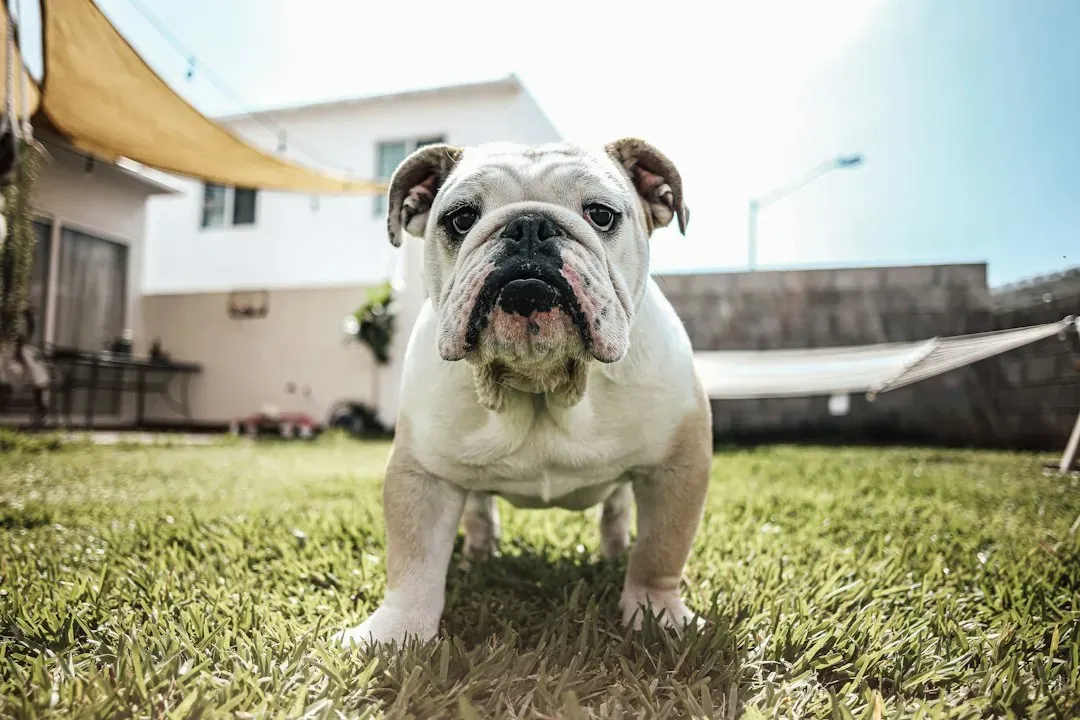
Flat-faced breeds such as bulldogs, pugs and French bulldogs are especially prone. Their shortened skulls can crowd the airway, a condition vets call brachycephalic airway syndrome.
- Occasional soft snoring: usually harmless.
- Sudden new snoring, gasping or pauses in breathing: see a vet.
Even a snoring dog is still listening to the night, as #12 shows…
#12 – Sleeping With One Ear Open
🔥 Would you like to save this?
We'll email this post to you, so you can come back to it later!
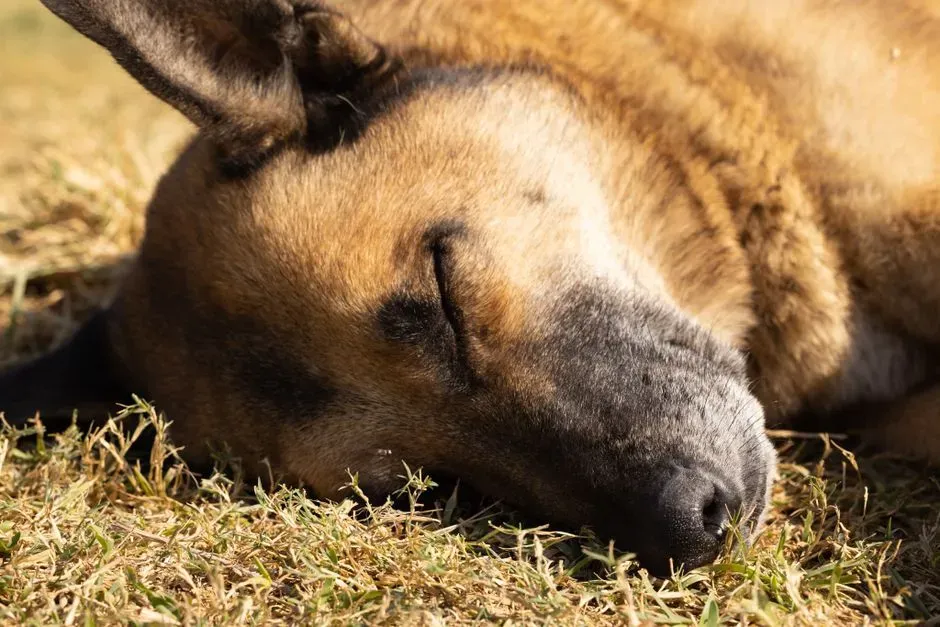
Your dog is never fully off-duty. Even mid-snore, the ears are still working.
Dogs have a superb sense of hearing. They pick up higher-pitched sounds than we can and can pinpoint where a noise came from quickly. Even in sleep, their ears swivel toward sounds and their brains keep filtering what matters from what doesn’t.
That’s why a dog may sleep through a TV but wake at a car door, a distant fox or a rodent in the wall. The sounds that wake them are often the ones we never heard.
Light sleep stages make waking easy. Deep sleep makes it harder, which is why some dogs startle when touched. If your dog tends to jump when you pet it asleep, speak softly first.
And some of what they’re listening for is you, as #11 reveals…
#11 – Quietly Checking on You
🔥 Would you like to save this?
We'll email this post to you, so you can come back to it later!
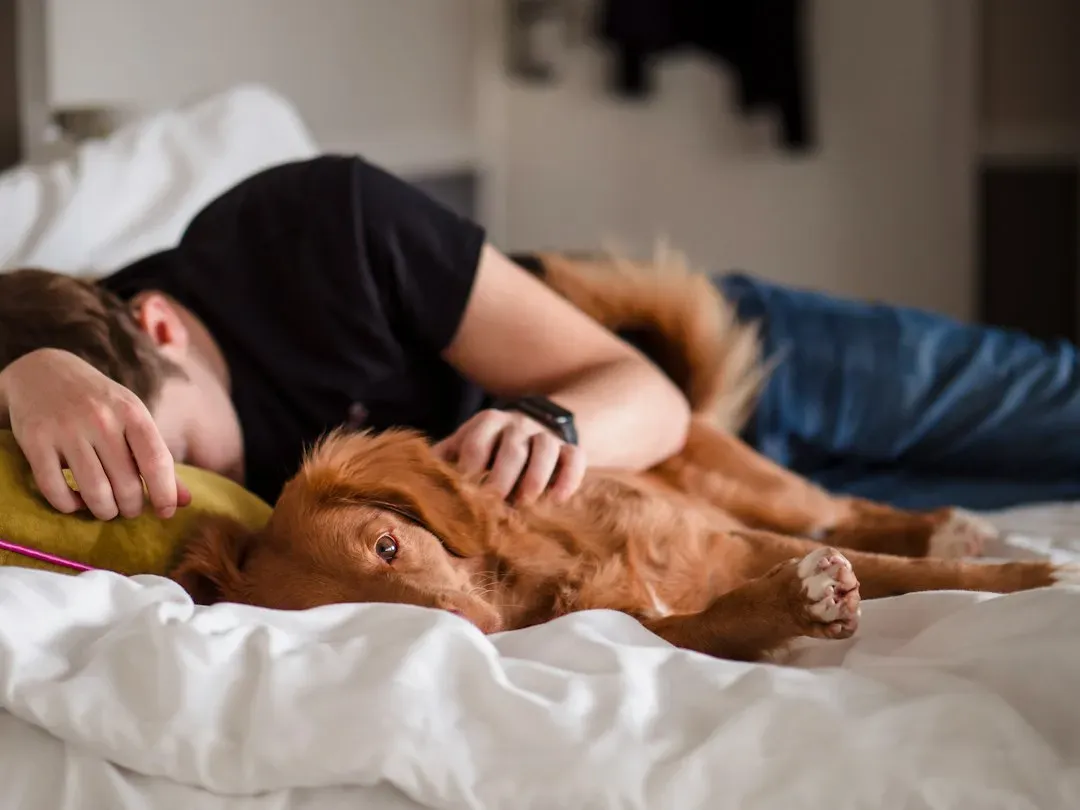
Your dog is watching your night, too. Roll over, and there’s a decent chance a head pops up to see what you’re doing.
Many dogs lift their heads when you shift or get up. Some follow you to the bathroom and back. Research suggests pet dogs’ activity patterns tend to line up with their owners’ routines.
That’s not clinginess in a bad sense. Dogs are social animals, and in a household, you’re their group. Waking briefly to confirm you’re still there is normal.
The bed-sharing debate is where opinions split. Some trainers call it a mistake that fuels separation anxiety. Others say it’s a harmless bonding habit. The evidence isn’t conclusive either way, so it comes down to your dog’s behavior and your own sleep.
All that waking and watching isn’t wasted, because sleep does something else in #10…

Halloween Dog Collar with Bow, Orange Cute Ghost Collar,
Check Price on AmazonAs an Amazon Associate, we earn from qualifying purchases.
10/9/2026 2:43 pm GMTi

Orthopedic Extra Large Dog Bed, Waterproof Washable XL Pet Bed 44"
Check Price on AmazonAs an Amazon Associate, we earn from qualifying purchases.
10/7/2026 1:32 pm GMTi

Air Purifiers for Home Pets Large Room Up to 3000 Ft²,HEPA Air Cleaner with Washable Double-Side Filter, PM2.5 Air Quality Monitor,15dB Sleep Mode for Bedroom Odor Dust Pollen,White
Check Price on AmazonAs an Amazon Associate, we earn from qualifying purchases.
10/8/2026 8:23 am GMTi

Dog Stairs for Bed 18" H, 4-Step Dog Steps for High Bed
Check Price on AmazonAs an Amazon Associate, we earn from qualifying purchases.
10/9/2026 2:42 pm GMTi

Glass Hummingbird Feeder for Outdoors Hanging
Check Price on AmazonAs an Amazon Associate, we earn from qualifying purchases.
10/7/2026 1:21 pm GMTi
#10 – Filing Away Yesterday’s Lessons
🔥 Would you like to save this?
We'll email this post to you, so you can come back to it later!
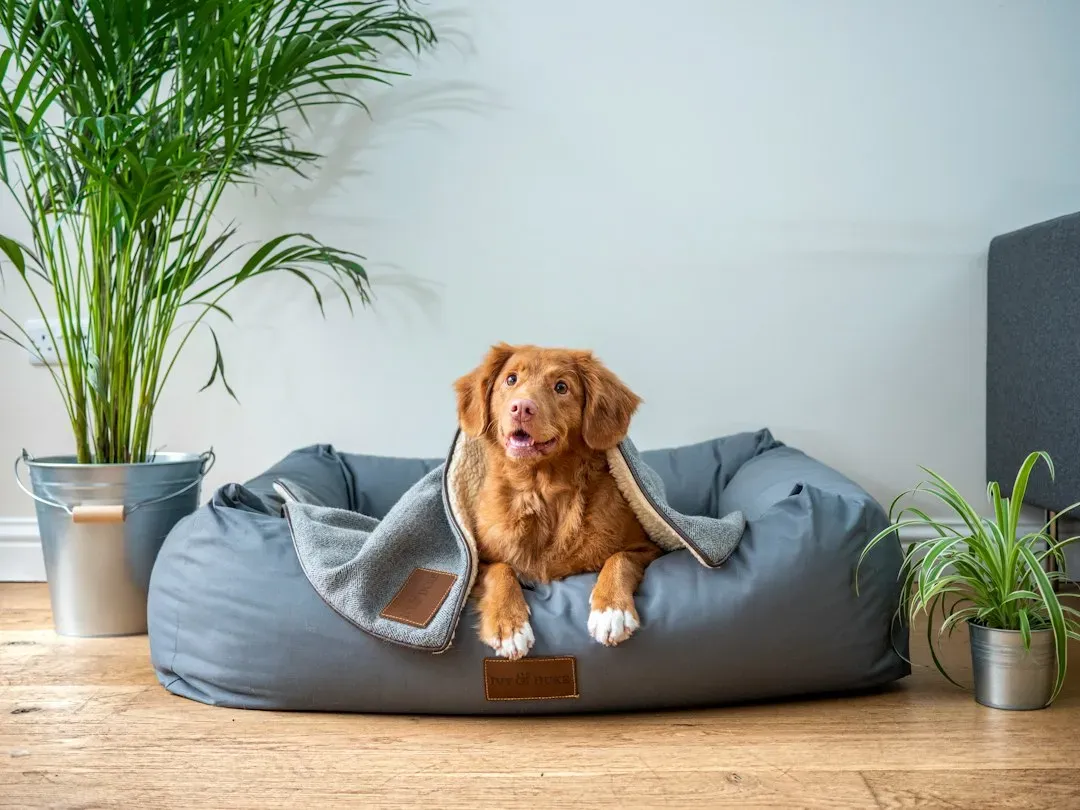
Your dog’s brain does its homework while you sleep. The nap after training isn’t laziness. It’s part of the learning.
Sleep helps consolidate memory in many animals, and dogs appear to be no exception. Studies from Hungarian researchers have linked sleep patterns in dogs to how well they learn new tasks, including changes in brain activity after training.
That’s why a dog that’s been learning “stay” all day may look wiped out by evening. Learning is real work for the brain, and the brain needs downtime to lock it in.
The practical takeaway is simple. Short, regular training sessions followed by good sleep tend to beat marathon sessions that leave a dog overtired and wired.
But learning isn’t the only thing your dog does with its bedding, as #9 shows…
#9 – Scratching and Digging at the Bed
🔥 Would you like to save this?
We'll email this post to you, so you can come back to it later!
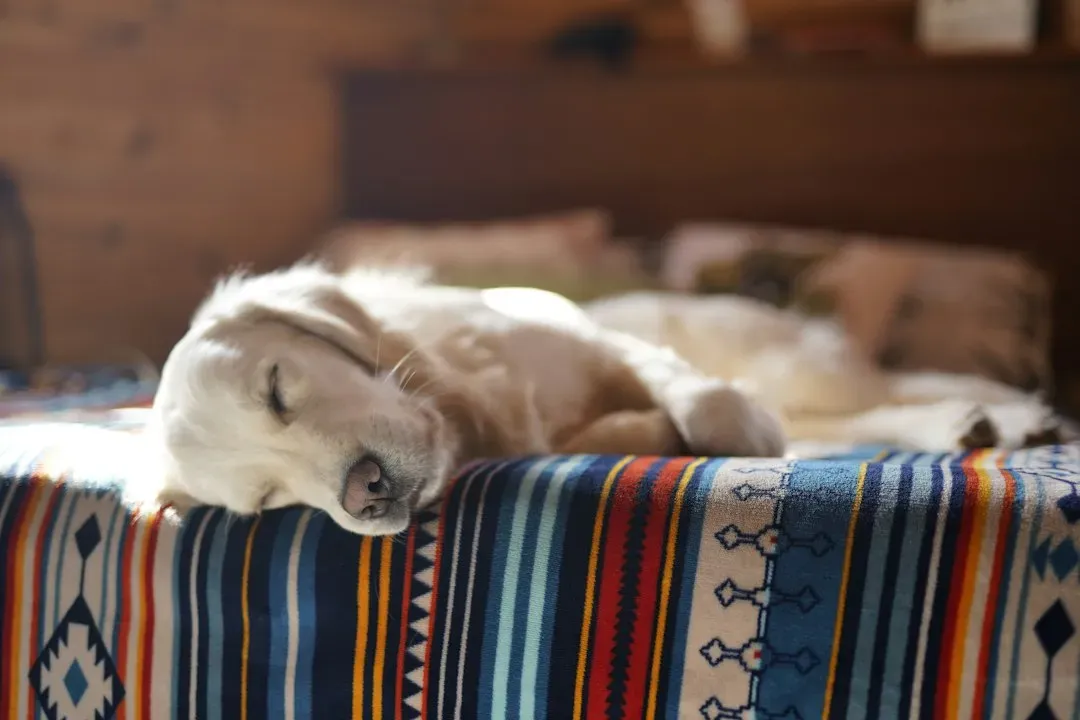
That frantic bed-scratching has a purpose, even if it looks like your dog is trying to excavate the couch.
Dogs scratch and dig at bedding before sleep. The most common explanations are nesting instinct and scent marking. Dogs have scent glands in their paws, so scratching leaves their signature on the spot.
It can also help them arrange blankets for warmth and comfort. Think of it as making the bed, canine style.
Most of the time, it’s harmless. But if the scratching becomes obsessive, or your dog digs at floors and furniture until their paws are sore, boredom, stress or anxiety may be involved. Experts often suggest more exercise and mental stimulation during the day if the digging is relentless.
At a Glance
- Normal: a short scratch or paw-shuffle right before settling.
- Watch: digging that goes on for minutes, or leaves paws red or sore.
- Daytime fix: longer sniff walks and puzzle feeders can burn off restless energy.
- Bed fix: a blanket your dog can bunch up often satisfies the urge.
The next habit is quieter but can be a bigger red flag, as #8 explains…
#8 – Licking and Chewing the Paws
🔥 Would you like to save this?
We'll email this post to you, so you can come back to it later!
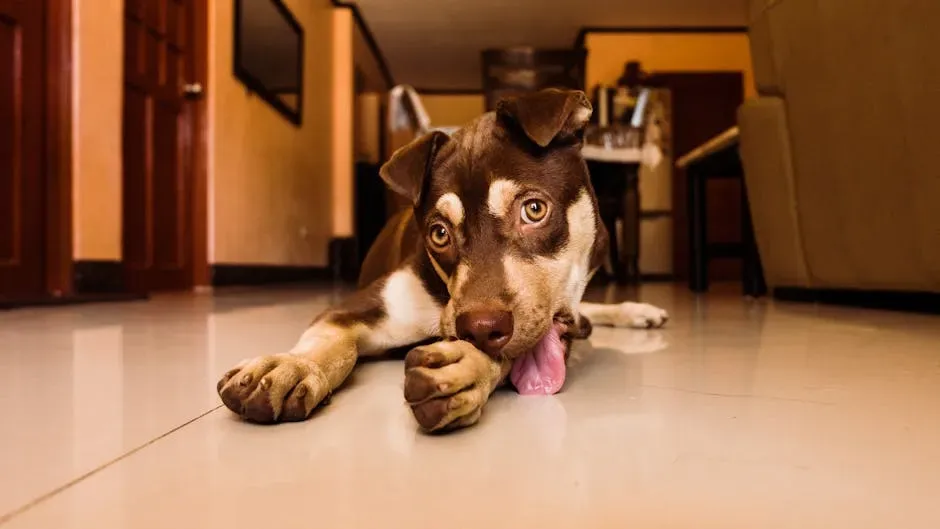
That soft slurping in the dark isn’t always grooming. Sometimes it’s a dog trying to cope with something that bothers them.
Dogs lick themselves to clean up and to self-soothe, and occasional licking before sleep is normal. Constant licking or chewing at night can signal allergies, skin irritation, pain or anxiety.
Nighttime is when it becomes obvious. With fewer distractions, an itchy dog fixates on the itch, and the sound carries through a quiet house. Watch for these signs:
- Red or stained fur between the toes
- Swelling or a bad smell
- Licking the same spot night after night
If you see those signs, vets recommend an exam rather than guessing.
Waking up brings its own set of rituals, as #7 shows…
#7 – The Stretch, Yawn and Shake
🔥 Would you like to save this?
We'll email this post to you, so you can come back to it later!
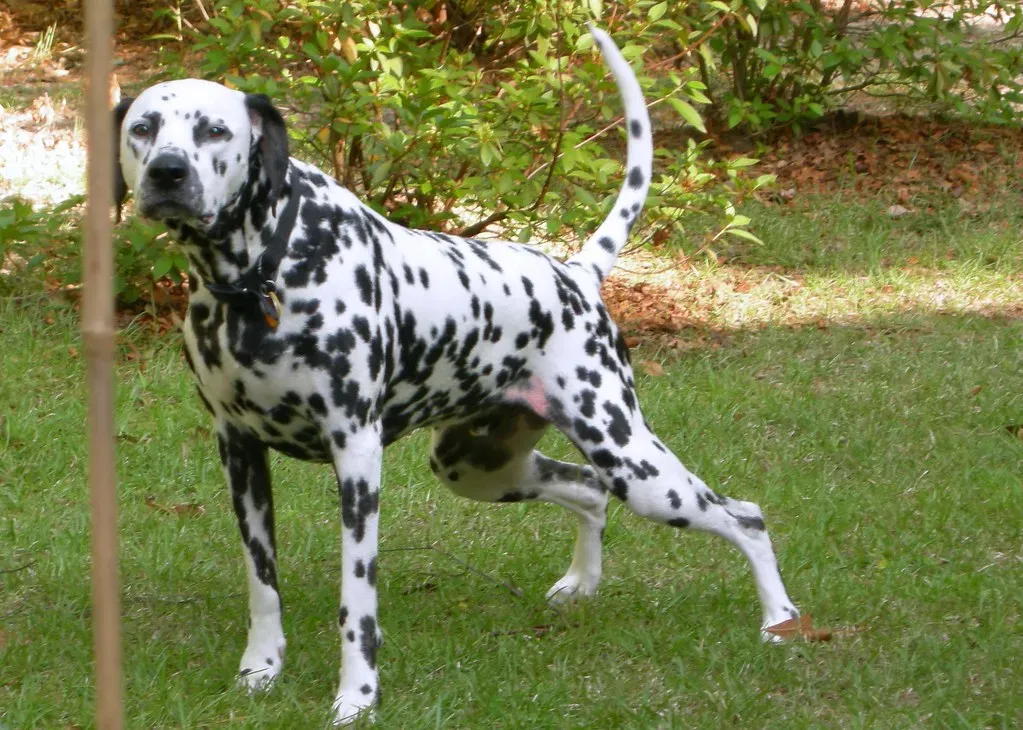
That full-body stretch when your dog gets up is no accident. It’s a mini warm-up routine.
Dogs stretch after resting to loosen muscles and get blood moving. The front-down, rear-up pose is the one that gave yoga its “downward dog,” and it looks a lot like a play bow, though dogs use the bow to invite play.
Yawning has several triggers. It can follow sleep, but dogs also yawn when they’re stressed or uncertain. Context matters. A yawn at 3 a.m. may be sleepiness, while a yawn in a tense moment may be a calming signal. A full-body shake after waking is also common, and it likely helps reset the body and settle the coat.
Stiff, slow or reluctant stretching, especially in older dogs, can hint at joint pain. Sometimes the first few minutes after a nap tell you more than the walk does.
And then there’s the call of nature, which hits at the worst possible time, as #6 explains…
#6 – Waking Up Needing the Bathroom
🔥 Would you like to save this?
We'll email this post to you, so you can come back to it later!
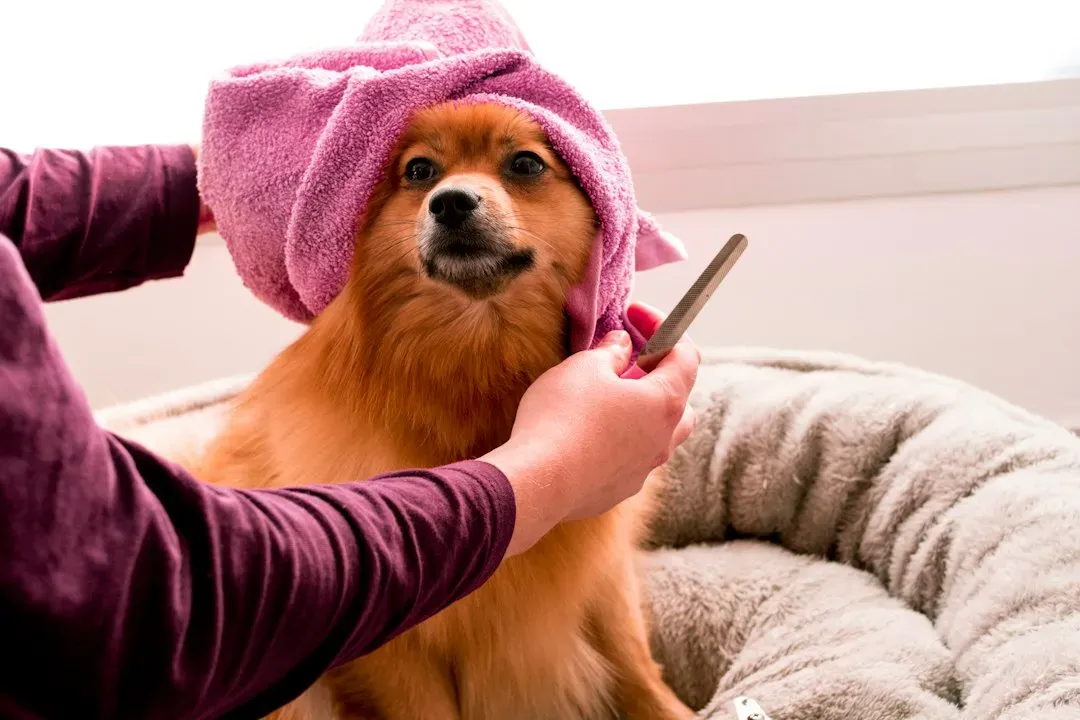
The 3 a.m. toilet request is often just physiology. Your dog isn’t being dramatic. Their bladder is.
Puppies have small bladders and limited control. A common rule of thumb is that they can hold it roughly one hour per month of age, with limits. Young puppies often need at least one night trip.
Adult dogs usually sleep through, but a sudden change is meaningful. New nighttime accidents or frequent waking to go out can point to a urinary tract infection, digestive upset or a medical condition.
Seniors may simply have less control. That isn’t disobedience, and punishment makes it worse.
A related urge follows closely, as #5 shows…

Halloween Cat Costume Cloak Witch Hat Pet Accessories
Check Price on AmazonAs an Amazon Associate, we earn from qualifying purchases.
10/9/2026 2:44 pm GMTi

Glass Hummingbird Feeder for Outdoors Hanging, 16 oz Leak-Proof Nectar Feeder with Bee Guards & Ant Moat
Check Price on AmazonAs an Amazon Associate, we earn from qualifying purchases.
10/7/2026 1:22 pm GMTi

Portable Dog Water Bottle Foldable Dog Travel Water Bottle
Check Price on AmazonAs an Amazon Associate, we earn from qualifying purchases.
10/7/2026 1:29 pm GMTi

Earth Rated XL Dog & Puppy Pee Pads, Discreet Top, Max Absorbency
Check Price on AmazonAs an Amazon Associate, we earn from qualifying purchases.
10/7/2026 1:28 pm GMTi

Hand Blown Glass Hummingbird Feeders for Outdoors Hanging, 24oz Wild Bird Nectar Feeder
Check Price on AmazonAs an Amazon Associate, we earn from qualifying purchases.
10/7/2026 1:23 pm GMTi
#5 – Slipping Off for a Midnight Drink
🔥 Would you like to save this?
We'll email this post to you, so you can come back to it later!
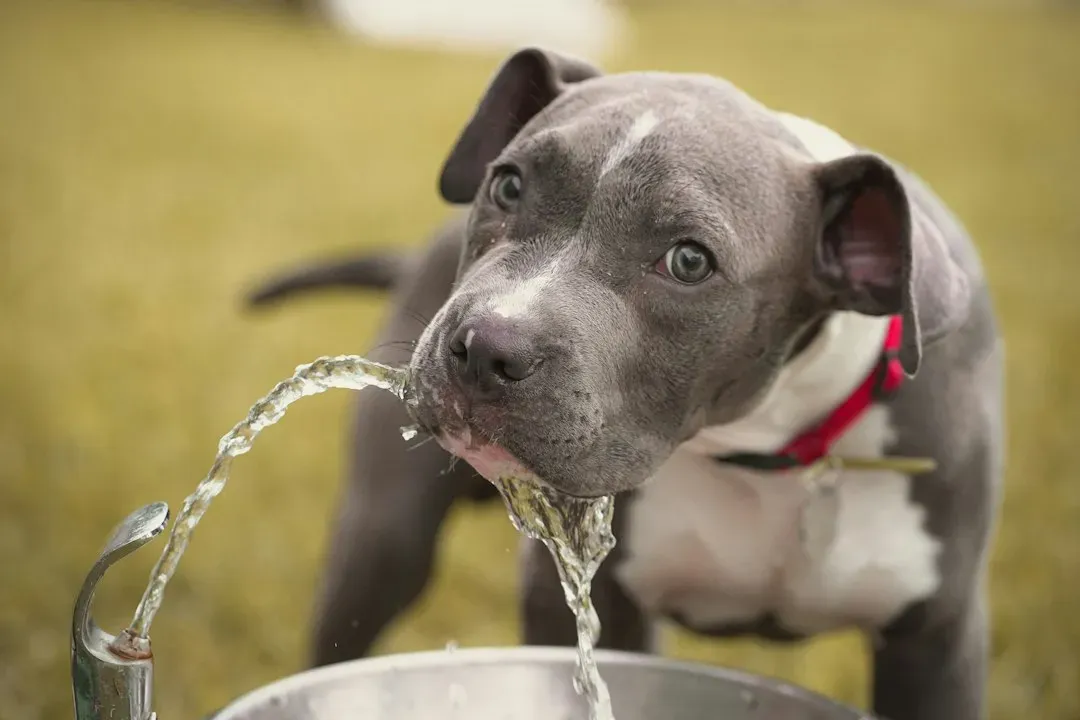
Your dog’s water bowl gets night visits you never see, and the pattern of those visits can tell you a lot.
Occasional drinking after a salty snack or a warm evening is normal. Dogs drink when thirsty, and thirst can peak after exercise or dry food.
But a sharp increase in thirst is one of the signs vets take seriously. Conditions such as diabetes, kidney disease or Cushing’s disease can raise water intake, and so can some medications. Most people don’t realize how easy it is to miss a gradual change.
If the water disappears faster than usual, or your dog is also urinating more, schedule a vet visit.
For older dogs, night can become much more confusing, as #4 reveals…
#4 – Pacing and Wandering in Older Dogs
🔥 Would you like to save this?
We'll email this post to you, so you can come back to it later!
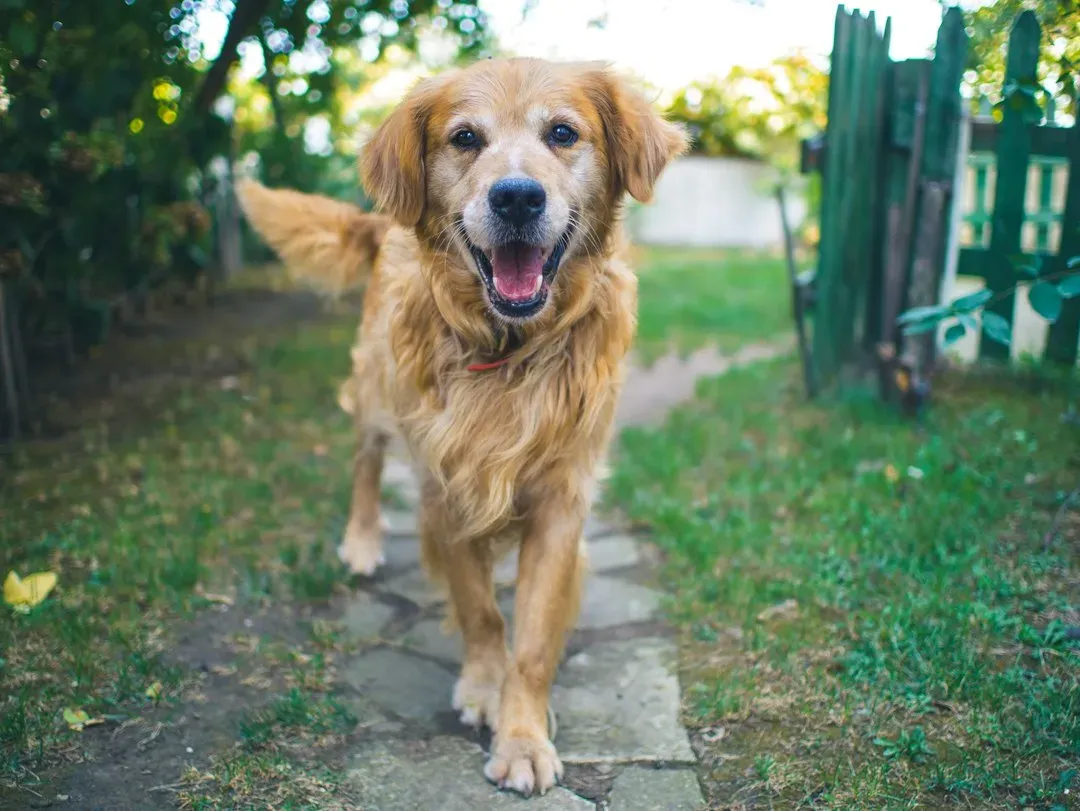
When a senior dog paces at night, don’t write it off as old age. It may be the first visible sign of something treatable.
Canine cognitive dysfunction is a brain-aging condition that resembles dementia. One of its hallmark signs is a disrupted sleep-wake cycle, where dogs sleep more by day and become restless, vocal or confused after dark.
Other signs include staring at walls, getting stuck in corners, or forgetting familiar routines. Pain and other illnesses can look similar, which is one more reason to get it checked.
Quick Compare
- Typical aging: slower to rise, longer naps, but still settles at night and knows the routine.
- Possible cognitive decline: awake and pacing after dark, staring at walls, stuck in corners.
- Possible pain: frequent position changes, panting at rest, reluctance to lie down.
Vets can’t cure it, but there are options. Diet, supplements, medication, routine and environmental tweaks may help some dogs. Treat it as a medical issue, not a behavior problem. Night-time wandering is the symptom, and the cause deserves a proper diagnosis.
Of course, not every night noise is a health issue. Some are about the outside world, as #3 explains…
#3 – Barking at Things You Can’t See or Hear
🔥 Would you like to save this?
We'll email this post to you, so you can come back to it later!
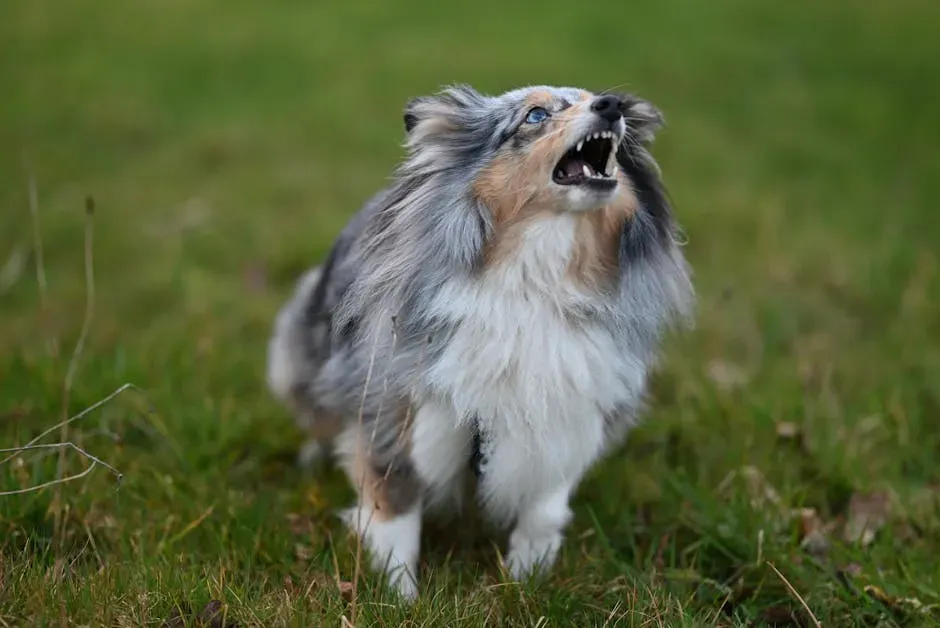
That midnight alert isn’t always “nothing.” To your dog, something real just walked past.
Dogs bark in response to sounds, smells and movement outside your senses. Territorial and alerting barks are natural, and dogs can detect scents we’ll never register. Common triggers include wildlife, passing cars, neighbors, or even weather changes.
Barking at night also comes from boredom, separation distress or lack of exercise. If it’s a routine, look at daytime needs first. A dog that gets enough exercise and mental stimulation is far more likely to settle.
Experts say yelling usually backfires, because it can sound like you’re joining in.
Dawn brings another surprise, as #2 shows…
#2 – Sensing Morning Before You Do
🔥 Would you like to save this?
We'll email this post to you, so you can come back to it later!
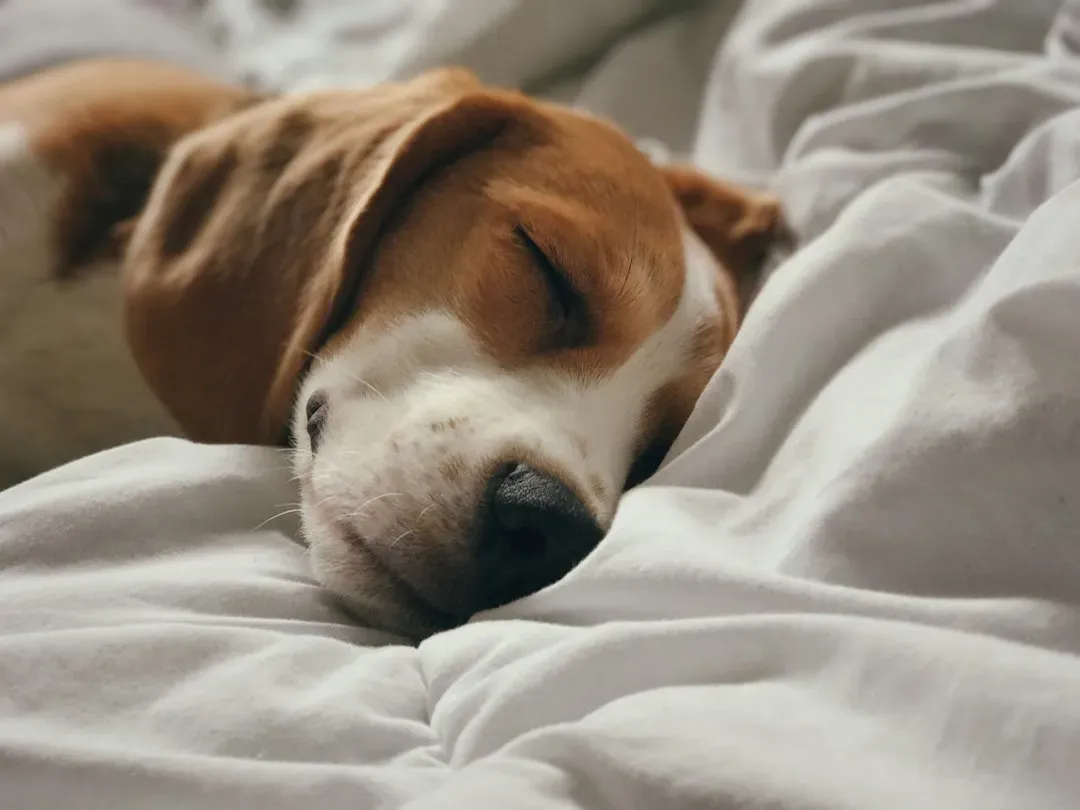
Your dog’s internal alarm clock is often more reliable than yours, and it doesn’t have a snooze button.
Dogs run on circadian rhythms, much like us. Wild canids are often active around dawn and dusk, and many pet dogs show a similar pattern of activity peaks early and late in the day.
Routine also matters a lot. A dog fed at 6 a.m. every day will often start nudging you right on schedule. That’s learned timing, not rudeness.

Professional 7 in 1 Dog Paw Cleaner for Dogs & Cats - Includes 1 Portable Paw Washer, 1 Bath Brush
Check Price on AmazonAs an Amazon Associate, we earn from qualifying purchases.
10/7/2026 1:26 pm GMTi

Smart Bird Feeder with Camera Solar Powered, 2K HD Live Video, 10,000+ Bird Species AI Identification
Check Price on AmazonAs an Amazon Associate, we earn from qualifying purchases.
10/7/2026 1:22 pm GMTi

2 Pcs Halloween Pet Hat Bandana Set, Witch Pumpkin Costumes for Dogs
Check Price on AmazonAs an Amazon Associate, we earn from qualifying purchases.
10/9/2026 2:45 pm GMTi

PetSafe Oasys Pet Fountain, 1/2 Gallon (64 oz), Small Dogs & Cats
Check Price on AmazonAs an Amazon Associate, we earn from qualifying purchases.
10/8/2026 8:14 am GMTi
Fast Facts
- Circadian rhythms run on a roughly 24-hour internal clock in dogs, as in people.
- Meal times and walk times are some of the strongest cues for your dog’s wake-up.
- Early light, birdsong and street noise can all nudge a dog awake before your alarm.
- Rewarding a 5 a.m. nudge with food or attention teaches your dog to repeat it.
Light changes, birds and neighborhood noise all contribute, so your dog may be reacting to sunrise cues you’re sleeping through. If your dog wakes you too early, the fix usually lies in consistent feeding times and exercise rather than ignoring the problem.
But the single most telling habit of all comes last, in #1…
#1 – Choosing to Sleep Close to You
🔥 Would you like to save this?
We'll email this post to you, so you can come back to it later!
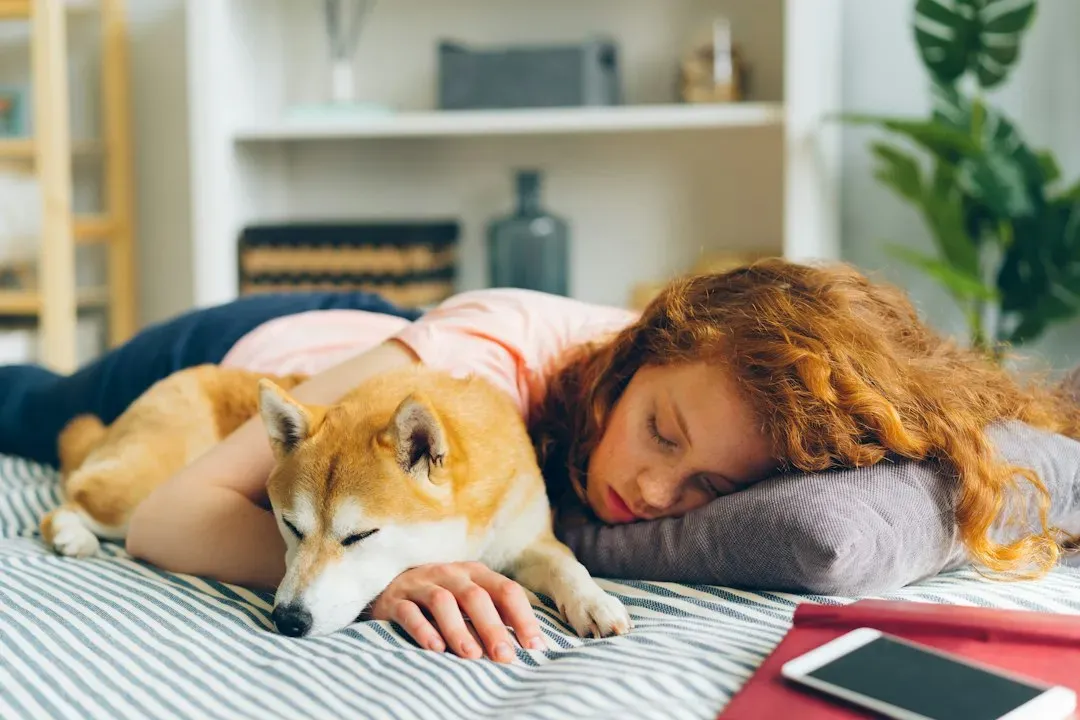
The most revealing thing a dog does all night is pick its spot. Not the bed. The spot.
Many dogs sleep against the bed, on it, or by the bedroom door. Where a dog sleeps often reflects how secure it feels, not just comfort or temperature.
Research on pet dogs has found that social experiences before sleep can change how they sleep. That fits what many owners see: a calm evening tends to lead to a calmer night.
Dogs evolved alongside humans, and togetherness is part of their wiring. Being near you is a form of safety.
Put it all together and the night looks very different from what you assumed. Your dog isn’t switched off. It’s dreaming, regulating temperature, filing away memories, listening for threats and keeping tabs on you. Most of it is perfectly normal.
The real mistake is ignoring change. New snoring, constant licking, extra thirst, night wandering and sudden restlessness can all be early signs of something treatable. Our view: the “he’s just getting old” shrug is the most expensive habit in dog ownership.
Pay attention to the pattern, not the single odd night. Your dog has spent years learning to read you in the dark, and the least you can do is learn to read them back.

- 19 Things a Dog Does Between Midnight and Dawn - November 9, 2026
- 19 Campground Discounts for Over 62s That Never Appear on a Booking Page - November 9, 2026
- 9 Things Veterinary Staff Notice About a Family Within the First Minute - November 9, 2026