
Most families think a vet visit starts when the doctor walks in. It doesn’t. Veterinary teams often build a working picture of a household in the time it takes to cross the lobby. And what they pick up has surprisingly little to do with how well-behaved your pet is.
None of it is meant as judgment, but all of it is information. A few of these signals will make you smile, and one or two may sting. The last one is a single sentence many loving owners say without a second thought, and it makes the whole team lean in. Here’s what the research and the clinic floor actually say.
#9 – The Carrier (Or the Lack of One)

🔥 Would you like to save this?
We'll email this post to you, so you can come back to it later!
The first clue shows up in the parking lot, not the exam room.
A cat in a secure, familiar carrier tells staff you planned ahead. A cat wrapped in a towel, or a small dog loose in someone’s arms, tells them the trip was a scramble. That doesn’t make you a bad owner. It does change how the team approaches the visit.
Preparation matters because stress starts long before the exam. Veterinary sources note that some pets, especially cats, never make it to the clinic at all, partly because of the owner’s perception of the pet’s reaction and partly because of the owner’s own stress about dealing with it. In other words, avoiding the vet is often a family habit, not just a pet habit.
Many staff argue the real mistake is treating the carrier as a vet-day-only object. If the only time a cat sees it is right before a car ride, the cat reads it as a warning sign. The carrier becomes the thing that appears right before the worst afternoon of the month.
What staff quietly notice:
- Whether the carrier latches securely
- Whether something familiar, like a towel, is inside
- Whether the dog’s leash is short and under control
Some veterinarians recommend spraying pheromones on a towel and placing it in the carrier for the trip. It’s a small step, and it signals a family that thought ahead.
But the carrier is only half the story, because what happens next at the door tells staff even more…
#8 – How You Physically Handle Your Pet

🔥 Would you like to save this?
We'll email this post to you, so you can come back to it later!
Your grip says more than you think.
Staff watch how you carry, steady, and speak to your pet in the first few seconds. A tight, white-knuckled hold on a leash or a squirming animal often signals a nervous household. A loose, confident hold signals the opposite.
This matters because pets read tension. Fear Free guidance stresses that dogs and cats are sensitive to loud noises and quick movements, so owners and staff should stay calm and speak quietly. If the person holding the leash is bracing for trouble, the animal tends to brace too.
Quick Compare
- Loose, steady hold: the team can set a calm, unhurried pace
- White-knuckle grip: the tension often travels straight down the leash
- Pet walks in on its own feet: the animal keeps some control of the moment
- Scooped up at the door: can feel like restraint to a pet that wants to flee
Here’s an opinion that splits vets and owners. Scooping a nervous dog into your arms at the door may be doing more harm than good. Lifting an animal that wants to flee can feel like restraint, and restraint is a known stress trigger. Many behavior-minded staff prefer to let a pet walk in on its own feet when it can.
Staff aren’t judging you for being protective. They’re deciding how to position the pet, how much help to ask for, and how fast to move. A calm handler lets the team work at a gentler pace, and that’s good for everyone in the room.
And while you’re busy holding on, staff are already scanning a very different detail: your pet’s shape…
#7 – Your Pet’s Body Condition
🔥 Would you like to save this?
We'll email this post to you, so you can come back to it later!
The vet’s eyes go to your pet’s waistline before they reach your face.
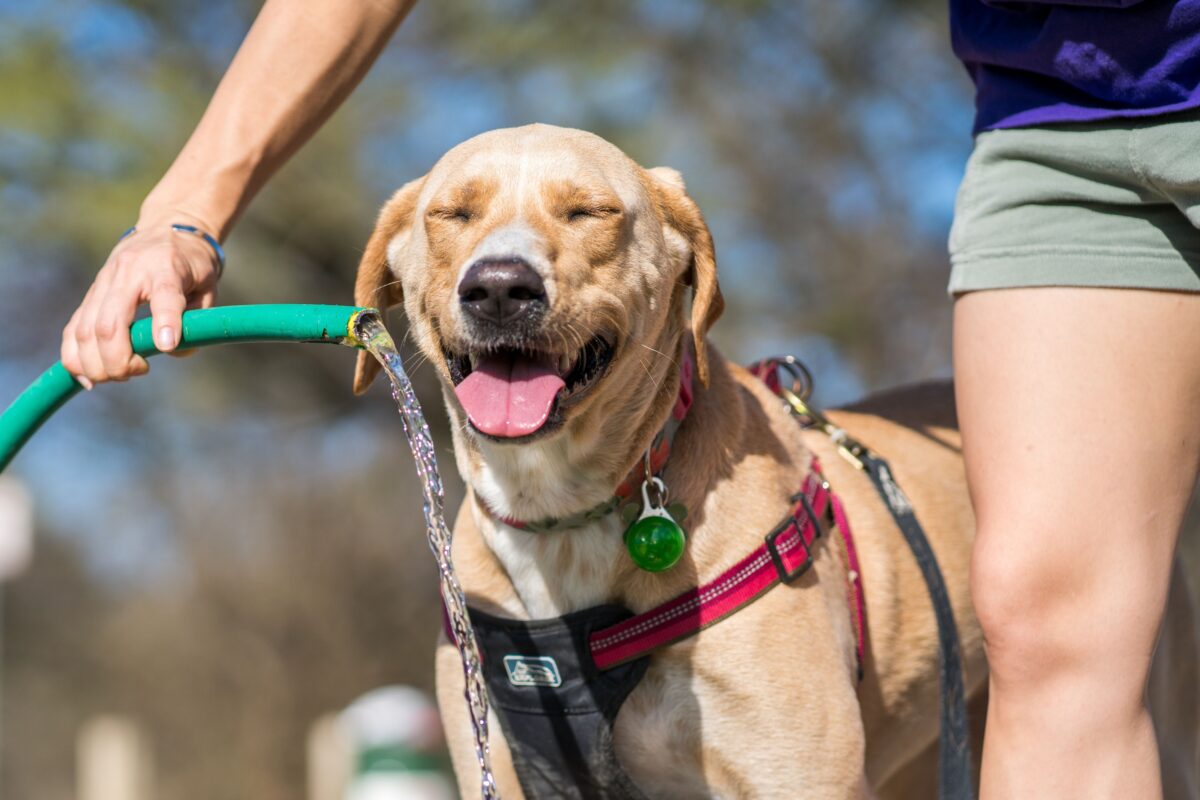
Within seconds, a trained team member has a rough idea of whether your pet is underweight, ideal, or carrying extra. Clinics use a body condition score for this. The system runs on a 9-point scale, and an ideal score is typically a 4 or 5, with a healthy amount of muscle and body fat.
Here’s the uncomfortable part. In one large international study, owners of overweight dogs tended to underestimate their dog’s body condition score. Most owners of heavy pets honestly believe their animal looks normal. The gap usually comes from familiarity, not carelessness. You see your pet every day, so slow changes vanish.
Many owners treat a chubby pet as a sign of love. Many vets argue that extra weight is one of the most preventable harms they see, because it puts added strain on joints and the rest of the body. That’s a blunt view, and plenty of families push back on it.
How the team checks, beyond the scale:
- Ribs should be felt easily, but not seen
- A visible waist when viewed from above
- Muscle tone along the spine and hips
Fluffy coats make this harder, which is why staff use their hands as well as their eyes. A thick coat can hide a pet that’s too thin just as easily as one that’s too heavy.
Weight is visible. The next signal is something most families never realize they’re being watched for…
#6 – Whether Your Pet Will Take a Treat
🔥 Would you like to save this?
We'll email this post to you, so you can come back to it later!
A refused treat can tell staff more than a thermometer.
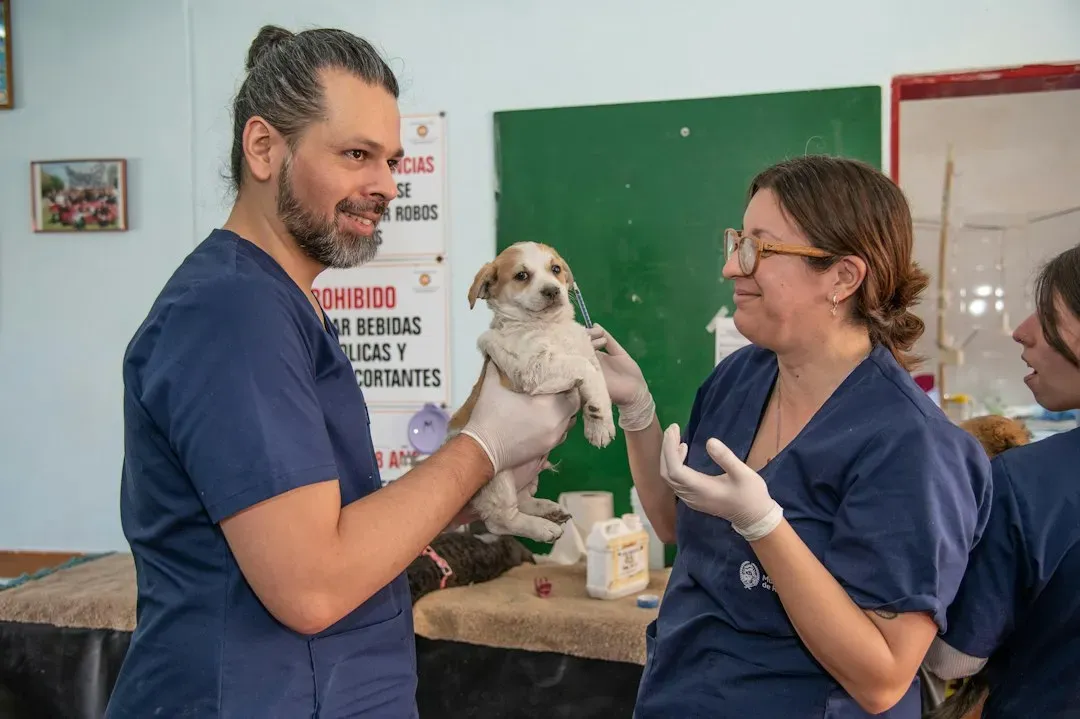
Treats are the currency of the modern clinic. Fear Free teaching encourages veterinarians to offer treats throughout the exam, and one veterinarian calls them “dog money.” So when a pet walks in and ignores a high-value snack, staff notice.
There’s a scale behind this. Clinics using the Fear, Anxiety, and Stress (FAS) scale, which runs from 0 to 5, treat food acceptance as a key signal. At the low end, the pet is relaxed and readily accepts treats, attention, or toys. At higher levels, the pet does not accept treats or attention.
A pet’s stress score can change during a single visit. Some pets fear only the weight scale but otherwise enjoy the office. A pet that gobbles treats in the lobby and refuses them in the exam room is giving the team a precise map of where its worries start.
One caution: a refused treat isn’t always fear. Some pets simply aren’t food-driven, and others feel unwell. Staff weigh it alongside body language, which is why the full picture matters.
Families that plan ahead get a visible advantage. Fear Free suggests limiting food before an appointment so treats work better, and bringing the pet’s favorite treats along. Check with your vet first if your pet has a medical condition that affects feeding.
Of course, treats only help if someone is reading the signals, and that brings us to a surprising gap…

Earth Rated XL Dog & Puppy Pee Pads, Discreet Top, Max Absorbency
Check Price on AmazonAs an Amazon Associate, we earn from qualifying purchases.
10/7/2026 1:28 pm GMTi

PetSafe Oasys Pet Fountain, 1/2 Gallon (64 oz), Small Dogs & Cats
Check Price on AmazonAs an Amazon Associate, we earn from qualifying purchases.
10/8/2026 8:14 am GMTi

Halloween Cat Costume Cloak Witch Hat Pet Accessories
Check Price on AmazonAs an Amazon Associate, we earn from qualifying purchases.
10/9/2026 2:44 pm GMTi

Smart Bird Feeder with Camera Solar Powered, 2K HD Live Video, 10,000+ Bird Species AI Identification
Check Price on AmazonAs an Amazon Associate, we earn from qualifying purchases.
10/7/2026 1:22 pm GMTi

2 Pcs Halloween Pet Hat Bandana Set, Witch Pumpkin Costumes for Dogs
Check Price on AmazonAs an Amazon Associate, we earn from qualifying purchases.
10/9/2026 2:45 pm GMTi
#5 – How Well You Read Your Pet’s Stress
🔥 Would you like to save this?
We'll email this post to you, so you can come back to it later!
Many owners miss the signs that vets spot in seconds.
Staff notice quickly whether a family can read its own animal. A dog with lips drawn back and a lowered body being cheerfully told “he loves it here” is a common scene. The owner isn’t lying. They often just don’t see the signs.
The research backs this up. One study of a standardized fear scale found that behavior experts and owners differed significantly in assessing some moderate and severe signs, suggesting experience affects the ability to identify fear. Even loving owners can miss the moment a pet moves from nervous to genuinely distressed.
The warning signs are well documented:
- Dogs: a tense face, lips drawn back, tail down, body lowered, dilated pupils, and growling
- Cats: a tucked tail, crouched posture, hissing, dilated pupils, and ears pinned to the sides
Also worth knowing: studies indicate that up to 78.5% of dogs show fear-related behaviors during veterinary visits. If your pet is nervous, you’re in very large company, and staff would rather you say so than hide it.
Telling the team up front, “she gets scared when you touch her paws,” often changes the whole visit for the better. It lets them adjust their approach before the stress builds.
Fast Facts
- The FAS scale runs from 0 (relaxed) to 5 (severe distress)
- Up to 78.5% of dogs show fear-related behaviors at vet visits
- Experts and owners often rate moderate and severe signs differently
- A pet that refuses treats and attention sits at the higher end of the scale
The next detail has less to do with the pet and more to do with the people in the room…
#4 – How the Kids Behave Around the Animal
🔥 Would you like to save this?
We'll email this post to you, so you can come back to it later!
Children in the exam room reveal the household’s rules without a word.
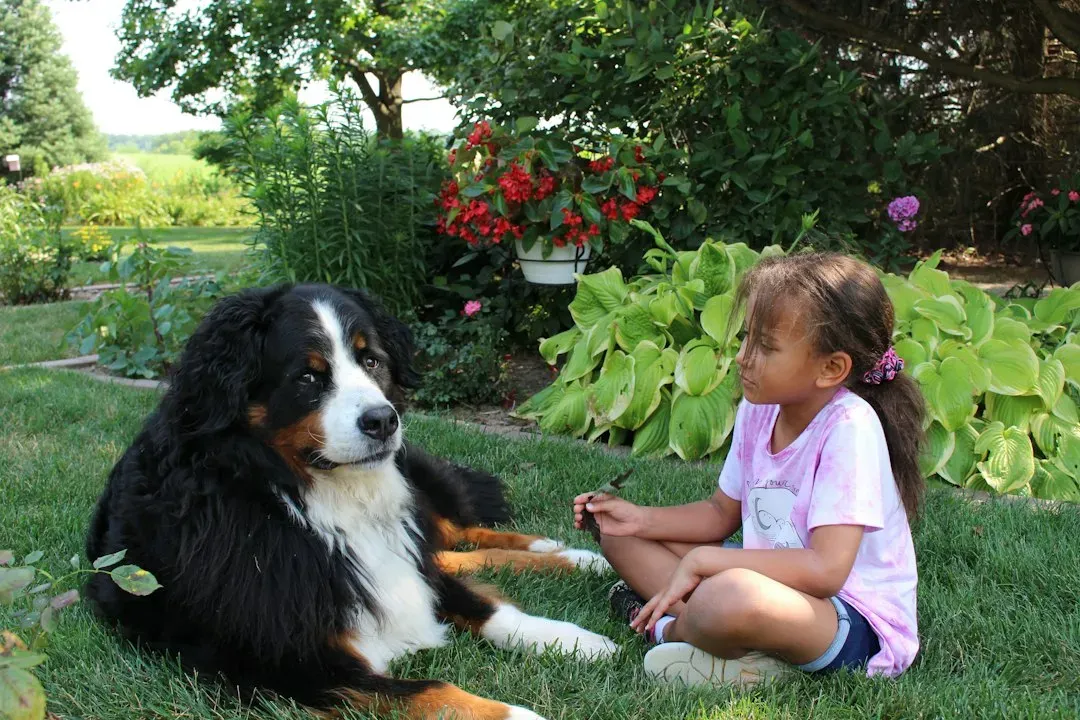
Staff notice whether children approach the pet gently, hover over it, or try to hug it while it’s trying to back away. They also notice whether an adult steps in or lets it slide.
Some of this is simply pet-safety knowledge. Dogs and cats communicate discomfort in subtle ways, and children are often the last to read those signals. A dog that’s stiffening, avoiding eye contact, or backing into a corner is asking for space.
Here’s a view that gets heated. Many behavior experts argue the biggest mistake families make is punishing a growl. A growl is a warning. Scold it away, and the animal may skip the warning next time and go straight to a bite. That’s a widely taught principle in behavior circles, though families raised on “bad dog” rules often disagree.
Staff also pay attention to a pet’s reaction to being touched, because pain can look like bad manners. Growling when touched, snapping at the other pet, or avoiding the children can be pain talking.
And that’s where your own account of the pet’s history becomes the most valuable thing in the room…
#3 – How You Describe Your Pet’s History
🔥 Would you like to save this?
We'll email this post to you, so you can come back to it later!
Within moments, staff can tell whether you’re an observer or a bystander.
Vets rely heavily on what families tell them. Animals can’t say where it hurts, so the owner’s description often becomes the first diagnostic clue. Specific answers help. Vague ones leave gaps.
Compare “he’s been off” with “he’s skipped breakfast three times this week and stopped jumping on the couch.” The second version gives the team something concrete to work with. Staff often prefer open-ended conversation over a checklist, and the detail you offer without prompting usually matters most.
A pet can lose a tenth of its body weight without anyone noticing. One pound on a 10-pound cat is 10%, which on a person would be like losing 15 or 20 pounds without trying. That’s why families who track weight, appetite, and water intake stand out.
Things staff are glad to hear about:
- Changes in eating, drinking, or bathroom habits
- Shifts in energy, sleep, or mobility
- New behaviors, even odd ones that seem unrelated
You don’t need medical vocabulary. A quick note on your phone, or a short video of the limp or cough, can do more than a long explanation from memory. Pets have a habit of behaving perfectly the moment they step into the clinic.

Professional 7 in 1 Dog Paw Cleaner for Dogs & Cats - Includes 1 Portable Paw Washer, 1 Bath Brush
Check Price on AmazonAs an Amazon Associate, we earn from qualifying purchases.
10/7/2026 1:26 pm GMTi

Dog Stairs for Bed 18" H, 4-Step Dog Steps for High Bed
Check Price on AmazonAs an Amazon Associate, we earn from qualifying purchases.
10/9/2026 2:42 pm GMTi

Glass Hummingbird Feeder for Outdoors Hanging
Check Price on AmazonAs an Amazon Associate, we earn from qualifying purchases.
10/7/2026 1:21 pm GMTi

Glass Hummingbird Feeder for Outdoors Hanging, 16 oz Leak-Proof Nectar Feeder with Bee Guards & Ant Moat
Check Price on AmazonAs an Amazon Associate, we earn from qualifying purchases.
10/7/2026 1:22 pm GMTi

Air Purifiers for Home Pets Large Room Up to 3000 Ft²,HEPA Air Cleaner with Washable Double-Side Filter, PM2.5 Air Quality Monitor,15dB Sleep Mode for Bedroom Odor Dust Pollen,White
Check Price on AmazonAs an Amazon Associate, we earn from qualifying purchases.
10/8/2026 8:23 am GMTi
Worth Knowing
- Roughly when the change started, even if it’s just “about two weeks ago”
- A short phone video of the cough, limp, or odd behavior
- Current medications, supplements, and preventives your pet takes
- The food and treats your pet eats, including table scraps
But the most telling moment of all often happens when the exam hasn’t even begun…
#2 – Where Your Pet Looks for Comfort
🔥 Would you like to save this?
We'll email this post to you, so you can come back to it later!
The pet’s first glance usually goes straight to one person.
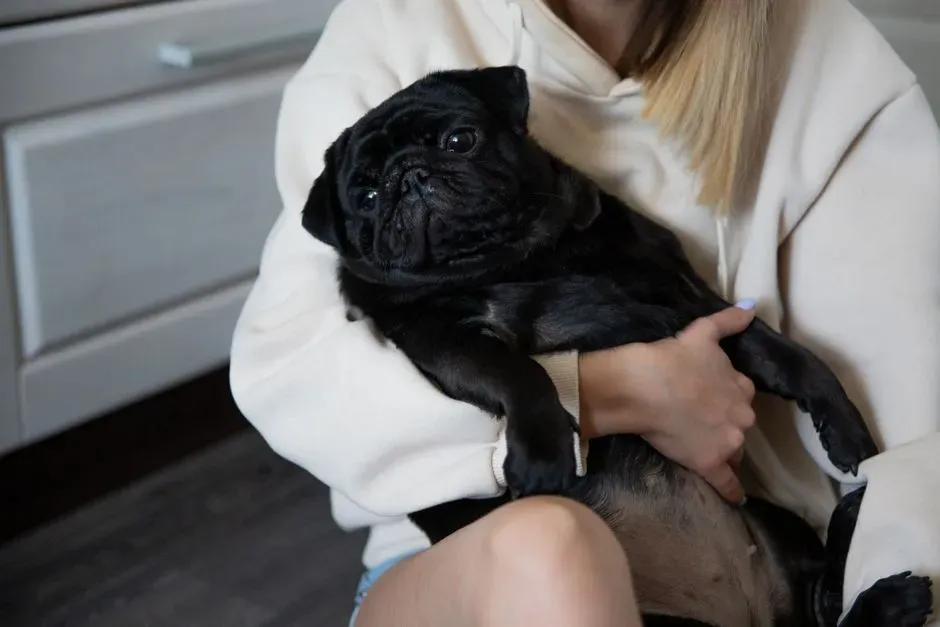
Staff watch who the animal turns toward when it’s unsure. A dog that checks in with a particular family member, or a cat that relaxes only in one lap, shows who the pet trusts. That tells the team who’s best placed to help during the exam.
It also shows how secure the pet feels in general. A pet with no signs of fear or stress displays relaxed body language and solicits social interactions with team members. A pet that hides behind legs or refuses all contact is communicating something very different.
Most people don’t realize this works both ways. Pets also read the humans around them. A calm, familiar person offers a sort of safe base, which is why many clinics ask owners to stay in the room when it’s safe and possible.
There’s a subtle catch, though. A pet that clings to one person may be strongly bonded, or it may be anxious. Staff watch for that difference, because a pet that can’t relax even with its favorite person may need extra support.
All of this leads to the one signal staff say they can’t ignore, and it’s the one families most often explain away…

Orthopedic Extra Large Dog Bed, Waterproof Washable XL Pet Bed 44"
Check Price on AmazonAs an Amazon Associate, we earn from qualifying purchases.
10/7/2026 1:32 pm GMTi

Halloween Dog Collar with Bow, Orange Cute Ghost Collar,
Check Price on AmazonAs an Amazon Associate, we earn from qualifying purchases.
10/9/2026 2:43 pm GMTi

Portable Dog Water Bottle Foldable Dog Travel Water Bottle
Check Price on AmazonAs an Amazon Associate, we earn from qualifying purchases.
10/7/2026 1:29 pm GMTi

Hand Blown Glass Hummingbird Feeders for Outdoors Hanging, 24oz Wild Bird Nectar Feeder
Check Price on AmazonAs an Amazon Associate, we earn from qualifying purchases.
10/7/2026 1:23 pm GMTi
#1 – The Phrase “He’s Just Getting Old”

🔥 Would you like to save this?
We'll email this post to you, so you can come back to it later!
This is the sentence that makes veterinary staff lean in.
When a family describes slowing down, stiffness, or a lost spark as normal aging, staff pay close attention. Age is real, but it’s also a convenient label that can mask treatable problems like pain, dental disease, or other conditions.
Animals are naturally stoic. Many hide discomfort because, in the wild, looking weak is risky. So by the time a pet shows obvious pain, the problem may have been building for a long time. The quiet changes are the ones that matter: a pet that hesitates at the stairs, stops grooming, or avoids being picked up.
There’s a trap in the way families describe it. Gradual change is hard to see from the inside. You live with your pet every day, so small shifts blend into the background. Staff, seeing the pet for fifteen minutes, may notice them more sharply, which is why a vet’s concern isn’t a criticism.
Ask directly: “Is this normal for his age, or is something treatable going on?” Few questions are more useful in a vet’s office.
That one question is where all of these first-minute clues come together…
The first minute at the vet isn’t a test, and nobody is grading your parenting. But staff really do pick up a lot: how prepared you are, how you handle your pet, whether you can see its stress, and how you talk about its health.
The most shocking finding is how often loving owners miss weight gain, fear, and pain that staff spot at a glance. That isn’t a failure of love. It’s what happens when you see someone every single day.
My opinion: the best families aren’t the calmest or the most polished. They’re the ones who ask questions and take the answers seriously. Which of these signals would you have guessed was being watched?

- 9 Things Veterinary Staff Notice About a Family Within the First Minute - November 9, 2026
- 19 Changes in an American Backyard the Week Frost First Arrives - November 9, 2026
- 9 Habits a Working Farm Cat Never Loses - November 9, 2026