


Alligator mothers are among nature’s most devoted parents, displaying remarkable maternal instincts that often defy the reptilian stereotype of being cold-blooded in more ways than one. Despite their fearsome reputation, female alligators exhibit extraordinary care for their offspring, employing various strategies to ensure their survival in challenging environments. From the moment they build their nests to the years they spend guarding their young, alligator mothers demonstrate an impressive array of protective behaviors that have helped their species thrive for millions of years. Let’s explore the fascinating ways these prehistoric-looking mothers safeguard their vulnerable hatchlings in a world full of dangers.
19. Constructing Elaborate Nests
Alligator mothers begin their maternal journey by constructing elaborate nests from vegetation, mud, and debris. These mounds typically measure 7-10 feet in diameter and 2-3 feet in height, creating a secure environment for egg incubation. The female meticulously selects the location, usually in areas with partial sun exposure to maintain optimal temperature and close to water bodies for protection. The decomposing vegetation generates heat through natural composting processes, which helps maintain the crucial incubation temperature between 82-92°F. This careful nest construction provides the first layer of protection for the unhatched young, sheltering them from predators and environmental fluctuations.
18. Guarding the Nest Fiercely

Throughout the incubation period of approximately 65 days, alligator mothers remain vigilant guardians of their nests. They typically establish a small territory around the nest site, often staying within 3-10 feet of the mound. Female alligators become increasingly aggressive during this period, charging at potential threats and emitting warning hisses. Research has documented that alligator mothers rarely leave their nests unattended, even forgoing feeding for extended periods. This dedicated behavior significantly reduces egg predation by raccoons, opossums, and other nest raiders, with protected nests showing survival rates up to 70% higher than abandoned ones. The mother’s imposing presence serves as a powerful deterrent to would-be predators.
17. Regulating Nest Temperature

Alligator mothers display remarkable sensitivity to nest temperature fluctuations, which is critical as temperature determines the sex of their offspring. When external conditions threaten the optimal incubation range, mothers will add or remove vegetation from the nest to adjust insulation. During unusually cool periods, they may lie directly on top of the nest to transfer body heat. Conversely, during extreme heat, mothers have been observed spraying water from their mouths onto the nest or creating shade with their bodies. This temperature regulation is crucial since eggs incubated below 86°F produce predominantly female hatchlings, while those above 93°F yield mostly males. The mother’s temperature maintenance ensures a balanced sex ratio in the clutch, essential for population sustainability.
16. Responding to Hatching Calls
As hatching time approaches, alligator mothers exhibit an extraordinary sensory connection with their eggs. Embryonic alligators emit distinct vocalization patterns approximately 24 hours before hatching—high-pitched chirping sounds that signal their readiness to emerge. The mother responds immediately to these calls, becoming more attentive and often placing her head directly against the nest to better hear the sounds. This acoustic communication triggers hormonal changes in the mother that prepare her for the next phase of protective behavior. Studies have shown that mothers can distinguish between their own eggs’ calls and those of other alligators, responding significantly faster to their own offspring’s vocalizations. This auditory bond ensures the mother is present at the crucial moment of hatching.
15. Assisting with the Hatching Process

When the hatchlings are ready to emerge after their 65-day incubation, alligator mothers actively assist in the hatching process. The mother carefully uncovers the nest upon hearing the vocalizations of her babies and sometimes gently cracks open eggs with her teeth if hatchlings are struggling. This delicate procedure requires remarkable restraint and precision from an animal capable of exerting over 2,000 pounds of bite force. Researchers have observed mothers removing vegetation and debris from atop the eggs to ease the hatchlings’ emergence. In cases where flooding threatens the nest, mothers have been documented excavating the entire clutch prematurely to prevent drowning. This assistance significantly increases survival rates, as unattended nests often experience higher mortality due to hatchlings becoming trapped in hardened nest material.
14. Transporting Hatchlings to Water
One of the most remarkable behaviors of alligator mothers is their gentle transportation of hatchlings from the nest to water. Using their powerful jaws—the same jaws that can crush turtle shells—mothers delicately pick up several hatchlings at once, placing them in a specialized pouch created by stretching the skin between their tongue and lower jaw. A single mother can transport 8-10 hatchlings simultaneously without causing injury. This behavior is critical because newly hatched alligators are highly vulnerable to predation on land. The journey from nest to water can span distances of 50-150 feet, and the mother may make multiple trips until all hatchlings (typically 20-50) are safely transported. Without this assistance, predation rates of hatchlings can exceed 90% during this dangerous transition period.
13. Creating Protected Nursery Areas

Upon reaching water, alligator mothers establish protected nursery areas where their hatchlings can develop in relative safety. These nurseries are typically located in shallow, vegetated portions of marshes, lakes, or swamps that provide abundant cover from predators. The mother actively clears pathways through dense vegetation to create navigation channels for her young. These nursery areas, measuring approximately 10-30 feet in diameter, become the hatchlings’ home for their first months of life. The vegetation provides not only protection but also creates microhabitats rich in small prey items perfectly sized for young alligators. Studies have found that hatchlings raised in these protected nurseries show survival rates nearly three times higher than those without maternal protection, highlighting the critical importance of this behavior.
12. Responding to Distress Calls

Alligator hatchlings emit distinctive distress calls when threatened, and mothers show remarkable responsiveness to these vocalizations. Experiments have demonstrated that alligator mothers can detect these calls from distances exceeding 100 feet and can distinguish between the calls of their own offspring and those of unrelated alligators. When a hatchling signals distress, the mother responds with surprising speed, covering distance at up to 10 miles per hour on land and faster in water. The response typically involves rapid approach, raised head posture, and aggressive behavior toward the threat. This vocal communication system creates an effective alarm network within the nursery group, with one hatchling’s distress call potentially triggering a protective response that benefits the entire clutch.
11. Teaching Hunting Techniques

Alligator mothers facilitate their offspring’s hunting development through a combination of demonstration and assisted feeding. Researchers have observed mothers crushing larger prey items into manageable pieces for their young and stirring up aquatic environments to expose small prey animals. This behavior continues for 1-2 years as hatchlings develop their hunting skills. Mother alligators have been documented herding schools of fish toward shorelines where their young wait in ambush, creating a natural “training ground” for developing hunting techniques. As hatchlings grow, mothers gradually transition from providing food to demonstrating stalking and capture techniques. This extended teaching period significantly improves the young alligators’ hunting success rates, with juveniles under maternal guidance showing 40-60% higher prey capture efficiency than orphaned counterparts.
10. Providing Warmth During Cold Periods

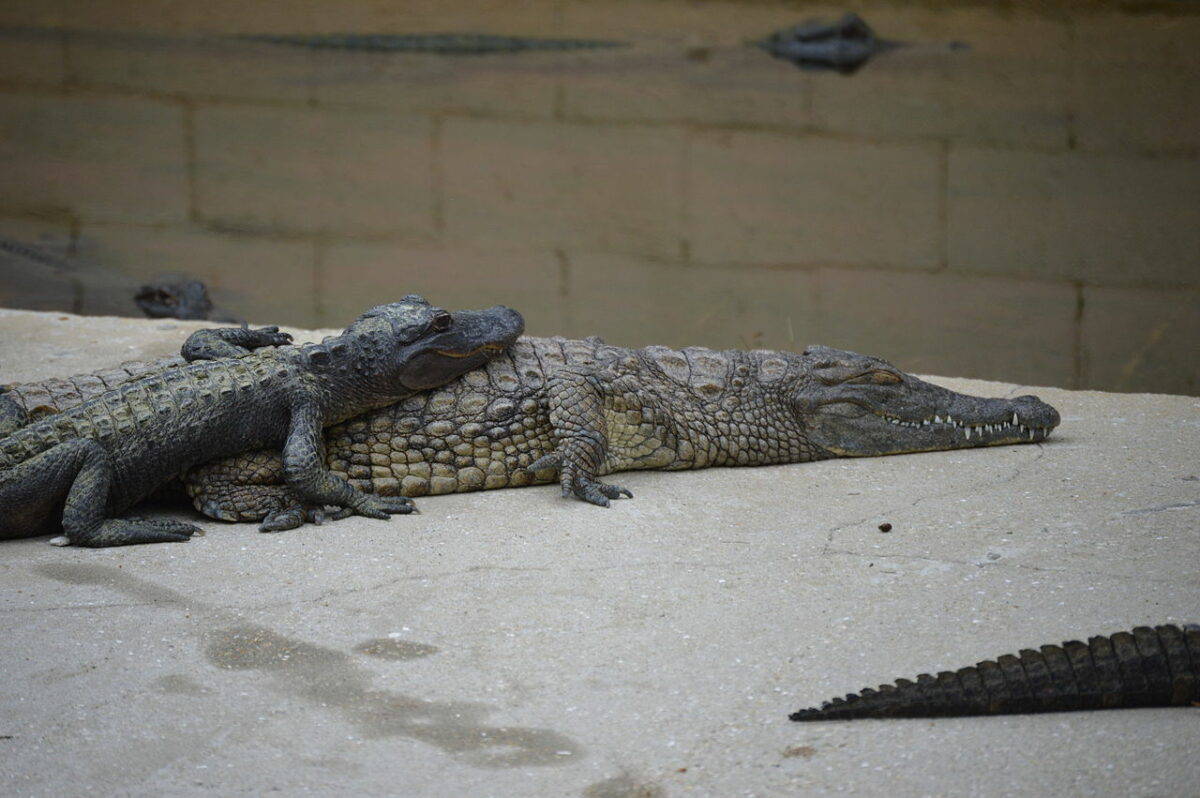
Young alligators are particularly vulnerable to cold temperatures due to their small size and limited fat reserves. During cold snaps, alligator mothers create specialized warming areas by clearing vegetation and creating depressions in shallow water that trap heat more effectively. In particularly cold conditions, mothers allow their hatchlings to climb onto their backs where they can absorb body heat. At night, hatchlings have been observed huddling against their mother’s body or even entering her mouth temporarily for warmth without being harmed. This thermoregulatory assistance is critical, as temperatures below 55°F can be fatal to hatchlings. Studies in the northernmost alligator habitats show that clutches with attentive mothers have winter survival rates up to five times higher than those without maternal thermal protection.
9. Defending Against Predators
Alligator mothers are formidable defenders against the numerous predators that target their vulnerable young. Adult raccoons, birds of prey, large fish, and even other alligators pose significant threats to hatchlings, which measure only 6-8 inches at birth. When predators approach, mother alligators display a graduated response system, beginning with warning hisses and progressing to lunges and full attacks if the threat persists. Perhaps most remarkably, mothers can distinguish between serious threats and non-threatening species, conserving energy by responding proportionally to the danger level. When directly attacking a predator, the mother positions herself between the threat and her young, creating an escape opportunity. Documented cases exist of mother alligators sustaining serious injuries while defending their young, demonstrating the extent of their protective instinct.
8. Communal Protection Through Creches
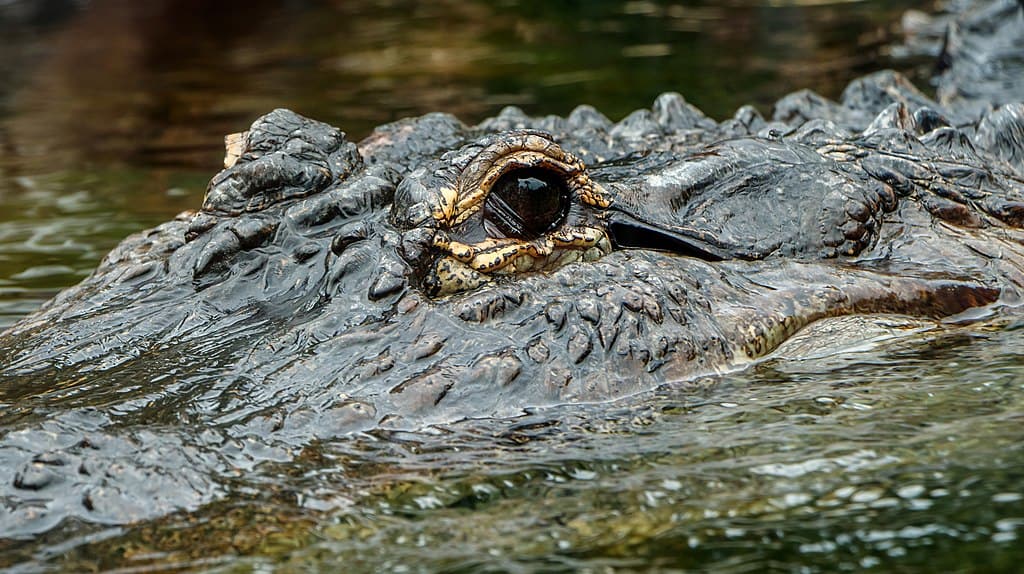
In some habitats, alligator mothers establish communal nurseries called “creches,” where multiple females protect a combined group of hatchlings. These arrangements typically include 2-5 related females and can incorporate 60-200 young alligators. Research indicates that females in these creches are often sisters or mother-daughter pairs that coordinate their protective efforts. The presence of multiple adult females creates a significantly stronger deterrent to predators, with creches showing predation rates 70-80% lower than single-mother groups. This cooperative behavior represents a sophisticated social adaptation rarely seen in reptiles. The communal approach allows individual mothers to occasionally leave for feeding while ensuring constant protection remains for the young, creating a sustainable system that improves overall offspring survival.
7. Teaching Navigation and Territory Recognition
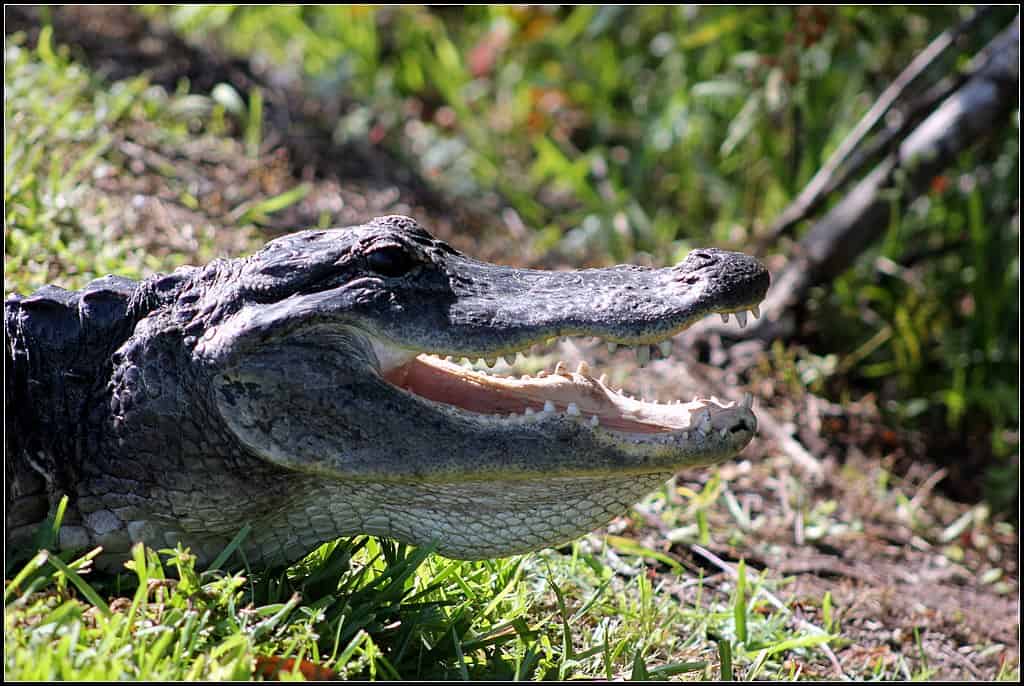
Alligator mothers help their young develop critical spatial awareness and navigation skills within their habitat. During the first year, mothers lead regular “patrol” movements through their territory, following consistent paths that teach hatchlings to recognize landmarks and territorial boundaries. These movements establish mental maps in the developing alligators, helping them identify safe areas versus danger zones. Mothers use specific vocalizations—low-frequency rumbles—to gather dispersed hatchlings before these movements. As the young develop, mothers gradually expand the patrol range, introducing them to new habitat areas in a controlled manner. This behavior prevents young alligators from wandering into hostile territories where they might face aggression from unrelated adults. Tracking studies show that juvenile alligators with maternal guidance have home ranges approximately 40% smaller than orphaned counterparts, suggesting more efficient habitat utilization.
6. Maintaining Pod Cohesion

Alligator mothers maintain the cohesion of their “pod” (group of hatchlings) through various communication methods. They produce infrasonic vibrations—sounds below human hearing range—that signal hatchlings to gather closely during potential threats. Physical contact also plays a role, with mothers using gentle nudges to corral wandering babies. When the pod must move to new locations due to changing water levels or food availability, mothers employ a distinctive head-slapping behavior on the water’s surface that serves as a rallying signal. These cohesion behaviors continue for 1-2 years, gradually decreasing as juveniles become more independent. The pod structure significantly reduces individual predation risk through safety in numbers. Research demonstrates that hatchlings maintaining pod formation with siblings have 30-50% higher first-year survival rates compared to isolated individuals.
5. Seasonal Habitat Selection for Protection
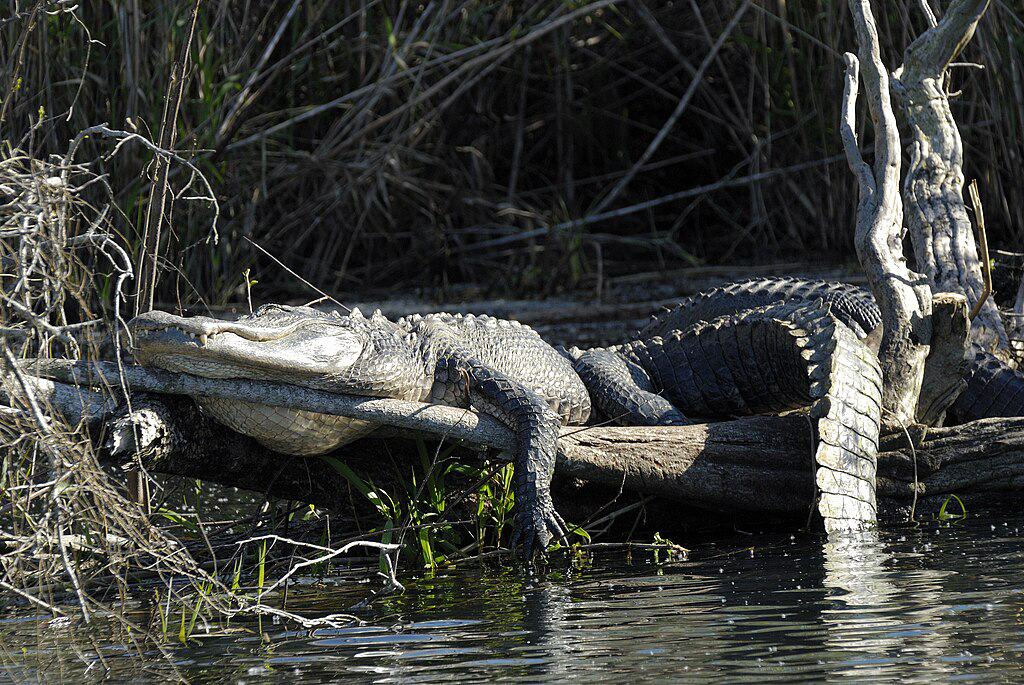
Alligator mothers strategically relocate their pods seasonally to optimize protection and resource availability. During spring and summer, mothers typically select shallow, heavily vegetated areas that provide abundant cover and prey for growing hatchlings. As winter approaches, they transition to deeper, more thermally stable water bodies that buffer against temperature extremes. This seasonal movement pattern can cover distances of 1-3 miles in some habitats. The mother assesses factors including water depth, vegetation density, presence of competitors, and historic success rates when selecting each seasonal location. Research using tracking devices has shown that experienced mothers (those who have successfully raised previous clutches) make more advantageous habitat selections, resulting in 15-25% higher offspring survival compared to first-time mothers. This behavior demonstrates sophisticated decision-making based on multiple environmental variables.
4. Protecting Against Cannibalism

One of the greatest threats to alligator hatchlings comes from larger alligators, including adult males who may practice cannibalism. Mother alligators employ specific strategies to protect against this threat by establishing territories away from areas frequented by large males. When adult males approach nursery areas, mothers display a unique set of aggressive behaviors not seen in other contexts, including exaggerated jaw displays and vocalizations specifically evolved to deter male alligators. In the Everglades, researchers have documented females establishing nurseries in habitat “islands” surrounded by shallow water that larger alligators have difficulty navigating. The mother’s presence reduces cannibalism rates dramatically, with protected pods experiencing 80-95% lower predation from other alligators compared to orphaned hatchling groups. This protection against their own species represents one of the most important maternal contributions to offspring survival.
3. Adjusting Protection Based on Threat Levels
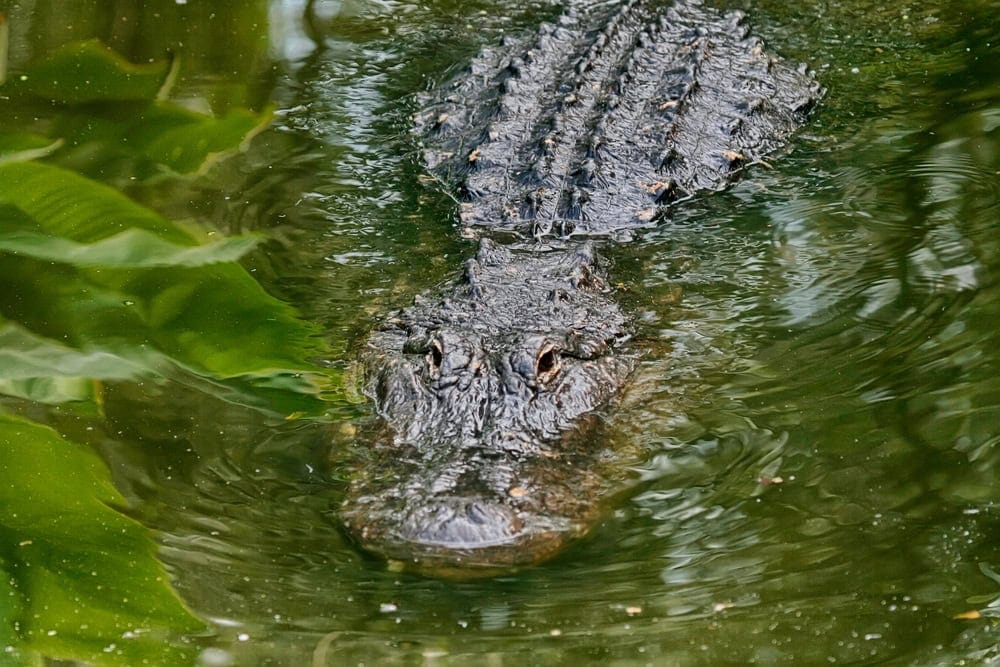
Alligator mothers display a sophisticated ability to assess and respond proportionally to varying threat levels. They employ different protective strategies depending on whether the threat comes from small mammalian predators, birds of prey, large predatory fish, or other alligators. For aerial threats, mothers position themselves to create shade that reduces the visibility of hatchlings from above. Against aquatic threats, they herd hatchlings to extremely shallow water where larger predatory fish cannot follow. The mother’s protective intensity also varies with hatchling age, providing most active defense during the first six months when vulnerability is highest. As hatchlings grow and develop better self-defense capabilities, mothers gradually allow more independence while remaining vigilant. This graduated protection system optimizes energy expenditure while maximizing protective effectiveness through the developmental stages.
2. Vocalizing to Alert Hatchlings

Mother alligators utilize a complex vocal communication system to alert their young to different types of danger. Researchers have identified at least four distinct maternal vocalizations, each signaling different responses from the hatchlings. A short, sharp grunt indicates immediate danger and triggers hatchlings to freeze in place, reducing their visibility. A low-frequency rumble signals hatchlings to gather close to the mother for protection. A series of cough-like sounds directs young to move toward deeper water, while a distinctive hiss warns them to seek cover in vegetation. These vocalizations begin even before hatching, as embryonic alligators learn to recognize their mother’s specific vocal signature during late incubation. This sophisticated communication system allows for rapid, coordinated responses to threats, significantly enhancing the pod’s collective security against various predators.
1. Extended Parental Care Period

Unlike most reptiles, alligator mothers provide extended parental care, continuing protective behaviors for 1-2 years after hatching. This lengthy commitment represents one of the longest parental care periods of any reptile species. During this time, the intensity and nature of protection gradually shifts from direct intervention to teaching and guidance. The first six months feature the most intensive protection, followed by a period where mothers increasingly allow young to handle minor threats independently while remaining nearby for serious dangers. By providing this extended care, mothers ensure their offspring reach a size (typically 18-24 inches) where vulnerability to most predators decreases substantially. Long-term studies indicate that alligators receiving full maternal care for 1+ years have lifetime reproductive success rates 30-40% higher than those separated from mothers earlier, demonstrating the evolutionary value of this investment.
Conclusion:

Perhaps one of the most remarkable aspects of alligator maternal care is the mother’s willingness to endure significant physical discomfort, hunger, and danger to protect her young. From building climate-controlled nests and responding to tiny vocal cues, to carrying fragile hatchlings in her powerful jaws and defending them fiercely from predators—including members of her own species—she embodies a level of parental devotion rarely seen in reptiles. These behaviors, refined over millions of years, reveal an unexpectedly complex maternal instinct that rivals that of many birds and mammals. In a world where survival is never guaranteed, the alligator mother’s tireless vigilance offers her young their best chance at life, ensuring that this ancient species continues to thrive in modern ecosystems.

As a little kid, I fell in love with nature, wildlife, and animals. Living in the USA, South Africa, Italy, China and Germany gave me the opportunity to discover the world's Wildlife. My favorite animals are Mountain Gorillas, Siberian Tigers, and Great White Sharks.
I'm a certified PADI Open Water Diver, went to Everest Base Camp and Trekked Gorillas in Uganda. I hold a Master of Science in Economics and Finance.
Please send any feedback to feedback@animalsaroundtheglobe.com
- 13 Cat Breeds That Get Along with Dogs - July 20, 2026
- The 12 Largest Dog Breeds That Still Love to Cuddle - July 20, 2026
- 12 Pet Habits That Secretly Mean They Love You - July 20, 2026