
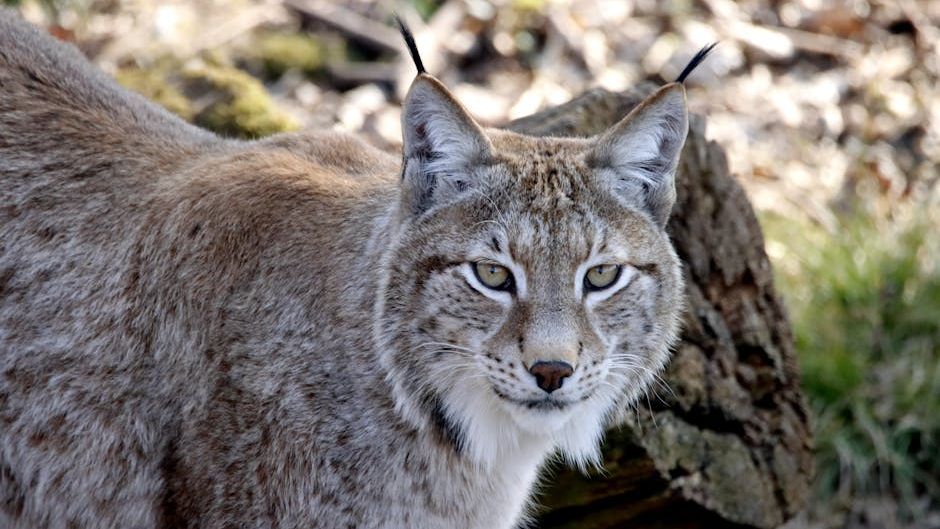
There are animals living just miles from your home that most people will never see in their lifetime. Not because they are rare, exactly, but because they have perfected the art of invisibility. They move before dawn. They vanish into ridgelines. They watch you long before you ever know they are there. America’s big cats are not just fascinating creatures. They are some of the most skilled, complex, and quietly astonishing predators on the planet, and the closer researchers look, the more surprising the picture becomes.
From the fog-draped mountains of the West to the swampy fringes of southern Florida, a handful of wild cats are doing everything they can to survive in a country that has spent centuries trying to push them out. What they do in the dark, how they raise their young, how they communicate, and why their survival matters more than most people realize – all of it is more incredible than you might expect. Let’s dive in.
The Mountain Lion: A Ghost With a Secret Social Life
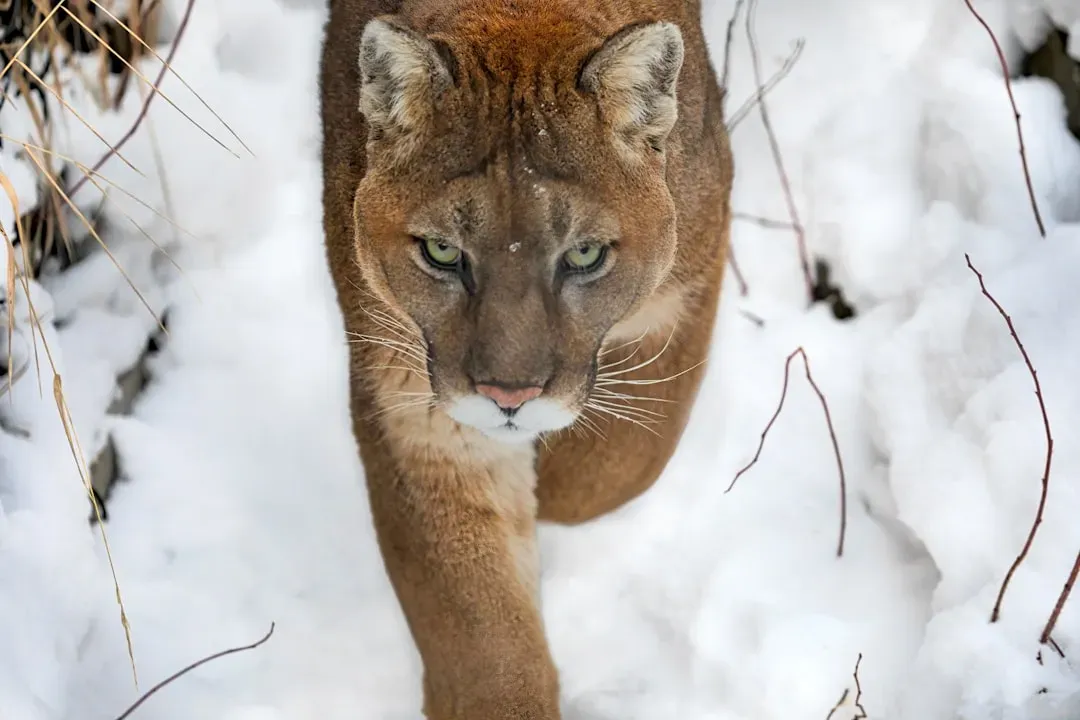
Most people think of mountain lions as pure solitary loners, wandering the wilderness in complete isolation. Honestly, that story is only half true. Despite their broad distribution, mountain lions are mostly solitary and territorial, leading to naturally low population densities. Think of their landscape like a tightly packed neighborhood, where each resident has staked out their own block and fiercely defends it.
Older males maintain large territories slotted together like puzzle pieces across available habitat, and females nest smaller home ranges inside. To establish a territory, young males must fight or leave – and many die. It is a brutal system, but it works. Male mountain lions require approximately 150 square miles of territory, while females occupy about 50 square miles.
Here is the thing that surprises almost everyone: mountain lions are not purely antisocial. A male and the females in his territory may form a sort of “cougar neighborhood,” where individuals occasionally share kills, perhaps on the assumption that the favor will be returned. That sounds remarkably like reciprocity – and it suggests a level of social intelligence researchers are only beginning to understand.
Their muscular build allows them to leap up to 15 feet vertically and 40 feet horizontally, which helps them ambush unsuspecting prey. Mountain lions typically make a large kill every 7 to 10 days, but this frequency can increase for females with cubs, who may hunt as often as every 3 days. After a successful hunt, mountain lions often drag the carcass to a secluded spot, cover it with debris, and return to feed over several days. Efficient, calculated, and quietly brilliant.
Mountain lions living in areas with higher levels of human recreation shift their activity toward the middle of the night and are less active around dawn or dusk. In other words, these cats are actively adapting their behavior in real time to accommodate us. They are giving us room we never even asked for.
The Florida Panther: America’s Most Endangered Big Cat Fighting for Its Last Stand
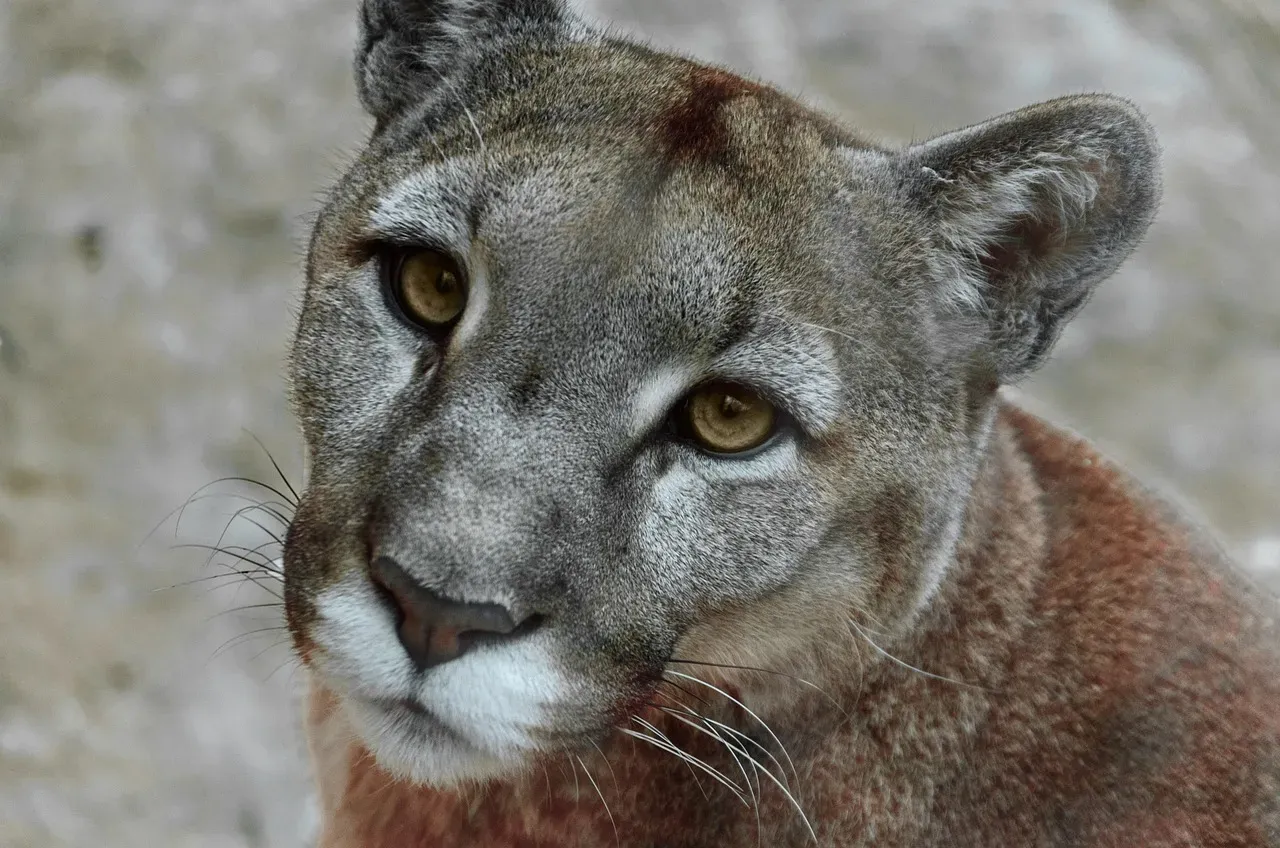
If there is one story that should keep every wildlife lover up at night, it is the Florida panther. The Florida panther is a North American cougar found in South Florida’s hardwood hammocks, pinelands, and swamps. As the last breeding population of its subspecies east of the Mississippi, it remains one of the most endangered mammals in the world and the most endangered big cat in North America.
It is the only confirmed cougar population in the Eastern United States, and currently occupies just 5% of its historic range. As of 2024, about 200 individuals are left in the wild. Two hundred animals. That is fewer than the seats in a small movie theater. The two highest causes of mortality for individual Florida panthers are automobile collisions and territorial aggression between Florida panthers.
To date in 2025, four panthers have been killed by vehicles, which are the leading cause of death for the animals, according to the Florida Fish and Wildlife Conservation Commission. Meanwhile, Florida’s human population is growing by an estimated 1,000 people daily, and that pressure on panther habitat is relentless and growing. It is a collision – quite literally – between two worlds.
The genetics story here is genuinely fascinating. In 1995, a handful of panthers from Texas were introduced to try to save the population from inbreeding. Over the years, the Florida panther population has risen to around 200, but the effect of adding the new genetic variation was not fully known until recently. New research from UCLA found that conservation measures taken over the past 30 years are working to help Florida panthers survive, but that the endangered species is not out of the woods yet.
I think what makes the Florida panther so emotionally compelling is how close it came to vanishing entirely. In the 1970s, an estimated 20 Florida panthers remained in the wild. Twenty. The fact that there are now roughly 200 is a conservation miracle – a fragile, incomplete, constantly threatened miracle, but a miracle nonetheless. Florida panthers cannot roar, and instead make distinct sounds that include whistles, chirps, growls, hisses, and purrs. Somehow, that detail makes them feel both wild and intimate at the same time.
The Jaguar’s Comeback: America’s Ancient Cat Returns From the Shadows
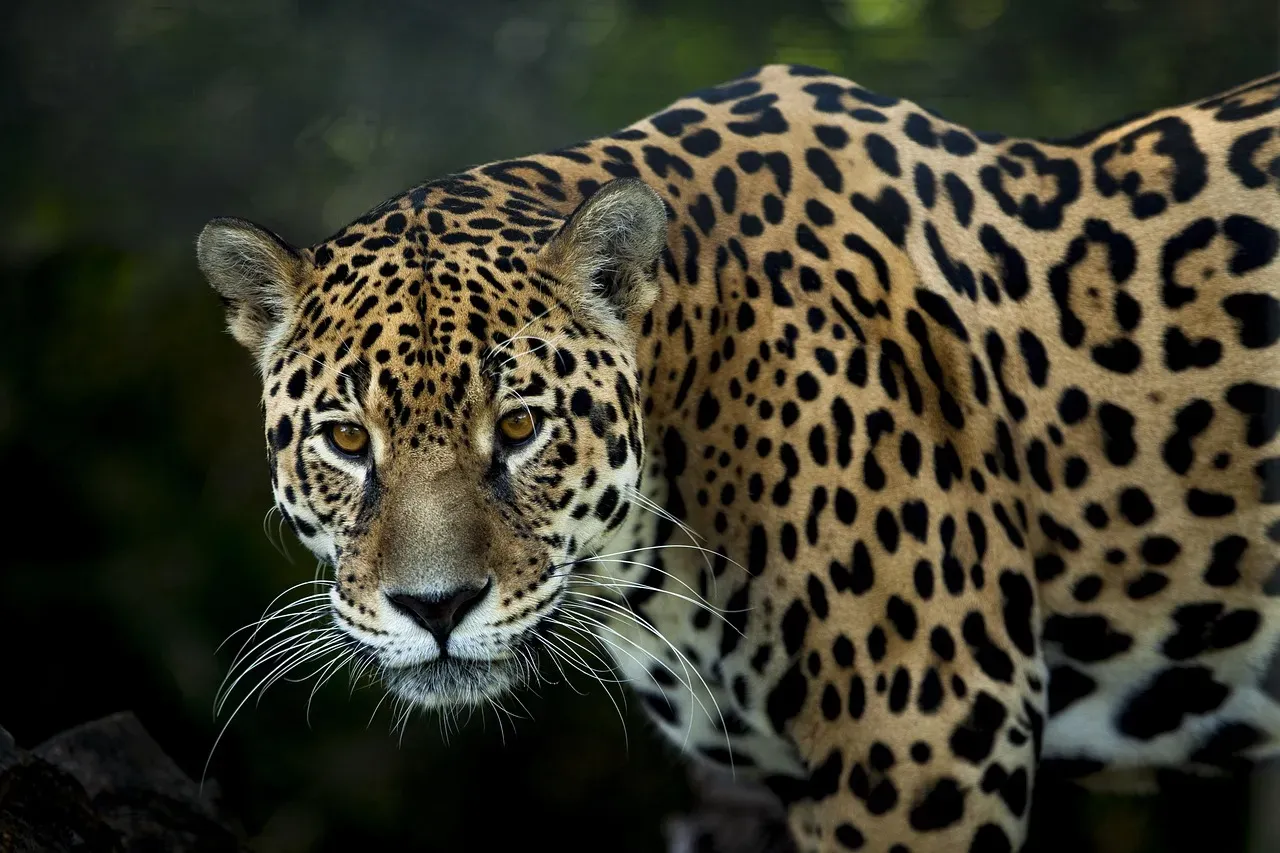
Here is something most people do not know: the jaguar is not a foreign visitor to the American Southwest. Jaguars actually evolved in North America and then spread to Central and South America. They are the largest cats native to the continent, weighing anywhere between 150 and 300 pounds. In other words, the jaguar is not a foreign visitor to America. It is a native returning home, slowly and against the odds.
Since August 2025, seven new jaguar detections have been confirmed in southern Arizona. That is not a small number for an animal most Americans assume does not exist in the United States. Just like a human fingerprint, the rosette pattern on each jaguar is unique, so researchers knew they had a new animal on their hands after reviewing images captured by a remote camera in southern Arizona. The University of Arizona Wild Cat Research and Conservation Center says it is the fifth big cat over the last 15 years to be spotted in the area after crossing the U.S.-Mexico border.
The power of this animal is almost hard to believe. Biologically adapted as ambush predators, jaguars possess the strongest bite force relative to body size among all big cats – powerful enough to puncture turtle shells and crack caiman skulls. Imagine the engineering behind a jaw like that. It is a finely evolved tool that took millions of years to develop.
The jaguar, once roamed across southern Arizona as far north as the Grand Canyon, New Mexico, and Texas, and it occasionally traveled farther afield, to Louisiana and California. Ranchers and government trappers effectively wiped out the species by the middle of the 20th century. Now, slowly, the species is drifting back north. Recent detection data supports findings that a jaguar appears every few years, with movement often tied to the availability of water. When food and water are plentiful, there is less movement.
The border wall complicates all of this significantly. A 2024 study found that the existing border wall caused a severe decline in migration of terrestrial mammals, including ocelots, mountain lions, and bears that regularly move across the border in this part of Arizona. Officials have said that jaguar breeding in the U.S. has not been documented in more than 100 years. Every jaguar that makes it across today is, in a very real sense, an act of defiance against history.
The Canada Lynx: A Predator Locked in Nature’s Most Remarkable Dance
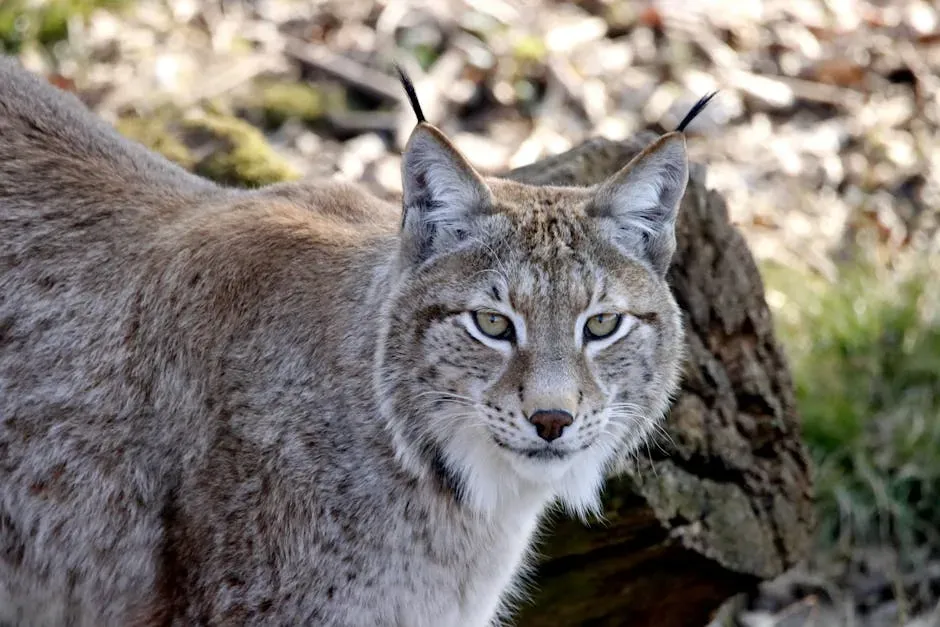
Up in the cold, forested reaches of the northern United States and Canada lives a cat that most people have never seen, and may never see. The Canada lynx is defined by stillness, cold, and one surprisingly intimate relationship with a single prey animal. The Canada lynx is adapted to cold environments, with thick fur and large paws that act as natural snowshoes. The Canada lynx’s life is closely tied to the snowshoe hare, its primary prey. When hare numbers increase, lynx populations rise as well. When hare populations decline, so does the lynx population.
It sounds almost too neat to be real, like something from a textbook. It is a relationship so tightly wound that researchers use it as a textbook example of predator and prey dynamics. Two species, locked in a permanent dance across the frozen landscape. Think of it like two clocks that have been wound together. One speeds up, then the other follows, then both slow down together. Population cycles playing out across an entire continent.
Canadian lynx are best known for their stylish ear tufts, black fur that sticks out around 2 inches longer than their ears. Like bobcats, they are quite elusive and nocturnal. Those oversized, snowshoe-like paws are another marvel of adaptation. Changes in the climate impact prey availability and habitat conditions, particularly for the Canada lynx – making this already-delicate balance increasingly vulnerable to forces beyond anyone’s immediate control.
At the beginning of 2025, the US Fish and Wildlife Service finalized a Canada lynx recovery plan. The purpose of the plan is to increase protections for this threatened species. It is a step forward. Whether it is enough in the face of warming winters and shrinking snowpack is, honestly, hard to say for sure.
Survival on the Edge: The Invisible Threats Closing In
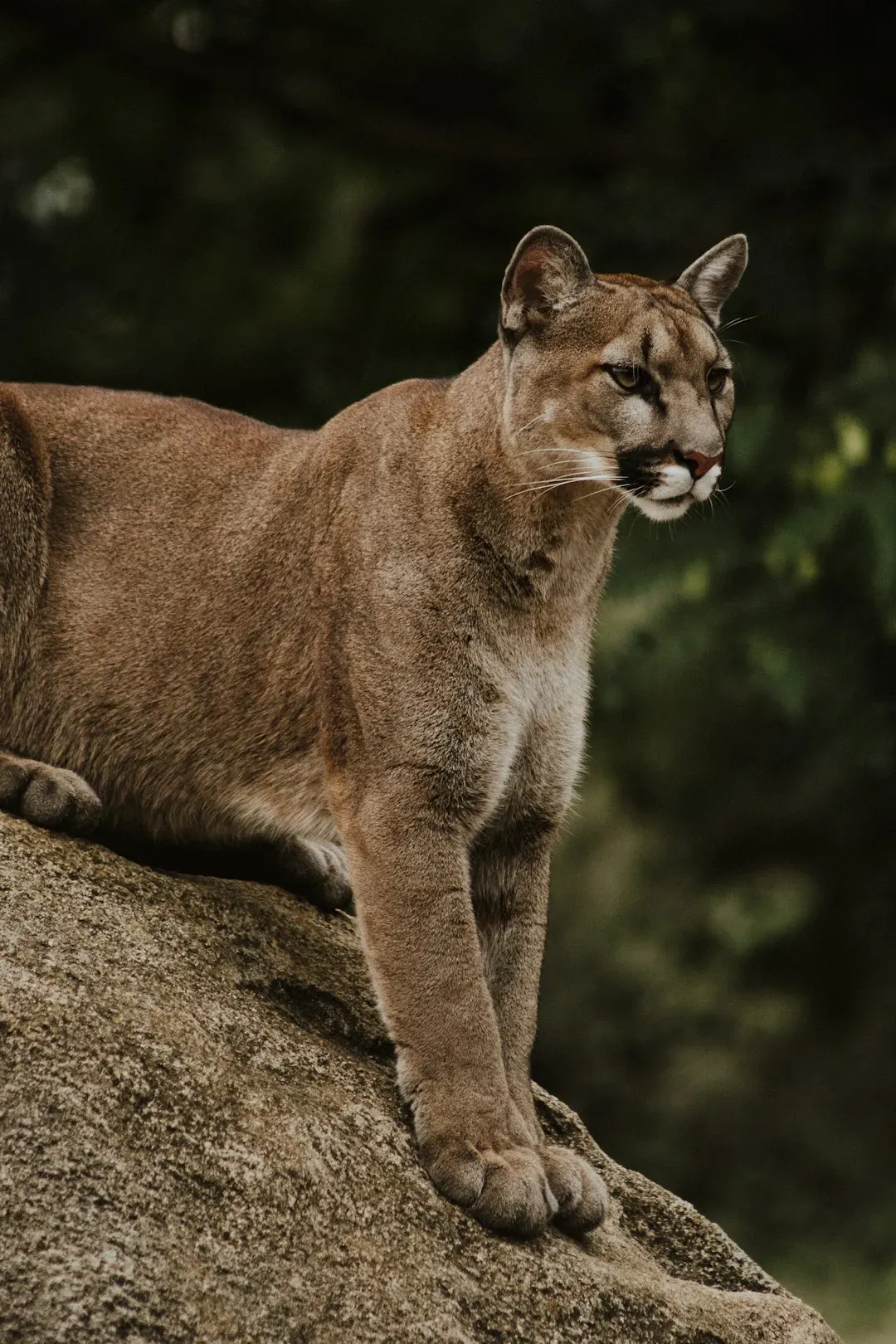
Let’s be real. These animals are not disappearing because they are weak. They are disappearing because the world around them is changing faster than evolution can keep up with. Habitat loss from urbanization, agriculture, and infrastructure development fragments their ranges, isolating populations and reducing genetic diversity. It is like slowly cutting a highway into smaller and smaller islands, until nobody can reach anyone else anymore.
The situation for mountain lions in certain regions has taken a particularly alarming turn. Research found rodenticides, often of more than one type, in the bodies of 9 out of 15 mountain lion fetuses tested in California. These are poisons intended for rodents, working their way up the food chain until they reach apex predators. Even in protected wildlife habitat of the Olympic Peninsula, 17 of 24 cougar carcasses tested had been exposed to at least one such rodenticide. The situation is likely far worse in areas with more housing and agriculture nearby.
For the Florida panther, the urban pressure is existential. This charismatic species is being driven toward extinction by habitat loss and fragmentation, vehicle collisions, and the lack of genetic diversity. Despite these threats, there is overwhelming public support for recovering the species. Public support, however, does not stop roads from being built through panther territory. In December 2024, the Florida Department of Transportation received $6.1 million to upgrade state highways with wildlife underpasses and fencing – a meaningful development, though many conservationists argue the pace remains dangerously slow.
The cougar is a keystone species in Western Hemisphere ecosystems as it links numerous species at many trophic levels, interacting with 485 other species as food source, prey, carcass remains, and through competitive effects on other predators in shared habitat. Remove it, and the whole system wobbles. Nature does not give refunds. Conservation strategies like protected areas, wildlife crossings, and public education are critical to their survival.
Conclusion
There is something deeply humbling about sharing a continent with animals this extraordinary, while knowing that most of us will go our whole lives without ever locking eyes with one. These cats are not myths or symbols. They are real, breathing, hunting, adapting creatures navigating a world that humans have remade around them.
The mountain lion shifting its hunting hours to avoid hikers. The Florida panther surviving on the margins of one of the most rapidly developing states in the country. The jaguar crossing an international border to revisit ancient homeland. The Canada lynx riding the snowshoe hare cycle across frozen wilderness. Each story is different. Each is urgent.
The choice, as it stands in 2026, is not really about whether we can save these cats. The science, the tools, the knowledge – it is mostly there. The choice is about whether we decide they are worth the space. Because wilderness, like these animals, does not negotiate. It either exists, or it does not.
What would it take for you to fight for an animal you may never see? Think about that the next time you drive through wild country at night.
