
Most people assume turning 62 flips a switch at the refuge gate. It doesn’t. Only about 30 of the 570-plus national wildlife refuges charge admission at all, and no fee vanishes on your birthday. That makes the headline true, but a little sneaky.
Still, one federal card really can wipe out the gate charge on every visit, for years. The catch is knowing which charges it covers and which it quietly leaves behind. One mistake costs eligible seniors four times the right price, and one charge never goes away no matter what is in your wallet. Let’s count down from #19.
#19 – The Gate Fee at Fee-Charging Refuges
🔥 Would you like to save this?
We'll email this post to you, so you can come back to it later!
The charge everyone pictures, the booth at the entrance, is the one this pass was built to erase.
The pass covers entrance fees at national parks and national wildlife refuges. At a refuge that charges, you show the card and the gate fee is covered. No fumbling for cash and no squinting at the rate board.
Here’s the catch most headlines skip. Only thirty National Wildlife Refuge System locations charge an entrance fee. Everywhere else, there is no gate fee to waive, so the pass can’t save you money you were never going to spend.
One refuge describes its fee as a nominal charge that covers road and facility maintenance. So the money isn’t vanishing into a black hole.
But what the card does for your passengers is where the savings really stack up, in #18…
#18 – The Carload Charge

🔥 Would you like to save this?
We'll email this post to you, so you can come back to it later!
One card can get an entire back seat through the gate.
At sites that charge per vehicle, a pass covers the owner and all occupants of a personal vehicle. Your spouse, your sibling and the grandkids all ride in on a single card.
Chincoteague works the same way. An entrance pass admits the passholder and fellow occupants of a single, private, non-commercial vehicle.
The word “private” matters. At Bosque del Apache, a fifteen-passenger van or tour bus pays a separate $50 commercial rate. That fee applies to a single commercial vehicle, and your personal card doesn’t change it.
Quick Compare
- Family car: pass owner plus everyone inside, covered
- Chincoteague: one private, non-commercial vehicle, covered
- Bosque del Apache tour bus or 15-passenger van: separate $50 commercial rate
The rules shift once you stop counting heads and start counting vehicles. That leads straight to the opposite situation in #17…
#17 – The Per-Person Charge

🔥 Would you like to save this?
We'll email this post to you, so you can come back to it later!
Some refuges charge by the head, and the pass has a limit for that.
At sites that charge per person, the pass covers the owner and up to three additional adults, ages 16 and over. That makes four adults in total.
The limit is written around adults, and that’s where groups get caught. A big family reunion or a church outing can outrun it before anyone parks the car.
- Per-person sites: pass owner plus three more adults
- Per-vehicle sites: everyone in the car
- Anyone beyond that pays the posted rate
Walking in doesn’t dodge the fee either, as the next one shows in #16…
#16 – The Walk-In and Bicycle Fee

🔥 Would you like to save this?
We'll email this post to you, so you can come back to it later!
Arriving on foot or by bike doesn’t make the gate fee go away.
Bosque del Apache in New Mexico charges $5 per day for a single private, non-commercial vehicle, and that rate includes pedestrians and bicycles. Even a cyclist pedaling in pays the same $5.
The refuge is worth it. It was established in 1939 as a critical stopover for migrating waterfowl, and tens of thousands of cranes, geese and ducks winter there each year.
For pass holders, the math is simple. Entrance is free with a Federal Recreation Lands Pass, whether you roll in by car or pedal in at sunrise.
Riders on two wheels got their own quiet change in 2026, in #15…
#15 – The Motorcycle Charge
🔥 Would you like to save this?
We'll email this post to you, so you can come back to it later!
Bikers got a rule change that few fee guides bother to mention.
Since January 1, 2026, all America the Beautiful passes cover entrance fees for up to two motorcycles per pass. That includes the Senior Pass.
That detail comes from fee guides rather than the Fish and Wildlife Service’s own refuge page, so confirm it before you ride. Each refuge sets its own fee schedule.
Two bikes means a couple can ride in on one card. A pass can now cover two motorcycles at once, and most riders have no idea.
Worth Knowing
- The change took effect January 1, 2026
- It applies to every America the Beautiful pass, Senior included
- The limit is two motorcycles per pass
- Each refuge sets its own fee schedule, so a quick call is smart
A quick call to the refuge office saves an awkward conversation at the booth. And one refuge on the Virginia coast has an entrance rule that surprises almost everyone. It’s #14…
#14 – Chincoteague’s Every-Hour Entrance Fee
🔥 Would you like to save this?
We'll email this post to you, so you can come back to it later!
Chincoteague doesn’t take a day off from collecting.
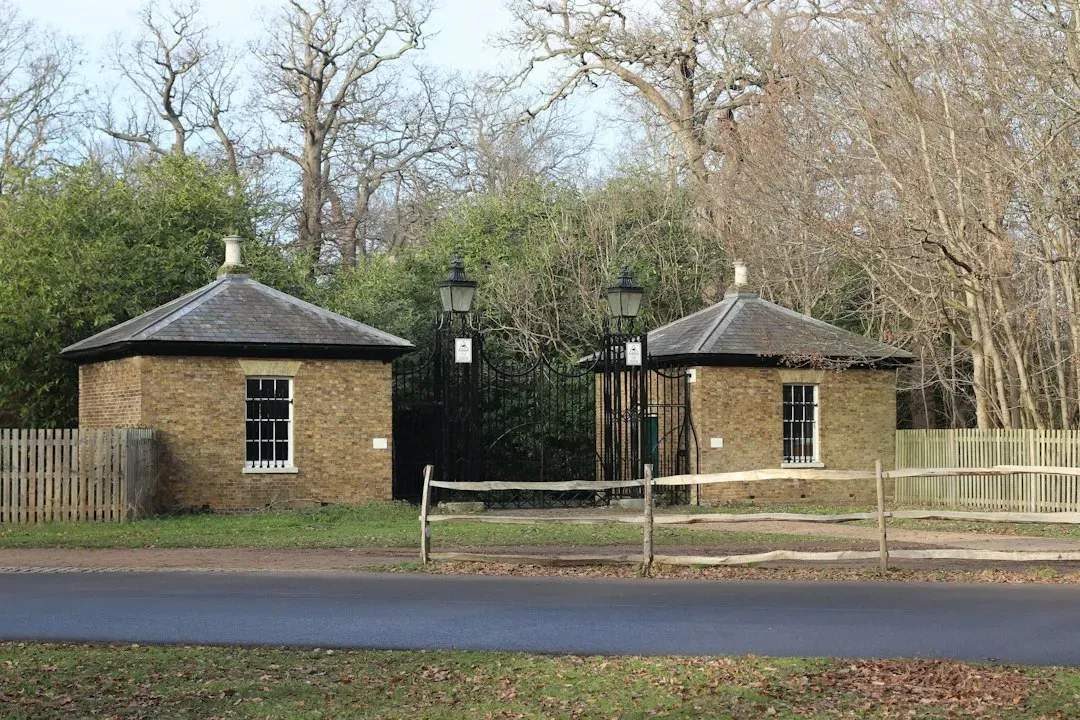
An entrance pass is required at all times of day throughout the year, except on posted free entrance days. There is no after-hours loophole.
The refuge’s own fee project list includes electricity for three entrance fee booths, which run cash registers, credit card machines, lights, heating and cooling. That’s a lot of hardware for a gate.
The upside for pass holders is real. The entrance pass covers the refuge and Assateague Island National Seashore.
Our next stop, on Florida’s Gulf coast, runs the priciest gate operation we found. It’s #13…
#13 – Ding Darling’s Six-Figure Booth

🔥 Would you like to save this?
We'll email this post to you, so you can come back to it later!
Collecting a gate fee isn’t cheap, and one Florida refuge shows exactly how much.
J.N. “Ding” Darling on Sanibel Island is on the list of refuges that normally charge an entrance fee. Its recreation fee project list shows $165,373.23 for entrance fee collection and management, including selling day passes, annual passes and duck stamps.
That’s more than $165,000 spent running the fee program at one refuge.
Here’s where visitors split. Some argue a wildlife refuge shouldn’t have a toll booth at all. Refuge managers point to the rule that at least 80% of those fees stay where they’re collected.
Next is a refuge where the entrance fee hides inside other charges. It’s #12…
#12 – Okefenokee’s Built-In Fee
🔥 Would you like to save this?
We'll email this post to you, so you can come back to it later!
At Okefenokee, the entrance charge doesn’t always show up as its own line.
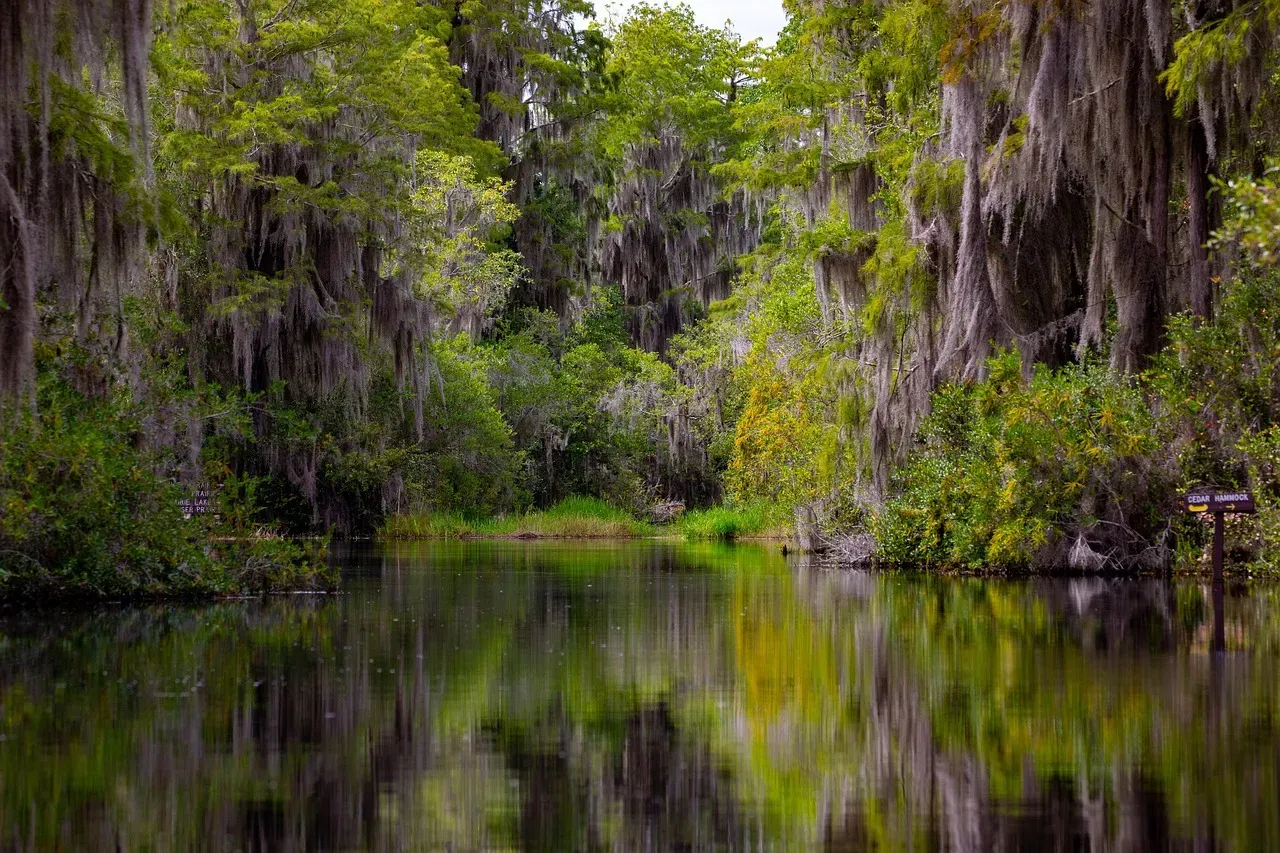
The refuge is a federal fee area, and entrance passes are required for all visitors. But entrance fees are bundled into the Suwannee Canal Recreation Area hunt permit and the overnight camping permit.
Two spots skip the charge entirely. Visitors entering Cowhouse Island or Kingfisher Landing don’t pay an entrance fee.
One guide reports that a current, signed Senior Pass can waive the fee at Okefenokee. Services from the onsite concessionaire are a different matter, as #4 explains.
And there’s another card in your wallet-sized toolkit that few seniors consider. It’s #11…
#11 – The Duck Stamp Charge
🔥 Would you like to save this?
We'll email this post to you, so you can come back to it later!
You may be paying for a stamp you don’t need.
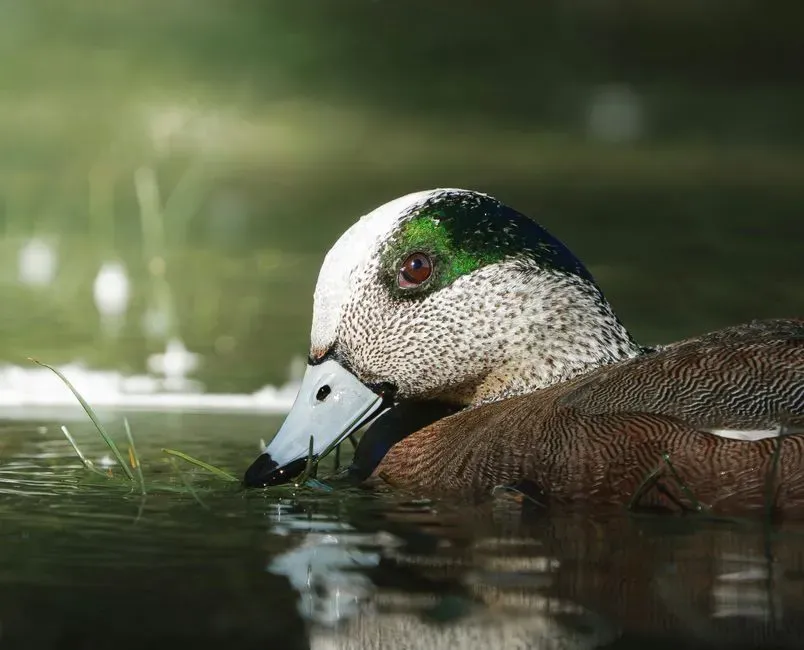
The Federal Duck Stamp costs $25 and is valid from July 1 to June 30 at all National Wildlife Refuges that charge an entrance fee. A stamp that mainly exists to fund conservation can double as a gate pass.
It comes with a quirk. At Chincoteague, an annual Beach Parking Permit is required to use a Federal Duck Stamp. A senior pass holder skips that headache.
Parker River’s rules show how broad the options are. Entry is free for holders of a Duck Stamp or any of four Interior passes.

Portable Dog Water Bottle Foldable Dog Travel Water Bottle
Check Price on AmazonAs an Amazon Associate, we earn from qualifying purchases.
10/7/2026 1:29 pm GMTi

Glass Hummingbird Feeder for Outdoors Hanging
Check Price on AmazonAs an Amazon Associate, we earn from qualifying purchases.
10/7/2026 1:21 pm GMTi

Air Purifiers for Home Pets Large Room Up to 3000 Ft²,HEPA Air Cleaner with Washable Double-Side Filter, PM2.5 Air Quality Monitor,15dB Sleep Mode for Bedroom Odor Dust Pollen,White
Check Price on AmazonAs an Amazon Associate, we earn from qualifying purchases.
10/8/2026 8:23 am GMTi

Earth Rated XL Dog & Puppy Pee Pads, Discreet Top, Max Absorbency
Check Price on AmazonAs an Amazon Associate, we earn from qualifying purchases.
10/7/2026 1:28 pm GMTi

Orthopedic Extra Large Dog Bed, Waterproof Washable XL Pet Bed 44"
Check Price on AmazonAs an Amazon Associate, we earn from qualifying purchases.
10/7/2026 1:32 pm GMTi
Fast Facts
- Duck Stamp price: $25
- Validity window: July 1 to June 30
- Works at refuges that charge an entrance fee
- Chincoteague adds a Beach Parking Permit requirement
- Lifetime Senior Pass: $80, one time
If you’re not hunting, our opinion is simple: don’t buy a stamp just for entry when an $80 lifetime pass covers far more. But before you buy any pass, avoid the costliest mistake in #10…
#10 – The Standard Pass Upsell

🔥 Would you like to save this?
We'll email this post to you, so you can come back to it later!
The most expensive mistake an eligible senior can make takes about ten seconds.
The standard annual pass is $80 for anyone, and it covers entrance and standard amenity fees but not the expanded amenity discount. That price rose in January 2026.
Senior pricing held steady at $20 annual and $80 lifetime. An eligible 62-year-old who buys the standard annual pass pays four times the senior price and gets fewer benefits.
The fix is easy: ask for the Senior Pass by name.
The cheaper route has its own trick, in #9…
#9 – The Lifetime Pass Math

🔥 Would you like to save this?
We'll email this post to you, so you can come back to it later!
Four $20 passes secretly add up to one $80 pass, and that’s the trick.
The lifetime version costs $80 and never expires. Both versions carry the same entry benefits and the same expanded amenity discount.
Four annual Senior Passes can be traded in for a lifetime pass. That effectively spreads the $80 over four years.
Our opinion: buy the lifetime pass if you expect to visit federal lands for years. Pay $20 a year only if cash flow is tight, because the trade-in makes the annual route cost the same in the end.
Where you buy the pass can cost you extra, as #8 shows…
#8 – The Online Processing Fee

🔥 Would you like to save this?
We'll email this post to you, so you can come back to it later!
Buying from your couch can cost you $10 more than buying at the counter.
You can buy at any federal recreation site with ID proving your age and citizenship or residency. Or you can buy online at store.usgs.gov, where a $10 fee is added. In person, you pay face value with no extra fees and leave with the card the same day.
That $10 turns the $80 lifetime pass into $90. More than 1,000 sites sell passes, so there’s probably one near you.
In 2026, passes including the Senior are also available digitally through Recreation.gov. Check the checkout page for exact fees before you pay.
Once you hold the card, it opens far more than refuges. That’s #7…
#7 – The Day-Use Fee at Six Agencies

🔥 Would you like to save this?
We'll email this post to you, so you can come back to it later!
A refuge trip is just the starting point for what this card can cover.
The pass covers entrance fees and standard amenity (day-use) fees at federal recreation sites. Six agencies honor it where those fees are charged.
- National Park Service
- Fish and Wildlife Service
- Forest Service
- Bureau of Land Management
- Bureau of Reclamation
- Army Corps of Engineers
One card reaches more than 2,000 federal recreation sites. That’s the count the National Park Trust gives for the pass.
Most people never use it beyond one park, which is a waste. Now for the discount that is not a full waiver, in #6…
#6 – The Camping and Boat Launch Charge
🔥 Would you like to save this?
We'll email this post to you, so you can come back to it later!
Here the headline gets stretched: this one is half off, not free.
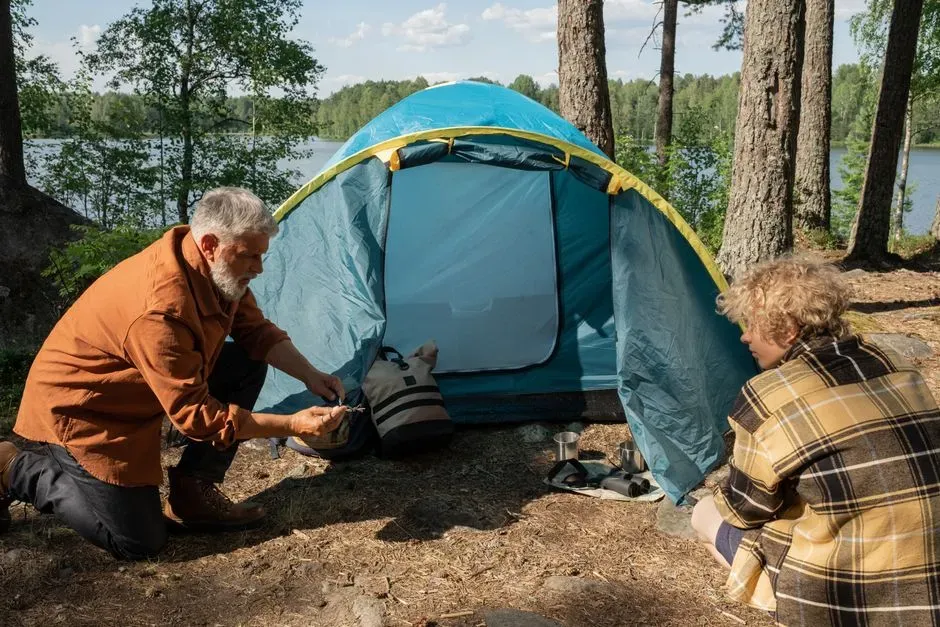
The pass can provide 50% off some amenity fees, such as camping and boat launches. Many refuges charge expanded amenity fees for hunting, boat launches and other specialized recreation.
Senior and Access Pass holders get a 50% discount on single-family campsites at national forests. Corps-managed campgrounds also give Senior Pass holders half off.
The truth: it’s a discount on some expanded fees, not a waiver of all of them. Always ask what applies at your specific site.
Now to the free days everyone talks about, in #5…

Glass Hummingbird Feeder for Outdoors Hanging, 16 oz Leak-Proof Nectar Feeder with Bee Guards & Ant Moat
Check Price on AmazonAs an Amazon Associate, we earn from qualifying purchases.
10/7/2026 1:22 pm GMTi

2 Pcs Halloween Pet Hat Bandana Set, Witch Pumpkin Costumes for Dogs
Check Price on AmazonAs an Amazon Associate, we earn from qualifying purchases.
10/9/2026 2:45 pm GMTi

Professional 7 in 1 Dog Paw Cleaner for Dogs & Cats - Includes 1 Portable Paw Washer, 1 Bath Brush
Check Price on AmazonAs an Amazon Associate, we earn from qualifying purchases.
10/7/2026 1:26 pm GMTi

Halloween Dog Collar with Bow, Orange Cute Ghost Collar,
Check Price on AmazonAs an Amazon Associate, we earn from qualifying purchases.
10/9/2026 2:43 pm GMTi

Smart Bird Feeder with Camera Solar Powered, 2K HD Live Video, 10,000+ Bird Species AI Identification
Check Price on AmazonAs an Amazon Associate, we earn from qualifying purchases.
10/7/2026 1:22 pm GMTi
#5 – The Fee-Free Day You Don’t Need

🔥 Would you like to save this?
We'll email this post to you, so you can come back to it later!
Free-entry days are a bargain for everyone except you.
The Fish and Wildlife Service lists Constitution Day, September 17, 2026, as a day when fee-charging refuges offer free admission. The agency’s page lists only that one for 2026.
Pass holders already walk in free the other 364 days. The gate fee, where one exists, is already covered.
Our opinion: don’t plan your trip around a free day. Check the Fish and Wildlife Service calendar for the current year’s dates only if you’re visiting without your card.
At a Glance
- Fee-free day: one listed date for 2026, September 17
- Senior Pass: gate fee covered at fee refuges on every visit
- Best for card holders: ignore the calendar and just go
Free days help the casual visitor, while a card holder gains nothing from them. But what stays charged no matter what? It’s #4…
#4 – The Guided Tour and Concessioner Charge

🔥 Would you like to save this?
We'll email this post to you, so you can come back to it later!
The line item that surprises seniors most is the one the pass never touches.
The Senior Pass generally does not cover or reduce special recreation permit fees or fees charged by concessioners. A guided tour at a refuge can still cost full price with a senior pass. The pass is for entrance and standard fees, not every activity.
At Okefenokee, for example, Okefenokee Adventures is the official onsite concessionaire. Its services are priced separately from the gate.
- Covered: entrance and standard day-use fees
- Not covered: concessioner and special permit fees
The next charge catches road-trippers who travel in convoy, in #3…
#3 – The Second Vehicle Charge

🔥 Would you like to save this?
We'll email this post to you, so you can come back to it later!
Traveling with friends in a second car? That’s the mistake that costs real money.
Only the vehicle with the pass owner is covered. The second vehicle is subject to an entrance fee, or must have or buy a second pass.
One card never stretches across two cars. The pass follows the owner’s vehicle, not the group.
The simple fix is to ride together, or make sure each eligible driver has their own pass. A friend who’s also 62 or older can buy a Senior Pass of their own for $20 or $80.
And what happens when the card stays home? We cover that in #2…

Halloween Cat Costume Cloak Witch Hat Pet Accessories
Check Price on AmazonAs an Amazon Associate, we earn from qualifying purchases.
10/9/2026 2:44 pm GMTi

Dog Stairs for Bed 18" H, 4-Step Dog Steps for High Bed
Check Price on AmazonAs an Amazon Associate, we earn from qualifying purchases.
10/9/2026 2:42 pm GMTi

PetSafe Oasys Pet Fountain, 1/2 Gallon (64 oz), Small Dogs & Cats
Check Price on AmazonAs an Amazon Associate, we earn from qualifying purchases.
10/8/2026 8:14 am GMTi

Hand Blown Glass Hummingbird Feeders for Outdoors Hanging, 24oz Wild Bird Nectar Feeder
Check Price on AmazonAs an Amazon Associate, we earn from qualifying purchases.
10/7/2026 1:23 pm GMTi
#2 – The “Forgot My Card” Charge

🔥 Would you like to save this?
We'll email this post to you, so you can come back to it later!
Leaving the pass on the kitchen counter turns a free visit into a paid one.
If you forget your Senior Pass, you can either buy another with proper documentation or pay the applicable entrance or standard amenity fees.
That’s why the paperwork matters. Applicants must provide documentation of age and residency or citizenship. Without the card, you’re just another visitor at the booth.
Our tip: photograph both sides of the card and keep the physical one in the glovebox. Some refuges, like Okefenokee, also sell digital passes through Recreation.gov.
The biggest myth of all comes next, and it flips the entire headline. It’s #1…
#1 – The Birthday Myth

🔥 Would you like to save this?
We'll email this post to you, so you can come back to it later!
No charge disappears when you turn 62, and that’s the truth behind the headline.
The waiver exists only after you buy the pass. You must be at least 62 on the day you buy it, and you must be a U.S. citizen or permanent resident. There is no income test.
Many people assume senior perks begin at 65, when Medicare starts. The federal senior discount starts at 62.
Once you own the card, the gate fee stays covered at fee refuges on every visit. That is where “every single day” becomes true.
Here’s our verdict: the headline oversells, and the pass still delivers. Only about 30 refuges charge a gate fee, and nothing is waived until you buy the card.
But for $80, one card covers entrance and day-use fees across six agencies and halves some camping costs. It won’t cover tours, concessioners or your second car. The standard pass also costs $80 and gives eligible seniors less.
We say buy the lifetime Senior Pass, in person, and skip everything else. Would you pay $80 once, or stretch it over four $20 annual passes?

- 19 Wildlife Refuge Charges Waived for Americans Over 62 Every Single Day - November 9, 2026
- 9 Winter Feeding Mistakes That Drive Birds Away From a Garden - November 9, 2026
- 13 Dog Breeds Known for Single Person Loyalty - November 9, 2026