
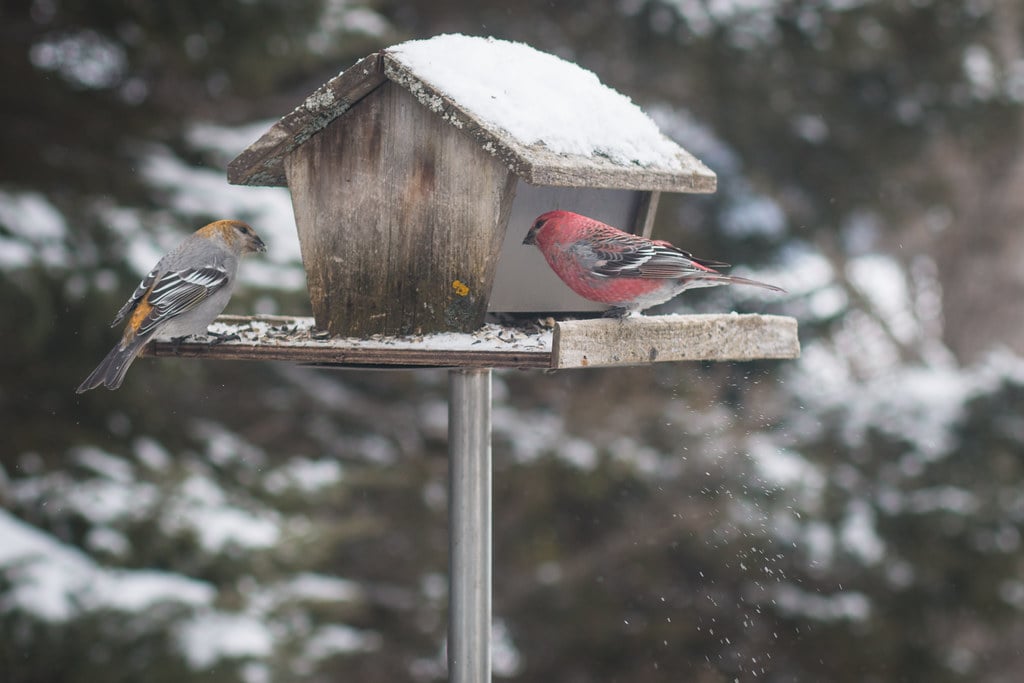
You bought the feeder. You filled it with what looked like a generous bag of seed. You even stood at the kitchen window with a hot drink, waiting for the first flash of red or the first cheeky chickadee. Then nothing came but wind and one lonely sparrow.
If that sounds familiar, this list is worth your time. The reasons feeders go quiet are rarely bad luck, and they are usually fixable. Winter birds run on razor-thin energy budgets, and every visit to your yard is a quick calculation: is this worth the calories, and is it safe? Get that math wrong and a whole flock can be reassigned to a neighbor’s yard within days. Some of the mistakes below happen before you even leave the store. One of them catches people who think they’re being extra helpful.
#9 – Relying on Cheap Filler-Heavy Seed Mixes
🔥 Would you like to save this?
We'll email this post to you, so you can come back to it later!
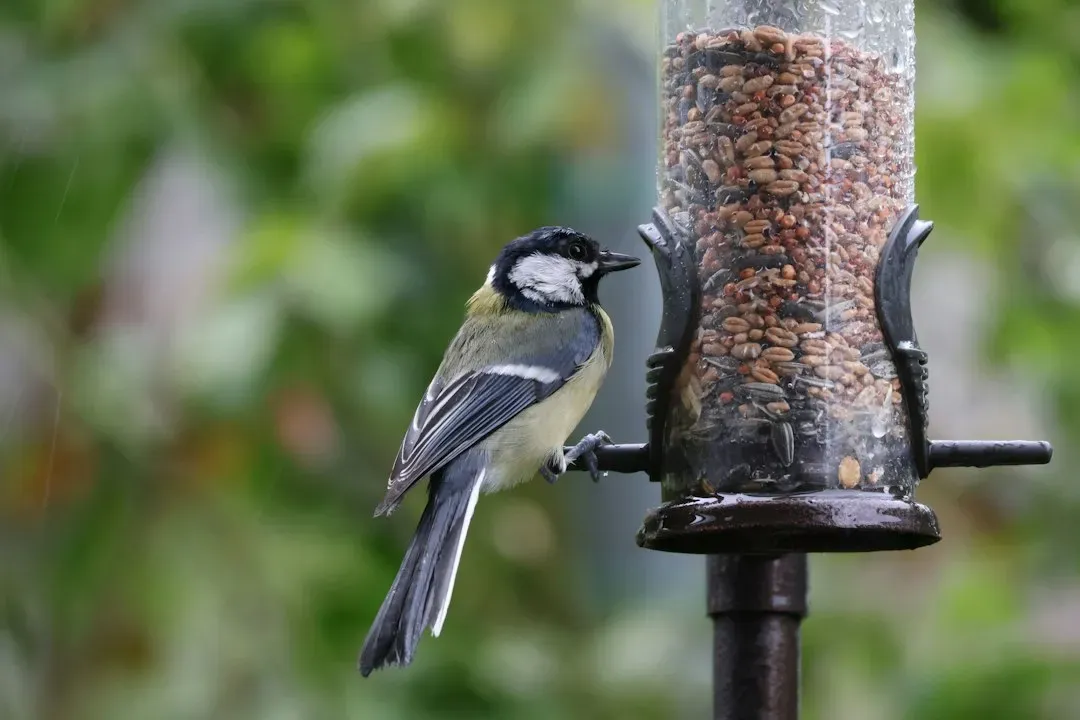
That giant bargain bag at the big-box store looks like a steal, but it is often padded with grains most backyard songbirds would rather skip. Milo, red millet, cracked corn, wheat, and oats are common culprits. They fill the bag cheaply, and they fill your lawn with leftovers.
Watch a chickadee or finch at a filler-heavy feeder and you’ll see the problem. The bird plunges its beak in, sweeps seeds out onto the ground, and keeps digging for the good stuff. In winter, that is wasted effort. Every second spent sorting is time in the open, and every flick of the beak burns calories the bird cannot spare on a freezing night.
The fix is simpler than most people expect. Black-oil sunflower seed is the all-around champion because it is high in fat and easy for small beaks to crack. White proso millet suits ground feeders like juncos and sparrows, and nyjer is a favorite of goldfinches and other small finches.
- Black-oil sunflower: the best single seed for the widest range of winter visitors.
- Nyjer: a magnet for finches, best in a feeder made for tiny seed.
- White proso millet: a good choice for ground-feeding birds.
- Mixes heavy in milo, red millet, and cracked corn: often the ones left scattered on the ground.
Discarded seed also piles up under the feeder, where it gets damp and attracts rats and mice. A messy, rodent-visited patch makes birds warier about landing at all. Switching to a simpler, higher-quality seed can turn a quiet feeder around surprisingly fast.
And the next mistake looks harmless, even kind.
#8 – Letting Feeders Run Empty for Days at a Time
🔥 Would you like to save this?
We'll email this post to you, so you can come back to it later!
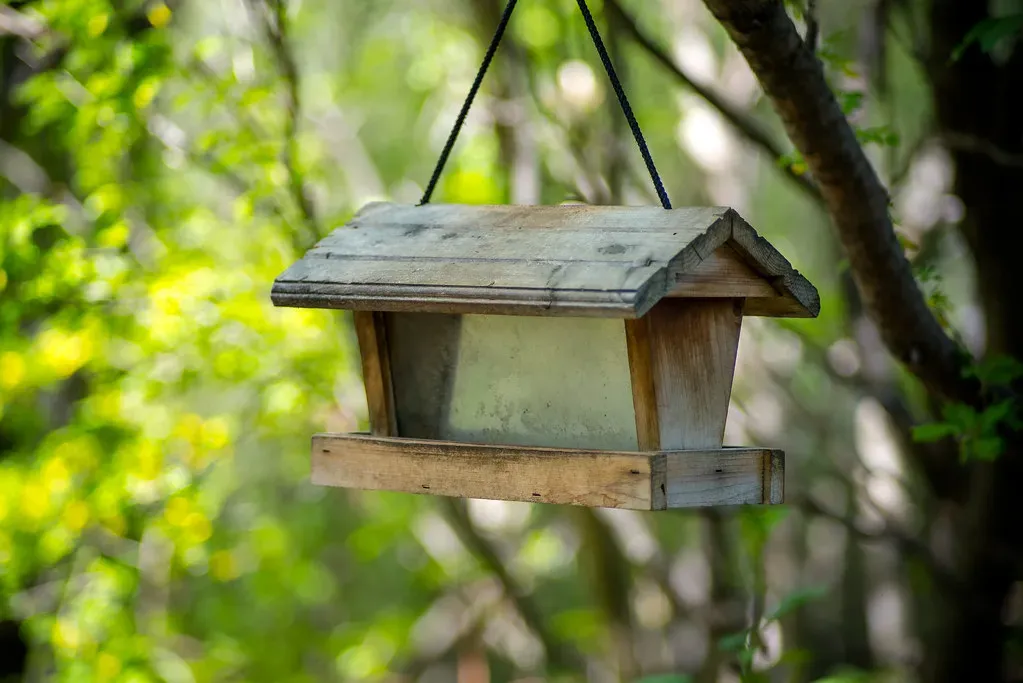
Birds are excellent at remembering where food is. Many species work a regular circuit of reliable stops through the day, checking each one in turn. When your feeder is empty on their rounds, it drops down the list.
Here is the part that surprises people. Backyard birds get most of their food from natural sources, and a feeder is a supplement. That means an empty feeder isn’t a disaster for them, just a bad review. They’ll shift their route to a yard that delivers, and it can take a while to win them back.
A once-a-week mega-fill often backfires. A big load disappears in a couple of busy days, leaving the feeder bare for the rest of the week. A small daily top-up, or a feeder big enough to last, keeps your yard on the route.
Cold snaps raise the stakes. On the coldest mornings, birds arrive hungry and need a quick, rich meal. If they find nothing, they must search farther and spend reserves they don’t have to spare. If you can’t commit to steady refills, a smaller feeder you can keep full beats a large one that sits empty.
At a Glance
- Your feeder is a supplement, so birds will happily skip it when it lets them down.
- Weekly mega-fill: busy for two days, bare for five.
- Small daily top-up: a dependable stop that stays on the route.
- Coldest mornings: the most important time to have seed waiting.
#7 – Placing Feeders in Exposed or Dangerous Spots
🔥 Would you like to save this?
We'll email this post to you, so you can come back to it later!
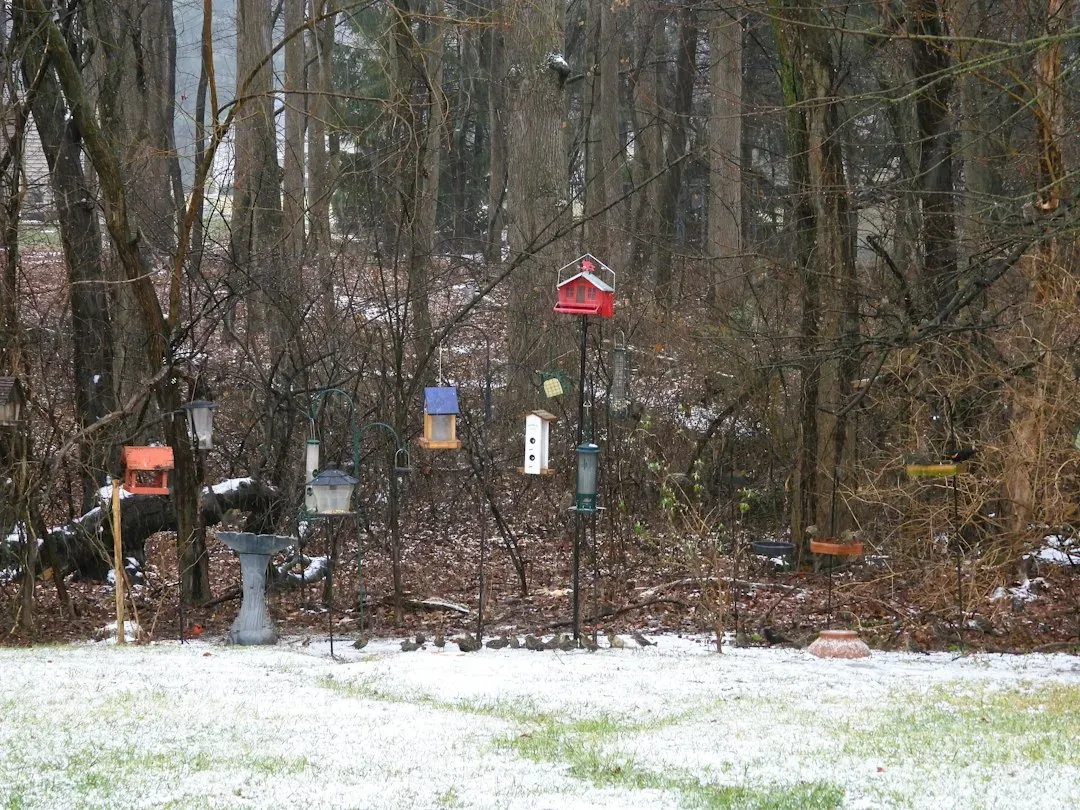
Picture eating dinner in the middle of a parking lot with a hawk circling overhead. That is how a feeder on the open lawn feels to a small bird. Chickadees, finches, and sparrows want a quick escape route, and a feeder far from cover offers none.
The sweet spot is a feeder near shrubs, evergreens, or a tree, close enough for a quick dash to safety but not so close that a cat can ambush from the branches. Without any shelter, visits can drop sharply even when the seed is perfect.
Windows are the other hidden danger. Cornell Lab of Ornithology guidance suggests placing feeders either within about three feet of a window or well away from it, more than 30 feet. A feeder very close to the glass keeps birds from building up speed before they take off, while one at a middle distance invites high-speed collisions.
Wind matters too. Perches that leave birds fully exposed to icy gusts make them work harder to stay warm. An evergreen screen, a brush pile, or a spot on the sheltered side of the house can bring hesitant visitors back.
Next up is the thing most gardeners forget entirely.
#6 – Forgetting to Offer Unfrozen Water
🔥 Would you like to save this?
We'll email this post to you, so you can come back to it later!
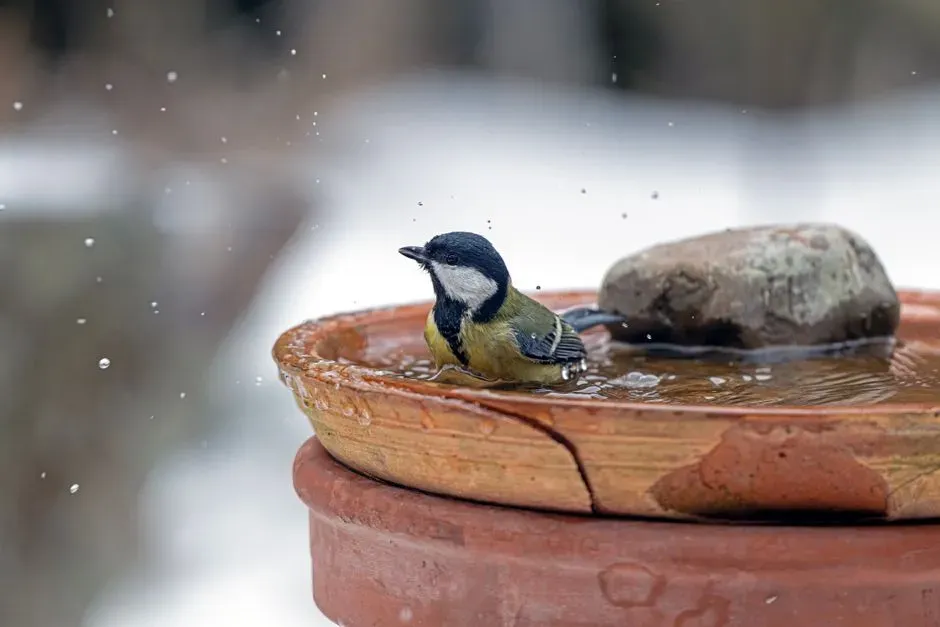
We obsess over food and forget that birds get thirsty. In a hard freeze, puddles, ponds, and birdbaths turn to ice, and snow is a poor substitute. Melting it inside the body costs energy that birds would rather spend on staying warm.
Birds also need water for more than drinking. Clean, well-kept feathers insulate better, and many species bathe even in cold weather. A yard with open water offers something very few yards do in January, and that can make it a favorite stop on the circuit.
You don’t need a fancy setup. A heated birdbath, or a plug-in or solar heater in a shallow dish, keeps a patch of liquid water open. Even a regular top-up of fresh water on a mild afternoon helps.
- Keep the water shallow, about an inch or two deep, with a rough surface for grip.
- Clear ice buildup so birds aren’t pushed off the edge.
- Place the bath near cover but not right under a feeder, where seed hulls and droppings foul it.
The effect is often noticeable quickly. Gardeners who add winter water commonly report new species showing up, including birds that never touch seed, such as robins and waxwings.

Earth Rated XL Dog & Puppy Pee Pads, Discreet Top, Max Absorbency
Check Price on AmazonAs an Amazon Associate, we earn from qualifying purchases.
10/7/2026 1:28 pm GMTi

Hand Blown Glass Hummingbird Feeders for Outdoors Hanging, 24oz Wild Bird Nectar Feeder
Check Price on AmazonAs an Amazon Associate, we earn from qualifying purchases.
10/7/2026 1:23 pm GMTi

Dog Stairs for Bed 18" H, 4-Step Dog Steps for High Bed
Check Price on AmazonAs an Amazon Associate, we earn from qualifying purchases.
10/9/2026 2:42 pm GMTi

Halloween Cat Costume Cloak Witch Hat Pet Accessories
Check Price on AmazonAs an Amazon Associate, we earn from qualifying purchases.
10/9/2026 2:44 pm GMTi

Air Purifiers for Home Pets Large Room Up to 3000 Ft²,HEPA Air Cleaner with Washable Double-Side Filter, PM2.5 Air Quality Monitor,15dB Sleep Mode for Bedroom Odor Dust Pollen,White
Check Price on AmazonAs an Amazon Associate, we earn from qualifying purchases.
10/8/2026 8:23 am GMTi
#5 – Skipping Regular Feeder Cleaning
🔥 Would you like to save this?
We'll email this post to you, so you can come back to it later!
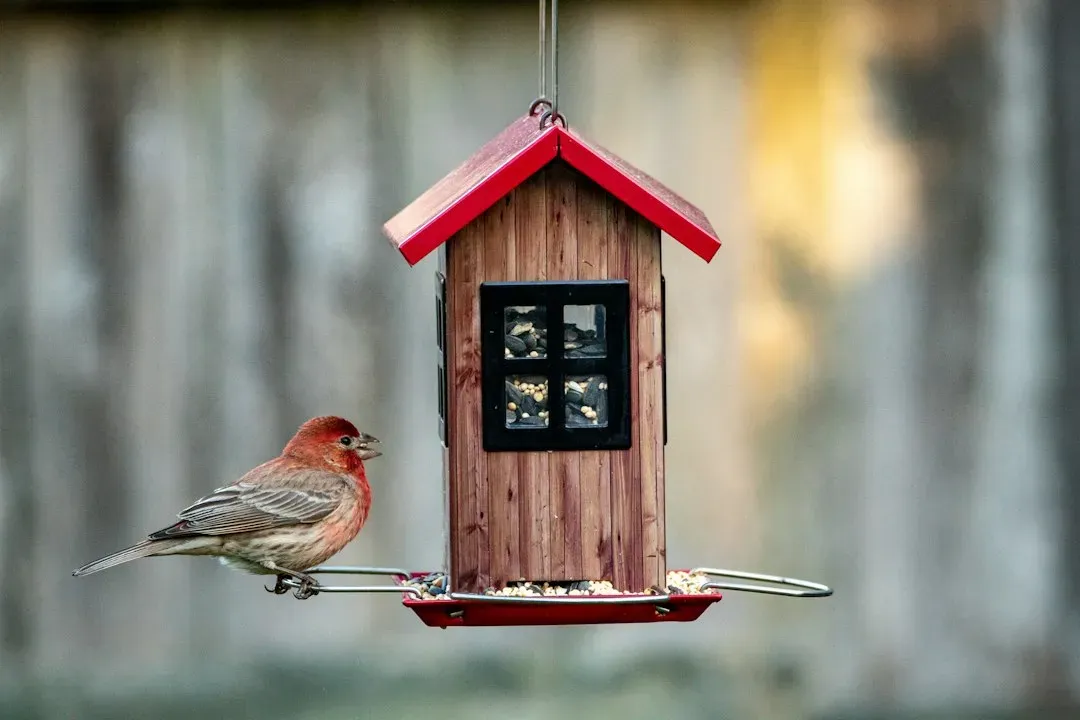
It’s easy to think of cold weather as nature’s disinfectant, but feeders can still spread disease. Birds crowd shoulder to shoulder on shared perches and eat from the same ports, which is a perfect setup for passing along salmonella, trichomoniasis, and other illnesses. Damp seed, mold, and droppings make it worse.
The standard advice from bird-health experts is to scrub feeders regularly, about every two weeks, and more often in wet weather. Use a diluted bleach solution of about one part bleach to nine parts water, rinse thoroughly, and let the feeder dry completely before refilling. Soap and water alone often don’t do the job.
Many gardeners skip this chore until they see a sick, fluffed-up bird sitting alone. By then the damage may be done. A dirty feeder can also lose its pull, as birds that survive a bad experience may avoid the spot.
Wet seed is a hazard on its own. If seed clumps or smells musty, toss it. That one habit can save you more trouble than any gadget.
Now for a mistake that comes straight from the kitchen.
#4 – Offering Bread, Scraps, or Kitchen Fats
🔥 Would you like to save this?
We'll email this post to you, so you can come back to it later!
Tossing out stale bread feels like a kindness, but it is the avian version of filling up on crackers. Bread is mostly empty calories. A bird that fills its small stomach with it gets little of the fat and protein it needs to survive a cold night.
Fats are trickier. Bacon grease and other loose kitchen fats are soft and can smear onto feathers, which hurts their insulation just when it matters most. Salty or seasoned scraps add another problem, since birds handle salt poorly.
Spoilage is another downside. Bread and scraps go moldy fast, and they attract the wrong crowd, such as rats, raccoons, and neighborhood dogs. Once mammals start visiting, the birds often stop.
Quick Compare
- Stale bread: mostly empty calories, molds quickly, and draws rats and raccoons.
- Bacon grease: soft, salty, and likely to smear onto feathers.
- Suet cakes made for birds: firm, concentrated energy with far less mess.
- Black-oil sunflower: rich in fat and easy for small beaks to crack.
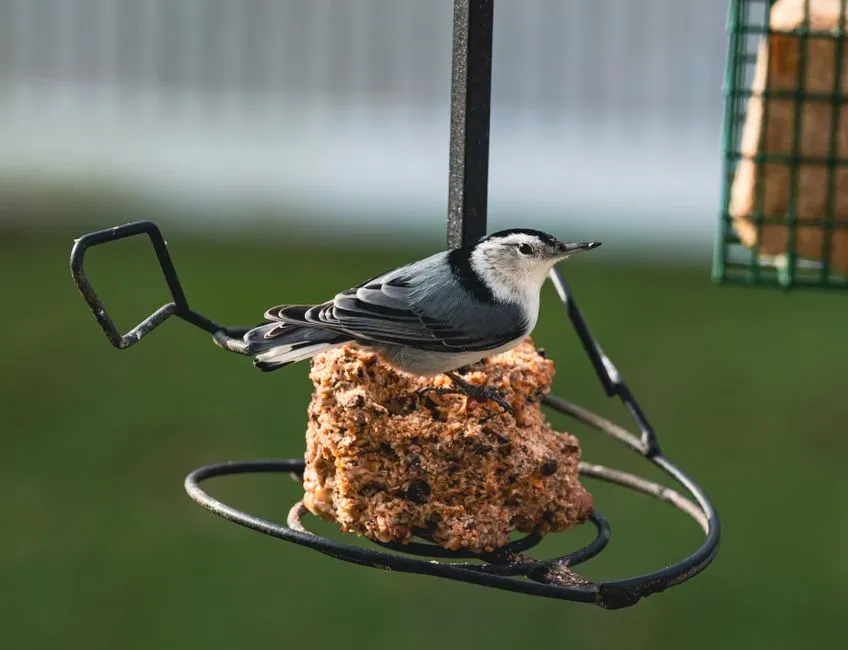
If you want to give birds a fatty treat, use products made for them. Plain, rendered suet cakes or high-quality commercial blends give birds concentrated energy without the mess. Fresh, species-appropriate food restores both nutrition and cleanliness.
#3 – Starting Feeders Too Late in the Season
🔥 Would you like to save this?
We'll email this post to you, so you can come back to it later!
Many gardeners hang their first feeder in December, when the snow arrives and they suddenly feel sorry for the birds. Unfortunately, by then birds have usually settled into winter routines. Flocks have found their reliable food sites, worked out where the hawks hunt, and chosen their roosts.
A new feeder has to compete with all of that, and it isn’t always noticed right away. Late starters often report weeks of quiet before a single bird shows up, and some give up and take the feeder down just before the regulars discover it.
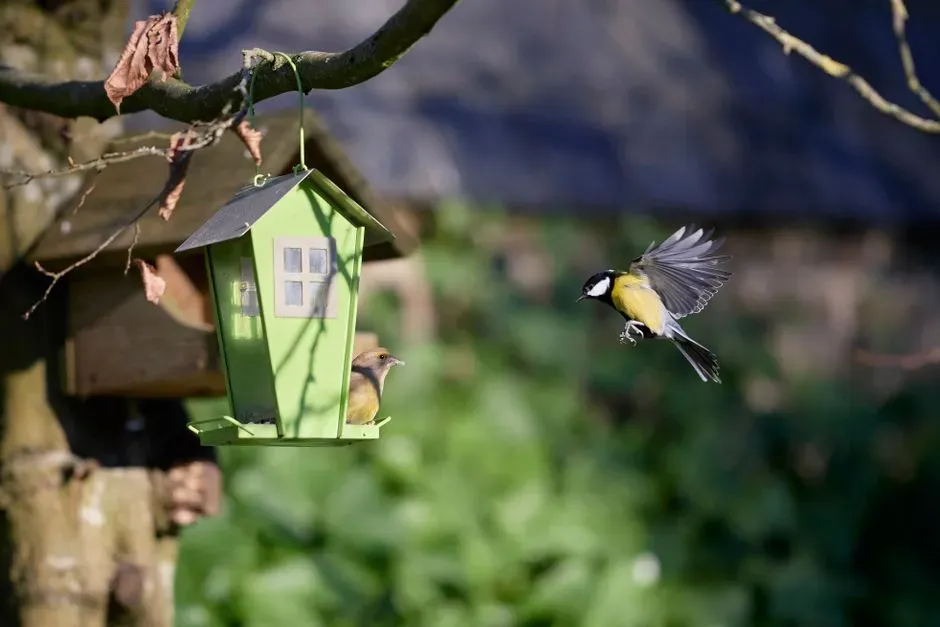
The solution is to start early. Putting out feeders in early autumn lets birds find the spot while natural food is still plentiful and they have time to explore. Once a feeder is part of their mental map, it stays there.
If you’re already past that point, don’t despair. Be patient, keep it stocked, and give birds a few weeks to notice. Consistency can make up for a lot.
The next mistake involves fat again, but with a twist.

Smart Bird Feeder with Camera Solar Powered, 2K HD Live Video, 10,000+ Bird Species AI Identification
Check Price on AmazonAs an Amazon Associate, we earn from qualifying purchases.
10/7/2026 1:22 pm GMTi

Glass Hummingbird Feeder for Outdoors Hanging, 16 oz Leak-Proof Nectar Feeder with Bee Guards & Ant Moat
Check Price on AmazonAs an Amazon Associate, we earn from qualifying purchases.
10/7/2026 1:22 pm GMTi

2 Pcs Halloween Pet Hat Bandana Set, Witch Pumpkin Costumes for Dogs
Check Price on AmazonAs an Amazon Associate, we earn from qualifying purchases.
10/9/2026 2:45 pm GMTi

Portable Dog Water Bottle Foldable Dog Travel Water Bottle
Check Price on AmazonAs an Amazon Associate, we earn from qualifying purchases.
10/7/2026 1:29 pm GMTi

Orthopedic Extra Large Dog Bed, Waterproof Washable XL Pet Bed 44"
Check Price on AmazonAs an Amazon Associate, we earn from qualifying purchases.
10/7/2026 1:32 pm GMTi
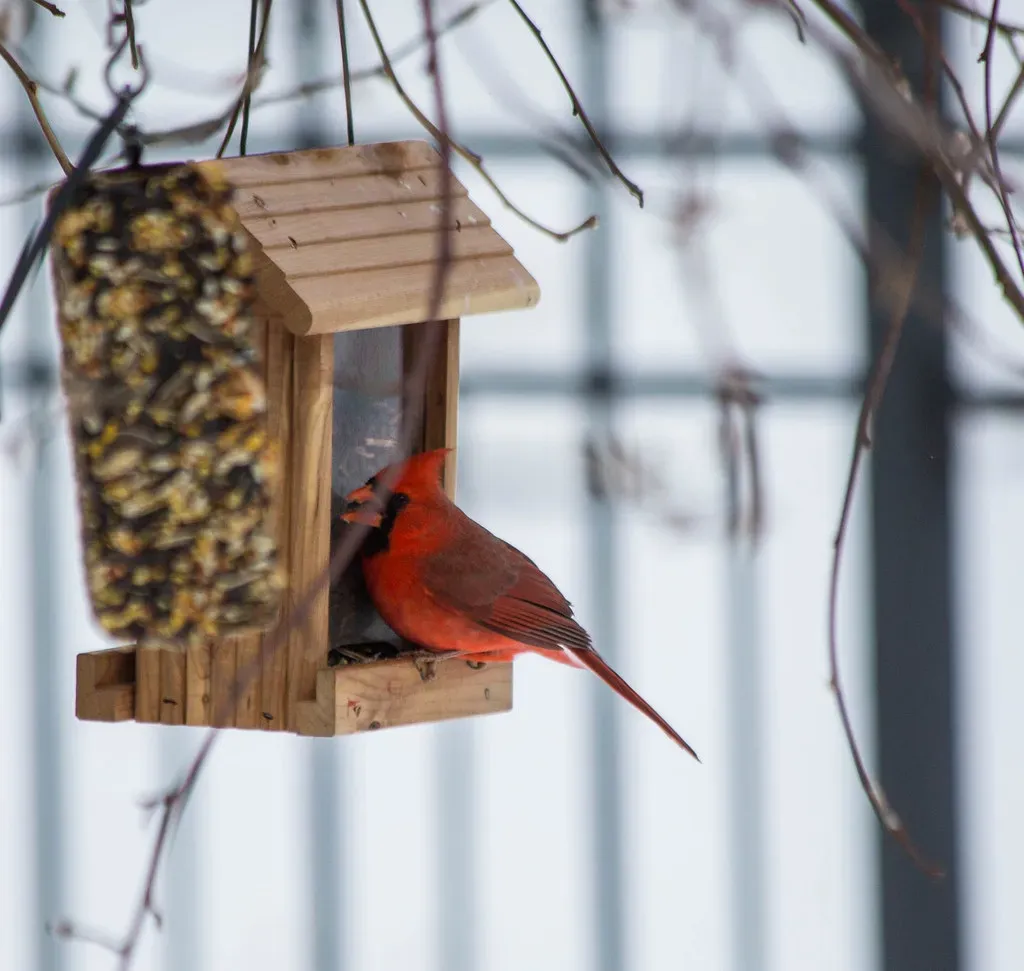
#2 – Using the Wrong Type of Fat or Suet
🔥 Would you like to save this?
We'll email this post to you, so you can come back to it later!
Suet is a winter superstar, but not every fat is a good one. Soft grease, butter, and some homemade mixtures can melt in a mild spell and turn rancid. Birds that eat them risk messy feathers, and the food can spoil before anyone touches it.
The safest choices are rendered beef suet and commercial suet cakes made for wild birds. Rendering removes the impurities that cause rancidity, so the fat stays firm and safe. If you make your own, use trusted recipes and keep the cakes cold.
Suet matters because it feeds birds that don’t care much for seed. Woodpeckers, nuthatches, chickadees, and wrens rely on insects and other fatty foods, which vanish in winter. A good suet feeder can bring in species a seed-only yard rarely sees.
- Choose firm, commercially made suet cakes or properly rendered suet.
- Use a cage-style feeder, ideally one that lets woodpeckers cling to the tail-prop side.
- Take down soft suet during warm spells and replace it when it smells off.
The payoff is variety. A single suet cake can transform a yard that sees only finches into one that is busy all day with acrobats.
Worth Knowing
- Woodpeckers use their stiff tails as a prop, so they cling happily to a cage feeder.
- Starlings can hog suet, and an upside-down suet feeder often discourages them while woodpeckers and chickadees cope fine.
- Rancid or soft suet is a sign to swap it out, not to wait and see.

Halloween Dog Collar with Bow, Orange Cute Ghost Collar,
Check Price on AmazonAs an Amazon Associate, we earn from qualifying purchases.
10/9/2026 2:43 pm GMTi

PetSafe Oasys Pet Fountain, 1/2 Gallon (64 oz), Small Dogs & Cats
Check Price on AmazonAs an Amazon Associate, we earn from qualifying purchases.
10/8/2026 8:14 am GMTi

Professional 7 in 1 Dog Paw Cleaner for Dogs & Cats - Includes 1 Portable Paw Washer, 1 Bath Brush
Check Price on AmazonAs an Amazon Associate, we earn from qualifying purchases.
10/7/2026 1:26 pm GMTi

Glass Hummingbird Feeder for Outdoors Hanging
Check Price on AmazonAs an Amazon Associate, we earn from qualifying purchases.
10/7/2026 1:21 pm GMTi
#1 – Removing Cover or Making Sudden Yard Changes Mid-Winter
🔥 Would you like to save this?
We'll email this post to you, so you can come back to it later!
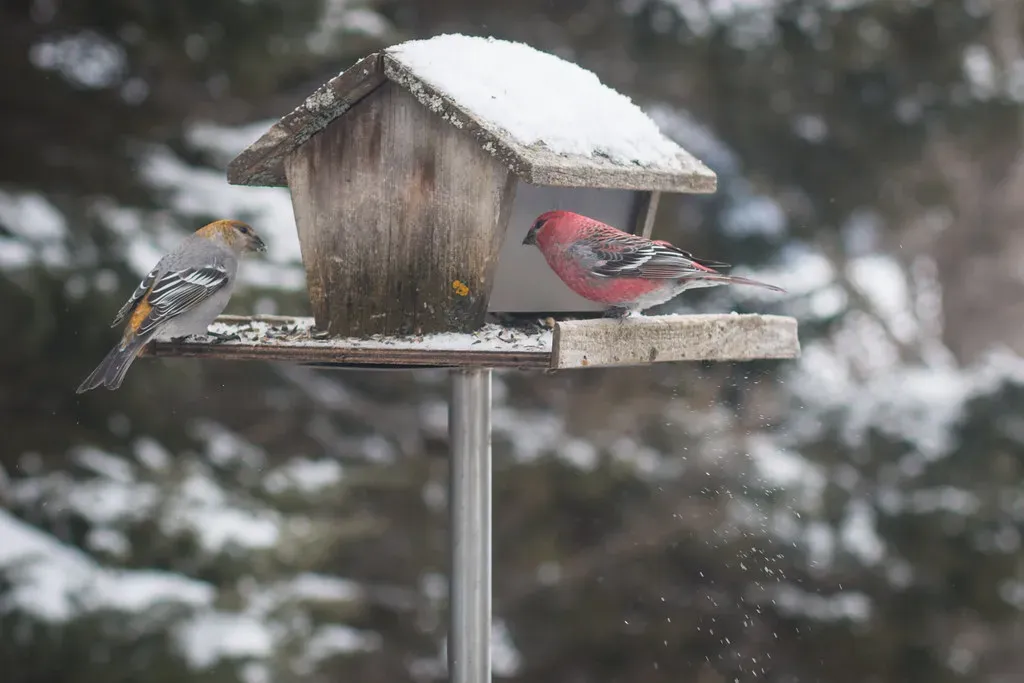
This is the mistake that surprises people most, because it often comes from tidying up. Over the season, birds learn which branches are safe, which hedge hides them from hawks, and where the wind doesn’t reach. That knowledge is their security system.
Then one weekend, someone cuts back the hedge, hauls away the brush pile, or strings up bright lights and decorations. To a bird, the yard they spent weeks mapping has changed overnight, and not in a good way. Without cover, predator pressure rises. A single hawk visit combined with an exposed feeder can empty a station for days.
The lesson is that cover is not decoration. Evergreens, dense shrubs, and brush piles are the infrastructure that makes feeders work. If you need to prune, do it in late winter or early spring, and leave plenty of shelter in place through the coldest months.
Here is my honest take. Most empty feeders are not the fault of fussy birds. They come from treating feeding as a gadget instead of a habitat. We buy the feeder, grab whatever seed is cheapest, and expect the birds to be grateful.
If I had to pick only two fixes, I would choose cover and consistency over fancy seed every time. A modest feeder with good seed, shelter close by, fresh water, and a clean, steady supply will beat an expensive setup that is erratic and exposed. Birds reward reliability, and they punish carelessness without any warning.
So skip the bargain bag, scrub the feeder, leave the hedge alone, and give them a reason to trust your yard. The best winter garden isn’t the one with the most feeders. It’s the one the birds never have to question.

- 9 Winter Feeding Mistakes That Drive Birds Away From a Garden - November 9, 2026
- 13 Dog Breeds Known for Single Person Loyalty - November 9, 2026
- 14 Cat Habits That Reveal Far More Than Purring Does - November 9, 2026