

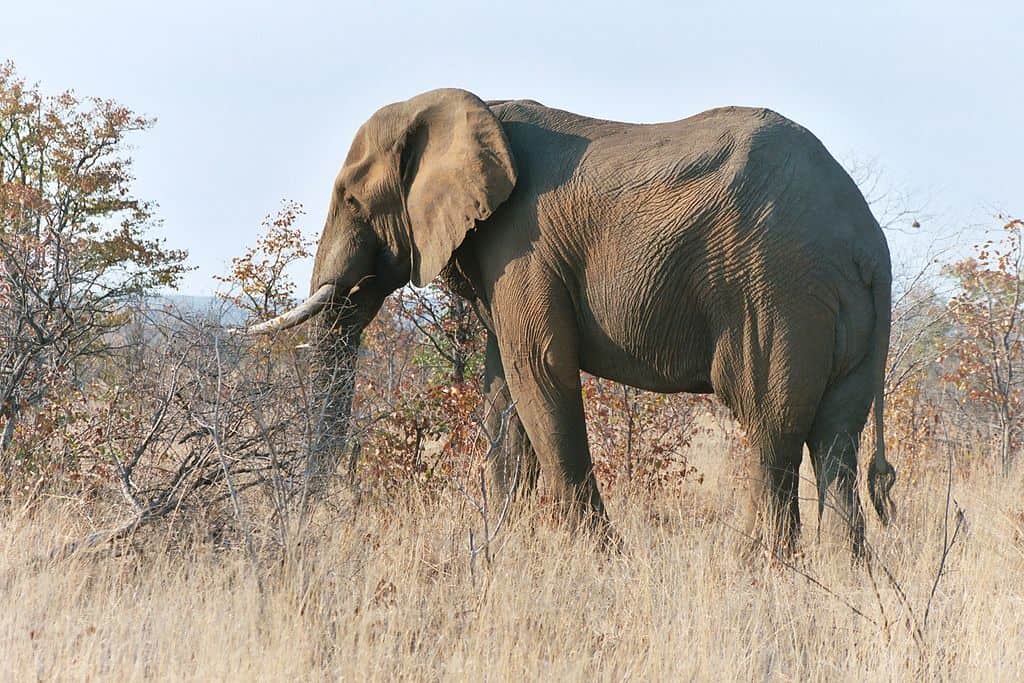
In the animal kingdom, the size of certain body parts can often seem exaggerated, even super-sized. These adaptations are not just for show; they serve critical functions for survival, communication, and reproduction. This article closely examines two intriguing examples of animals with super-sized body parts, exploring their purpose and significance in the animal world.
The Majestic Elephant’s Trunk
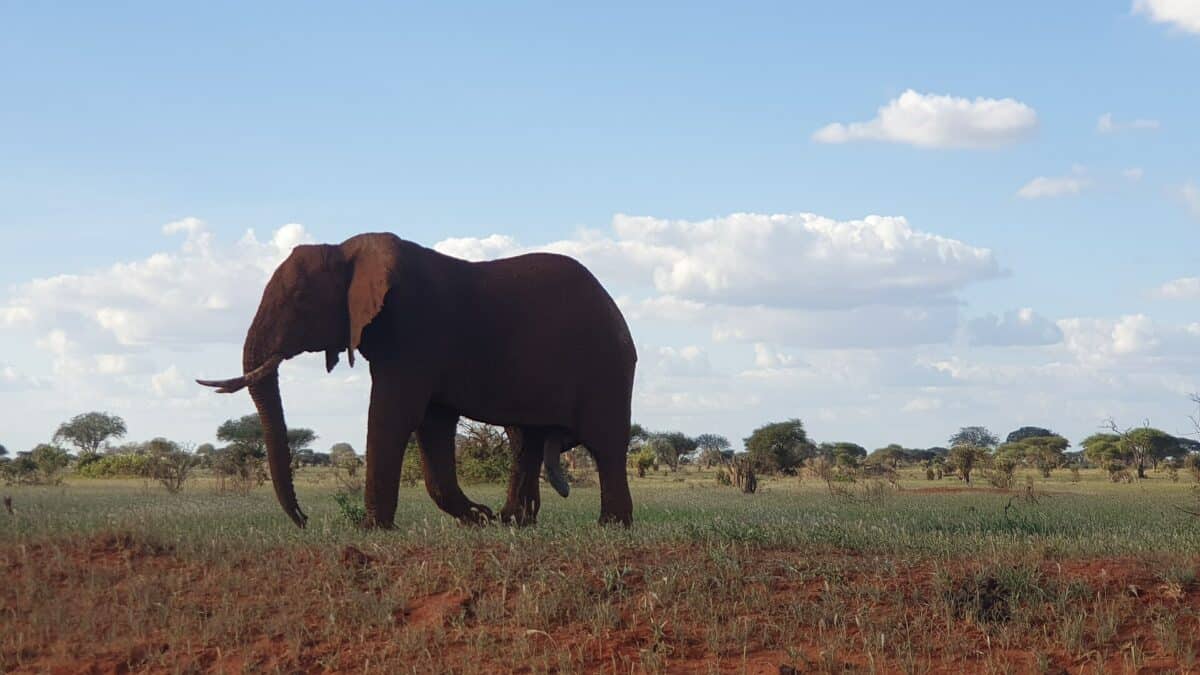
It’s hard to overlook the elephant and its immense trunk when discussing animals with extraordinary body parts. The trunk of an elephant is not just a nose; it’s a highly versatile tool that combines the functions of a nose, upper lip, and a flexible arm, all in one. An elephant’s trunk can weigh around 400 pounds and contain over 40,000 muscles, allowing exceptional dexterity and strength.
The primary function of the elephant’s trunk is for feeding and drinking. Elephants use their trunks to reach high branches, uproot grasses, and scoop up water, sucking it up like a straw and then squirting it into their mouths. This utility is crucial for survival, especially in their natural habitats where food and water sources can be sparse. Beyond feeding, the trunk also serves as a sensitive organ for touch and smell, playing a vital role in an elephant’s sensory perception of the world.
Furthermore, the trunk is essential for social interactions among elephants. They use it to greet each other, caress, and even play. In times of distress, elephants use their trunks to produce a variety of sounds, from deep rumbles to loud trumpeting calls, which can communicate emotions ranging from joy to alert signals within the herd.
The Giraffe’s Towering Neck
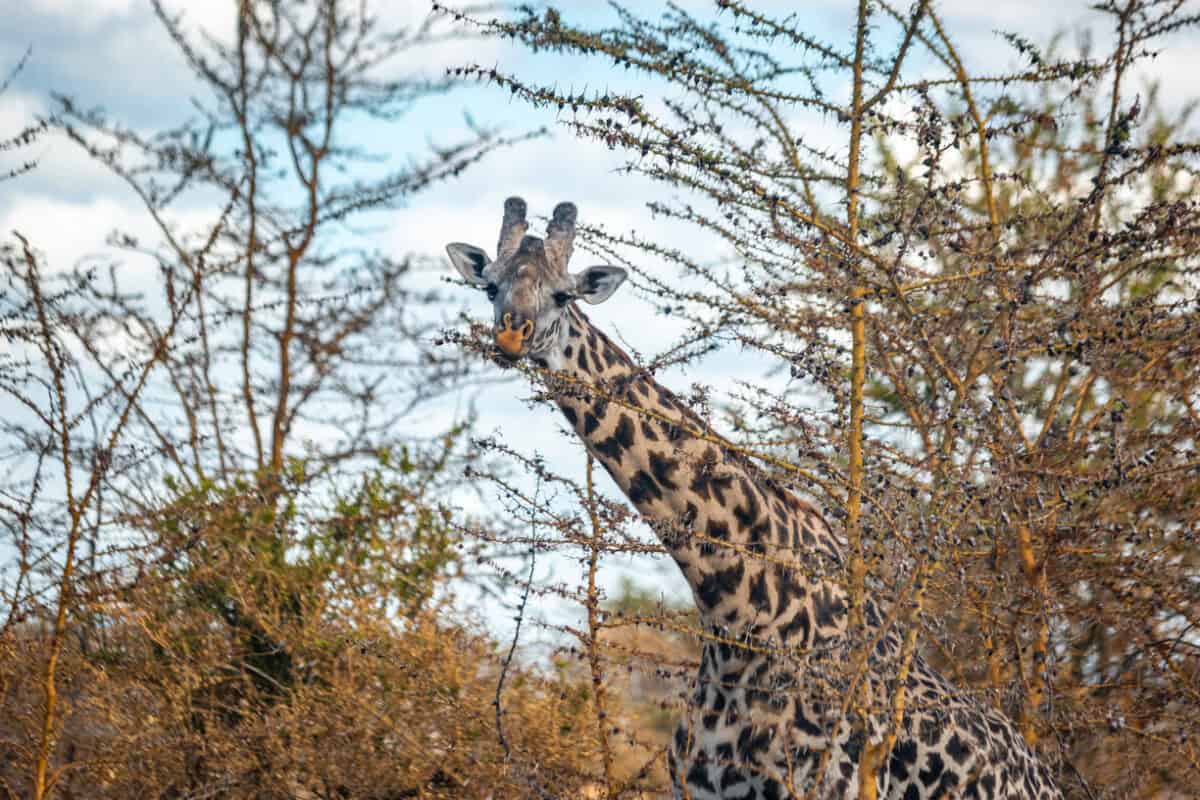
Another remarkable example of a super-sized body part belongs to the giraffe, renowned for its extraordinarily long neck. A giraffe’s neck can measure up to 6 feet long, making it one of the most striking adaptations observed in the wild. Despite its length, the giraffe’s neck contains only seven vertebrae, the same number found in most mammals, including humans, although each vertebra is greatly elongated.
The evolutionary purpose of a giraffe’s long neck is primarily related to feeding. It allows giraffes to reach leaves and branches high up in trees, particularly those of the acacia tree, which other herbivores cannot access. This ability gives giraffes a distinct advantage in their savannah habitats, where competition for food is fierce.
Interestingly, the giraffe’s long neck is also used in a behavior known as “necking,” which is a form of combat between males. During mating season, male giraffes engage in these battles to establish dominance and win mating rights with females. They swing their necks like sledgehammers, using their heads to deliver powerful blows to their opponents. This behavior may have influenced the evolutionary development of their necks, making them not just utilitarian in feeding but also reproduction and social hierarchy.
Conclusion
The natural world is full of wonders, and animals with super-sized body parts demonstrate just how fascinating these adaptations can be. Whether it’s the versatile trunk of an elephant or the lofty neck of a giraffe, these features highlight the incredible ways in which animals have evolved to thrive in their respective environments. As we continue to study these magnificent creatures, we gain a deeper understanding of the complexities of nature and the ingenious ways life adapts to meet its challenges.

As a little kid, I fell in love with nature, wildlife, and animals. Living in the USA, South Africa, Italy, China and Germany gave me the opportunity to discover the world's Wildlife. My favorite animals are Mountain Gorillas, Siberian Tigers, and Great White Sharks.
I'm a certified PADI Open Water Diver, went to Everest Base Camp and Trekked Gorillas in Uganda. I hold a Master of Science in Economics and Finance.
Please send any feedback to feedback@animalsaroundtheglobe.com
- 13 Cat Breeds That Get Along with Dogs - July 20, 2026
- The 12 Largest Dog Breeds That Still Love to Cuddle - July 20, 2026
- 12 Pet Habits That Secretly Mean They Love You - July 20, 2026