
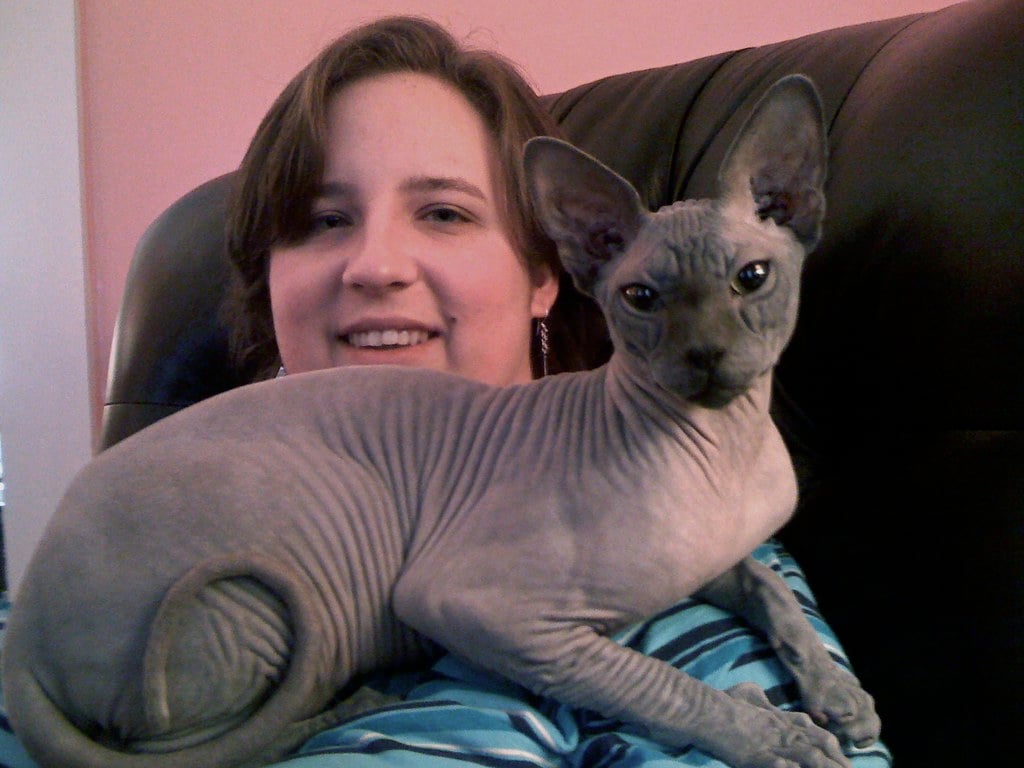
Kittens are chaos machines. They shred curtains, ignore you completely, and treat cuddles like a personal insult. So most people assume that’s just… permanent. A cat is either a lap cat or it isn’t, right?
Vets who’ve watched thousands of cats age will tell you that’s not how it actually works. A huge number of feline patients get noticeably softer, clingier, and more emotionally invested in their humans as the years stack up – and it happens most predictably in certain breeds. Here are the 21 that seem to fall harder for their people with every birthday, starting with the one everyone already suspects.
21 – Ragdoll
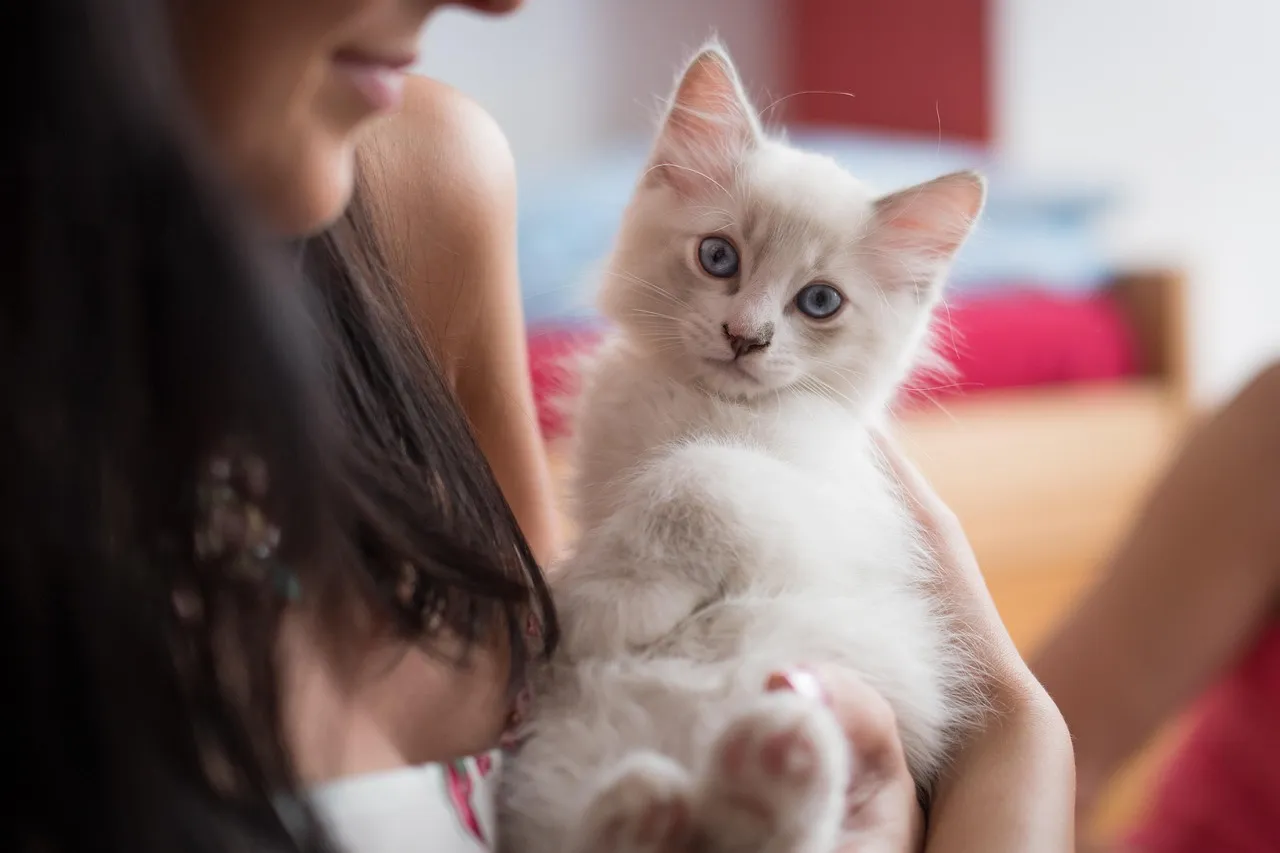
Ragdolls come out of the gate affectionate, which is almost unfair to every other breed on this list. But owners consistently report that the clinginess doesn’t plateau – it deepens. A three-year-old Ragdoll flops into your arms when you pick it up. A ten-year-old Ragdoll starts trailing you from the kitchen to the bathroom because being in a different room feels unbearable.
The nickname “puppy cat” gets thrown around a lot, but it’s earned. Older Ragdolls have been known to wait by the door, greet guests, and settle for hours in a lap like it’s their full-time job. If you want a cat that becomes more devoted with age rather than more distant, this is the breed vets bring up first.
Fast Facts
- Developed in California during the 1960s
- Weighs 10-20 pounds, making it one of the largest common breeds
- Average lifespan of 12-17 years
- Named for its habit of going limp when picked up
20 – Burmese
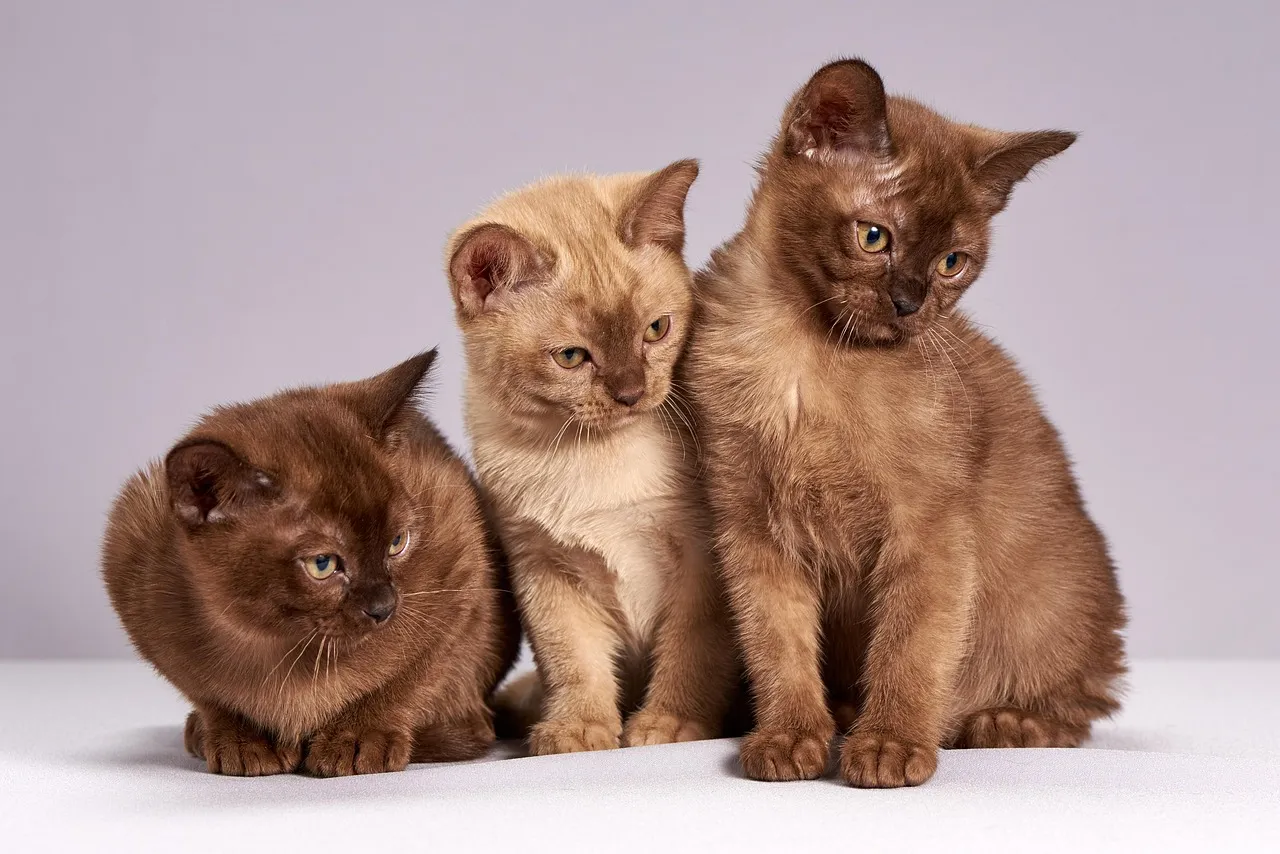
Burmese cats start life as velcro kittens and somehow manage to get more attached from there. They don’t outgrow their need for company – they specialize in it. A mature Burmese will insert itself into whatever you’re doing, whether that’s folding laundry or being on a work call.
What surprises a lot of new owners is how physical this affection stays well into the senior years. Older Burmese cats still initiate play, still demand laps, and still act wounded if you leave the room without them. It’s less like living with a cat and more like living with a very small, very opinionated shadow.
19 – Siamese
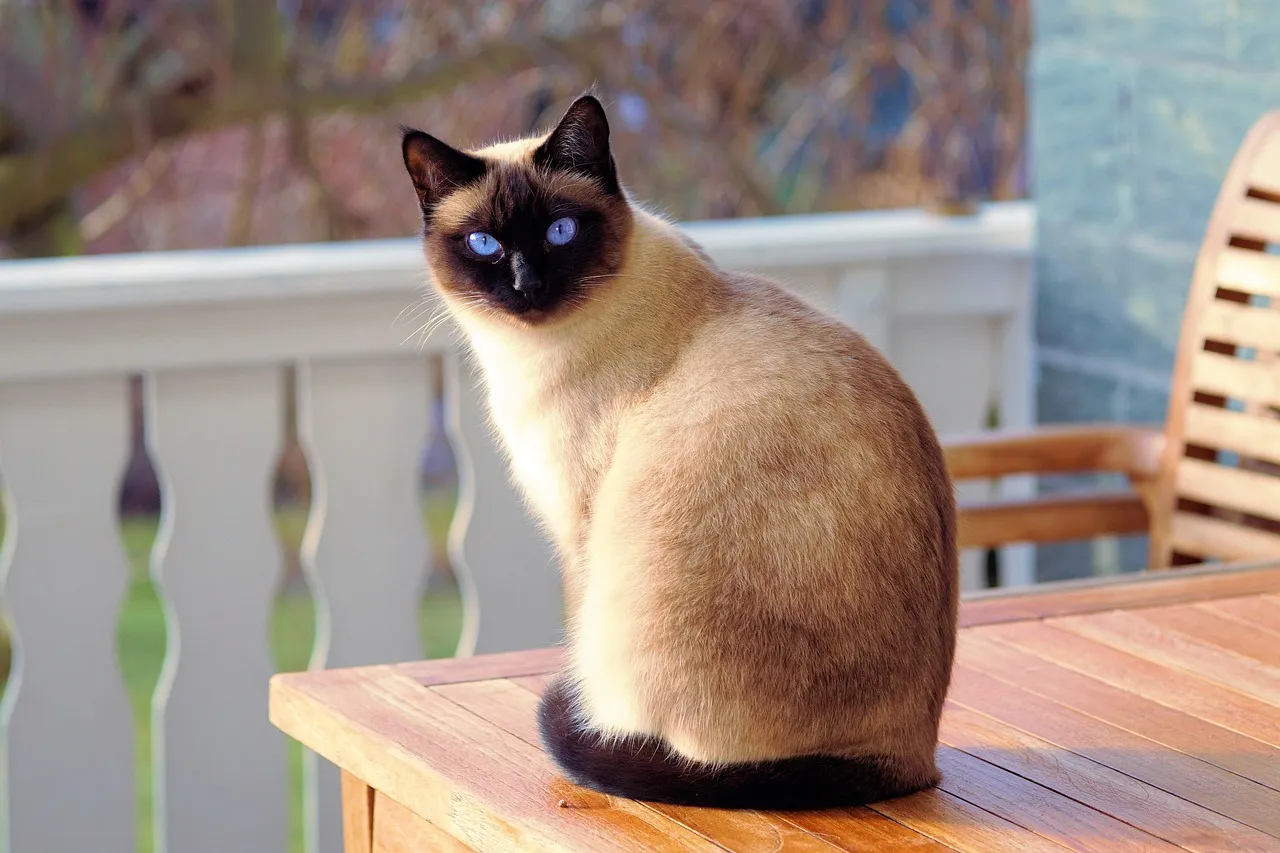
Siamese cats are famous for being vocal, but the real story is how that vocabulary evolves. Young Siamese cats yell because they’re bored. Older Siamese cats yell because they’ve figured out exactly which sound gets you out of bed, off the couch, or into the kitchen faster.
That growing communication skill comes with a deeper emotional need underneath it. As they age, Siamese cats tend to become more insistent about physical closeness – sleeping against your body instead of near it, following conversations like they’re part of the household meeting. The demanding streak is real, but so is the devotion behind it.
18 – Scottish Fold
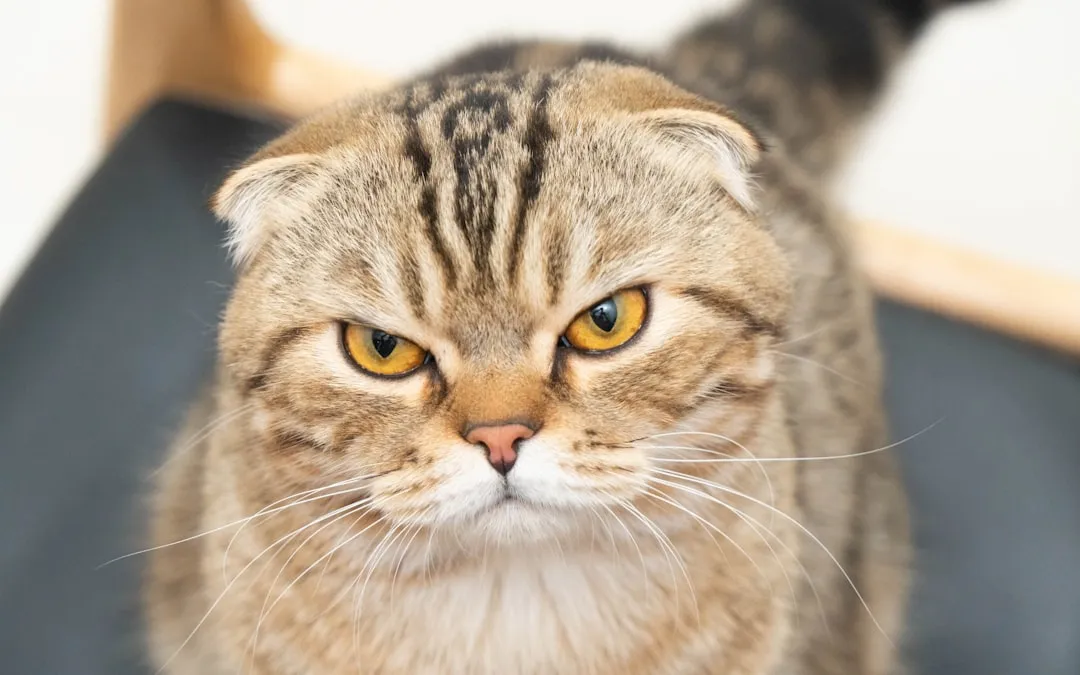
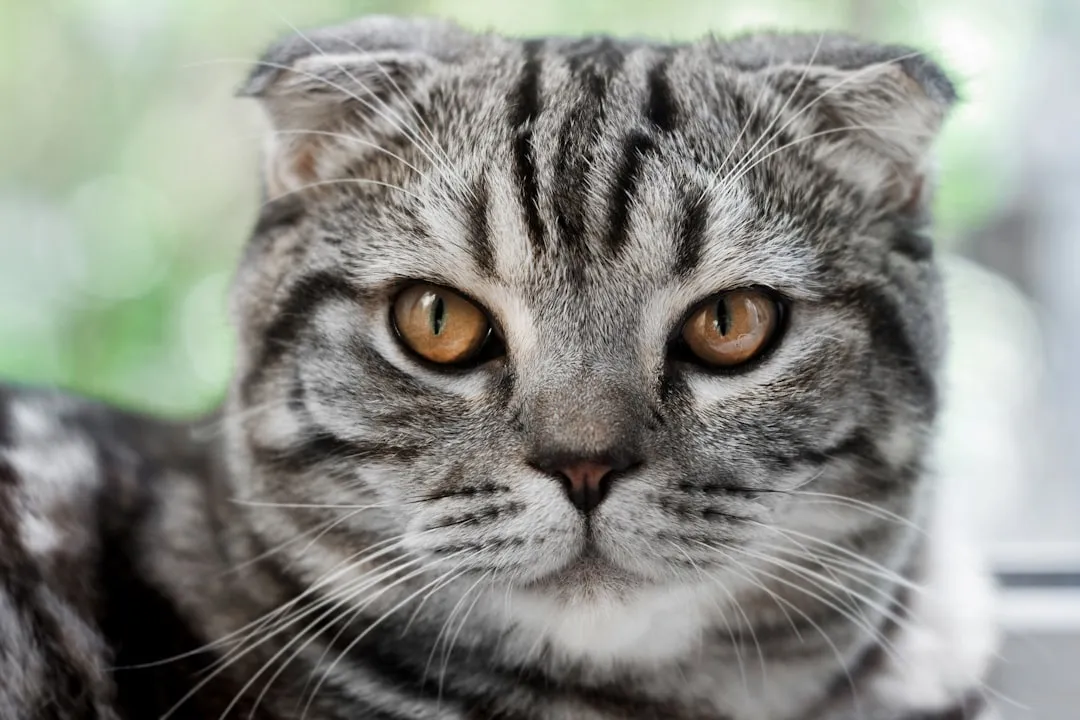
Scottish Folds are quietly sweet as kittens, but the attachment really shows up later. Owners describe older Folds as shadow cats – the kind that reposition themselves in a doorway just to keep you in view while you cook or clean.
Part of what makes this so charming is the breed’s odd little habit of sitting bolt upright with their paws resting on their belly, sometimes called the “Buddha position.” Mature Scottish Folds do this more often when they’re relaxed around their people, which vets say is a small physical sign of a cat that finally feels fully at home.
17 – Maine Coon
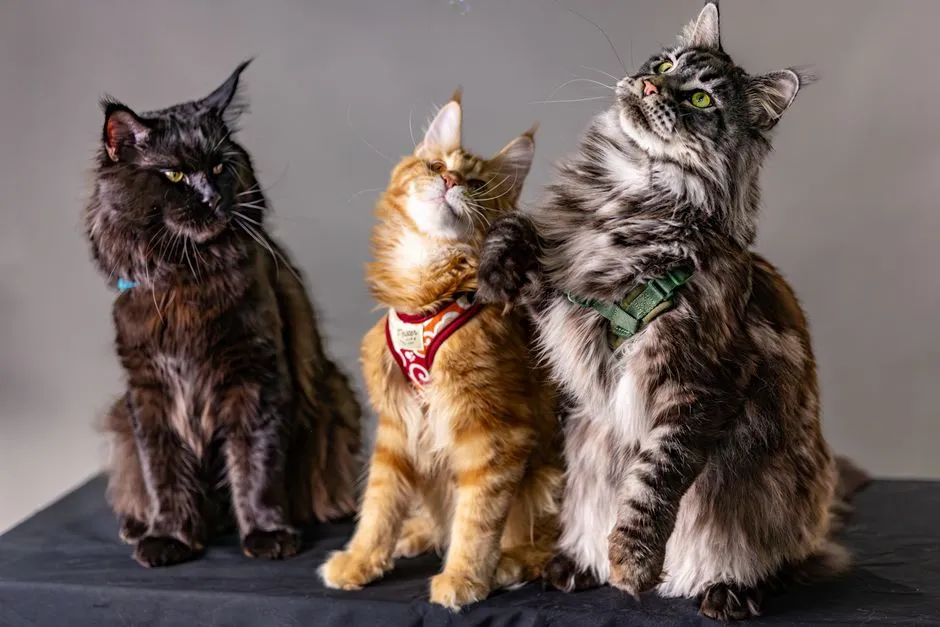
Maine Coons look like they belong in a barn, not a lap, but that size hides a surprisingly soft interior. Younger Maine Coons are playful and a little goofy. Older ones tend to trade some of that energy for a steadier, more constant desire to be near their people.
Given that some males top out near 18 pounds, a mature Maine Coon deciding it wants to be a lap cat is less “cute” and more “logistics problem.” Owners often describe it as being adopted by their own cat all over again – except this time the cat weighs as much as a toddler and has zero interest in personal space.
At a Glance
- One of the oldest natural cat breeds in North America
- Males can weigh up to 18-25 pounds
- Often nicknamed the “gentle giant” of the cat world
- Tufted paws and ears help them handle cold climates
16 – Persian
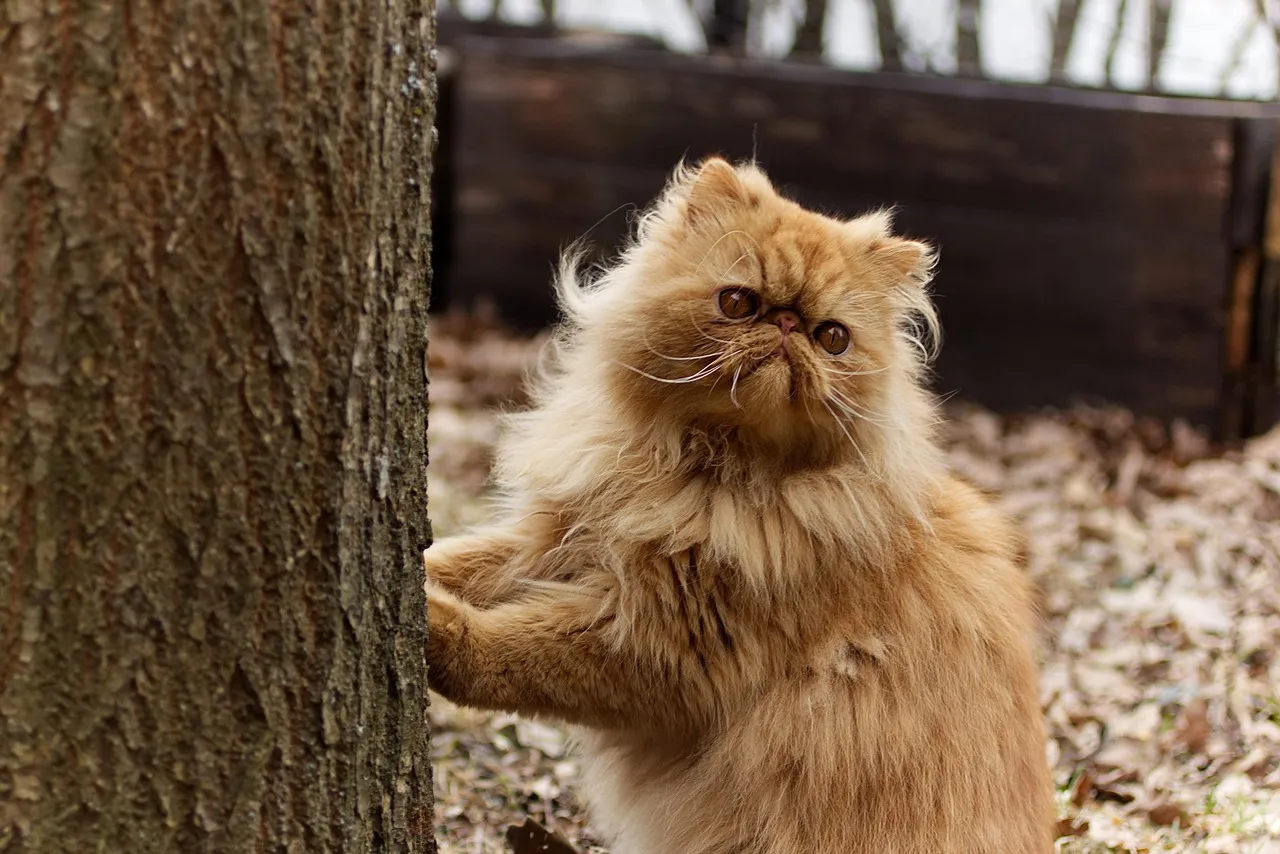
Persians have built a century-long reputation on being calm, quiet, and content to just exist near you. That contentment tends to intensify with age. A senior Persian will often pick one favorite spot – usually a lap, sometimes a shoulder – and defend it like territory.
Because they’re naturally low-energy, older Persians channel most of their affection into stillness rather than antics. They’re not going to chase a laser pointer at 12 years old. They are going to sit on you for four hours and make you feel like you’ve been chosen for something important.
15 – Tonkinese
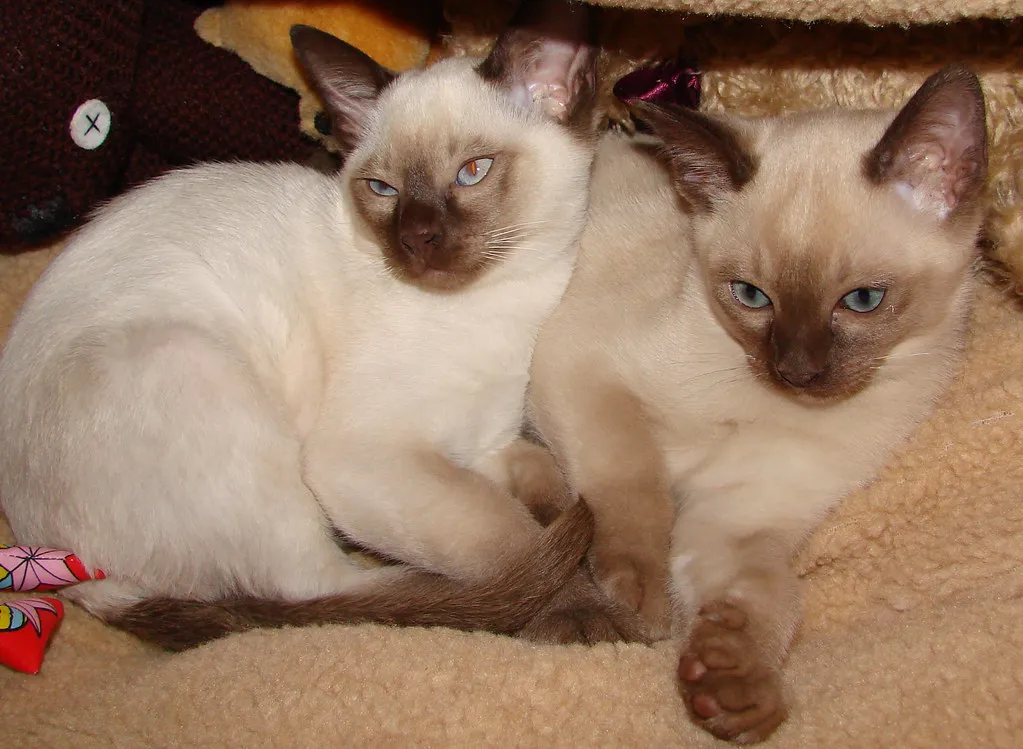
Tonkinese cats inherit the worst-kept secret of two breeds: Siamese vocal neediness and Burmese physical clinginess. Combined, it makes for a cat that gets more emotionally demanding, not less, as it matures.
Older Tonkinese are notorious for door-greeting behavior that owners swear is dog-like – waiting by the entrance, following footsteps up the stairs, inserting themselves into whatever activity is happening. It’s mischievous and a little relentless, but it’s also one of the clearest examples on this list of a breed that leans harder into affection with time instead of drifting away from it.
14 – Birman
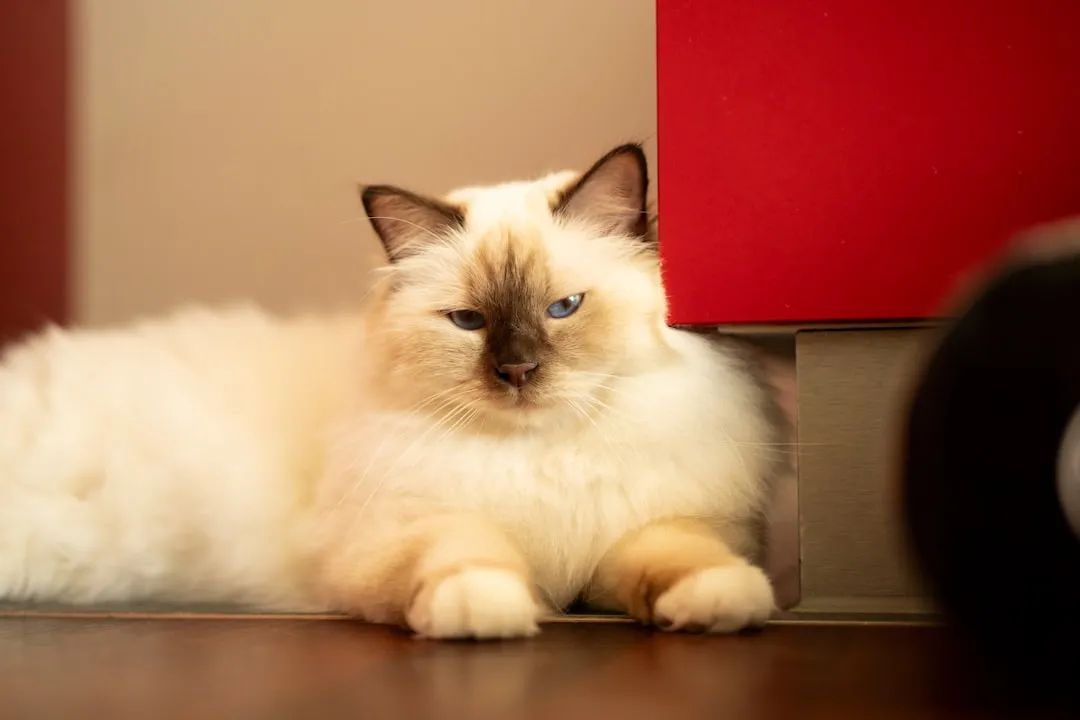
Birmans carry a quiet, almost ceremonial gentleness, and it only becomes more pronounced with age. Older Birmans tend to seek out one or two specific people in the household and stay close to them with a kind of steady, undramatic loyalty.
Their history adds an extra layer to the story – Birmans were reportedly kept as sacred temple cats in Burma, cared for exclusively by priests. Whether or not the legend is fully accurate, the breed’s calm devotion today feels like it’s living up to that reputation. A mature Birman doesn’t demand attention loudly; it simply assumes it belongs beside you.
13 – Sphynx
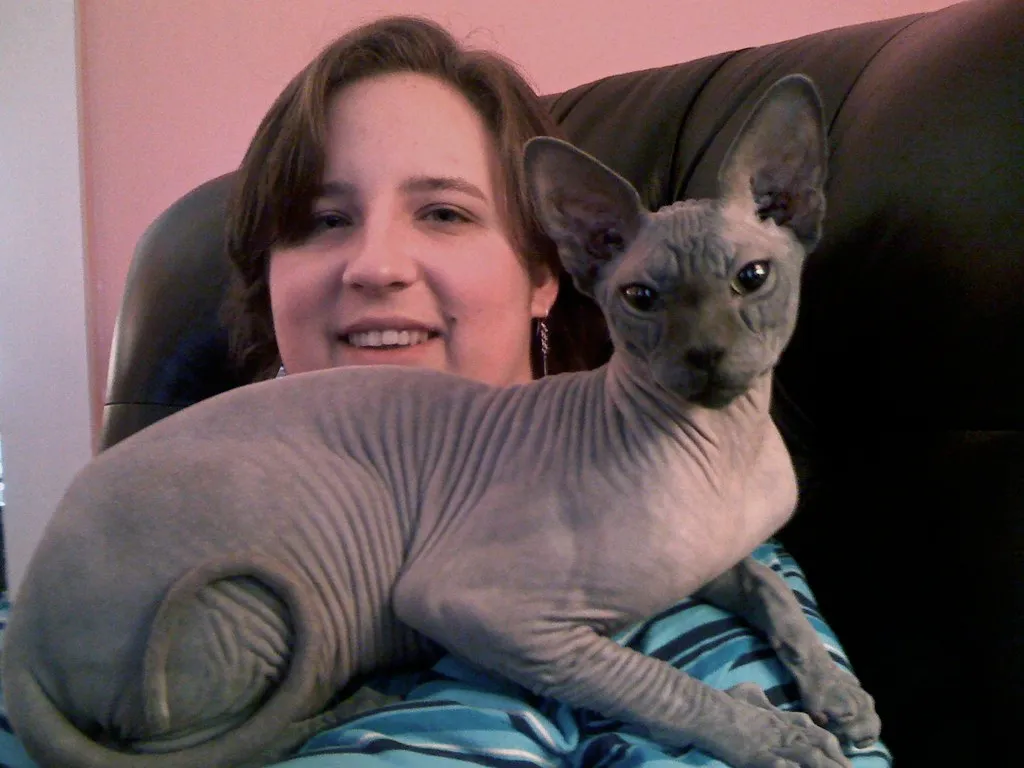
Sphynx cats are already intense, in-your-face affectionate as kittens, but the need for warmth and closeness only grows with age. Without fur to insulate them, older Sphynx cats actively seek out body heat, which usually means yours.
This isn’t just personality – it’s partly physiology. Sphynx cats run warmer than most breeds, so a senior Sphynx burrowing under blankets with you isn’t being needy for the sake of it. It’s genuinely more comfortable pressed against a warm human than curled up alone, and that need tends to intensify, not fade, as the years go by.
Worth Knowing
- In 1966, the first hairless kitty was born in Toronto, Canada, a domestic shorthair named Prune who carried a mutation that prevented her from growing fur
- A Sphynx cat’s normal body temperature runs about four degrees warmer than other kitties
- Despite popular belief, Sphynx cats are not hypoallergenic, since they still produce dander and a saliva protein that triggers allergies
- They have a very high metabolism and need to eat more than most cats
12 – Devon Rex
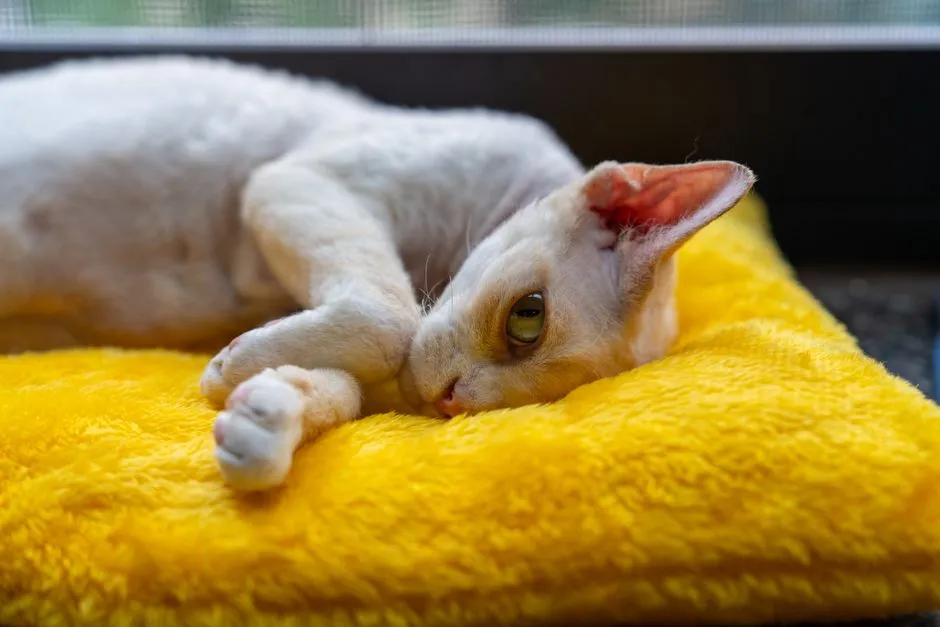
Devon Rex cats are often described as “monkey-like,” and that energy doesn’t disappear with age so much as it redirects toward people specifically. A mature Devon Rex still wants to climb, perch, and investigate – it just wants to do all of it on or near you.
Many owners of senior Devon Rex cats report a hypoallergenic bonus on top of the personality: their unique coat produces less of the allergen that bothers sensitive humans. Combine that with a cat that gets more physically affectionate with age, and it’s easy to see why this breed builds such fierce loyalty from owners.
11 – Cornish Rex
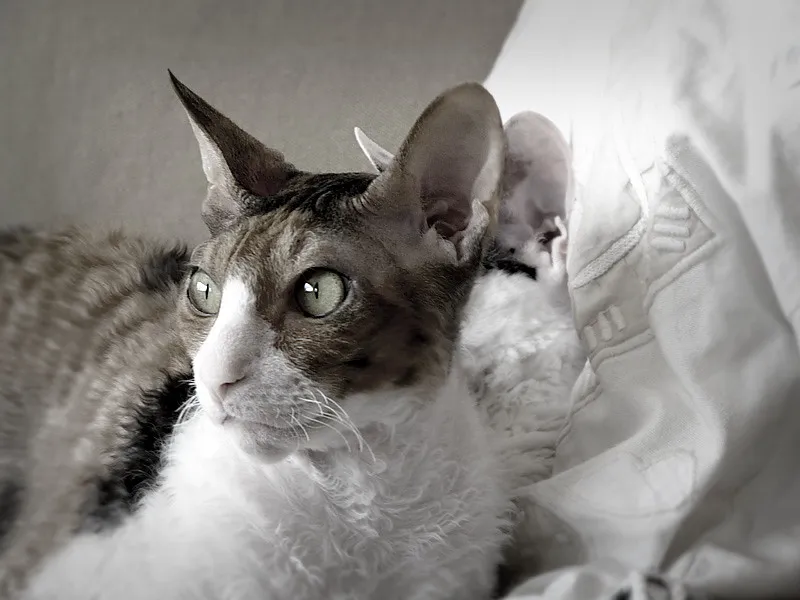
Cornish Rex cats have a coat that feels like suede, thanks to a total lack of guard hairs, and that unusual texture seems to invite touch – which the cats clearly enjoy. As they age, Cornish Rex cats become noticeably more attention-seeking, often nudging hands toward themselves for petting.
Their playful streak doesn’t vanish in the senior years either. Older Cornish Rex cats still chase, still pounce, still act half their age – they just insist on doing it as close to their favorite human as physically possible.
10 – American Curl
American Curls are born with straight ears that curl within days of birth, a strange little detail that hints at how much this breed changes early and often. Personality follows a similar arc – playful curiosity in kittenhood gives way to steady people-focus in adulthood.
Mature American Curls tend to become homebody companions, content to supervise whatever their owner is doing rather than wandering off to entertain themselves. It’s a quieter kind of devotion, built more on consistent presence than dramatic displays.
9 – Exotic Shorthair
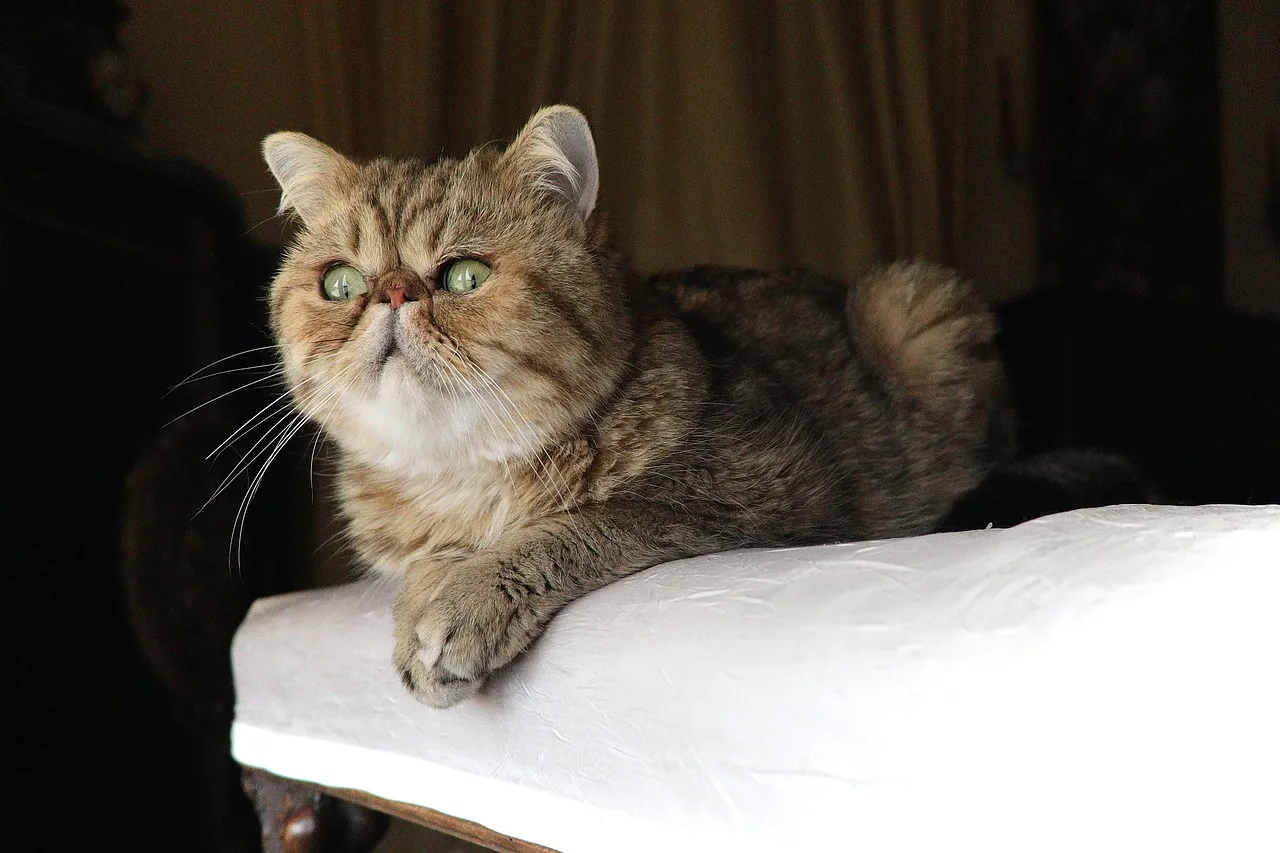
Exotic Shorthairs are basically Persians in a low-maintenance coat, and they inherit that same calm, affectionate temperament. As kittens they’re a little more active than their long-haired cousins, but that energy mellows quickly into a deep preference for lap time.
Older Exotic Shorthairs are famous among owners for their almost limpet-like attachment to one favorite person. They’ll pick a spot on the couch and simply refuse to leave it if that means leaving you, which makes them one of the more reliably clingy senior cats on this list.
8 – British Shorthair
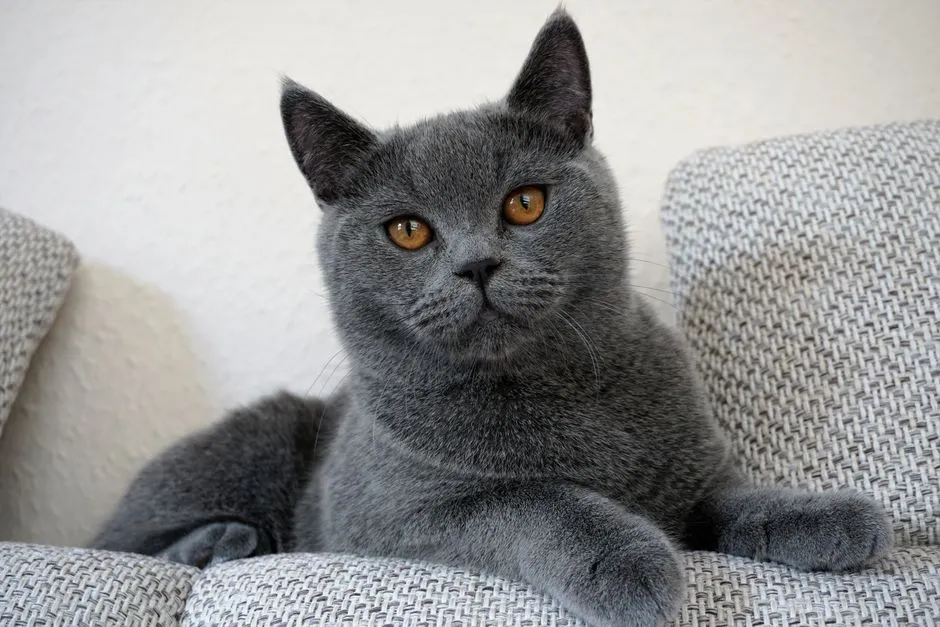
British Shorthairs have a reputation for being independent, almost aloof – which makes their late-life transformation genuinely surprising. Many owners report that a British Shorthair who barely tolerated cuddles at two years old becomes a full-blown lap cat by ten.
Vets often point to this breed as proof that affection can develop rather than simply exist from birth. The sturdy, round-faced stoicism stays, but underneath it, older British Shorthairs quietly start seeking out contact they used to shrug off entirely.
7 – Norwegian Forest Cat
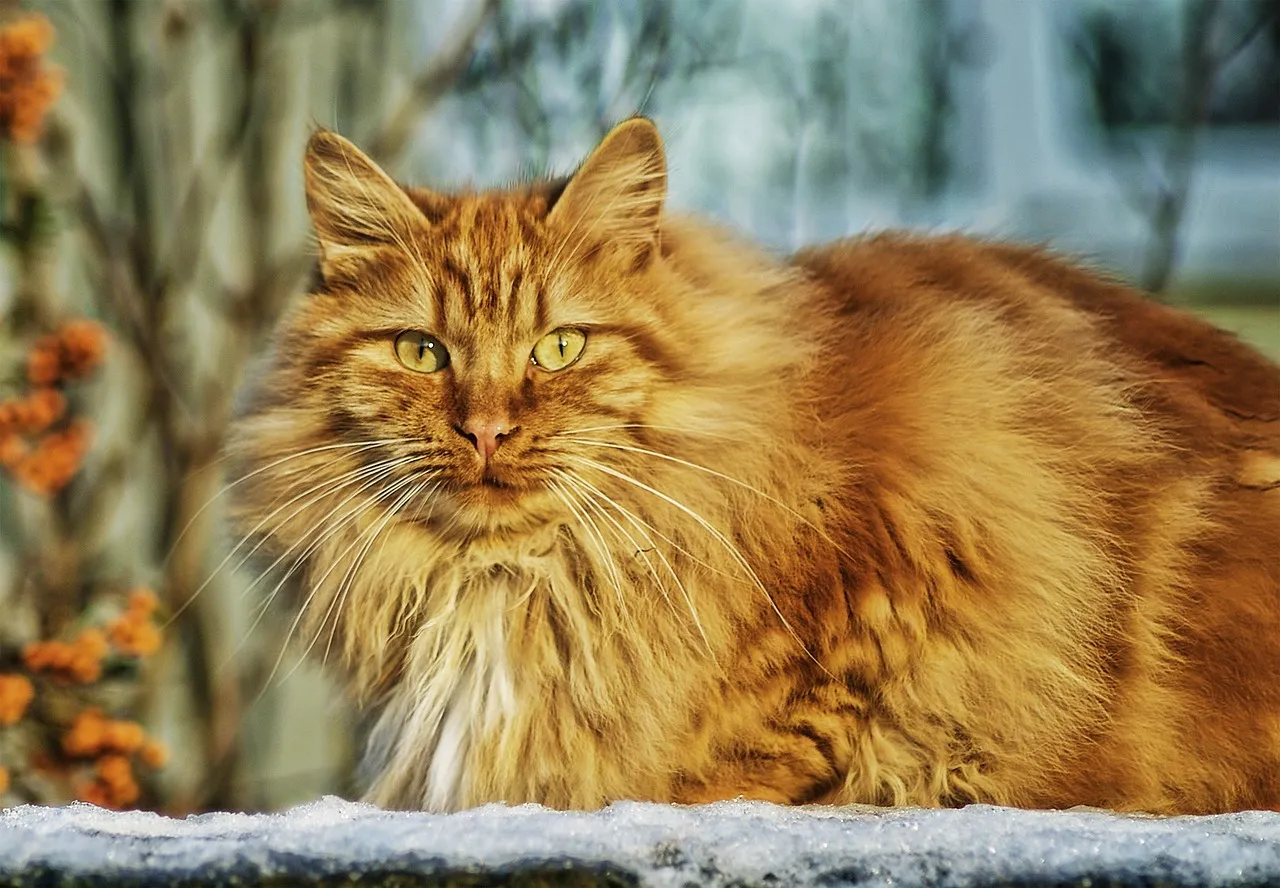
Norwegian Forest Cats look like they’d rather be climbing a tree than sitting in your lap, and for the first few years, that’s often true. But as they mature, these rugged, thick-coated cats tend to soften into surprisingly devoted companions.
Older Norwegian Forest Cats often shadow their owners around the house without demanding constant physical contact – a kind of quiet, watchful loyalty. It’s affection on their own terms, but it’s unmistakably there, and it grows steadily with age.
6 – Himalayan
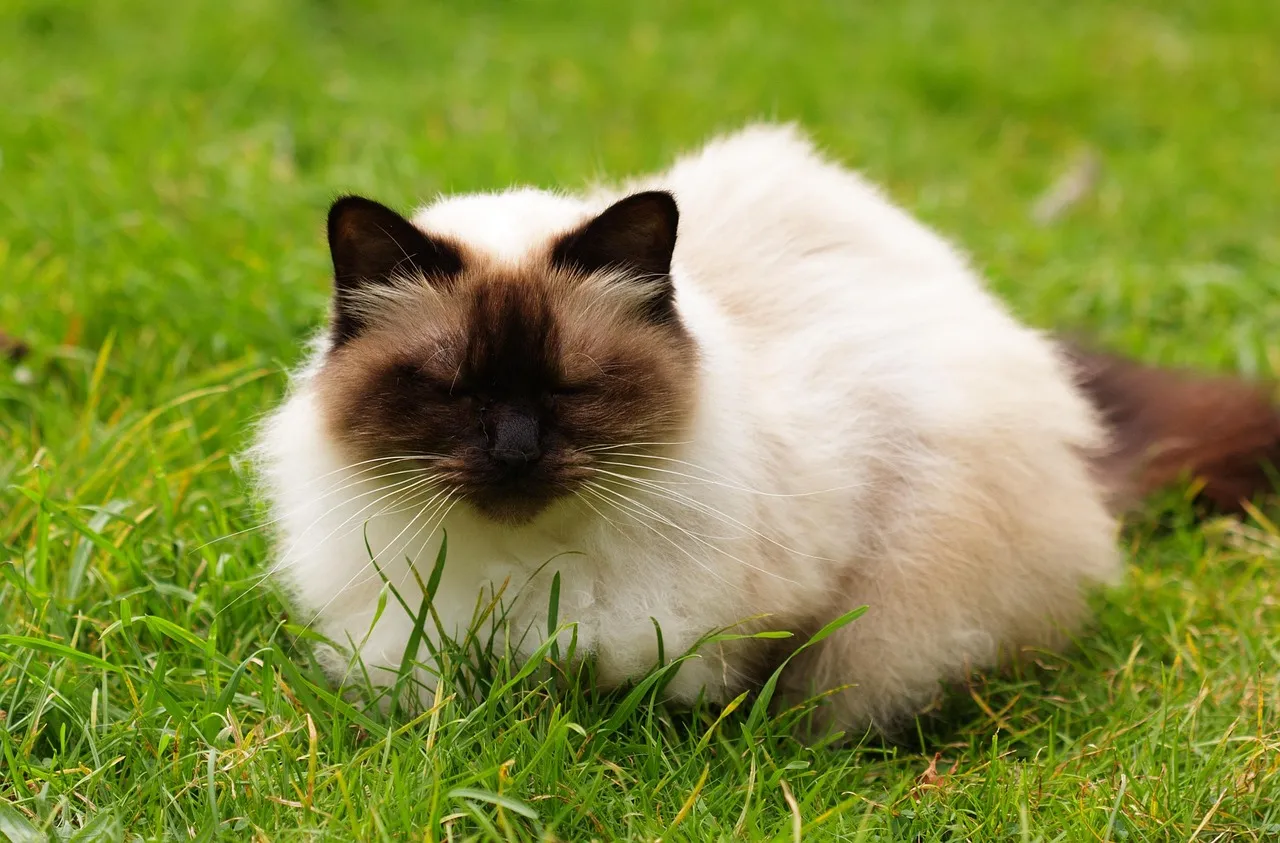
Himalayans combine the plush calm of a Persian with the striking blue eyes of a Siamese, and their emotional development follows a similar blended path. Young Himalayans can be a little reserved, almost cautious around new people.
By the time they hit their senior years, most Himalayans have dropped that caution entirely. Owners describe older Himalayans as some of the most consistently affectionate cats they’ve owned, happy to spend entire afternoons draped across a lap without asking for anything in return.
5 – Chartreux
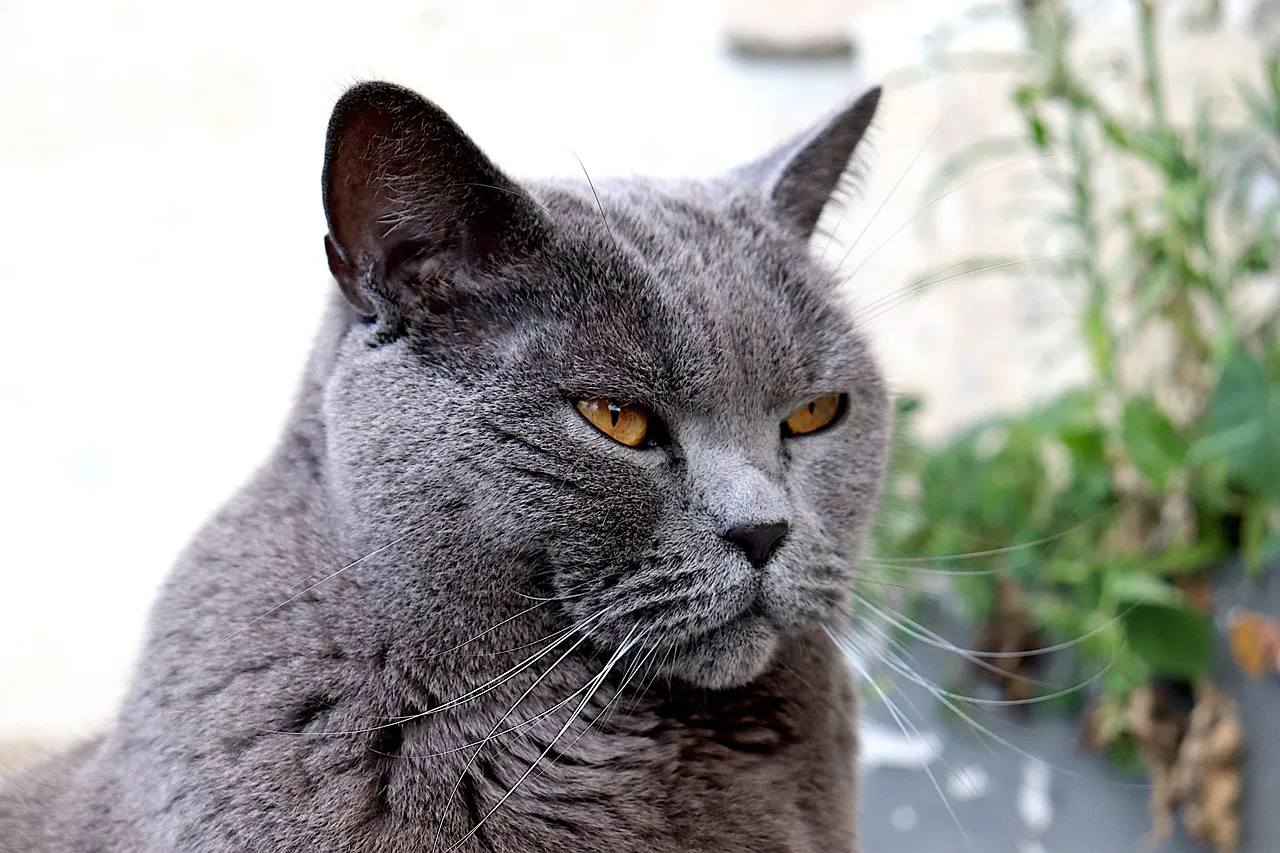
Chartreux cats have a reputation in France as quiet, dignified, almost stoic companions – the kind of cat that observes more than it demands. That reserved nature is real in kittenhood, but it fades noticeably with age.
Mature Chartreux cats become surprisingly devoted, often bonding intensely with one specific person in the household. It’s not loud affection; it’s the kind where the cat simply appears in whatever room you’re in, again and again, without ever making a scene about it.
4 – American Shorthair
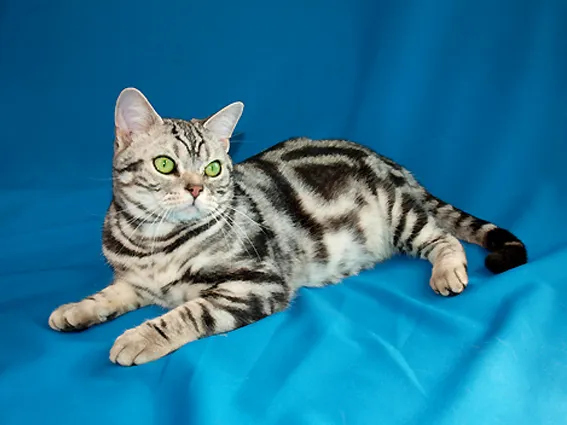
American Shorthairs were bred for working farms, not for lap time, and that practical, self-sufficient streak is obvious in young cats of this breed. They’re friendly, but not needy.
Age changes that math. Older American Shorthairs frequently become far more people-oriented, seeking out company during naps and mealtimes in a way they didn’t bother with as youngsters. It’s one of the more understated transformations on this list, but owners who’ve lived through it notice it immediately.
3 – Russian Blue
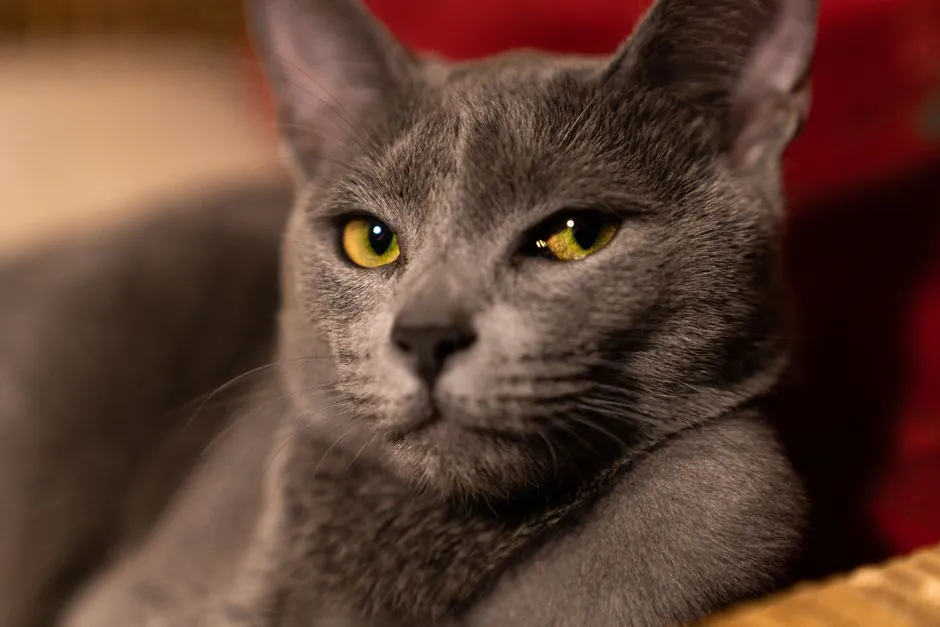
Russian Blues are famously shy, sometimes bolting from strangers and taking their time warming up to new people. That caution can make young Russian Blues feel distant, even cold, to owners expecting instant affection.
What changes everything is time. A Russian Blue that’s lived with the same family for years often becomes intensely, almost exclusively bonded to them, following one person from room to room while remaining shy with everyone else. It’s a slow-burn kind of loyalty, but vets say it’s some of the most durable affection they see in any breed.
2 – Munchkin
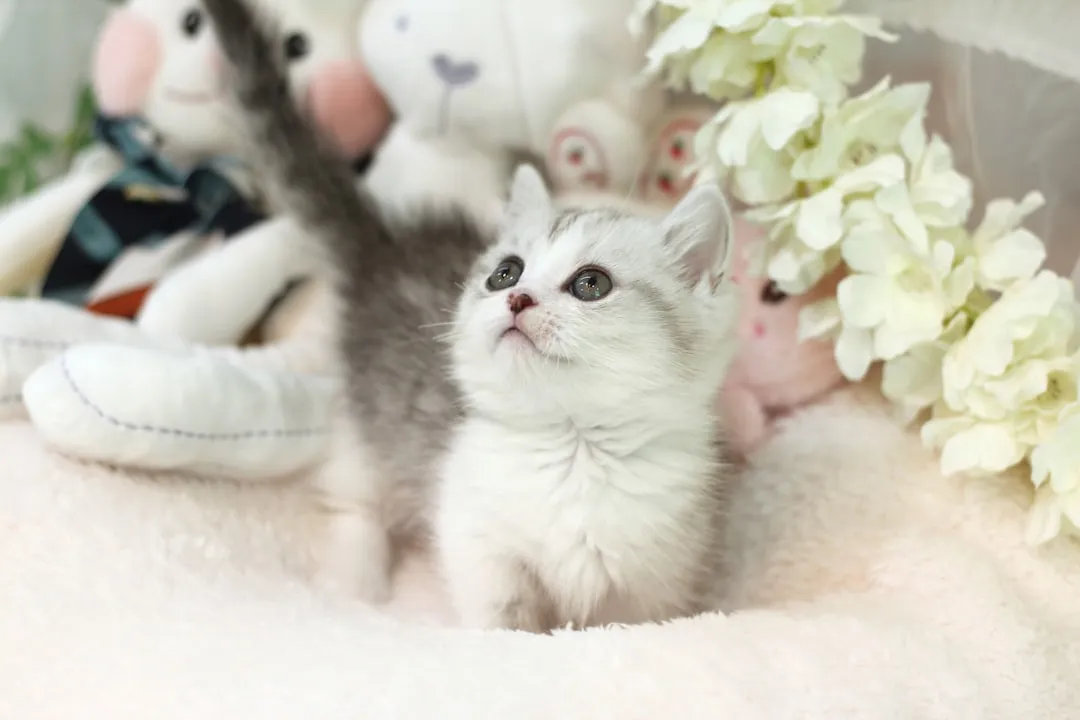
Munchkins, with their famously short legs, spend their early years being pure, chaotic energy – zooming around at ankle height and getting into everything. That doesn’t leave much room for quiet cuddling.
As the zoomies calm down with age, most Munchkins redirect all that enthusiasm into their humans instead. Older Munchkins are known for climbing into laps with the same determination they once reserved for knocking things off shelves, trading chaos for closeness without losing an ounce of personality.
1 – American Bobtail
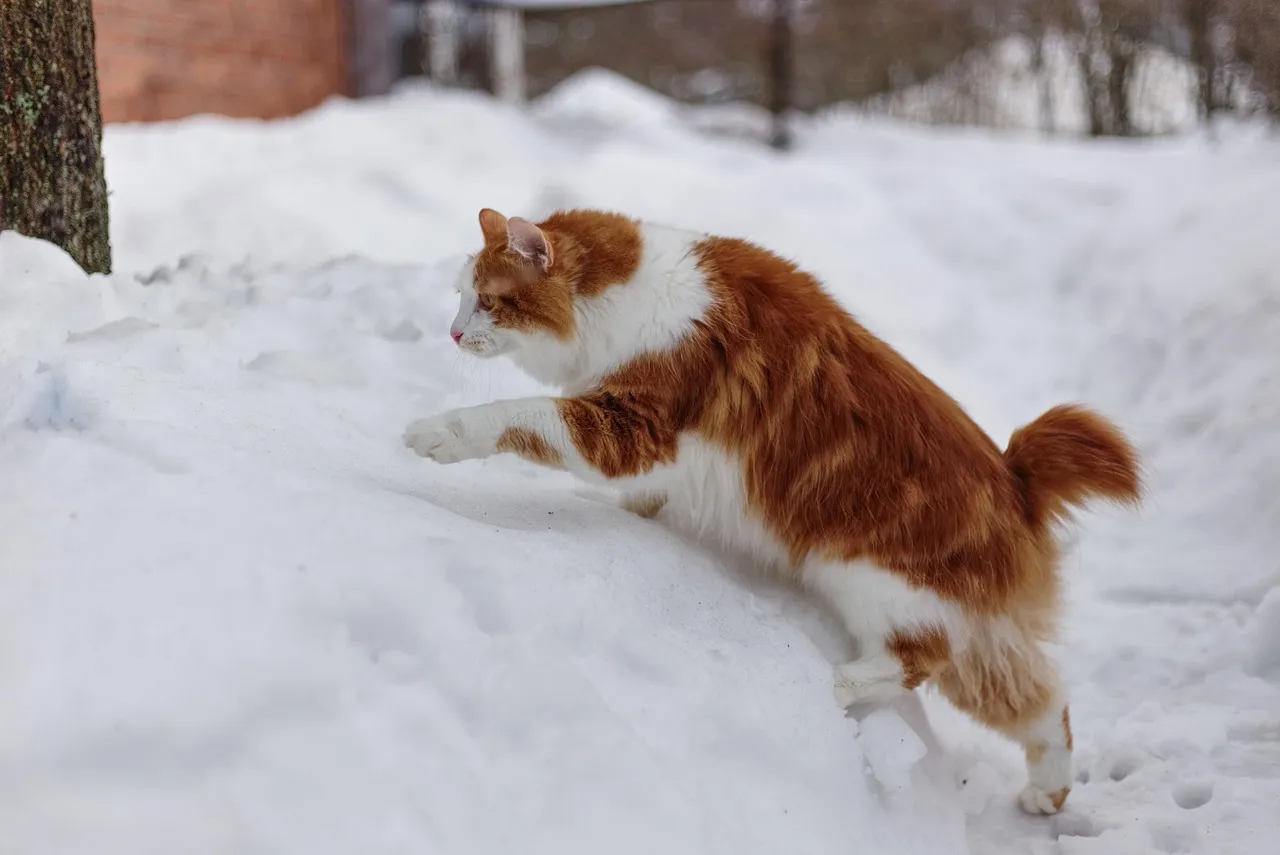
American Bobtails are often described by owners as the most dog-like cat breed that exists, and that comparison only gets stronger with age. They make eye contact, they respond to their names, and mature Bobtails frequently greet owners at the door after time apart.
What puts them at the top of this list is consistency. Vets note that American Bobtails rarely regress into aloofness the way some breeds occasionally do – instead, their loyalty compounds year after year, making an older Bobtail one of the most reliably devoted cats a person can bring into their home.
Why It Stands Out
- The International Cat Association officially recognized the American Bobtail cat in 1989
- A fully grown American Bobtail might weigh between 7-18 pounds, with an average lifespan of 12-15 years
- They are easily leash trained and love to go for walks with their people
- Their high intelligence gives them a special sensitivity to human moods, often seeking out owners who are distressed to offer comfort
If there’s one thing this list makes obvious, it’s that judging a cat’s future affection by its kitten behavior is a mistake. Some of the most independent, standoffish kittens on this list turn into the clingiest senior cats their owners have ever had – and that’s not a coincidence, it’s a pattern vets see over and over. Cats aren’t static. They warm up, they attach, they choose you more deliberately the longer they know you. If your cat seems a little distant right now, the honest, slightly annoying truth is this: give it time. It might just be building up to something better.
