

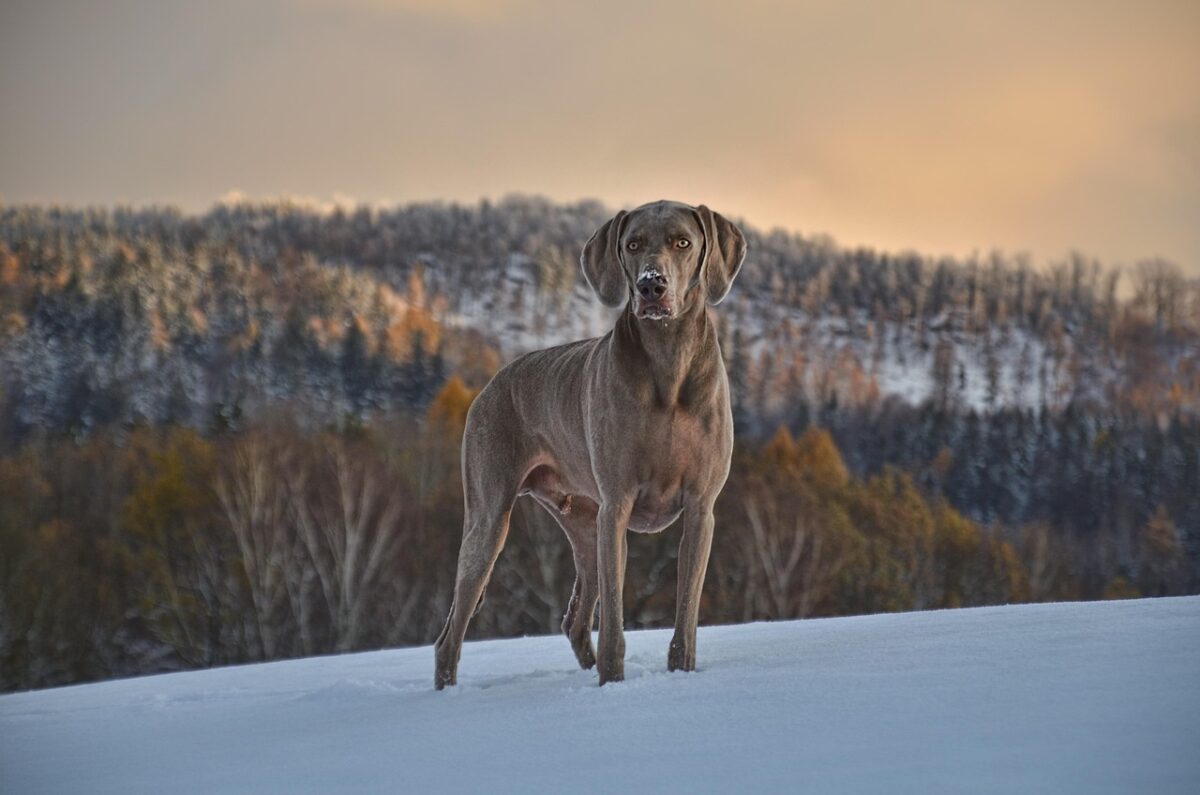
Your dog may wag their tail when you walk through the door, but what happens the moment you leave? For many breeds, being left alone isn’t just a minor inconvenience—it’s a heart-wrenching experience that can lead to destructive behavior, constant barking, or even depression. While we often assume separation anxiety is limited to clingy lap dogs, the truth is far more surprising. Some of the most confident, intelligent, and even independent-looking breeds struggle the hardest when their favorite humans aren’t around. In this article, we’ll uncover 22 dog breeds that battle separation anxiety more than you think—and why understanding their emotional needs could make all the difference for both of you.
#22 Labrador Retriever
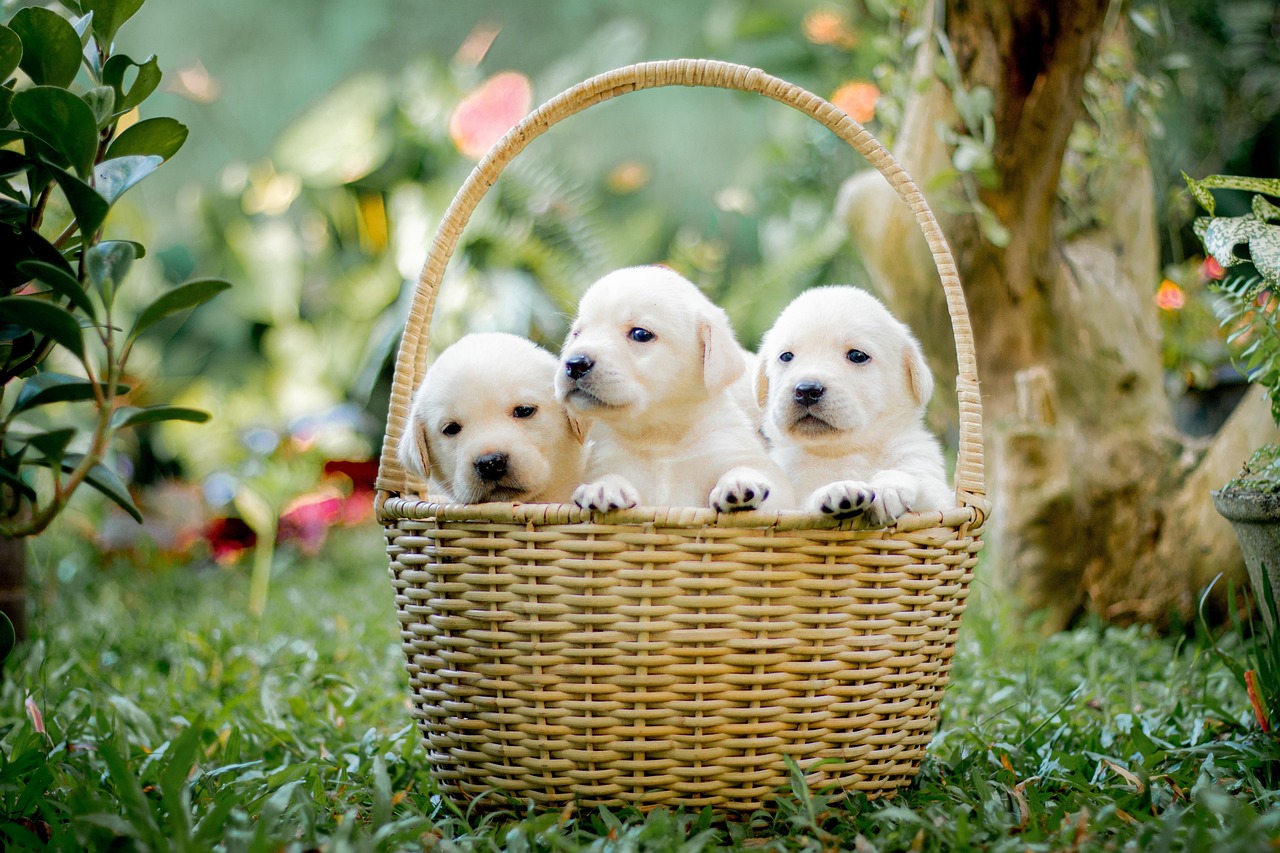
The Labrador Retriever is a beautiful and companionable dog, but they have recently declined in health and temperament, and this can make them more prone to separation anxiety and behavioral challenges. These people-pleasers were bred to work closely alongside humans, making them incredibly dependent on their families.
Labs are America’s favorite dog breed for good reason: They’re relentlessly friendly, fun-loving, and laser-focused on their pet parents. Their devotion runs so deep that being left alone can trigger destructive behaviors and excessive barking.
#21 German Shepherd
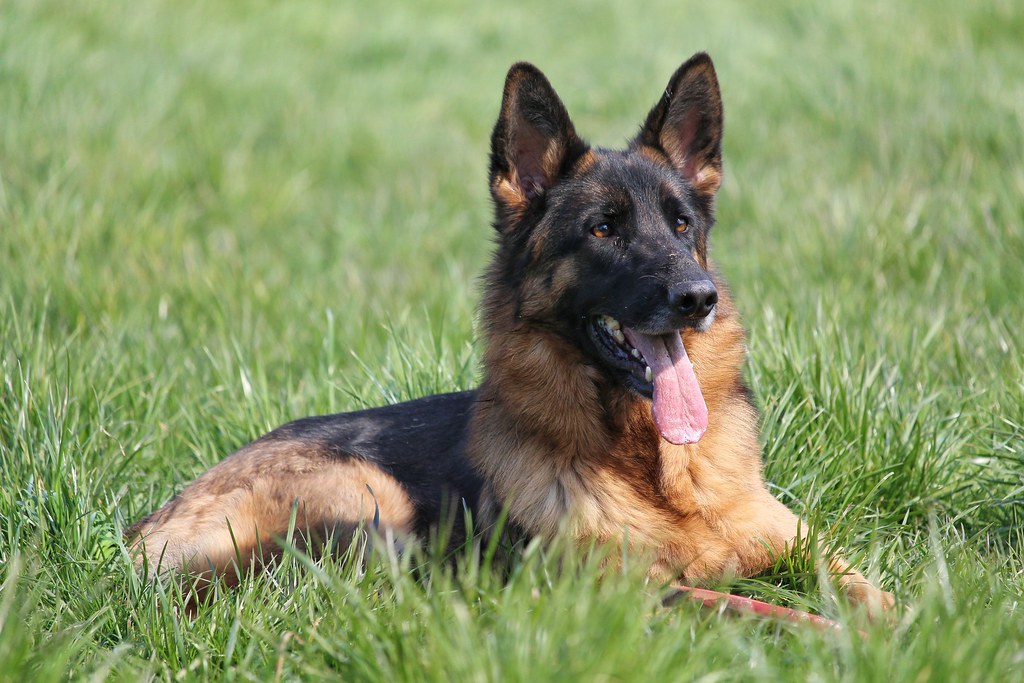
These dogs are working dogs and do best when an environment is physically and mentally stimulating. Left alone and bored, they can be distressed. Like the retriever, this breed has also experienced some health problems in recent years, meaning their temperament makes them more prone to separation anxiety.
There is a thin, fuzzy line between the level of vigilance that allows a German Shepherd to be great at the job they were bred to do and a smidge higher level of hyper-vigilance that manifests as anxiety. Without proper mental stimulation, these intelligent guardians can become destructive forces in your home.
#20 Border Collie
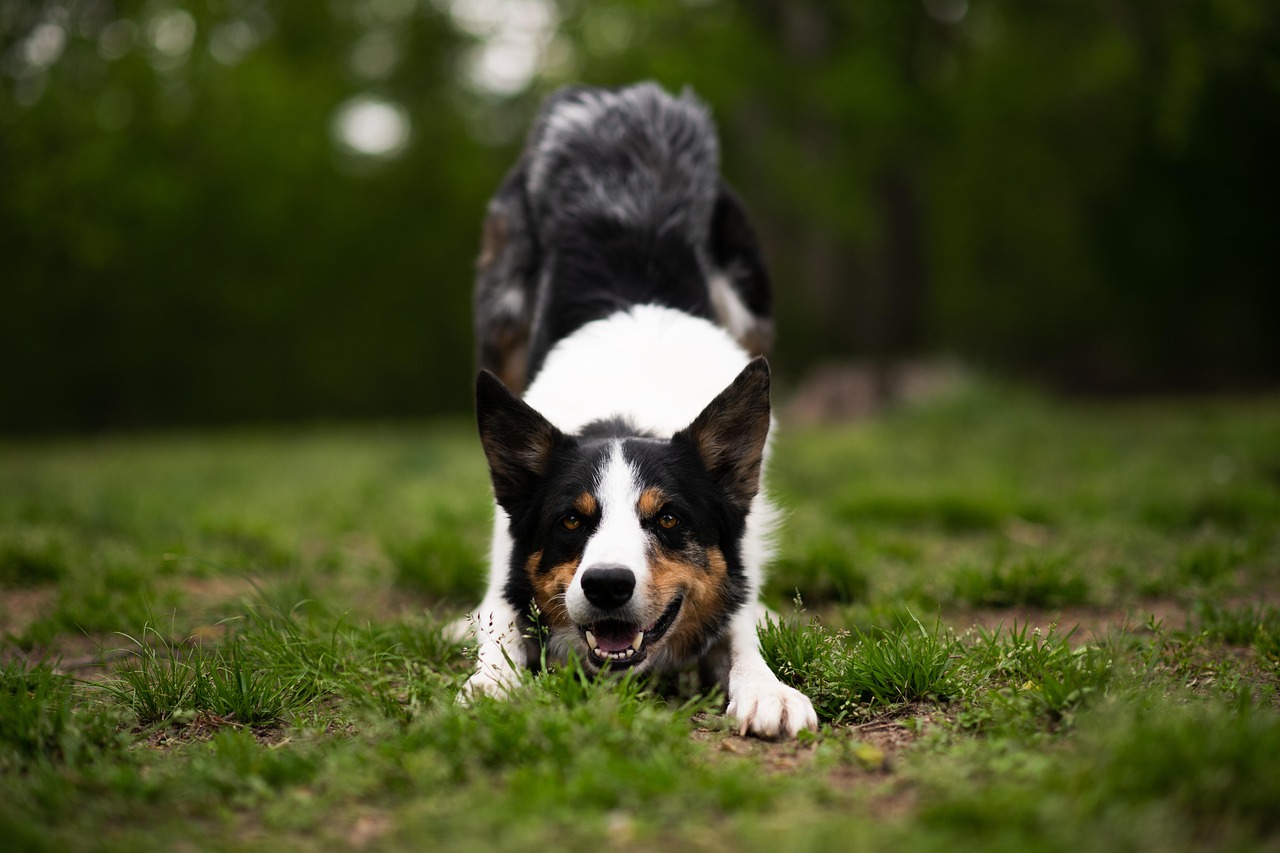
The Border Collie consistently ranks as the most intelligent dog, but this means they are more likely than other breeds to become bored when they have no stimulation. So leaving them alone can lead to separation anxiety and destructive behavior as they look for ways to amuse themselves.
Their genius-level intellect becomes a double-edged sword when they’re alone. These herding dogs need constant mental challenges, and without them, they’ll create their own entertainment by redesigning your living room.
#19 Cavalier King Charles Spaniel
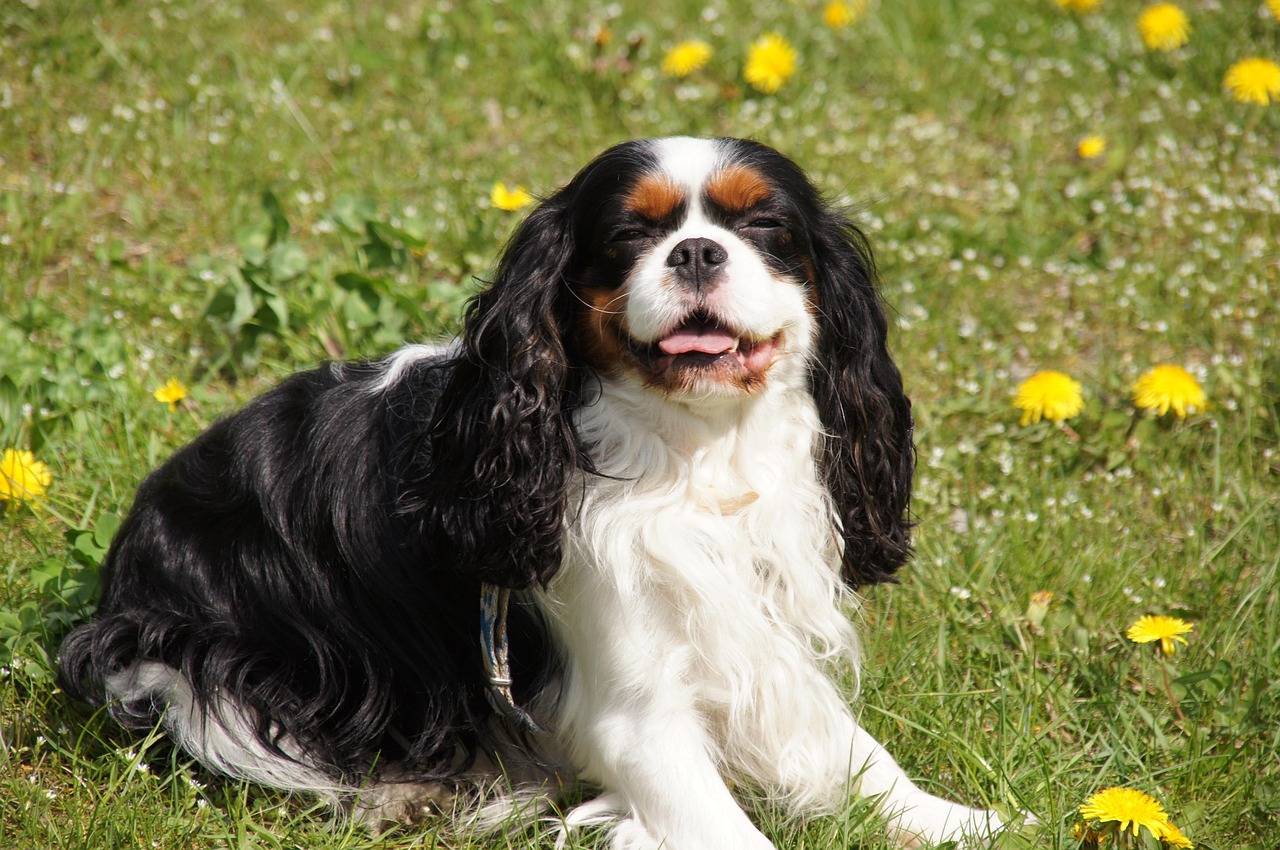
The Cavalier King Charles breed has a reputation for suffering from extreme separation anxiety. They will provide your family with unconditional love and loyalty, and they are lap dogs. They do not like to be left on their own.
They were bred to be companion dogs, which makes them more prone to separation anxiety when their owners leave. These dogs thrive on human interaction and often form deep family bonds. Their gentle nature masks an intense neediness that can manifest in heartbreaking ways when alone.
#18 Cocker Spaniel
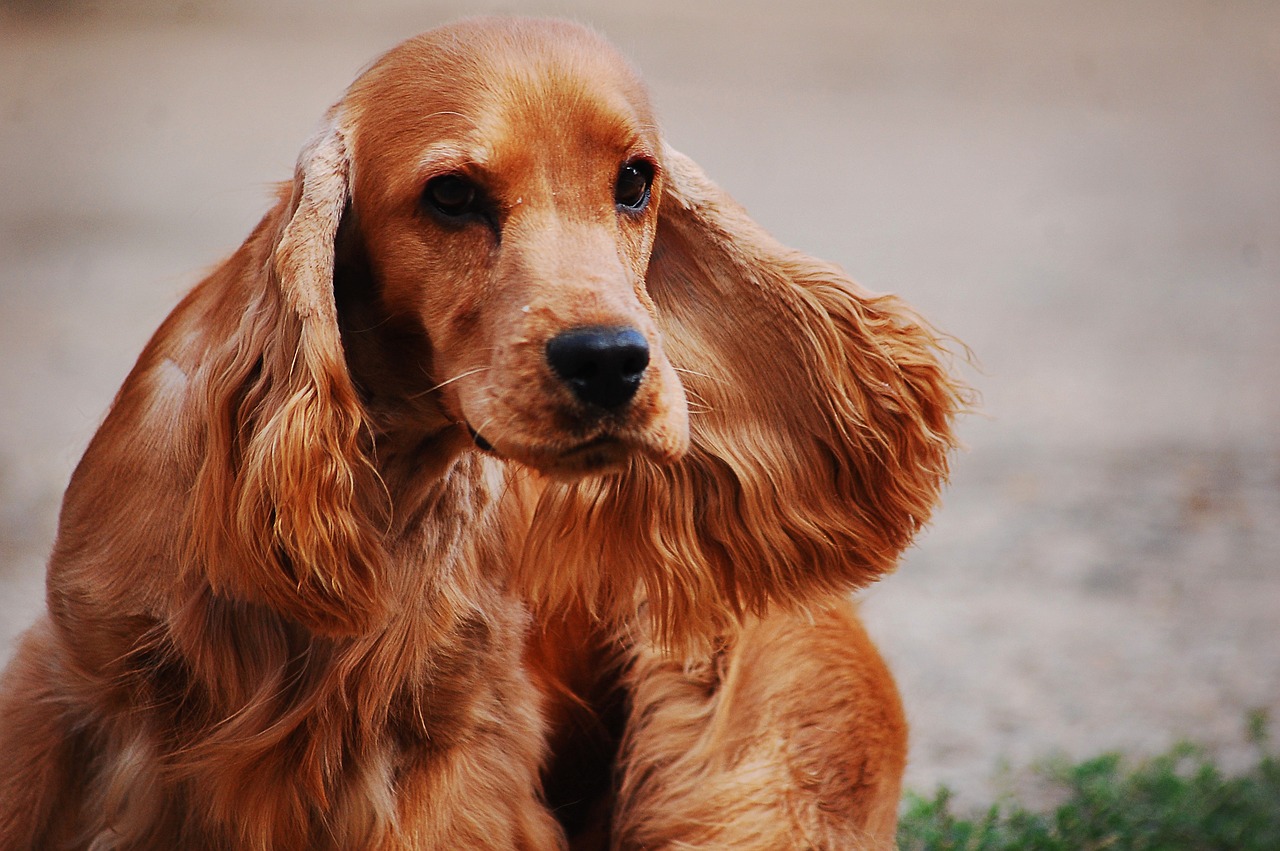
Cocker Spaniels tend to be loyal and loving. Their overall temperament makes them prone to separation anxiety. Because they are naturally such a friendly, rewarding dog in response to people’s attention, cocker spaniels seem to feel aggrieved when they don’t get enough of it.
These silky-coated beauties were designed to please their human companions. When deprived of attention, they can become vocal protesters who express their displeasure through excessive barking and destructive chewing.
#17 Bichon Frise
The Bichon Frise is known to have separation anxiety. They are companions and lapdogs who do not like to be away from their families. Bichon Frise are the type of dog that will follow you around all day.
Bichon Frise are prone to stress and depression if kept away from their family for long periods of time, and many will vocally protest their owner’s departure. Their fluffy appearance belies their emotional intensity and need for constant companionship.
#16 Australian Shepherd
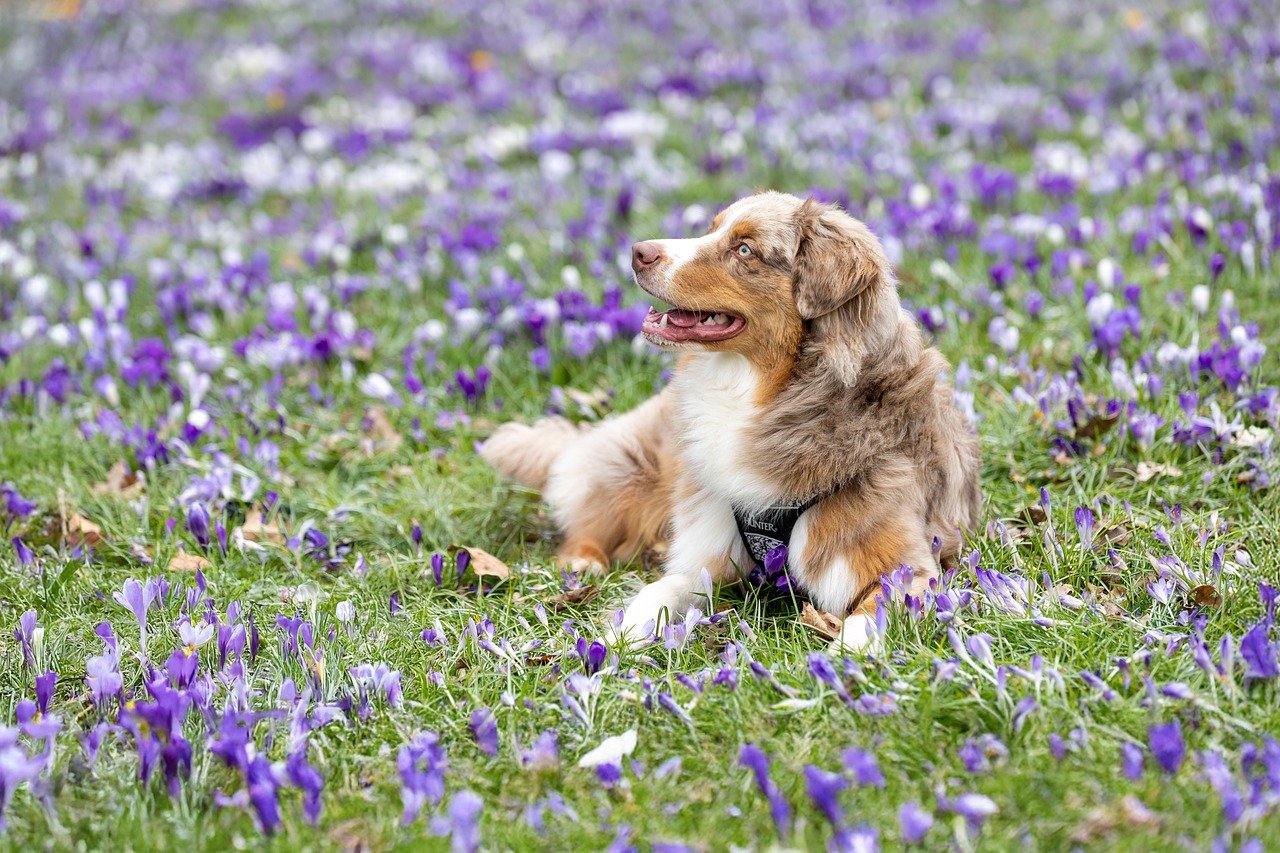
Herding breeds tend to have a propensity toward separation anxiety, and the Australian Shepherd is no exception. This type of breed is a working and sport dog. They tend to exhibit high energy, and they are very intelligent.
Australian Shepherd Dog is very active breed that was developed in the United States to work with livestock. If they’re not busy, they’re bored – which leads to problematic habits when left alone doing nothing. These athletic companions need jobs to do, and creating chaos becomes their occupation when left unstimulated.
#15 Jack Russell Terrier
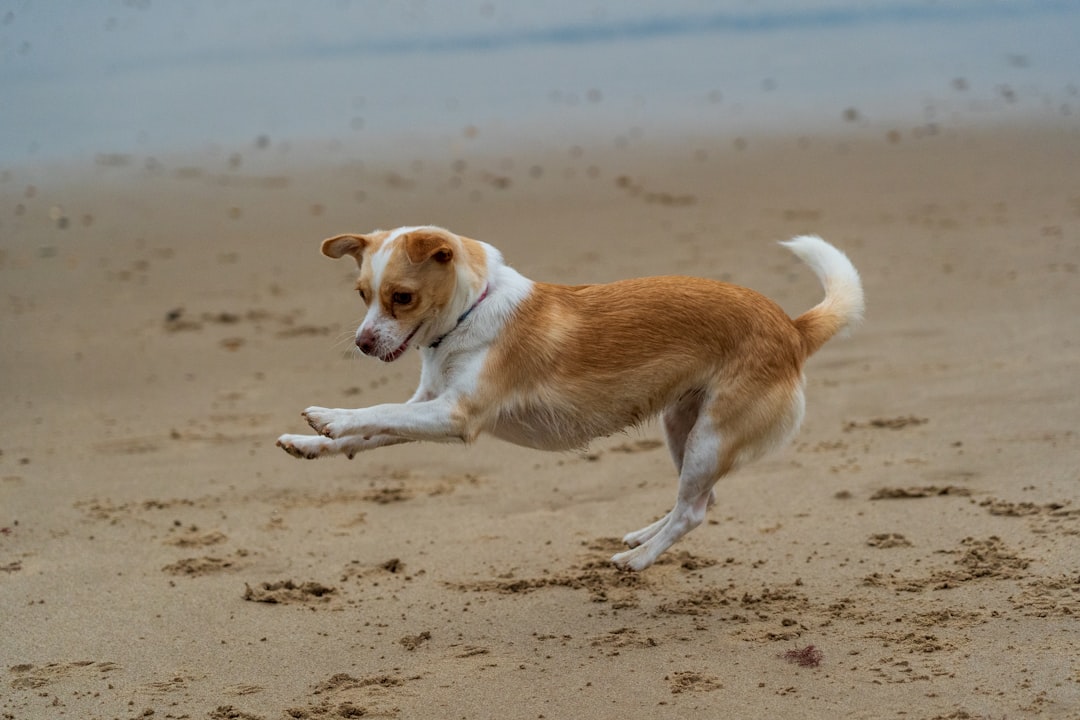
These bundles of energy quickly become bored and need lots of entertainment as well as lots of physical activity. They can quickly go awry if there isn’t a human around to help them out and to keep them engaged. They can also do a surprising amount of damage for a small dog.
Don’t let their compact size fool you into thinking they’re less destructive. These feisty terriers pack massive personalities into tiny bodies and can turn your home upside down faster than you’d imagine possible.
#14 Vizsla
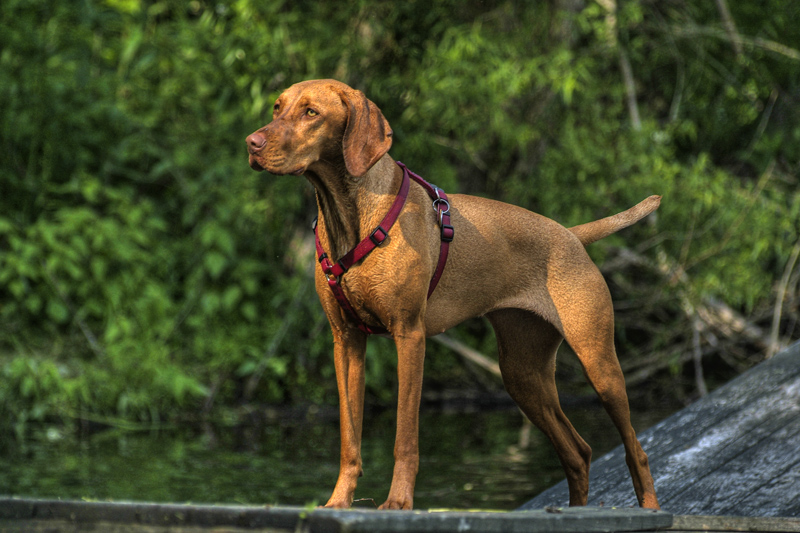
Perhaps a lesser known breed than others on this list, the Vizsla is another hunting dog breed from Hungary that many owners feel passionately about. Vizslas tend to be a high anxiety dog breed because they hate being away from their owners and appreciate a busy, full house.
The Vizsla is a Hungarian hunting dog also known for being an excellent family pet. They are very affectionate and loving dogs that enjoy being around people. However, they can also be prone to separation anxiety if they do not have enough human interaction during the day. These velcro dogs earn their nickname through their desperate need to stay glued to their humans.
#13 German Shorthaired Pointer
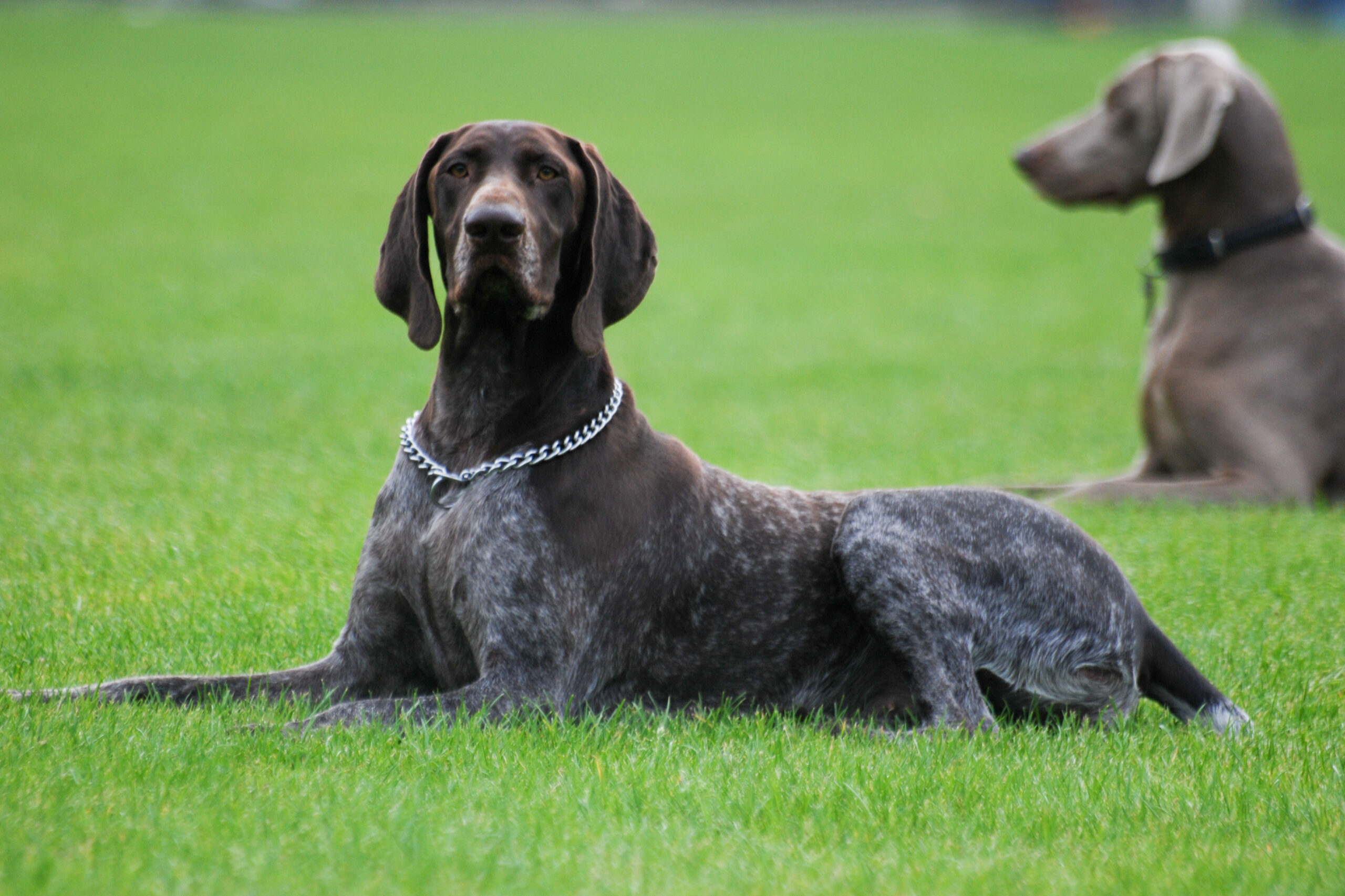
This is another dog that has been created to hunt with humans. Because they are bred to be around people and to stay active, they can quickly become bored and anxious about getting their paws dirty.
German Shorthaired Pointers are another popular dog breed that struggles with separation stress and general boredom when left alone. Like Jack Russell Terriers, these dogs were bred to hunt with their masters. Even if they aren’t actively hunting with their human family, they still crave that level of action and close companionship with their owners.
#12 Toy Poodle
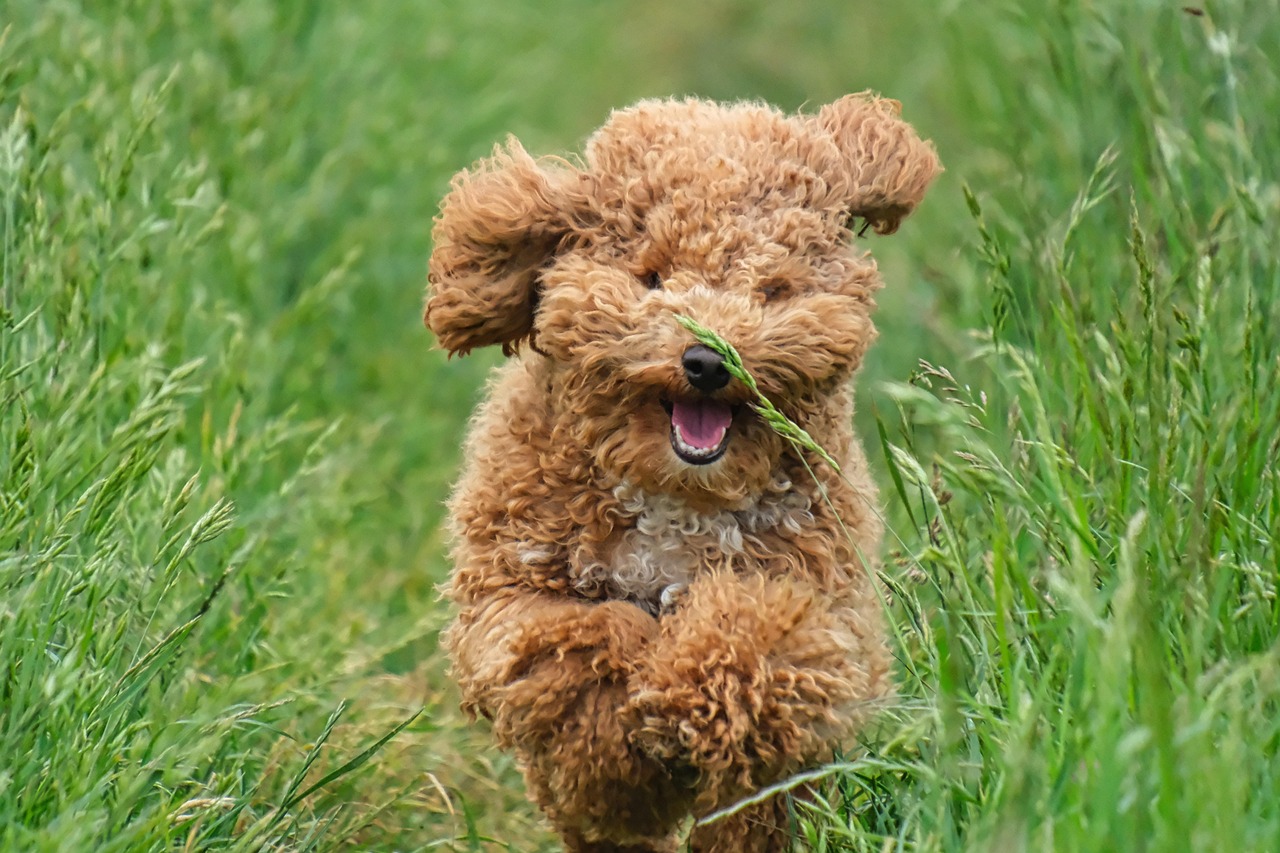
Poodles are known to be an affectionate dog breed. This type of poodle has been bred as a companion dog, and, therefore, requires an abundance of human interaction. Toy poodles tend to be one of the more clingy dog breeds.
The Toy Poodle is the smallest of the Poodles and probably the softest in temperament. Bred solely as companion dogs, they do not fare well when left along for long periods as they desire regular human interaction. Their intelligence makes them acutely aware of your absence and prone to anxiety-driven behaviors.
#11 Havanese
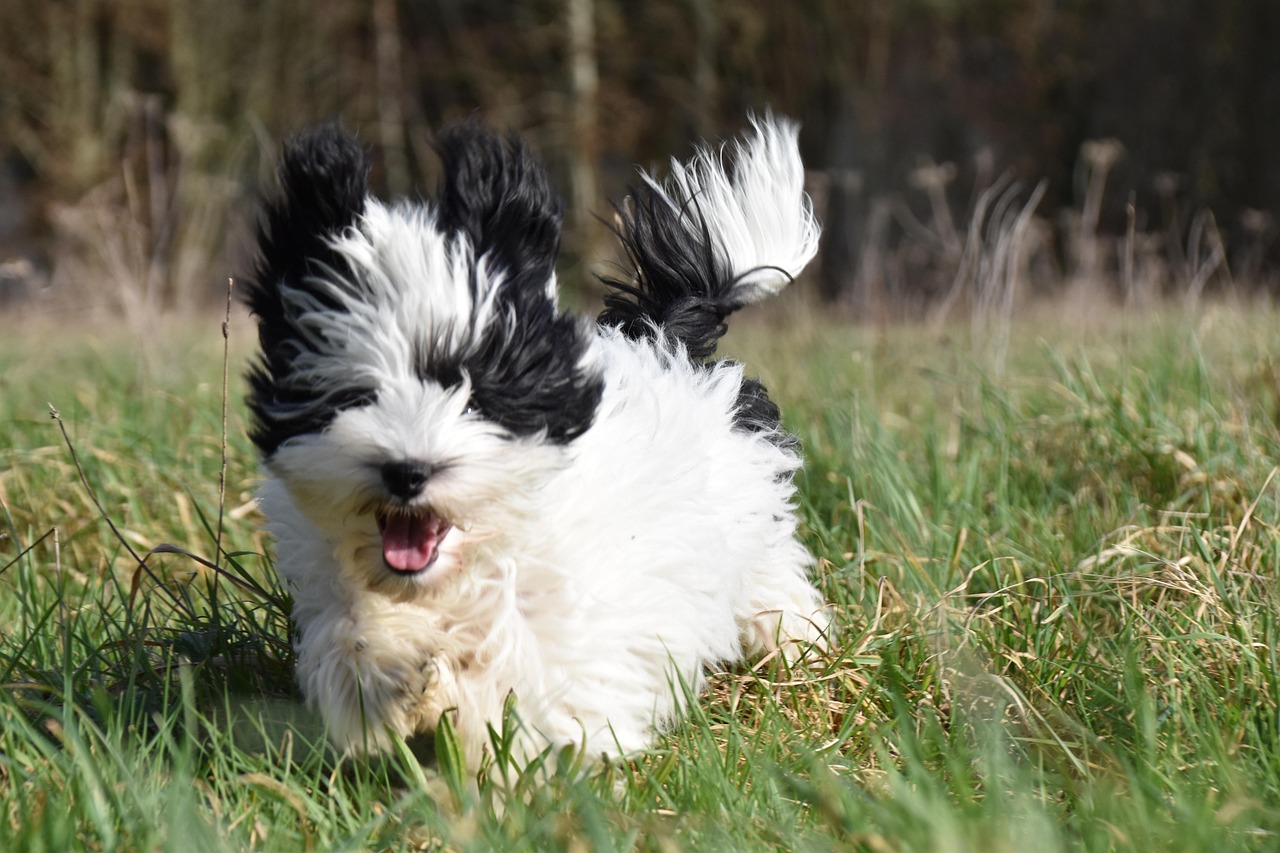
Because they are so people-oriented, Havanese can struggle with being left alone and are prone to separation anxiety. They are happiest when they have constant companionship and can become distressed if left alone for extended periods.
Havanese loves to be close to their human family. These Cuban charmers were literally bred to be lap dogs, making solitude feel like punishment rather than peaceful downtime.
#10 Maltese
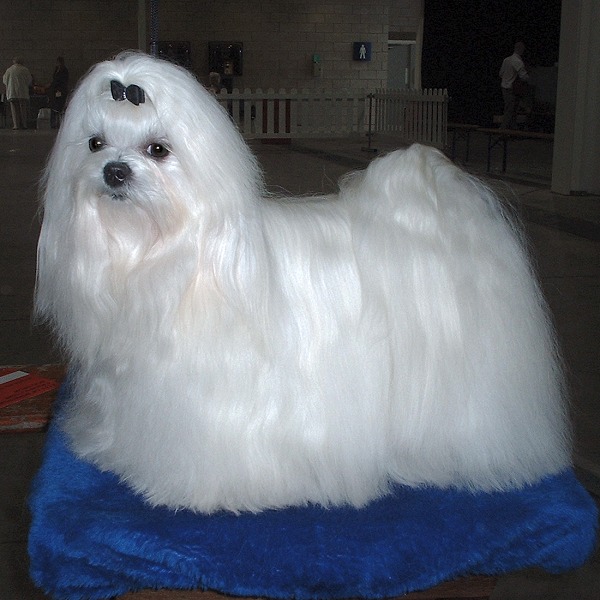
Maltese dogs are renowned for their affectionate and loyal nature. This breed tends to form strong bonds with their owners, which can make the Maltese more susceptible to separation anxiety when left alone.
The Maltese is a small, fluffy breed that loves to be the center of attention. They are known for their affectionate nature and strong attachment to their families. This attachment can lead to separation anxiety when they are left alone for extended periods. These white-coated royals expect to rule your world and struggle when their throne room becomes empty.
#9 Yorkshire Terrier
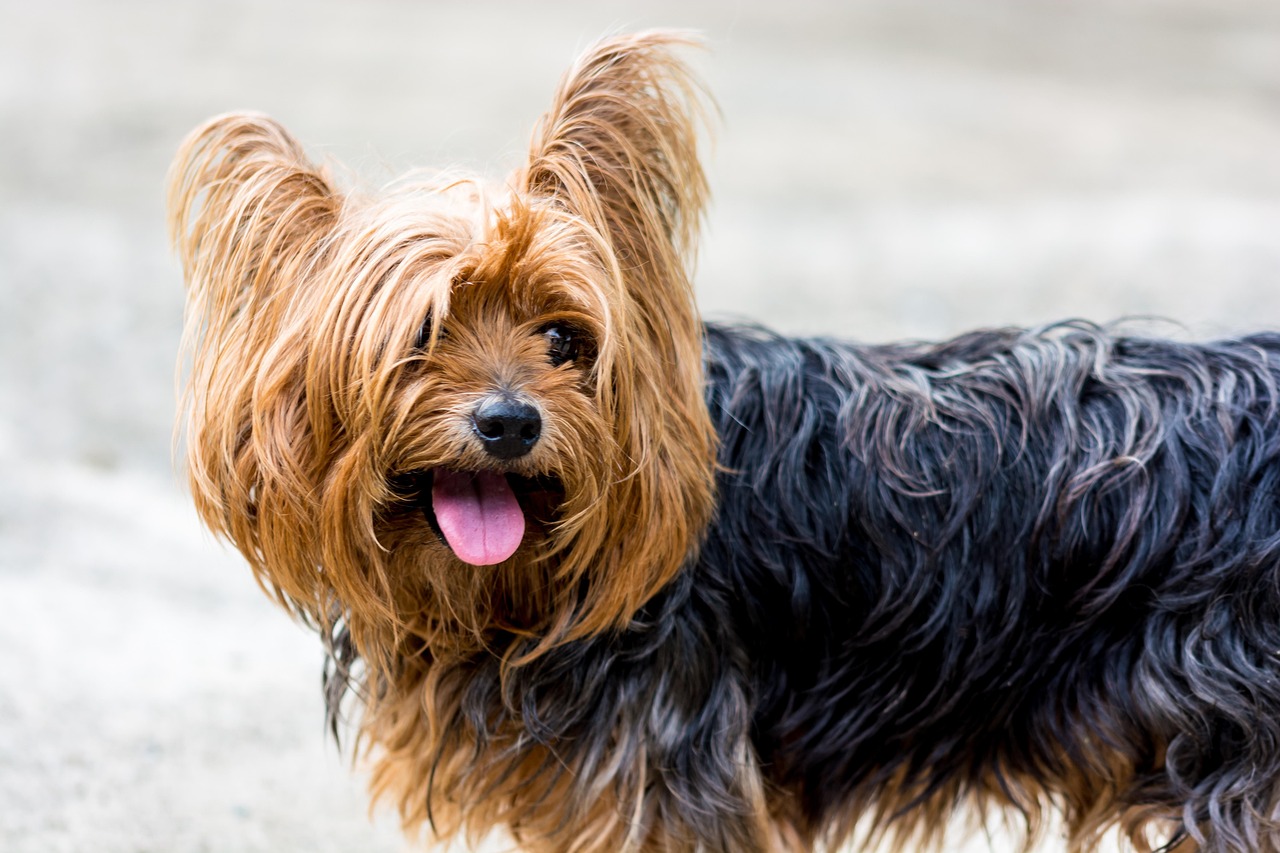
These adorable terriers are known for forming strong attachments with their owners, which means that any separation can cause stress and anxiety. Yorkshire Terriers may look cute, but they’re also fragile, protective and complex characters who require careful management to give them confidence.
Their tiny stature hides enormous personalities and equally large emotional needs. These pocket-sized protectors take their job of guarding you seriously, making your departure feel like abandoning their post.
#8 Beagle
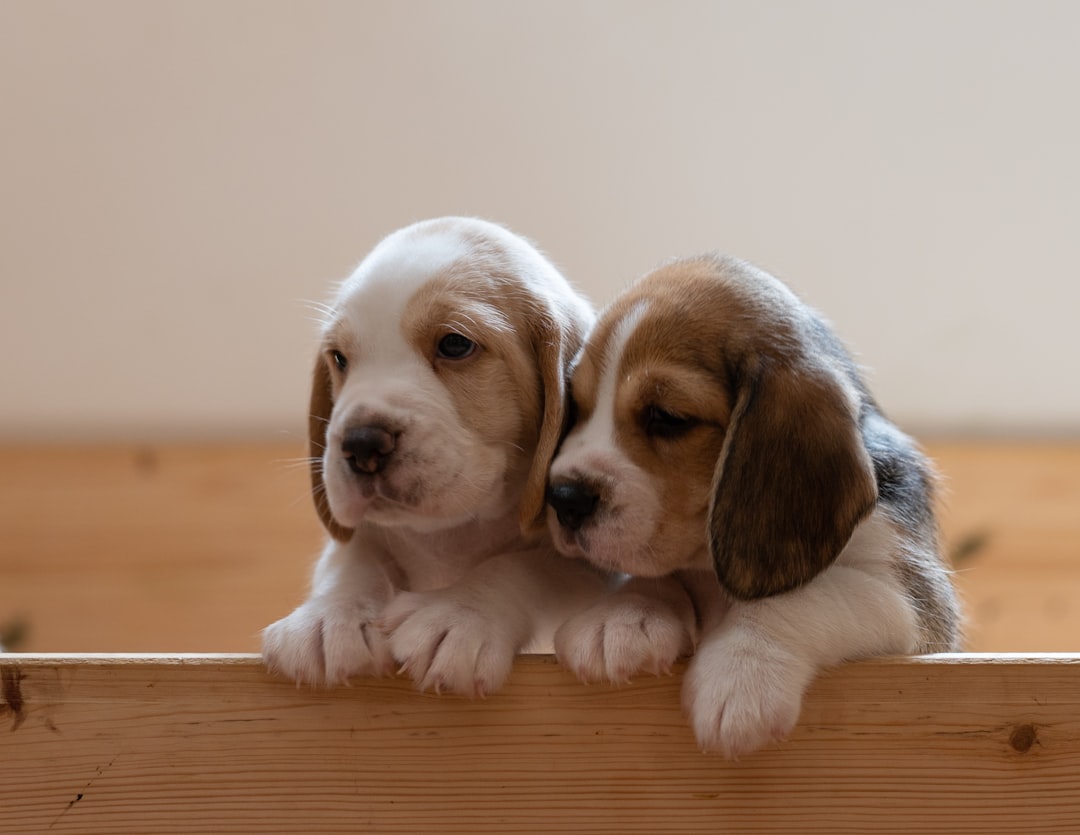
A hunting dog that makes a brilliant family pet. However, due to being bred as a pack dog who is superbly loyal to his human friends, the beagle doesn’t always cope well with long periods of isolation and can feel stressed and respond with anxiety.
Beagles are friendly, sociable dogs with a strong pack instinct, which means they prefer to be with their human family members or other dogs. Beagles are prone to separation anxiety because they need companionship and dislike being left alone. Their howling heritage means your neighbors will definitely know when you’ve left them alone.
#7 Italian Greyhound
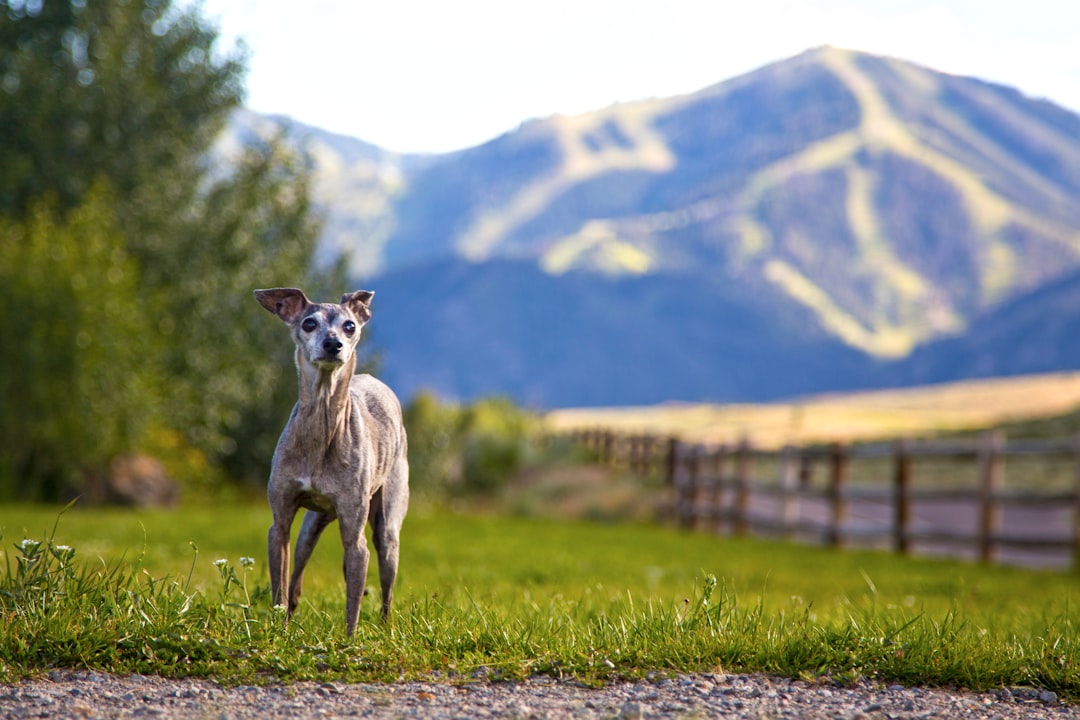
Italian Greyhounds are the smallest sighthounds and they make excellent family companions, especially for those that aren’t as active. Because they bond so closely with their owners, they are prone to suffering separation anxiety should they be left alone for long periods.
Italian Greyhounds are small, elegant dogs known for their affectionate and sensitive nature. They form strong bonds with their owners and can become extremely anxious when left alone. Italian Greyhounds are highly social dogs that thrive on companionship and are particularly prone to separation anxiety due to their sensitive temperament. These delicate souls need gentle handling and constant reassurance.
#6 Weimaraner
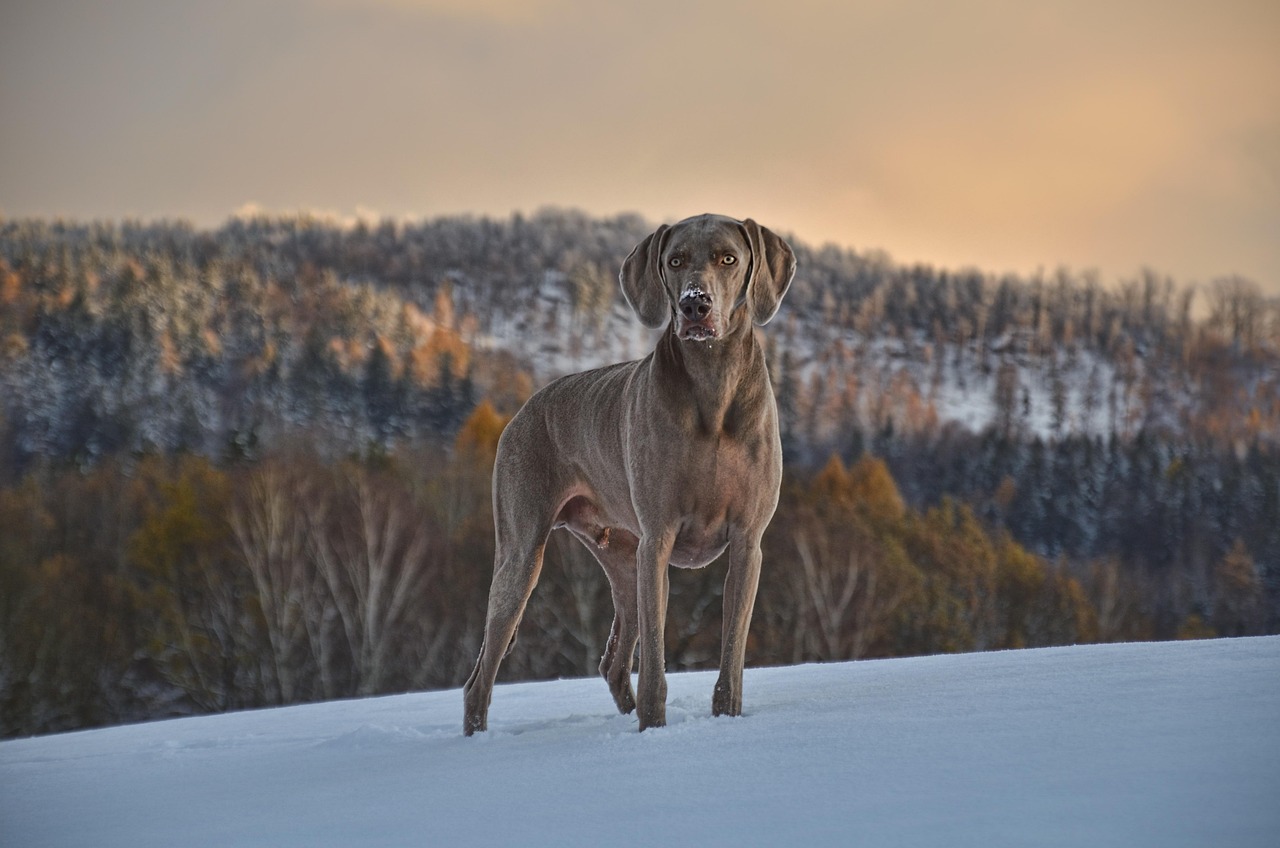
Weimaraners are athletic, intelligent dogs that thrive on human companionship. Originally bred as hunting dogs, they have a high energy level and a strong desire to be with their people. This breed can develop separation anxiety if left alone for too long, as they become bored and frustrated without adequate interaction.
These silver ghosts earned their nickname for their shadowy devotion to their owners. Without proper exercise and mental stimulation, their athletic abilities can turn destructive in spectacular ways.
#5 Pomeranian
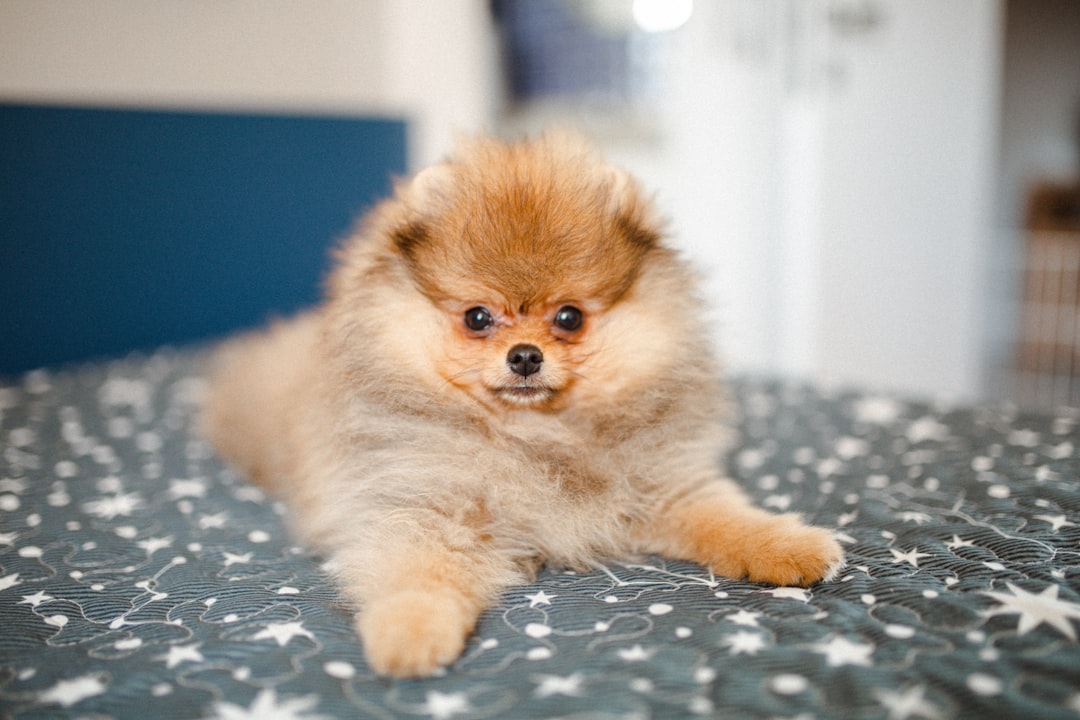
Pomeranians were bred to be companion dogs, which makes them more likely to suffer from separation anxiety than some other breeds, as they relish human company. Despite their fluffy teddy bear appearance, these tiny titans pack enormous personalities.
Their compact size makes them perfect lap warmers, but it also means they expect to be included in every aspect of your life. When excluded from the action, they can become surprisingly vocal and destructive.
#4 Dachshund

Dachshunds are not a particularly anxious breed, but they tend to resort to their big-dog bark when they are anxious about being left alone. This is particularly the case in those who have become over-attached to their owners or had a lack of socialization.
These sausage dogs might look comical, but their separation anxiety is no laughing matter. Their distinctive howl can carry for blocks, making them effective but unwelcome neighborhood alarm systems when left alone.
#3 Boxer
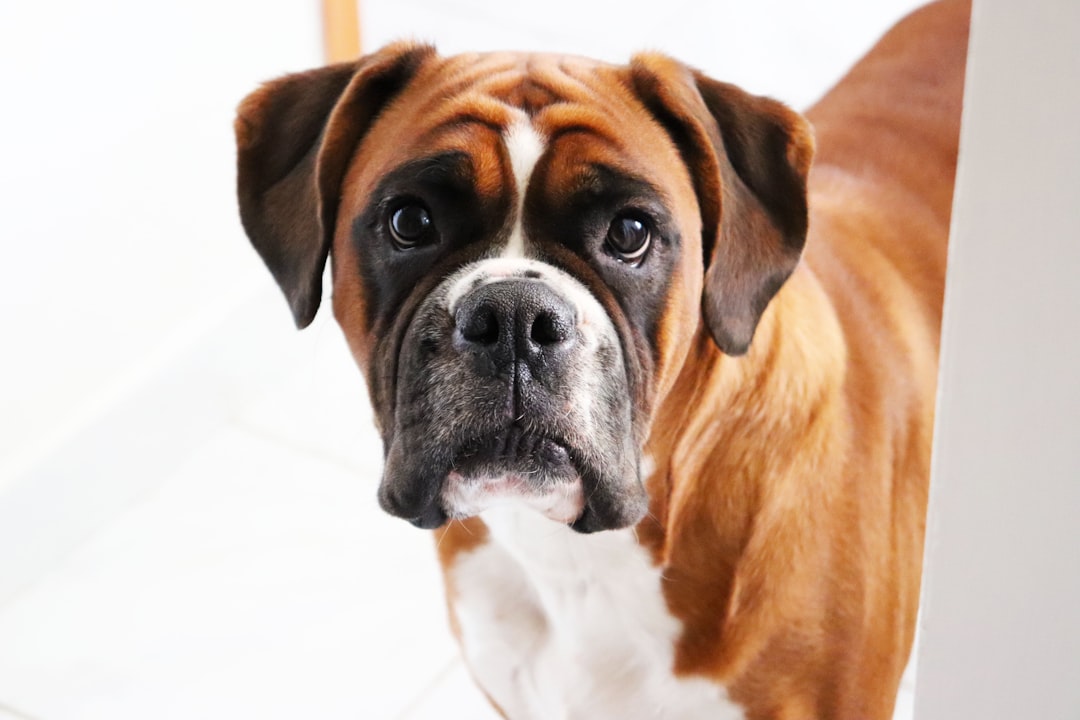
Boxers thrive on human company, so if they are alone or get bored, they can develop problematic habits such as chewing furniture and nuisance barking. This is a breed that is prone to claustrophobia, so make sure you give your boxer plenty of space so that the don’t feel confined. While on the flip side, not having so much room that he paces around the whole house looking for his humans.
These muscular comedians use their impressive jaws for more than just silly grins when anxiety strikes. Their separation distress can manifest as seriously destructive chewing that requires expensive repairs.
#2 Whippet
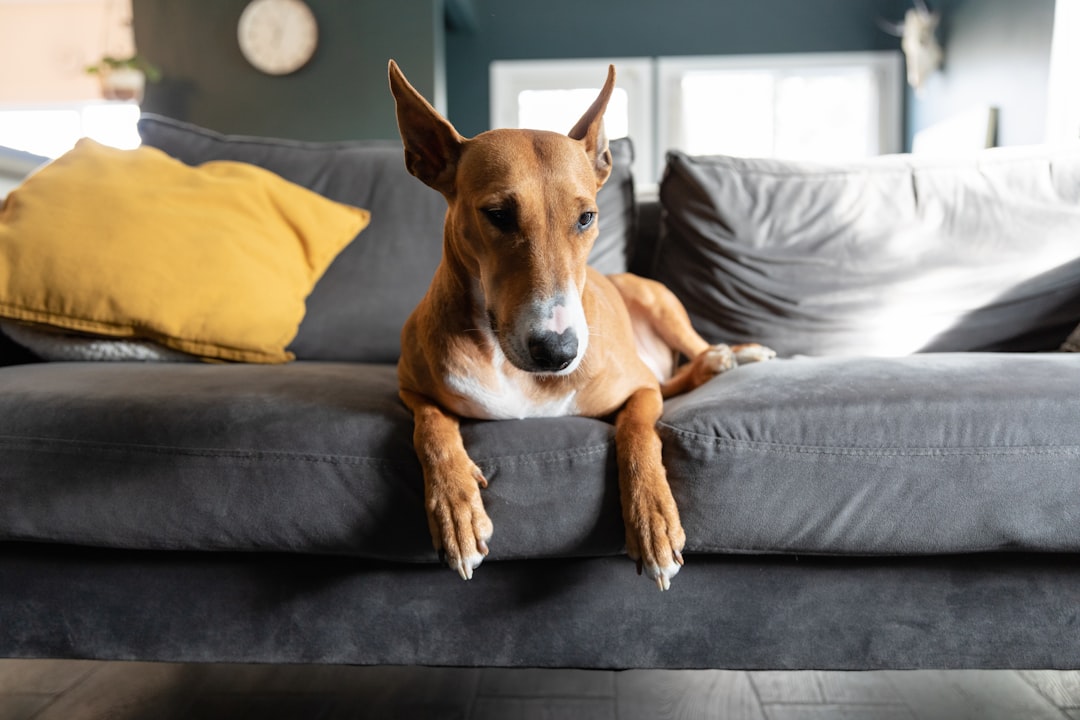
Whippets dislike being left by themselves – or anywhere without their owner, with whom they naturally form a strong attachment. These gentle speedsters might be built for racing, but they’re homebodies at heart.
Don’t be fooled by their athletic build – whippets are actually couch potatoes who prefer snuggling to sprinting. However, when their favorite human disappears, their anxiety can manifest in surprising ways for such typically calm dogs.
#1 Great Pyrenees
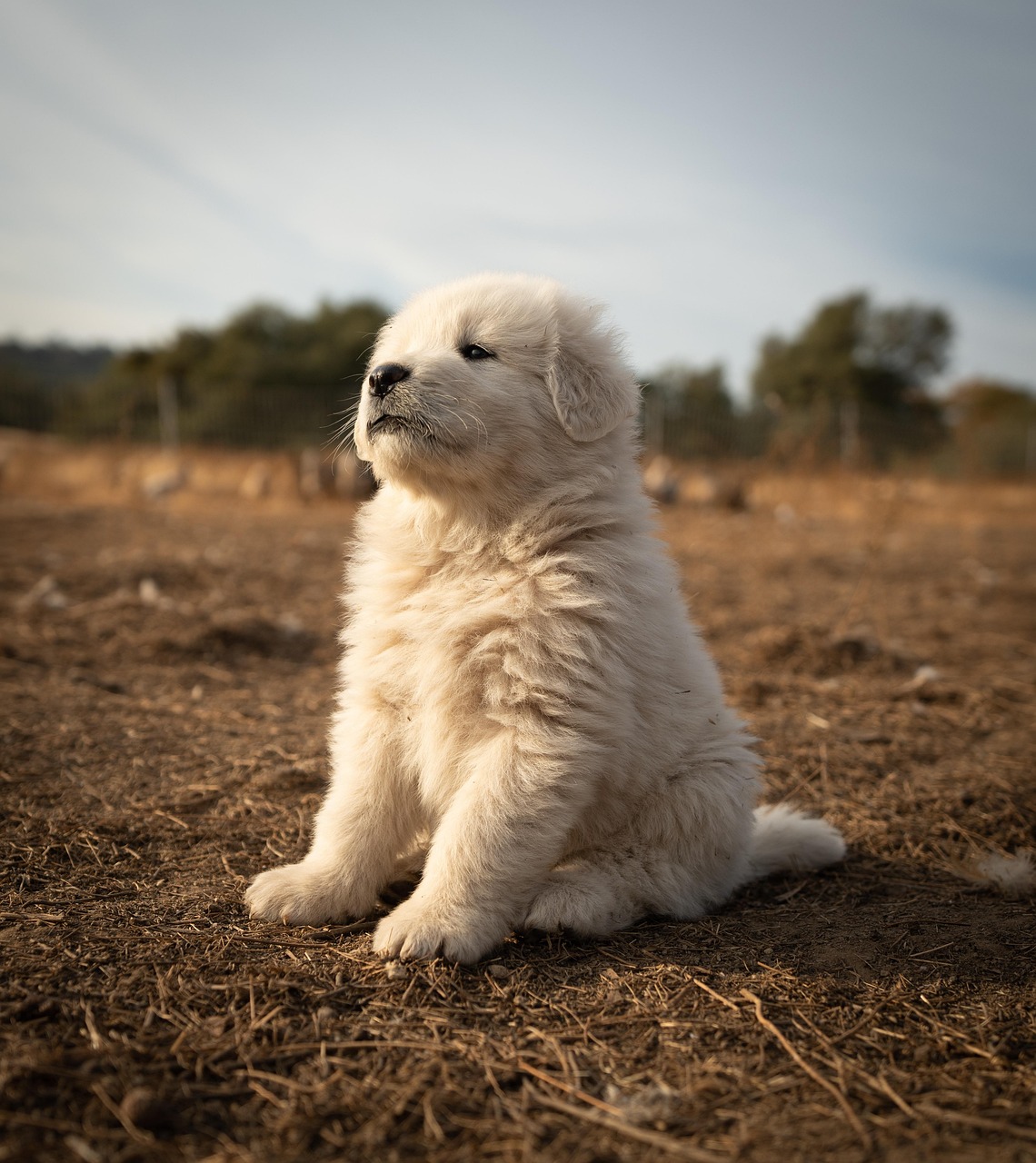
The Great Pyrenees is a large, majestic breed known for its calm and gentle demeanor. However, despite their independent nature when guarding livestock, Great Pyrenees dogs can develop separation anxiety when left alone for extended periods in a home environment. These dogs are incredibly loyal and bond deeply with their families, preferring to stay close to their humans.
These mountain giants were bred to guard flocks independently, but home life transforms them into gentle giants who crave family connection. Their size makes their anxiety-driven behaviors particularly challenging to manage, turning furniture into chew toys and doors into scratching posts.
Conclusion
Understanding your dog’s breed tendencies helps you prepare for potential separation anxiety challenges before they become overwhelming problems. While genetics play a role, proper training, gradual conditioning, and environmental enrichment can help even the most anxious breeds learn to cope with alone time. Remember that every dog is an individual – some Border Collies handle solitude better than certain Basset Hounds typically known for independence.
The key lies in recognizing early warning signs and addressing them with patience, consistency, and sometimes professional help. Your anxious companion isn’t being spiteful or vindictive; they’re genuinely distressed and need your understanding to overcome their fears.
What surprised you most about this list – did your breed make the cut, or were you shocked to discover your “independent” dog’s breed struggles more than you realized?
