

You probably think you know exactly who lives in your yard. The dog. The kids. Maybe that one squirrel who’s been at war with your bird feeder for three summers straight. Ecologists have a very different answer, and it’s the kind that makes people go quiet: a typical suburban yard can host well over 100 species of animals, and most families never notice more than five or six of them.
The real action isn’t happening where you’re looking. It’s happening after dark, underground, in gutters, under the deck, and in the “boring” corners you walk past without a second glance. These 24 neighbours hunt, mate, migrate, and raise their young a few feet from your back door – and once you know what to look for, you’ll never see your own yard the same way again.
#24 – The Owl Watching Your Porch Light
🔥 Would you like to save this?
We'll email this post to you, so you can come back to it later!
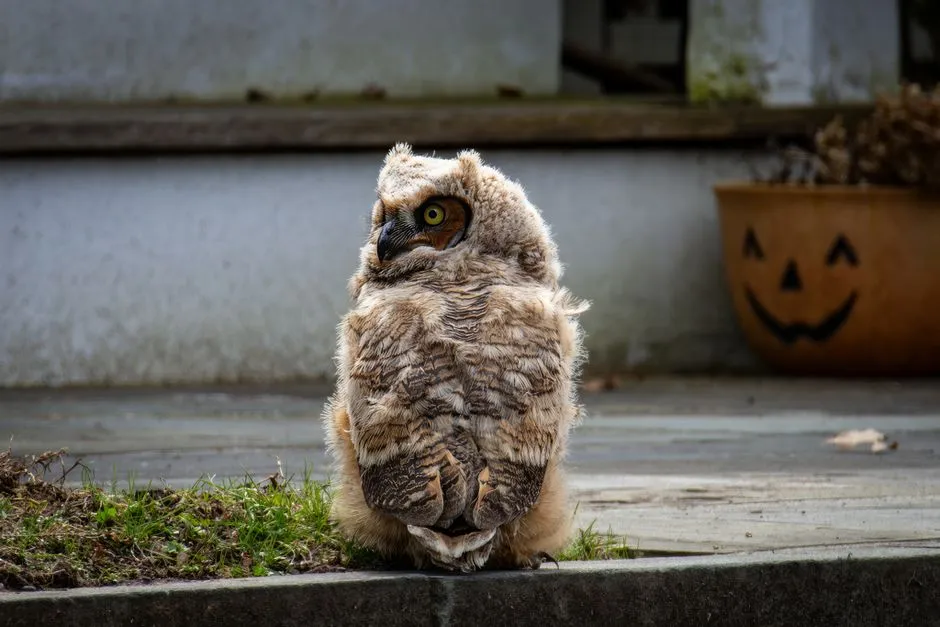
There’s a decent chance a silent hunter is watching your yard from above right now, while you’re scrolling your phone on the couch. Most people picture owls as strictly deep-forest creatures, but urban and suburban owl populations have quietly grown in many regions.
Barred owls, great horned owls, and even tiny screech-owls have learned to work neighborhood trees, power lines, and schoolyards as hunting perches. Your porch light does the recruiting for them without you ever knowing: it draws moths and beetles, which draw mice and small birds, which draw the owl.
- Look for chalk-white splatters on fences and decks.
- Check for oval “pellets” of fur and bones beneath big branches.
If your kids have never spotted an owl, don’t assume you don’t have one. Assume you just haven’t looked up at the right ten seconds.
#23 – The Coyotes Using Your Fence Line as a Highway
🔥 Would you like to save this?
We'll email this post to you, so you can come back to it later!
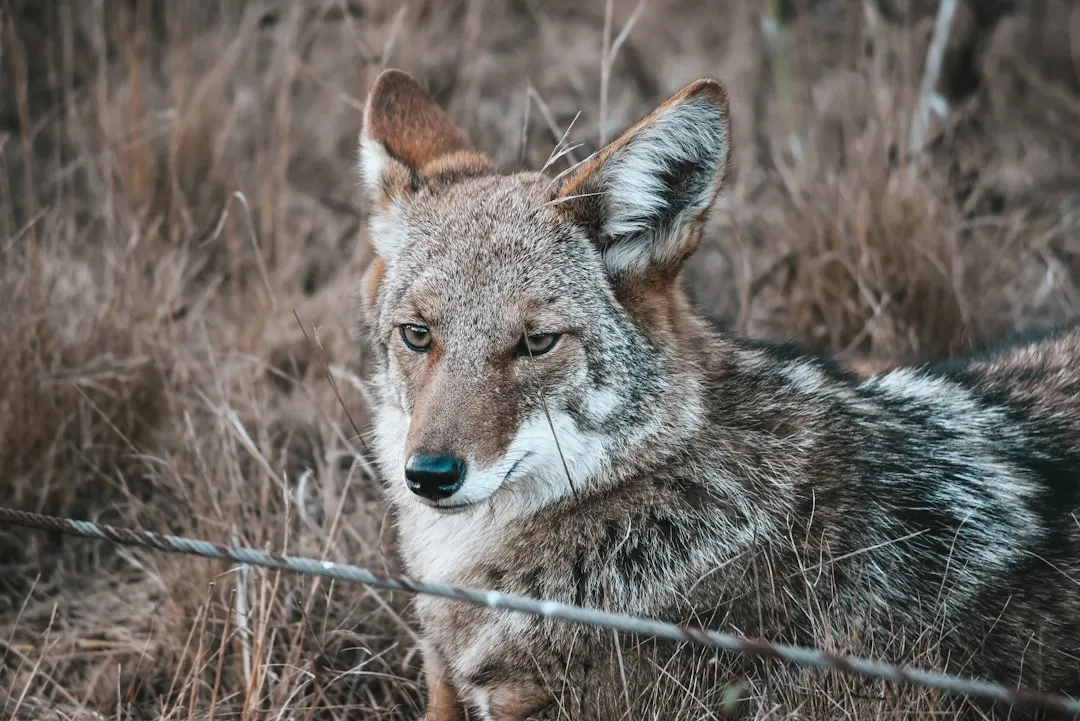
While your family sleeps, a top predator may be trotting calmly past the trampoline. Coyotes have become the ultimate suburban opportunists, and GPS-collar studies keep confirming it.
They routinely move through backyards, golf courses, and even downtown cores, slipping past cameras, cars, and people who never clock what just walked by. They travel fence lines, drainage ditches, and road edges specifically to avoid confrontation, sometimes covering several miles in a single night.
- They’re drawn to pet food left outside, overflowing trash, and rodents.
- Many “mysteriously vanished” outdoor cats are actually coyote meals.
Fast Facts
- Coyotes now live in all 49 continental U.S. states, and Hawaii is the only holdout, separated by 2,400 miles of open ocean.
- Widespread logging, fragmented woodlands, and the extermination of wolves removed the coyote’s main competitor, opening the door to their spread.
- A single coyote’s territory can overlap dozens of backyards across one neighborhood.
- They’re busiest between dusk and dawn, exactly when most families are indoors.
Some wildlife biologists argue coyotes are now a necessary brake on exploding rodent and rabbit populations, while plenty of homeowners just want them gone. Either way, in North America today, you’re far more likely to be living with coyotes than without them.
#22 – Bats Doing Mosquito Control Above the Kids’ Swing Set
🔥 Would you like to save this?
We'll email this post to you, so you can come back to it later!
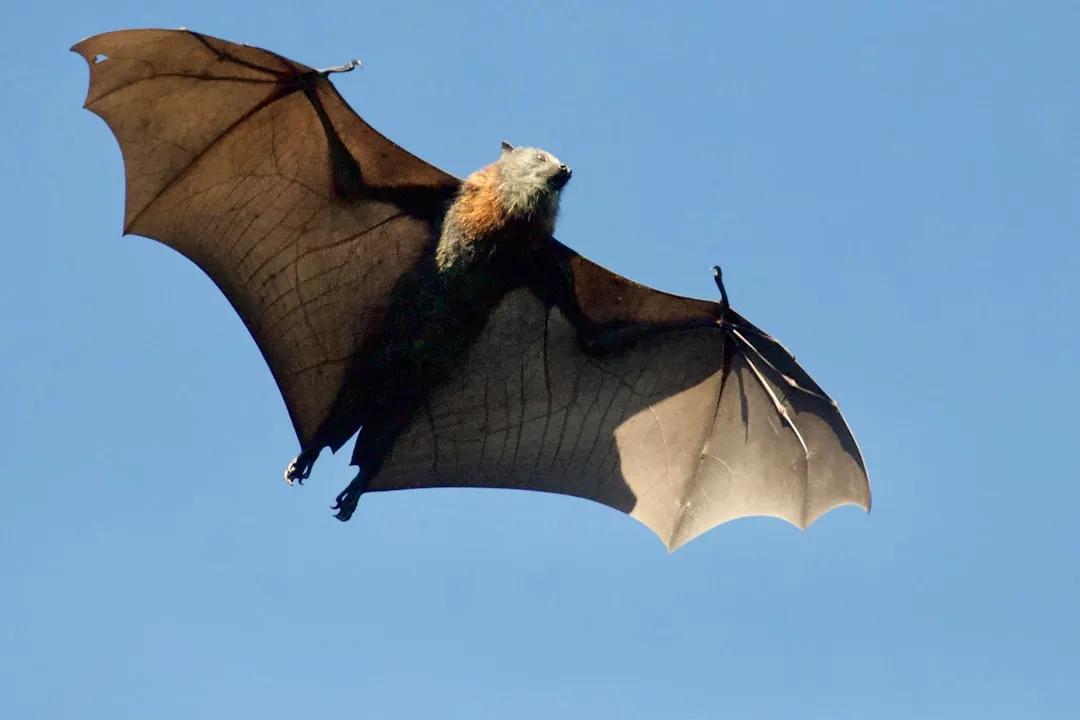
While you’re complaining about mosquitoes, your most effective pest control team is already clocked in overhead. Bats are wildly misunderstood – most people imagine them stuck in caves, not patrolling cul-de-sacs.
Acoustic surveys show that even small suburban yards can attract multiple bat species in a single night, especially near trees, ponds, or streetlights. They work the air 20 to 40 feet up, snatching moths and mosquitoes you never even see disappear, and a single bat can eat hundreds of insects an hour during peak feeding.
- They often roost in attic gaps, loose siding, or old trees.
- Guano on window sills or under rooflines is usually the first clue.
People panic over fictional “bat bites,” but the real loss happens when bat populations crash and mosquito numbers explode. Plenty of families share a roofline with bats for years and only find out during a repair job.
#21 – Snakes Sunbathing Where Your Kids Left Their Toys
🔥 Would you like to save this?
We'll email this post to you, so you can come back to it later!
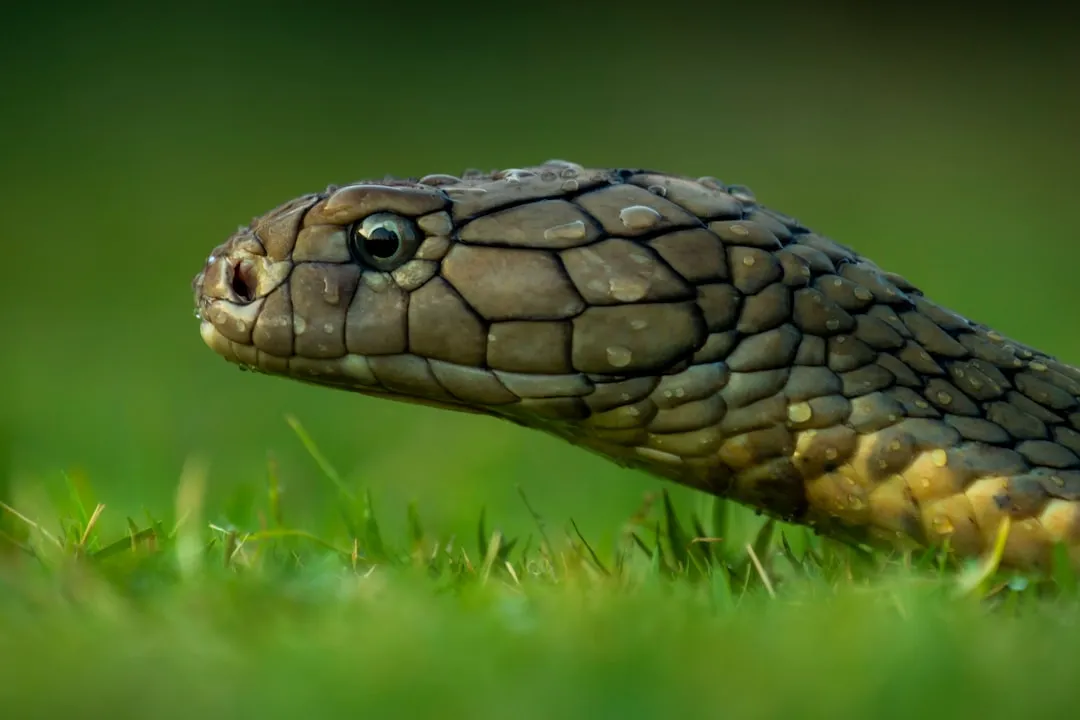
You don’t need to live “in the country” to share a yard with snakes. Herpetologists keep finding that snakes love the exact same micro-spots kids do: warm patio edges, rock borders, woodpiles, and the sunlit gaps between shrubs and fences.
Most suburban snakes are harmless – garter snakes, rat snakes, ring-necked snakes – but they move through grass so quietly that entire families can spend years stepping right past them. They’re usually just hunting slugs, mice, and frogs, minding their own business.
- They often shelter under discarded boards, plastic toys, and old flowerpots.
- Seeing a shed skin is more common than seeing the snake itself.
Some parents go after any snake with a shovel, which experts say is both unnecessary and genuinely more dangerous than the snake ever was. The real risk isn’t the animal in the grass – it’s the panic.
#20 – Foxes Treating Your Yard Like a Shortcut
🔥 Would you like to save this?
We'll email this post to you, so you can come back to it later!
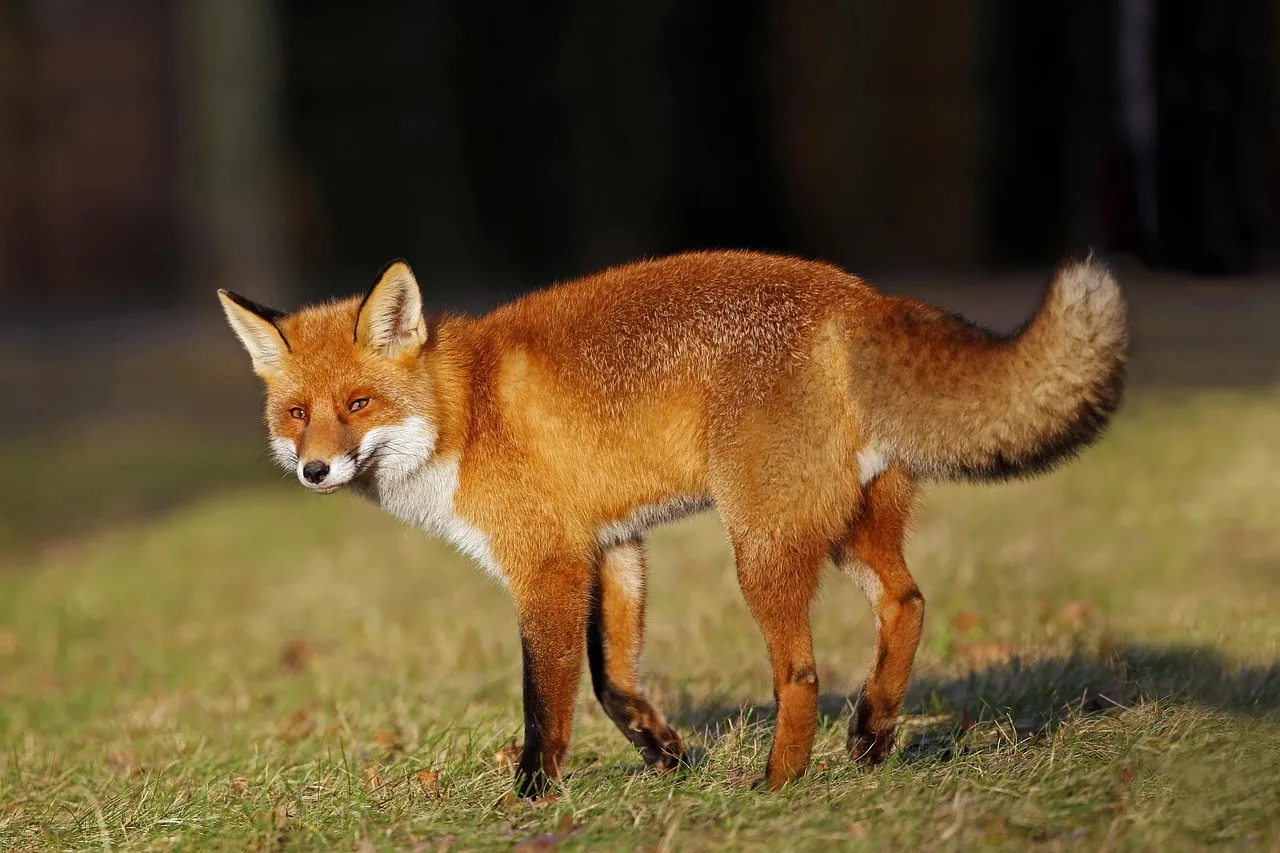
That blur on your security camera at 3:12 a.m.? Good chance it’s a fox. Red and gray foxes have quietly adapted to life around people, denning under sheds, old decks, and abandoned woodpiles.
Camera-trap researchers in cities from London to Los Angeles have documented foxes using the exact same routes night after night, often within a few feet of doors and windows – yet families almost never see them in person. They slip between yards like polite but nosy neighbors, drawn in by compost, fallen fruit, and unsecured trash.
- Kits (baby foxes) will sometimes play with left-out toys or shoes.
- Foxes reuse the same paths for months, sometimes years.
Here’s the part people hate hearing: your yard is just one “room” on a much bigger fox commute. Blocking them out entirely would mean changing the whole neighborhood, not just your fence.
#19 – Raccoons Cracking “Puzzles” You Didn’t Know You Set
🔥 Would you like to save this?
We'll email this post to you, so you can come back to it later!
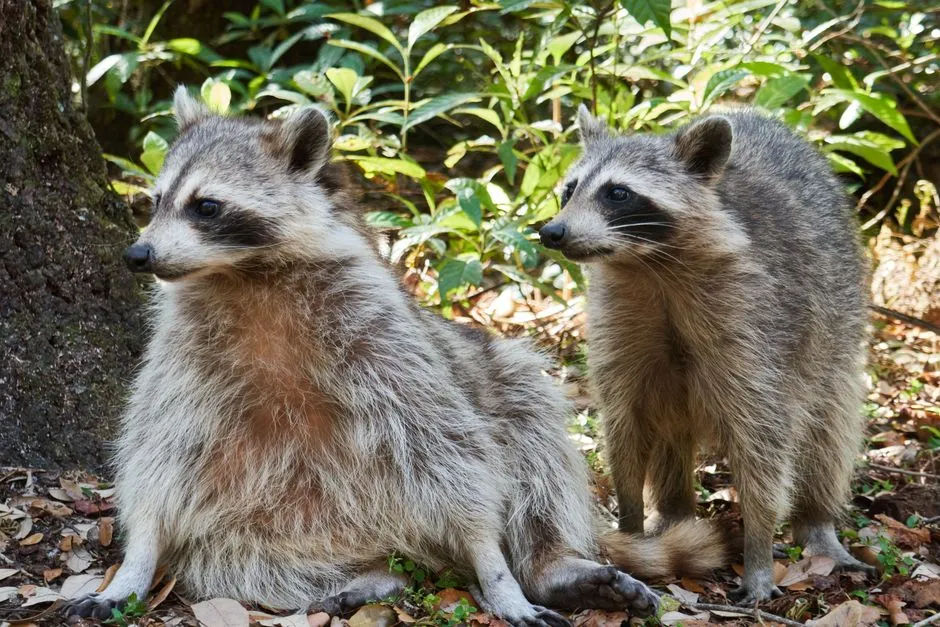
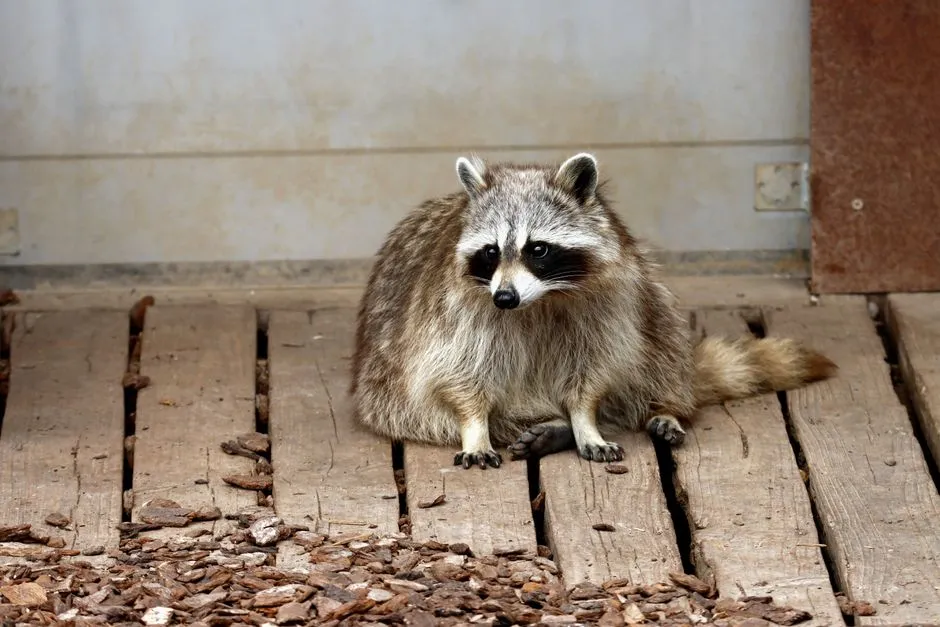
Think your trash can lid is secure? The raccoons in your neighborhood consider it a brain teaser. Suburban studies keep proving we underestimate them.
In one experiment, raccoons remembered how to open a complex lock after three full years without seeing it again. In your yard, they test every latch, loose board, and pet door while your family sleeps a few meters away, climbing fences and sliding down drainpipes like tiny, masked burglars.
- Thermal cameras reveal raccoons often work in loose groups, watching and learning from each other.
- They wash food in birdbaths and dog bowls, leaving muddy clues behind.
People love complaining about “nuisance raccoons,” but the truth is blunt: we’ve built them an all-you-can-eat buffet out of our own garbage habits. Fix that, and most of the raccoon drama disappears with it.
#18 – Skunks Nesting Under the Nicely Landscaped Deck
🔥 Would you like to save this?
We'll email this post to you, so you can come back to it later!
Everyone fears the spray. Almost nobody notices the actual animal. Skunks are ridiculously common in suburban and even urban areas, yet many families go a full decade without ever seeing one clearly.
They’re slow, low to the ground, and most active while people are indoors, which makes the cozy darkness under porches, sheds, and decks their favorite real estate. Wildlife control companies quietly report that “mystery digging” near HVAC units and steps is usually skunk activity, not dogs or raccoons.
- They’re major grub hunters, tearing up lawns in messy but short-lived bursts.
- A faint skunk smell at night can signal a resident family living under your feet.
Here’s the unpopular truth: skunks are one of the most efficient natural pest controllers in North American yards, eating beetles, wasps, and small rodents. If you smell them more than you see them, they’re already your neighbors.
#17 – Opossums Quietly Eating What Everyone Else Leaves Behind
🔥 Would you like to save this?
We'll email this post to you, so you can come back to it later!
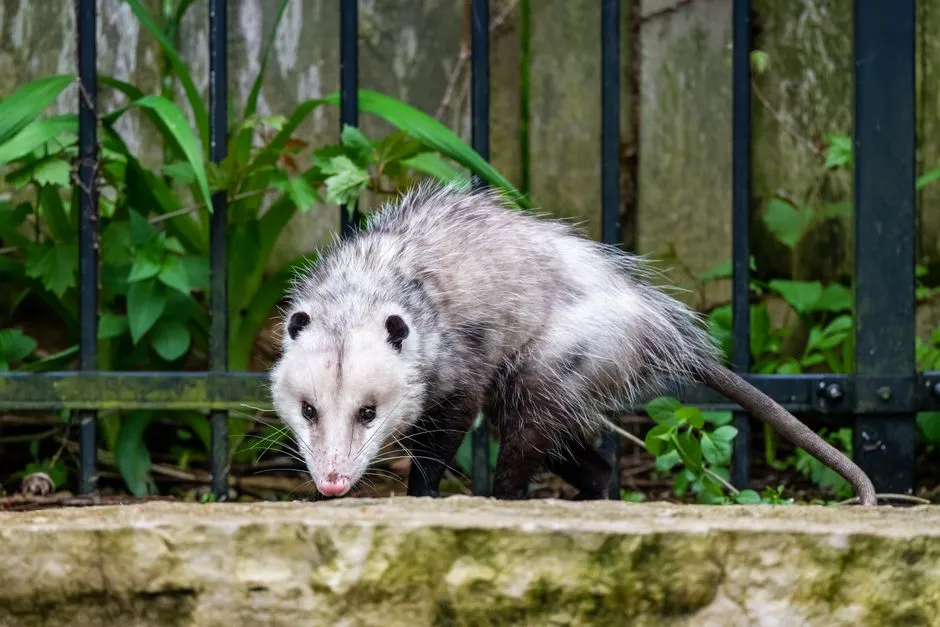
Most people think opossums are “gross” intruders. The data says they’re more like the night janitors. They wander through yards on slow, awkward patrols, vacuuming up leftover dog food, fallen fruit, ticks, snails, and even carrion.
Research has suggested a single opossum can kill thousands of ticks in a season just by grooming itself after foraging. Yet homeowners usually only notice them when headlights freeze one mid-waddle, which is exactly how the exaggerated horror stories start.
- They rarely dig or damage structures; they just pass through.
- Their “playing dead” act is an involuntary stress response, not a scam.
Here’s the part that annoys people: if you hate ticks and don’t want rats, opossums are arguably some of the best neighbors you could ask for – even if they’ll never make the HOA newsletter.
#16 – Mice and Voles Mapping Underground Highways Beneath Your Lawn
🔥 Would you like to save this?
We'll email this post to you, so you can come back to it later!
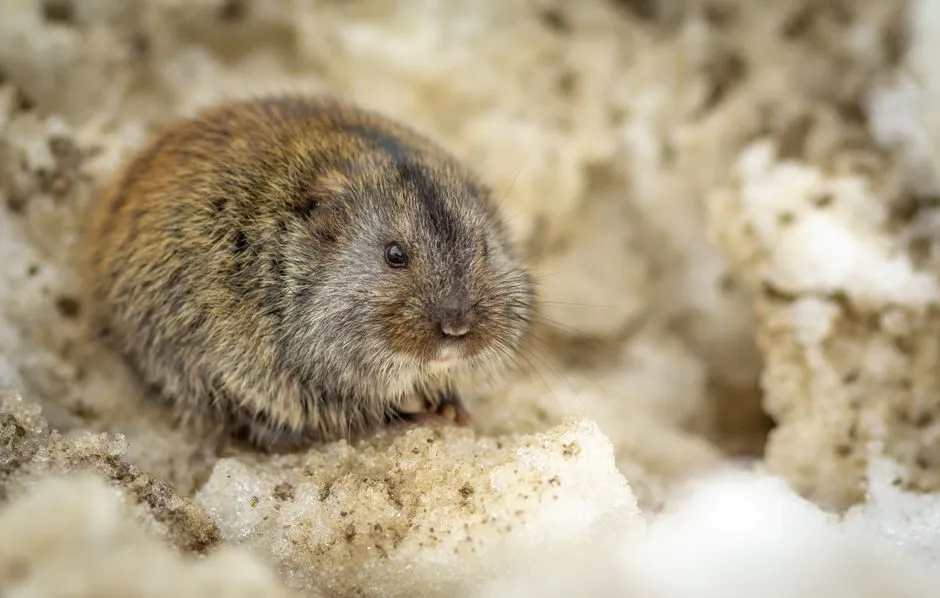
You think your yard is still. Beneath it, there’s a whole transit system. Voles, field mice, and deer mice build extensive tunnel networks just inches under the soil, especially in lawns, mulched beds, and around foundation edges.
Homeowners spot a few holes or subtle raised ridges, shrug, and move on – but those tiny openings can connect multiple yards and greenbelts into one shared underground neighborhood. These rodents stash seeds, raise litters, and reshape soil structure without ever popping into view.
- Owls, snakes, and foxes heavily depend on these hidden populations.
- Chewed plant stems at ground level are often rodent signatures, not insect damage.
Worth Knowing
- Vole and mouse tunnels sit just beneath the surface, often missed until a shovel or mower finds them.
- Their populations can swing sharply from season to season, quietly driving predator activity up or down.
- A handful of tunnel openings can connect several yards along the same block.
- These rodents are a primary food source for owls, snakes, foxes, and hawks.
Here’s the uncomfortable part: your bird feeder and compost pile aren’t just “supporting nature” – they’re often supercharging rodent numbers, which then ripple straight up the food chain. If you’ve got predators, you probably had prey first.
#15 – Songbirds You “Don’t Have” Because You Never Go Outside at Dawn
🔥 Would you like to save this?
We'll email this post to you, so you can come back to it later!
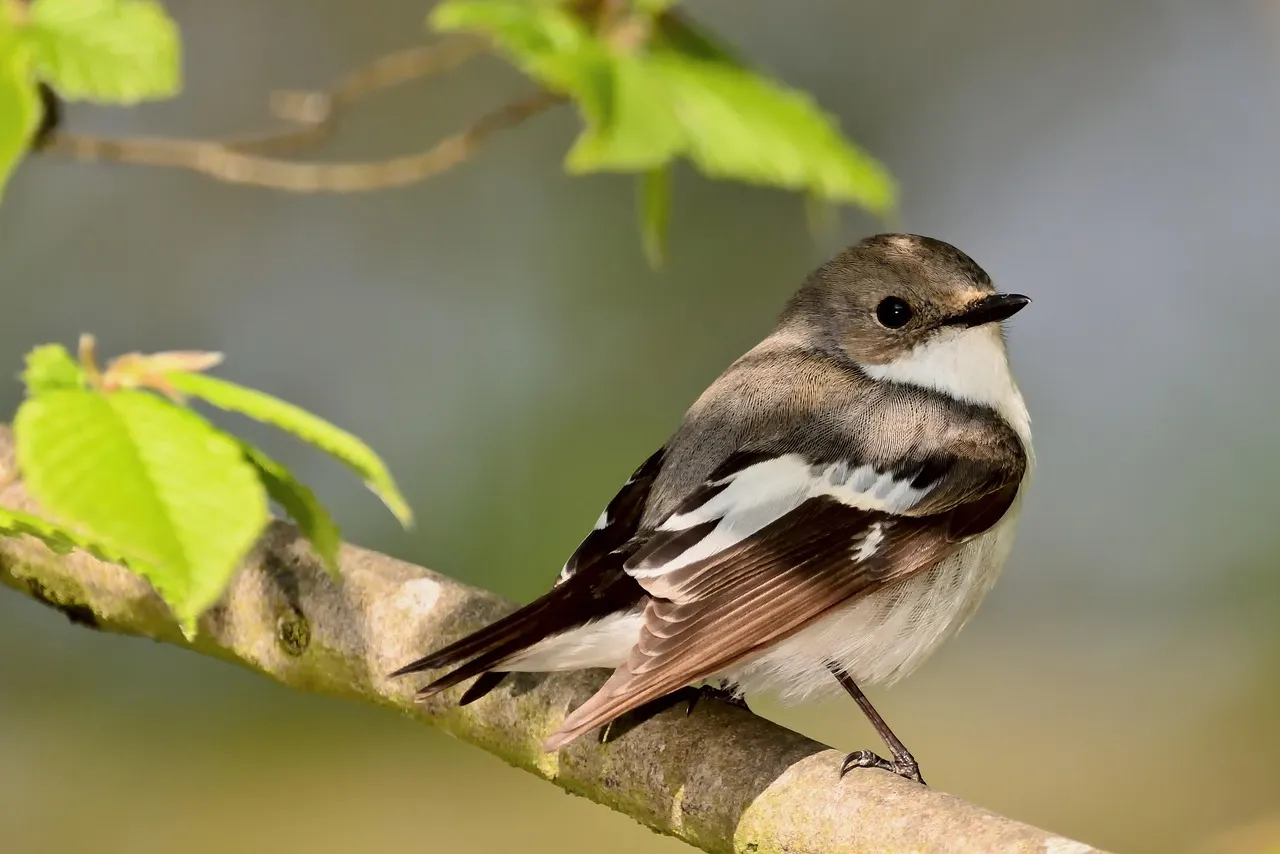
Many families insist, “We don’t really have birds here.” Their own alarm clocks say otherwise. Serious birders know the loudest, most diverse activity happens in a narrow window around sunrise, exactly when most people are still in bed.
Even the most ordinary-looking yard can host migrating warblers, orioles, and tanagers for a day or two each spring and fall. They perch on power lines, sip from leaky hoses, raid your insects, then vanish before anyone opens the blinds.
- Short-lived “bird explosions” happen after rain fronts and cold fronts.
- Motion-activated wildlife cameras often record dozens of species per week.
The mildly infuriating part: plenty of people invest in expensive landscaping and then never once step outside at dawn to see the wildlife it actually attracts, assuming nothing interesting could possibly happen in their zip code.
#14 – Insects Living Full, Complicated Lives Inside Your Patio Light
🔥 Would you like to save this?
We'll email this post to you, so you can come back to it later!
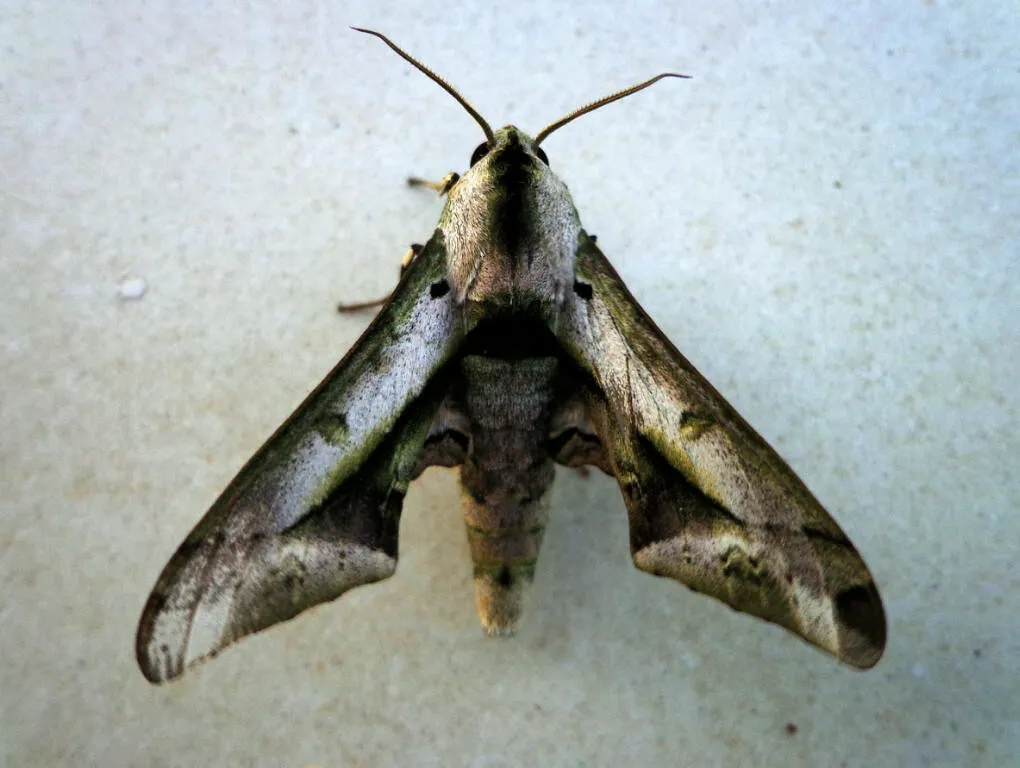
Most families only notice the bugs that annoy them. The rest might as well be invisible aliens. Every porch light, garage window, and forgotten flower pot is a tiny stage for insect dramas playing out nightly.
Moths with multi-mile migration routes, solitary wasps that paralyze spiders, and lacewing larvae hunting aphids are all perfectly happy using a single backyard as their entire world. Most of these species never make it into a field guide or a TikTok video; they’re just out there, doing their jobs in miniature, forever.
- Spiders and bats treat your light as a buffet sign.
- Some pollinators are strictly nocturnal, visiting flowers your family never sees open.
Here’s the punchline: entomologists regularly discover new species or new behaviors in completely ordinary suburbs, while residents keep insisting “we don’t have much nature here.” At this point, the ignorance is basically a choice.
#13 – Frogs and Toads Using Your Drainage Ditch as a Nightclub
🔥 Would you like to save this?
We'll email this post to you, so you can come back to it later!
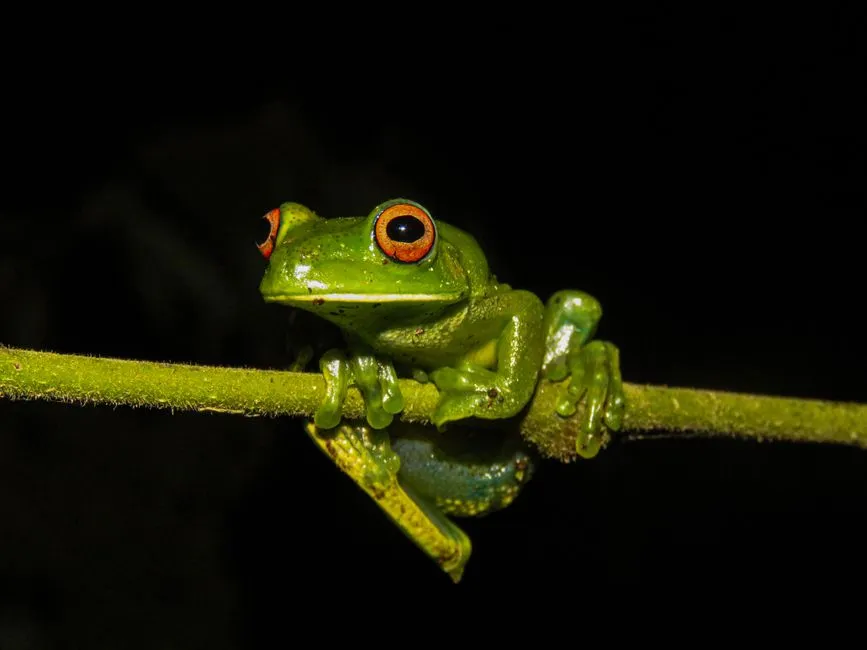
Think you need a pond to have frogs? Nature disagrees. Amphibians are opportunists – seasonal puddles, drainage swales, clogged gutters, and low spots near AC units can all become temporary wetlands after rain.
Researchers doing nighttime surveys often find that yards families describe as “dry and boring” are alive with calling toads and tiny tree frogs – you just have to listen after dark and after storms. During the day they wedge into cracks, leaf litter, and under patio furniture, waiting.
- Tadpoles can grow in water pooled on old tarps or wheelbarrows.
- Wet, shady sides of houses are prime daytime hideouts.
It’s slightly awkward: some of the loudest frog choruses in the suburbs happen a few meters from people who sleep with white-noise machines, then insist their neighborhood has “no wildlife at all.”
#12 – Ground Beetles and Centipedes Patrolling Like Tiny Night Security
🔥 Would you like to save this?
We'll email this post to you, so you can come back to it later!
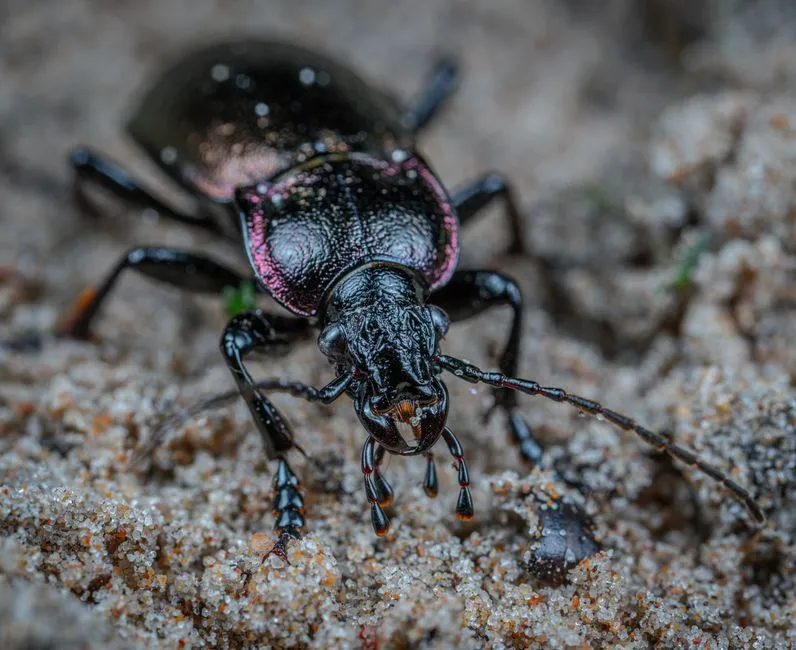
The scariest-looking creatures in your yard are often the ones doing you the biggest favors. Lift a landscape stone or a rotting piece of wood at night and you’ll meet glossy, fast-moving ground beetles and surprisingly large centipedes.
They look menacing, and yes, centipedes can pinch, but these predators are out there every single night eating slugs, larvae, and the other pests that wreck gardens and lawns. Almost no one ever sees them, because they avoid light and vanish into cracks at the slightest vibration.
- They prefer undisturbed corners: behind AC units, under steps, in woodpiles.
- Many species are long-lived, defending the same territory for years.
Ironically, the tidiest, most over-mulched, constantly disturbed yards often have fewer beneficial predators and more pest problems – because we’ve bulldozed the exact micro-habitats that house the night shift.
#11 – Squirrels Burying Food in Your Flower Beds… and Forgetting It
🔥 Would you like to save this?
We'll email this post to you, so you can come back to it later!
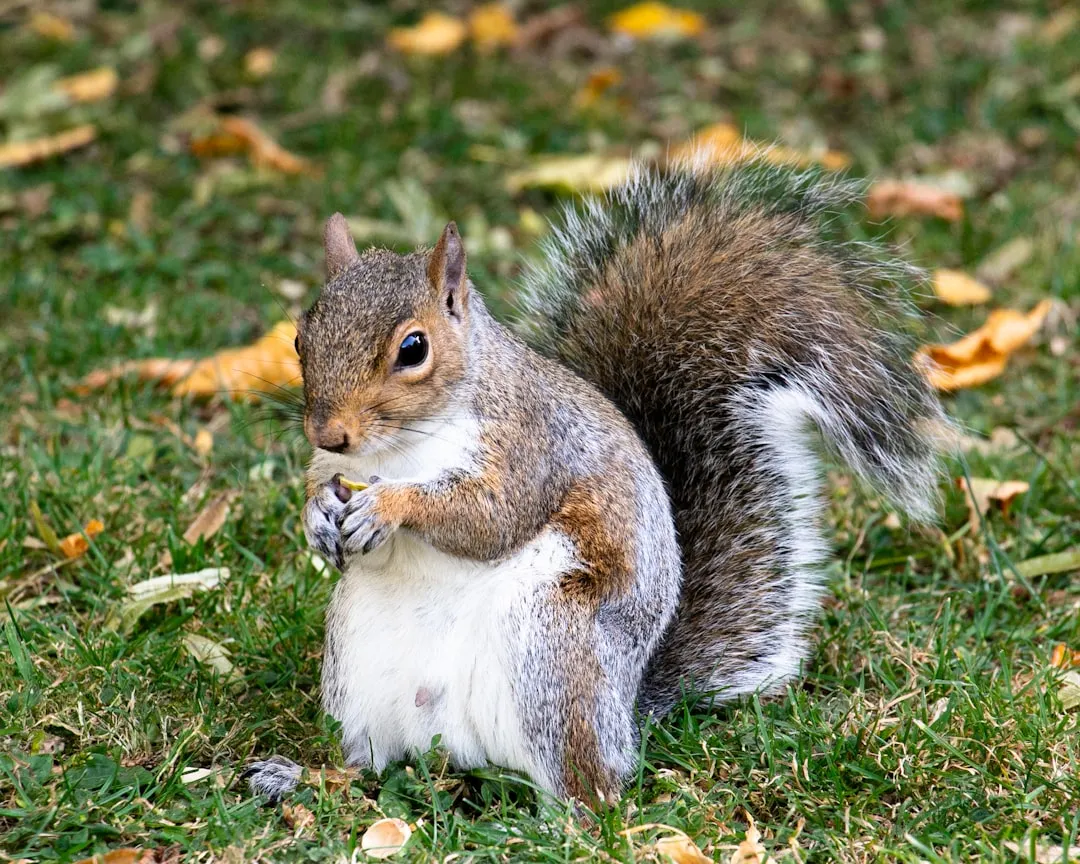
You notice the chewed pumpkins. You don’t see the long-term landscaping. Squirrels treat your yard as a pantry and a storage locker, burying seeds, acorns, and nuts in soft soil – often right where you carefully planted bulbs or expensive perennials.
Here’s the kicker: they fail to recover a significant portion of those caches, which silently sprout as volunteer trees and shrubs in the seasons that follow. Many “mystery saplings” showing up in fences and hedges are actually squirrel forgetfulness made visible, years later.
- They map yards in mental grids, returning to favored stash zones.
- Bird feeders supercharge squirrel numbers and caching activity.
People rant about squirrels as “thieves,” but ecologists are blunt about it: they’re also accidental gardeners, quietly shaping which plants dominate a neighborhood for decades. That maple your grandkids love may have started life as a buried snack.
#10 – Deer Passing Through Like Ghosts at 3 A.M.
🔥 Would you like to save this?
We'll email this post to you, so you can come back to it later!
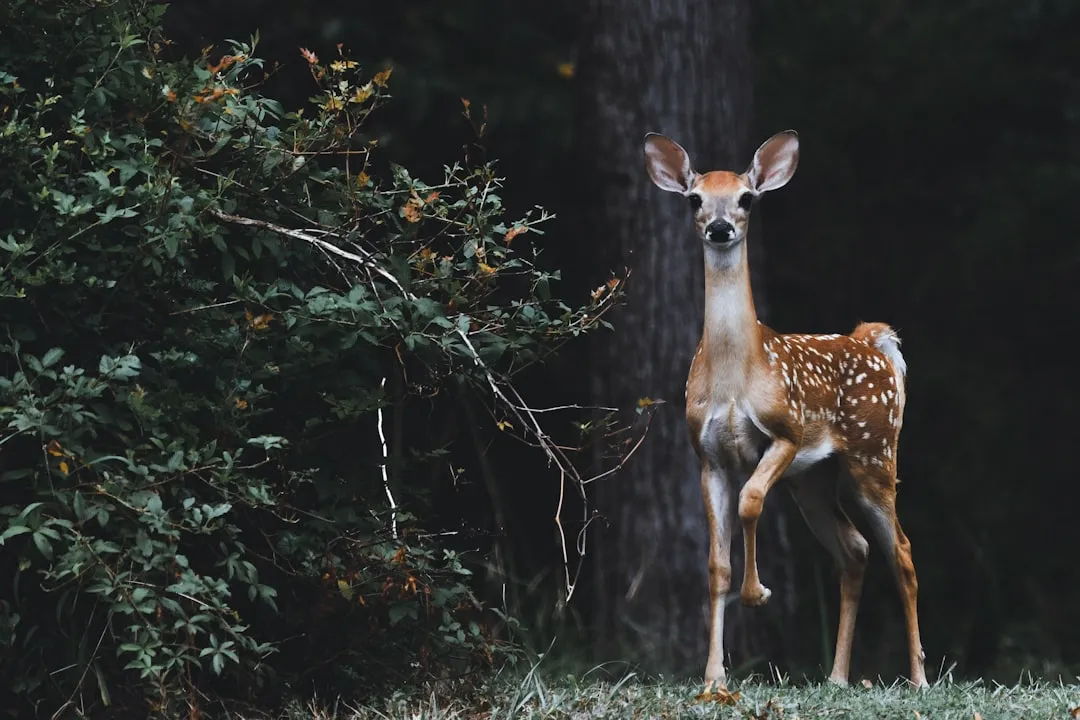
You might never see them, but your shrubs know they were there. In many regions, whitetail or mule deer weave quietly through subdivisions, industrial parks, and busy roads during the deepest, quietest hours of the night.
They hop fences, slip through hedges, and browse carefully tended landscaping as if it were native forest understory. Motion cameras regularly catch entire deer families moving through small backyards whose owners swear “we never get deer” – simply because it happens between midnight and dawn, when nobody’s watching.
- Ragged browse lines on arborvitae and roses are glaring evidence.
- Hoof prints show up best in soft soil around downspouts and garden beds.
The uncomfortable part: we’ve built enormous buffet lines for deer with ornamental plants, then act genuinely shocked when they show up to eat, spending small fortunes on deterrent sprays as a result.
#9 – Hawks and Falcons Treating Bird Feeders Like Drive-Thru Windows
🔥 Would you like to save this?
We'll email this post to you, so you can come back to it later!
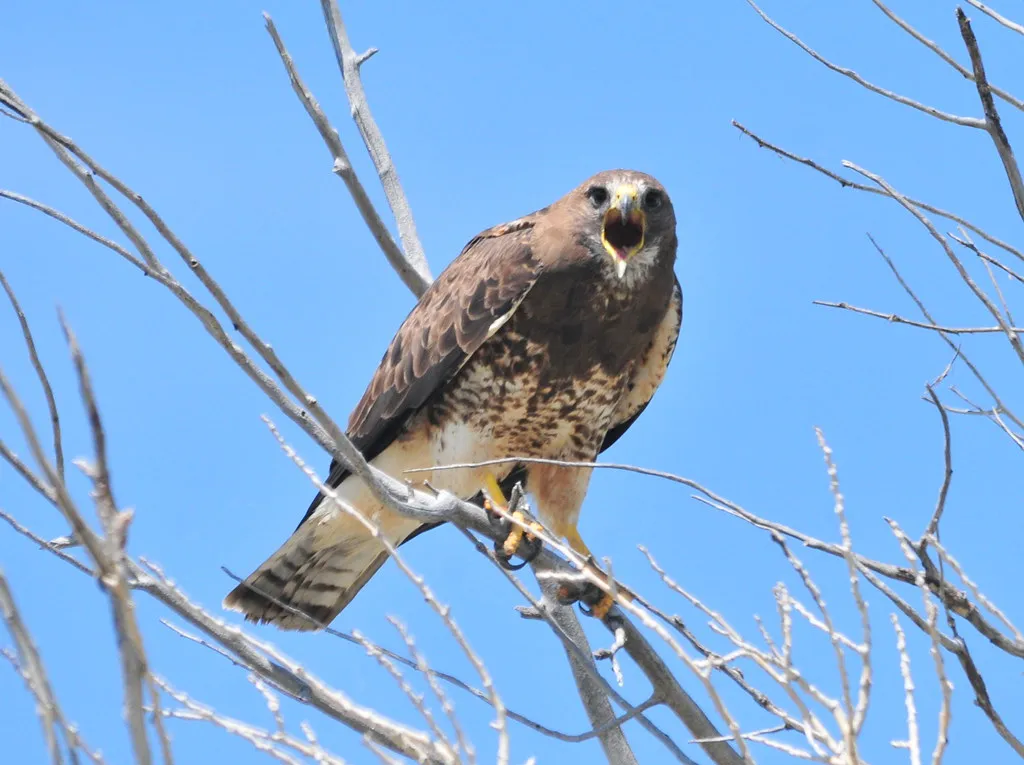
You put out seed for songbirds. Raptors read it as a dinner bell. Cooper’s hawks, sharp-shinned hawks, and even urban-adapted kestrels often patrol neighborhoods specifically to ambush birds at feeders.
Homeowners usually miss the kill itself and only notice a sudden puff of feathers scattered on the lawn. Yet raptor rehab centers and bird surveys agree that suburbs and small towns now support robust hawk populations, thanks in no small part to predictable feeder traffic.
- Look for plucked feather piles under bushes near feeders.
- Watch powerlines and tall trees for patient silhouettes.
Quick Compare
- Cooper’s Hawk: Larger build, rounded tail, ambushes from dense cover near feeders.
- Sharp-shinned Hawk: Smaller and faster, squared tail, weaves tightly through branches.
- American Kestrel: Smallest of the three, hunts more in open lawn than dense shrubs.
Some people get genuinely offended realizing their feeder feeds predators, not just “cute birds.” But ecologists argue that a healthy yard food web needs both the songbirds and the hunters that keep them sharp, whether you approve of the drama or not.
#8 – Moles Engineering Hidden Tunnels That Aerate (and Mangle) Your Lawn
🔥 Would you like to save this?
We'll email this post to you, so you can come back to it later!
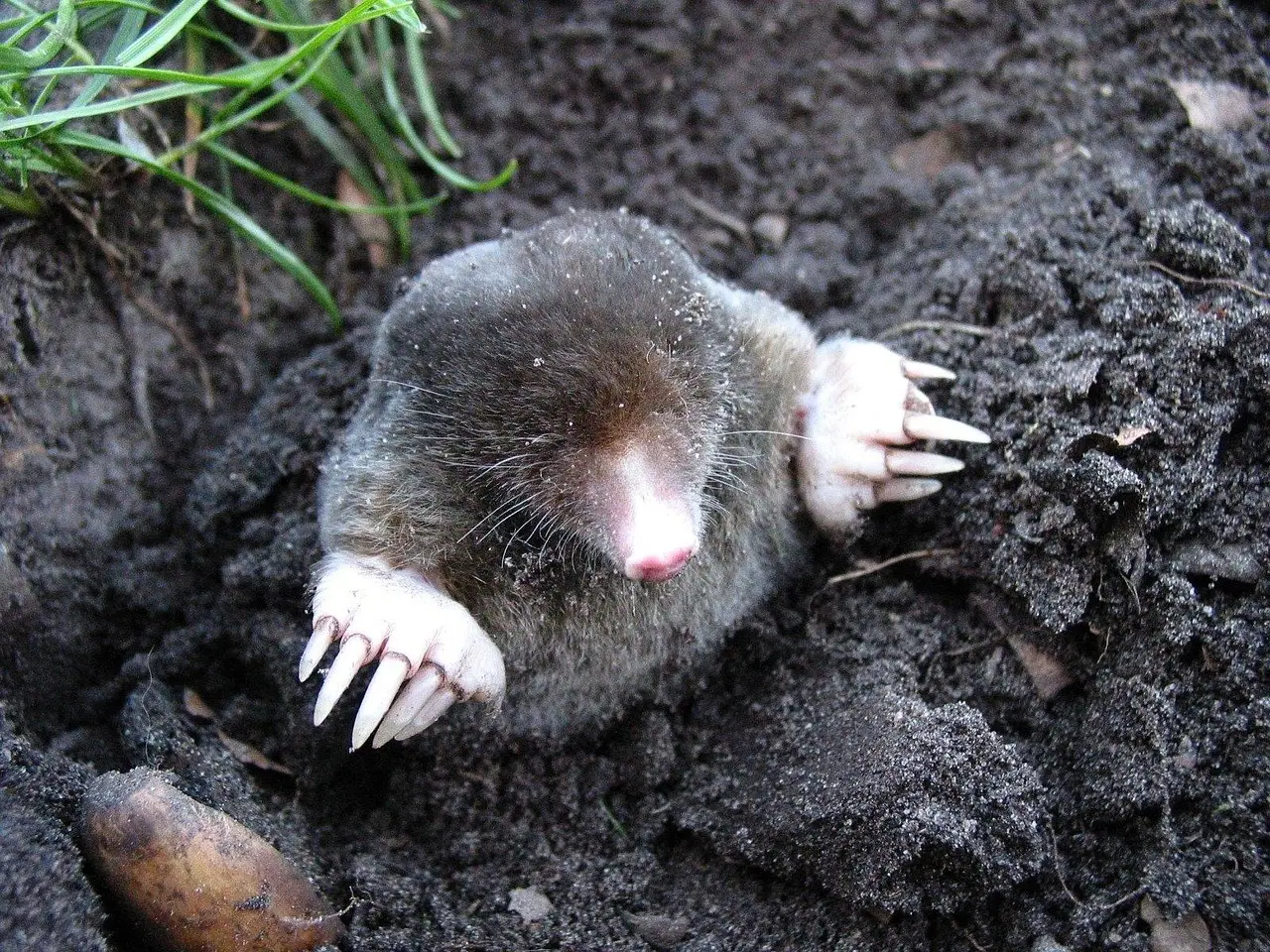
Those weird ridges across your lawn aren’t random – they’re architecture. Moles are almost never seen above ground, which fuels a lot of myths about them.
They’re not rodents, they hardly touch plant roots, and they’re actually after earthworms and grubs, many of which are genuine lawn pests. Their constant digging creates raised surface tunnels that drive homeowners crazy, but it also aerates the soil and improves drainage – a trade most people never learn to appreciate.
- Fresh tunnels feel soft and spongy when stepped on.
- They tend to follow fences, sidewalks, and foundations.
Here’s the divisive bit: some lawn experts quietly admit a temporary mole presence can actually signal rich, living soil, while cosmetic-obsessed homeowners rush to exterminate at the first bump. It’s a small, ongoing war between ecology and aesthetics.
#7 – Ant Colonies Running an Entire City Under One Paving Stone
🔥 Would you like to save this?
We'll email this post to you, so you can come back to it later!
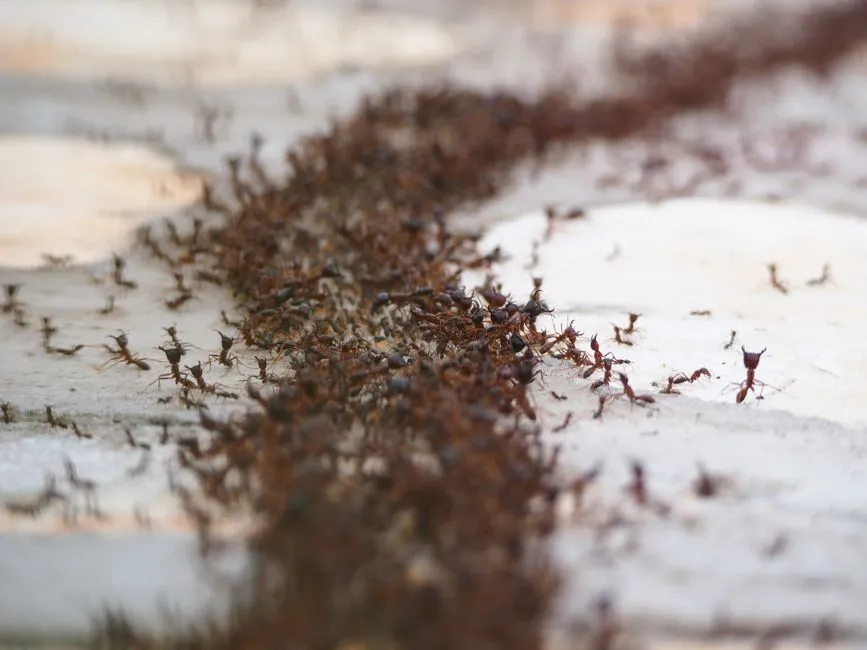
You see a few ants on the picnic table. That’s like noticing three people on a sidewalk and claiming you’ve met New York City. Under most suburban yards, multiple ant colonies operate as full societies – workers, larvae, queens, food storage, garbage dumps, even “cemeteries.”
A single colony can contain tens of thousands of individuals, with foraging trails crossing property lines and sidewalks so subtly you never notice them. Flip one stepping stone and you’ll see just a tiny shard of a much bigger network humming along beneath your feet.
- They farm aphids on ornamental plants for honeydew.
- Some species specialize in collecting seeds, others in scavenging dead insects.
Why It Stands Out
- A mature colony can include interconnected chambers built specifically for nurseries, food storage, and waste.
- Foraging trails are marked with pheromones, letting workers follow the exact same route for months.
- Some colonies “farm” aphids much like people keep livestock, protecting them in exchange for honeydew.
- A colony can persist in the same spot for years, quietly outlasting several rounds of lawn treatments.
Here’s the annoying truth: when we poison “a few ants” in the kitchen, we’re often disrupting a complex ecosystem service that’s been quietly cleaning up organic waste and aerating soil for years – all because someone left crumbs on the counter.
#6 – Spiders Setting Up Invisible Tripwires Along Your Pathways
🔥 Would you like to save this?
We'll email this post to you, so you can come back to it later!
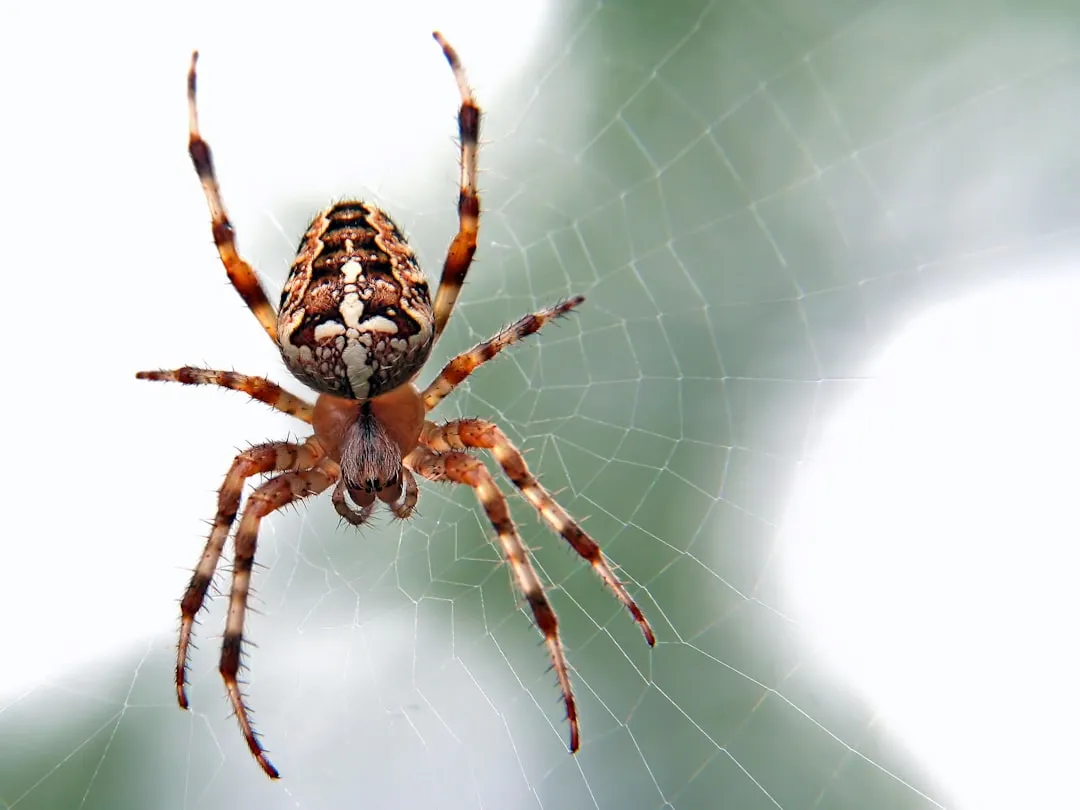
Most people only notice spiders when they walk face-first into a web. In reality, your yard is laced with an intricate, constantly shifting network of them – ground webs, orb webs, sheet webs, and single draglines that act like tripwires in the dark.
At night, with a flashlight held at the right angle, you can see hundreds of tiny reflections from spider eyeshine and silk, even in a small yard. Each web is tuned to a specific prey size and wind exposure – a calculated risk taken by its builder every single evening.
- Many species rebuild or repair their webs every single night.
- Jumping spiders hunt visually on sunny walls and fences during the day.
The slightly uncomfortable science: spiders may be the most underappreciated pest control force in your entire yard, yet they’re the first animals many people kill on sight indoors, purely out of habit and old fear.
#5 – Shrews: The Hyperactive Predators You Never Actually See
🔥 Would you like to save this?
We'll email this post to you, so you can come back to it later!
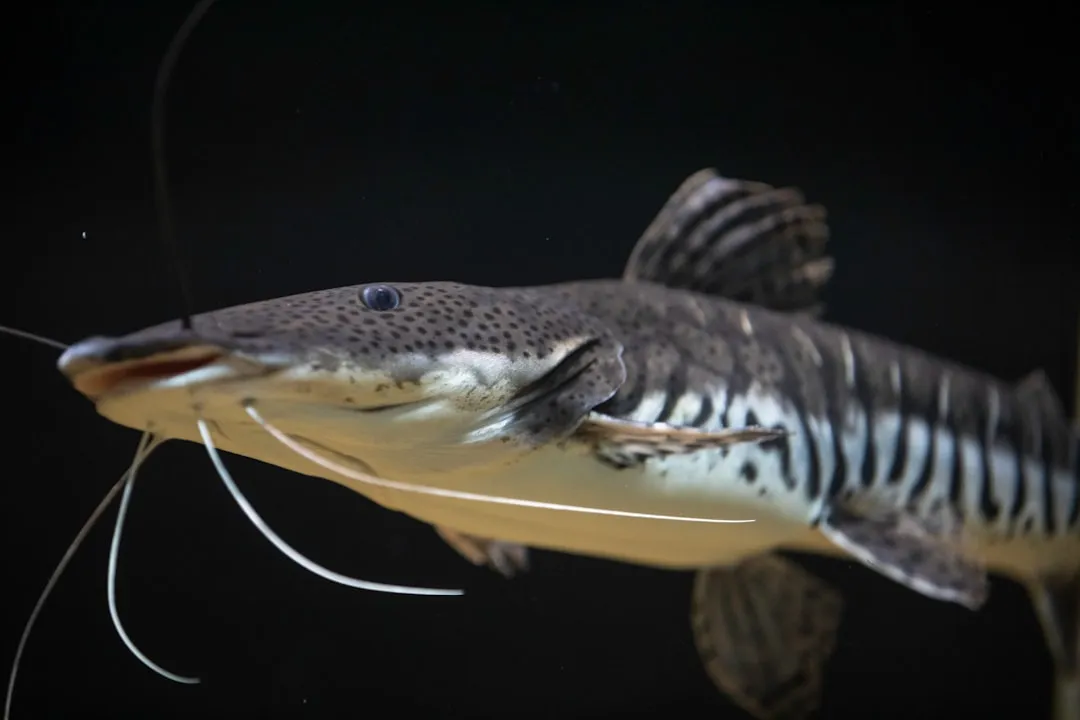
You probably have a tiny mammal in your yard that you’ve never even heard squeak. Shrews look like small, frantic mouse relatives, but they’re not rodents at all, and they live at a much higher speed.
With metabolisms running near their breaking point, some shrews must eat their entire body weight in insects and worms every single day just to survive. They dart through dense grass, leaf litter, and shallow tunnels, almost never emerging into the open where a human might spot them.
- Cats occasionally bring them in as “gifts,” often the only time people ever see one.
- They deliver venomous bites – to worms and insects, not to you.
If you hate grubs and beetle larvae chewing your lawn, you should probably love shrews. Instead, most residents never realize an entire class of stealth predators is on duty in their yard around the clock, simply because it’s too small and too fast to register.
#4 – Weasels and Mink Slipping Through Like Shadows Near Water and Fields
🔥 Would you like to save this?
We'll email this post to you, so you can come back to it later!
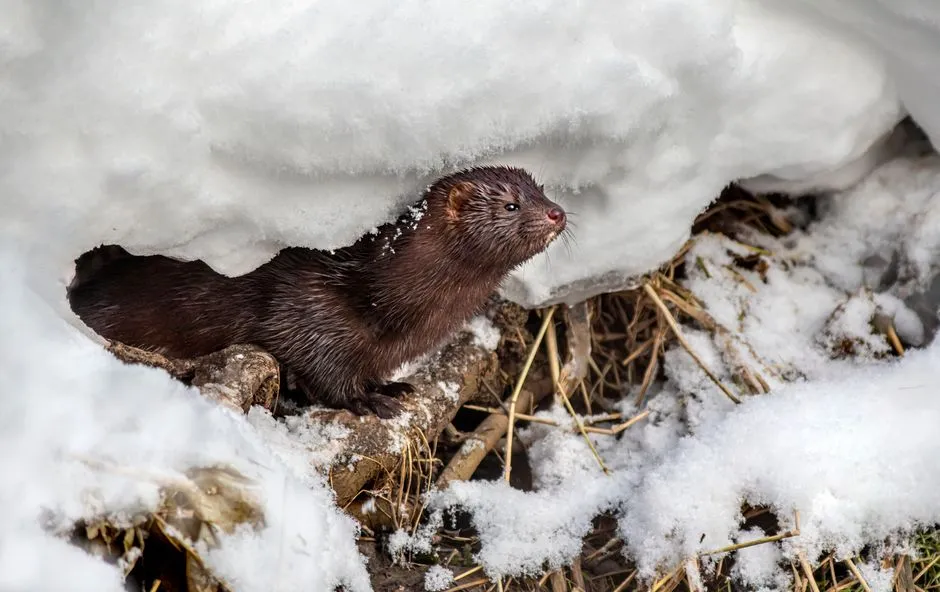
Yes, actual weasels – not just the insult – probably live closer than you think. Near streams, ponds, or big open fields, small mustelids like weasels and mink can quietly hunt through yards, sheds, and brushy fence lines.
They specialize in rodents and small birds, moving in fluid, almost snake-like motions that make them easy to miss even in daylight. Wildlife cameras have occasionally captured weasels dragging prey larger than themselves across patios, a scene most families would never believe without the footage.
- They use old rodent burrows and gaps under outbuildings as cover.
- Mink especially favor properties close to creeks and drainage canals.
Unpopular opinion among some backyard chicken owners: if you’ve created a buffet of unsecured small animals, you’re not “under attack by nature” – you’ve simply advertised to one of the most efficient predators in your entire ecosystem.
#3 – Domestic Cats Operating as Top Predators After Dark
🔥 Would you like to save this?
We'll email this post to you, so you can come back to it later!
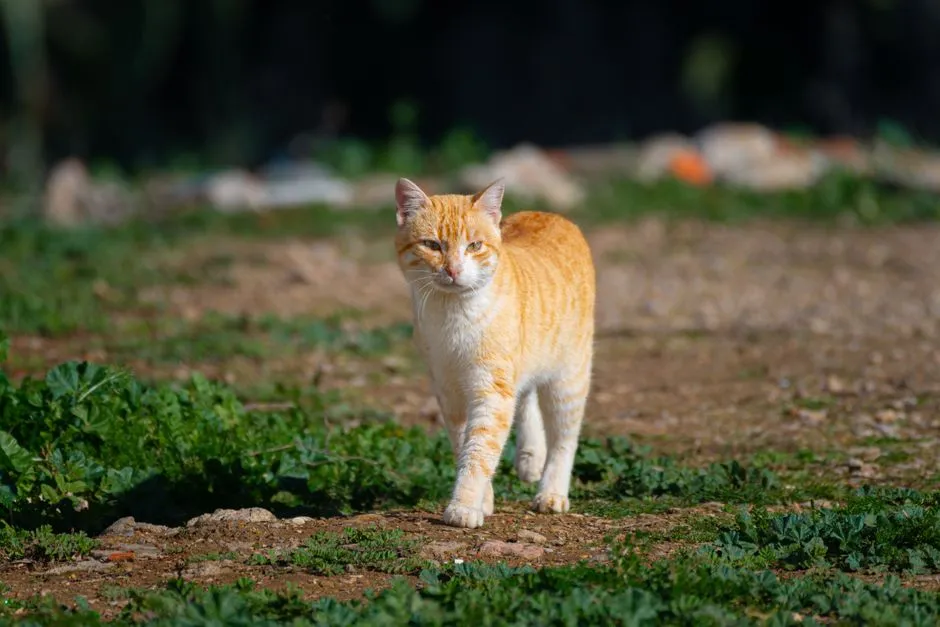
This is the “neighbor” most people fiercely defend, even as the data keeps getting uglier. Free-roaming pet and feral cats are beloved by their owners, but multiple large studies now agree that cats kill billions of birds and mammals every year in North America alone.
Much of that slaughter happens in yards, alleys, and vacant lots while humans sleep or watch TV a few rooms away. Collars and bells only reduce kills modestly, because the hunting drive itself is wired in far too deep to bell away.
- Owners often see only a fraction of their cat’s true range.
- Many kills are never brought home, just left in bushes or under decks.
This is where the arguments explode: some people insist “my cat doesn’t hunt,” despite decades of evidence to the contrary. Ecologists are blunt about it – if you want a genuinely wildlife-friendly yard, an unsupervised outdoor cat is one of the single most damaging “neighbors” you can host.
#2 – Micro-Neighbors: Tardigrades, Mites, and Microscopic Life in a Single Clump of Moss
🔥 Would you like to save this?
We'll email this post to you, so you can come back to it later!
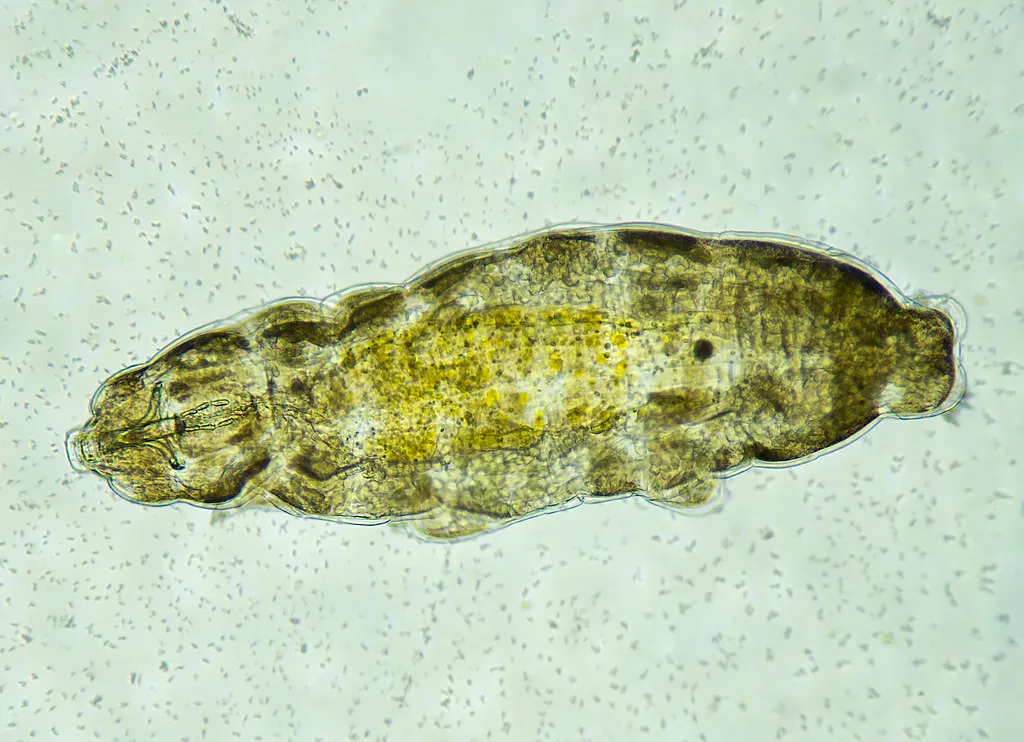
You share your yard with creatures that could survive space – and you’ve probably never thought about them once. Zoom in with a microscope on a bit of moss from a brick wall or a shaded tree base and you’ll step into an entirely different universe.
Tardigrades (“water bears”), rotifers, nematodes, and countless mites live in films of moisture thinner than a human hair. A single handful of damp soil or moss can contain more organisms than there are people in your entire city, each one quietly working nutrient cycling and decomposition.
- They survive drying, freezing, and intense radiation by entering dormant states.
- Their movements and feeding behaviors create micro-patterns in the soil food web.
Most conversations about “wildlife in the yard” never even acknowledge this scale of life, as if it doesn’t count. In many ways, these invisible neighbors do more to keep your plants alive than any bird or mammal ever will.
#1 – The Ecosystem You Accidentally Built by How You Mow, Light, and Throw Things Away
🔥 Would you like to save this?
We'll email this post to you, so you can come back to it later!
The wildest neighbor in your yard isn’t a specific animal – it’s the entire system you’ve engineered without ever realizing it. Every choice you make, from how often you mow to whether you leave the leaves, acts like a set of rules deciding which species get to live with you and which get pushed out.
Short, pesticide-soaked lawns favor a narrow band of pests and a few hardy birds. Messy, leaf-filled corners with native plants explode with insects, bats, amphibians, and the predators that follow them. Motion cameras repeatedly show two yards on the exact same street hosting totally different animal communities, based purely on these small, everyday decisions.
- Constant lighting can disrupt moths, bats, and migrating birds.
- Overfeeding pets outdoors and overflowing bins turbocharge raccoons, rats, and coyotes.
Here’s the hard truth most people don’t like: you’re not just living next to nature. You’re actively voting for which wild neighbors thrive every single day, whether you meant to or not.
When families say, “Nothing really lives in our yard,” they’re not describing reality – they’re admitting they haven’t been paying attention. From owls on the power lines to tardigrades in the moss, your property line means nothing to the wildlife walking, flying, crawling, and tunneling through it every night.
Some of those neighbors – bats, opossums, shrews, spiders – are quietly doing you massive favors you’ll never thank them for. Others, like free-roaming cats and overfed raccoons, are symptoms of choices we’d rather not own up to. Either way, the yard you think is empty is actually one of the busiest places you’ll ever ignore.
In wildness is the preservation of the world.
Henry David Thoreau
Your yard isn’t neutral, and it never was. It’s either a sterile stage built for lawn-care ads, or it’s a genuinely alive piece of the planet doing its job with or without your permission. Which one is it at your address – honestly?

- 14 Wildlife Permits Waived for Americans the Year They Turn 62 - November 5, 2026
- Machu Picchu’s Engineering Feats Were Far Ahead of Its Time - November 5, 2026
- 12 Most Beautiful American Cities To See Before You Die - November 4, 2026