
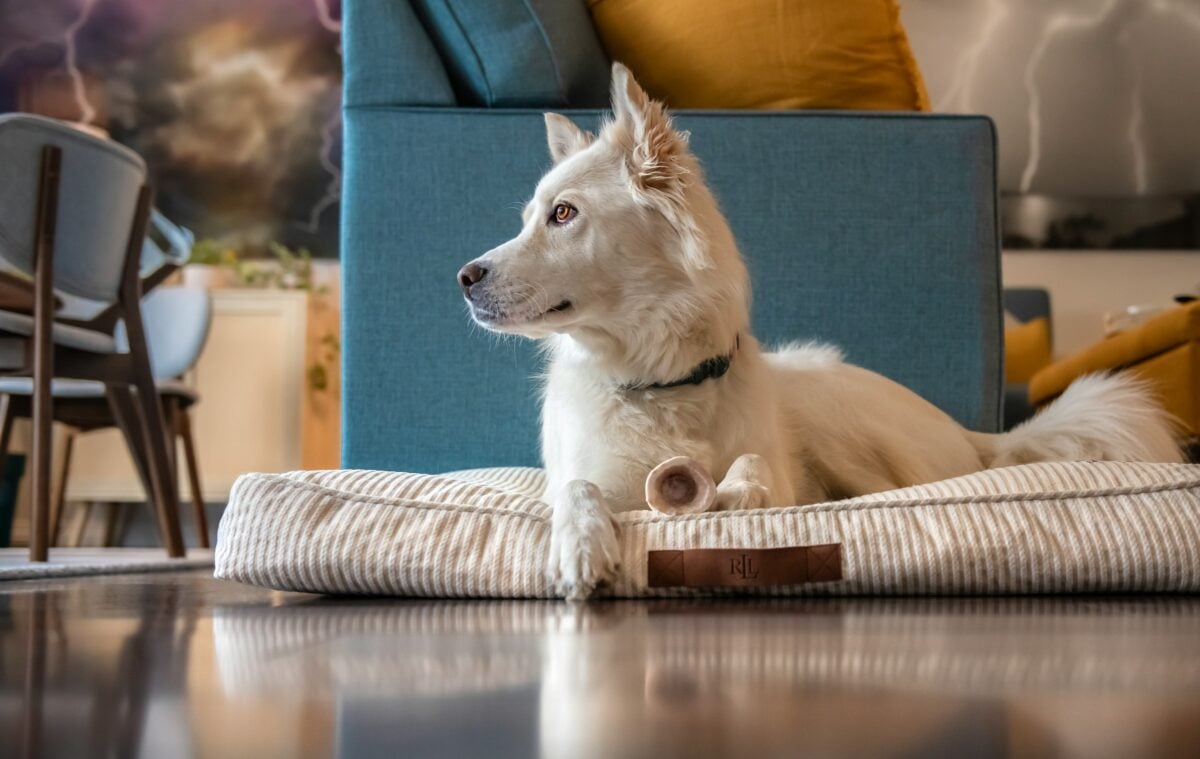
Here’s what nobody tells you: the moment the clocks change and the porch light comes on at 5 p.m., your old dog’s body starts fighting a different battle than the one it fought all summer. Owners assume a warmer blanket and a shorter walk will cover it. It won’t.
The real damage happens quietly – in cold floors, dim rooms, and routines that no longer match the shrinking daylight. Most people won’t notice until their senior dog is already stiff, anxious, or withdrawn, and by then they’ll blame “old age” instead of the fixable comfort gaps that caused it. Here’s everything your dog actually needs before the nights get any longer.
#1 – A Warmer, Thicker Sleep Zone (Not Just a Cute Bed)
🔥 Would you like to save this?
We'll email this post to you, so you can come back to it later!
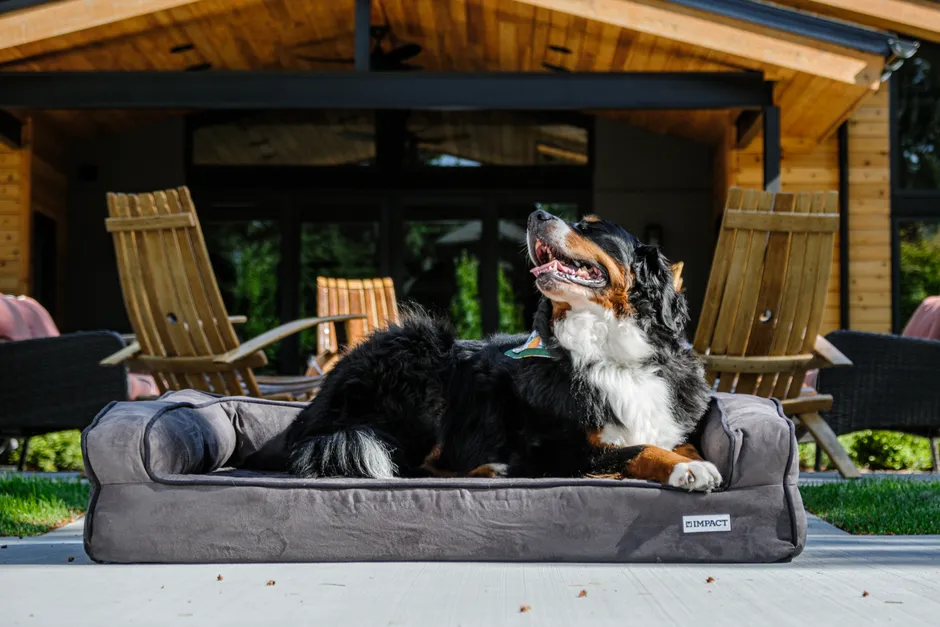
Most owners keep the same dog bed year-round, never suspecting it’s become a problem. Older joints don’t handle cold floors the way they used to, and a bed that felt fine in June can quietly punish a senior spine by November. Thin or flat beds can double joint stiffness overnight, especially through the hips, elbows, and back.
A dog who moved fine in spring can start waking sore, slow, or unusually grumpy – and it isn’t age catching up. It’s poor insulation and pressure points doing damage while everyone sleeps.
Fast Facts
- Vets often start using the word “senior” around age 7, sometimes earlier for large breeds
- Floor-level temperatures can run noticeably cooler than the rest of the room
- Orthopedic, memory-foam-style beds are widely recommended for arthritic joints
- Raised or insulated beds help cut down on the classic overnight stiffness
- A thick, supportive, orthopedic-style bed
- Raised off tile or wood, or set on a thermal mat
- Positioned away from drafts, doors, and windows so they can stretch out fully
Here’s the honest test: if you wouldn’t sleep on that spot without a mattress topper in November, your senior dog shouldn’t either.
#2 – Gentle, Targeted Heat Right Where the Ache Lives
🔥 Would you like to save this?
We'll email this post to you, so you can come back to it later!
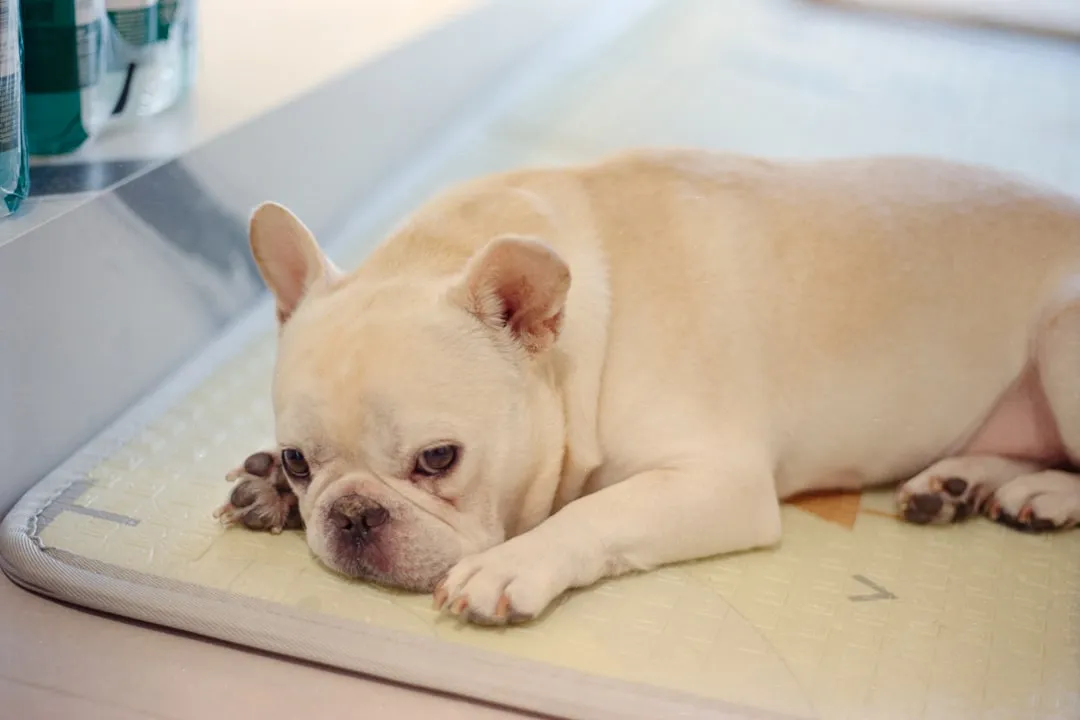
Cranking the thermostat feels like the obvious fix, but central heating only warms the air around your dog – not the joints doing all the suffering. Older dogs often need direct, low-level warmth on hips, spine, or shoulders once evenings turn chilly, and that first-thing-in-the-morning stiffness is usually a cold-joint problem, not laziness.
The fix doesn’t require anything fancy, just consistency and the right placement, applied where the pain actually sits instead of just anywhere warm.
- A vet-approved heated pet pad on low, covering only half the bed so they can move off it
- A microwavable heat disc wrapped in a towel near the lower back
- A light, well-fitted fleece or thin coat indoors for lean or arthritic dogs
Test the warmth with your own hand first – it should feel pleasant, never hot. If your dog keeps returning to that exact spot on their own, you’ve found the fix.
#3 – Earlier, Slower Walks Before the Dark Hits
🔥 Would you like to save this?
We'll email this post to you, so you can come back to it later!
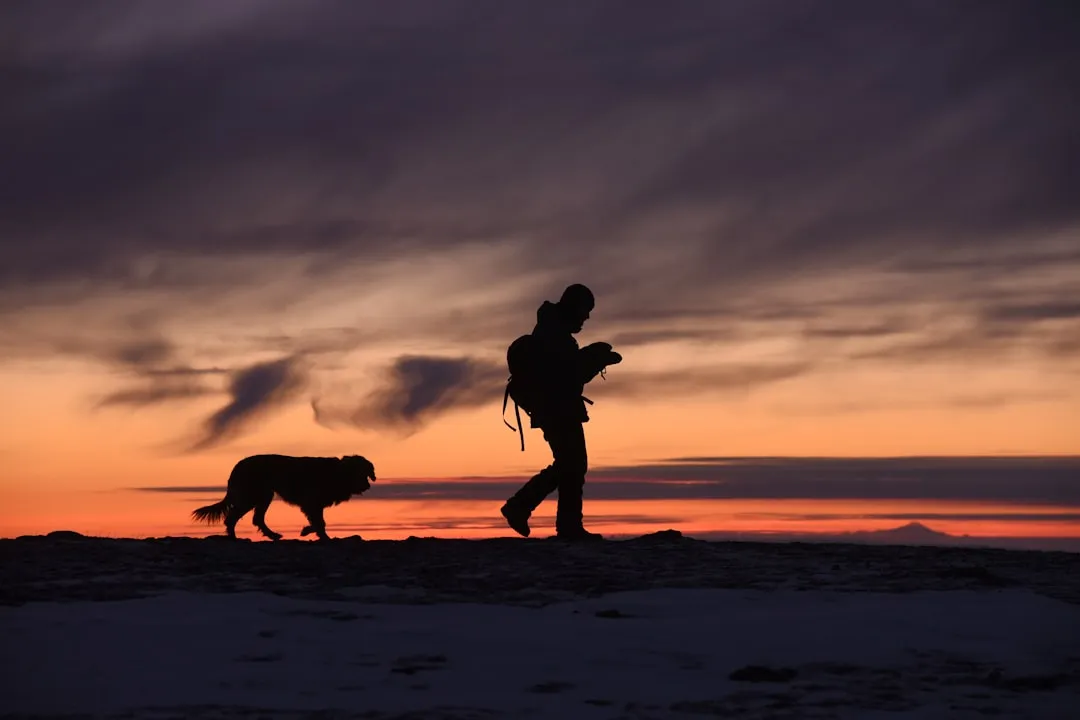
Plenty of owners push the main walk later, hoping to tire the dog out before bed. For a senior dog with fading eyesight and hearing, that’s exactly backwards. Dark, wet sidewalks can turn a simple walk into a stress test, and slick leaves plus poor visibility plus cold muscles is a rough combination for old joints and old nerves alike.
Move the main walk earlier and you’ll likely notice a mood shift almost immediately – less hesitation, less clinging, more of the dog you remember from summer evenings.
- Aim for daylight, or at least dusk, instead of full dark
- Start with five slow minutes of sniffing before picking up any pace
- Stick to familiar routes – this isn’t the season for shortcuts or surprises
If a nighttime walk is unavoidable, a reflective harness and a well-lit path help them feel safer, not just look safer. Watch for less hesitation at the door and faster settling once you’re home.
#4 – Brighter, Softer Indoor Lighting for Aging Eyes

🔥 Would you like to save this?
We'll email this post to you, so you can come back to it later!
Once evenings draw in, most houses go cave-like by 5 p.m. and nobody thinks twice about it – except the dog whose eyesight already isn’t what it was. Older eyes struggle badly with low contrast, and dim rooms can make a senior dog bump into furniture, misjudge a step, or simply stop moving rather than risk it.
Owners chalk this up to “slowing down.” Often, it’s just a dog who can’t see well enough to trust the room anymore.
- Add a soft lamp near their bed or main hangout spot, not just harsh overhead light
- Leave hallway lights or plug-in nightlights on for water breaks and bathroom trips
- Brighten stairwells and landings if your dog still uses them
A lot of “clingy” evening behavior is really a dog saying, I can’t see well and I don’t feel safe alone. Fix the lighting, and you’ll often get the confidence back too.
#5 – A Predictable, Soothing Evening Ritual
🔥 Would you like to save this?
We'll email this post to you, so you can come back to it later!
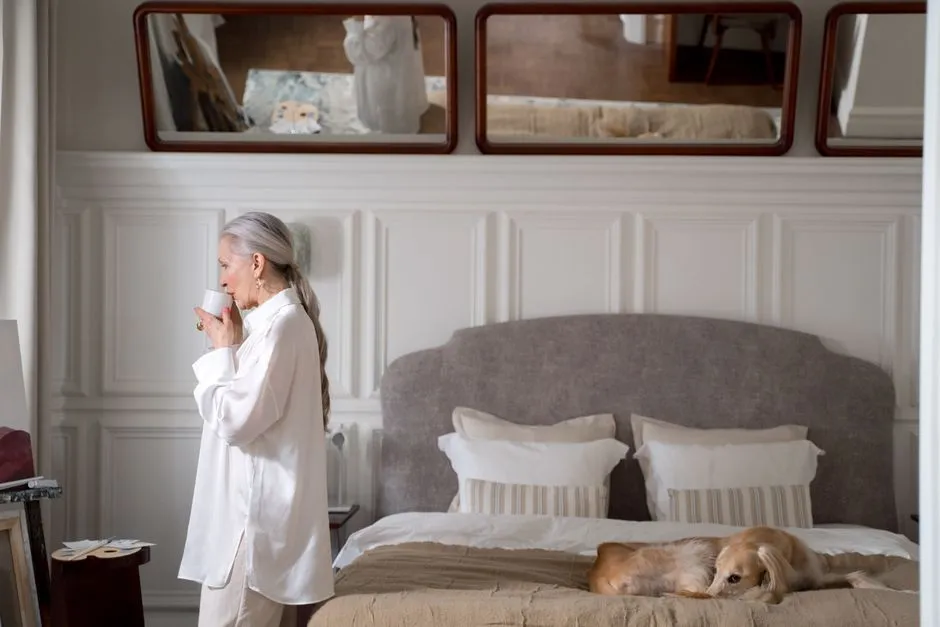
Routine gets treated like a puppy thing, but older dogs cling to structure even harder as their world gets less certain. Shorter days, clock changes, and shifting meal times can leave a senior dog quietly unsettled. Nighttime pacing and whining often spike simply because their body has no idea why “night” now starts at 4:30 p.m.
The fix isn’t complicated – it’s a sequence, repeated the same way, every single evening.
- Short walk or backyard sniff
- Calm indoor time, no rough play
- Gentle grooming or massage
- Dinner, fresh water, meds, then a final potty break
Keep the order consistent, not the exact minute. That predictability tells an aging brain, you’re safe, this is what happens now – and many owners are stunned how much nighttime restlessness disappears once that message lands.
#6 – Slower, Easier-to-Digest Evening Meals
🔥 Would you like to save this?
We'll email this post to you, so you can come back to it later!
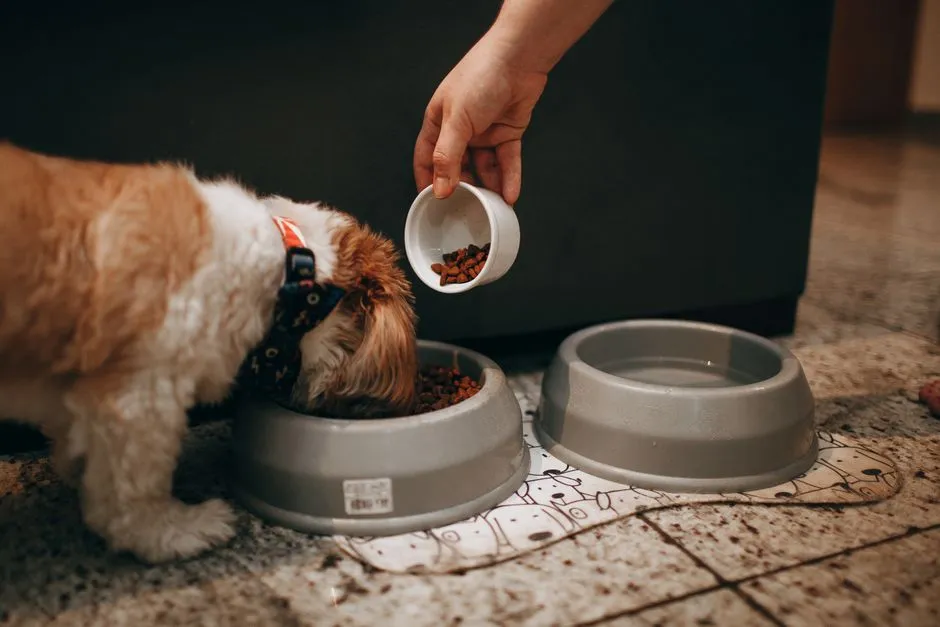
Most people feed a 12-year-old dog the same way they fed the 3-year-old version of them, just slightly less of it. But metabolism and gut motility slow with age, and a large, heavy dinner can cause discomfort, gas, or genuine night-time nausea. That odd grass-eating session at 9 p.m.? Often the stomach’s way of saying it’s overwhelmed.
Small adjustments here tend to produce visible, almost immediate results in sleep quality.
- Split dinner into two smaller portions, one in late afternoon and one in early evening
- Slightly warm food to boost smell and digestibility
- Ask your vet about joint-friendly, senior-specific formulas if arthritis or kidney issues are already in play
Don’t overhaul the diet without a vet’s input, but do watch closely. If your dog sleeps sounder and seems brighter the next morning after smaller, earlier meals, you’ve just removed a stressor nobody told you existed.
#7 – Joint-Saving Floor Surfaces and Strategic Rugs
🔥 Would you like to save this?
We'll email this post to you, so you can come back to it later!
Once it’s dark and damp outside, a slip inside hurts more than it would in July. Senior dogs lose traction fast on hardwood or tile, and one bad fall on a polished floor can trigger a long-term mobility setback that never fully reverses. People notice the limp afterward, but rarely the weeks of subtle sliding and scrambling that led up to it.
You don’t need to carpet the whole house – you need traction exactly where your dog actually moves.
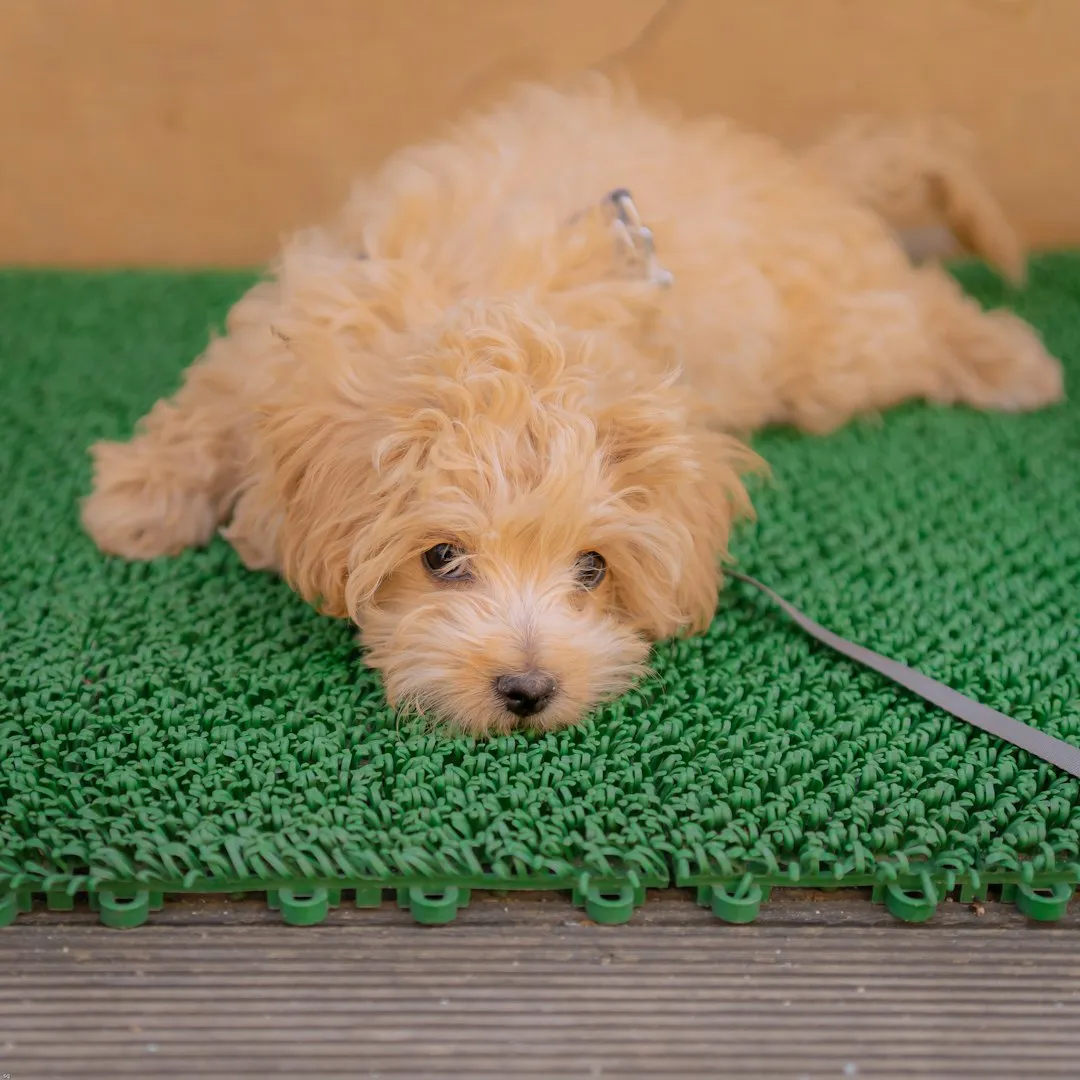
- Non-slip runners along their regular routes: bed to bowl, bowl to door
- Grippy mats near beds, couches, and any step or ramp
- A stable, non-slick surface around food and water bowls
Watch the paws when your dog stands up. If they splay or slide, they need more grip, not more time. This is one of the cheapest upgrades on this entire list, and one of the most effective.
#8 – Short, Sweet Mental Games When It’s Too Dark to Play Outside
🔥 Would you like to save this?
We'll email this post to you, so you can come back to it later!
Most owners cut physical activity as the days shorten and accidentally cut mental activity right along with it. Long, dark evenings with nothing to do breed boredom, restlessness, and sometimes outright anxiety whining in older dogs, whose brains still crave work even when their bodies want less of it.
Swap marathon fetch for low-impact thinking, and you’ll often see a calmer dog by bedtime than a long walk in bad weather ever produced.
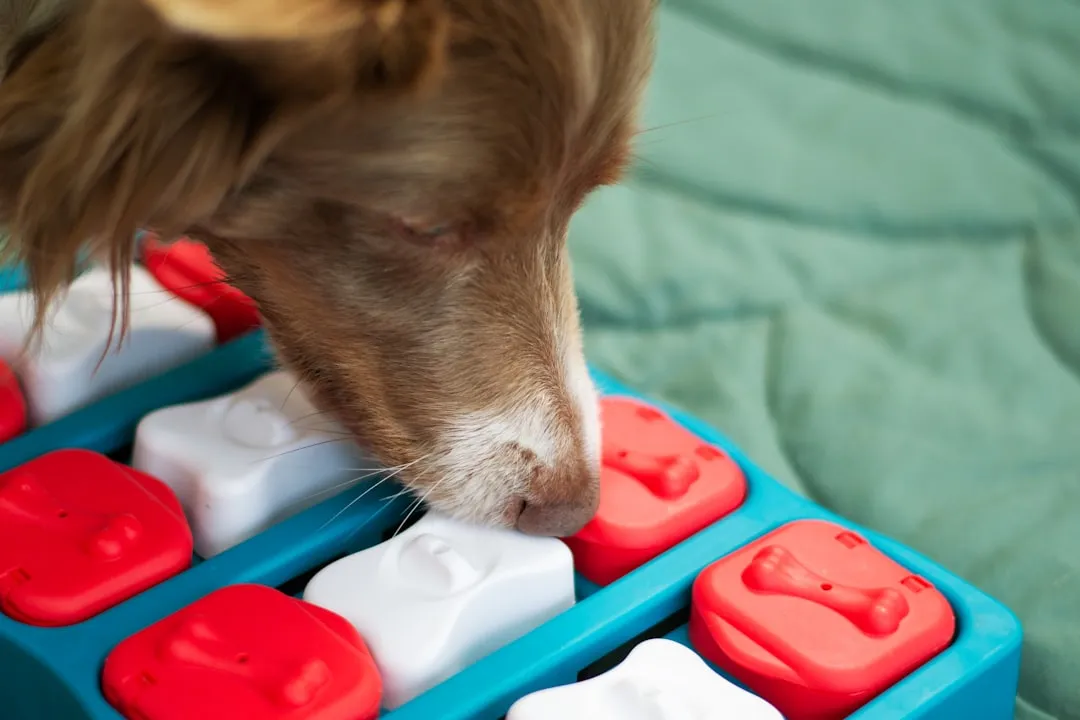
- Simple food puzzles, scatter feeding, or snuffle mats
- “Find it” with three or four treats hidden in easy spots
- Very short refreshers on known cues: sit, down, paw, touch
Two or three five-minute brain sessions spread through the evening beat one exhausting outing. Older dogs can absolutely still learn – and many settle better after mental work than after any amount of plodding through cold, wet grass.
#9 – Real, Undistracted Touch (Not Absent-Minded Patting)
🔥 Would you like to save this?
We'll email this post to you, so you can come back to it later!
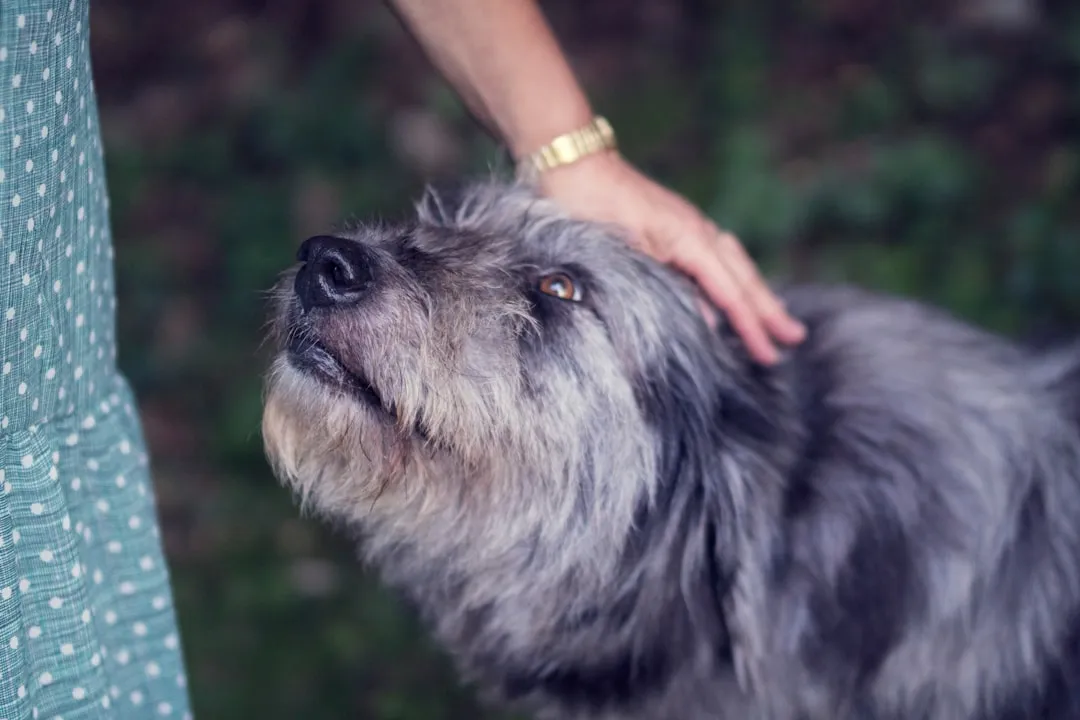
Evenings tend to mean half-watched TV, half-scrolled phones, and the occasional pat on the head. A senior dog needs more than the leftover attention. Slow, intentional touch can reduce muscle tension, ease anxiety, and help you catch early health changes like lumps or skin issues before they become emergencies.
Set aside ten or fifteen minutes of focused touch, no phone, no TV, just your hands and their body.
Why It Stands Out
- Slow touch can help ease muscle tension and lower overall stress in older dogs
- Hands-on time often reveals lumps, sore spots, or skin changes before they escalate
- Unlike gadgets or supplements, it costs nothing and works every single night
- Many senior dogs visibly soften within minutes of calm, consistent touch
- Long, slow strokes along the sides and neck, avoiding bony or sore spots
- Gentle circular rubbing around shoulders and hips
- Light ear and chest rubs if your dog enjoys them
Notice which spots make them melt versus flinch away – the flinching is data worth bringing to your vet. Some behaviorists argue this kind of touch does more for a senior dog’s well-being than any gadget you could buy.
#10 – A Safe, Quiet Corner Away From Family Chaos
🔥 Would you like to save this?
We'll email this post to you, so you can come back to it later!
Many families cluster in the loudest room once it’s dark outside – TV blaring, kids running, music going. A senior dog often stays there purely out of habit, but constant noise and sudden movement can wear down an aging nervous system, especially once fading hearing makes every sound feel unpredictable instead of familiar.
The fix is simple: give them an actual choice, not just a corner they’re expected to tolerate.
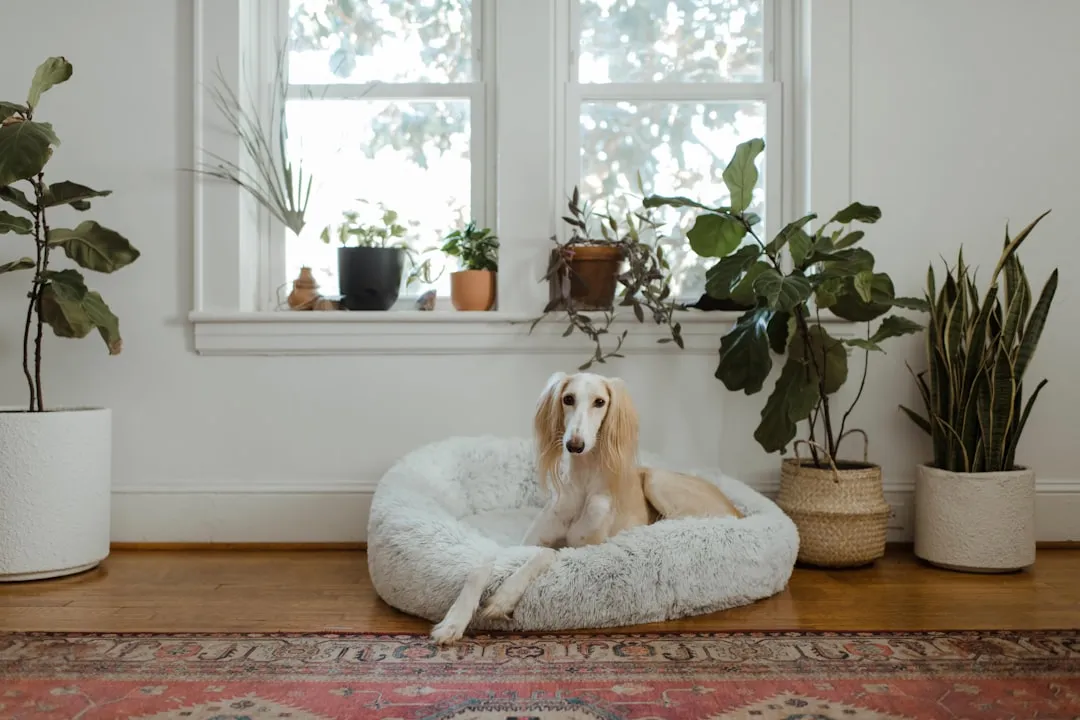
- A comfy bed tucked into a quieter side of the same room
- A second bed nearby, with doors left mostly open
- A soft blanket draped over part of a crate or pen for dogs who like a den feel
Some nights they’ll want to be right in the middle of the noise. Other nights they’ll want out of it entirely. If there’s nowhere quiet to retreat to, you’re forcing an old nervous system to stay switched on far longer than it should have to.
#11 – Extra Bathroom Breaks (Even If They “Never Needed Them Before”)
🔥 Would you like to save this?
We'll email this post to you, so you can come back to it later!
Longer evenings mean longer stretches indoors, and bladders age exactly like joints do. A senior dog who never had an accident in their life can start leaking or squatting indoors simply because the old schedule no longer fits an aging body. Too often, that gets treated as disobedience instead of what it actually is: physiology.
Adjust the schedule before you ever consider scolding.
- Add a short, boring last-thing-at-night potty trip, even if they “just went”
- Offer one extra chance to go out earlier in the evening, especially after meals
- For frail dogs, set up an easy-access potty spot close to the door
Rule out medical causes with your vet if accidents appear suddenly. But as a baseline, more dark hours simply means more chances a dog is quietly struggling to hold it. Help them – don’t shame them.
#12 – Gentle Grooming to Catch What the Winter Coat Hides
🔥 Would you like to save this?
We'll email this post to you, so you can come back to it later!
As evenings draw in, senior dogs typically move less and grow a noticeably thicker coat – a combination that can hide weight gain, skin problems, and painful matting around the tail, armpits, and behind the ears. By the time an owner notices, the dog may already be itchy, sore, and uncomfortable underneath all that fur.
Build grooming into the evening wind-down instead of treating it as an occasional chore.
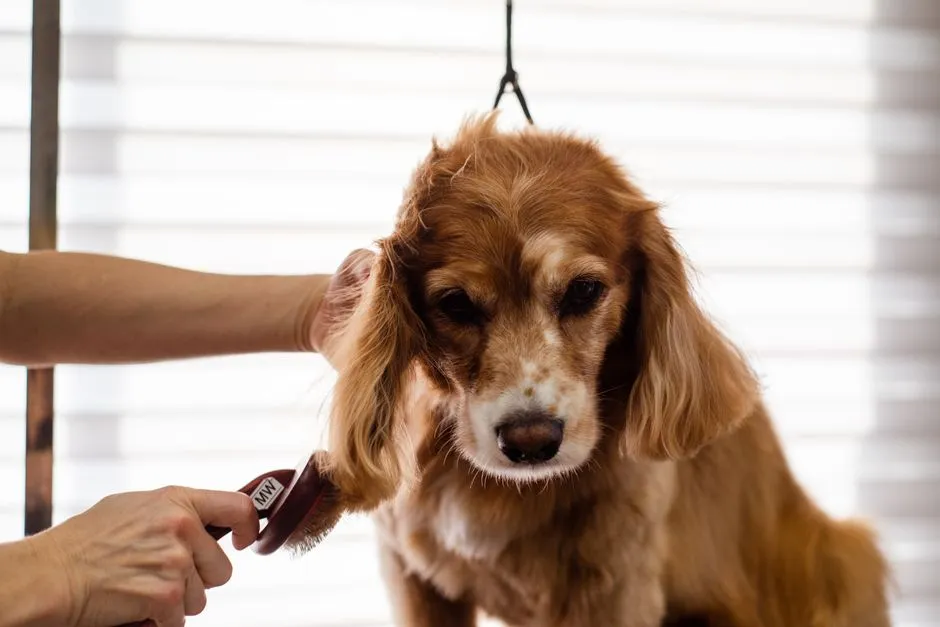
- A soft brush or grooming glove a few times a week, focused on common tangle spots
- A quick check under the tail, between the toes, and around the collar or harness
- Trimming fur around the paw pads to reduce indoor slipping
Regular hands-on care doubles as an early warning system. Many senior dogs visibly relax during a slow brushing session – it’s one more quiet way of saying you’re safe, you’re cared for as the dark closes in earlier and earlier.
#13 – Audiobooks, TV, or White Noise to Soften the Silence
🔥 Would you like to save this?
We'll email this post to you, so you can come back to it later!
This one splits opinions, but behaviorists see the pattern constantly: in very quiet homes, the sharp contrast between daytime noise and deep nighttime silence can make older dogs more startle-prone. Every car door, wind gust, or neighbor’s footstep suddenly stands out against total silence.
Low-level background sound smooths out that contrast without turning the house into a circus.
- Soft TV or radio playing low in the next room
- A calm audiobook or a white noise machine
- Gentle instrumental music, if your dog seems to settle with it
You’re not entertaining them – you’re evening out sensory extremes. Skeptics insist dogs “don’t need that,” but a visible drop in startle reactions usually says otherwise.
#14 – Thoughtful Temperature Zoning, Not Just One Thermostat Setting
🔥 Would you like to save this?
We'll email this post to you, so you can come back to it later!
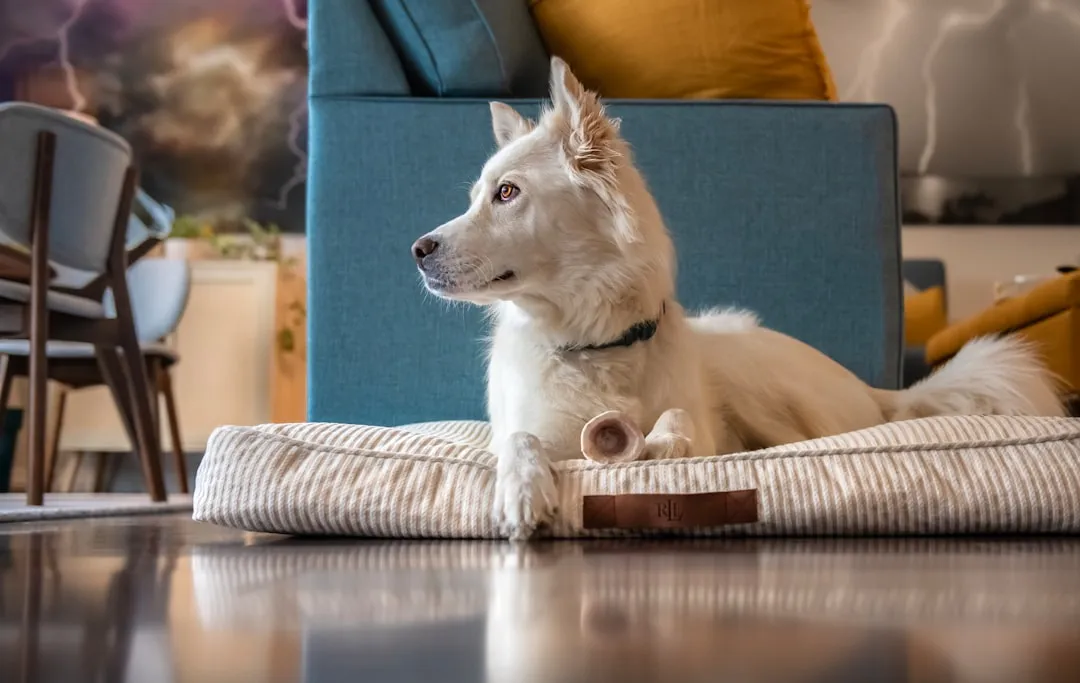
Most homes have a single thermostat in a hallway, and everyone trusts that one number completely. For a senior dog lying on tile near a draft, that number is lying to you. Their actual micro-climate can be several degrees colder than the thermostat reading, especially near doors or large windows.
Run a quick, honest check before assuming your dog is warm enough.
Worth Knowing
- A thermostat reading rarely reflects true floor-level temperature
- Drafts near glass or exterior walls can drop the “felt” temperature several degrees more
- Thin-coated, arthritic, or underweight dogs feel cold sooner than healthy adult dogs
- A simple draft excluder or rug can close much of that gap instantly
- Sit or lie on the floor where they sleep for two full minutes
- Notice drafts, cold rising from the floor, or chilly air near glass
- Move the bed, or add a draft excluder or curtain, if needed
It’s remarkably common to find that an “official” 70°F feels closer to 64°F on the floor by a back door. That gap matters far more to a thin, arthritic 12-year-old than it ever will to a healthy human wearing socks.
#15 – Realistic Activity, Not Well-Meaning Over-Protection
🔥 Would you like to save this?
We'll email this post to you, so you can come back to it later!
Here’s a less comfortable truth: some owners essentially retire their dog at eight years old, using shorter days as an excuse to barely walk them at all. But too little movement stiffens joints, slows digestion, and worsens mood just as reliably as over-exercise does. Protection taken too far becomes its own kind of harm.
The sweet spot is smaller doses, offered more often, not activity cut off entirely.
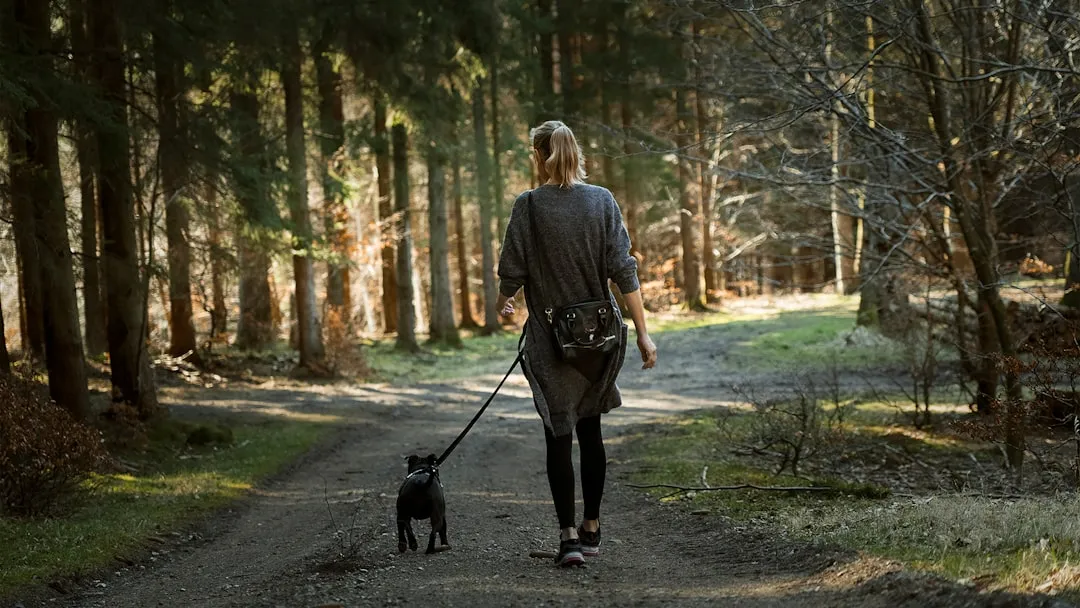
- Slightly shorter walks, but more frequent and on flatter ground
- More sniffing, less jogging; more meandering, less power-walking
- Small movement breaks through the evening – trips to the yard, up for water, gentle indoor games
If your dog is exhausted, panting hard, or limping afterward, that session was too much. If they’re restless or pacing at night instead, they likely needed different movement, not less of it. Getting this balance right is genuinely worth the effort.
#16 – Extra Reassurance During Storms and Windy Nights
🔥 Would you like to save this?
We'll email this post to you, so you can come back to it later!
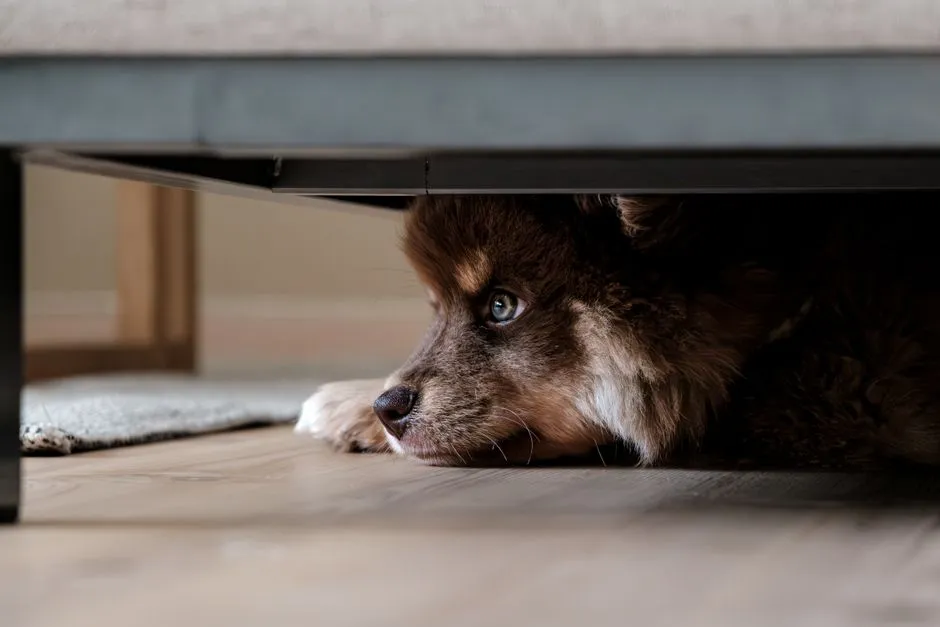
As autumn and winter weather ramps up, so does the noise – rain hammering windows, wind howling, sudden bangs in the dark. Older dogs with fading hearing or cognitive changes can find all of it deeply confusing and frightening, even if storms genuinely never bothered them a few years ago.
Your job here is to get ahead of the fear, not just react to it once it’s already full-blown.
- Close curtains and windows early if storms are forecast
- Set up their safest, coziest space before the worst of it hits
- Sit with them, speak calmly, and offer gentle touch if they seek it – never force it
If your dog shakes, pants, or hides, talk to your vet about anxiety support; options range from supplements to prescription medication. Dismissing it as “being dramatic” is a fast way to erode a dog’s sense of safety in his own home.
#17 – Honest Vet Check-Ins When “Just a Bit Slower” Becomes the New Normal
🔥 Would you like to save this?
We'll email this post to you, so you can come back to it later!
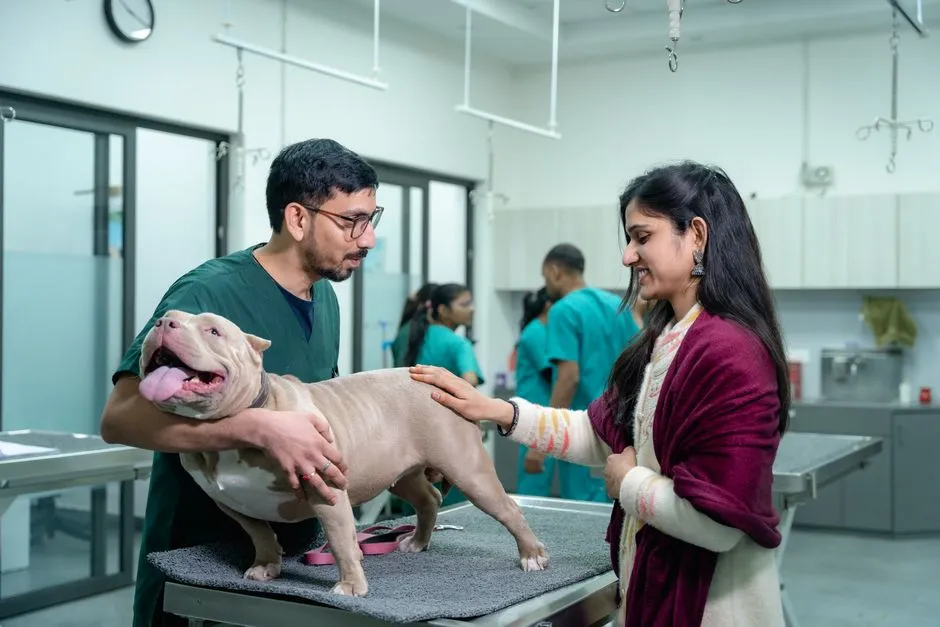
Plenty of owners wait until spring to “deal with” creeping issues. That’s backwards. The dark, damp months are exactly when arthritis, kidney disease, dental pain, and cognitive decline tend to show up hardest – and blaming it all on the weather doesn’t do your dog any favors.
Certain signs deserve a phone call, not a wait-and-see approach.
At a Glance
- Arthritis, kidney disease, dental pain, and cognitive decline often worsen in colder months
- Early vet visits catch treatable pain before it becomes the “new normal”
- Pain relief and joint support can meaningfully improve mobility and mood
- Cognitive support options exist for dogs showing confusion or nighttime pacing
- New stiffness, especially in the evening or first thing in the morning
- Changes in thirst, urination, or night-time pacing
- Sudden clinginess or staring at walls as the night wears on
Book the check-up. Proper pain relief, joint support, or cognitive medication can genuinely transform a senior dog’s evenings. Waiting because “he’s old anyway” is the quiet cruelty most owners don’t want to admit to.
#18 – Your Full-Focus Presence, Even If It’s Only for 10 Minutes
🔥 Would you like to save this?
We'll email this post to you, so you can come back to it later!
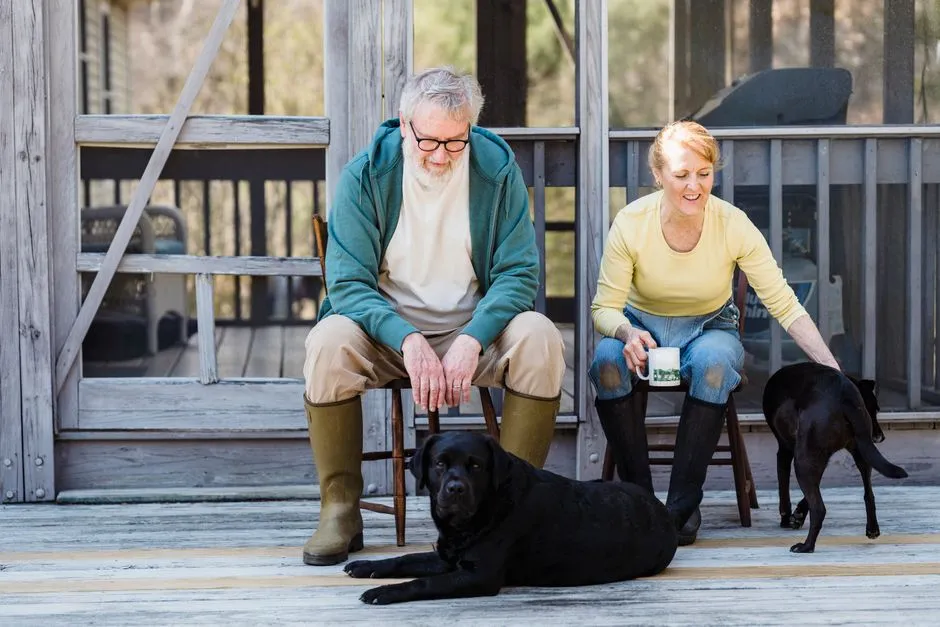
Here’s the part people don’t love hearing: your senior dog doesn’t actually care about the brand of bed or the shape of the bowl nearly as much as they care about you. As their world shrinks with age and the days get shorter, your attention becomes their main source of security and meaning – not the gadgets, not the supplements, you.
This doesn’t require constant entertainment. It requires showing up, fully, even briefly.
- Put the phone away and actually watch them for a few minutes
- Talk to them like they matter, because they do
- Let them choose – lean on you, lie nearby, or just sigh and sleep knowing you’re there
Dogs are not our whole life, but they make our lives whole.
Roger Caras
The uncomfortable truth is that for many dogs, the last few winters with you are already ticking down. All the heated pads and orthopedic foam in the world won’t replace the simple comfort of a human who shows up, notices the changes, and adjusts. That’s the gentle comfort that makes every other one on this list worth doing.
The Bottom Line
🔥 Would you like to save this?
We'll email this post to you, so you can come back to it later!
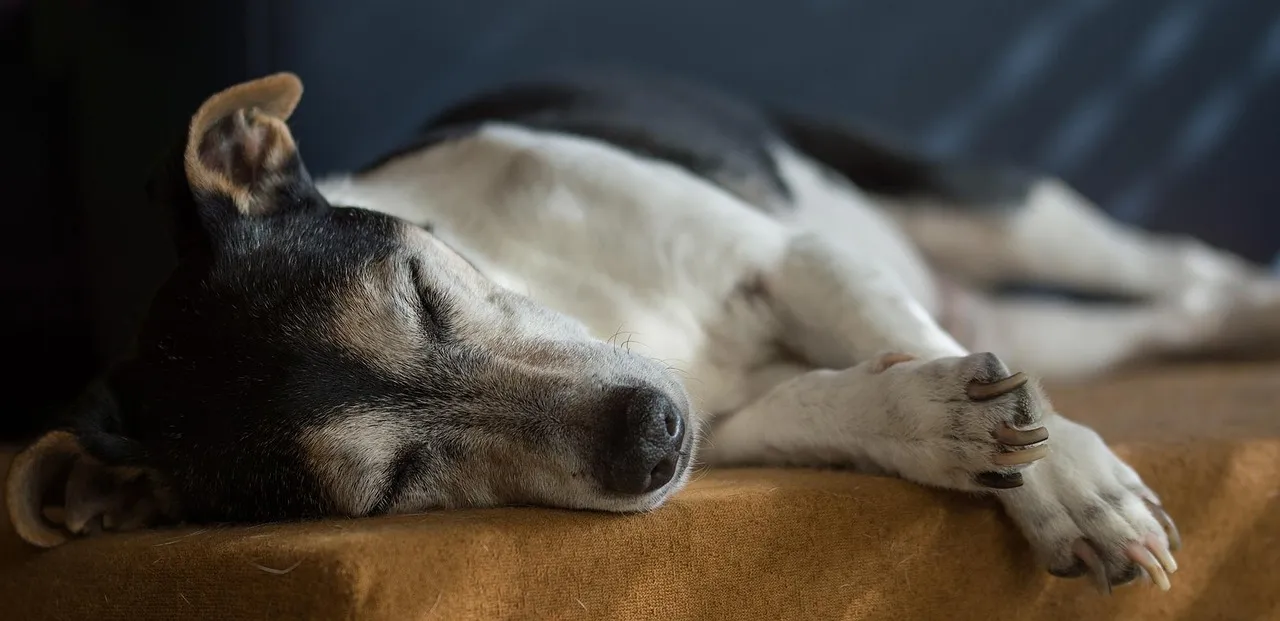
Once the evenings draw in, a senior dog doesn’t need a warmer blanket so much as a smarter human. The biggest mistake owners make is assuming “old age” explains everything, when it’s often cold joints, dim rooms, slippery floors, unsettled routines, and unspoken pain doing the damage instead.
The most powerful fixes on this entire list are low-tech: better lighting, real traction, predictable evenings, honest vet visits, and a little more of your undivided attention. Some will insist dogs are tough and will simply adapt. They will – by hurting silently, moving less, and fading faster while nobody notices until it’s obvious.
If that idea makes you uncomfortable, good. It should. So ask yourself honestly: which of these comforts is your senior dog actually getting tonight, and which one are you finally going to fix before the next long evening rolls in?

- 7 Everyday Habits That Can Make Your Senior Dog Happier - November 5, 2026
- 10 Enigmatic Structures That Continue to Puzzle Scientists Today - November 5, 2026
- 10 Strange Ruins in the Americas That Challenge What We Know About Early History - November 5, 2026