
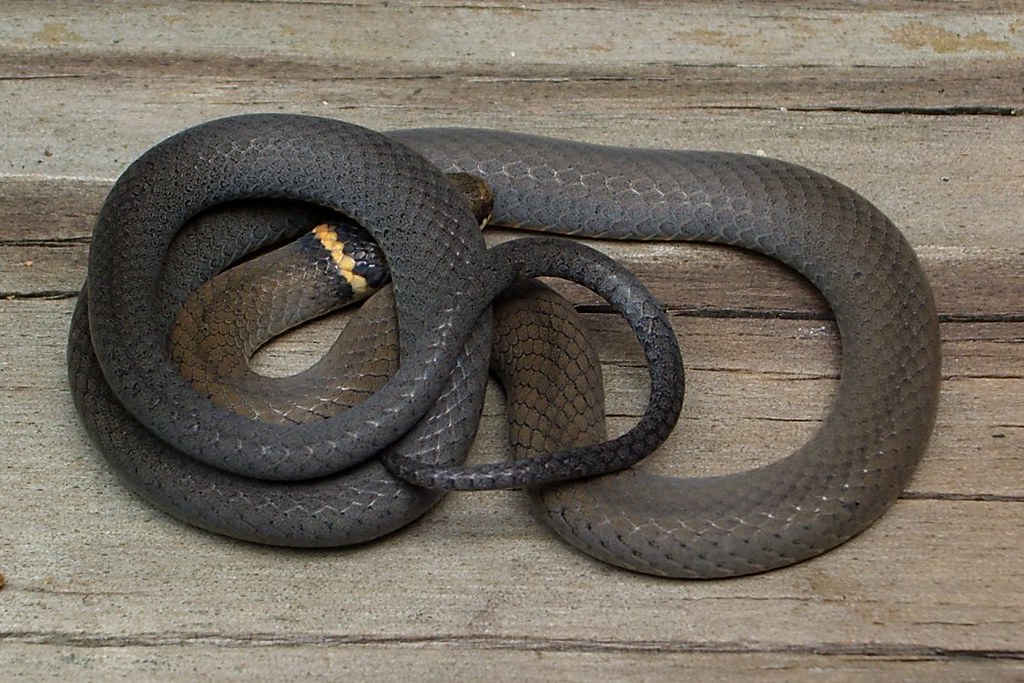
Imagine you’re walking along a quiet mountain trail, the sun filtering through the dense canopy above, when suddenly, a snake slithers across your path from left to right. Your heart skips a beat. In the Southern Appalachian region, such an encounter isn’t just a random event; it’s steeped in rich folklore and symbolism. Let’s delve into what this means according to various traditions from this storied region.
Snakes as Omens in Appalachian Folklore
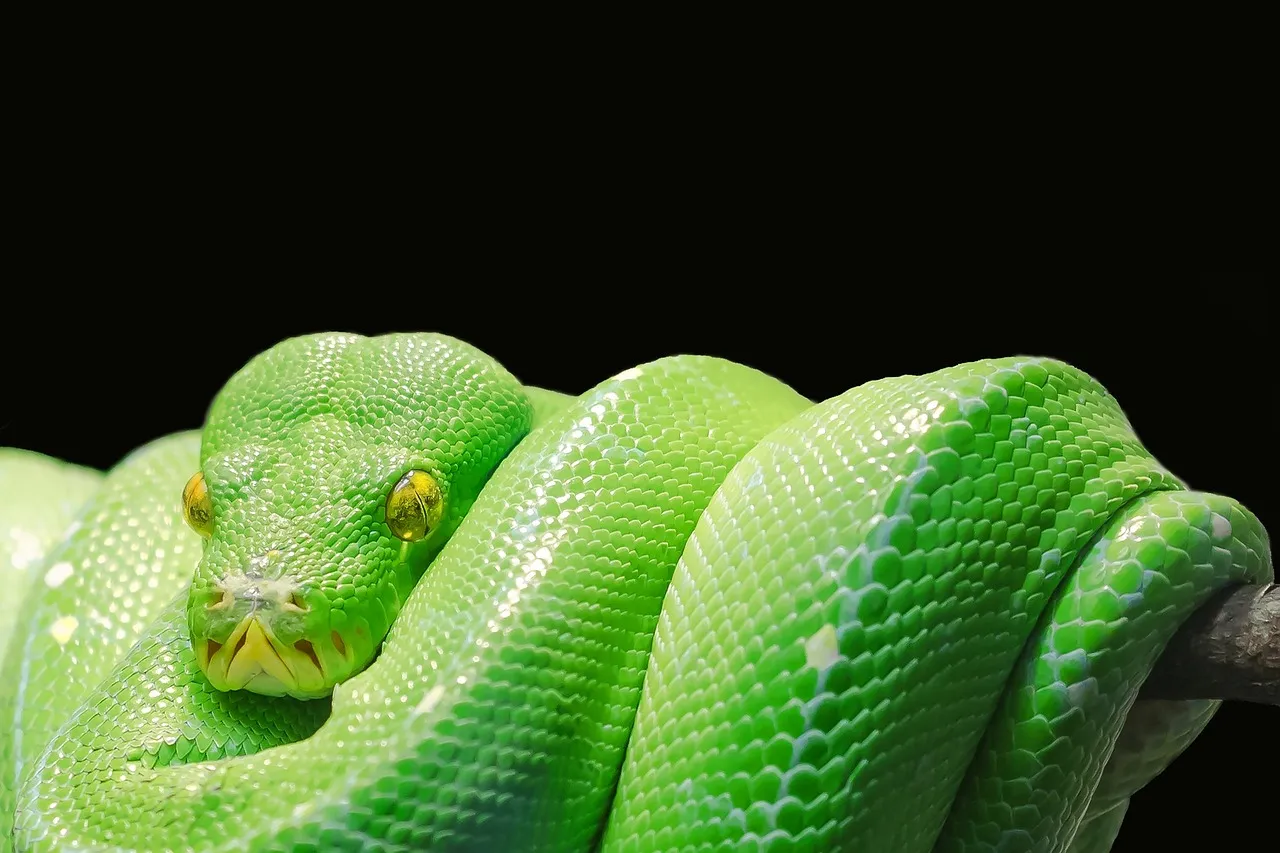
In the heart of the Appalachians, snakes have long been viewed as powerful omens. Their sudden appearance is often interpreted as a message from the spiritual realm, urging individuals to pay attention to their surroundings and inner selves. This belief underscores the deep connection between the people and the natural world around them.
Particularly, the direction in which a snake crosses one’s path holds significant meaning. A snake moving from left to right is traditionally seen as a positive sign, suggesting that the individual is on the right path or that good fortune is forthcoming. This interpretation is deeply rooted in the region’s cultural narratives and oral traditions.
Left to Right: A Sign of Favorable Change
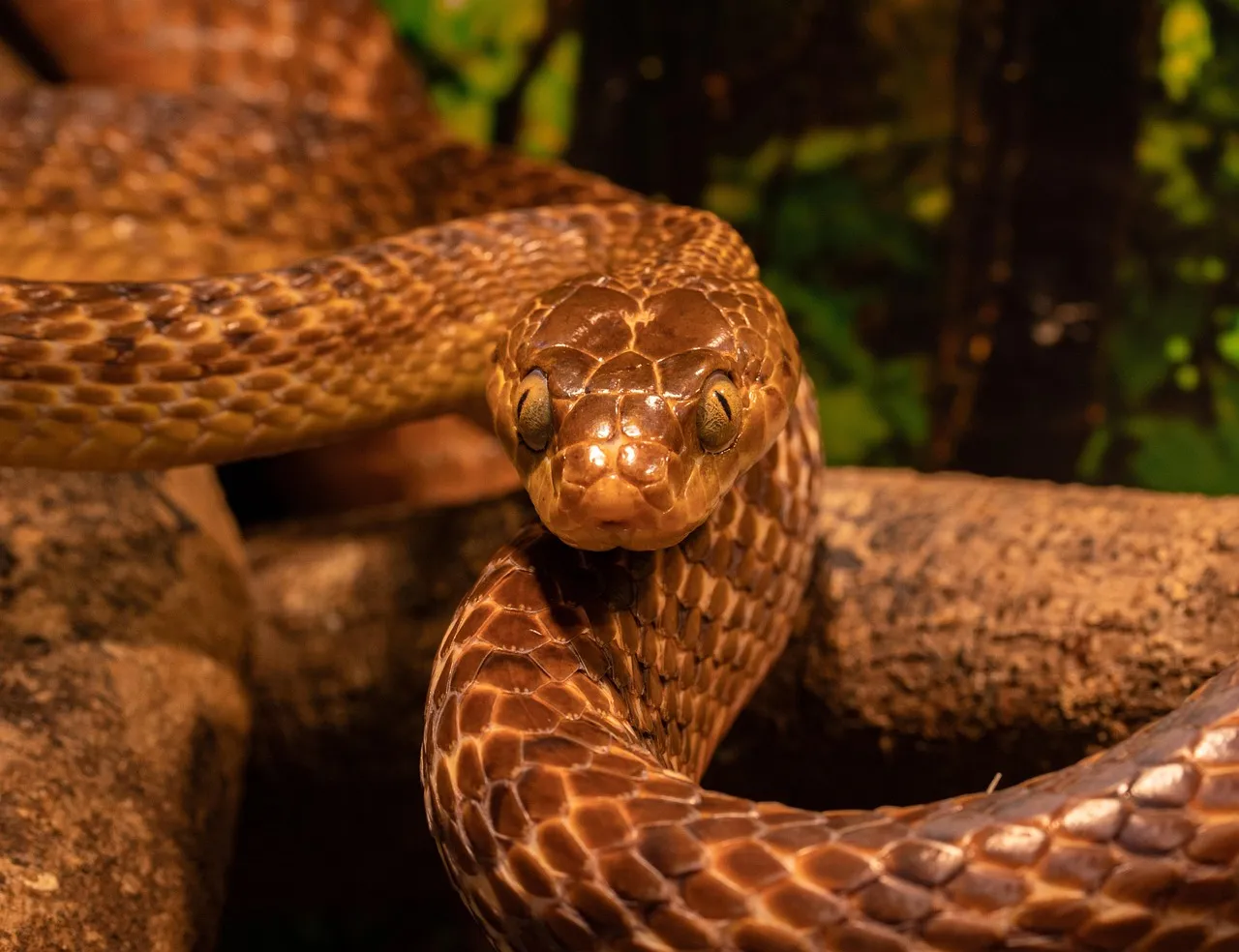
When a snake crosses from left to right, it’s often perceived as an indication of favorable change or progress. This movement aligns with the natural reading direction in Western cultures, symbolizing forward motion and advancement. Such an encounter might suggest that it’s an opportune time to embark on new ventures or make significant life decisions.
Moreover, this directional crossing is sometimes associated with the idea of shedding old habits or beliefs, much like a snake sheds its skin. It serves as a reminder that personal growth often involves letting go of the past to embrace new beginnings.
Historical Context and Cultural Interpretations
The Appalachian region is a melting pot of various cultural influences, including Native American, European, and African traditions. Each of these cultures has contributed to the rich tapestry of snake symbolism found in the area. For instance, in some Native American beliefs, snakes are seen as symbols of transformation and healing.
European settlers brought with them a host of superstitions, many of which involved animals as omens. Over time, these beliefs intertwined with local traditions, leading to the unique interpretations found in Appalachian folklore today.
Practical Advice: How to Respond to Such an Encounter
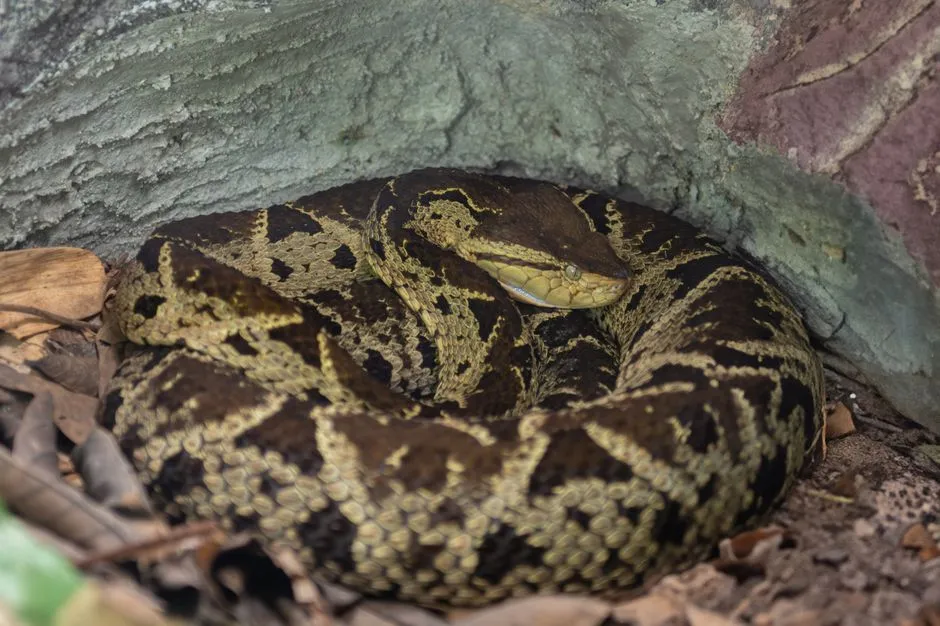
While the symbolic meanings are intriguing, it’s also essential to consider practical responses when encountering a snake. Firstly, it’s crucial to remain calm and avoid sudden movements. Most snakes are not aggressive and will move away if not threatened.
Additionally, it’s advisable to give the snake ample space and time to cross. This not only ensures your safety but also aligns with the respectful approach to nature that is deeply ingrained in Appalachian culture.
Modern Perspectives on Traditional Beliefs

In today’s world, many individuals view these traditional beliefs through a more symbolic lens, appreciating them as part of the region’s rich cultural heritage. While not everyone may subscribe to the idea of omens, the stories and interpretations offer valuable insights into the values and worldviews of Appalachian communities.
Moreover, understanding these traditions fosters a deeper appreciation for the interconnectedness of humans and nature, a theme that remains relevant in contemporary discussions about environmental stewardship and cultural preservation.
Conclusion
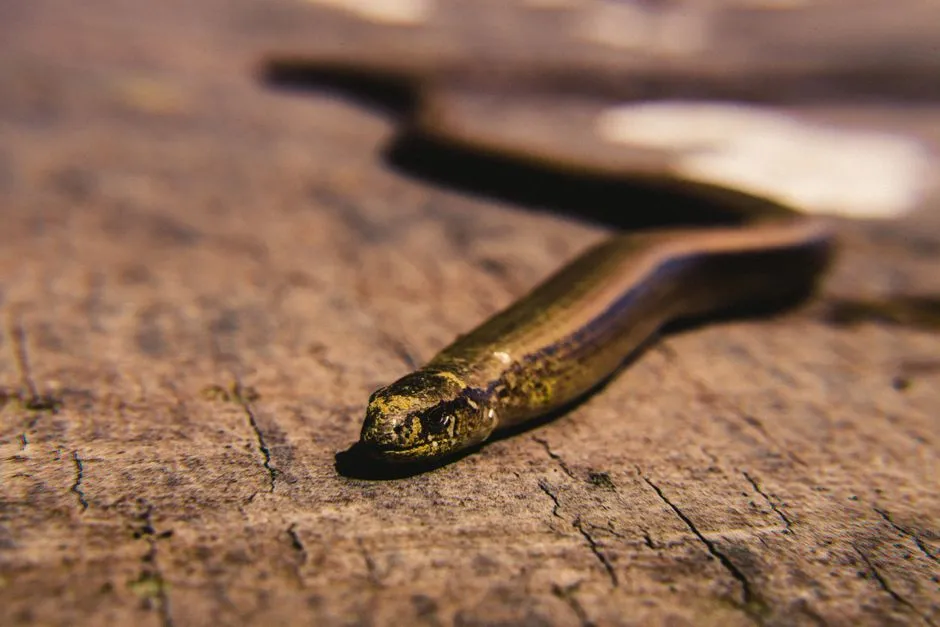
Encountering a snake crossing your path from left to right in the Southern Appalachian region is more than a mere chance meeting; it’s a moment steeped in cultural significance and historical depth. Whether viewed as a positive omen or a prompt for introspection, such experiences invite us to reflect on our paths and the natural world around us. So, the next time you find yourself in the mountains and a snake crosses your path, consider it an opportunity to pause and ponder: What message might the universe be sending your way?

- 6 Exotic Bird Species You Can Spot in U.S. National Parks - July 19, 2026
- 11 Iconic American Birds Facing New Challenges and How You Can Help - July 19, 2026
- 10 Friendliest Animals in the World - July 19, 2026