

Our planet is home to an incredible array of life forms, many of which seem so unusual, they could be extras in a sci-fi blockbuster. From the deepest ocean trenches to the densest rainforests, evolution has crafted creatures that defy our understanding. Join us on an expedition through the natural world as we explore 30 of these bizarre beings, each more awe-inspiring and peculiar than the last.
30. The Glowing Dragonfish

Residing deep in the ocean, the dragonfish exhibits a bioluminescent glow that might remind one of otherworldly creatures from alien worlds. This glow helps them attract prey and communicate in the pitch-black waters of their habitat.
29. Axolotl: The Real-Life Pokemon

Often dubbed a “walking fish,” the axolotl is a type of salamander that retains its larval features throughout its life. Found in the lakes of Mexico, it’s not just its appearance that’s fascinating; its ability to regenerate limbs is equally remarkable.
28. Yeti Crab’s Furry Claws
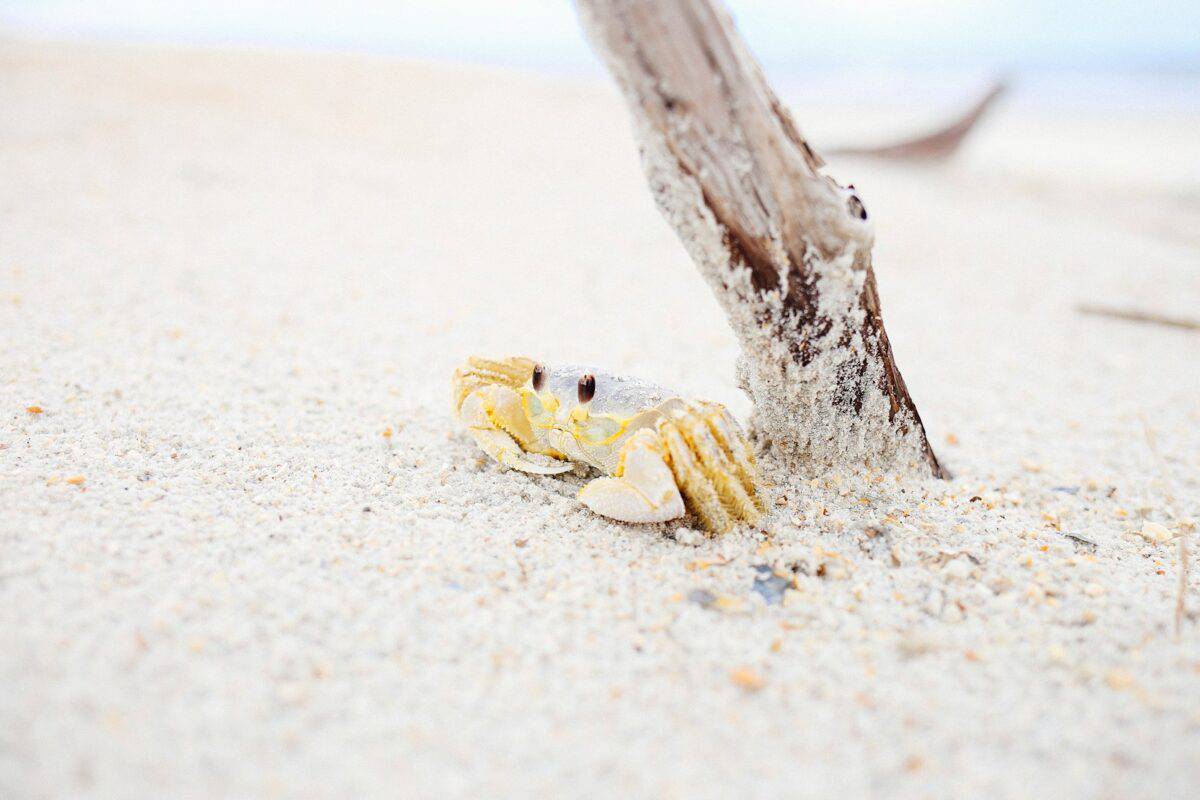
Discovered near hydrothermal vents in the South Pacific Ocean, the yeti crab is known for its hairy pincers. These hairy arms house bacteria that could serve as food, making it a self-sustaining microhabitat.
27. The Colorful Mandrill
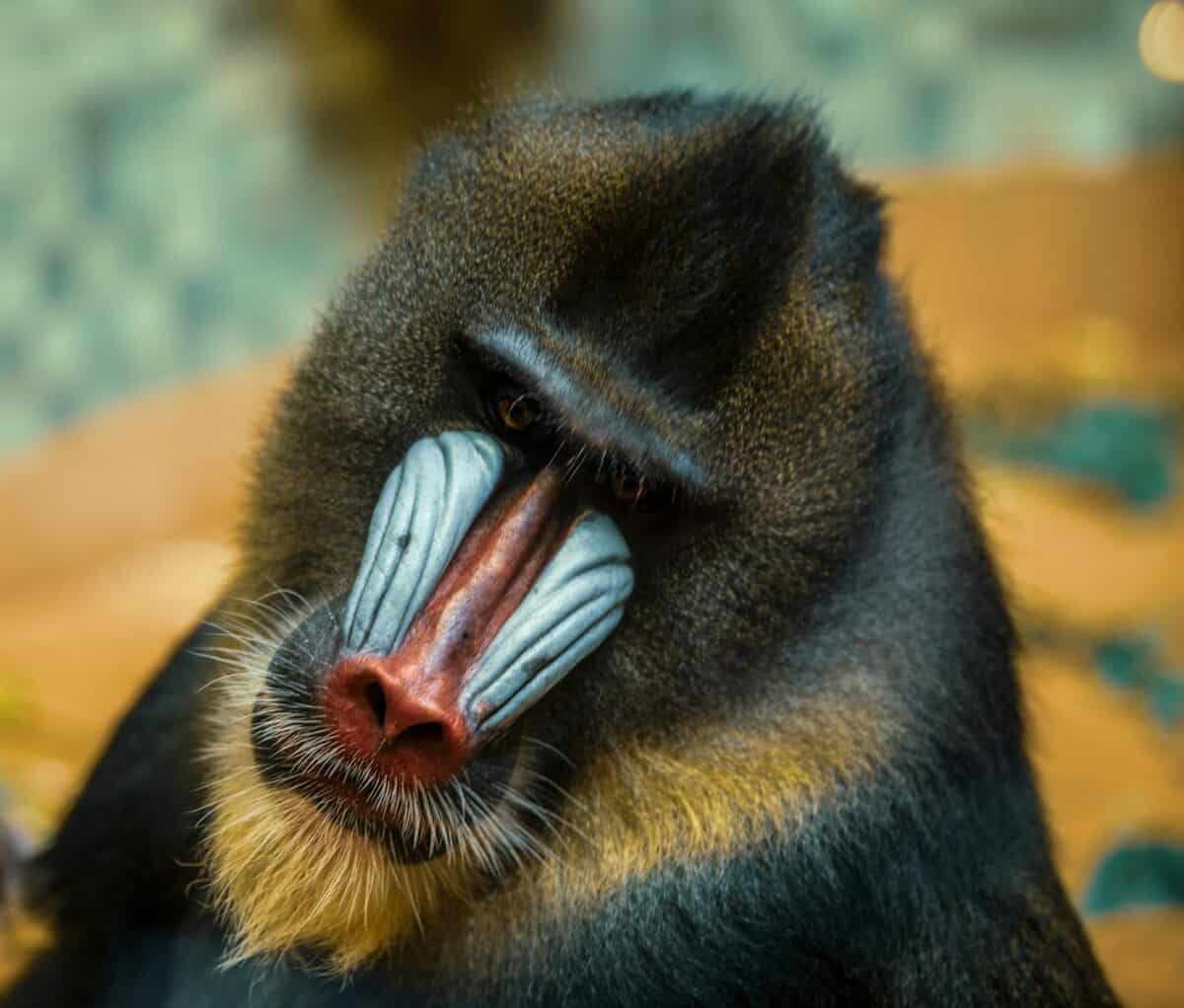
Mightier than the average primate, the mandrill is best known for its strikingly colorful face and posterior. Found in the rainforests of Central Africa, this Old World monkey uses its bright features to signal social status and attract mates.
26. The Gerenuk’s Long Neck
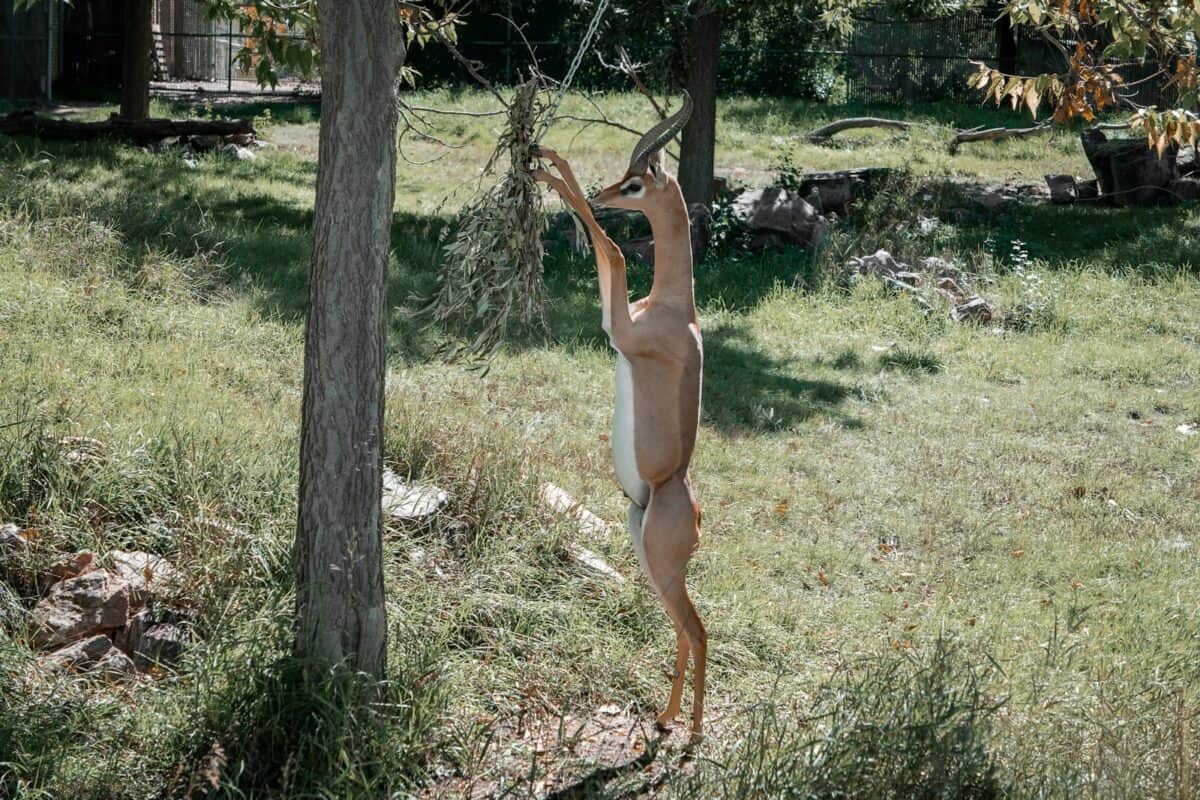
Resembling a creature of fiction, the gerenuk, or “giraffe gazelle,” has an incredibly long neck, which allows it to reach leaves higher up on trees in the arid regions of Eastern Africa.
25. Star-Nosed Mole’s Unusual Snout

This North American mammal is easily recognized by the 22 tentacle-like appendages surrounding its nose. The star-nosed mole uses these sensitive devices to identify its food with remarkable speed.
24. Aye-Aye’s Probing Finger

Native to Madagascar, the aye-aye’s elongated finger and large eyes contribute to its otherworldly appearance. This nocturnal lemur uses its unique finger to extract insects from tree bark.
23. Leafy Sea Dragon’s Camouflage

Named for its leafy appendages, this marine fish skillfully mimics seaweed to avoid predators. Found off the coast of Australia, the leafy sea dragon drifts with the ocean currents to blend seamlessly into its environment.
22. Blue Dragon Sea Slug’s Striking Colors
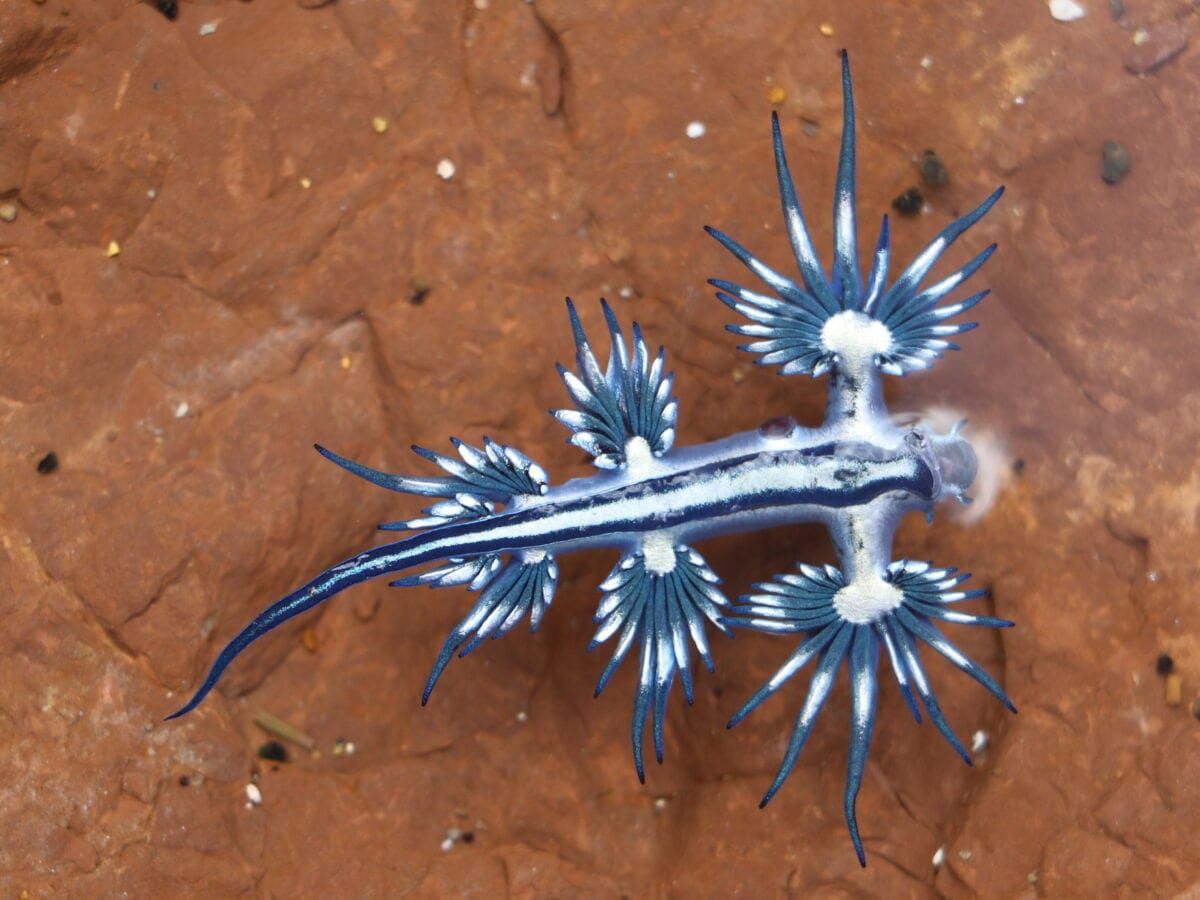
The aptly named blue dragon is a small marine mollusk known for its vibrant hues reminiscent of a cosmic entity. This slug floats upside-down on the ocean’s surface, preying on venomous jellyfish and using their toxins for defense.
21. The Thorny Devil Lizard’s Spiky Armor

Endemic to the deserts of Australia, the thorny devil is a lizard covered in intimidating spikes. Despite its fierce appearance, it feeds primarily on ants, using its spiny exterior as a defense against predators.
20. Blobfish’s Peculiar Physique
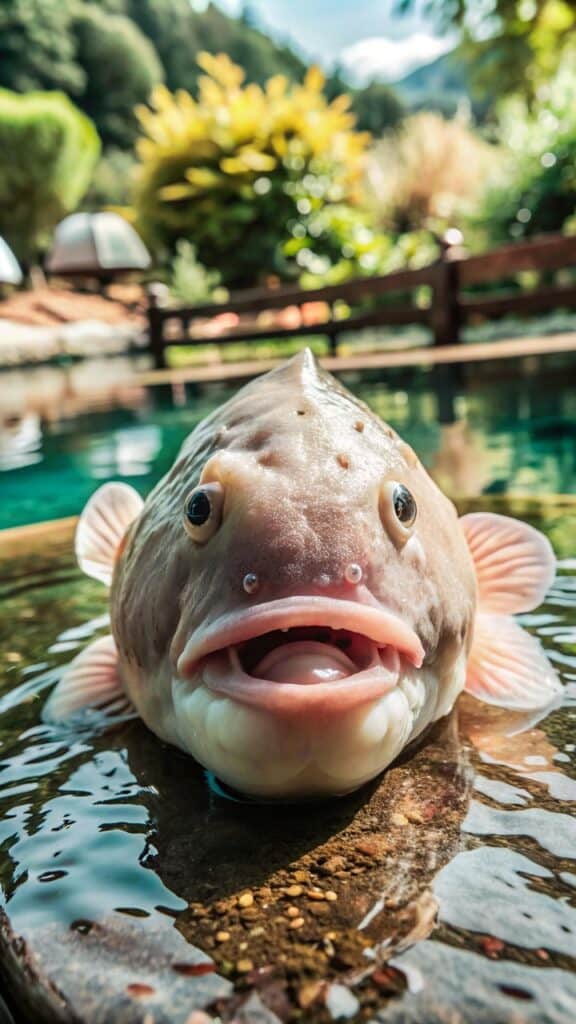
Dubbed the “world’s ugliest animal,” the blobfish lives in the deep waters off the coast of Australia and New Zealand. Its gelatinous form helps it withstand the high-pressure environment of the ocean depths.
19. The Peculiar Proboscis Monkey
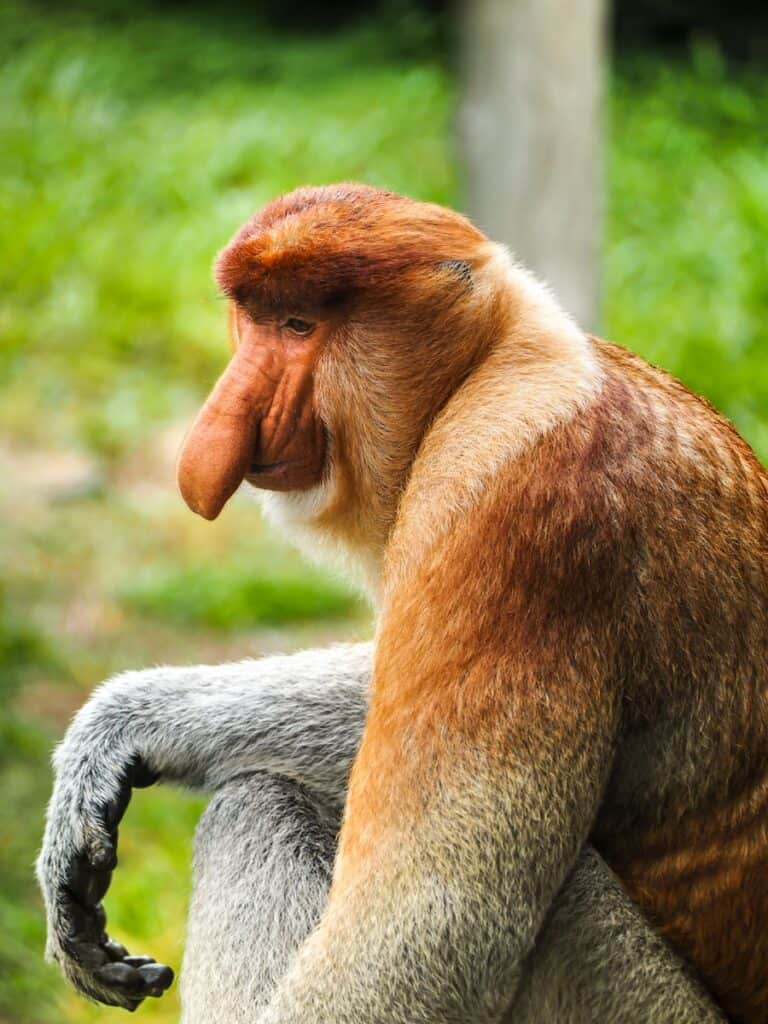
With its enormous nose, the proboscis monkey is a spectacle to behold in the rainforests of Borneo. This distinctive feature is believed to enhance vocalizations to attract mates and assert dominance.
18. Potoo Bird’s Camouflage Skills
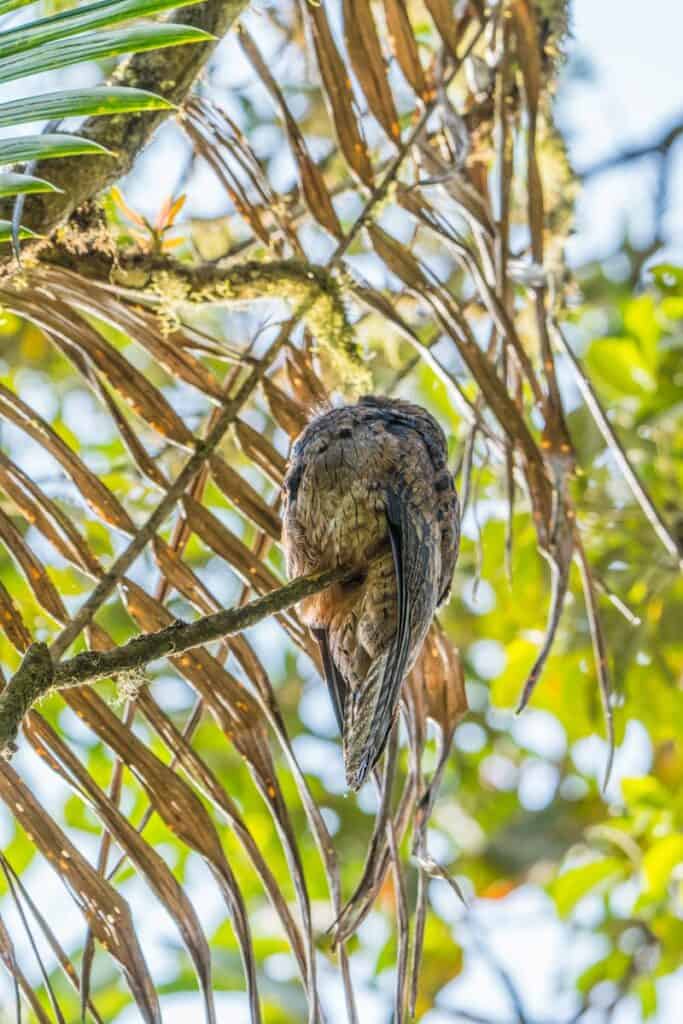
Found in Central and South America, the potoo is a nocturnal bird known for its remarkable ability to mimic tree bark. During the day, it remains motionless, blending perfectly with its surroundings to evade predators.
17. Saiga Antelope’s Unique Nose
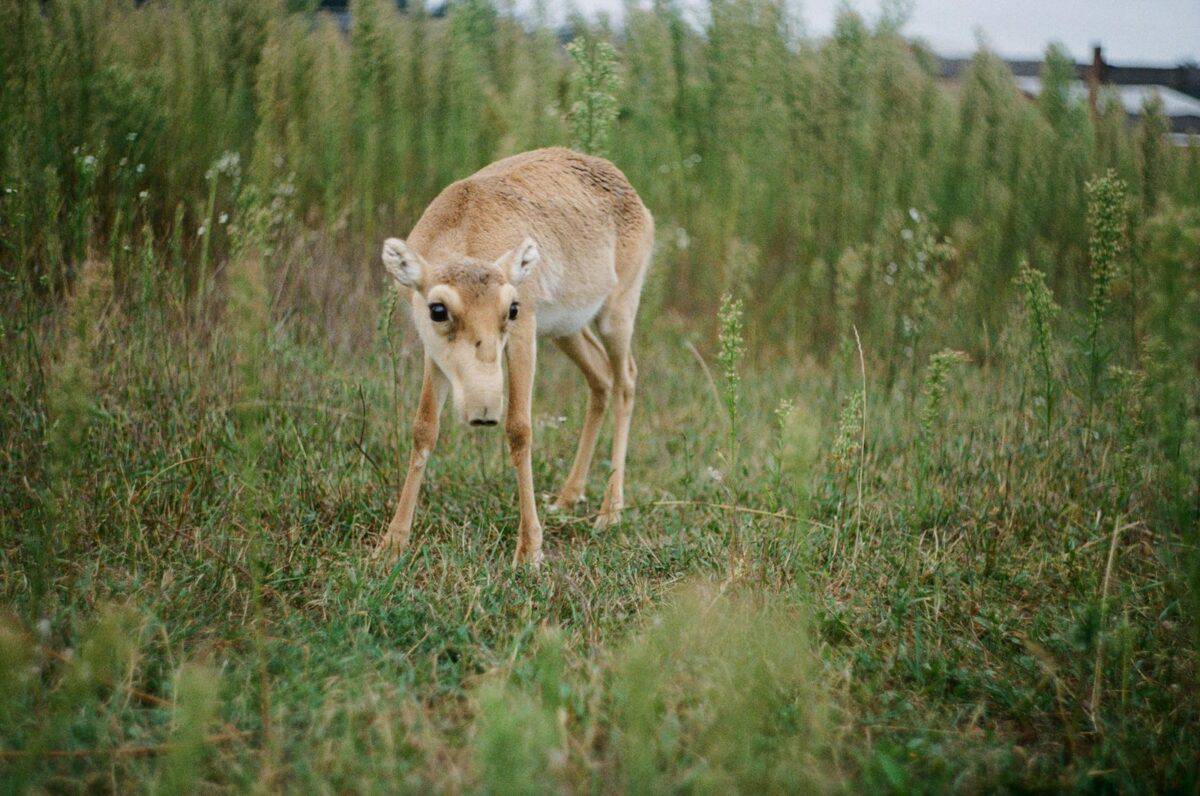
The saiga antelope, native to the Eurasian steppes, is instantly recognizable by its oversized, flexible nose. This organ filters out dust and regulates body temperature, essential for their arid environment.
16. Platypus: The Mammal that Lays Eggs
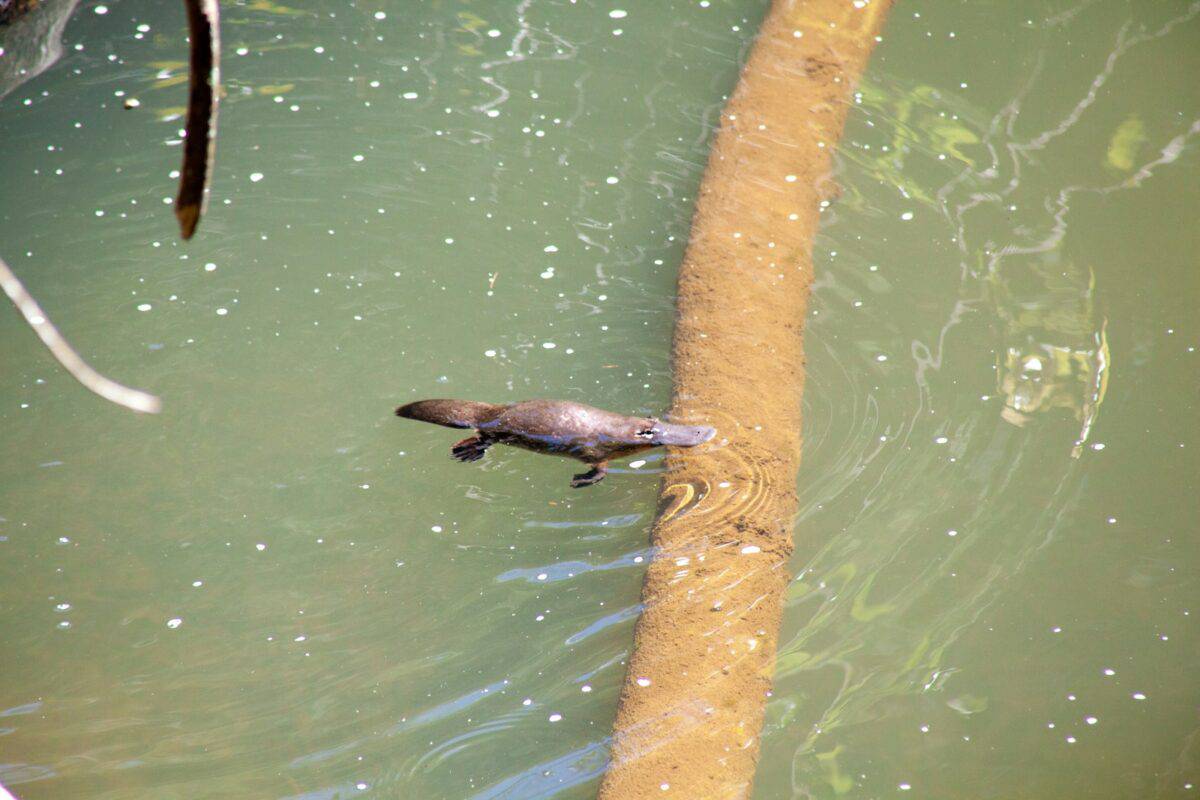
Combining a duck’s bill, a beaver’s tail, and otter-like feet, the platypus is a mammalian enigma. Endemic to Australia, this egg-laying monotreme possesses a unique mix of reptilian and mammalian traits.
15. Gharial’s Gnarled Snout
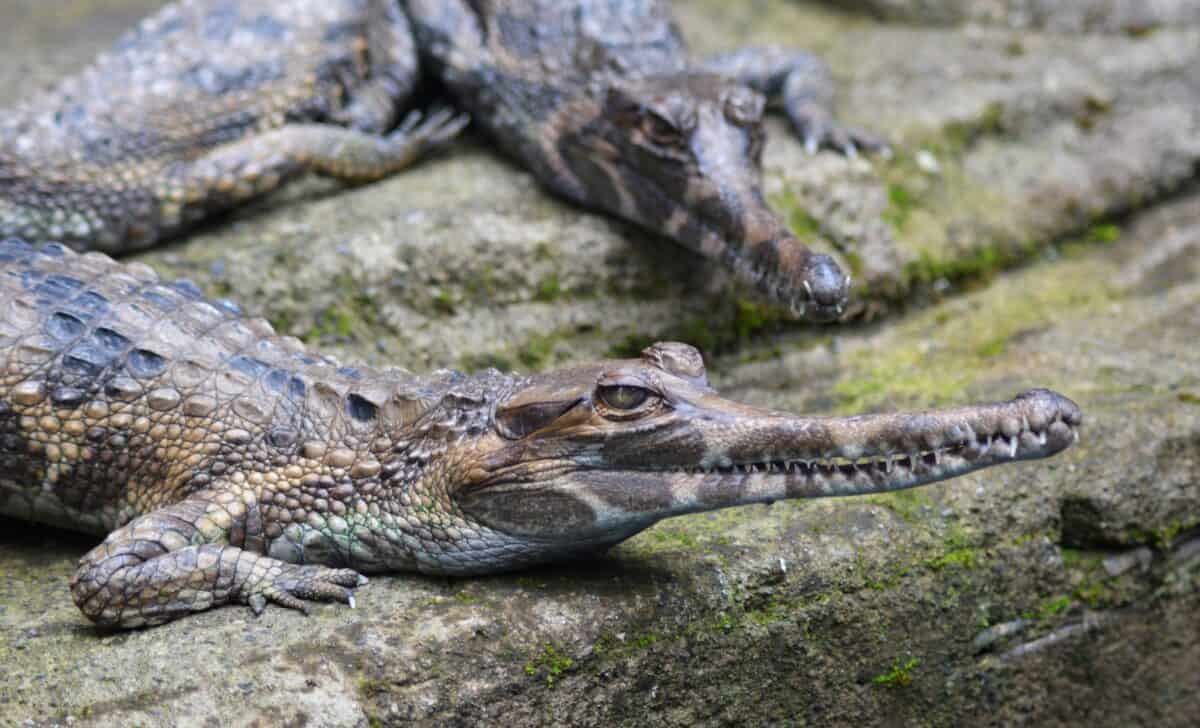
The gharial is a crocodilian with a distinctive long, thin snout, home to the freshwaters of the Indian subcontinent. This adaptation makes catching fish easier, which is their primary diet.
14. The Frilled Shark’s Ancient Design

Evoking prehistoric creatures, the frilled shark is a deep-sea dweller that retains many primitive characteristics. It boasts a serpentine body and a wide gape, aiding in its role as an ambush predator.
13. Goblin Shark: The Living Fossil

Deep in the ocean lurks the goblin shark, a species with a bizarre appearance and the ability to extend its jaw á la sci-fi monster. Often referred to as a “living fossil,” it remains mostly unchanged over millions of years.
12. Glass Frog’s Transparent Skin
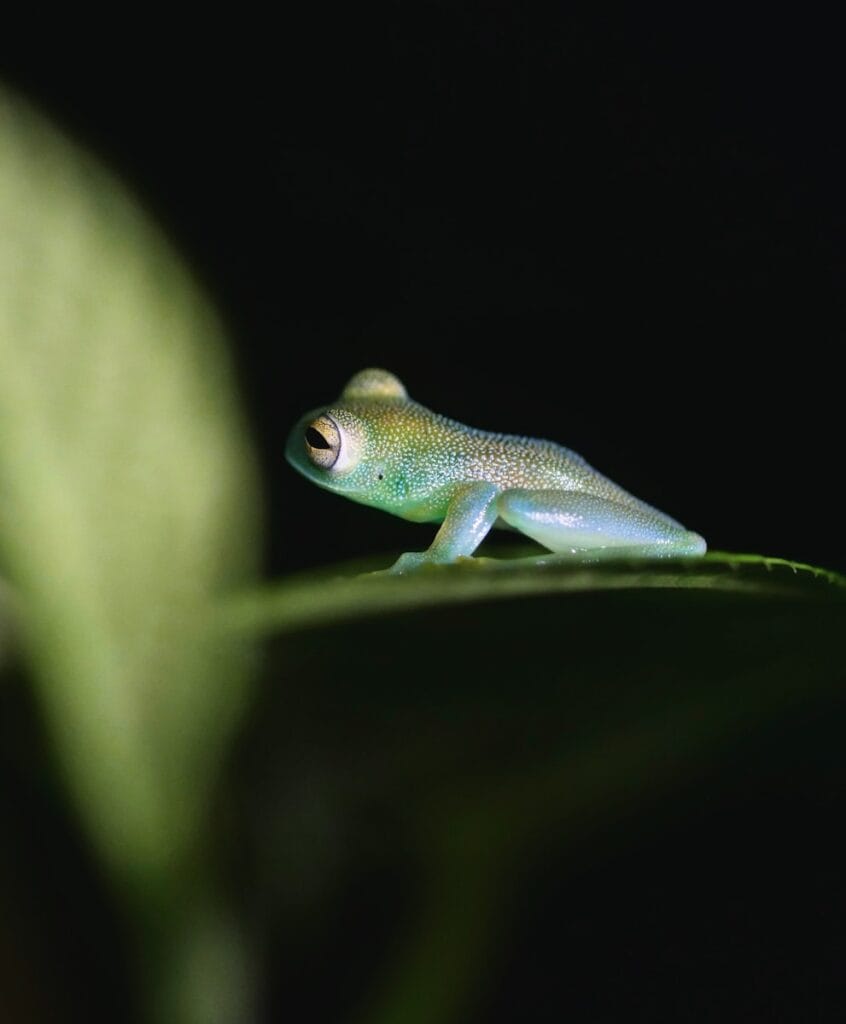
Natives of Central and South America, glass frogs exhibit an extraordinary translucent skin that reveals their internal organs. This transparency makes it easier for them to avoid predators by blending into leafy environments.
11. The Surprising Tardigrade

Known as water bears, tardigrades are microscopic creatures with an unsettling resilience. They can survive extreme conditions, from the vacuum of space to high radiation levels, making them a subject of endless fascination.
10. Pangolin: Nature’s Armored Animal

Pangolins, distributed across Asia and Africa, are covered in hard protective scales. These nocturnal creatures can curl into a tight ball when threatened, with their scales serving as effective armor against predators.
9. Immortal Jellyfish’s Defiance of Death
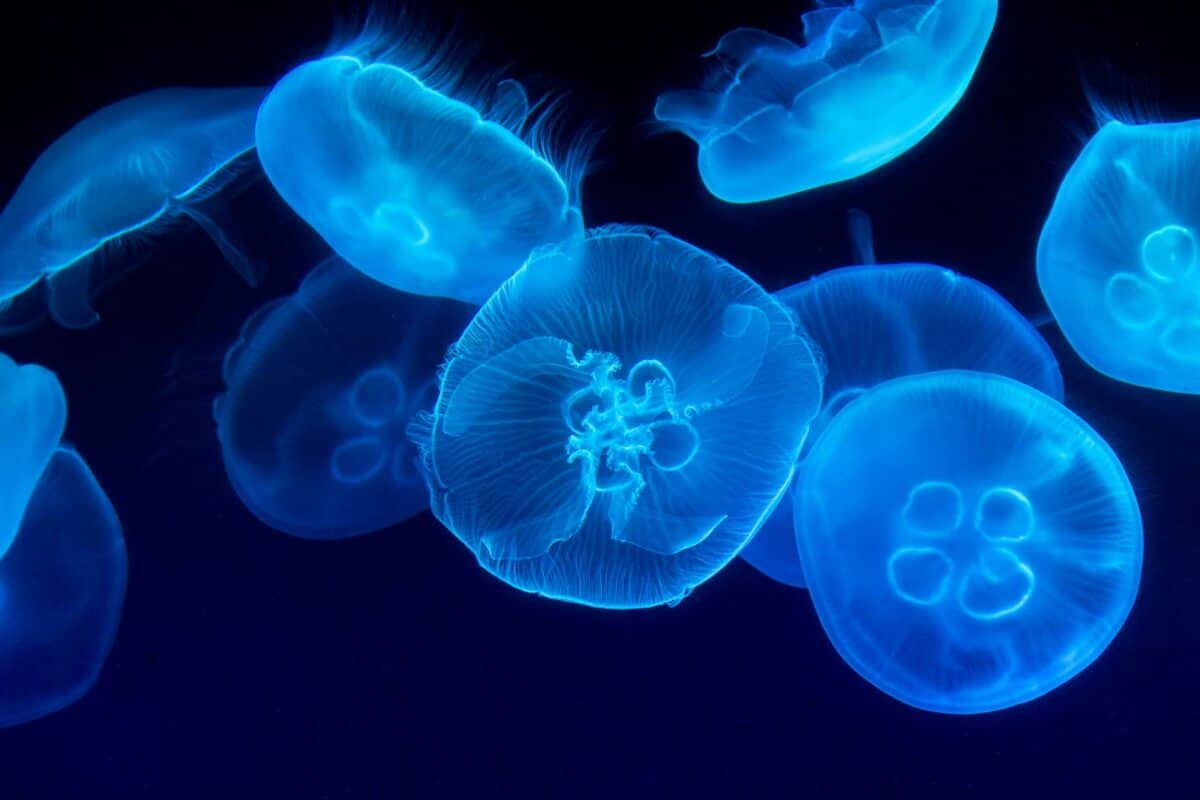
The immortal jellyfish, Turritopsis dohrnii, intrigues scientists with its ability to revert to its earlier life stage, essentially evading death. This unique biological process fascinates researchers looking into aging and longevity.
8. Vampire Squid from Hell

Despite its fearsome name, the vampire squid lurks harmlessly in the depths of the ocean. Its distinctive red color and glowing eyes earn it a mysterious reputation among marine creatures.
7. The Glaucus Atlanticus: A Vestige of the Sea
A small but striking creature, the glaucus atlanticus is a type of sea slug adored for its stunning coloration and floatation on the ocean surface. It preys upon larger jellyfish, borrowing their stinging cells for its own defense.
6. Komodo Dragon’s Imposing Gait
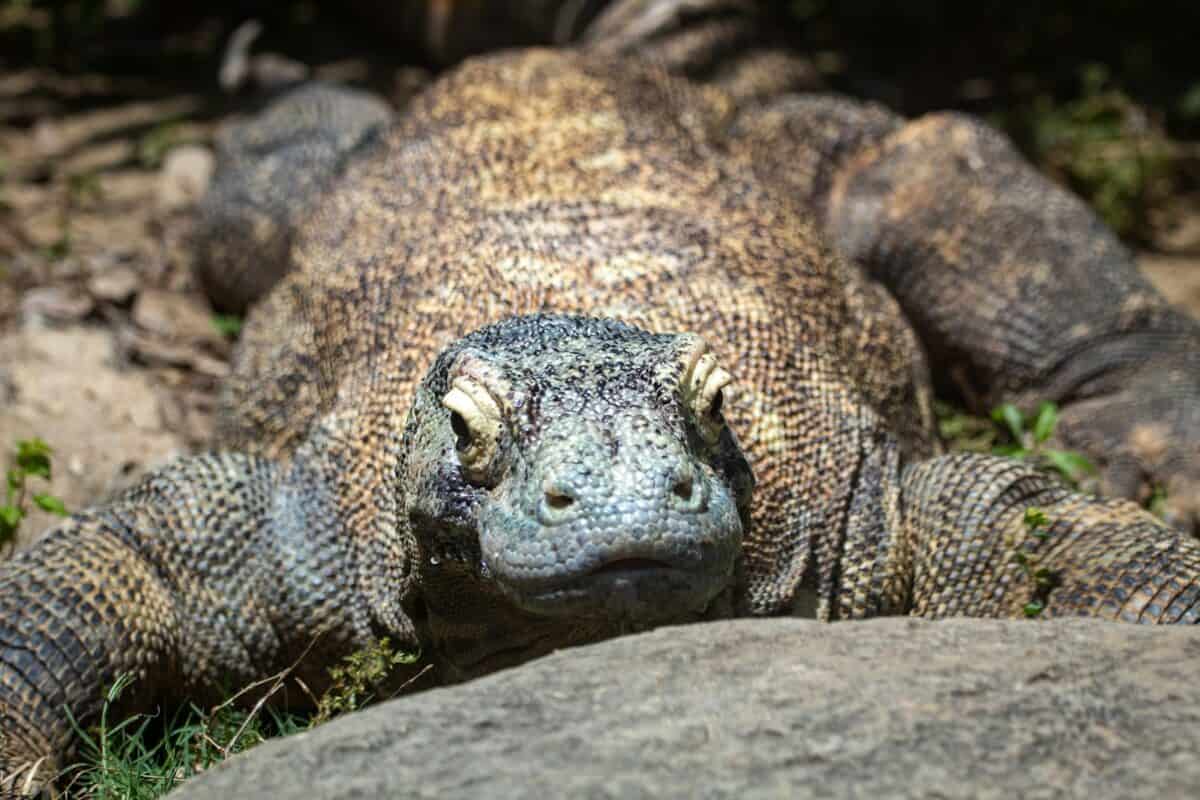
The Komodo dragon, native to a few Indonesian islands, is the largest living lizard. Known for its deadly saliva and imposing size, it commands respect and intrigue much like its mythical namesakes.
5. Dumbo Octopus’s Lovable Ears
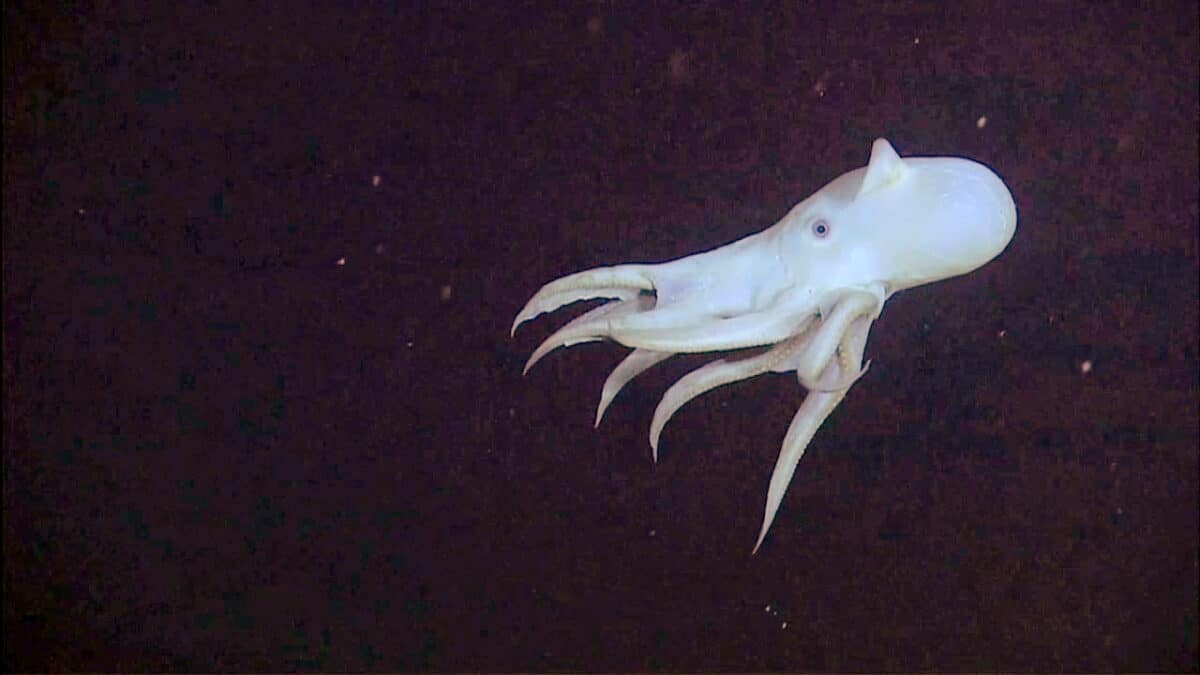
Named for the ear-like fins protruding from its head, the dumbo octopus gracefully glides through the deep ocean with undeniable charm. This endearing creature is as elusive as it is captivating.
4. Vietnamese Mossy Frog’s Disguise

The Vietnamese mossy frog’s masterful mimicry of moss and lichen makes it nearly invisible in its natural habitat. This remarkable camouflage is a primary defense mechanism against predators.
3. Hairy Frogfish’s Deceptive Looks
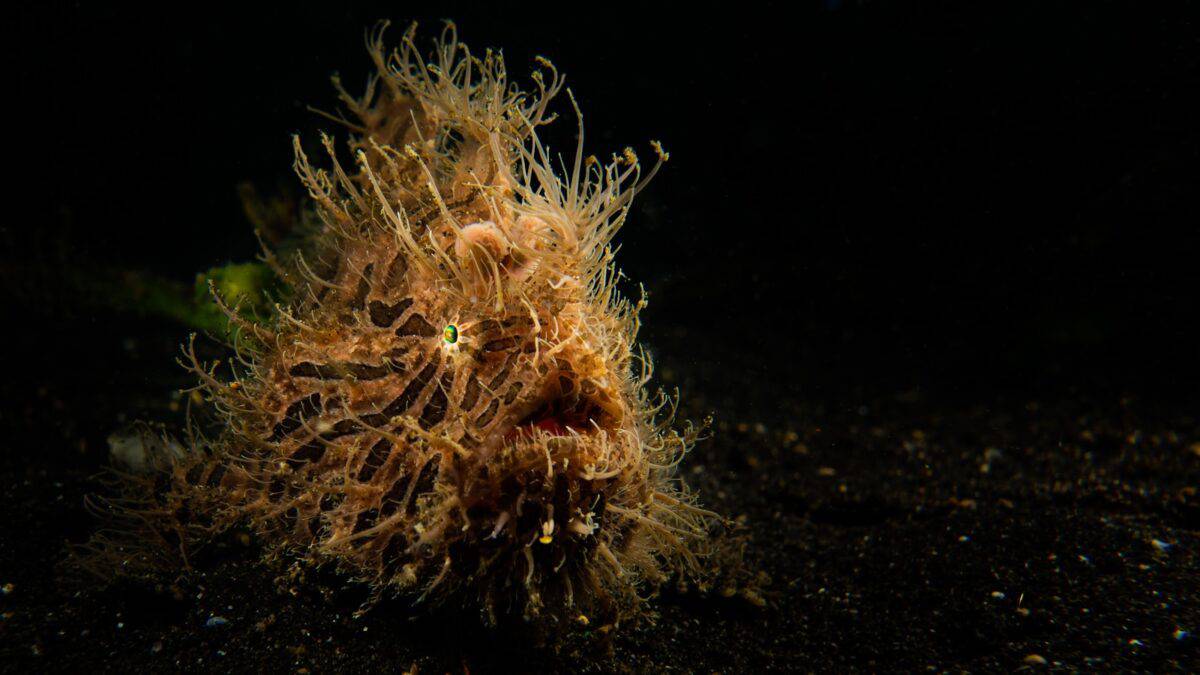
This peculiar fish uses its hairy appearance to blend into coral reefs, effectively ambushing unsuspecting prey. Its ability to “walk” on the ocean floor using pectoral fins adds to its bizarre charm.
2. The Etruscan Shrew: Tiny Yet Fierce

The smallest known mammal by mass, the Etruscan shrew possesses a rapid metabolism to fuel its non-stop energy. Despite its minuscule size, its fierce nature and voracious appetite make it a tiny giant.
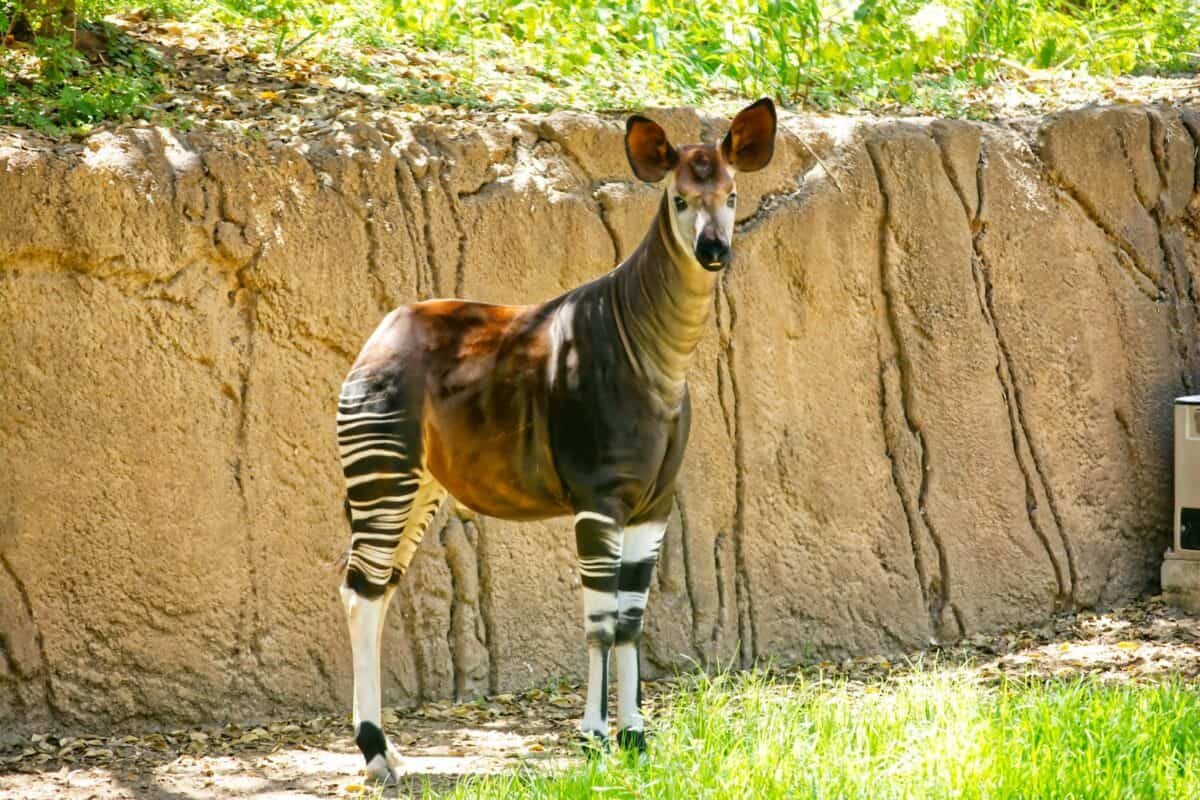
1. Okapi’s Hidden Stripes
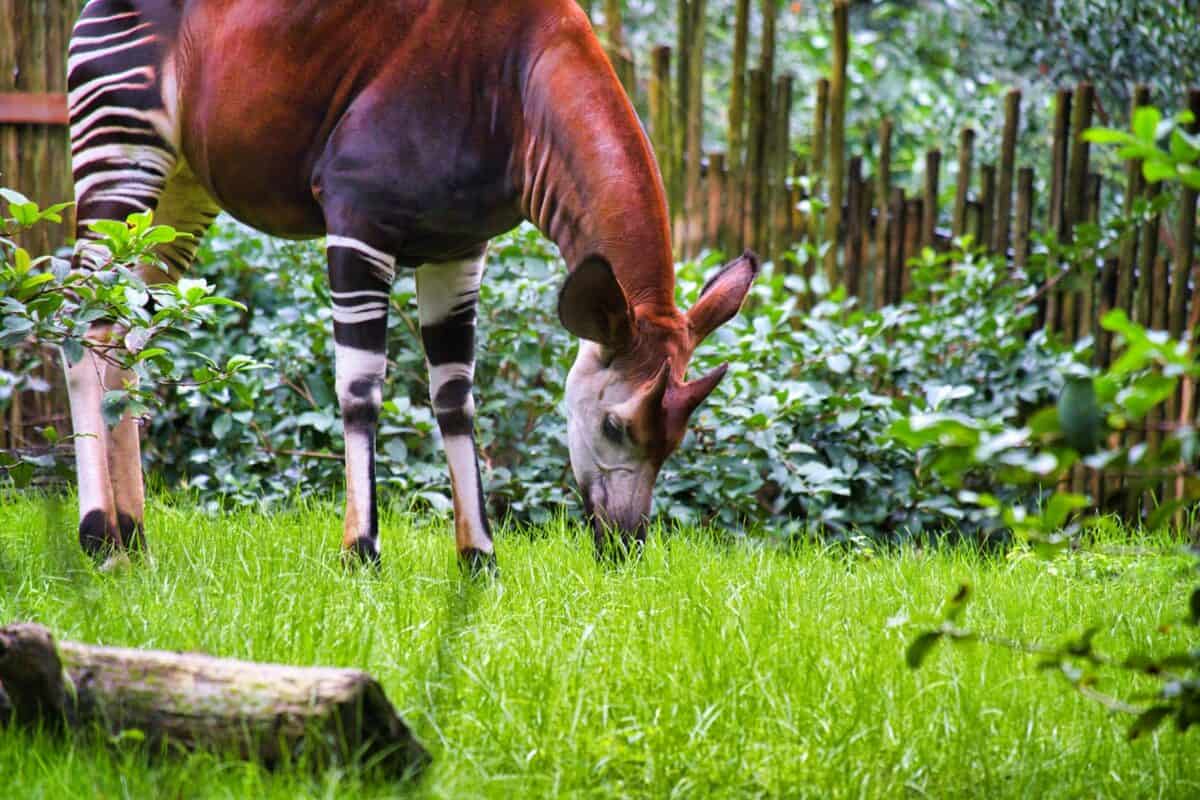
With markings resembling a zebra yet a body akin to a giraffe, the okapi is one of the most peculiar mammals in Africa. Living in the dense forests of the Congo, its striped markings serve both as camouflage and a communicative tool.
The Earth’s biodiversity is a testament to the limitless creativity of evolution. These bizarre creatures, each with its fascinating adaptations, teach us about the countless possibilities of life. They remind us of the importance of preserving our planet’s rich ecosystems, lest these sci-fi lookalikes fade into the realm of mere stories and legends.

- The Stunning Color Shifts of the Cuttlefish - July 27, 2026
- How Elephants Use Infrasound to Communicate Over Miles - July 27, 2026
- Why Some Dogs Smile and Others Don’t - July 27, 2026