


When hiking through America’s diverse landscapes, from desert terrain to marshy wetlands, encounters with wildlife are inevitable. Among the most feared creatures you might stumble upon are venomous snakes. The United States is home to several species of venomous serpents, but one stands above the rest in terms of potency. The Eastern diamondback rattlesnake (Crotalus adamanteus) holds the title of America’s most venomous snake, yet many Americans wouldn’t recognize this deadly reptile if they encountered it in the wild.
This comprehensive guide will explore everything you need to know about the Eastern diamondback rattlesnake, from identification features to survival strategies if you encounter one. Understanding these magnificent yet dangerous creatures is essential for anyone who enjoys outdoor activities in their habitat range. Let’s delve into the world of America’s deadliest serpent and learn how to identify, avoid, and respect this powerful predator.
The Eastern Diamondback: America’s Deadliest Serpent

The Eastern diamondback rattlesnake earns its status as the most venomous snake in the United States due to the sheer volume and potency of its venom. A single bite can deliver up to 400-450 mg of venom, with the lethal dose for humans being approximately 100-150 mg. This makes it potentially capable of killing several adults with one full venom load. Its hemotoxic venom destroys tissue, causes internal bleeding, and can lead to organ failure if left untreated.
Beyond its potent venom, the Eastern diamondback is also the largest venomous snake in North America. Specimens regularly reach lengths of 5-6 feet, with the largest recorded individuals approaching 8 feet. Their impressive size combined with their ability to strike at distances up to two-thirds of their body length makes them particularly dangerous. Despite their deadly potential, fatalities from Eastern diamondback bites are relatively rare today due to the availability of antivenom and prompt medical care.
Identifying Features: What to Look For

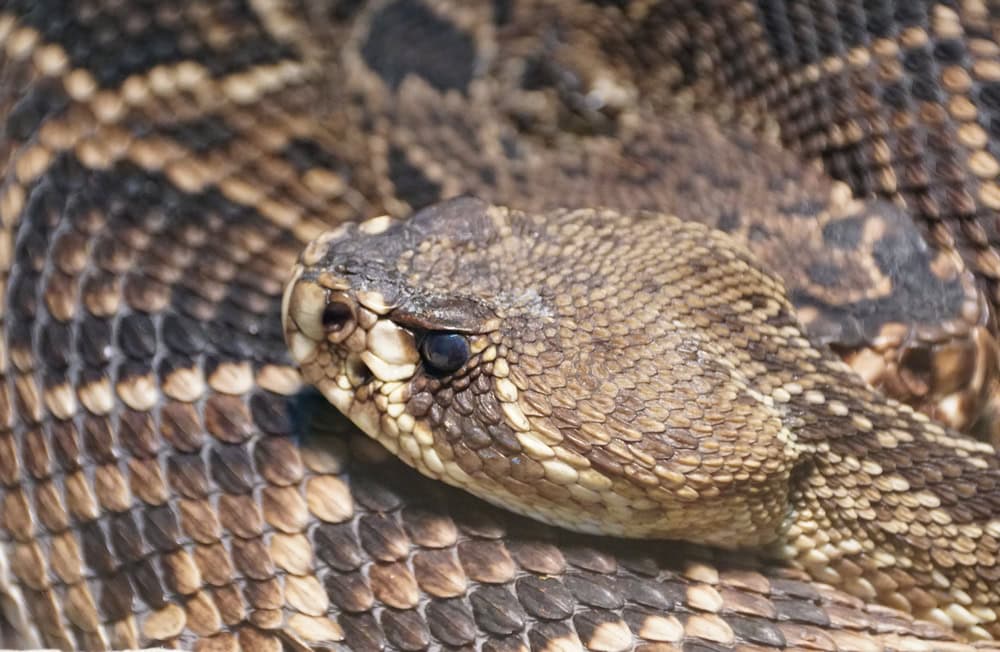
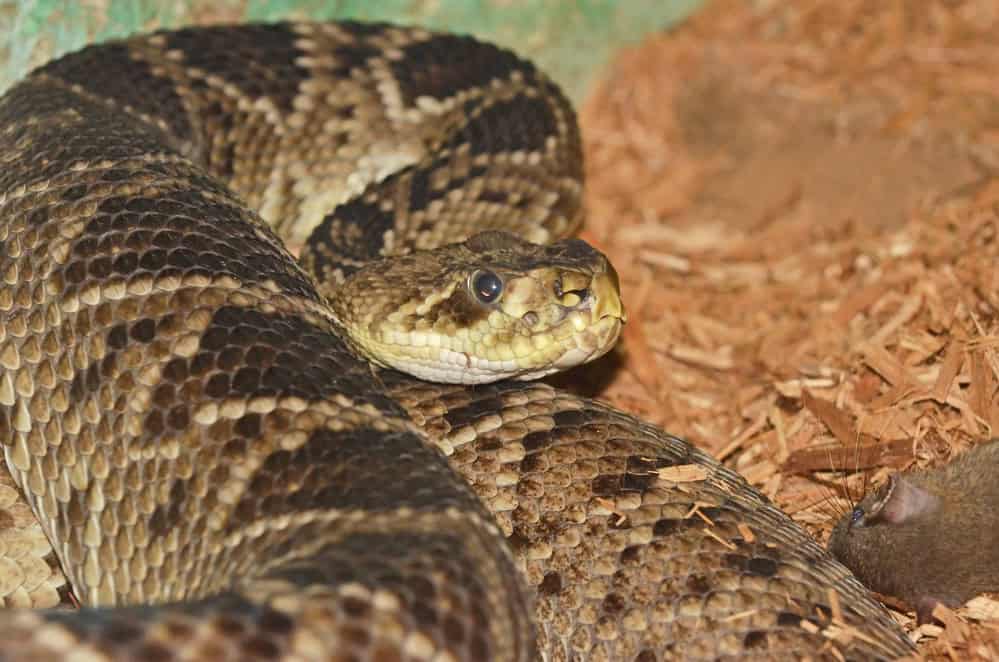
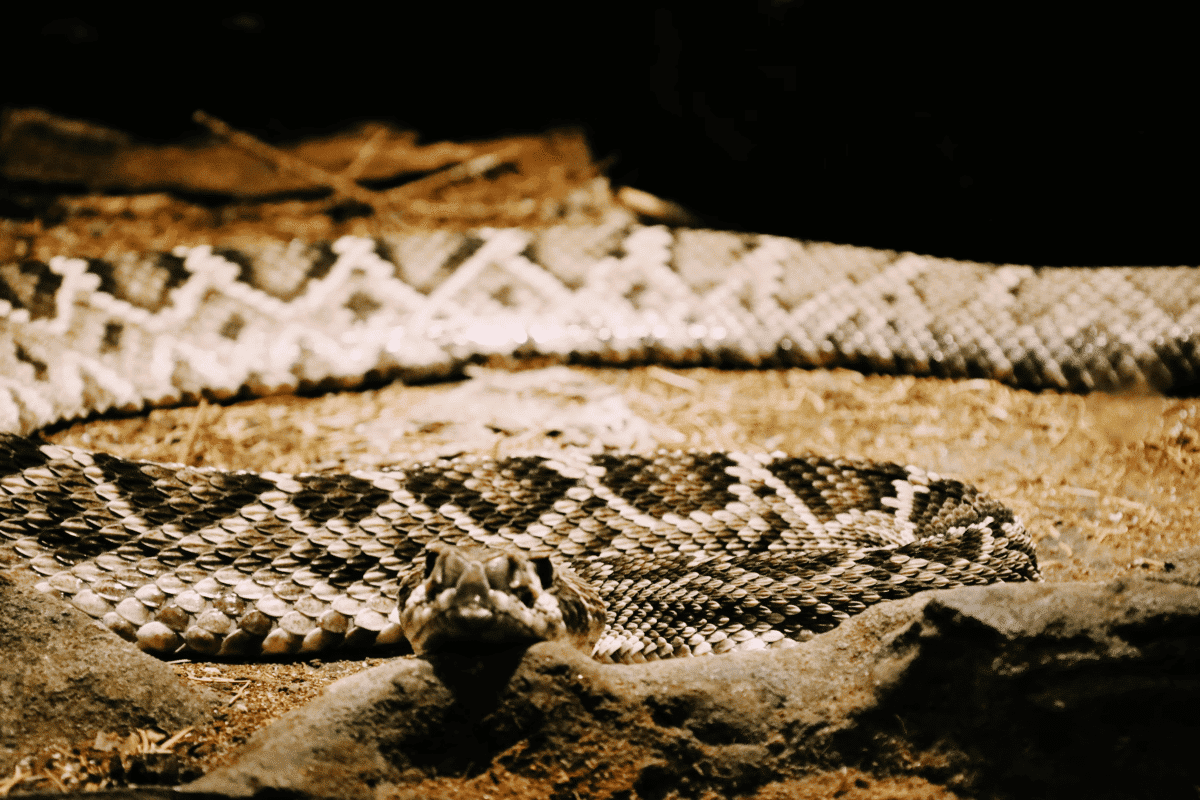
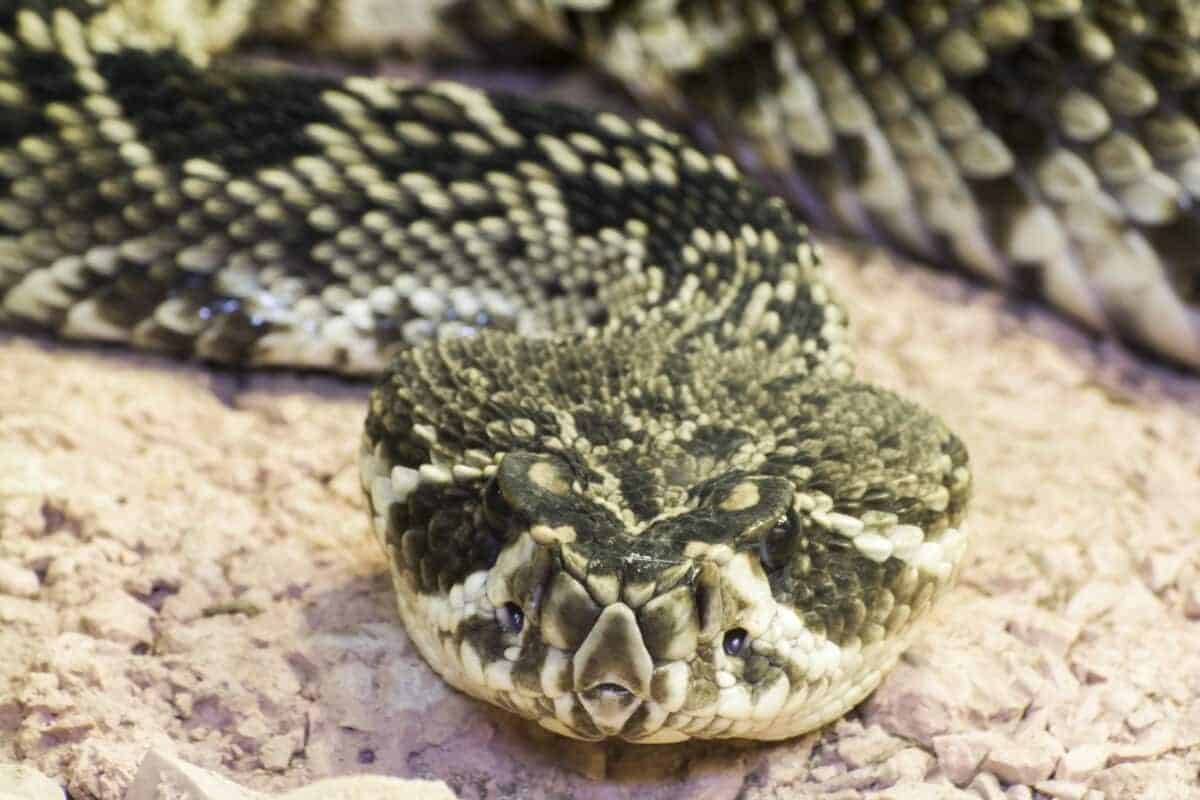
The Eastern diamondback rattlesnake has several distinctive features that make identification possible, even for non-experts. The most obvious characteristic is the diamond-shaped pattern that runs along its back, featuring dark brown or black diamonds bordered by lighter scales, typically yellowish or cream-colored. This pattern provides exceptional camouflage in their natural habitat. The snake’s head is large, triangular, and distinctly broader than its neck – a common feature among venomous pit vipers.
Another unmistakable feature is the rattle at the end of its tail. This natural warning device consists of interlocking segments that create the distinctive buzzing sound when vibrated. The snake adds a new segment each time it sheds its skin, though the rattle can break off, so the number of segments doesn’t reliably indicate age. Eastern diamondbacks also have vertical pupils (like a cat’s eyes) and heat-sensing pits between their eyes and nostrils, which help them detect warm-blooded prey even in complete darkness.
Geographic Range and Habitat

Eastern diamondback rattlesnakes have a relatively limited range compared to some other American snake species. They’re primarily found in the southeastern United States, with populations concentrated in Florida, southern Alabama, Mississippi, and parts of Louisiana, Georgia, South Carolina, and North Carolina. Within this range, they prefer specific habitats that provide both cover and hunting opportunities. Their traditional stronghold is in Florida, where they inhabit pine flatwoods, scrubby areas, and palmetto thickets.
These rattlesnakes thrive in dry, sandy environments, particularly coastal areas with pine forests and palmetto understories. They’re also commonly found in abandoned fields, along forest edges, and in areas with gopher tortoise burrows, which they use as retreats during extreme weather conditions. Unfortunately, habitat destruction from urban development and agriculture has significantly reduced their range, contributing to population declines across much of their historic territory. Today, encounters are most likely in protected wilderness areas and less-developed regions of the Southeast.
Behavior and Hunting Patterns

Eastern diamondback rattlesnakes are ambush predators that rely on patience and camouflage rather than pursuit. They typically coil in hidden positions near game trails or small mammal burrows, waiting for prey to pass within striking distance. When hunting, they use their heat-sensing pits to detect warm-blooded animals, allowing them to strike with precision even in total darkness. Their diet consists primarily of rabbits, squirrels, rats, mice, and occasionally birds. Adult diamondbacks can consume prey up to the size of a full-grown rabbit.
Contrary to popular belief, these snakes are not aggressive toward humans and prefer to avoid confrontation when possible. They typically rattle as a warning when they feel threatened, giving potential predators (including humans) the opportunity to retreat. Strikes at humans usually occur when the snake is surprised, cornered, or deliberately provoked. During cooler months, Eastern diamondbacks may brumate (a reptilian version of hibernation) in gopher tortoise burrows, stump holes, or other natural cavities, emerging on warmer days to bask in the sun.
The Mechanics of Their Venom

The venom of the Eastern diamondback rattlesnake is primarily hemotoxic, meaning it attacks blood cells and tissue. When injected, it begins destroying blood vessels and tissue around the bite site, leading to severe localized damage. The venom contains a complex mixture of enzymes and proteins that break down tissue, prevent blood clotting, and damage internal organs. This results in symptoms including extreme pain, progressive swelling, bruising, blistering, and potentially tissue necrosis if left untreated.
What makes this venom particularly dangerous is not just its composition but the delivery system. Eastern diamondbacks possess long, hollow fangs (up to an inch in length) that act like hypodermic needles, injecting venom deep into tissue. These fangs fold against the roof of the mouth when not in use and spring forward when the snake strikes. Additionally, the snake can control the amount of venom injected, sometimes delivering “dry bites” with little or no venom. However, a full envenomation from an adult Eastern diamondback requires immediate medical attention and antivenom treatment to prevent severe injury or death.
Comparing to Other Venomous U.S. Snakes
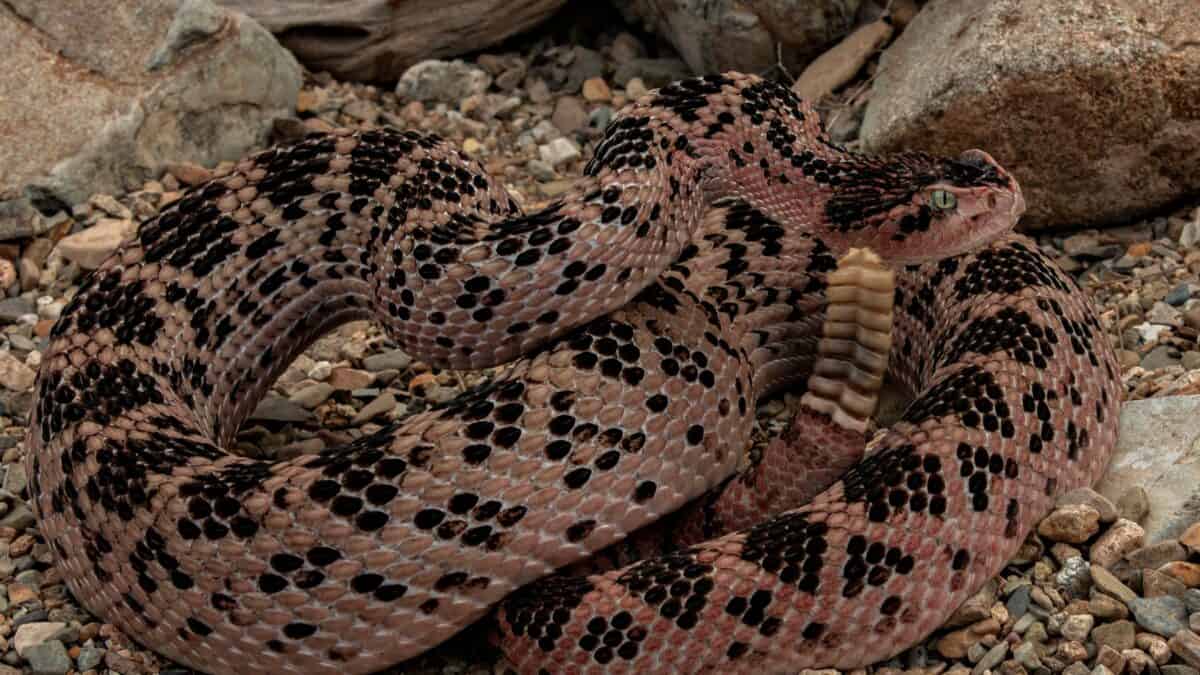
While the Eastern diamondback holds the title for most venomous snake in the United States, several other species deserve mention for their dangerous potential. The Western diamondback rattlesnake (Crotalus atrox), found in the southwestern states, is responsible for more snakebite fatalities due to its wider range and more frequent human contact, though its venom is less potent drop-for-drop. The Mojave rattlesnake (Crotalus scutulatus) has highly neurotoxic venom that can cause respiratory failure, making it particularly dangerous despite its smaller size.
The cottonmouth or water moccasin (Agkistrodon piscivorus) has less potent venom than the Eastern diamondback but frequents water bodies and can be more aggressive when threatened. The coral snake, with its distinctive red, yellow, and black banding, has highly potent neurotoxic venom but a less effective delivery system and shy disposition. The copperhead (Agkistrodon contortrix), while having the least potent venom among major venomous U.S. snakes, causes the most bites annually due to its excellent camouflage and presence in suburban areas. Each of these species has distinct identification features and habitat preferences that differ from the Eastern diamondback.
Snake Bite First Aid and Medical Treatment

If bitten by an Eastern diamondback rattlesnake, immediate and appropriate action is critical. First, move away from the snake to prevent additional bites and try to remain calm to slow the spread of venom through your system. Remove any jewelry or tight clothing near the bite site before swelling begins. Keep the affected limb immobilized and positioned below heart level. Call emergency services (911) immediately or have someone transport you to the nearest hospital. Take a photo of the snake if possible without approaching it again, as identification helps determine appropriate treatment.
Medical treatment for Eastern diamondback bites centers around antivenom therapy. CroFab (Crotalidae Polyvalent Immune Fab) is the primary antivenom used in the United States. Multiple vials may be required depending on the severity of envenomation. Healthcare providers will also monitor vital signs, manage pain, prevent infection, and treat specific complications such as respiratory distress or coagulopathy (blood clotting disorders). With prompt medical attention, the survival rate for Eastern diamondback bites exceeds 99%. However, recovery may be prolonged, and some patients experience permanent tissue damage at the bite site.
Misconceptions and Myths
Numerous myths surround the Eastern diamondback rattlesnake and snake bites in general. One dangerous misconception is that venom should be sucked out of a bite wound. This method is ineffective, potentially spreads venom to the mouth of the person attempting to help, and wastes precious time. Similarly, tourniquets, ice, incisions, electric shocks, and alcohol consumption are all harmful approaches that can worsen outcomes and delay proper medical treatment.
Another common myth is that baby rattlesnakes are more dangerous because they “can’t control their venom.” While juvenile snakes do deliver full venom loads with each bite, adult Eastern diamondbacks possess significantly larger venom glands and can inject much more venom overall. There’s also a misconception that rattlesnakes always rattle before striking. While they typically do so when given enough warning time, snakes that are suddenly surprised may strike defensively without rattling first. Finally, many people incorrectly believe that venomous snakes must have rattles – several dangerous U.S. species like copperheads and cottonmouths have no rattles at all.
Conservation Status and Threats

Despite their fearsome reputation, Eastern diamondback rattlesnakes face significant conservation challenges. They’re currently listed as “Least Concern” on the IUCN Red List but are considered threatened or endangered in several states within their range. Population declines exceeding 80% have been documented in some regions over the past century. The primary threat is habitat loss due to urban development, agriculture, and pine plantation forestry that removes their preferred longleaf pine ecosystem. Road mortality also takes a significant toll as these large snakes frequently cross highways during seasonal movements.
Human persecution represents another major threat. “Rattlesnake roundups,” events where snakes are collected and killed en masse, have contributed to local population declines. Additionally, Eastern diamondbacks are targeted for their meat, skin, and rattles, though commercial collection is now regulated in most states. Climate change poses an emerging threat, potentially altering habitat suitability and prey availability. Conservation efforts include habitat protection, especially of longleaf pine ecosystems, public education to reduce intentional killing, and in some areas, state-level protection status to limit collection and hunting.
Prevention: Avoiding Encounters
The best way to stay safe from Eastern diamondback rattlesnakes is to avoid encounters in the first place. When hiking in their range, stick to established trails and avoid reaching into or stepping over logs, large rocks, or dense vegetation without checking first. Wear closed-toe shoes and long pants when in potential rattlesnake habitat, particularly during warmer months when they’re most active. Be especially cautious during morning and evening hours in summer, when rattlesnakes may be active but still difficult to spot.
Around homes in rattlesnake country, reduce attraction factors by eliminating rodent populations that serve as prey. Keep grass trimmed short, remove brush piles, and seal spaces under buildings where snakes might shelter. If you frequently encounter snakes on your property, consider installing snake-proof fencing. Most importantly, teach children to respect snakes from a distance and to alert an adult if they spot one rather than approaching or attempting to handle it. Remember that Eastern diamondbacks and other venomous snakes play vital ecological roles and should be respected rather than persecuted.
What to Do If You Encounter One
If you encounter an Eastern diamondback rattlesnake in the wild, the most important rule is to maintain a safe distance – at least the length of the snake plus a few feet extra (minimum 8-10 feet). Stop moving immediately when you spot a rattlesnake and assess the situation. Determine where the snake is located and the safest path away from it. Back away slowly and deliberately, watching where you step to avoid other potential snakes or hazards. Never attempt to move, touch, or harass the snake, even with a stick or other object.
If you’re with others, calmly alert them to the snake’s presence without shouting or making sudden movements that might startle the reptile. Keep dogs on leashes in snake country, as they often approach snakes out of curiosity and are frequently bitten. If the snake is in a high-traffic area like a popular trail, consider alerting park rangers or appropriate authorities once you’re at a safe distance. Remember that the snake is not hunting you – it simply wants to be left alone. Most bites occur when humans attempt to kill, capture, or otherwise interact with rattlesnakes.
Conclusion: Respect, Not Fear
The Eastern diamondback rattlesnake, while America’s most venomous serpent, deserves our respect rather than blind fear. These magnificent creatures have evolved over millions of years to become perfectly adapted predators that play crucial roles in their ecosystems by controlling rodent populations. Understanding their appearance, behavior, and habitat preferences allows us to safely coexist with them in the environments we share.
Knowledge is our best protection against the risks posed by venomous snakes. By learning to identify the Eastern diamondback and other venomous species, practicing prevention strategies, and knowing proper response protocols for encounters and bites, we significantly reduce the already low risk of dangerous interactions. Most rattlesnakes, including the Eastern diamondback, prefer to avoid human contact and will use their warning rattle when they feel threatened.
As we continue to expand into wildlife habitats, encounters with creatures like the Eastern diamondback will inevitably occur. Our response to these encounters—whether driven by fear and aggression or by knowledge and respect—will determine both our safety and the future of these important predators. By making space for rattlesnakes in our wild areas and responding appropriately when our paths cross, we ensure the preservation of biodiversity while minimizing risk to ourselves.
Next time you’re exploring the southeastern United States, remember that you’re in the domain of America’s most venomous snake. Rather than fear, carry knowledge as your protection, and if you’re fortunate enough to glimpse an Eastern diamondback rattlesnake from a safe distance, appreciate the rare opportunity to observe one of nature’s most perfectly evolved predators in its natural habitat.

From exploring the marine wonders in the Azores and witnessing the vast savannas of Kenya, to delving deep into the rich biodiversity of South Africa and traversing iconic landscapes in Australia and the US like Yellowstone, Chris's experiences are vast.
With a penchant for diving alongside sharks, the ocean holds a special place in his heart.
Through his academic insights, he champions wildlife conservation, striving with 'Animals Around The Globe' to cultivate a profound connection between humans and animals, enhancing our mutual appreciation.
Connect with him at Feedback@animalsaroundtheglobe.com.
- The Ethics of Keeping Exotic Pets: What You Need to Know - July 27, 2026
- If You Think a Shih Tzu Makes a Good Lap Dog, These 14 Are Better - July 27, 2026
- How Animals Use Speed to Survive in the Wild - July 27, 2026