

Bringing home a new puppy is one of those magical moments that fills your heart with joy and nervous excitement all at once. Their clumsy paws, soft fur, and innocent eyes make you want to spend every second cuddling them, yet you also feel the weight of responsibility. The first 48 hours are not just about gushing over how cute they are—it’s about setting the tone for a lifetime of trust, security, and good habits. This period is crucial for bonding, introducing routines, and ensuring your puppy feels safe and loved in their brand-new world. To help you navigate this important stage, here are 33 detailed steps to follow, starting from #33 and working down to the most important of all, #1.
#33 Prepare a Safe Space

Before your puppy even sets paw inside your home, it’s vital to set up a designated safe space where they can relax and retreat. This might be a crate lined with cozy blankets, a small gated area in your living room, or a playpen filled with a comfortable bed and toys. Puppies, like babies, can become overstimulated by too much noise or activity, and having a safe, confined space helps them feel secure in an unfamiliar environment. This area also prevents them from wandering into dangerous places while you’re still figuring out your new routine together. Think of it as their very first bedroom—a sanctuary that belongs only to them.
#32 Puppy-Proof Your Home
Your puppy’s curiosity knows no bounds, and they’ll explore every corner with their nose and mouth. That means you need to remove potential hazards before they arrive. Electrical cords should be tucked away or covered, shoes and socks should be stored in closed closets, and small objects like coins, hair ties, or children’s toys must be kept out of reach. Puppies can choke easily or swallow harmful objects without you even noticing. Cleaning products, medications, and even certain houseplants are toxic to dogs, so take the time to move them well out of reach. Think of it as toddler-proofing—but for a creature that moves faster and chews more.
#31 Schedule a Vet Visit
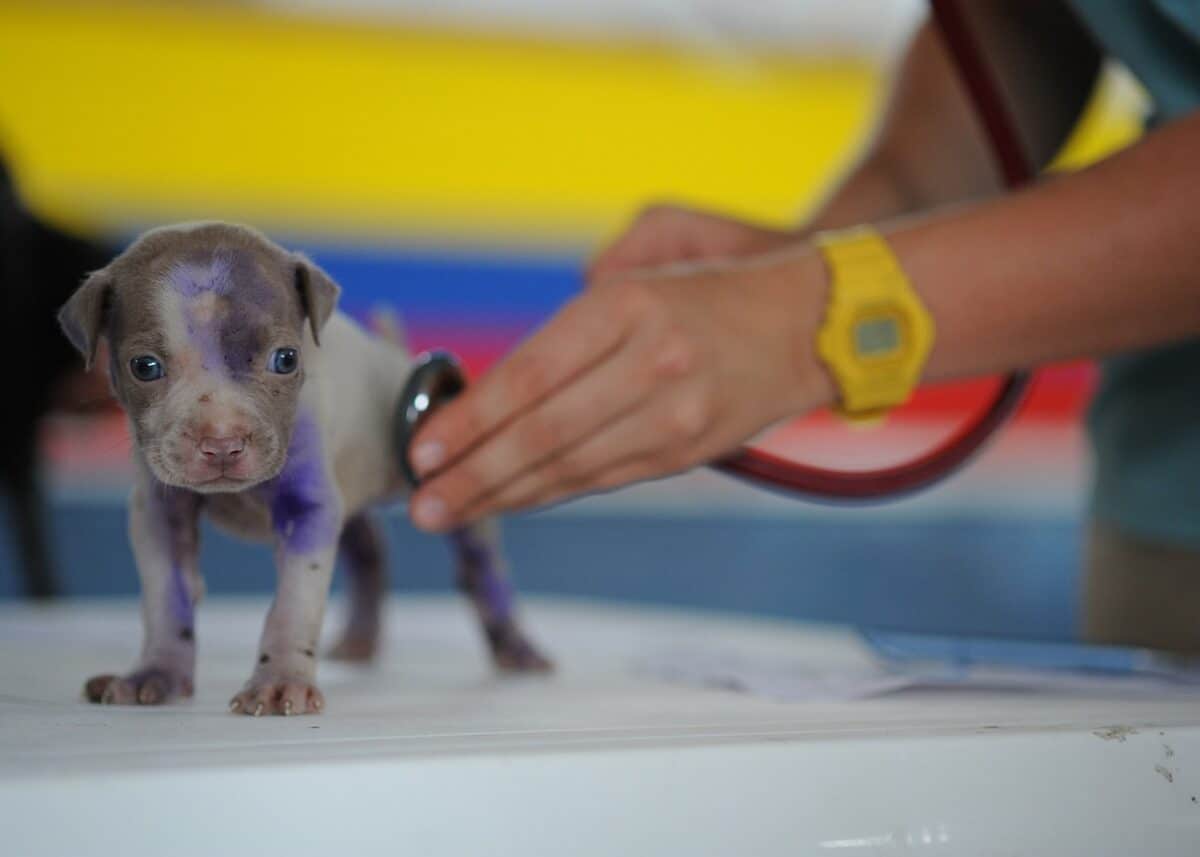
One of the first responsibilities you’ll have is booking a vet appointment, ideally within the first two days of bringing your puppy home. A vet will check your puppy’s overall health, weigh them, listen to their heart and lungs, and make sure they’re up to date on vaccinations. This visit is also a chance to ask questions about diet, deworming, flea and tick prevention, and spaying or neutering plans. Beyond health, it starts building a positive association with the vet, which will make future visits far less stressful. Bringing along any paperwork from the breeder, shelter, or rescue is key for the vet to create an accurate care plan.
#30 Stock Up on Puppy Essentials
Puppies require a surprising amount of gear, and being prepared saves you stress later. At the very least, you’ll need high-quality puppy food, stainless steel food and water bowls, a leash, a comfortable collar with an ID tag, and a well-fitted crate. Puppy pads or newspapers help with house training, while safe chew toys prevent destructive behavior. Don’t forget grooming items like a soft brush, nail clippers, and puppy shampoo. Having all of these essentials ready not only makes your puppy’s transition smoother but also gives you peace of mind—you won’t have to dash to the store when you’d rather be snuggling your new family member.
#29 Stick to the Same Food
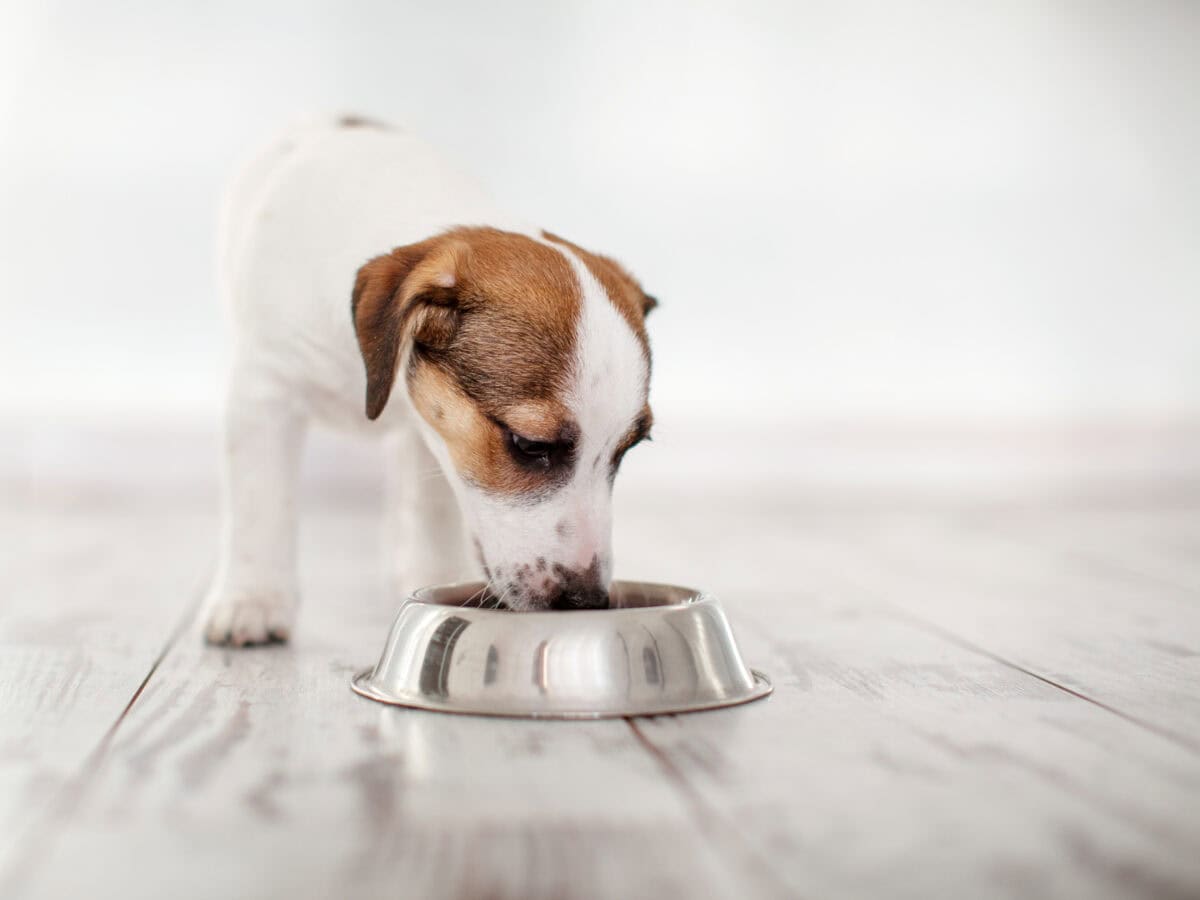
Your puppy’s stomach is delicate during the transition to a new home. Sudden changes in diet often cause diarrhea, vomiting, or stomach upset, which can stress both you and your pup. For the first week, feed them the same brand and type of food they were eating at the breeder’s, rescue, or shelter. If you want to change their food, do it gradually over 7–10 days by mixing increasing amounts of the new food with the old. This slow shift protects their digestion and helps you monitor for food allergies or intolerances.
#28 Introduce the Crate Gently
A crate can become your puppy’s safe haven if introduced correctly. In the first 48 hours, avoid forcing your puppy inside or shutting the door abruptly. Instead, make the crate inviting with a soft blanket and a toy, and leave the door open so they can wander in and out on their own. Puppies are naturally curious, so many will explore the space without hesitation if it feels safe. To encourage them, you can toss treats or feed them their meals inside. Over time, they’ll start associating the crate with good things—comfort, food, and safety. This foundation prevents the crate from being viewed as punishment and sets the stage for successful crate training.
#27 Show Them the Potty Spot

House training begins the very moment your puppy steps paw on your property. As soon as you bring them home, take them directly to the designated potty area outside or on a pad indoors. Let them sniff around and explore and be patient while they figure things out. When they do go, shower them with praise and even a small treat—positive reinforcement tells them they’ve done the right thing. Puppies have tiny bladders and need to go frequently, often every 30–60 minutes, as well as after meals, naps, and play. Establishing this potty spot early helps them understand where it’s acceptable to go and saves you frustration in the long run.
#26 Set a Feeding Routine
Puppies thrive on structure, and one of the most important structures is feeding time. During the first 48 hours, aim to feed your puppy at the same times every day. This helps regulate their digestion, creates predictable potty times, and gives them a sense of security. Stick to three or four small meals spread out during the day—this keeps their energy steady and prevents their blood sugar from dropping. A routine also helps you identify any unusual changes in appetite or behavior, which could be signs of stress or illness. Consistency here sets the tone for every other routine you’ll introduce.
#25 Offer Water Frequently
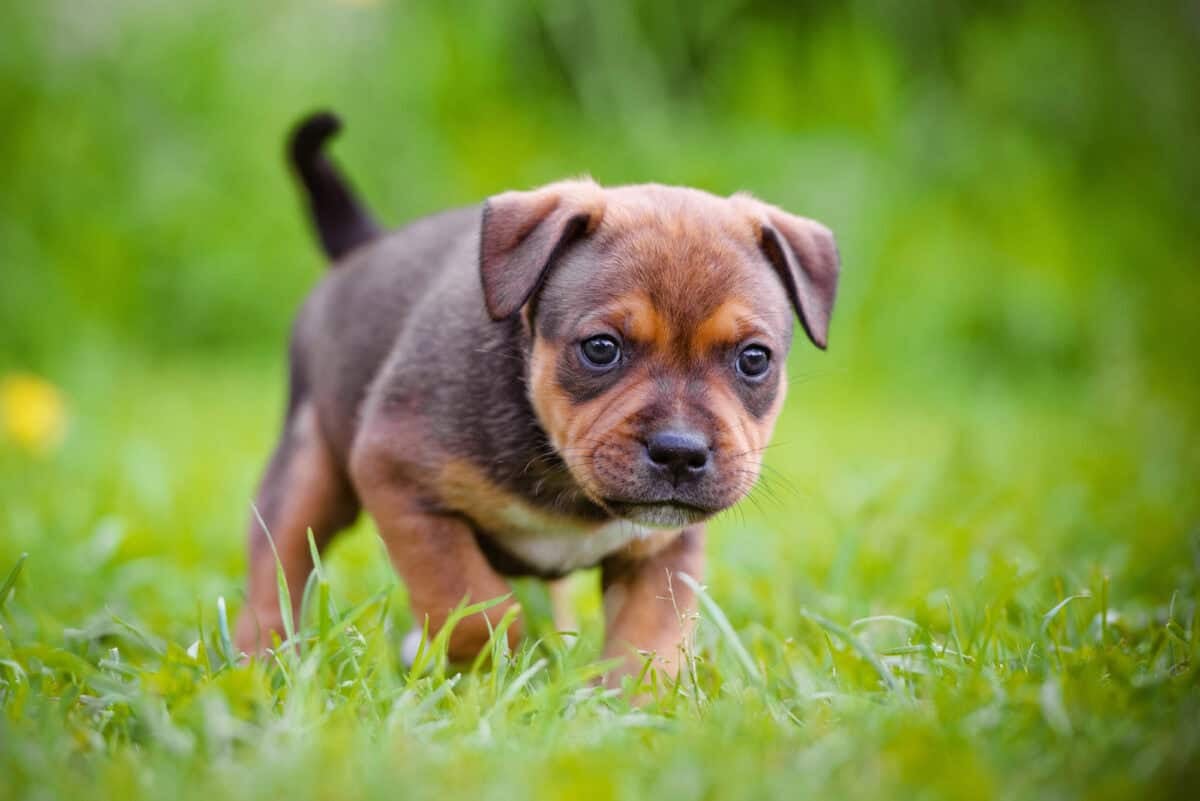
Hydration is vital, especially for a playful and curious puppy. Make sure a bowl of fresh water is always available and accessible. Unlike food, which should be offered on a schedule, water should never be restricted unless specifically advised by a vet. Puppies tend to sip throughout the day, and dehydration can set in quickly, especially in warmer climates or after bursts of play. Keep an eye on how much your puppy is drinking, as both excessive thirst and refusal to drink may be early warning signs of health issues. A simple habit of refilling the bowl with fresh, clean water several times a day creates both comfort and trust.
#24 Limit Visitors at First
As much as your family and friends may be eager to meet your new pup, those first 48 hours aren’t the time for a crowd. Too many unfamiliar people can overwhelm a puppy who is already adjusting to a brand-new environment. Allow them to bond with you first, gaining confidence in your presence and your voice. Once your puppy feels secure in your home, you can gradually introduce them to visitors. When that time comes, keep interactions calm and positive, ensuring your puppy doesn’t get overstimulated or frightened. Remember—socialization is important, but it must happen at your puppy’s pace.
#23 Supervise Constantly

Puppies are like toddlers with more teeth—they get into everything and have no sense of danger. In the first 48 hours, it’s especially important to keep a close eye on them at all times. That means no unsupervised roaming around the house, as accidents can happen in seconds. They may chew on furniture, swallow small items, or slip behind appliances. Supervision also helps reinforce early training—if you catch them about to potty indoors or chew the wrong thing, you can redirect them to the right behavior immediately. Consider using baby gates or playpens to confine them safely when you can’t watch directly.
#22 Provide Plenty of Rest
New environments, smells, and experiences can be exhausting for a young puppy. While it may seem like they have boundless energy, puppies actually need 18–20 hours of sleep a day to grow and stay healthy. In those first two days, make sure they have quiet opportunities to rest without being constantly handled or overstimulated. Don’t be alarmed if they play for 20 minutes and then pass out in their crate or bed—it’s completely normal. Respecting their need for rest prevents crankiness, stress, and overstimulation, and it helps them build trust in their new surroundings.
#21 Keep the First Night Calm

The first night is often the hardest for both puppy and owner. Your puppy has just left their mother and littermates, and they may cry or whine when placed alone. To ease their anxiety, put the crate near your bed so they can hear your breathing and feel reassured. You might even place a ticking clock or a stuffed toy with a heat pack inside the crate to mimic the warmth and rhythm of their litter. Be prepared for interruptions during the night—they may need a potty break or simply reassurance. Patience and comfort during this stage set the tone for peaceful nights in the future.
#20 Start Gentle Handling
Your puppy will eventually need their paws trimmed, ears cleaned, and teeth brushed—but those things can be scary at first. In the first 48 hours, start with gentle handling so they learn to associate human touch with comfort and trust. Lightly touch their paws, ears, and mouth while speaking softly to them. Reward calm behavior with praise or a treat. This practice prepares them for grooming and vet visits, making them easier to manage as adults. It also strengthens the bond between you and your pup, showing them that your hands bring comfort, not harm.
#19 Teach Their Name Early

Your puppy’s name is the first word they should recognize, and the first 48 hours are the perfect time to start teaching it. Use their name in positive contexts—during mealtimes, play, or cuddles—and always pair it with praise. Avoid using their name in a scolding tone, especially at the beginning, so it doesn’t become associated with fear. Repetition is key, and puppies are quick learners. Once they begin responding consistently, you’ve laid the foundation for recall, one of the most important safety commands you’ll ever teach.
#18 Introduce Toys Slowly
It’s tempting to buy an entire basket of toys for your puppy, but too many at once can be overwhelming. Instead, start with one or two safe chew toys and rotate them daily. This keeps your puppy engaged without overstimulation and helps them understand what’s appropriate to chew. Chew toys also serve an important purpose—they soothe sore gums during teething and provide an outlet for natural chewing instincts. By introducing toys slowly, you encourage healthy play habits and prevent boredom-driven mischief.
#17 Begin Basic House Rules

Consistency is critical, and the first 48 hours are when you set the ground rules for your home. Decide early whether your puppy is allowed on furniture, in certain rooms, or on your bed. Changing the rules later will only confuse them. Use gentle redirection and praise to teach boundaries—if you don’t want them on the couch, provide a comfy dog bed as an alternative and reward them for using it. Puppies adapt quickly when they receive clear, consistent signals from the start.
#16 Offer Short Play Sessions
Playtime is essential for bonding and burning energy, but puppies tire quickly. In the first two days, keep play sessions short and sweet—5 to 10 minutes is plenty. Gentle games like fetch with a soft toy or tug with a puppy-safe rope can be both fun and educational. These interactions strengthen your bond and begin teaching bite inhibition and self-control. End play sessions before your puppy becomes overtired or overstimulated, as this prevents crankiness and encourages calm behavior afterward.
#15 Watch for Stress Signals

Your puppy is in a completely new world, and stress is natural. Learn to read their body language in the first 48 hours. Signs of stress can include whining, hiding, panting, drooling, or pacing. If you notice these signals, don’t force interaction—offer calm reassurance instead. Speak softly, move slowly, and let your puppy retreat to their safe space. This patience helps them build trust and confidence, teaching them that they can rely on you in moments of uncertainty.
#14 Keep Training Sessions Short
Training can begin right away, but puppies have short attention spans. Start with easy commands like “sit” or “come,” and limit each training session to just 2–3 minutes. Use plenty of treats and praise, turning training into a fun game rather than a chore. Short, positive experiences set the stage for lifelong learning, showing your puppy that working with you is rewarding. Don’t worry if they don’t get it right away—consistency over time is what matters most.
#13 Maintain a Calm Environment
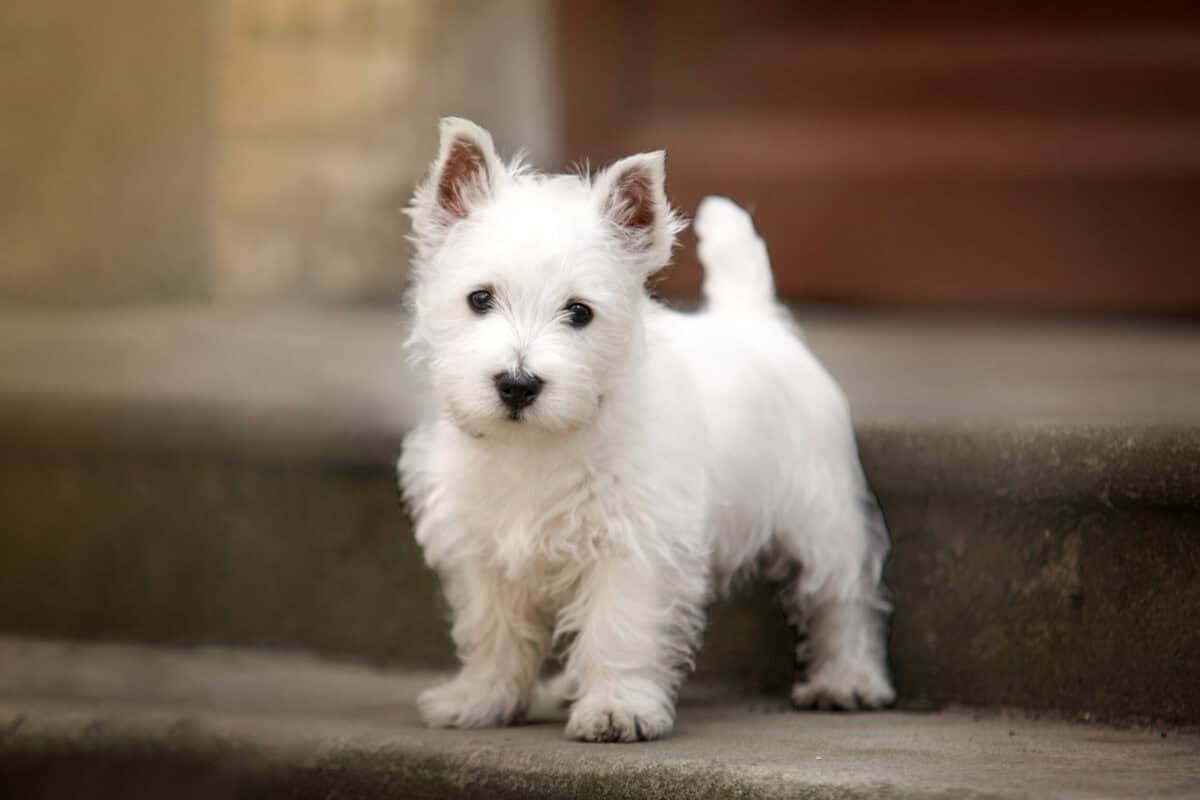
Too much noise or chaos can make your puppy nervous. In those first days, avoid loud TV, shouting, or big household gatherings. Keep the environment calm and predictable. A relaxed setting makes it easier for your puppy to explore, bond, and rest without fear. Over time, you can gradually expose them to busier environments, but the first 48 hours should be about creating a foundation of security.
#12 Encourage Exploration
Your puppy’s new home is full of exciting sights and smells. Encourage exploration one room at a time, rather than letting them wander everywhere at once. Stay close by, praising their curiosity and guiding them away from unsafe areas. This controlled exploration prevents overwhelm and helps them learn the layout of their new world. It also gives you valuable insight into their personality—whether they’re bold and adventurous or cautious and thoughtful.
#11 Stick to Day-Night Routines

Dogs thrive on routine, and puppies are no different. From the first 48 hours, help your puppy understand the rhythm of your household. Expose them to natural light during the day with play and activity, and keep things quieter and darker at night. This alignment teaches them when it’s time to be active and when it’s time to rest, which helps with crate training and reduces nighttime anxiety.
#10 Praise, Don’t Punish
In the early days, mistakes are inevitable. Your puppy will chew the wrong thing or have an accident indoors. Instead of scolding, redirect their behavior gently and reward the correct choice. Puppies learn through positive reinforcement—praise, treats, and affection teach them faster than punishment ever will. Building a relationship based on trust rather than fear sets the stage for a confident, happy dog.
#9 Socialize Safely

Socialization is critical for raising a well-rounded dog, but it must be done safely. In the first 48 hours, begin with gentle exposure to new sounds, surfaces, and calm people. Avoid crowded dog parks or areas where unvaccinated dogs may be present until your vet gives the all-clear. Positive, controlled introductions now help prevent fear and aggression later in life.
#8 Introduce Grooming Tools
Your puppy may not need a full bath or nail trim right away, but introducing grooming tools early makes the process easier in the future. Let them sniff the brush, gently stroke them with it, and reward calm behavior. Wipe their paws with a soft cloth after potty breaks to get them used to the sensation. These small steps create a foundation for lifelong grooming habits without stress.
#7 Be Patient With Accidents
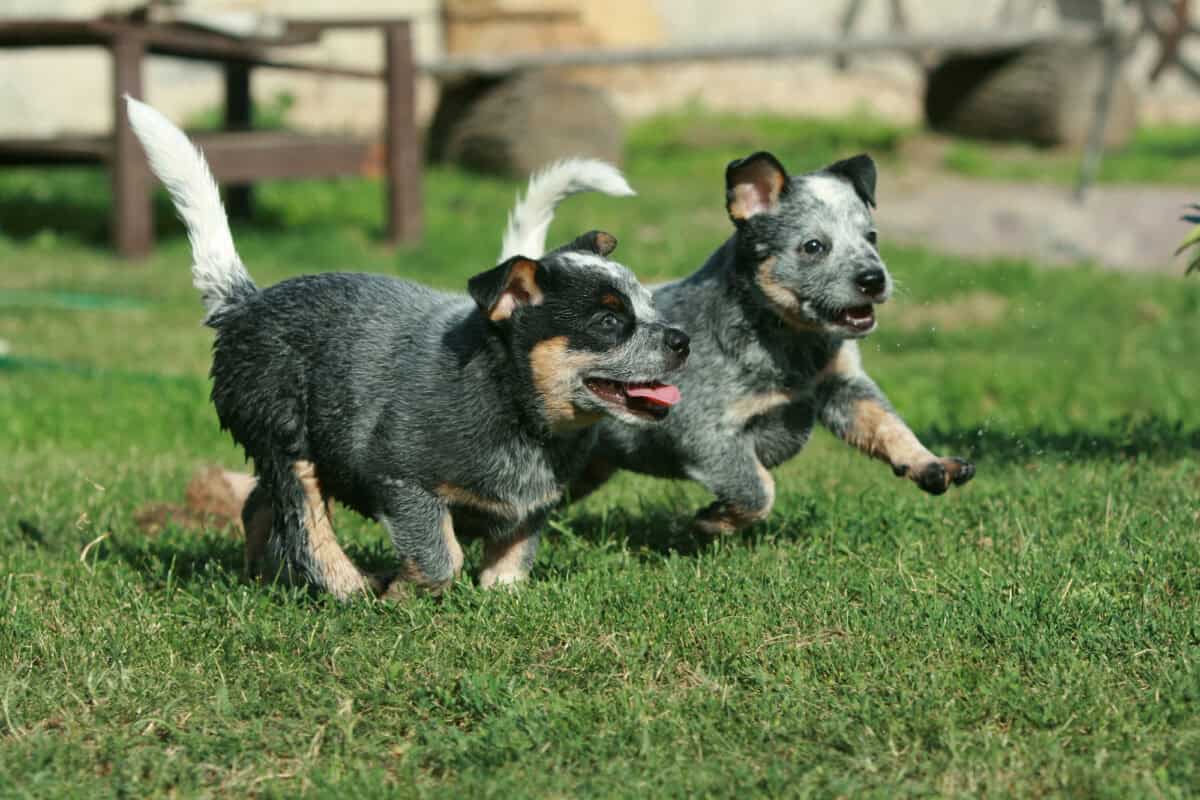
House training takes time, and accidents will happen. When they do, stay calm. Clean up thoroughly with an enzymatic cleaner to remove odors that might attract them back to the same spot. Redirect your puppy to their designated potty area, and praise them when they use it. Patience and consistency are your best tools for housebreaking success.
#6 Use Positive Reinforcement
Whether it’s learning their name, going potty outside, or staying calm in their crate, reward your puppy for good behavior. Treats, verbal praise, and playtime all motivate puppies to repeat the desired action. This positive approach builds confidence, strengthens your bond, and makes training enjoyable for both of you.
#5 Stay Home If Possible

If you can, take time off work or clear your schedule during those first 48 hours. Your puppy needs reassurance and consistency while adjusting to their new environment. Being present allows you to supervise, train, and bond more effectively. Even just two days of focused attention can make a world of difference in building trust and establishing routines.
#4 Begin Bonding Rituals
Simple rituals create lasting bonds. Whether it’s morning cuddle time, evening walks around the yard, or a bedtime routine, these early habits signal to your puppy that they belong. Bonding rituals build trust and comfort, turning you into the center of their world. The stronger your bond, the smoother training and socialization will be later.
#3 Observe Their Personality

Every puppy has a unique temperament. In the first 48 hours, watch how yours reacts to new experiences. Do they approach new things with bold curiosity or cautious hesitation? Do they love cuddles or prefer quiet time? These observations help you tailor your training and socialization approach to their personality. Understanding who they are early on will help you raise them into a confident, well-adjusted adult dog.
#2 Take Lots of Photos and Notes
Those first awkward, adorable moments are fleeting—capture them! Photos and videos document their growth and create cherished memories. Keeping notes on feeding times, potty breaks, and sleeping patterns is also useful for tracking health and progress. These records will help you notice patterns, troubleshoot issues, and look back fondly at how tiny they once were.
#1 Give Them Love and Reassurance
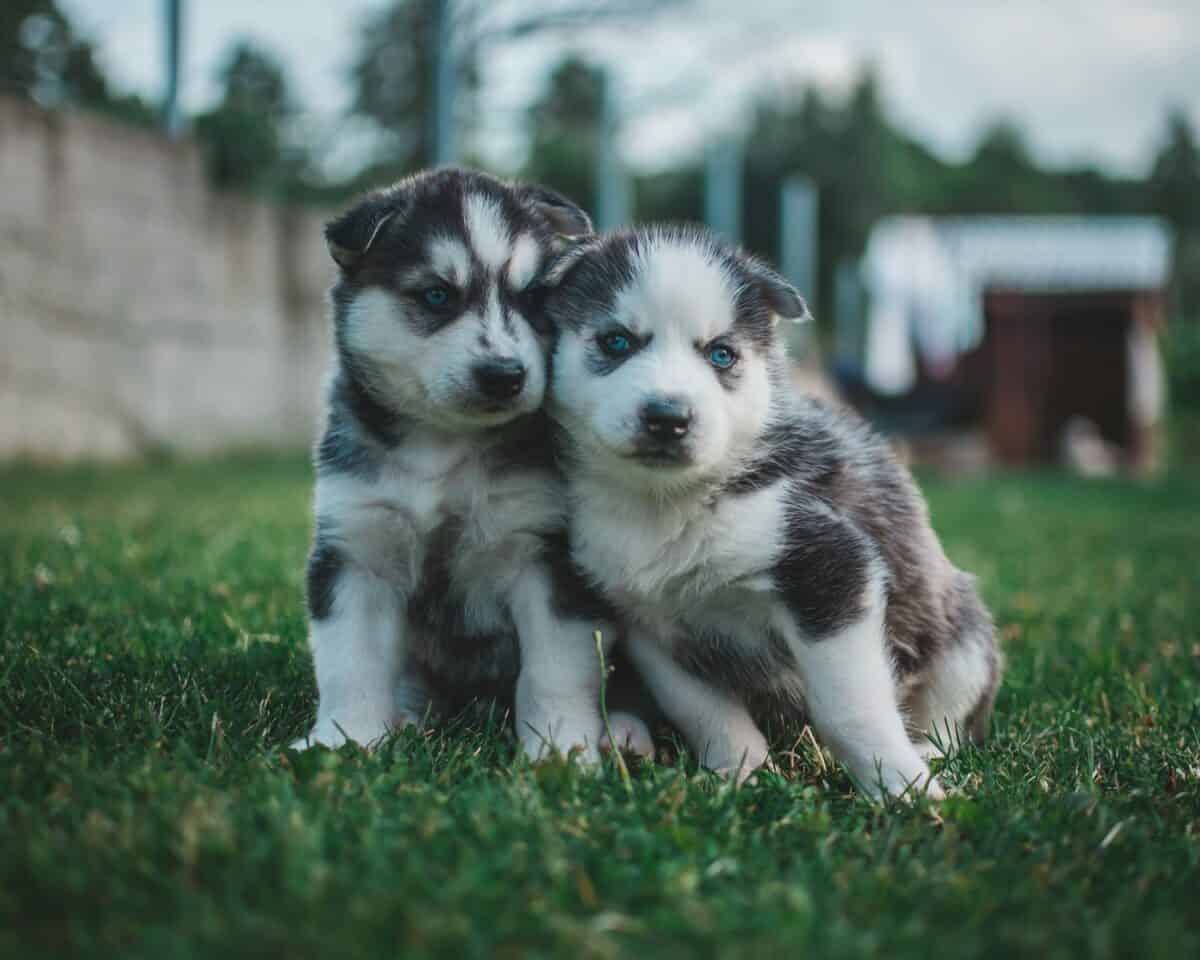
Above all else, your puppy needs to know they are safe, loved, and home at last. Speak gently, offer plenty of cuddles, and be patient with their adjustment. They’ve left everything familiar behind—their mother, littermates, and old environment—and you are now their world. The love and reassurance you give in these first 48 hours will echo throughout their life, creating a bond of trust and loyalty that lasts forever.
The first 48 hours with a new puppy are filled with excitement, challenges, and unforgettable moments. By preparing thoughtfully, staying patient, and focusing on love and consistency, you set the stage for a lifetime of happiness together. These 33 steps aren’t just about rules and routines—they’re about building a foundation of trust, safety, and joy. Every cuddle, every gentle correction, and every shared moment in these early days becomes part of the story you and your puppy will write together—a story of companionship that will fill your home and heart for years to come.

- 10 Land Animals That Can Fly - June 24, 2026
- 15 Most Breathtaking Hiking Trails Around the World - June 24, 2026
- An Octopus Changes Color and Other Extraordinary Ways How Animals Sleep - June 24, 2026