

There are places on Earth that exist in a strange, frozen state, where time seems to have stopped mid-breath. Chernobyl is one of those places. When the reactor exploded on April 26, 1986, it didn’t just release a cloud of radioactive particles into the atmosphere. It captured a moment, a city, an entire way of life, and left it to decay in silence.
What remains today are not just abandoned buildings or rusted machinery. They’re haunting images that tell stories of lives interrupted, dreams deferred, and an invisible danger that still lingers in the air. From the twisted mass of radioactive corium to the empty nurseries where children once played, these stay with you long after you’ve seen them. Let’s dive into some of the most chilling sights from the exclusion zone.
The Elephant’s Foot: A Deadly Sculpture of Corium
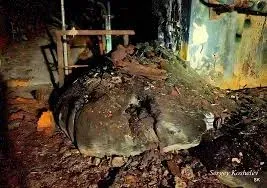
Deep in the basement of Chernobyl’s Reactor 4, there exists something so lethal that standing near it for even a few minutes could be fatal. The Elephant’s Foot is a mass of corium, a lava-like mixture formed when nuclear fuel melts down and combines with concrete and sand. It earned its name because of its wrinkled, leg-like appearance in early photographs.
When it was first discovered in the days following the explosion, radiation levels near the Elephant’s Foot were so intense that it would deliver a fatal dose in less than five minutes. Even photographing it was dangerous. Early images were blurry and distorted because the radiation interfered with camera film. It’s a monument to human error, a reminder of what happens when the atom is mishandled.
The Bridge of Death: A Fatal Viewpoint
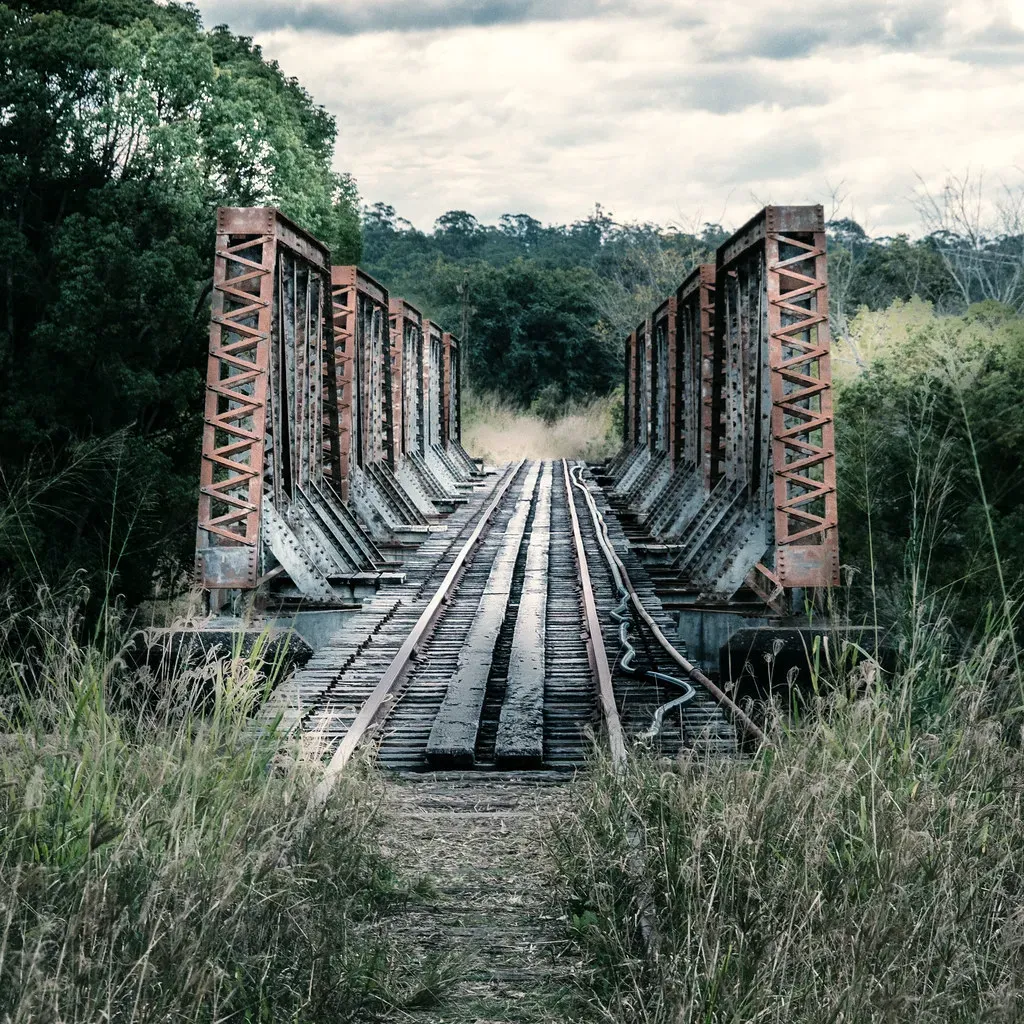
There’s a railway bridge near Pripyat that gained a grim nickname: the Bridge of Death. On the night of the disaster, residents reportedly gathered there to watch the eerie blue glow rising from the damaged reactor. Some say they didn’t understand the danger, that Soviet authorities hadn’t yet issued warnings about the invisible threat.
It’s hard to say for sure how many people stood on that bridge or what their exact fate was, as records from the time are incomplete. Still, the image of the abandoned overpass, rusting and quiet, carries an unsettling weight. Whether myth or truth, the Bridge of Death symbolizes the gap between curiosity and catastrophe.
Abandoned Dolls in Pripyat
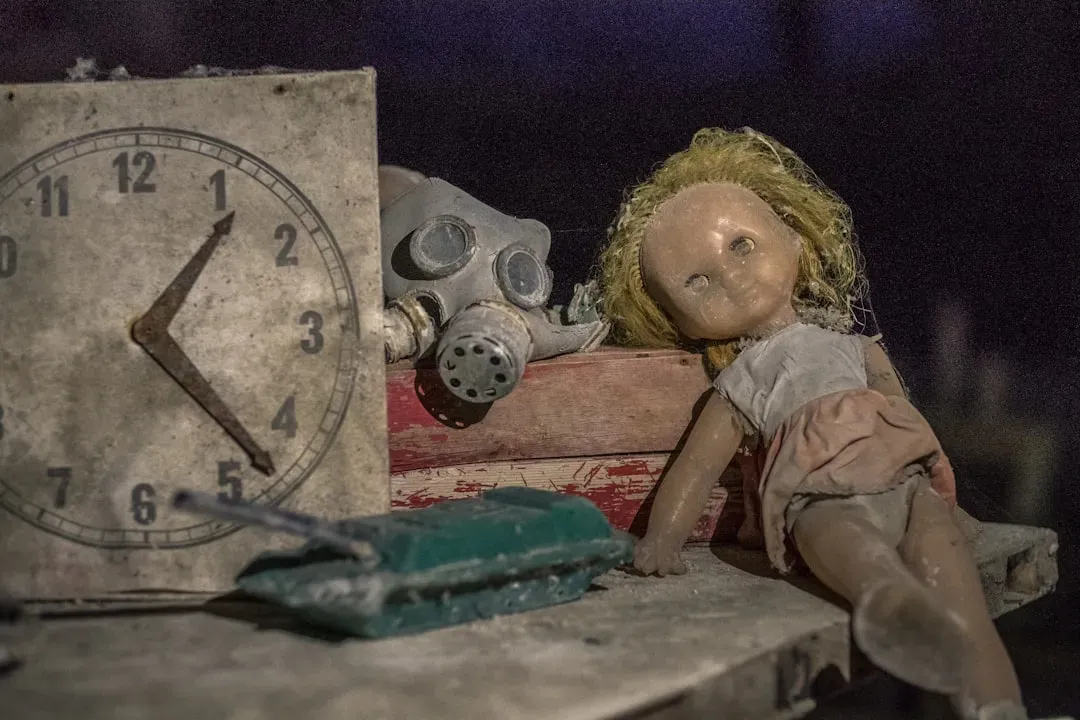
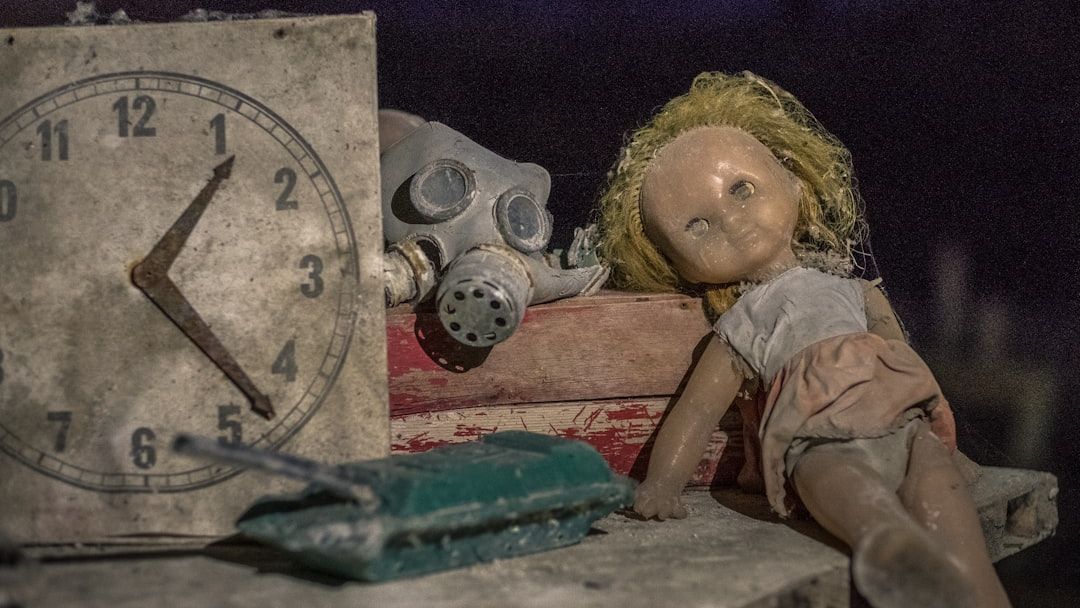
Few are more disturbing than the scattered dolls left behind in homes, schools, and daycare centers. These toys, once held by children who never returned, now lie covered in dust, their plastic faces cracked and faded. Some are propped up against walls, others sprawled across floors, as if waiting for someone who will never come back.
Dolls evoke innocence, and seeing them abandoned in such a toxic place makes the tragedy feel deeply personal. They’re not just objects. They’re remnants of childhoods cut short, of families forced to flee with only what they could carry. Walking through Pripyat and seeing these forgotten toys is like stepping into a time capsule of loss.
The Nursery in Pripyat: Where Silence Replaced Laughter
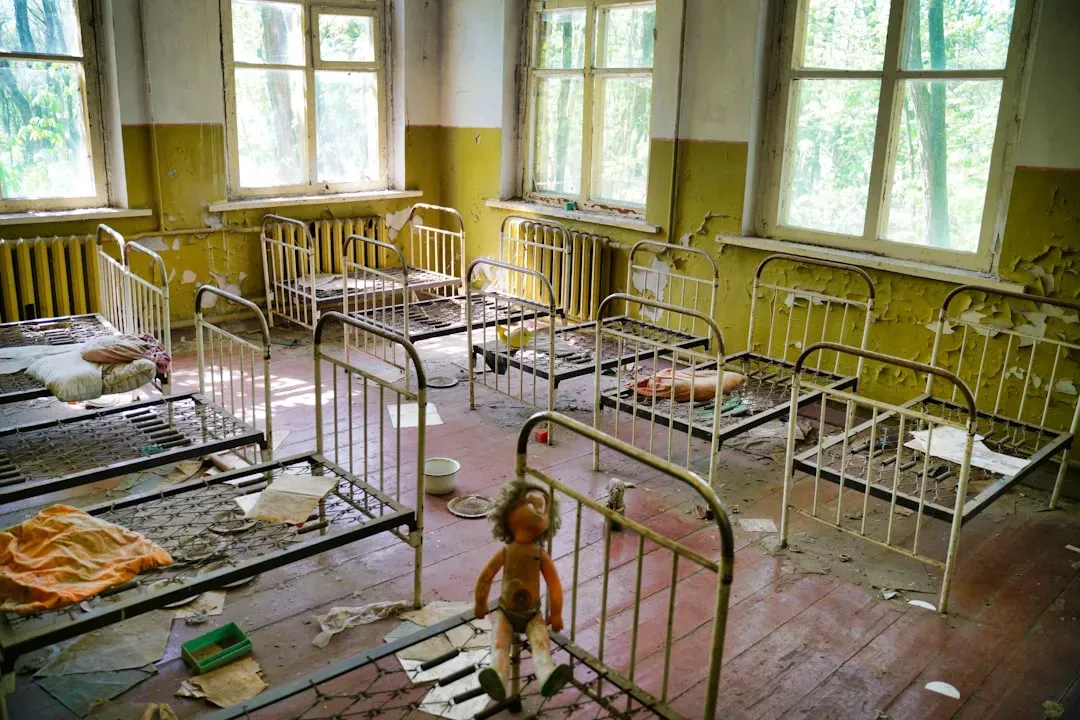
The kindergartens and nurseries of Pripyat are among the most photographed locations in the exclusion zone, yet they remain some of the hardest to look at. Small beds line the walls, still covered with decaying mattresses. Murals of cartoons and fairy tales peel from the walls. Tiny shoes sit by doorways, as if children just stepped out of them.
What makes these images so haunting is the contrast. These were spaces designed for joy, learning, and play. Now they’re silent tombs filled with the debris of a life that vanished overnight. The nurseries remind us that Chernobyl wasn’t just a nuclear accident. It was the sudden end of a community.
A Central Square in Pripyat: The Ferris Wheel That Never Spun
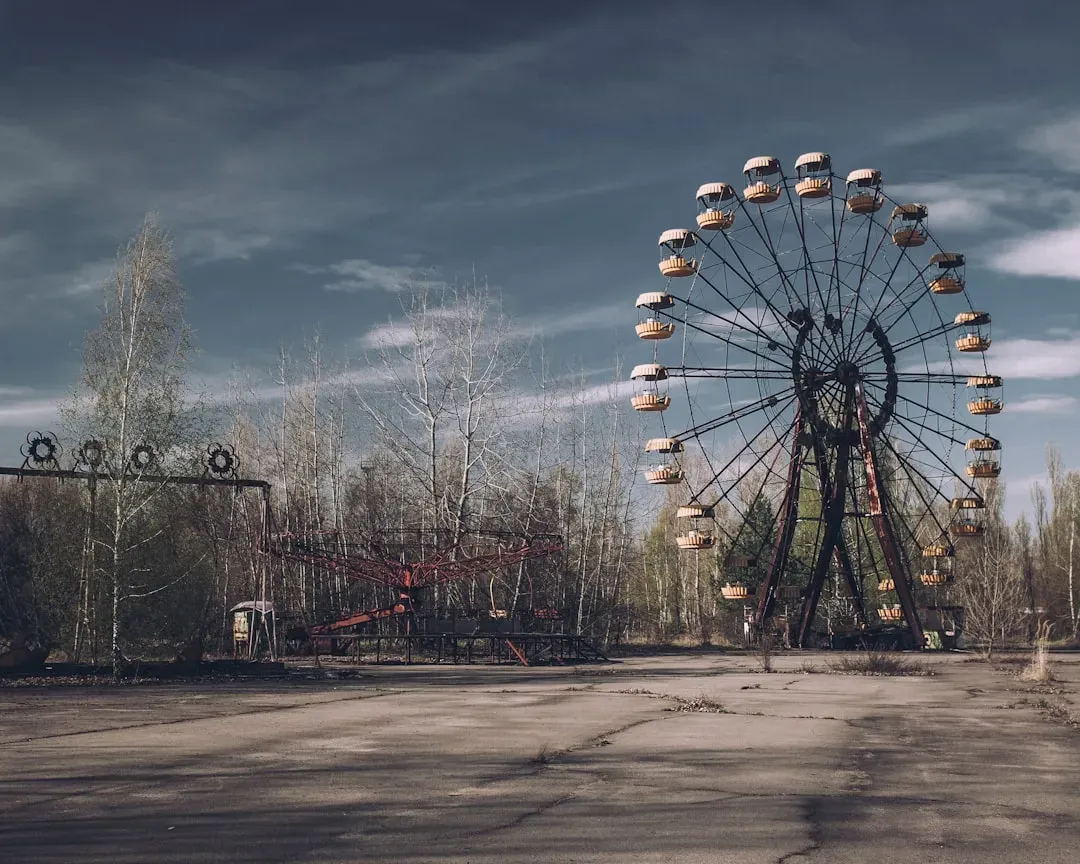
The Pripyat amusement park was set to open on May 1, 1986, just days after the disaster struck. The ferris wheel has become an icon of Chernobyl, frozen in time with its bright yellow gondolas still intact. It stands in the central square, surrounded by bumper cars and rusted rides that were never used.
Some areas around the park emit extremely high radiation levels, making it one of the most dangerous spots in Pripyat. Still, the image of that lonely Ferris wheel against a gray sky has become synonymous with the disaster itself. It represents unfulfilled promises and the abrupt halt of everyday life.
Gas Masks Scattered Across Schools
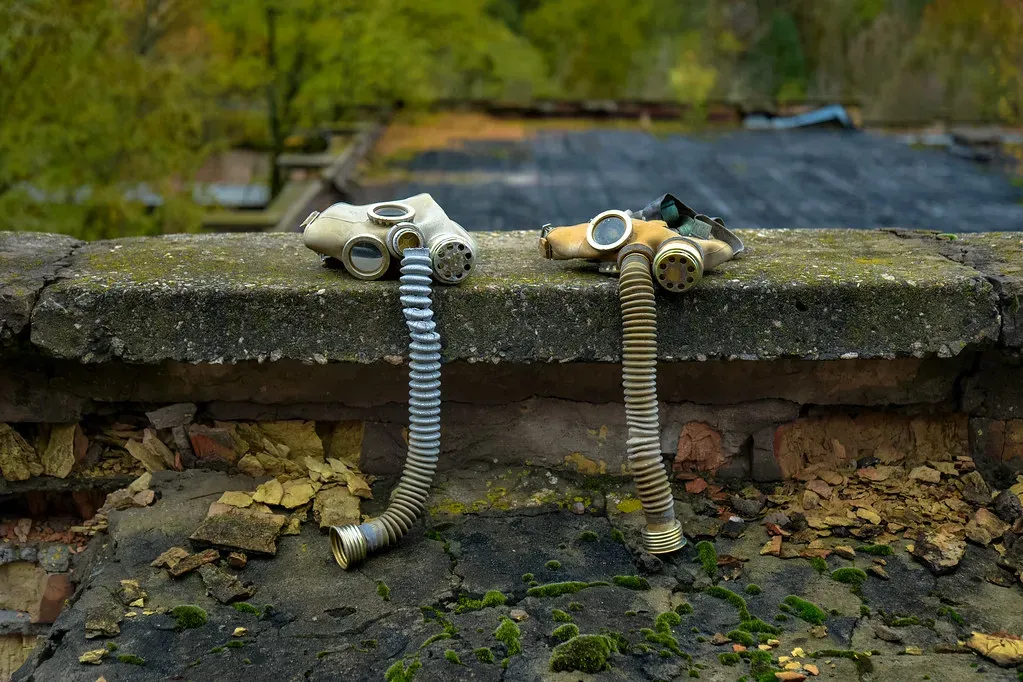
One of the strangest sights in Chernobyl’s abandoned schools is the sheer number of gas masks lying around. They’re piled in classrooms, stuffed into lockers, and strewn across floors. Soviet civil defense drills were common, and every school kept a supply of masks in case of emergency.
Seeing them now, decades later, is deeply eerie. The masks were meant to protect children, yet they were useless against radiation. Their hollow eye sockets and dangling filters create an almost apocalyptic scene, as if the end of the world came quietly and without warning.
Mutated Wildlife: Nature Reclaims the Zone
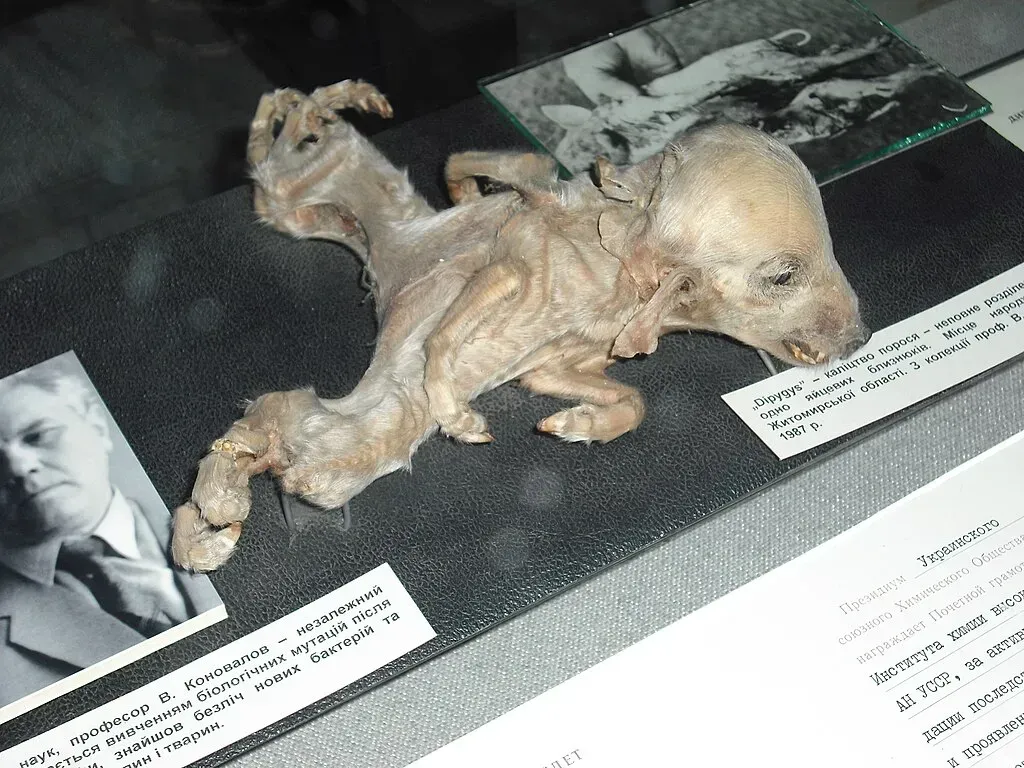
In the absence of humans, wildlife has returned to Chernobyl in surprising numbers. Wolves, deer, wild boar, and even rare species like the Przewalski’s horse now roam the exclusion zone. Yet there are stories, some documented and others debated, of mutations among the animals exposed to radiation over generations.
While large-scale monstrosities are more myth than reality, researchers have observed genetic abnormalities in birds, insects, and plants. Some trees grow in strange shapes. Birds have been found with tumors or deformities. Nature is resilient, adapting even to this poisoned landscape, though not without scars.
The Red Forest: A Cemetery of Trees
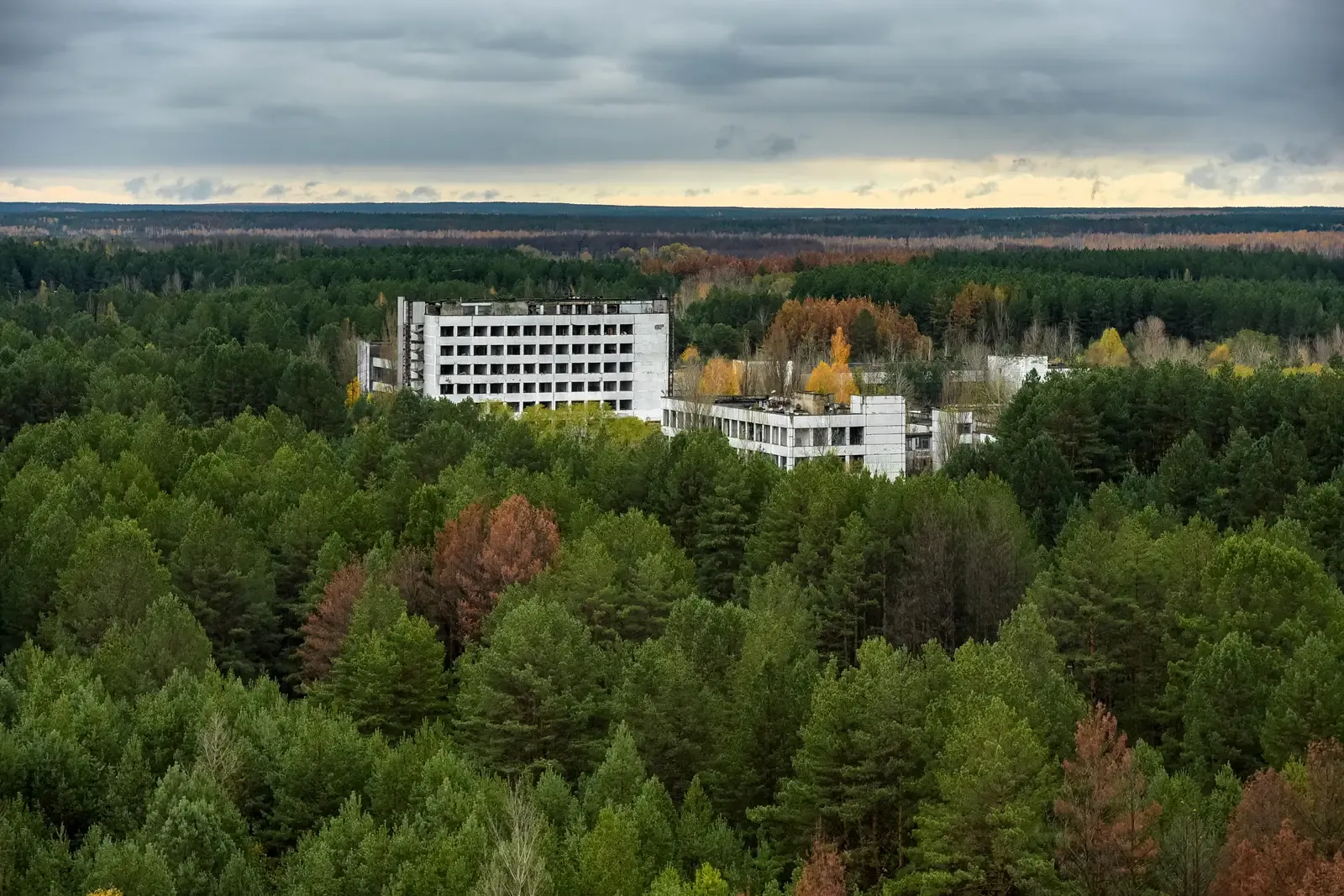
Just west of the reactor lies the Red Forest, a stretch of woodland that absorbed massive amounts of radiation during the disaster. The trees turned a rusty red color and died almost immediately, giving the area its name. It remains one of the most contaminated zones in the entire exclusion area.
Photographs of the Red Forest show a skeletal landscape, where dead trees stand like gravestones. The area was bulldozed and buried after the accident, yet radiation levels remain dangerously high. It’s a stark reminder that some wounds to the Earth don’t heal, not in our lifetimes, maybe not ever.
The Hospital and Firefighters’ Gear
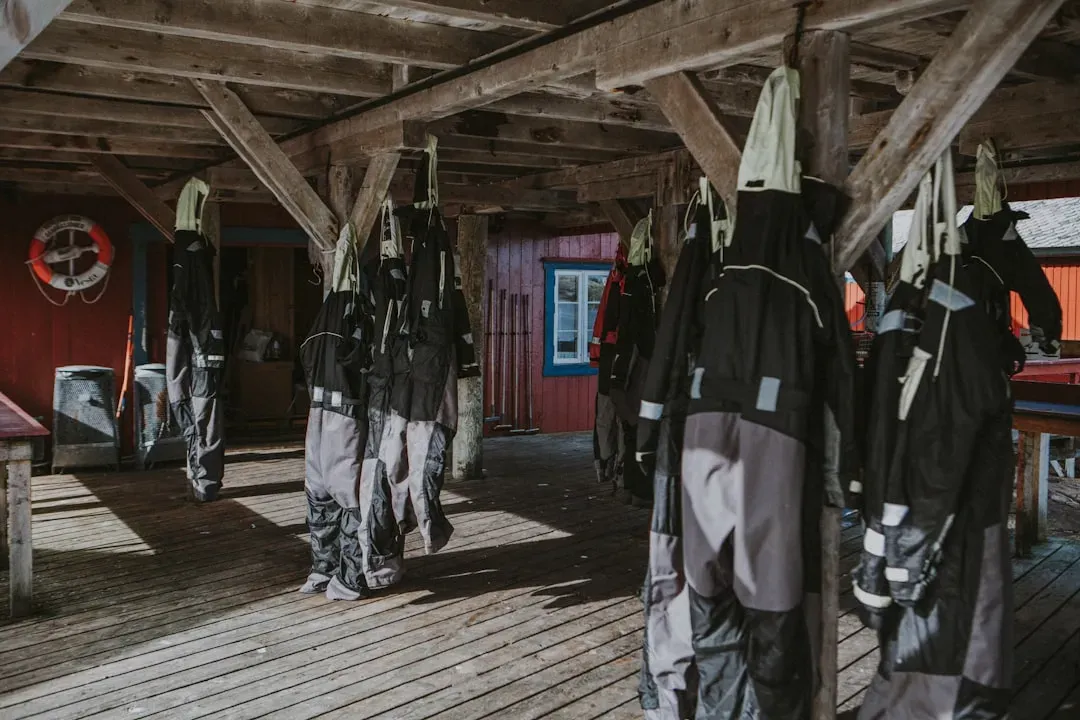
In the basement of Pripyat’s abandoned hospital, the uniforms of the first responders still lie where they were discarded. These firefighters rushed to the reactor without proper protective gear, not knowing they were walking into a radioactive inferno. Their clothing became so contaminated that it had to be stripped off and left behind.
Today, those uniforms remain in the basement, still emitting dangerous levels of radiation. Visiting them is not recommended, yet photographs of the scene circulate widely. They serve as a tribute to the bravery and tragedy of those who gave their lives trying to contain the disaster.
The Overgrown Swimming Pool: Azure in Decay
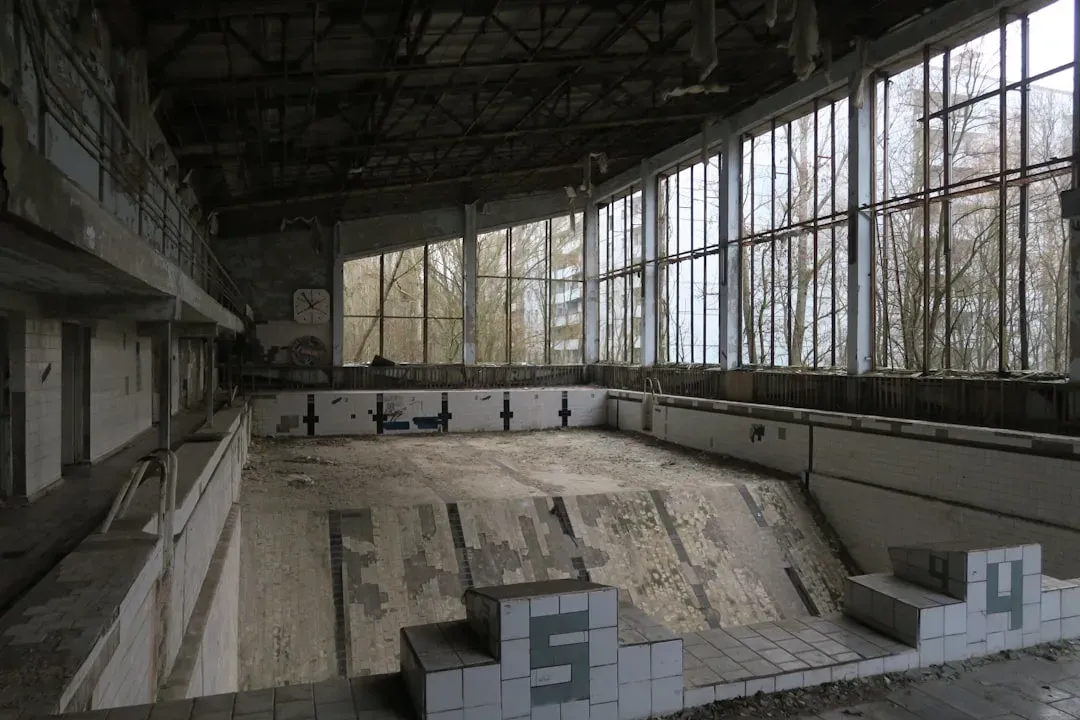
The Azure Swimming Pool in Pripyat continued to operate for years after the disaster, used by cleanup workers who stayed in the zone. Eventually, it too was abandoned, and now it sits filled with debris, peeling paint, and encroaching vegetation. The once-pristine tiles are cracked and faded.
Images of the pool capture a surreal beauty, a place of recreation turned into a ruin. It’s another symbol of normalcy disrupted, where life tried to continue for a while before ultimately surrendering to the silence. The pool is a ghostly reminder that even in catastrophe, people tried to hold on to pieces of ordinary life.
Conclusion
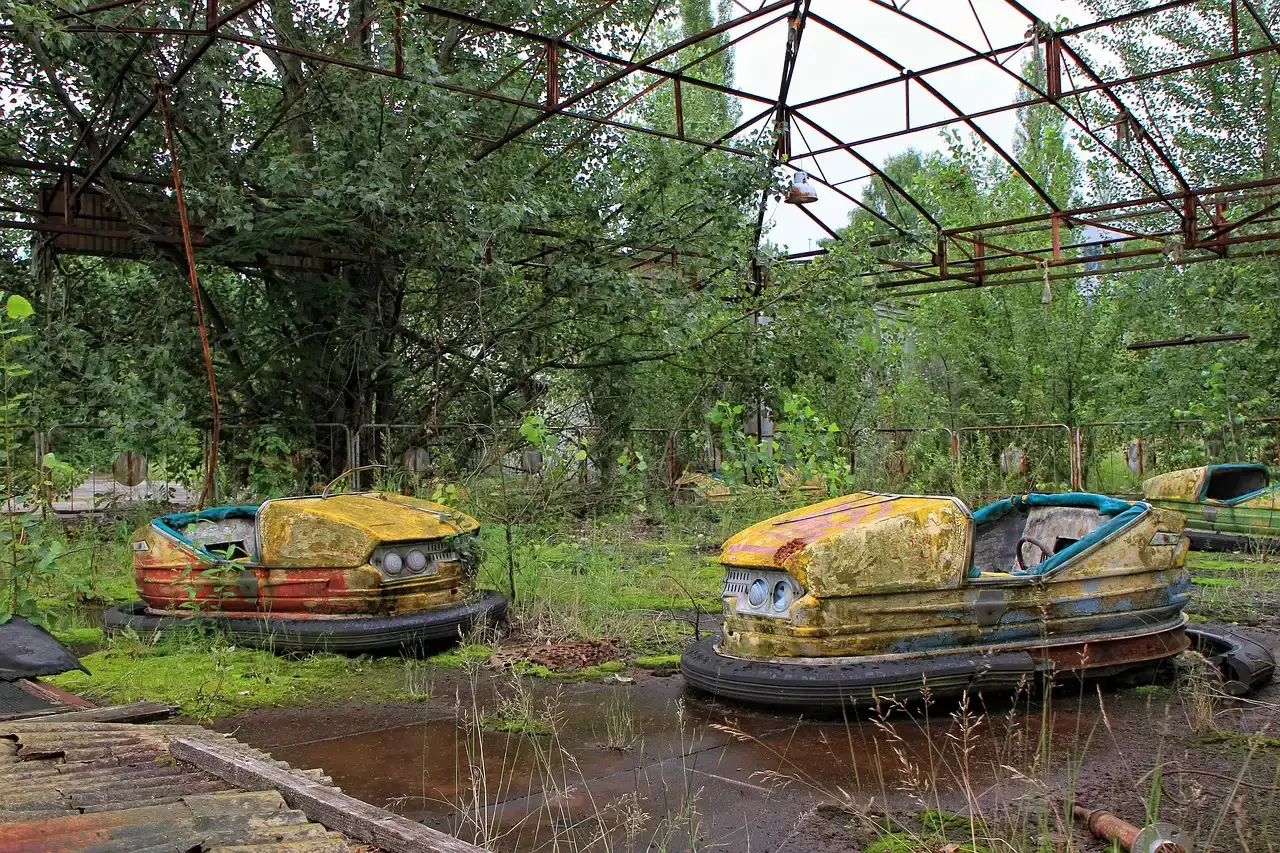
Chernobyl’s haunting images are more than just photographs. They’re fragments of a story that refuses to fade, reminders of a disaster that changed the world. These places, objects, and scenes capture the intersection of human ambition and its darkest consequences. They ask us to remember, to learn, and to reckon with the invisible dangers we create.
The exclusion zone is a place where time stands still, where nature and decay exist side by side, and where the past refuses to let go. What do you think about these haunting images? Do they evoke fear, fascination, or something else entirely?

From exploring the marine wonders in the Azores and witnessing the vast savannas of Kenya, to delving deep into the rich biodiversity of South Africa and traversing iconic landscapes in Australia and the US like Yellowstone, Chris's experiences are vast.
With a penchant for diving alongside sharks, the ocean holds a special place in his heart.
Through his academic insights, he champions wildlife conservation, striving with 'Animals Around The Globe' to cultivate a profound connection between humans and animals, enhancing our mutual appreciation.
Connect with him at Feedback@animalsaroundtheglobe.com.
- The Science Behind Global Warming: Let’s Separate Fact from Fiction - June 25, 2026
- The Friendliest Dog Breeds for Families in Ohio - June 25, 2026
- Why Florida Might Be Uninhabitable in 50 Years - June 25, 2026