

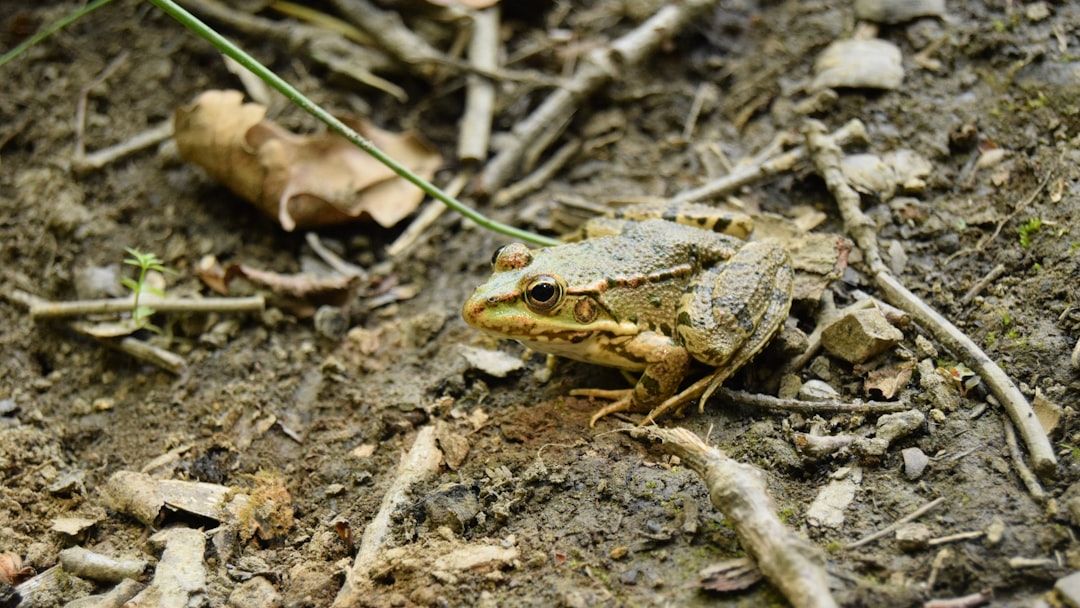
Study finds 40% of soil-dependent species threatened or data deficient – Image for illustrative purposes only (Image credits: Unsplash)
Soil teems with nearly 60% of Earth’s known life, supporting essential processes from nutrient cycling to climate stability. A pioneering study has now evaluated the extinction risks for soil-dependent animals, invertebrates, and fungi, revealing that 40% of these species are either threatened or lack sufficient data for assessment on the IUCN Red List. This first-of-its-kind analysis underscores a largely overlooked vulnerability in ecosystems worldwide, where these organisms play irreplaceable roles.
A New Lens on Soil-Dependent Life
Researchers developed a precise definition to identify soil-dependent species: those that spend a critical phase of their life cycle within the soil profile or primarily at the soil-litter interface. This criterion captured 8,653 species listed on the IUCN Red List, encompassing terrestrial vertebrates, invertebrates such as arthropods and mollusks, and various fungi. Plants, however, fell outside the scope.
Neil Cox, co-author of the study and manager of the IUCN and Conservation International’s biodiversity assessment unit, explained the exclusion of plants. Nearly all plants rely on soil, so their inclusion would have shifted the focus to overall plant extinction risks rather than highlighting animal, invertebrate, and fungal dependencies. This targeted approach allowed the team to spotlight groups whose soil ties are less obvious but equally vital.
Stark Figures from the Red List
Among the assessed species, more than one in five – over 20% – carried a threatened status, signaling imminent danger from habitat loss, pollution, and other pressures. Another 20% were classified as data deficient, a category that reflects profound gaps in basic biological knowledge rather than safety. In total, these figures amounted to 40% of soil-dependent life facing uncertain futures.
The study also documented 35 species already extinct, many of which depended on burrows or similar soil structures during key life stages. Such losses highlight how disruptions to soil health ripple through food webs and ecological functions. Cox noted that these burrowing species often served as indicators of broader soil degradation.
The Pivotal Role of Soil Ecosystems
Soil-dependent organisms drive biogeochemical cycles, breaking down organic matter and facilitating nutrient availability for plants and beyond. They contribute to carbon sequestration, water filtration, and pest control, services that underpin agriculture and natural habitats alike. Without them, terrestrial ecosystems would falter, amplifying challenges like food insecurity and climate change.
Yet threats such as intensive farming, urbanization, and chemical pollutants erode these foundations. The study’s authors emphasized that soil’s complexity – its layers, microbes, and macrofauna – makes it a biodiversity hotspot rivaling rainforests or coral reefs. Protecting it demands attention to often invisible inhabitants.
What matters now: With 40% of soil-dependent species at risk or unknown, conservation efforts must prioritize soil health monitoring and data collection to avert cascading losses.
Charting a Path Forward
Data deficiencies pose the biggest hurdle, as many soil dwellers evade detection due to their subterranean habits and vast diversity. The study calls for expanded surveys, particularly in understudied regions and taxa like fungi, to refine Red List assessments. Integrating soil expertise into broader biodiversity strategies could yield quicker insights.
Advances in molecular techniques and remote sensing offer promise for tracking these elusive populations. Collaborative efforts between scientists, policymakers, and land managers will prove essential. By addressing soil threats head-on, societies can safeguard not just species, but the planet’s productivity.
This assessment arrives at a critical juncture, as global soil degradation accelerates. It serves as a wake-up call: the ground beneath us holds more than dirt – it’s a living archive demanding urgent stewardship. Sustained action now could preserve these foundational elements for generations.

As a little kid, I fell in love with nature, wildlife, and animals. Living in the USA, South Africa, Italy, China and Germany gave me the opportunity to discover the world's Wildlife. My favorite animals are Mountain Gorillas, Siberian Tigers, and Great White Sharks.
I'm a certified PADI Open Water Diver, went to Everest Base Camp and Trekked Gorillas in Uganda. I hold a Master of Science in Economics and Finance.
Please send any feedback to feedback@animalsaroundtheglobe.com
- 13 Cat Breeds That Get Along with Dogs - July 20, 2026
- The 12 Largest Dog Breeds That Still Love to Cuddle - July 20, 2026
- 12 Pet Habits That Secretly Mean They Love You - July 20, 2026