

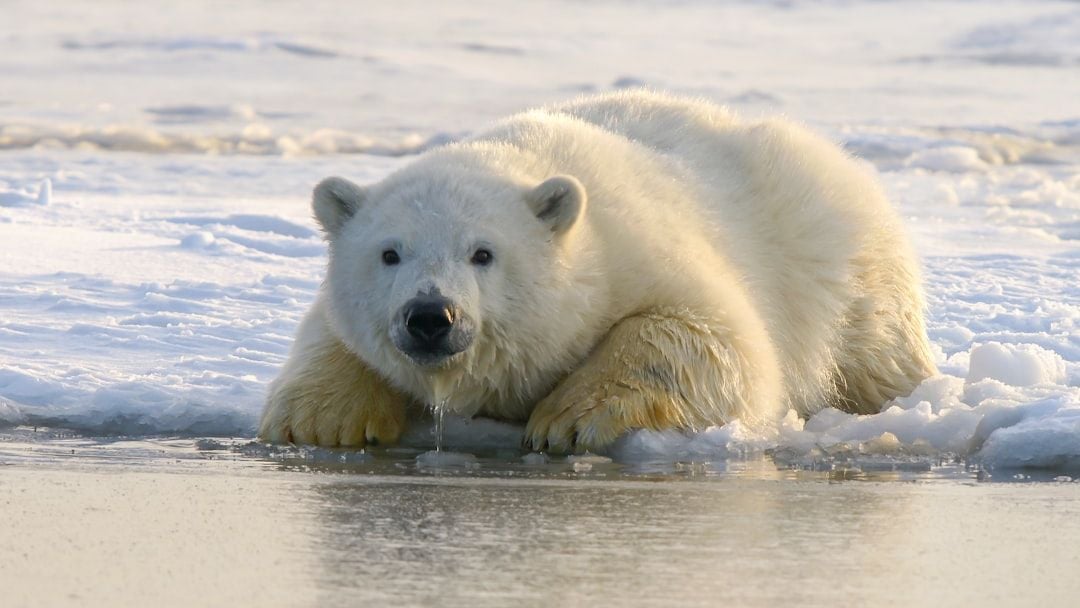
Arctic Drilling Plans Threaten Polar Bear Survival – Image for illustrative purposes only (Image credits: Unsplash)
Arctic winter sea ice hit its lowest maximum extent on record in March 2025, according to NOAA data spanning 47 years. Federal plans for oil and gas leasing in Alaska’s sensitive Arctic regions now amplify concerns for polar bears already strained by this environmental shift. These lease sales target areas vital to the bears’ life cycle, drawing sharp criticism from scientists and conservation advocates.
Lease Sales Target Prime Arctic Territories
The Bureau of Land Management outlined two major oil and gas lease sales in early 2026. The first covered approximately 5.5 million acres in the National Petroleum Reserve-Alaska, with a sale date set for March 2026. Shortly after, in April 2026, the agency confirmed a June 5 lease sale in the Coastal Plain of the Arctic National Wildlife Refuge.
These actions fall under the Department of the Interior’s oversight of federal lands. Officials manage leasing, permitting, and environmental reviews for such projects. The moves signal a push to expand energy development despite the region’s ecological fragility.
Shrinking Sea Ice Undermines Polar Bear Habitat
Polar bears rely heavily on sea ice for hunting seals, their primary food source. The NOAA findings from 2025 marked not only the smallest winter ice maximum but also the 10th-lowest summer minimum in September. Such trends force bears to spend more time on land, increasing competition for limited resources.
Stable coastal habitats become even more critical as ice retreats. In the Southern Beaufort Sea population, which faces threats, these changes compound existing pressures. Conservation data underscores how diminished ice disrupts foraging patterns and overall population health.
Denning Sites Face Direct Industrial Threats
The Coastal Plain in the Arctic National Wildlife Refuge serves as a key denning ground for polar bear mothers and cubs. Females seek quiet, undisturbed coastal zones to give birth and raise young during winter. Industrial activities now encroach on these spots, endangering the bears at their most vulnerable stage.
Polar Bears International highlighted risks from seismic testing, road construction, drilling, noise, vehicle traffic, and aircraft overflights. Such disturbances interrupt natural behaviors essential for cub survival. The U.S. Fish and Wildlife Service recognized potential incidental impacts on polar bears and Pacific walruses from exploration and production in the Beaufort Sea and North Slope areas over five years.
Primary Disturbances to Denning:
- Seismic testing vibrations
- Road and infrastructure building
- Heavy machinery noise
- Aircraft and vehicle traffic
- Drilling operations
Conservation Groups Mount Legal Opposition
Environmental organizations responded swiftly to the lease announcements. Groups, including one aligned with Iñupiat communities, filed lawsuits challenging approvals for exploratory drilling in the National Petroleum Reserve-Alaska. They argued that federal environmental analyses overlooked wildlife risks and habitat sensitivities.
Earthjustice pointed to broader dangers, including harm to polar bear dens, the Porcupine caribou herd, and one of the nation’s largest intact landscapes. These legal efforts aim to halt or modify projects before they proceed. The disputes reflect ongoing tensions between energy interests and Arctic preservation.
Polar bears navigate a precarious balance in a warming Arctic, where sea ice loss meets expanding human activity. Federal lease sales in Alaska introduce new uncertainties for denning success and ecosystem stability. As challenges mount, the outcomes of these developments will influence the species’ resilience for years ahead.

As a little kid, I fell in love with nature, wildlife, and animals. Living in the USA, South Africa, Italy, China and Germany gave me the opportunity to discover the world's Wildlife. My favorite animals are Mountain Gorillas, Siberian Tigers, and Great White Sharks.
I'm a certified PADI Open Water Diver, went to Everest Base Camp and Trekked Gorillas in Uganda. I hold a Master of Science in Economics and Finance.
Please send any feedback to feedback@animalsaroundtheglobe.com
- 10 Loudest Animals on Land - July 21, 2026
- 13 Animals With Extra Limbs or Heads - July 21, 2026
- 15 Most Adorable Animals of North America - July 21, 2026