


When we think of dangerous creatures, our minds often wander to images of exotic snakes or predatory mammals. However, some of the most hazardous threats can be lurking much closer to home — often right under our noses and within the comforting confines of our own living spaces. While many household insects are harmless, some can pose significant risks to our health and well-being. This article delves into five potentially dangerous insects that you may be overlooking in your home.
1. German Cockroaches
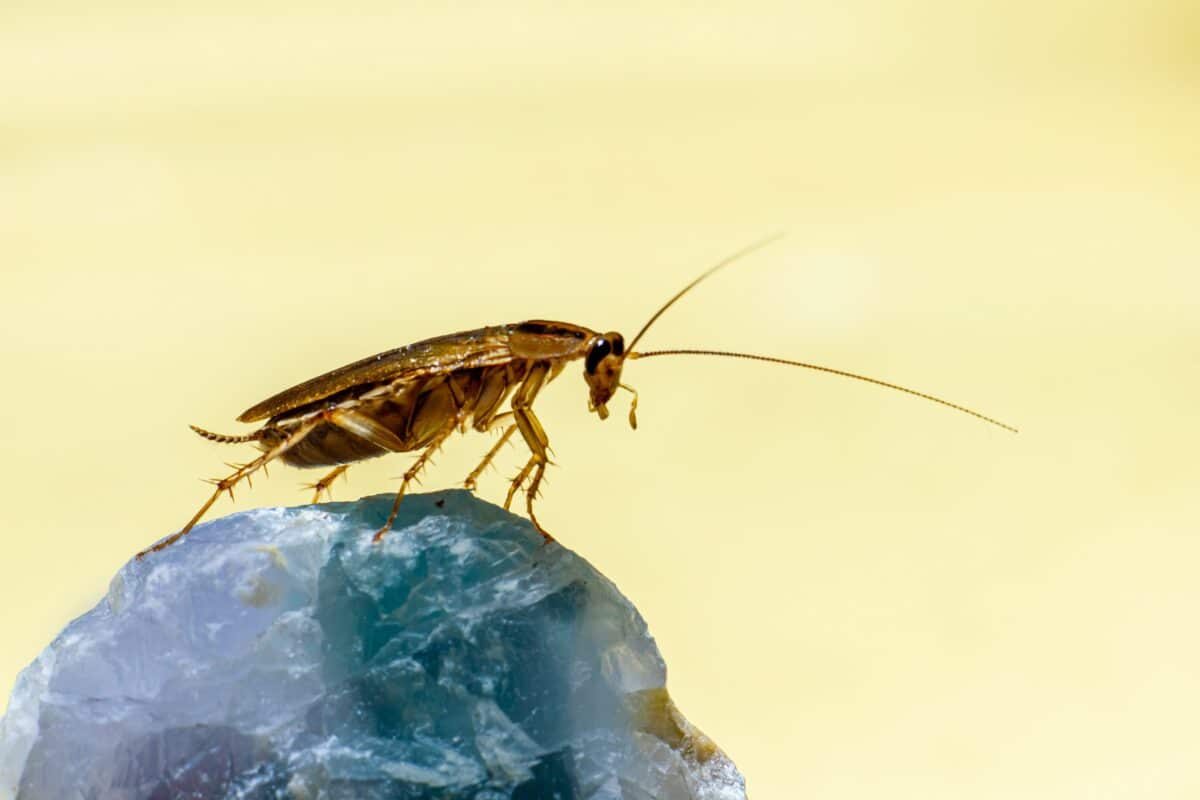
German cockroaches are not just a nuisance; they can be a host to various pathogens that may result in serious illnesses. These small, light-brown insects are infamous for proliferating rapidly and are particularly challenging to eradicate. They are known carriers of bacteria such as Salmonella and E. coli and can trigger allergic reactions and asthma in susceptible individuals. German cockroaches thrive in warm and humid environments, which makes kitchens and bathrooms their favourite breeding grounds. Keeping a clean home and minimizing clutter are crucial steps in preventing an infestation.
2. Brown Recluse Spiders
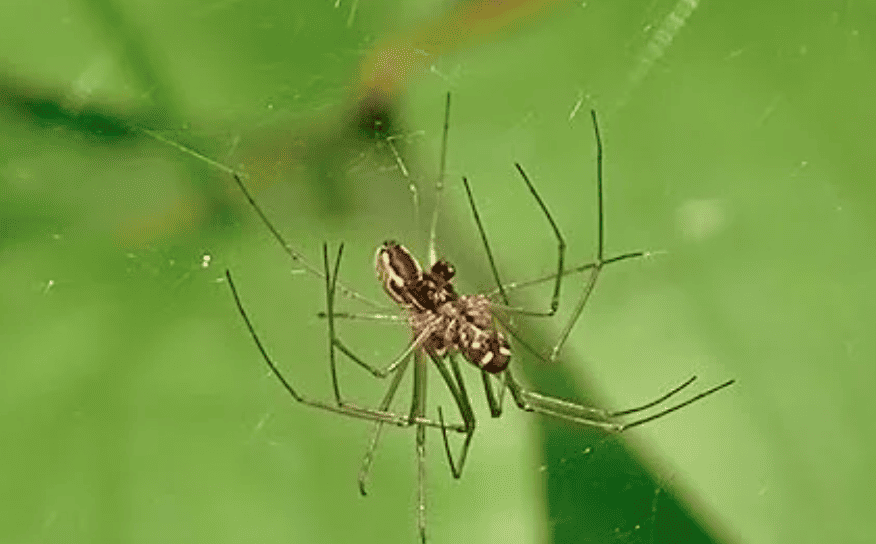
While not technically an insect, the brown recluse spider deserves a place on this list due to its potentially dangerous bite. These spiders are often found in dark, undisturbed areas like attics, closets, and basements. A brown recluse bite can cause severe skin necrosis and systemic symptoms in some cases. Although they are not aggressive and prefer to stay hidden, accidental encounters can lead to bites. It’s important to be cautious when reaching into dark storage areas and to wear protective gloves if necessary.
3. House Centipedes
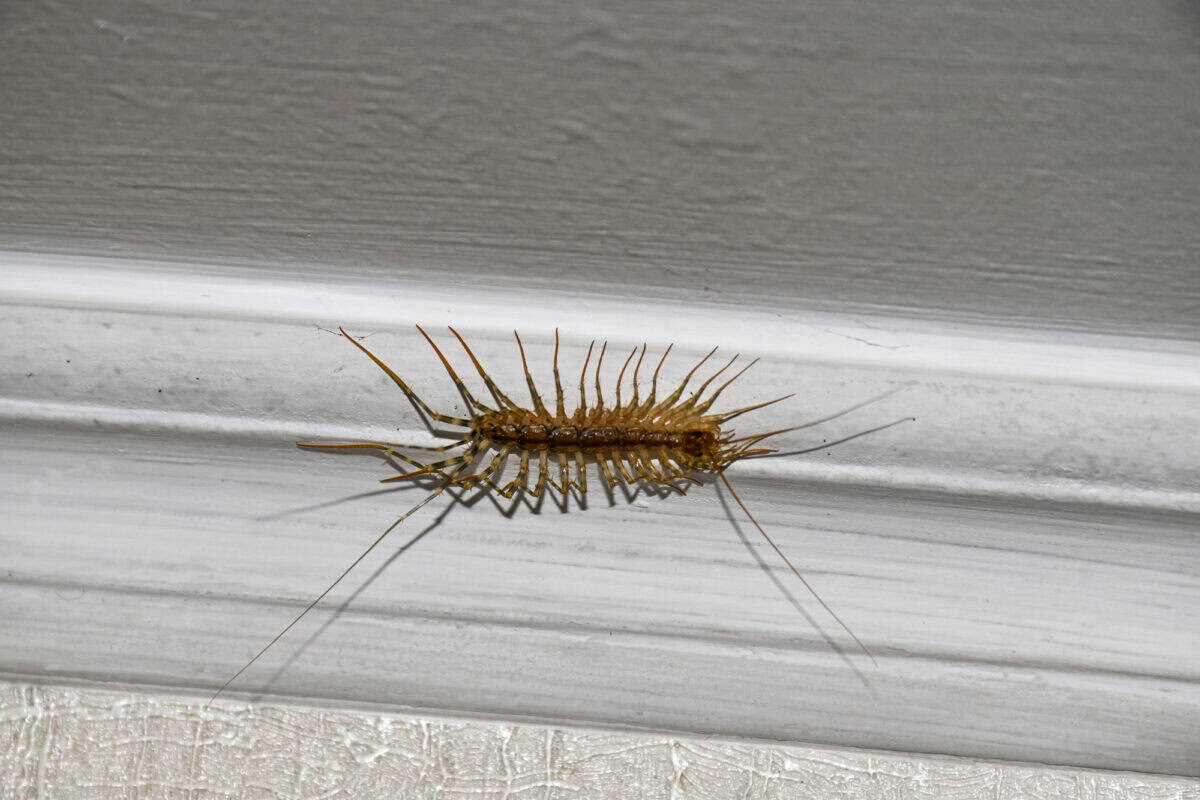
House centipedes are another unwelcome guest that might be residing in your home. While they’re mostly harmless to humans, their alarming speed and appearance can be unsettling. More importantly, their bite can cause mild pain and discomfort, similar to a bee sting. House centipedes hunt other pests, which may inadvertently bring them into contact with dangerous pathogens. Despite being beneficial as natural pest controllers, avoiding centipede infestations prevents potential bites or allergic reactions in humans.
4. Bed Bugs
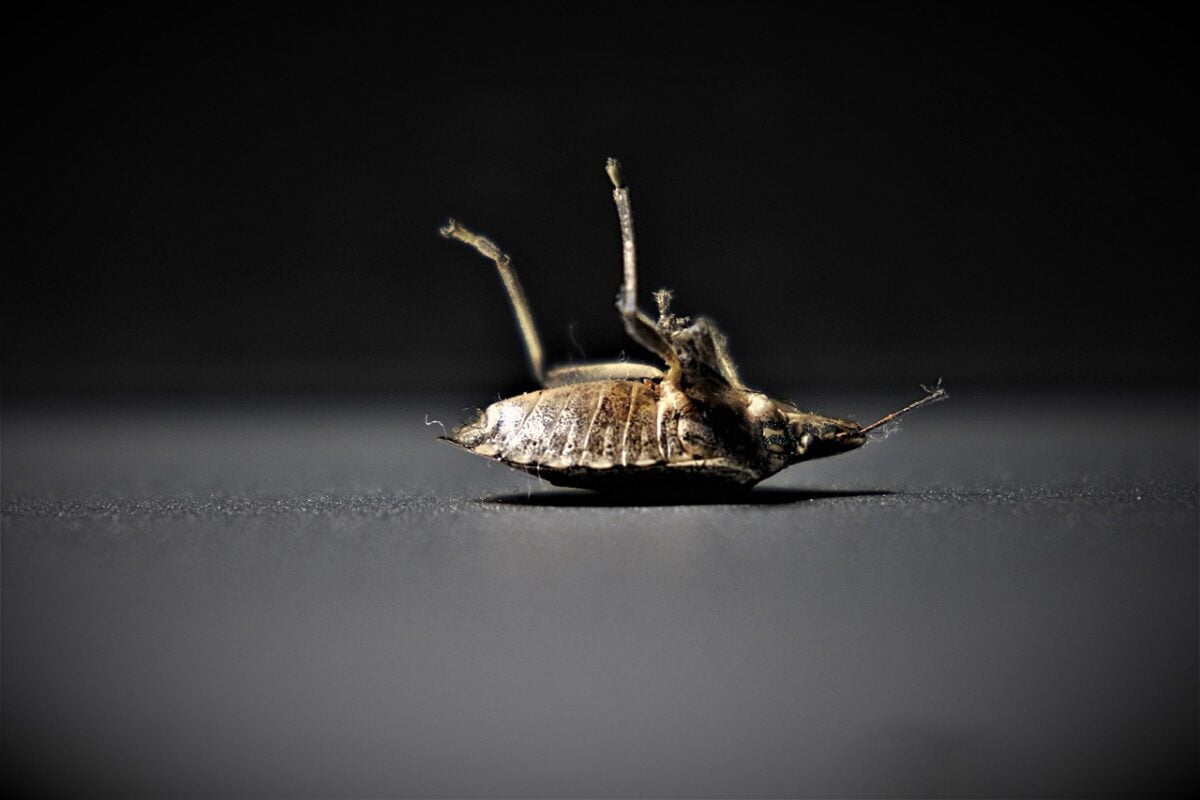
Bed bugs are notorious for their itchy bites, leading to sleepless nights and discomfort. These tiny insects feed on human blood and tend to stay close to sleeping areas. While not known to transmit diseases directly, their bites can trigger allergic reactions or secondary infections from scratching. The psychological stress associated with a bed bug infestation should not be underestimated. Preventing these pests involves regular checks and maintaining a clutter-free environment, especially in bedrooms.
5. Flies

Flies are ubiquitous in many households, but their potential dangers are often underestimated. Houseflies, in particular, can carry over a hundred different disease-causing pathogens, including cholera, typhoid fever, and dysentery. They contaminate food and surfaces by transferring germs picked up from waste and decomposing materials. Ensuring that your food is covered and your trash is properly sealed plays an essential role in preventing fly infestations. Additionally, screens on windows and doors can help keep these buzzing pests out.
Conclusion

Awareness of these potentially dangerous insects and arachnids within the home can significantly enhance your family’s safety and well-being. Regular cleaning, timely pest control measures, and educating all household members about these pests are crucial steps in prevention. While not every insect in your home poses a threat, knowing which ones do and how to manage them is an important part of maintaining a healthy home environment.

As a little kid, I fell in love with nature, wildlife, and animals. Living in the USA, South Africa, Italy, China and Germany gave me the opportunity to discover the world's Wildlife. My favorite animals are Mountain Gorillas, Siberian Tigers, and Great White Sharks.
I'm a certified PADI Open Water Diver, went to Everest Base Camp and Trekked Gorillas in Uganda. I hold a Master of Science in Economics and Finance.
Please send any feedback to feedback@animalsaroundtheglobe.com
- The 10 Most Resilient Animals That Can Survive Almost Anything - June 15, 2026
- 13 Mysterious Bird Migrations Scientists Still Can Not Explain - June 15, 2026
- 14 Creatures That Thrive in Americas National Parks - June 15, 2026