

There’s a moment every veterinarian knows too well. An owner sits across the exam table, eyes filling with tears, holding a dog they love completely, as they hear news they never expected this soon. The diagnosis. The surgery estimate. The prognosis that doesn’t match the hopeful beginning of a story that started with a puppy photo and a whole lot of joy.
The truth is, vets see firsthand the behavioral quirks, health issues, and training challenges that certain breeds can bring. Some breeds, no matter how beautiful or popular, carry a medical burden that most first-time owners simply aren’t prepared for. This isn’t about discouraging dog ownership. It’s about making sure you go in with your eyes open, your heart informed, and your expectations rooted in reality. Here are 18 breeds that have quietly moved off many vets’ recommendation lists, and what you should know before falling in love with one.
1. French Bulldog: Adorable on the Outside, Complicated on the Inside

It’s almost impossible not to fall for a Frenchie. Those bat ears, that squishy face, the personality that fills a room. But beneath all that charm is a dog that often struggles just to breathe. Selective breeding of French Bulldogs has led to dogs with smaller airways and thinner nostrils becoming far more common, leading to a higher incidence of respiratory problems.
The list doesn’t stop there. French Bulldogs are prone to intervertebral disc disease, allergies, patella luxation, skin fold dermatitis, hip dysplasia, and heat stroke. This breed delivers offspring by Cesarean section, and some critics consider French Bulldogs an unethical dog breed since they were bred predominantly for looks rather than health. If you already have one, love them fiercely and get good pet insurance. If you’re considering one, do your homework first.
2. English Bulldog: A Lifetime of Medical Appointments

English Bulldogs suffer from a long list of health problems due to breeding that favored beauty over needs. The English Bulldog is a common household pet, with owners favoring their small and stout size, squished-in faces, and stubby tails. What many don’t realize is just how medically demanding that adorable form actually is.
English Bulldogs have a higher risk of developing heart issues. Their flat faces limit oxygen intake, forcing the heart to work harder to pump oxygen throughout the body. A 2022 study in Canine Medicine and Genetics found that English Bulldogs are twice as likely to suffer from health problems compared to other dogs. Their average lifespan is tragically short, and many owners find themselves spending more time at the vet than they ever imagined.
3. Cavalier King Charles Spaniel: Sweet Souls With Fragile Hearts

The Cavalier is one of the most gentle, loving breeds you’ll ever meet. They live to curl up in your lap and look at you like you’re the center of the universe. That’s what makes their health realities so hard to accept. Cavalier King Charles Spaniels are affectionate and gentle companions, but they are prone to several health issues. One of the most common concerns is mitral valve disease, a heart condition that can lead to heart murmurs and, over time, heart failure if not managed properly.
According to the RSPCA, up to 70% of Cavaliers will inherit painful Syringomyelia, which is a painful brain condition caused by the over-breeding of dogs with skulls too small for their brains. The disorder causes fluid-filled cysts to develop on the spinal cord, and can be incredibly uncomfortable for your pet. Their long, floppy ears also make them prone to ear infections, which can become chronic if not routinely cleaned and monitored. These are dogs you will love deeply. They just need owners prepared for that reality.
4. Dachshund: Big Personality, Vulnerable Spine

Dachshunds are feisty, funny, and utterly charming little dogs. They’re also among the most spine-compromised breeds in the world. The Dachshund’s long body and extremely short legs mean they’re likely to develop Intervertebral Disc Disease (IVDD), limiting their ability to walk. Research shows that the risk of IVDD in Dachshunds is 10 to 12 times higher than in other dog breeds, with at least one-fifth of all Dachshunds showing clinical signs in their life.
Dachshunds have huge personalities and are super lovable, but their backs are a serious concern. That long spine makes them prone to slipped discs and paralysis, and many end up in pain or needing expensive surgery after something as simple as jumping off a couch. Preventing it means no high-impact jumping, ramps instead of stairs, and keeping their weight carefully managed. It’s a genuine daily commitment.
5. German Shepherd: A Wonderful Dog Carrying a Heavy Genetic Load
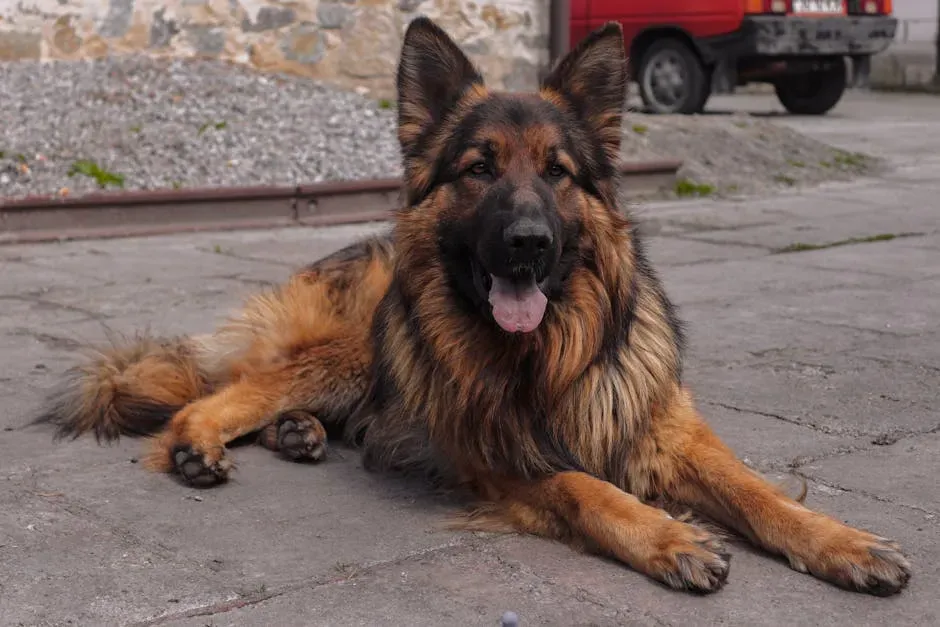
German Shepherds are among the most beloved and capable dogs on the planet. They’re loyal, protective, intelligent, and deeply bonded to their families. They’re also predisposed to a startling number of health issues. They are predisposed to osteoarthritis, elbow and hip dysplasia, epilepsy, Degenerative Myelopathy, pancreatic insufficiency, heart problems, and certain types of cancer.
German Shepherds are intelligent, loyal, and versatile dogs, widely used in family homes, police work, and service roles. However, their large size, rapid growth, and distinctive hind limb structure place significant stress on the musculoskeletal system, making joint disease a common concern. Like many large breeds, German Shepherds are prone to hip and elbow dysplasia, where the ball-and-socket joints don’t fit properly. This can lead to pain, arthritis, and mobility problems later in life. Choosing a breeder who health-tests their dogs is absolutely essential with this breed.
6. Boxer: A Joyful Breed With Cancer at Its Shadow

Few dogs bring more pure, uninhibited joy to a household than a Boxer. They’re goofy, energetic, completely devoted, and always seem to be in the middle of whatever is happening. But veterinarians watch them with particular concern. Studies show that nearly half of Boxers may face some form of cancer in their lifetime, with lymphoma and mast cell tumors being the most common.
Boxers are also prone to heart conditions, particularly cardiomyopathy, which can affect the heart muscle and lead to irregular rhythms or even heart failure if untreated. Their large, muscular frames make hip dysplasia another concern, and like many deep-chested breeds, Boxers can suffer from gastric dilatation-volvulus, a life-threatening condition where the stomach twists and requires immediate emergency care. Regular cardiac checks and knowing the signs of bloat are non-negotiable for Boxer owners.
7. Shar Pei: Loyalty Wrapped in Chronic Health Challenges

The Shar Pei is unmistakable, deeply loyal, and genuinely devoted to their families. They’re also one of the breeds that keeps veterinarians busiest. Many of the Shar Pei’s health issues stem from extensive inbreeding. When the breed first arrived in the United States, only about 200 Shar Peis were imported from China, which was not nearly enough to establish a healthy genetic base. Over time, this limited gene pool led to a variety of chronic conditions that still affect the breed today.
Common Shar Pei health problems include severe skin infections caused by their deep folds, ear infections due to narrow canals, and eye diseases such as entropion, where the eyelid rolls inward. They are also predisposed to atopic dermatitis and even have a specific disease called Shar Pei Fever. If you own one, building a relationship with a knowledgeable vet early is one of the best things you can do for them.
8. Golden Retriever: America’s Sweetheart With a Devastating Secret

Goldens are the quintessential family dog. Gentle, patient, endlessly loving. Mentioning their health struggles almost feels unfair. But the data is hard to ignore. A landmark study found that three out of every four Golden Retrievers in a large U.S. cohort died from cancer, the highest rate of any breed recorded. Of those cancer deaths, about 70% were due to hemangiosarcoma, a fast-moving, often silent cancer of blood vessels.
The four most common types of malignant cancers found in Golden Retrievers include lymphoma, hemangiosarcoma, osteosarcoma, and mast cell tumors. These four cancers make up about 80% of all cancer deaths in Golden Retrievers. Because Golden Retrievers are so prone to cancers and other health problems, it’s often recommended to visit the vet on a more regular basis, perhaps visiting twice a year once they reach age five. Knowing this going in helps you stay ahead of it.
9. Pug: The Face That Launched a Thousand Vet Bills

Pugs are irresistible. Round, wrinkly, funny little souls who seem to know they’re entertaining you. Unfortunately, that flat face that everyone loves is also the source of nearly everything that goes wrong medically. Brachycephalic obstructive airway syndrome is linked to the specific physical features of these breeds. Because their faces and noses are so short, the airways in their nose and throat can become squeezed or obstructed, making it harder for them to breathe. The condition is considered chronic and can worsen over time.
Pugs’ prominent, bulging eyes give them their trademark puppy-dog gaze, but they also make the breed prone to serious eye injuries. In extreme cases, an eye can actually pop out of its socket. Heat is another real danger. Pugs should be protected from excessive heat and should not engage in heavy exercise that can strain their respiratory system. They’re joyful companions, but they require a very informed, watchful owner.
10. Bernese Mountain Dog: Giant Hearts, Heartbreakingly Short Lives
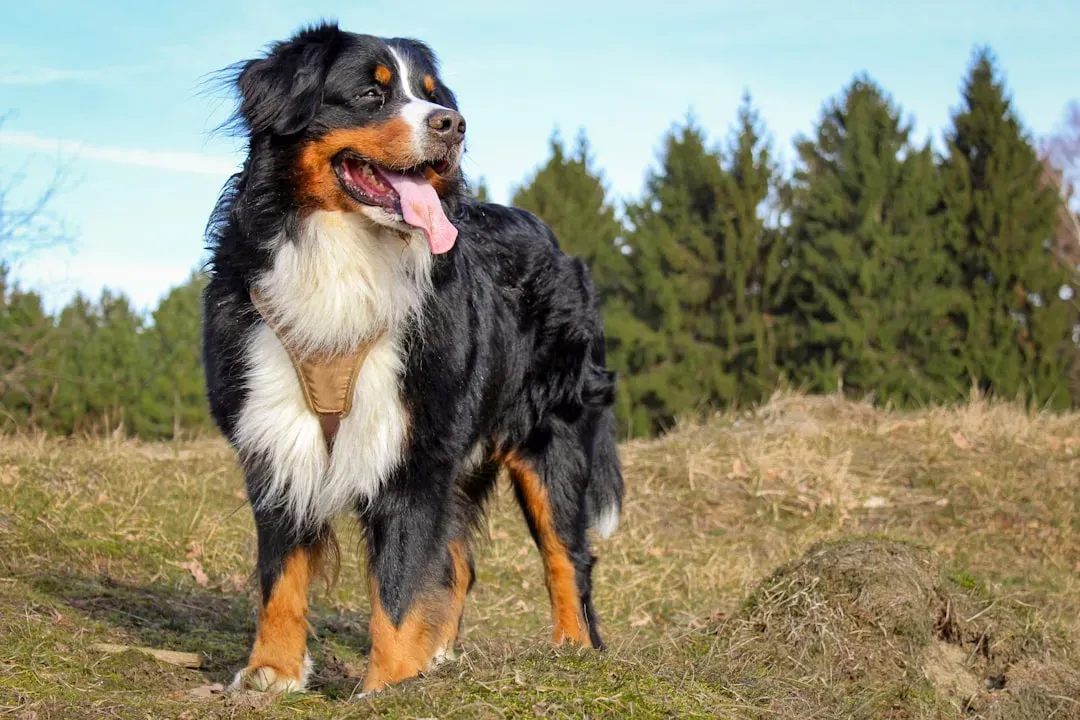
Berners are among the most majestic, gentle, and loving dogs in existence. They’re the kind of dog that makes strangers stop on the street. The grief of owning one, for many families, arrives far too soon. Due to generations of inbreeding, cancer runs rampant in their genes, and many Berners can only expect to live six to eight years as a result.
Among many health problems, Bernese Mountain Dogs are susceptible to cancer, kidney disease, liver disease, gastric torsion, Addison’s disease, hemolytic anemia, bloat, and joint diseases. These lovable, gentle giants are particularly prone to certain types of cancer including blood cancers such as lymphoma and bone cancer. Families who bring a Berner home should go in prepared to love deeply, advocate fiercely, and find a vet who specializes in the breed’s unique risks.
11. Great Dane: The Gentle Giant With a Shortened Clock
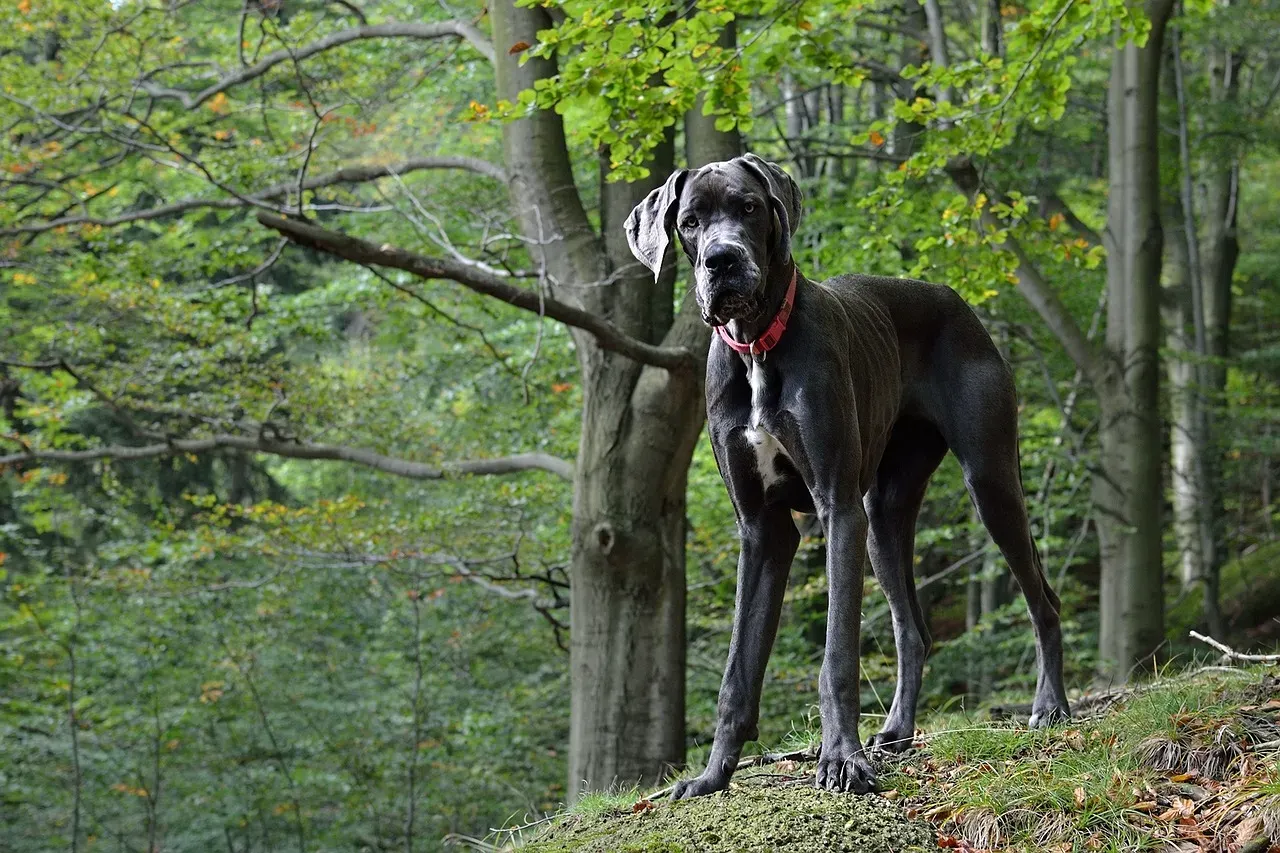
Great Danes are breathtaking animals. Their size alone commands attention, and their personalities are surprisingly gentle and affectionate. What most families don’t fully grasp before bringing one home is how compressed a Great Dane’s life tends to be. Sadly, Great Danes only live between eight to ten years because of their many health issues.
Deep-chested dogs like Great Danes face a life-threatening emergency known as Gastric Dilatation-Volvulus, where the stomach twists and traps gas. Rapid recognition and emergency surgery are lifesaving. Osteosarcoma, a bone cancer, is very common for large-breed dogs and very difficult to treat. Cardiac issues round out a heavy health profile. With careful monitoring, proper exercise, and routine veterinary care, Great Danes can thrive, but prospective owners should be prepared for the responsibilities that come with owning such a colossal companion.
12. Rottweiler: Strong and Stoic, but Prone to Serious Conditions

Rottweilers are powerful, confident, and deeply loyal dogs. In the right home with proper training, they’re exceptional companions. They’re also a breed that racks up veterinary visits. Hip and elbow dysplasia are fairly common in Rottweilers, often leading to joint pain and reduced mobility as they age. They are also at risk for osteochondritis dissecans, a condition where abnormal cartilage development can cause joint discomfort and lameness, especially in growing puppies.
Another serious concern is dilated cardiomyopathy, a heart disease that weakens the heart muscle and affects its ability to pump blood efficiently. On the cancer front, osteosarcoma mostly affects large and giant breeds, including Rottweilers. Regular vet check-ups, a balanced diet, and controlled exercise can help manage these risks and support a long, healthy life. These dogs deserve owners ready to take their health seriously from day one.
13. Saint Bernard: Built for Rescue, But Needs Rescuing From Its Own Genetics
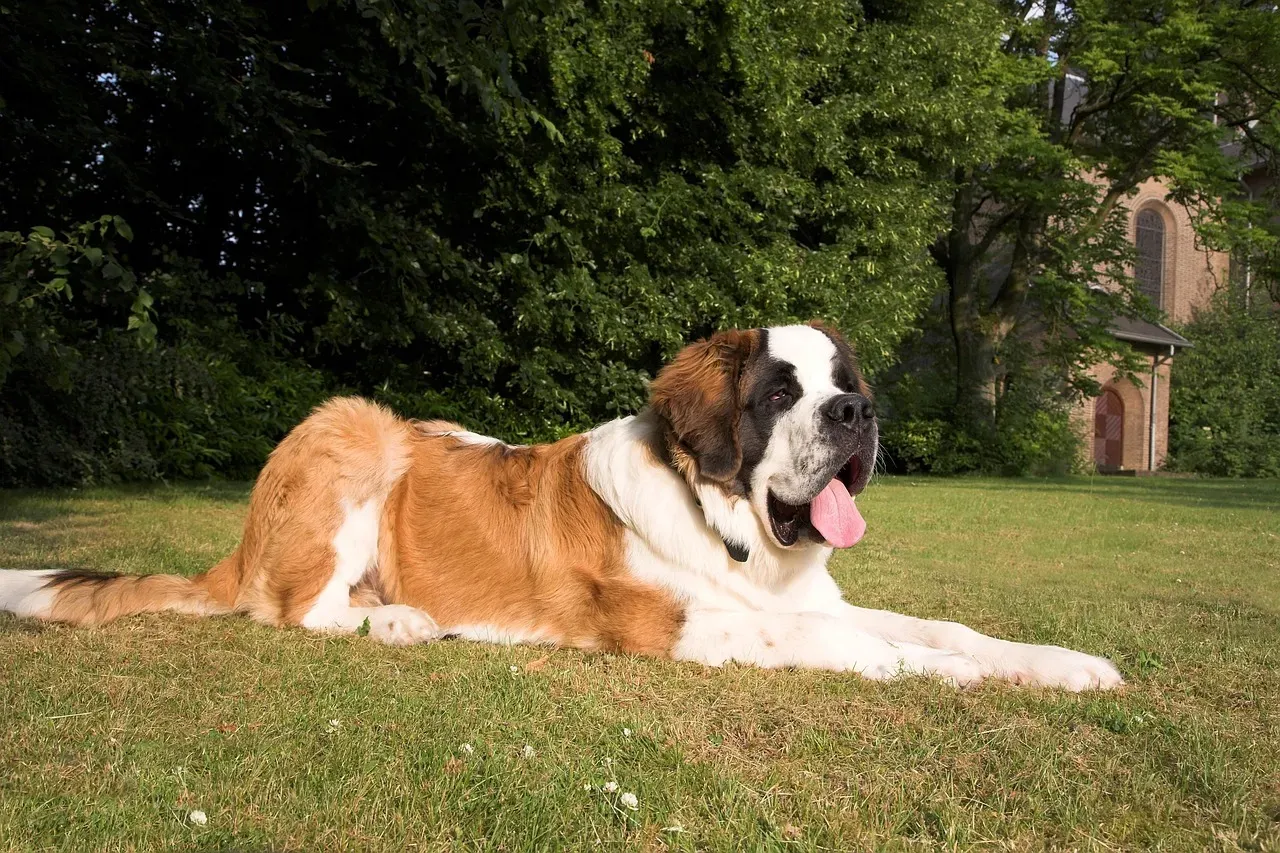
The Saint Bernard is warmth in canine form. Gentle, calm, absolutely wonderful with children. They’re also a breed that carries a significant health burden tied directly to their enormous size. Saint Bernards are at a high risk for bloat, a life-threatening condition where the stomach fills with gas and twists. This can come on suddenly and requires emergency surgery.
Saint Bernards have higher-than-usual rates of cancer and immune disorders. Dilated cardiomyopathy, a condition where the heart becomes enlarged and weakened, is seen more frequently in large breeds like Saint Bernards. While it’s true that larger breeds tend to face more health challenges, including bone cancer and lymphoma, early detection, routine vet visits, and proactive care can make meaningful differences in both quality and length of life.
14. Cocker Spaniel: Beautiful Dogs With a Surprisingly Long Problem List

Cocker Spaniels are silky, sweet, and eager to please. They look like they belong in a painting. Their health profile, though, tells a more complicated story. Beyond ear disease, Cocker Spaniels are prone to eye conditions, joint disorders, thyroid disease, and heart problems, many of which have a genetic component.
Their long, floppy ears make them especially susceptible to ear infections, which can become chronic if not regularly cleaned and monitored. Cocker Spaniels are also prone to skin allergies, which may cause itching, redness, and irritation. Additionally, they can develop eye conditions like progressive retinal atrophy, a degenerative disease that can lead to vision loss. For this breed, regular screening and early intervention play a critical role in maintaining long-term comfort and quality of life.
15. Chow Chow: Independent, Stunning, and Quietly Struggling

Chow Chows look like living teddy bears, and they carry themselves with a kind of regal indifference that’s fascinating to watch. They’re also a breed that many vets approach with caution. Chow Chows can be difficult to assess for weight, and as a result, they suffer from a host of orthopedic issues, like hip and elbow dysplasia and patellar luxation.
The condition of entropion, where the eyelid folds inward causing lashes and skin to rub against the cornea, disproportionately affects breeds with pronounced facial wrinkles or loose skin, such as Chow Chows. Beyond the physical health concerns, Chow Chows ranked at 76 out of 79 in canine intelligence rankings, and they can be stubborn and tough to train, which isn’t the best combination for first-time owners. They’re remarkable dogs for the right person, but that person needs patience, experience, and a good vet.
16. Doberman Pinscher: Elegant and Athletic, but Genetically Vulnerable
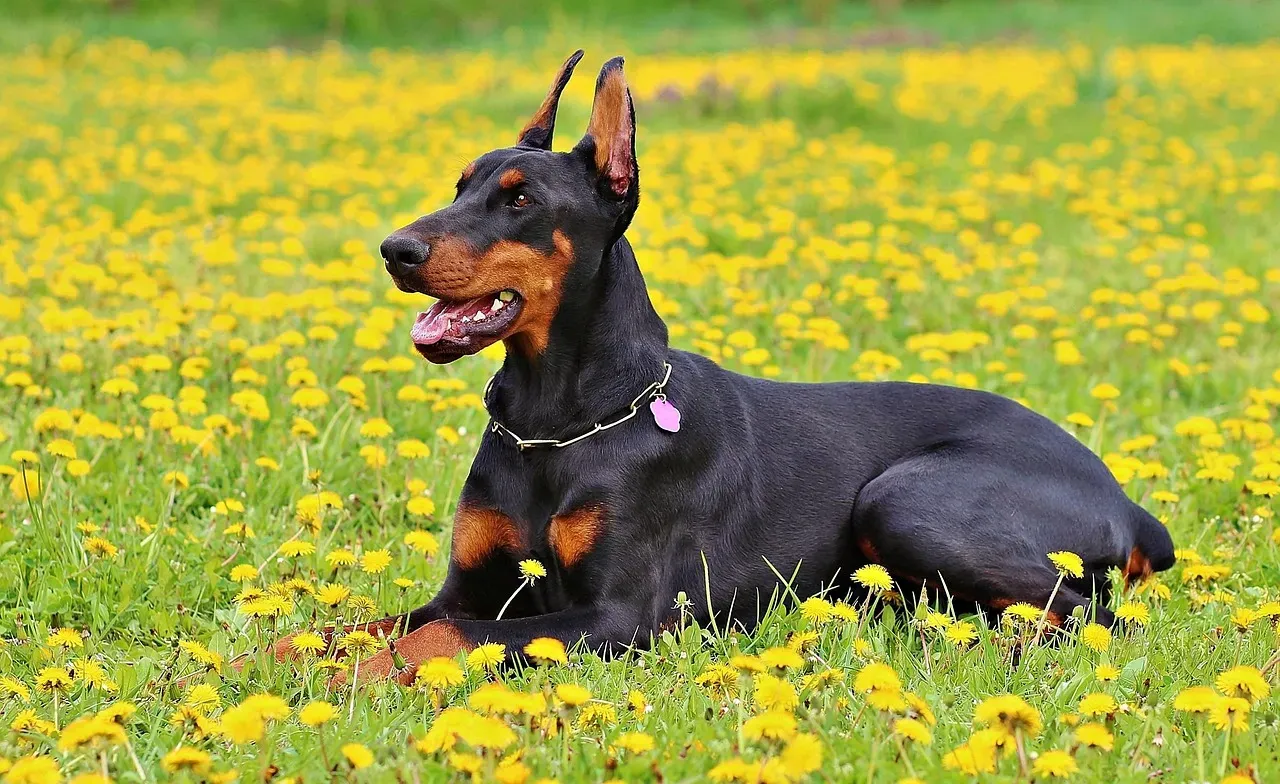
Dobermans are sleek, athletic, and intensely loyal. They thrive on structure and love having a job to do. For all their physical impressiveness, they carry some serious genetic health risks that every owner should understand. Dilated cardiomyopathy is a disease characterized by a thinning and weakening of the heart muscle that decreases its ability to effectively pump blood. As the disease progresses, the heart becomes enlarged and signs of congestive heart failure may develop. Dobermans are among the breeds most predisposed to this condition.
The most common types of cancer in Doberman Pinschers are hemangiosarcoma, melanoma, and osteosarcoma. Large breeds like Dobermans may also develop Wobbler Syndrome, a spinal disorder that causes neck pain and unsteady movement. Regular cardiac screening is something most vets strongly advocate for this breed, ideally starting before any symptoms appear. Early detection genuinely saves lives here.
17. Boxer’s Brachycephalic Cousin: The Shih Tzu’s Hidden Struggles

Shih Tzus are bright-eyed, affectionate little companions who adapt beautifully to apartment living and adore their people. They’re also a breed with more going on beneath the surface than their cheerful demeanor might suggest. Despite being low to the ground, Shih Tzus have very unstable kneecaps, making orthopedic surgery common among the breed. They also have a host of eye issues, including corneal ulcers and glaucoma.
Shih Tzus are a charming and affectionate breed, but they can be prone to several health issues that owners should be mindful of. Like other flat-faced dogs, they can struggle with breathing difficulties, especially in heat or during exertion. Their dense coats also require consistent grooming to prevent painful mats and skin issues beneath. They’re absolutely wonderful dogs in the right home, just not quite as low-maintenance as their compact size might suggest.
18. Belgian Malinois: Exceptional Working Dog, Wrong Dog for Most Homes

The Belgian Malinois is one of the most capable, driven, and intelligent animals in the canine world. They’re the breed trusted by military units and elite police forces globally, and there’s a reason for that. Belgian Malinois are incredible working dogs, crazy intelligent and driven, but unless you’re training them constantly and giving them proper structure, they become destructive and reactive fast. They’re not family pets for most people.
These dogs are bred for military and working roles. Without constant structure and stimulation, they can become reactive and destructive. The concern vets have isn’t purely medical. It’s behavioral. When a Malinois ends up in the wrong home, the dog suffers, and so does the family. Anxiety, aggression, and destructive behaviors often lead to surrenders, rehoming, or worse. If you don’t live and breathe dog training, this simply isn’t the breed for you, no matter how impressive they look on social media.
What This All Really Means for You

None of this means you should avoid these breeds entirely. Being predisposed to health issues doesn’t mean your dog will definitely develop them. Proper care, early screening, and preventive measures can significantly improve outcomes for at-risk breeds. What it does mean is that knowledge is one of the most loving things you can offer any dog.
Some dog breeds are more likely than others to suffer from certain diseases or conditions because of their genetic makeup. Knowing that going in lets you choose a great vet, invest in the right insurance, and watch for the right warning signs before things become emergencies. If you’re in the market for a new companion, it’s important to know that some dog breeds are more prone to health issues than others, and that can mean a shorter life span, higher vet bills, and a lot of stress and grief for you as an owner.
The most heartbroken owners vets encounter aren’t the ones who got hard news. They’re the ones who got hard news they were never prepared for. Go in informed, go in ready, and whatever breed you choose, love them with everything you’ve got. That part, no one ever regrets.
