
Most people know that polar bears are in trouble. They’ve seen the images, heard the statistics, felt the distant sadness that comes with a problem that feels too large to fix. What many don’t realize is that just as urgent a crisis is unfolding right here in the United States, in the rivers, coastlines, forests, and skies of this country. The animals in this article aren’t on the other side of the world. Some of them live within a day’s drive of major American cities.
As human civilization continues to develop, an untold number of species are being put at risk. In the United States alone, over 600 species of animals and 900 species of plants are listed as threatened or endangered. These aren’t just numbers on a spreadsheet. They’re living creatures with complex behaviors, ecological roles, and in many cases, survival stories that are more dramatic than anything Hollywood could script. Here are five of them.
The Red Wolf: A Ghost in North Carolina’s Woods
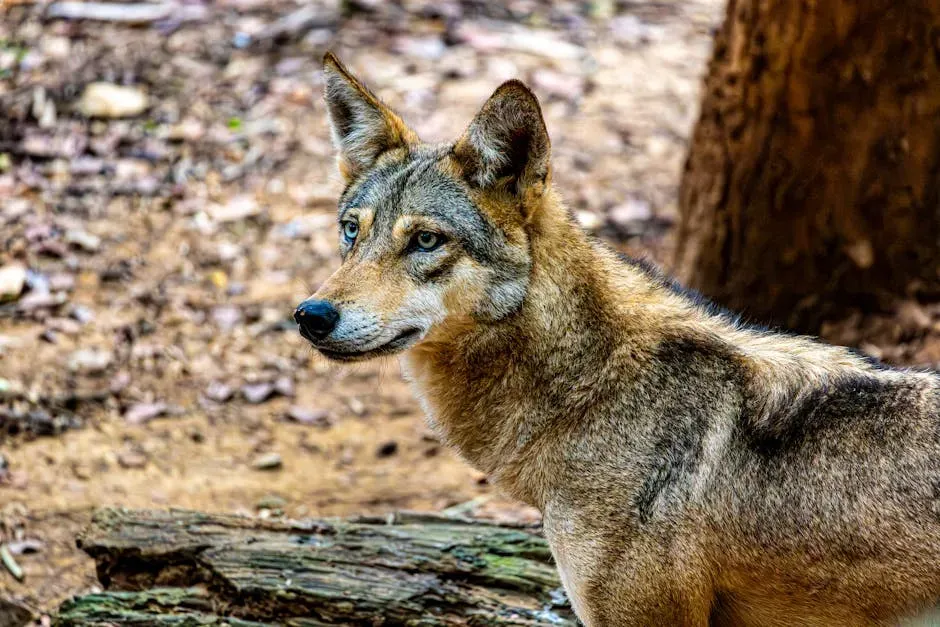
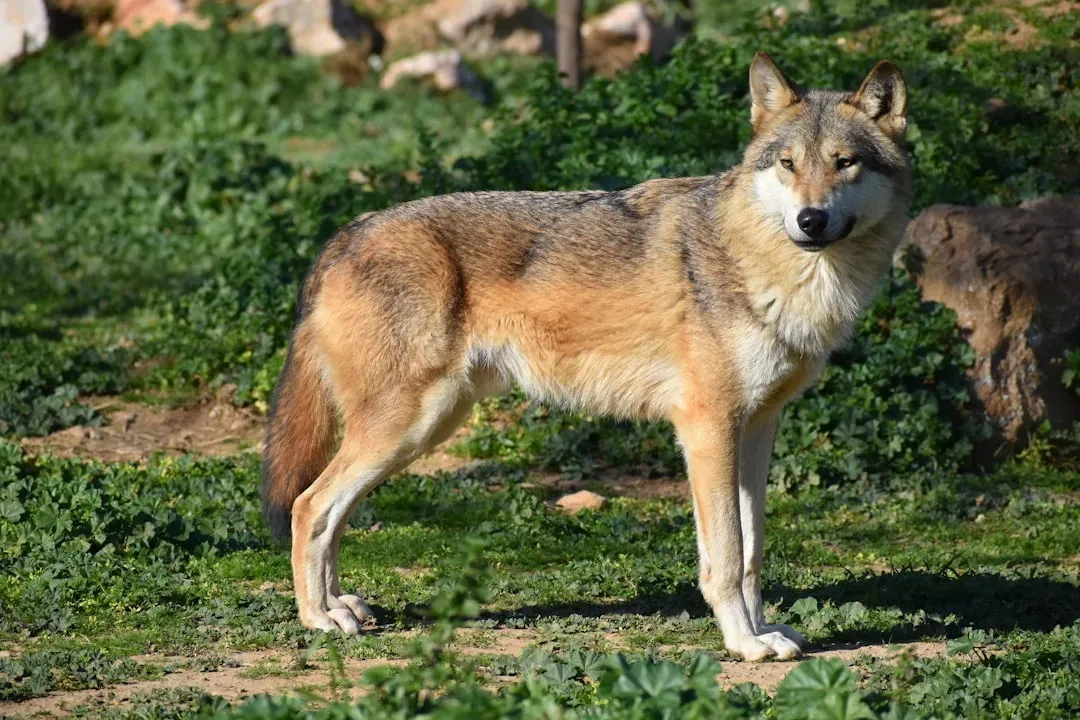
Red wolves are the most endangered wolf species in the world. Although they once roamed across much of the Eastern United States, they were hunted almost to extinction by the 1970s. Today, fewer than 20 red wolves survive in the wild, inhabiting a tiny patch of Eastern North Carolina. That’s not a typo. The entire wild population of this species fits within a single county-sized patch of land.
Red wolves were declared extinct in the wild in 1980 but were reintroduced to North Carolina in 1987. The International Union for Conservation of Nature now categorizes red wolves as critically endangered, and as of 2025, their population is still decreasing, with just 20 to 30 mature individuals left in the wild. Even as the species teeters on the edge of survival, five red wolves died in collisions on a nearby highway in 2023 and 2024. In 2024, the death of one male on the highway resulted in his five pups starving to death. The wolf that conservation brought back from the brink is still being taken out, one road at a time.
The North Atlantic Right Whale: Racing Against Time in the Atlantic
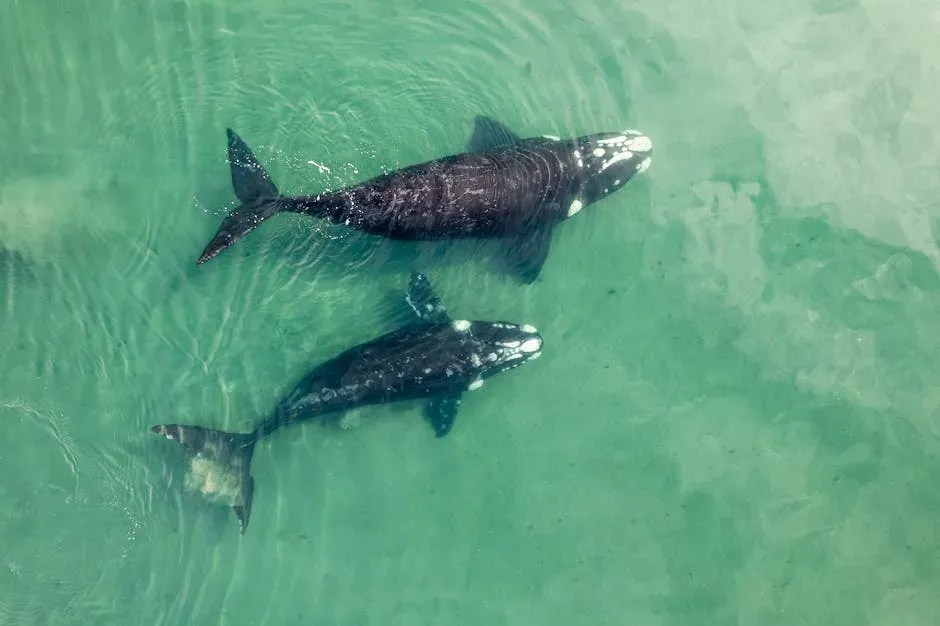
The North Atlantic right whale is one of the world’s most endangered species of large whale. North Atlantic right whales were first hunted as early as the 9th century by Norse whalers, and later, commercial whaling brought them to the brink of extinction by the early 1900s. They survived centuries of slaughter, only to face a new and arguably more insidious set of threats in the modern era.
Entanglements and vessel strikes are the leading causes of serious injury and death for North Atlantic right whales. Coming off a difficult year in 2024 that saw five right whale deaths, 16 entanglements, and eight vessel strikes, 2025 has been a welcome relief. The population estimate for 2024 is 384 individuals, representing a slight increase of roughly two percent over the 2023 estimate. Experts urge, however, that the continued leveling of population numbers cannot be taken as a sign of a change of tide. In a more hopeful development, Clearwater Marine Aquarium researchers counted 23 right whale calves during their 2026 annual survey, up from 11 mother-calf pairs counted the previous year.
The California Condor: A Comeback Story With an Unfinished Chapter
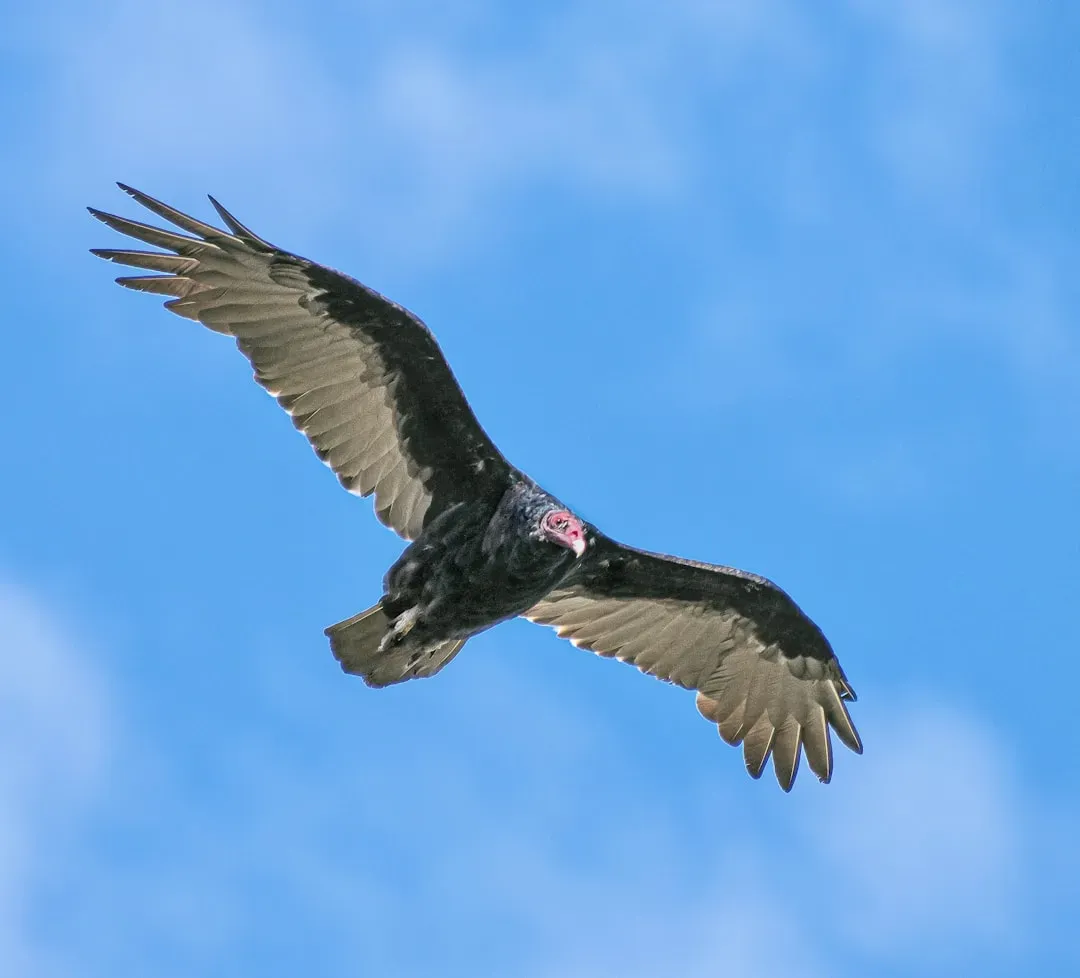
The California condor, with a wingspan of 9.5 feet and weighing up to 25 pounds, is the largest land bird in North America. These majestic creatures historically ranged from California to Florida and Western Canada to Northern Mexico. Then came habitat loss, poaching, DDT poisoning, and lead ammunition – and the species collapsed.
By 1982, only 22 condors survived in the wild. In an effort to avoid extinction of the species, wildlife services and partners began to capture the remaining wild condors, and five years later, all remaining wild condors were in captivity as a captive breeding program got underway. In December 2025, the Fish and Wildlife Service updated the world population to 607. That is a remarkable recovery, but the species remains critically endangered. Lead poisoning is still the single greatest danger facing California condors today. When a condor feeds on an animal shot with lead ammunition, tiny lead fragments can enter its bloodstream and ultimately be fatal.
The Florida Manatee: A Sea Cow in Crisis
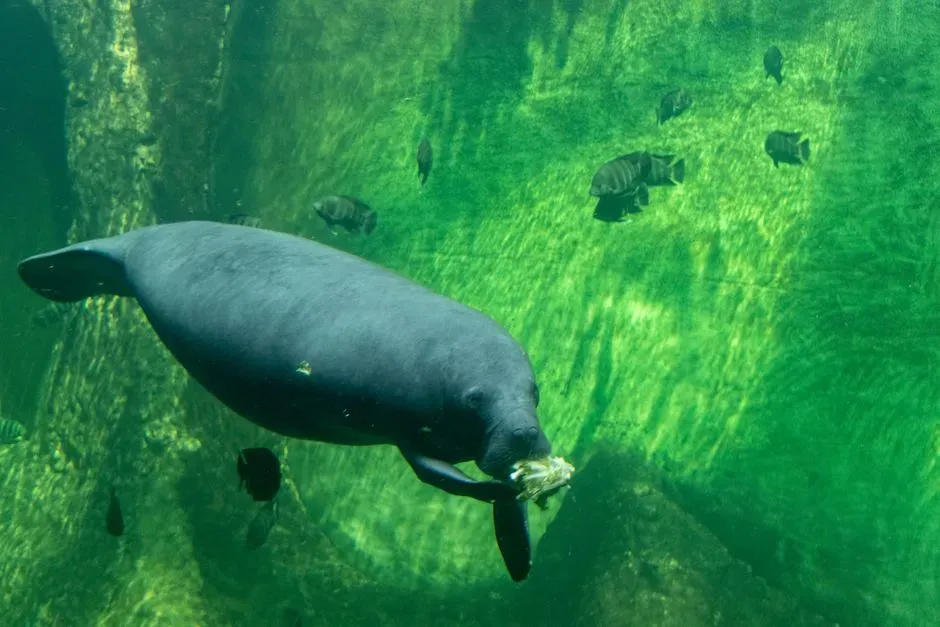
Florida’s iconic manatees have had a rough time lately. The most recent data suggests 625 manatees died in 2025, up slightly from the previous year, though still nowhere near the mass mortality that took place in 2021 and 2022. The “sea cows” face a host of threats, including boat strikes, cold waters, pollution runoff, and a lack of the seagrass they depend upon for food.
Between 2020 and 2022, more than 2,500 manatees died, mostly from starvation because of the decline of seagrass, their primary food. Hundreds more died in 2023 and 2024. The seagrass shortage got so bad that at one point the state had to drop hundreds of tons of lettuce into the water to keep manatees from starving to death en masse. Boat strikes are a top threat to manatees, and climate change has also caused serious problems for these gentle animals, with water temperature fluctuations putting additional stress on the species. The fact that we were literally hand-feeding wild manatees with grocery store lettuce to keep them alive says something about how severe this situation became.
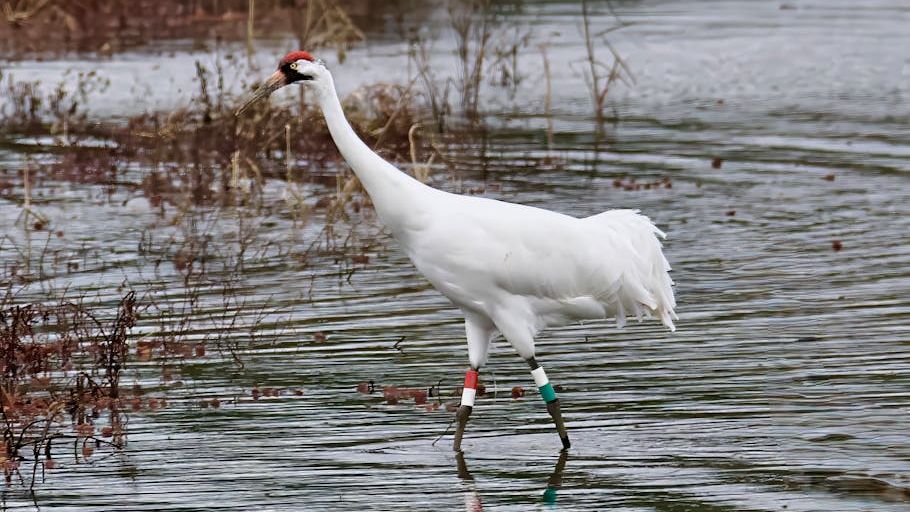
The Whooping Crane: 500 Birds, and Every One Counts
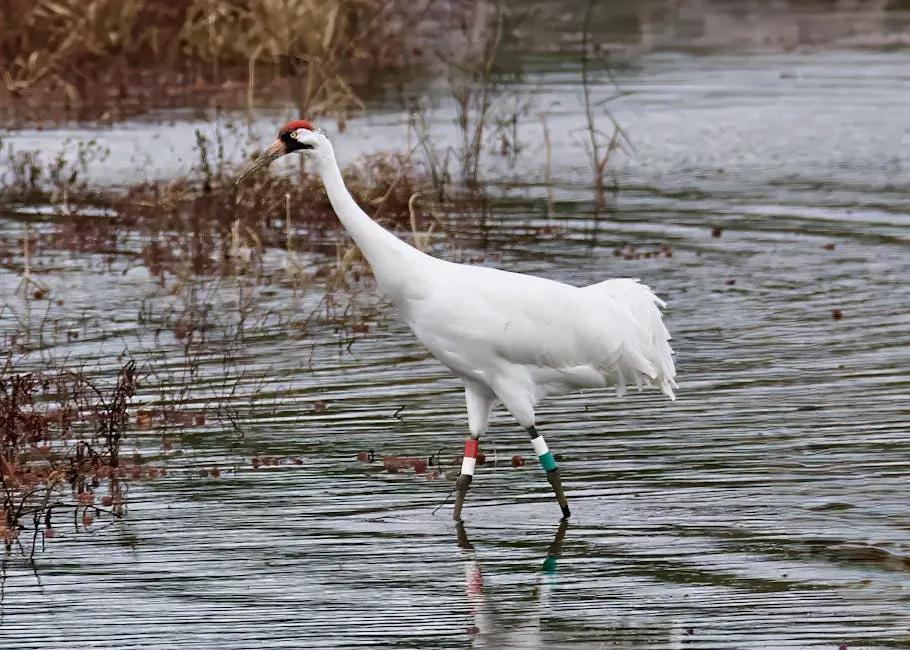
The North Atlantic Right Whale, Florida Panther, American Burying Beetle, Whooping Crane, California Condor, Hawaiian Monk Seal, Red Wolf, Kemp’s Ridley Sea Turtle, Jaguarundi, and Ocelot are among the top ten most endangered animals in America. Of all of these, the whooping crane carries a particular weight in American conservation history. It is North America’s tallest bird, standing nearly five feet tall, and at one point, the entire species was down to fewer than 20 individuals. Decades of intensive management have brought numbers up to roughly 500 birds total across wild and captive populations, but that’s still an achingly small margin for a species that once graced the continent’s wetlands in the thousands.
The United States is home to unique ecosystems that support thousands of species found nowhere else on Earth. Yet human activities including habitat destruction, pollution, climate change, and overexploitation have pushed many American animals to the brink of extinction. The Endangered Species Act, passed in 1973, offers critical protection, but recovery requires ongoing conservation efforts, community involvement, and scientific innovation. For whooping cranes specifically, that innovation has included using ultralight aircraft to teach captive-raised birds their migration routes – a surreal and rather moving image of humans literally guiding birds back to the sky. The species remains endangered, and each nesting season, each surviving chick, still carries the weight of an entire legacy.
A Nation’s Wildlife at a Crossroads: What Happens Next Matters
The Endangered Species Act has been the backbone of wildlife conservation for more than 50 years, preventing the extinction of 99 percent of listed species and guiding them toward recovery. In the current Congress, a suite of bills threatens to weaken this vital law, from politically driven delisting proposals to broad statutory changes. A proposed rule change has focused on the definition of the word “harm.” Since the passage of the ESA in 1973, “harm” to endangered species has included harm to the habitat the animals need to survive. The current administration is claiming that “harm” only means directly hurting or killing an animal, and if the rule is finalized, it could open up protected habitat to extractive industries such as timber, oil, and mining.
There is something deeply uncomfortable about the idea that while scientists are guiding condors away from lead-laced carcasses, teaching whooping cranes to fly, and counting every last right whale calf in the Atlantic, the legal framework designed to protect all of it may be quietly dismantled through regulatory rewording. Protecting endangered species is one thing that Americans broadly agree upon. Across the political spectrum, national surveys for over 30 years have shown that between 80 and 90 percent of people in the US strongly support the Endangered Species Act. The will of the public is clearly there. Whether that will translates into sustained policy, adequate funding, and the kind of long-term commitment these species actually need – that remains the unresolved question that will define American wildlife for generations to come. The animals don’t have the luxury of waiting for the politics to catch up.
