
American national parks hold secrets that stretch far beyond their natural beauty. These landscapes once thrived with ancient civilizations whose legacies remain etched in stone, adobe, and memory. Today, several parks serve as guardians of , preserving not just architectural marvels but entire cultural worlds that shaped this continent for millennia. Let’s explore five remarkable parks where history lives on.
Mesa Verde National Park – Ancient Cliff Cities of the Southwest
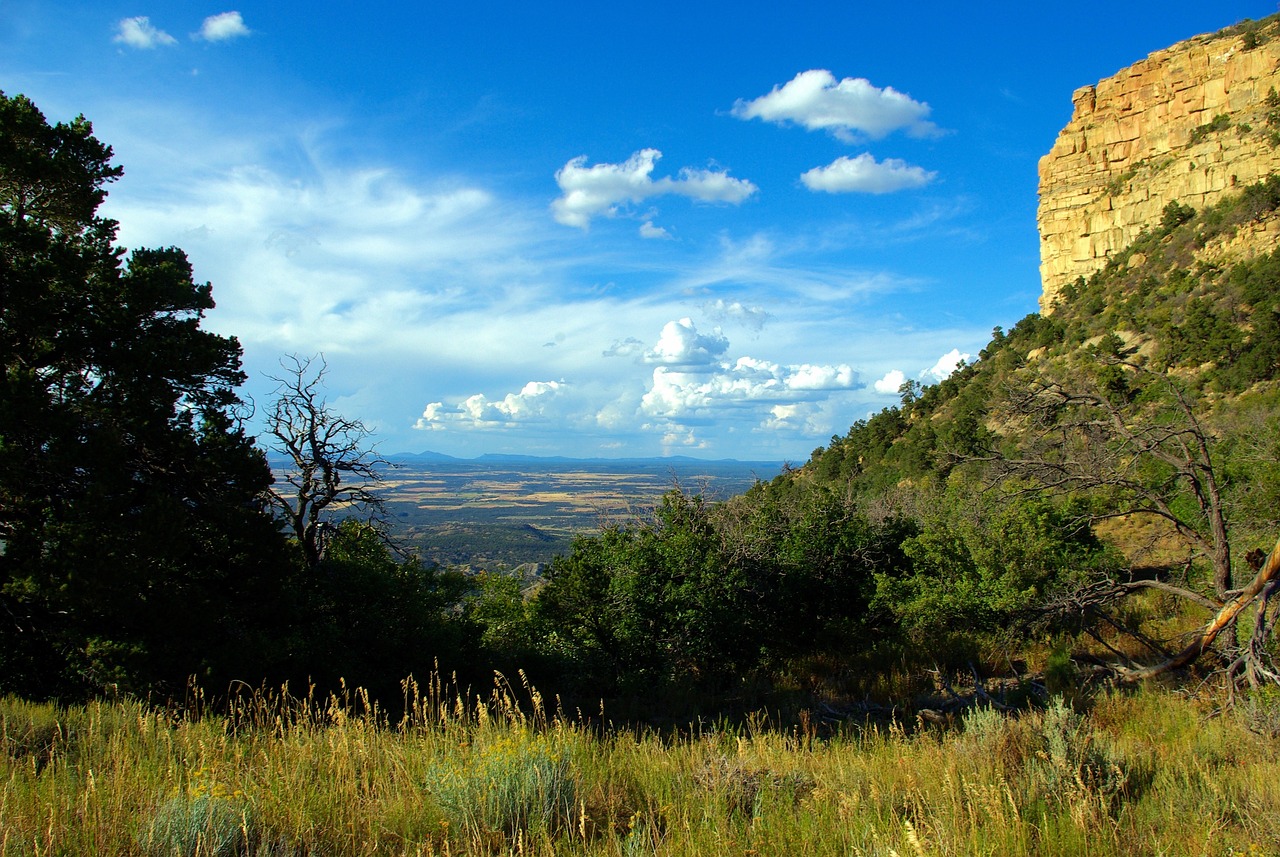
Mesa Verde National Park preserves a remarkably well-preserved prehistoric settlement landscape of the Ancestral Puebloan culture, which lasted for almost nine hundred years from c. 450 to 1300, preserving a spectacular reminder of this ancient culture. Some 600 cliff dwellings built of sandstone and mud mortar have been recorded within Mesa Verde National Park – including the famous multi-storey Cliff Palace, Balcony House, and Square Tower House – and an additional 4,300 archaeological sites have been discovered. Walking through these structures feels like stepping back in time, where every room tells a story of ingenuity and survival.
From around CE 550 to CE1300, they shaped the region with pithouses, pueblos, towers, kivas, and the now-iconic cliff dwellings carved into sandstone alcoves. It wasn’t until the final century of their time here – between CE 1190 and CE 1300 – that they began building the cliff dwellings that define the park today. Ancestral Pueblo people lived in the cliff dwellings for less than 100 years. By about A.D. 1300, Mesa Verde was deserted. Their departure remains one of archaeology’s most compelling mysteries.
Canyon de Chelly National Monument – A Living Cultural Landscape
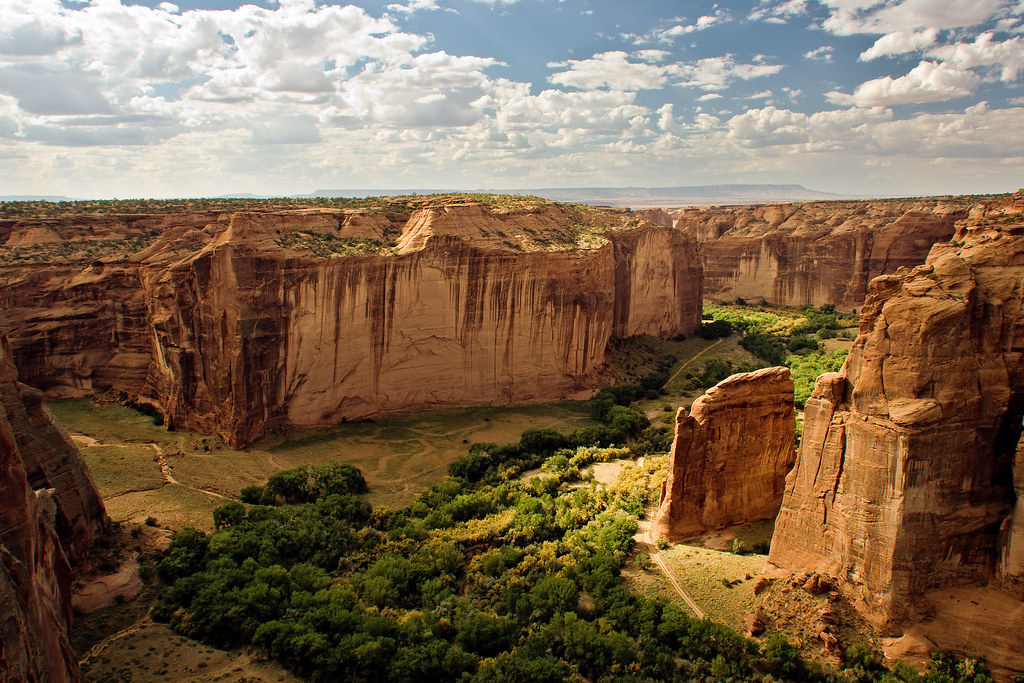
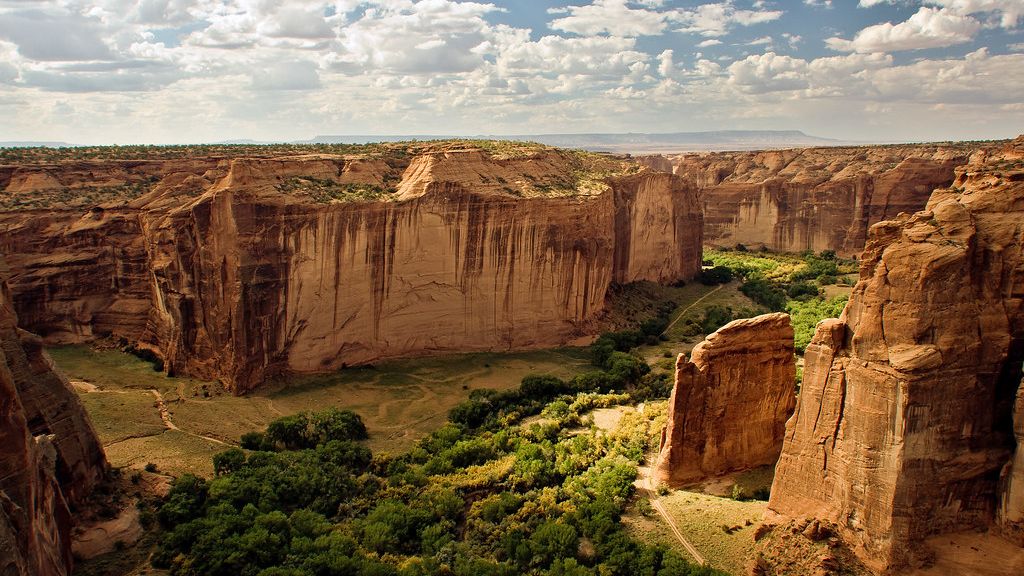
Reflecting one of the longest continuously inhabited landscapes of North America, it preserves ruins of the indigenous tribes that lived in the area, from the Ancestral Puebloans to the Navajo. People have lived in these canyons for nearly 5,000 years, which is longer than anyone has lived continuously on the Colorado Plateau. This isn’t just a museum piece. About 40 Navajo families live in the park.
The monument stands as something truly unique in the National Park system. Canyon de Chelly is entirely owned by the Navajo Tribal Trust of the Navajo Nation. It is the only National Park Service unit that is owned and cooperatively managed in this manner. The monument is managed through a partnership between the National Park Service and the Navajo Nation. Visitors witness not just ancient ruins but an ongoing story of cultural continuity.
Chaco Culture National Historical Park – Center of an Ancient Civilization
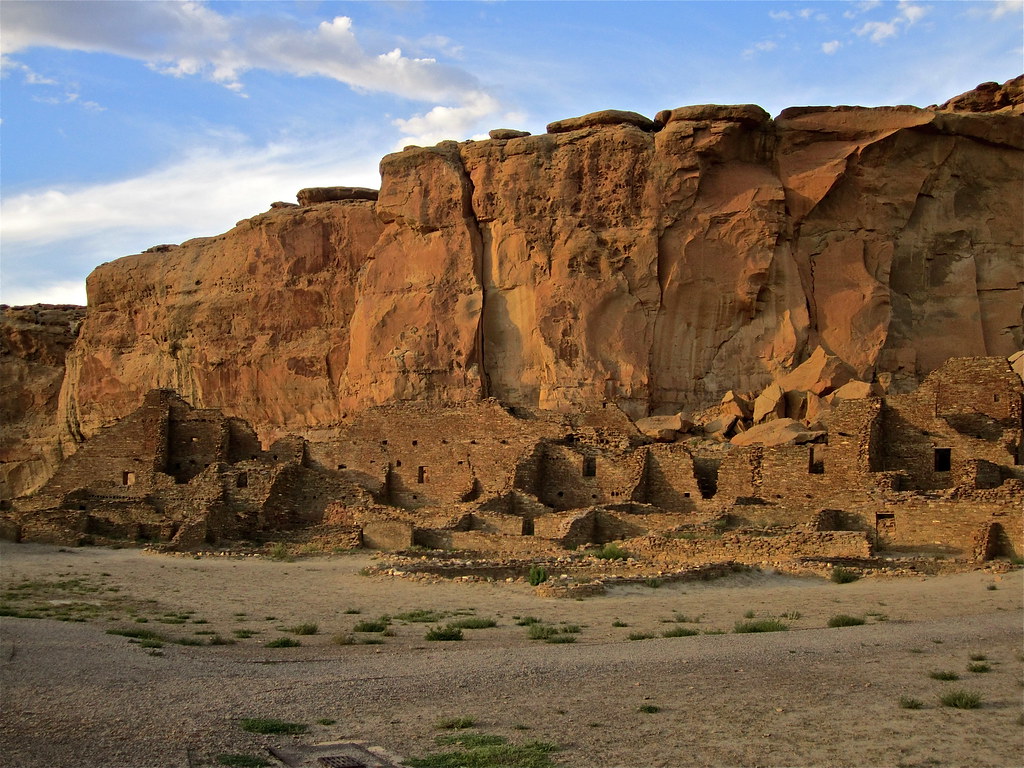
The site was an administrative, economic, and ceremonial centre of the Ancestral Pueblo (Anasazi) people from ad 850 to 1250. The buildings are known for their sophisticated architecture and are connected by a series of straight, wide roadways that radiate outward like spokes on a wheel. They were also once connected to dozens of other settlements in the region by some 400 miles (650 km) of engineered roads. Think of it as the New York City of its time, a hub where cultures, goods, and ideas flowed together.
The park contains 13 major ruins and more than 400 smaller archaeological sites. Pueblo Bonito (built mainly in the 10th century), the largest and most completely excavated site, contained over 600 rooms and 40 kivas (round, subterranean ceremonial chambers). Turquoise jewelry, obsidian blades, and macaw feathers from Mesoamerica suggest that Chaco lay along an important trade route extending far southward. The scale and sophistication of these structures reveals a society far more complex than many realize.
Badlands National Park – Sacred Lands of the Lakota
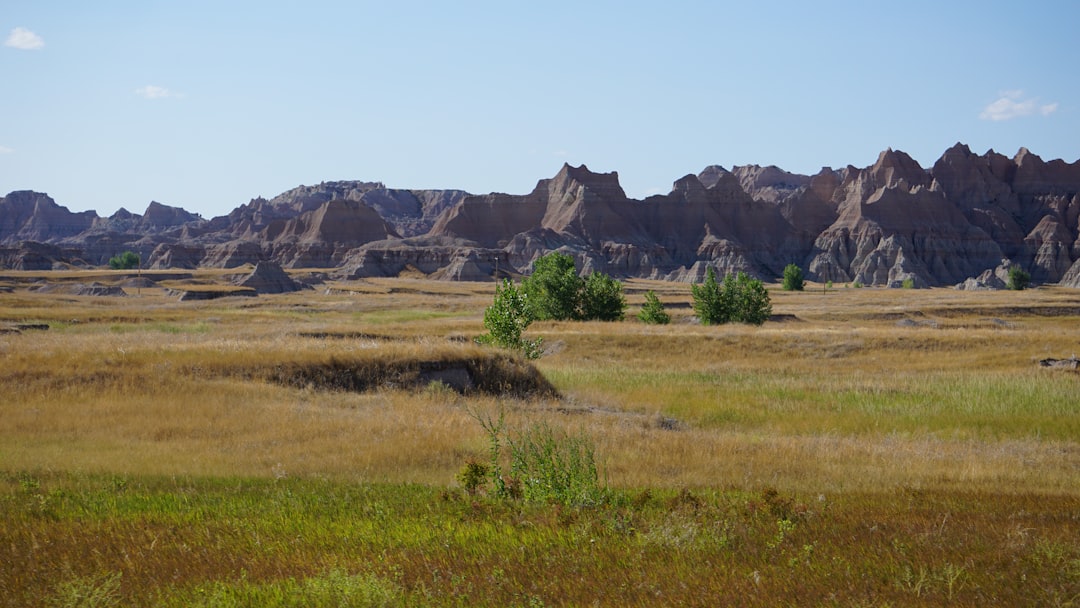
The park’s southern section is on the Pine Ridge Reservation of the Oglala Sioux. Here the last ghost dances – in which Native Americans ritually danced and prayed for peace against the onslaught of the US government – took place in the late 19th century. The area is near the site of the infamous Wounded Knee massacre, the final armed confrontation between US Cavalry troops and Native Americans, which closed the frontier forever in 1890.
Spy on bison, which once covered the plains in herds millions of animals strong, hunted by Native Americans as a source of food and raw materials for clothing, shelter and weapons. The dramatic landscape serves as both a natural wonder and a poignant reminder of the complex relationships between Indigenous peoples and the land they stewarded for countless generations. Standing among these otherworldly rock formations, visitors can almost hear the echoes of ceremonies and the thunder of buffalo hooves across the ancient grasslands.
Knife River Indian Villages National Historic Site – Agricultural Innovation on the Plains
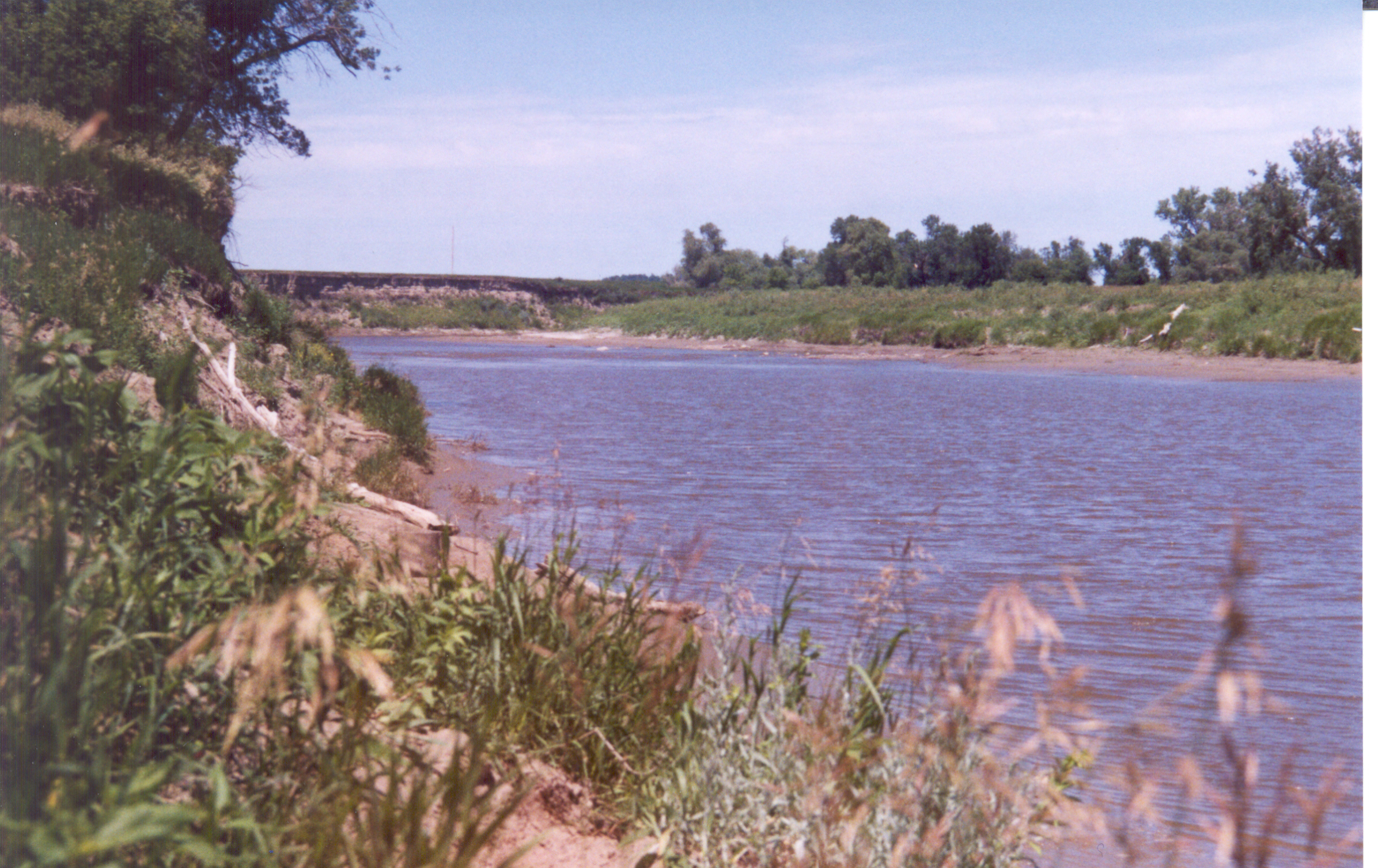
The Knife River region of North Dakota ahs been home to various peoples for an estimated 11,000 years, and Knife River Indian Villages National Historic Site preserves and interprets the area’s rich history and culture. Early written records document how the Hidatsa, a combination of three distinct groups (Awatixa, Awaxawi, and Hidatsa) each with their own dialect and origin, lived in earthlodge villages for nearly 400 years.
Examine artifacts in the park’s museum and explore a full-scale reconstructed earthlodge, a Hidatsa garden, and village sites. A 2019 NPF grant brought students to the park for hands-on activities to learn about parks and village life in and around the Hidatsa earthlodge. Students enjoyed interactive activities including an Atlatl demonstration, traditional stories and flute music with a Hidatsa Elder, storytelling and artwork with an Arikara Elder, Plains Sign Language demonstrations, and more. This site showcases the sophisticated agricultural societies that flourished along the Missouri River, challenging stereotypes about Plains Indian culture being solely nomadic.
Conclusion
These five parks represent more than preserved ruins or historical curiosities. They’re living connections to civilizations that understood sustainability, community, and harmony with the natural world in ways we’re still learning to appreciate. Each site offers profound lessons about resilience, innovation, and the deep human connection to place that transcends time.
Walking through these landscapes, you realize that the story of America began long before European contact. These parks preserve not just buildings and artifacts, but entire worldviews and ways of life that continue to influence descendant communities today. What stories might these ancient places tell you? Visit and discover for yourself.
