

When you’re in your golden years, the idea of getting a furry companion can feel like the perfect way to add joy and companionship to your daily routine. Dogs bring love, laughter, and purpose – but not every breed is cut out for the relaxed lifestyle many seniors prefer. Some breeds come with energy levels that could power a small town, grooming needs that rival a full-time job, and temperaments that require the patience of a saint.
Choosing the wrong breed isn’t just about inconvenience – it can lead to safety concerns, overwhelming responsibilities, and a relationship that brings more stress than happiness. The truth is, some dogs are simply built for younger, more active owners who can match their intensity and meet their demanding needs. Let’s explore the breeds that might have you reconsidering that trip to the shelter.
German Shepherds – The Beautiful But High-Maintenance Guardians
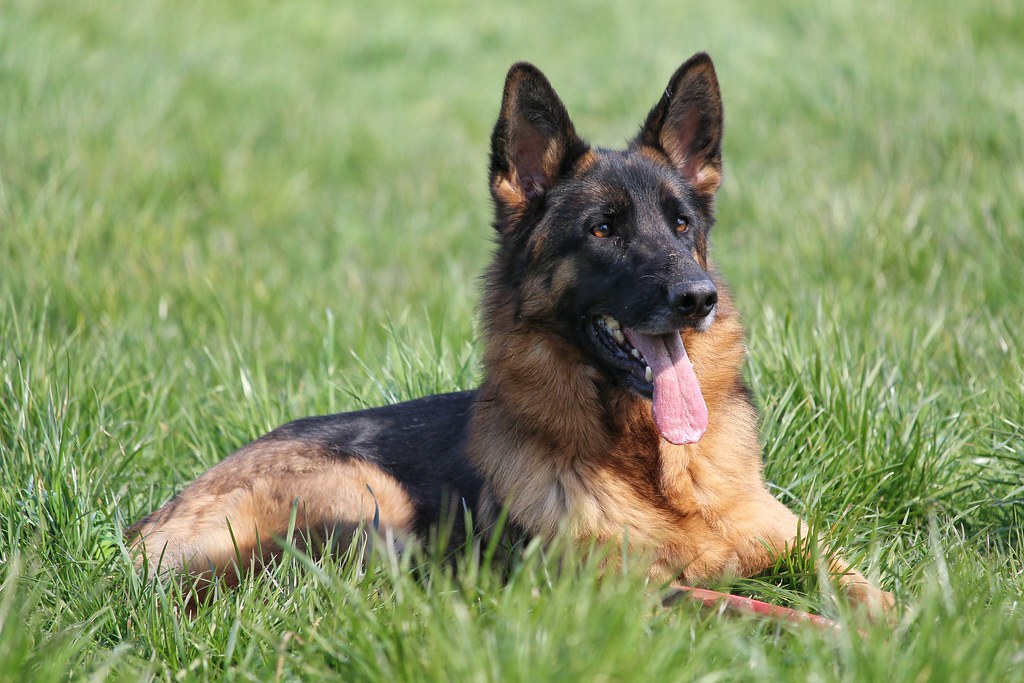
German Shepherds constantly shed all year round and it requires daily cleaning to keep your space free of hair. Pet hair carries dander that may spread dust mites, pollen, mold and more. These magnificent dogs are undeniably loyal and intelligent, but their maintenance requirements can quickly become overwhelming.
This active breed requires exercising for a minimum of two hours daily. These dogs are athletic in nature and want to keep active beyond one daily walk. As a herding dog, they need tasks to keep them busy. For seniors who prefer leisurely strolls around the block, a German Shepherd’s exercise demands can feel like training for a marathon you never signed up for. Even senior German Shepherds can be difficult to manage without a firm, confident leader. It’s also worth noting that this breed ranks high on lists of dog-related bite incidents.
Rottweilers – Gentle Giants With Too Much Power

Rottweilers are large dogs with plenty of muscle. This strong breed has the instinct to be protective of their family and devotes themselves to their owners. These are hardworking dogs, but they are gentle and soft around their loved ones. Due to their size and strength, this breed is not ideal for seniors.
They have the ability to be aggressive and dominant when it comes to protecting them. Although the aggression isn’t towards their owners, it’s best for seniors to avoid this breed to be safe. The combination of their protective instincts and physical power creates a recipe for situations that could be difficult for older adults to manage. Even a playful nudge from a 100-pound Rottweiler can easily knock someone off balance.
Border Collies – The Workaholics Who Never Clock Out

Border Collies are one of the most high maintenance dog breeds because they don’t just like lots of exercise and plenty of things to occupy their smart, busy brains, they need it. But be warned, a bored, under-stimulated Border Collie is no fun at all to live with – and can become anything from hyperactive to noisy to destructive to aggressive. These dogs were literally bred to work all day, and retirement isn’t in their vocabulary.
Border Collies need at least one to two hours of exercise every day, especially when they are young. Senior Border Collies might only need about 30 minutes of exercise a day if they are starting to develop mobility issues, such as arthritis. The border collie can make you throw a ball in a hundred different places, at a hundred different speeds, for more than a hundred times, to the point your right arm falls off, but this tiny dynamo will still come back and convince you to use your left arm for playing more fetch. Hence, not at all recommended for those who value their time, peace, and sanity.
Jack Russell Terriers – Small Dogs With Big Attitudes
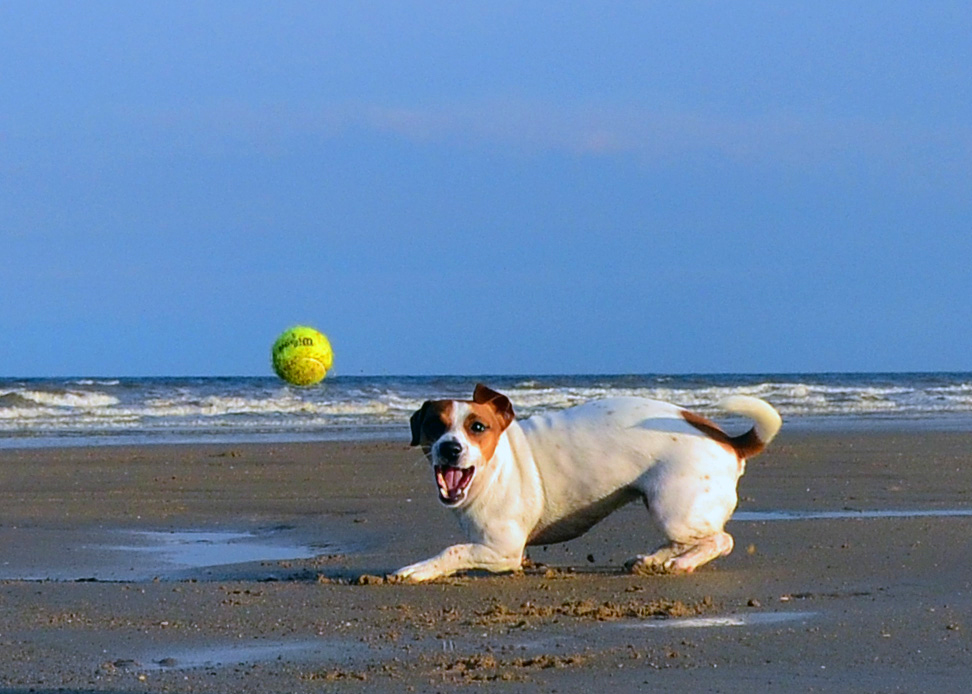
Jack Russell Terriers tend to require training from a knowledgeable and skilled trainer who can deal with their obstinate tendencies. They were originally bred for fox hunting in England and used by the Reverend John Russell in the 1800’s, so these dogs are extremely energetic and require a lot of exercise and stimulation. Don’t let their small size fool you – these little dynamos pack more energy than a toddler on a sugar rush.
Jack Russell Terriers are small dogs with boundless energy. They require a substantial amount of physical exercise and mental stimulation to keep them satisfied. Without proper outlets for their energy, these dogs can become restless, bored, and may engage in destructive behaviors. Due to their high energy levels, Jack Russell Terriers are not suitable for seniors who may have difficulty meeting their exercise needs. Their stubborn streak means training becomes a battle of wills that many seniors simply don’t have the energy to fight.
Siberian Huskies – The Escape Artists With Endless Energy
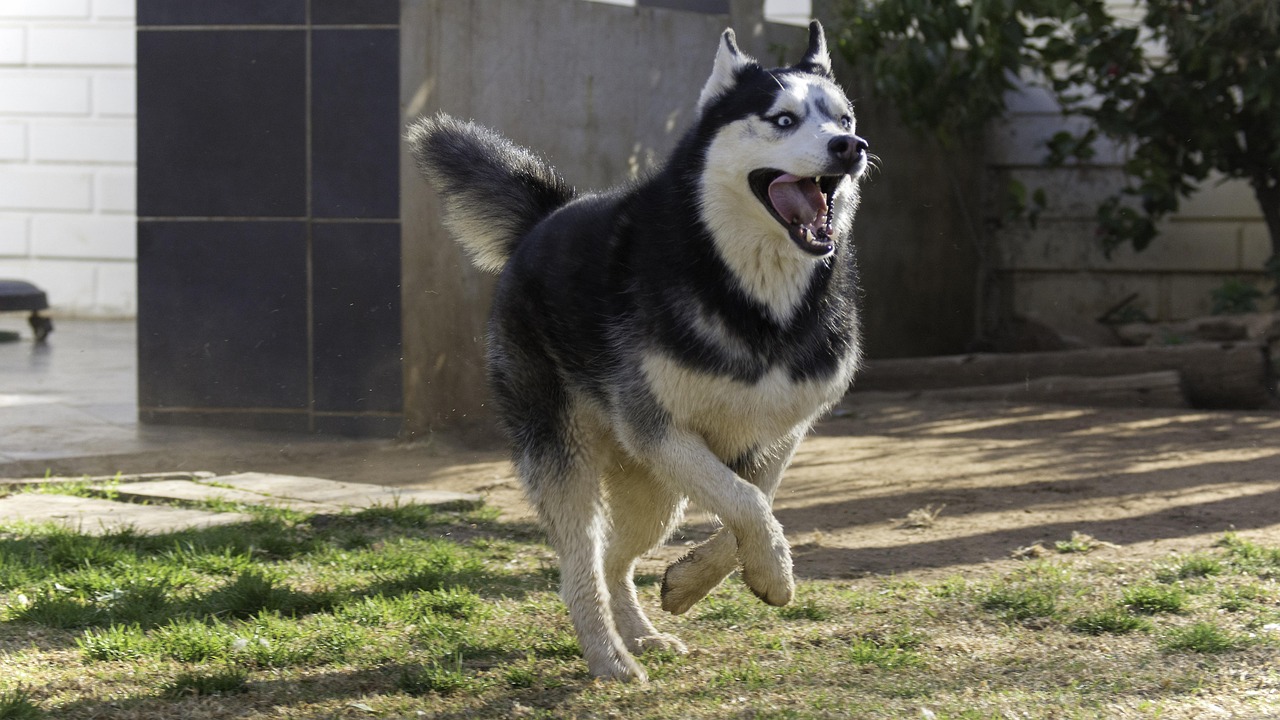
Siberian Huskies are known for their beauty and friendly demeanor, however, their high energy levels and need for extensive exercise can make them a challenging choice for seniors. Huskies require a lot of physical and mental stimulation to stay happy and healthy. These gorgeous dogs were bred to run for miles in harsh Arctic conditions – they’re basically the marathon runners of the dog world.
They also have a thick double coat that requires regular grooming, which may be difficult for seniors with mobility issues. Picture yourself trying to brush through layers of thick fur while a hyperactive dog tries to escape to chase imaginary prey. It’s like trying to groom a tornado with commitment issues.
Dalmatians – The Spotted Troublemakers

Dalmatians are notoriously hard to train and they require a lot of outdoor exercise that would overwhelm most seniors. They have a stubborn temperament and they can be destructive if they don’t get enough exercise outdoors. Indeed, some dogs in this breed may be extremely fearful and overly aggressive which is obviously not going to be a good fit for most seniors.
Because they shed all year round, their maintenance level is on the high side for older dog owners. And though Dalmation is very motivated to please its owner which makes it easy to train using rewards and praise, it can be aggressive and somewhat unpredictable making it a poor choice for seniors. Their combination of high energy, training difficulties, and unpredictable temperament makes them a challenging companion for anyone seeking peace and predictability.
Pit Bulls – The Misunderstood But Powerful Breeds
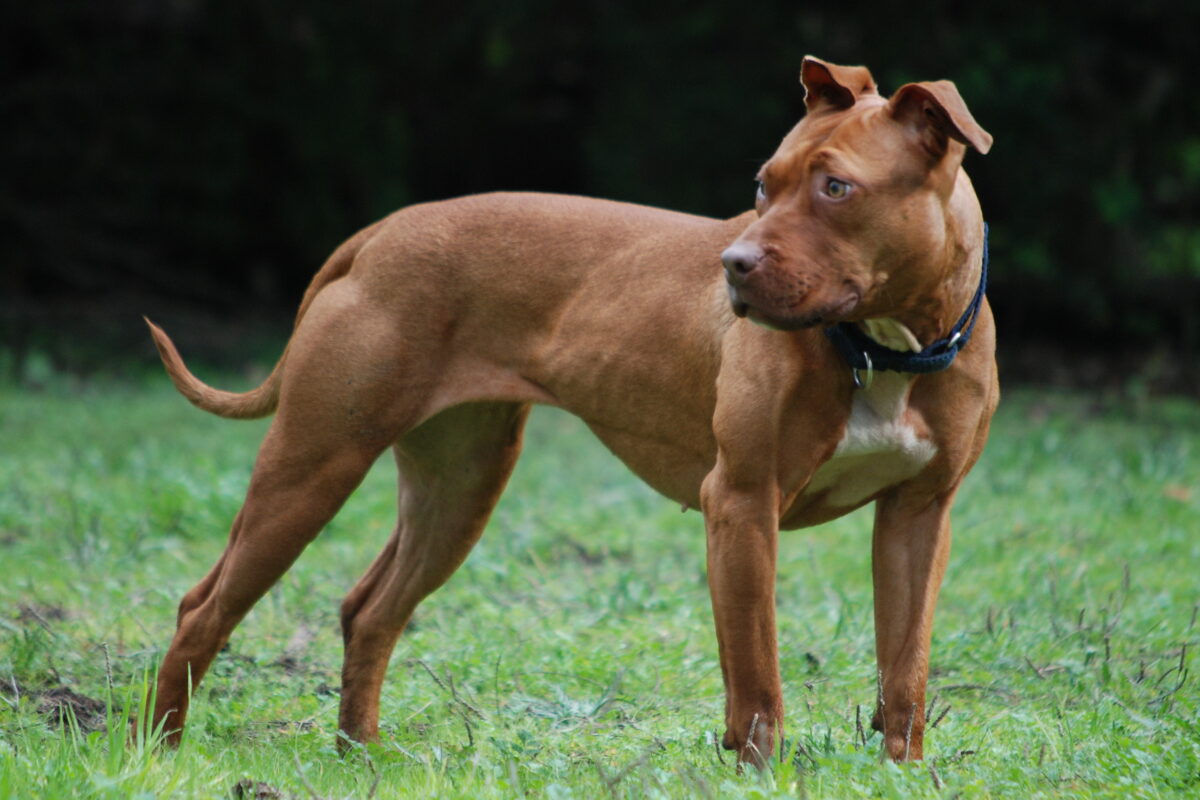
According to WebMD “A well‑socialized and well‑trained pit bull is one of the most delightful, intelligent, and gentle dogs imaginable.” This does not mean the pit bull is for everybody.
It would obviously be a bad choice for a senior citizen, but some people choose this breed of dog to provide protection to elderly loved ones. Unfortunately, the general temperament of a pit bull is aggressive so this obviously wouldn’t be a good fit for an older person. They need a lot of activity and plenty of time to get out of the house and run, so a pit bull won’t do well cooped up in an apartment or assisted living community.
Main concerns for pit bulls are:
- Strength and power – Muscular build makes them difficult to control if they pull or lunge.
- High energy – Require regular exercise and stimulation that may be challenging for less active owners.
- Strong prey and protective instincts – Can be reactive toward other animals or strangers if not trained/socialized properly.
- Breed stigma – Misunderstood reputation can lead to restrictions in housing or public spaces.
- Insurance issues – Many homeowners and renters insurance policies either exclude Pit Bulls or charge higher premiums due to breed-specific liability concerns.
- Training demands – Need firm, consistent handling; not ideal for those who lack physical strength or experience.
Pit bulls are an unfavorable dog breed for insurers which is why pit bull insurance is unlikely in most states of the US.
Australian Shepherds – The Ranch Dogs Who Need a Ranch
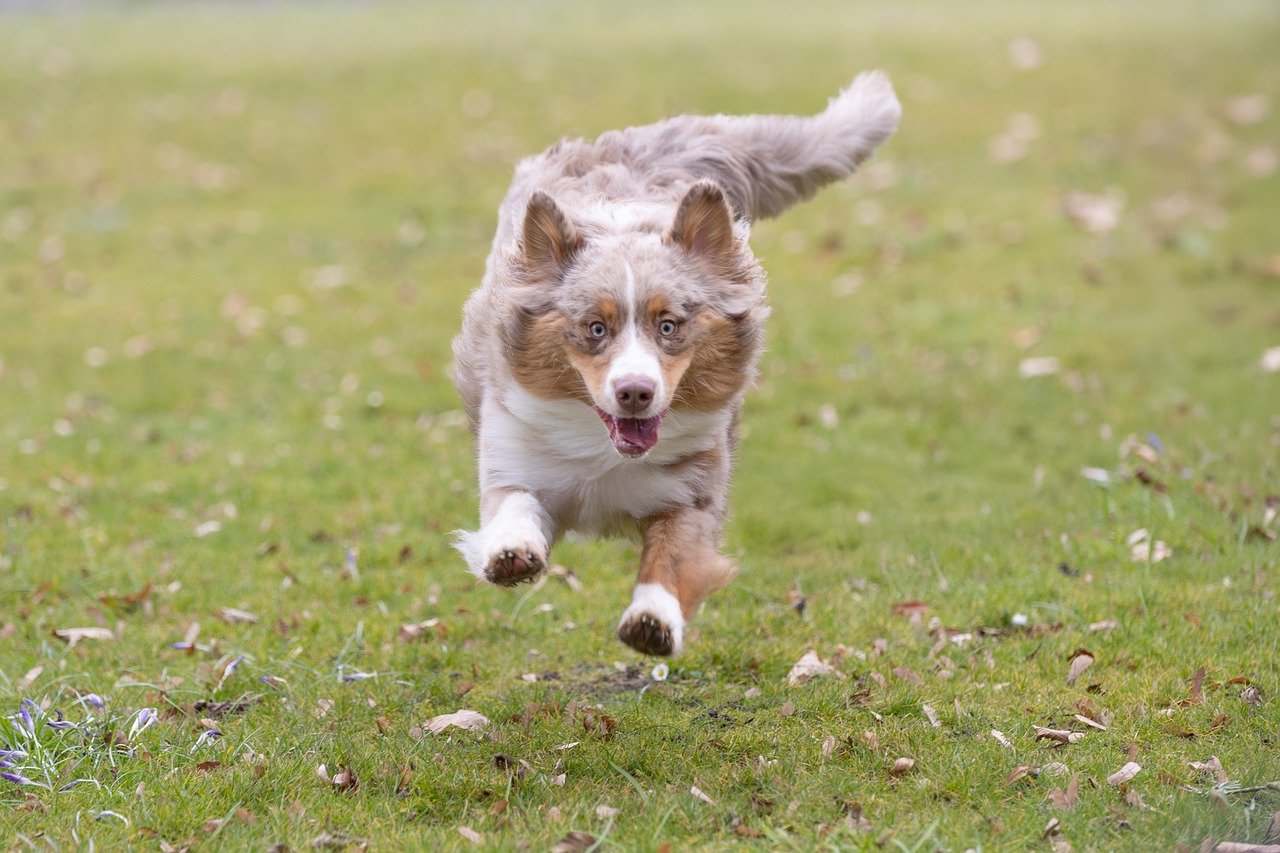
Because this mesmerizing blue-eyed fur baby is not only a strong protective dog that can get borderly aggressive. According to PetMD, the Australian Shepherd is a good old, ranch dog, and if you aren’t keen about transforming your small house on the hill, or your modern apartment into a full-blown dude ranch. Or literally, packing up and moving to a farm in the countryside, this pooch can never be the best dog breed for you.
This herding breed with high energy levels are worst dog breeds for seniors. No matter how much pep is left in your step, don’t choose this smart dog breed, which even many owners avoid because of the boundless energy and physical stimulation this pup requires. Purina says it’s not easy to truly satiate this dog’s mental stimulation needs unless you literally transform yourself into a great explorer like Vasco de Gama or Christopher Columbus, because this herding dog is not at all a typical medium-sized pup.
Great Danes – The Gentle Giants Who Aren’t So Gentle on Your Home

Great Danes are known for their extreme size. These hunting dogs are easy going and great to live with, but aren’t ideal for a senior. While they might seem laid-back, their sheer size creates practical challenges that can be overwhelming for older adults.
This gentle giant is one of the largest dog breeds in the world and needs an extremely attentive and active owner to handle this massive pup’s daily requirements. This German dog was originally bred to be a hunting dog for large game like wild boar and bear. But these giant pooches also need a lot of exercise for at least an hour daily to keep them happy and healthy. Moreover, this large dog has several health issues, due to which it will require frequent visits to the vet, which can be quite hefty for your wall.
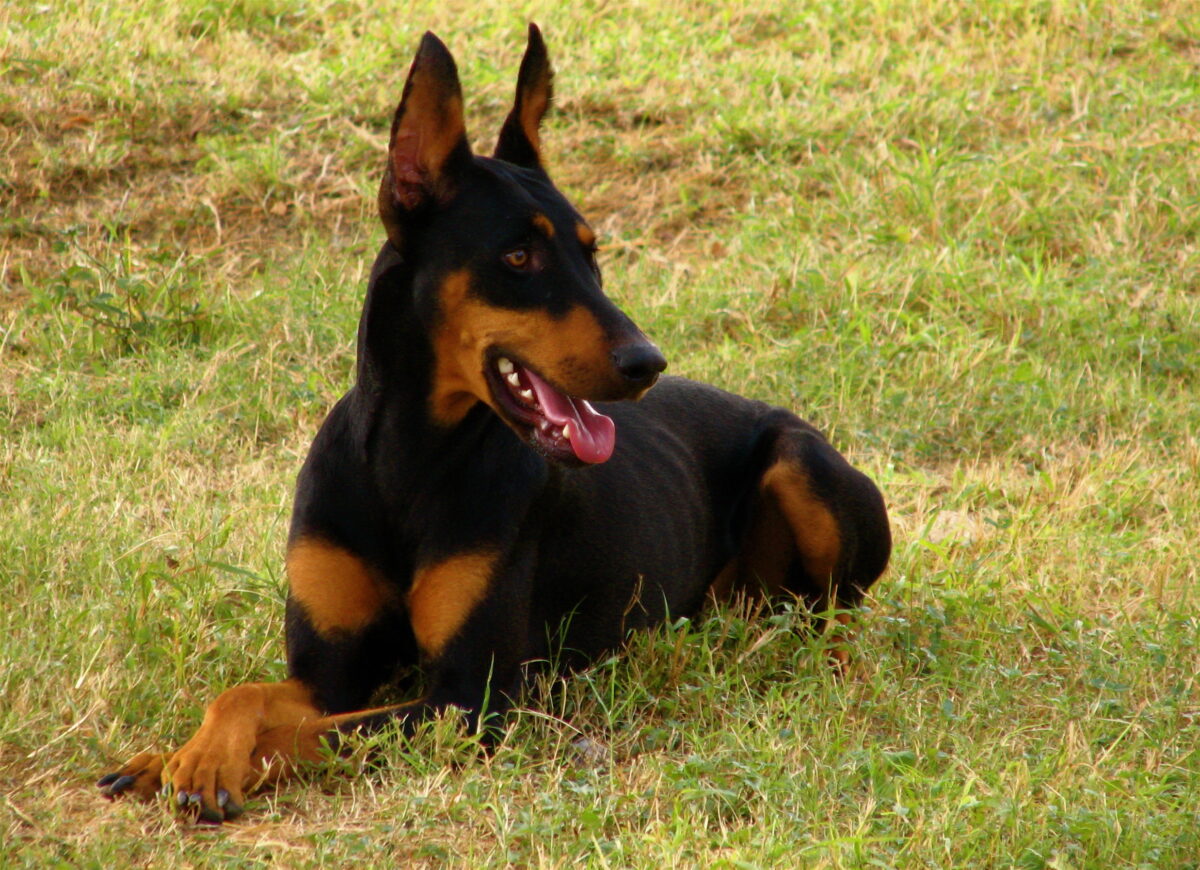
Doberman Pinschers – The Alert Guards Who Never Rest
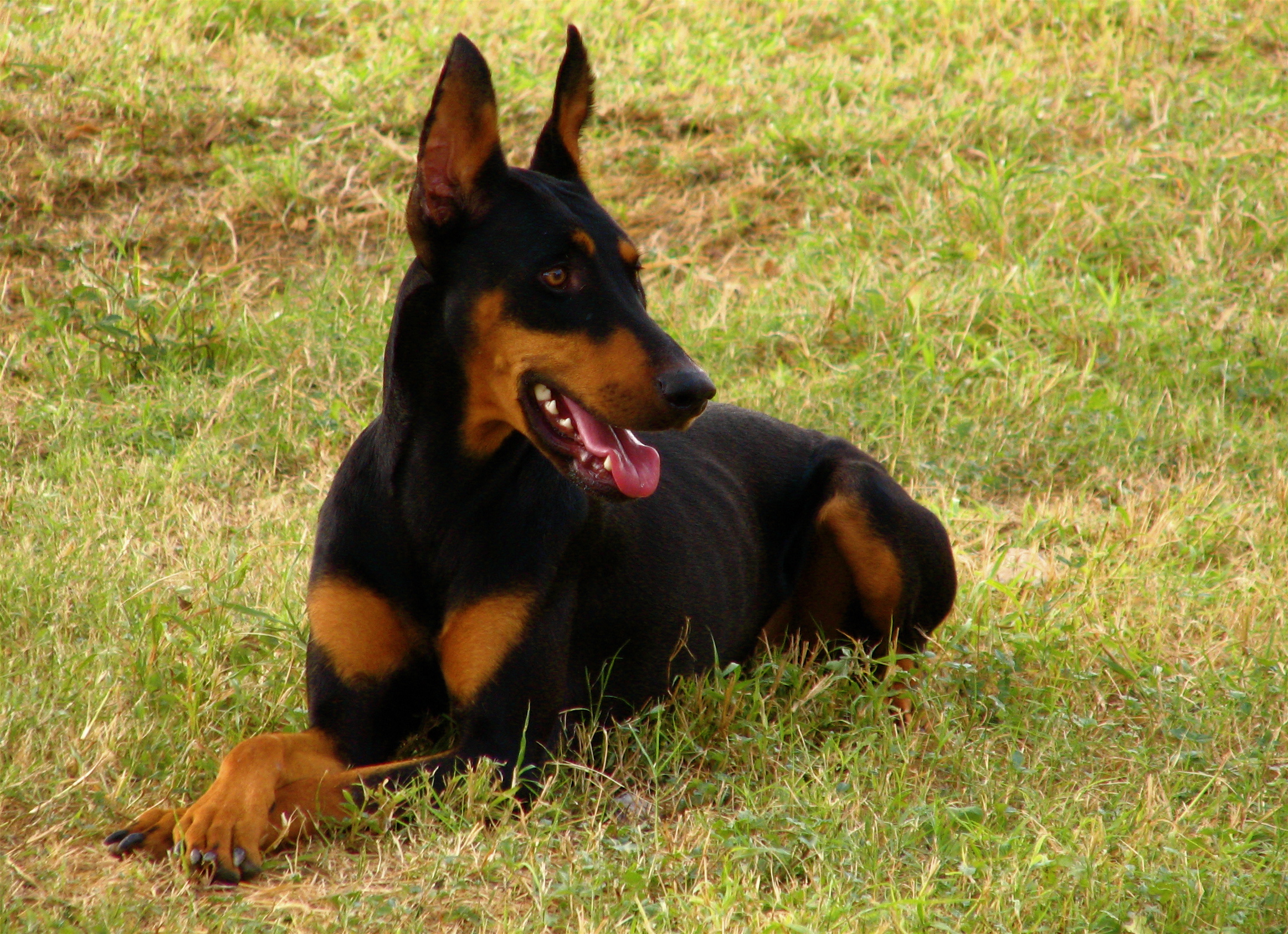
This black and tan pup is a genius but can get aggressive if not provided with mental and physical stimulation, along with regular exercise and proper training. Omlet mentions this usually happy and eager to please Doberman Pinscher can get destructive and frustrated quite easily, causing a huge mess for you to handle. They are known for jumping on people for showing their love, and your frail body won’t be able to handle the force with which this pup will collide with you, which can also result in a bad injury.
It’s no surprise that they have a long history as guard dogs because they are highly successful in that role. In fact, “pinscher” is a German term that refers to how they attack and bite prey. It’s another breed specifically bred for a purpose, and that is to attack. Their protective instincts and high energy levels require constant management that can be exhausting for seniors.
Belgian Malinois – The Military-Grade Working Dogs
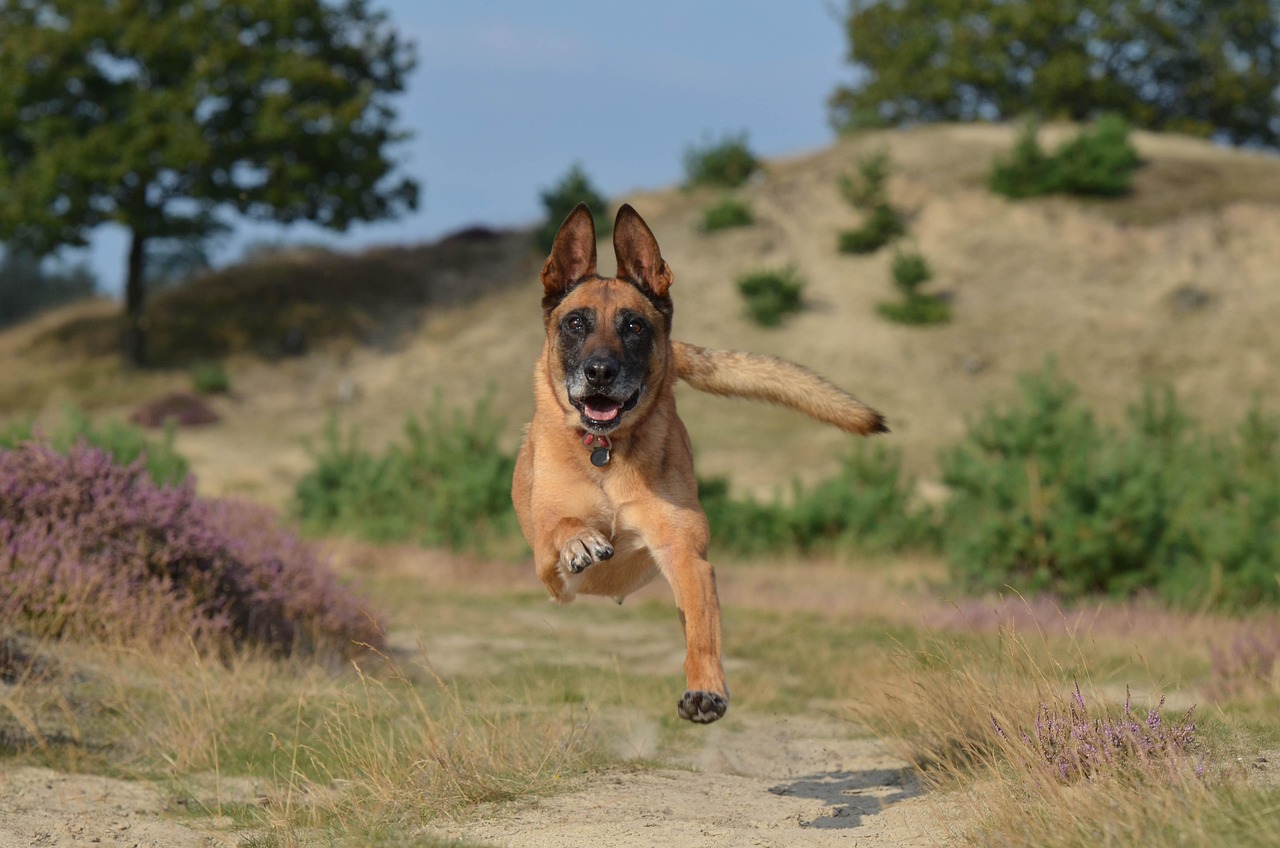
The coat may be easier to look after but that’s the only thing about a Belgian Malinois that is easy. There is a reason they are known as Maligators – as they do enjoy biting and grabbing things with their teeth (hence why they make excellent security and forces’ dogs). These dogs are essentially four-legged special forces operatives who never received their discharge papers. The Main Reasons why a Belgian Malinois is unsuitable for seniors are:
- Extremely high energy — bred for police and military work, needs hours of daily activity
- Requires advanced training and firm handling to manage its intensity
- Strong guarding instincts can make it overly protective or reactive
- Highly demanding mentally — becomes destructive if not constantly stimulated
- Physically powerful and difficult for less active or less mobile owners to control
Weimaraners – The “Gray Ghosts” With Separation Anxiety

But there are some breeds that will be particularly difficult on the road – especially “nervous, high-strung breeds” like vizslas, salukis and some sighthounds. Weimaraners fall into this category of high-strung breeds that struggle with independence and can become destructive when left alone.
These sleek hunting dogs were bred to be constantly active and engaged with their owners. They’re known for developing severe separation anxiety and can become destructive when left alone for even short periods. For seniors who may need to leave for medical appointments or social activities, coming home to a destroyed living room isn’t exactly the relaxing retirement scenario they had in mind.
English Springer Spaniels – The Unpredictably Aggressive Hunters
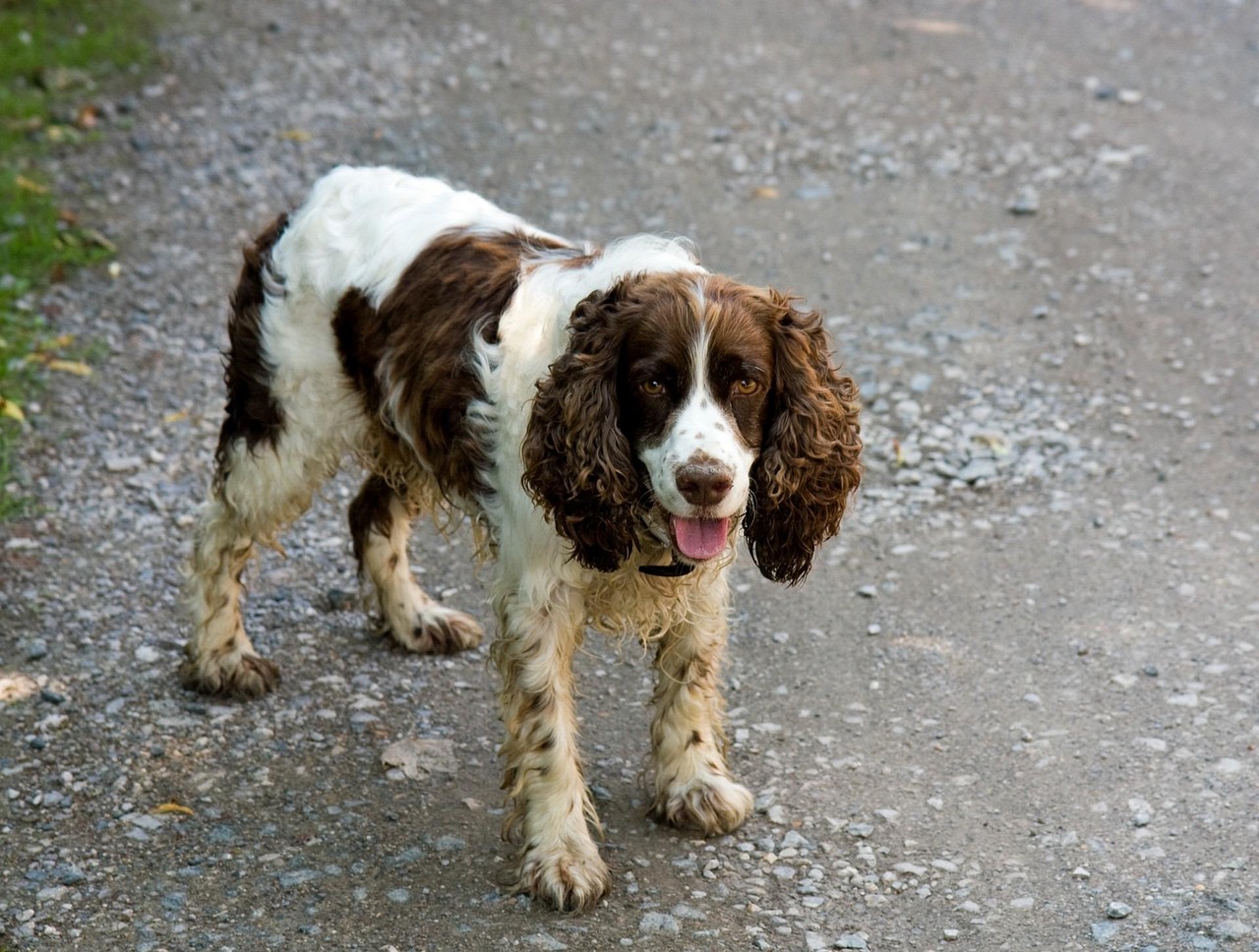
The English Springer Spaniel is a super-high energy dog that requires a lot of grooming. Additionally, it has an angry temperament that can cause them to attack without provocation. One survey revealed that one out of every four Springer Spaniels has bitten somebody, so this breed is not a good choice for older individuals.
This statistic alone should give any senior pause. A dog with roughly a one-in-four chance of biting someone isn’t exactly the peaceful companion most older adults are seeking. Combined with their high energy and grooming requirements, they present multiple challenges that can quickly become overwhelming. In fact, the springer spaniel is also prone to certain health ailments and is a dog breed not recommended by vets for seniors due to maintenance needs. These are:
- Prone to hip and elbow dysplasia
- Risk of eye diseases such as Progressive Retinal Atrophy (PRA)
- May develop PFK deficiency, a rare metabolic disorder
- Reported cases of “Springer Rage” aggression, though rare and debated
- Insurance costs may be higher due to these health and behavior risks
Akitas – The Independent and Potentially Aggressive Guardians

The Akita, originally from Japan, is a large dog. It has a strong instinct to protect, and it tends to have a hard time socializing with other dogs. Likely, this is due in part to their independent, stubborn demeanor. In certain states, there’s even legislation that groups them with other dangerous dog breeds and restricts ownership.
Still, the Akita is a popular dog across the United States, despite being about the 3rd most likely to bite unprovoked, according to a 32-year review by Animals 24-7. Their combination of size, independence, and aggression potential makes them particularly unsuitable for seniors who might struggle to maintain firm control or manage their strong-willed nature.
Chow Chows – The Fluffy But Overprotective Bears
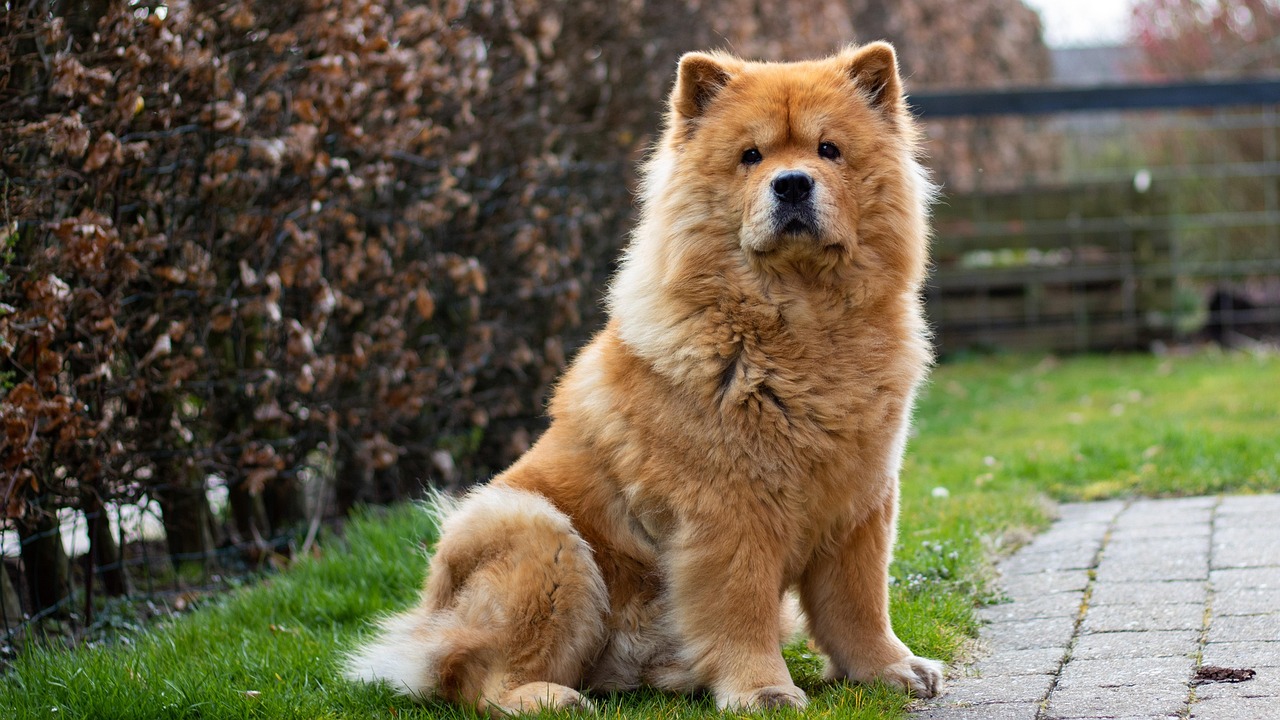
Chow Chows have a sturdy build and tend to be stout, weighing around 70 pounds or higher. While they are pets to many homes, many insurance companies consider them a high-risk dog breed. Often, they are aggressive and overprotective of their owners. In a review of a 32-year period, they harmed 61 individuals, including 37 children and 18 adults.
- Disproportionate role in fatal attacks: Between 1979 and 1998, Chow Chows accounted for 8 fatal bite incidents.
- Insurance red flags: Many homeowners’ insurance providers categorize Chow Chows as high-risk breeds, leading to higher premiums or outright policy exclusions
- High likelihood of orthopedic issues: Chow Chows have elevated rates of skeletal disorders: 6.44% suffer from hip dysplasia (compared to 3.52% overall), and up to 48.6% have elbow dysplasia—the highest among surveyed breeds
- Aggression potential and aloof temperament: The breed is typically aloof toward strangers and can exhibit aggressive behavior, especially without early socialization and consistent training
Conclusion
Dog Breeds Seniors Might Want to Avoid: Quick Stats
| Breed | Key Challenges for Seniors | Average Weight | Exercise Needs | Common Concerns |
|---|---|---|---|---|
| German Shepherd | Strong, protective, needs firm training | 65–90 lbs | High | Aggression risk, joint issues |
| Rottweiler | Powerful guard instincts, can be dominant | 80–135 lbs | High | Strength, requires experienced handler |
| Border Collie | Extremely energetic, needs constant stimulation | 30–45 lbs | Very High | Restlessness, destructive if bored |
| Jack Russell Terrier | Small but hyperactive, stubborn | 13–17 lbs | High | Excess barking, training difficulty |
| Siberian Husky | Independent, escape-prone, high stamina | 35–60 lbs | Very High | Pulling, howling, shedding |
| Dalmatian | Energetic, strong-willed, prone to deafness | 45–70 lbs | High | Requires vigorous exercise |
| Pit Bull | Strong and muscular, needs socialization | 35–60 lbs | High | Misunderstood breed, potential reactivity |
| Australian Shepherd | Intelligent, highly energetic herder | 40–65 lbs | Very High | Herding instincts, mental stimulation needed |
| Great Dane | Giant size, health issues, short lifespan | 110–175 lbs | Moderate | Strength, mobility concerns |
| Doberman Pinscher | Protective, requires firm training | 60–100 lbs | High | Guard instincts, not for beginners |
| Belgian Malinois | Military/police dog, extremely active | 60–80 lbs | Very High | Demands advanced training |
| Weimaraner | Separation anxiety, high-energy hunter | 55–90 lbs | High | Needs constant companionship |
| English Springer Spaniel | Energetic, strong prey drive | 40–50 lbs | High | Overexcitability, health issues |
| Akita | Independent, strong guarding instincts | 70–130 lbs | Moderate | Aggression risk with strangers |
| Chow Chow | Aloof, territorial, strong-willed | 45–70 lbs | Low–Moderate | Grooming needs, can be aggressive |
Summary & Analysis
While these breeds are intelligent, loyal, and often very affectionate, they tend to present challenges that seniors may find overwhelming. Large dogs such as the Rottweiler, German Shepherd, or Great Dane require considerable physical strength to handle, while high-energy breeds like the Border Collie, Husky, or Australian Shepherd need hours of daily exercise and mental stimulation. Smaller breeds such as the Jack Russell Terrier may seem manageable in size, but their intense activity and stubborn streak make them difficult for less active owners.
For seniors seeking a calm, low-maintenance companion, it’s generally best to avoid breeds with high exercise demands, strong guarding instincts, or dominant personalities. Instead, choosing gentle, lower-energy breeds can offer companionship without the physical strain.
Remember, the perfect dog for your golden years is one who can grow old gracefully alongside you, sharing quiet moments and gentle adventures without requiring you to become a full-time personal trainer, groomer, or behavioral specialist. The right match is out there – it just might not be one of these fifteen breeds.
After all, shouldn’t retirement include the luxury of choosing companions who enhance your peace rather than challenge it at every turn?

- 10 Things Every Dog Owner Should Know about Rabies in Dogs - June 20, 2026
- 23 Dog Breeds Trainers Say First-Time Owners Regret - June 20, 2026
- Here’s What US Weather Can Expect in an Upcoming LA Nina Winter 2024 - June 20, 2026