
Worried about unexpected vet bills?
Pet insurance can cover thousands in unexpected vet costs. Get a free quote from Lemonade in under 2 minutes.
Get My Free Quote →Sponsored · Opens Lemonade.com
Your dog bounds over to you every morning with that familiar tail wag and eager expression. She seems perfectly fine, eating well and still bringing you her favorite tennis ball. Yet something feels different lately, though you can’t quite put your finger on what. Could it be that she’s hiding something from you?
Dogs may express signs of pain differently depending on the breed, individual, age and chronicity. Behavioral changes due to pain often develop gradually, so being attentive to your dog’s daily habits is key, as these subtle behavioral cues will be more readily detected early on by someone most familiar with the dog. Your furry companion might be silently suffering, masking discomfort with the same stoic instincts that helped their wild ancestors survive. The truth is, the signs of pain in dogs are often so subtle that even the most devoted pet parents miss them entirely. Let’s uncover these hidden signals together.
The Silent Retreat: When Your Social Butterfly Becomes a Hermit

Is your normally friendly dog avoiding people? Growling when touched? Hiding under furniture? Behavioral changes like these often signal underlying pain, especially if your dog seems more irritable, anxious, or withdrawn. This transformation from social butterfly to recluse is one of the most telling yet overlooked indicators of discomfort.
Other dogs withdraw when uncomfortable: Spending time in unusual locations (under furniture, in closets) Avoiding family activities they usually enjoy, Sleeping in different rooms than usual, Becoming less responsive to their name. Your dog might start choosing spots away from the family chaos, seeking solace under beds or in quiet corners where they once never ventured.
Pain changes everything about how dogs interact with their world. They may have changes in behavior such as avoiding children and rowdy younger dogs, even hiding and withdrawing. What looks like antisocial behavior or sudden grumpiness is often your dog’s way of protecting themselves from potential bumps, jostles, or touches that might worsen their discomfort.
The Restless Nights: When Sleep Becomes Elusive
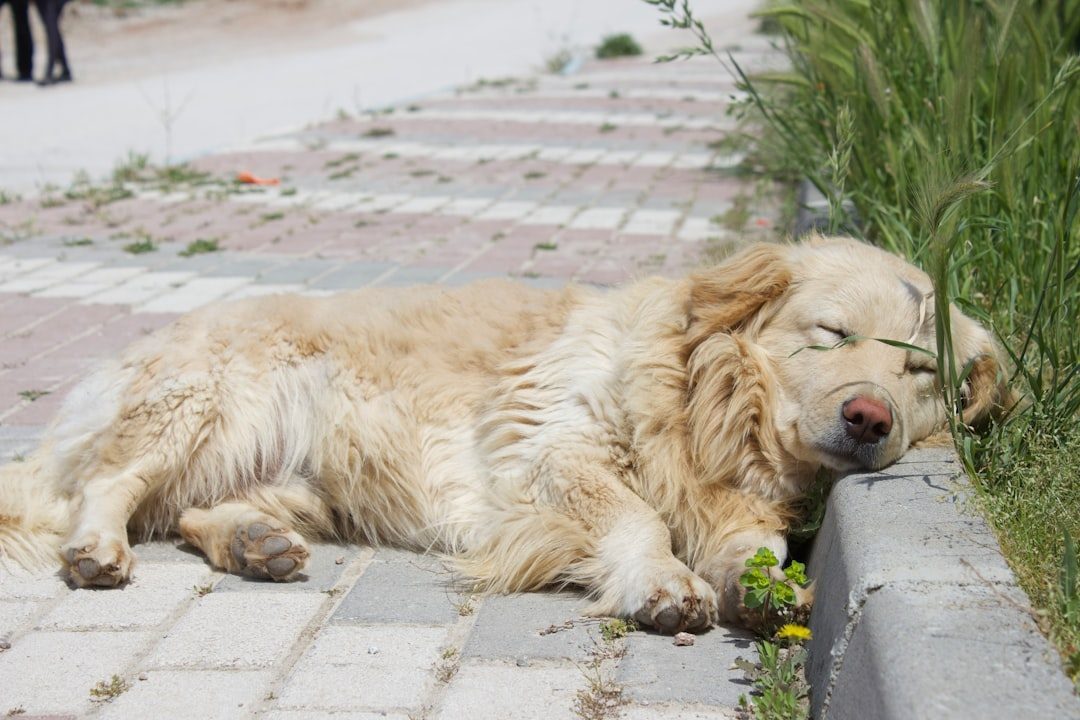
You know your dog’s normal sleep pattern, so if they’re pacing at night, changing positions frequently, or can’t seem to settle, they may be dealing with pain or discomfort that’s hard to get comfortable with. Sleep disturbances in dogs are like red flags waving in the darkness, yet we often attribute them to aging or environmental factors.
Dogs in pain change how they lie down. A dog who always slept curled up but suddenly prefers stretched-out positions might have abdominal discomfort. Conversely, a dog who stops lying on their side and only sleeps sitting up could have chest or breathing issues.
Watch for the subtle signs during rest periods. They may simply be restless at night and pant more, which often means they are having trouble getting comfortable. That gentle panting you hear at 2 AM isn’t necessarily from heat or excitement. Your dog might be struggling to find a position that doesn’t trigger their pain, cycling through different spots on their bed or constantly shifting their weight.
The Appetite Shuffle: Subtle Changes in Eating Habits
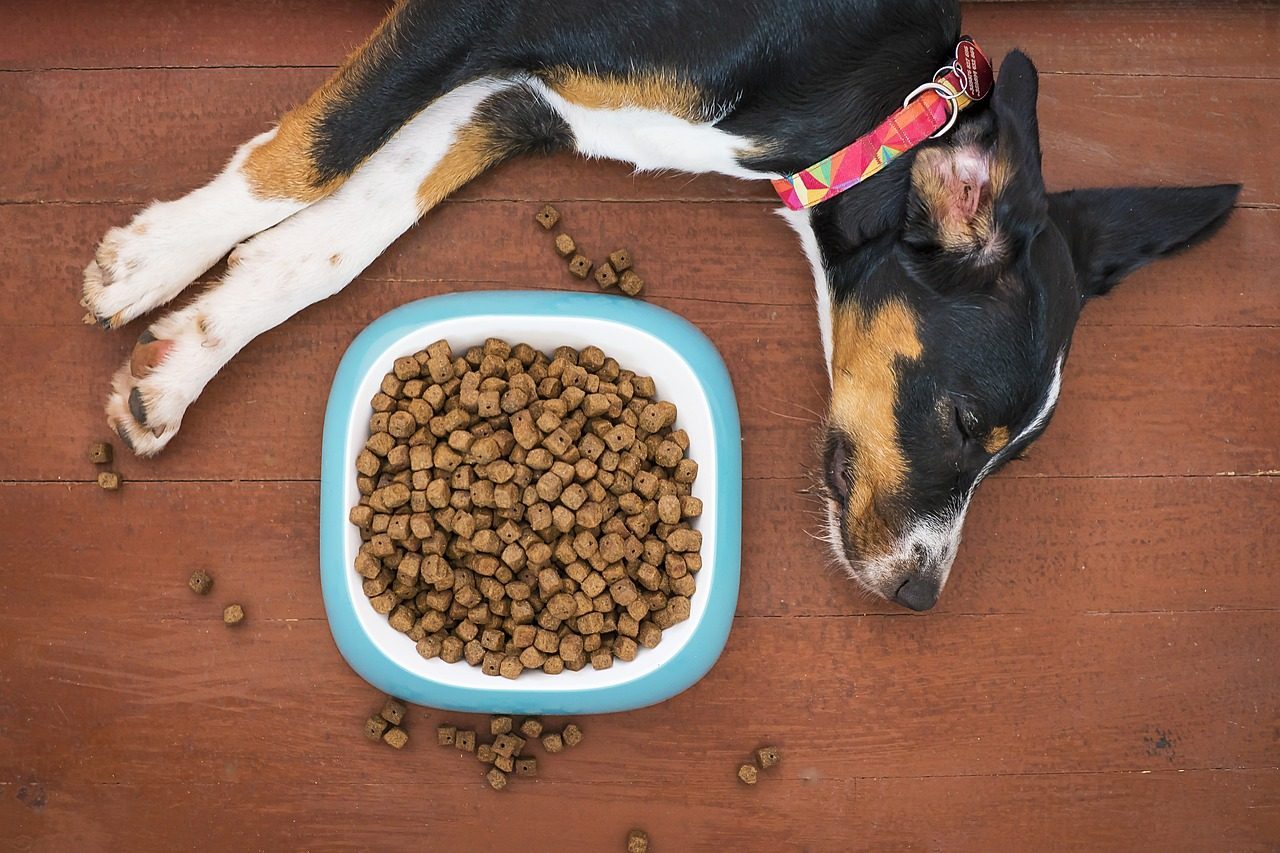
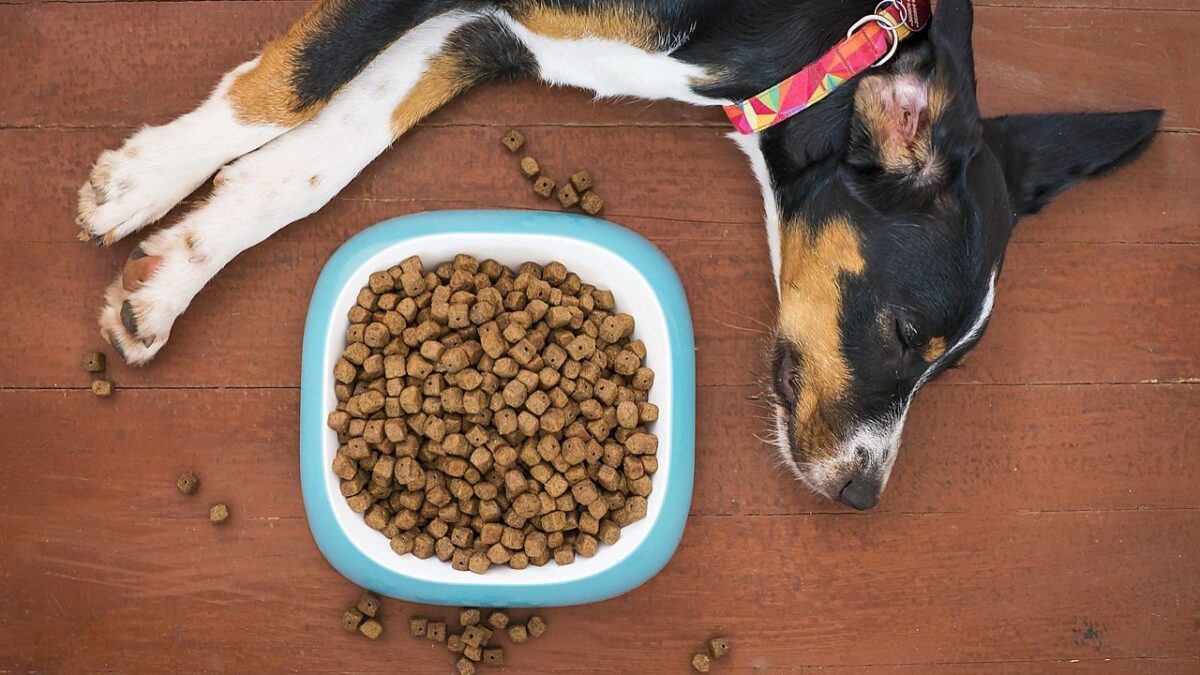
Dogs with dental pain often pick up kibble, then drop it. They want to eat but find chewing uncomfortable. These feeding behaviors are easy to miss because your dog still approaches their food bowl with apparent enthusiasm.
Pain can reduce your dog’s appetite, especially if it hurts to stand, move their neck, or chew. Some dogs drink less when they’re not feeling well. Keep an eye out for skipped meals, eating slower than usual, or sudden changes in weight. The changes might be so gradual that you don’t notice until you step back and realize your normally voracious eater has become pickier.
Some dogs with neck or back pain will avoid bending down to drink from floor-level bowls. They might drink less water overall or only drink when extremely thirsty. Consider elevating food and water bowls if you notice your dog hesitating at mealtime, as this simple change might reveal whether discomfort is the underlying issue.
The Energy Fade: When Enthusiasm Dims
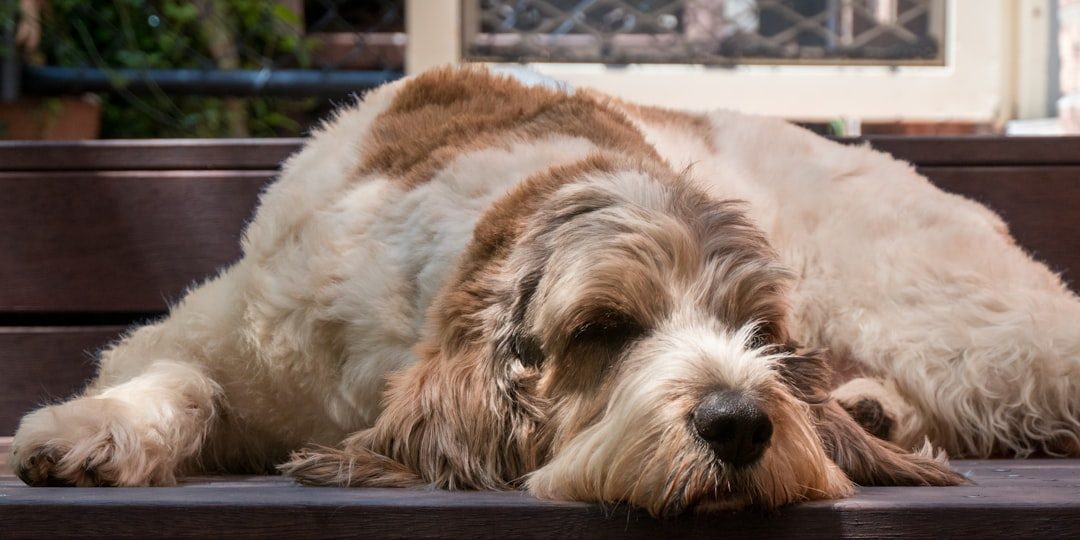
Your dog might still go on walks but show less enthusiasm. Pay attention to duration changes. A dog who used to play fetch for 20 minutes but now stops after 5 minutes is telling you something, even if they seem eager to start. This gradual decline in stamina often gets dismissed as normal aging, but it deserves closer attention.
Perhaps one of the most telling signs is the dog’s withdrawal from activities they once enjoyed. If your typically energetic and playful dog suddenly becomes disinterested in their favourite activities, walks, or interactions, it’s a strong indicator that they are not feeling well.
Since the pain can exhaust dogs just as it does humans, many dogs become tired more easily. You may notice your dog sleeping more if their pain has become a problem recently or they are experiencing chronic pain. Think of it like trying to function with a constant headache – everything requires more effort, leaving less energy for the joyful activities that once defined their personality.
The Touch-Me-Not Syndrome: Subtle Sensitivity Changes
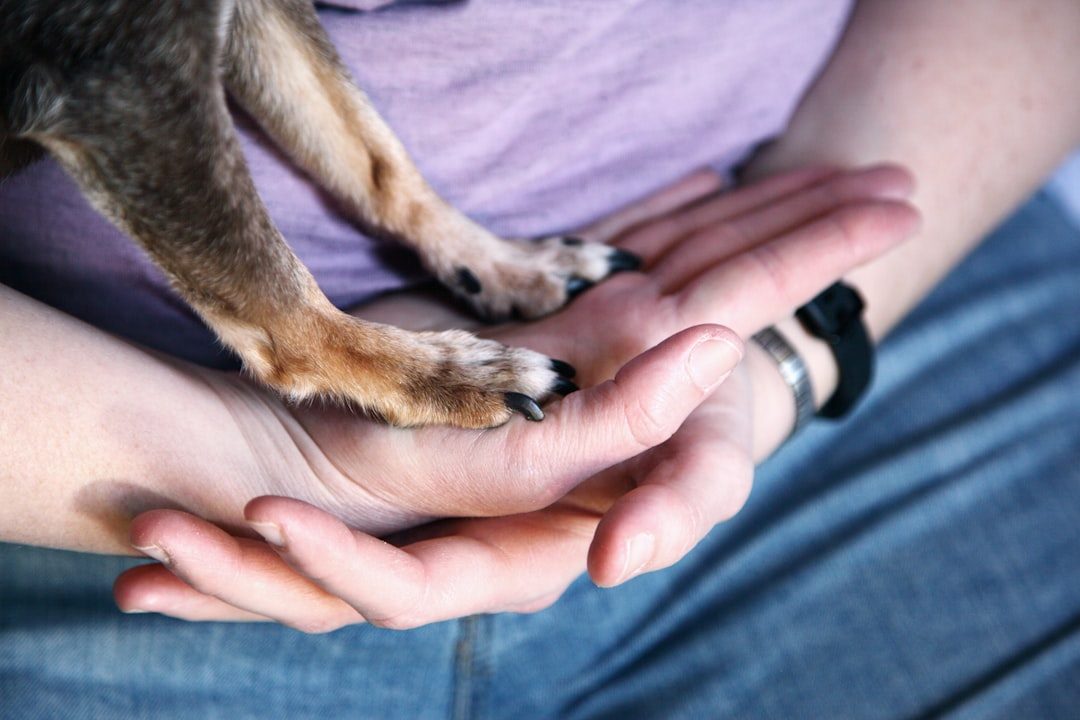
Before a dog shows obvious signs like snapping or growling when touched, they’ll display subtle tension. Watch for micro-flinches when touching your dog. These barely perceptible reactions happen before the dramatic warning signs that most people recognize.
If your dog becomes unusually sensitive to touch, especially in certain areas of their body, it’s often an indication that they are experiencing pain. They may flinch, pull away, or even growl when you try to pet them in sensitive areas, like their back, legs, or abdomen.
Run your hands along your dog’s back and legs regularly. You’ll learn to feel normal muscle tone versus areas that feel tight or tense. Regular gentle check-ins with your hands can reveal tension patterns or temperature changes that signal developing problems. Your dog might lean away slightly when you reach certain spots, or their muscles might feel different under your touch – stiffer in some areas, more sensitive in others.
Conclusion
By the time dogs show obvious signs of pain, they may have been suffering for days or weeks. These overlooked signals represent your dog’s earliest attempts to communicate their discomfort, long before limping or whimpering makes the problem undeniable.
Behavioral changes due to pain often develop gradually, so being attentive to your dog’s daily habits is key, as these subtle behavioral cues will be more readily detected early on by someone most familiar with the dog. You are your dog’s best advocate because you know their normal patterns better than anyone else.
Trust your instincts when something feels different about your beloved companion. Document these changes with photos, videos, or written notes to share with your veterinarian. Early recognition of pain doesn’t just improve treatment outcomes – it preserves the quality of life that makes your dog’s tail wag with genuine happiness rather than mere politeness.
What subtle changes have you noticed in your dog’s behavior lately? Share your observations in the comments to help other pet parents recognize these important signs.
Worried about unexpected vet bills?
Pet insurance can cover thousands in unexpected vet costs. Get a free quote from Lemonade in under 2 minutes.
Get My Free Quote →Sponsored · Opens Lemonade.com

- The Ocean’s Deepest Creatures Hold Surprising Secrets to Longevity - June 10, 2026
- 6 Scents That Make Mosquitoes Target You First - June 10, 2026
- The Forgotten Deserts of America Where Wildlife Still Thrives - June 10, 2026