

Losing a beloved feline companion is one of life’s most heartbreaking experiences. Our cats become family members, filling our homes with purrs, head bumps, and unconditional love. As devoted cat parents, we naturally want to hold onto these precious bonds for as long as possible. However, there comes a time when our furry friends silently communicate that their journey is nearing its end. Recognizing these subtle yet significant signs isn’t about giving up hope – it’s about honoring the deep connection you share with your cat. Your feline friend trusts you to understand their needs, even when they can’t speak them aloud. By learning to read these gentle messages, you can ensure your cat’s final chapter is filled with dignity, comfort, and love. Let’s explore the five most telling signs that your cherished companion may be preparing to cross the rainbow bridge.
Their Appetite Disappears Like Morning Dew

One of the most significant indicators is when your cat begins refusing food altogether or shows a dramatic loss of appetite. This isn’t the typical finicky eating behavior that many cats display – this is different. If your cat has had a poor appetite or simply won’t eat for more than a day or two, this is considered a medical emergency.
You might notice your cat walking to their food bowl but then turning away without eating, or they may completely ignore meal times that once brought them running. Even when veterinarians prescribe medications like appetite stimulants such as mirtazapine or anti-nausea drugs like Cerenia, cats nearing the end may not respond. When favorite treats that once made their eyes light up no longer hold any appeal, this profound shift signals that their body is preparing to let go.
They Become Masters of Hiding
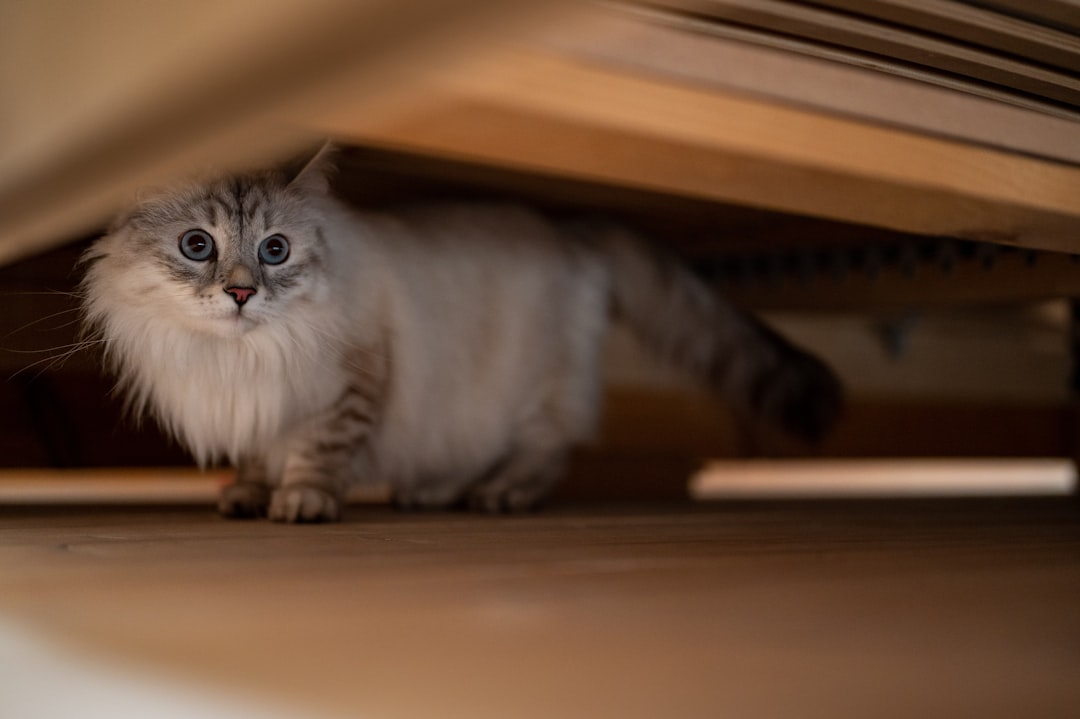
Hiding is the telltale sign of illness in cats, and while many cats hide normally, things to watch for include increased hiding, hiding in new places, and not wanting to come out even for routine, positive events like mealtimes. Your once social butterfly may suddenly seek out quiet, secluded spots under beds, in closets, or behind furniture.
This behavior stems from their wild instincts – when cats feel vulnerable or unwell, they instinctively retreat to safe, protected spaces. They will show changes in their behavior, often becoming more reclusive, less active, or more affectionate. If your typically friendly cat now avoids family gatherings or no longer greets you at the door, they’re sending you a clear message that they need peace and solitude as they navigate this difficult time.
Their Body Shows Signs of Shutting Down

Physical symptoms and signs of discomfort, such as irregular breathing and limping, can point to signs a cat is dying. Signs of difficulty breathing include open-mouth breathing, stretching her head and neck out straight from her body, and strong abdominal movements as she breathes. These changes indicate that your cat’s organs are struggling to function normally.
Weight loss becomes more pronounced, and you might notice their ribs or hip bones becoming visible through their fur. This can become extreme, with ribs, spine, and hip bones protruding, and cachexia, weight loss caused by cancer, occurs when cancer cells use excessive energy, depleting fat and muscle. Their movements become labored, and they may spend most of their time lying down, conserving what little energy remains.
They Experience More Bad Days Than Good

When there are too many bad days in a row, or if the cat seems “turned off” to life, quality of life is compromised. Bad days may mean nausea, vomiting, diarrhea, seizures, frustration, pain/discomfort, or inability to breathe. Bad days mean your kitty’s quality of life, their ability to derive enjoyment from life and your bond with your pet are seriously impaired by the severity of their symptoms. When the bad days occur more frequently than the good days, this signals the end is near.
You’ll notice your cat no longer engages in activities that once brought them joy. They may stop grooming themselves, ignore their favorite toys, or show no interest in sunny window spots they used to love. As your cat’s health deteriorates, she will lose interest in things she once enjoyed. She may no longer want to play with her toys, may turn her nose up at her favorite treats, and may even stop purring when petted. This gradual withdrawal from life’s simple pleasures is their way of telling you that their spirit is preparing for the next journey.
They Show Changes in Bathroom Habits and Hygiene
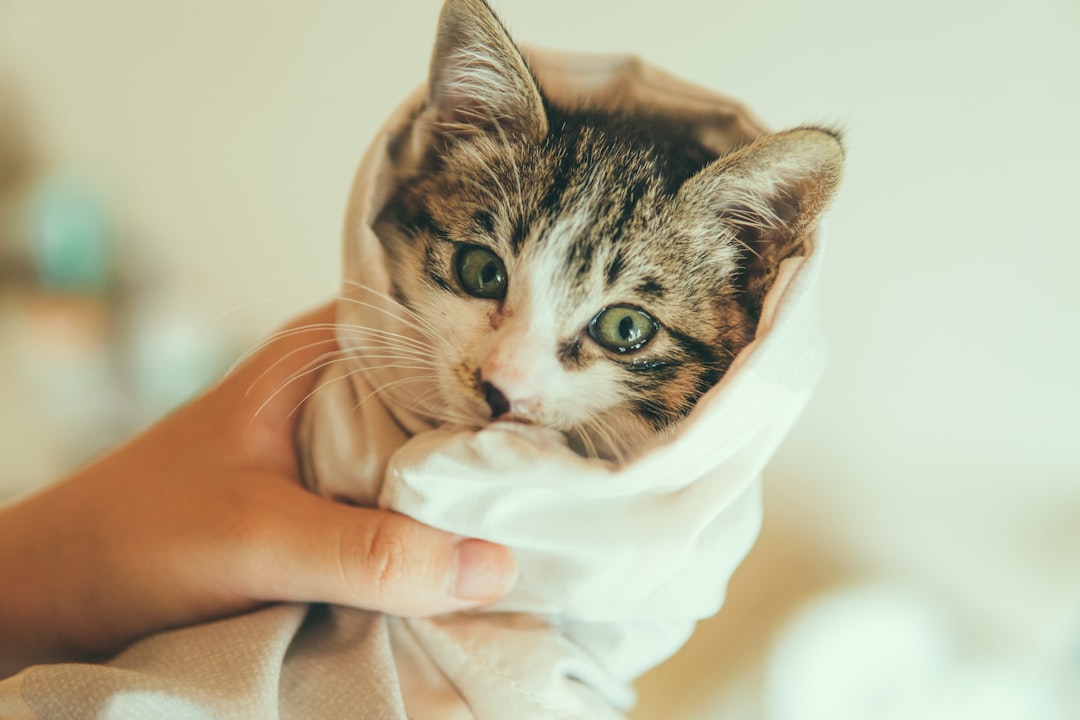
Often coupled with incontinence, cats toward the end of their life might struggle with their hygiene. This includes toileting outside the litter box, bad body odor, and poor grooming habits. Cats might appear unkempt, in poor condition, or just plain smelly. This decline in self-care is particularly telling because cats are naturally fastidious creatures.
Your previously pristine cat may start having accidents outside their litter box or seem unable to clean themselves properly. Cats approaching the end of life may experience cognitive confusion that causes them to forget their litter box training. Their usually glossy coat may become dull and matted, and they might develop a distinctive odor that wasn’t present before. These changes reflect their body’s diminishing ability to maintain normal functions and their decreasing interest in personal care.
Conclusion
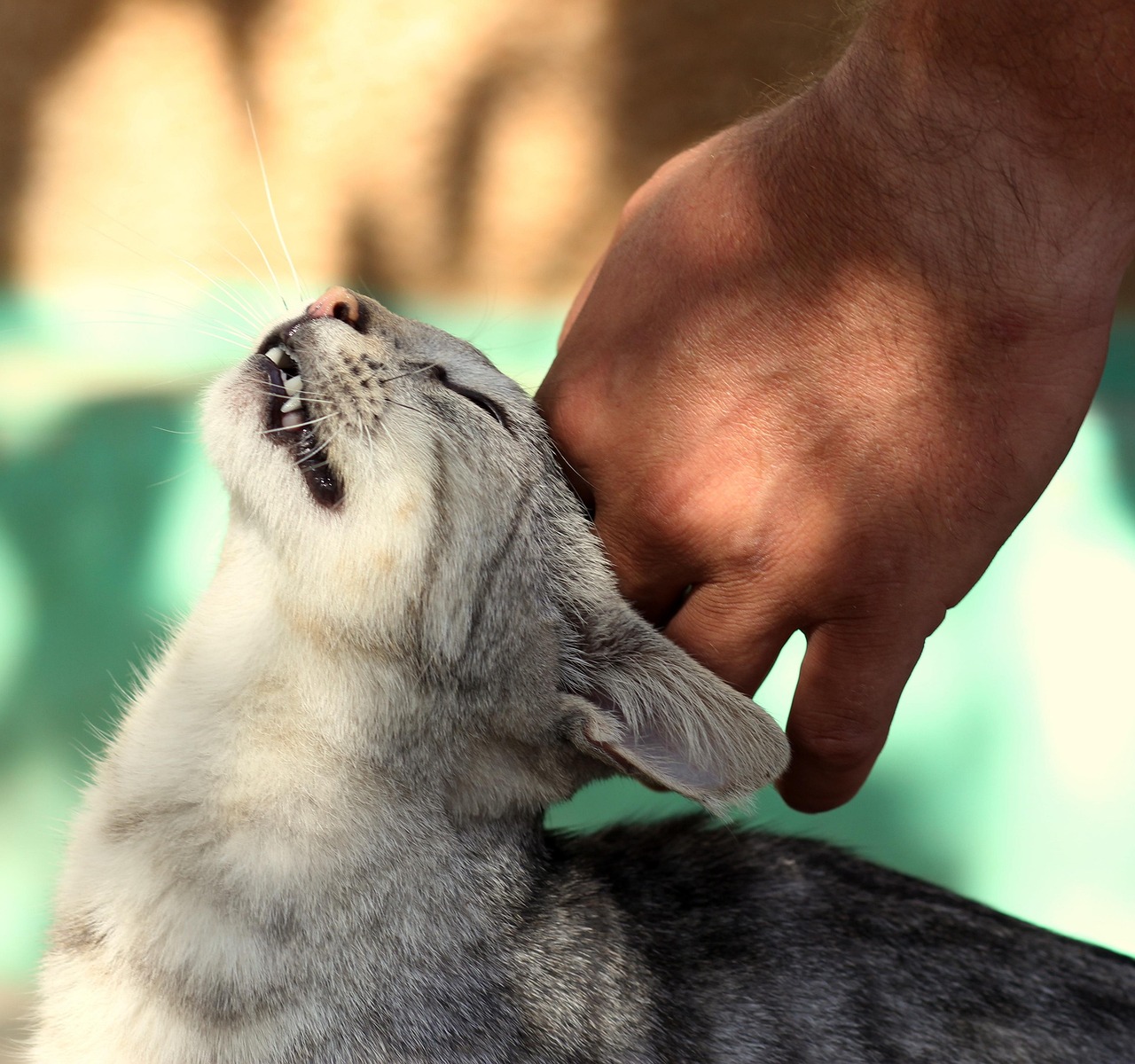
Recognizing these five signs isn’t about losing hope – it’s about honoring the incredible bond you share with your feline companion. By learning the signs that a cat is dying, you can know when it’s time to seek veterinary support to make your cat’s passing as comfortable and pain-free as possible. Your cat has spent years showing you love in their own unique way, and now they’re trusting you to understand their final needs.
Pet parents can take comfort knowing that euthanasia is a quick, pain-free way to end a cat’s suffering at the end of their life. It is a last great kindness to give your pet, to let them go before they can suffer, and help them to pass over the rainbow bridge with dignity and compassion. Remember, choosing when to say goodbye is perhaps the most loving decision you can make – it’s your final gift to a friend who gave you nothing but pure, unconditional love.
What signs have you noticed in your own feline companions? Share your experiences and support others going through this difficult journey in the comments below.
