

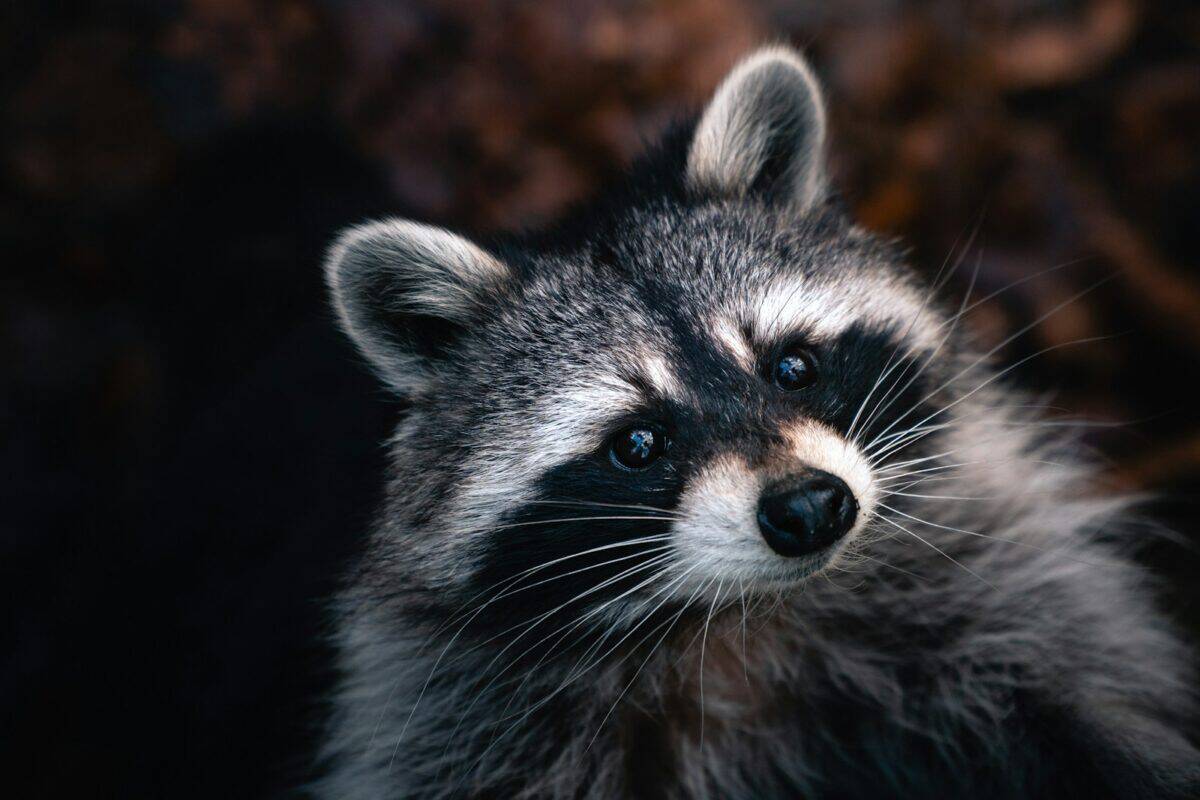
The diverse ecosystems of North America are home to a fascinating array of wildlife, each species embodying unique characteristics and behaviors that intrigue wildlife enthusiasts and casual observers alike. Among these, certain animals stand out for their exceptional intelligence, demonstrating problem-solving abilities, complex communication, and social structures reminiscent of human societies. This exploration of the 15 smartest animals across North America offers a window into the remarkable cognitive capabilities of our neighboring fauna. From mammals to birds, this list celebrates the brilliance and adaptability that define these incredible creatures.
Raccoons The Urban Strategists
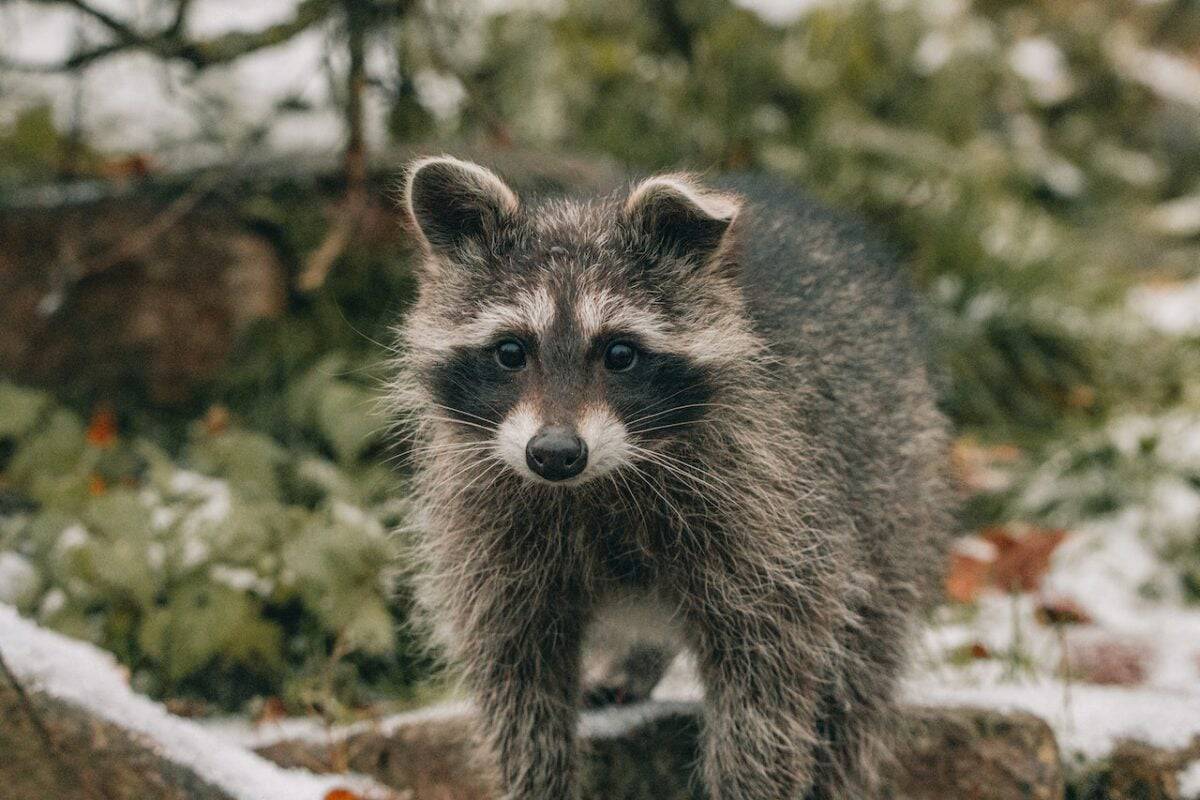
Raccoons are well-known for their adaptability and intelligence, especially in urban environments. These nocturnal creatures demonstrate advanced problem-solving skills, often opening complex latches and accessing food in seemingly secure containers. Their ability to remember tasks and solutions for extended periods is a testament to their cognitive prowess. Raccoons use their dexterous front paws much like humans use their hands, allowing them to manipulate objects with surprising precision.
American Crows Problem-Solving Geniuses

American crows are renowned for their intelligence, particularly their problem-solving abilities and tool use. These birds exhibit exceptional memory and can recognize human faces, remembering them for several years, which they use to their advantage when avoiding potential threats. Crows also participate in cooperative behaviors, such as working together to deter predators or solve complex puzzles to access food.
Gray Wolves Masters of Teamwork
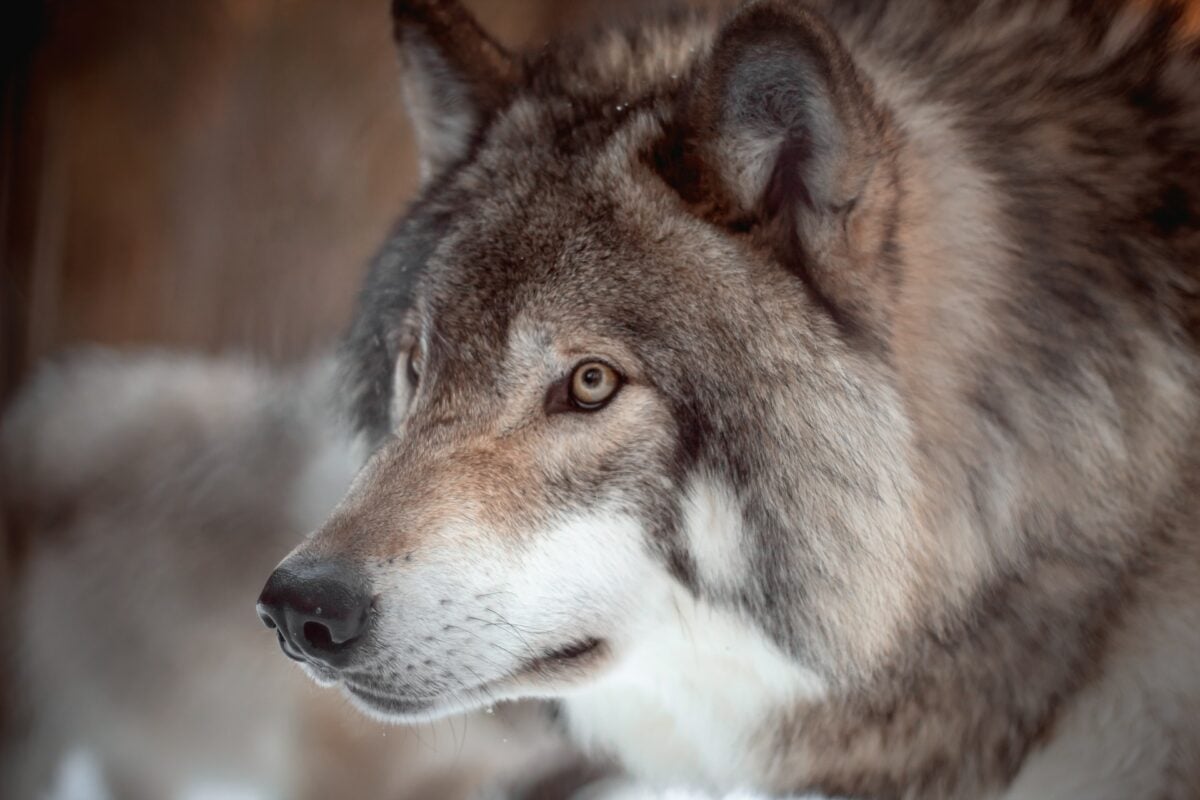
Gray wolves are deeply social animals known for their tight-knit packs and strategic hunting tactics. Their intelligence is highlighted through their sophisticated communication skills, which include a range of vocalizations and body language used to coordinate group activities efficiently. The wolves’ ability to work collaboratively in hunting and raising young showcases their advanced social structure.
Dolphins Aquatic Intellects

Dolphins, particularly those inhabiting the Atlantic coasts of North America, demonstrate impressive intelligence and social behavior. They use a range of vocalizations to communicate and have been observed using tools and developing unique hunting techniques. Dolphins engage in highly social behaviors, forming complex societies with dynamic relationships.
Beavers Nature’s Engineers

Beavers are famous for their engineering skills, constructing elaborate dams and lodges using natural materials. This construction ability showcases their problem-solving skills and understanding of their environment. Beavers are also capable of altering their habitats significantly to suit their needs, demonstrating foresight and planning.
American Alligators Adaptable Survivors
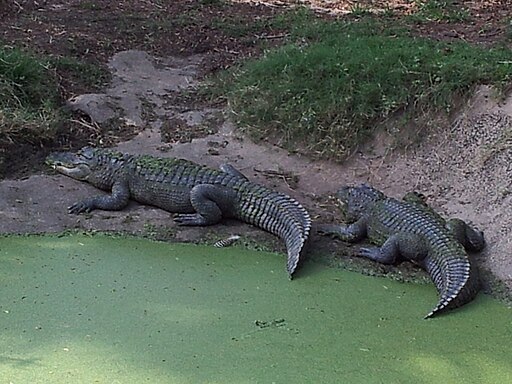
American alligators may not be the first animal that comes to mind when thinking of intelligence, but their ability to adapt to varying environments and display strategic hunting behaviors is noteworthy. They use natural materials to elevate their nests and have exhibited a surprising level of social interaction, particularly during the mating season.
Black Bears Foragers with Foresight

Black bears exhibit a remarkable memory and have been known to remember locations of food sources across vast areas. Their foraging skills are not just driven by instinct; they often involve intricate problem-solving to access difficult-to-reach food supplies. Bears are also capable of learning by observing other bears or interacting with their environment.
Red Foxes Cunning Hunters

Red foxes are celebrated for their cleverness and adaptability, able to thrive in both rural and urban settings. Their hunting strategies are versatile and demonstrate cognitive flexibility, allowing them to adapt tactics based on prey availability. They have also been observed using Earth’s magnetic field to target prey with precision.
Bald Eagles Keen Observers

Bald eagles possess remarkable eyesight, which they use in tandem with strategic hunting techniques to capture prey. They have been known to engage in cooperative hunting and are also quite territorial, with a sophisticated understanding of their domains. Their ability to persist and thrive in diverse environments speaks to their adaptability and intelligence.
California Sea Lions Playful Learners
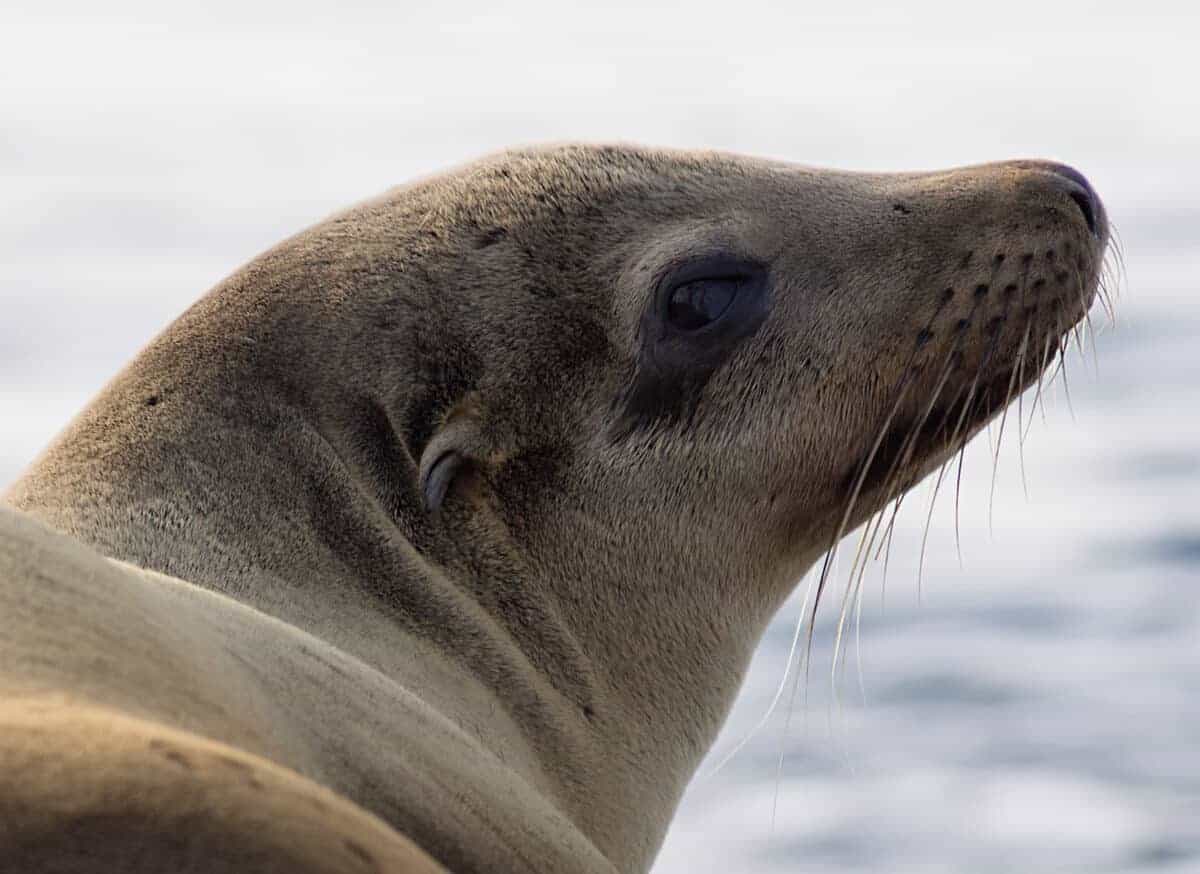
California sea lions are notable for their playful nature and high learning capacity. They can follow complex commands and have demonstrated the ability to perform task sequences, commonly seen during training sessions in marine parks. These attributes highlight their intellect and social complexity.
Opossums Survival Experts

Opossums are often underestimated in terms of intelligence, yet their ability to survive diverse environments and deceive predators with feigned death indicates adaptive cognitive skills. Their diet adaptability and immunological resilience against venomous snakes further showcase their survival strategies.
Octopuses Underwater Innovators

Though less frequently acknowledged, octopuses along the North American coasts demonstrate impressive intelligence. They are capable of solving problems, escaping enclosures, and using tools. These cephalopods exhibit both short- and long-term memory, adapting tactics based on past experiences.
River Otters Social Strategists

River otters are highly social, engaging in group activities that demonstrate advanced communication and cooperation skills. They are playful by nature, which is believed to be an expression of their learning process. Otters use their surroundings ingeniously, applying tools and strategies in hunting and play.
White-Tailed Deer Observant Foragers

White-tailed deer are highly sensitive to their surroundings, displaying advanced observational skills that help them detect predators. They exhibit keen problem-solving abilities in selecting feeding grounds and routes, showing adaptability to different environmental challenges.
Canada Geese Communicative Navigators

Canada geese are excellent navigators, known for their long-distance migrations which demonstrate their memory and spatial intelligence. They use sophisticated vocal communication to maintain group cohesion and coordinate movements during their extensive travels.
Conclusion

In conclusion, North America’s animals showcase a spectrum of intelligence and adaptability that rivals that of any ecosystem in the world. These animals not only survive but thrive due to their keen intellects and evolved behaviors. From strategic raccoons and calculated wolves to pioneering dolphins and ingenious octopuses, the continent’s wildlife continues to captivate and inspire, reminding us of the intrinsic value and complexity of nature.

As a little kid, I fell in love with nature, wildlife, and animals. Living in the USA, South Africa, Italy, China and Germany gave me the opportunity to discover the world's Wildlife. My favorite animals are Mountain Gorillas, Siberian Tigers, and Great White Sharks.
I'm a certified PADI Open Water Diver, went to Everest Base Camp and Trekked Gorillas in Uganda. I hold a Master of Science in Economics and Finance.
Please send any feedback to feedback@animalsaroundtheglobe.com
- 13 Cat Breeds That Get Along with Dogs - July 20, 2026
- The 12 Largest Dog Breeds That Still Love to Cuddle - July 20, 2026
- 12 Pet Habits That Secretly Mean They Love You - July 20, 2026