

In the vast depths of our world’s oceans, few creatures command as much awe and intrigue as the orca. Known scientifically as Orcinus orca, these magnificent marine mammals have earned the dramatic moniker “killer whales” – a name that has shaped public perception for centuries. But what’s the real story behind this ominous nickname? Is it deserved, or does it misrepresent these complex, intelligent beings? The history behind this naming convention reflects a fascinating intersection of cultural history, scientific discovery, and human misunderstanding. Let’s dive deeper into the real reasons orcas earned their intimidating nickname and explore the truth behind these magnificent ocean predators.
The Etymology of “Killer Whale”
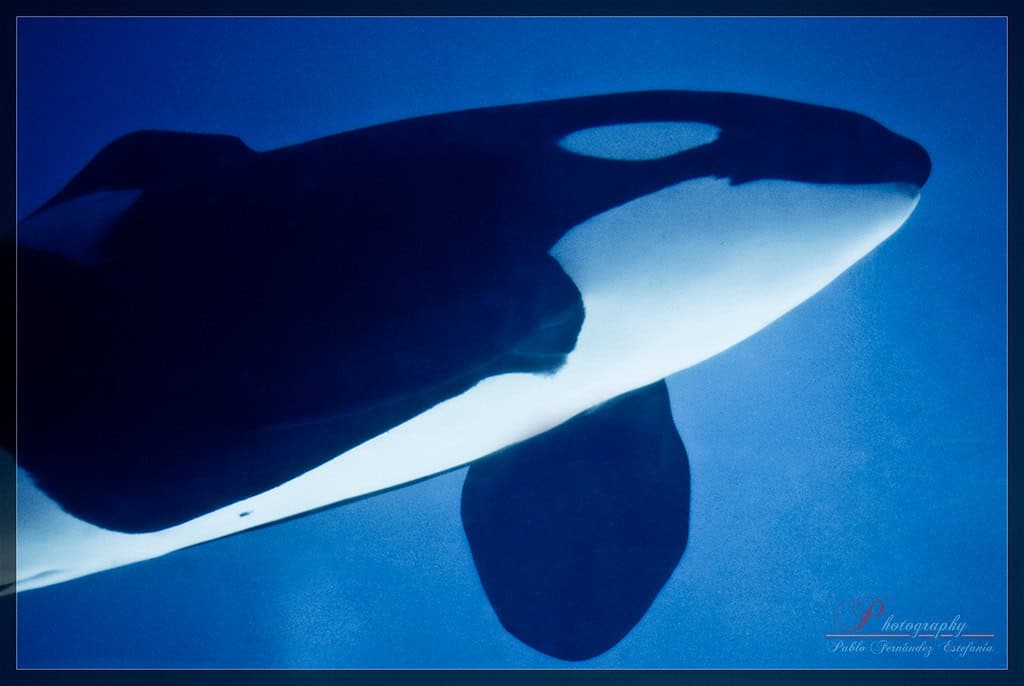
The term “killer whale” has ancient origins that reveal much about humanity’s early relationship with these marine mammals. Historically, the name derives from sailors and whalers who observed orcas hunting other whale species. In the 18th century, they were called “whale killers” or “assassins of the sea” by Spanish sailors who witnessed their coordinated hunting techniques. Over time, this was linguistically flipped to “killer whales” in English. Interestingly, their scientific name Orcinus orca has equally menacing roots – “Orcinus” comes from the Latin word for “belonging to Orcus,” who was a Roman god of the underworld, further emphasizing their reputation as formidable predators. This etymology reflects early human observations of orcas’ hunting prowess rather than any inherent threat to humans.
Ancient Whaling Cultures and Orca Observations

Indigenous peoples who lived alongside orcas for thousands of years often held very different perspectives than European sailors. Many Pacific Northwest Native American and First Nations tribes revered orcas as spiritual beings and powerful symbols. The Haida, Tlingit, and other coastal tribes incorporated orcas into their mythology and artwork, viewing them as reincarnations of great chiefs or supernatural beings. These cultures observed orcas hunting other marine mammals but didn’t characterize them primarily as “killers.” Instead, they recognized their intelligence, family bonds, and complex social structures. The contrast between indigenous perspectives and European whaling cultures’ views highlights how cultural context shapes our naming and understanding of wildlife. While European whalers focused on their predatory behavior, indigenous observers noted their family structures and sophisticated communication, resulting in more nuanced cultural representations.
Orcas as Apex Predators
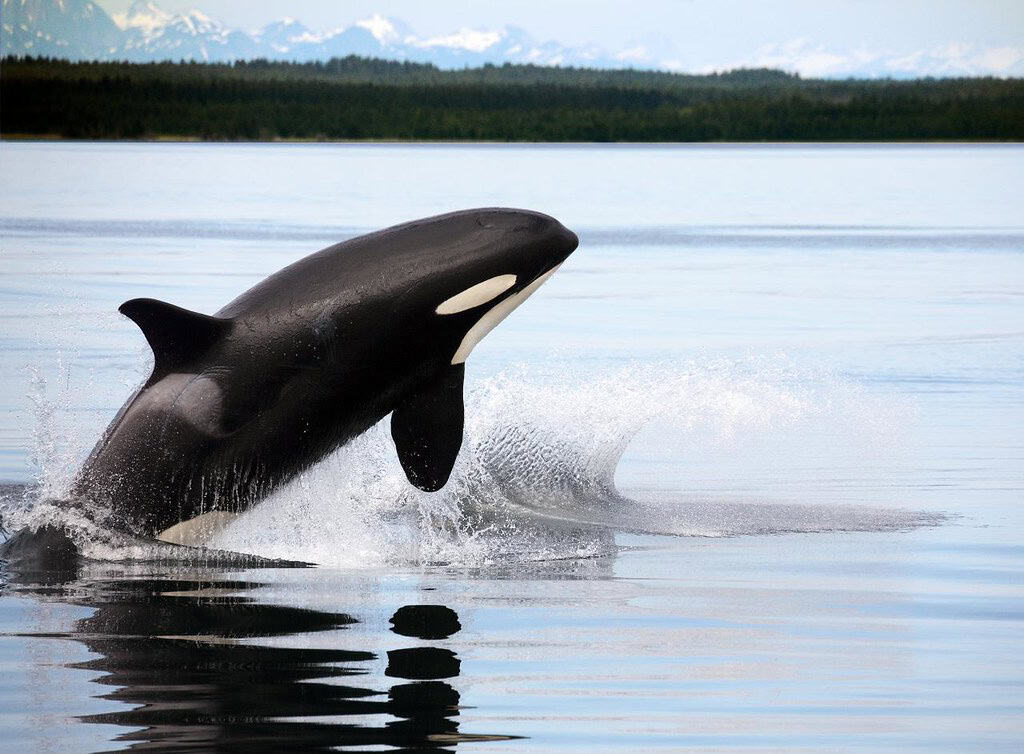
The “killer” moniker is not without biological merit – orcas truly are the ocean’s apex predators. With no natural predators themselves, they sit at the top of the marine food chain. Their hunting capabilities are extraordinary: orcas can take down prey as diverse as fish, seals, sea lions, and even other whale species, including the massive blue whale. Their predatory prowess comes from a combination of physical attributes and social intelligence. Orcas can swim at speeds up to 30 mph, possess powerful jaws with 4-inch interlocking teeth, and have the cognitive ability to develop complex, coordinated hunting strategies that vary by pod and region. These hunting techniques are often culturally transmitted within family groups, creating what scientists now recognize as distinct hunting “cultures” among different orca populations. Their apex predator status makes the “killer” description technically accurate, though it only captures one dimension of these complex creatures.
The Scientific Taxonomy Confusion
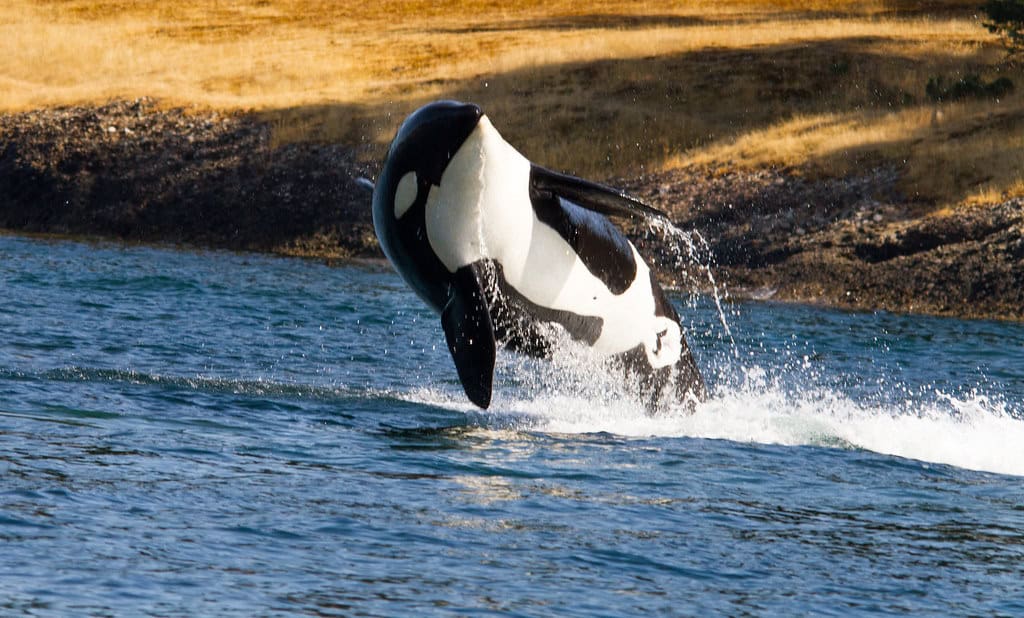
The scientific classification of orcas has contributed to naming confusion over the centuries. Despite being called “whales,” orcas are actually members of the Delphinidae family, making them the largest dolphins rather than true whales. This taxonomic reality contradicts their common name “killer whale,” adding another layer of misnomer. Early naturalists classified orcas based on limited observations, often from carcasses or distant sightings. Carl Linnaeus, who established the modern taxonomic system, gave them their scientific name in 1758, but understanding of their biology and behavior remained limited for centuries. The scientific community’s evolving understanding of orcas’ place in the taxonomic hierarchy highlights how naming conventions can persist despite contradicting scientific knowledge. This classification confusion exemplifies how common names often preserve historical perspectives rather than scientific accuracy.
Cultural Representations and Misrepresentations

Media portrayals have significantly influenced public perception of orcas, often amplifying the “killer” aspect of their name. Throughout the 20th century, orcas were frequently portrayed as vicious predators in books, films, and television. Early documentaries emphasized their predatory behavior without contextualizing it within their natural ecological role. This one-dimensional portrayal began to shift dramatically after the 1970s with increased scientific study and the growth of marine parks featuring orcas. Films like “Free Willy” (1993) presented a more sympathetic image, while documentaries like “Blackfish” (2013) critically examined captivity and highlighted orcas’ intelligence and family bonds. These evolving cultural representations demonstrate how the “killer whale” name has shaped human perceptions, sometimes overshadowing the complexity of these animals. Today’s media increasingly presents a more balanced view, acknowledging both their predatory nature and their sophisticated social lives.
Orcas and Humans: A Complicated History
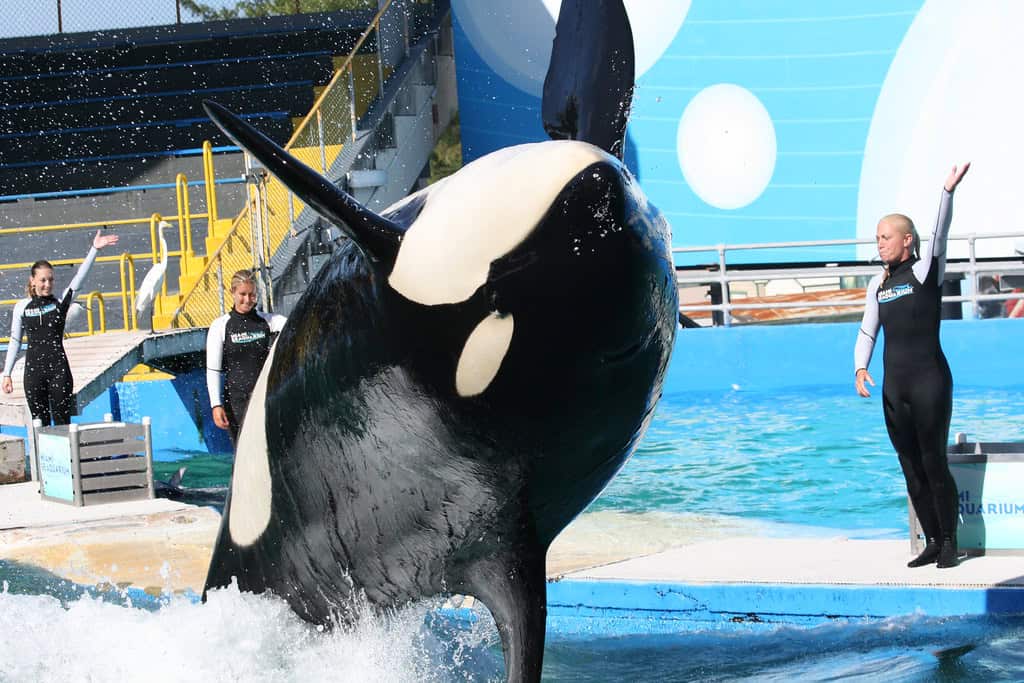
Despite their fearsome nickname, documented attacks on humans by wild orcas are exceedingly rare. There are no reliable records of fatal attacks on humans by wild orcas in history, a striking contrast to their “killer” label. However, captive orcas have been involved in several human fatalities, most notably the deaths of trainers at marine parks. These incidents likely result from the psychological and physical stress of captivity rather than natural aggression. Historically, some whaling cultures hunted orcas, while others avoided them out of respect or fear. Commercial whalers sometimes viewed them as competition and targeted them accordingly. In modern times, scientific research has revealed orcas to be curious about humans but not predatory toward them. This complicated interspecies history shows that the “killer” label misrepresents the actual relationship between orcas and humans in natural settings, though it accurately reflects their role as predators within marine ecosystems.
Regional Names and Cultural Perspectives

The name “killer whale” is primarily an English language convention. Around the world, orcas are known by many different names that often reflect local cultural perspectives. The word “orca” itself, now commonly used as an alternative to “killer whale,” comes from the ancient Romans. In Japanese, they are sometimes called “shachi” or “sakamata”; many indigenous peoples of the Pacific Northwest call them “blackfish” or have specific names in their native languages that often translate to concepts like “sea wolf” or “great hunter.” The Haida call them “sgaana,” meaning “killer demon,” while also revering them as powerful spirits. These diverse names reflect different cultural relationships with these animals. Some names emphasize their predatory nature, while others highlight their spiritual significance or physical characteristics. This linguistic diversity demonstrates how naming reflects cultural values and historical relationships with wildlife, with “killer whale” representing just one cultural perspective among many.
Scientific Discoveries Changing Perceptions

Modern scientific research has dramatically expanded our understanding of orcas, revealing them to be far more complex than their “killer” nickname suggests. Studies have documented their remarkable intelligence, with brain structures associated with complex cognition, self-awareness, and emotional processing. Research has revealed sophisticated vocalizations that vary between pods, effectively constituting distinct dialects or “languages.” Scientists have identified distinct ecotypes of orcas with specialized diets, behaviors, and even genetic differences. Perhaps most remarkably, researchers have documented strong family bonds in orca pods, with some populations maintaining multigenerational family groups where knowledge and cultural practices are passed down through teaching. Female orcas can live up to 80-100 years, creating cultural continuity across generations. These scientific discoveries have transformed our understanding of orcas from simple “killers” to complex, cultural beings with rich social lives and cognitive capabilities that rival or exceed many terrestrial mammals, including primates.
The Impact of Captivity on Orca Perception

The captivity of orcas in marine parks and aquariums has significantly influenced public perception of these animals, both reinforcing and challenging the “killer whale” moniker. When orcas first appeared in oceanariums in the 1960s, they were often promoted as dangerous, exciting attractions – with names like “Shamu” becoming household terms. These exhibitions initially emphasized their predatory nature to draw crowds. However, as captive orcas became familiar to millions of visitors, public perception began to shift. Their intelligence, trainability, and apparent bonds with human trainers contradicted the “mindless killer” stereotype. This evolving relationship reached a critical turning point with the documentary “Blackfish,” which highlighted the psychological effects of captivity on orcas and questioned the ethics of their confinement. The captivity era has paradoxically both exploited the “killer” name for commercial purposes while ultimately helping to dismantle its one-dimensional implications by bringing the public into closer contact with these complex animals.
Conservation Status and Modern Threats
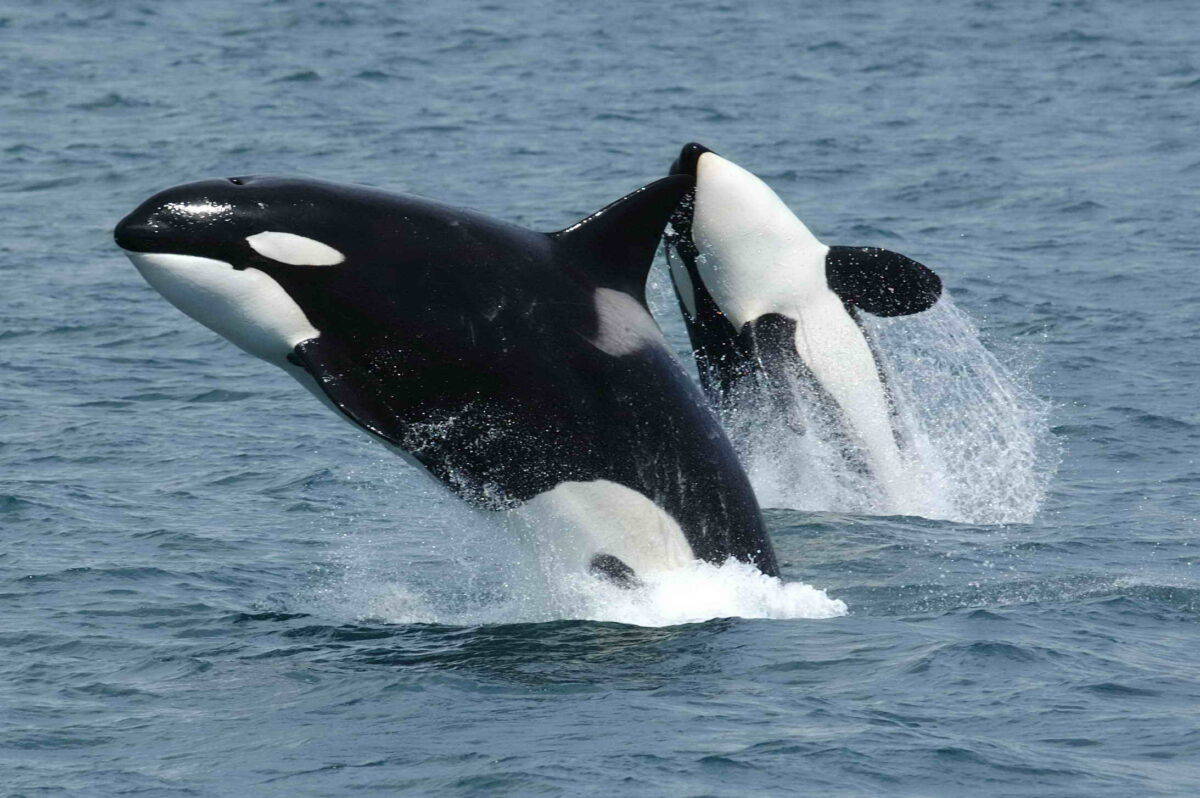
While orcas may be apex predators, they face significant threats from human activities, challenging the notion that they are the oceans’ ultimate “killers.” Many orca populations face serious conservation challenges. Southern Resident killer whales of the Pacific Northwest are critically endangered, with fewer than 75 individuals remaining. Major threats include prey depletion (particularly Chinook salmon), water pollution, underwater noise from shipping, and climate change impacts on marine ecosystems. PCBs (polychlorinated biphenyls) and other persistent organic pollutants accumulate in their blubber, causing reproductive and immune system problems. As long-lived, slow-reproducing animals at the top of the food chain, orcas are particularly vulnerable to bioaccumulation of toxins. Some populations have high levels of contamination that may be passed from mother to calf. This vulnerability presents a stark contrast to their “killer” label – despite their formidable predatory abilities, many orca populations are increasingly threatened by human activities, with several ecotypes facing potential extinction without significant conservation efforts.
Efforts to Rename and Rebrand

As scientific understanding of orcas has evolved, there have been growing efforts to move away from the “killer whale” nomenclature. Marine biologists, conservation organizations, and wildlife educators increasingly prefer the term “orca,” which lacks the negative connotations of the traditional name. This linguistic shift reflects a broader re-evaluation of how we name and categorize wildlife. Similar naming evolutions have occurred with other species (such as the shift from “starfish” to “sea star”) to better reflect biological accuracy or move away from misleading terms. Many educational institutions, including the Monterey Bay Aquarium and National Geographic, now primarily use “orca” in their materials. However, “killer whale” remains deeply embedded in popular culture and common usage. This naming debate highlights how terminology shapes public perception and conservation attitudes. The movement toward “orca” represents an attempt to present a more balanced view of these animals that acknowledges their predatory capabilities while not reducing them to a single behavioral trait.
Conclusion: Beyond the “Killer” Label

The journey from “whale killer” to “killer whale” to increasingly just “orca” reflects our evolving understanding of these remarkable marine mammals. The “killer whale” name originated from limited observations of their predatory behavior but fails to capture their intelligence, complex social structures, and cultural sophistication. While scientifically accurate in reflecting their position as apex predators, the name has often misled public perception by suggesting a threat to humans that wild orcas have never actually presented. Today, as we face the potential loss of many orca populations due to human activities, moving beyond the one-dimensional “killer” label becomes increasingly important for conservation efforts. Perhaps the most fitting perspective comes from indigenous cultures that have coexisted with orcas for millennia – recognizing them as powerful predators worthy of respect while also appreciating their family bonds, intelligence, and important ecological role. The evolution of this name teaches us an important lesson about how human perception shapes our relationship with the natural world.

- Why Sharks Are Critical for Coral Reef Survival - July 25, 2026
- Beginner’s Guide to Birdwatching in Your Backyard - July 25, 2026
- Humpbacks Defend Other Animals from Orcas—A Mystery Explained - July 25, 2026