
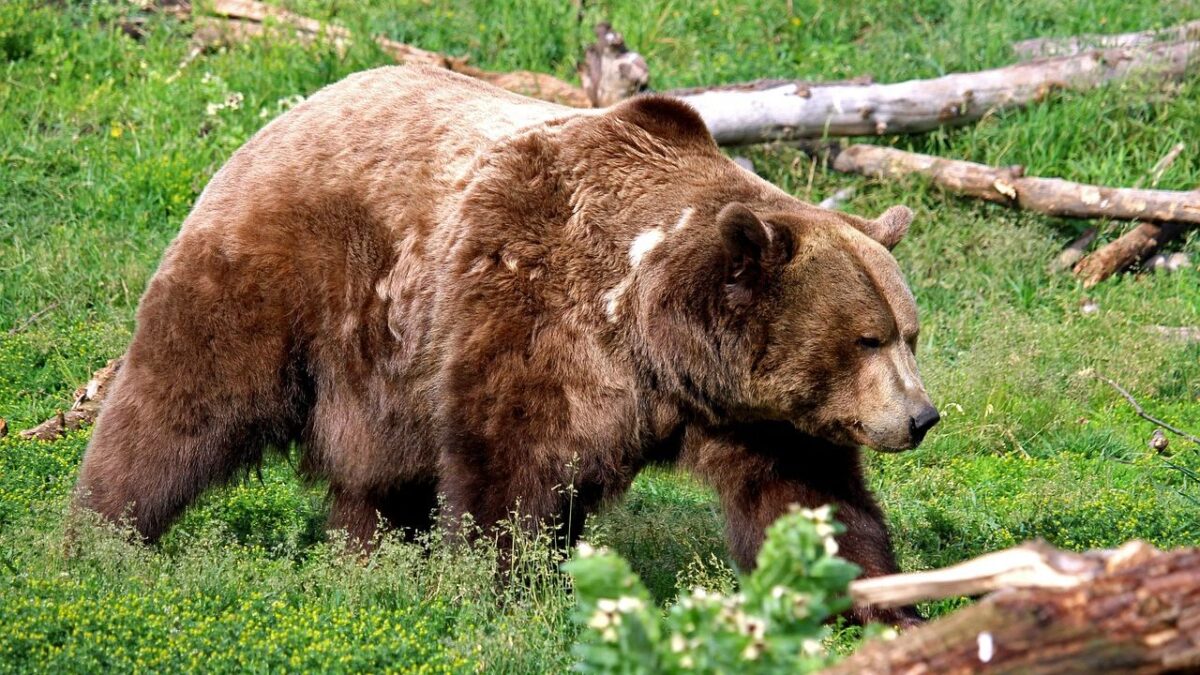
Picture this: you’re walking through the woods with your loyal companion trotting beside you, tails wagging, noses twitching at every scent. The trail winds through tall pines and dappled sunlight filters through the canopy. It’s peaceful, almost magical. Then suddenly, a massive shape emerges from the brush ahead, and your heart leaps into your throat.
I know what you’re thinking right now. What on earth does a canine expert have to do with bears? Here’s the thing: if you’re hiking with your furry best friend in bear country, the dynamics of that encounter change dramatically. Your dog’s behavior can be the difference between a peaceful moment and a dangerous situation. Honestly, the relationship between dogs and bears is something every dog lover needs to understand before heading into the wilderness. Let’s dive into the critical mistakes that could put both you and your pup in serious danger.
Never Let Your Dog Off Leash

Keeping your dog on a leash is one of the top recommendations for protecting both yourself and your pet when hiking in bear country, as dogs that aren’t restrained can chase or corner a bear and may run back to you for protection while being followed by an angry bear. Think about it from your dog’s perspective. They see a large animal, their instincts kick in, and suddenly they’re either chasing what they perceive as prey or running back to you in panic.
I get it. There’s something magical about watching your dog experience pure freedom in nature. The temptation to let them explore unleashed is real. Yet this single decision can transform a distant bear into an immediate threat. If your dog runs off and accidentally happens upon a bear, the bear could chase your dog, who could unknowingly lead the bear directly to you, leaving you both in a potentially dangerous situation.
Bears perceive dogs as a potential threat, and dogs can instigate attacks or defensive behaviors from bears that would not have occurred if the dogs had not been present. Your well-trained companion might be perfect at recall in your neighborhood, but wilderness encounters activate primal instincts that override even the best training.
Never Run Away From a Bear
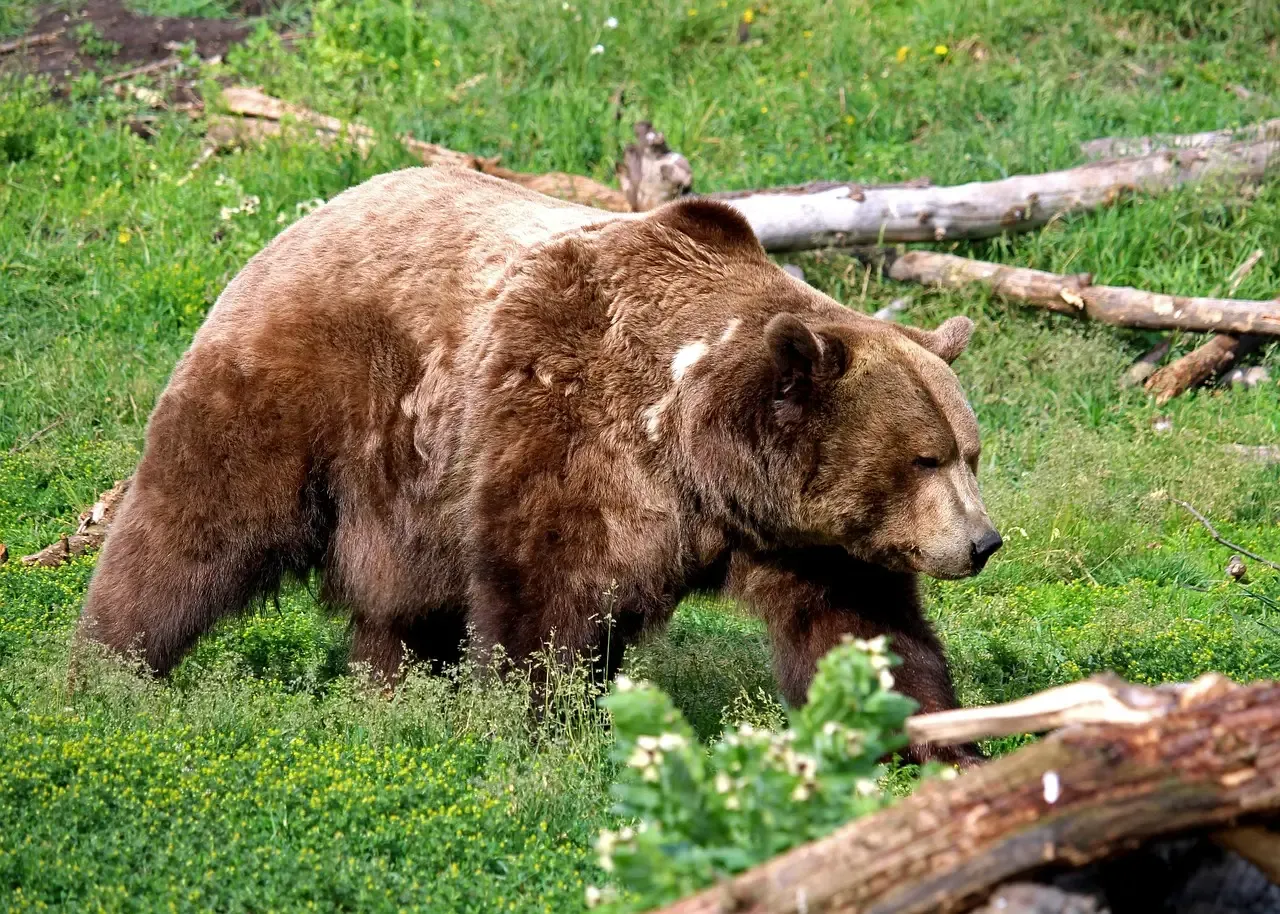
Do NOT run or make any sudden movements. This advice applies whether you’re alone or with your dog. Running triggers something deep in a bear’s predatory brain. Like cats and dogs, bears like to chase things that run, and fleeing prey triggers the bear’s predatory instinct and will likely spark an attack.
Your legs might be screaming at you to bolt. Your heart might be pounding so hard you can barely hear anything else. Still, standing your ground is critical. Do not run away if you see a bear because you cannot outrun a bear. Bears can reach speeds of roughly 30 miles per hour, faster than the fastest human sprinters.
The same goes for your dog. Running may elicit a chase response in the bear. If your pup panics and tries to flee, keep that leash short and steady. Your calm energy can help ground them even when every instinct tells both of you to run.
Never Make Loud Screaming Noises or High-Pitched Sounds
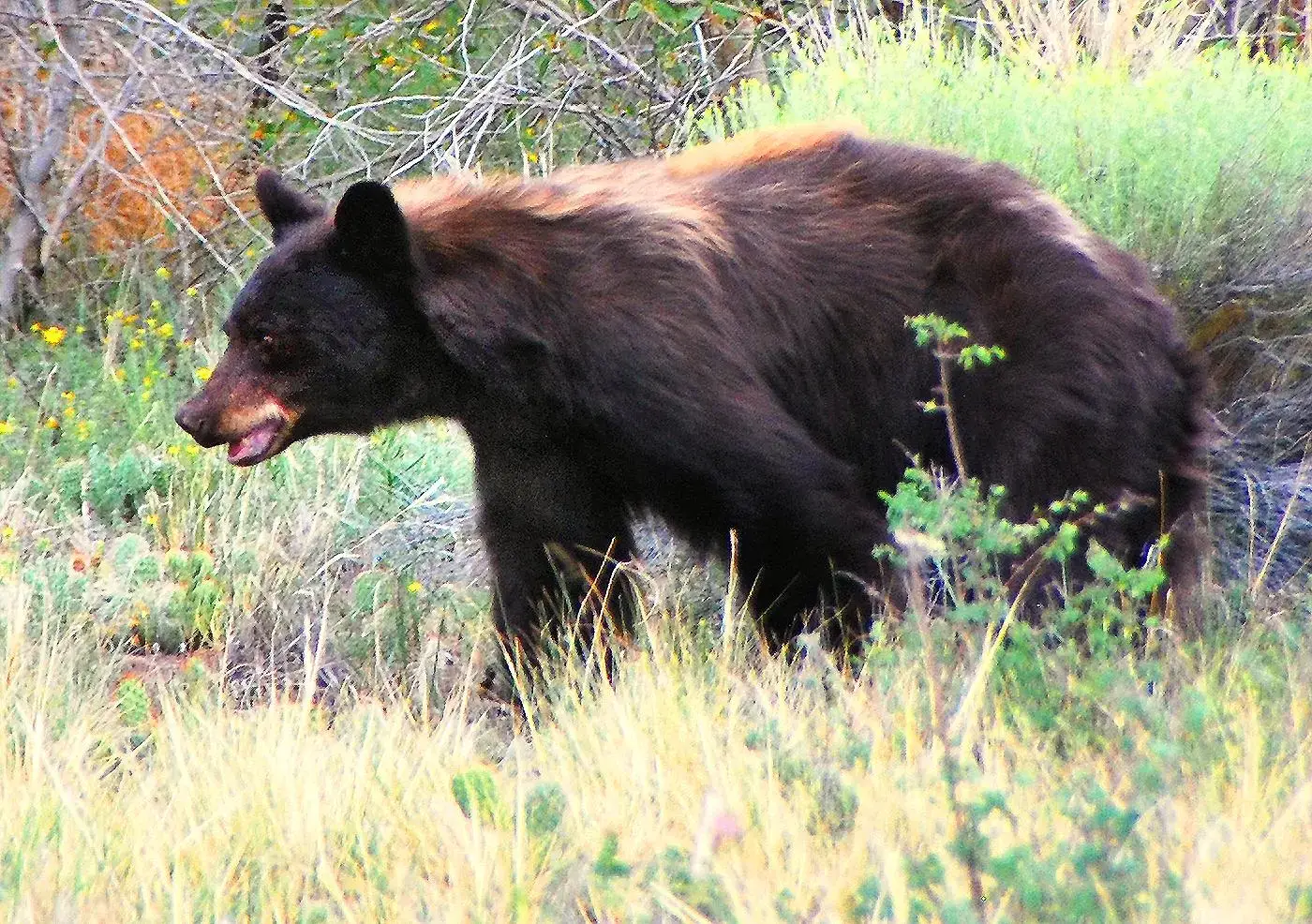
A scream or sudden movement may trigger an attack, and you should never imitate bear sounds or make a high-pitched squeal, as the bear may think it’s the sound of a prey animal. Screaming feels like the natural response when fear takes over, right? Your voice rises, panic sets in, and suddenly you’re shrieking without even realizing it.
Here’s where understanding bear psychology becomes crucial. Continue to talk to the bear in low tones; this will help you stay calmer, and it won’t be threatening to the bear. Low, steady, calm voices signal that you’re human, not prey. High-pitched sounds, on the other hand, can sound disturbingly similar to an injured animal.
This applies to your dog as well. Excessive barking can turn a bear encounter from scary to downright dangerous, so focus on quiet signals and calm, controlled reactions instead of panicked noise. If your dog starts barking frantically, use a calm command like “quiet” to help settle them. Easier said than done, I know, but your composure can literally save lives in these moments.
Never Climb a Tree to Escape
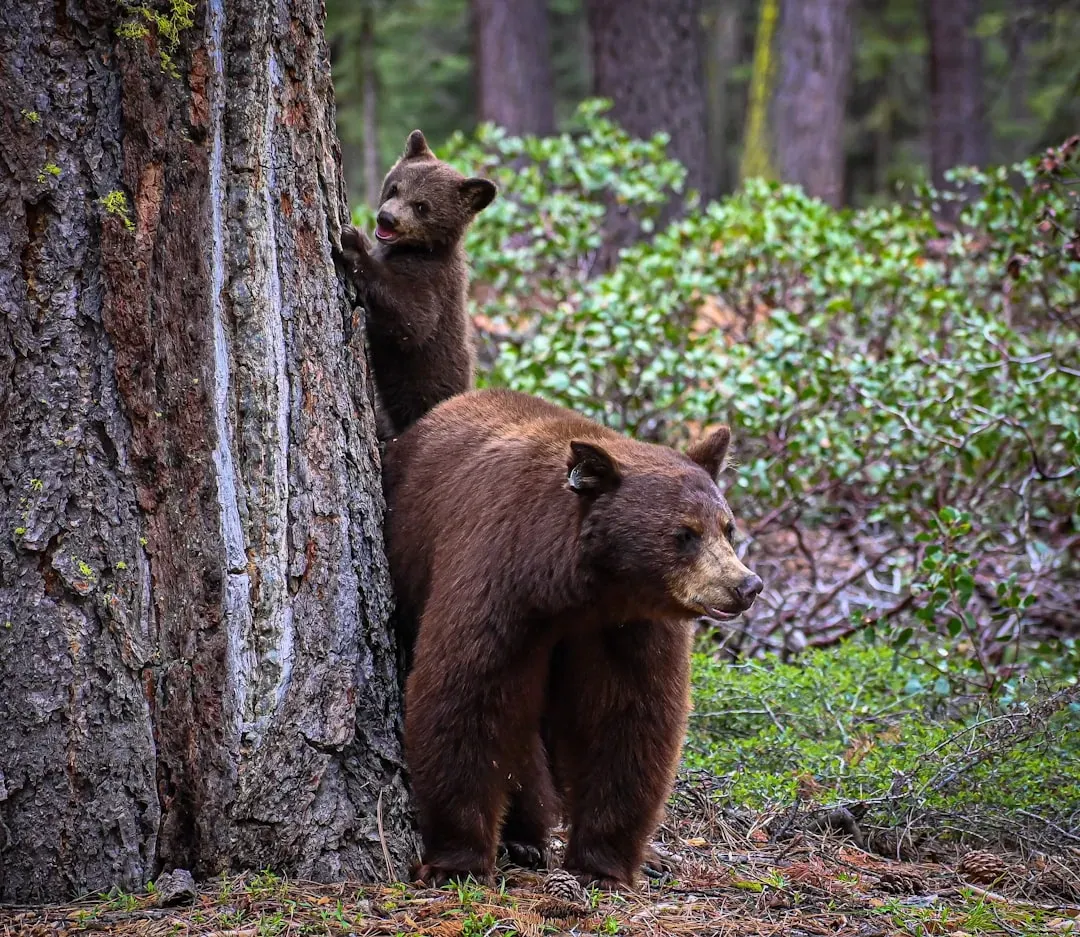
Do NOT climb a tree because both grizzlies and black bears can climb trees. This myth has persisted for decades, probably fueled by old movies and campfire stories. Let’s be real: if you think scrambling up a tree will save you, you’re in for an unpleasant surprise.
Black bears are particularly adept climbers. They have shorter, curved claws designed specifically for gripping bark. Grizzlies, while less agile in trees, can still reach impressive heights when motivated. Do not try to climb a tree because you cannot outrun or out climb a bear.
What about your dog? They certainly can’t climb with you, which leaves them vulnerable at the base of the tree while you’re stuck above. That’s a nightmare scenario. The better approach is to stay together, stay calm, and follow proper bear encounter protocols rather than splitting up in a misguided escape attempt.
Never Approach or Surprise a Bear
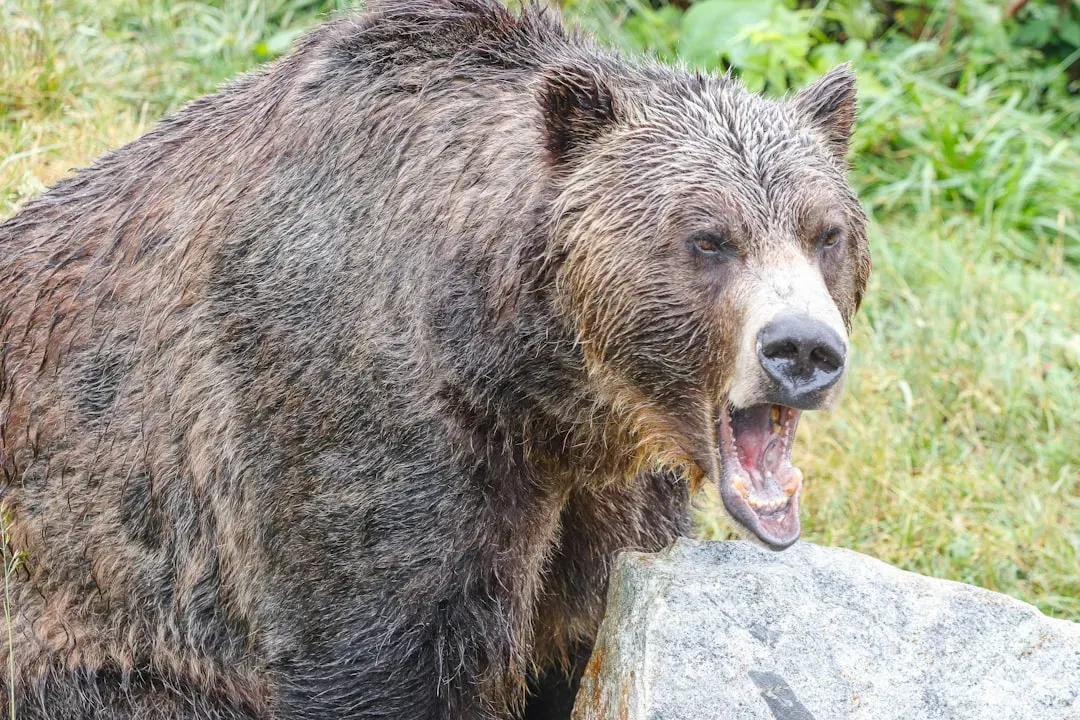
Never approach a bear that doesn’t see you, as it could lead to surprising the bear, which can be dangerous, and you should avoid hiking at dawn or dusk when bears are most active. Surprising a bear is probably the most common cause of negative encounters. Almost all recorded bear attacks in the wild have resulted from humans surprising them.
Making noise while you hike becomes essential. Make noise by using methods like putting a little “bear bell” jingle bell on your pack, though they’re not really loud enough to warn a bear at a distance, so you can whistle, talk to yourself, or sing out loud. Talk to your dog, sing off key, clap at blind corners. Yes, it might feel silly, but it works.
Make sure your dog is on a leash and close to you, and hike cautiously around blind turns, corners, and near loud streams, where you’ll want to make sure you can see ahead of you as much as possible, and when you can’t, notch up the noise making. Rushing around a bend in the trail could put you face to face with a bear before either of you has time to react. That split second of surprise can escalate a peaceful situation into a defensive attack.
Conclusion

Hiking with your dog in bear country doesn’t have to be terrifying. Preparation, awareness, and knowledge transform fear into respect. Your dog relies on you to make smart decisions that keep both of you safe. Bears aren’t killing machines on a rampage looking for humans to eat, and most of the time, bears will run away from you, so it’s easy to hike and camp in bear country safely.
Remember that every bear encounter is unique, and there’s no universal script that guarantees safety in every situation. Stay educated, stay alert, and respect the incredible wilderness you’re sharing with these magnificent animals. Your adventures with your furry companion can be both thrilling and safe when you follow these guidelines.
Have you ever encountered a bear while hiking with your dog? What was your experience like? Share your story in the comments below.
