
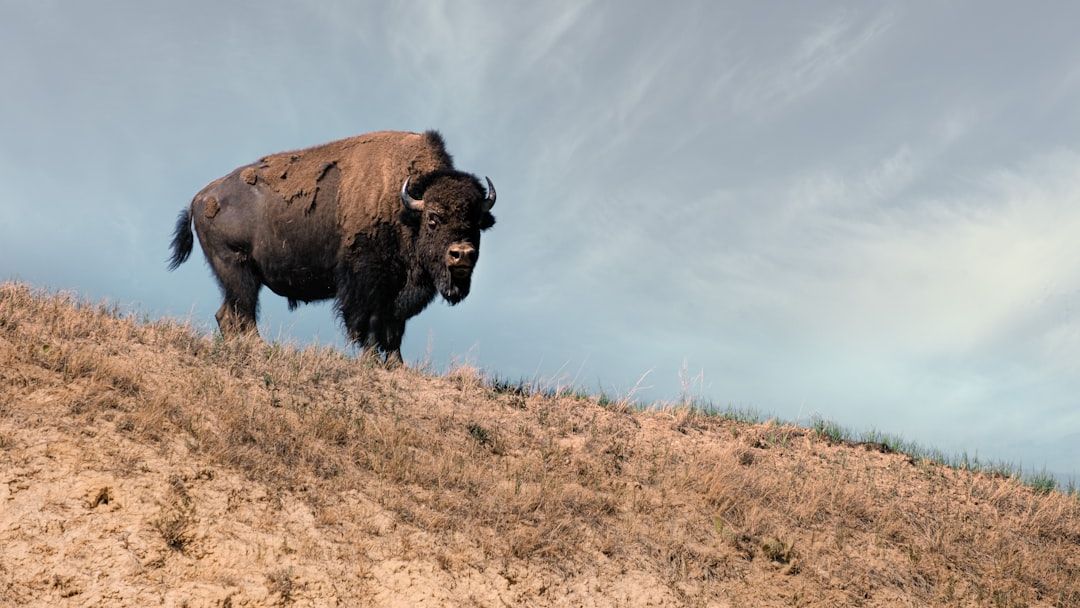
There’s something almost hypnotic about a bison. Standing nearly six feet tall, weighing close to a ton, with a thick woolly coat and an air of ancient indifference, they look less like a wild animal and more like a living monument. Visitors who spot one near a boardwalk or grazing beside a trail often feel a strange calm wash over them, a sense of being in the presence of something timeless. That feeling is real. It’s also one of the most dangerous things that can happen to you in Yellowstone.
Since 1980, bison have injured more pedestrian visitors to Yellowstone National Park than any other animal. Not bears. Not wolves. Bison. The very creatures that inspire wonder and quiet contemplation are, statistically, the ones most likely to send you to a hospital. Understanding why, and knowing exactly what not to do in the moment of a face-to-face encounter, could be the most important thing you read before setting foot in the park.
#1: Never Approach a Bison for a Photo or Selfie
The smartphone era has quietly reshaped how people interact with Yellowstone’s wildlife, and not for the better. The popularity of smartphone photography with its limited zoom capacity and social media sharing of selfies might explain why visitors disregard park regulations and approach wildlife more closely than when traditional camera technology was used. What was once a practical distance issue has become a social media compulsion, and bison are paying attention even when tourists aren’t.
The data on this is sobering. Nearly half of all injured visitors in one multi-year study sustained their injuries while photographing bison, and roughly a quarter of those injured acknowledged they already knew they were too close before the attack happened. Knowing the risk and walking toward it anyway is a peculiar human tendency, but the bison won’t pause to appreciate the irony. The National Park Service suggests bringing a camera with a telephoto lens to snap photos from more than 25 yards away, which is the kind of practical advice that costs nothing and saves a great deal.
#2: Never Stand Your Ground or Try to Appear Dominant
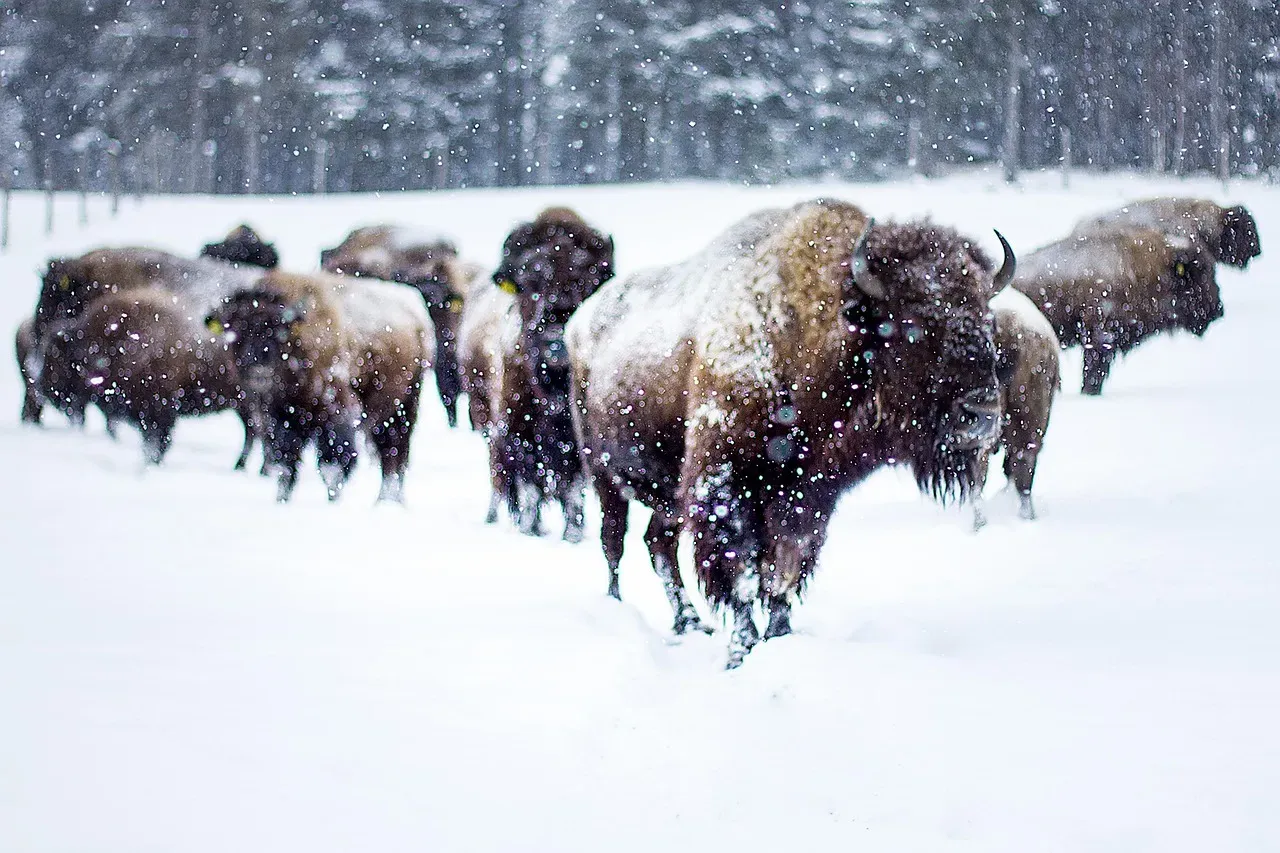
Instinct in a threatening situation often says: hold your position, puff up, make yourself look big. That response is appropriate for some wildlife encounters. With bison, it can be catastrophic. Do not stand your ground. Immediately walk or run away from the animal. Spray bear spray as you are moving away if the animal follows you. The bison is not testing your confidence. It is reacting to a perceived threat in its personal space, and trying to dominate the situation only escalates that threat.
Bison have evolved instinctive behaviors to defend themselves and their young from threats like wolves, so one of the most important things you can do is make sure you don’t resemble a predator and trigger a defensive attack. Facing a bison directly, making sustained eye contact, and refusing to yield are all things a predator might do. If a bison makes continuous eye contact with you, that’s a sign that it thinks you’re intruding on its space. The correct move is always to remove yourself calmly and quickly, not to hold your ground and hope the animal blinks first.
#3: Never Ignore the Warning Signs Before a Charge
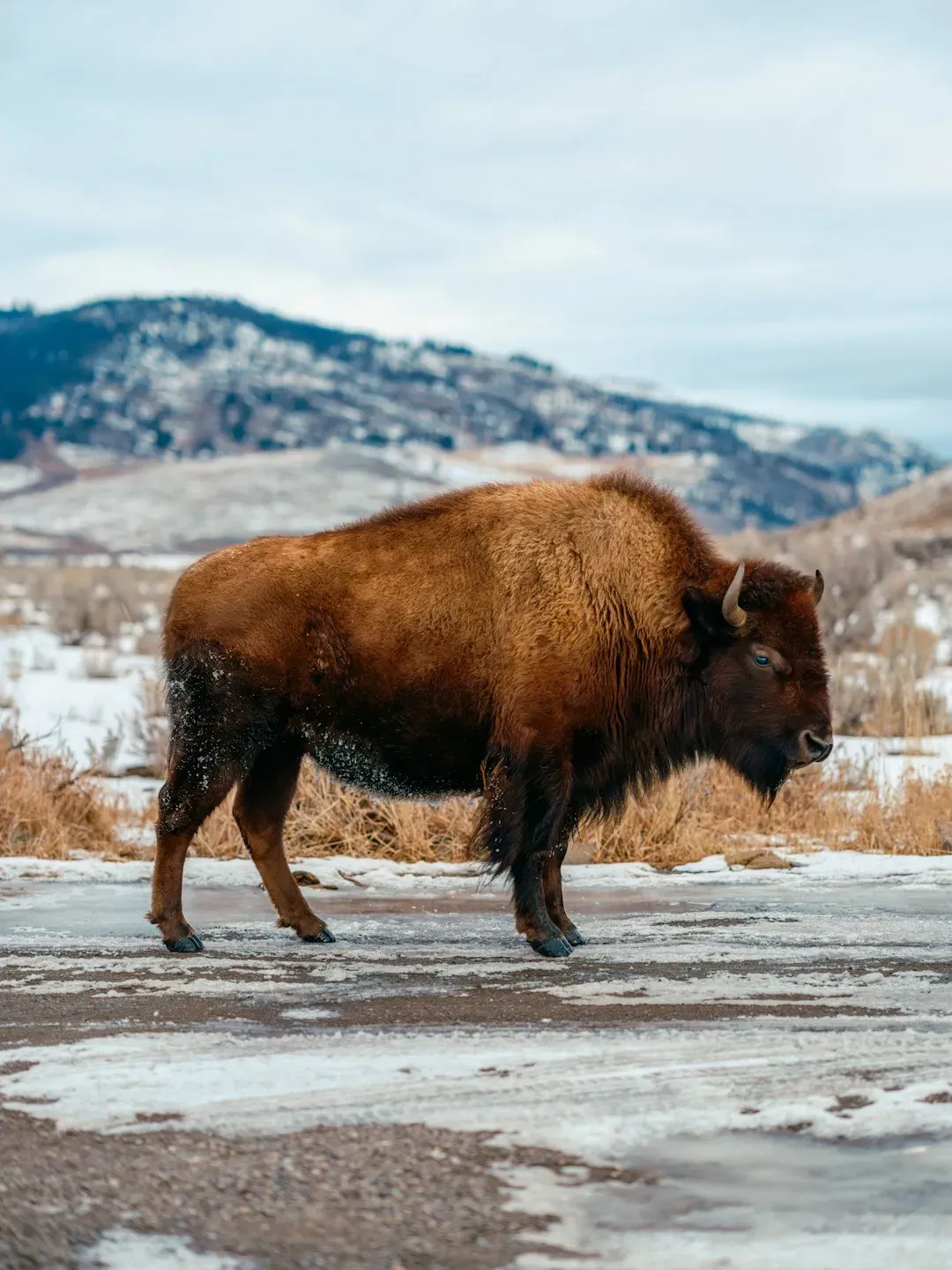
Bison don’t charge without warning. The problem is that most visitors don’t know what the warnings look like until it’s too late. Approaching bison threatens them, and they may respond by bluff charging, head bobbing, pawing, bellowing, or snorting. These are warning signs that you are too close and that a charge is imminent. These are not vague or subtle signals. A bison pawing the ground and snorting is communicating as clearly as it possibly can.
According to park officials, some victims have ignored multiple warning signs and bystander cautions before a bison charged. Witnesses have reported animals displaying clear signs of agitation, including snorting, pawing the ground, and raising their tails, before an attack. If you see any of these behaviors, the decision window is narrow. If you see a bison and it stops what it is doing and starts paying attention to you, you are too close and should slowly back away. That moment, right there, is your exit cue. Take it every single time.
#4: Never Assume Group Safety in Numbers
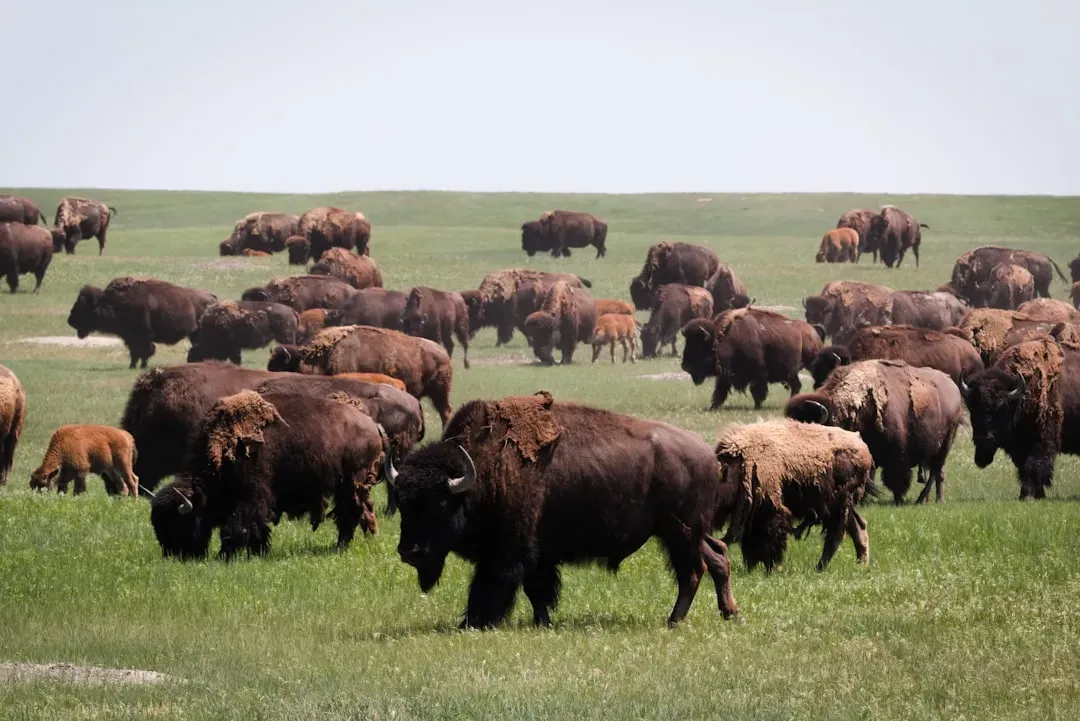
There’s a common assumption that being surrounded by other tourists creates a kind of collective safety buffer. In practice, the opposite tends to be true around bison. Roughly four out of every five injured visitors had actively approached the bison before being hurt, and nearly two thirds of all injuries occurred when a group of three or more people approached a bison together. Crowds don’t deter a threatened bison. They may actually crowd it further, compressing the animal’s sense of space from multiple directions at once.
All documented injuries in one major research study occurred in areas of high visitor concentration, with the average visitor distance from the bison before injury being just over three meters. That’s roughly the length of a small car, which puts the situation into startling perspective. The presence of other people near a bison tends to lower individual caution levels while simultaneously increasing the animal’s stress. If need be, turn around and go the other way to avoid interacting with a wild animal in close proximity. Your travel companions are not a shield.
#5: Never Try to Outrun a Bison in an Open Field
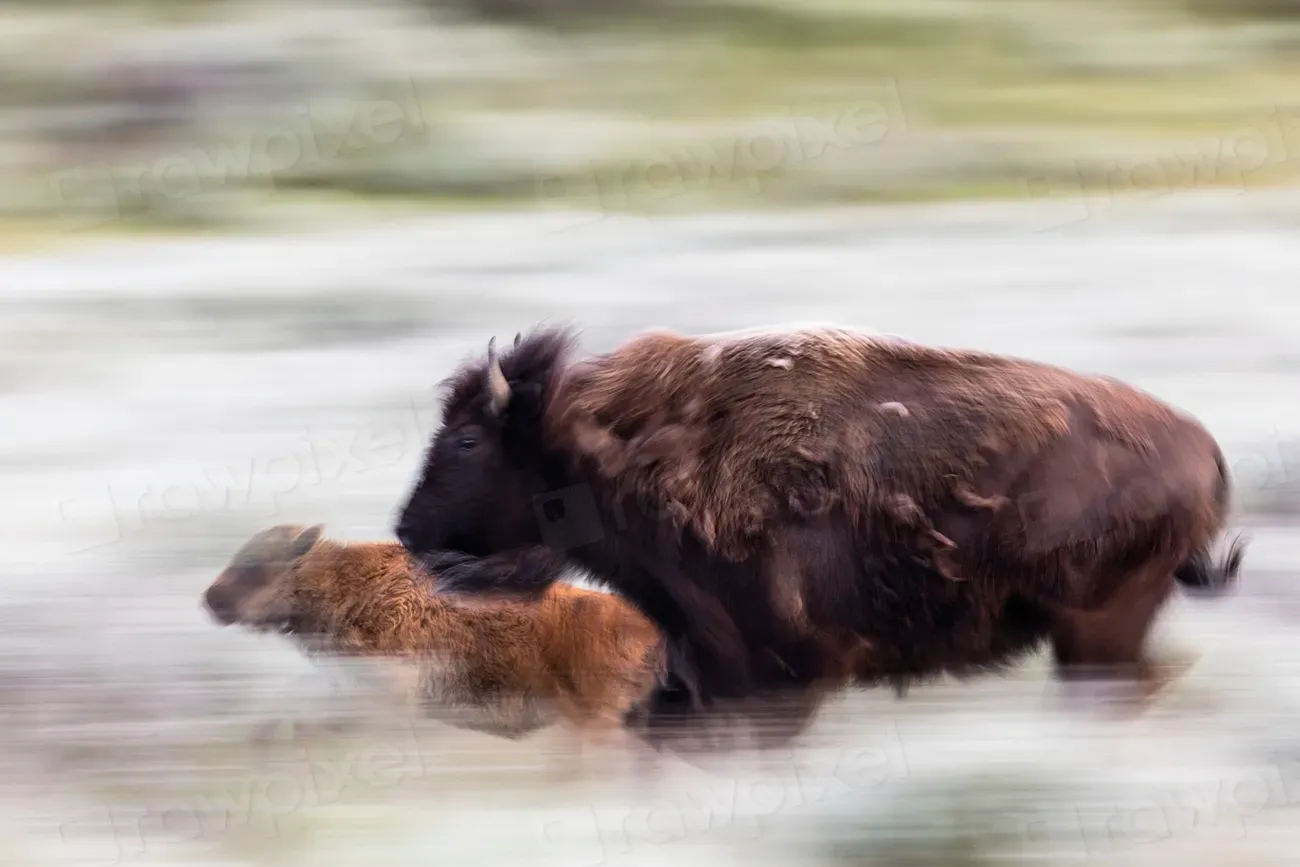
The impulse to run when faced with danger is deeply human. Against a bison, especially in an open meadow with nothing between you and the animal, running in a straight line is one of the least effective things you can do. Bison are unpredictable and can run three times faster than humans, and they are capable of running 35 miles per hour and jumping six feet vertically. You will not win a footrace in an open field. It isn’t close.
The better instinct, if confronted in an open area, is to seek a solid obstacle. Find an obstacle, something to put between you and the bison. You should run to a big boulder, a vehicle, or even a group of trees if possible. Get up a tree if there is one nearby since bison cannot climb. Running blindly without a destination is panic, not strategy. If you’re hiking in Yellowstone’s backcountry, keeping an eye on nearby terrain features is genuinely useful preparation, not paranoia. Avoid walking through a giant meadow with a bison herd. It leaves you with no place to hide should they turn on you and stampede.
A Final Word: Respect Is Not Optional Here
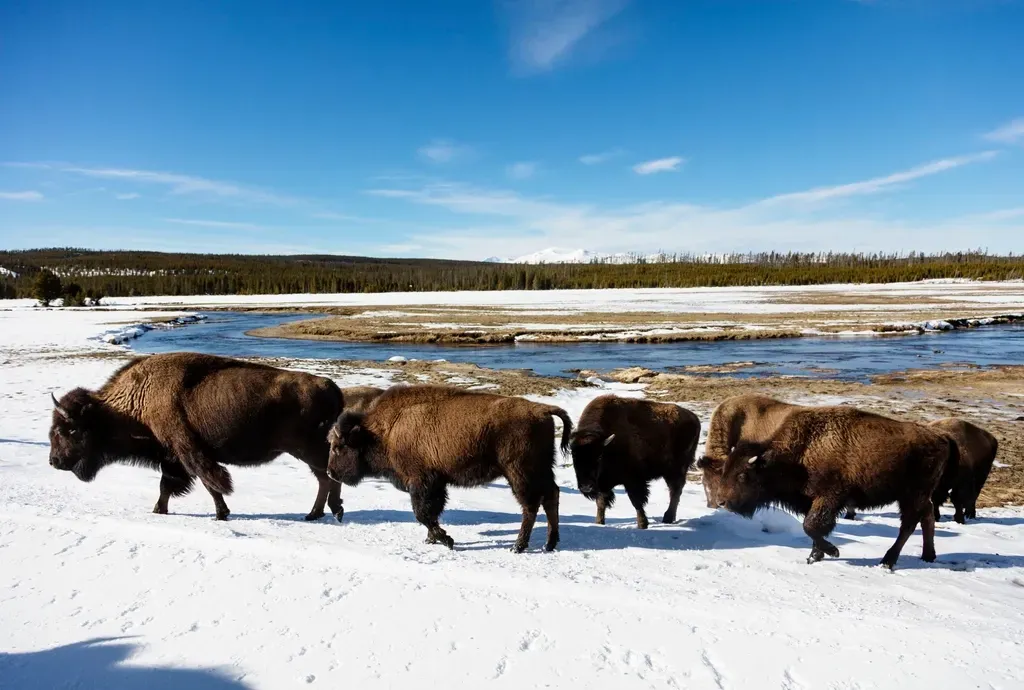
Yellowstone’s bison are not zoo animals who have grown accustomed to admiration. Yellowstone National Park is the only place where bison have grazed continuously since prehistoric times. These animals belong here in a way that no visitor ever fully can. Every goring, every airlift, every injury report issued by the National Park Service is, in some form, a failure of awareness rather than a failure of the bison. It’s worth noting that bison attacks aren’t just bad for humans. They frequently result in tragedy for the animals.
The injuries keep happening, year after year, because the gap between how dangerous bison actually are and how dangerous they appear to the untrained eye is enormous. Bison, as well as the other animals in Yellowstone National Park, are completely unpredictable and wild. While they may appear calm and approachable, they most certainly are not. Visiting Yellowstone is genuinely one of the most remarkable experiences this country offers. The bison, seen from a respectful distance, are extraordinary. Seen from three feet away after ignoring every warning sign, they are an emergency. The choice, every single time, belongs entirely to you.

- 8 Flowers Hummingbirds Never Ignore - July 26, 2026
- 8 Animals That Are Smarter Than Most People Think - July 26, 2026
- Neuroscience Says When You Lock Eyes With Your Dog Both Brains Release Oxytocin Simultaneously – and the Cross-Species Biochemical Loop Between You Is the Only One of Its Kind That Science Has Documented - July 26, 2026