
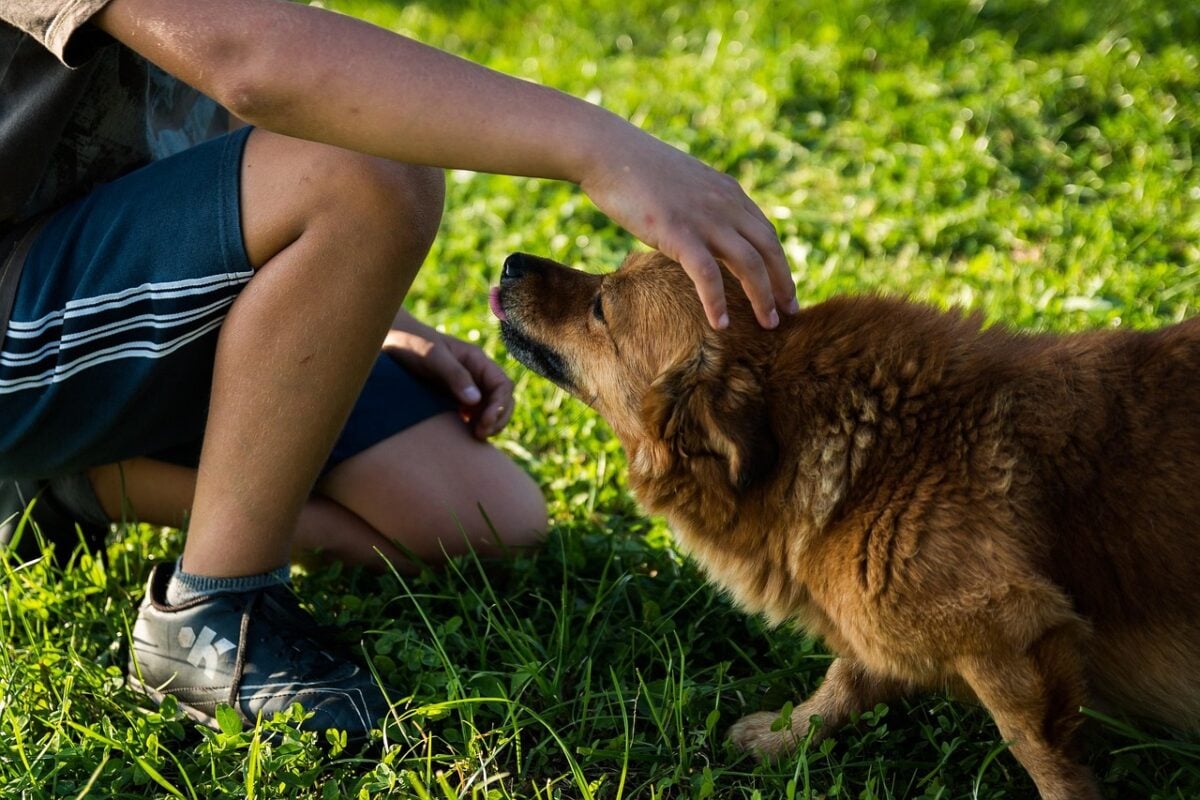
If you’ve ever come home after a long day and watched your dog lose their mind with joy, you’ve probably wondered what’s actually going on in their head. Do they really remember you the way you remember them, or is it just habit and routine? Modern research on canine cognition says dogs remember far more about us than we used to think, and a lot of it is deeply emotional.
What sticks in a dog’s mind is not your résumé, your haircut, or how many followers you have. It’s how you smell when you’re relaxed versus stressed, the way your voice shifts when you laugh, and the routines you’ve quietly built together over the years. Let’s dig into the specific things your dog is likely to remember about you, and why it matters more than any treat you could ever buy.
#1 The Sound Of Your Voice And The Words You Use
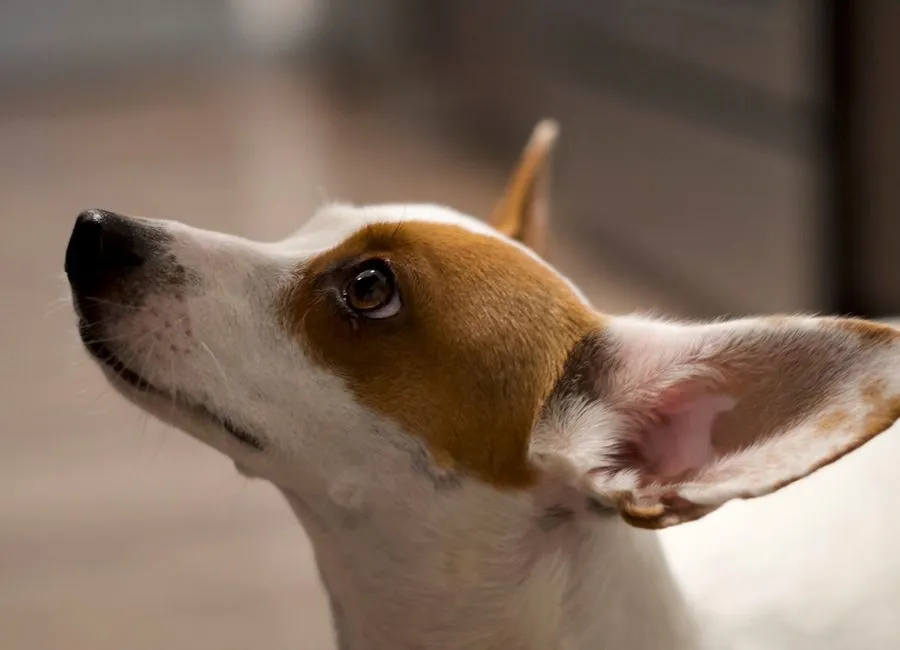
It’s almost shocking how quickly a dog can learn the sound of your voice. Long before they understand any human words, they lock onto your tone, rhythm, and pitch, and their brain starts pairing those sounds with feelings: safety, excitement, calm, or concern. Over time, they file away countless memories of how you sound when you say their name, call them inside, or playfully nag them for stealing a sock.
Dogs are not just reacting to random noise; they genuinely distinguish between different words and emotional tones. Studies using brain scans show that dogs process emotional tone and meaning in different brain regions, very loosely similar to how humans do. In real life that plays out as this: your dog remembers which voice patterns usually mean fun (that high, playful tone) and which suggest it is time to chill or stay close. That’s why a single word from you can stop them in their tracks or send them sprinting with joy.
#2 Your Unique Smell And Emotional “Scent History”
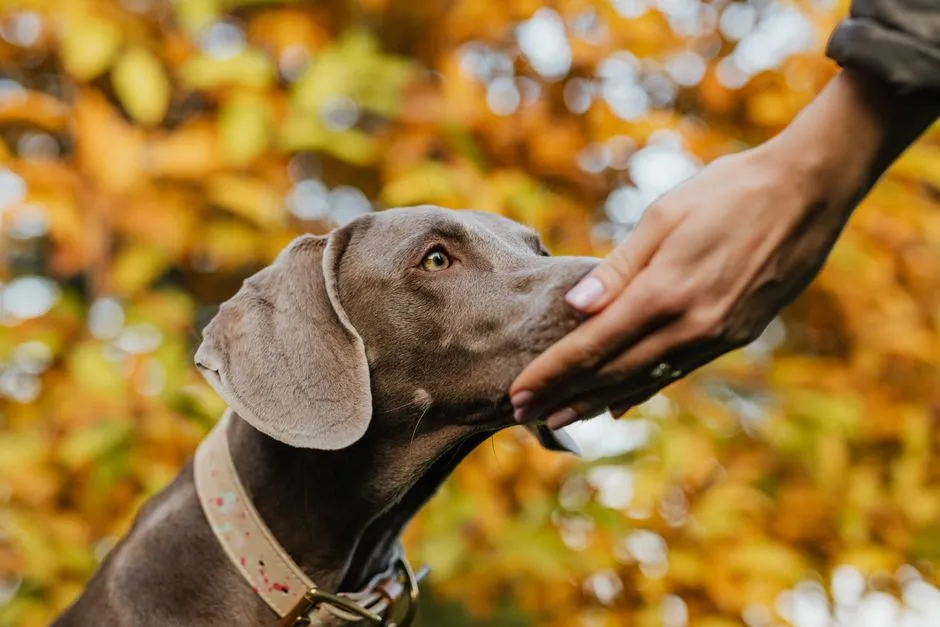
If dogs could write autobiographies, they’d probably do it in smells instead of words. Your scent is like a whole emotional timeline for your dog: how you smell after a workout, after a shower, after a stressful day, or after a vacation. Their nose is so much more sensitive than ours that they can remember incredibly subtle differences and link them to what usually happens next.
That’s why a dog can go wild over a dirty t-shirt from their favorite person or calmly nap on a pile of your laundry like it’s a weighted blanket. To them, that smell says: this is my person, this is home, this is safe. Some research suggests dogs even react differently when they smell their favorite human compared with strangers, in ways that look a lot like emotional attachment. In simple terms, your dog carries around a mental “scent file” of you, and it’s packed with memories of comfort, routine, and shared experiences.
#3 Daily Routines And Shared Habits
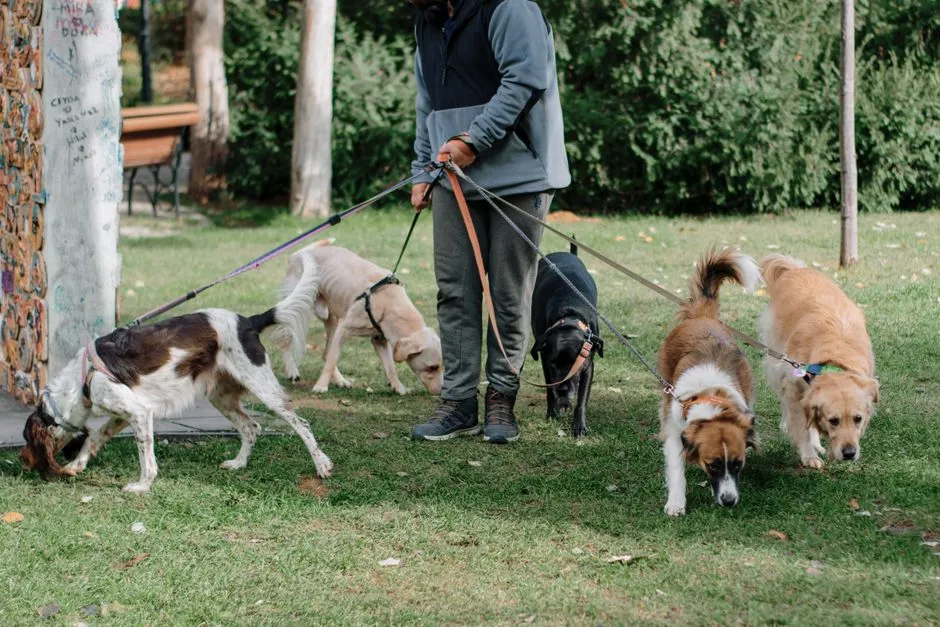
Dogs may not understand the concept of a calendar, but they are masters of patterns. They remember that when you pick up your keys and put on your shoes in a certain way, it usually means you’re leaving. They remember that after dinner there’s a decent chance of a walk, or that the sound of a specific cabinet door often leads to treats. These tiny repeated events form a powerful memory web centered around you.
What’s interesting is how emotional those routines become. A casual habit for you, like always scratching their chest before bed, can turn into a deeply soothing ritual for your dog. They remember how it feels, when it usually happens, and how safe they felt the last hundred times you did it. Break that routine abruptly, and many dogs become unsettled, which is a pretty strong hint that those shared habits are etched into their memory, not just their muscle reflexes.
#4 How You Make Them Feel In Scary Or Stressful Moments
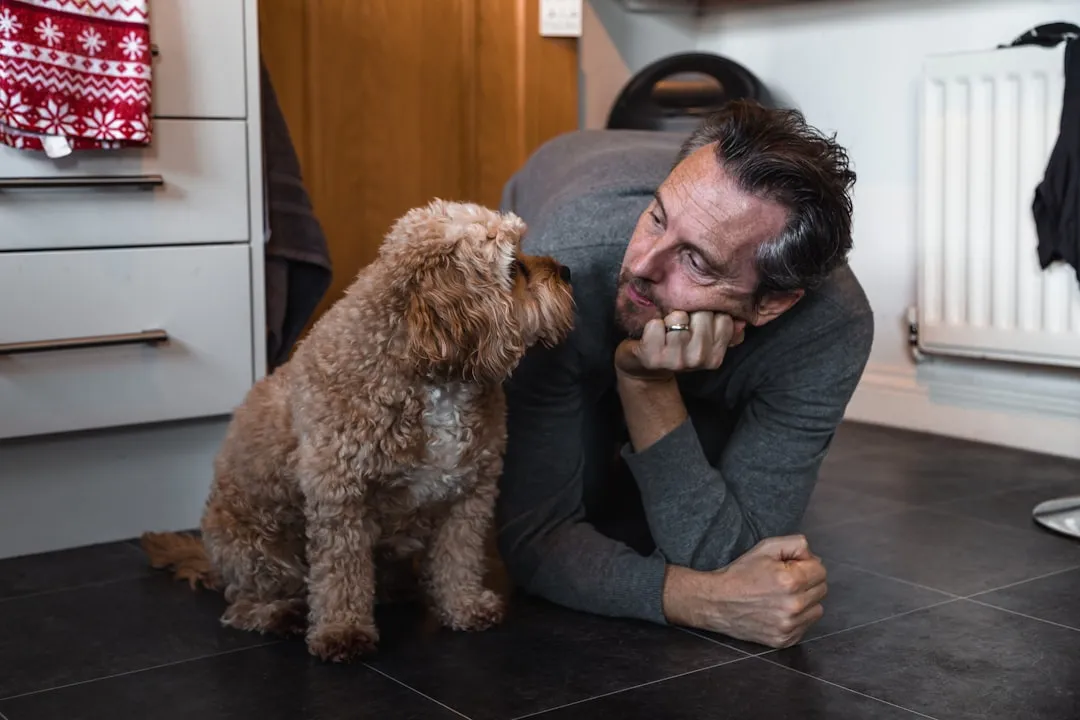
Moments of fear leave deep tracks in memory for both humans and dogs. Your dog remembers very clearly whether you were a source of comfort or added to the tension when something scary happened: fireworks, thunderstorms, a rough vet visit, or an unexpected loud noise. If you scooped them up, spoke softly, or simply stayed calm and present, that emotional safety gets tied to you in their mind.
On the flip side, if their favorite person routinely reacts with anger, yelling, or rough handling when the dog is frightened or confused, that sticks too. Over time, dogs build an emotional “map” of who they can trust when things get weird, and the favorite person is usually the one who consistently makes fear feel manageable. This is one reason I’m pretty opinionated that how you handle the hard moments matters more than how many toys or treats you buy; comfort during stress becomes part of your dog’s core memory of you.
#5 Play Styles, Games, And Inside Jokes
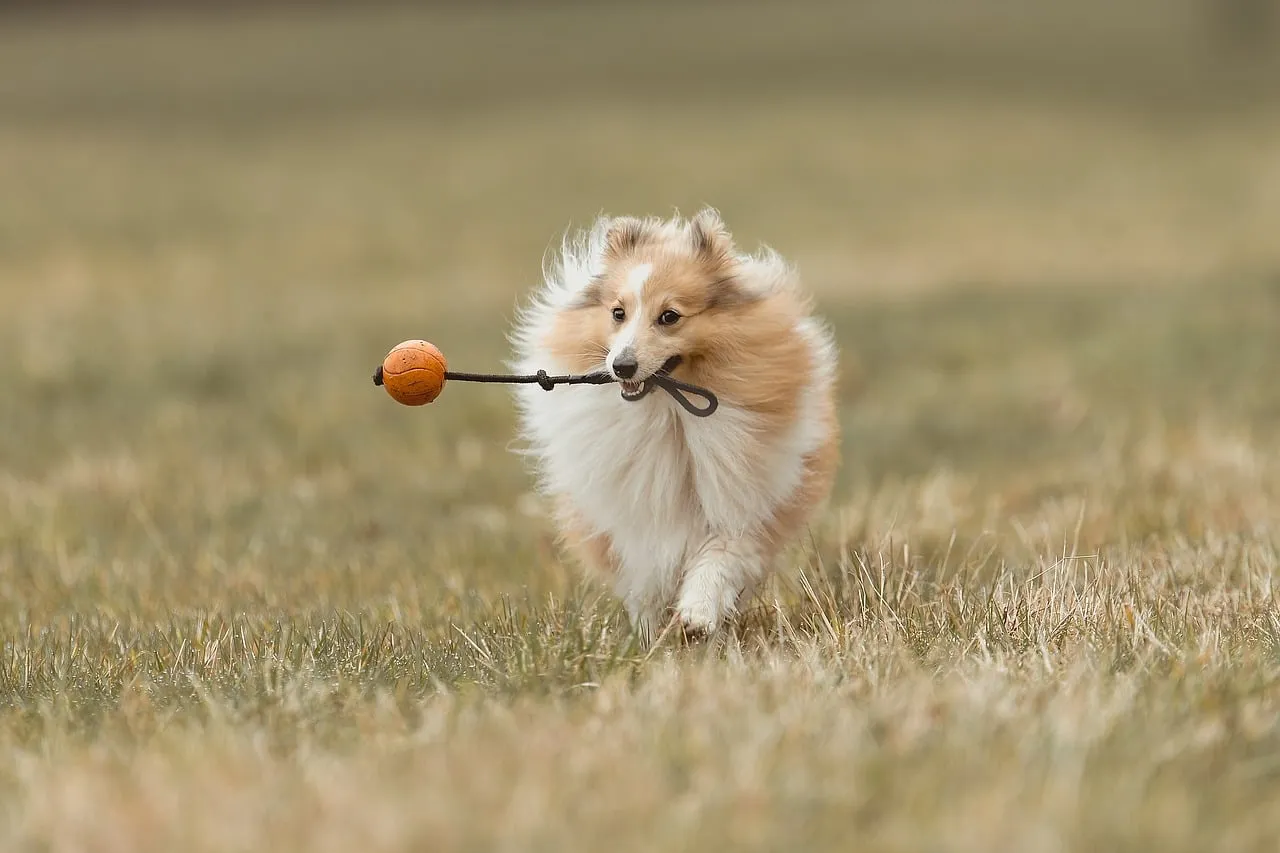
Every dog-human pair has its own play language. Maybe you have a particular way you fake a chase, or a silly made-up game that would look completely absurd to anyone watching. Your dog remembers those specific moves, the spots where you usually play, and the little “rules” you probably do not even realize you’ve created together. To your dog, those games are not random; they’re rituals tied to joy and connection with you.
Dogs are surprisingly good at reading social cues in play: the playful crouch, the exaggerated movements, your laughing voice. Over time, they remember exactly what kind of play you’re likely to start and how far things usually go. Some dogs will trot over with their toy and drop it in your lap in exactly the way that has worked in the past, because they remember that this is how the fun begins. These goofy “inside jokes” of play are part of why you are not just a person to them, but their person.
#6 Your Reactions To Their Behavior (And What Works)
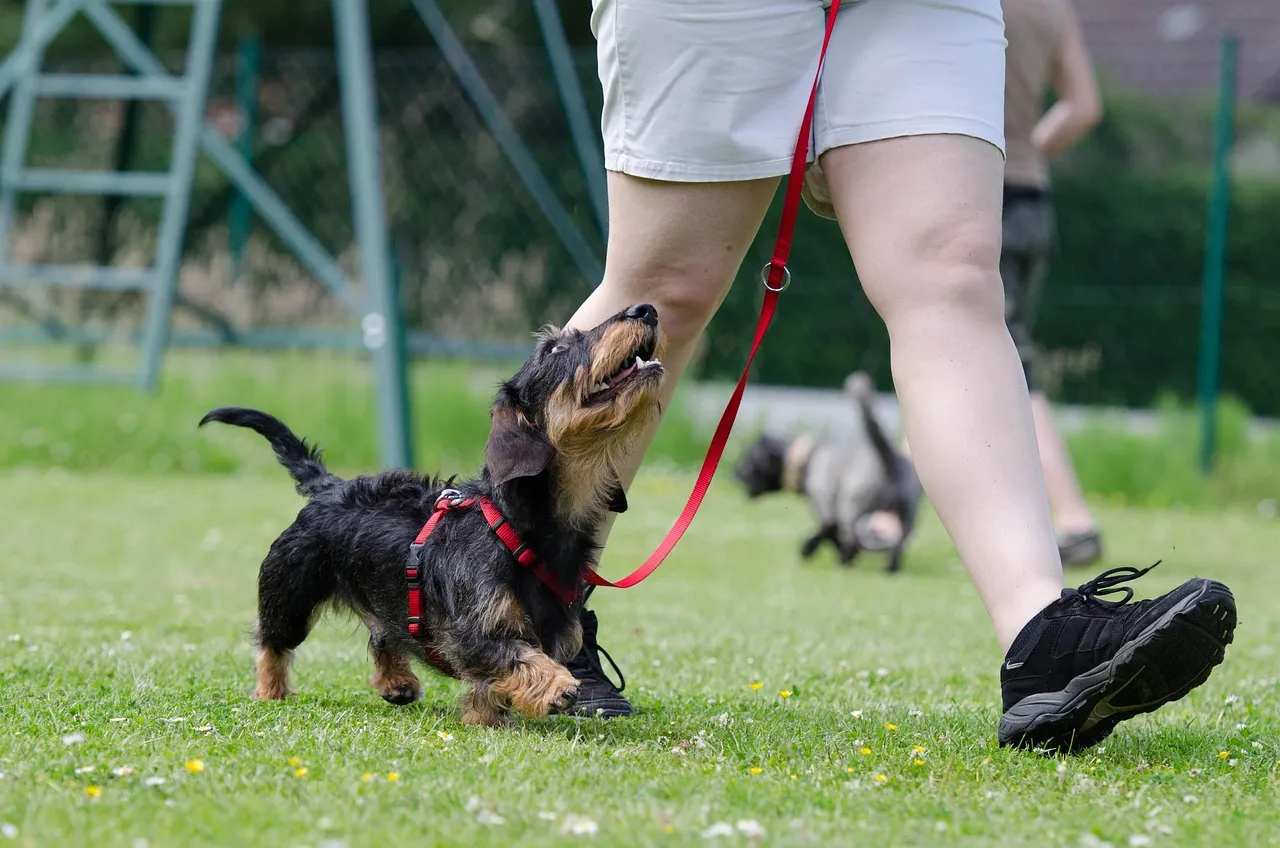
Dogs are relentless experimenters. They try something, watch how you react, and file that response away. Jumping on you when you walk in the door, nudging your hand during a movie, staring at you while you eat on the couch – all of that behavior is driven by a mental list of what has worked with you before. They remember, very specifically, which of their actions made you laugh, got you to share a bite, or convinced you to open the door.
Over months and years, this turns into a personalized “manual” for their favorite person. One dog might learn that gentle eye contact and a head tilt gets them a walk with you, while another learns that barking at the window brings you over to investigate together like a little security team. I think this is where a lot of the magic lives: your dog is constantly studying you, tweaking their behavior to better “operate” you, based on all the memories they’ve stored of what you respond to best.
#7 Your Absences, Your Returns, And The Feeling Of Reunion
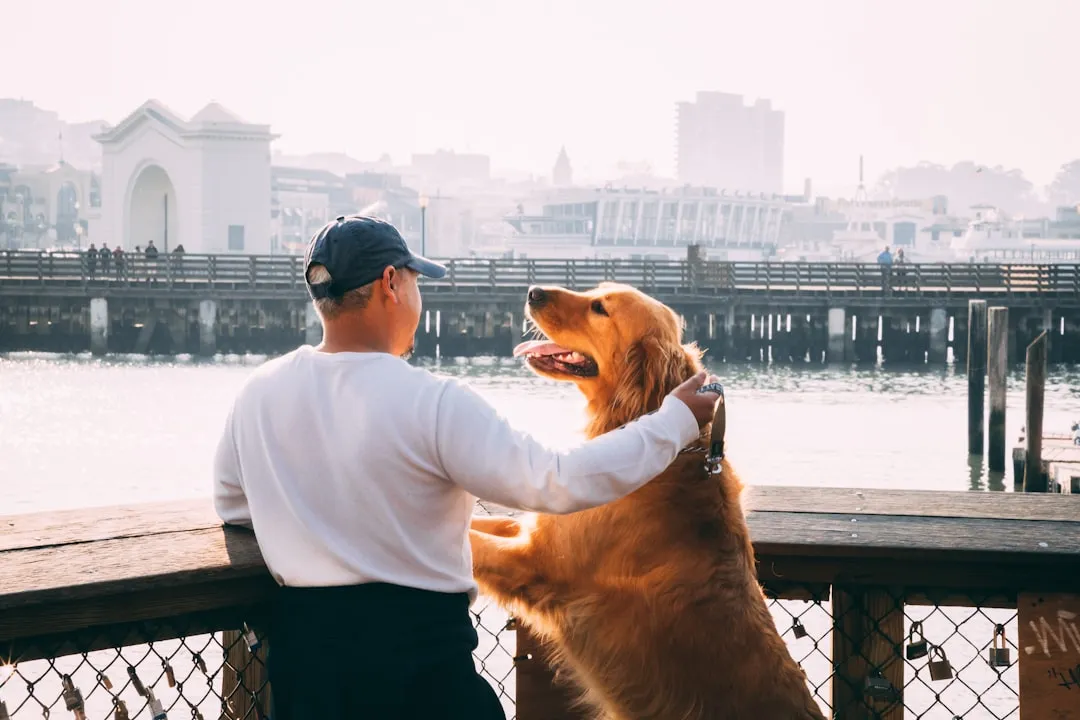
Even though dogs do not track time the way we do, they absolutely notice your absences and remember the emotional rhythm of you leaving and coming back. Many dogs become noticeably more alert, restless, or quiet when their favorite person is gone for longer than usual. When you finally walk in, that explosion of joy is not just reflex; it is the release of all that stored-up anticipation and the memory of how good it feels when you return.
Some research suggests dogs can distinguish their favorite person’s smell and sound even after long separations, and their brains light up in ways that look a lot like happiness when exposed to those familiar cues again. From a more personal angle, I think dogs remember separation and reunion as a single emotional story: the sadness when you leave, the hope while they wait, and the rush of relief when you come back. That whole story is wrapped around you, and it shapes just how fiercely they see you as their anchor in the world.
Conclusion: What Your Dog Really Carries With Them
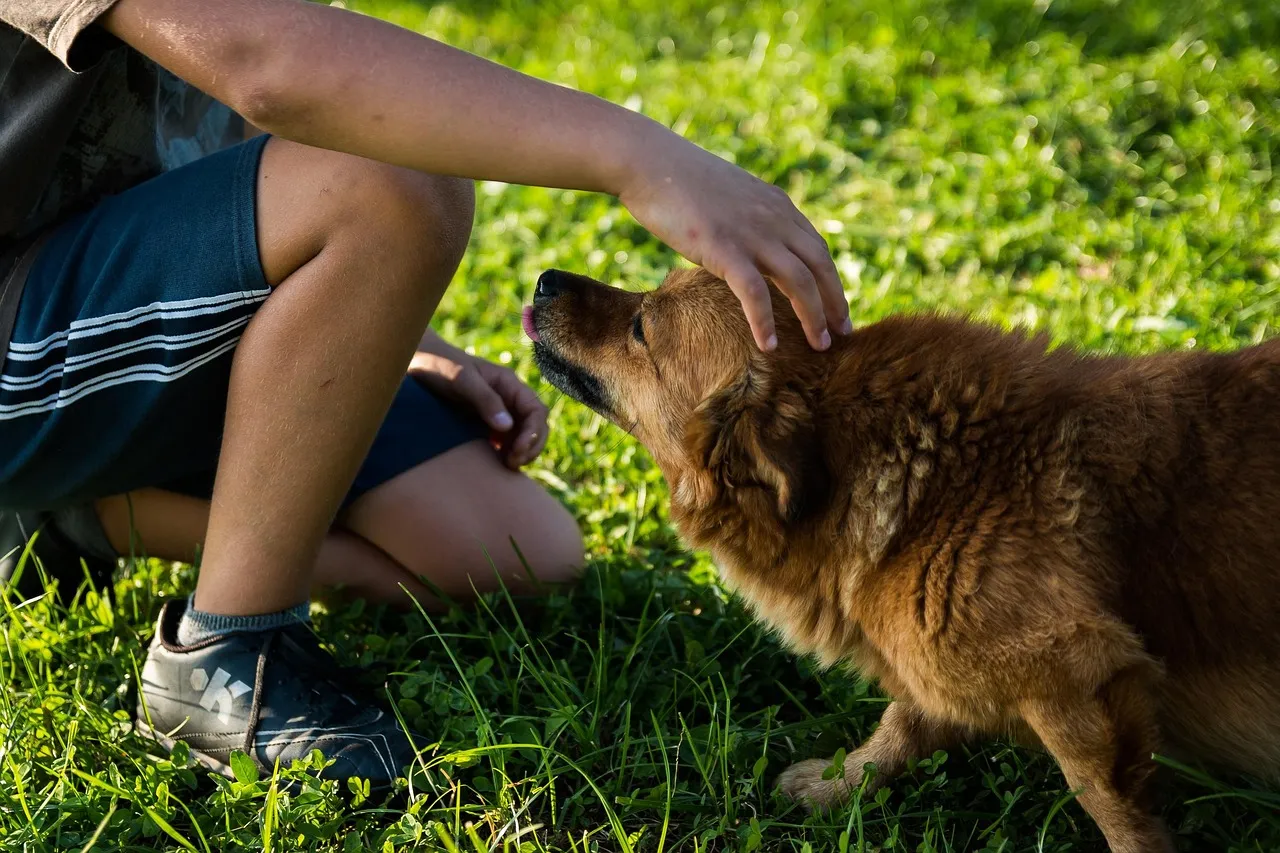
When you pull all of this together, a clear picture emerges: your dog’s memory of you is not built on big dramatic moments, but on a thousand tiny, consistent experiences. The way you smell, the tone of your voice, how you handle stress, the games you play, and the habits you’ve built together – that is the mosaic your dog carries around in their mind and heart. In my view, that makes us a lot more responsible for the emotional footprint we leave behind every single day.
I’m convinced that for most dogs, their favorite person is the one who reliably turns the world into a safer, more predictable, more joyful place. Not the one who is perfect, or always patient, but the one who shows up the same way, again and again, in a way the dog can trust. So the real question is not whether your dog remembers you – they absolutely do. The real question is: what kind of story are you giving them to remember?

- 8 Flowers Hummingbirds Never Ignore - July 26, 2026
- 8 Animals That Are Smarter Than Most People Think - July 26, 2026
- Neuroscience Says When You Lock Eyes With Your Dog Both Brains Release Oxytocin Simultaneously – and the Cross-Species Biochemical Loop Between You Is the Only One of Its Kind That Science Has Documented - July 26, 2026