
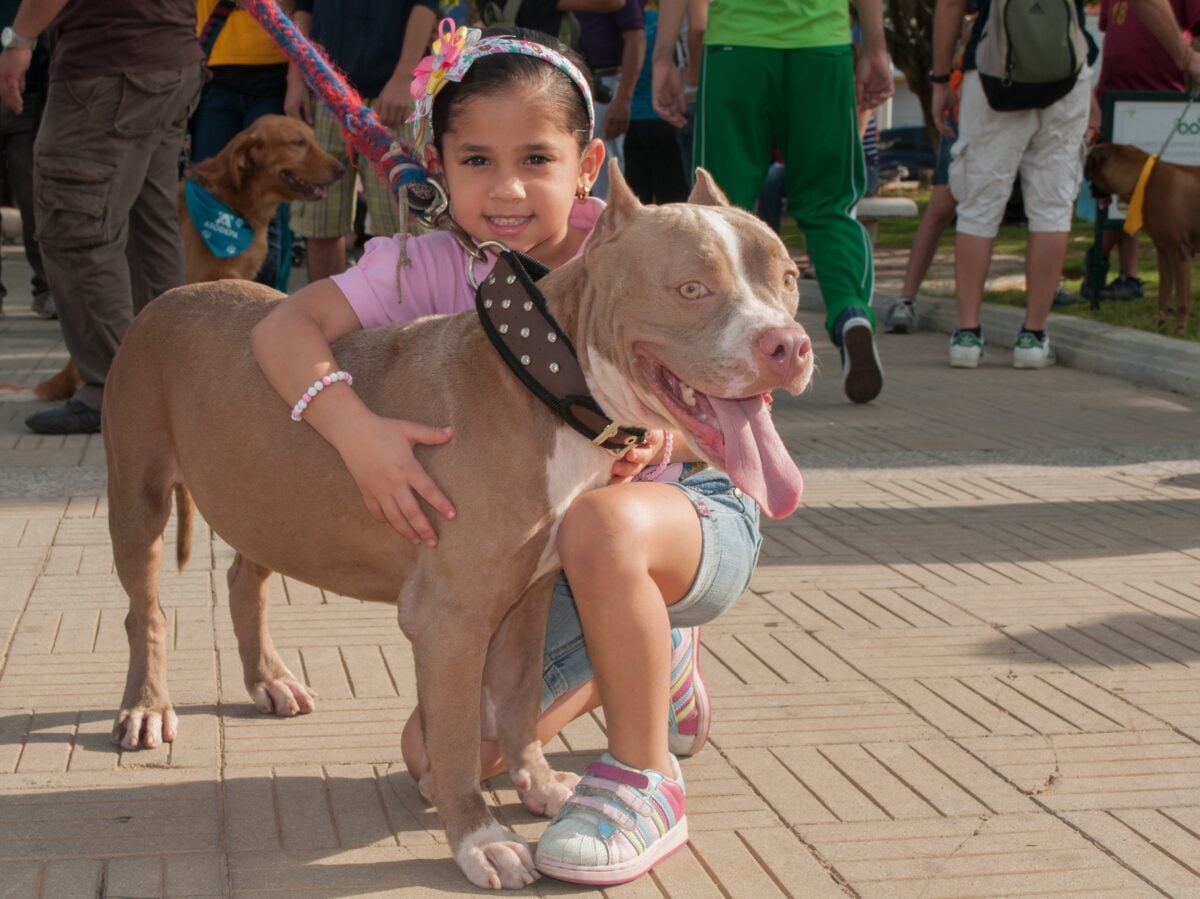
You know that feeling when your dog looks up at you and everything else just… softens? Your shoulders drop, your mood lifts a notch, and for a second it feels like the world is just you and this furry little creature who somehow gets you. That moment is not just cute; it is chemical, measurable, and honestly, a little mind-blowing. In the last decade, neuroscientists and animal behavior researchers have shown that when humans and their dogs hold mutual eye contact, both brains start releasing oxytocin, often called the bonding or love hormone. What makes this so wild is that scientists have not documented this same kind of mutual, gaze-triggered oxytocin feedback loop between humans and any other species. In other words, your dog is not just acting like family – at a biochemical level, your relationship is operating in a category of its own.
The Science Behind the “Love Hormone” You Share With Your Dog
Oxytocin is often labeled as the love hormone or cuddle chemical for a reason: in humans it is heavily involved in social bonding, trust, and feelings of warmth and attachment. It spikes when parents look at their babies, when people hug, and during moments of emotional connection. Think of it as a kind of biological glue that helps social relationships feel rewarding instead of like hard work.
What researchers discovered is that this same hormone ramps up in both you and your dog when you look into each other’s eyes in a calm, relaxed way. It is not a vague assumption; it has been measured via hormone levels in urine and blood samples before and after structured interaction. Essentially, the same internal chemistry that helps a parent fall in love with their child is being tapped when you and your dog share a quiet, affectionate gaze.
How Mutual Gaze Turns Into a Biochemical Feedback Loop
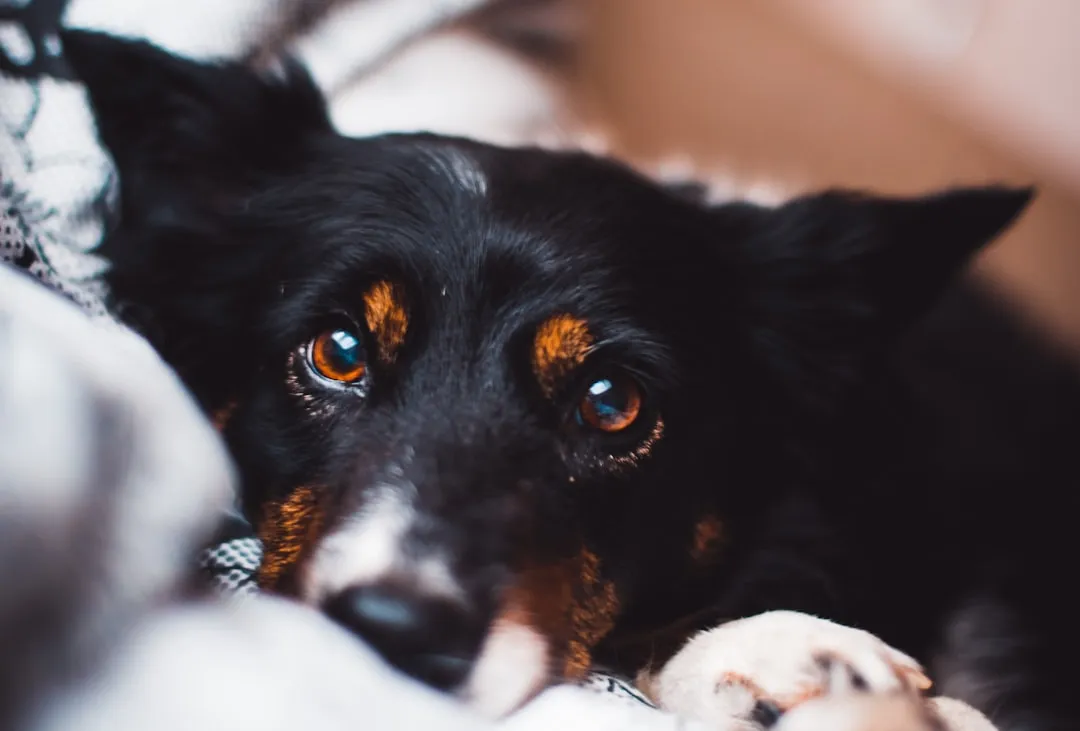
The key is not just that oxytocin rises, but that it forms a loop. When you and your dog make soft, friendly eye contact, your oxytocin rises a bit, which tends to make you more affectionate. You might smile, speak in that higher, warmer voice, or lean in to pet them. Your dog, sensing your affection and attention, relaxes and gazes back longer, which boosts their oxytocin. In turn, that change in them feeds into your own brain, raising your levels further.
Over a few minutes, this can become a positive spiral: more gaze, more oxytocin, more bonding behaviors, even more gaze. It is similar to what happens between a parent and an infant during those long, quiet staring sessions that feel strangely addictive. The difference is that here, the loop is crossing a species boundary in a way that so far seems genuinely unique.
Why Dogs, Not Wolves, Cracked the Human Bonding Code
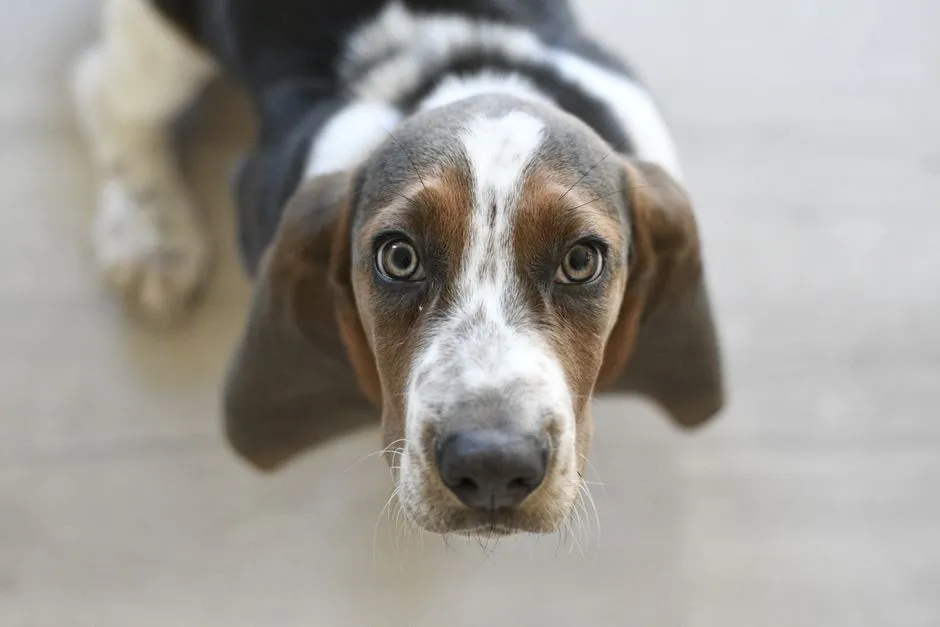
One of the most striking findings from this line of research is what happens when you run similar tests with wolves. Even wolves that have been hand-raised by humans from a very young age do not typically respond the same way to mutual eye contact. In many cases, prolonged staring is unsettling or even threatening to them, and it does not trigger the same human-style bonding loop.
This suggests that dogs evolved, through thousands of years alongside us, to lean into eye contact instead of avoiding it. Somewhere along the way, dogs that could read human faces, tolerate our direct gaze, and use it as a cue for connection had an advantage. Over generations, that seems to have rewired their social toolkit so thoroughly that looking into your eyes now taps into a hormonal system humans originally developed for bonding with other humans.
From Campfires to Couches: A Coevolution Story
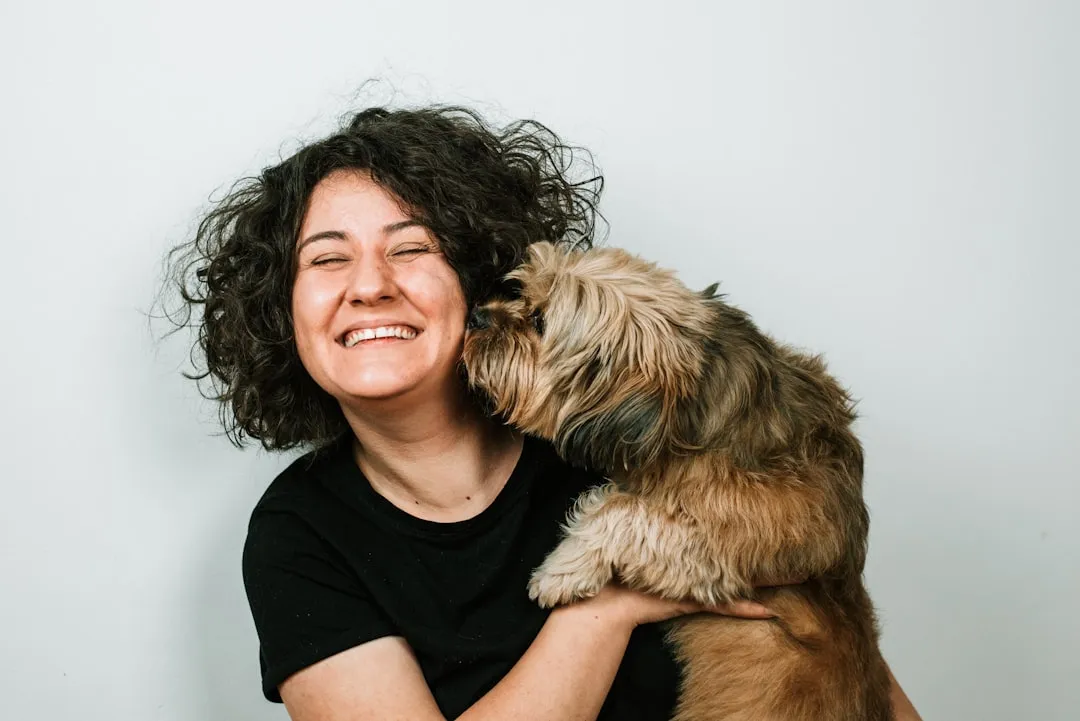
When you zoom out, this oxytocin loop is not just a cute detail; it is probably a key part of how humans and dogs coevolved. Early dogs who could interpret human signals and respond in ways we found appealing were more likely to be tolerated, fed, and sheltered. In turn, humans who bonded with these early dogs gained hunting partners, alarm systems, and emotional comfort they might not have even had words for.
Over thousands of years, that quiet selection pressure seems to have sculpted both species. Dogs became unusually attuned to human cues, and humans became surprisingly open to treating another species almost like kin. In my own life, the way friends talk about their dogs sounds eerily similar to how they talk about their kids: sharing photos, worrying about their health, celebrating little quirks. That social overlap is not just cultural; it has chemical roots.
How Looking at Your Dog Rewires Stress and Calm
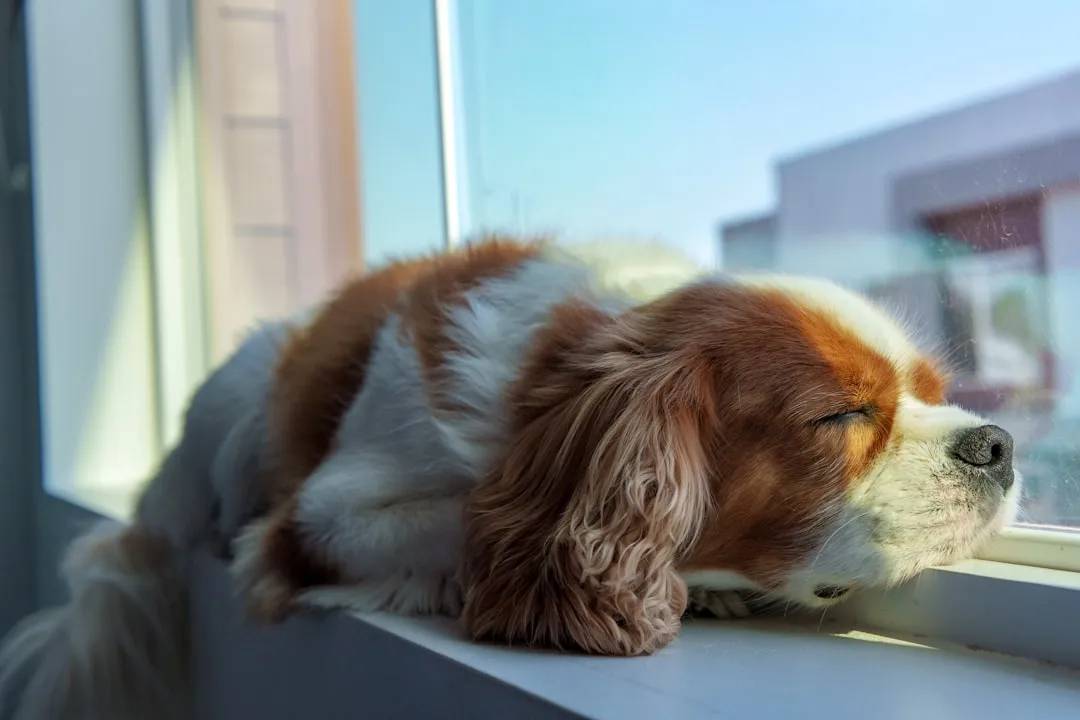
One of the most practical effects of this shared oxytocin loop is its influence on stress. Oxytocin can dial down the activity of systems involved in the stress response, making you feel calmer, safer, and more grounded. That is part of why simply stroking your dog or having them lie next to you on the couch can take the edge off a rough day.
When your dog locks eyes with you, their own stress circuits are affected too. Dogs in experimental settings that receive gentle eye contact and interaction from their humans tend to show signs of lower anxiety and greater social comfort. It is as if the gaze creates a tiny, shared bubble where both nervous systems get the message: things are alright; we are safe together. That is not sentimentality – it is neurobiology doing emotional heavy lifting.
Dogs Read Our Eyes Like an Emotional Dashboard
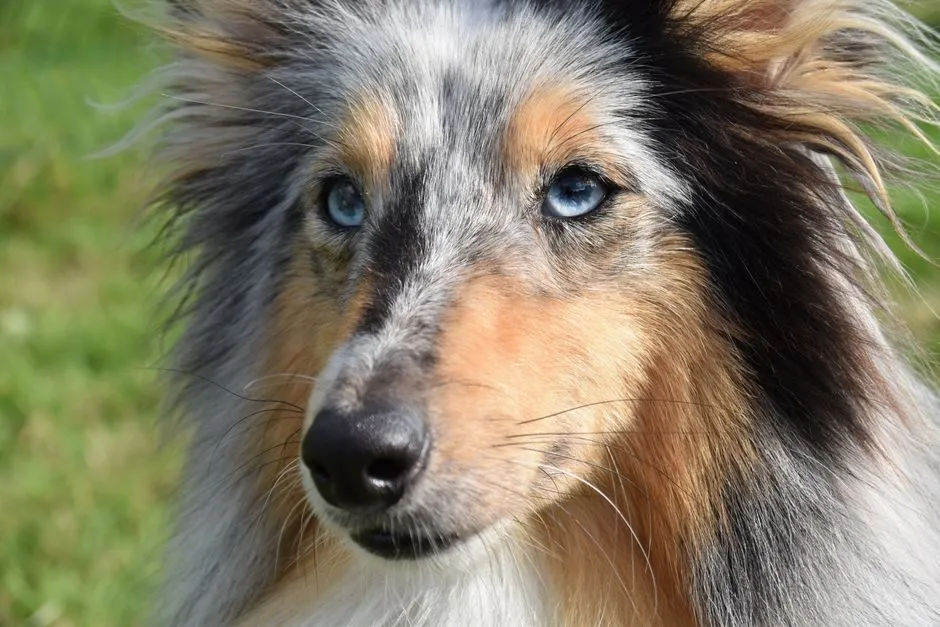
Dogs are unusually good at following and interpreting human gaze, even compared to other intelligent mammals. They pay attention to where we are looking, and they take cues about danger, opportunity, and emotional tone from our eyes and facial expressions. If you have ever watched your dog check your face before deciding whether a situation is scary or fun, you have seen that system in action.
On some level, your eyes serve as an emotional dashboard for your dog. Soft, open eyes and relaxed brows usually signal safety and connection; narrowed eyes and tense muscles might tell them to be cautious. The oxytocin released during these exchanges probably makes dogs more motivated to keep seeking and maintaining those visual signals from us, deepening the bond over time and reinforcing the habit of reading us so closely.
The Only Documented Cross-Species Bonding Loop of Its Kind
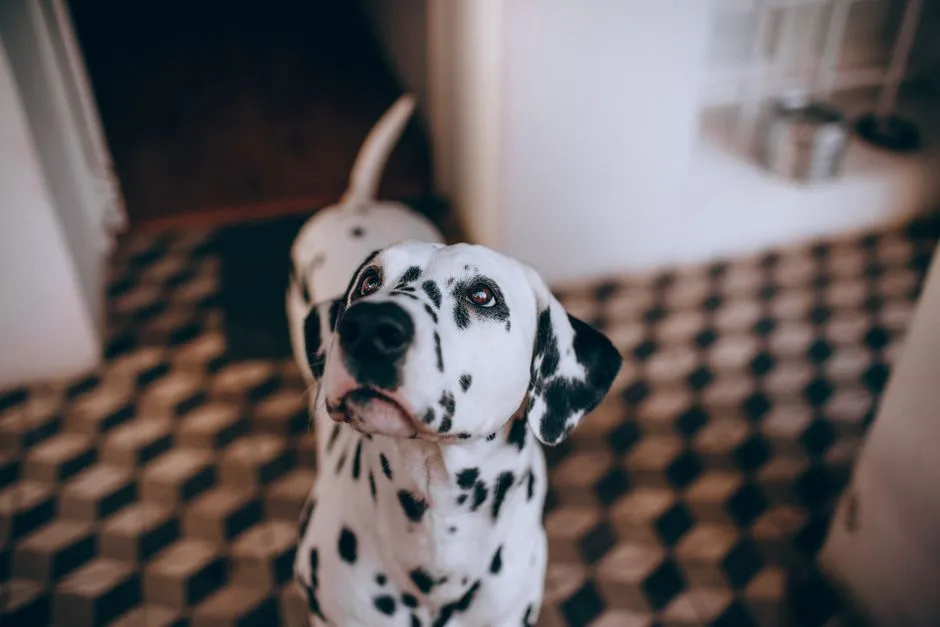
Here is where this gets genuinely special: while many animals bond across species in different ways, this particular pattern – mutual eye contact leading to synchronized oxytocin increases in both individuals – has only been clearly documented between humans and dogs. Other animals certainly form emotional attachments with humans, but the precise, gaze-based hormonal feedback loop we see with dogs stands out as a one-of-a-kind finding so far.
That does not mean other species never will show something similar, but right now, the weight of the evidence points to the human–dog dyad as uniquely tuned. It is almost as if evolution hacked an existing human bonding system and slotted dogs into it. When your dog looks into your eyes, your brain responds in a way that would normally be reserved for your closest human relationships, and their brain answers in kind.
Why Your Dog’s Stare Feels So Personal (And Not Creepy)

If another person stared at you as long and intensely as your dog sometimes does, it might feel uncomfortable or invasive. With your dog, though, it usually feels affectionate, even flattering, like they are seeing you in a more honest way than most people do. That difference is partly about context, but it is also about how your brain has learned to interpret that particular gaze.
Because mutual eye contact with your dog is intertwined with positive experiences – walks, play, cuddles, treats, quiet evenings on the sofa – your nervous system starts to tag that stare as emotionally safe and rewarding. Instead of activating your threat circuits, it leans on your attachment systems, which are soaked in oxytocin. Over time, that soft gaze becomes almost like a private language between the two of you, where no words are needed for both of you to feel the message.
Humanized Dogs or Dog-ified Humans? The Blurred Emotional Line
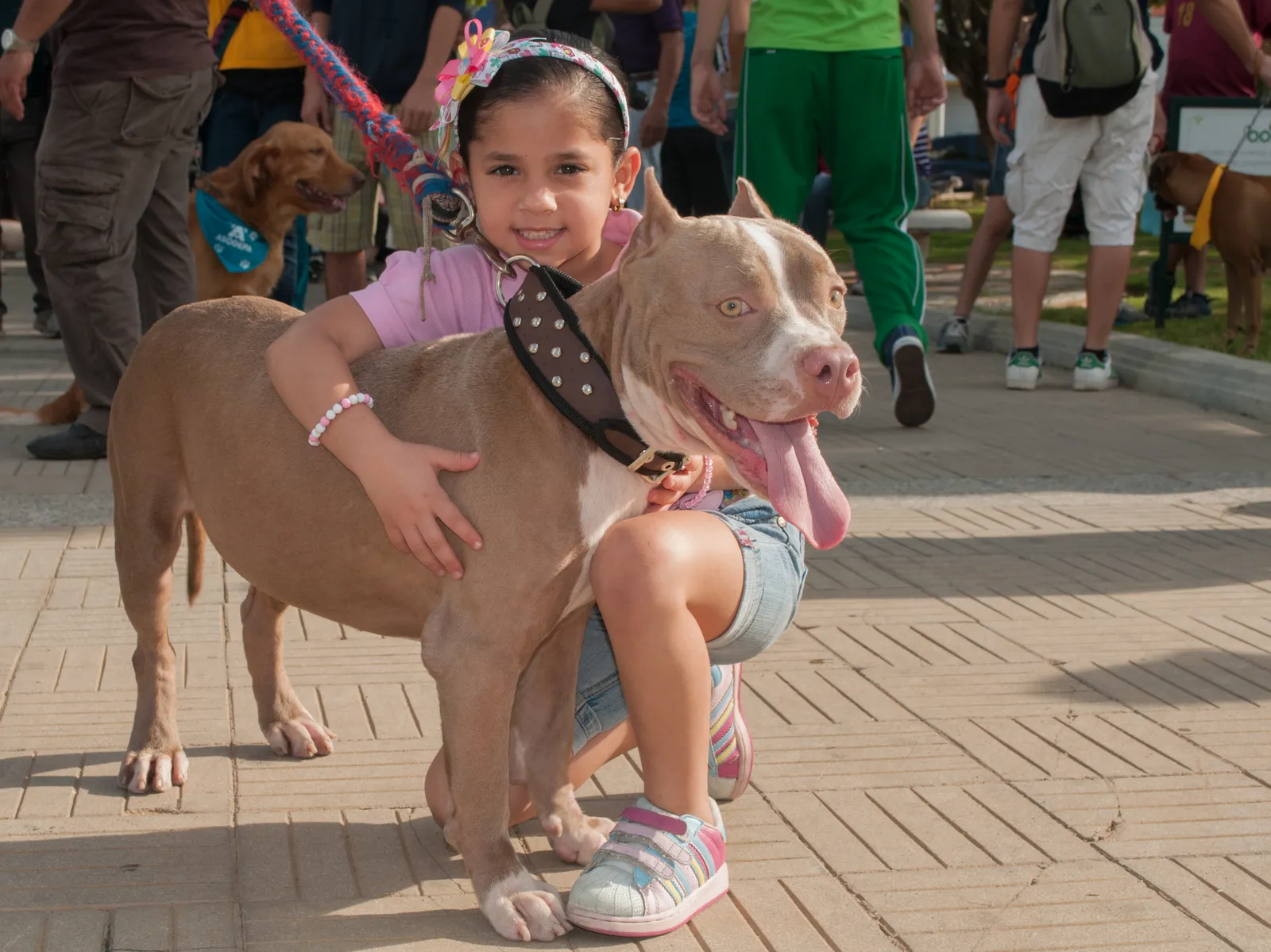
Many people get told they are too attached to their dogs, as if treating them like family is a kind of over-the-top modern indulgence. When you look at the neuroscience, though, that bond seems less like a cultural fad and more like a built-in feature. If the same hormone involved in parent–child bonding is lighting up when you look at your dog, it is no wonder your emotions lean that direction too.
At the same time, dogs are not just passive recipients of human affection; their own brains, flooded with oxytocin in these interactions, push them to seek us out, follow us from room to room, and panic when we disappear for too long. In a sense, we have humanized dogs and dog-ified ourselves, meeting somewhere in the middle. I do not see that as a problem to fix but as one of the more beautiful outcomes of our shared evolutionary story.
Beyond Cute: Clinical and Everyday Benefits of the Bond
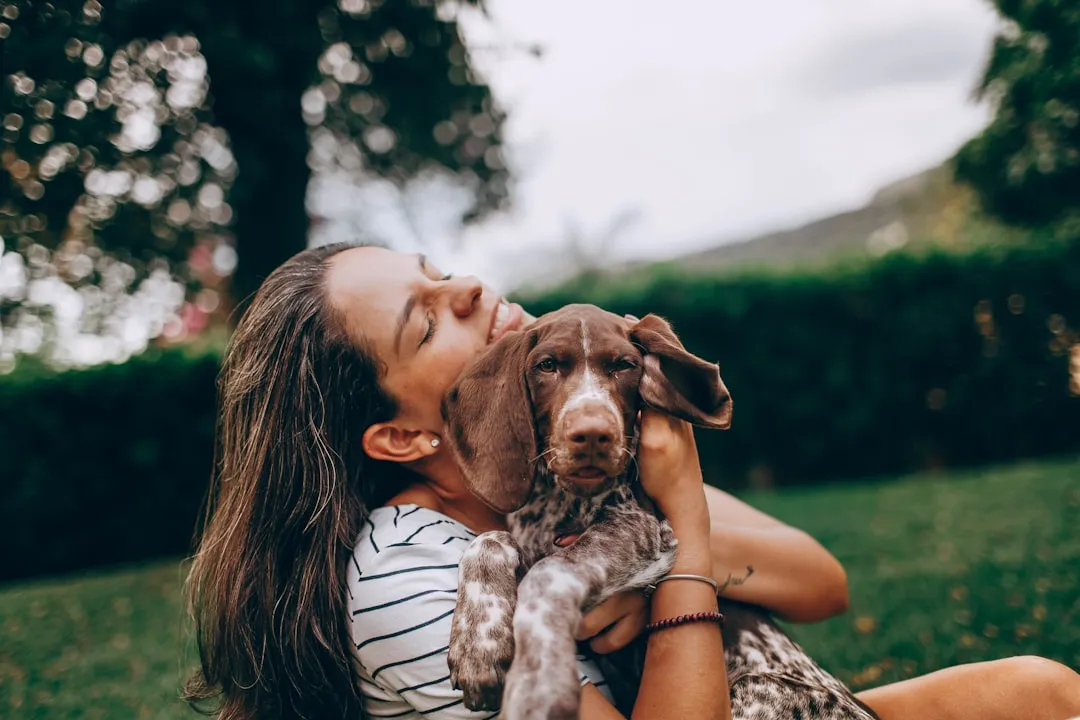
This is not just heartwarming trivia; the human–dog oxytocin loop has real-world implications. Interacting with dogs is being explored and used as a supportive approach in settings like hospitals, schools, and therapy contexts, especially for people dealing with stress, anxiety, loneliness, or trauma. When you understand that the simple act of shared gaze and gentle touch can influence stress hormones and bonding circuits, those benefits make more sense.
On a smaller scale, in everyday life, this helps explain why going home to a dog can feel like hitting a reset button emotionally. You might come in exhausted and irritable, but a few minutes of quiet attention – eye contact, a little tail wag, a head tilt – and your whole internal landscape softens. You are not imagining that shift; your body is literally changing its chemistry in response to the shared moment.
How to Lean Into the Bond Without Overstepping Your Dog’s Comfort
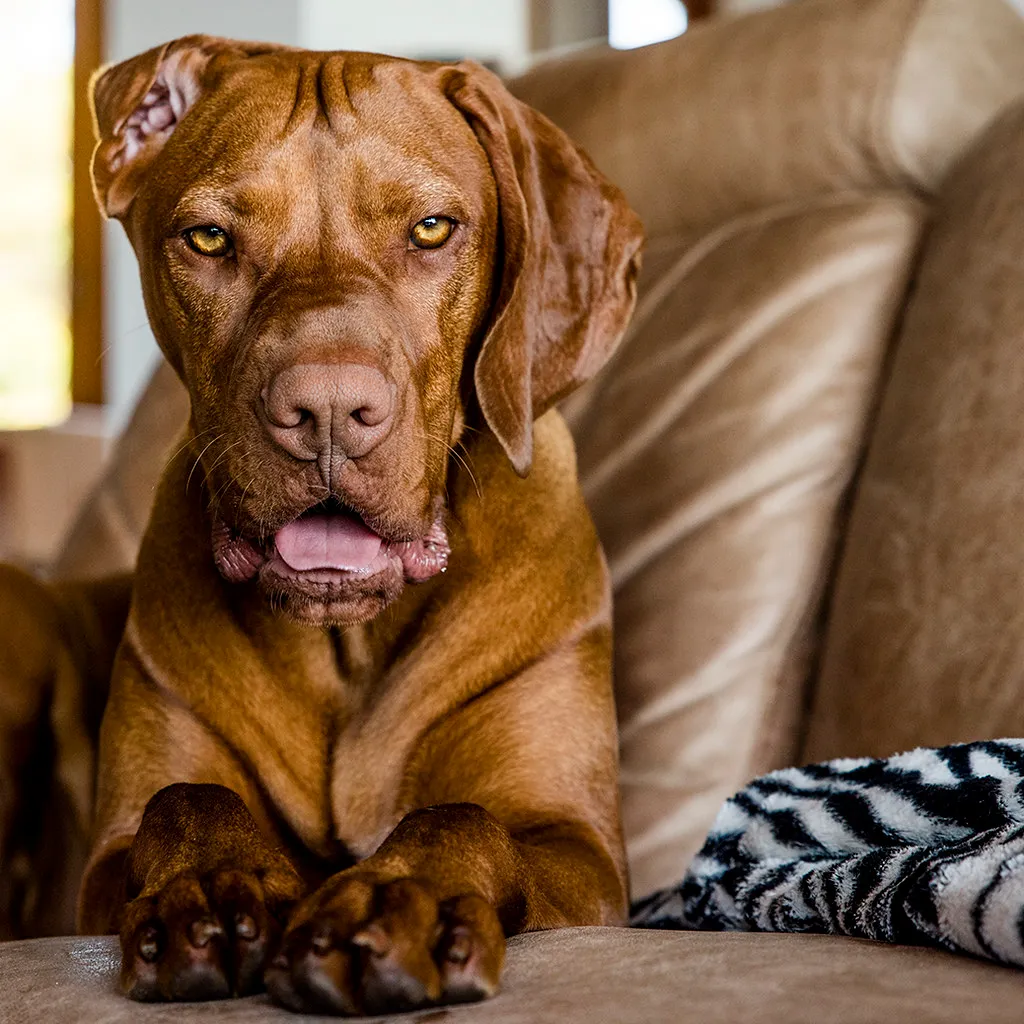
Understanding the science does not mean you should stare into your dog’s eyes nonstop in the hopes of turbocharging oxytocin. Just like with humans, eye contact can be intense, and for some dogs, especially shy or anxious ones, too much direct staring feels uncomfortable or even threatening. The key is to read their body language: relaxed posture, loose tail, soft eyes, and voluntary closeness are all signs that they are into the interaction.
Short, gentle bouts of mutual gaze, paired with calm talk and a light touch, are usually enough to tap into this loop. If your dog looks away, licks their lips, yawns in a tense way, or shifts their weight like they want some space, pulling back is a form of respect. The goal is not to force a biochemical reaction but to deepen a relationship that is already wired to be rewarding for both of you when it is mutual and voluntary.
What This Says About Love, Loyalty, and Being Truly Seen
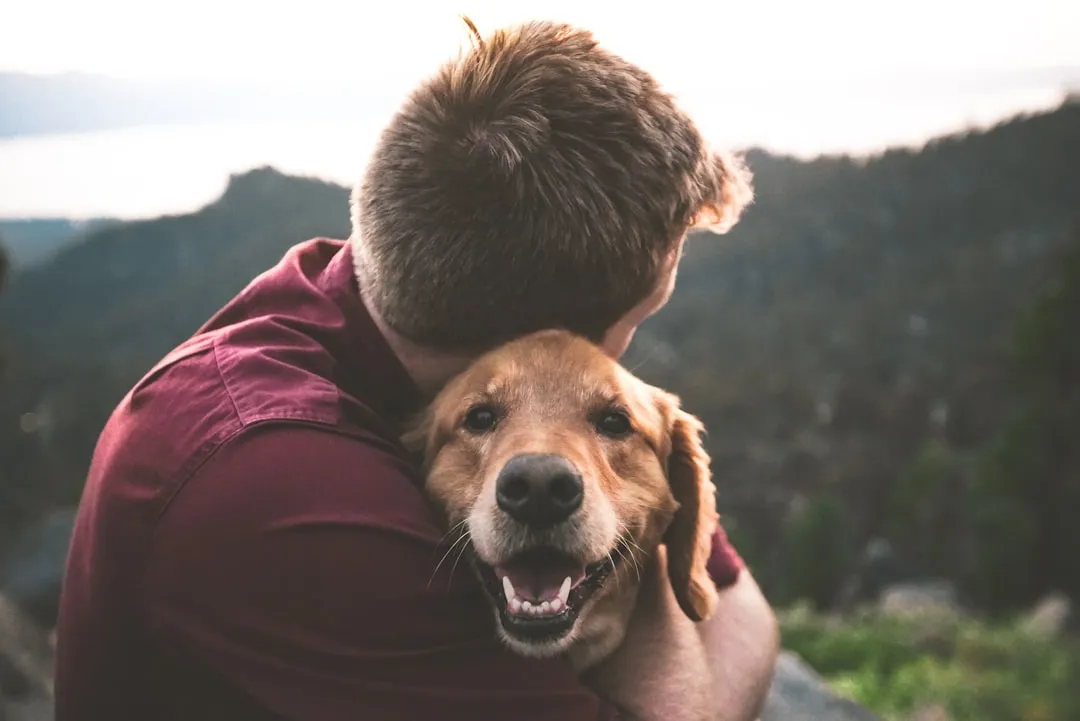
To me, the most striking part of all this research is what it quietly says about love. A lot of people feel a little ridiculous admitting how deeply they care about their dog, as if love for a non-human is somehow less real. Yet, if your brain is using the same hormones and circuits it uses to bond with your closest humans, that feeling you have when your dog curls up against you is not pretend. It is as neurologically real as it gets.
The fact that dogs are the only species so far shown to plug directly into that gaze-based system makes their loyalty feel less like a sentimental story and more like the outcome of a sophisticated, shared emotional technology. When your dog looks up at you and you feel your chest loosen just a bit, you are not just imagining a connection – you are participating in a biochemical duet that evolution spent thousands of years composing.
Conclusion: The Quiet Miracle Hiding in Your Dog’s Eyes
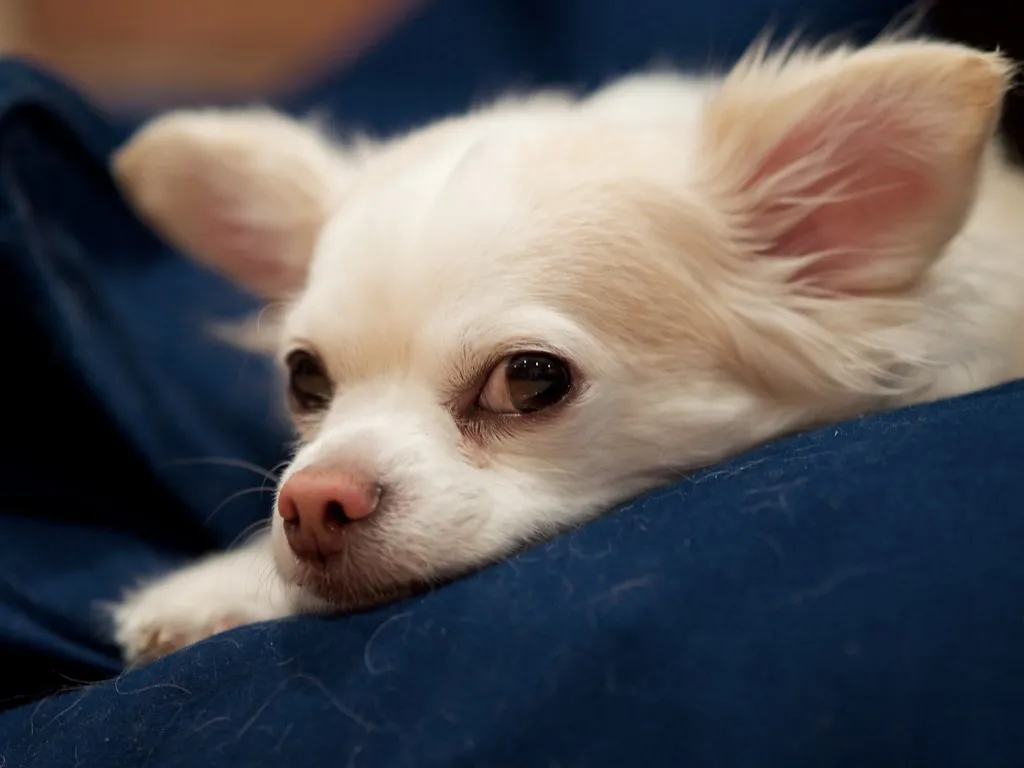
In an age obsessed with the next big breakthrough, it is almost funny that one of the most remarkable pieces of neuroscience is happening right under our noses every day, in living rooms and backyards. The fact that humans and dogs share a mutual, gaze-triggered oxytocin loop unlike anything else documented across species is not a small detail; it is a quiet miracle that we have normalized into the background of our lives. I think it deserves to be treated less like a footnote and more like one of the great success stories of our planet: two completely different creatures learning, over time, to tap into the same emotional language.
So the next time your dog catches your eye and holds it for just a second longer than usual, you can know that underneath the wagging tail and soft ears, something genuinely rare and scientifically extraordinary is happening. Two nervous systems are reaching across a species barrier and deciding, in biochemical terms, to trust. In a world full of noise, that tiny, wordless loop feels like one of the few things that is still purely good – and maybe the real question is not whether your dog loves you, but whether we fully appreciate just how profound that love truly is. Did you expect all that to be hiding in a single shared look?

- 8 Animals That Are Smarter Than Most People Think - July 26, 2026
- Neuroscience Says When You Lock Eyes With Your Dog Both Brains Release Oxytocin Simultaneously – and the Cross-Species Biochemical Loop Between You Is the Only One of Its Kind That Science Has Documented - July 26, 2026
- 7 Things Dogs Remember About Their Favorite Person - July 26, 2026