

#1: Sugar Maple (Acer saccharum)
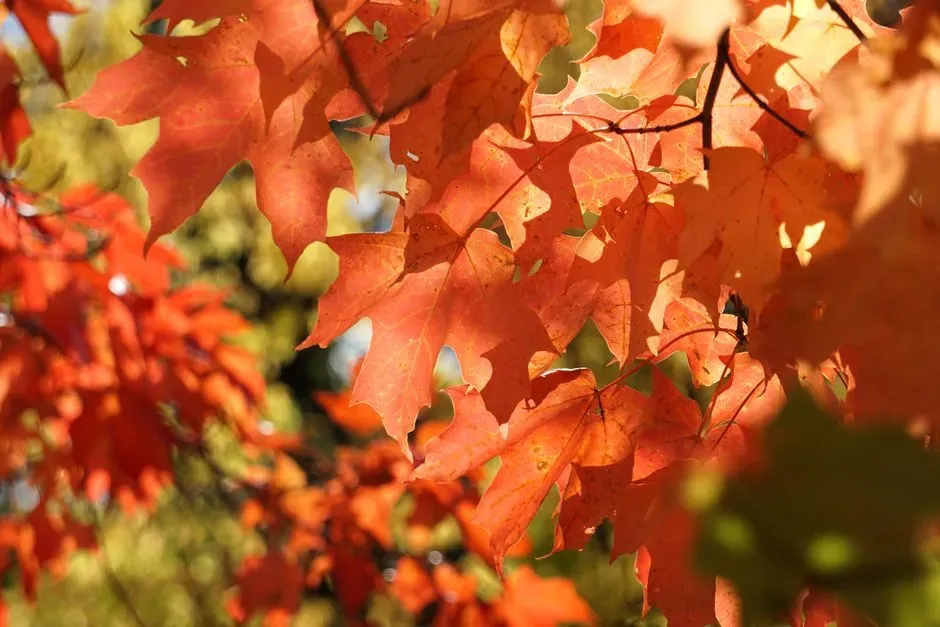
One of the most iconic trees in Michigan, the Sugar Maple boasts stunning fall coloration in hues of yellow, burnt orange, and red, not only providing shade but also adding a burst of autumn beauty to any landscape. Sugar Maples are relatively low-maintenance once established and can grow up to 75 feet tall, providing ample shade during hot summers.
It’s also the source of maple syrup, adding a cultural touchstone to its ecological benefits. Valued for its golden fall color, it develops into a large, formally shaped tree suitable for many landscapes. For a gardener who wants a long-lived centerpiece, something that earns its place in the yard for generations, the Sugar Maple is essentially the standard by which other shade trees are measured in Michigan.
#2: Eastern Redbud (Cercis canadensis)
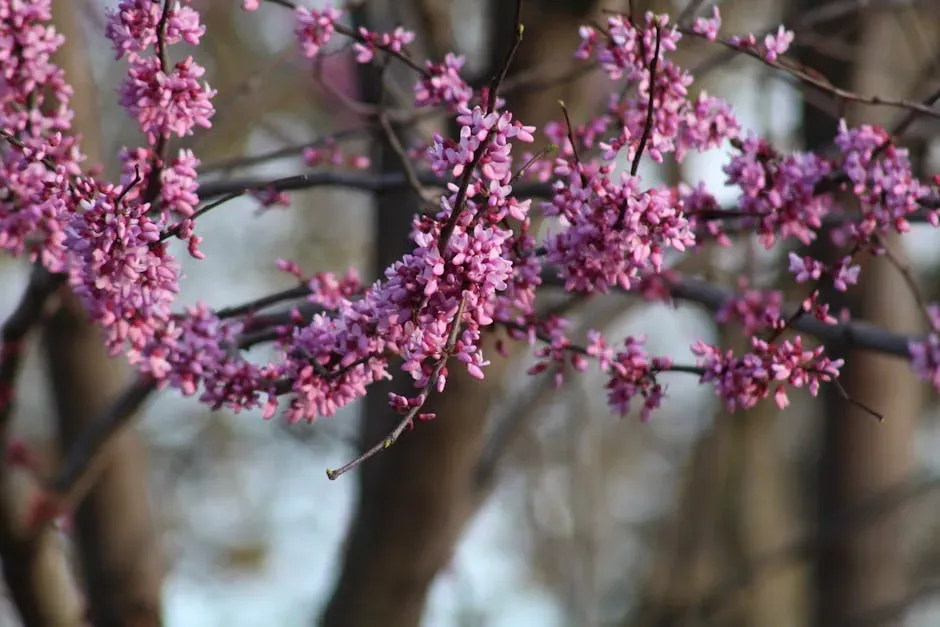
The Eastern Redbud is a Michigan native tree that produces prominent pink to purple flowers directly on its bare branches in early spring. Bees and butterflies enjoy the flower’s nectar throughout the warmer months. That early bloom isn’t just beautiful; it’s genuinely valuable to pollinators emerging after a long Michigan winter when very little else is flowering.
After flowering, green, heart-shaped leaves emerge, transitioning to bright yellow in the fall, and it is a fast-growing ornamental tree suitable for home landscapes. The redbud can grow in sun or shade, with attractive heart-shaped leaves and reddish-purple flowers. Its compact size makes it a practical choice for smaller yards, tucked beside a porch or planted beneath a larger canopy tree where it genuinely thrives.
#3: Serviceberry (Amelanchier spp.)
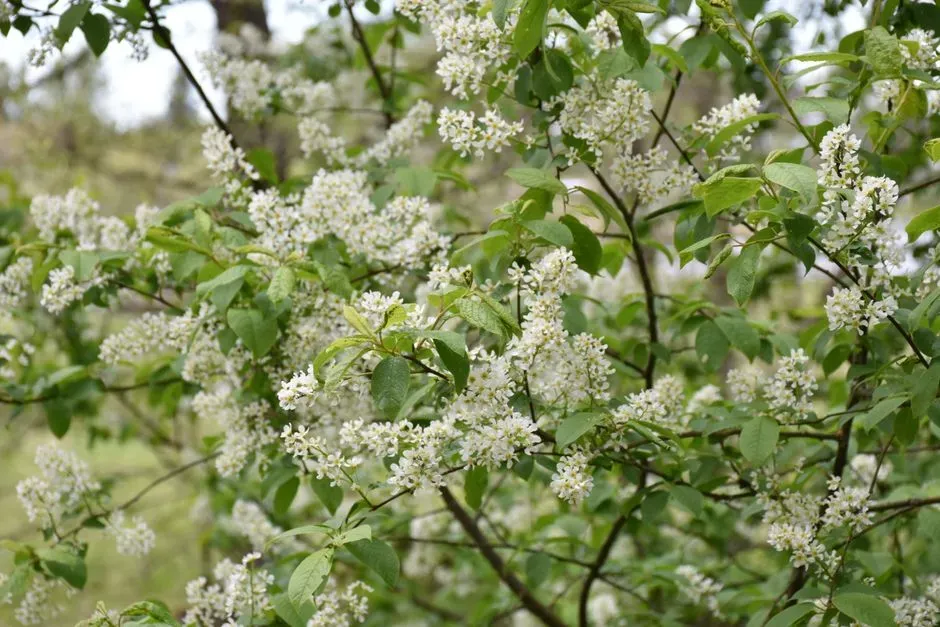
ers are fortunate to have many smaller trees for planting under large shade trees, next to buildings, or under utility lines, and serviceberry is one of them, often bearing brilliant autumn foliage, spring flowers, and fruit that’s tasty for both humans and wildlife. These resilient trees flourish in well-drained soil but can adapt to both dry and moist conditions, with full sun to partial shade exposure optimizing their growth.
The Serviceberry is an excellent landscape plant that is easy to grow, providing year-round interest and excellent edible fruit. Berries produced by the Serviceberry are a coveted feast for birds, while the tree’s blossoms attract pollinators. Few trees earn their keep across all four seasons the way this one does, genuinely delivering something interesting in every month of the Michigan calendar year.
#4: Northern Red Oak (Quercus rubra)
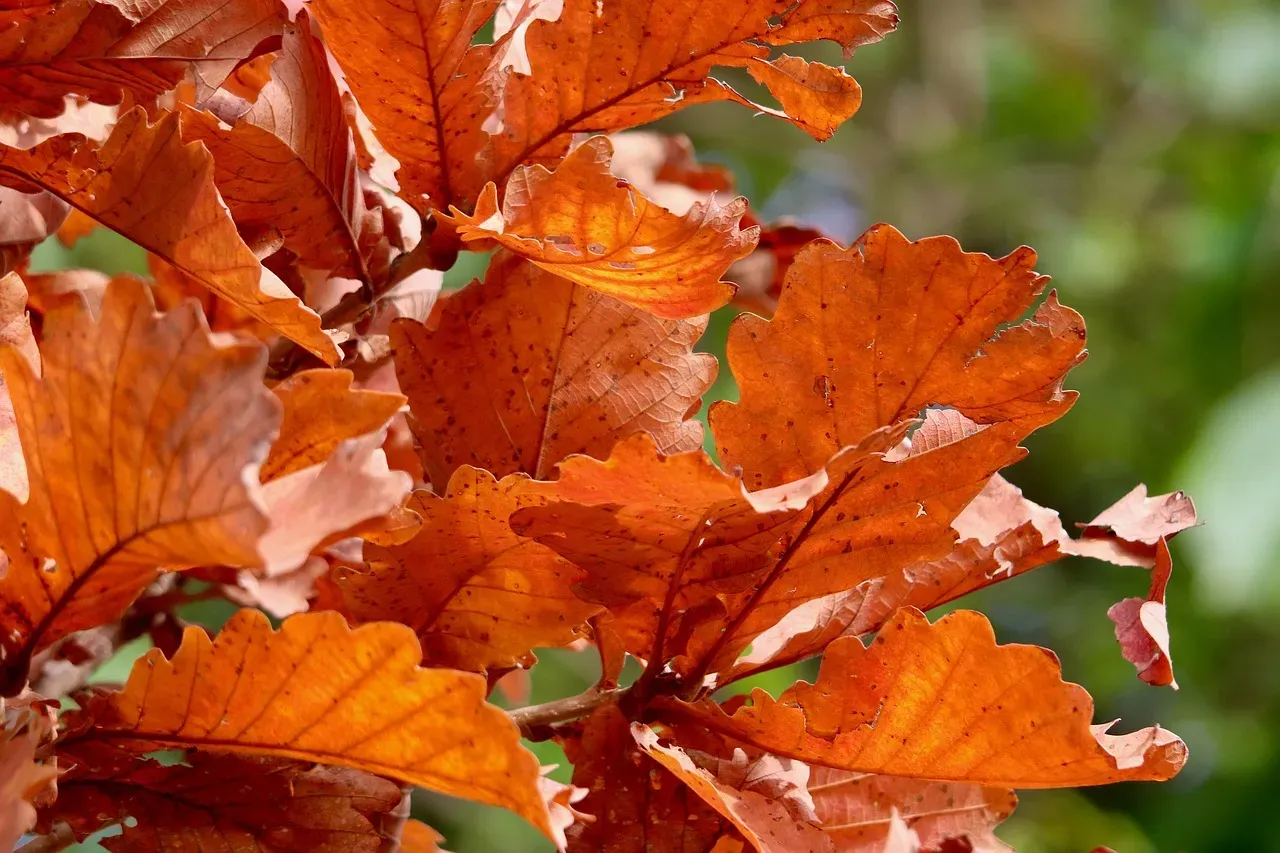
The Northern Red Oak is a fantastic choice for Michigan landscapes due to its adaptability and majestic stature, with a rapid growth rate and robust nature allowing it to reach heights of up to 70 feet with a wide-spreading canopy perfect for creating shaded areas. Its glossy green leaves turn a deep crimson red come fall, adding vibrant color before winter sets in.
The northern red oak grows about 2 feet each year and can live for more than 200 years, making it both fast-growing and long-lasting. Native plants and trees offer essential habitats and food sources for local wildlife, including various bird species, bees, and butterflies, and the Red Oak’s acorn crop is particularly generous to squirrels, woodpeckers, and a long list of other species. Planting one is genuinely an investment that outlives the gardener.
#5: Eastern White Pine (Pinus strobus)
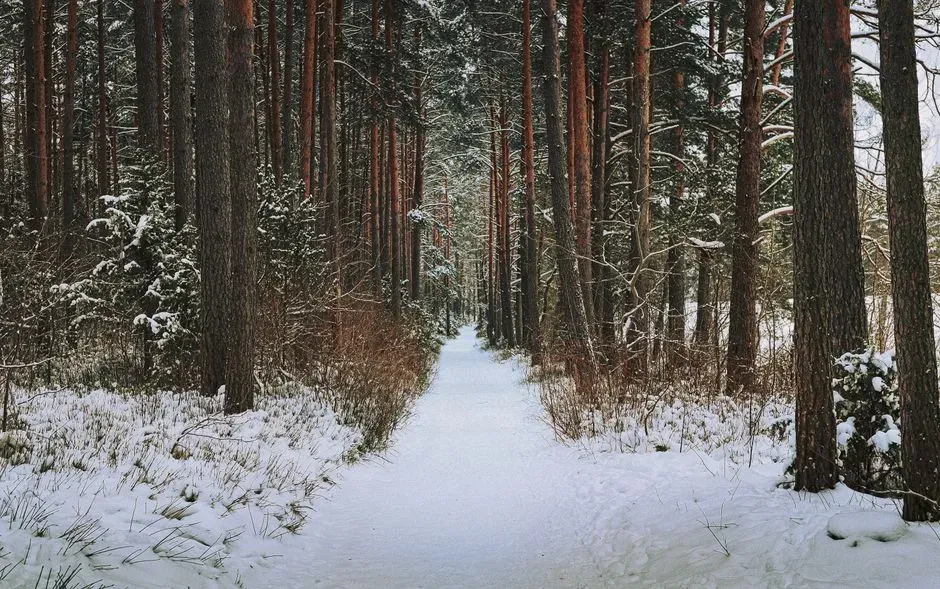
The Eastern White Pine is the state tree of Michigan, with long, soft needles in groups of fives, a moderately fast-growing and large tree that is vigorous as an ornamental and requires well-drained soils. This evergreen grows tall and straight, making it ideal for windbreaks, privacy screens, and as a stately specimen, with its soft, flexible needles and classic pinecones adding to its decorative appeal.
Sandy soils of northern Michigan favor species like Eastern White Pine that establish quickly. Native shade trees can contribute to lower home energy costs by providing natural cooling during warm periods, and a mature White Pine positioned on the windward side of a home can meaningfully reduce heating costs through the winter months. It’s practical, beautiful, and deeply woven into Michigan’s identity as a landscape and as a state.
Choosing Well for the Long Term
When properly selected and placed, native plants benefit the environment through reduced water use and less need for pesticides and fertilizers, and can result in lower long-term maintenance costs, increased plant hardiness, and less work. That’s not a small consideration for any gardener working with Michigan’s range of conditions.
Consider the “10% rule” when selecting trees and shrubs, putting no more than 10% of any one kind of tree or shrub into your landscape. Before purchasing a tree, assess the location where it will be planted, considering the amount of full sun, whether the soil is sand, loam or clay, and how well the soil drains. The right tree in the right place is the oldest piece of gardening wisdom there is, and in Michigan, it’s the one that really holds.
A garden that takes root thoughtfully tends to outlast trends, outlast fashion, and outlast the gardener who planted it. That’s worth something.
- 14 Signs a Dog Near the Rainbow Bridge Is at Peace With Its Person - July 21, 2026
- 15 Ways a Shelter Animal Tells You It Was Always Meant to Be Yours - July 21, 2026
- 14 Ways a Dog Shows You Are the Center of Its Whole World - July 21, 2026