
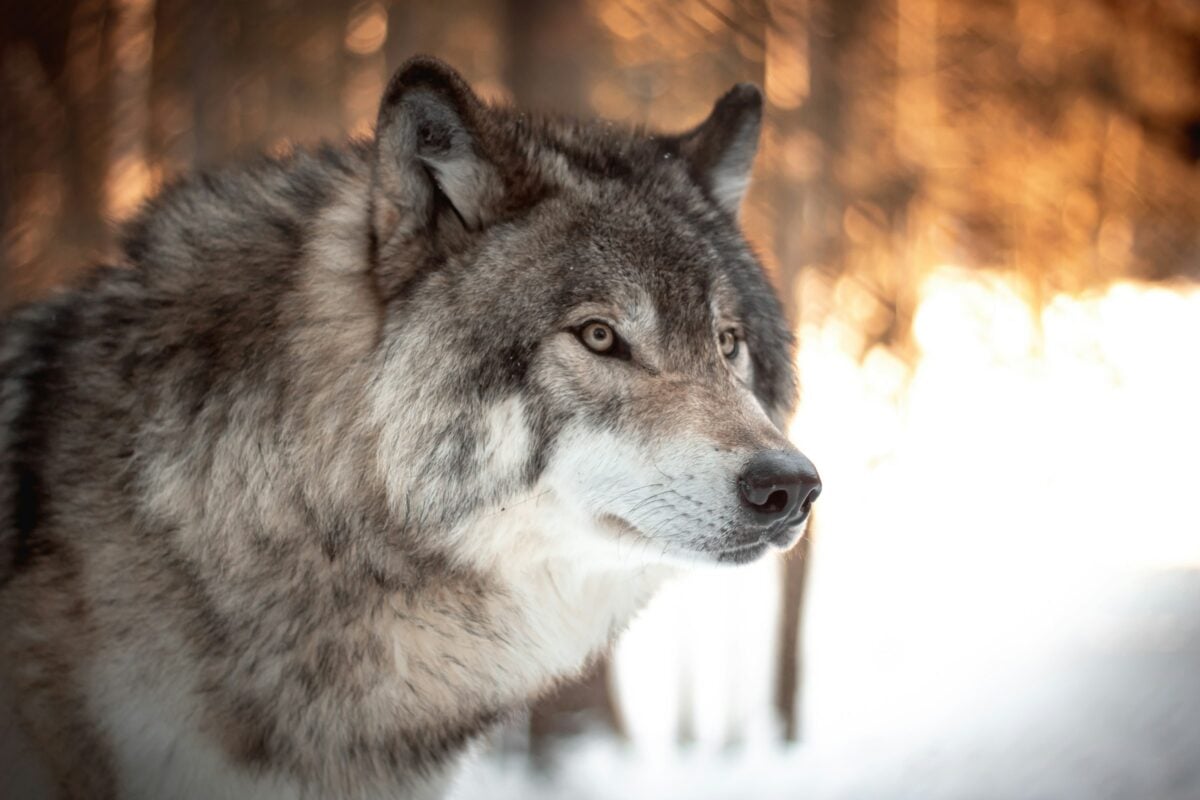
For most of the twentieth century, hearing a wolf howl in much of the American West was a thing of the past. Hunting, trapping and government predator control programs had pushed the animals out of state after state. Many people assumed the story was over.
It wasn’t. Wolves have been quietly, and sometimes controversially, walking back into places that hadn’t seen them for generations. Some arrived on their own, while others were carried in crates by wildlife agencies.
Colorado: The Ballot Box Wolves
🔥 Would you like to save this?
We'll email this post to you, so you can come back to it later!
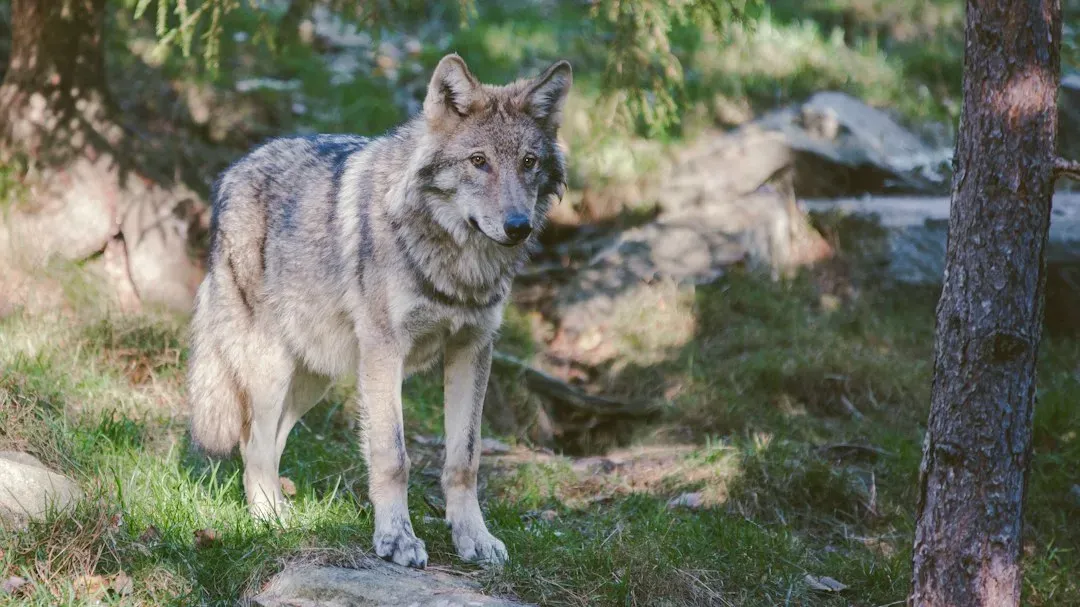
Colorado is the only state on this list where voters made the call. Colorado voters passed a ballot measure in 2020 requiring Colorado Parks and Wildlife to reintroduce gray wolves. The measure passed narrowly, by a margin of about one percentage point, which tells you how divided people were.
Colorado has released 25 wolves: 10 from Oregon in December 2023 and 15 from British Columbia in January 2025. As of late September 2026, state wildlife officials had confirmed 45 wolves, including 20 pups born this year. Still, the program is bumpy. Ten adult wolves died in the last biological year, and three of those cases were still under investigation.
California: Wolves That Found Their Own Way
🔥 Would you like to save this?
We'll email this post to you, so you can come back to it later!
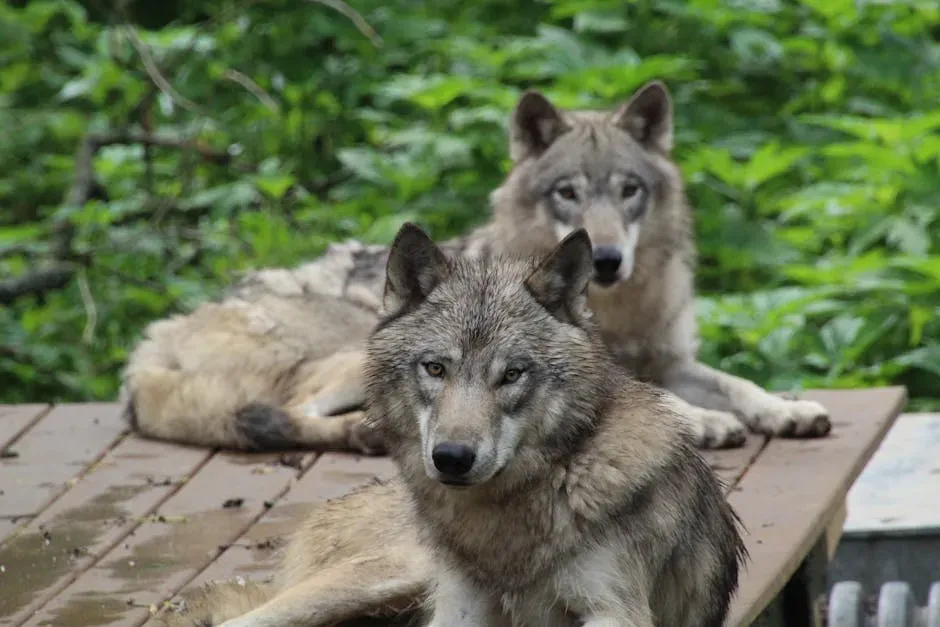
Nobody trucked wolves into California. California didn’t reintroduce gray wolves, but they have returned independently. Those animals are part of a wider pattern, because wolves from the Northern Rockies have continued to expand into new areas of Washington, Oregon, California and Colorado.
The numbers are still small. Around 55 wolves were counted in May 2026, including adults, yearlings and pups. They remain federally protected and state endangered, so every new litter matters a great deal to biologists tracking the recovery.
Oregon: From One Pack to Dozens
🔥 Would you like to save this?
We'll email this post to you, so you can come back to it later!
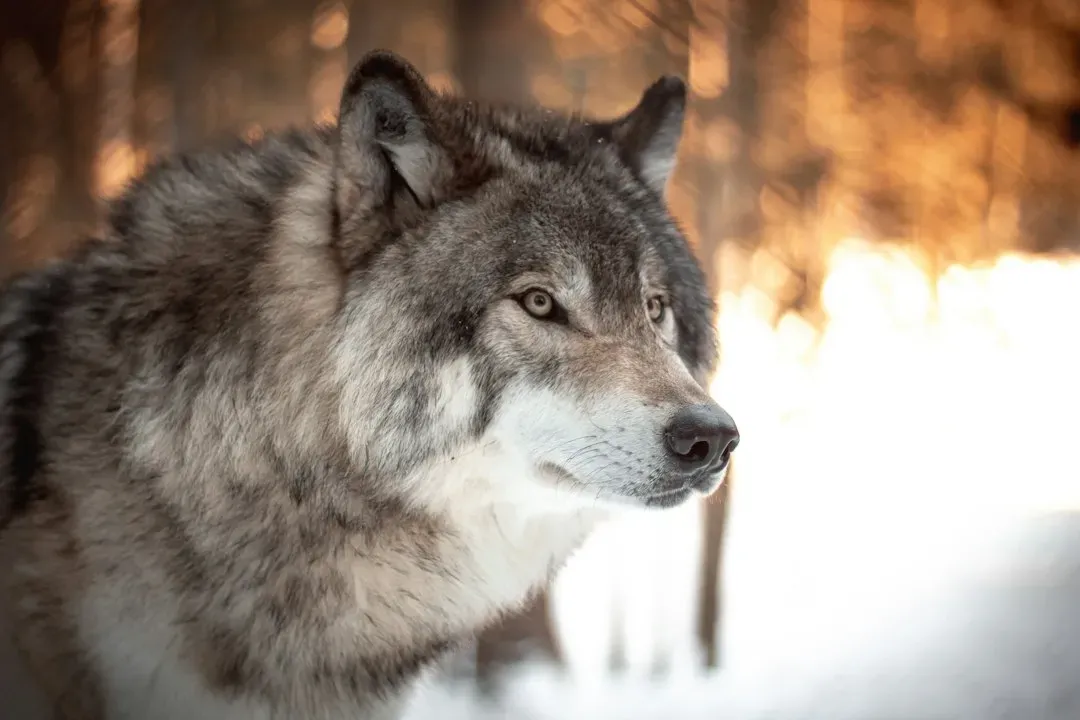
Oregon’s comeback is one of the clearest examples of natural recolonization. The population grew from a single confirmed pack in 2009 to 30 verified packs at the end of 2025. That’s a remarkable arc for a state that once had no wolves at all.
The latest annual report counted 230 wolves, an increase of 13 percent. The legal picture is a patchwork, though. Wolves were delisted from the state endangered list in 2015, while those in western Oregon regained federal protections in February 2022.

Glass Hummingbird Feeder for Outdoors Hanging, 16 oz Leak-Proof Nectar Feeder with Bee Guards & Ant Moat
Check Price on AmazonAs an Amazon Associate, we earn from qualifying purchases.
10/7/2026 1:22 pm GMTi

Halloween Dog Collar with Bow, Orange Cute Ghost Collar,
Check Price on AmazonAs an Amazon Associate, we earn from qualifying purchases.
10/9/2026 2:43 pm GMTi

PetSafe Oasys Pet Fountain, 1/2 Gallon (64 oz), Small Dogs & Cats
Check Price on AmazonAs an Amazon Associate, we earn from qualifying purchases.
10/8/2026 8:14 am GMTi

Portable Dog Water Bottle Foldable Dog Travel Water Bottle
Check Price on AmazonAs an Amazon Associate, we earn from qualifying purchases.
10/7/2026 1:29 pm GMTi

Air Purifiers for Home Pets Large Room Up to 3000 Ft²,HEPA Air Cleaner with Washable Double-Side Filter, PM2.5 Air Quality Monitor,15dB Sleep Mode for Bedroom Odor Dust Pollen,White
Check Price on AmazonAs an Amazon Associate, we earn from qualifying purchases.
10/8/2026 8:23 am GMTi
Washington: A Slow, Steady Recolonization
🔥 Would you like to save this?
We'll email this post to you, so you can come back to it later!
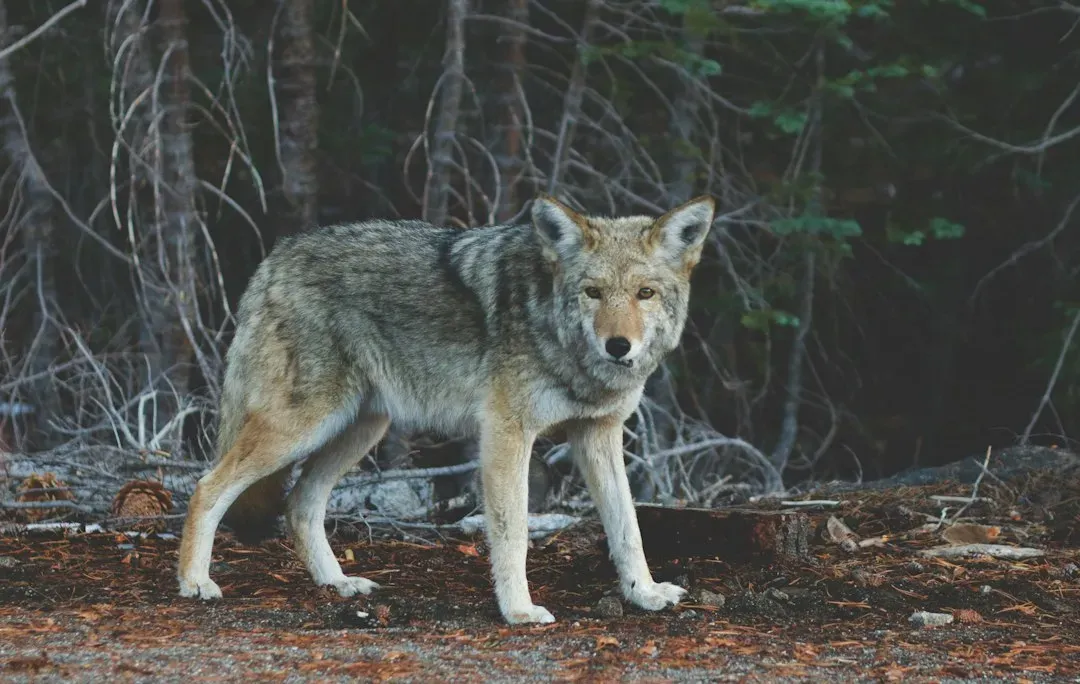
Gray wolves were wiped out of Washington in the 1930s by hunting and government predator control, then naturally recolonized the state in the 2000s. Today the state reports 270 wolves in 49 family groups or packs as of April 2026. That was a 17 percent increase from 2024.
Recovery isn’t finished, however. Wolves have not yet met the goals set in Washington’s 2011 management plan. The Southern Cascades and Northwest Coast region hasn’t met its objectives, while Eastern Washington and the North Cascades have. One encouraging detail is that the state saw fewer livestock depredation reports even as wolf numbers rose.

Dog Stairs for Bed 18" H, 4-Step Dog Steps for High Bed
Check Price on AmazonAs an Amazon Associate, we earn from qualifying purchases.
10/9/2026 2:42 pm GMTi

Halloween Cat Costume Cloak Witch Hat Pet Accessories
Check Price on AmazonAs an Amazon Associate, we earn from qualifying purchases.
10/9/2026 2:44 pm GMTi

Orthopedic Extra Large Dog Bed, Waterproof Washable XL Pet Bed 44"
Check Price on AmazonAs an Amazon Associate, we earn from qualifying purchases.
10/7/2026 1:32 pm GMTi

Smart Bird Feeder with Camera Solar Powered, 2K HD Live Video, 10,000+ Bird Species AI Identification
Check Price on AmazonAs an Amazon Associate, we earn from qualifying purchases.
10/7/2026 1:22 pm GMTi

Professional 7 in 1 Dog Paw Cleaner for Dogs & Cats - Includes 1 Portable Paw Washer, 1 Bath Brush
Check Price on AmazonAs an Amazon Associate, we earn from qualifying purchases.
10/7/2026 1:26 pm GMTi
Wyoming: The Yellowstone Legacy
🔥 Would you like to save this?
We'll email this post to you, so you can come back to it later!
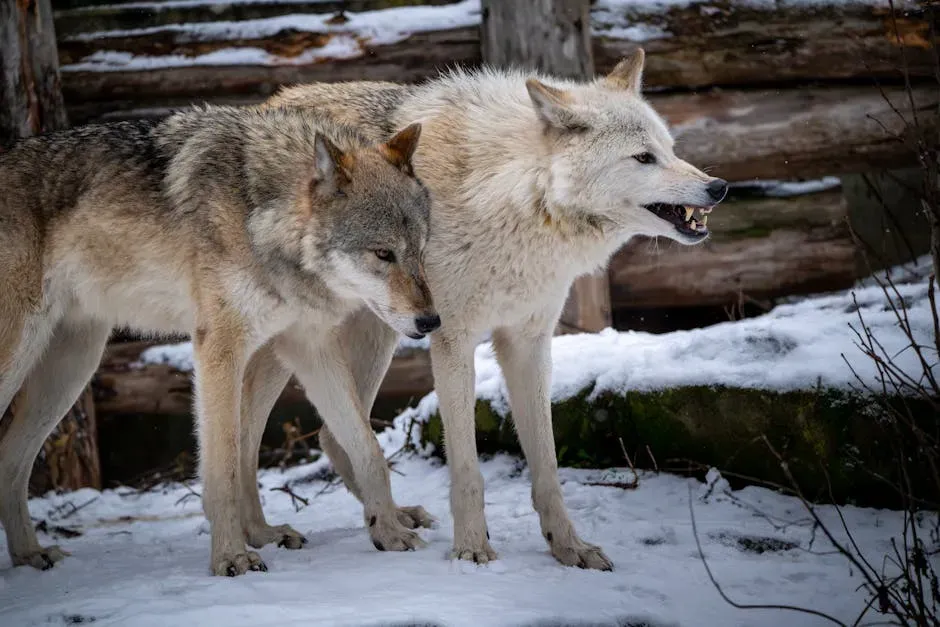
Wyoming is where the modern wolf story really took off. Wolves were reintroduced to Yellowstone National Park in the mid 1990s, and the animals spread from there across the Northern Rockies. It remains one of the most studied predator restorations in the world.
Wyoming now ranks among the leading wolf states. A year end 2025 count put the state at 253 wolves. Management is largely in state hands, and in places like Idaho and Montana, wolf numbers have leveled off or dipped slightly because of increased hunting. The comeback is real, but it isn’t guaranteed to keep climbing.

Earth Rated XL Dog & Puppy Pee Pads, Discreet Top, Max Absorbency
Check Price on AmazonAs an Amazon Associate, we earn from qualifying purchases.
10/7/2026 1:28 pm GMTi

Glass Hummingbird Feeder for Outdoors Hanging
Check Price on AmazonAs an Amazon Associate, we earn from qualifying purchases.
10/7/2026 1:21 pm GMTi

2 Pcs Halloween Pet Hat Bandana Set, Witch Pumpkin Costumes for Dogs
Check Price on AmazonAs an Amazon Associate, we earn from qualifying purchases.
10/9/2026 2:45 pm GMTi

Hand Blown Glass Hummingbird Feeders for Outdoors Hanging, 24oz Wild Bird Nectar Feeder
Check Price on AmazonAs an Amazon Associate, we earn from qualifying purchases.
10/7/2026 1:23 pm GMTi
Final Thoughts
🔥 Would you like to save this?
We'll email this post to you, so you can come back to it later!
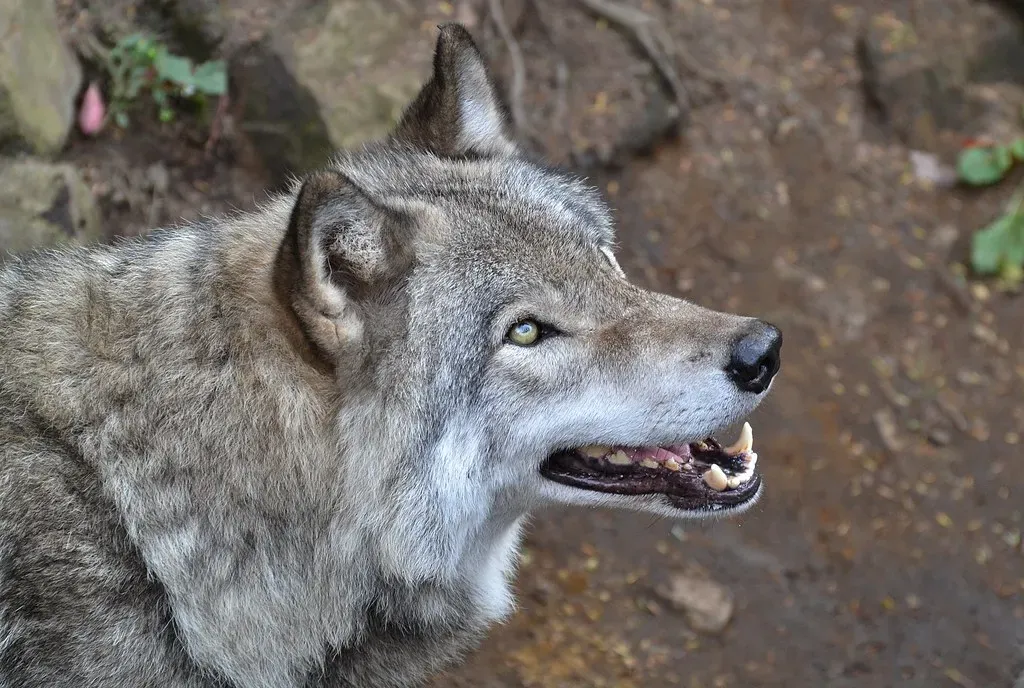
I think the wolf’s return is one of the more hopeful conservation stories we’ve got, and it’s okay to say so. Yet it only holds up if we’re honest about the tension. These animals live next to ranchers, and that friction doesn’t go away because the numbers look good.
Policy is also shifting. A recent executive order directs the interior secretary to determine whether gray wolves meet the criteria for delisting or downlisting. My view is that the smartest path is steady, science based management that includes real support for livestock owners. Wolves have proved they can come back, and the harder question is whether we can share the landscape without turning every pack into a fight.

- 5 U.S. States Where Gray Wolves Have Returned After Decades Away - November 6, 2026
- The Nocturnal Animal Your Zodiac Sign Says Reflects Your Hidden Side - November 6, 2026
- 25 Things Breeders Say Separate an Easy Household From a Difficult One - November 6, 2026