
Most people think a “difficult dog” is a bad dog. Breeders will tell you something far less comfortable: the household usually decides how hard the dog is to live with. Breed matters. But your schedule, your habits and your honesty about both matter more than most buyers want to admit.
Breeders have watched thousands of puppies ride away in the back seat of a car. Some of those homes thrive. Others send a “we need to talk” message within a year. Breeders say they can often feel which way it will go before the puppy is even out the door, and the tell is rarely what buyers rehearse. The one at #1 has nothing to do with breed or budget.
#25 – The Schedule You Admit To, Not the One You Hope For

🔥 Would you like to save this?
We'll email this post to you, so you can come back to it later!
Breeders listen closely to how you describe a typical weekday.
Buyers tend to describe the ideal week. Breeders want the real one. How many hours is the house empty? Who is up at 6 a.m. in the rain?
A young puppy can’t wait nine hours for a bathroom break. That’s why breeders push so hard on the question of who’s home. It isn’t nosiness. A mismatch here leads to accidents, anxiety and chewed baseboards.
Easy households have a plan for every block of the day. Difficult ones assume it will sort itself out.
- Easy: a written daily routine, with backup help named
- Difficult: “We’ll figure it out”
But the next factor trips up even well-organized buyers…
#24 – Someone Is Actually Home for the First Weeks

🔥 Would you like to save this?
We'll email this post to you, so you can come back to it later!
The first fortnight sets the tone for the next ten years.
Breeders say the arrival period is when habits form. Sleep spots, bathroom routines and attitudes toward being alone all start here, and they stick.
Many breeders quietly rank first-week availability above experience. A new owner who’s home can reward good behavior within seconds. A new owner who starts a job on day two can’t.
Taking time off isn’t a luxury. It’s a training investment that pays back for years.
Plenty of buyers still schedule pickup for a Friday afternoon, then wonder why that first Monday goes so badly.
Here’s the part that surprises most first-timers about #23…
#23 – You Picked the Energy Level, Not the Face

🔥 Would you like to save this?
We'll email this post to you, so you can come back to it later!
Looks sell puppies. Energy level decides whether they stay.
Breeders see it constantly. A buyer falls for a fluffy photo, then discovers the dog was bred to work all day.
A dog bred for herding or hunting needs a job. If you don’t provide one, it will invent one, and you won’t like the choice. Think shredded cushions and a dog circling the kitchen at midnight.
Easy households match their lifestyle to a breed’s original purpose. Difficult ones match the dog to a screensaver.
Ask these questions first:
- What was this breed developed to do?
- Can I realistically supply that outlet daily?
- Would I still want this dog on a rainy Tuesday?
And that’s before the money talk at #22…
#22 – You Budgeted for the Boring Costs
🔥 Would you like to save this?
We'll email this post to you, so you can come back to it later!
The purchase price is the smallest line in the budget.
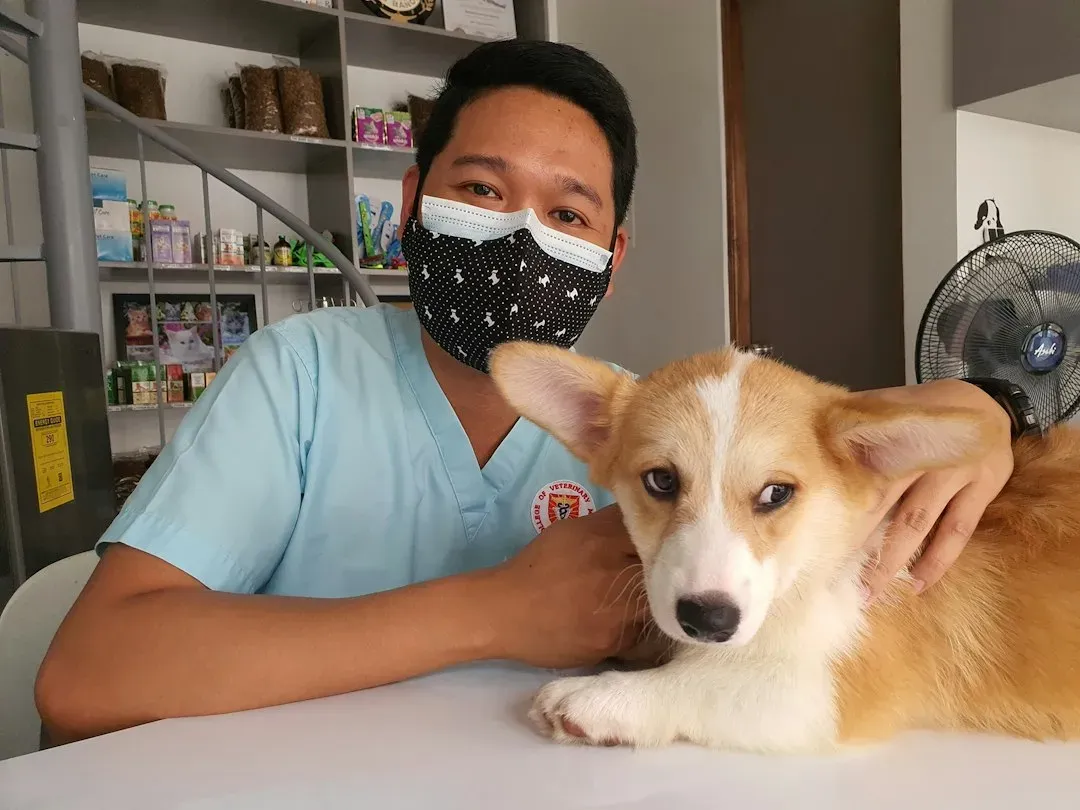
Breeders have heard “I didn’t realize it would cost that much” more times than they can count. Food, vaccinations, preventive care, training classes and grooming add up fast.
Emergencies are the real budget-breakers. A swallowed sock or a torn ligament can cost more than the dog did.
Easy households set aside a cushion before the puppy arrives. Difficult ones treat every vet bill as a crisis.
Money stress also leaks into everything else. Stressed owners have less patience, and training is the first thing to suffer.
Still, one assumption trips up buyers more than any price tag, and it’s waiting at #21…
#21 – Your Fence Isn’t a Substitute for Walks

🔥 Would you like to save this?
We'll email this post to you, so you can come back to it later!
A yard is a convenience, not an exercise plan.
Many breeders ask about fencing. Plenty of buyers hear that as “fence required, walks optional.” That’s the mistake.
Dogs left alone in yards often get bored, not tired. Barking, digging and fence-running are common results. Walks give dogs novelty, sniffing and time with you, and a backyard can’t.
Some breeders argue a fenced yard makes owners lazier. Others call it a safety essential. Both have a point.
Worth Knowing
- A yard gives a dog safe space, but the same smells every day
- A walk brings new scents, sounds and surfaces
- Unsupervised yard time can feed barking and digging habits
- Best split: yard for quick potty breaks and play, walks for real enrichment
Easy households use the yard for safe potty breaks and play. Then they leave it and go somewhere interesting.
Meanwhile, a different kind of mess is waiting at #20…
#20 – You’ve Accepted the Hair
🔥 Would you like to save this?
We'll email this post to you, so you can come back to it later!
Shedding is not a flaw. It’s biology.
Ask breeders what shocks new owners most and “fur” is near the top. Fur on the couch, fur in the coffee, fur in the car.
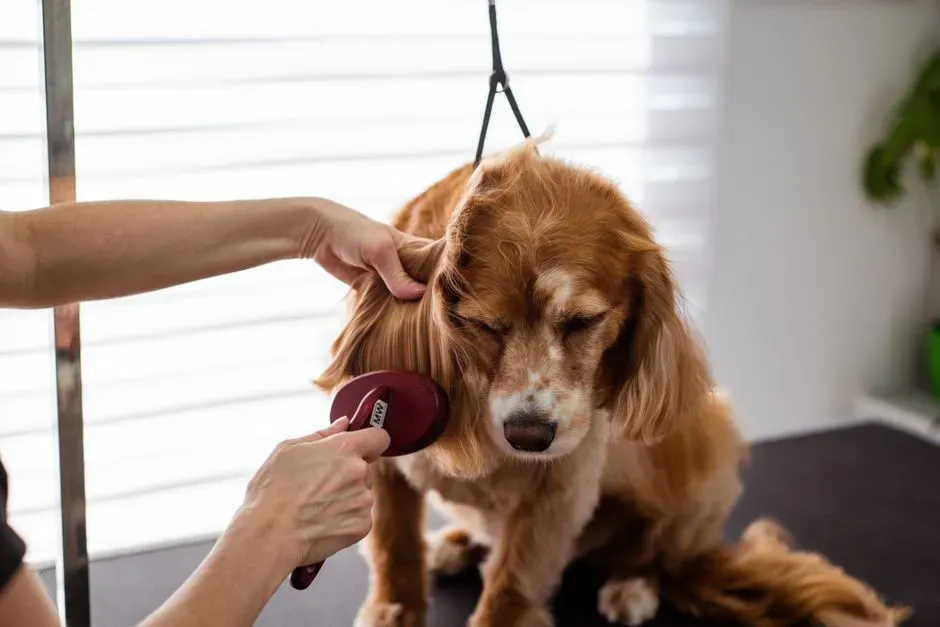
“Low-shedding” doesn’t mean “low-maintenance.” Dogs with continuously growing coats usually need regular professional grooming, or serious home effort, to avoid painful matting.
Easy households pick the coat they can maintain. Difficult ones pick a promise from a marketing label.
- Heavy-shedding coats: frequent brushing, a good vacuum
- Curly or long coats: scheduled grooming, ongoing cost
- Short coats: less hair, but not zero
But hair is quiet compared to what comes next at #19…
#19 – You Can Live With the Noise
🔥 Would you like to save this?
We'll email this post to you, so you can come back to it later!
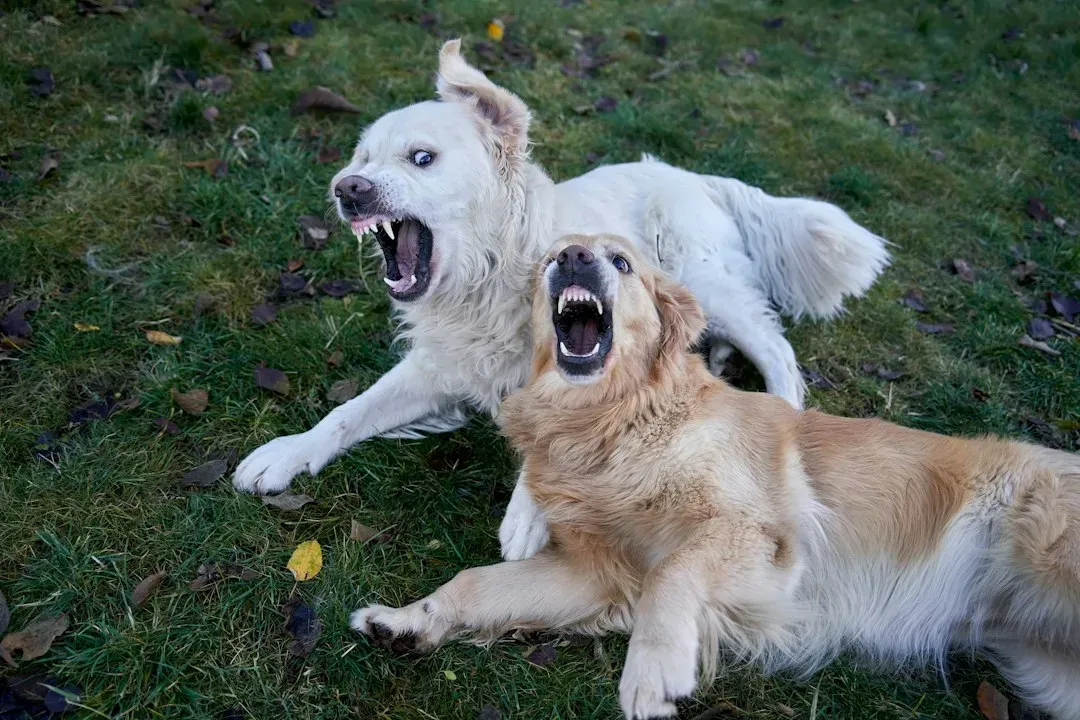
Barking isn’t misbehavior. Often it’s the job description.
Some breeds were developed to alert, to drive stock or to hunt. Vocal behavior was part of the package.
Breeders say noise complaints are among the least-discussed reasons dogs get rehomed. Apartment buyers and close-neighbor households are hit hardest.
Easy households ask about vocal tendencies before buying. Difficult ones find out when a neighbor knocks.
Training can reduce barking. It rarely deletes it. Think about your walls, your neighbors and your own tolerance, and be honest about all three.
What breeders say about kids at #18 divides the room…
#18 – Your Kids Are Part of the Training Plan
🔥 Would you like to save this?
We'll email this post to you, so you can come back to it later!
A dog and a child are both learning at once.
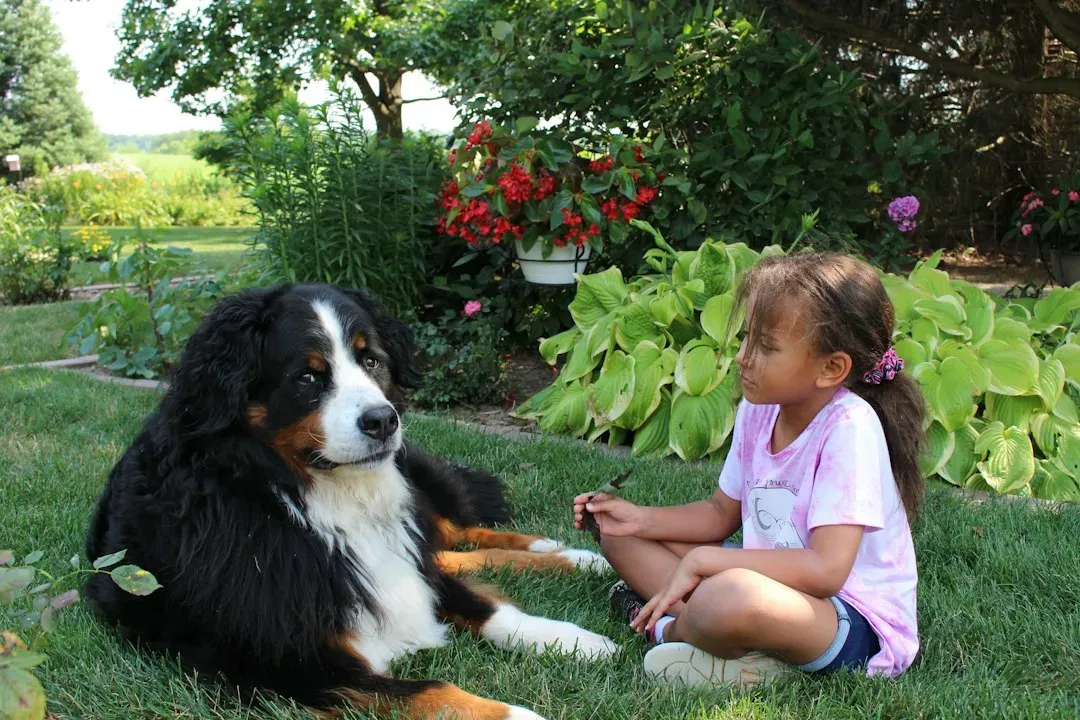
Breeders don’t only worry about dogs biting. They worry about children grabbing, chasing and hugging dogs that don’t want it.
Many “family-friendly” dogs are only as friendly as the rules around them. Breeders want to hear that children will be taught to leave a resting dog alone.
Easy households give kids clear jobs, like helping with meals and practicing basic cues. Difficult ones leave the dog to manage the chaos.
Supervision isn’t optional with young children, no matter how gentle the breed is said to be.
The next point is where whole families quietly fall apart…
#17 – Everyone Follows the Same Rules
🔥 Would you like to save this?
We'll email this post to you, so you can come back to it later!
Inconsistency is the silent training killer.
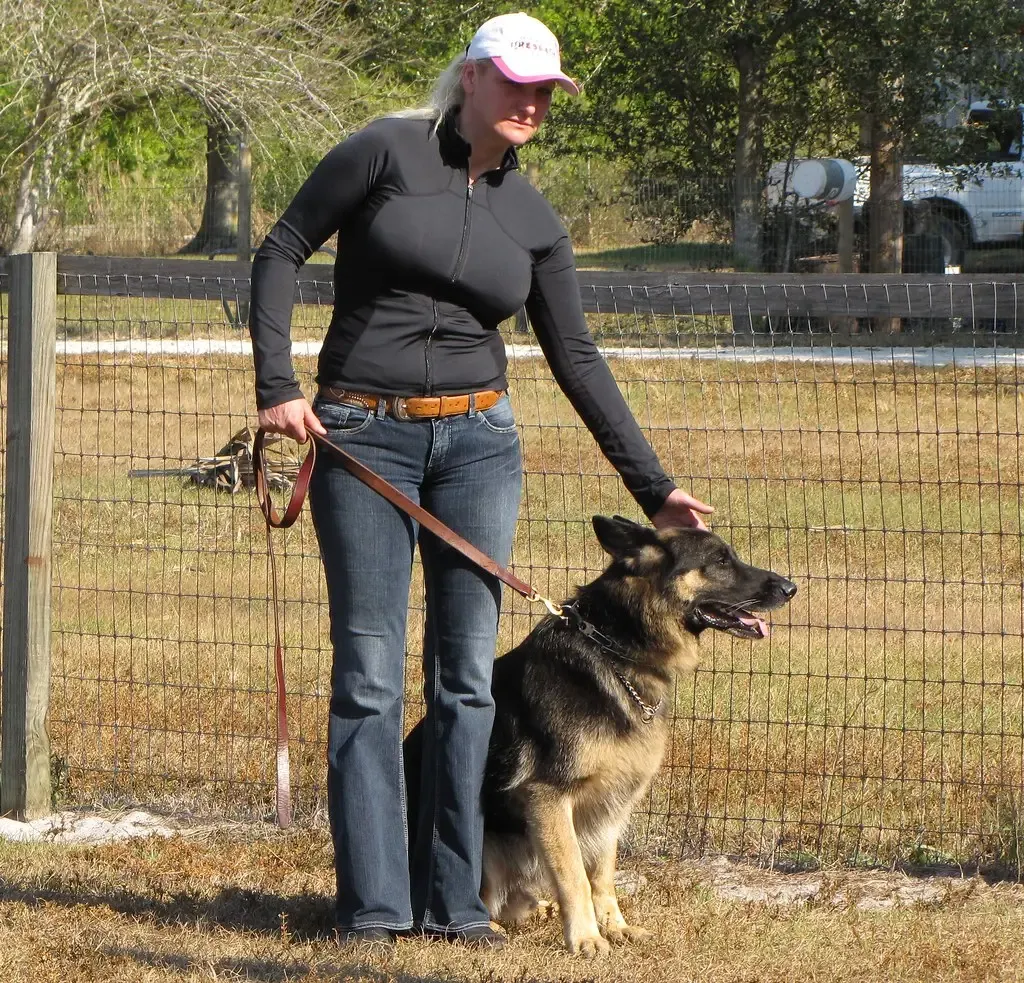
If one person lets the dog on the sofa and another scolds it, the dog isn’t being stubborn. It’s confused.
Dogs learn what works, not what you meant. A single family member who sneaks table scraps can undo weeks of good habits.
Easy households hold one short family meeting and agree on the basics. Difficult ones argue about the dog in front of the dog.
- Where does the dog sleep?
- Is the sofa allowed?
- Who feeds, walks and trains?
Many owners assume a crate solves all of this, but #16 may change your mind…
#16 – You Treat the Crate as a Bedroom, Not a Jail
🔥 Would you like to save this?
We'll email this post to you, so you can come back to it later!
Crates divide calm households from stressed ones.
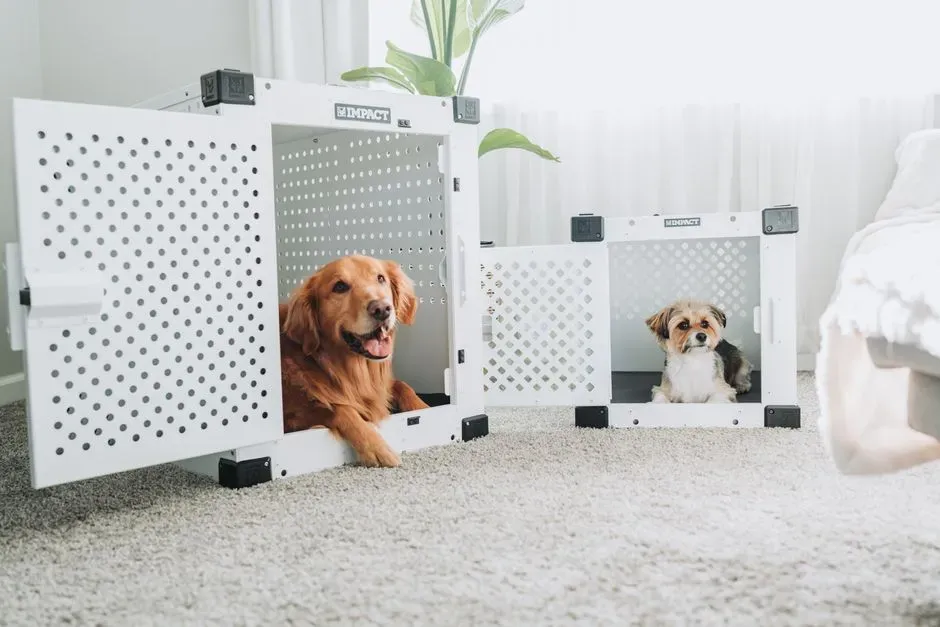
Many breeders recommend crate training. Used well, it supports house training, safe rest and calm travel.
A crate used as punishment can backfire badly. The dog learns to dread the space, which creates the exact anxiety owners were hoping to avoid.
Quick Compare
- Bedroom crate: soft bedding, short stays at first, treats and calm praise
- Jail crate: used after scolding, long stretches, little time out
- The result: one dog wanders in to nap, the other learns to dread the door
Easy households make the crate comfortable, keep stays short at first and link it with good things. Difficult ones lock the dog in when they’re frustrated.
Some critics say crates are overused. That’s fair. The breeders who recommend them usually mean reasonable durations and plenty of out-of-crate time.
Next, a question many buyers dodge at #15…
#15 – You’re Honest About Your Experience

🔥 Would you like to save this?
We'll email this post to you, so you can come back to it later!
Pretending to be an expert is the fastest way to buy the wrong dog.
Breeders prefer a candid first-timer to a confident one. They’ll often steer beginners toward more forgiving temperaments.
Many breeders argue first-time owners should skip the most intense breeds entirely. That’s a controversial view, and some owners prove it wrong. But it’s common.
Easy households admit what they don’t know. Then they sign up for classes, find a mentor and ask questions early.
Difficult households wait until the problems are big. By then, the habits are set.
But even the best beginners struggle with what happens at #14…
#14 – You’re Ready for the Teenage Phase
🔥 Would you like to save this?
We'll email this post to you, so you can come back to it later!
Adolescent dogs test everything, including your patience.
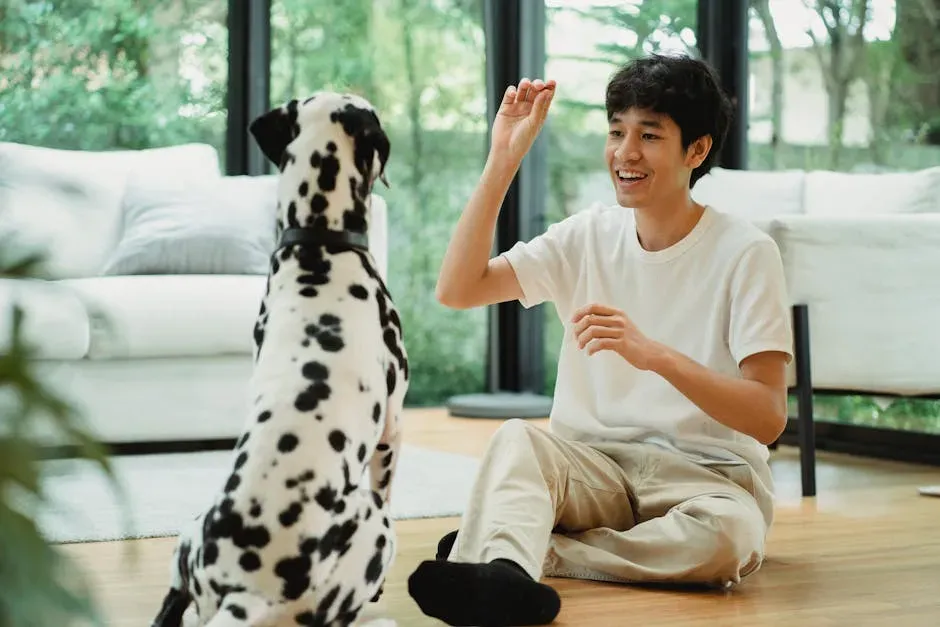
Breeders warn that the sweet puppy phase doesn’t last. Somewhere in the first couple of years, many dogs become pushier, more distractible and less reliable.
A lot of dogs are surrendered during adolescence, not puppyhood. That’s the stage when the cute wears off and the workload peaks.
Easy households expect a regression and stay consistent. Difficult ones take it personally.
- Keep training short and frequent
- Increase exercise and mental work
- Don’t assume the dog “forgot” everything
It’s a phase, and it passes. But it passes best for owners who stay the course.
The timing of the next factor is more urgent than you think…

Hand Blown Glass Hummingbird Feeders for Outdoors Hanging, 24oz Wild Bird Nectar Feeder
Check Price on AmazonAs an Amazon Associate, we earn from qualifying purchases.
10/7/2026 1:23 pm GMTi

Professional 7 in 1 Dog Paw Cleaner for Dogs & Cats - Includes 1 Portable Paw Washer, 1 Bath Brush
Check Price on AmazonAs an Amazon Associate, we earn from qualifying purchases.
10/7/2026 1:26 pm GMTi

Orthopedic Extra Large Dog Bed, Waterproof Washable XL Pet Bed 44"
Check Price on AmazonAs an Amazon Associate, we earn from qualifying purchases.
10/7/2026 1:32 pm GMTi

Halloween Dog Collar with Bow, Orange Cute Ghost Collar,
Check Price on AmazonAs an Amazon Associate, we earn from qualifying purchases.
10/9/2026 2:43 pm GMTi

Halloween Cat Costume Cloak Witch Hat Pet Accessories
Check Price on AmazonAs an Amazon Associate, we earn from qualifying purchases.
10/9/2026 2:44 pm GMTi
#13 – You Treat Socialization as a Priority
🔥 Would you like to save this?
We'll email this post to you, so you can come back to it later!
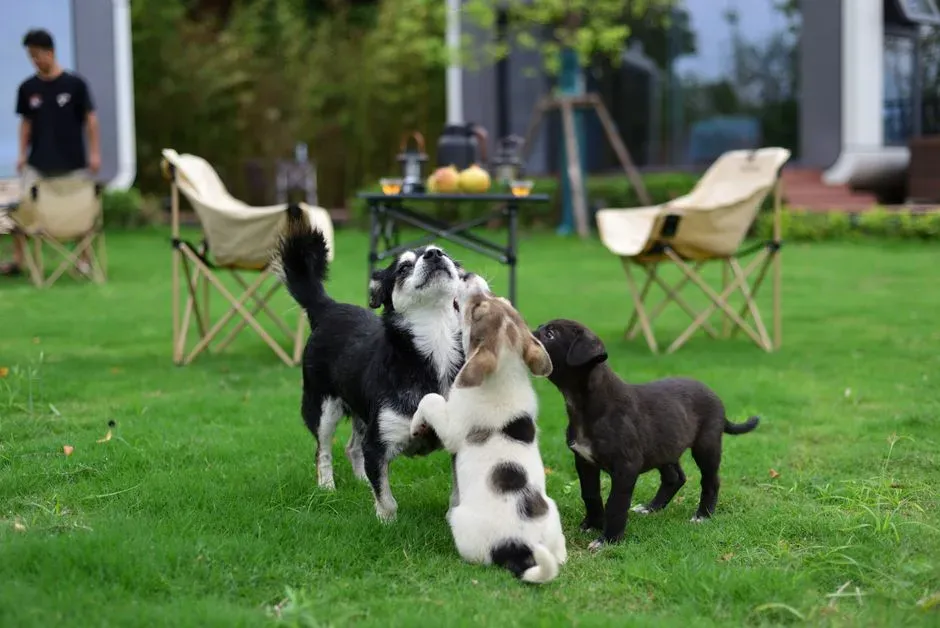
Early experiences shape adult behavior.
Breeders talk about the early socialization window because it closes. Positive exposure to people, sounds, surfaces and handling matters most in the first few months.
Fear that’s built in puppyhood can last for life. Easy households make the effort. Difficult ones keep the puppy sheltered until it’s too late.
This does need balance. Vets advise caution about disease exposure before vaccinations are complete, so the goal is safe, controlled experiences, not crowded dog parks.
Exercise is the next big misunderstanding, and it’s at #12…
#12 – You Exercise the Brain, Not Just the Body

🔥 Would you like to save this?
We'll email this post to you, so you can come back to it later!
A tired body doesn’t always mean a calm dog.
Breeders say some owners just add more running. The dog gets fitter, and the problems continue.
Mental work can tire a dog out faster than a long walk. Sniffing, puzzle feeders and short training games use up energy in a different way.
Easy households mix physical exercise with brain work. Difficult ones create canine athletes with nothing to do.
- Slow, sniff-heavy walks
- Food puzzles instead of bowls
- Five-minute training sessions
But there’s a motive problem that breeders watch for at #11…
#11 – You’re Not Buying a Dog to Fix Something

🔥 Would you like to save this?
We'll email this post to you, so you can come back to it later!
A dog can’t repair a household.
Breeders get wary when a purchase is meant to cure loneliness, grief, a failing marriage or a child’s behavior. The dog can’t carry that weight.
A puppy adds stress before it adds comfort. Households that are already stretched often feel worse in the first months.
Easy households add a dog to a stable life. Difficult ones add it as a solution, then feel let down.
This isn’t a rule against emotional reasons. Companionship is a great reason. It just can’t be the only plan.
And the breeder’s own questions reveal even more at #10…
#10 – You Welcome the Breeder’s Questions

🔥 Would you like to save this?
We'll email this post to you, so you can come back to it later!
A good breeder interviews you. A bad one doesn’t.
Responsible breeders often ask about your home, your schedule and your plans. Some require a contract with a return clause.
Many experienced breeders say a buyer who gets annoyed by questions is a red flag. That’s a strong opinion, but it reflects how seriously they take placements.
Easy households see the interview as a service. Difficult ones see it as an obstacle.
Then comes a moment nobody rehearses, and it happens after dark at #9…
#9 – You Plan for the First Night

🔥 Would you like to save this?
We'll email this post to you, so you can come back to it later!
The first night is louder than expected.
Breeders know the whining, the pacing and the sleepless hours. Your puppy has just left its mother and littermates, and it has opinions about that.
The first few nights are often a test of nerves, not dogs. Owners who give in to every cry may teach a pattern they’ll regret.
Easy households prepare the sleep setup in advance, keep it calm and stay realistic. Difficult ones improvise at 2 a.m.
- Place the bed near yours at first
- Take a bathroom break before bed
- Keep night-time interaction boring
Most puppies settle faster than owners fear. A plan makes the difference.
Another resident’s reaction matters at #8…
#8 – You Think About the Pets You Already Have
🔥 Would you like to save this?
We'll email this post to you, so you can come back to it later!
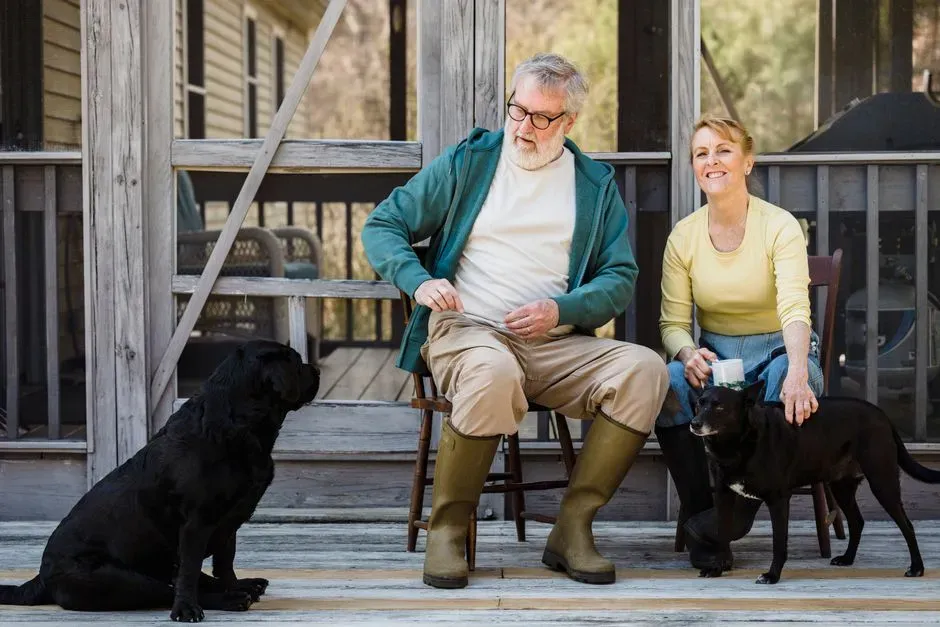
An older dog or cat has a vote.
Breeders ask about current pets because introductions can go well or terribly. Age, temperament and space all matter.
A bold puppy can wear out an older dog’s patience quickly. Resident animals need breaks, boundaries and attention too.
Easy households plan introductions in stages. Difficult ones simply drop the puppy in the living room.
Plan separate spaces and feeding areas. Reward calm behavior from both animals.
Breed instinct is where plans most often collide with reality at #7…
#7 – You Accept the Breed’s Built-In Habits
🔥 Would you like to save this?
We'll email this post to you, so you can come back to it later!
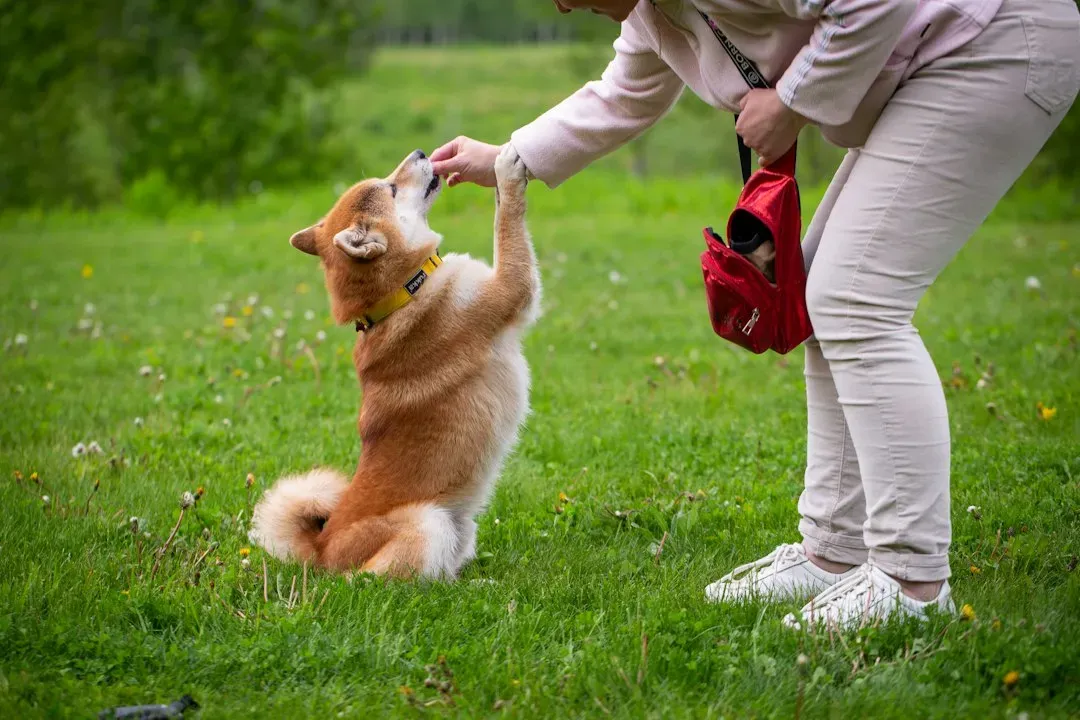
Instinct is not a training failure.
Herding dogs may nip at heels. Terriers may dig. Hounds may follow a scent and ignore you completely. Retrievers may carry everything they can find.
Dogs were shaped for tasks, and those drives don’t vanish in a suburban living room. Breeders see unhappy owners who expected a different dog.
Easy households give instincts a legal outlet. Difficult ones punish them.
A bit of nuance matters here. A large 2022 study in Science found breed explains only a small share of individual behavior differences. Breed is a guide, not a guarantee.
Preparedness for emergencies is next at #6…

Glass Hummingbird Feeder for Outdoors Hanging, 16 oz Leak-Proof Nectar Feeder with Bee Guards & Ant Moat
Check Price on AmazonAs an Amazon Associate, we earn from qualifying purchases.
10/7/2026 1:22 pm GMTi

Smart Bird Feeder with Camera Solar Powered, 2K HD Live Video, 10,000+ Bird Species AI Identification
Check Price on AmazonAs an Amazon Associate, we earn from qualifying purchases.
10/7/2026 1:22 pm GMTi

Dog Stairs for Bed 18" H, 4-Step Dog Steps for High Bed
Check Price on AmazonAs an Amazon Associate, we earn from qualifying purchases.
10/9/2026 2:42 pm GMTi

Air Purifiers for Home Pets Large Room Up to 3000 Ft²,HEPA Air Cleaner with Washable Double-Side Filter, PM2.5 Air Quality Monitor,15dB Sleep Mode for Bedroom Odor Dust Pollen,White
Check Price on AmazonAs an Amazon Associate, we earn from qualifying purchases.
10/8/2026 8:23 am GMTi

2 Pcs Halloween Pet Hat Bandana Set, Witch Pumpkin Costumes for Dogs
Check Price on AmazonAs an Amazon Associate, we earn from qualifying purchases.
10/9/2026 2:45 pm GMTi
#6 – You Already Have a Vet Before You Need One

🔥 Would you like to save this?
We'll email this post to you, so you can come back to it later!
Finding a vet in the middle of a crisis is the worst possible timing.
Breeders often ask new owners to book a check-up within days of pickup. Many contracts require it.
Having an emergency plan before the emergency can save precious time. Know the nearest 24-hour clinic and keep the number handy.
Easy households treat veterinary care as routine. Difficult ones treat it as an emergency service.
- Schedule the first check early
- Save the emergency clinic’s address
- Keep vaccination records together
Preparation costs nothing but an hour.
That brings us to a logistics issue at #5…
#5 – You Have a Travel and Backup Plan
🔥 Would you like to save this?
We'll email this post to you, so you can come back to it later!
Who looks after the dog when you can’t?
Breeders hear about spontaneous trips, work emergencies and family crises. Dogs don’t pause for any of them.
A last-minute boarding search often ends badly. Good facilities may require paperwork and vaccinations, and they can fill up in busy seasons.
Easy households build a small support network: a friend, a sitter, a trusted boarding option. Difficult ones panic.
Even the best preparation can fail without the next point at #4…
#4 – You Keep Training After the Puppy Stage

🔥 Would you like to save this?
We'll email this post to you, so you can come back to it later!
Training doesn’t have a graduation date.
Many breeders say a class certificate isn’t the finish line. Skills fade without practice, and new situations bring new challenges.
Many behavior problems show up after the “training” is supposedly done. That’s often when attention drops and old habits return.
Easy households fold training into everyday life. Difficult ones stop when the novelty ends.
At a Glance
- Before meals: ask for a sit or a calm wait
- At doors: pause before going through
- On walks: reward a loose leash
- Keep each session to a few minutes
Short, daily practice beats occasional marathon sessions. Consistency is more valuable than intensity.
The next point is one breeders feel strongly about…
#3 – You Don’t Rely on Punishment or Fear
🔥 Would you like to save this?
We'll email this post to you, so you can come back to it later!
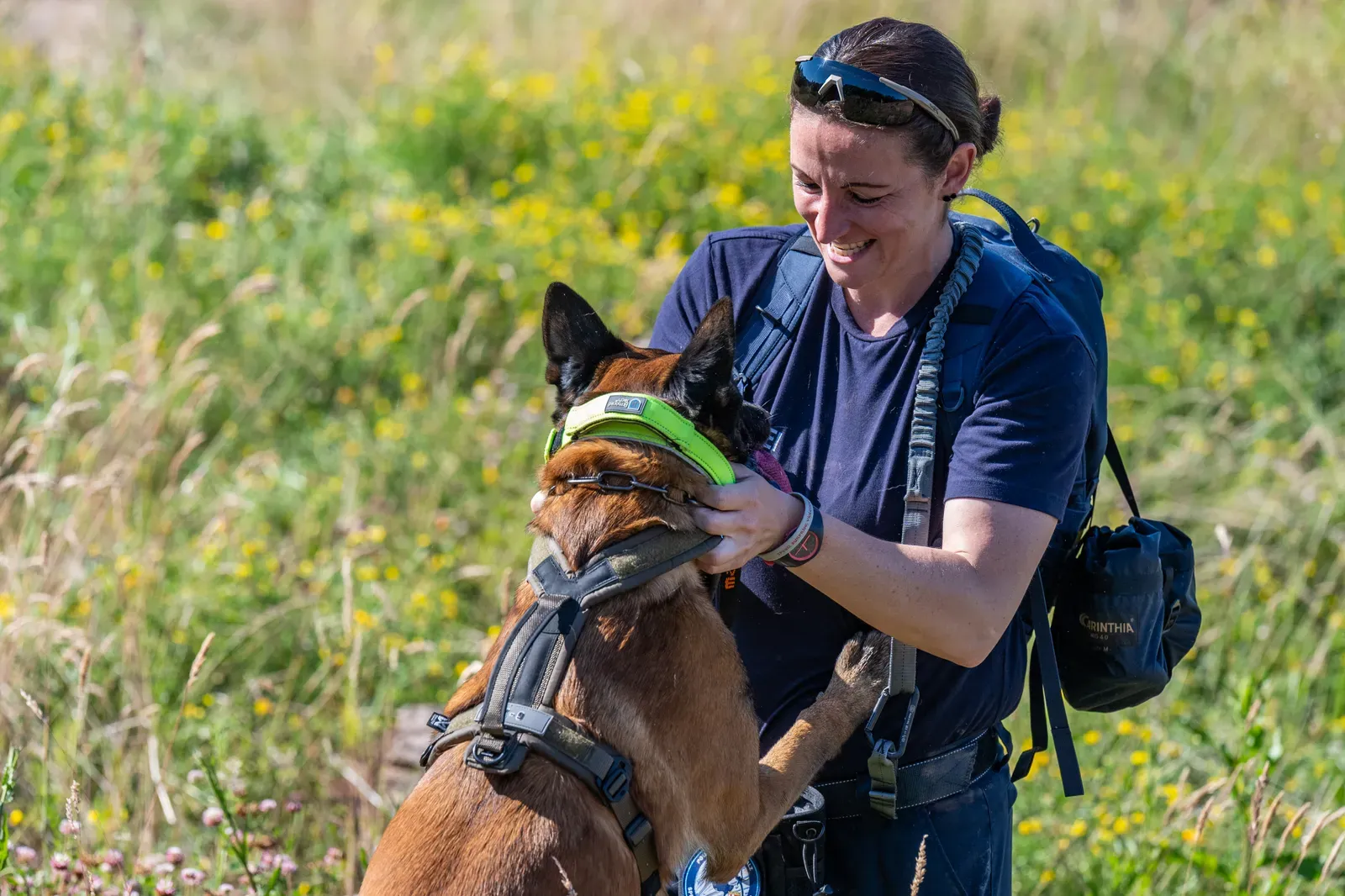
How you correct a dog says everything about the household.
Breeders see the results of harsh methods: dogs that are anxious, avoidant or unpredictable. They tend to steer owners toward reward-based training.
Intimidation often suppresses behavior without fixing the cause. The dog may stop growling, but that doesn’t mean it stopped being afraid.
Easy households teach what to do. Difficult ones only punish what not to do.
Some old-school trainers still disagree, and that debate gets heated. But the broader trend in veterinary and behavior circles favors kind, clear methods.
The second-most important trait is the one nobody expects at #2…

Portable Dog Water Bottle Foldable Dog Travel Water Bottle
Check Price on AmazonAs an Amazon Associate, we earn from qualifying purchases.
10/7/2026 1:29 pm GMTi

Earth Rated XL Dog & Puppy Pee Pads, Discreet Top, Max Absorbency
Check Price on AmazonAs an Amazon Associate, we earn from qualifying purchases.
10/7/2026 1:28 pm GMTi

PetSafe Oasys Pet Fountain, 1/2 Gallon (64 oz), Small Dogs & Cats
Check Price on AmazonAs an Amazon Associate, we earn from qualifying purchases.
10/8/2026 8:14 am GMTi

Glass Hummingbird Feeder for Outdoors Hanging
Check Price on AmazonAs an Amazon Associate, we earn from qualifying purchases.
10/7/2026 1:21 pm GMTi
#2 – You Let the Dog Rest

🔥 Would you like to save this?
We'll email this post to you, so you can come back to it later!
A calm dog is often a well-rested one.
Breeders say owners underestimate how much sleep dogs need. Constant activity and a stream of visitors can leave a puppy wired, nippy and cranky.
An overtired puppy often acts like a hyperactive one. Owners misread it as a bad temperament and add even more activity.
Easy households enforce naps, quiet time and a predictable day. Difficult ones keep the puppy “entertained” until it melts down.
And now the point breeders say matters most of all…
#1 – You’re In It for the Whole Life

🔥 Would you like to save this?
We'll email this post to you, so you can come back to it later!
Breeders say commitment is the whole difference.
Every other item on this list can be learned. Commitment is the one thing that has to be there from day one.
Many dogs live a decade or more, and that’s the real length of the promise. Jobs change, kids grow up, homes move, and the dog is still there.
Easy households treat the dog as family through the boring years, the senior years and the expensive years. Difficult ones treat the dog as a phase.
Responsible breeders often ask buyers to return the dog to them if things fall apart. A buyer who agrees to that without hesitation tells the breeder nearly everything it needs to know.
Here’s our opinion: there’s no such thing as a naturally “easy” dog, only a well-matched household. Breed and genetics matter, but your habits, patience and honesty matter more.
Breeders look for people who plan, ask questions and expect work. They worry about buyers who rely on luck, labels or looks.
So skip the fantasy of the perfect puppy. Pick a dog that fits your real life, then build the routine to match. If you can’t, waiting is a kindness, not a failure.

- 25 Things Breeders Say Separate an Easy Household From a Difficult One - November 6, 2026
- 19 American Park Benefits a Pass Holder Past 62 Rarely Claims - November 6, 2026
- 19 Things Beagle Owners Learn the Hard Way in the First Twelve Months - November 6, 2026